














If you’re looking for more rod recommendations, reel pairings, line setups, and technique-specific advice, head back to the complete Main Gear Guide Page for the full breakdowns on your favorite techniques.
When bass become pressured, conditions turn tough, or fish simply refuse to commit to faster-moving lures, finesse often becomes the answer. Few presentations embody finesse fishing better than the casting drop shot. Built around long casts, subtle action, and natural presentations, this technique allows anglers to cover water efficiently while keeping their bait in the strike zone longer than most traditional approaches.
Unlike vertical drop shotting, which focuses on fish directly beneath the boat, casting a drop shot allows anglers to target expansive flats, points, gravel bottoms, and roaming bass across open water. It combines the fish-catching power of finesse fishing with the ability to search for active fish, making it one of the most versatile techniques in modern bass fishing.
For anglers targeting clear-water bass, pressured fisheries, or finicky fish that have seen every lure imaginable, the casting drop shot remains one of the most dependable tools available.
What Is Casting Drop Shot Fishing?
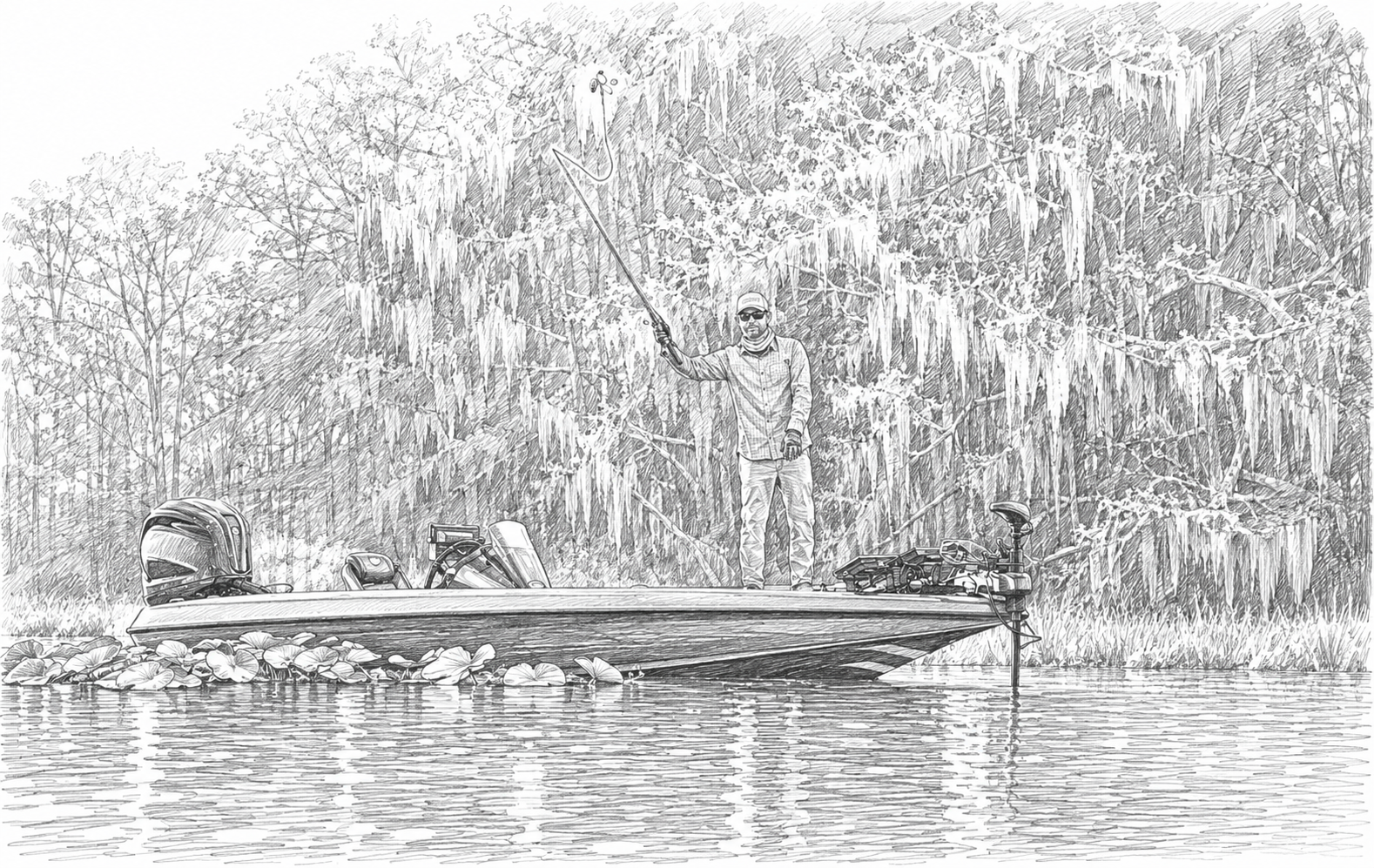
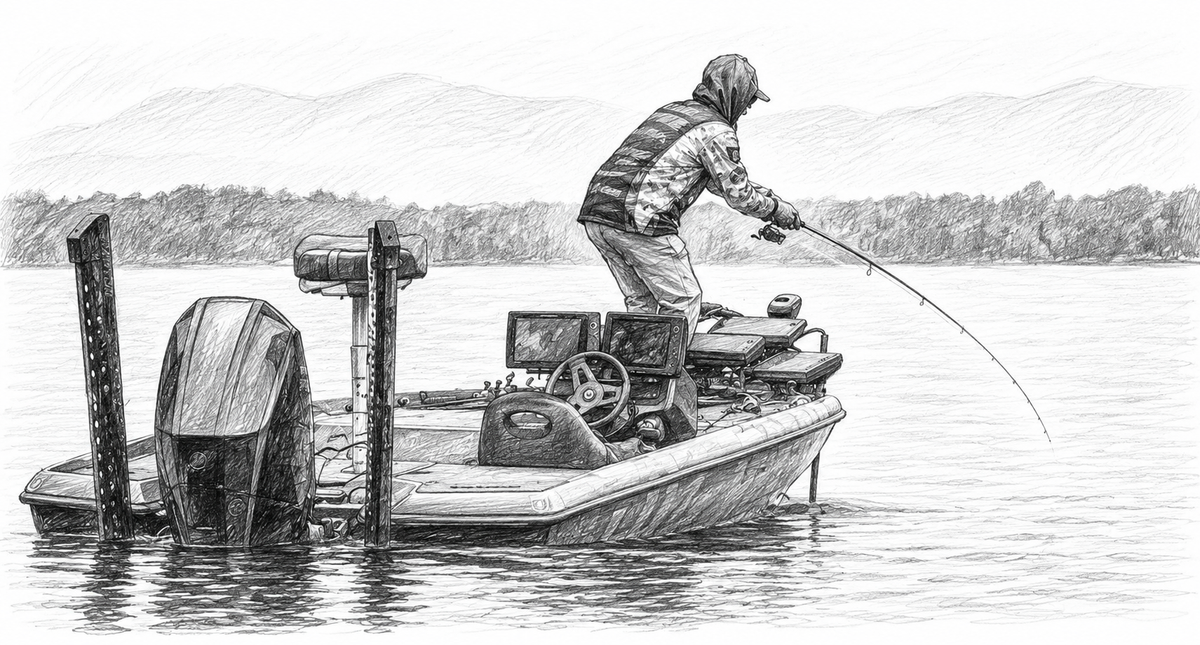
Casting drop shot fishing is an open-water finesse technique where anglers cast the rig away from the boat and slowly work it back through productive areas.
The rig itself remains the same. A weight is attached at the bottom of the line, while the hook is tied several inches above it, allowing the bait to suspend naturally above the bottom. Once the rig lands, the weight settles while the bait hovers just above the structure where bass can easily see it.

Rigged Drop Shot
Unlike vertical presentations, casting a drop shot allows anglers to cover larger areas and target fish that are scattered across flats, points, gravel bars, or open-water structure.
After the cast, the bait is typically worked with slow drags, subtle shakes, or long pauses. The goal is not to aggressively move the lure but to maintain a natural presentation while keeping the bait in front of fish for as long as possible.
This ability to combine finesse with water coverage is what makes casting a drop shot so effective.
Why Casting Drop Shot Works
Bass often become conditioned to traditional moving baits, especially on heavily pressured lakes. They may follow crankbaits, swimbaits, or spinnerbaits without fully committing.
A casting drop shot presents a completely different look.
Because the bait remains suspended slightly above the bottom, it stays highly visible while maintaining a natural, lifelike posture. Instead of racing through the strike zone, it lingers there, giving bass ample opportunity to inspect and eventually commit.
The technique also excels because it allows anglers to fish slowly without sacrificing efficiency. While many finesse techniques focus on a small area, casting a drop shot enables anglers to cover significant stretches of productive water while maintaining the subtle action that triggers bites.
The combination of realism, control, and versatility makes it one of the most productive presentations available when fish are pressured or reluctant to chase.
Where Casting Drop Shot Excels
This technique thrives in open-water environments where bass are feeding on baitfish, relating to bottom structure, or moving through large areas in search of food.
Points, gravel flats, hard-bottom transitions, submerged roadbeds, and offshore humps are all prime targets. The technique is especially effective when bass are spread out rather than concentrated in a single location.
Clear-water fisheries are often ideal because bass can easily locate the suspended bait. In these conditions, the natural presentation becomes a major advantage over more aggressive techniques.
Casting drop shots are also extremely productive when targeting smallmouth bass. Roaming smallmouth often feed over expansive flats or rocky structure where long casts and subtle presentations excel.
Any time bass appear reluctant to chase moving lures but remain willing to feed, this technique deserves serious consideration.
Reading Conditions and Fish Behavior
Understanding fish behavior is critical when fishing a casting drop shot.
One of the biggest clues is following activity without commitment. If bass are showing themselves on electronics or chasing bait but refusing traditional presentations, a drop shot often provides the finesse needed to convert those opportunities into bites.
Water clarity plays a major role as well. The clearer the water becomes, the more important subtle presentations and natural colors become. Bass in clear water have more time to inspect a lure, making realism increasingly important.
Wind can also influence success. While many anglers dislike fishing finesse techniques in windy conditions, moderate wind often positions fish more predictably and can improve feeding activity. The key is increasing weight size enough to maintain bottom contact throughout the retrieve.
Seasonal transitions are another prime opportunity. During spring, summer, and fall, bass frequently move across open-water structure while following baitfish. A casting drop shot allows anglers to cover these areas methodically without moving too quickly.
Pay close attention to where bites occur. A single strike often reveals a depth zone or structure feature that can be repeated elsewhere across the lake.
Technique: Cover Water Methodically
The biggest mistake anglers make with a casting drop shot is fishing too fast. After making a cast, allow the weight to reach the bottom before beginning the retrieve. Once the rig settles, slowly drag the sinker while maintaining contact with the bottom.
Small rod-tip twitches can be added periodically to make the bait quiver in place, but excessive movement is rarely necessary. The weight should remain the primary point of contact while the bait does the work above it.
Pauses are critical. Many bites occur when the bait stops moving and hovers naturally above the structure.Rather than focusing on creating action, concentrate on maintaining a realistic presentation. The bait should appear effortless, almost as if it belongs in the environment.
Line watching is equally important. Many strikes feel like added weight or simply cause the line to move slightly. Staying attentive throughout the retrieve dramatically improves hook-up percentages.
Best Baits for Casting Drop Shot Fishing
Casting drop shot presentations perform best with soft plastics that create natural movement without excessive rod input.
Finesse worms remain one of the most productive choices because they provide subtle action throughout the retrieve. Their slim profile excels when bass are pressured or feeding selectively.
Shad-style plastics are another excellent option, particularly when bass are actively feeding on baitfish. These baits mimic the forage species commonly found around points, flats, and open-water structure.
Curly-tail worms can add slightly more movement when fish are aggressive, while straight-tail designs often excel during tougher conditions. Most anglers favor baits between 4 and 6 inches for open-water applications. These sizes provide enough presence to attract fish while maintaining the finesse characteristics that make the technique effective.

CrushCity Mooch Minnow
Color selection should match water clarity and forage. Natural shad patterns, green pumpkin, smoke, and translucent finishes consistently produce in clear-water environments.
For a complete selection of proven finesse plastics, explore our check out our curated collection of drop shot finesse baits designed specifically for open-water presentations.
Gear Setup for Open-Water Finesse
The ideal casting drop shot setup prioritizes casting distance, sensitivity, and line management.

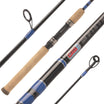
Lew’s Custom Lite Spinning Rod
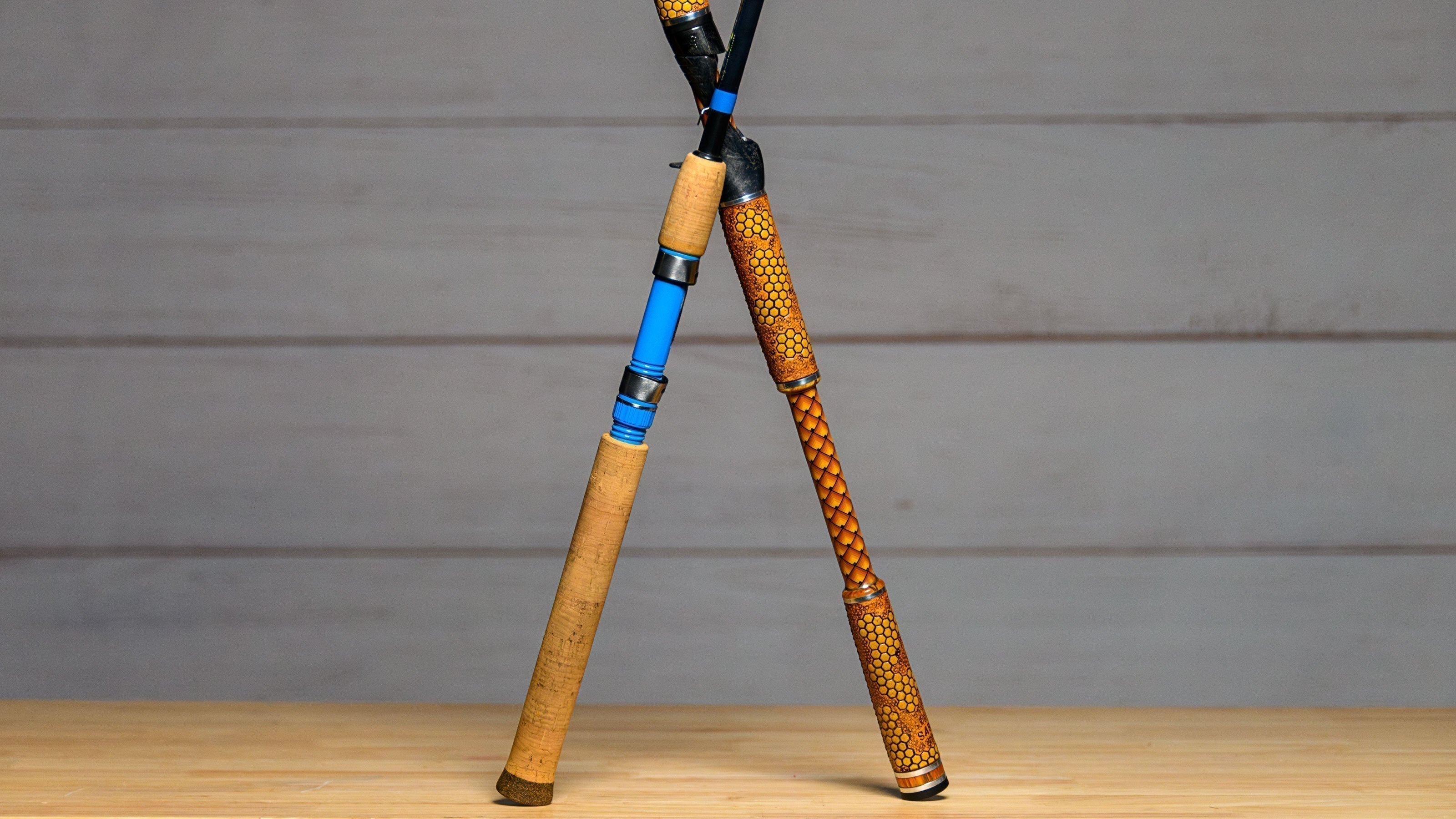
A medium-light spinning rod between 7'0" and 7'4" provides the perfect balance of casting performance and bite detection. The longer length helps launch light rigs farther while maintaining control throughout the retrieve.Start with picking out your rod here.
Fast or extra-fast actions are preferred because they allow anglers to shake the bait effectively while preserving sensitivity.
Choosing the right drop shot rod becomes especially important when fishing open water, where subtle bites often occur at the end of long casts.

Florida Fishing Products Bahia
A quality 2500-3000 size spinning reel complements the setup perfectly. Smooth line management and reliable drag performance are essential when fighting fish on light line far from the boat. Check out our reel recommendations.
Most anglers prefer a 10-15 lb braided mainline paired with a 6-10 lb fluorocarbon leader. This combination maximizes sensitivity while maintaining stealth in clear water. These are the line and leader combinations we pick.
Drop shot weights ranging from 1/8 to 3/8 ounce cover most open-water situations. Lighter weights excel during calm conditions, while heavier options help maintain bottom contact in deeper water or stronger wind. Grab your hooks and weights here.

VMC Neko Hook
Matching your hooks and weights to the size of your bait and the conditions you're fishing can significantly improve both presentation quality and landing percentage.
A Must-Fish Destination: Lake St. Clair
A perfect example of where casting drop shot fishing shines is Lake St. Clair.
Widely regarded as one of the finest smallmouth fisheries in North America, St. Clair features expansive flats, scattered vegetation, and roaming schools of bass that are perfectly suited to long-range finesse presentations.

Lake St. Clair
The lake's exceptionally clear water often requires subtle approaches, especially during periods of heavy fishing pressure. While power techniques certainly catch fish, the casting drop shot consistently produces when bass become selective.
Anglers who make long casts across productive flats and patiently work their baits through feeding zones frequently experience outstanding success. It is a fishery that rewards precision, patience, and confidence in finesse tactics.
Few destinations showcase the effectiveness of open-water drop shot fishing better than Lake St. Clair.
Final Thoughts
Casting drop shot fishing is one of the most versatile finesse techniques available to bass anglers.
It combines the ability to cover water with the subtle presentations necessary to fool pressured and highly conditioned fish. Whether you're targeting smallmouth on expansive flats, largemouth relating to offshore structure, or bass feeding around open-water bait schools, this technique consistently produces when other methods fall short.
The key is resisting the urge to fish too aggressively. Slow down, maintain bottom contact, and let the bait do the work.
Mastering the casting drop shot gives anglers a reliable option for tough conditions, clear water, and highly pressured fisheries. In the end, success often comes from presenting a realistic bait naturally and giving bass enough time to make the decision to bite.
For more rod recommendations, reel pairings, line setups, and drop shot-specific advice, check out the complete Drop Shot Gear Guide and build a finesse system designed to maximize your success on the water.
About the Author
 The team at Mud Hole Custom Tackle are industry leaders in custom rod building, fishing tackle innovation, and technique-specific rod design. With decades of hands-on experience both on the water and at the rod bench, the Mud Hole Staff combines technical expertise with real-world fishing knowledge to help anglers build better rods and catch more fish. From bass and inshore applications to offshore and specialty techniques, their passion for performance-driven gear is at the core of every article, tutorial, and product they develop.