












If you’re looking for more rod recommendations, reel pairings, line setups, and technique-specific advice, head back to the complete Main Gear Guide Page for the full breakdowns on your favorite techniques. And if you're looking specifically for Flipping and Pitching ideas and products, head over to the Flipping and Pitching Gear Guide.
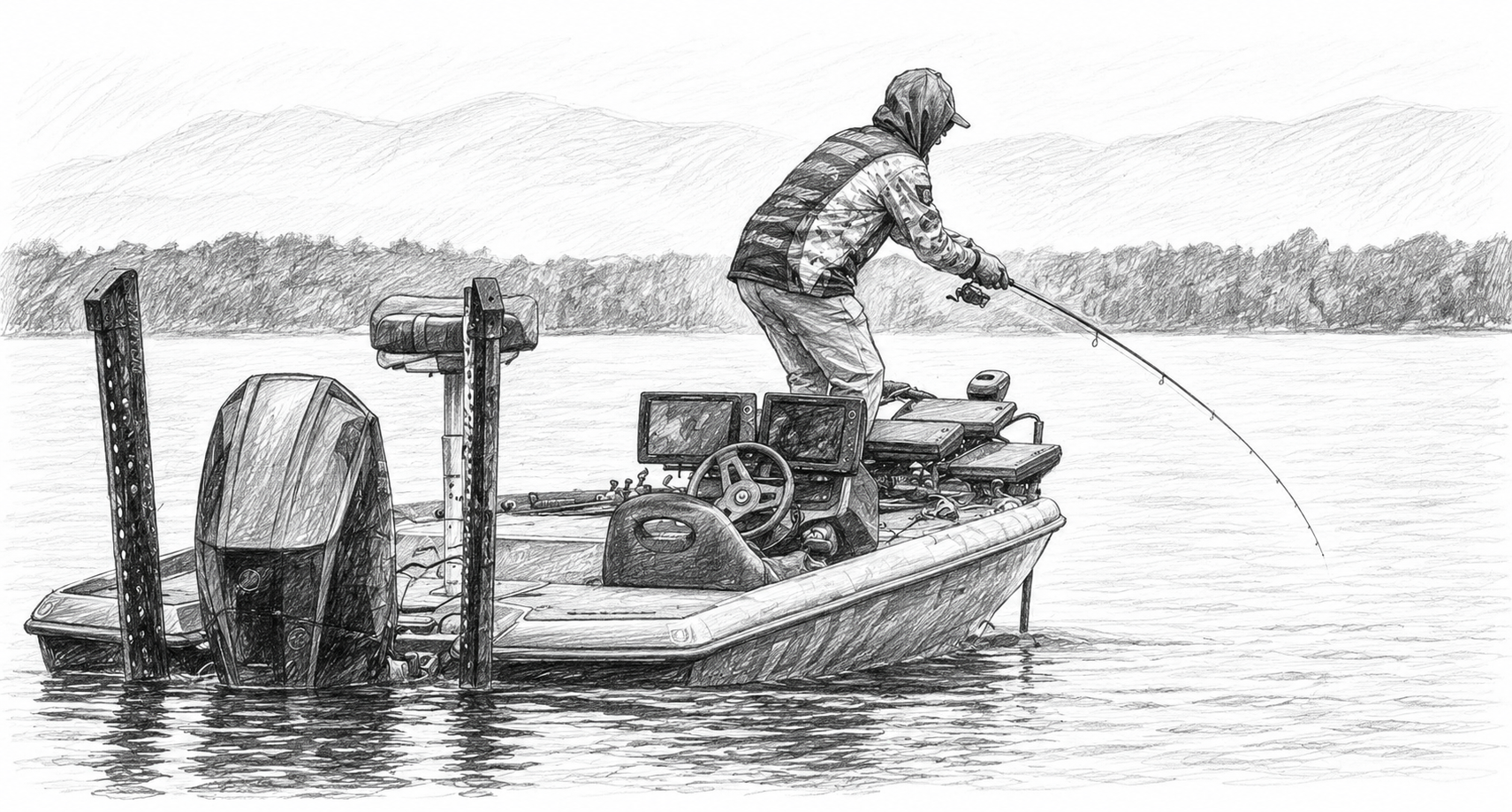
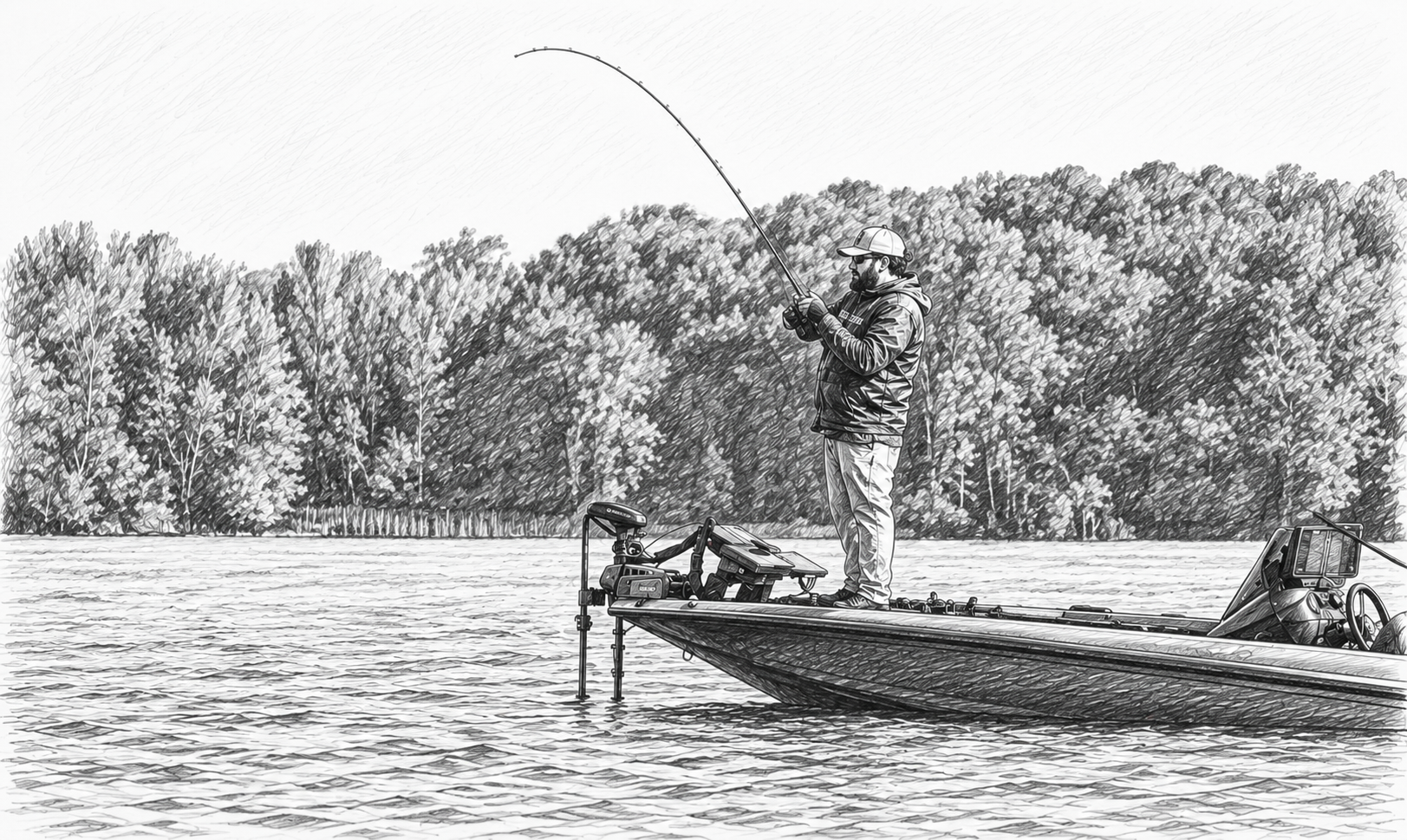
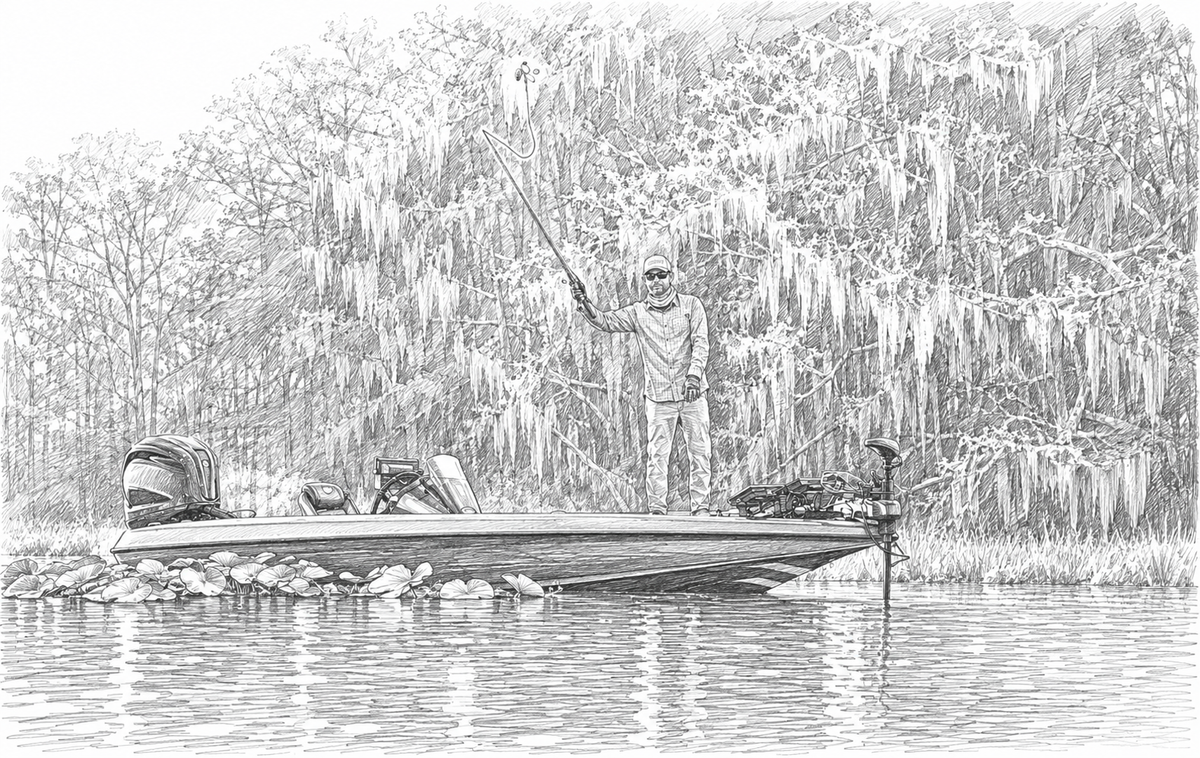
Not every flipping bite is subtle, and not every fish needs to be coaxed. There are times when bass are positioned to react, not think, and that is where reaction and power flipping comes into play. This is an aggressive, high-energy approach built around speed, precision, and forcing a fish to make a split-second decision. Instead of soaking a bait in cover, you are dropping it in fast, getting a response, and moving on just as quickly.
Reaction flipping is not about finesse or patience. It is about efficiency and triggering instinct. When done correctly, it allows you to cover water, locate active fish, and generate bites from bass that might otherwise ignore a slower presentation.
What Is Reaction and Power Flipping?
Reaction flipping is a fast-paced version of traditional flipping and pitching. The goal is to present your bait quickly and aggressively, often with a heavier weight, so it drops into the strike zone with speed and purpose. That sudden intrusion into a bass’s space often triggers a reaction strike.
Power flipping adds another layer to this approach. It involves using heavy gear, strong line, and decisive hooksets to immediately control the fish and pull it out of cover. There is no hesitation. Once a fish commits, you respond instantly and apply pressure to keep it from escaping.
Together, these techniques create a system built on timing and control. You are not waiting for the fish to come to you. You are forcing the interaction and capitalizing on it.
Why Reaction Flipping Works
Bass are instinct-driven predators. While they often feed deliberately, there are moments when they react purely out of impulse. A bait dropping quickly past their face can trigger that instinct, even if they are not actively feeding.
This is especially true in heavy cover or isolated targets where bass have limited time to decide. When something suddenly appears in their strike zone, they either react or miss the opportunity. Reaction flipping takes advantage of that window.
Speed also plays a role in efficiency. By making quick presentations and moving on, you can cover more water and find active fish faster. Instead of spending time trying to convince inactive fish to bite, you are focusing on those that are ready to react.
Where Reaction Flipping Shines
This technique is most effective around isolated cover and defined targets. Grass clumps, small holes in vegetation, isolated laydowns, and pockets within thicker cover are all prime areas.

Lake Toho
Bass positioned in these spots are often set up to ambush prey. They are already in a reactive posture, making them more likely to strike when a bait suddenly enters their space. The key is identifying these high-percentage targets and hitting them efficiently.
Edges of grasslines, small openings in mats, and irregularities in cover are especially productive. These areas concentrate fish and create natural ambush points where reaction bites are more likely to occur.
Timing: The Most Important Factor
Timing is everything in reaction flipping. This is not a technique where you slowly work a bait and wait for a bite. The strike window is often very short, and you need to be ready.
Most bites occur on the initial drop. As soon as the bait enters the water, your focus should be on detecting that quick “tick” or sudden stop. If it does not happen immediately, there is a good chance the fish is not going to commit.
That is why efficiency matters. Drop, watch, react, and move on. The faster you can cycle through targets, the more opportunities you create to intersect with active fish.
Technique: Fishing Fast and With Purpose
Reaction flipping is all about rhythm. Each presentation should be deliberate and controlled, but also quick and efficient.
Position your boat to maximize casting angles and allow you to move down a stretch of cover without constantly repositioning. This helps maintain momentum and keeps you in a flow.
Make short, accurate pitches into key targets. Let the bait fall quickly on a semi-tight line so you can detect bites immediately. If nothing happens on the initial drop, give the bait a quick movement or two, then bring it out and move on.
There is no need to overwork the bait. The goal is to trigger a reaction, not convince a fish over time. The quicker you can identify whether a fish is there and willing to bite, the more water you can cover.
Hooksets need to be immediate and aggressive. When a fish bites, there is no delay. Drive the hook home and apply steady pressure to keep the fish from gaining leverage in the cover.
Best Baits for Reaction Flipping
Bait selection plays a critical role in how effectively you can execute this technique. You need baits that fall quickly, move efficiently through cover, and create enough presence to trigger a reaction. We have curated a full list of the best of the best when it comes to Flipping and Pitch Soft Baits.
Compact jigs are a top choice. Their profile allows for a fast, controlled fall, and they create a strong visual and vibration cue as they drop. Paired with the right trailer, they can mimic both bluegill and crawfish.

Reaction Innovations Sweet Beaver
Texas-rigged creature baits and beaver-style baits are also highly effective. Their streamlined shape helps them penetrate cover quickly, while still providing enough action to get noticed.
Weight selection is key. Heavier weights, often in the 1/2 to 1 ounce range, help create that fast drop that triggers reaction strikes. Lighter weights can slow the presentation too much and reduce effectiveness. We always recommend your terminal tackle of hooks and weights to be flipping a pitching specific. Here is our list of what should be in your tackle box.
Color should match the conditions, but contrast can help in triggering reaction bites. Dark colors like black and blue are reliable, especially in stained water or low-light conditions.
Gear Setup for Power Flipping
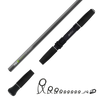
Reaction flipping demands gear that can keep up with the pace and handle the intensity of the bite. Of course we begin with choosing the right Flipping and Pitching Rod for this technique.

Scenko Stix Expansion Series
A heavy or extra-heavy casting rod, typically between 7’2” and 7’6”, provides the backbone needed for strong hooksets and immediate control. The rod should have enough tip to allow for accurate pitching but plenty of power in the lower section.
Choosing the right flipping and pitching reel is critical for making quick, accurate presentations and maintaining control in heavy cover. A high-speed reel with a strong drag system helps anglers pick up line fast, drive solid hooksets, and pull big fish away from thick vegetation or structure. Check out our curated list of recommended flipping and pitching reels to find the best option for your style of fishing and target cover.

Daiwa J-Braid 65lb
Braided line is the standard for most power flipping applications. Line in the 50 to 65 pound range provides the strength and durability needed to handle heavy cover and aggressive hooksets. We have our recommended list of proven line for flipping and pitching here.
Your drag should be tight. Once a fish is hooked, you need to move it immediately and keep it coming toward you.
A Must-Fish Destination: Lake Toho
A perfect example of where reaction and power flipping excels is Lake Tohopekaliga. Known for its vegetation, isolated grass clumps, and shallow cover, Toho provides endless opportunities to fish aggressively and cover water.

Lake Toho
Bass in this system often position in small pockets and irregularities within grass, making them ideal targets for reaction-style presentations. The ability to move quickly, hit key spots, and trigger bites is often the difference between a slow day and a productive one.
Toho rewards anglers who fish with confidence and maintain a steady rhythm, making it an ideal fishery to refine this technique.
Final Thoughts
Reaction and power flipping is about forcing the issue. It is fast, aggressive, and built around triggering instinct rather than waiting for opportunity. For anglers who prefer an active approach and want to cover water efficiently, it is one of the most effective ways to fish heavy cover.
This technique requires confidence. You have to trust your presentation, your timing, and your ability to recognize a bite instantly. It is not about second-guessing. It is about committing to each pitch and moving forward.
When everything comes together, the results can be explosive. Big fish, violent strikes, and a pace that keeps you engaged from the first cast to the last. For those willing to embrace the speed and intensity, reaction flipping becomes more than just a technique. It becomes a mindset.
For more rod recommendations, reel and line combinations, plus in-depth technique advice, check out the full Flipping and Pitching Gear Guide to help you catch more big bass!
About the Author

The team at Mud Hole Custom Tackle are industry leaders in custom rod building, fishing tackle innovation, and technique-specific rod design. With decades of hands-on experience both on the water and at the rod bench, the Mud Hole Staff combines technical expertise with real-world fishing knowledge to help anglers build better rods and catch more fish. From bass and inshore applications to offshore and specialty techniques, their passion for performance-driven gear is at the core of every article, tutorial, and product they develop.