















If you’re looking for more rod recommendations, reel pairings, line setups, and technique-specific advice, head back to the complete Main Gear Guide Page for the full breakdowns on your favorite techniques. And if you're looking specifically for Flipping and Pitching ideas and products, head over to the Flipping and Pitching Gear Guide.
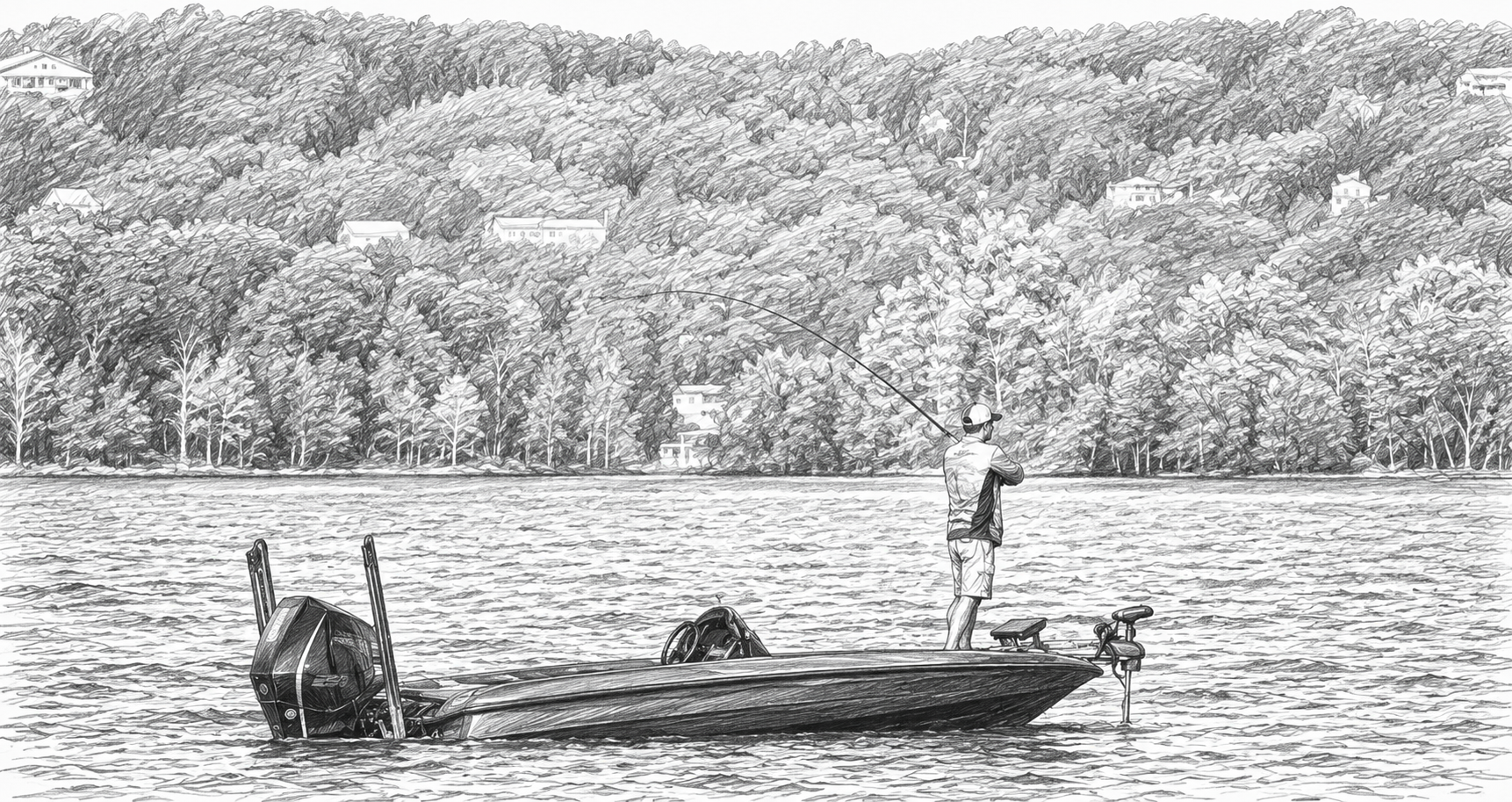
Shallow water brush is one of the most overlooked yet consistently productive forms of cover in bass fishing. While docks, grass, and offshore structure tend to get most of the attention, brush along the bank, flooded bushes, layover limbs, and scattered shoreline cover quietly hold fish throughout the year. For anglers who take the time to understand it, flipping and pitching shallow brush can produce some of the most consistent bites, especially when conditions push bass tight to the bank.
This style of fishing is all about precision and awareness. Unlike large, obvious targets, shallow brush often looks subtle and unassuming. But beneath that surface complexity lies a network of ambush points that bass use to feed, hide, and position themselves based on changing water levels and seasonal patterns.
Understanding Shallow Brush and Bank Cover
Shallow brush can take many forms. It might be flooded bushes during high water, overhanging limbs, isolated shoreline brush piles, or even small clusters of sticks and debris that collect along the bank. What separates brush from other cover types is its irregularity and its proximity to shallow water.

Lake Seminole
These areas often exist in water less than five feet deep, sometimes even inches deep, yet they can hold quality fish. The key is that brush creates just enough cover to break up the environment. It gives bass something to position against while still allowing them quick access to open water.
Unlike larger structures, brush is often seasonal. Rising water can flood new areas and create fresh cover overnight, while falling water can pull fish away just as quickly. Understanding how water level changes affect brush is one of the most important aspects of this pattern.
Why Bass Relate to Shallow Brush
Bass are opportunistic, and shallow brush gives them everything they need in a compact, efficient space. It provides concealment, access to food, and often warmer water during key times of the year.
In the spring, brush becomes especially important. Flooded bushes and shoreline cover create ideal spawning and staging areas. Bass move shallow to reproduce and use brush for protection, making it one of the best times to flip and pitch these areas.
Food is always a factor. Bluegill, minnows, and crawfish all use shallow brush for cover, and bass position themselves to take advantage of that. Even small pieces of brush can hold fish if the conditions are right.
Another overlooked factor is security. In pressured waters, bass often move into less obvious cover to avoid anglers. Shallow brush, especially in areas that do not get heavily targeted, can hold fish that are less pressured and more willing to bite.
What to Look for in Productive Brush
Not all brush is worth your time, and identifying high-percentage targets is key to efficiency.
Isolated brush is often the best place to start. A single bush or small cluster of cover can act as a magnet, especially if it is surrounded by otherwise bare shoreline. These targets are easy for bass to claim and defend, making them more likely to hold fish.
Look for brush near deeper water or subtle drop-offs. Even in shallow environments, proximity to depth gives bass an escape route and increases the likelihood that they will use that cover consistently.
Pay attention to water clarity and sunlight. In clearer water, bass may position tighter to the thickest parts of the brush, while in stained water, they may roam slightly more within the cover. Shade from overhanging limbs or bushes can also make a difference, especially during bright conditions.
Freshly flooded brush is often a goldmine. When water rises and covers new shoreline vegetation, bass move in quickly to take advantage of the new habitat and feeding opportunities.
Seasonal Patterns and Timing
Shallow brush shines brightest in the spring, but it remains relevant throughout the year with the right conditions.
During the pre-spawn and spawn, bass move shallow and use brush as staging and nesting areas. This is one of the best times to target these fish, as they are both accessible and aggressive.
In the summer, shallow brush can still hold fish, especially early in the morning or late in the evening. During the heat of the day, bass may move to slightly deeper cover, but they often return to brush to feed during low-light periods.
Fall can bring renewed activity as baitfish move shallow. Brush becomes a feeding station where bass can ambush prey, creating opportunities for aggressive bites.
In winter, shallow brush is more situational, but it can still produce, particularly during warming trends or in areas where water remains relatively stable.
Time of day plays a role as well. Low-light conditions often see bass positioned more loosely around brush, while bright conditions push them tighter into the thickest parts of the cover.
Technique: Fishing Brush Effectively
Flipping and pitching shallow brush requires a deliberate, methodical approach. Each piece of cover should be treated as a potential holding spot, even if it looks insignificant.
Start by making quiet, accurate presentations to the outer edges of the brush. These areas often hold more active fish. From there, work your bait deeper into the cover, targeting the thickest sections where bass are likely to be positioned.
Angle is important. Approaching the brush from different directions can help you reach spots that are otherwise difficult to access. Boat positioning should allow for controlled, precise presentations without spooking fish.
Your bait should enter the water with minimal disturbance. In shallow water, noise and splash can easily spook fish. Let the bait fall naturally, and be ready for a bite on the initial drop.
If the bait reaches the bottom without a bite, work it subtly in place before moving on. Often, it takes multiple presentations to trigger a strike, especially in pressured areas.
Best Baits for Shallow Brush
When fishing shallow brush, lure selection should focus on subtlety and efficiency. We have curated a full list of the best of the best when it comes to Flipping and Pitch Soft Baits.
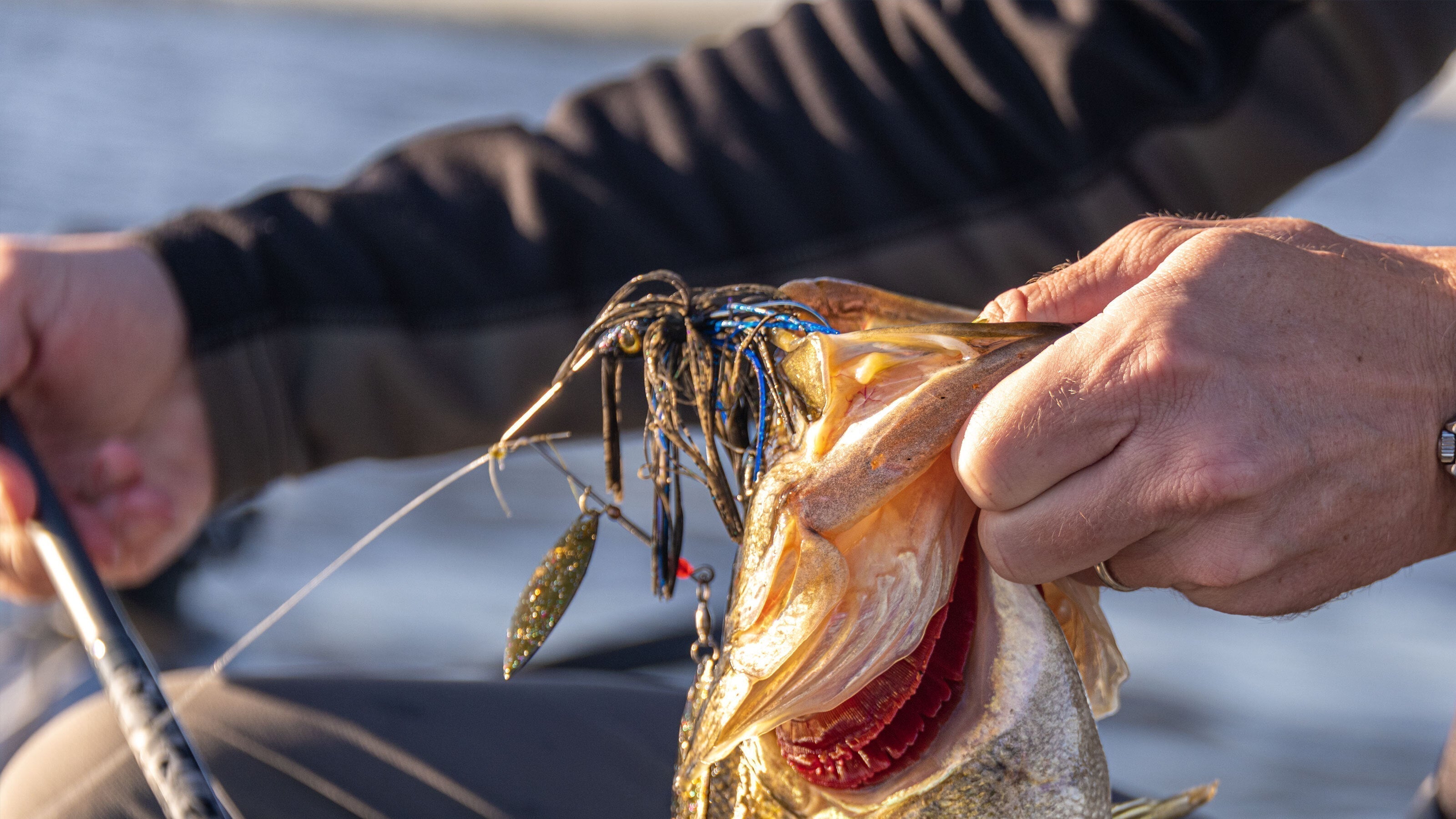
Flipping jigs are a top choice, offering a compact profile that can move through cover while mimicking natural prey like crawfish and bluegill. Lighter weights are often preferred in shallow water to allow for a slower, more natural fall.

Double Weed-Guard Jig
Texas-rigged soft plastics are also highly effective. Creature baits, worms, and beaver-style baits can be pitched into tight spaces and worked through brush with minimal hang-ups.
Weight selection is important. In shallow water, lighter weights help maintain a natural presentation and reduce splash. However, enough weight is needed to control the bait and reach the strike zone. We always recommend your terminal tackle of hooks and weights to be flipping a pitching specific. Here is our list of what should be in your tackle box.
Color should match the conditions. Natural tones work well in clear water, while darker or more contrasting colors can help fish locate the bait in stained environments.
Gear Setup for Brush Fishing
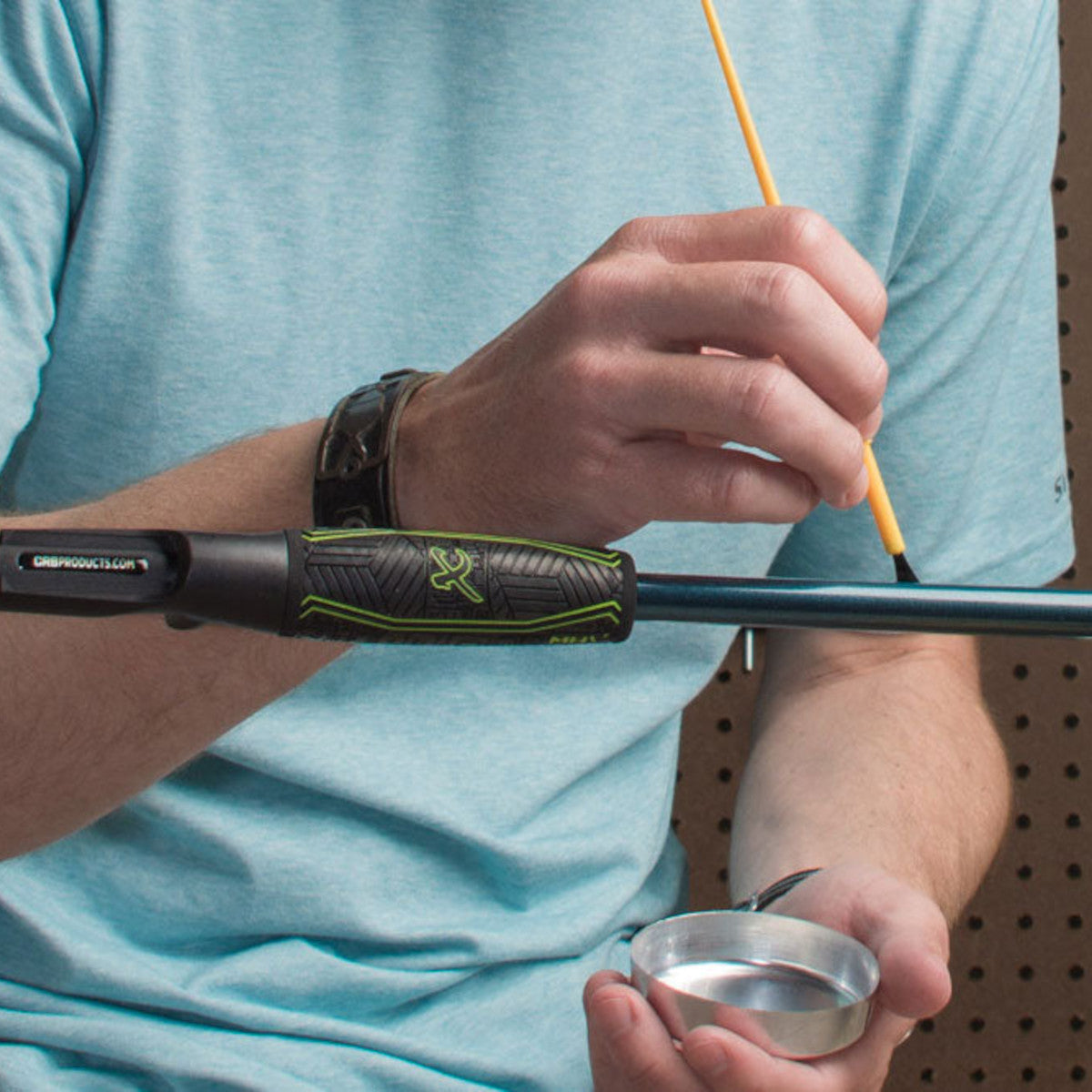
Fishing shallow brush requires a balance between finesse and power. Of course we begin with choosing the right Flipping and Pitching Rod for this technique. A medium-heavy casting rod in the 7’ range provides enough backbone to handle fish in cover while still allowing for accurate presentations.

St. Croix Black Bass Casting Rod
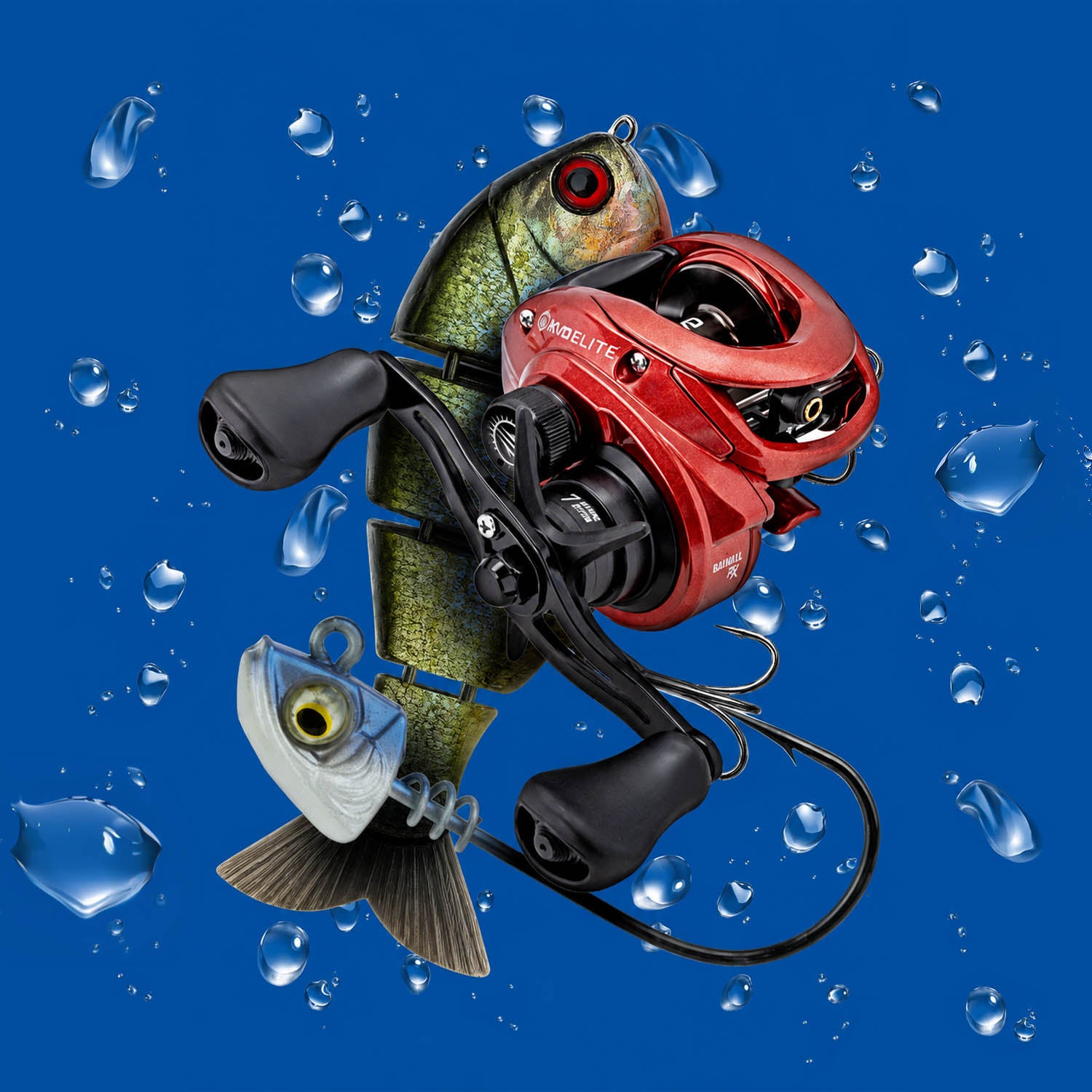
Choosing the right flipping and pitching reel is critical for making quick, accurate presentations and maintaining control in heavy cover. A high-speed reel with a strong drag system helps anglers pick up line fast, drive solid hooksets, and pull big fish away from thick vegetation or structure. Check out our curated list of recommended flipping and pitching reels to find the best option for your style of fishing and target cover.

Seaguar Basix
Line choice depends on the density of the cover. Fluorocarbon is a great option for clearer water and lighter brush, offering sensitivity and a more subtle presentation. In heavier brush, braided line provides added strength and abrasion resistance. We have our recommended list of proven line for flipping and pitching here.
Your drag should be set firm enough to control fish but not completely locked down, allowing for a bit of give when needed.
A Must-Fish Destination: Lake Seminole
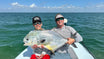
A prime destination for shallow brush fishing is Lake Seminole. Known for its mix of grass, timber, and shoreline vegetation, Seminole offers outstanding opportunities to flip and pitch shallow brush, especially during the spring when water levels rise and flood new areas.

Lake Seminole
The lake’s diverse habitat creates endless combinations of brush, making it an ideal place to develop this technique. From flooded bushes to isolated shoreline cover, Seminole consistently produces quality bass for anglers who are willing to slow down and fish thoroughly.
It is a fishery that rewards attention to detail and a willingness to target less obvious cover, making it a perfect example of how effective shallow brush fishing can be.
Final Thoughts
Flipping and pitching shallow brush is one of the most underrated patterns in bass fishing. It does not always get the spotlight, but it consistently produces for anglers who understand how to approach it.
This is a technique built on observation and precision. It requires you to slow down, read the water, and treat every piece of cover as an opportunity. Over time, you will begin to recognize the subtle differences that separate average spots from high-percentage targets.
For those willing to embrace the process, shallow brush offers a reliable and often overlooked path to success. It is proof that sometimes the best opportunities are hiding in plain sight, right along the bank.
For more rod recommendations, reel and line combinations, plus in-depth technique advice, check out the full Flipping and Pitching Gear Guide to help you catch more big bass!
About the Author

The team at Mud Hole Custom Tackle are industry leaders in custom rod building, fishing tackle innovation, and technique-specific rod design. With decades of hands-on experience both on the water and at the rod bench, the Mud Hole Staff combines technical expertise with real-world fishing knowledge to help anglers build better rods and catch more fish. From bass and inshore applications to offshore and specialty techniques, their passion for performance-driven gear is at the core of every article, tutorial, and product they develop.