
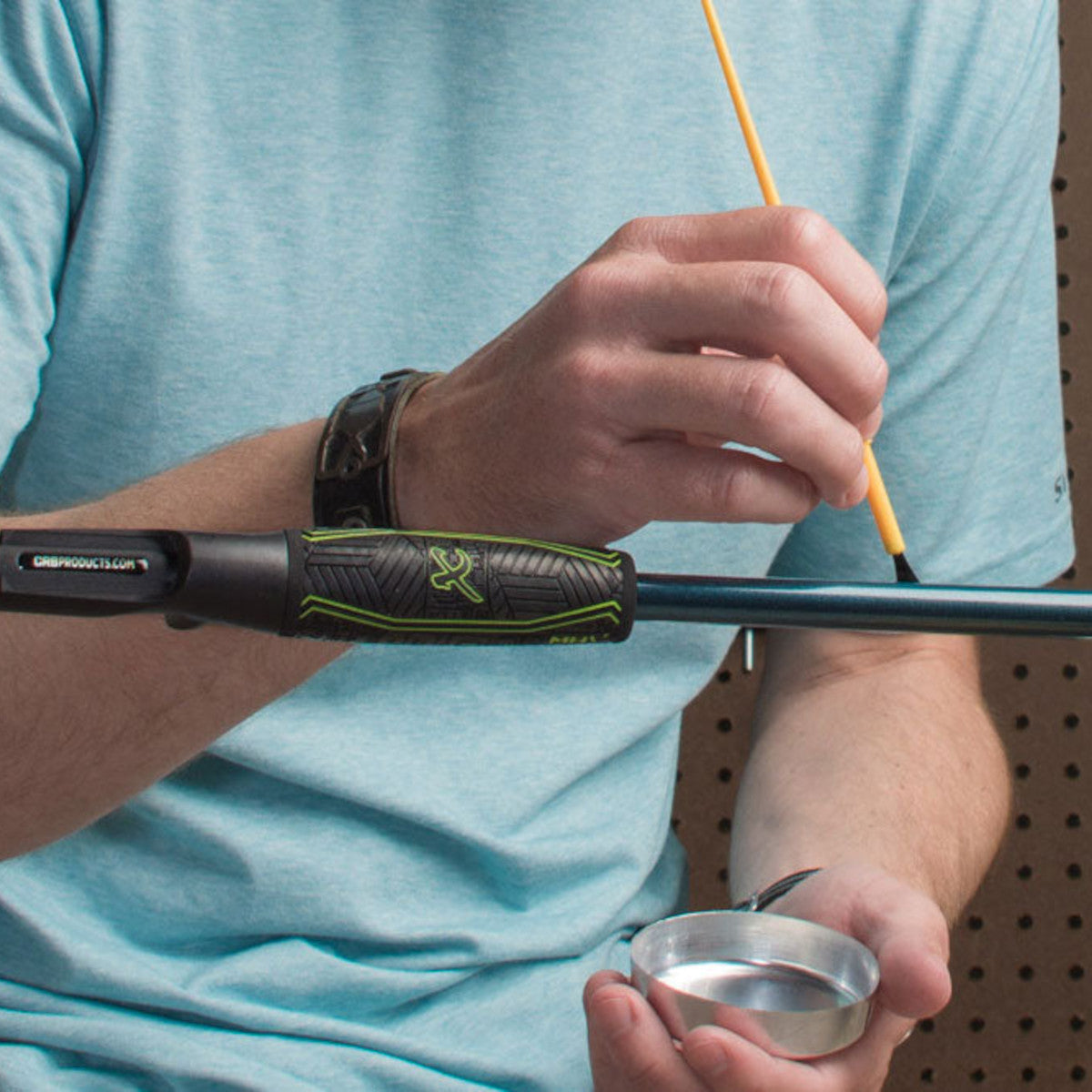
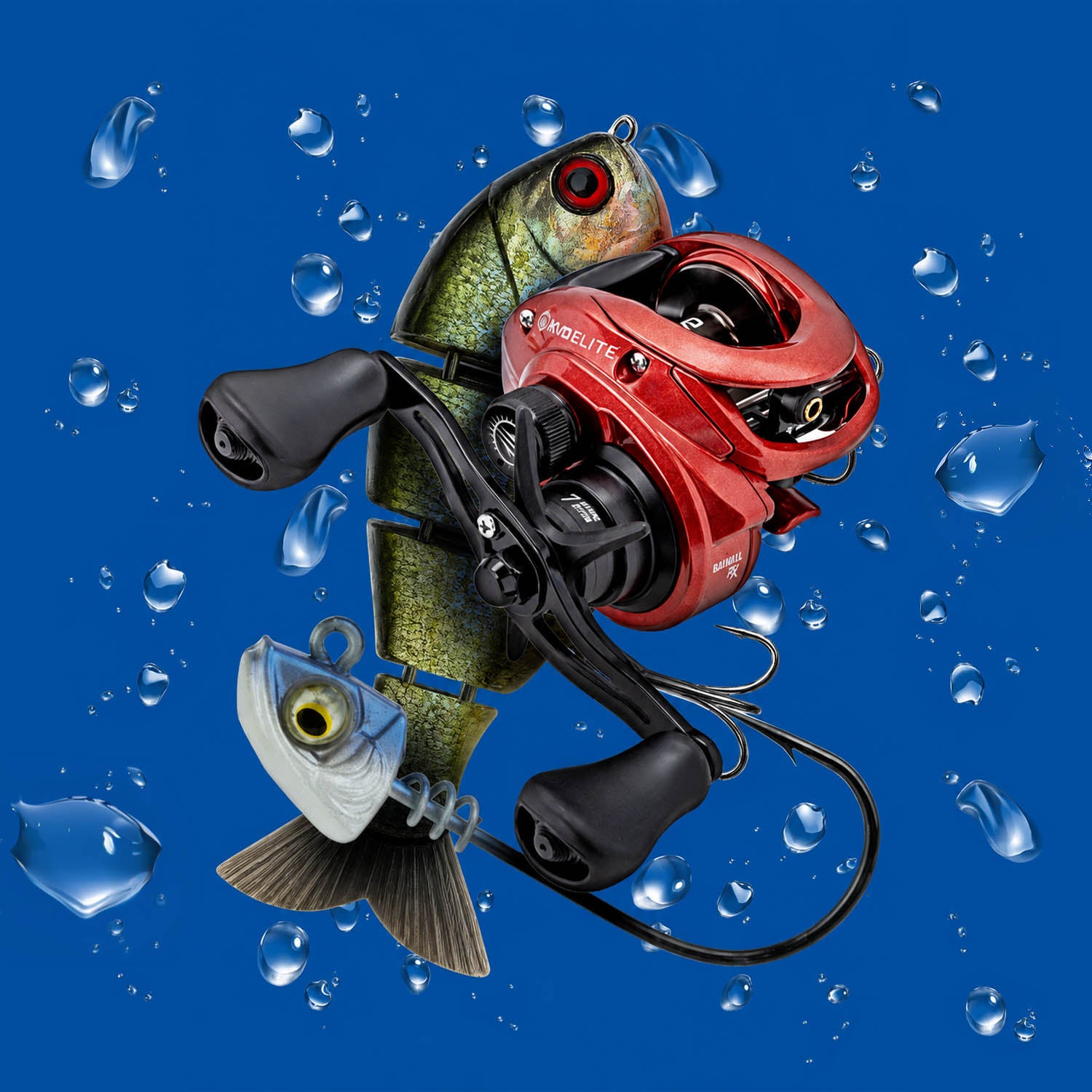
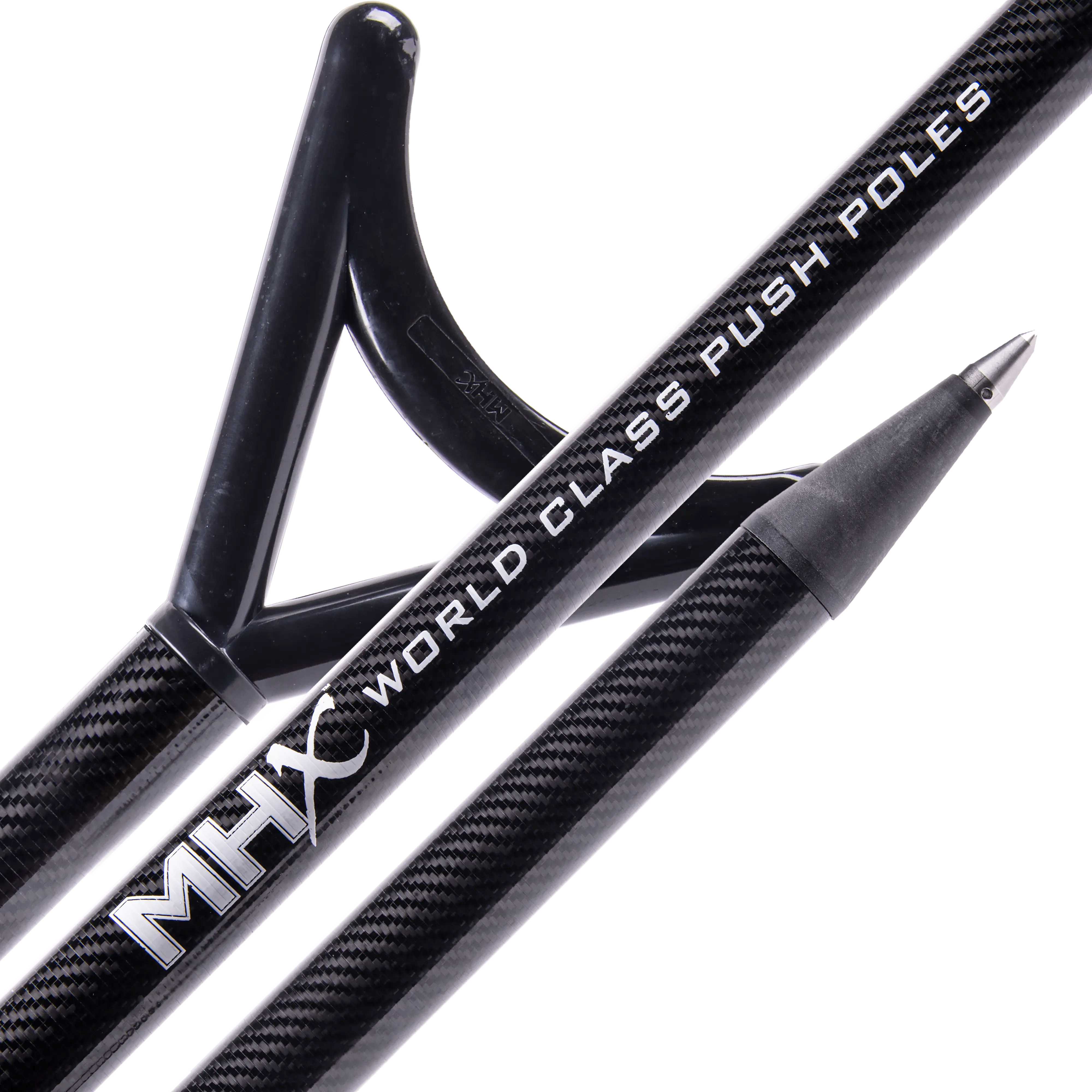


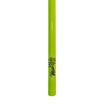
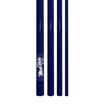


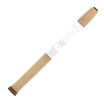




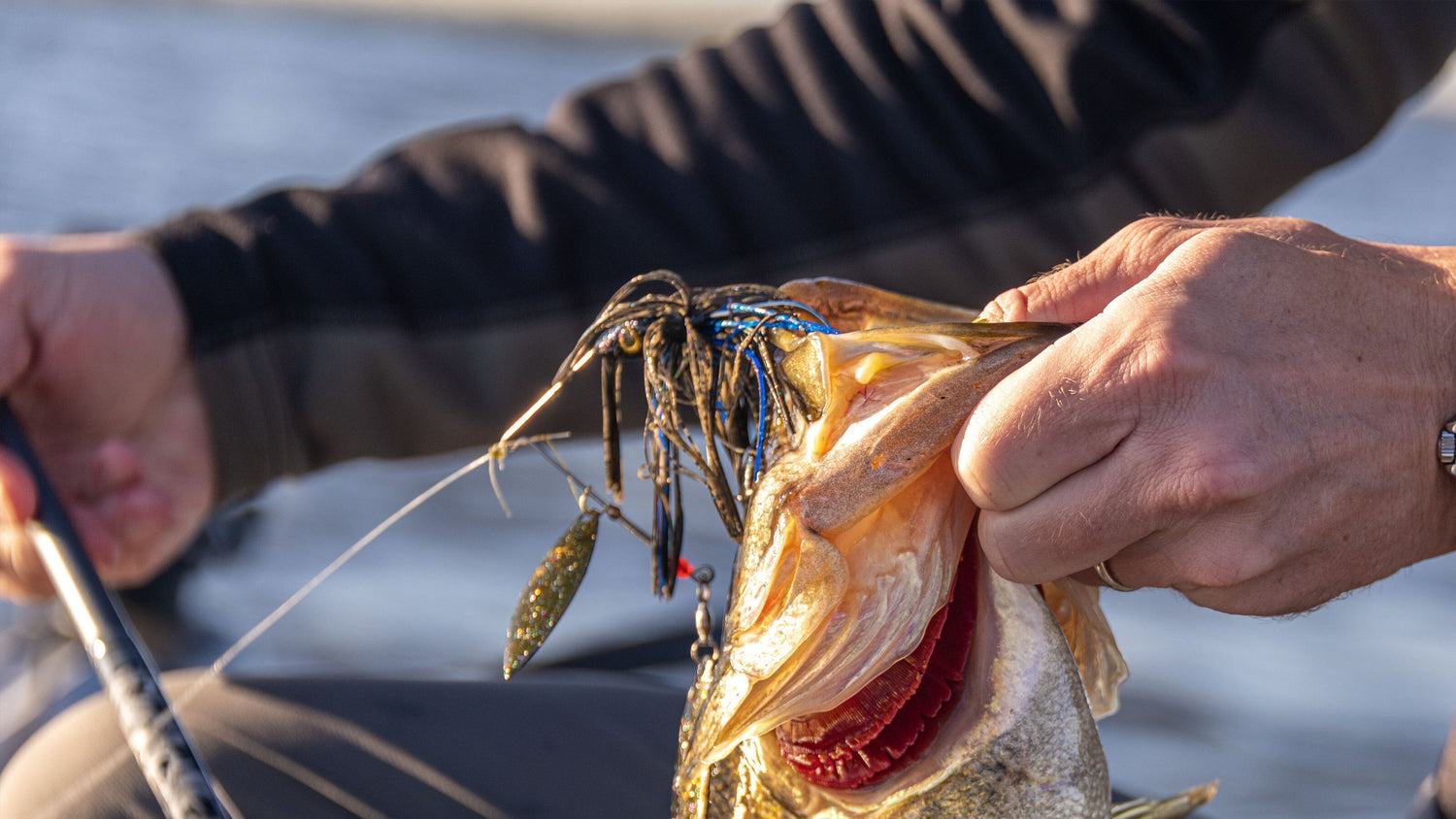
Think you could take just three rods and three baits to almost any bass lake and still catch fish? It might sound like a challenge, but I think there is something to it. We spend a lot of time chasing the next bait, the next technique, and the next rod, when sometimes the better approach is to master a few presentations and build your equipment around them.
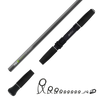
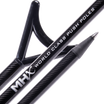
For this challenge, I picked three baits that can cover a tremendous range of conditions, then matched each one with an MHX blank specifically suited to the job. The goal isn't to build three rods that do everything. It's to build three rods that do their jobs really well, while giving you enough versatility to adapt when conditions change. From a Texas-rigged Speed Worm to a reaction-producing spinnerbait and a finesse minnow that can even cross over to light inshore fishing, these three setups prove that you may not need more gear. You might just need to know your gear better.
1. Texas Rig: MHX MB873 + Zoom Ultra Vibe Speed Worm
If I could only take one Texas-rig setup to a new bass lake, the MHX MB873 paired with a 6" Zoom Ultra Vibe Speed Worm would be one of my first choices. This is a combination that can do far more than drag a worm across the bottom. Pitch it into deep brush, work it through shallow grass, swim it through open water, or speed it up and buzz it across the surface. One rod and one bait can cover a surprising amount of water and a whole lot of fishing conditions.
When and Where to Fish It
The Texas-rigged Speed Worm really shines when bass are using cover or structure, but you don't have to keep it crawling along the bottom. Around deep brush and submerged cover, the Texas rig gives you a weedless presentation that can be worked directly through the places where bigger bass like to hide. Pitch it past the cover, let it fall naturally, then work the worm through the branches and limbs with controlled lifts, short hops, and pauses. When a bass picks it up, the weedless Texas rig gives you the confidence to get that fish out of the cover.
Move shallow and the same setup becomes an excellent grass and vegetation bait. A Texas-rigged Speed Worm can slide through hydrilla, submerged vegetation, and other shallow cover while maintaining a relatively clean presentation. Instead of always dragging it along the bottom, try swimming it just above the grass. Keep the worm moving, vary your retrieve speed, and pay attention to how the fish respond. Sometimes a steady swim is all it takes. Other times, a brief pause or change in speed will trigger the bite.
The Speed Worm is just as useful when bass aren't sitting tight to cover. In open water, you can cast it out, allow it to reach the depth where you believe the fish are holding, and swim it back with a steady retrieve. This is especially effective when bass are scattered or following baitfish and you need a presentation that can cover water without constantly picking up and recasting another bait.
And don't overlook the surface. When bass move shallow and are willing to chase, you can speed up the retrieve and buzz the Speed Worm across the top. The Ultra Vibe Tail creates plenty of disturbance as it moves, giving bass something to track while the worm skims across the surface. It is a completely different presentation from slowly working a Texas rig along the bottom, yet you are still using the same rod, the same rig, and the same bait.
That versatility is what makes this combination so appealing. The same Texas-rigged Speed Worm can be a bottom-contact bait, a swimming bait, a cover bait, or a surface presentation depending on how you fish it.
Why the MHX MB873?

The rod behind the bait is what allows you to take advantage of that versatility. The MHX MB873 is a 7'3" one-piece blank with medium-heavy power and a fast action, rated for 10–17 lb. line and 1/4–3/4 oz. lures. That combination gives the MB873 the power and versatility needed for a wide range of Texas-rigged presentations.
That 7'3" length gives you plenty of casting distance and line control while still being manageable when you're pitching around cover. The medium-heavy power gives you the backbone needed to move a bass away from grass and brush, while the fast action keeps the blank responsive enough to work the worm and detect what is happening at the other end of the line.
The MHX Traditional series is built around the idea that proven rod-building characteristics still have a place in modern fishing. These blanks provide the power, action, and versatility anglers have come to expect from a quality bass rod without overcomplicating the design. The MB873 is a great example of that philosophy.
For a Texas rig, that balance is important. You're constantly feeling the bottom, working through cover, detecting subtle changes in the bait, and waiting for that moment when a bass picks it up. At the same time, once that fish eats, you need enough power to turn it away from the nearest piece of cover. The MB873 gives you that combination without making the rod feel overly specialized.
And that's exactly why I like it for this three-rod concept. The MB873 isn't just a Texas-rig blank. It is a versatile bass blank that can handle a wide range of presentations, making it an ideal foundation for a rod that is expected to do more with less.
Why the Zoom Ultra Vibe Speed Worm?

The 6" Zoom Ultra Vibe Speed Worm is what really unlocks the versatility of this setup. At first glance, it looks like a traditional soft-plastic worm. But the Ultra Vibe Tail gives it an entirely different personality once you put it in motion.
Fish it slowly and the worm can be worked along the bottom like a traditional Texas-rigged plastic. Increase the retrieve speed and the tail creates vibration and water displacement that gives bass something to track. Swim it above vegetation or through open water, and the Speed Worm becomes a moving bait. Get it moving fast enough and you can buzz it across the surface.
That means you can change the presentation without changing the bait.
Color selection is another reason the Speed Worm belongs in this three-bait lineup. There isn't one universal color that works everywhere, so I like matching the color to the water clarity, available forage, and light conditions.
Junebug is a great starting point for darker or stained water and is especially popular in Florida, where the darker profile can stand out in the state's often tannic or stained fisheries. Green Pumpkin is one of those dependable natural colors that shines in clearer water and is a great choice on lakes where bass are feeding on more naturally colored forage. Watermelon and Watermelon Red are excellent options when you want a more subtle, natural presentation in clearer water.
When the water gets dirty or you're fishing low-light conditions, don't be afraid to go darker. A dark worm creates a stronger silhouette and can make it easier for bass to track the bait. In clearer water, natural greens and translucent colors can give you a more subtle presentation that looks less threatening to pressured fish.
The key is not carrying every color Zoom makes. This is a three-rod, three-bait philosophy, after all. Pick a few colors that cover the conditions you encounter most often and learn how to fish them.
One Rod. One Worm. A Lot of Possibilities.
That's ultimately why the MHX MB873 and 6" Ultra Vibe Speed Worm earn the first spot in this three-rod arsenal. You can pitch the worm into deep brush, swim it through shallow grass, work it through open water, or buzz it across the surface. You're not limited to one depth, one type of cover, or one retrieve.
You don't need a dozen rods to fish all of those situations. You need a rod that can handle the range of presentations and a bait versatile enough to take advantage of it.
One rod. One worm. Four different presentations. That's the kind of versatility that can put more bass in the boat with less gear.
2. Spinnerbait: MHX NEPS82MHF + Nichols Pulsator Metal Flake
There are times when you need to slow down and pick apart every piece of cover, and then there are times when you need to cover water and make a bass react. That's where a spinnerbait earns its place in this three-rod lineup. Paired with the MHX NEPS82MHF Elite Pro and a Nichols Pulsator Metal Flake Spinnerbait, you have a setup built to put a moving bait around the places bass love to ambush prey.
When and Where to Fish It
A spinnerbait is one of those baits that can cover a tremendous amount of water, but I especially like it when bass are using shallow cover. Docks, laydowns, brush, grass lines, seawalls, and the edges of shallow vegetation all give a spinnerbait something to work around. Cast past the target, bring the bait close to the cover, and let the blades do the work.
This is where the slightly shorter 6'10" length of the NEPS82MHF becomes an advantage. When you're trying to make an accurate cast beside a dock post or thread a spinnerbait past a submerged tree limb, a little less rod length can give you better control. You can make those short, accurate casts without sacrificing the ability to reach out and cover water.
And 6'10" is still plenty of rod when you need distance. When bass are spread across a flat, relating to a grass edge, or chasing bait in open water, the NEPS82MHF has enough length to launch a 3/8 or 1/2 oz. spinnerbait a long way. That makes it a great middle ground between pinpoint accuracy and long-distance casting.
A spinnerbait also gives you plenty of options for controlling depth. Keep it moving quickly near the surface when bass are aggressive and shallow, slow it down when fish are deeper, or let it tick the tops of grass and cover. You can burn it, slow-roll it, deflect it off cover, or simply use a steady retrieve to cover water until you figure out where the fish are positioned.
That's the beauty of a spinnerbait. You're not waiting for the bass to find your bait. You're taking the bait to the bass.
Why the MHX NEPS82MHF?

The MHX NEPS82MHF Elite Pro is a 6'10", one-piece blank with medium-heavy power and a fast action, rated for 10–20 lb. line and 1/4–3/4 oz. lures. MHX specifically identifies this blank for bass and spinnerbait and buzzbait applications, making it a natural fit for the Nichols Pulsator Metal Flake in both 3/8 and 1/2 oz. sizes.
The medium-heavy power gives you the backbone to control a bass around docks, brush, grass, and other cover, while the fast action keeps the blank responsive when you're working a moving bait. That fast action also helps transmit what the spinnerbait is doing. You can feel the blades start turning, feel them change as the bait comes through grass, and even feel when the bait deflects off a piece of cover.
But for me, the real advantage is the length. At 6'10", the NEPS82MHF sits in a sweet spot for this application. It's short enough to make accurate casts in tight quarters, but long enough to make the long casts that help you cover water. That combination is particularly valuable when you're fishing a spinnerbait around docks and brush because accuracy can put the bait within inches of the target, while enough length keeps you from giving up casting distance.
The Elite Pro series is designed around high-performance graphite construction and an advanced production process that gives these blanks a lightweight, sensitive feel while maintaining the power needed for demanding applications. MHX's lineup also gives builders the ability to match the blank's power and action to a specific technique rather than settling for a generic bass rod.
That's exactly what we're doing here. The NEPS82MHF isn't just a medium-heavy bass blank with a spinnerbait tied to it. Its combination of 6'10" length, fast action, medium-heavy power, and 1/4–3/4 oz. lure rating makes it a particularly useful choice when the goal is to fish a spinnerbait accurately around cover while still having the casting distance and power to fish it in open water.
Why the Nichols Pulsator Metal Flake?

The Nichols Pulsator Metal Flake Spinnerbait brings the flash and vibration that make a spinnerbait so effective in the first place, but it takes those characteristics a step further. Its patented tapered blades are designed to maximize vibration and sound, while the 3-D metal-flake finish adds another level of flash as the bait moves through the water.
For this setup, I like having both the 3/8 oz. and 1/2 oz. versions available. The 3/8 oz. is a great choice when you're fishing shallower and want a little more control and a slightly more subtle presentation. Step up to the 1/2 oz. when you need more casting distance, want to get the bait deeper, or are dealing with wind and deeper water. Both sizes fit comfortably within the NEPS82MHF's 1/4–3/4 oz. lure rating.
Color selection is where you can really adapt the Pulsator to the lake you're fishing. In clear water, I want to imitate the baitfish bass are already seeing. Colors like Blue Shad, Silver Flash, or White & Silver give you that natural baitfish appearance and pair especially well with the flash of the spinnerbait blades.
When bass are feeding heavily on bluegill, Bluegill becomes an easy choice. It gives you a darker, more natural profile that can be especially effective around grass, docks, and shallow cover where bluegill are present.
When the water gets darker or stained, I like increasing the contrast. White & Chartreuse or Chartreuse can give bass a much easier target to track, while Black & Blue provides a strong silhouette when visibility is limited. The Pulsator Metal Flake lineup offers a wide range of colors, so you can build a small selection around the conditions you fish most often instead of carrying every color available.
The important thing is matching the color to the forage and visibility, not simply choosing your favorite color. Clear water often calls for something that looks like a baitfish. Stained water can call for more contrast. And when you know bass are eating bluegill, a bluegill pattern can be tough to beat.
Cover Water. Find the Fish.
That's ultimately why the MHX NEPS82MHF and Nichols Pulsator Metal Flake earn the second spot in this three-rod lineup. This isn't a setup designed to sit in your rod locker waiting for the perfect spinnerbait bite. It's a tool for finding fish.
You can make accurate casts around docks and brush, burn a spinnerbait across a shallow flat, slow-roll it along deeper structure, or run it through grass looking for an aggressive bite. The 6'10" NEPS82MHF gives you the accuracy to put the bait where you want it and enough length to make the long casts when you need to cover water.
One rod. One spinnerbait. A whole lot of water to fish.
3. Finesse Minnow: MHX NSJ8515 + Jighead and Minnow
When bass get suspended, pressured, or focused on small baitfish, sometimes the best approach is to give them almost nothing to argue with. A small minnow-style soft plastic on a light jighead can be deadly, especially when you're watching individual fish with forward-facing sonar. This is the “shaking a minnow” technique, and it is all about subtle movement, precise positioning, and letting the bait look alive without doing too much.
For this application, I'd build the rod around the MHX NSJ8515 Elite-X. It might not be a blank you've heard much about, and that's part of what makes it such an interesting choice for this lineup. At 7'1" with light power and a fast action, the NSJ8515 has the length, sensitivity, and responsive tip that make a small minnow presentation come alive. MHX rates it for 6–14 lb. line and 3/16–5/8 oz. lures, giving you a surprisingly wide range for working different sizes of minnow-style plastics.
When and Where to Fish It
The finesse minnow really shines when bass are suspended and keyed on small baitfish, especially in clear water or heavily pressured fisheries. Instead of casting blindly and hoping a bass finds the bait, forward-facing sonar lets you locate individual fish, see their depth and direction, and put the minnow where they can find it.
The presentation itself is remarkably simple. Cast beyond or toward the fish, get the minnow to the appropriate depth, and then use tiny shakes of the rod tip to make the soft plastic quiver. You aren't trying to make the bait jump several feet or dart aggressively. The goal is to make the minnow appear alive while barely moving forward.
Watch the fish. If it moves toward the bait, resist the urge to overwork it. Sometimes the best thing you can do is keep the bait in the strike zone and let the fish make the decision. A slight shake, a pause, a slow glide, or a small change in direction can be enough to turn a follower into a bite.
But this is important: you don't need forward-facing sonar to fish a finesse minnow. The NSJ8515's 3/16–5/8 oz. lure rating gives you enough range to fish a variety of minnow sizes and jighead weights using traditional casting techniques. You can cast a small minnow around points, grass edges, rock, docks, and open-water baitfish and retrieve it just like any other finesse presentation. Sonar simply adds another tool by allowing you to see the fish and precisely target its position.
That makes this technique much more versatile than the “FFS bait” label might suggest. You can fish it traditionally when you're covering water and looking for fish, or use forward-facing sonar when you want to target individual suspended bass.
Why the MHX NSJ8515?

The MHX NSJ8515 Elite-X is not necessarily the first blank that comes to mind when someone says “bass rod,” but I think that's exactly why it deserves a place here. This is a purpose-built finesse blank with a combination of characteristics that are difficult to appreciate until you put a truly light presentation in your hands.
At 7'1", light power, and fast action, the NSJ8515 gives you a responsive tip while retaining a solid backbone. MHX describes the blank as having a softer tip than traditional Mag Bass blanks while maintaining backbone, creating a blend of sensitivity and versatility.
That 7'1" length is important. A lightweight jighead and small minnow don't have much mass to load a rod, so the blank needs to help generate casting distance. The extra length gives you the leverage to make long, accurate casts while also providing better line control once the bait is in the water.
Then there is the technology. The NSJ8515 uses 57MM Mitsubishi Rayon fiber and MHX's Nano Resin System, giving this blank the lightweight, high-performance construction that makes it so well suited to finesse fishing. MHX lists the blank at just 1.75 ounces, while maintaining the power and backbone needed for its 6–14 lb. line rating.
But sensitivity is really the story here. When you're shaking a minnow, you aren't looking for a huge thump. You're trying to feel the bait, feel subtle changes in resistance, stay connected to a lightweight jighead, and detect a bite that might feel like nothing more than the line getting heavy. The NSJ8515 gives you that connection without overpowering the presentation.
This is also where a custom build can make a real difference. Build the handle around the way you actually fish, keep unnecessary weight out of the build, and let the blank's sensitivity do the work. When you're dealing with a presentation this subtle, every little detail matters.
The Finesse Minnow

The beauty of a finesse minnow is that the bait doesn't have to do much. A 3- to 4-inch minnow-style soft plastic rigged on a small jighead gives you a compact baitfish profile that can be presented horizontally, vertically, or allowed to hover around suspended fish.
The NSJ8515's 3/16–5/8 oz. lure range is important here because it opens the door to more than one size of finesse minnow. You can stay with a tiny presentation when fish are keyed on small forage or move up to a larger minnow and heavier jighead when conditions call for it. That makes the rod useful whether you're targeting individual bass with sonar or simply casting and covering water the traditional way.

The exact jighead weight depends on depth, wind, and how quickly you need to reach the fish. The key is using enough weight to maintain control without turning the bait into a falling missile. You want the minnow to move naturally and remain in the strike zone.
Color selection should follow the same basic rule as any baitfish imitation: match the forage and water clarity. In clear water, natural shad, silver, pearl, translucent, and subtle baitfish patterns are excellent starting points. In stained water, a little more contrast can help fish locate the bait. If the bass are visibly feeding on a particular size and color of baitfish, that's the first clue I'd follow.
More Than a Bass Rod
Here's the wrinkle that makes the NSJ8515 even more interesting.
Take this same finesse setup to the coast and it becomes a great tool for delicate presentations on the flats. A small jig or jighead minnow can be deadly when redfish, seatrout, and even bonefish are feeding on smaller baitfish or other light forage.
The same characteristics that make the NSJ8515 effective for a suspended bass apply on the flats. The 7'1" length helps launch lightweight presentations, the light power makes those smaller fish fun to fight, and the fast action keeps you connected to a small jig or minnow. The result is a finesse rod that can move seamlessly from freshwater to saltwater.
That's what I like about this blank. It may not be the blank everybody knows, but it might be the one you didn't know you needed. The length, technology, lightweight construction, and sensitivity make the NSJ8515 an outstanding choice when the goal is to make a small bait look natural and stay connected to what is happening at the end of the line.
Small Bait. Big Difference.
The MHX NSJ8515 and finesse minnow complete this three-rod lineup by giving us something the other two setups don't: precision. When bass are suspended, watching your bait, and refusing everything else, this is the setup that lets you slow down and make a presentation they can actually believe.
But you don't have to own forward-facing sonar to take advantage of this setup. The blank's wider 3/16–5/8 oz. lure range makes it useful for everything from small finesse minnows to larger baitfish presentations, whether you're targeting individual fish with sonar or simply making a cast and fishing.
Then, when your buddy call and invites you out on his flats skiff, you don't have to leave this rod behind.

One rod. One small minnow. Bass, redfish, seatrout, or even bonefish. Sometimes catching more fish means making the bait do less.
At the end of the day, catching more fish isn't always about having more rods, more baits, or a bigger tackle box. It's about having confidence in what you have and knowing how to make it work. These three custom rods and three baits give you the versatility to fish cover, cover water, slow down for pressured fish, and even cross over into light inshore fishing. Master a few techniques, build the right rods for them, and you may find that less really can help you catch more.