









If you’re looking for more rod recommendations, reel pairings, line setups, and technique-specific advice, head back to the complete Main Gear Guide Page for the full breakdowns on your favorite techniques. And if you're looking specifically for Shakey Head ideas and products, head over to the Shakey Head Gear Guide.
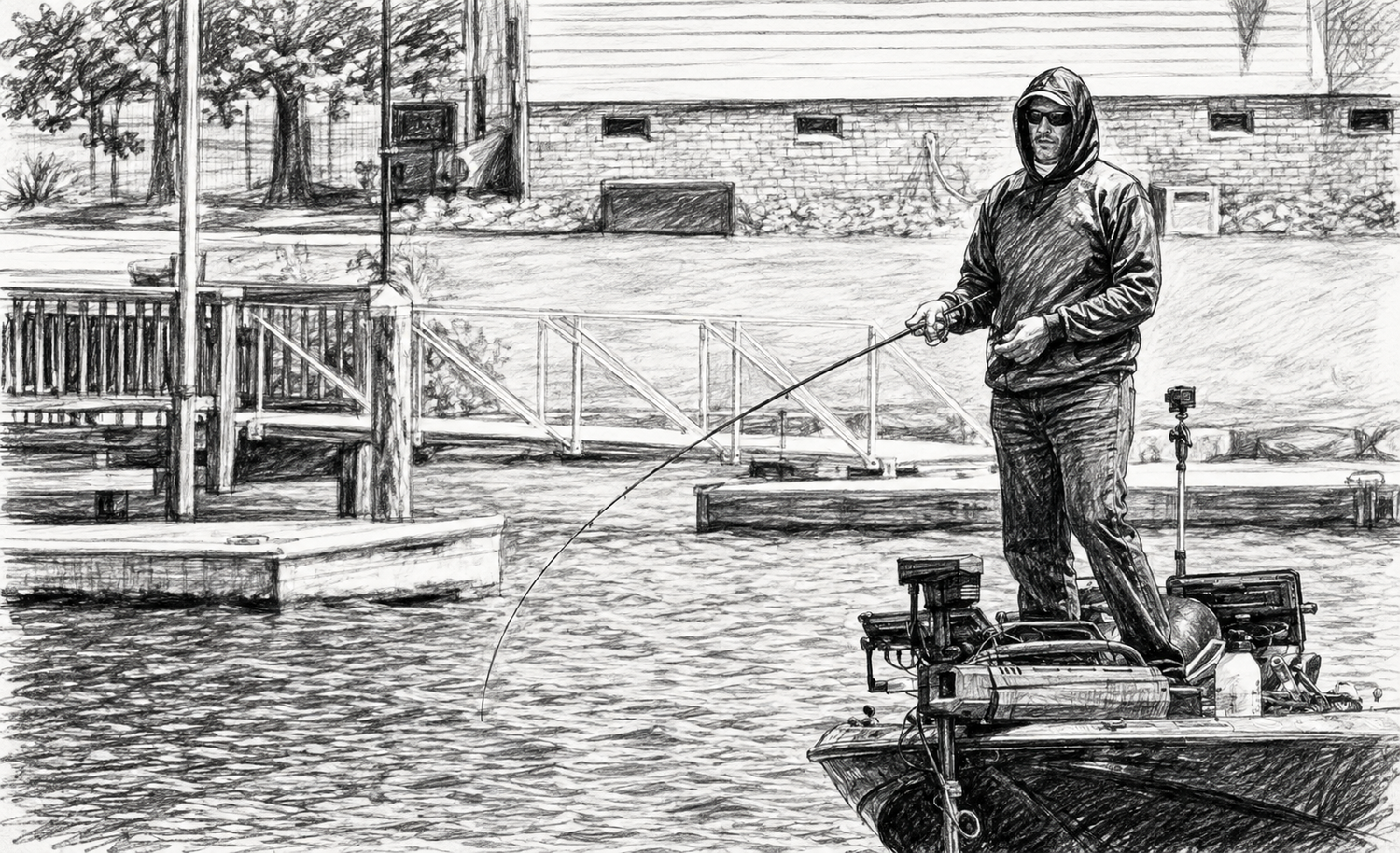
Boat docks are some of the most productive bass-holding structures found on lakes and reservoirs across the country. They provide shade, security, forage, and countless ambush opportunities that attract bass throughout the year. While jigs and skipping worms often dominate dock-fishing conversations, there are times when bass become pressured and demand a more subtle presentation.
That's where the dock shakey head shines.
By combining the precision of dock fishing with the natural action of a finesse worm, the shakey head allows anglers to present a bait deep beneath walkways, around pilings, and into shaded areas where bass often position themselves. Its ability to maintain bottom contact while creating subtle movement makes it one of the most effective tools available for targeting dock-oriented fish that have already seen countless traditional presentations.
For anglers looking to catch pressured bass around docks, few finesse techniques are as dependable as a properly fished shakey head.
What Is Dock Shakey Head Fishing?
Dock shakey head fishing is a specialized application of the traditional shakey head designed to target bass living around boat docks and other man-made structures.
The setup begins with a weighted jig head paired with a finesse worm that stands upright when resting on the bottom. Once the bait is skipped or cast beneath a dock, the jig head settles while the worm maintains its natural posture and subtle action.
Unlike moving baits that quickly pass through the strike zone, the shakey head allows anglers to keep a presentation in front of bass for extended periods.
Small rod-tip movements cause the worm to quiver naturally while remaining close to the bottom. This creates an easy target for fish that are using docks for shade, protection, or feeding opportunities.
The presentation is especially effective because it can be fished slowly and methodically through high-percentage areas without appearing aggressive or unnatural.
Why the Dock Shakey Head Works
Bass relating to docks often experience significant fishing pressure.
On many lakes, dock fish see jigs, Texas rigs, swim jigs, and skipping worms almost every day. Over time, these fish can become increasingly selective.
The dock shakey head works because it presents bass with something different.
The finesse worm creates a subtle, non-threatening profile that remains in the strike zone longer than many traditional dock presentations. Instead of forcing fish to react immediately, it gives them time to inspect and eventually commit.
The upright posture created by the shakey head is particularly effective beneath docks where bass often feed on bluegill, crawfish, and other forage species.
Another major advantage is versatility. The presentation can be skipped beneath platforms, worked around pilings, dragged along dock walkways, or fished through isolated cover surrounding the structure.
When bass become difficult to trigger around docks, the shakey head often provides the perfect balance of finesse and efficiency.
Where the Dock Shakey Head Excels
This technique performs best around man-made structures that provide shade and cover.
Floating docks are particularly productive because they create consistent shade regardless of water level fluctuations.

Fixed docks also offer excellent opportunities, especially when bass position around support pilings and cross-members.
Boat slips, marina docks, and large community dock systems can all become highly productive shakey head locations.
The technique is especially effective on clear-water lakes where bass have ample time to inspect a presentation before deciding to bite.
Dock shakey heads also excel during post-spawn, summer, and fall when bass frequently utilize shade as a primary holding area.
Whenever fish are positioned beneath docks and seem reluctant to chase faster-moving presentations, the shakey head deserves serious consideration.
Reading Conditions and Fish Behavior
Understanding how bass use docks is critical for success.
Shade is often the most important factor. During bright conditions, bass frequently position beneath the darkest portions of a dock where they feel secure and can ambush prey.
Dock depth also matters. Some fish position around shallow walkways, while others prefer deeper docks located near channel swings, points, or drop-offs.
Fishing pressure can significantly influence positioning. Highly pressured fish often move farther beneath the structure and require more precise presentations.
Water clarity plays a role as well. In clear water, bass may suspend beneath docks and inspect a bait carefully before committing. In stained water, fish often position tighter to cover and rely more heavily on vibration and proximity.
Pay attention to which parts of a dock produce bites. Front corners, back corners, inside slips, and isolated pilings can all become repeating patterns throughout the day.
The more precisely you identify where fish are positioning, the more effective the shakey head becomes.
Technique: Precision Skipping and Slow Presentations
The biggest advantage of the dock shakey head is its ability to stay in productive areas.
After making a skip or cast beneath the dock, allow the bait to fall naturally to the bottom. Once contact is established, use subtle rod-tip movements and short drags to work the worm naturally.
The goal is not to aggressively hop the bait.
Instead, focus on keeping the worm in place while allowing it to stand upright and quiver naturally.
Pauses are often the most productive part of the retrieve. Many bites occur when the bait sits motionless beside a piling or beneath a shaded section of the dock.
Accurate casting is equally important.
The farther beneath the dock you can place the bait, the more likely you are to reach fish that have not already seen multiple presentations.
Patience and precision consistently outperform speed when fishing docks.
Best Baits for Dock Shakey Head Fishing
Straight-tail finesse worms remain the top choice for dock shakey head fishing.
Most anglers prefer 4" to 6" worms because they provide a subtle profile while maintaining the natural action that makes the technique so effective.
The smaller profile often appeals to pressured bass that have become wary of larger offerings.
Natural colors such as green pumpkin, watermelon, smoke, and brown continue to produce consistently across a wide range of conditions.
Around bluegill-oriented fisheries, green pumpkin blue and related patterns can be especially productive.

Zoom Trick Worm
The key is maintaining a streamlined profile that skips easily and reacts naturally to subtle rod movements.
For a complete selection of proven finesse worms, explore our curated collection of shakey head baits designed specifically for dock fishing applications.
Gear Setup for Dock Fishing Success
Dock fishing requires a balance of accuracy, sensitivity, and fish-control capability.

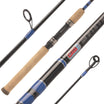
St. Croix Mojo Bass Trigon Spinning Rod
A medium-power spinning rod between 6'10" and 7'2" provides excellent skipping performance while maintaining the sensitivity necessary to detect subtle bites. Fast actions help anglers make precise presentations and quickly respond when fish bite near cover. Start by picking out your rod.
Choosing the right shakey head rod becomes especially important around docks because anglers often need to guide fish away from pilings and other obstructions immediately after the hookset.
A quality 2500-3000 size spinning reel offers smooth drag performance and excellent line management. Check out our reel recommendations.

Most anglers prefer 10-15 lb braid paired with an 8-10 lb fluorocarbon leader. This combination provides the sensitivity needed for finesse fishing while maintaining sufficient strength for fighting fish around structure. These are the line and leader combinations we pick.
Jig heads between 1/16 and 1/8 ounce cover most dock-fishing situations and provide the ideal balance of skipability and bottom contact. Grab your shaky heads here.

Matching the rod, reel, line, and jig head to the size and complexity of the docks you're fishing can dramatically improve efficiency.
A Must-Fish Destination: Lake of the Ozarks
A perfect example of where the dock shakey head excels is Lake of the Ozarks.
Known for its seemingly endless shoreline of boat docks, marinas, and man-made structure, Lake of the Ozarks is widely regarded as one of the premier dock-fishing destinations in the country.

Lake of the Ozarks
Bass throughout the lake spend much of their lives relating to docks, making precision presentations a critical part of success.
While jigs and traditional skipping techniques certainly catch fish, finesse presentations often become increasingly important when fishing pressure rises or conditions become challenging.
The dock shakey head allows anglers to thoroughly work high-percentage areas while presenting a subtle bait that many bass do not encounter nearly as often.
Few fisheries showcase the effectiveness of dock-oriented shakey head fishing better than Lake of the Ozarks.
Final Thoughts
The dock shakey head is one of the most effective finesse presentations available for targeting bass around man-made structure.
Its ability to combine precise presentations, natural action, and extended strike-zone time makes it highly effective around boat docks, marina slips, and other high-pressure environments.
When fish become selective and traditional dock-fishing techniques stop producing, the shakey head often provides the perfect alternative.
The key is slowing down, making accurate presentations, and allowing the bait to remain where bass live.
For anglers willing to fish methodically and focus on the details, the dock shakey head can become one of the most productive tools in the boat.
For more rod recommendations, reel pairings, line setups, and shakey head-specific advice, check out the complete Shakey Head Gear Guide and build a system designed to maximize every dock-fishing opportunity.
About the Author

The team at Mud Hole Custom Tackle are industry leaders in custom rod building, fishing tackle innovation, and technique-specific rod design. With decades of hands-on experience both on the water and at the rod bench, the Mud Hole Staff combines technical expertise with real-world fishing knowledge to help anglers build better rods and catch more fish. From bass and inshore applications to offshore and specialty techniques, their passion for performance-driven gear is at the core of every article, tutorial, and product they develop.