












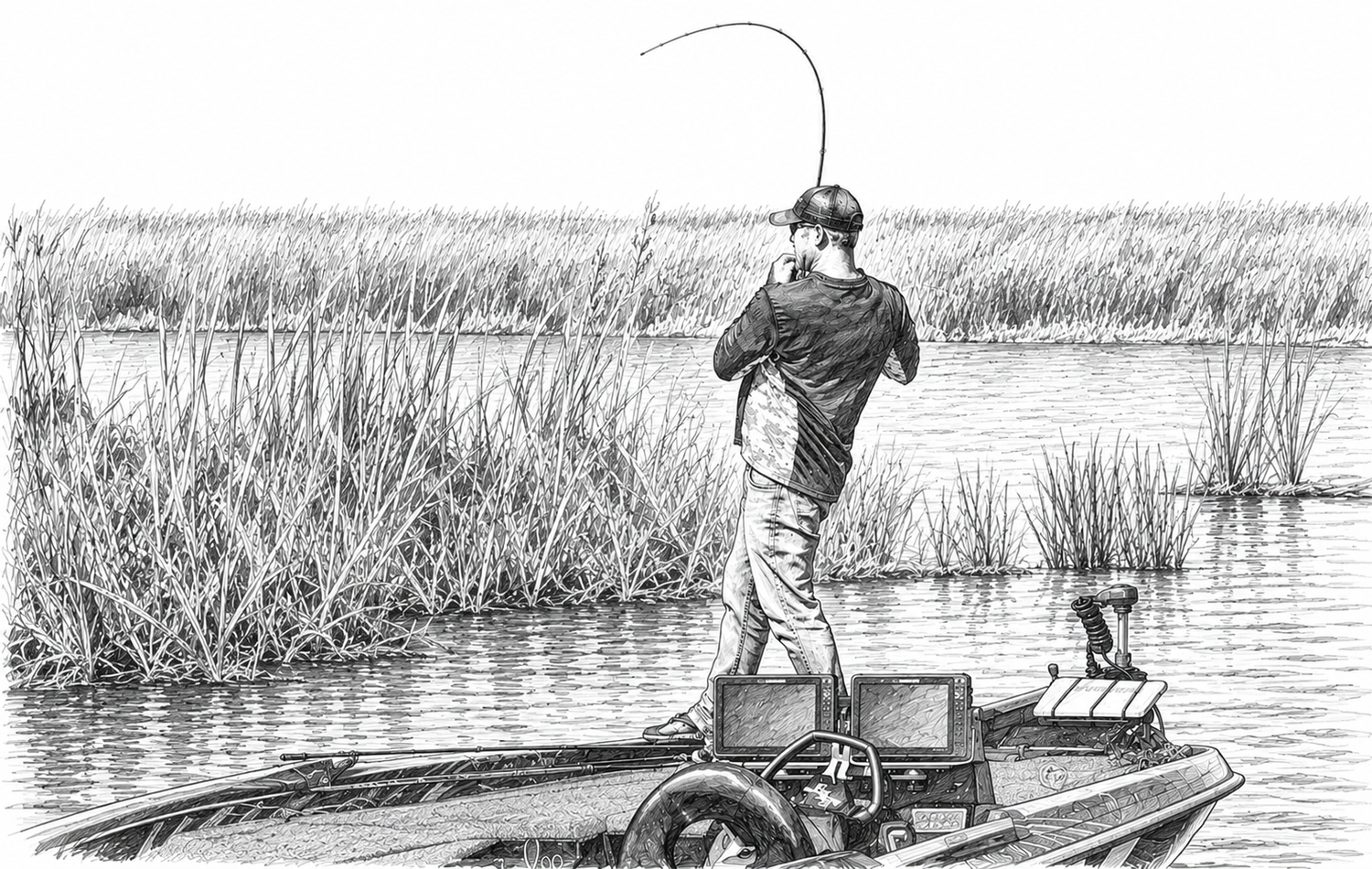
If you’re looking for more rod recommendations, reel pairings, line setups, and technique-specific advice, head back to the complete Main Gear Guide Page for the full breakdowns on your favorite techniques. And if you're looking specifically for Flipping and Pitching ideas and products, head over to the Flipping and Pitching Gear Guide.
When vegetation gets thick enough to form a canopy, bass fishing shifts into an entirely different game. This is where punching comes in. It is the most power-driven form of flipping and pitching, built around forcing a bait through dense mats of hydrilla, hyacinth, milfoil, or mixed vegetation to reach fish that live in places most anglers cannot effectively fish. It is not subtle, and it is not finesse. It is controlled aggression, precision, and understanding exactly how bass position beneath that cover.
Punching mats is one of the most consistent ways to target big bass, especially in the heat of summer when fish seek out shade, oxygen, and security. For anglers willing to commit to the technique, it can produce some of the heaviest fish in the system.
Understanding Mats and Heavy Vegetation
Not all grass is created equal. As vegetation grows and mats together, it forms a dense layer on the surface that blocks sunlight and creates a completely different environment underneath. These mats can be made up of hydrilla, eelgrass, duckweed, hyacinth, or a mix of vegetation types.
Underneath that canopy, conditions are often cooler, darker, and more stable. Oxygen levels can remain high, especially when the vegetation is healthy, and baitfish, bluegill, and other forage species gather there for protection. Bass take full advantage of this environment, positioning themselves beneath the mat where they can ambush prey with minimal effort.

Lake Okeechobee
The key difference between fishing grass edges and punching mats is access. With edges, fish are exposed and easier to target. Under a mat, they are hidden. The only way to reach them is to go straight through the roof.
Why Big Bass Live Under Mats
Heavy vegetation offers everything a bass needs to thrive, especially larger fish that prefer security and consistent feeding opportunities.
Shade is one of the biggest factors. In hot conditions, mats provide a refuge from direct sunlight, allowing bass to conserve energy and remain comfortable even during the hottest parts of the day. That shade also creates a strong contrast, making it easier for bass to ambush prey silhouetted against the light above.
Food is another major driver. Bluegill, frogs, and baitfish all use mats as cover, and bass position themselves where they can feed efficiently. The thicker the mat, the more likely it is to hold multiple layers of life beneath it.
Security is what makes mats especially appealing to big fish. The density of the vegetation provides protection from predators and fishing pressure. These fish are often less pressured and more willing to commit once you get a bait in front of them.
What to Look for in a Productive Mat
Not every mat will hold fish, and learning to identify the best ones can save time and increase your success.
Thickness matters. Mats that are dense enough to block out most of the light tend to hold more fish, especially in warm conditions. However, there still needs to be enough space underneath for fish to move and feed.
Irregularities are critical. Holes, seams, points, and edges within the mat often act as entry points and feeding zones. These are high-percentage areas where bass are more likely to be positioned.
Pay attention to what the mat is made of. Mixed vegetation often holds more fish than a single type, as it creates a more diverse habitat. Also look for mats located near deeper water or adjacent to other structure, as these tend to reload with fish more consistently.
Water movement can also be a factor. Mats positioned near current or wind-blown areas often have better oxygen levels and more active fish.
Seasonal Patterns and Timing
Punching is often associated with summer, but it can be effective in multiple seasons depending on conditions.
In the summer, mats become a primary pattern. As water temperatures rise, bass move under heavy vegetation to escape the heat and position themselves where food is abundant. This is prime time for punching, and midday can actually be the most productive window.
In the spring, mats can hold fish during the spawning period, especially in areas with stable water levels. Bass may use the edges or pockets within the mat for spawning or staging.
Fall can still produce, particularly when baitfish are present around vegetation. Bass may move more and use mats as feeding stations rather than permanent cover.
In warmer climates, like Florida, punching can be effective nearly year-round. In colder regions, it becomes more situational as vegetation dies off.
Technique: How to Punch Mats Effectively
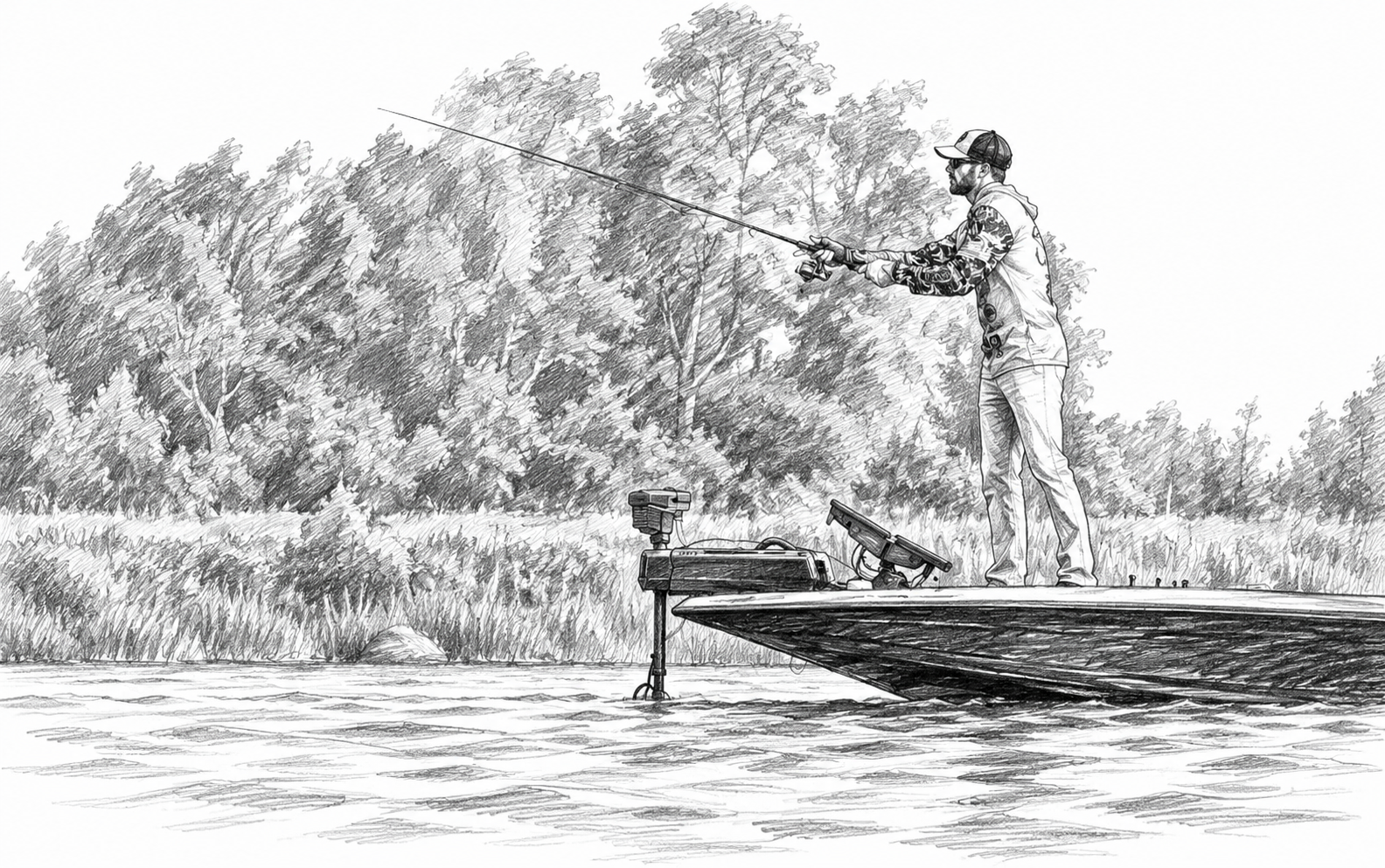
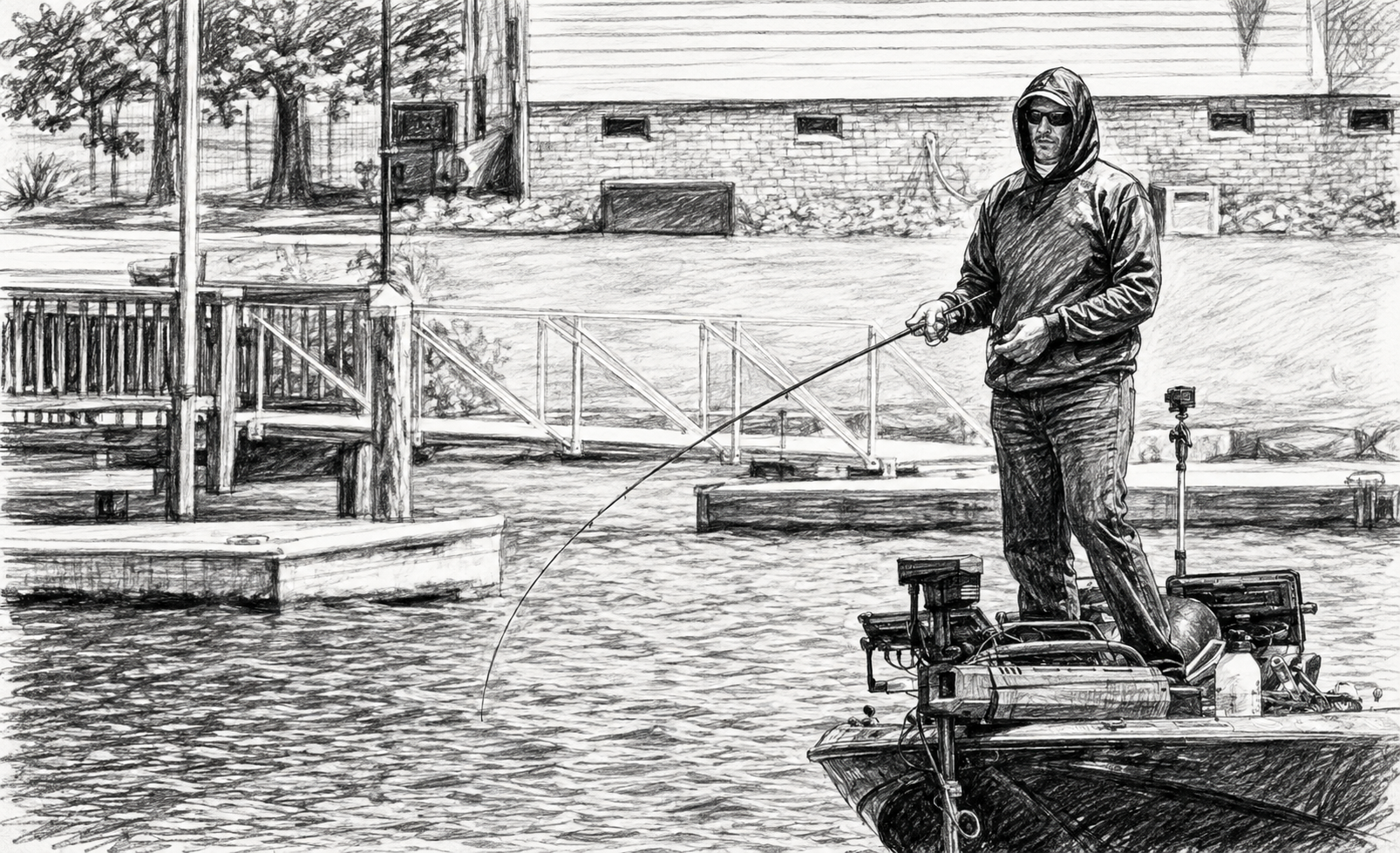
Punching is all about efficiency and repetition. You are not making long casts. You are making short, controlled presentations, dropping your bait vertically through the mat and into the strike zone.
Position your boat close to the mat and work methodically. Each presentation should target a specific spot, whether it is a hole, a seam, or a dense section that looks like it could hold fish.
Once your bait breaks through the mat, let it fall straight to the bottom. Most bites occur on the initial drop, so be ready. If nothing happens, give the bait a slight movement or two, then bring it back up and make another presentation.
Speed can be an advantage. In many cases, you are trying to trigger a reaction bite. Dropping your bait quickly and moving on allows you to cover more water and find active fish.
Hooksets need to be decisive. With heavy gear and thick cover, you need to drive the hook home and immediately pull the fish up and out before it has a chance to bury itself.
Best Baits for Punching
Punching requires streamlined, efficient baits that can penetrate heavy vegetation without getting hung up. We have curated a full list of the best of the best when it comes to Flipping and Pitch Soft Baits.

Gambler BB Cricket
Compact creature baits and beaver-style baits are the go-to choices. Their profile allows them to slip through mats while still presenting enough bulk to attract attention.
Rigging is critical. A pegged tungsten weight is standard, often ranging from 1 ounce to 1.5 ounces or more depending on the thickness of the mat. The heavier the cover, the heavier the weight needed to break through. We always recommend your terminal tackle of hooks and weights to be flipping a pitching specific. Here is our list of what should be in your tackle box.

Strike King Hack Attack Heavy Cover Flipping Hook
Hooks should be strong and sharp, capable of handling heavy line and powerful hooksets. Straight-shank flipping hooks are commonly used for better penetration.
Color selection is typically straightforward. Dark colors like black and blue are staples, especially under low-light conditions beneath mats.
Gear Setup for Punching
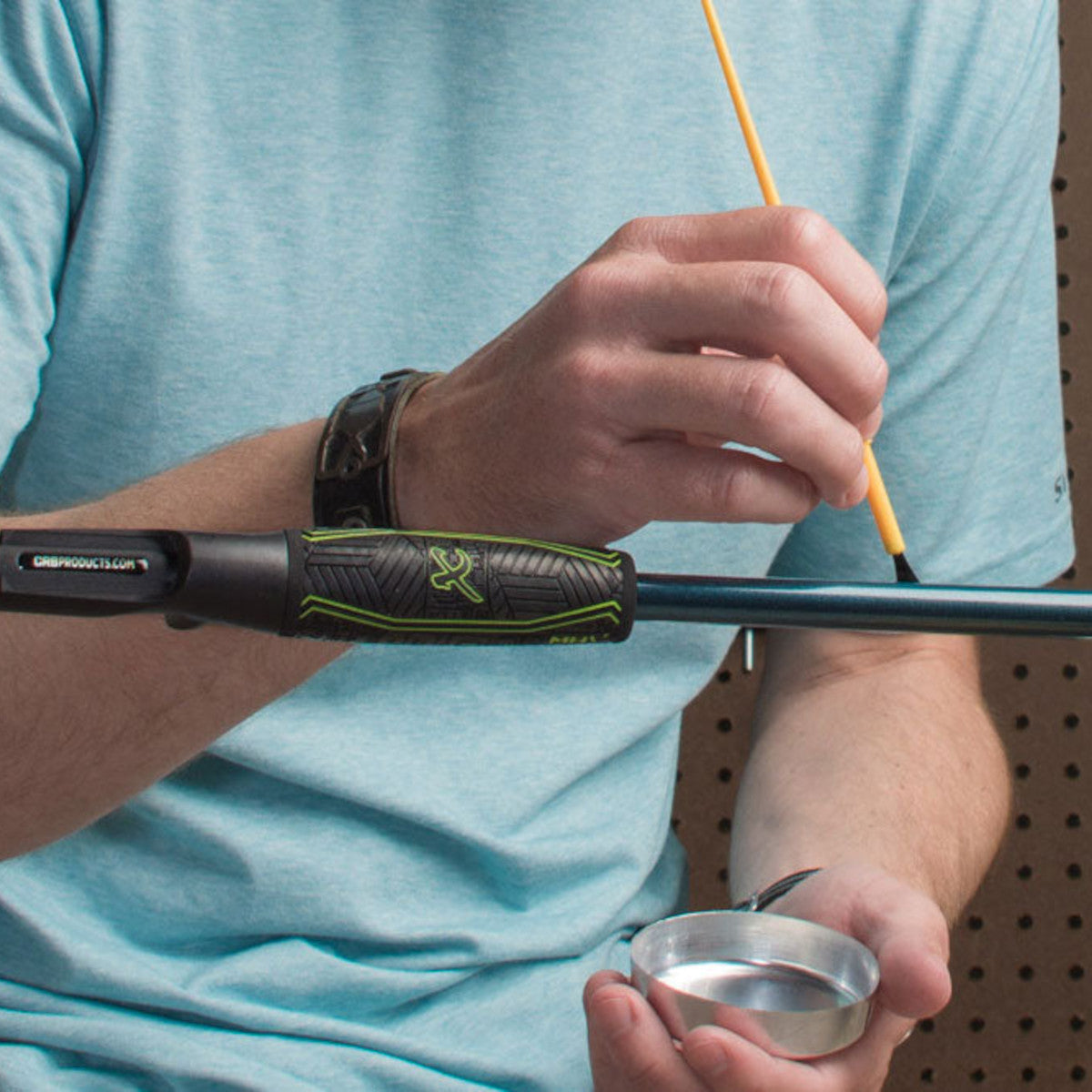
This is where gear truly matters. Punching is one of the most demanding techniques in bass fishing, and your equipment needs to match the challenge. Naturally we begin with choosing the right Flipping and Pitching Rod for this technique.
A heavy-power casting rod, typically between 7’3” and 7’6”, provides the strength needed to drive hooks and control fish in thick vegetation. The rod should have enough backbone to move fish quickly, but still offer some tip for accuracy.

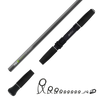
Scenko Stix Expansion Series
Choosing the right flipping and pitching reel is critical for making quick, accurate presentations and maintaining control in heavy cover. A high-speed reel with a strong drag system helps anglers pick up line fast, drive solid hooksets, and pull big fish away from thick vegetation or structure. Check out our curated list of recommended flipping and pitching reels to find the best option for your style of fishing and target cover.
Braided line is non-negotiable for most punching applications. Line in the 50 to 65 pound range is standard, providing the strength and abrasion resistance needed to cut through vegetation and handle big fish. We have our recommended list of proven line for flipping and pitching here.

Abu Garcia Revo Rocket
Your drag should be locked down. When you get a bite, you need to move that fish immediately and keep it coming toward you.
A Must-Fish Destination: Lake Okeechobee
Few places in the country showcase punching better than Lake Okeechobee. Known for its expansive vegetation and shallow water, Okeechobee is a punching paradise where big bass live under thick mats year-round.

Lake Okeechobee
The lake’s mix of hydrilla, hyacinth, and other vegetation creates ideal conditions for punching. Bass position heavily under these mats, especially during the warmer months, making it one of the most consistent big-fish patterns on the lake.
Okeechobee rewards anglers who are willing to commit to the technique, fish efficiently, and pay attention to subtle differences in vegetation and location.
Final Thoughts
Punching heavy vegetation is one of the most specialized and rewarding forms of flipping and pitching. It demands the right gear, the right mindset, and a willingness to fish in places where others cannot.
It is not always easy, and it is not always comfortable, but the payoff can be significant. Big bass live in thick cover for a reason, and punching gives you direct access to those fish.
Approach each mat with intention, focus on high-percentage areas, and stay efficient with your presentations. Over time, you will develop a feel for what makes a mat productive, and that is when punching becomes more than just a technique, it becomes a pattern you can rely on wherever heavy vegetation exists.
For more rod recommendations, reel and line combinations, plus in-depth technique advice, check out the full Flipping and Pitching Gear Guide to help you catch more big bass!
About the Author
The team at Mud Hole Custom Tackle are industry leaders in custom rod building, fishing tackle innovation, and technique-specific rod design. With decades of hands-on experience both on the water and at the rod bench, the Mud Hole Staff combines technical expertise with real-world fishing knowledge to help anglers build better rods and catch more fish. From bass and inshore applications to offshore and specialty techniques, their passion for performance-driven gear is at the core of every article, tutorial, and product they develop.