












What is Offshore Trolling?
Offshore trolling is a saltwater fishing technique where anglers pull a spread of lures or rigged baits behind a moving boat to target roaming pelagic species like tuna, mahi, sailfish, and marlin.
Instead of fishing a fixed location, boats continuously cover water while tracking temperature breaks, current edges, bait schools, and offshore structure to locate active fish. The goal is to keep each bait running at a controlled distance, depth, and speed so the spread stays organized, efficient, and consistently in the strike zone. Because strikes are often sudden and powerful, every part of the setup—from lure presentation to boat positioning—needs to work together smoothly under heavy load.
That’s also what makes offshore trolling a strong candidate for custom rod builds. Small adjustments to blank power, action, length, handle layout, and guide configuration can noticeably improve how a rod performs under load. Building your own lets you match the rod precisely to your reels, line classes, trolling spread, and target species—resulting in better lure control, improved durability, smoother pressure during fights, and more consistent overall performance offshore.
Introduction
What is Build an Offshore Trolling Rod?
What is Offshore Trolling?
Offshore trolling is a saltwater fishing technique where anglers pull a spread of lures or rigged baits behind a moving boat to target roaming pelagic species like tuna, mahi, sailfish, and marlin.
Instead of fishing a fixed location, boats continuously cover water while tracking temperature breaks, current edges, bait schools, and offshore structure to locate active fish. The goal is to keep each bait running at a controlled distance, depth, and speed so the spread stays organized, efficient, and consistently in the strike zone. Because strikes are often sudden and powerful, every part of the setup—from lure presentation to boat positioning—needs to work together smoothly under heavy load.
That’s also what makes offshore trolling a strong candidate for custom rod builds. Small adjustments to blank power, action, length, handle layout, and guide configuration can noticeably improve how a rod performs under load. Building your own lets you match the rod precisely to your reels, line classes, trolling spread, and target species—resulting in better lure control, improved durability, smoother pressure during fights, and more consistent overall performance offshore.
Types of Offshore Trolling
Offshore trolling includes several distinct approaches, each built around how fast you’re fishing, where your baits are positioned in the water column, and what species you’re targeting. Some methods focus on speed and reaction strikes, while others rely on precise depth control or natural bait presentation. Knowing when to use each style helps you adjust your spread to match conditions and fish behavior offshore.
High-Speed Trolling (Surface)
Targets: Wahoo primarily; also tuna and other aggressive pelagics, typically fished at 10–20 knots.
High-speed trolling is designed to cover large areas quickly while triggering reaction strikes from fast-moving predators. This technique uses heavy, streamlined lures—often weighted heads or bullet-style designs—that stay stable and track straight at elevated speeds. Because of the speed involved, spreads are usually simple and widely spaced to prevent tangles and maintain clean lure action.
Durable leaders, often wire or heavy fluorocarbon, are required to handle abrasion and violent strikes. This method is especially effective for wahoo, which are known for attacking fast-moving prey. Success depends on maintaining consistent speed, keeping lures running true, and covering productive water like current edges and temperature breaks.
Skirted Lure Trolling (Conventional Spread)
Targets: Marlin, sailfish, tuna, mahi-mahi; typically fished at 5–9 knots.
This is the most widely used offshore trolling method, built around a multi-lure spread positioned at different distances behind the boat. Skirted trolling lures are designed to create surface disturbance—popping, smoking, or diving in a repeating pattern that imitates fleeing baitfish. Each lure is placed in a specific position, such as short rigger, long rigger, flat line, or shotgun, to create separation and prevent overlap.
The key to this technique is balance—every lure must run cleanly in its own lane without crossing lines or losing its action. Adjusting lure size, head shape, and placement allows anglers to fine-tune the spread based on sea conditions and target species. This approach is highly versatile and forms the foundation of most offshore trolling setups.
Artificial Lure Trolling (Diving Hard Baits)
Targets: Tuna, wahoo, king mackerel, mahi; typically fished around 4–8 knots.
Plug trolling uses hard-bodied diving lures that reach depth and maintain action without additional rigging. These lures track consistently below the surface, making them effective when fish are holding just under the top layer or when a tighter, more controlled presentation is needed. Their built-in lip creates a steady wobble and vibration that helps draw strikes even when visibility is reduced.
Plugs can be run on their own or combined with weights, planers, or downriggers to extend their depth range. Because they rely on proper speed to function correctly, maintaining the right trolling pace is critical to keep them swimming true and avoid blowout.
Slow Trolling (Live Bait)
Targets: Sailfish, tuna, kingfish, and other species feeding on live bait; typically under 3 knots.
Slow trolling focuses on presenting live bait as naturally as possible while still covering water. Baits are rigged to swim freely behind the boat and are often staggered across the surface using flat lines, kites, or outriggers. This method is especially effective when fish are keyed in on live forage and less responsive to artificial lures.
Boat control plays a major role, as speed and direction must keep baits active without dragging or tiring them out. This technique is commonly used around structure, current edges, or bait schools where predators are actively feeding.
Deep Trolling (Planers & Downriggers)
Targets: Tuna, wahoo, king mackerel, and deeper-holding pelagics; speed varies by setup.
Deep trolling is used to reach fish that are holding well below the surface and not actively feeding in the top layer. Planers and downriggers allow anglers to present lures or rigged baits at controlled depths while maintaining forward movement. Planers dive under tension and trip when a fish strikes, while downriggers use weighted balls and release clips for precise depth placement.
This method expands your spread vertically, allowing you to target multiple depth zones at once. It’s especially useful when fish are marked deeper on electronics or holding along thermoclines, ledges, or submerged structure. Proper spacing and rigging are important to keep lines separated and running clean.
Types of Offshore Trolling
Offshore trolling includes several distinct approaches, each built around how fast you’re fishing, where your baits are positioned in the water column, and what species you’re targeting. Some methods focus on speed and reaction strikes, while others rely on precise depth control or natural bait presentation. Knowing when to use each style helps you adjust your spread to match conditions and fish behavior offshore.
High-Speed Trolling (Surface)
Targets: Wahoo primarily; also tuna and other aggressive pelagics, typically fished at 10–20 knots.
High-speed trolling is designed to cover large areas quickly while triggering reaction strikes from fast-moving predators. This technique uses heavy, streamlined lures—often weighted heads or bullet-style designs—that stay stable and track straight at elevated speeds. Because of the speed involved, spreads are usually simple and widely spaced to prevent tangles and maintain clean lure action.
Durable leaders, often wire or heavy fluorocarbon, are required to handle abrasion and violent strikes. This method is especially effective for wahoo, which are known for attacking fast-moving prey. Success depends on maintaining consistent speed, keeping lures running true, and covering productive water like current edges and temperature breaks.
Skirted Lure Trolling (Conventional Spread)
Targets: Marlin, sailfish, tuna, mahi-mahi; typically fished at 5–9 knots.
This is the most widely used offshore trolling method, built around a multi-lure spread positioned at different distances behind the boat. Skirted trolling lures are designed to create surface disturbance—popping, smoking, or diving in a repeating pattern that imitates fleeing baitfish. Each lure is placed in a specific position, such as short rigger, long rigger, flat line, or shotgun, to create separation and prevent overlap.
The key to this technique is balance—every lure must run cleanly in its own lane without crossing lines or losing its action. Adjusting lure size, head shape, and placement allows anglers to fine-tune the spread based on sea conditions and target species. This approach is highly versatile and forms the foundation of most offshore trolling setups.
Artificial Lure Trolling (Diving Hard Baits)
Targets: Tuna, wahoo, king mackerel, mahi; typically fished around 4–8 knots.
Plug trolling uses hard-bodied diving lures that reach depth and maintain action without additional rigging. These lures track consistently below the surface, making them effective when fish are holding just under the top layer or when a tighter, more controlled presentation is needed. Their built-in lip creates a steady wobble and vibration that helps draw strikes even when visibility is reduced.
Plugs can be run on their own or combined with weights, planers, or downriggers to extend their depth range. Because they rely on proper speed to function correctly, maintaining the right trolling pace is critical to keep them swimming true and avoid blowout.
Slow Trolling (Live Bait)
Targets: Sailfish, tuna, kingfish, and other species feeding on live bait; typically under 3 knots.
Slow trolling focuses on presenting live bait as naturally as possible while still covering water. Baits are rigged to swim freely behind the boat and are often staggered across the surface using flat lines, kites, or outriggers. This method is especially effective when fish are keyed in on live forage and less responsive to artificial lures.
Boat control plays a major role, as speed and direction must keep baits active without dragging or tiring them out. This technique is commonly used around structure, current edges, or bait schools where predators are actively feeding.
Deep Trolling (Planers & Downriggers)
Targets: Tuna, wahoo, king mackerel, and deeper-holding pelagics; speed varies by setup.
Deep trolling is used to reach fish that are holding well below the surface and not actively feeding in the top layer. Planers and downriggers allow anglers to present lures or rigged baits at controlled depths while maintaining forward movement. Planers dive under tension and trip when a fish strikes, while downriggers use weighted balls and release clips for precise depth placement.
This method expands your spread vertically, allowing you to target multiple depth zones at once. It’s especially useful when fish are marked deeper on electronics or holding along thermoclines, ledges, or submerged structure. Proper spacing and rigging are important to keep lines separated and running clean.
How to Choose an Offshore Trolling Rod Blank
Offshore trolling rod blanks are purpose‑built to handle constant drag pressure, heavy line classes, and repeated strikes from powerful saltwater pelagics. Unlike casting or jigging rods that see intermittent pressure, a trolling rod can sit in a holder for hours while baits are pulled at speed, then instantly load up when a fish eats. That means durability, balanced strength, and corrosion‑resistant hardware matter more than sensitivity alone. The right blank choice matches length, power, action, line rating, components, and ergonomics to your boat setup, target species, and how you plan to troll.
When selecting a rod blank, focus on these key performance characteristics:
Power
Power refers to how much pressure it takes to bend the blank — basically the backbone or strength of the rod. Offshore trolling typically calls for medium‑heavy to extra‑heavy powers, with heavier rods needed as line weights and drag pressures increase or when chasing bigger game like marlin, tuna, and wahoo. A rod that’s too light will flex excessively, robbing you of hook‑setting authority and risking breakage under load, while too heavy a blank can fatigue the angler and mute feel.
Action
Action describes where on the blank the rod tends to bend. Trolling rods are most commonly moderate to moderate‑fast action: they bend a bit deeper into the blank to absorb sudden loads and reduce pulled hooks, but still offer enough tip stiffness to transmit lure action and detect strikes. Some specialized offshore rods lean toward faster actions when a quick hook set is vital. In general, slower actions aren’t typical for heavy offshore trolling because they can lack the quick recovery needed once a fish turns.
Length
Offshore trolling rods generally range from 5’6″ to 8′, depending on technique and line placement needs. Shorter rods (~5’6″–6′) give more leverage and control for high-speed surface trolling or stand-up fighting, while medium rods (6′–7′) are versatile for conventional skirted spreads and plug trolling. For planer or downrigger deep trolling, longer rods (~7’6″–8′) are preferred because they provide extra reach to keep lines separated, maintain proper angles to the fish, and absorb the pull from baits set deep in the water column. Rod length should be matched to boat size, number of rods deployed, and the trolling method you plan to use.
Line Rating
Rod line ratings indicate the range of line strengths a blank is designed to handle safely. Offshore trolling rods are typically rated for mono from 30 lb up to 100+ lb, with braid equivalents often ranging from mid‑30s to 130–150 lb+, depending on rod power and target species. Using line within the recommended rating ensures the rod isn’t overstressed and that guides and hardware remain protected. Braid allows higher breaking strength in a thinner diameter, while mono or fluorocarbon stretches more and handles differently under drag. Choosing the right combination of line, leader, and drag setting ensures reliable hook sets and effective fish control.
Weight / Lure Rating
Unlike inshore and many nearshore rods, offshore trolling rods generally do not list a lure or bait weight rating, because they are not designed for casting. Instead, these rods are engineered to handle constant drag pressure, heavy lines, and repeated strikes from large pelagic species. The rod’s performance is determined primarily by its power, action, and line rating, which govern how it bends and absorbs load while trolling plugs, spreader bars, skirted lures, or planers. Choosing the appropriate line and matching it to the rod’s specifications ensures that the rod can control the fish effectively under sustained trolling conditions.
Rod Blanks Vary by Offshore Trolling Style
Below are typical rod blank choices that match common offshore trolling applications, with MHX part numbers to assist in your build.
High‑Speed Trolling (Surface)
Targets: Wahoo primarily; also tuna and other aggressive pelagics, typically trolled at 10–20+ knots.
Rod length: ~5’6″–6’6″ — Shorter rods improve leverage and control under high drag and help keep lines from swinging or slipping at speed.
Power: Heavy to Extra‑Heavy — needed to handle constant drag pressure and powerful strikes at high trolling speeds.
Action: Moderate‑fast to Fast — a stiffer tip helps keep high‑speed lures running straight, while adequate backbone resists excessive bending.
Line: 50–130+ lb braid — heavier braid is common on these rods to match drag demands and maintain line strength without excessive diameter.
Guides: High‑quality ring guides or optional roller tips — rollers help reduce friction and heat under extreme loads, though heavy‑duty ring guides are standard on many models.
Handles: Bent or straight butt, often with reinforced gimbal — bent butts help anglers drive into fish from rod holders; straight butts are ideal for stand‑up fighting with harnesses.
MHX Part Numbers: AXST56XXH, XF755XH
Notes: Short heavy rods with robust construction are preferred because they resist excessive leverage against the angler and help prevent blank twist or breakage while pulling heavy lures at speed.
Skirted Lure Trolling (Conventional Spread)
Targets: Marlin, sailfish, tuna, mahi‑mahi; typically fished at 5–9 knots.
Rod length: ~6’6″–7’6″ — Longer rods help keep multiple lines separated in a traditional spread.
Power: Medium‑Heavy to Heavy — balances line control with lift for larger pelagics.
Action: Moderate — allows the rod to bend sufficiently under pressure, improving shock absorption on prolonged strikes.
Line: 30–100+ lb mono is most commonly used for artificial lure trolling due to its stretch, shock absorption, and abrasion resistance under high-speed strikes. Some anglers do run braid for added capacity and sensitivity, but when they do it is typically paired with a mono top-shot (often ~50–100+ feet) to restore stretch and improve shock handling. This creates a hybrid system where braid serves as backing and the mono top-shot acts as the working section for trolling plugs and diving baits.
Guides: Heavy‑duty ring guides; optional roller tip for heavier setups — ring guides are the norm, and many rods pair with roller tips only if very heavy braid/draw is expected.
Handles: Straight or bent butt with gimbal — straight for stand‑up fights, bent for leverage from holders or harnesses.
MHX Part Numbers: XF755H, AXST56XH
Notes: Medium‑heavy rods around 7′ handle a variety of pelagics and allow multiple rods to be used without line tangles. Heavier or shorter rods within this range can be used for stronger fish or faster trolling.
Artificial Lure Trolling (Diving Hard Baits / Plug Trolling)
Targets: Tuna, wahoo, kingfish, mahi; typically trolled around 4–8 knots.
Rod length: ~6′–7’6″ — Medium‑length rods offer stable lure tracking and sufficient lift without being difficult to control.
Power: Medium‑Heavy to X-Heavy — needed to control deep‑diving plugs and handle strong strikes.
Action: Moderate‑fast — helps maintain consistent lure action and positive hook penetration.
Line: 30–100+ lb mono is most commonly used for artificial lure trolling due to its stretch, shock absorption, and abrasion resistance under high-speed strikes. Some anglers do run braid for added capacity and sensitivity, but when they do it is typically paired with a mono top-shot (often ~50–100+ feet) to restore stretch and improve shock handling. This creates a hybrid system where braid serves as backing and the mono top-shot acts as the working section for trolling plugs and diving baits.
Guides: Quality ring guides; optional roller tip on heavier setups — ring guides are standard; rollers only when drag/line heat is a concern.
Handles: Straight or bent butt with gimbal — based on preference and whether the rod stays in a holder or is fought standing.
MHX Part Numbers: XF765M, AXST60XH
Notes: Rods for hard‑bait trolling must balance lure control with shock absorption — stiffer tips improve tracking, while adequate butt strength resists fish runs from depth.
Slow Trolling (Live Bait)
Targets: Sailfish, tuna, kingfish, stripers, and other species feeding on live bait; typically under 3–4 knots.
Rod length: ~6’6″–7’6″ — Longer rods provide steady bait presentation and leverage when a fish eats.
Power: Medium‑Heavy to Heavy — supports smooth hook sets while allowing bait to swim naturally.
Action: Moderate — deeper bend helps absorb sudden pressure and prevents tearing hooks out when fish take live bait.
Line: 30–80+ lb braid or equivalent mono/fluoro — braid is common for strength and capacity; mono/fluoro leaders improve bait presentation.
Guides: Corrosion‑resistant ring guides; optional heavy‑duty turbo guides — rollers can be used but are not required.
Handles: Shorter straight or bent butts with gimbals — chosen based on holder use or stand‑up fighting style.
MHX Part Numbers: XF700H, AXLB70M
Notes: Slow trolling rods perform best when presented with smooth action that doesn’t overly tension live bait. Many anglers prefer softer tips on these rods to keep baits lively.
Deep Trolling (Planers & Downriggers)
Targets: Tuna, wahoo, kingfish, and pelagics holding deeper in the water column.
Planer rod length: ~5’6″–6’6″ — shorter rods help control planers and maintain depth pull.
Downrigger rod length: ~6’6″–7’6″ — longer rods help separate lines and supply leverage when fishing heavy downrigger weights.
Power: Heavy to Extra‑Heavy — needed to handle planer drag and deep fish pressure.
Action: Moderate to Moderate‑Fast — deeper bend absorbs shock while still providing lift.
Line: 40–100+ lb braid — heavier braid is common to maintain strength without excessive diameter.
Guides: Durable ring guides; optional roller tips for very heavy applications — ring guides are standard; rollers when line friction under load is a concern.
Handles: Straight or bent butt with gimbals — straight butts for stand‑up fighting; bent for holders.
MHX Part Numbers: XF410XH, XF765M
Notes: Planer rods tend to be shorter and stiffer to handle the mechanical drag from planers and maintain depth control, while downrigger rods are longer to keep lines separated and offer better leverage for deeper bites.
How to Choose an Offshore Trolling Rod Blank
Offshore trolling rod blanks are purpose‑built to handle constant drag pressure, heavy line classes, and repeated strikes from powerful saltwater pelagics. Unlike casting or jigging rods that see intermittent pressure, a trolling rod can sit in a holder for hours while baits are pulled at speed, then instantly load up when a fish eats. That means durability, balanced strength, and corrosion‑resistant hardware matter more than sensitivity alone. The right blank choice matches length, power, action, line rating, components, and ergonomics to your boat setup, target species, and how you plan to troll.
When selecting a rod blank, focus on these key performance characteristics:
Power
Power refers to how much pressure it takes to bend the blank — basically the backbone or strength of the rod. Offshore trolling typically calls for medium‑heavy to extra‑heavy powers, with heavier rods needed as line weights and drag pressures increase or when chasing bigger game like marlin, tuna, and wahoo. A rod that’s too light will flex excessively, robbing you of hook‑setting authority and risking breakage under load, while too heavy a blank can fatigue the angler and mute feel.
Action
Action describes where on the blank the rod tends to bend. Trolling rods are most commonly moderate to moderate‑fast action: they bend a bit deeper into the blank to absorb sudden loads and reduce pulled hooks, but still offer enough tip stiffness to transmit lure action and detect strikes. Some specialized offshore rods lean toward faster actions when a quick hook set is vital. In general, slower actions aren’t typical for heavy offshore trolling because they can lack the quick recovery needed once a fish turns.
Length
Offshore trolling rods generally range from 5’6″ to 8′, depending on technique and line placement needs. Shorter rods (~5’6″–6′) give more leverage and control for high-speed surface trolling or stand-up fighting, while medium rods (6′–7′) are versatile for conventional skirted spreads and plug trolling. For planer or downrigger deep trolling, longer rods (~7’6″–8′) are preferred because they provide extra reach to keep lines separated, maintain proper angles to the fish, and absorb the pull from baits set deep in the water column. Rod length should be matched to boat size, number of rods deployed, and the trolling method you plan to use.
Line Rating
Rod line ratings indicate the range of line strengths a blank is designed to handle safely. Offshore trolling rods are typically rated for mono from 30 lb up to 100+ lb, with braid equivalents often ranging from mid‑30s to 130–150 lb+, depending on rod power and target species. Using line within the recommended rating ensures the rod isn’t overstressed and that guides and hardware remain protected. Braid allows higher breaking strength in a thinner diameter, while mono or fluorocarbon stretches more and handles differently under drag. Choosing the right combination of line, leader, and drag setting ensures reliable hook sets and effective fish control.
Weight / Lure Rating
Unlike inshore and many nearshore rods, offshore trolling rods generally do not list a lure or bait weight rating, because they are not designed for casting. Instead, these rods are engineered to handle constant drag pressure, heavy lines, and repeated strikes from large pelagic species. The rod’s performance is determined primarily by its power, action, and line rating, which govern how it bends and absorbs load while trolling plugs, spreader bars, skirted lures, or planers. Choosing the appropriate line and matching it to the rod’s specifications ensures that the rod can control the fish effectively under sustained trolling conditions.
Rod Blanks Vary by Offshore Trolling Style
Below are typical rod blank choices that match common offshore trolling applications, with MHX part numbers to assist in your build.
High‑Speed Trolling (Surface)
Targets: Wahoo primarily; also tuna and other aggressive pelagics, typically trolled at 10–20+ knots.
Rod length: ~5’6″–6’6″ — Shorter rods improve leverage and control under high drag and help keep lines from swinging or slipping at speed.
Power: Heavy to Extra‑Heavy — needed to handle constant drag pressure and powerful strikes at high trolling speeds.
Action: Moderate‑fast to Fast — a stiffer tip helps keep high‑speed lures running straight, while adequate backbone resists excessive bending.
Line: 50–130+ lb braid — heavier braid is common on these rods to match drag demands and maintain line strength without excessive diameter.
Guides: High‑quality ring guides or optional roller tips — rollers help reduce friction and heat under extreme loads, though heavy‑duty ring guides are standard on many models.
Handles: Bent or straight butt, often with reinforced gimbal — bent butts help anglers drive into fish from rod holders; straight butts are ideal for stand‑up fighting with harnesses.
MHX Part Numbers: AXST56XXH, XF755XH
Notes: Short heavy rods with robust construction are preferred because they resist excessive leverage against the angler and help prevent blank twist or breakage while pulling heavy lures at speed.
Skirted Lure Trolling (Conventional Spread)
Targets: Marlin, sailfish, tuna, mahi‑mahi; typically fished at 5–9 knots.
Rod length: ~6’6″–7’6″ — Longer rods help keep multiple lines separated in a traditional spread.
Power: Medium‑Heavy to Heavy — balances line control with lift for larger pelagics.
Action: Moderate — allows the rod to bend sufficiently under pressure, improving shock absorption on prolonged strikes.
Line: 30–100+ lb mono is most commonly used for artificial lure trolling due to its stretch, shock absorption, and abrasion resistance under high-speed strikes. Some anglers do run braid for added capacity and sensitivity, but when they do it is typically paired with a mono top-shot (often ~50–100+ feet) to restore stretch and improve shock handling. This creates a hybrid system where braid serves as backing and the mono top-shot acts as the working section for trolling plugs and diving baits.
Guides: Heavy‑duty ring guides; optional roller tip for heavier setups — ring guides are the norm, and many rods pair with roller tips only if very heavy braid/draw is expected.
Handles: Straight or bent butt with gimbal — straight for stand‑up fights, bent for leverage from holders or harnesses.
MHX Part Numbers: XF755H, AXST56XH
Notes: Medium‑heavy rods around 7′ handle a variety of pelagics and allow multiple rods to be used without line tangles. Heavier or shorter rods within this range can be used for stronger fish or faster trolling.
Artificial Lure Trolling (Diving Hard Baits / Plug Trolling)
Targets: Tuna, wahoo, kingfish, mahi; typically trolled around 4–8 knots.
Rod length: ~6′–7’6″ — Medium‑length rods offer stable lure tracking and sufficient lift without being difficult to control.
Power: Medium‑Heavy to X-Heavy — needed to control deep‑diving plugs and handle strong strikes.
Action: Moderate‑fast — helps maintain consistent lure action and positive hook penetration.
Line: 30–100+ lb mono is most commonly used for artificial lure trolling due to its stretch, shock absorption, and abrasion resistance under high-speed strikes. Some anglers do run braid for added capacity and sensitivity, but when they do it is typically paired with a mono top-shot (often ~50–100+ feet) to restore stretch and improve shock handling. This creates a hybrid system where braid serves as backing and the mono top-shot acts as the working section for trolling plugs and diving baits.
Guides: Quality ring guides; optional roller tip on heavier setups — ring guides are standard; rollers only when drag/line heat is a concern.
Handles: Straight or bent butt with gimbal — based on preference and whether the rod stays in a holder or is fought standing.
MHX Part Numbers: XF765M, AXST60XH
Notes: Rods for hard‑bait trolling must balance lure control with shock absorption — stiffer tips improve tracking, while adequate butt strength resists fish runs from depth.
Slow Trolling (Live Bait)
Targets: Sailfish, tuna, kingfish, stripers, and other species feeding on live bait; typically under 3–4 knots.
Rod length: ~6’6″–7’6″ — Longer rods provide steady bait presentation and leverage when a fish eats.
Power: Medium‑Heavy to Heavy — supports smooth hook sets while allowing bait to swim naturally.
Action: Moderate — deeper bend helps absorb sudden pressure and prevents tearing hooks out when fish take live bait.
Line: 30–80+ lb braid or equivalent mono/fluoro — braid is common for strength and capacity; mono/fluoro leaders improve bait presentation.
Guides: Corrosion‑resistant ring guides; optional heavy‑duty turbo guides — rollers can be used but are not required.
Handles: Shorter straight or bent butts with gimbals — chosen based on holder use or stand‑up fighting style.
MHX Part Numbers: XF700H, AXLB70M
Notes: Slow trolling rods perform best when presented with smooth action that doesn’t overly tension live bait. Many anglers prefer softer tips on these rods to keep baits lively.
Deep Trolling (Planers & Downriggers)
Targets: Tuna, wahoo, kingfish, and pelagics holding deeper in the water column.
Planer rod length: ~5’6″–6’6″ — shorter rods help control planers and maintain depth pull.
Downrigger rod length: ~6’6″–7’6″ — longer rods help separate lines and supply leverage when fishing heavy downrigger weights.
Power: Heavy to Extra‑Heavy — needed to handle planer drag and deep fish pressure.
Action: Moderate to Moderate‑Fast — deeper bend absorbs shock while still providing lift.
Line: 40–100+ lb braid — heavier braid is common to maintain strength without excessive diameter.
Guides: Durable ring guides; optional roller tips for very heavy applications — ring guides are standard; rollers when line friction under load is a concern.
Handles: Straight or bent butt with gimbals — straight butts for stand‑up fighting; bent for holders.
MHX Part Numbers: XF410XH, XF765M
Notes: Planer rods tend to be shorter and stiffer to handle the mechanical drag from planers and maintain depth control, while downrigger rods are longer to keep lines separated and offer better leverage for deeper bites.
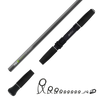
Offshore Trolling Rod Blanks

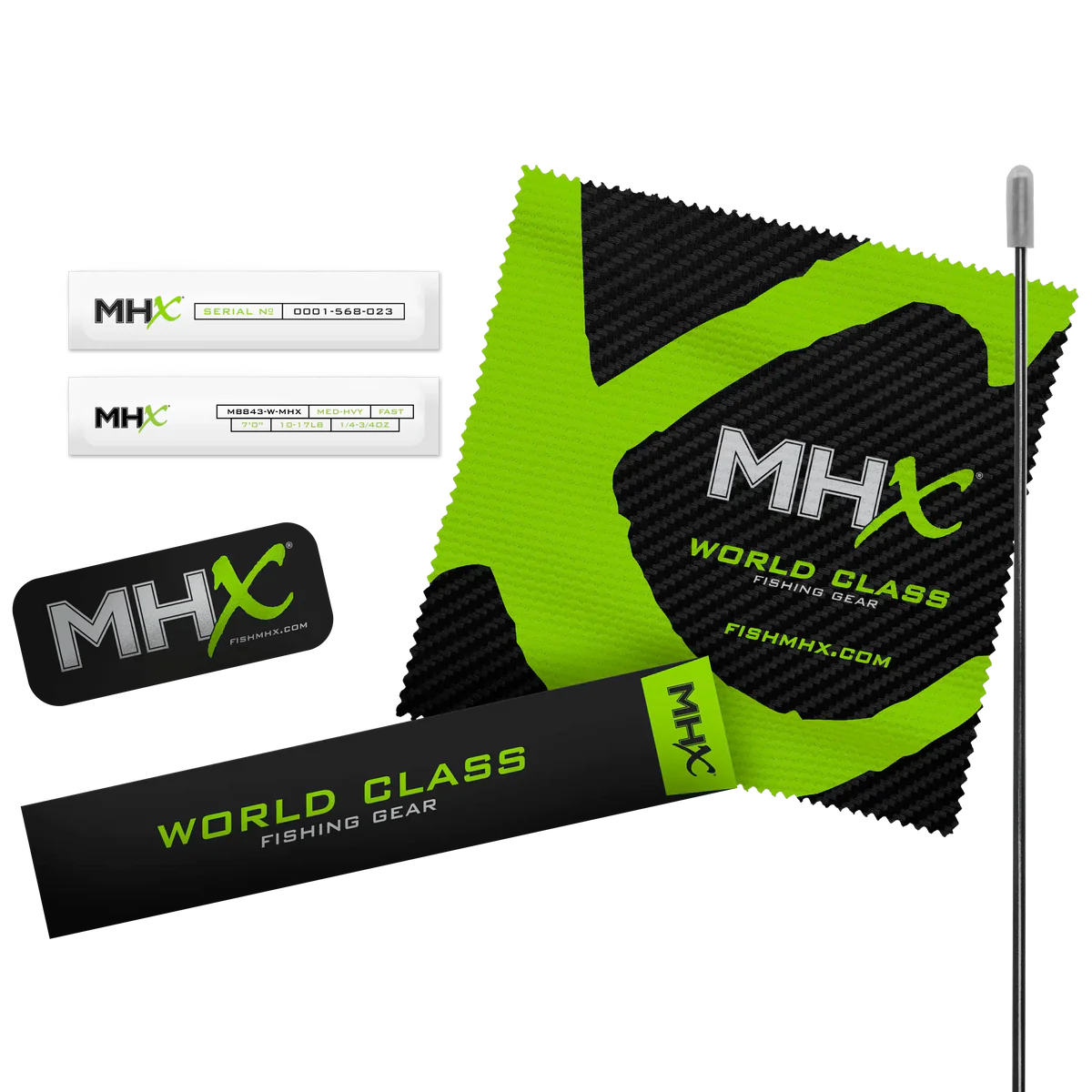
Offshore Trolling Guide Kits
Selecting the right guides is critical for a custom offshore trolling rod because the guide train affects line flow, heat management, blank loading, and long-term durability under heavy drag. Pre-packaged offshore trolling guide kits simplify the build process by providing a complete set of properly matched stripper and running guides sized for the blank and intended application. Instead of sourcing guides individually, builders can use a kit to streamline component selection, maintain consistent spacing and line transition, and reduce setup mistakes during assembly. This saves time and helps ensure the rod performs as a balanced system under load.
When selecting an offshore trolling guide kit, here’s what to look for:
Conventional Guides vs Roller Guides
Both conventional ring guides and roller guides control how line travels along the blank, but they perform very differently under heavy offshore trolling loads. Choosing the right guide style affects line friction, heat buildup, rod balance, and long-term durability, so the best option depends on trolling speed, drag pressure, target species, and line class.
Conventional ring guides are the standard choice for most offshore trolling rods. Built with corrosion-resistant frames and durable inserts like SiC, Alconite, Duralite, or Nanolite, they provide smooth line flow and evenly distribute stress throughout the blank. They handle heavy braid, fluorocarbon, and mono reliably while keeping overall rod weight lower than roller setups, which helps maintain balance during long fights. Conventional guides are versatile enough for skirted lure spreads, plug trolling, live bait trolling, and many deep trolling applications, making them the most common guide style for general offshore use.
Roller guides use rotating rollers instead of fixed inserts, allowing the line to roll across the guide under pressure rather than slide. This dramatically reduces friction, heat buildup, and line wear during prolonged, high-drag fights with large pelagic species like tuna, wahoo, and billfish. Roller tips or full roller guide trains are especially useful for heavy braid, wire leaders, and high-drag trolling setups where line friction becomes a limiting factor. While rollers improve durability and line protection under extreme load, they also add weight, increase build complexity, and can slightly change rod balance, so they’re typically reserved for heavier offshore trolling applications rather than lighter general-purpose setups.
Guide Components & Materials
Stripping guides are the first guides above the reel and play a critical role in offshore trolling rod performance. Their primary job is to control and redirect line coming off the reel spool smoothly into the guide train while keeping the line from contacting the blank under heavy drag. Stripper guide height, frame strength, and placement relative to the reel are especially important in offshore trolling applications where heavy line and sustained pressure can quickly expose poor line flow or alignment issues.
Running guides carry the line along the remainder of the blank, gradually stepping down in size toward the tip. Their job is to distribute load evenly across the rod while maintaining smooth line flow and consistent blank performance under constant pressure. High-drag offshore trolling rods often use additional double-foot running guides in the lower and mid-sections to improve durability and better support the blank under heavy load.
Guide materials are equally important in saltwater environments. Frames must resist corrosion while remaining strong enough to handle repeated stress and heavy drag pressures. Stainless steel offers durability and value, while titanium reduces weight and provides maximum corrosion resistance. Ring inserts such as SiC, Nanolite, Alconite, and Duralite reduce friction, resist grooving from braided lines, and help maintain smooth line flow during long fights.
Guide Recommendations by Trolling Style
High-Speed Trolling (Surface)
Targets: Wahoo, tuna, other aggressive pelagics at 10–20+ knots
Guides: Roller tips or full roller guides are strongly recommended to reduce friction and heat under extreme speeds and high-drag conditions. Heavy-duty conventional ring guides can work on lighter setups, but rollers improve line payout and protect both line and blank during repeated high-speed strikes.
Skirted Lure Trolling (Conventional Spread)
Targets: Marlin, sailfish, tuna, mahi-mahi at 5–9 knots
Guides: Conventional ring guides handle most trolling setups. Roller tips may be added only for very heavy braid or high-drag reels, but are not typically necessary. Proper spacing ensures lines run cleanly without overlap in multi-lure spreads.
Artificial Lure Trolling (Plug / Diving Hard Baits)
Targets: Tuna, wahoo, kingfish, mahi at 4–8 knots
Guides: Ring guides maintain lure tracking and blank loading. Roller tips are optional for setups using very heavy line, deep-diving plugs, or wire leaders. Medium-length rods benefit from a balanced guide train for smooth performance.
Slow Trolling (Live Bait)
Targets: Sailfish, tuna, kingfish, and other live-bait feeders under 3–4 knots
Guides: Standard ring guides are sufficient. Rollers are rarely needed, even with heavier lines, because speeds and drag are lower. Smooth line flow keeps baits lively and reduces blank stress.
Deep Trolling (Planers & Downriggers)
Targets: Tuna, wahoo, kingfish, and other deep-holding pelagics
Guides: Roller tips or full roller guides are highly recommended for deep trolling, especially when using heavy braid, wire leaders, or high-drag reels. Conventional ring guides can work for lighter setups, but rollers protect line and reduce heat over long pulls. Shorter planer rods (~4’10″–6’6″) benefit from a reinforced guide train to maintain depth control.
Key Takeaways
- Conventional ring guides are versatile and sufficient for most offshore trolling applications.
- Roller guides or tips are essential for extreme high-drag, big-game setups to reduce heat and line wear.
- Proper guide spacing and material choice (stainless vs titanium, ring insert type) affect blank loading, rod balance, and performance.
- Matching guide type to trolling style, line class, and target species ensures smooth line flow, better lure tracking, and longer rod life.
- Builders can combine conventional and roller guides (ring guides along the blank + roller tip) for optimized performance under load.
Offshore Trolling Guide Kits
Selecting the right guides is critical for a custom offshore trolling rod because the guide train affects line flow, heat management, blank loading, and long-term durability under heavy drag. Pre-packaged offshore trolling guide kits simplify the build process by providing a complete set of properly matched stripper and running guides sized for the blank and intended application. Instead of sourcing guides individually, builders can use a kit to streamline component selection, maintain consistent spacing and line transition, and reduce setup mistakes during assembly. This saves time and helps ensure the rod performs as a balanced system under load.
When selecting an offshore trolling guide kit, here’s what to look for:
Conventional Guides vs Roller Guides
Both conventional ring guides and roller guides control how line travels along the blank, but they perform very differently under heavy offshore trolling loads. Choosing the right guide style affects line friction, heat buildup, rod balance, and long-term durability, so the best option depends on trolling speed, drag pressure, target species, and line class.
Conventional ring guides are the standard choice for most offshore trolling rods. Built with corrosion-resistant frames and durable inserts like SiC, Alconite, Duralite, or Nanolite, they provide smooth line flow and evenly distribute stress throughout the blank. They handle heavy braid, fluorocarbon, and mono reliably while keeping overall rod weight lower than roller setups, which helps maintain balance during long fights. Conventional guides are versatile enough for skirted lure spreads, plug trolling, live bait trolling, and many deep trolling applications, making them the most common guide style for general offshore use.
Roller guides use rotating rollers instead of fixed inserts, allowing the line to roll across the guide under pressure rather than slide. This dramatically reduces friction, heat buildup, and line wear during prolonged, high-drag fights with large pelagic species like tuna, wahoo, and billfish. Roller tips or full roller guide trains are especially useful for heavy braid, wire leaders, and high-drag trolling setups where line friction becomes a limiting factor. While rollers improve durability and line protection under extreme load, they also add weight, increase build complexity, and can slightly change rod balance, so they’re typically reserved for heavier offshore trolling applications rather than lighter general-purpose setups.
Guide Components & Materials
Stripping guides are the first guides above the reel and play a critical role in offshore trolling rod performance. Their primary job is to control and redirect line coming off the reel spool smoothly into the guide train while keeping the line from contacting the blank under heavy drag. Stripper guide height, frame strength, and placement relative to the reel are especially important in offshore trolling applications where heavy line and sustained pressure can quickly expose poor line flow or alignment issues.
Running guides carry the line along the remainder of the blank, gradually stepping down in size toward the tip. Their job is to distribute load evenly across the rod while maintaining smooth line flow and consistent blank performance under constant pressure. High-drag offshore trolling rods often use additional double-foot running guides in the lower and mid-sections to improve durability and better support the blank under heavy load.
Guide materials are equally important in saltwater environments. Frames must resist corrosion while remaining strong enough to handle repeated stress and heavy drag pressures. Stainless steel offers durability and value, while titanium reduces weight and provides maximum corrosion resistance. Ring inserts such as SiC, Nanolite, Alconite, and Duralite reduce friction, resist grooving from braided lines, and help maintain smooth line flow during long fights.
Guide Recommendations by Trolling Style
High-Speed Trolling (Surface)
Targets: Wahoo, tuna, other aggressive pelagics at 10–20+ knots
Guides: Roller tips or full roller guides are strongly recommended to reduce friction and heat under extreme speeds and high-drag conditions. Heavy-duty conventional ring guides can work on lighter setups, but rollers improve line payout and protect both line and blank during repeated high-speed strikes.
Skirted Lure Trolling (Conventional Spread)
Targets: Marlin, sailfish, tuna, mahi-mahi at 5–9 knots
Guides: Conventional ring guides handle most trolling setups. Roller tips may be added only for very heavy braid or high-drag reels, but are not typically necessary. Proper spacing ensures lines run cleanly without overlap in multi-lure spreads.
Artificial Lure Trolling (Plug / Diving Hard Baits)
Targets: Tuna, wahoo, kingfish, mahi at 4–8 knots
Guides: Ring guides maintain lure tracking and blank loading. Roller tips are optional for setups using very heavy line, deep-diving plugs, or wire leaders. Medium-length rods benefit from a balanced guide train for smooth performance.
Slow Trolling (Live Bait)
Targets: Sailfish, tuna, kingfish, and other live-bait feeders under 3–4 knots
Guides: Standard ring guides are sufficient. Rollers are rarely needed, even with heavier lines, because speeds and drag are lower. Smooth line flow keeps baits lively and reduces blank stress.
Deep Trolling (Planers & Downriggers)
Targets: Tuna, wahoo, kingfish, and other deep-holding pelagics
Guides: Roller tips or full roller guides are highly recommended for deep trolling, especially when using heavy braid, wire leaders, or high-drag reels. Conventional ring guides can work for lighter setups, but rollers protect line and reduce heat over long pulls. Shorter planer rods (~4’10″–6’6″) benefit from a reinforced guide train to maintain depth control.
Key Takeaways
- Conventional ring guides are versatile and sufficient for most offshore trolling applications.
- Roller guides or tips are essential for extreme high-drag, big-game setups to reduce heat and line wear.
- Proper guide spacing and material choice (stainless vs titanium, ring insert type) affect blank loading, rod balance, and performance.
- Matching guide type to trolling style, line class, and target species ensures smooth line flow, better lure tracking, and longer rod life.
- Builders can combine conventional and roller guides (ring guides along the blank + roller tip) for optimized performance under load.
Offshore Trolling Guide Kits
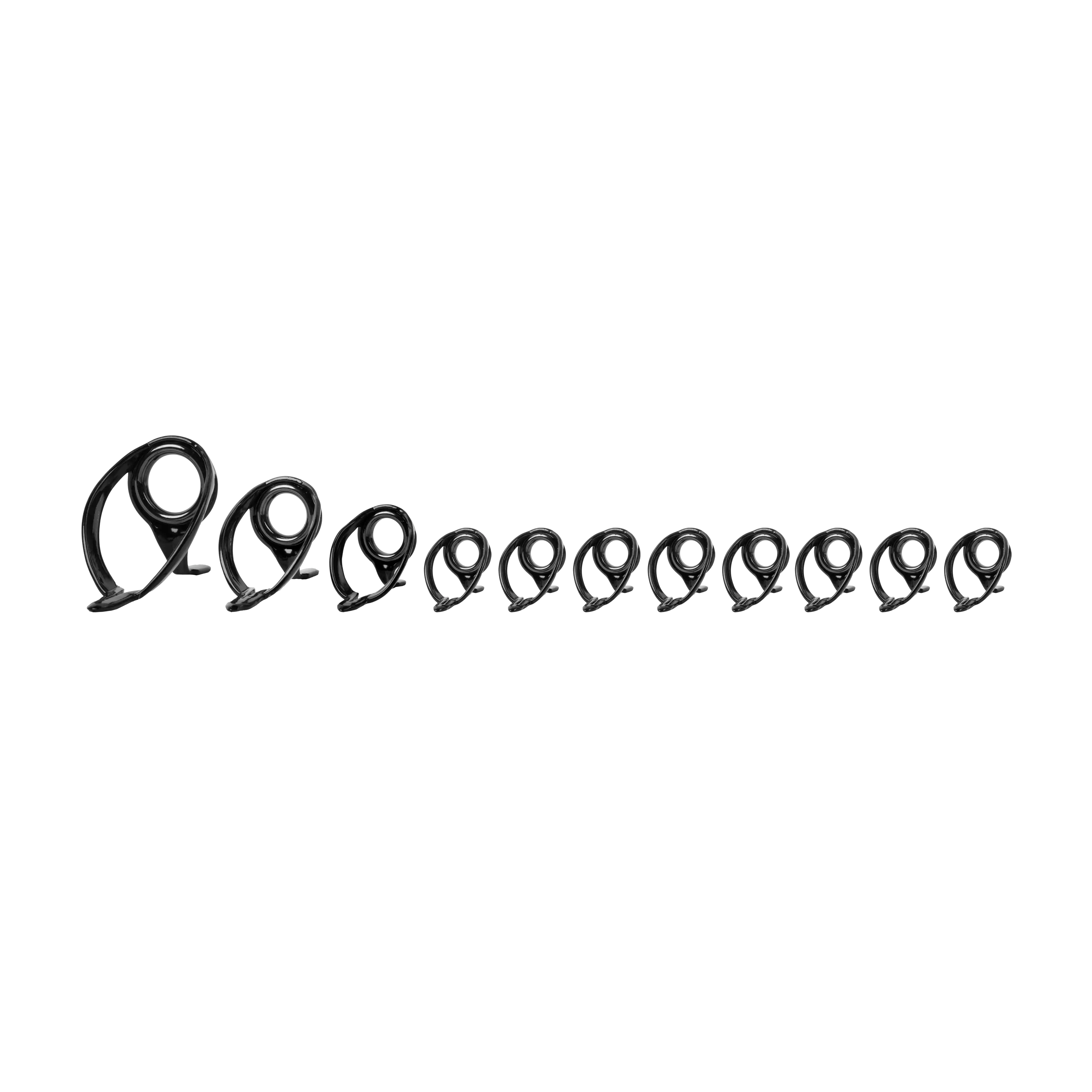
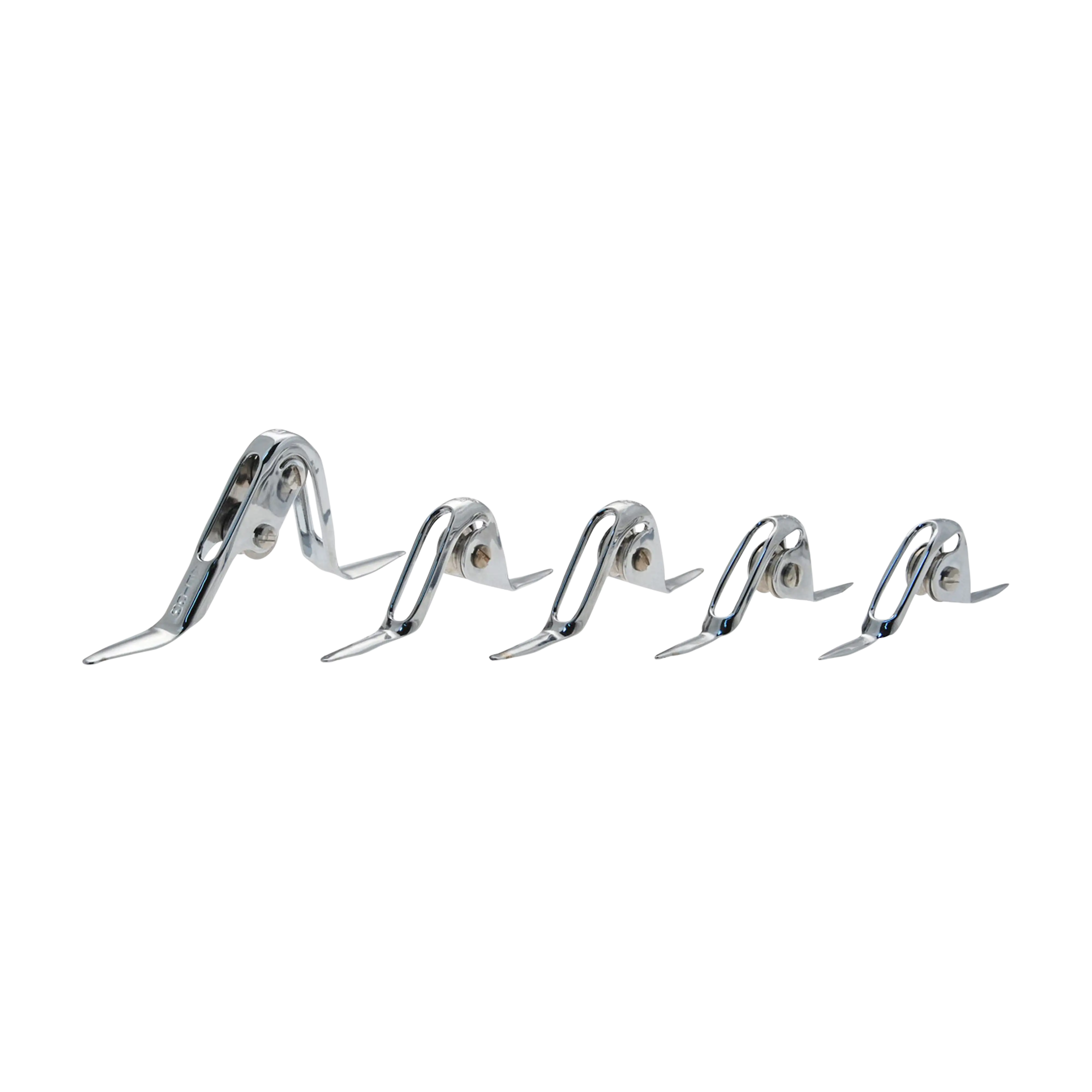
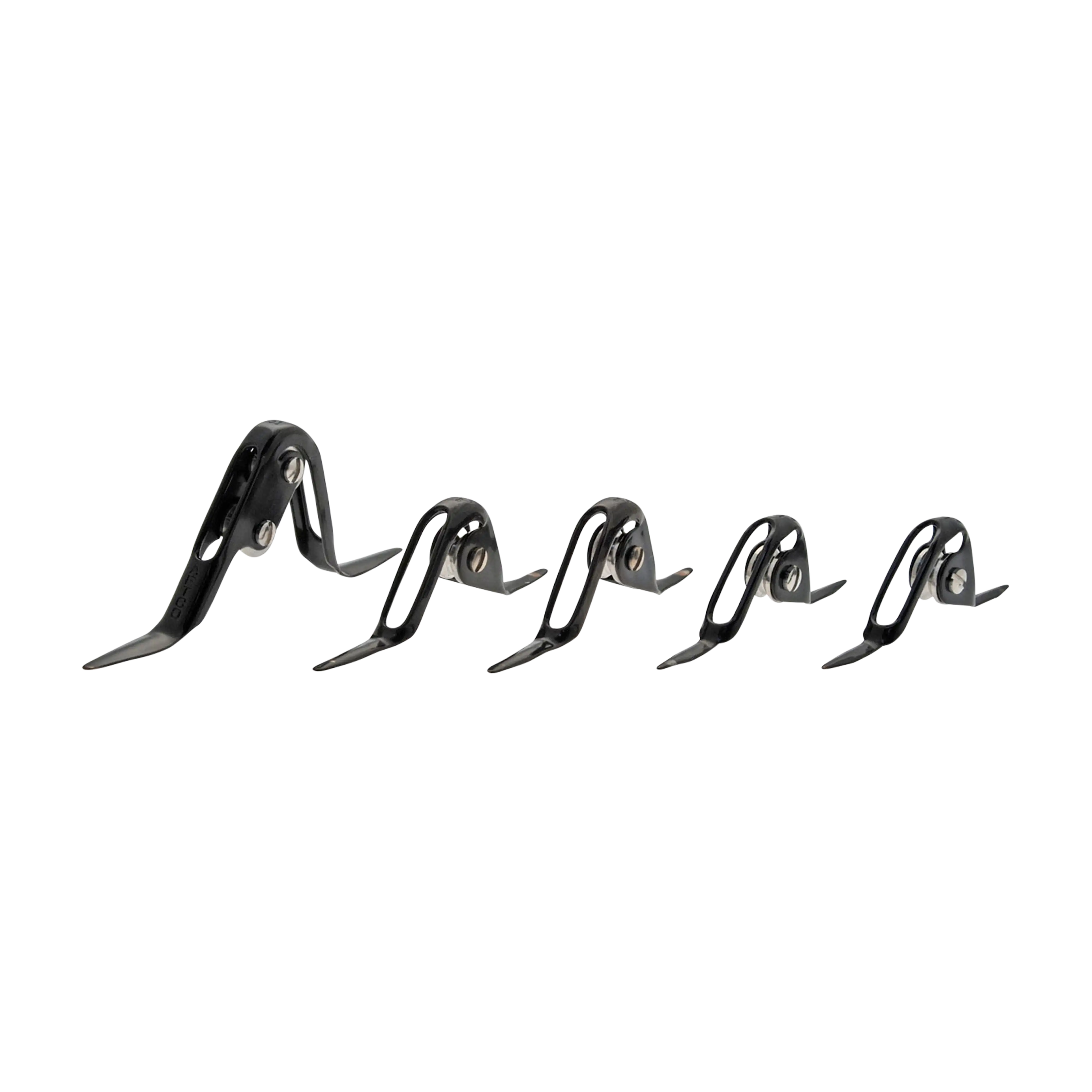
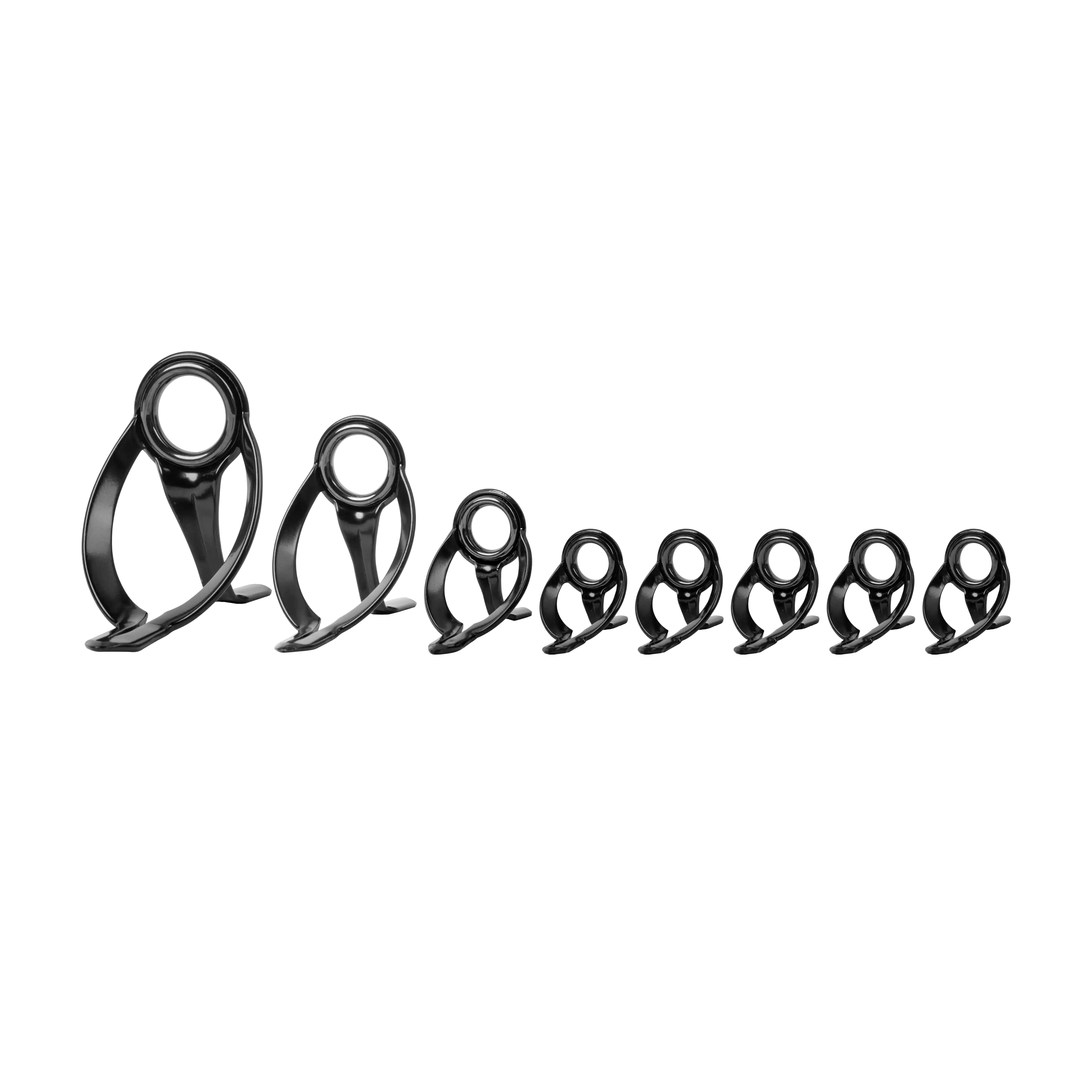


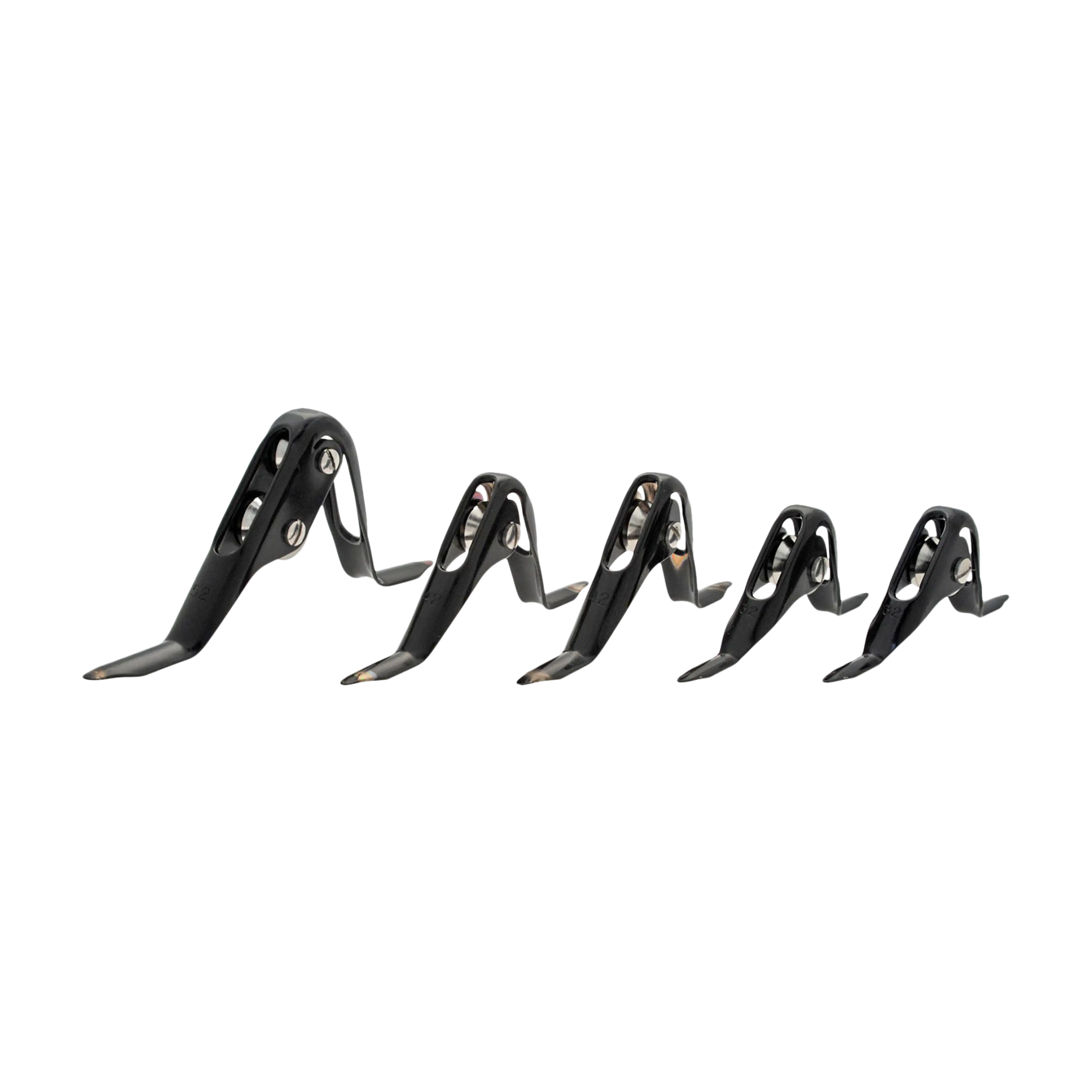
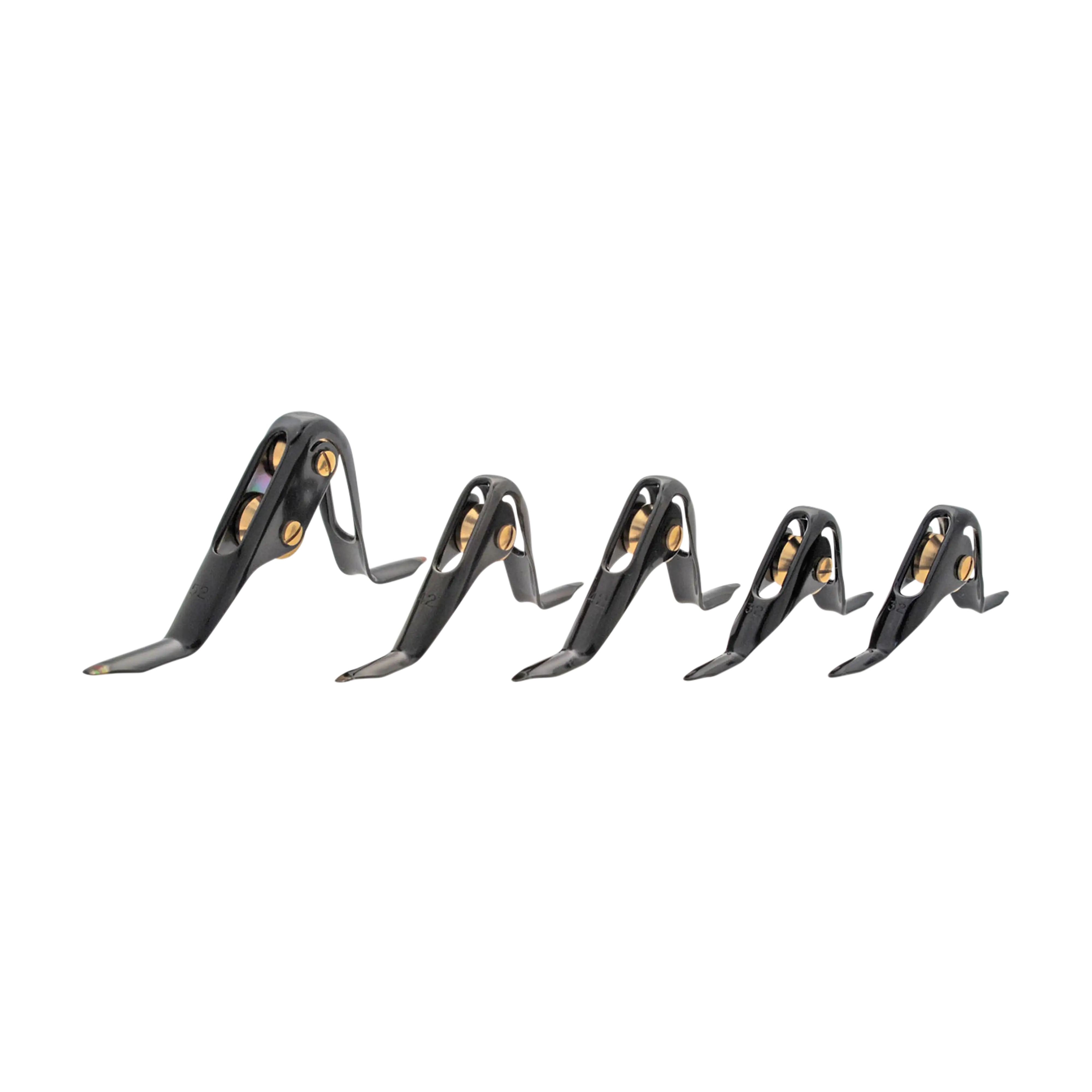
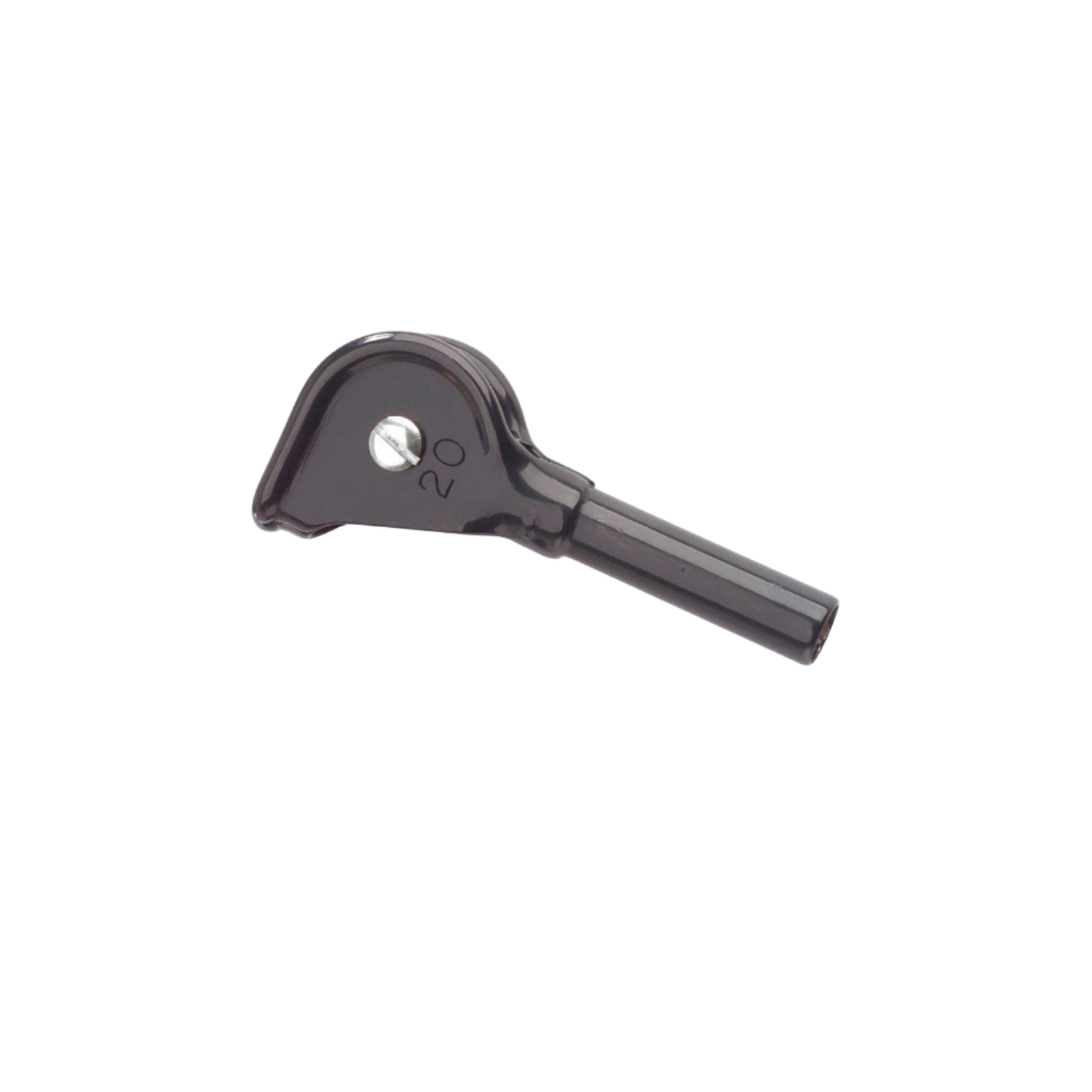
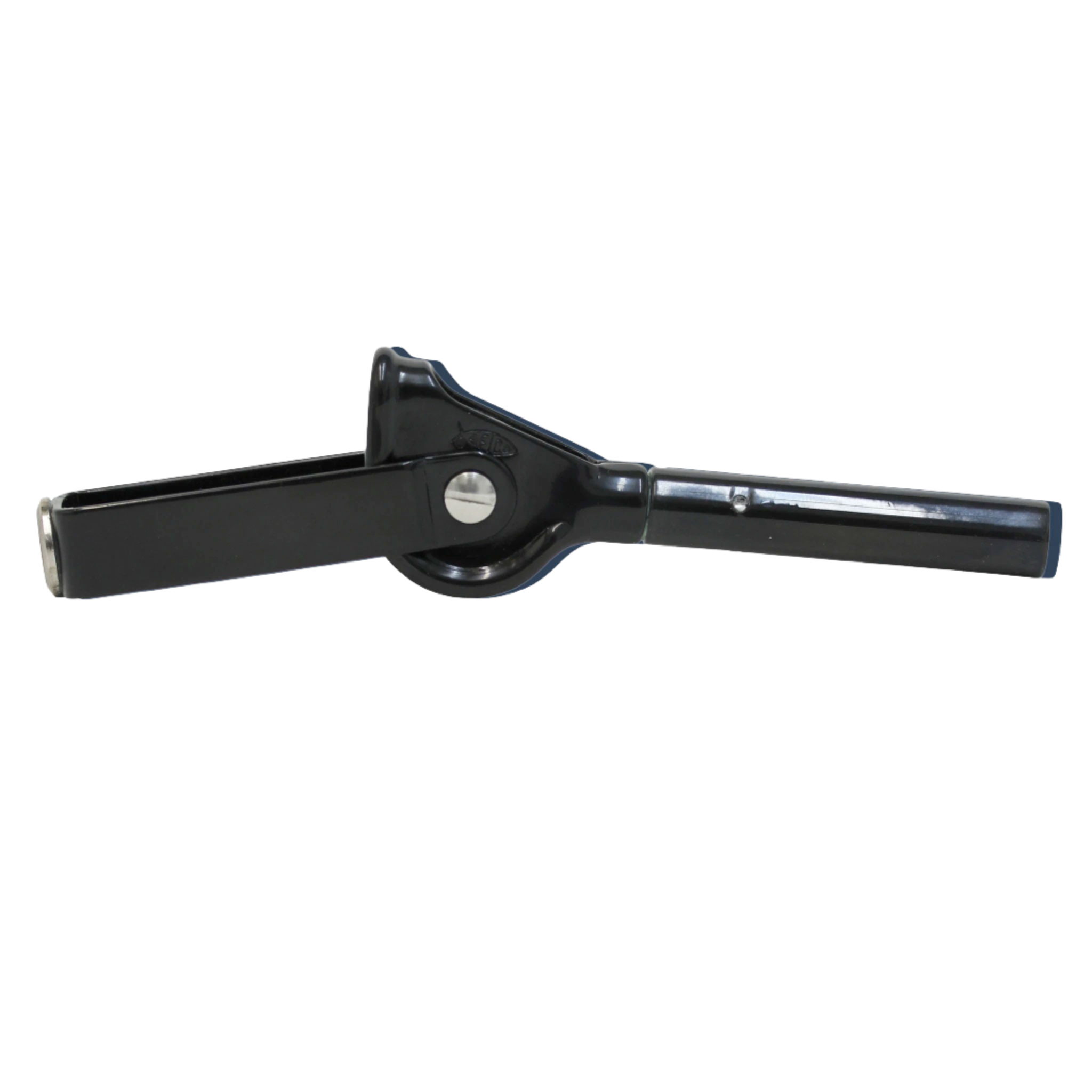
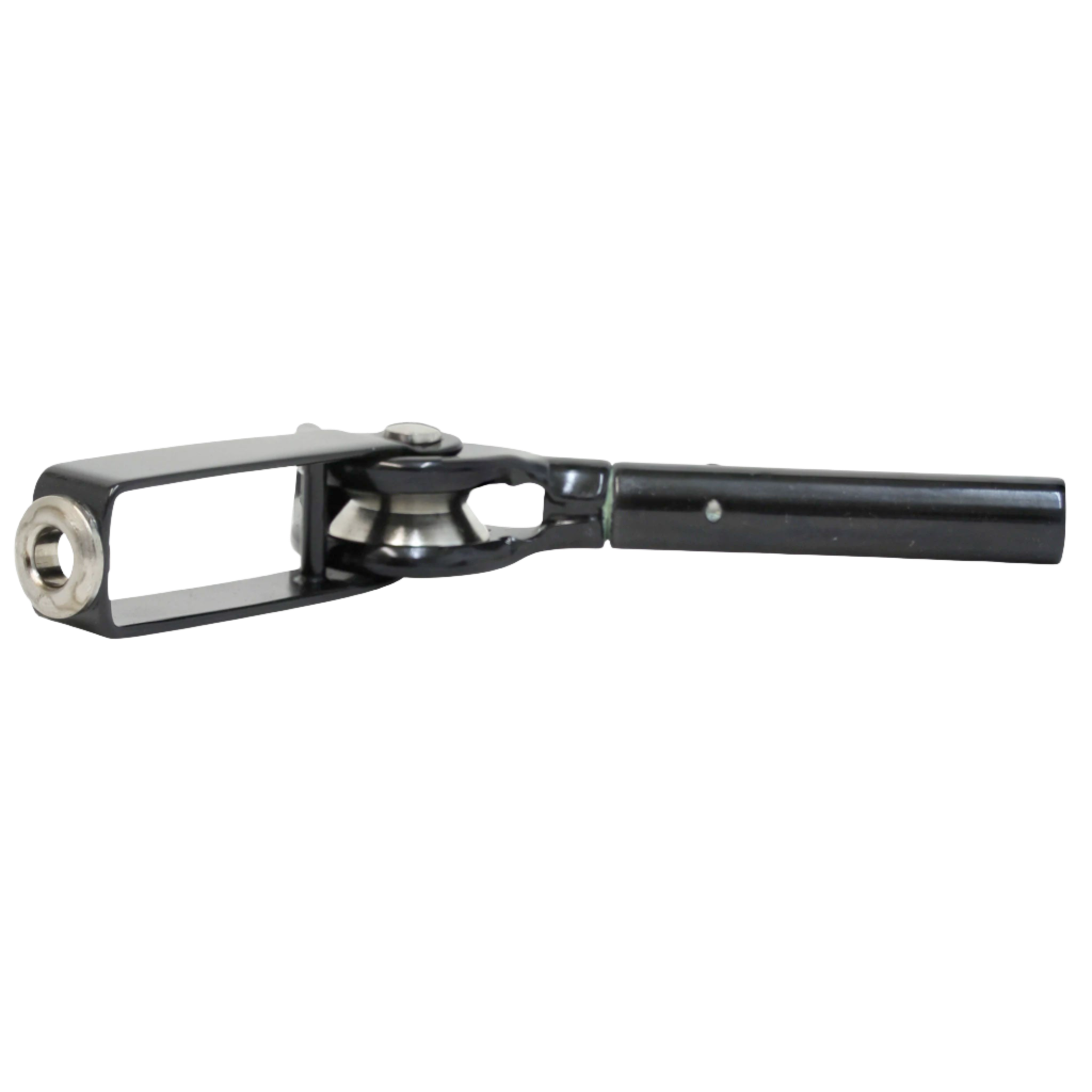
Offshore Trolling Tip Tops
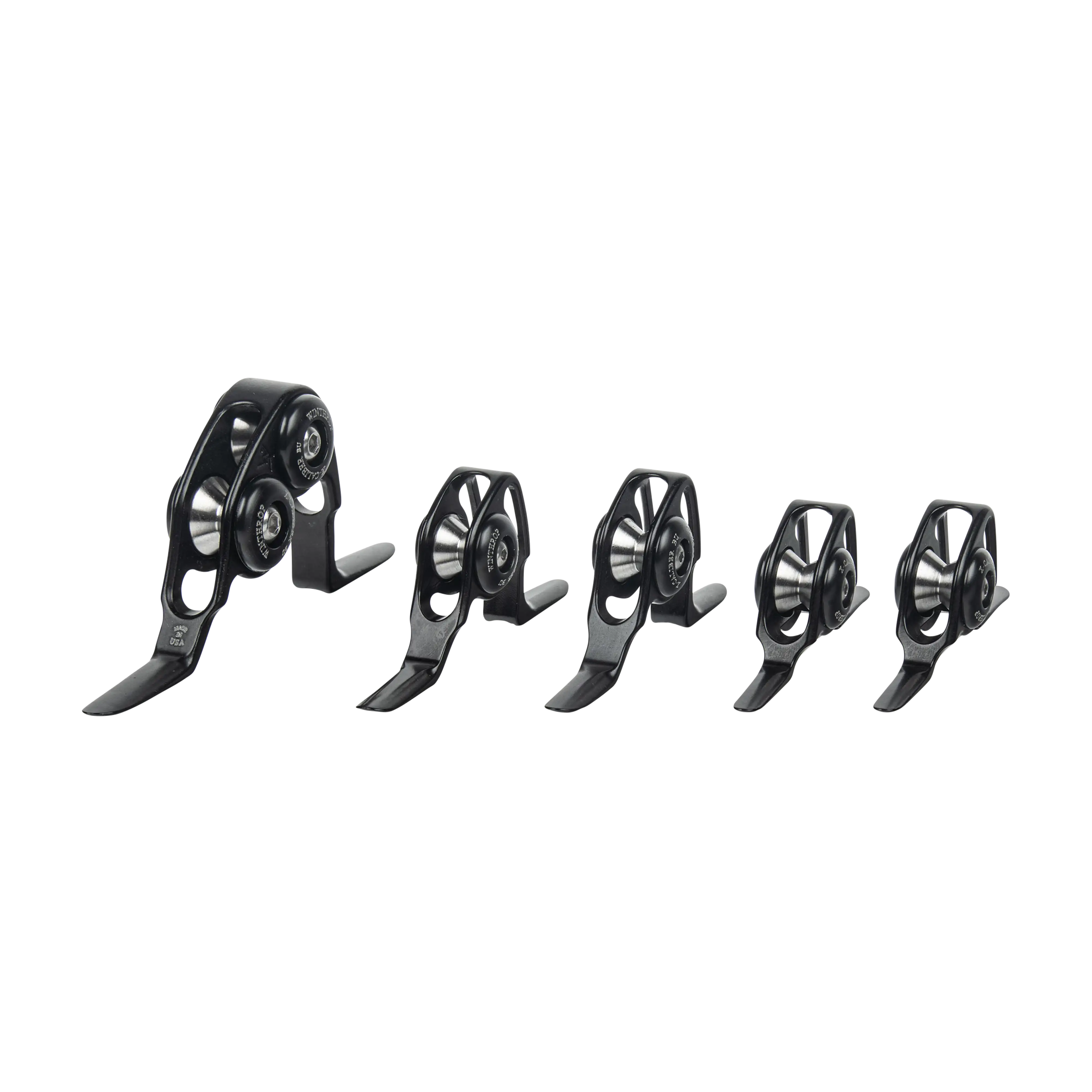
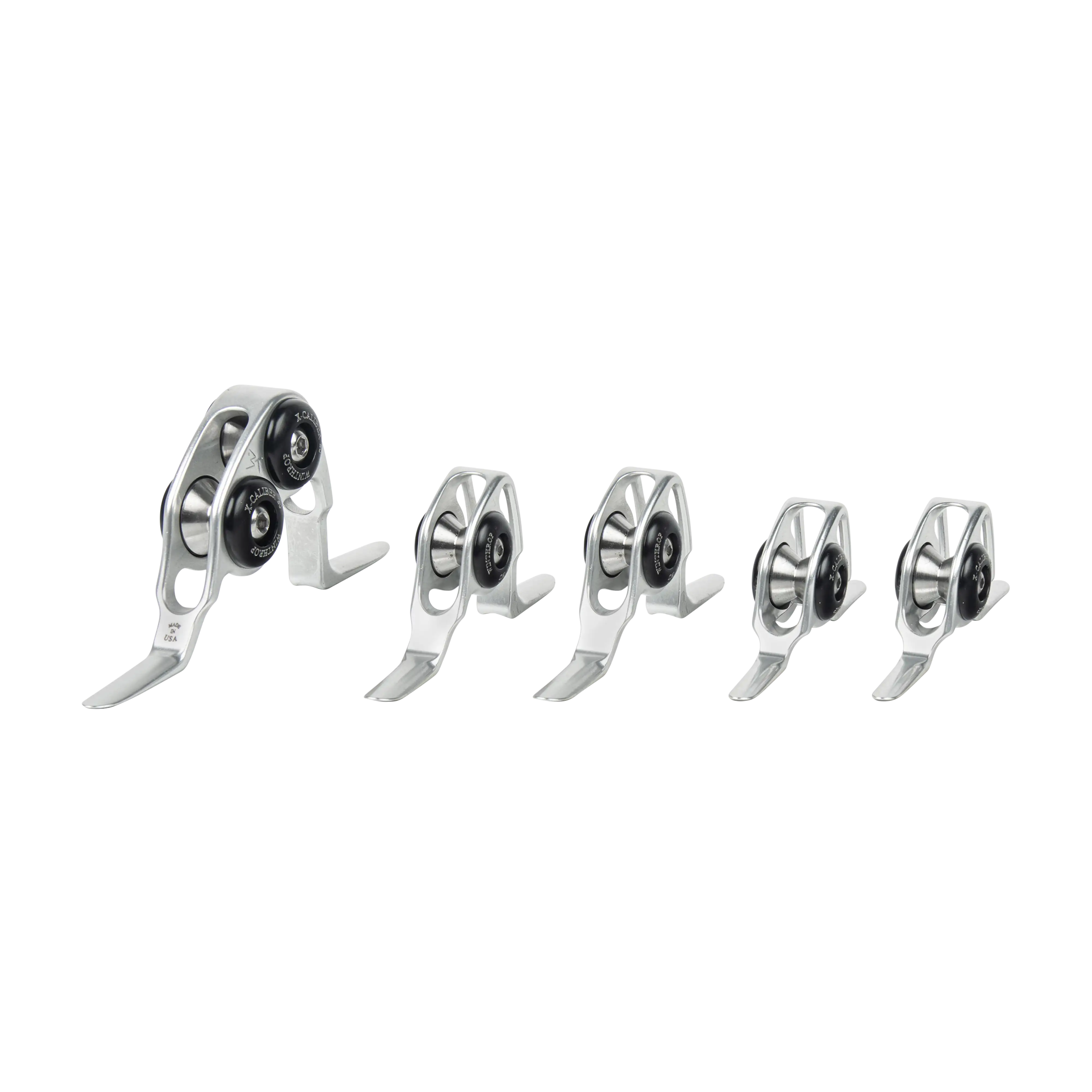
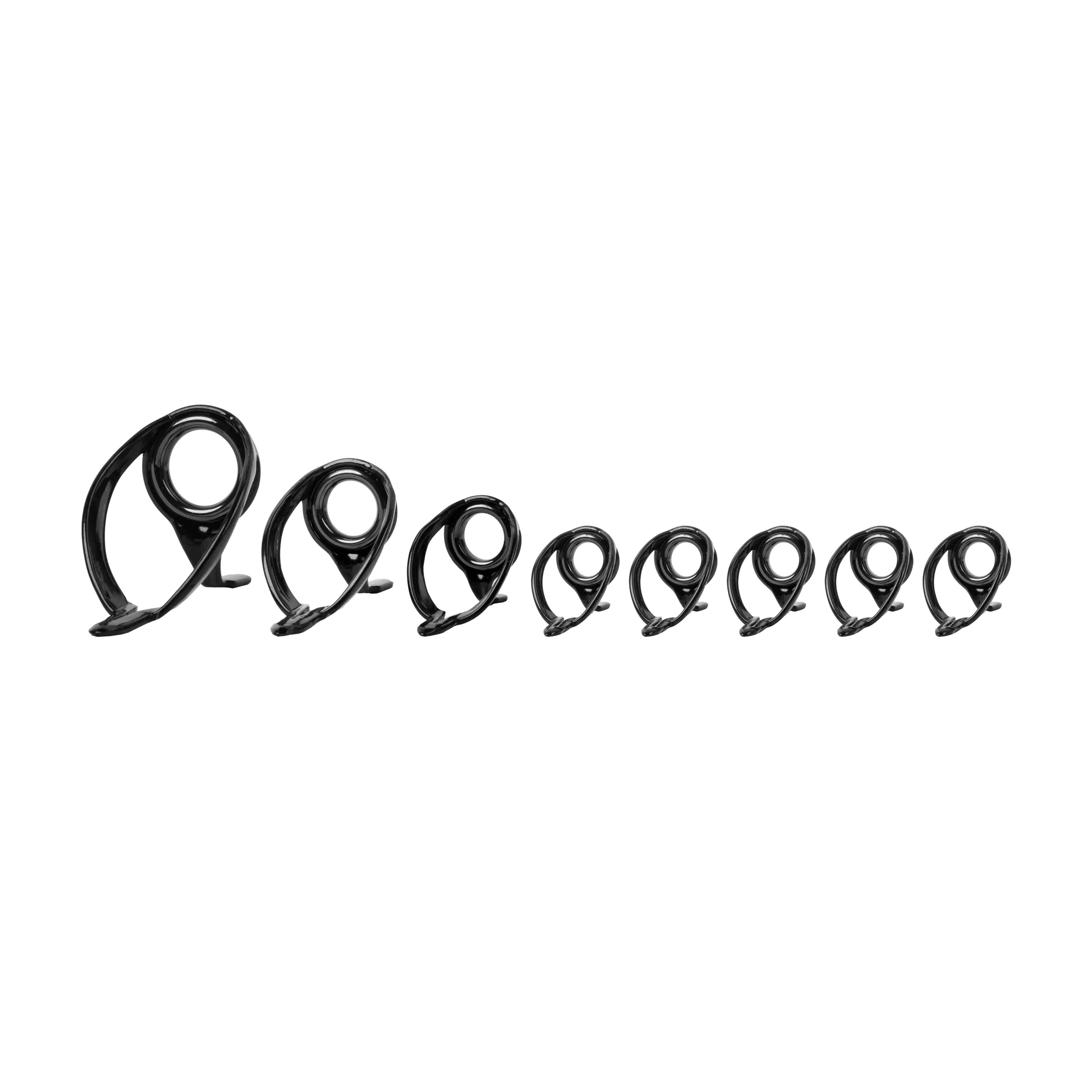
The tip-top is the final guide at the end of an offshore trolling rod, controlling how the line exits the blank while protecting the rod under heavy load. A properly selected tip-top helps maintain smooth line flow, reduces friction and abrasion, and completes the guide train for consistent performance during high-speed, deep, or heavy trolling applications. While it doesn’t have to match the guide kit exactly, many builders choose the same brand, frame style, and finish to create a clean, cohesive build.
Conventional vs. Roller
Conventional ring tip tops are the standard fixed-ring design used on most offshore trolling rods. They provide smooth line exit for braid, mono, or fluorocarbon while supporting consistent blank loading under moderate to heavy trolling pressure. Their lighter weight and simple construction make them versatile for skirted lure spreads, plug trolling, live bait trolling, and most general offshore applications.
Roller tip tops use a rotating roller instead of a fixed ring to reduce friction when heavy lines are pulled under sustained drag. This helps minimize heat buildup and line wear during prolonged fights with large pelagic species like tuna, wahoo, and billfish. Roller tips are commonly used for high-speed trolling, deep trolling with planers or downriggers, and setups using heavy braid or wire leaders where line friction becomes a concern. Although heavier than conventional tip tops, they provide important protection and smoother line flow in extreme offshore trolling conditions.
Materials & Sizing
Material selection also plays a major role in long-term performance. Hard, polished ring inserts such as SiC, Nanolite, Alconite, or Duralite reduce friction, resist grooving from braided line, and maintain smooth line flow under load. Frame materials like stainless steel or titanium improve corrosion resistance in saltwater environments while balancing durability and weight.
Proper sizing and alignment are equally important. The tip-top ring diameter should match the running guide train closely to maintain consistent line transition, although some anglers increase the ring size slightly to help large leader knots pass more cleanly. Careful alignment with the rest of the guide train ensures even blank loading and smooth line exit under pressure. Many builders also match the tip-top visually to the guide kit for a more professional, uniform appearance throughout the finished rod.
Key Takeaways
- Conventional tip tops are lighter and ideal for most general offshore trolling applications.
- Roller tip tops reduce friction and heat during high-drag fights with heavy lines or large pelagic species.
- Ring materials like SiC, Nanolite, Alconite, and Duralite improve durability and minimize line wear.
- Stainless steel and titanium frames provide corrosion resistance for saltwater environments.
Offshore Trolling Tip Tops
The tip-top is the final guide at the end of an offshore trolling rod, controlling how the line exits the blank while protecting the rod under heavy load. A properly selected tip-top helps maintain smooth line flow, reduces friction and abrasion, and completes the guide train for consistent performance during high-speed, deep, or heavy trolling applications. While it doesn’t have to match the guide kit exactly, many builders choose the same brand, frame style, and finish to create a clean, cohesive build.
Conventional vs. Roller
Conventional ring tip tops are the standard fixed-ring design used on most offshore trolling rods. They provide smooth line exit for braid, mono, or fluorocarbon while supporting consistent blank loading under moderate to heavy trolling pressure. Their lighter weight and simple construction make them versatile for skirted lure spreads, plug trolling, live bait trolling, and most general offshore applications.
Roller tip tops use a rotating roller instead of a fixed ring to reduce friction when heavy lines are pulled under sustained drag. This helps minimize heat buildup and line wear during prolonged fights with large pelagic species like tuna, wahoo, and billfish. Roller tips are commonly used for high-speed trolling, deep trolling with planers or downriggers, and setups using heavy braid or wire leaders where line friction becomes a concern. Although heavier than conventional tip tops, they provide important protection and smoother line flow in extreme offshore trolling conditions.
Materials & Sizing
Material selection also plays a major role in long-term performance. Hard, polished ring inserts such as SiC, Nanolite, Alconite, or Duralite reduce friction, resist grooving from braided line, and maintain smooth line flow under load. Frame materials like stainless steel or titanium improve corrosion resistance in saltwater environments while balancing durability and weight.
Proper sizing and alignment are equally important. The tip-top ring diameter should match the running guide train closely to maintain consistent line transition, although some anglers increase the ring size slightly to help large leader knots pass more cleanly. Careful alignment with the rest of the guide train ensures even blank loading and smooth line exit under pressure. Many builders also match the tip-top visually to the guide kit for a more professional, uniform appearance throughout the finished rod.
Key Takeaways
- Conventional tip tops are lighter and ideal for most general offshore trolling applications.
- Roller tip tops reduce friction and heat during high-drag fights with heavy lines or large pelagic species.
- Ring materials like SiC, Nanolite, Alconite, and Duralite improve durability and minimize line wear.
- Stainless steel and titanium frames provide corrosion resistance for saltwater environments.
Offshore Trolling Tip Tops

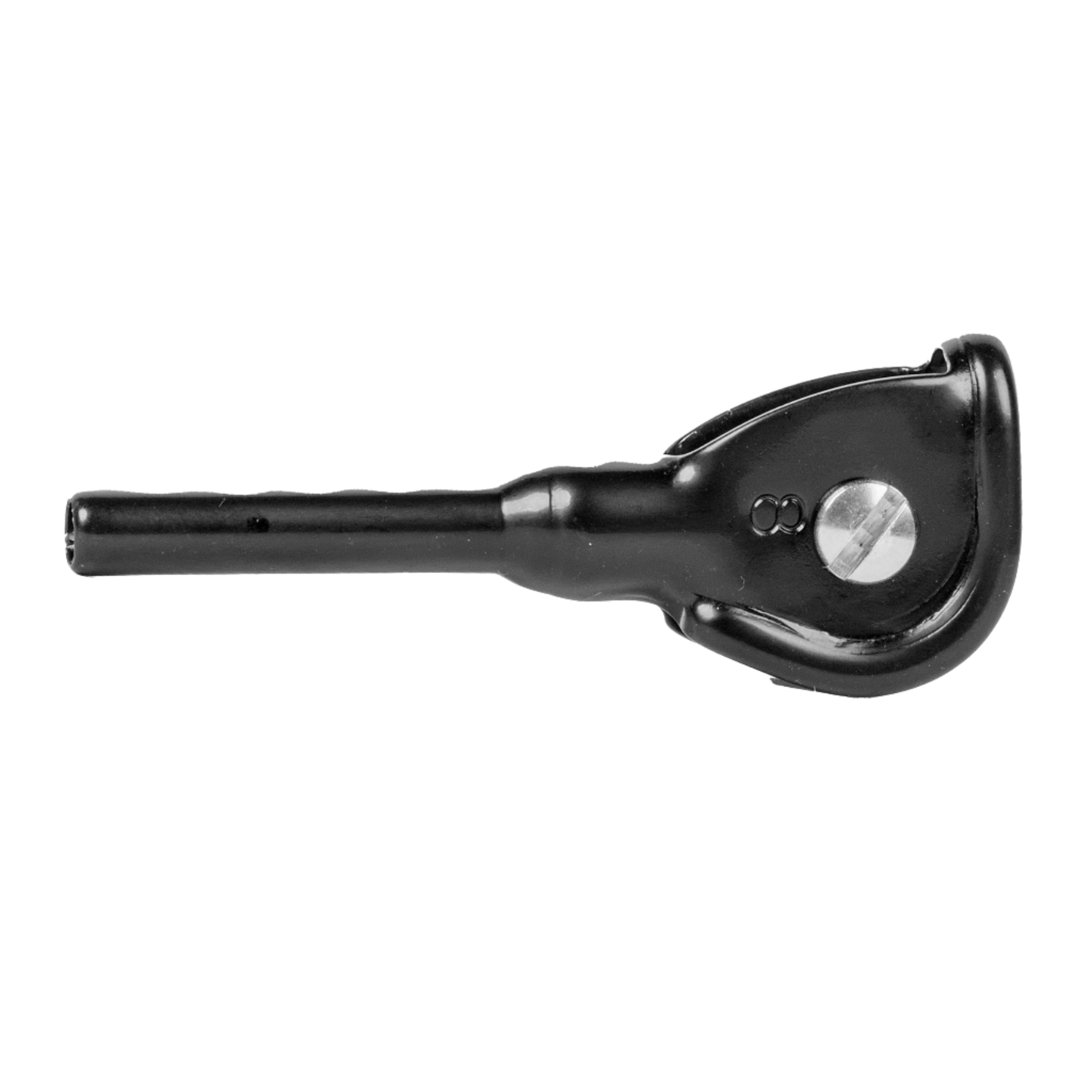


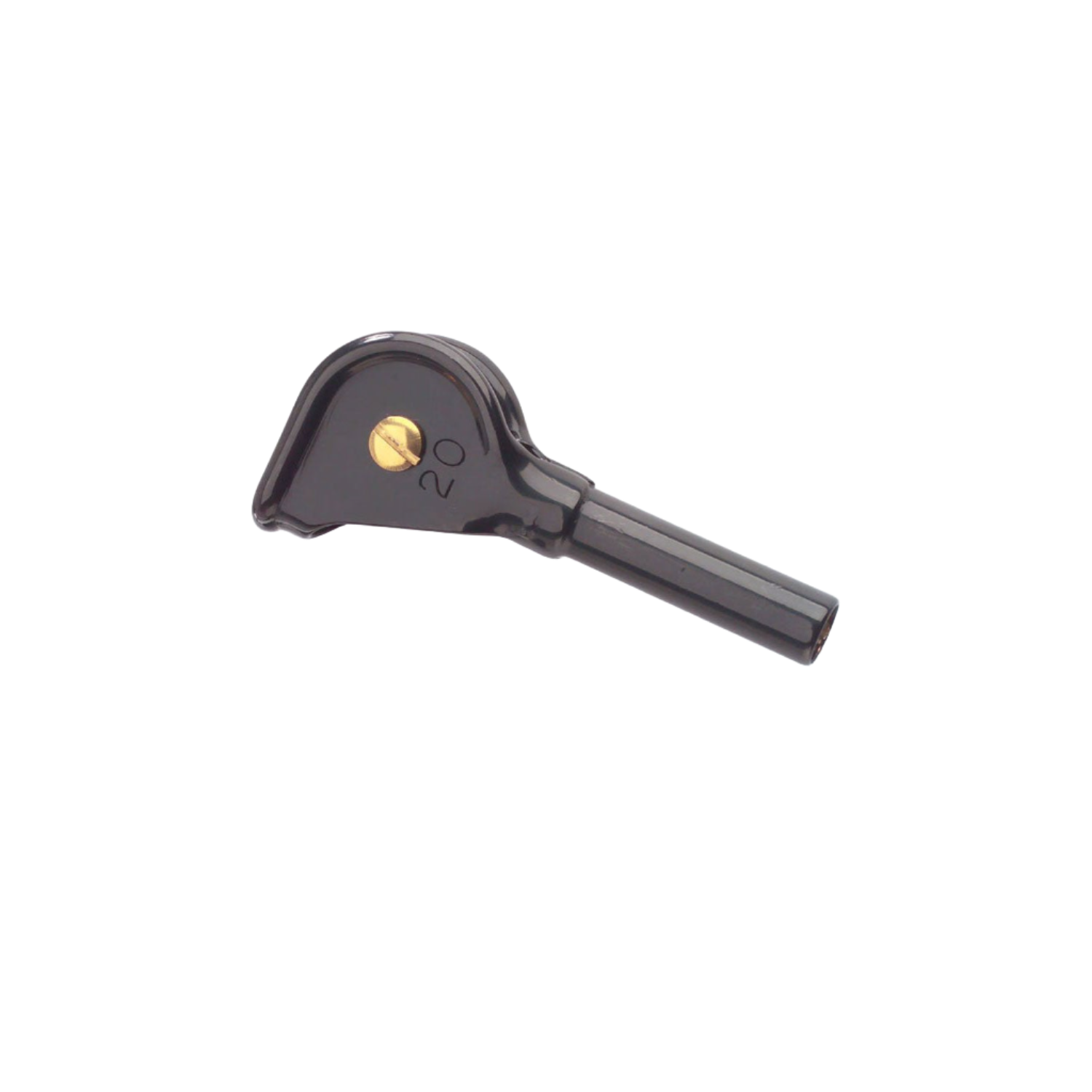


Offshore Trolling Handle Kits
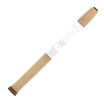
The handle is the foundation of control, leverage, and comfort on any offshore trolling rod. A high-quality handle kit provides all the components you need—grips, reel seat (usually), gimbal or butt cap—so builders can assemble a balanced, durable rod without guessing on fit or materials. Properly designed handles help manage heavy lures, high drag, and prolonged fights, reducing fatigue and improving performance whether the rod is hand-held or mounted in a holder. Pre-packaged kits save time, ensure consistent ergonomics, and allow builders to focus on fine-tuning the tip-top, guide train, and blank for their target species and trolling style.
Full-Length Offshore Handle Kit with Butt Cap
This classic handle kit provides a traditional front grip, integrated reel seat, and rear butt cap. It’s ideal for builders who want a secure, comfortable grip for both hand-held and holder-mounted trolling setups. The kit balances durability with ergonomic design, making it a versatile choice for a wide range of nearshore and offshore species. EVA or rubberized grips resist saltwater, are comfortable for long sessions, and are easy to maintain.
Best for: general-purpose offshore trolling, stand-up or holder-mounted skirted lure spreads, plug trolling, and slow trolling with moderate drag setups.
Full-Length Offshore Handle Kit with Gimbal
This kit swaps the rear butt cap for a gimbal, offering improved leverage for rods used in harnesses or holders. Builders get the same durable, ergonomic front grip and reel seat, but the gimbal setup is optimized for longer fights with larger pelagic species. Perfect for anglers who need consistent pressure and control in multi-rod spreads, the EVA or rubber grips ensure comfort and corrosion resistance.
Best for: stand-up or holder-mounted heavy skirted lure trolling, live-bait spreads, and sustained fights with marlin, sailfish, or tuna.
Full-Length Offshore Handle Kit with Straight Aluminum Butt/Gimbal
Designed for stand-up fighting, this handle kit integrates a straight aluminum butt with a gimbal for maximum leverage. It’s ideal for high-speed trolling, deep trolling, or any application where heavy line and drag demand solid control. Reinforced materials provide durability under extreme loads while keeping the rod balanced and responsive, reducing wrist strain during long pulls.
Best for: stand-up surface trolling, deep trolling with planers or downriggers, and big tuna or wahoo setups where direct leverage and rod control are critical.
Full-Length Offshore Handle Kit with Bent Aluminum Butt/Gimbal
Optimized for rods that remain in holders, this kit features a bent aluminum butt with a gimbal, letting anglers apply pressure efficiently without wrist fatigue. It’s perfect for multi-rod offshore spreads or when using large lures and spreader bars. The reinforced gimbal ensures stability and consistent performance under heavy loads.
Best for: holder-mounted skirted lure spreads, heavy live-bait trolling, and multi-rod offshore setups where sustained pressure is applied from the gimbal.
Key Takeaways
- Pre-packaged handle kits simplify the build process by supplying matched grips, reel seats, and butt configurations designed to work together.
- Full-length grip handles with butt caps offer versatile performance for general-purpose offshore trolling and moderate drag applications.
- Gimbal-equipped handle kits improve leverage and stability when fighting fish from harnesses or rod holders.
- Straight aluminum butt handles are ideal for stand-up fighting and high-drag offshore trolling where maximum control is needed.
- Bent aluminum butt handles are optimized for holder-mounted trolling rods and multi-rod offshore spreads.
- EVA and rubberized grip materials improve comfort, resist saltwater exposure, and reduce fatigue during long offshore sessions.
Offshore Trolling Handle Kits
The handle is the foundation of control, leverage, and comfort on any offshore trolling rod. A high-quality handle kit provides all the components you need—grips, reel seat (usually), gimbal or butt cap—so builders can assemble a balanced, durable rod without guessing on fit or materials. Properly designed handles help manage heavy lures, high drag, and prolonged fights, reducing fatigue and improving performance whether the rod is hand-held or mounted in a holder. Pre-packaged kits save time, ensure consistent ergonomics, and allow builders to focus on fine-tuning the tip-top, guide train, and blank for their target species and trolling style.
Full-Length Offshore Handle Kit with Butt Cap
This classic handle kit provides a traditional front grip, integrated reel seat, and rear butt cap. It’s ideal for builders who want a secure, comfortable grip for both hand-held and holder-mounted trolling setups. The kit balances durability with ergonomic design, making it a versatile choice for a wide range of nearshore and offshore species. EVA or rubberized grips resist saltwater, are comfortable for long sessions, and are easy to maintain.
Best for: general-purpose offshore trolling, stand-up or holder-mounted skirted lure spreads, plug trolling, and slow trolling with moderate drag setups.
Full-Length Offshore Handle Kit with Gimbal
This kit swaps the rear butt cap for a gimbal, offering improved leverage for rods used in harnesses or holders. Builders get the same durable, ergonomic front grip and reel seat, but the gimbal setup is optimized for longer fights with larger pelagic species. Perfect for anglers who need consistent pressure and control in multi-rod spreads, the EVA or rubber grips ensure comfort and corrosion resistance.
Best for: stand-up or holder-mounted heavy skirted lure trolling, live-bait spreads, and sustained fights with marlin, sailfish, or tuna.
Full-Length Offshore Handle Kit with Straight Aluminum Butt/Gimbal
Designed for stand-up fighting, this handle kit integrates a straight aluminum butt with a gimbal for maximum leverage. It’s ideal for high-speed trolling, deep trolling, or any application where heavy line and drag demand solid control. Reinforced materials provide durability under extreme loads while keeping the rod balanced and responsive, reducing wrist strain during long pulls.
Best for: stand-up surface trolling, deep trolling with planers or downriggers, and big tuna or wahoo setups where direct leverage and rod control are critical.
Full-Length Offshore Handle Kit with Bent Aluminum Butt/Gimbal
Optimized for rods that remain in holders, this kit features a bent aluminum butt with a gimbal, letting anglers apply pressure efficiently without wrist fatigue. It’s perfect for multi-rod offshore spreads or when using large lures and spreader bars. The reinforced gimbal ensures stability and consistent performance under heavy loads.
Best for: holder-mounted skirted lure spreads, heavy live-bait trolling, and multi-rod offshore setups where sustained pressure is applied from the gimbal.
Key Takeaways
- Pre-packaged handle kits simplify the build process by supplying matched grips, reel seats, and butt configurations designed to work together.
- Full-length grip handles with butt caps offer versatile performance for general-purpose offshore trolling and moderate drag applications.
- Gimbal-equipped handle kits improve leverage and stability when fighting fish from harnesses or rod holders.
- Straight aluminum butt handles are ideal for stand-up fighting and high-drag offshore trolling where maximum control is needed.
- Bent aluminum butt handles are optimized for holder-mounted trolling rods and multi-rod offshore spreads.
- EVA and rubberized grip materials improve comfort, resist saltwater exposure, and reduce fatigue during long offshore sessions.
Offshore Trolling Reel Seats
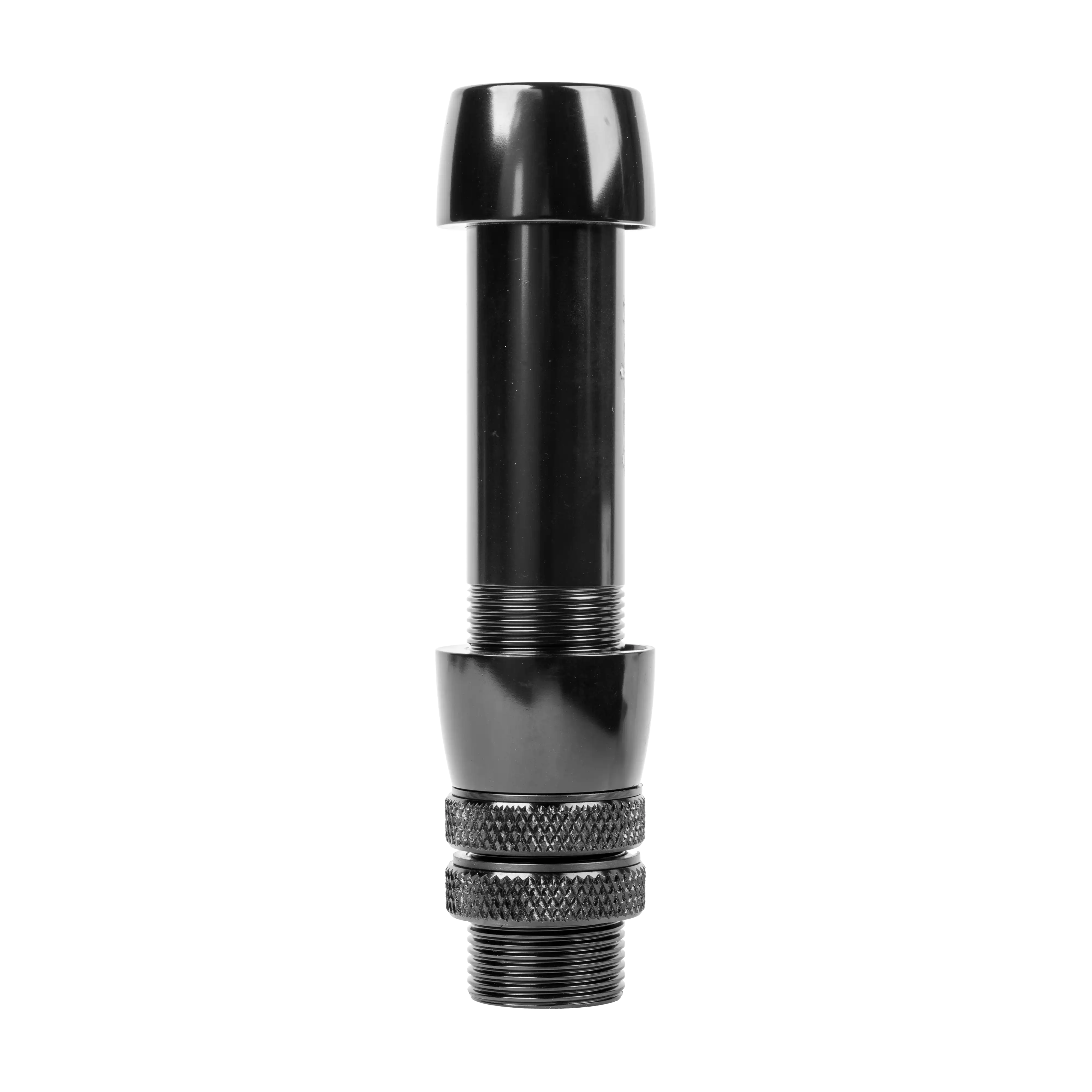
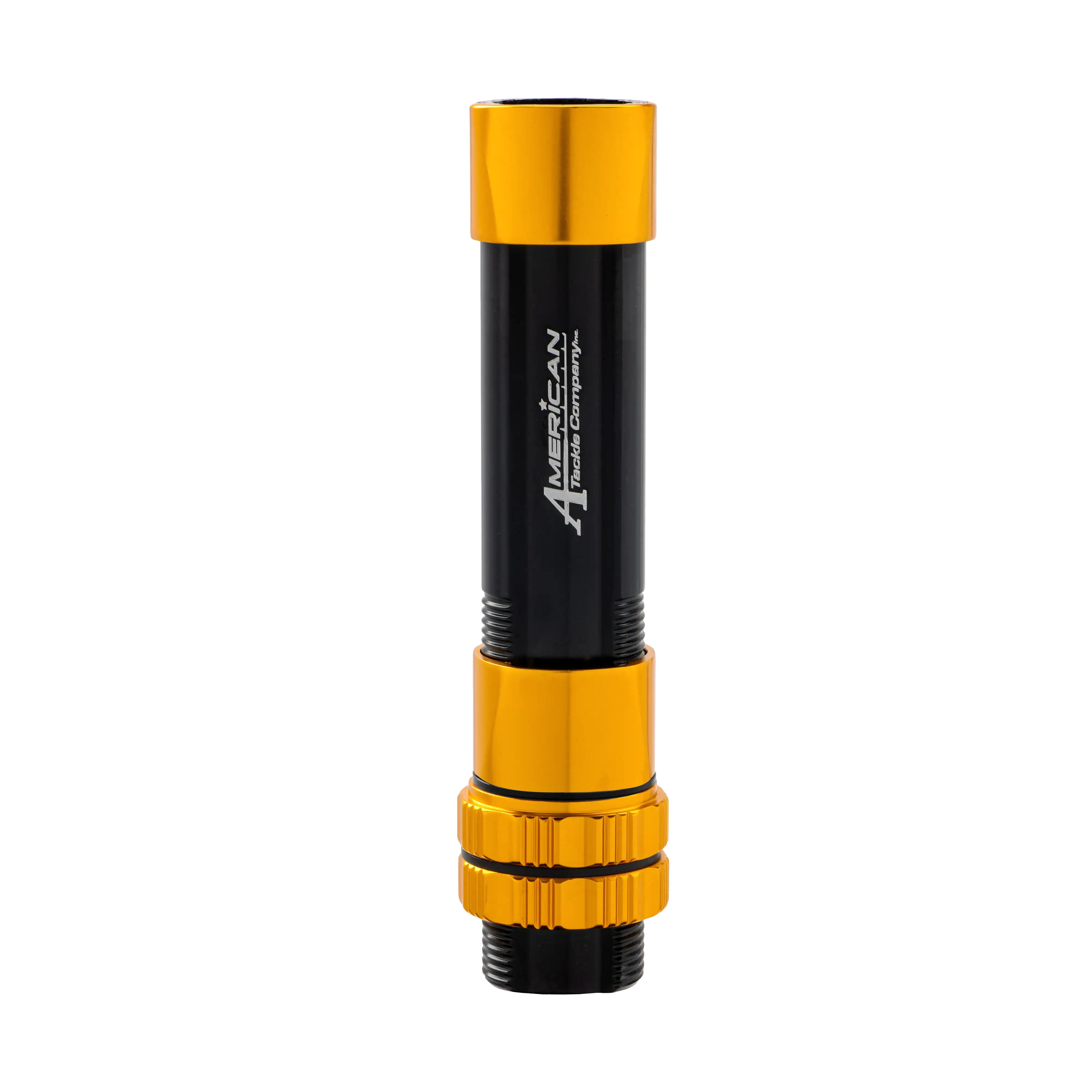
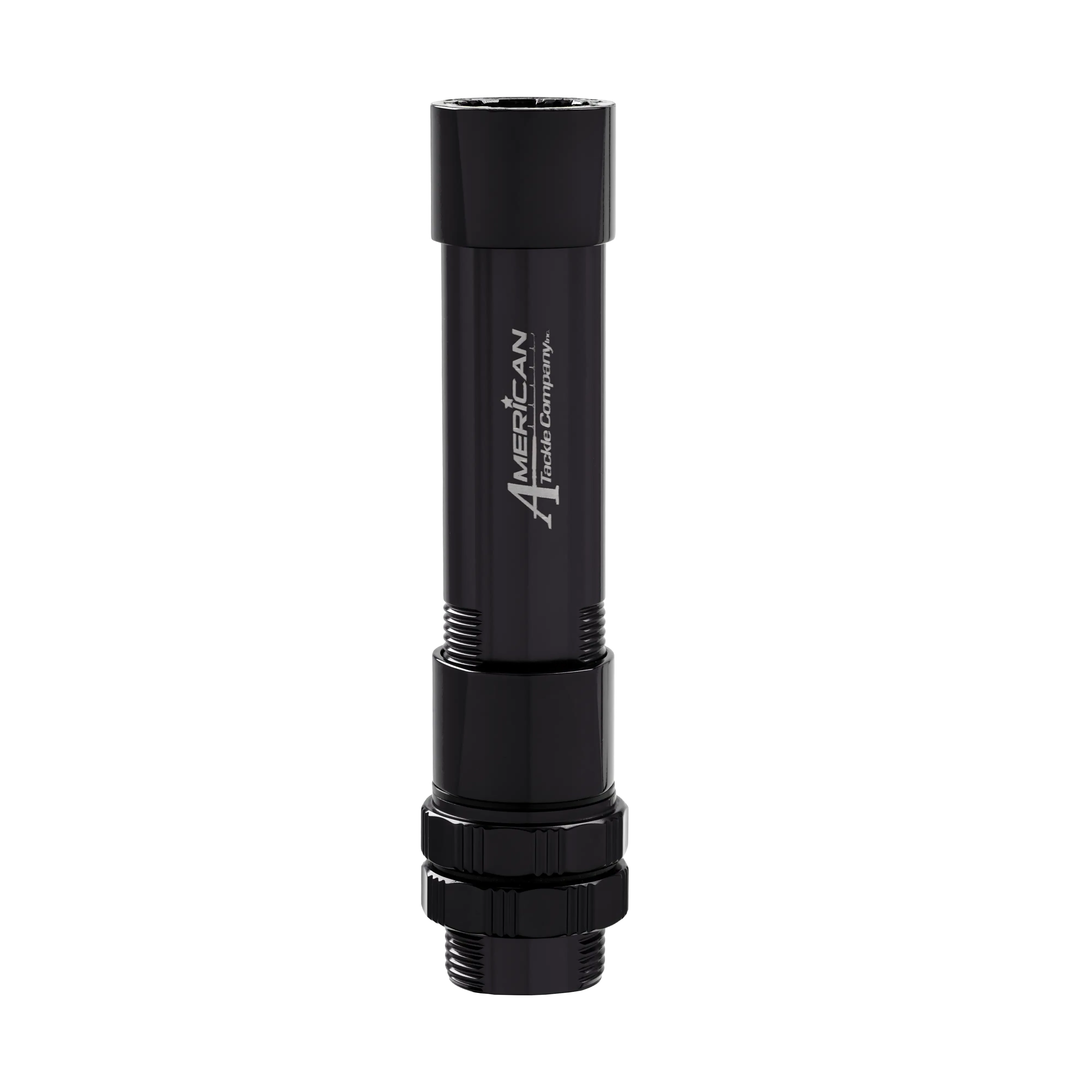
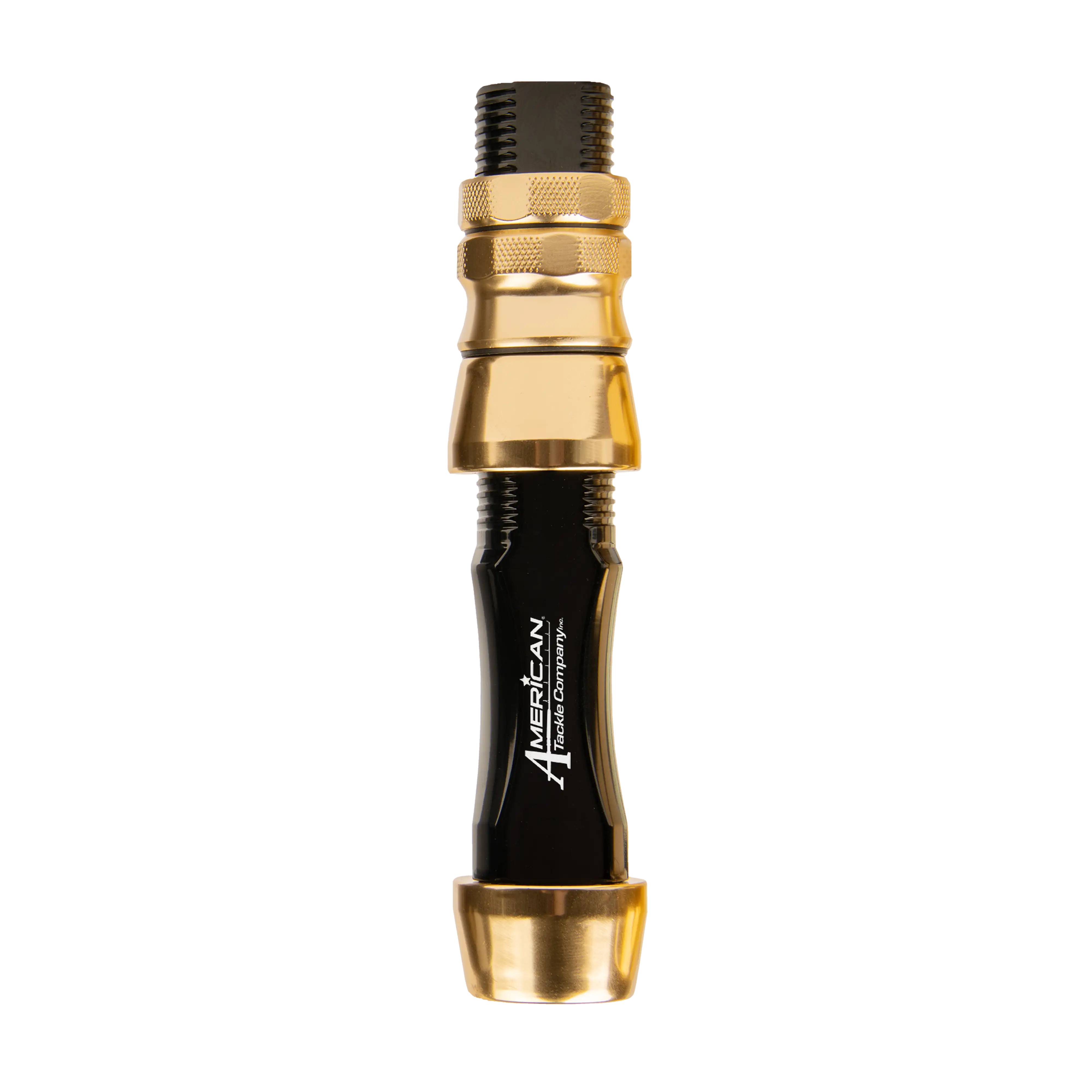
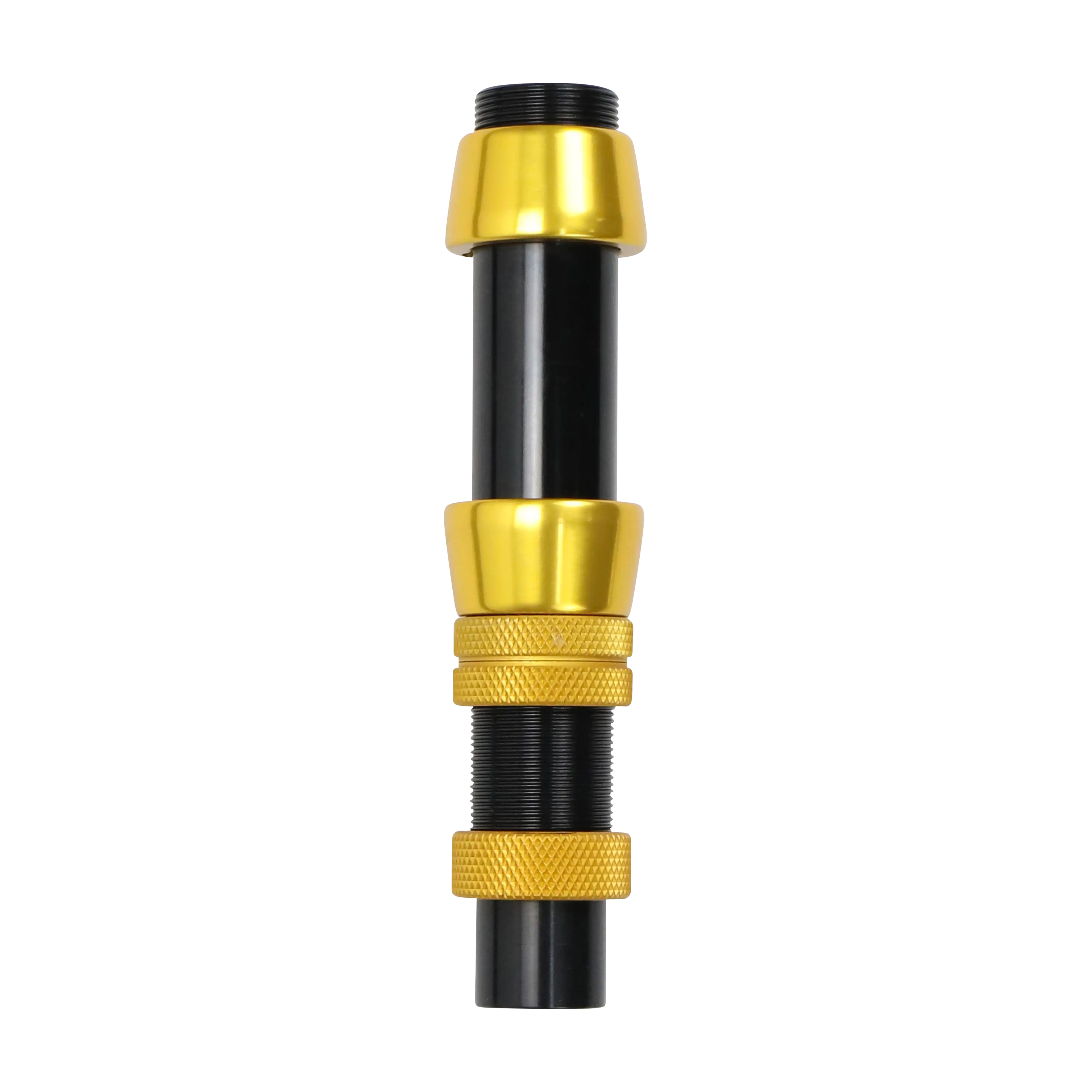
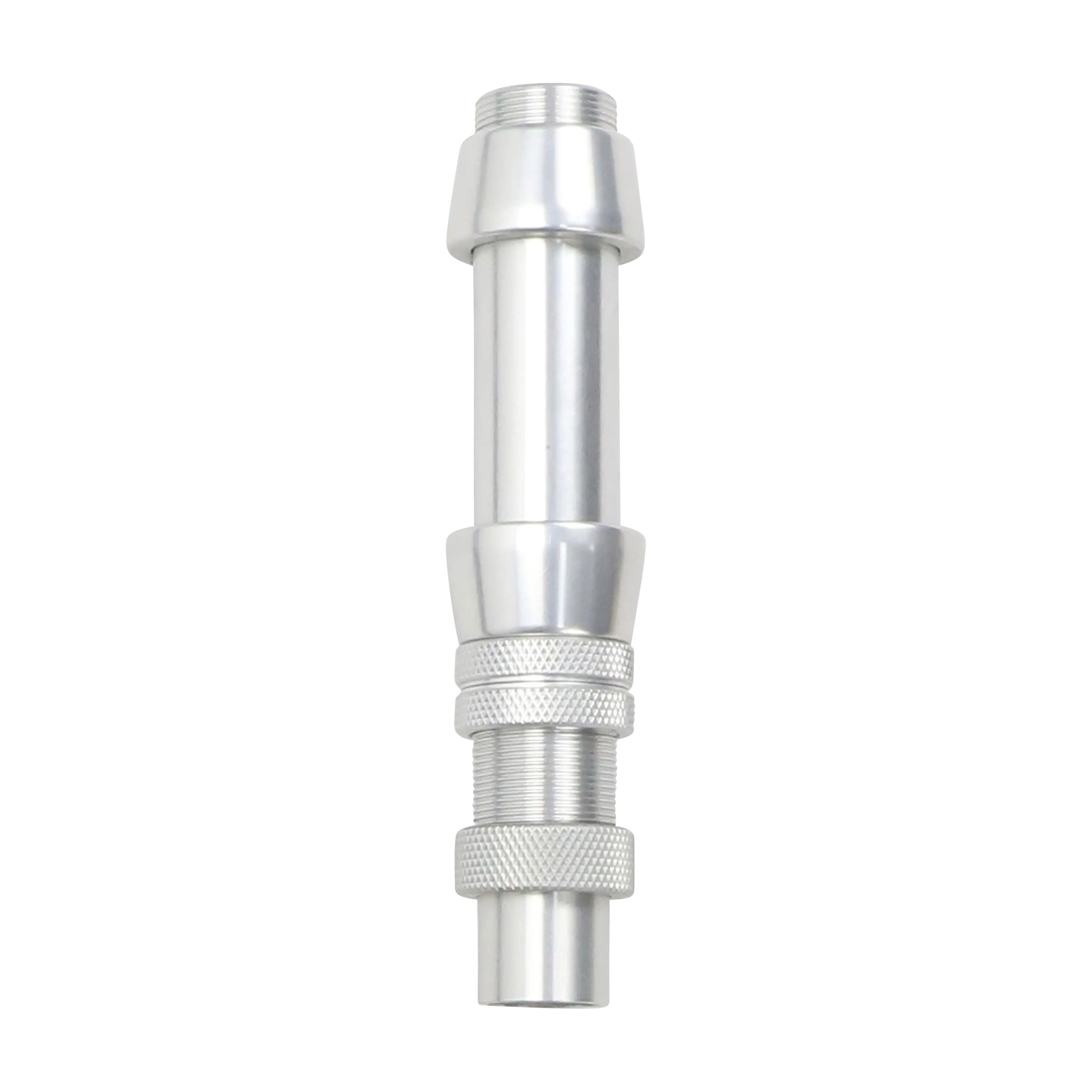
If your handle kit doesn’t include a reel seat—or you want to upgrade or customize your setup—here are the options for building a high-performance offshore trolling rod.
The reel seat securely anchors the conventional reel and plays a key role in rod balance, comfort, and control under sustained drag and repeated strikes. Choosing the right seat ensures proper reel alignment, efficient rod performance, and consistent leverage during long fights with large pelagic species, while also providing corrosion resistance and clean integration with your handle system.
Types of Reel Seats
There are two main types of saltwater reel seats:
Aluminum Reel Seats
Aluminum seats are a common choice for offshore trolling. Corrosion-resistant and highly rigid, they provide superior strength for high-drag, heavy-line applications. Aluminum seats hold reels firmly, resist twisting under load, and maintain alignment during deep trolling, high-speed trolling, or multi-rod offshore spreads. They integrate easily with most handle kits and deliver reliable performance in demanding saltwater conditions.
Best for: Big-game trolling with heavy braid or mono, stand-up fighting, high-speed or deep trolling, and multi-rod spreads.
Carbon Composite / Graphite Seats
Composite or graphite seats are lighter and corrosion-resistant, offering modest weight savings while still holding reels securely. They provide slightly less rigidity than aluminum, making them suitable for lighter offshore rigs or moderate trolling setups where reduced weight is beneficial. While they are not typically chosen for maximum-drag applications, they still provide reliable reel security when properly fitted and aligned with the handle system.
Best for: Moderate offshore trolling, lighter line classes, or setups where reducing rod weight improves handling and comfort over long sessions.
Key Takeaways
- Reel seats secure the conventional reel and influence overall balance, control, and performance under offshore trolling loads.
- Material choice affects rigidity, weight, and long-term durability in saltwater conditions.
- Aluminum seats provide maximum strength and resistance to twisting, making them ideal for heavy-line offshore trolling and high-drag setups.
- Composite or graphite seats reduce weight and improve comfort for lighter offshore trolling applications.
- A properly fitted reel seat ensures clean alignment with the handle system and consistent performance under load.
Offshore Trolling Reel Seats
If your handle kit doesn’t include a reel seat—or you want to upgrade or customize your setup—here are the options for building a high-performance offshore trolling rod.
The reel seat securely anchors the conventional reel and plays a key role in rod balance, comfort, and control under sustained drag and repeated strikes. Choosing the right seat ensures proper reel alignment, efficient rod performance, and consistent leverage during long fights with large pelagic species, while also providing corrosion resistance and clean integration with your handle system.
Types of Reel Seats
There are two main types of saltwater reel seats:
Aluminum Reel Seats
Aluminum seats are a common choice for offshore trolling. Corrosion-resistant and highly rigid, they provide superior strength for high-drag, heavy-line applications. Aluminum seats hold reels firmly, resist twisting under load, and maintain alignment during deep trolling, high-speed trolling, or multi-rod offshore spreads. They integrate easily with most handle kits and deliver reliable performance in demanding saltwater conditions.
Best for: Big-game trolling with heavy braid or mono, stand-up fighting, high-speed or deep trolling, and multi-rod spreads.
Carbon Composite / Graphite Seats
Composite or graphite seats are lighter and corrosion-resistant, offering modest weight savings while still holding reels securely. They provide slightly less rigidity than aluminum, making them suitable for lighter offshore rigs or moderate trolling setups where reduced weight is beneficial. While they are not typically chosen for maximum-drag applications, they still provide reliable reel security when properly fitted and aligned with the handle system.
Best for: Moderate offshore trolling, lighter line classes, or setups where reducing rod weight improves handling and comfort over long sessions.
Key Takeaways
- Reel seats secure the conventional reel and influence overall balance, control, and performance under offshore trolling loads.
- Material choice affects rigidity, weight, and long-term durability in saltwater conditions.
- Aluminum seats provide maximum strength and resistance to twisting, making them ideal for heavy-line offshore trolling and high-drag setups.
- Composite or graphite seats reduce weight and improve comfort for lighter offshore trolling applications.
- A properly fitted reel seat ensures clean alignment with the handle system and consistent performance under load.
Offshore Reel Seats



Choose Your Supplies
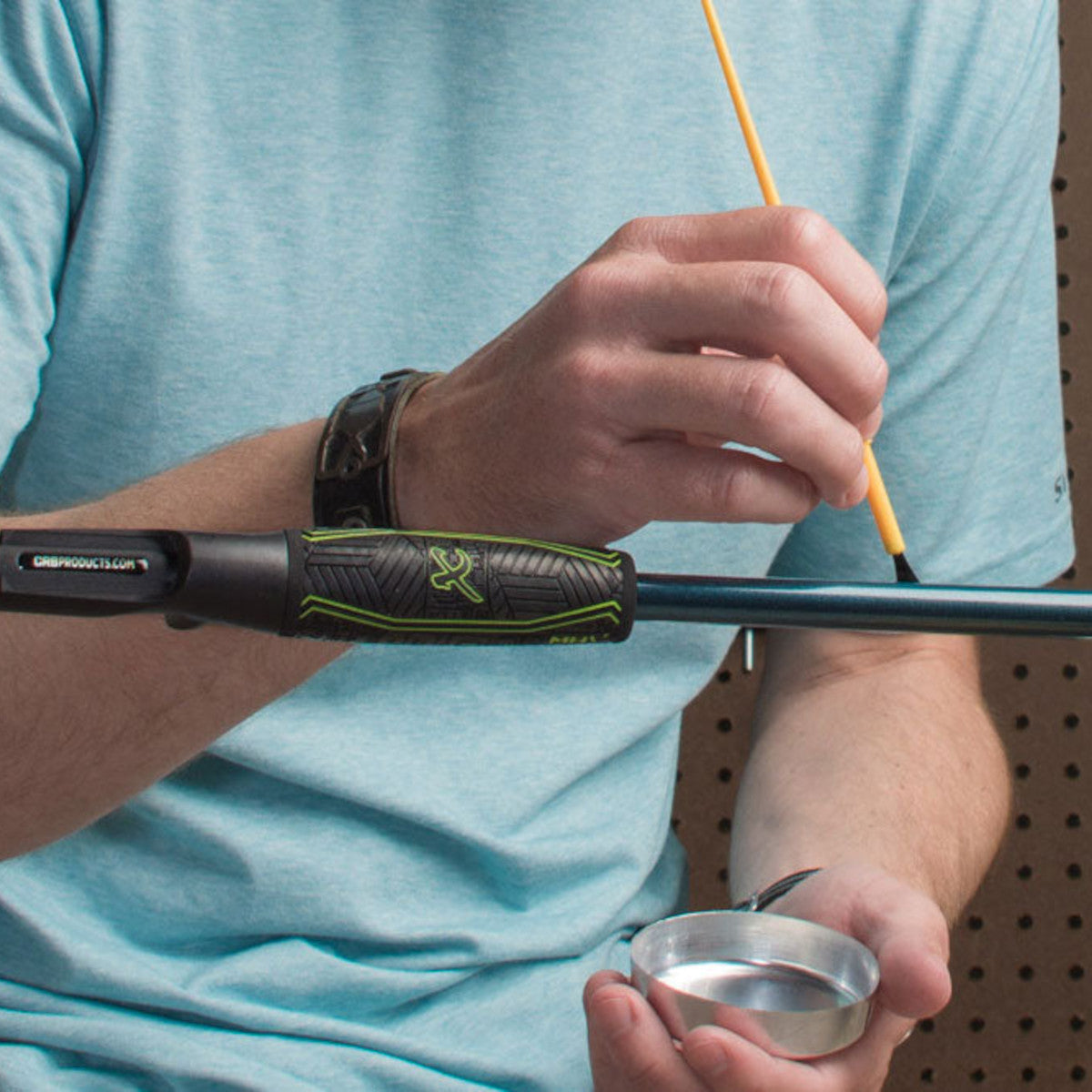
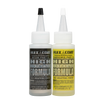
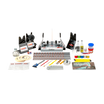
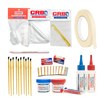
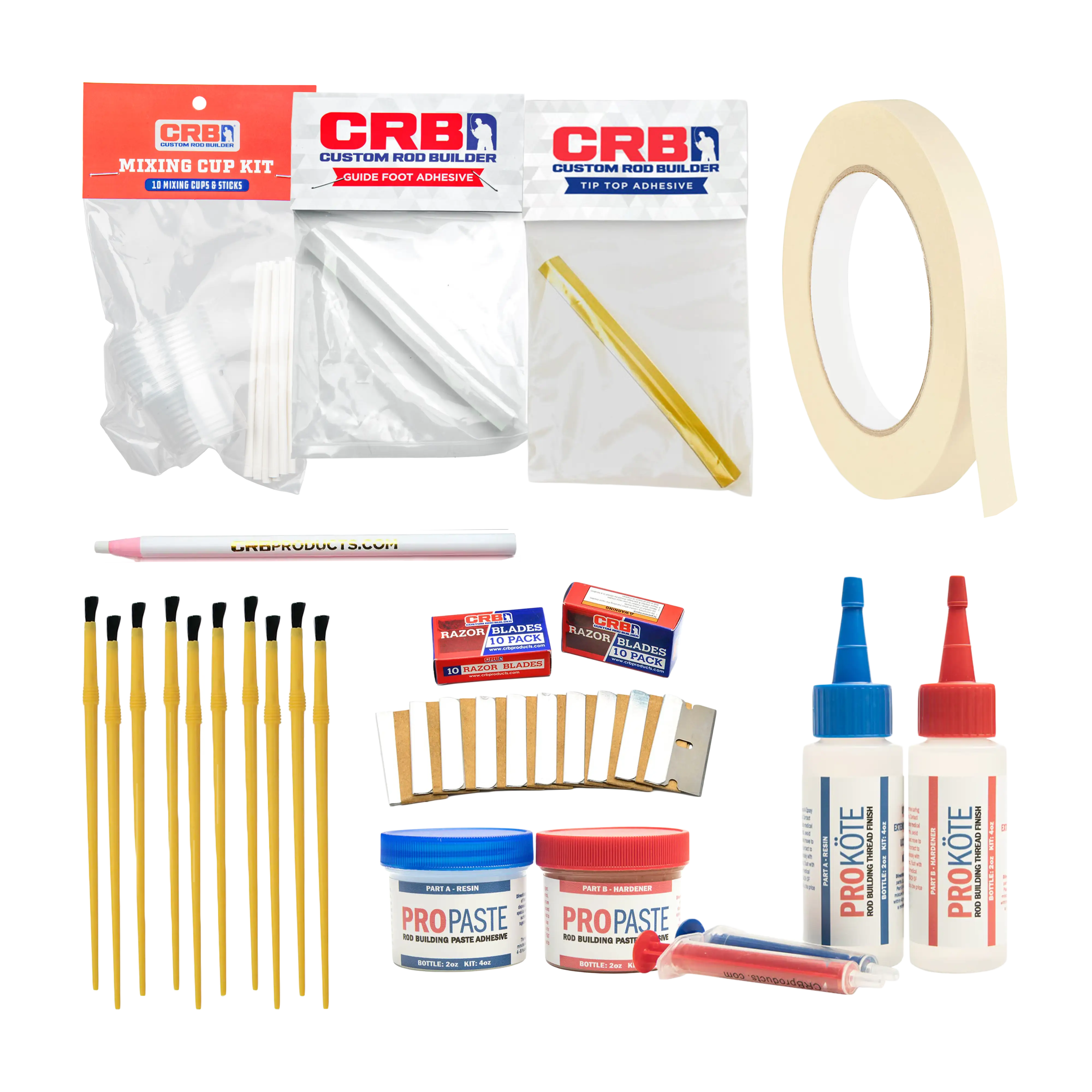
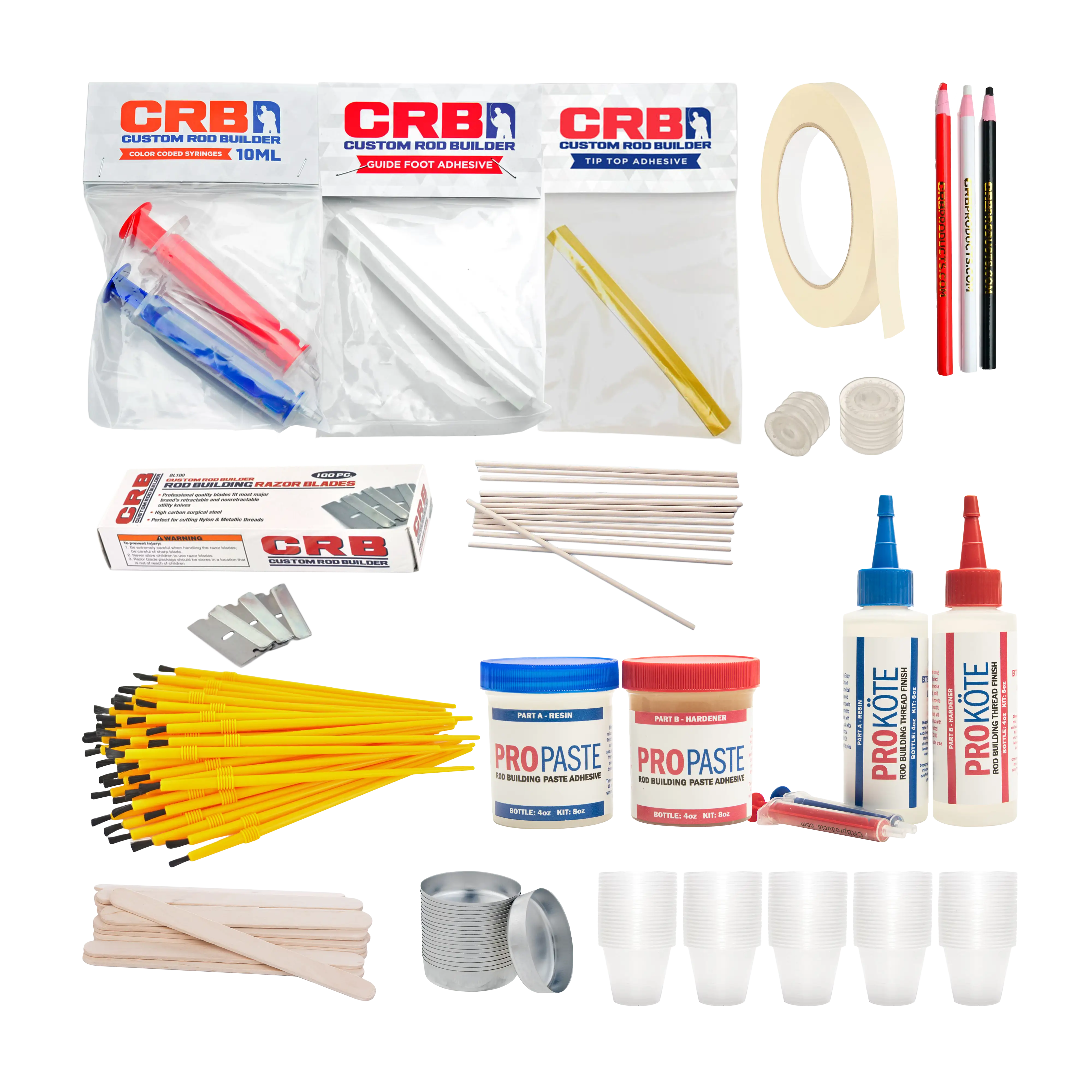
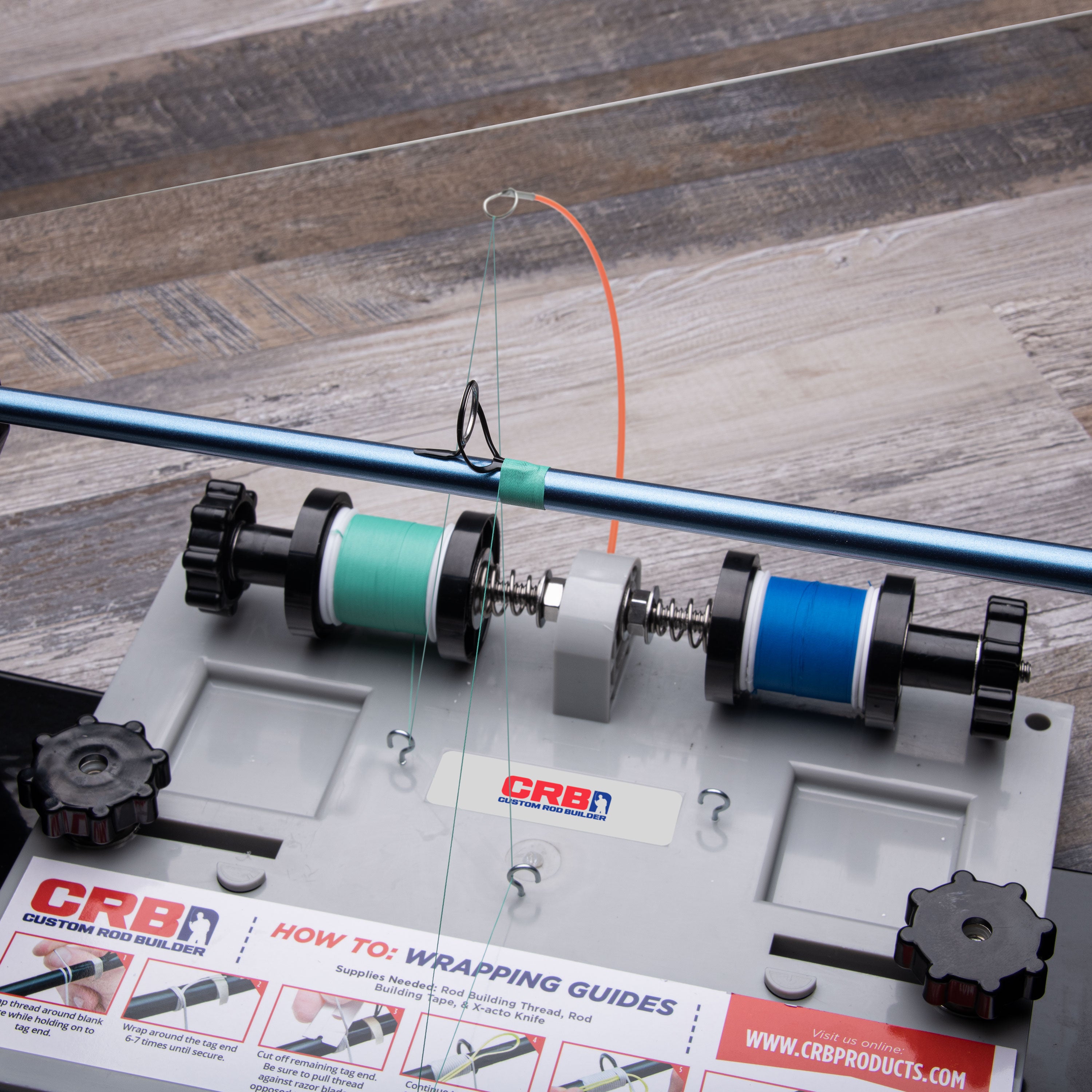
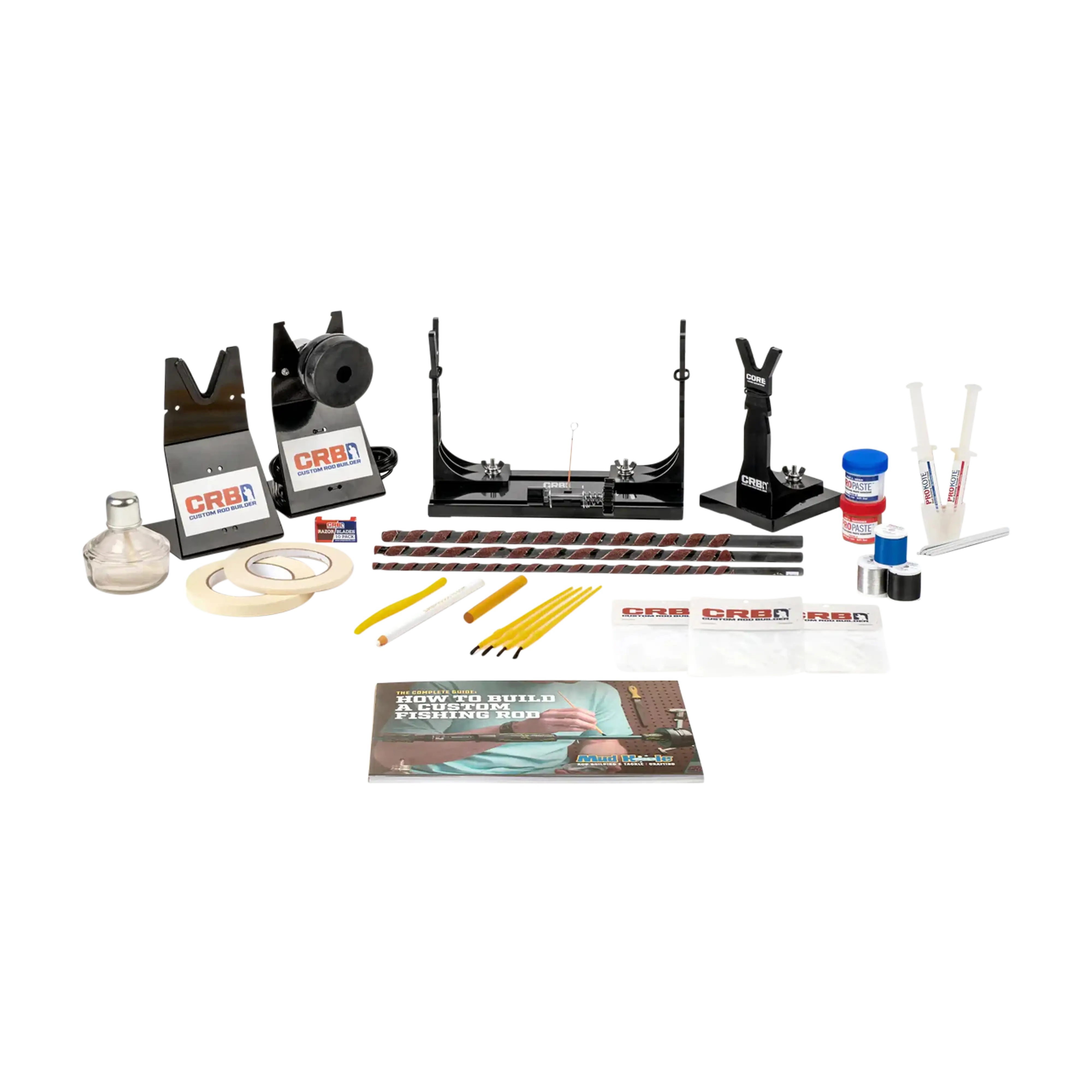
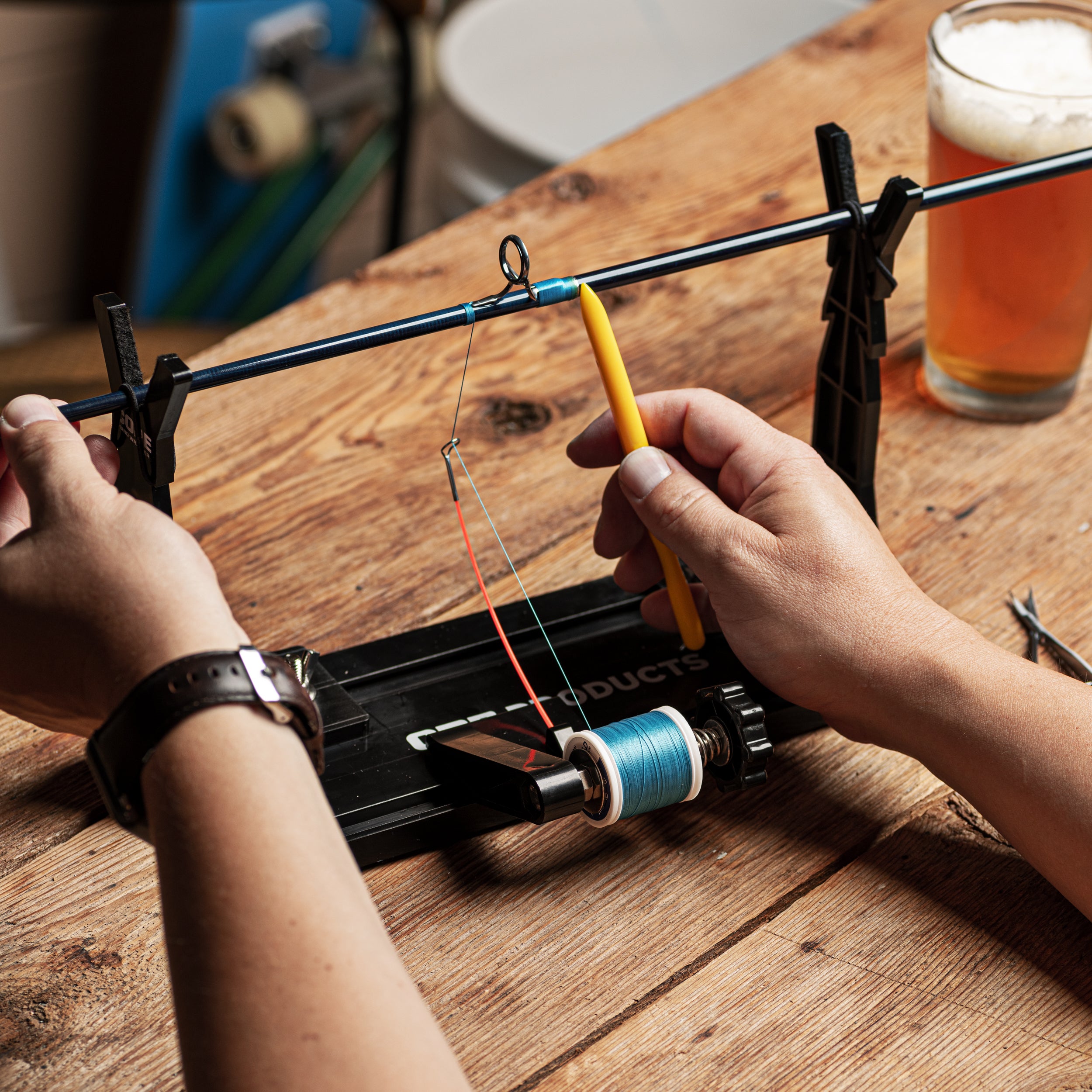
Rod building supply kits provide all the essential tools and consumables needed to assemble a custom offshore trolling rod. These kits can include items like rod dryers, hand wrappers, epoxy, brushes, reamers, thread, and alignment tools. Using a kit ensures smooth, precise installation of guides, reel seats, and grips, and helps maintain blank alignment under high-stress applications like deep trolling or high-speed surface spreads.
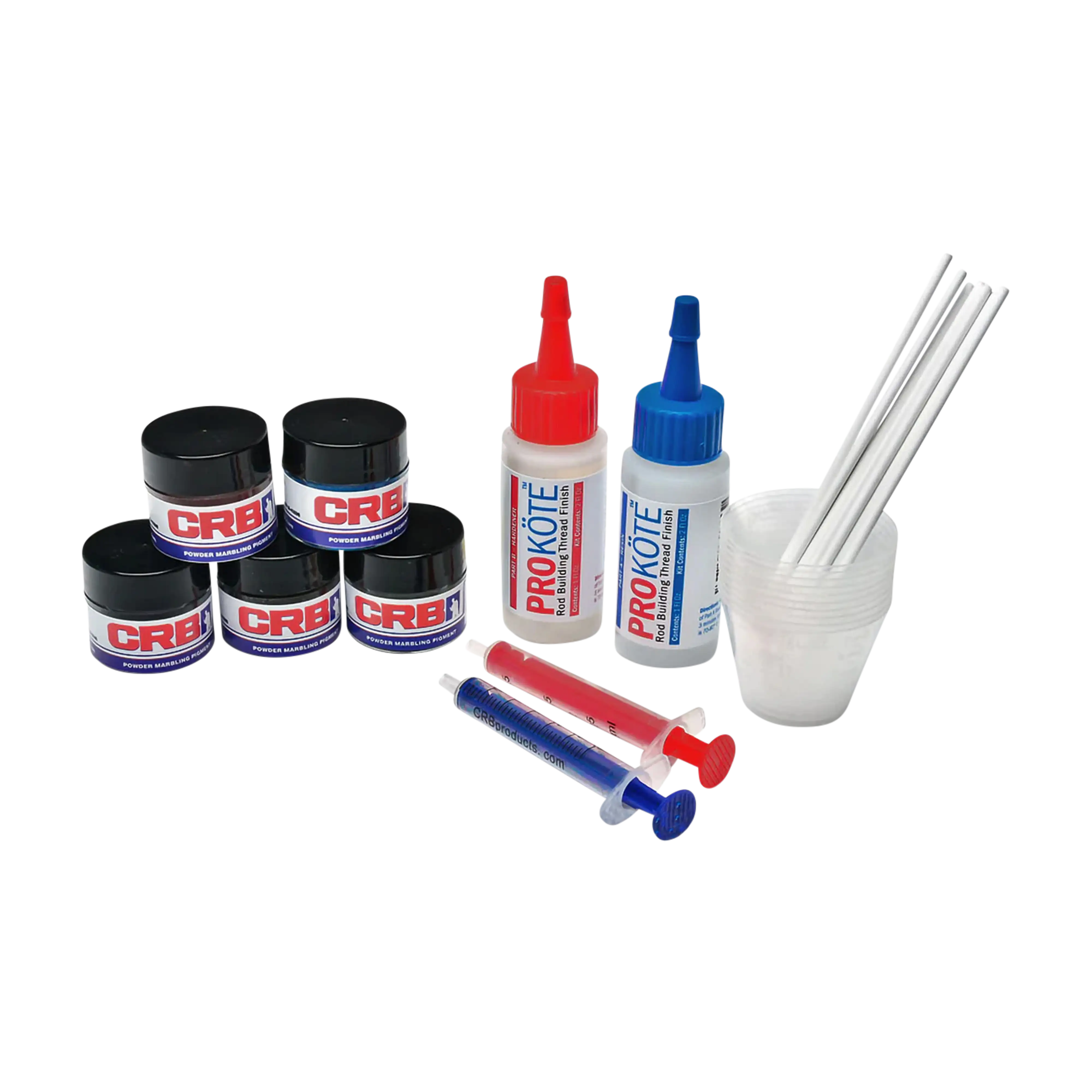
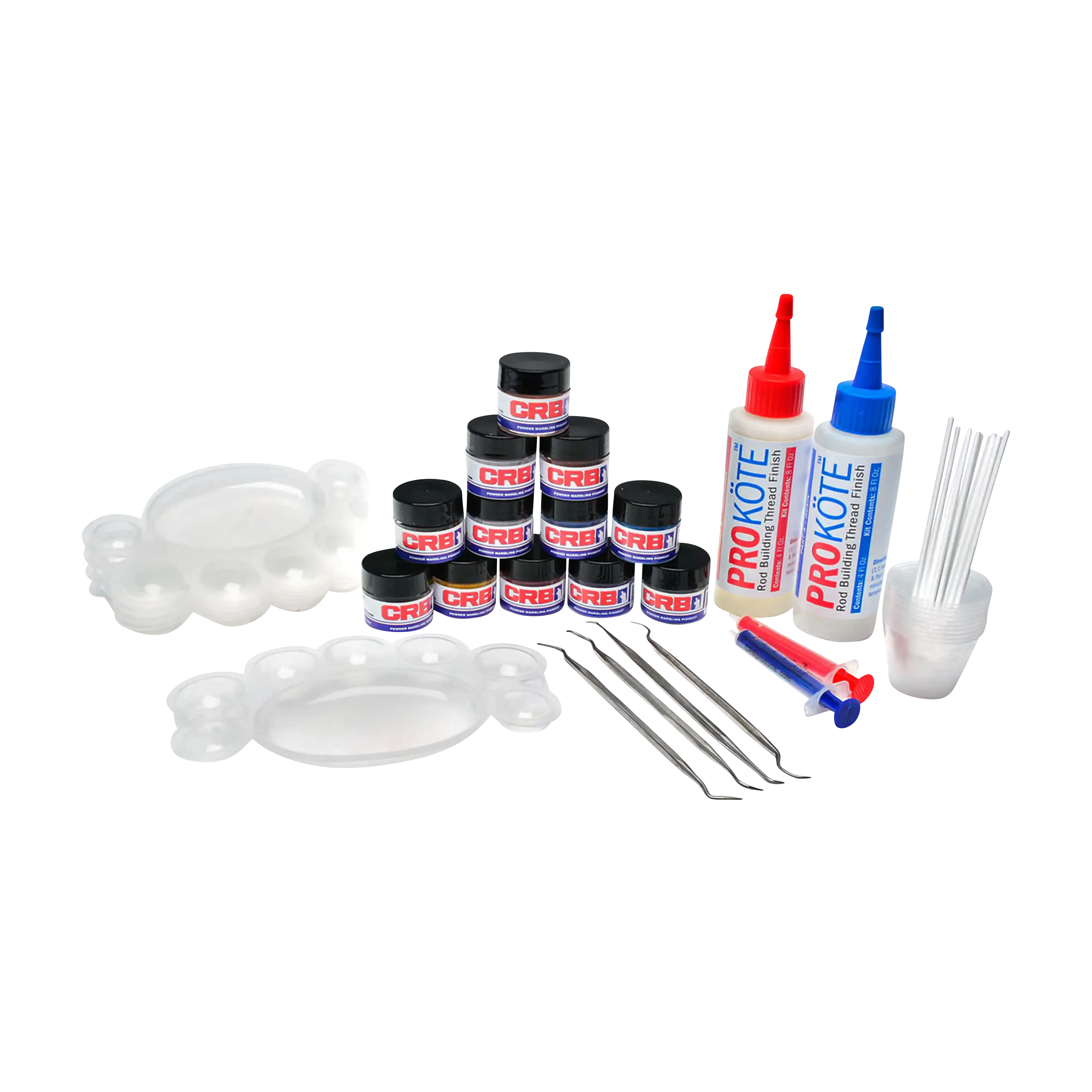
Beginners benefit from all-in-one kits that include every tool needed to start building, removing the guesswork of sourcing supplies individually. Experienced builders can use these kits to stock up on consumables like epoxy, mixing cups, and brushes, ensuring they’re ready for any offshore trolling project.
Key Takeaways
- Supply kits provide all the essential tools and consumables for offshore trolling rod builds.
- Beginners can start building immediately without sourcing individual tools.
- Experienced builders can stock up on consumables and maintain consistency across builds.
- Using the right tools ensures proper guide alignment, reel seat installation, and handle assembly.
- Proper supplies save time, reduce frustration, and support high-quality offshore trolling rod construction.
Choose Your Supplies
Rod building supply kits provide all the essential tools and consumables needed to assemble a custom offshore trolling rod. These kits can include items like rod dryers, hand wrappers, epoxy, brushes, reamers, thread, and alignment tools. Using a kit ensures smooth, precise installation of guides, reel seats, and grips, and helps maintain blank alignment under high-stress applications like deep trolling or high-speed surface spreads.
Beginners benefit from all-in-one kits that include every tool needed to start building, removing the guesswork of sourcing supplies individually. Experienced builders can use these kits to stock up on consumables like epoxy, mixing cups, and brushes, ensuring they’re ready for any offshore trolling project.
Key Takeaways
- Supply kits provide all the essential tools and consumables for offshore trolling rod builds.
- Beginners can start building immediately without sourcing individual tools.
- Experienced builders can stock up on consumables and maintain consistency across builds.
- Using the right tools ensures proper guide alignment, reel seat installation, and handle assembly.
- Proper supplies save time, reduce frustration, and support high-quality offshore trolling rod construction.
Supply Kits

Best Reels for Offshore Trolling
Now let’s find a reel for your custom rod.
Offshore trolling reels are built to deploy lures or baits behind a moving boat and handle long runs, heavy drag pressure, and harsh saltwater conditions. Compared to inshore reels, they require high line capacity, smooth strong drag systems, and corrosion-resistant construction to manage powerful pelagic species like tuna, wahoo, marlin, and mahi-mahi.
The standard offshore trolling reel is a conventional lever-drag, preferred for its strength, torque, and repeatable drag settings. The preset “strike” position allows anglers to quickly return to a known drag level after resets or leader changes without guessing. Star-drag reels can be used in lighter setups, but lever-drags are the standard for serious offshore trolling due to consistency and control under load.
Most offshore trolling reels hold hundreds of yards of line (often 800–1000+ depending on class) and are designed with sealed, corrosion-resistant components for long-term durability. While gear ratio and bearings affect retrieve feel, drag performance and line capacity are the primary requirements. Many big-game reels are also two-speed, allowing quick line pickup in high gear and increased cranking power in low gear — a feature largely unique to offshore trolling applications.
When evaluating reels, focus on these key features:
Reel Type
For offshore trolling, conventional reels — including lever‑drag, star‑drag, and levelwind models — are the standard choice. These reels feature large spools, heavy-duty frames, and robust internals designed to handle high line capacities, sustained drag pressure, and repeated strikes from large pelagic species. Electric trolling reels can also be used, particularly for deep trolling or long downrigger runs, providing powered line retrieval while maintaining smooth drag and consistent line control. Reliability, corrosion resistance, and mechanical strength are the primary considerations when selecting a reel for extended offshore trolling.
Gear Ratio
The gear ratio determines how quickly line is retrieved per turn of the handle and the torque available to pull fish under load. Lower to moderate ratios (roughly 3.5:1–5.5:1) provide more torque, making it easier to control large fish, maintain tension on deep-running lures or planers, and handle sustained fights. Higher ratios (up to 6.5:1+) retrieve line faster, helping reset lures, clear slack, or recover baits quickly between strikes. Choosing the right ratio depends on your trolling style, target species, and whether consistent power under load or rapid line pickup is most important.
Drag System
Smooth, consistent drag is critical for offshore trolling to manage sudden strikes and long runs from powerful species. Most offshore reels use multi‑disc carbon drags or sealed lever‑drag systems that maintain steady pressure without sticking or pulsing, protecting both line and hooks. Smaller to medium reels for species like tuna, mahi, or kingfish typically offer 20–40 lb max drag, while larger reels built for wahoo, marlin, sailfish, or big tuna often deliver 40–80+ lb, and specialized big-game or electric trolling reels can exceed 100 lb. Selecting a reel with drag capacity matched to your target fish ensures you can maintain control and consistent pressure during extended fights without overstressing the reel or line.
Durability
Saltwater conditions are highly corrosive. Look for reels with anodized aluminum frames, sealed bearings, and corrosion‑resistant components to ensure performance and longevity.
High‑Speed Trolling (Surface)
Targets: Wahoo primarily; also tuna and other aggressive pelagics, typically 10–20+ knots.
Reel Type: Large conventional with strong drag (star‑drag or lever‑drag).
Gear Ratio: Moderate (4.1:1–5.3:1) to higher (5.5:1+) — higher helps retrieve line after a bite or speed dives.
Drag: Light to moderate at strike — typically 8–15 lb, just enough to keep lures tracking at speed without slipping. Drag is increased after hookup depending on fish size.
Skirted Lure Trolling (Conventional Spread)
Targets: Marlin, sailfish, tuna, mahi‑mahi; typically 5–9 knots.
Reel Type: Conventional with good line capacity and smooth drag.
Gear Ratio: Lower to moderate (3.5:1–5.0:1) — torque for big fish and steady retrieves.
Drag: Moderate at strike — typically 5–12 lb, allowing fish to eat cleanly before pressure is increased during the fight.
Artificial Lure Trolling (Diving Hard Baits)
Targets: Tuna, wahoo, kingfish, mahi; 4–8 knots.
Reel Type: Conventional reel sized for lure size and target species.
Gear Ratio: Mid‑range (4.0:1–5.3:1) — balanced for retrieving diving lures and controlling fish.
Drag: Moderate at strike — typically 6–12 lb, adjusted to keep diving plugs running properly without overpowering their action.
Slow Trolling (Live Bait)
Targets: Sailfish, tuna, kingfish, and other species; under ~3–4 knots.
Reel Type: Conventional with lever‑drag or smooth star‑drag for controlled pressure on live bait.
Gear Ratio: Lower (3.5:1–4.9:1) for torque when lifting and controlling baited fish.
Drag: Light at strike — typically 4–8 lb, keeping tension low so live bait can swim naturally; increased progressively after hookup.
Deep Trolling (Planers & Downriggers)
Targets: Tuna, wahoo, kingfish, and deeper‑holding pelagics; speeds vary.
Reel Type: Large conventional with high line capacity.
Gear Ratio: Lower ratios (3.5:1–4.9:1) for torque during long deep pulls.
Drag: Moderate at strike — typically 8–15 lb, enough to manage planer or trolling weight resistance while maintaining consistent depth and lure action.
Key Takeaways
- Offshore trolling reels are overwhelmingly conventional models built for high line capacity and smooth, sustained drag under tension.
- Match gear ratio to your style — lower for torque and big fish, higher when fast line retrieve matters.
- Drag quality and capacity are more important offshore than spinning‑style features.
- Choose reels with corrosion‑resistant construction and sealed components for long life in saltwater.
- Line capacity should be sufficient for your typical trolling depth and species — braid increases effective capacity compared with mono.
Best Reels for Offshore Trolling
Now let’s find a reel for your custom rod.
Offshore trolling reels are built to deploy lures or baits behind a moving boat and handle long runs, heavy drag pressure, and harsh saltwater conditions. Compared to inshore reels, they require high line capacity, smooth strong drag systems, and corrosion-resistant construction to manage powerful pelagic species like tuna, wahoo, marlin, and mahi-mahi.
The standard offshore trolling reel is a conventional lever-drag, preferred for its strength, torque, and repeatable drag settings. The preset “strike” position allows anglers to quickly return to a known drag level after resets or leader changes without guessing. Star-drag reels can be used in lighter setups, but lever-drags are the standard for serious offshore trolling due to consistency and control under load.
Most offshore trolling reels hold hundreds of yards of line (often 800–1000+ depending on class) and are designed with sealed, corrosion-resistant components for long-term durability. While gear ratio and bearings affect retrieve feel, drag performance and line capacity are the primary requirements. Many big-game reels are also two-speed, allowing quick line pickup in high gear and increased cranking power in low gear — a feature largely unique to offshore trolling applications.
When evaluating reels, focus on these key features:
Reel Type
For offshore trolling, conventional reels — including lever‑drag, star‑drag, and levelwind models — are the standard choice. These reels feature large spools, heavy-duty frames, and robust internals designed to handle high line capacities, sustained drag pressure, and repeated strikes from large pelagic species. Electric trolling reels can also be used, particularly for deep trolling or long downrigger runs, providing powered line retrieval while maintaining smooth drag and consistent line control. Reliability, corrosion resistance, and mechanical strength are the primary considerations when selecting a reel for extended offshore trolling.
Gear Ratio
The gear ratio determines how quickly line is retrieved per turn of the handle and the torque available to pull fish under load. Lower to moderate ratios (roughly 3.5:1–5.5:1) provide more torque, making it easier to control large fish, maintain tension on deep-running lures or planers, and handle sustained fights. Higher ratios (up to 6.5:1+) retrieve line faster, helping reset lures, clear slack, or recover baits quickly between strikes. Choosing the right ratio depends on your trolling style, target species, and whether consistent power under load or rapid line pickup is most important.
Drag System
Smooth, consistent drag is critical for offshore trolling to manage sudden strikes and long runs from powerful species. Most offshore reels use multi‑disc carbon drags or sealed lever‑drag systems that maintain steady pressure without sticking or pulsing, protecting both line and hooks. Smaller to medium reels for species like tuna, mahi, or kingfish typically offer 20–40 lb max drag, while larger reels built for wahoo, marlin, sailfish, or big tuna often deliver 40–80+ lb, and specialized big-game or electric trolling reels can exceed 100 lb. Selecting a reel with drag capacity matched to your target fish ensures you can maintain control and consistent pressure during extended fights without overstressing the reel or line.
Durability
Saltwater conditions are highly corrosive. Look for reels with anodized aluminum frames, sealed bearings, and corrosion‑resistant components to ensure performance and longevity.
High‑Speed Trolling (Surface)
Targets: Wahoo primarily; also tuna and other aggressive pelagics, typically 10–20+ knots.
Reel Type: Large conventional with strong drag (star‑drag or lever‑drag).
Gear Ratio: Moderate (4.1:1–5.3:1) to higher (5.5:1+) — higher helps retrieve line after a bite or speed dives.
Drag: Light to moderate at strike — typically 8–15 lb, just enough to keep lures tracking at speed without slipping. Drag is increased after hookup depending on fish size.
Skirted Lure Trolling (Conventional Spread)
Targets: Marlin, sailfish, tuna, mahi‑mahi; typically 5–9 knots.
Reel Type: Conventional with good line capacity and smooth drag.
Gear Ratio: Lower to moderate (3.5:1–5.0:1) — torque for big fish and steady retrieves.
Drag: Moderate at strike — typically 5–12 lb, allowing fish to eat cleanly before pressure is increased during the fight.
Artificial Lure Trolling (Diving Hard Baits)
Targets: Tuna, wahoo, kingfish, mahi; 4–8 knots.
Reel Type: Conventional reel sized for lure size and target species.
Gear Ratio: Mid‑range (4.0:1–5.3:1) — balanced for retrieving diving lures and controlling fish.
Drag: Moderate at strike — typically 6–12 lb, adjusted to keep diving plugs running properly without overpowering their action.
Slow Trolling (Live Bait)
Targets: Sailfish, tuna, kingfish, and other species; under ~3–4 knots.
Reel Type: Conventional with lever‑drag or smooth star‑drag for controlled pressure on live bait.
Gear Ratio: Lower (3.5:1–4.9:1) for torque when lifting and controlling baited fish.
Drag: Light at strike — typically 4–8 lb, keeping tension low so live bait can swim naturally; increased progressively after hookup.
Deep Trolling (Planers & Downriggers)
Targets: Tuna, wahoo, kingfish, and deeper‑holding pelagics; speeds vary.
Reel Type: Large conventional with high line capacity.
Gear Ratio: Lower ratios (3.5:1–4.9:1) for torque during long deep pulls.
Drag: Moderate at strike — typically 8–15 lb, enough to manage planer or trolling weight resistance while maintaining consistent depth and lure action.
Key Takeaways
- Offshore trolling reels are overwhelmingly conventional models built for high line capacity and smooth, sustained drag under tension.
- Match gear ratio to your style — lower for torque and big fish, higher when fast line retrieve matters.
- Drag quality and capacity are more important offshore than spinning‑style features.
- Choose reels with corrosion‑resistant construction and sealed components for long life in saltwater.
- Line capacity should be sufficient for your typical trolling depth and species — braid increases effective capacity compared with mono.
Offshore Trolling Reels
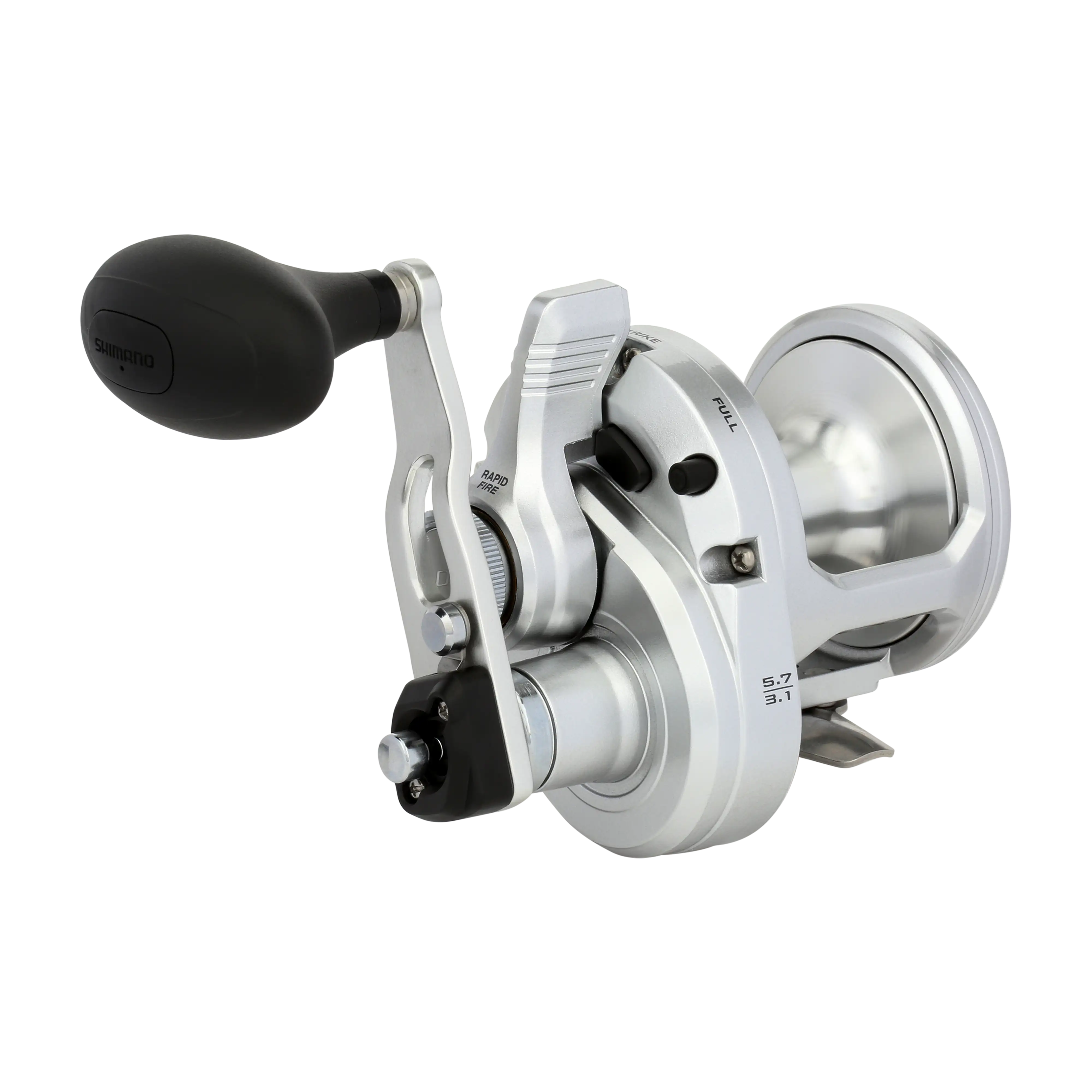
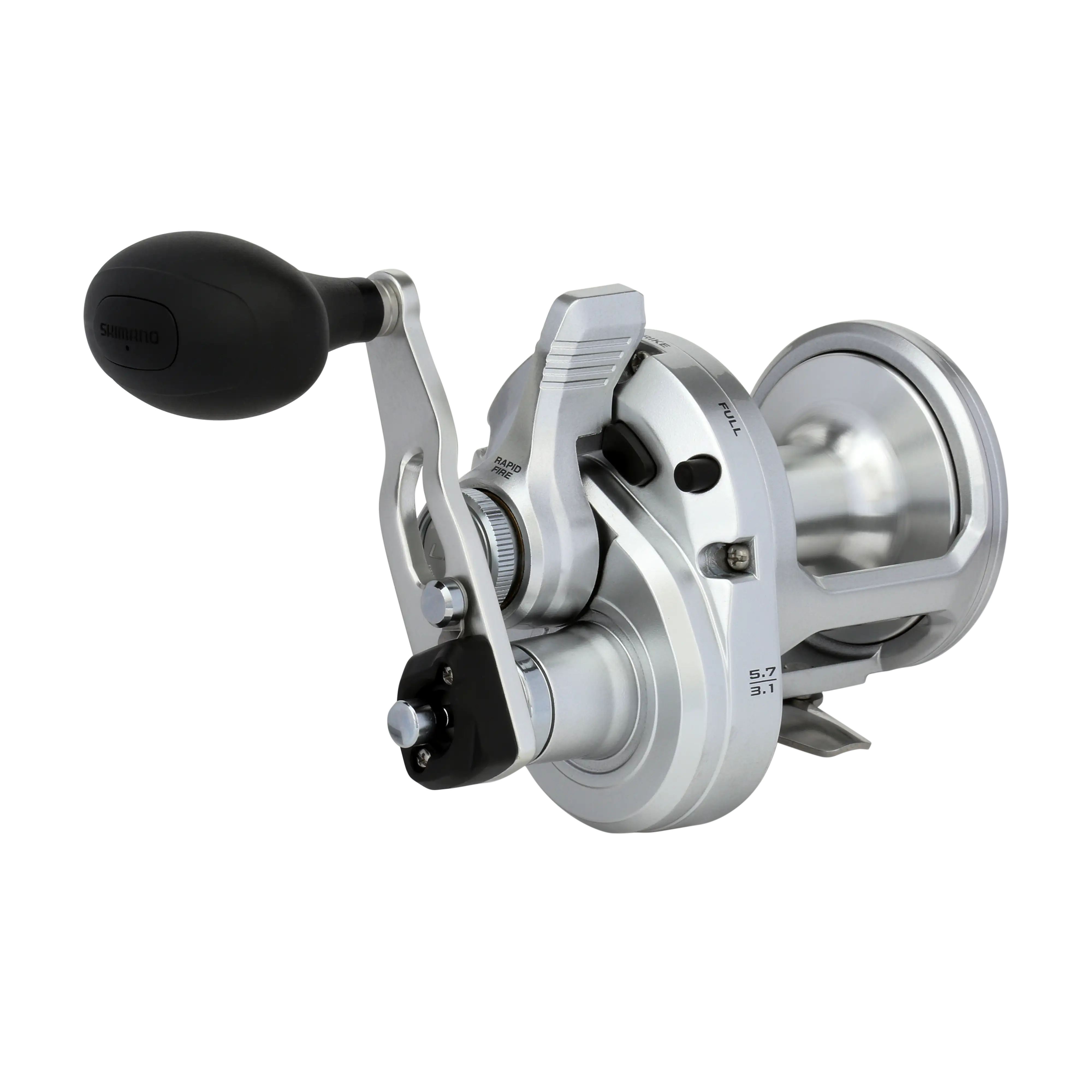
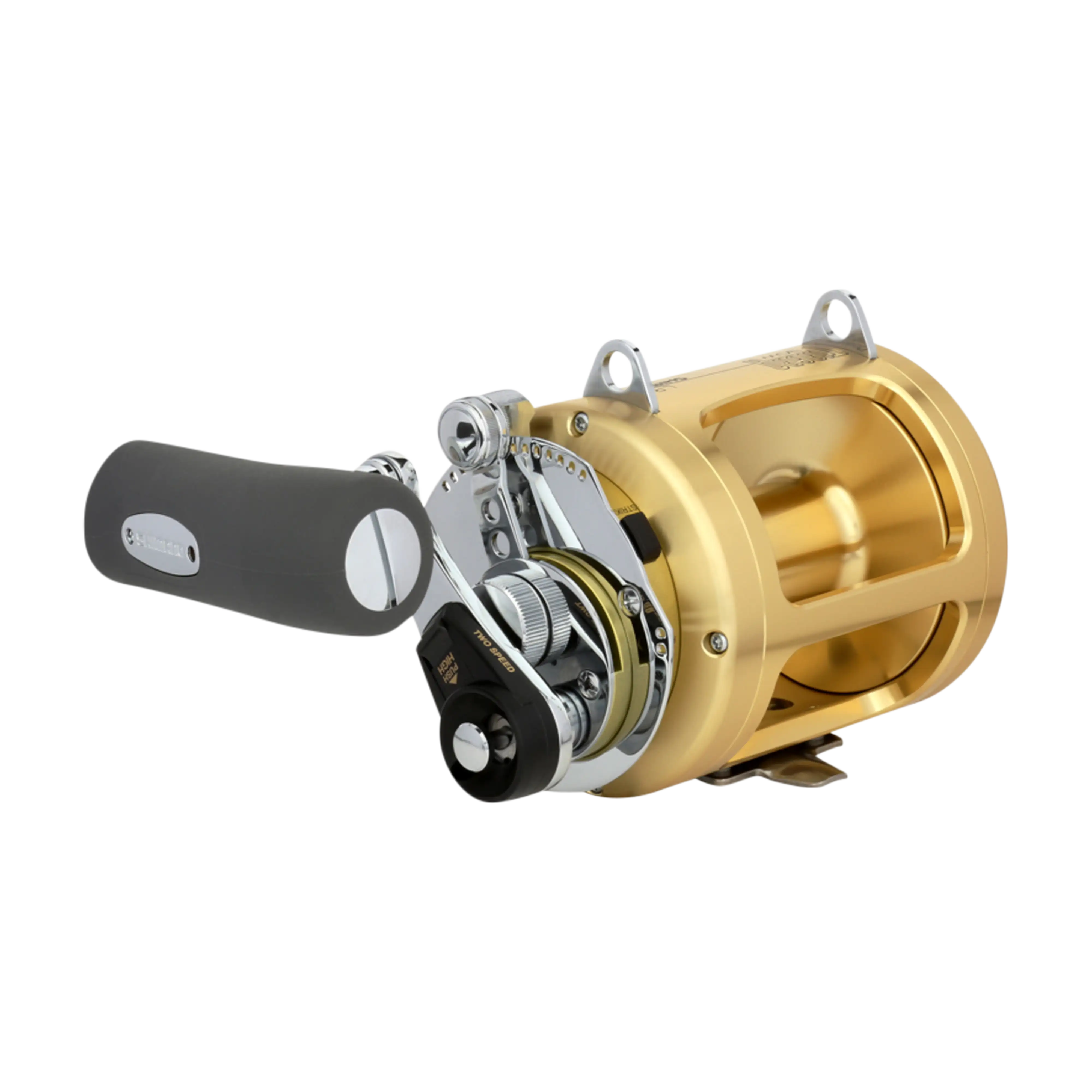
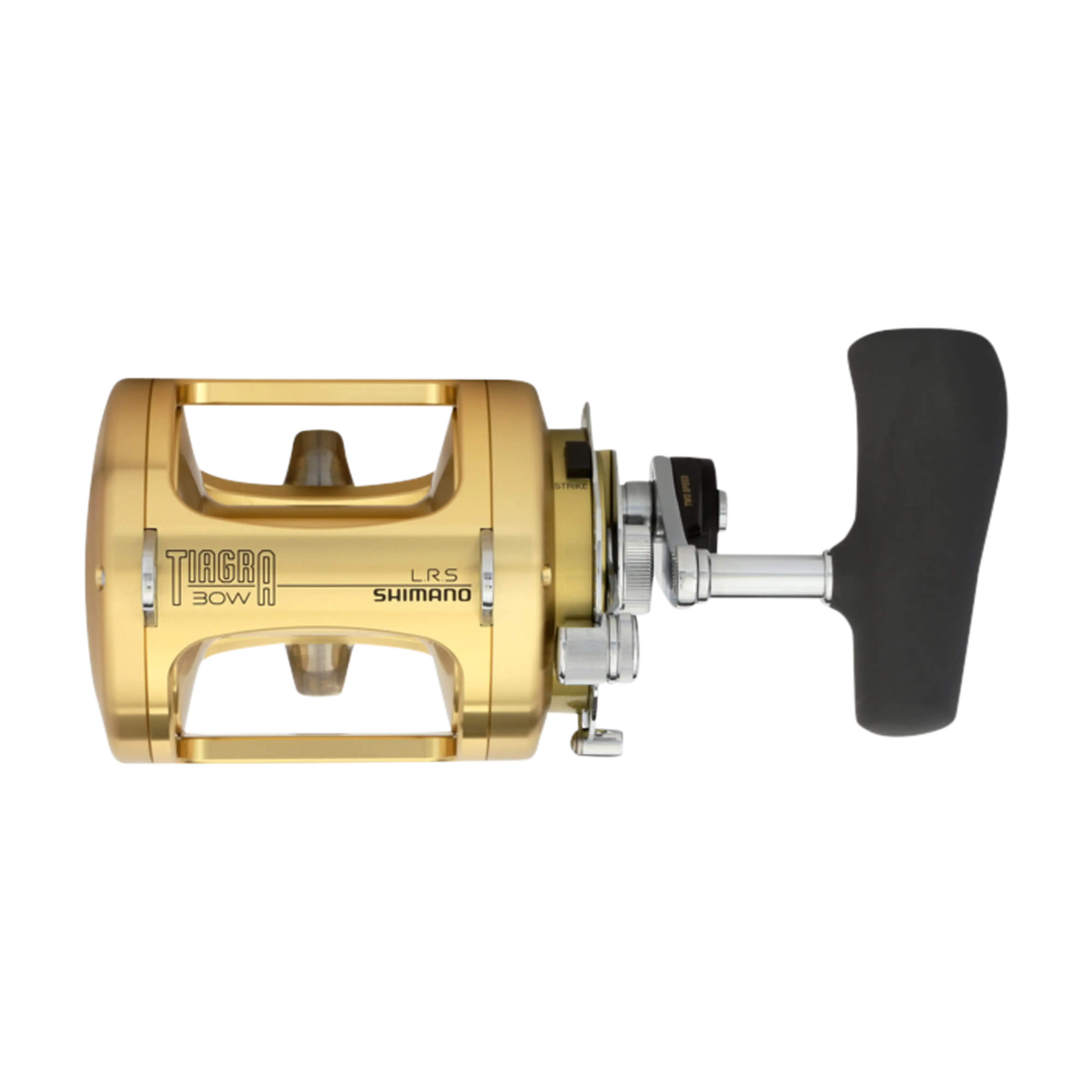
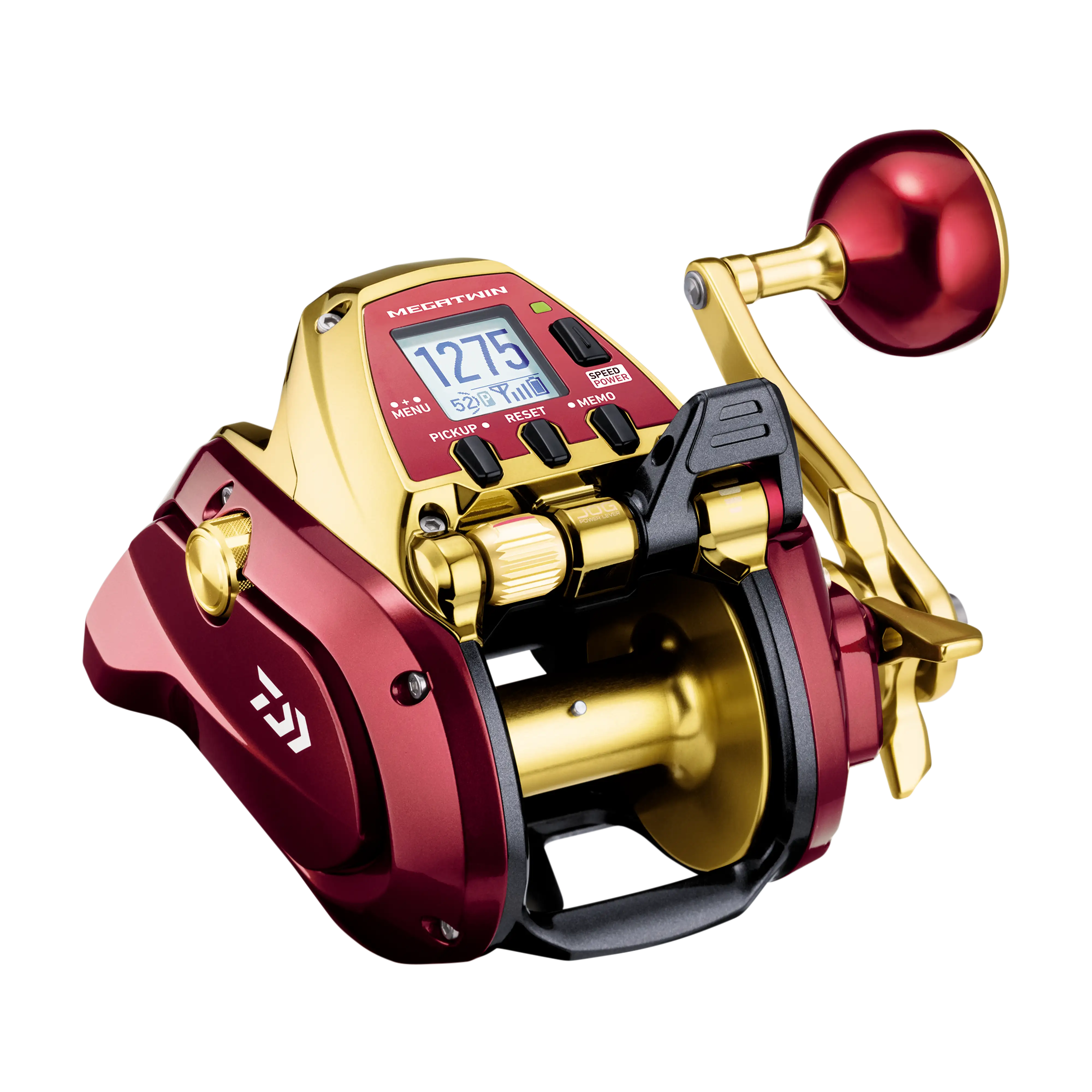
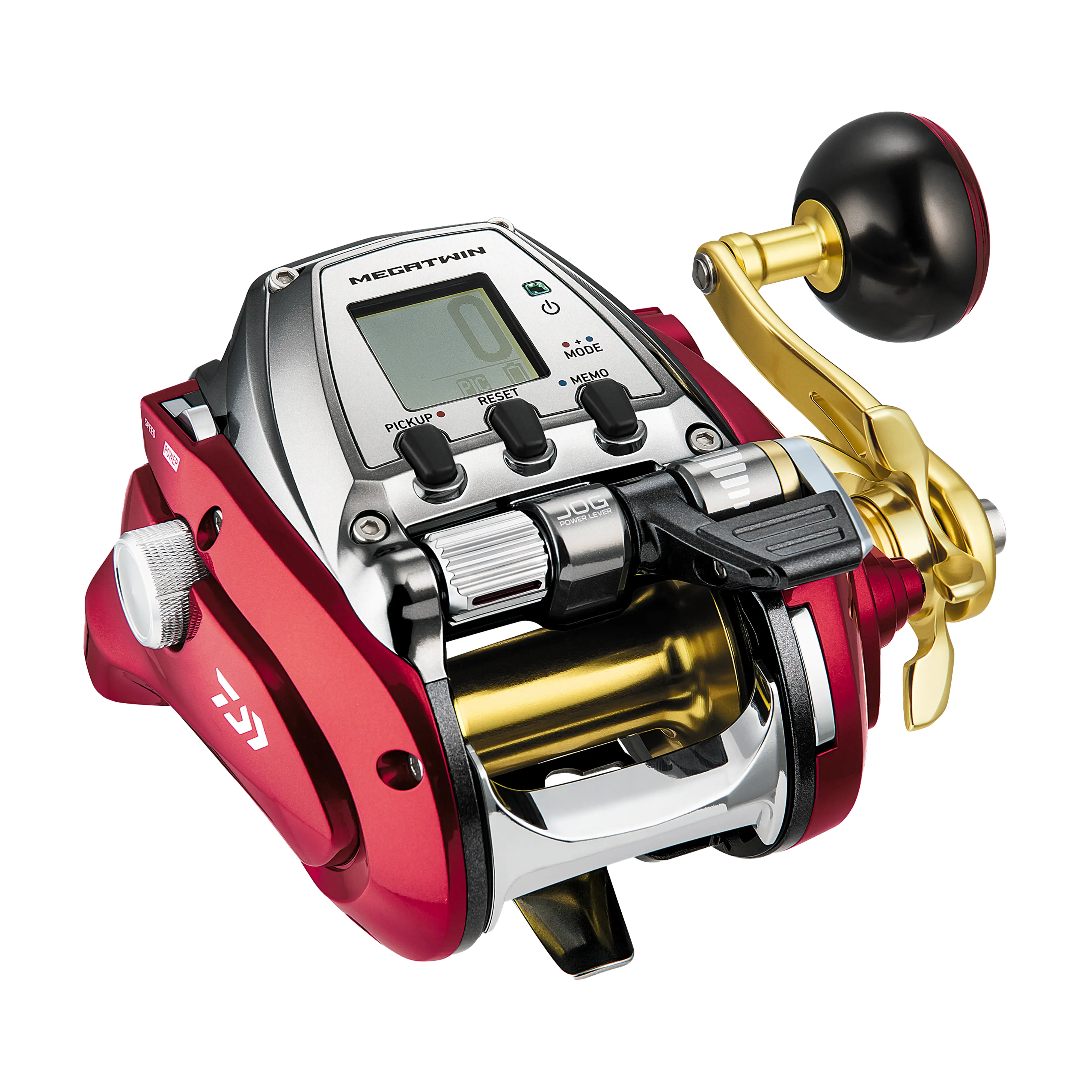
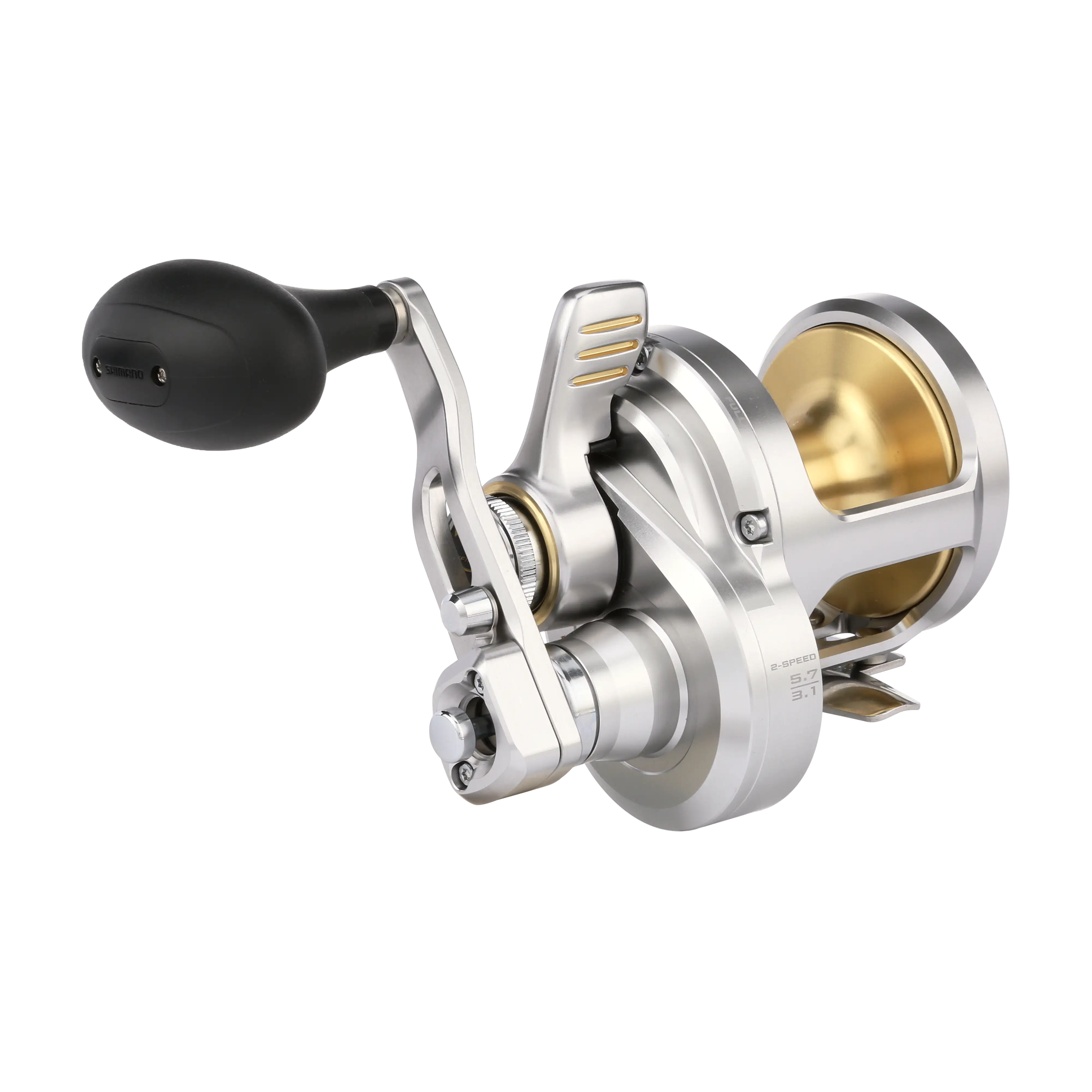
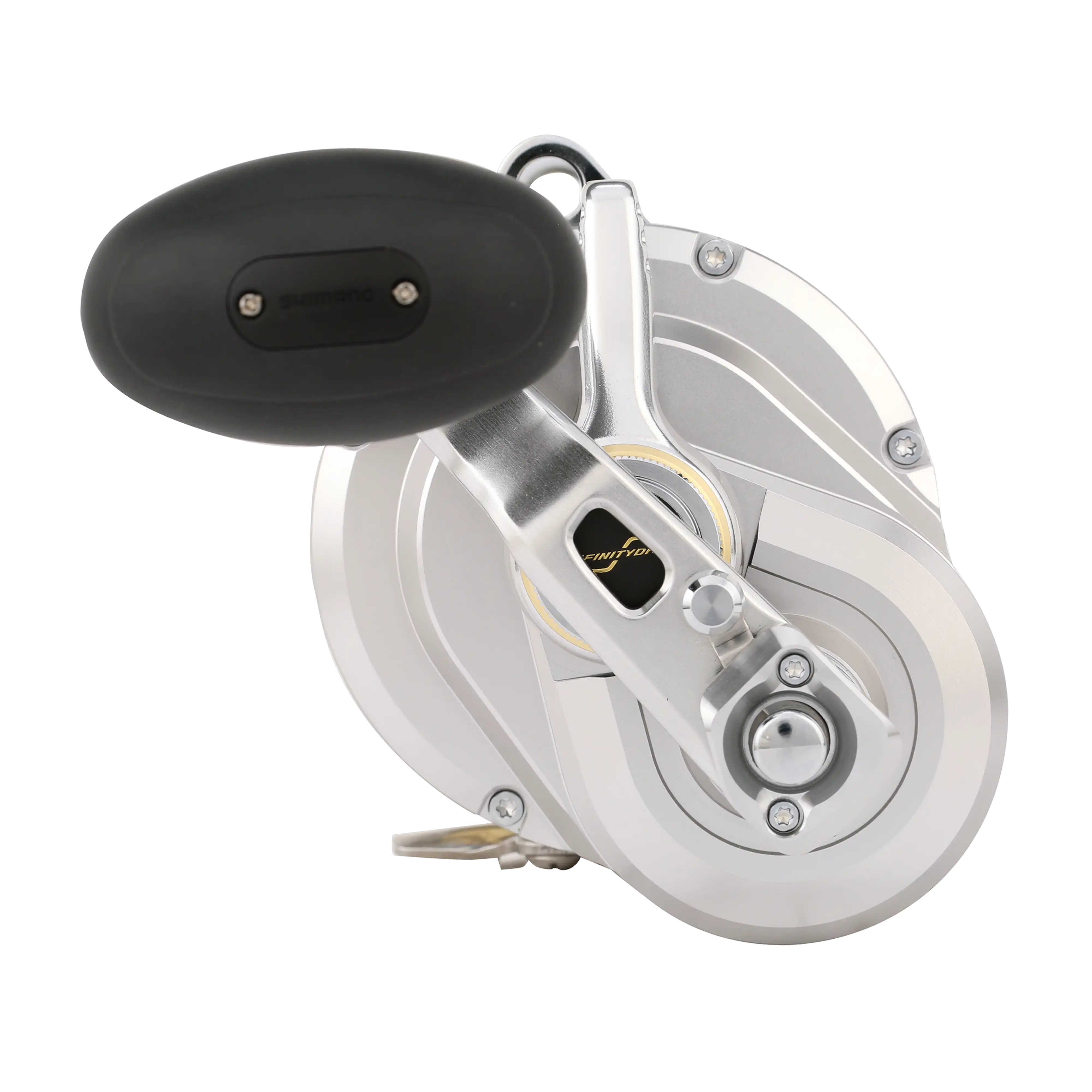
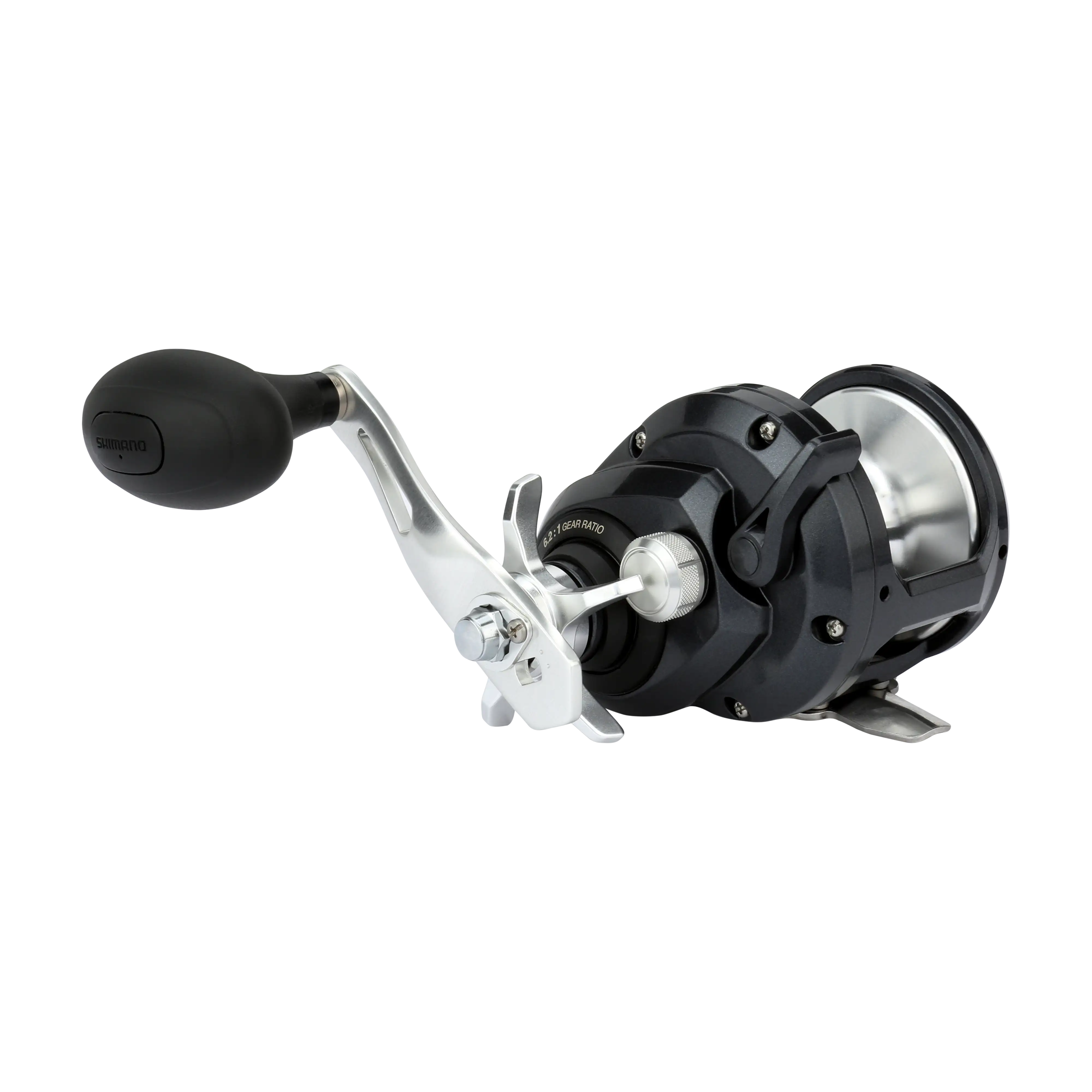
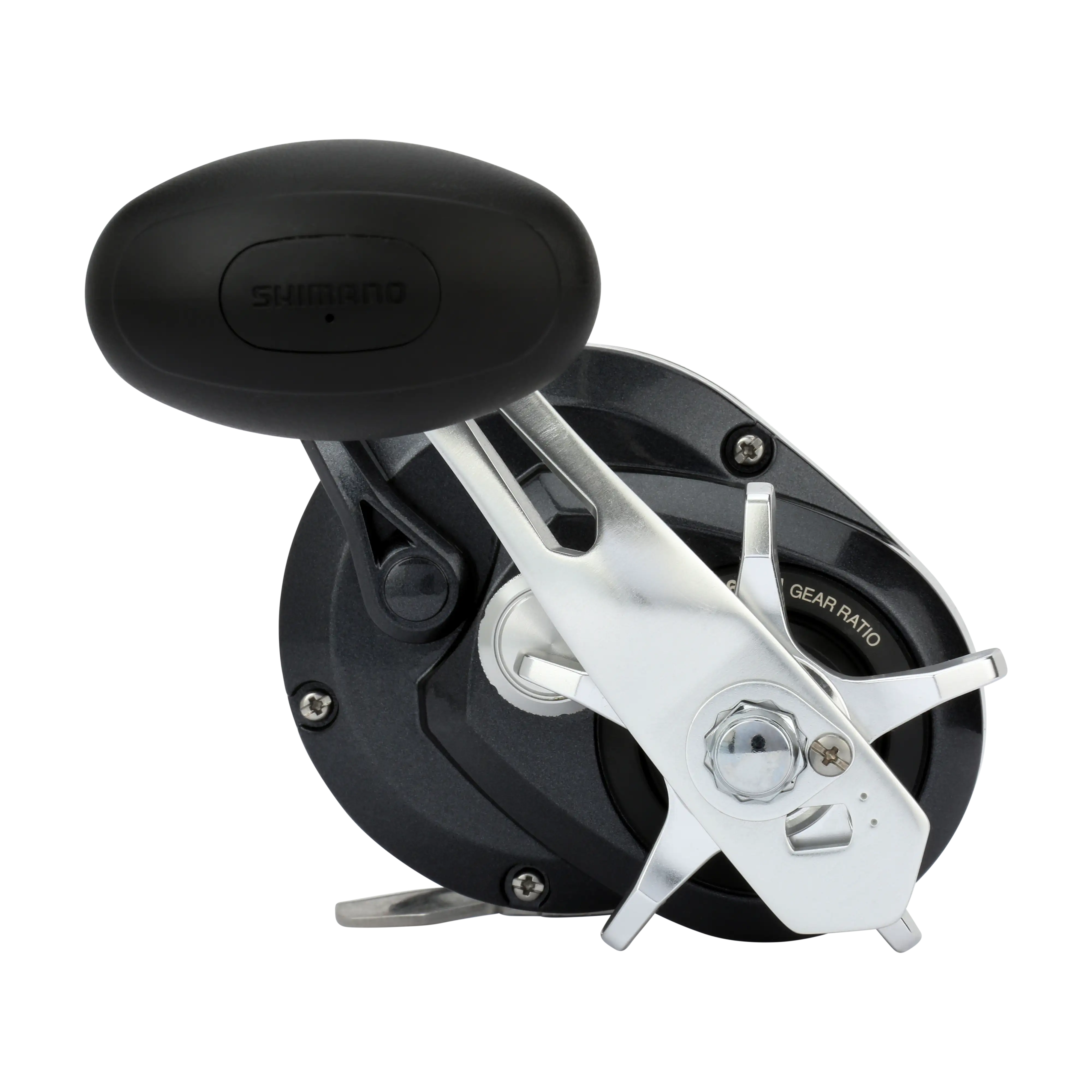
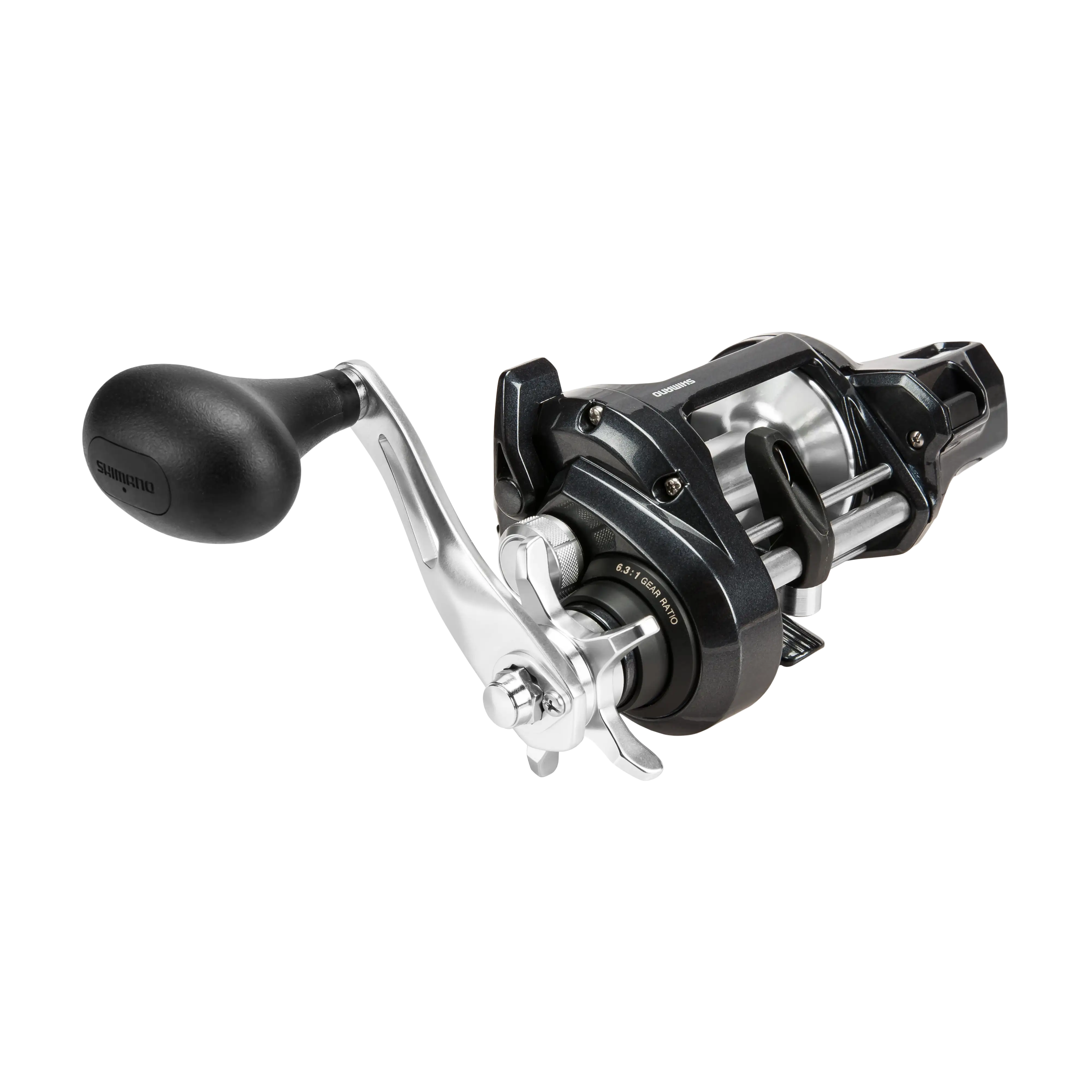
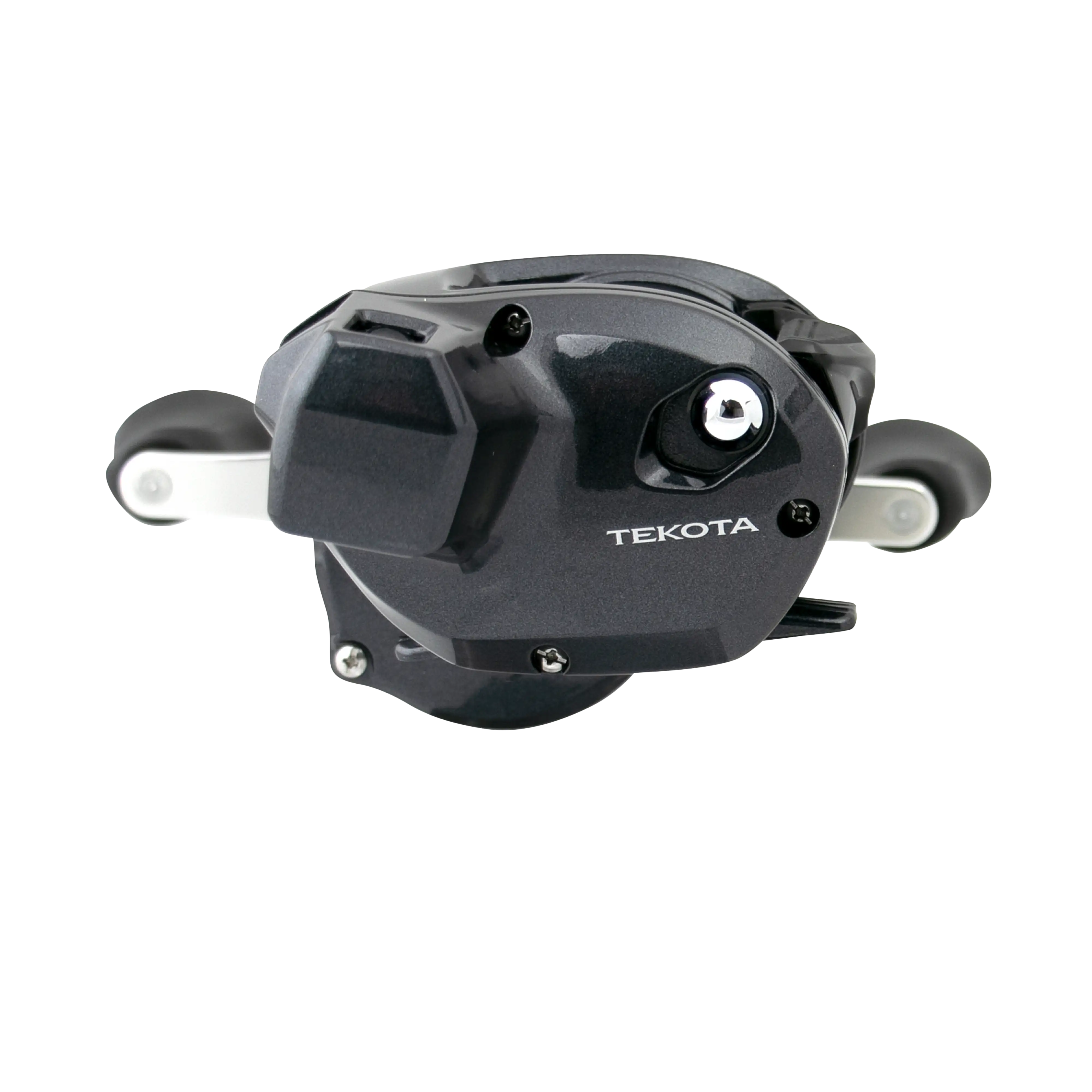
Build an Offshore Trolling Rod
FAQ - Custom Offshore Trolling Rods
What blank lengths are recommended for offshore trolling?
Offshore trolling rods typically range from compact 4’10” blanks for deep trolling or planers up to 7’6”–8’ blanks for general and slow offshore trolling, providing proper leverage and line control.
When should I use conventional ring guides vs. roller guides for an offshore trolling rod?
Conventional ring guides are standard for offshore trolling and offer smooth line flow, durability, and reliable performance with heavy braid, mono, or fluorocarbon.Roller guides are recommended for offshore trolling setups with high line drag or extended runs, as they reduce friction, heat, and wear on leaders.
What ring guide materials are best for offshore trolling?
Stainless steel or titanium frames with inserts like SiC, Alconite, Nanolite, and Duralite provide corrosion resistance, durability, and low line friction for offshore trolling.
Why should I use a pre-packaged guide kit for offshore trolling?
Guide kits ensure properly sized and spaced stripper and running guides, optimizing line flow, blank loading, and overall performance for offshore trolling rods.
When is a gimbal recommended on an offshore trolling rod?
Gimbals help apply consistent pressure from rod holders or harnesses, improving leverage and reducing fatigue during long offshore trolling sessions.
What are the benefits of aluminum reel seats for offshore trolling?
Aluminum seats provide high rigidity, resist twisting under load, and maintain reel alignment for heavy-line, high-drag offshore trolling applications.
What is the key to even blank loading for offshore trolling?
Even blank loading comes from selecting the right guide kit and spacing, ensuring smooth line flow and balanced stress distribution under drag.
Why is guide material important for offshore trolling?
High-quality materials like titanium or stainless steel prevent corrosion and withstand repeated stress, while low-friction inserts maintain line performance under offshore trolling loads.
Why is corrosion resistance important in offshore trolling components?
Saltwater exposure during offshore trolling can degrade materials, so corrosion-resistant guides, reel seats, and handles maintain performance and longevity.
What’s the difference between roller and ring guides for offshore trolling?
Ring guides are standard and versatile, while roller guides are specifically used for high-drag, heavy-line, or long-distance offshore trolling to reduce heat and line wear.
Which grip materials are best for offshore trolling?
EVA or rubberized grips resist corrosion, are comfortable over long sessions, and provide secure hold for offshore trolling rods in holders or hand-held.
From the Mud Hole Journal
Further Reading
Article
Write text about your blog post.