








About Neko Rig Fishing
Neko rig fishing is a finesse technique designed to keep a soft plastic bait in close contact with the bottom while producing subtle, natural movement. The rig uses a small nail weight inserted into the nose of the bait, with the hook positioned through the midsection—often paired with an O-ring to improve hook placement and extend bait life. This setup creates a nose-first fall and upright posture that allows the bait to glide, pivot, and shake in place with minimal rod movement, making it highly effective for pressured bass and slow-bite conditions.
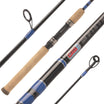
The finesse-focused nature of Neko rig fishing places a premium on sensitivity, balance, and slack-line bite detection, which is why many anglers choose to build their own custom Neko rig rod. A custom build allows you to select the exact blank, guides, handle configuration, and components that match how and where you fish. Whether your focus is fishing deep structure, skipping around cover, making long finesse casts, or targeting fish vertically on electronics, a purpose-built rod can be tailored to improve feel, control, and overall performance.
Understanding the most common Neko rig applications helps dial in both presentation and rod design. Below are several of the most widely used ways anglers fish a Neko rig.
Introduction
What is Build a Neko Rig Rod?
About Neko Rig Fishing
Neko rig fishing is a finesse technique designed to keep a soft plastic bait in close contact with the bottom while producing subtle, natural movement. The rig uses a small nail weight inserted into the nose of the bait, with the hook positioned through the midsection—often paired with an O-ring to improve hook placement and extend bait life. This setup creates a nose-first fall and upright posture that allows the bait to glide, pivot, and shake in place with minimal rod movement, making it highly effective for pressured bass and slow-bite conditions.
The finesse-focused nature of Neko rig fishing places a premium on sensitivity, balance, and slack-line bite detection, which is why many anglers choose to build their own custom Neko rig rod. A custom build allows you to select the exact blank, guides, handle configuration, and components that match how and where you fish. Whether your focus is fishing deep structure, skipping around cover, making long finesse casts, or targeting fish vertically on electronics, a purpose-built rod can be tailored to improve feel, control, and overall performance.
Understanding the most common Neko rig applications helps dial in both presentation and rod design. Below are several of the most widely used ways anglers fish a Neko rig.
Neko Rig Fishing Applications
While the Neko rig is built around a simple nose-weighted design, it’s a highly versatile finesse technique that can be adapted to different depths, cover, and fish behavior. Each variation takes advantage of the rig’s unique fall and stand-up action, but how it’s fished changes based on the situation.
Finesse / Bottom Contact Neko Rig
Targets: Largemouth bass, smallmouth bass, spotted bass
This is the most common application, focused on keeping the bait in contact with the bottom while subtly working it in place. The rig is moved with slow drags, short lifts, and light shakes, allowing the bait to stand up and react without traveling far. It’s especially effective on pressured fish or in clear water where a natural, non-aggressive presentation gets more bites.
Cover Neko Rig (Weedless)
Targets: Largemouth bass in grass, brush, laydowns, and docks
Rigged weedless, the Neko rig can be pitched or skipped into cover where bass are holding tight. The nose weight helps the bait fall straight into openings, and once it reaches bottom, small movements keep it active without pulling it away from the strike zone. This makes it a strong option when fish are buried in cover and won’t chase.
Deep Structure Neko Rig
Targets: Largemouth and smallmouth bass on ledges, points, and offshore structure
In deeper water, heavier nail weights are used to maintain bottom contact and improve feel. The bait is worked with controlled lifts and drops, letting it fall nose-first and reset naturally. This keeps the presentation tight to structure and is effective when fish are relating to depth and feeding close to the bottom.
Vertical / Sonar Neko Rig
Targets: Largemouth, smallmouth, and spotted bass relating to specific targets or individual fish
The Neko rig has become a go-to for fishing vertically, especially when targeting fish seen on electronics. The bait is dropped directly to the target and worked with small lifts, allowing it to fall back on a controlled slack line. Its faster, nose-down fall compared to a wacky rig keeps it in position and makes it easier to stay on individual fish in real time.
Key Takeaways
- Neko rig fishing is highly versatile and can be adapted to shallow cover, deep structure, and vertical presentations
- Adjusting weight, hook style, and presentation lets you match different depths, cover types, and fish behavior
- Understanding key applications helps anglers choose the right setup and fish the rig more effectively in changing conditions
Neko Rig Fishing Applications
While the Neko rig is built around a simple nose-weighted design, it’s a highly versatile finesse technique that can be adapted to different depths, cover, and fish behavior. Each variation takes advantage of the rig’s unique fall and stand-up action, but how it’s fished changes based on the situation.
Finesse / Bottom Contact Neko Rig
Targets: Largemouth bass, smallmouth bass, spotted bass
This is the most common application, focused on keeping the bait in contact with the bottom while subtly working it in place. The rig is moved with slow drags, short lifts, and light shakes, allowing the bait to stand up and react without traveling far. It’s especially effective on pressured fish or in clear water where a natural, non-aggressive presentation gets more bites.
Cover Neko Rig (Weedless)
Targets: Largemouth bass in grass, brush, laydowns, and docks
Rigged weedless, the Neko rig can be pitched or skipped into cover where bass are holding tight. The nose weight helps the bait fall straight into openings, and once it reaches bottom, small movements keep it active without pulling it away from the strike zone. This makes it a strong option when fish are buried in cover and won’t chase.
Deep Structure Neko Rig
Targets: Largemouth and smallmouth bass on ledges, points, and offshore structure
In deeper water, heavier nail weights are used to maintain bottom contact and improve feel. The bait is worked with controlled lifts and drops, letting it fall nose-first and reset naturally. This keeps the presentation tight to structure and is effective when fish are relating to depth and feeding close to the bottom.
Vertical / Sonar Neko Rig
Targets: Largemouth, smallmouth, and spotted bass relating to specific targets or individual fish
The Neko rig has become a go-to for fishing vertically, especially when targeting fish seen on electronics. The bait is dropped directly to the target and worked with small lifts, allowing it to fall back on a controlled slack line. Its faster, nose-down fall compared to a wacky rig keeps it in position and makes it easier to stay on individual fish in real time.
Key Takeaways
- Neko rig fishing is highly versatile and can be adapted to shallow cover, deep structure, and vertical presentations
- Adjusting weight, hook style, and presentation lets you match different depths, cover types, and fish behavior
- Understanding key applications helps anglers choose the right setup and fish the rig more effectively in changing conditions
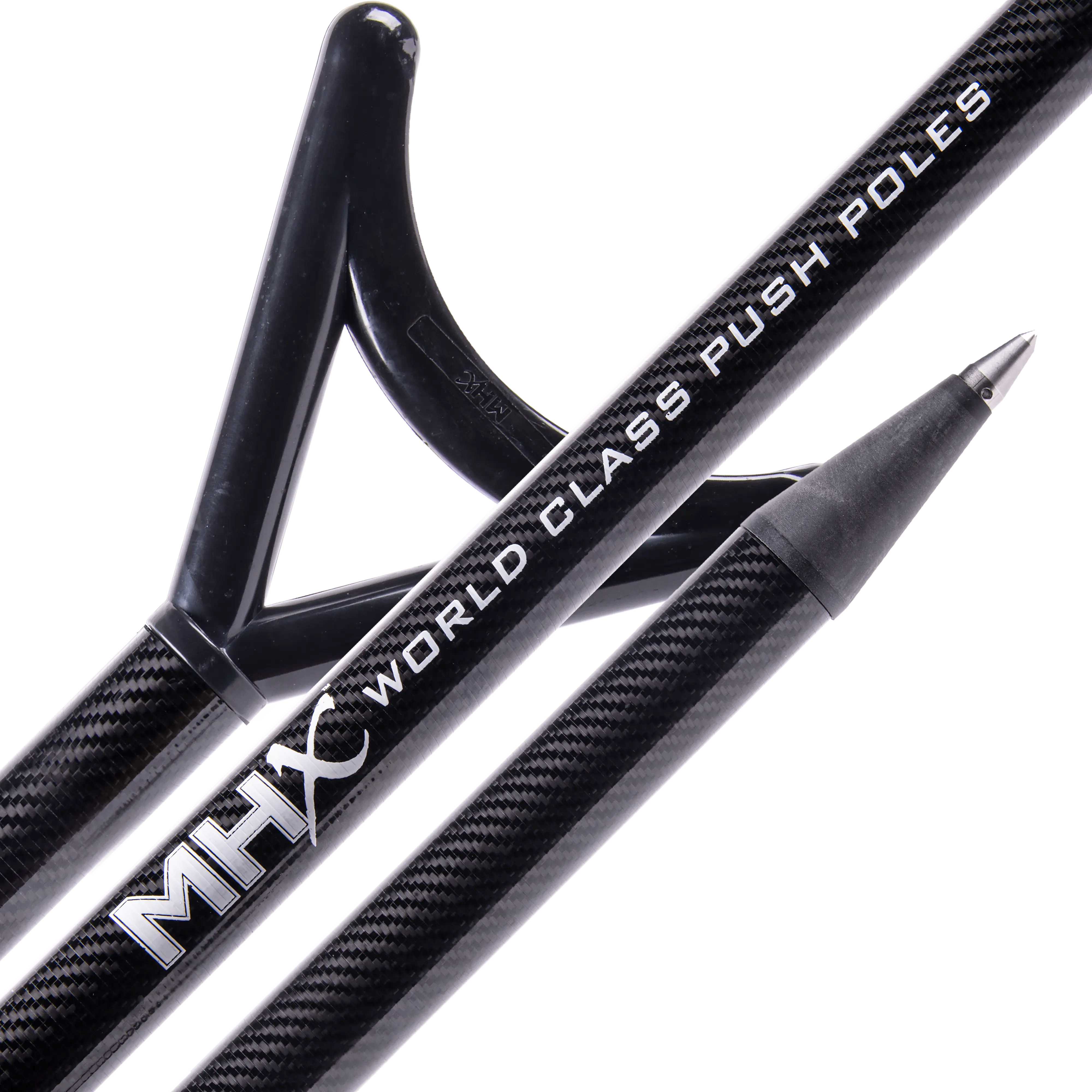
How to Choose a Neko Rig Fishing Rod Blank
A well-matched Neko rig rod is built around sensitivity, line control, and the ability to manage a bait that’s constantly transitioning between falling and resting on the bottom. Unlike techniques that rely strictly on dragging, the Neko rig produces many of its bites as the bait drops or subtly shifts in place. Because of that, your rod blank needs to pick up on light pressure changes while still giving you control over slack line and precise rod movements.
A properly balanced setup allows you to lift, shake, and guide the bait without overpowering it, while still maintaining enough strength to drive the hook home and land fish cleanly.
The goal isn’t just sensitivity—it’s control. The right rod blank helps you track the bait on the fall, keep it in the strike zone, and respond quickly when a fish commits without overreacting or pulling the bait away.
When choosing a rod blank, focus on these key factors:
Power
Power determines how much force it takes to load the rod blank and plays a big role in both hooksetting and fish control. Most Neko rig setups fall between medium-light and medium power. Medium-light rod blanks shine when fishing open water or using lighter nail weights, offering better feedback and protecting lighter leaders. Medium power gives you more authority when fishing around cover or using slightly heavier weights. If you’re consistently targeting fish in thicker cover, a medium-heavy rod can be used, but sensitivity may start to drop as power increases.
Action
Action controls how quickly the rod blank transitions from tip flex into backbone. For Neko rig fishing, fast and extra-fast actions are preferred because they keep the tip responsive without sacrificing control. This allows you to move the bait with small inputs while still detecting bites that happen on semi-slack line. A quicker action also helps you come tight on fish smoothly, especially when bites feel like added weight instead of a sharp tap.
Length
Rod blank length affects casting range, line control, and hooksetting ability. Neko rig rods typically fall between 6’8″ and 7’6″. Shorter rods improve accuracy when targeting specific cover or skipping into tight areas. Mid-length rods offer the best all-around performance for most situations, balancing casting distance with control. Longer rods help manage line on deeper presentations, improve hooksets at distance, and make it easier to control fish when they’re hooked farther from the boat.
Line Rating
The line rating should match the finesse nature of the technique while still giving you enough strength to land fish confidently. Most anglers fish Neko rigs on 8–12 lb fluorocarbon or use 10–15 lb braid paired with an 8–12 lb fluorocarbon leader. Fluorocarbon provides a more direct feel and natural presentation, while braid increases sensitivity and helps detect bites on the fall. Choosing a rod blank that properly loads within your line range improves casting performance and overall feel.
Weight / Lure Rating
Neko rigs use internal nail weights, and the size you choose affects fall speed, bottom contact, and overall bait action. In most situations, 1/16 oz is the most versatile option, offering a balanced fall across a wide range of depths and conditions. Lighter weights work well for shallow water and ultra-finesse presentations, while heavier weights (1/8–3/16 oz) are better for deeper water, wind, or maintaining quicker bottom contact. Choosing a rod that matches the weights you fish most often improves casting performance, sensitivity, and overall control.
Blanks by Application
Below are the key Neko rig techniques, along with the recommended rod blank specs and MHX part numbers to simplify your build selection.
Finesse / Bottom Contact Neko Rig
For slow, controlled presentations along the bottom, a rod blank with a soft, responsive tip and strong sensitivity is key. Medium-light to medium power rods in the 6’10″–7’2″ range allow you to subtly move the bait while keeping it in place. Fast to extra-fast actions help detect light pressure bites and improve control when fish pick up the bait without aggressive movement.
Targets: Largemouth bass, smallmouth bass, spotted bass
Rod Length: 6’10″–7’2″
Power: Medium-Light to Medium
Action: Fast to Extra-Fast
Line : 10–12 lb braid / 8–12 lb fluorocarbon
Weights Used: 1/32 – 1/8 oz nail weights
MHX Part Numbers: NEPS86MLXF, DS822
Cover Neko Rig (Weedless)
Fishing around cover requires a rod blank that can still feel subtle bites while giving you enough strength to control fish immediately after the hookset. A medium-power rod is the starting point, with medium-heavy used for thicker vegetation or wood. Slightly longer rods help with leverage and keeping fish from burying into cover.
Targets: Largemouth bass in grass, brush, laydowns, and docks
Rod Length: 7’0″–7’3″
Power: Medium (Medium-Heavy for heavier cover and stronger fish control)
Action: Fast or extra-fast
Line: 10–15 lb braid / 8–12 lb fluorocarbon (Med-Heavy and deep cover: 10–15 lb braid / 10–15 lb fluorocarbon)
Weights Used: 1/16 – 1/8 oz nail weights
MHX Part Numbers: NEPS86MF, SJ843
Deep Structure Neko Rig
When fishing deeper water, maintaining contact and keeping line control becomes more important than casting distance. Longer rod blanks improve leverage and help you stay connected to the bait as it falls and settles. Medium power with a fast action provides a strong balance of sensitivity and hooksetting ability at depth.
Targets: Largemouth and smallmouth bass on points, ledges, and offshore structure
Rod Length: 7’2″–7’6″
Power: Medium
Action: Fast or extra-fast
Line: 10–15 lb braid / 8–12 lb fluorocarbon (or 6–10 lb straight fluorocarbon)
Weights Used: 1/8 – 3/16 oz nail weights
MHX Part Numbers: NEPS86MXF, SJ903
Vertical / Sonar Neko Rig
When fishing straight below the boat or targeting individual fish on electronics, rod control and slack line management become critical. A longer rod blank with a quick tip helps track the bait on the fall and react quickly when a fish commits. Fast to extra-fast actions improve responsiveness when working the bait in tight vertical windows.
Targets: Largemouth, smallmouth, and spotted bass relating to vertical structure or individual fish
Rod Length: 7’2″–7’6″
Power: Medium-Light to Medium
Action: Fast to Extra-Fast
Line: 8–12 lb braid / 6–10 lb fluorocarbon
Weights Used: 1/32 – 3/16 oz nail weights
MHX Part Numbers: NSJ872, SJ902
How to Choose a Neko Rig Fishing Rod Blank
A well-matched Neko rig rod is built around sensitivity, line control, and the ability to manage a bait that’s constantly transitioning between falling and resting on the bottom. Unlike techniques that rely strictly on dragging, the Neko rig produces many of its bites as the bait drops or subtly shifts in place. Because of that, your rod blank needs to pick up on light pressure changes while still giving you control over slack line and precise rod movements.
A properly balanced setup allows you to lift, shake, and guide the bait without overpowering it, while still maintaining enough strength to drive the hook home and land fish cleanly.
The goal isn’t just sensitivity—it’s control. The right rod blank helps you track the bait on the fall, keep it in the strike zone, and respond quickly when a fish commits without overreacting or pulling the bait away.
When choosing a rod blank, focus on these key factors:
Power
Power determines how much force it takes to load the rod blank and plays a big role in both hooksetting and fish control. Most Neko rig setups fall between medium-light and medium power. Medium-light rod blanks shine when fishing open water or using lighter nail weights, offering better feedback and protecting lighter leaders. Medium power gives you more authority when fishing around cover or using slightly heavier weights. If you’re consistently targeting fish in thicker cover, a medium-heavy rod can be used, but sensitivity may start to drop as power increases.
Action
Action controls how quickly the rod blank transitions from tip flex into backbone. For Neko rig fishing, fast and extra-fast actions are preferred because they keep the tip responsive without sacrificing control. This allows you to move the bait with small inputs while still detecting bites that happen on semi-slack line. A quicker action also helps you come tight on fish smoothly, especially when bites feel like added weight instead of a sharp tap.
Length
Rod blank length affects casting range, line control, and hooksetting ability. Neko rig rods typically fall between 6’8″ and 7’6″. Shorter rods improve accuracy when targeting specific cover or skipping into tight areas. Mid-length rods offer the best all-around performance for most situations, balancing casting distance with control. Longer rods help manage line on deeper presentations, improve hooksets at distance, and make it easier to control fish when they’re hooked farther from the boat.
Line Rating
The line rating should match the finesse nature of the technique while still giving you enough strength to land fish confidently. Most anglers fish Neko rigs on 8–12 lb fluorocarbon or use 10–15 lb braid paired with an 8–12 lb fluorocarbon leader. Fluorocarbon provides a more direct feel and natural presentation, while braid increases sensitivity and helps detect bites on the fall. Choosing a rod blank that properly loads within your line range improves casting performance and overall feel.
Weight / Lure Rating
Neko rigs use internal nail weights, and the size you choose affects fall speed, bottom contact, and overall bait action. In most situations, 1/16 oz is the most versatile option, offering a balanced fall across a wide range of depths and conditions. Lighter weights work well for shallow water and ultra-finesse presentations, while heavier weights (1/8–3/16 oz) are better for deeper water, wind, or maintaining quicker bottom contact. Choosing a rod that matches the weights you fish most often improves casting performance, sensitivity, and overall control.
Blanks by Application
Below are the key Neko rig techniques, along with the recommended rod blank specs and MHX part numbers to simplify your build selection.
Finesse / Bottom Contact Neko Rig
For slow, controlled presentations along the bottom, a rod blank with a soft, responsive tip and strong sensitivity is key. Medium-light to medium power rods in the 6’10″–7’2″ range allow you to subtly move the bait while keeping it in place. Fast to extra-fast actions help detect light pressure bites and improve control when fish pick up the bait without aggressive movement.
Targets: Largemouth bass, smallmouth bass, spotted bass
Rod Length: 6’10″–7’2″
Power: Medium-Light to Medium
Action: Fast to Extra-Fast
Line : 10–12 lb braid / 8–12 lb fluorocarbon
Weights Used: 1/32 – 1/8 oz nail weights
MHX Part Numbers: NEPS86MLXF, DS822
Cover Neko Rig (Weedless)
Fishing around cover requires a rod blank that can still feel subtle bites while giving you enough strength to control fish immediately after the hookset. A medium-power rod is the starting point, with medium-heavy used for thicker vegetation or wood. Slightly longer rods help with leverage and keeping fish from burying into cover.
Targets: Largemouth bass in grass, brush, laydowns, and docks
Rod Length: 7’0″–7’3″
Power: Medium (Medium-Heavy for heavier cover and stronger fish control)
Action: Fast or extra-fast
Line: 10–15 lb braid / 8–12 lb fluorocarbon (Med-Heavy and deep cover: 10–15 lb braid / 10–15 lb fluorocarbon)
Weights Used: 1/16 – 1/8 oz nail weights
MHX Part Numbers: NEPS86MF, SJ843
Deep Structure Neko Rig
When fishing deeper water, maintaining contact and keeping line control becomes more important than casting distance. Longer rod blanks improve leverage and help you stay connected to the bait as it falls and settles. Medium power with a fast action provides a strong balance of sensitivity and hooksetting ability at depth.
Targets: Largemouth and smallmouth bass on points, ledges, and offshore structure
Rod Length: 7’2″–7’6″
Power: Medium
Action: Fast or extra-fast
Line: 10–15 lb braid / 8–12 lb fluorocarbon (or 6–10 lb straight fluorocarbon)
Weights Used: 1/8 – 3/16 oz nail weights
MHX Part Numbers: NEPS86MXF, SJ903
Vertical / Sonar Neko Rig
When fishing straight below the boat or targeting individual fish on electronics, rod control and slack line management become critical. A longer rod blank with a quick tip helps track the bait on the fall and react quickly when a fish commits. Fast to extra-fast actions improve responsiveness when working the bait in tight vertical windows.
Targets: Largemouth, smallmouth, and spotted bass relating to vertical structure or individual fish
Rod Length: 7’2″–7’6″
Power: Medium-Light to Medium
Action: Fast to Extra-Fast
Line: 8–12 lb braid / 6–10 lb fluorocarbon
Weights Used: 1/32 – 3/16 oz nail weights
MHX Part Numbers: NSJ872, SJ902
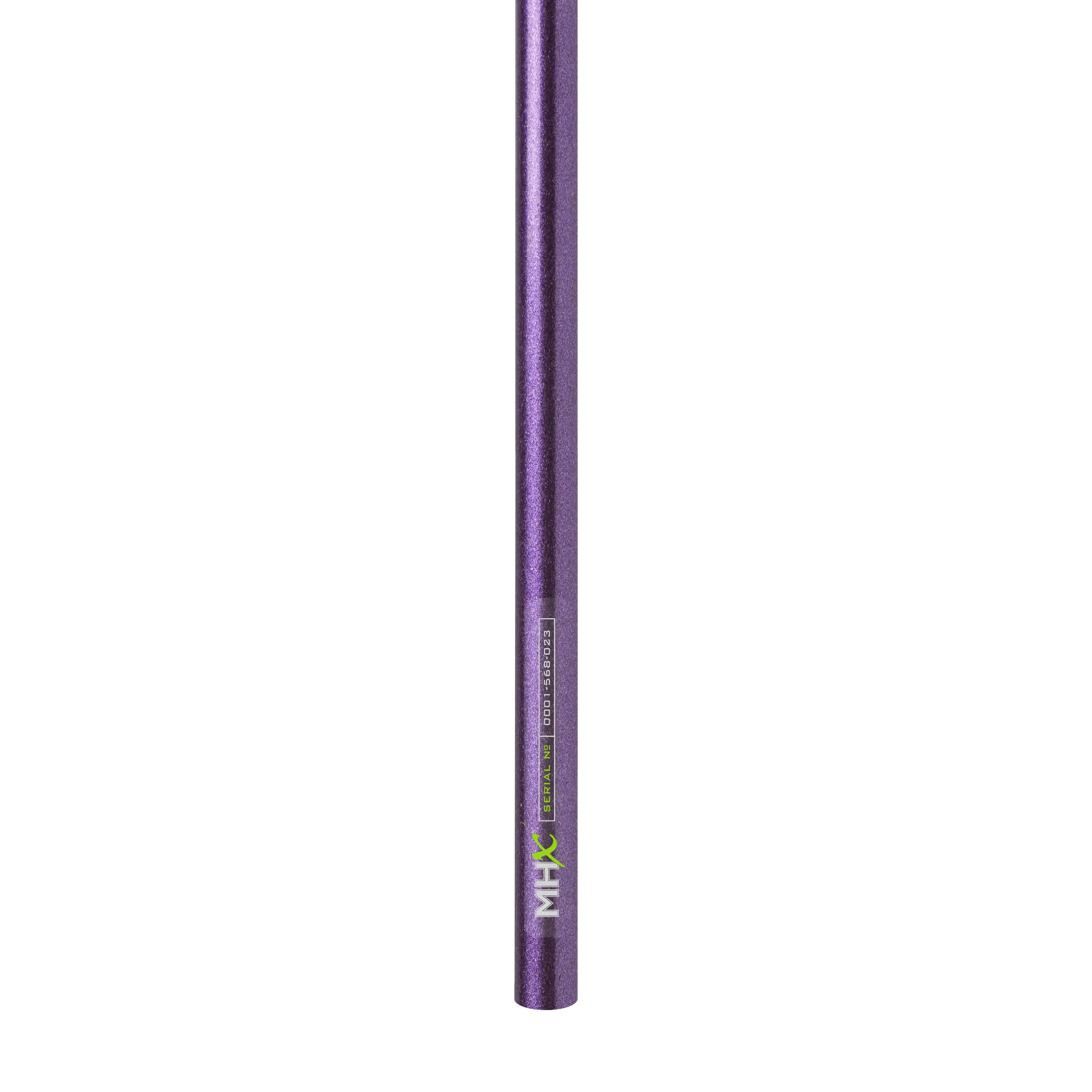
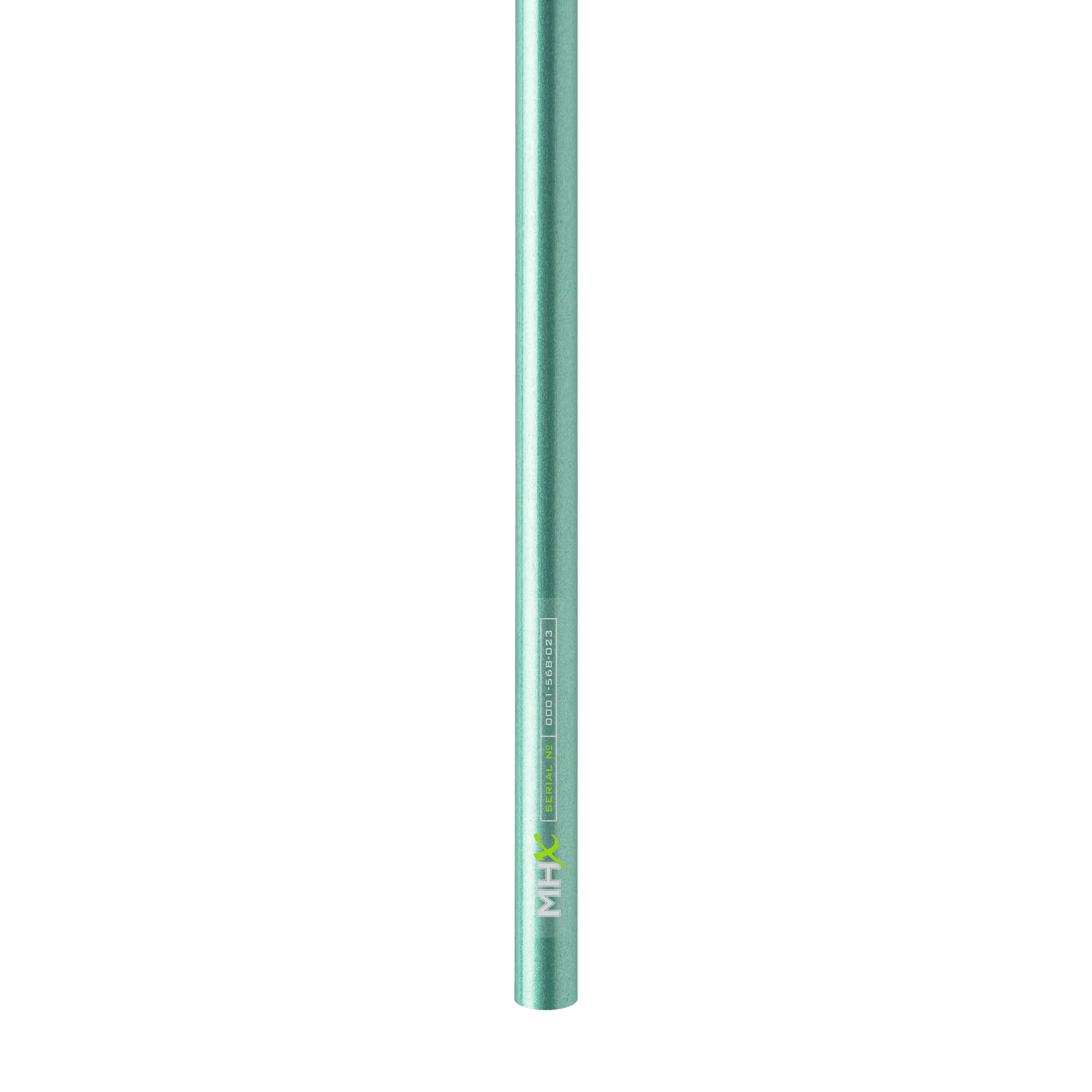
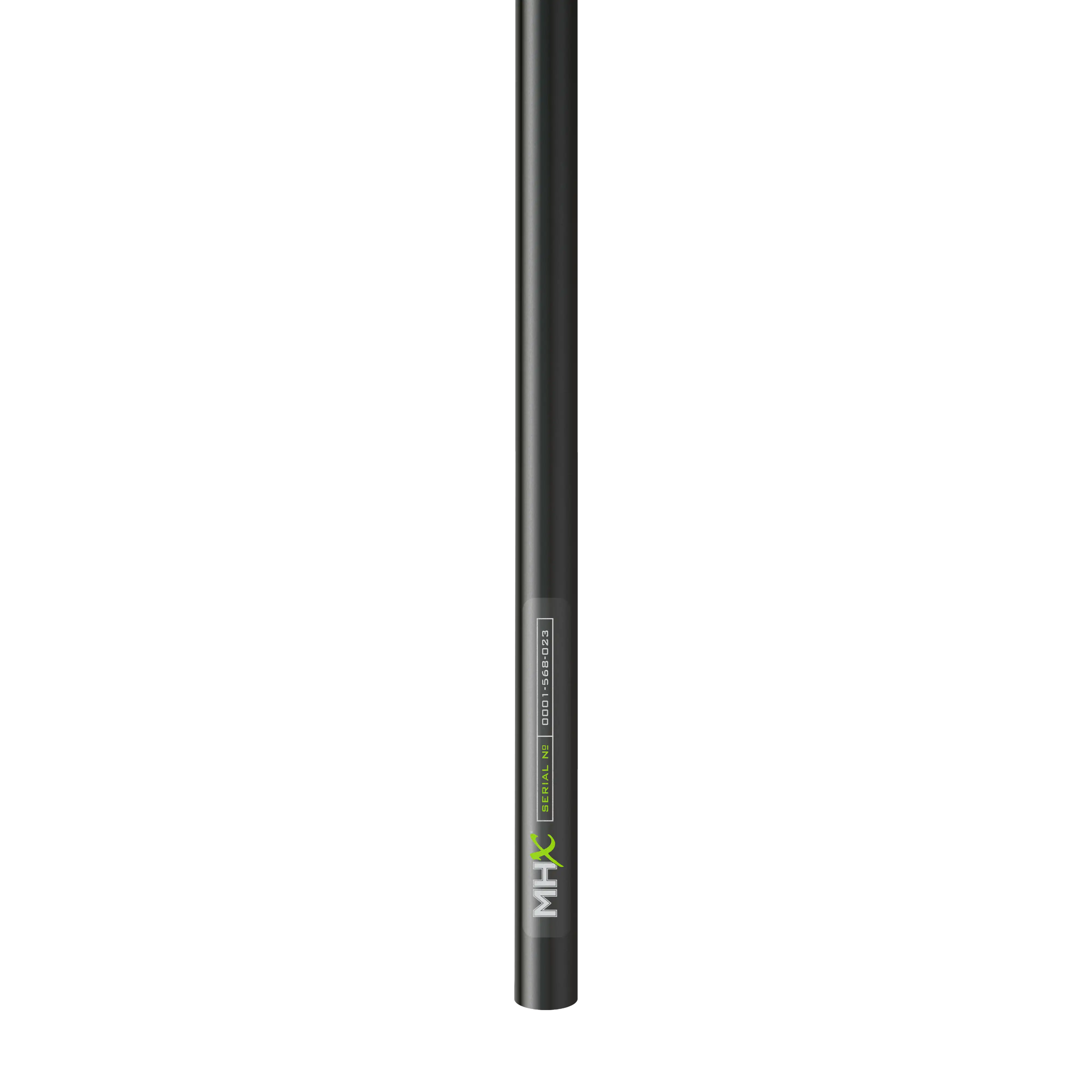
Neko Rig Rod Blanks
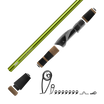
Neko Rig Rod Guide Kits
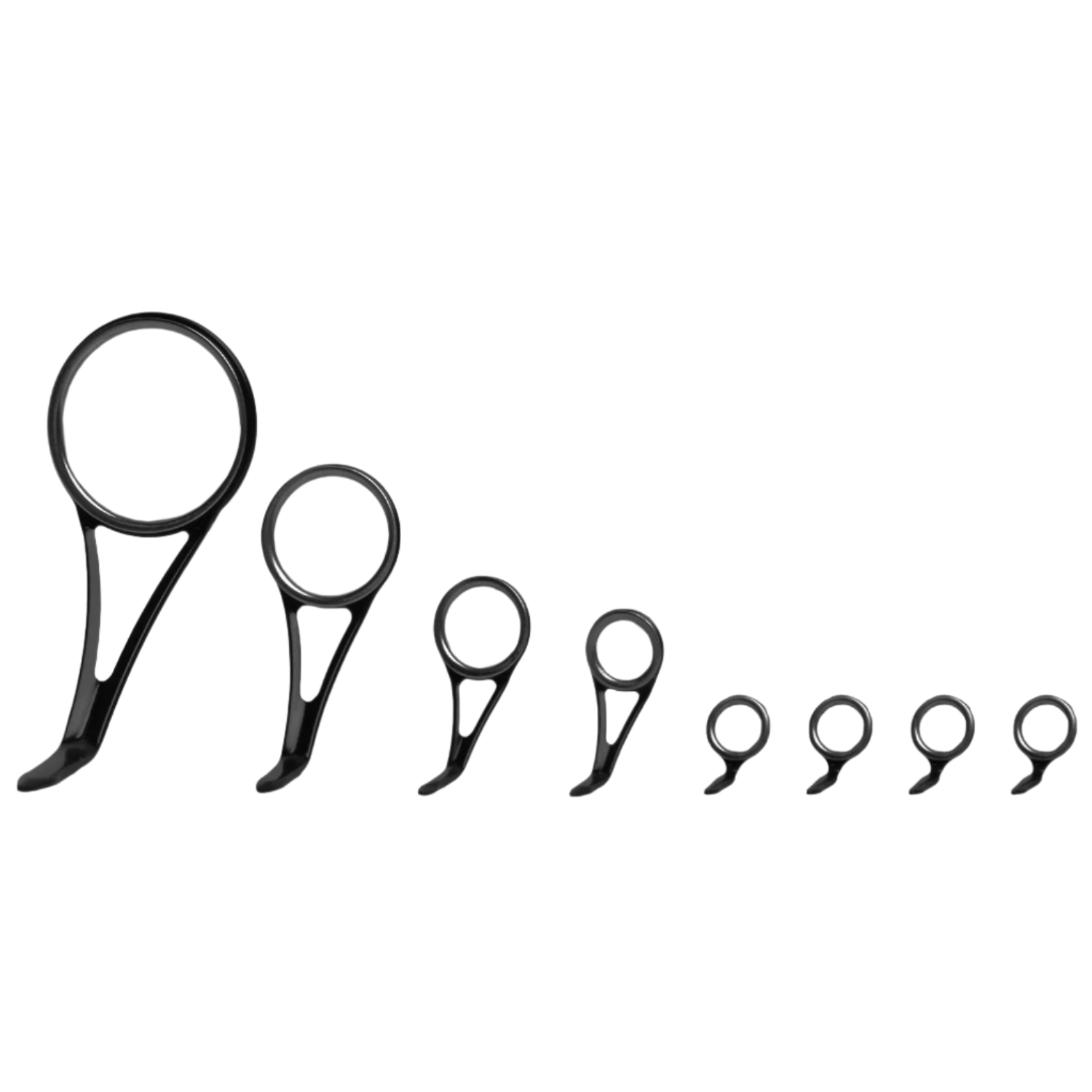
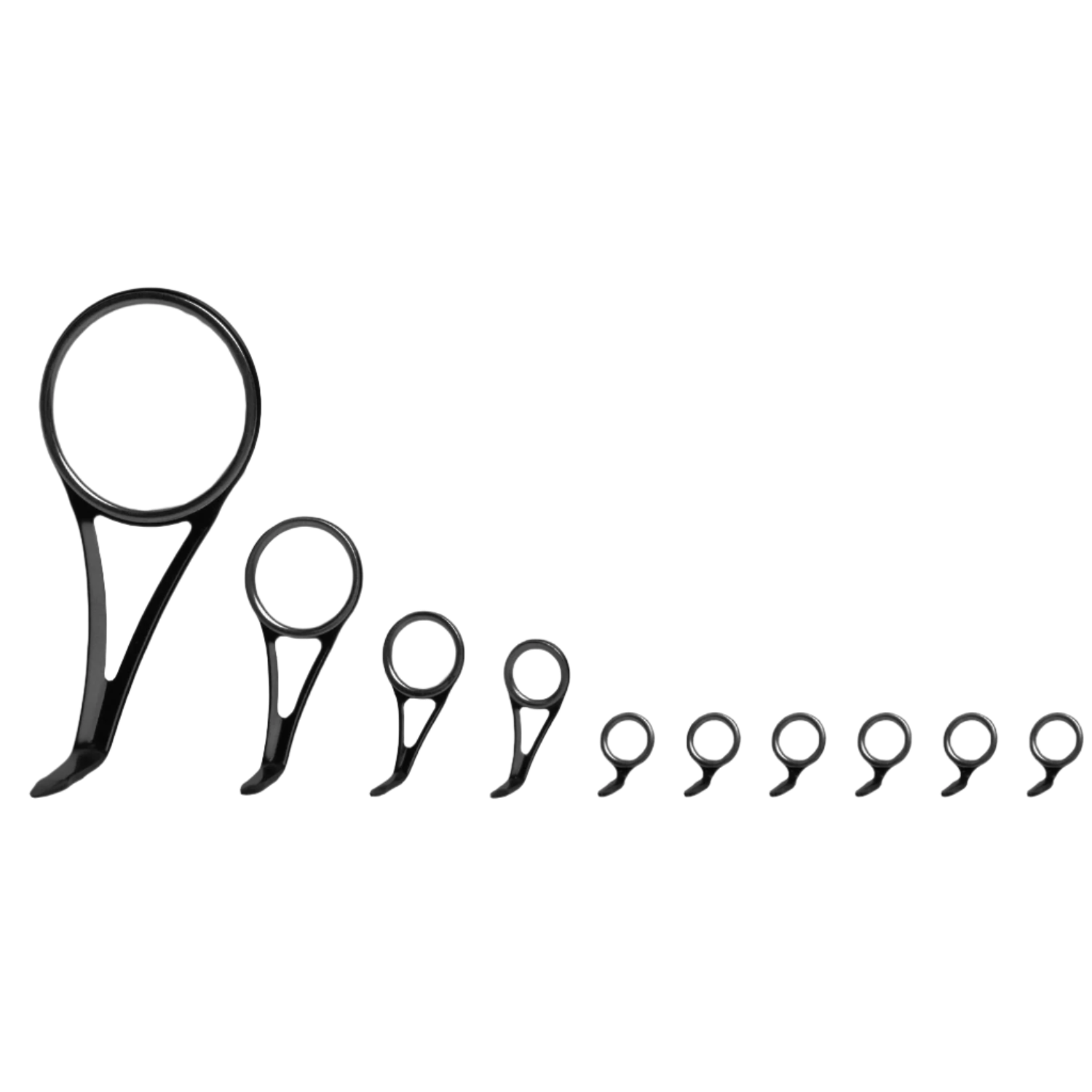
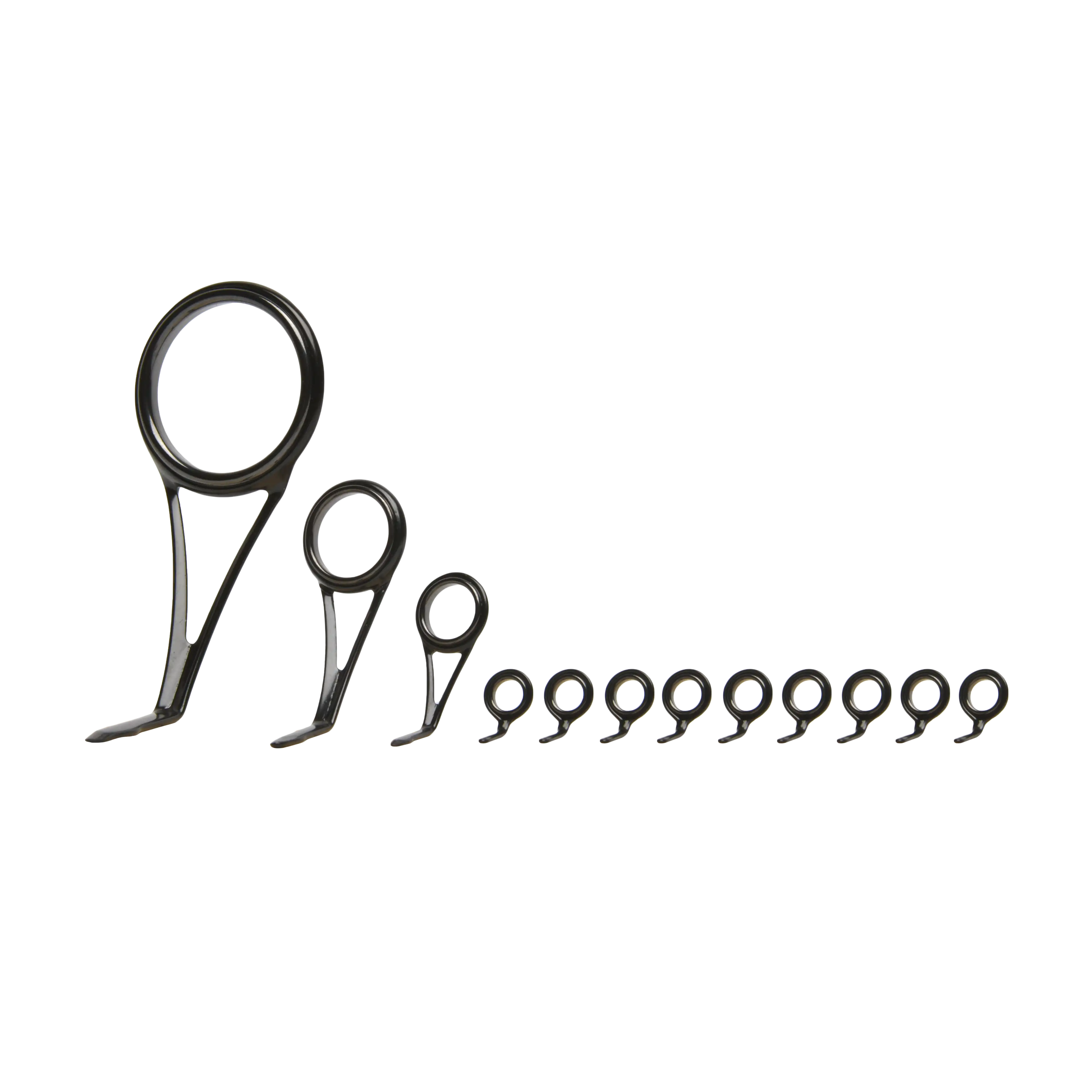
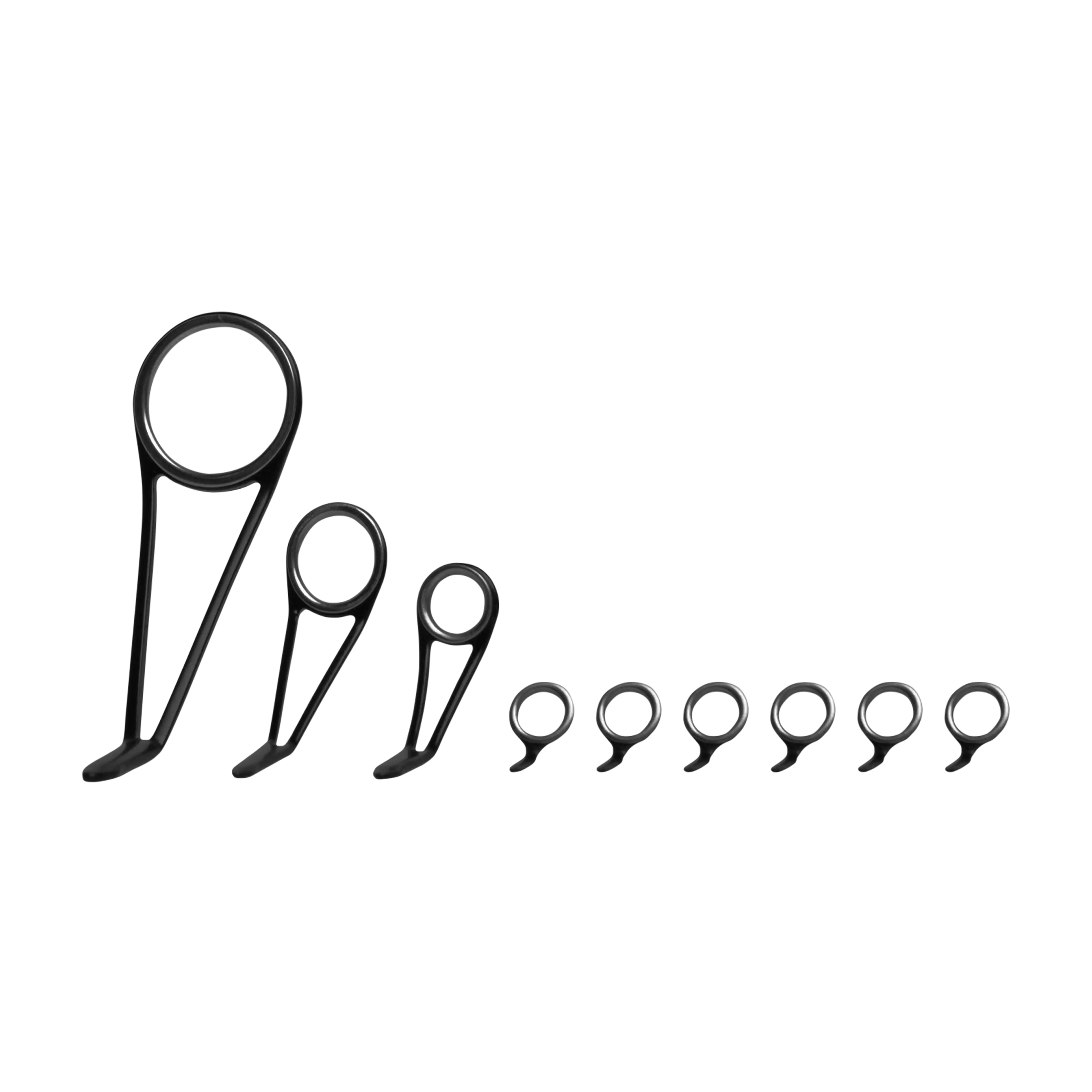
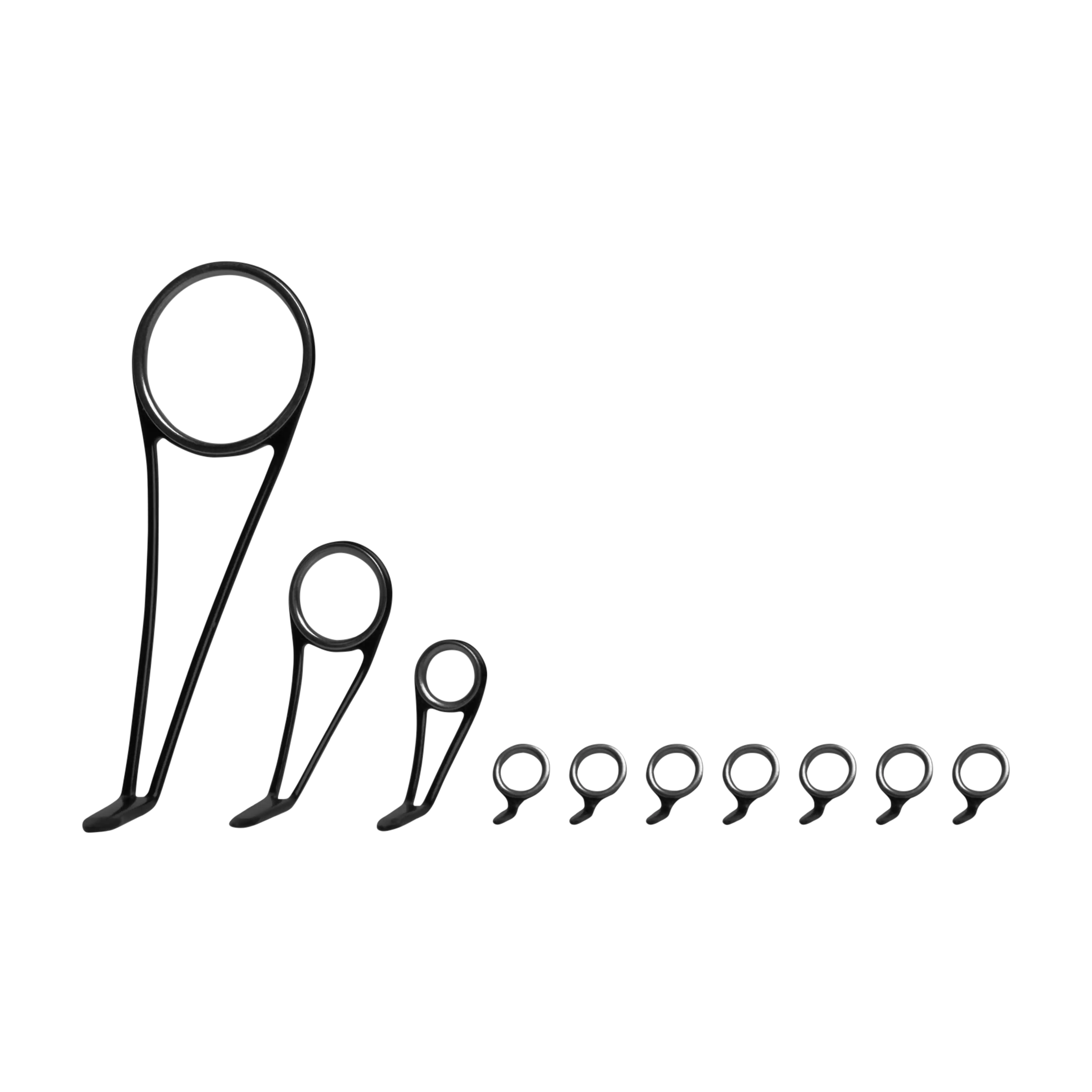
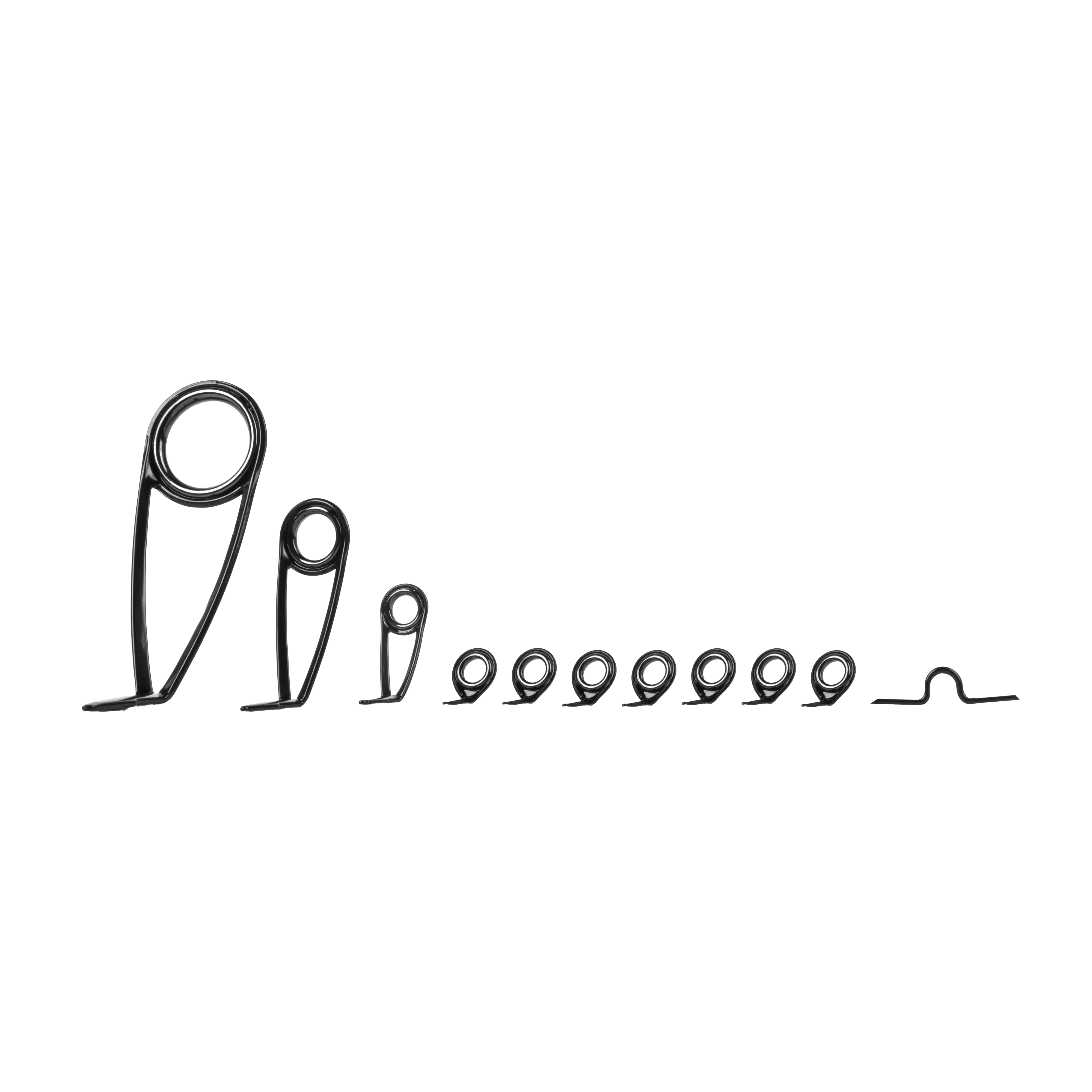
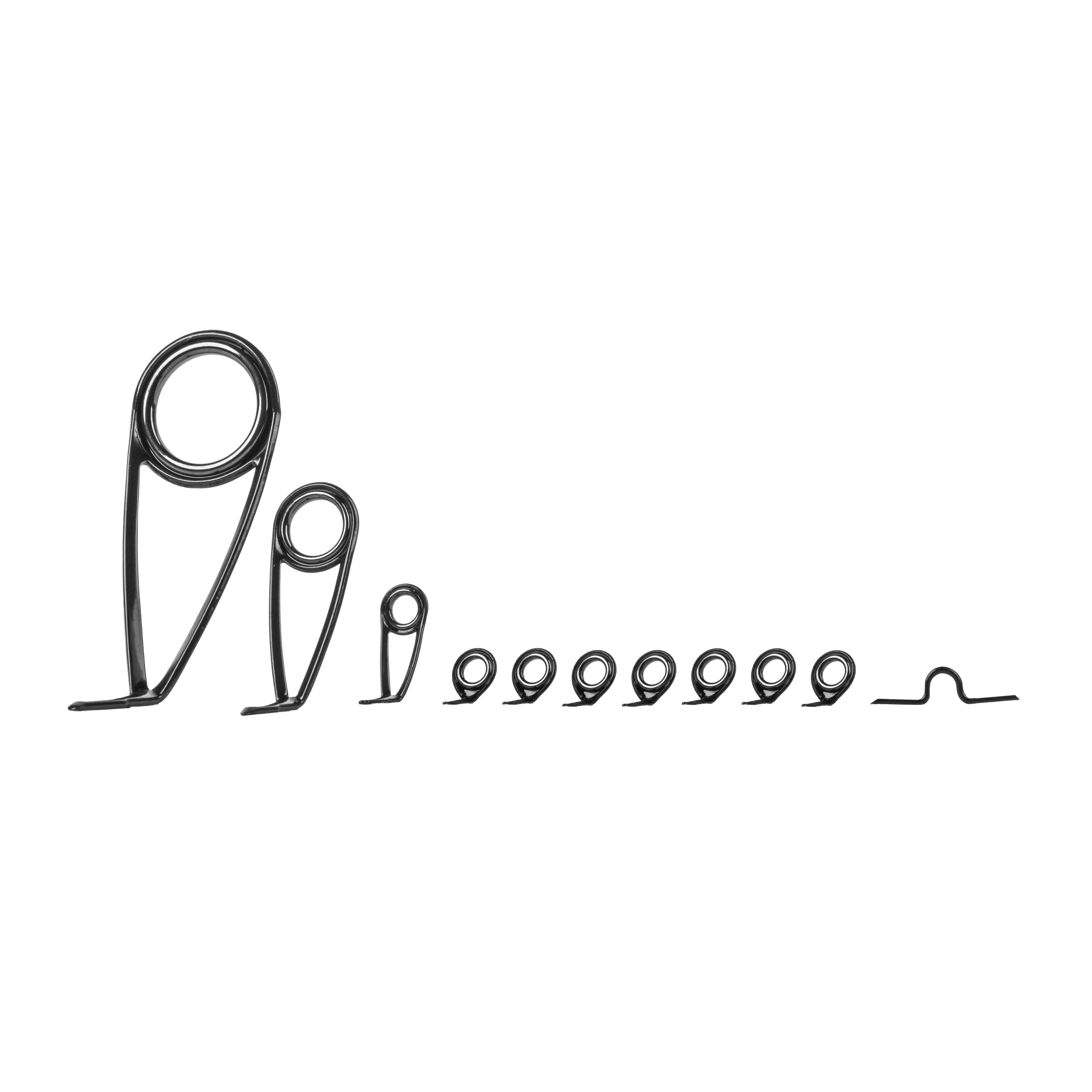
When building a custom Neko rig spinning rod, the guide kit plays a major role in sensitivity, line control, and overall rod performance. Because many Neko rig bites happen on the fall or with very little movement, the guide train needs to manage semi-slack line efficiently while preserving subtle feedback through the blank.
Guide kits simplify the build process by providing properly sized guides and spacing recommendations matched to specific blank lengths and actions. This reduces guesswork and helps ensure consistent line flow during casts, retrieves, and hooksets. A properly designed guide layout distributes pressure evenly along the blank, reduces friction, and allows the rod to flex naturally under load. Proper spacing also improves sensitivity and helps maintain better control during finesse presentations.
Neko rig guide systems are optimized for light line and finesse hooks, where responsiveness matters more than brute strength. The layout starts with stripper guides near the reel to control line leaving the spool, followed by running guides that carry the line smoothly to the tip while supporting the blank’s natural action.
Stripper Guides
Stripper guides manage the line as it first leaves the spinning reel spool. Since spinning reels release line in large coils rather than a straight path, the reduction train is designed to gradually control and tighten those loops before the line transitions into the running guides. The largest stripper guide is positioned closest to the reel to capture the initial line movement, while each successive guide reduces the line path and improves alignment as it moves down the blank.
This controlled reduction is important in Neko rig fishing because it improves casting efficiency, limits excess line movement, and helps maintain better control during slack-line presentations. Proper stripper guide sizing and spacing also reduce line slap against the blank and allow the rod to load more naturally during casts and hooksets. The exact layout will vary depending on blank length, power, and reel size to ensure smooth line flow without restricting the blank’s action.
Running Guides
Running guides continue from the reduction train through the remainder of the blank and are typically similar in size throughout the upper section of the rod. Their purpose is to keep the line tracking consistently while supporting the blank as it flexes and recovers under load. Uniform sizing helps maintain smooth line flow and allows the rod to perform as intended during finesse presentations.
Proper running guide placement is especially important in Neko rig builds because sensitivity and line control are critical to detecting subtle bites that often occur on the fall or during slight bait movement. A properly spaced running section supports even blank loading during casting and hooksets while preserving the responsiveness needed for light-line finesse fishing.
Frame vs Ring Size
Selecting the right frame style and ring diameter is important on a Neko rig rod because the guide train must manage light line efficiently while preserving sensitivity and maintaining precise line control. Since many Neko rig bites happen on semi-slack line or during the bait’s fall, every guide component contributes to how smoothly the line flows, how naturally the blank responds, and how effectively subtle feedback reaches the angler.
Frame Size
The frame is the metal structure that supports the guide ring and controls how the line travels through the guide train. Frame height should match the reel and allow the line to transition smoothly from the spool through the reduction train without excessive angles or resistance. Because Neko rig rods prioritize sensitivity, balance, and responsiveness, many builders prefer lightweight single-foot frames that minimize added weight while still maintaining durability and line control.
Ring Size
The ring is the inner portion of the guide that the line passes through during casting and retrieves. Ring size and material should match the line setup being used, especially when fishing braid-to-leader systems common in finesse applications. The goal is to keep the rings compact enough to maintain efficient line flow and reduce unnecessary weight while still allowing leader knots and light line to pass cleanly. Materials such as Duralite, Nanolite, and Alconite are commonly used because they provide smooth, durable surfaces that resist wear from braided and fluorocarbon lines. Proper ring sizing helps preserve sensitivity, improve line management, and maintain the blank’s intended performance.
Key Takeaways
- Multiple stripper guides help control line coils from the spinning reel before transitioning into the running guides
- Stripper guides improve line flow, reduce friction, and support better slack-line control
- Running guides are typically consistent in size and help maintain smooth blank flex and line tracking
- Stripper guide spacing varies based on blank length, power, and reel size
- Frame style and ring size affect sensitivity, line control, and overall rod balance
- Guide kits simplify the process by providing matched components and spacing recommendations
Neko Rig Rod Guide Kits
When building a custom Neko rig spinning rod, the guide kit plays a major role in sensitivity, line control, and overall rod performance. Because many Neko rig bites happen on the fall or with very little movement, the guide train needs to manage semi-slack line efficiently while preserving subtle feedback through the blank.
Guide kits simplify the build process by providing properly sized guides and spacing recommendations matched to specific blank lengths and actions. This reduces guesswork and helps ensure consistent line flow during casts, retrieves, and hooksets. A properly designed guide layout distributes pressure evenly along the blank, reduces friction, and allows the rod to flex naturally under load. Proper spacing also improves sensitivity and helps maintain better control during finesse presentations.
Neko rig guide systems are optimized for light line and finesse hooks, where responsiveness matters more than brute strength. The layout starts with stripper guides near the reel to control line leaving the spool, followed by running guides that carry the line smoothly to the tip while supporting the blank’s natural action.
Stripper Guides
Stripper guides manage the line as it first leaves the spinning reel spool. Since spinning reels release line in large coils rather than a straight path, the reduction train is designed to gradually control and tighten those loops before the line transitions into the running guides. The largest stripper guide is positioned closest to the reel to capture the initial line movement, while each successive guide reduces the line path and improves alignment as it moves down the blank.
This controlled reduction is important in Neko rig fishing because it improves casting efficiency, limits excess line movement, and helps maintain better control during slack-line presentations. Proper stripper guide sizing and spacing also reduce line slap against the blank and allow the rod to load more naturally during casts and hooksets. The exact layout will vary depending on blank length, power, and reel size to ensure smooth line flow without restricting the blank’s action.
Running Guides
Running guides continue from the reduction train through the remainder of the blank and are typically similar in size throughout the upper section of the rod. Their purpose is to keep the line tracking consistently while supporting the blank as it flexes and recovers under load. Uniform sizing helps maintain smooth line flow and allows the rod to perform as intended during finesse presentations.
Proper running guide placement is especially important in Neko rig builds because sensitivity and line control are critical to detecting subtle bites that often occur on the fall or during slight bait movement. A properly spaced running section supports even blank loading during casting and hooksets while preserving the responsiveness needed for light-line finesse fishing.
Frame vs Ring Size
Selecting the right frame style and ring diameter is important on a Neko rig rod because the guide train must manage light line efficiently while preserving sensitivity and maintaining precise line control. Since many Neko rig bites happen on semi-slack line or during the bait’s fall, every guide component contributes to how smoothly the line flows, how naturally the blank responds, and how effectively subtle feedback reaches the angler.
Frame Size
The frame is the metal structure that supports the guide ring and controls how the line travels through the guide train. Frame height should match the reel and allow the line to transition smoothly from the spool through the reduction train without excessive angles or resistance. Because Neko rig rods prioritize sensitivity, balance, and responsiveness, many builders prefer lightweight single-foot frames that minimize added weight while still maintaining durability and line control.
Ring Size
The ring is the inner portion of the guide that the line passes through during casting and retrieves. Ring size and material should match the line setup being used, especially when fishing braid-to-leader systems common in finesse applications. The goal is to keep the rings compact enough to maintain efficient line flow and reduce unnecessary weight while still allowing leader knots and light line to pass cleanly. Materials such as Duralite, Nanolite, and Alconite are commonly used because they provide smooth, durable surfaces that resist wear from braided and fluorocarbon lines. Proper ring sizing helps preserve sensitivity, improve line management, and maintain the blank’s intended performance.
Key Takeaways
- Multiple stripper guides help control line coils from the spinning reel before transitioning into the running guides
- Stripper guides improve line flow, reduce friction, and support better slack-line control
- Running guides are typically consistent in size and help maintain smooth blank flex and line tracking
- Stripper guide spacing varies based on blank length, power, and reel size
- Frame style and ring size affect sensitivity, line control, and overall rod balance
- Guide kits simplify the process by providing matched components and spacing recommendations
Neko Rig Guide Kits





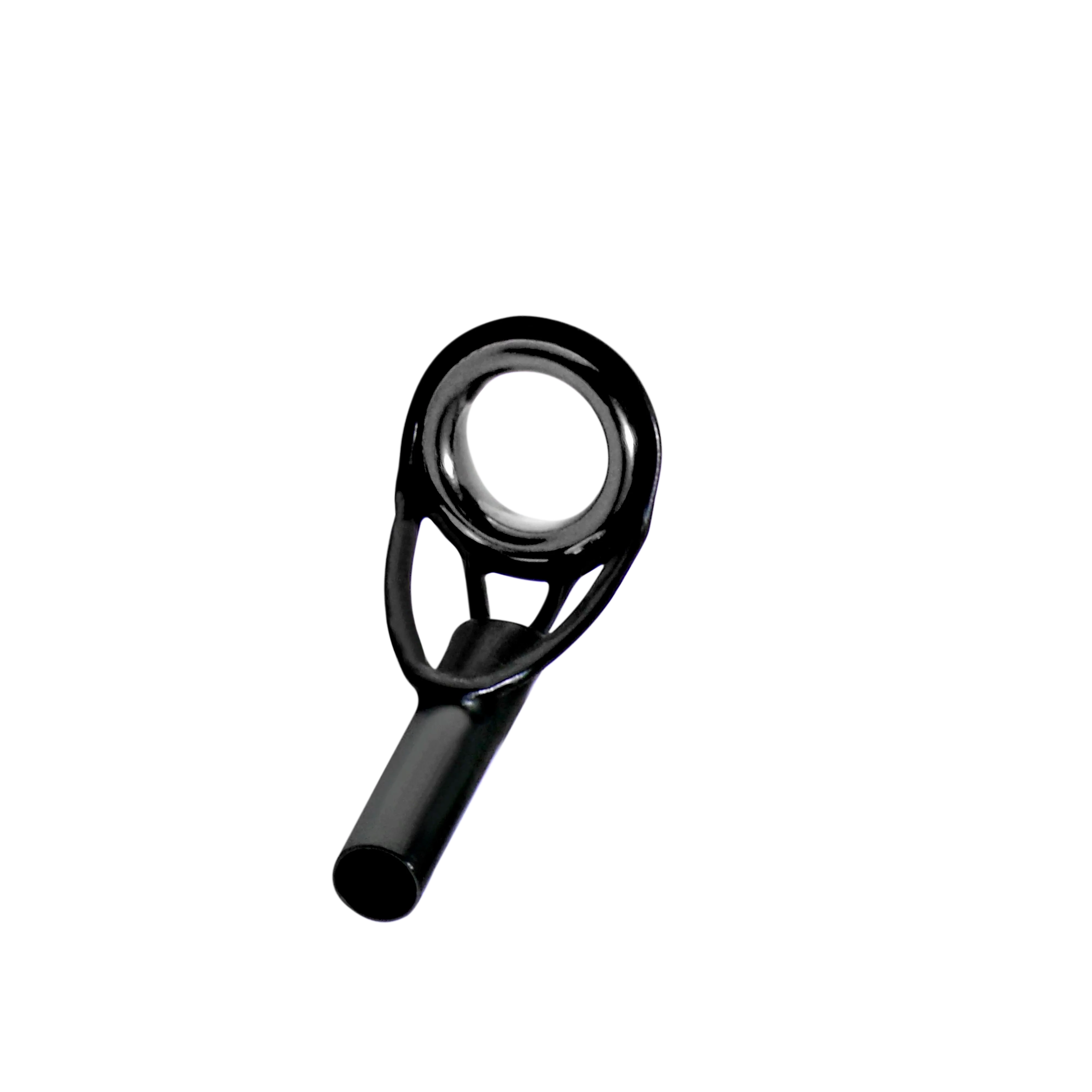
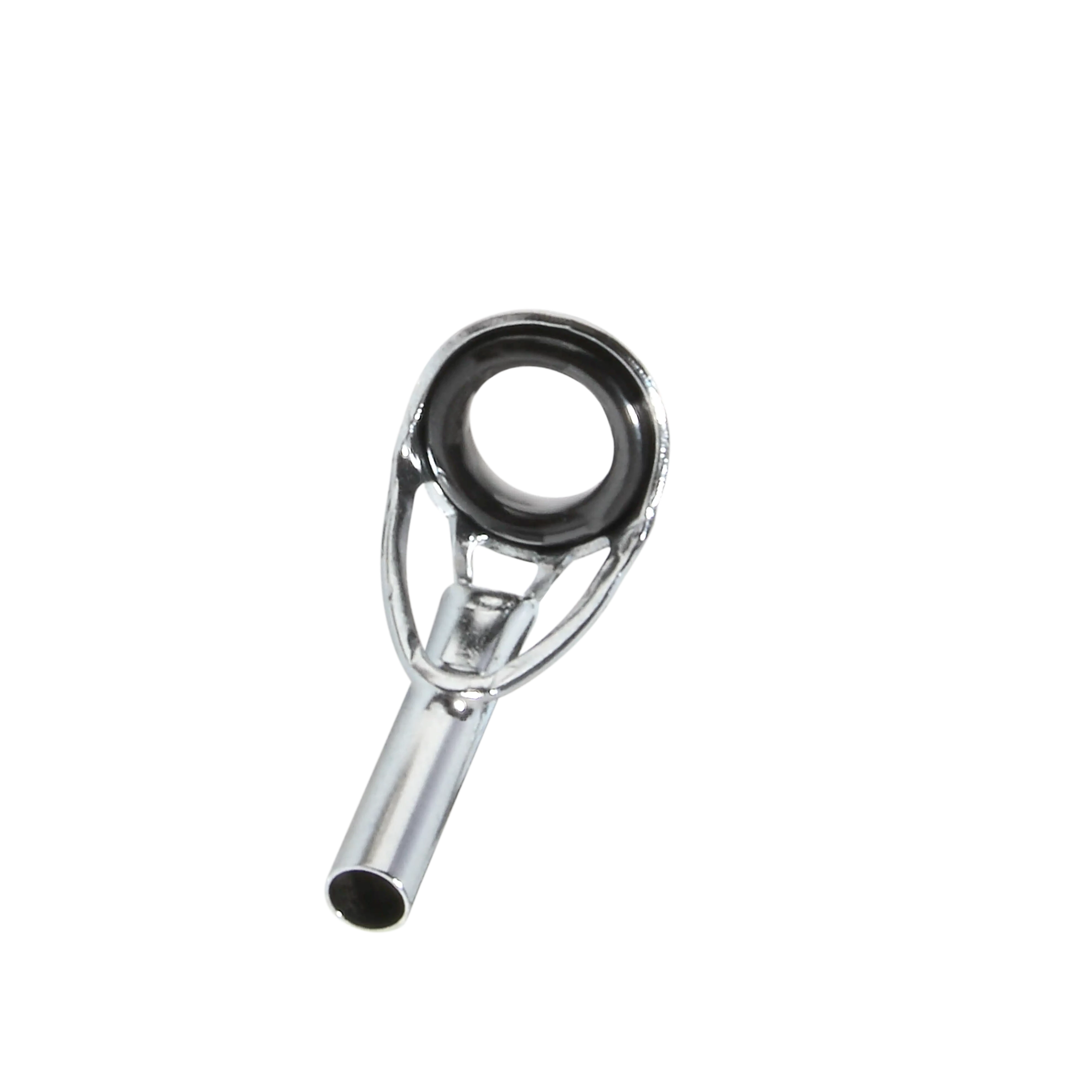
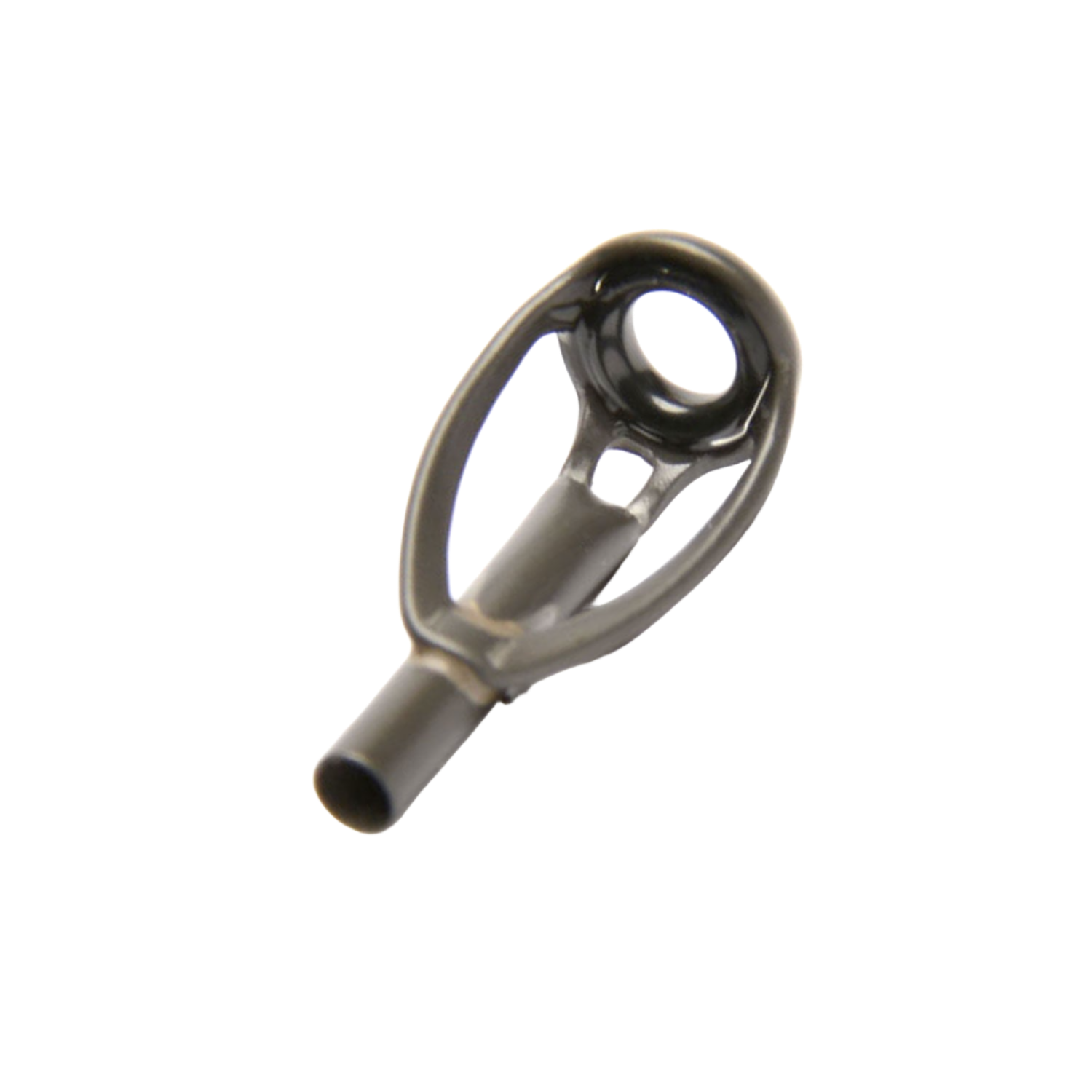
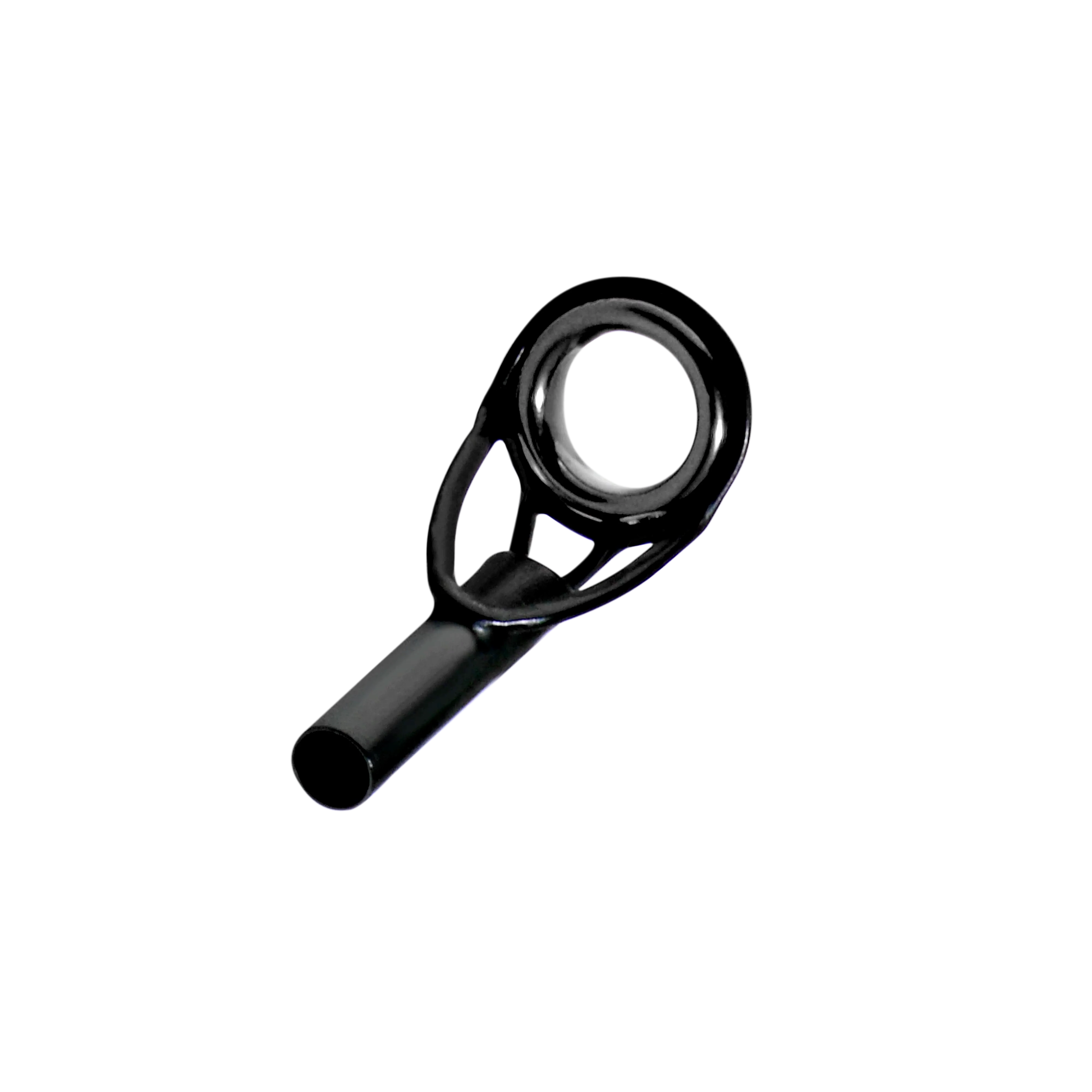
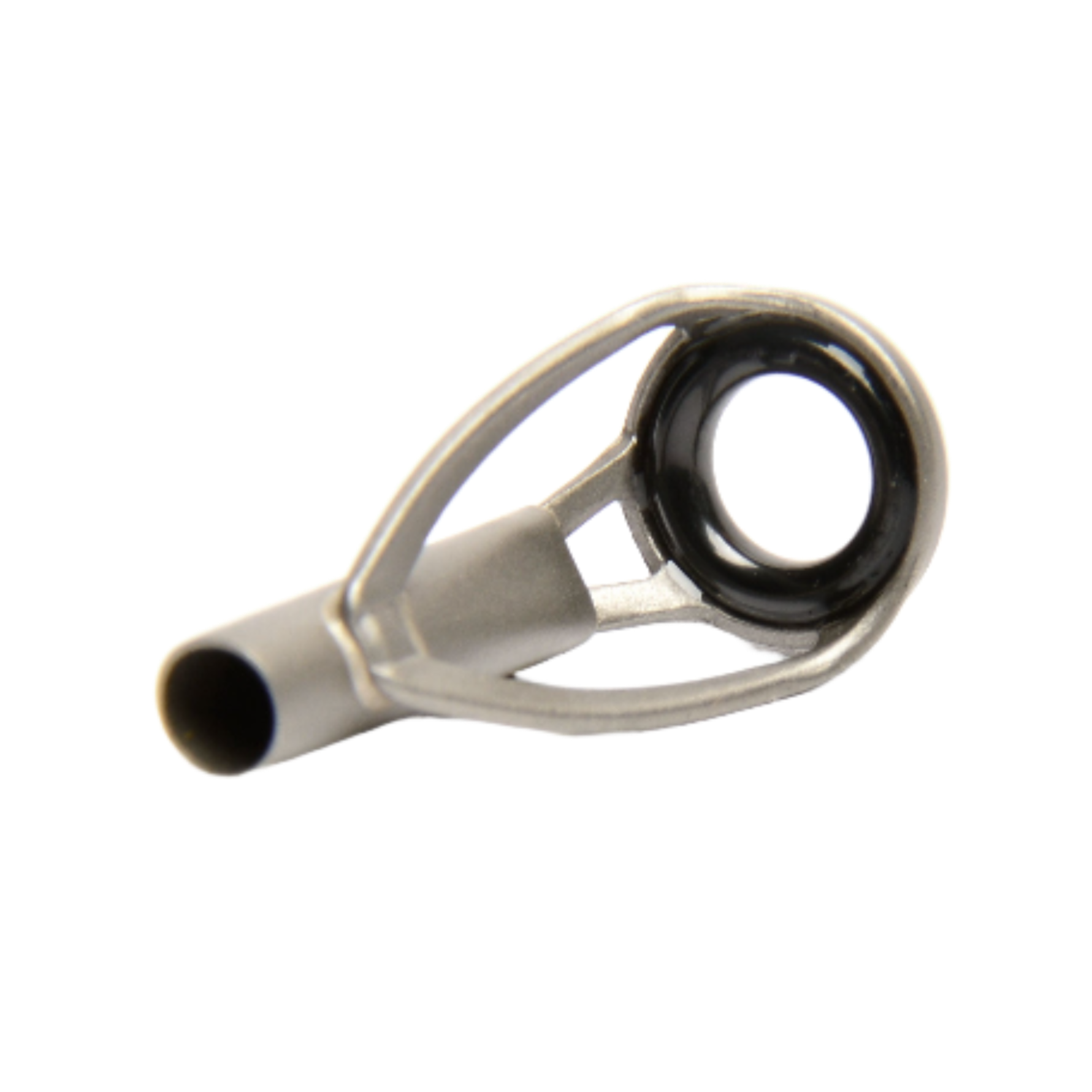
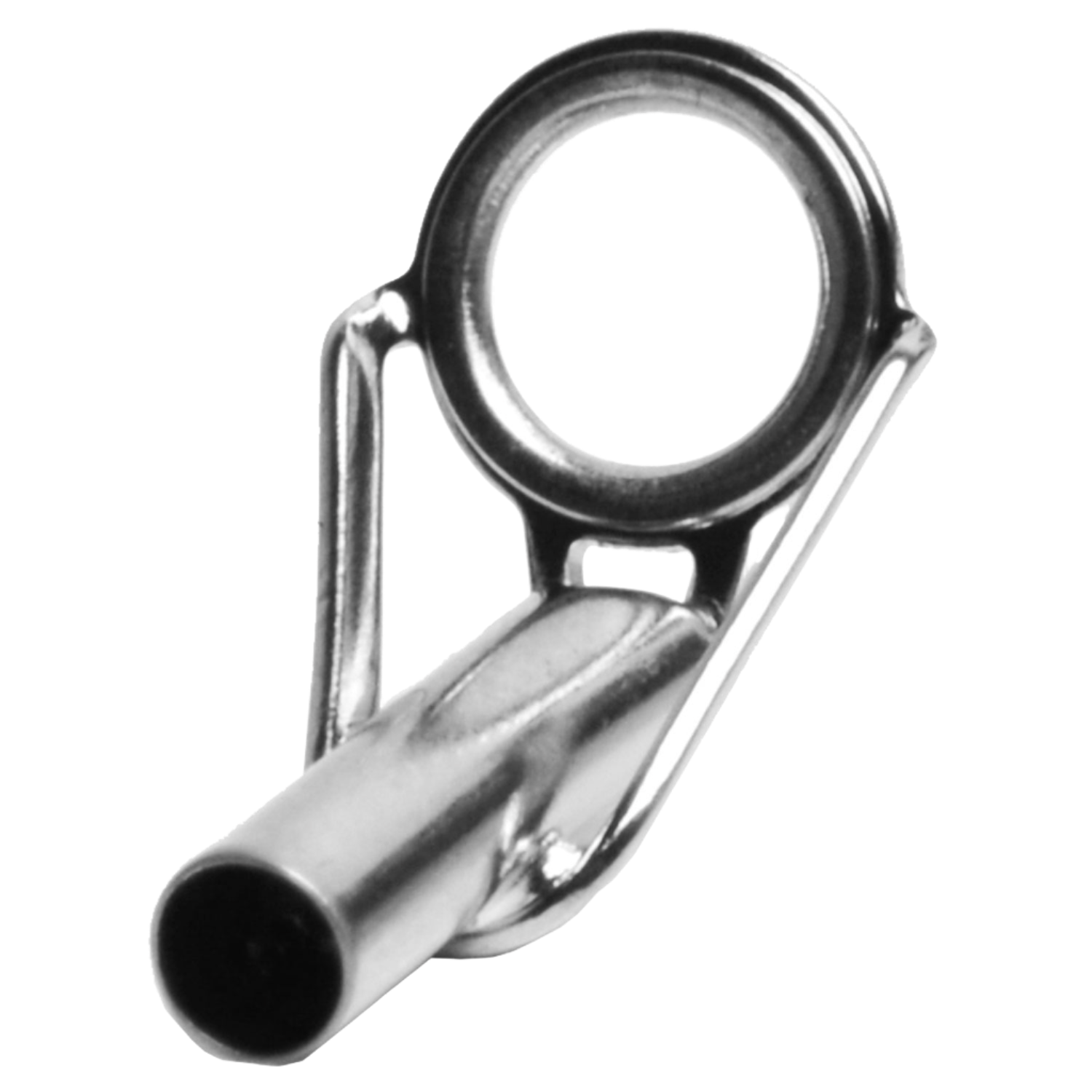
Neko Rig Tip Top Guides
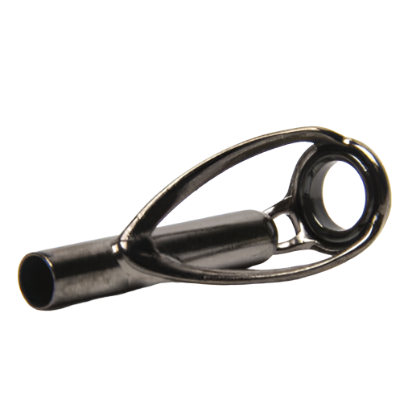
The tip-top plays an important role in the overall performance and durability of a Neko rig rod. As the final point where the line passes before leaving the rod, the tip-top helps maintain smooth line flow during finesse presentations, supports consistent control during hooksets, and protects the blank tip from wear caused by braided line, fluorocarbon leaders, and repeated casting. Because Neko rig fishing depends heavily on light line, slack-line bite detection, and subtle bait movement, choosing the correct tip-top has a noticeable impact on both sensitivity and overall rod performance.
When selecting a tip-top, two key factors matter:
Ring Size
Ring size affects how smoothly the line moves through the tip during casts, bait movement, and hooksets. Most builders match the tip-top ring size to the final running guide to maintain a consistent line path through the guide train. This creates smoother line transition and helps preserve the rod’s balance and responsiveness.
Some anglers prefer a slightly larger tip-top ring when fishing braid-to-leader setups, especially when leader knots frequently pass through the guides during casting. A larger ring can improve knot clearance and reduce resistance at the tip, but the goal is still to maintain efficient line flow without adding unnecessary weight near the rod tip.
Tube Size
Tube size refers to the inside diameter of the tip-top tube that fits over the blank tip. Proper sizing is important because the tip-top should fit securely without excess adhesive or unwanted movement. A correctly fitted tube allows the blank to flex naturally while maintaining sensitivity and long-term durability.
A properly selected tip-top completes the guide train by supporting clean line movement, protecting the blank tip, and preserving the rod’s intended balance and action. Even though it is a small component, the wrong tip-top can affect line control, knot clearance, and overall performance over time.
Matching Your Tip-Top
While matching components is not necessary for performance, many builders choose a tip-top that visually matches the rest of the guide train for a cleaner, more refined appearance. This is commonly done by selecting the same frame style, finish, ring material, and manufacturer as the running guides to create a more unified custom build.
Key Takeaways
- Tip-tops protect the blank tip and support smooth line flow
- Ring size should match your line setup and leader connection needs
- Tube size must fit the blank tip properly for secure alignment and durability
- A properly selected tip-top improves long-term performance and overall rod feel
Neko Rig Tip Top Guides
The tip-top plays an important role in the overall performance and durability of a Neko rig rod. As the final point where the line passes before leaving the rod, the tip-top helps maintain smooth line flow during finesse presentations, supports consistent control during hooksets, and protects the blank tip from wear caused by braided line, fluorocarbon leaders, and repeated casting. Because Neko rig fishing depends heavily on light line, slack-line bite detection, and subtle bait movement, choosing the correct tip-top has a noticeable impact on both sensitivity and overall rod performance.
When selecting a tip-top, two key factors matter:
Ring Size
Ring size affects how smoothly the line moves through the tip during casts, bait movement, and hooksets. Most builders match the tip-top ring size to the final running guide to maintain a consistent line path through the guide train. This creates smoother line transition and helps preserve the rod’s balance and responsiveness.
Some anglers prefer a slightly larger tip-top ring when fishing braid-to-leader setups, especially when leader knots frequently pass through the guides during casting. A larger ring can improve knot clearance and reduce resistance at the tip, but the goal is still to maintain efficient line flow without adding unnecessary weight near the rod tip.
Tube Size
Tube size refers to the inside diameter of the tip-top tube that fits over the blank tip. Proper sizing is important because the tip-top should fit securely without excess adhesive or unwanted movement. A correctly fitted tube allows the blank to flex naturally while maintaining sensitivity and long-term durability.
A properly selected tip-top completes the guide train by supporting clean line movement, protecting the blank tip, and preserving the rod’s intended balance and action. Even though it is a small component, the wrong tip-top can affect line control, knot clearance, and overall performance over time.
Matching Your Tip-Top
While matching components is not necessary for performance, many builders choose a tip-top that visually matches the rest of the guide train for a cleaner, more refined appearance. This is commonly done by selecting the same frame style, finish, ring material, and manufacturer as the running guides to create a more unified custom build.
Key Takeaways
- Tip-tops protect the blank tip and support smooth line flow
- Ring size should match your line setup and leader connection needs
- Tube size must fit the blank tip properly for secure alignment and durability
- A properly selected tip-top improves long-term performance and overall rod feel
Neko Rig Tip Tops




Neko Rig Handle Kits
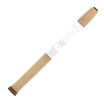
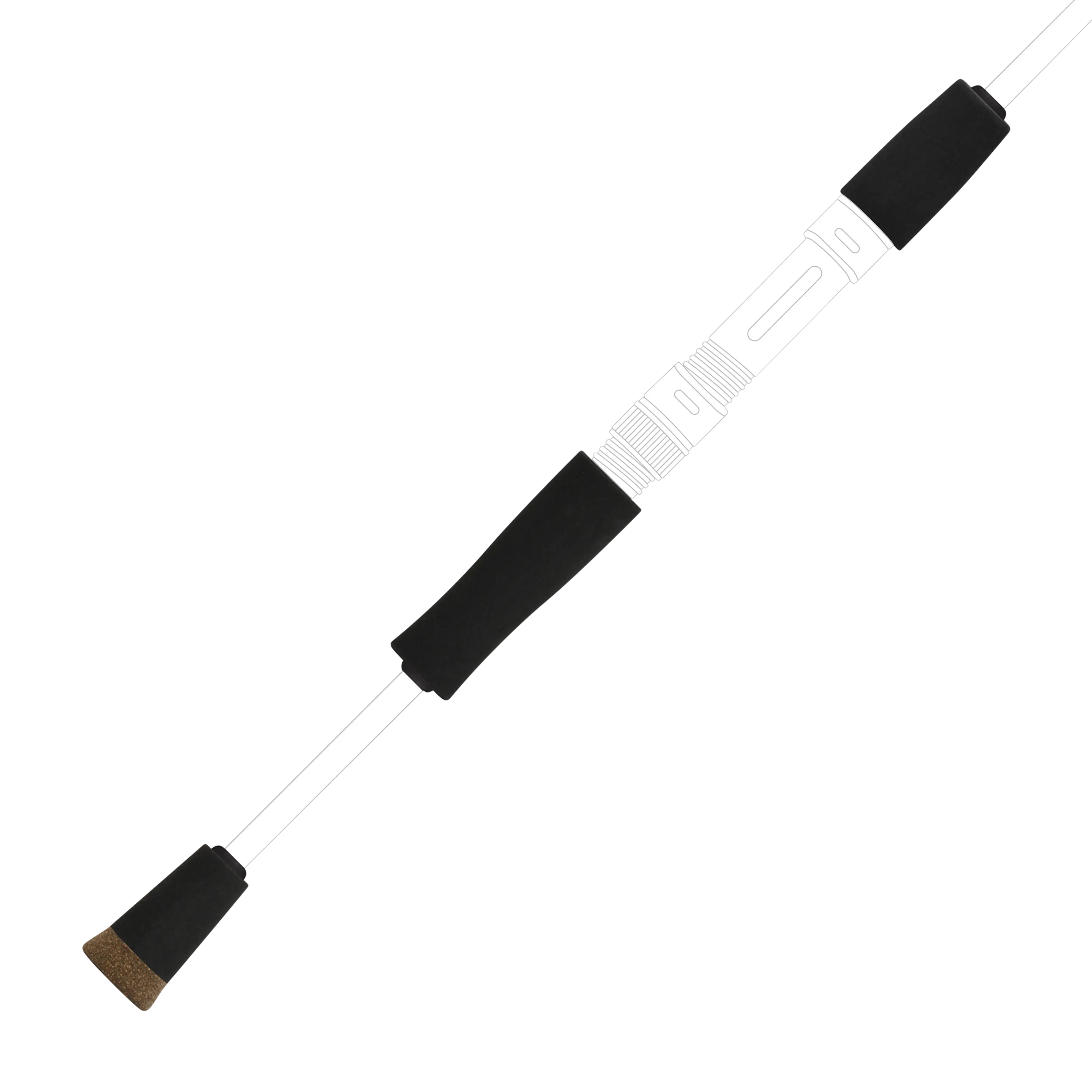
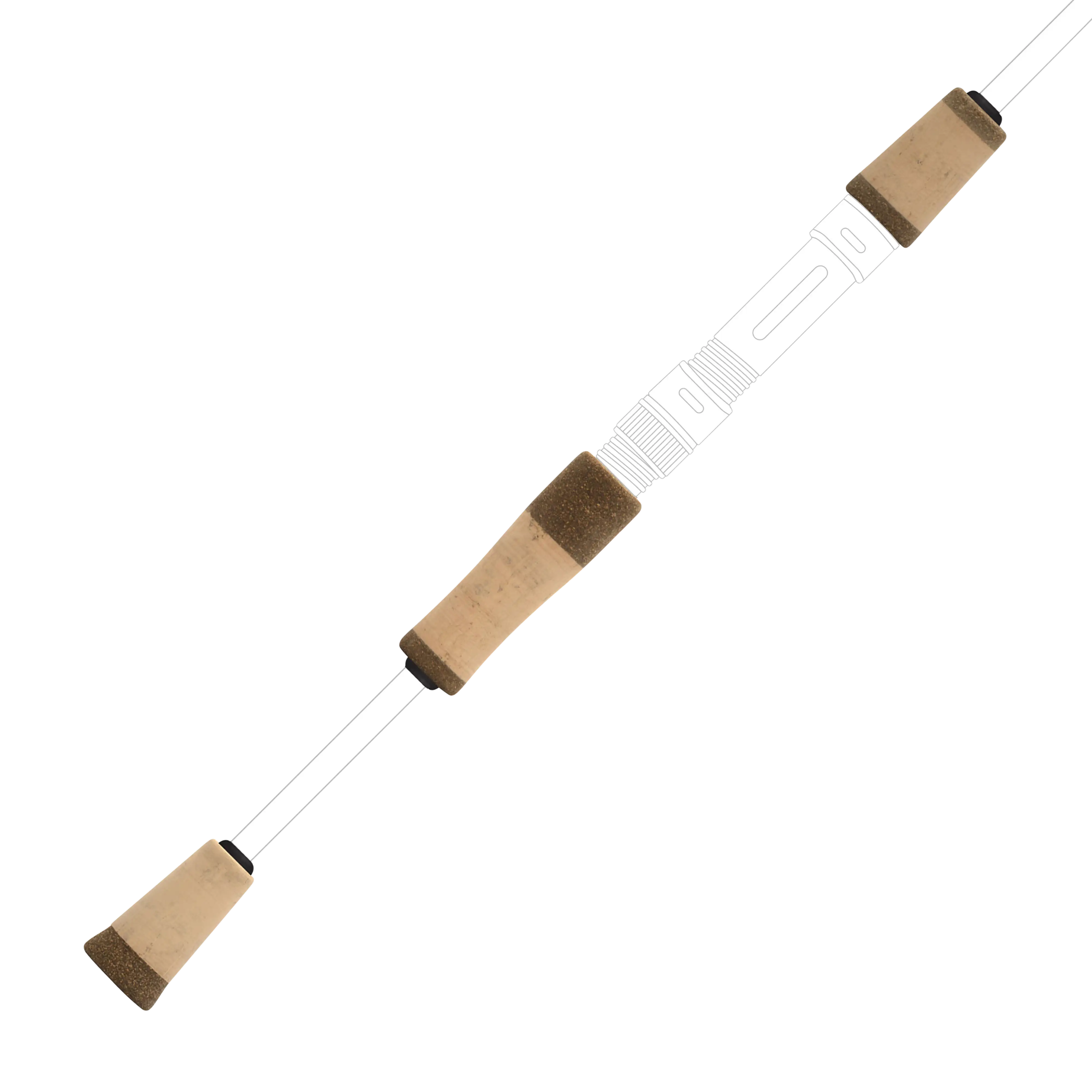
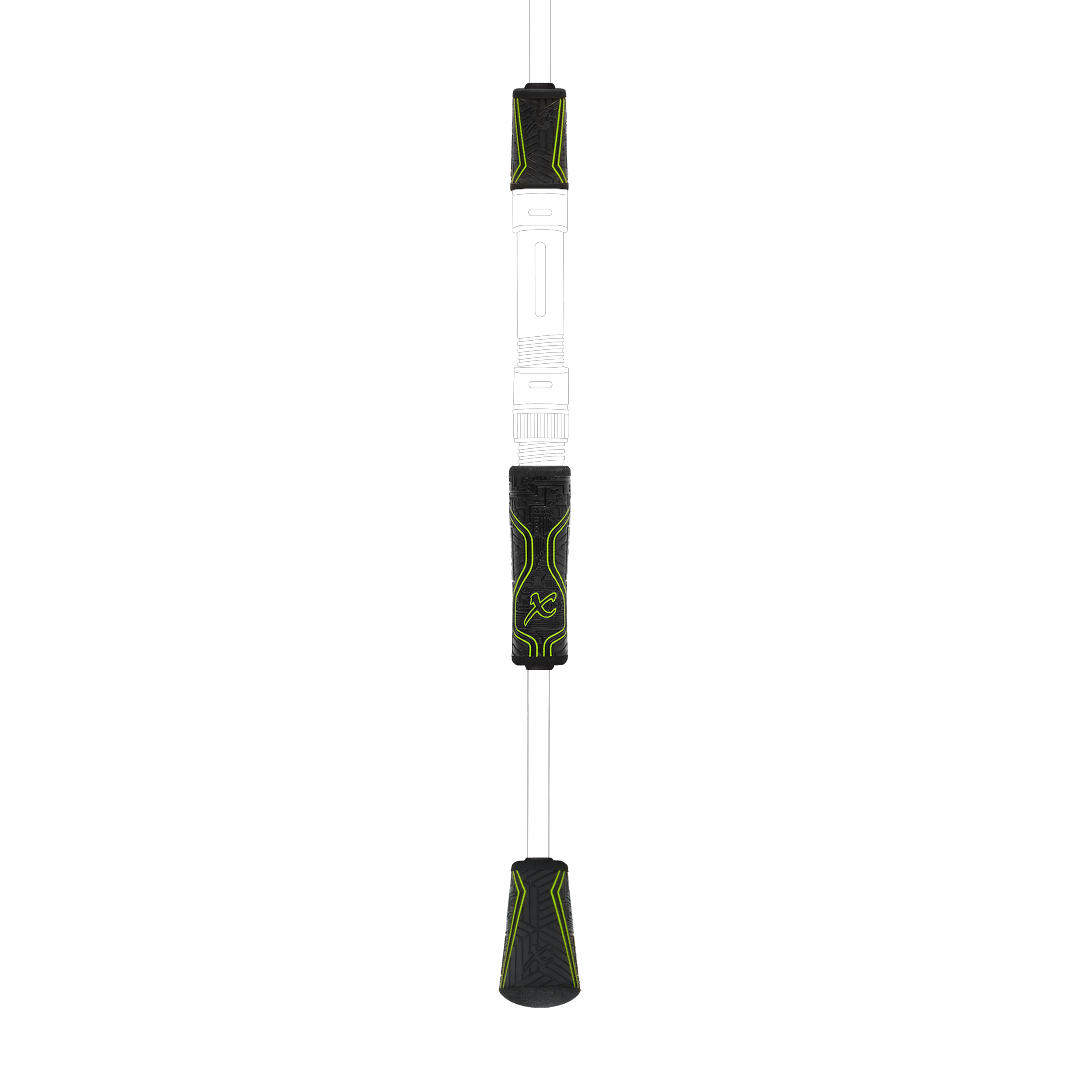
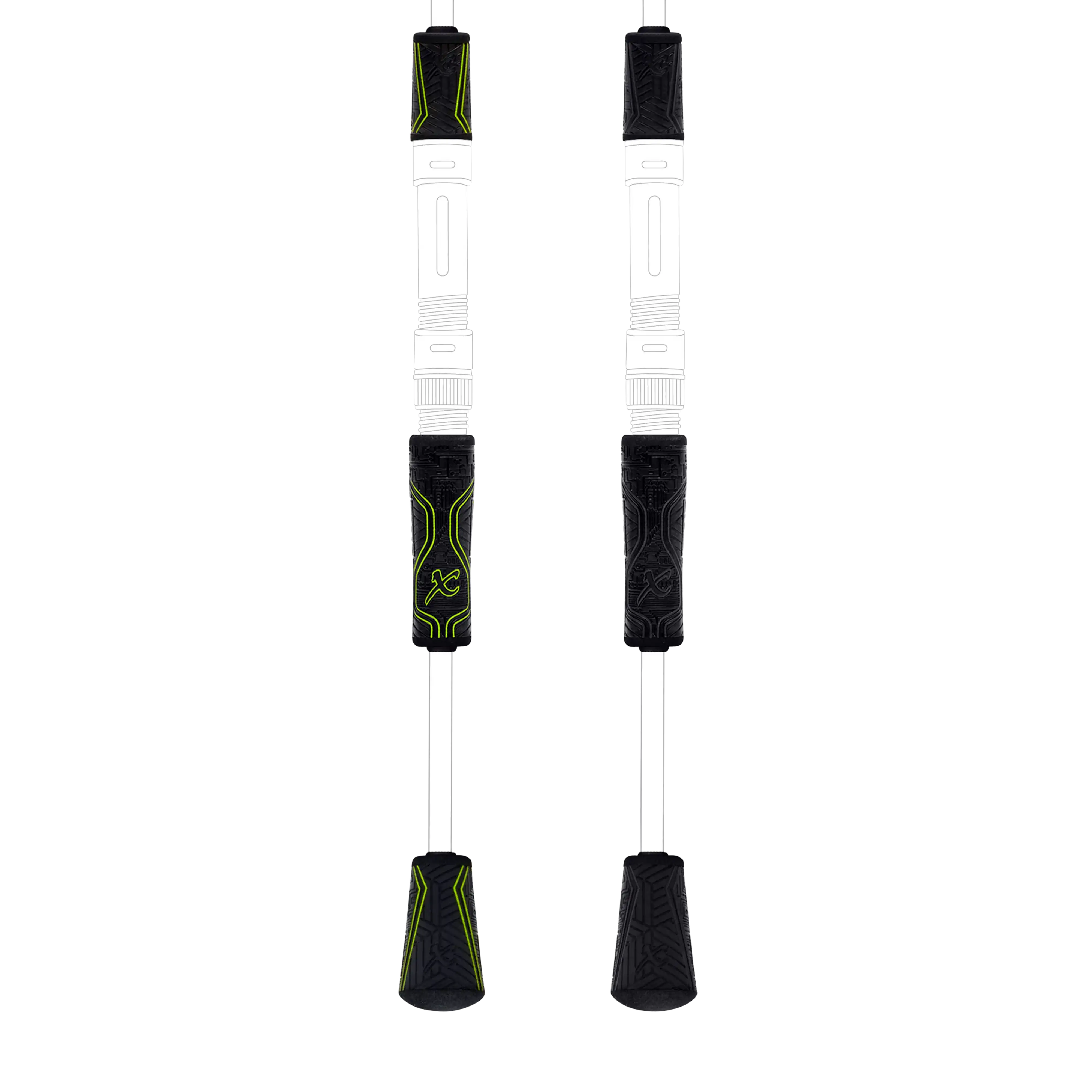
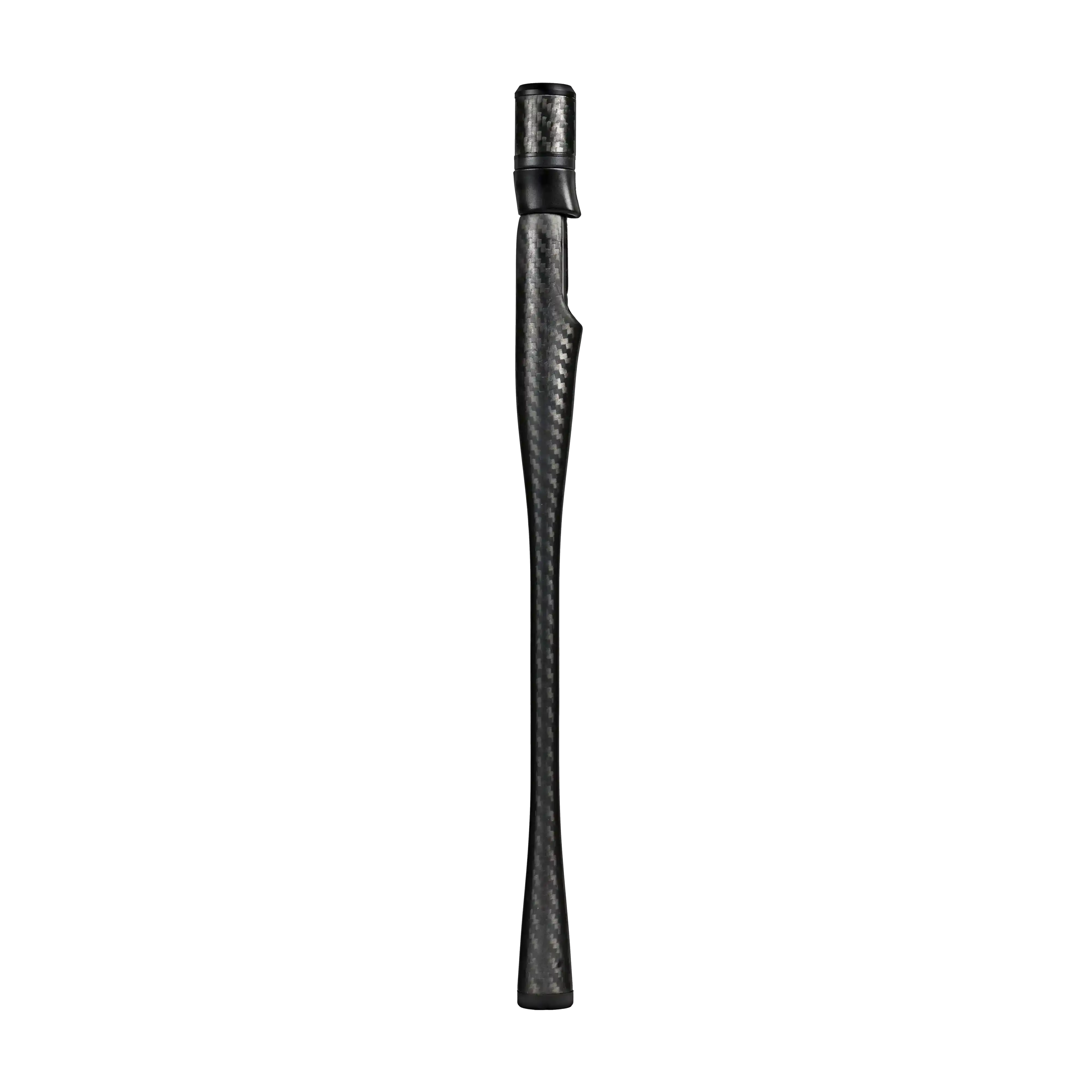
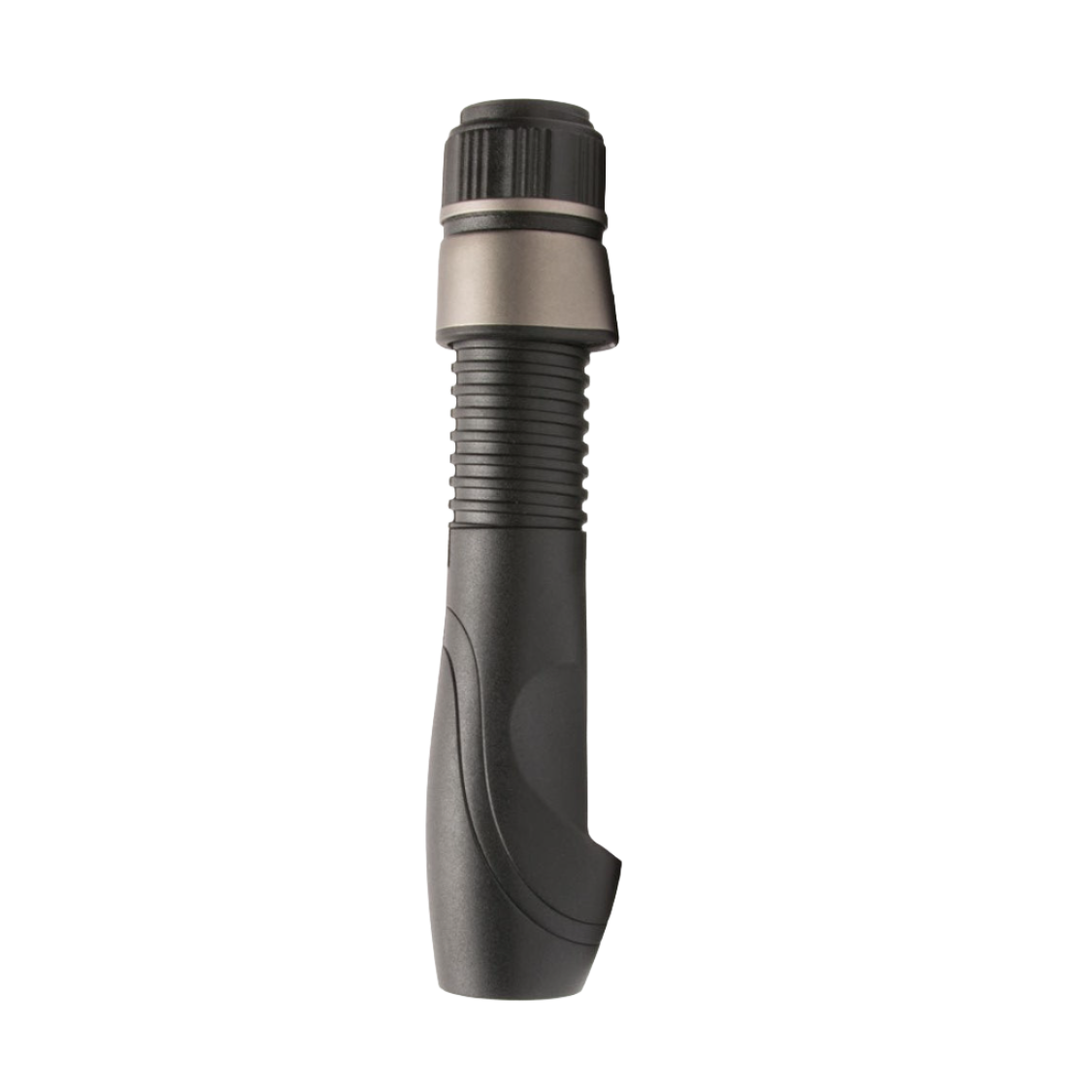
Handles aren’t just about comfort — they play a major role in how a Neko rig rod feels, balances, and performs during long finesse sessions. A well-designed handle improves overall balance, reduces fatigue during repeated casts and subtle presentations, and helps maximize sensitivity by keeping a clean connection to the blank. Handle kits also simplify the build process by bundling matched components together, making it easier to create a balanced, well-aligned setup without sourcing individual parts.
Split vs Full-Grip Handles
Choosing between a split grip and a full-length rear grip comes down to how much weight reduction, balance control, and overall feel you want from your finished Neko rig rod. This decision directly affects comfort, swing weight, and how the rod behaves during slow, controlled presentations.
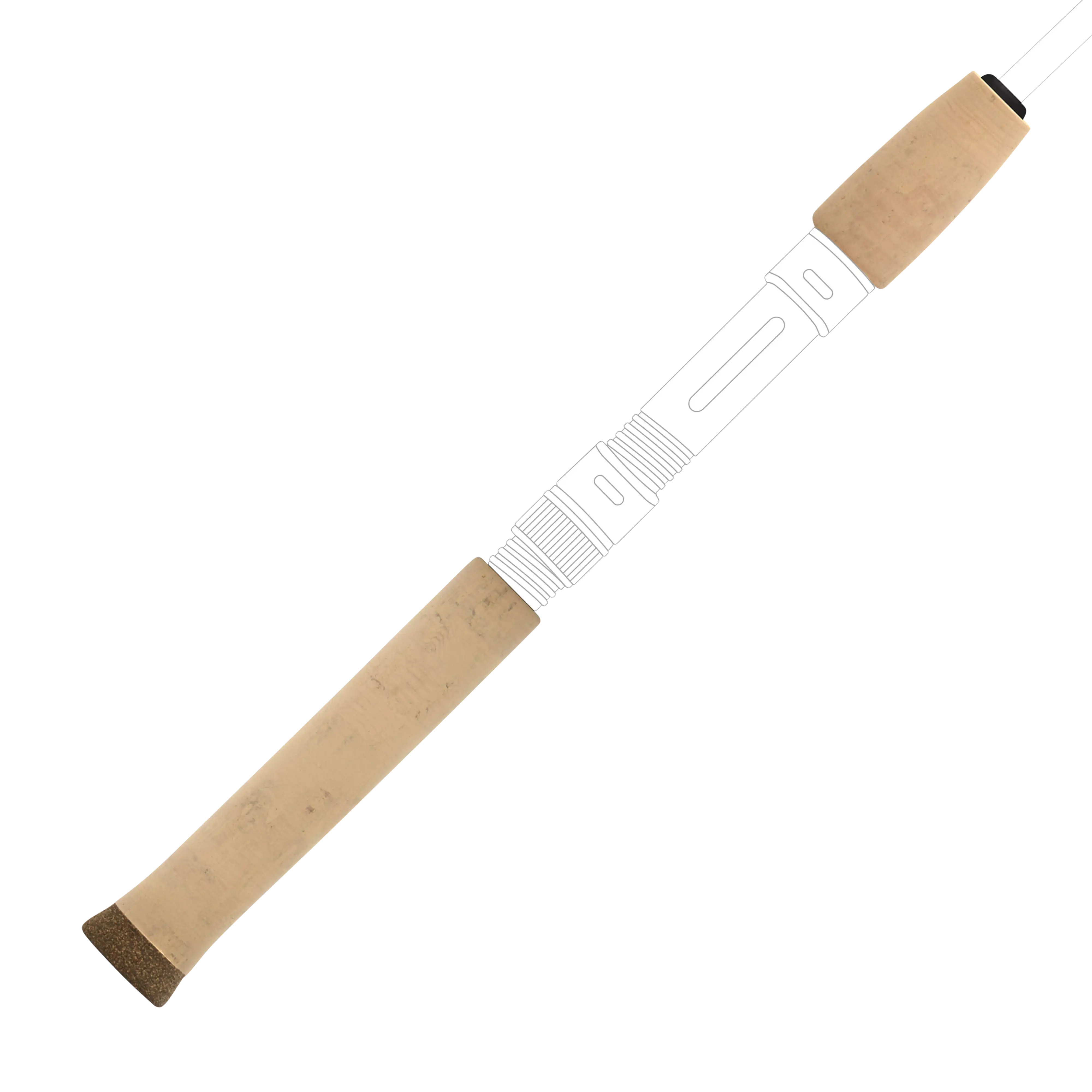
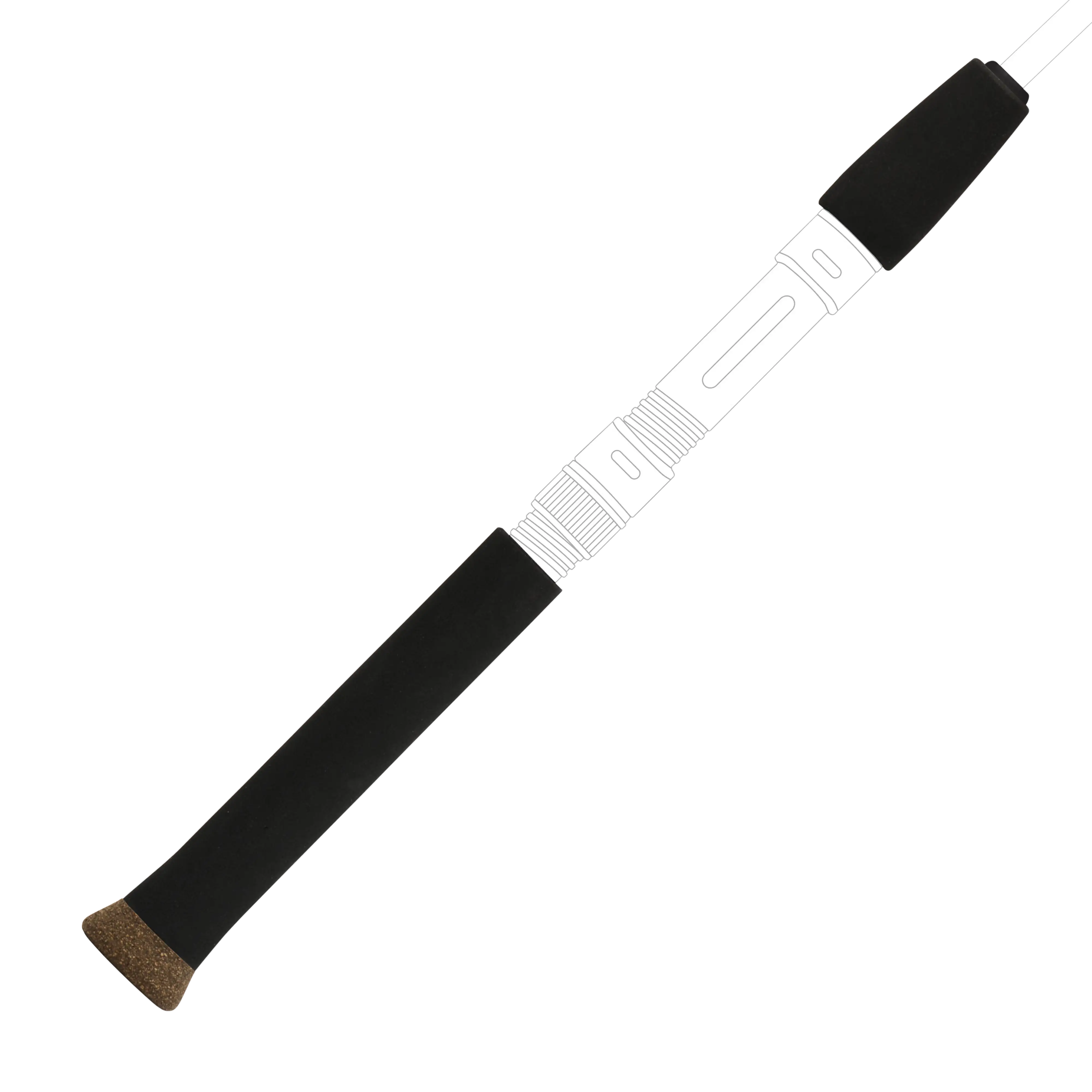
Split Grips
Split grips are a common choice for Neko rig spinning builds because they reduce unnecessary material in the rear section of the rod while exposing more of the blank. This helps lower overall weight and can improve sensitivity by increasing direct blank feedback. It also gives builders more flexibility when fine-tuning balance, especially for techniques that involve slow lifts, shakes, and slack-line control.
Many anglers prefer split grips for their streamlined feel and modern design, particularly when building rods focused on finesse bottom contact and subtle bite detection. The reduced rear weight also helps the rod feel more responsive during long casts and slow working presentations.
Full-Length Grips
Full-length grips use a continuous rear handle section that provides a solid, uninterrupted surface from the reel seat to the butt. Because the layout is fixed, there is less flexibility in balance tuning compared to split grips, but the tradeoff is a more stable and traditional feel in hand.
While slightly heavier, full grips offer excellent comfort during long fishing sessions and provide a consistent grip position when working the bait slowly. Many anglers prefer them for their predictable handling and added support during controlled, finesse presentations.
Handle Materials
Handle material affects comfort, weight, durability, and how directly feedback is transmitted through the rod. Each option offers a different balance depending on fishing conditions and personal preference.
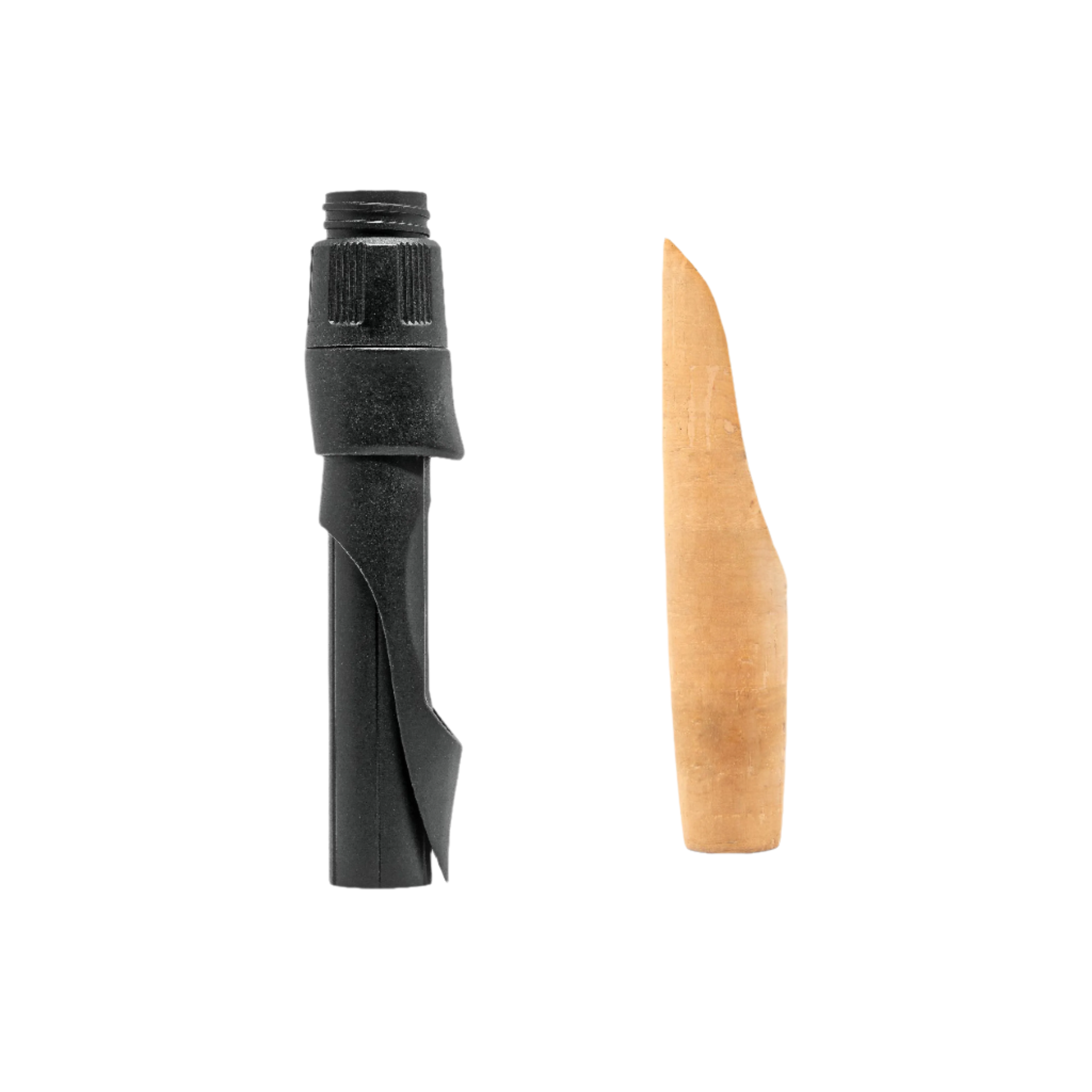
Cork
Cork is lightweight with a natural feel and strong vibration transfer, making it a popular choice for sensitivity-focused builds. It remains comfortable during long sessions but can show wear over time with heavy use.
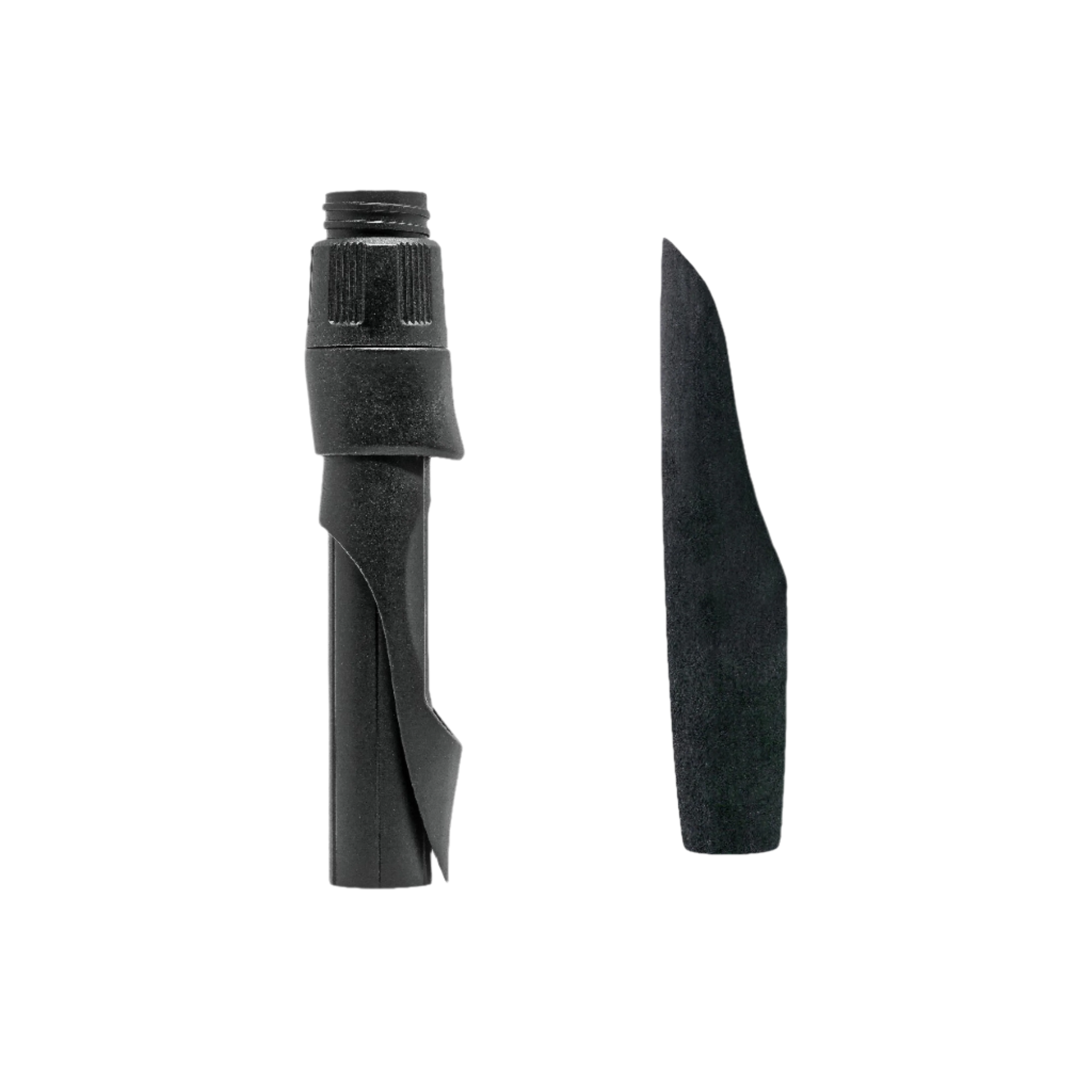
EVA Foam
EVA foam is highly durable and resistant to water and abrasion while offering a softer feel in hand. It performs well in wet conditions and maintains consistent comfort over long periods, making it a strong choice for anglers who prioritize durability and low maintenance.
Carbon / Composite
Carbon and composite handles are extremely lightweight and rigid, reducing overall rod weight while maintaining high durability. Their stiff construction helps create a more direct connection to the blank, improving feedback during subtle Neko rig presentations.
Choosing the right handle kit ultimately comes down to matching your blank, fishing style, and performance priorities. Whether you prefer the reduced weight and flexibility of a split grip or the stability and traditional feel of a full grip, pairing it with the right material helps optimize sensitivity and control for Neko rig fishing.
Key Takeaways
- Handle design influences balance, comfort, and rod responsiveness
- Split grips reduce weight and improve blank exposure for better feedback; full grips provide stability and consistent handling
- Proper handle and reel seat placement is critical for balance and control
- Cork, EVA, and carbon each offer different tradeoffs in sensitivity, durability, and weight
Neko Rig Handle Kits
Handles aren’t just about comfort — they play a major role in how a Neko rig rod feels, balances, and performs during long finesse sessions. A well-designed handle improves overall balance, reduces fatigue during repeated casts and subtle presentations, and helps maximize sensitivity by keeping a clean connection to the blank. Handle kits also simplify the build process by bundling matched components together, making it easier to create a balanced, well-aligned setup without sourcing individual parts.
Split vs Full-Grip Handles
Choosing between a split grip and a full-length rear grip comes down to how much weight reduction, balance control, and overall feel you want from your finished Neko rig rod. This decision directly affects comfort, swing weight, and how the rod behaves during slow, controlled presentations.
Split Grips
Split grips are a common choice for Neko rig spinning builds because they reduce unnecessary material in the rear section of the rod while exposing more of the blank. This helps lower overall weight and can improve sensitivity by increasing direct blank feedback. It also gives builders more flexibility when fine-tuning balance, especially for techniques that involve slow lifts, shakes, and slack-line control.
Many anglers prefer split grips for their streamlined feel and modern design, particularly when building rods focused on finesse bottom contact and subtle bite detection. The reduced rear weight also helps the rod feel more responsive during long casts and slow working presentations.
Full-Length Grips
Full-length grips use a continuous rear handle section that provides a solid, uninterrupted surface from the reel seat to the butt. Because the layout is fixed, there is less flexibility in balance tuning compared to split grips, but the tradeoff is a more stable and traditional feel in hand.
While slightly heavier, full grips offer excellent comfort during long fishing sessions and provide a consistent grip position when working the bait slowly. Many anglers prefer them for their predictable handling and added support during controlled, finesse presentations.
Handle Materials
Handle material affects comfort, weight, durability, and how directly feedback is transmitted through the rod. Each option offers a different balance depending on fishing conditions and personal preference.
Cork
Cork is lightweight with a natural feel and strong vibration transfer, making it a popular choice for sensitivity-focused builds. It remains comfortable during long sessions but can show wear over time with heavy use.
EVA Foam
EVA foam is highly durable and resistant to water and abrasion while offering a softer feel in hand. It performs well in wet conditions and maintains consistent comfort over long periods, making it a strong choice for anglers who prioritize durability and low maintenance.
Carbon / Composite
Carbon and composite handles are extremely lightweight and rigid, reducing overall rod weight while maintaining high durability. Their stiff construction helps create a more direct connection to the blank, improving feedback during subtle Neko rig presentations.
Choosing the right handle kit ultimately comes down to matching your blank, fishing style, and performance priorities. Whether you prefer the reduced weight and flexibility of a split grip or the stability and traditional feel of a full grip, pairing it with the right material helps optimize sensitivity and control for Neko rig fishing.
Key Takeaways
- Handle design influences balance, comfort, and rod responsiveness
- Split grips reduce weight and improve blank exposure for better feedback; full grips provide stability and consistent handling
- Proper handle and reel seat placement is critical for balance and control
- Cork, EVA, and carbon each offer different tradeoffs in sensitivity, durability, and weight
Neko Rig Handle Kits



Neko Rig Reel Seats
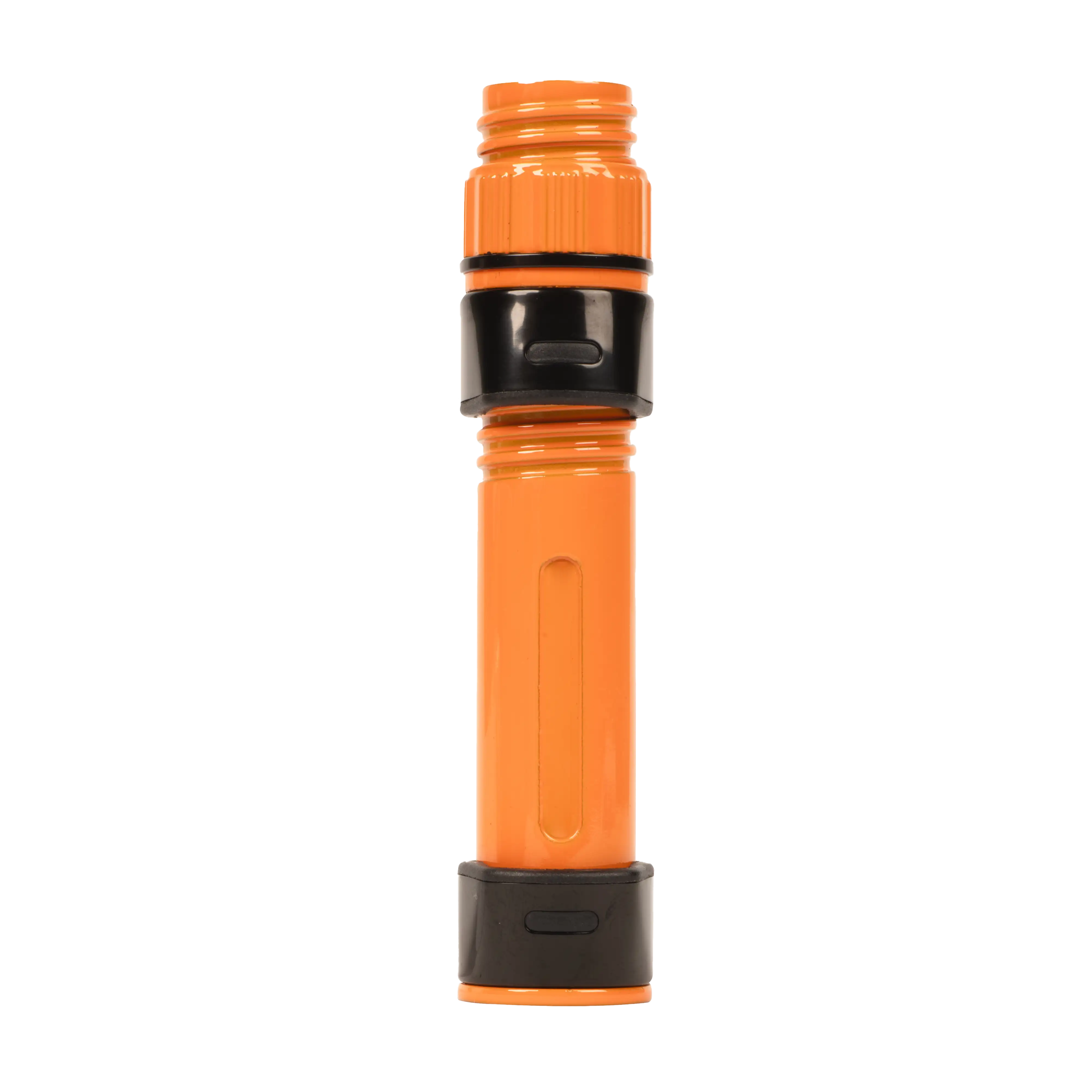
Some handle kits include a reel seat, while others require it to be selected separately. In a custom Neko rig spinning rod build, the reel seat is a critical structural and performance component. It locks the spinning reel securely to the blank, but it also has a direct impact on balance, comfort, and sensitivity. Because Neko rig fishing relies on detecting subtle pressure changes and maintaining control during slack-line presentations, the reel seat must provide a stable connection and clean alignment to ensure efficient energy transfer through the blank. When selecting a reel seat, fit, material, placement, and handle compatibility all play an important role.
Reel Compatibility & Seat Types
Neko rig rods are built around spinning reels, so the reel seat must match the reel foot precisely to create a secure, stable fit. Proper alignment ensures consistent comfort in hand, smooth line flow, and reliable performance during long finesse sessions where control and sensitivity are essential.
There are several design choices that influence performance and overall feel.
Split vs. Full Reel Seats
Split reel seats use a two-piece design that reduces overall weight and creates a more modern, performance-focused build. By removing material between sections, they help lower handle weight while still maintaining a secure reel connection. These seats work well with both split and full grip handle configurations and often include insert options for fine-tuning fit, balance, and aesthetics.
Full-length reel seats use a single continuous design that provides a solid mounting platform for the reel. This setup emphasizes stability and a more traditional feel in hand. While slightly heavier than split designs, full seats are valued for their consistent support and dependable feel during slow, controlled presentations and extended fishing sessions.
Materials
Material choice affects weight, sensitivity, and overall feedback—key factors in Neko rig fishing where subtle bites and pressure changes matter.
Graphite
Graphite reel seats are the most widely used option in Neko rig builds due to their lightweight construction, durability, and corrosion resistance. They offer a strong balance of sensitivity and structural support without adding unnecessary weight to the handle section, helping maintain overall rod responsiveness.
Composite & Carbon Fiber
Composite and carbon fiber reel seats are more performance-oriented, offering increased stiffness, reduced weight, and improved vibration transmission through the handle. These materials are commonly used in higher-end builds where maximum sensitivity and refined feedback are priorities, especially in clear water or high-pressure fishing situations.
A properly selected reel seat ensures the reel stays securely aligned with the blank, maintains consistent balance throughout the handle system, and contributes directly to the comfort and performance of the finished Neko rig rod.
Key Takeaways
- Some handle kits include a reel seat; others require a separate purchase
- Split reel seats reduce weight and support a more minimal, performance-driven build
- Full-length reel seats provide stability and a traditional, solid feel
- Graphite is the most common all-around material for balancing weight, strength, and durability
Neko Rig Reel Seats
Some handle kits include a reel seat, while others require it to be selected separately. In a custom Neko rig spinning rod build, the reel seat is a critical structural and performance component. It locks the spinning reel securely to the blank, but it also has a direct impact on balance, comfort, and sensitivity. Because Neko rig fishing relies on detecting subtle pressure changes and maintaining control during slack-line presentations, the reel seat must provide a stable connection and clean alignment to ensure efficient energy transfer through the blank. When selecting a reel seat, fit, material, placement, and handle compatibility all play an important role.
Reel Compatibility & Seat Types
Neko rig rods are built around spinning reels, so the reel seat must match the reel foot precisely to create a secure, stable fit. Proper alignment ensures consistent comfort in hand, smooth line flow, and reliable performance during long finesse sessions where control and sensitivity are essential.
There are several design choices that influence performance and overall feel.
Split vs. Full Reel Seats
Split reel seats use a two-piece design that reduces overall weight and creates a more modern, performance-focused build. By removing material between sections, they help lower handle weight while still maintaining a secure reel connection. These seats work well with both split and full grip handle configurations and often include insert options for fine-tuning fit, balance, and aesthetics.
Full-length reel seats use a single continuous design that provides a solid mounting platform for the reel. This setup emphasizes stability and a more traditional feel in hand. While slightly heavier than split designs, full seats are valued for their consistent support and dependable feel during slow, controlled presentations and extended fishing sessions.
Materials
Material choice affects weight, sensitivity, and overall feedback—key factors in Neko rig fishing where subtle bites and pressure changes matter.
Graphite
Graphite reel seats are the most widely used option in Neko rig builds due to their lightweight construction, durability, and corrosion resistance. They offer a strong balance of sensitivity and structural support without adding unnecessary weight to the handle section, helping maintain overall rod responsiveness.
Composite & Carbon Fiber
Composite and carbon fiber reel seats are more performance-oriented, offering increased stiffness, reduced weight, and improved vibration transmission through the handle. These materials are commonly used in higher-end builds where maximum sensitivity and refined feedback are priorities, especially in clear water or high-pressure fishing situations.
A properly selected reel seat ensures the reel stays securely aligned with the blank, maintains consistent balance throughout the handle system, and contributes directly to the comfort and performance of the finished Neko rig rod.
Key Takeaways
- Some handle kits include a reel seat; others require a separate purchase
- Split reel seats reduce weight and support a more minimal, performance-driven build
- Full-length reel seats provide stability and a traditional, solid feel
- Graphite is the most common all-around material for balancing weight, strength, and durability
Neko Rig Reel Seats
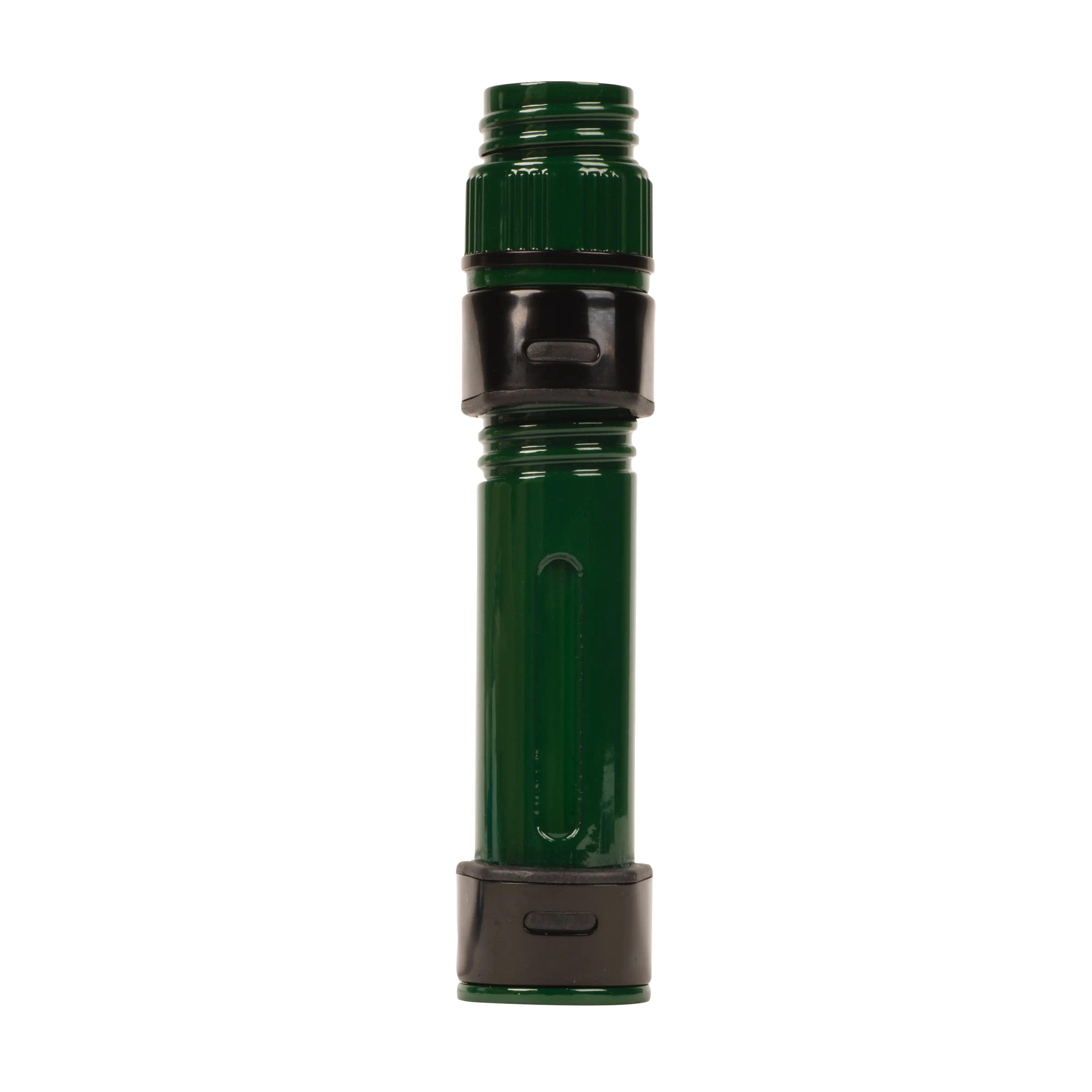
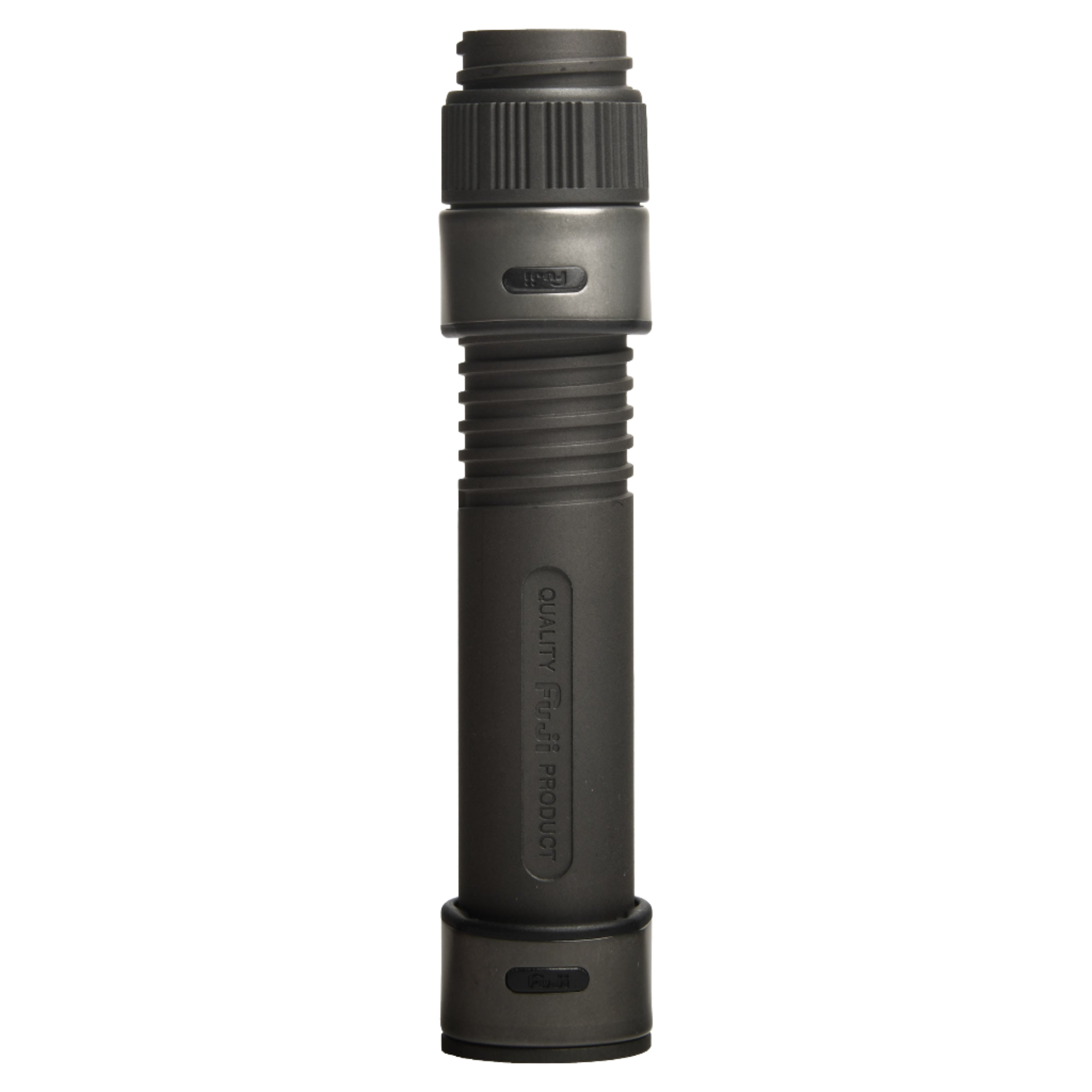
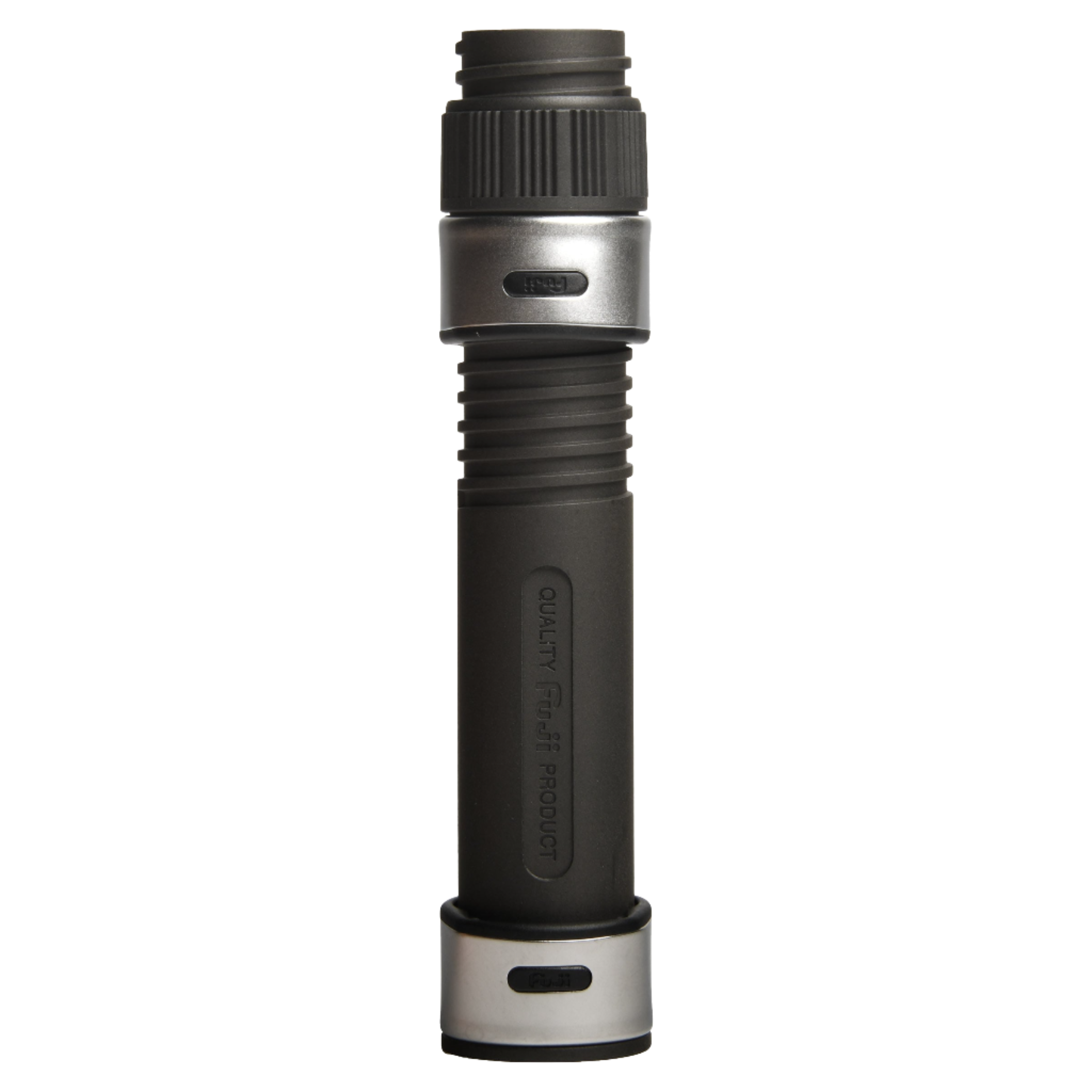
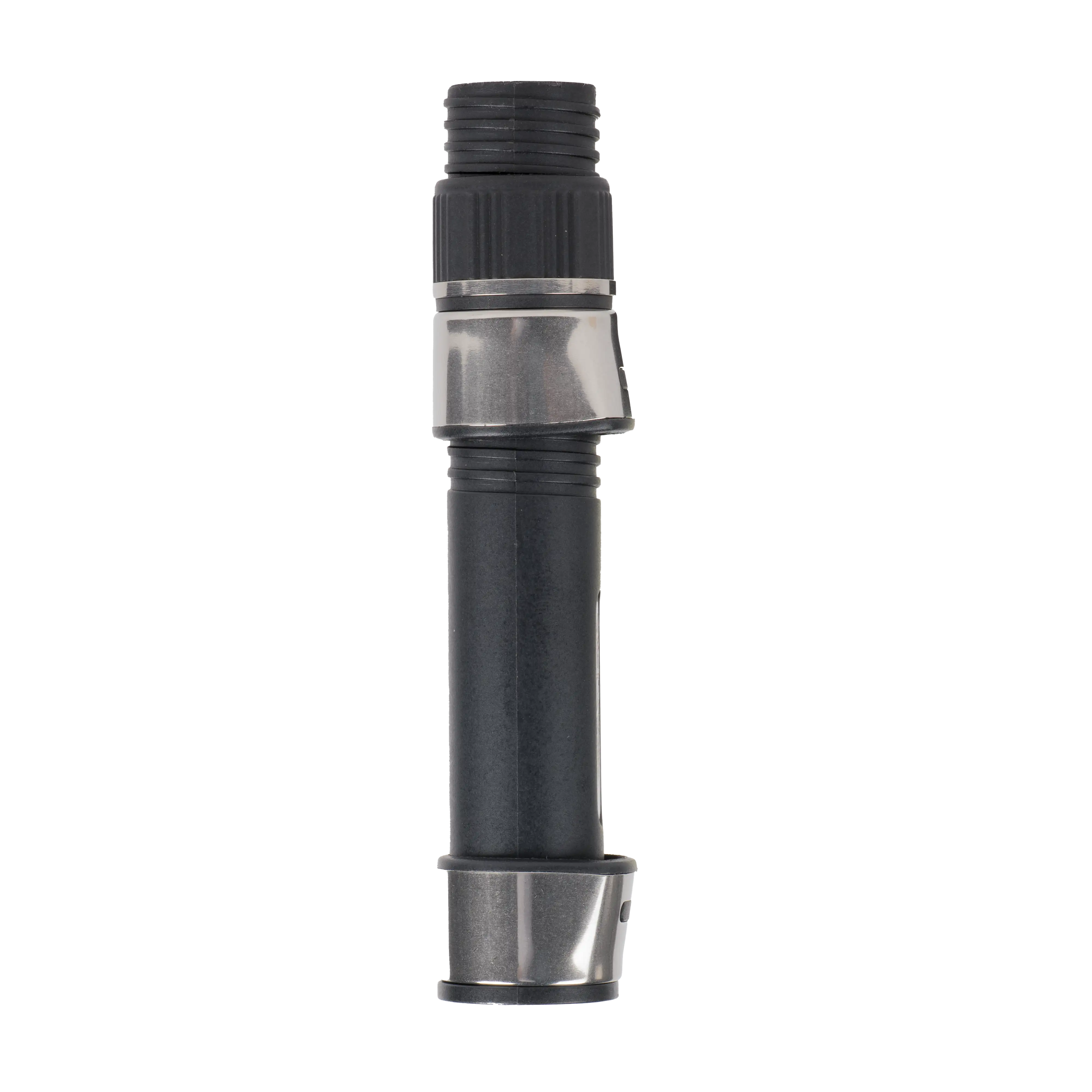




Choose Your Supply Kits
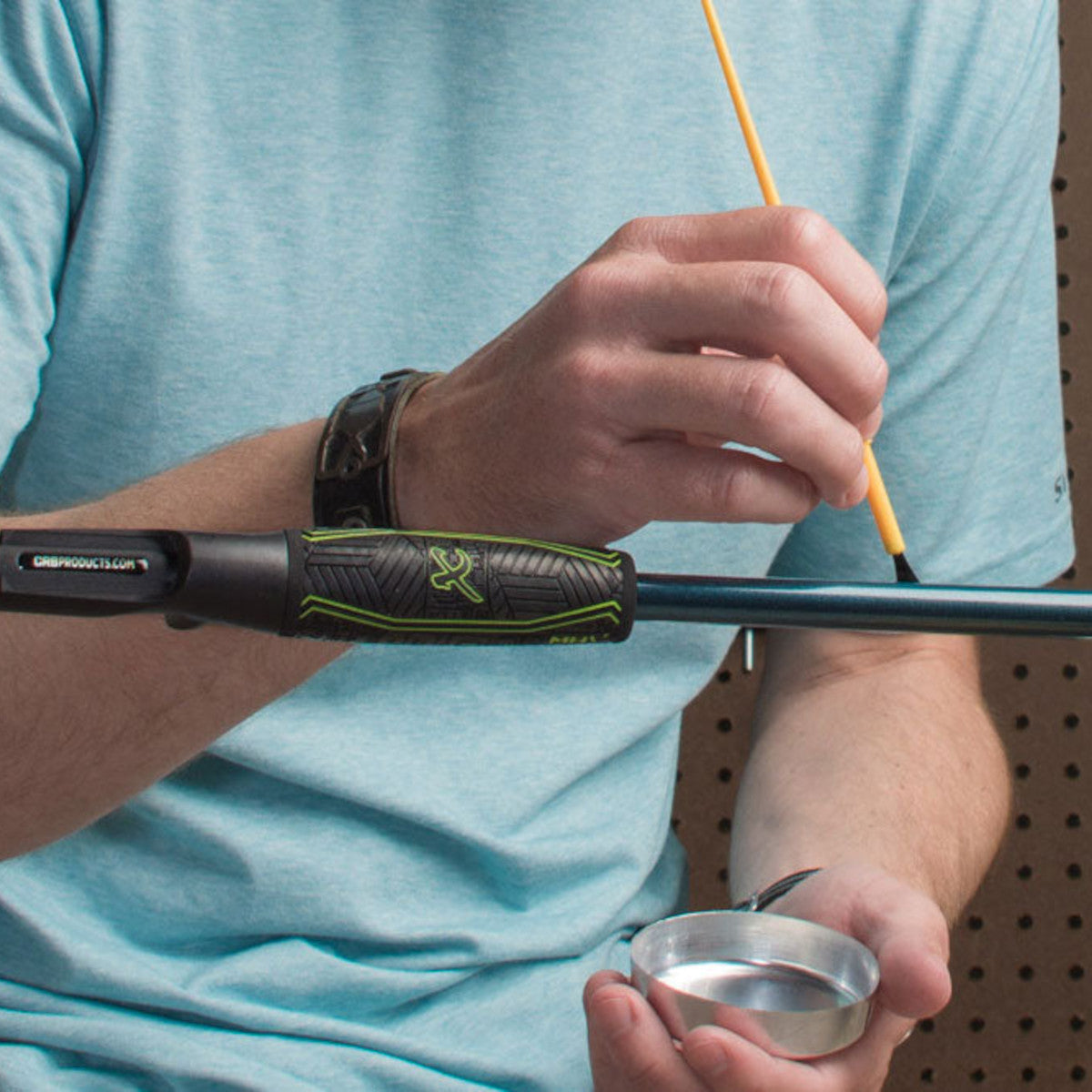
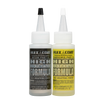
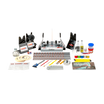
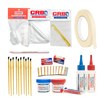
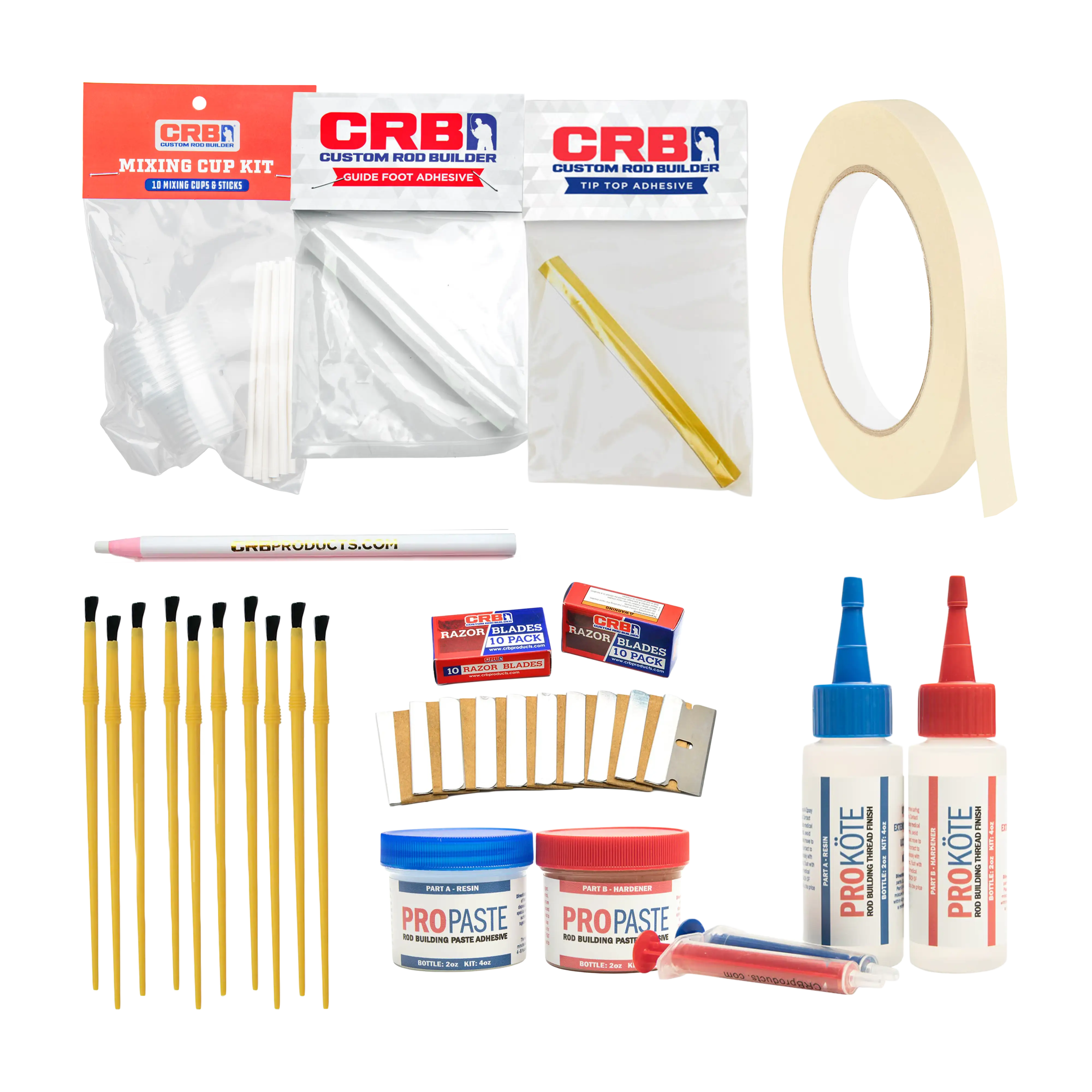
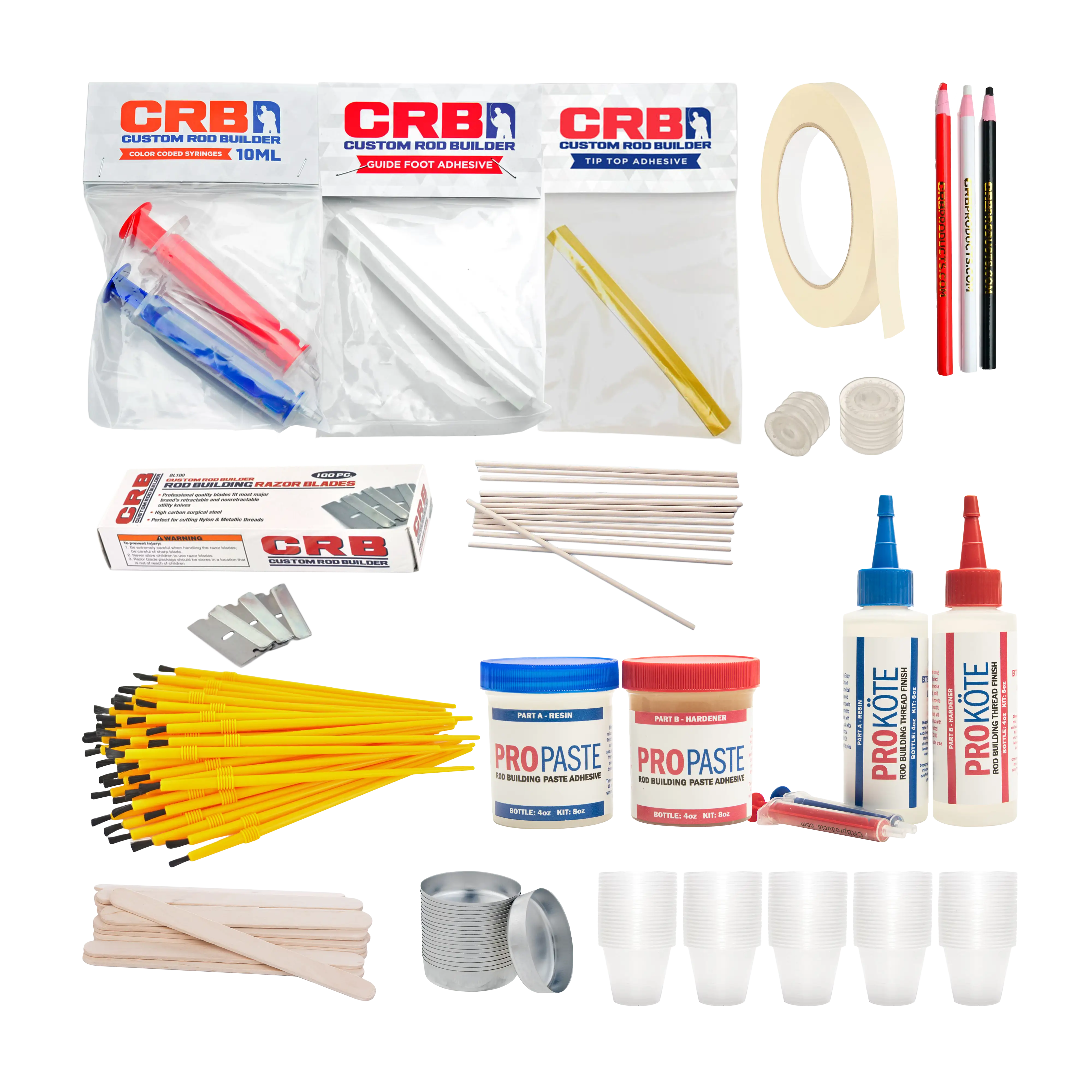
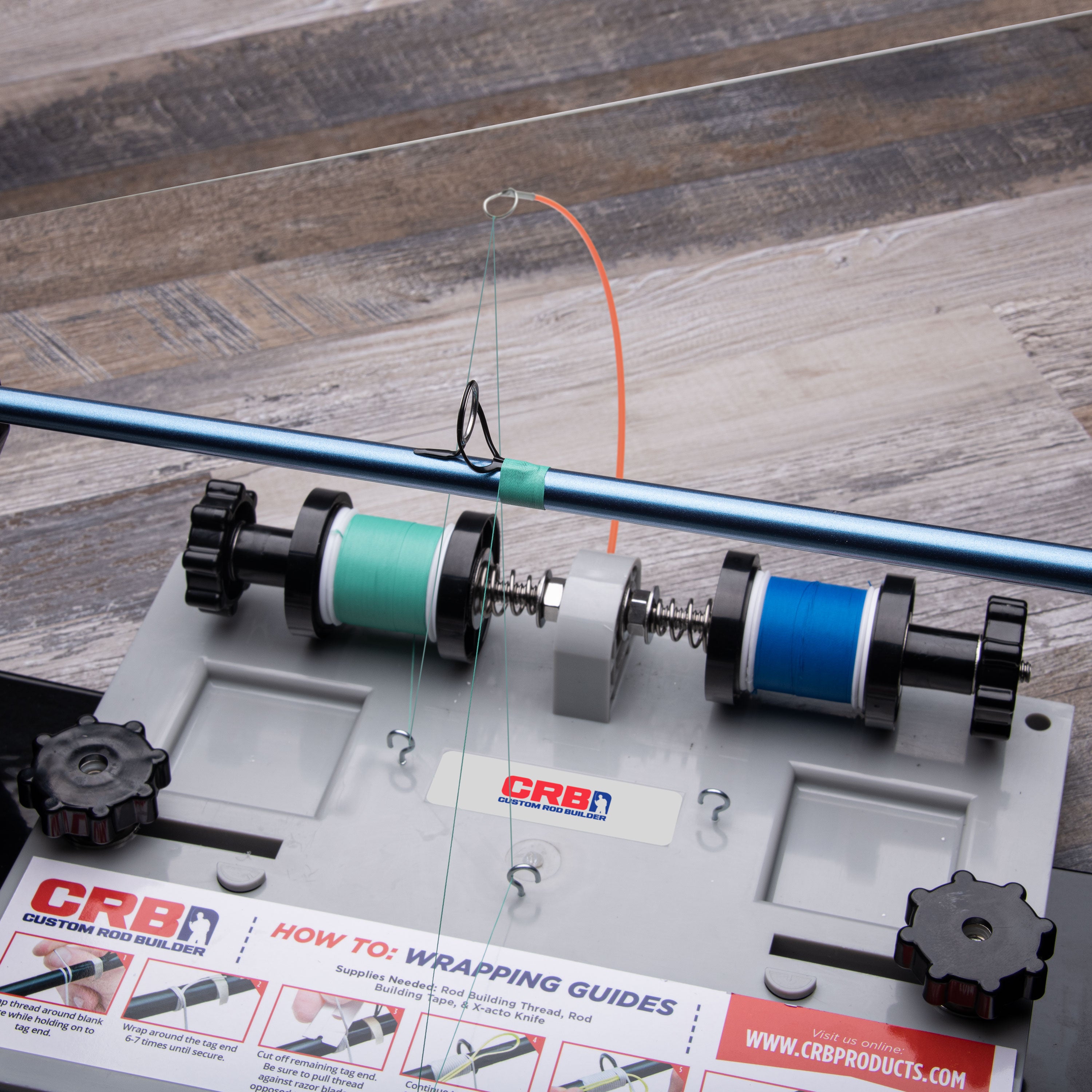
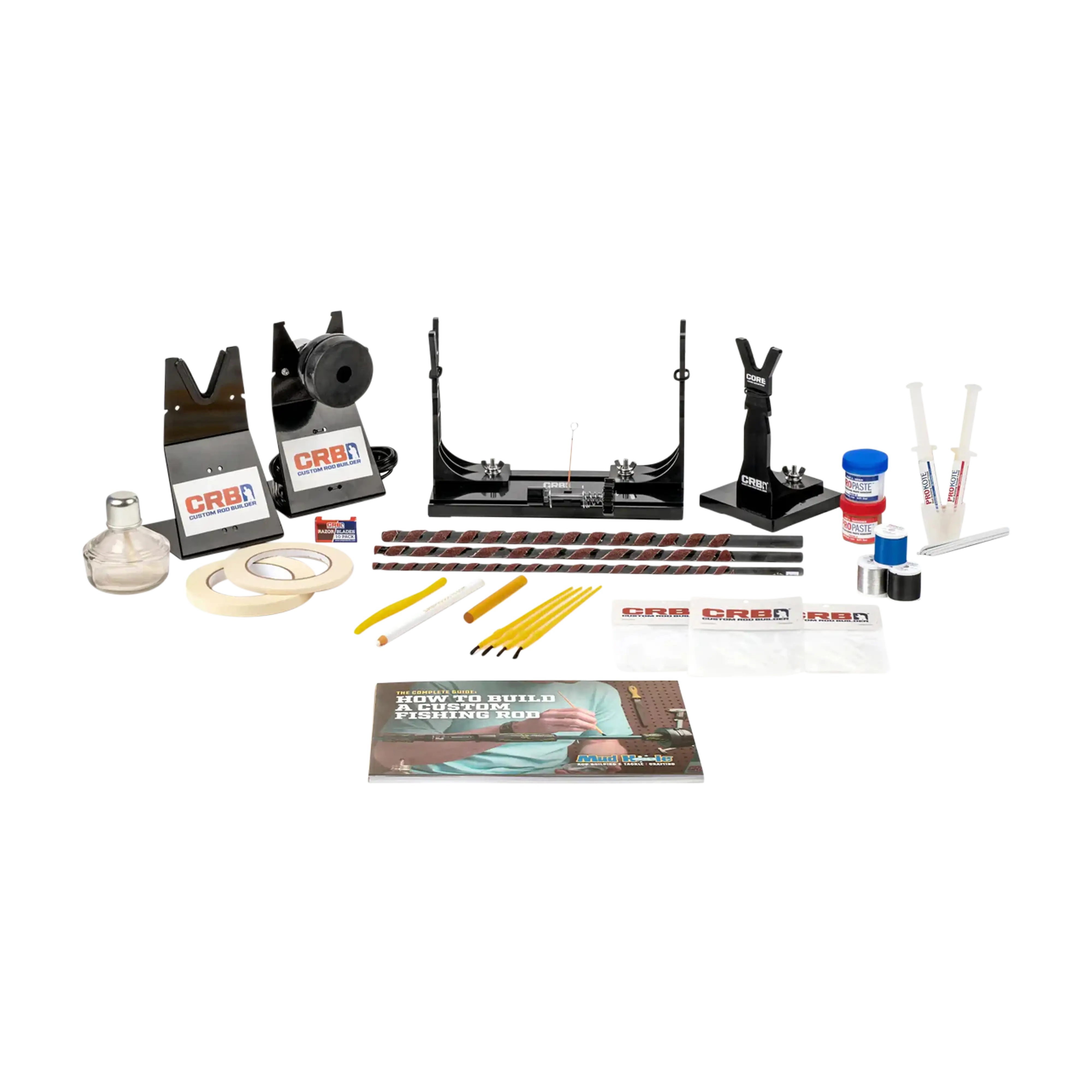
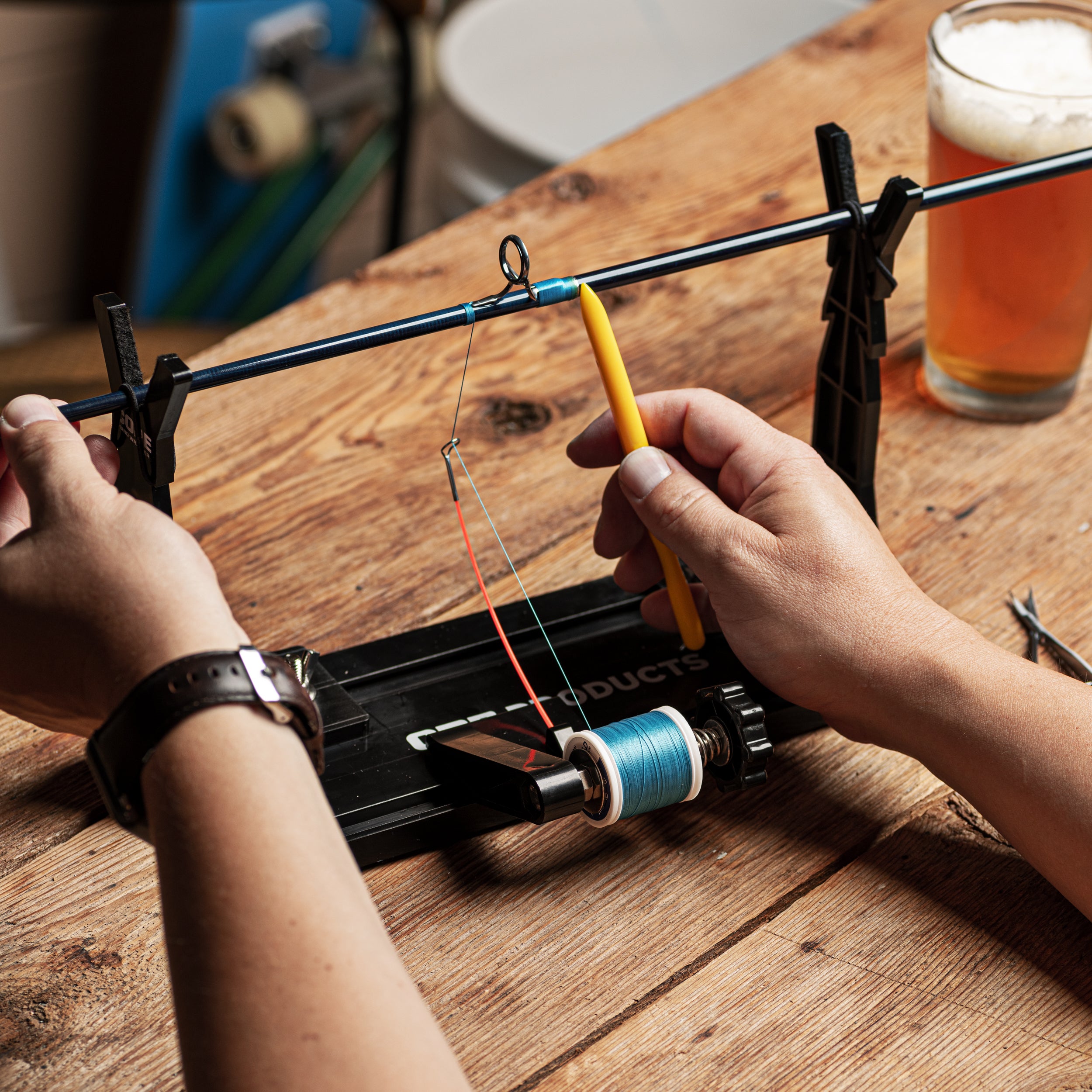
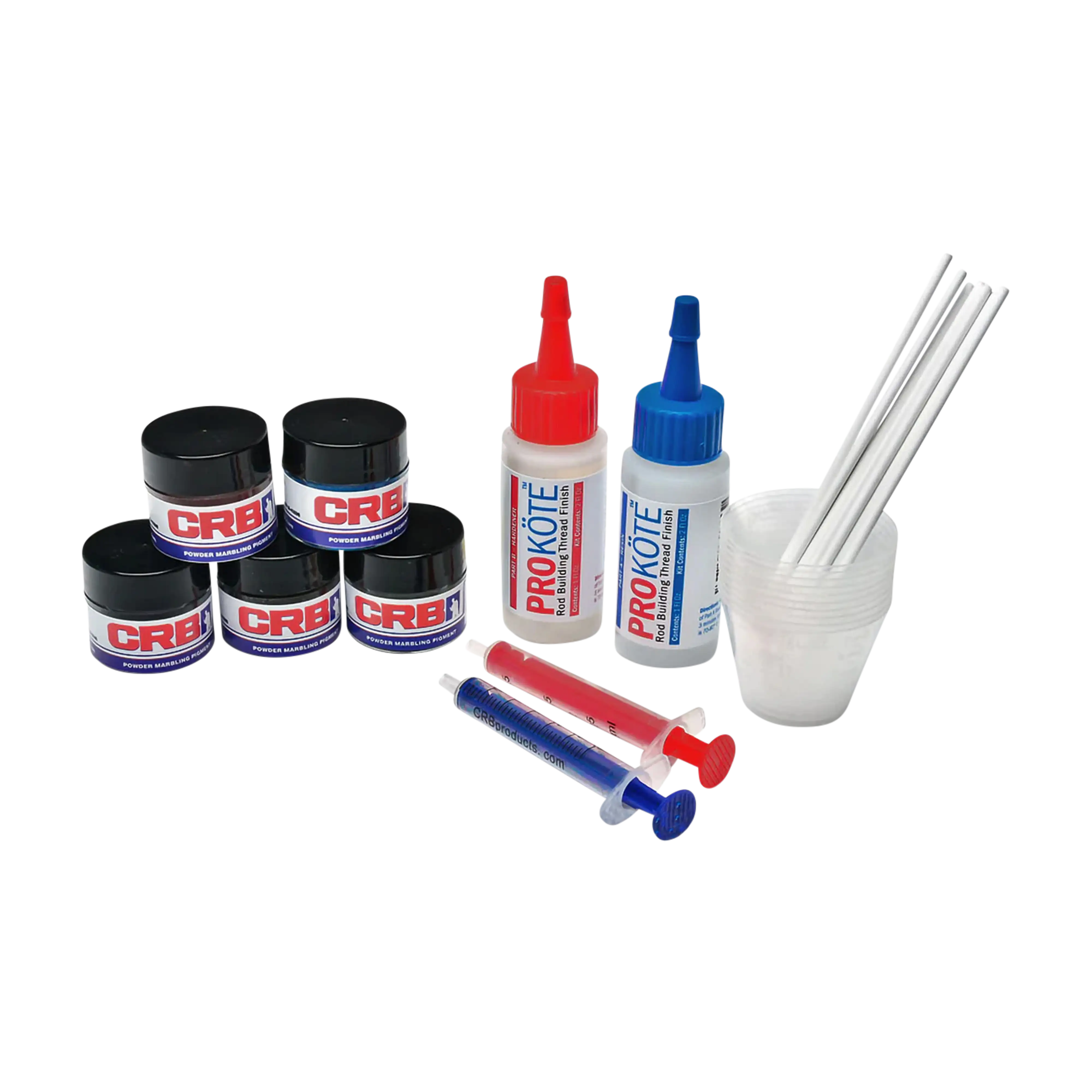
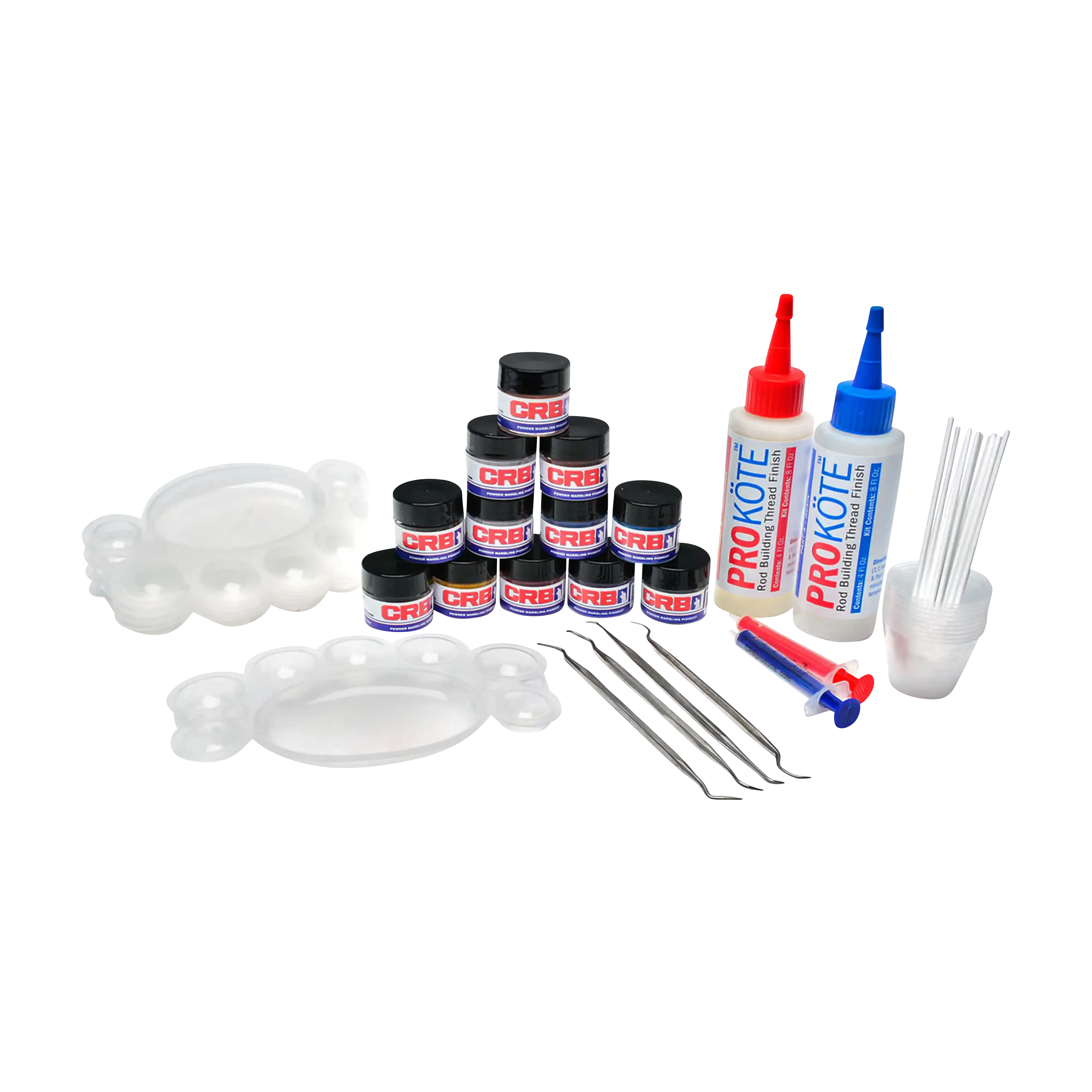
Everything you need to build a high-performance Neko rig spinning rod is included in a rod building supply kit. These kits typically come with essential tools—rod dryers, thread, hand wrappers, epoxy, brushes, reamers, and other core supplies—so you can focus on the build itself instead of sourcing individual components. Using a kit helps streamline the process, improve consistency, and support the level of precision needed for a Neko rig rod built around sensitivity, slack-line control, and subtle bite detection. It’s a practical option for both beginners and experienced builders looking to simplify their setup.
For Beginners
All-in-one kits provide everything needed to start building without having to track down tools individually. This allows new builders to focus on learning key steps like guide wrapping, tip-top installation, and assembling a balanced handle system designed for finesse spinning applications.
For Experienced Builders
Kits are also useful for restocking consumables like epoxy, brushes, and thread. Even for builders who already have their core tools, a supply kit saves time and ensures you always have the correct materials on hand for efficient, repeatable Neko rig rod builds.
Key Takeaways
- Supply kits include the essential tools and materials for building Neko rig rods
- Beginners benefit from simplified, all-in-one setups that support learning proper techniques
- Experienced builders can use kits to restock consumables and maintain workflow efficiency
- Using the right tools helps ensure smoother assembly and consistent, high-quality results
Choose Your Supply Kits
Everything you need to build a high-performance Neko rig spinning rod is included in a rod building supply kit. These kits typically come with essential tools—rod dryers, thread, hand wrappers, epoxy, brushes, reamers, and other core supplies—so you can focus on the build itself instead of sourcing individual components. Using a kit helps streamline the process, improve consistency, and support the level of precision needed for a Neko rig rod built around sensitivity, slack-line control, and subtle bite detection. It’s a practical option for both beginners and experienced builders looking to simplify their setup.
For Beginners
All-in-one kits provide everything needed to start building without having to track down tools individually. This allows new builders to focus on learning key steps like guide wrapping, tip-top installation, and assembling a balanced handle system designed for finesse spinning applications.
For Experienced Builders
Kits are also useful for restocking consumables like epoxy, brushes, and thread. Even for builders who already have their core tools, a supply kit saves time and ensures you always have the correct materials on hand for efficient, repeatable Neko rig rod builds.
Key Takeaways
- Supply kits include the essential tools and materials for building Neko rig rods
- Beginners benefit from simplified, all-in-one setups that support learning proper techniques
- Experienced builders can use kits to restock consumables and maintain workflow efficiency
- Using the right tools helps ensure smoother assembly and consistent, high-quality results
Supply Kits

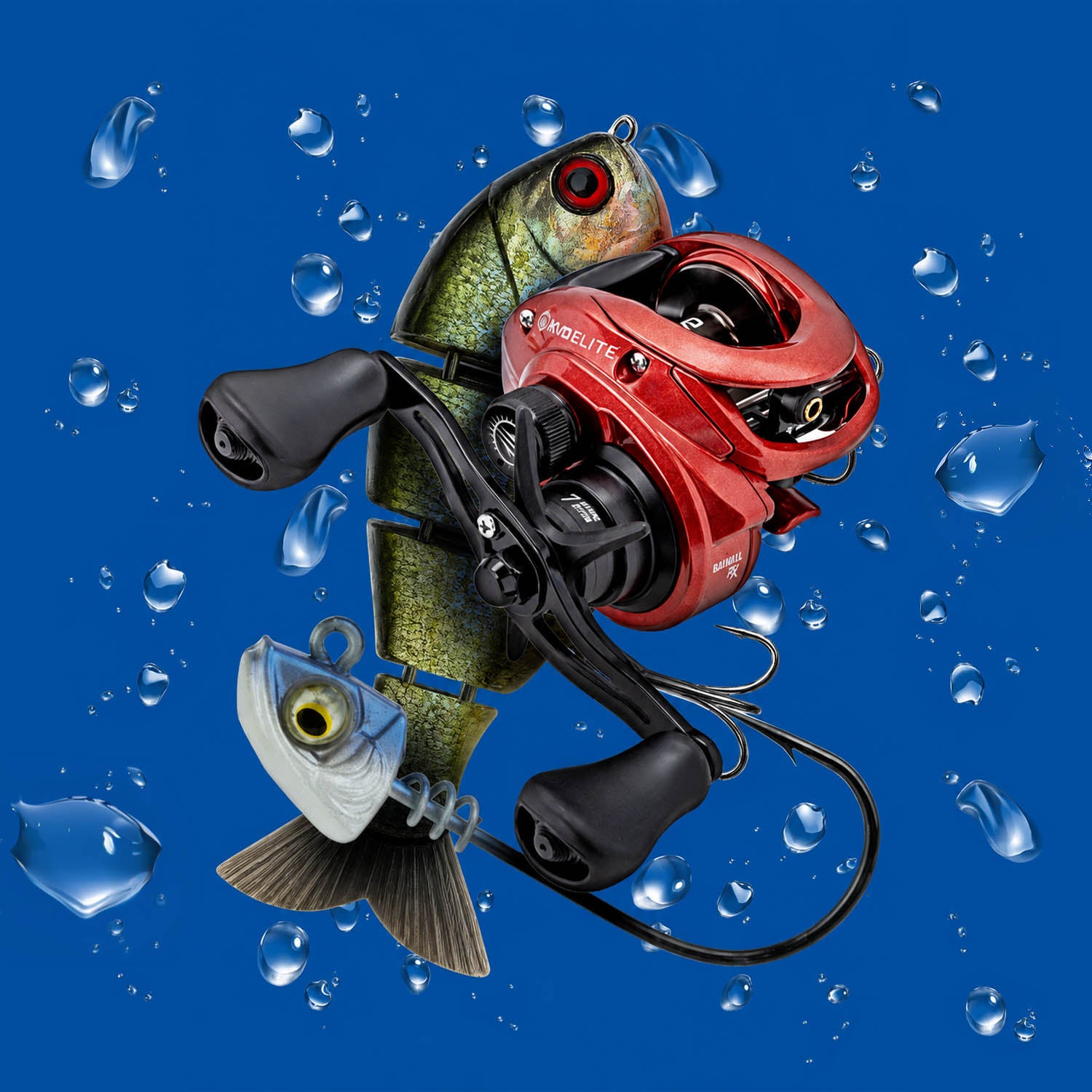
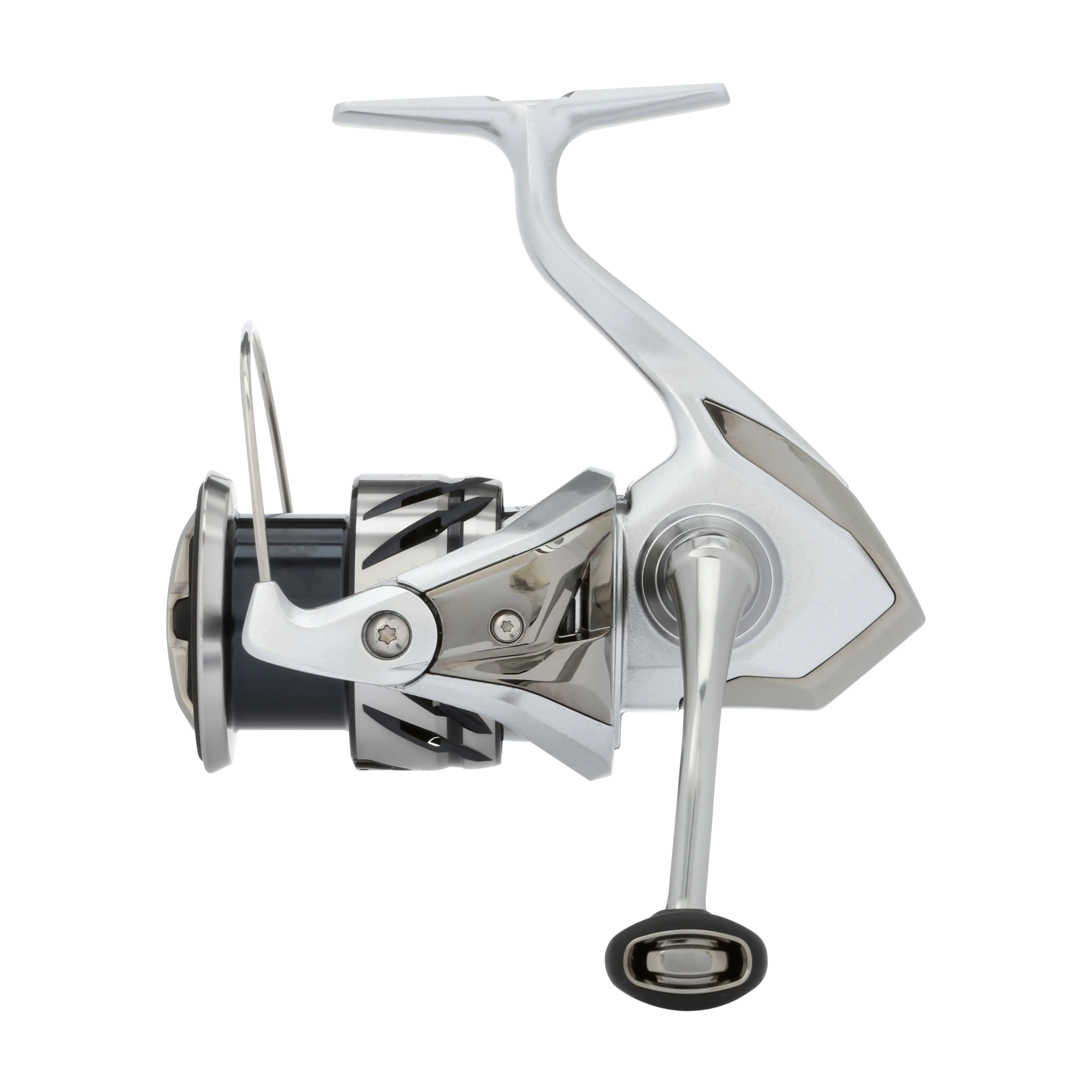
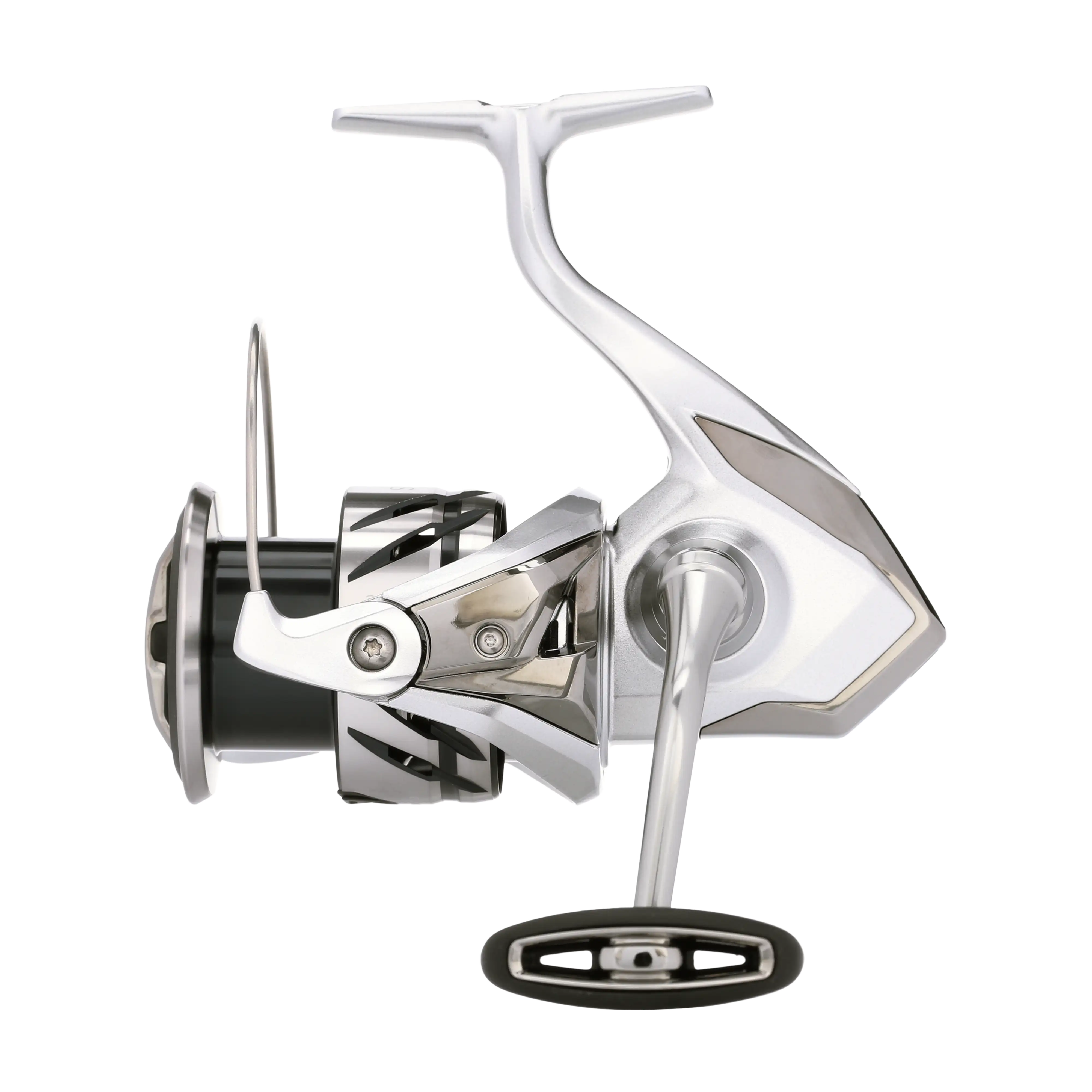
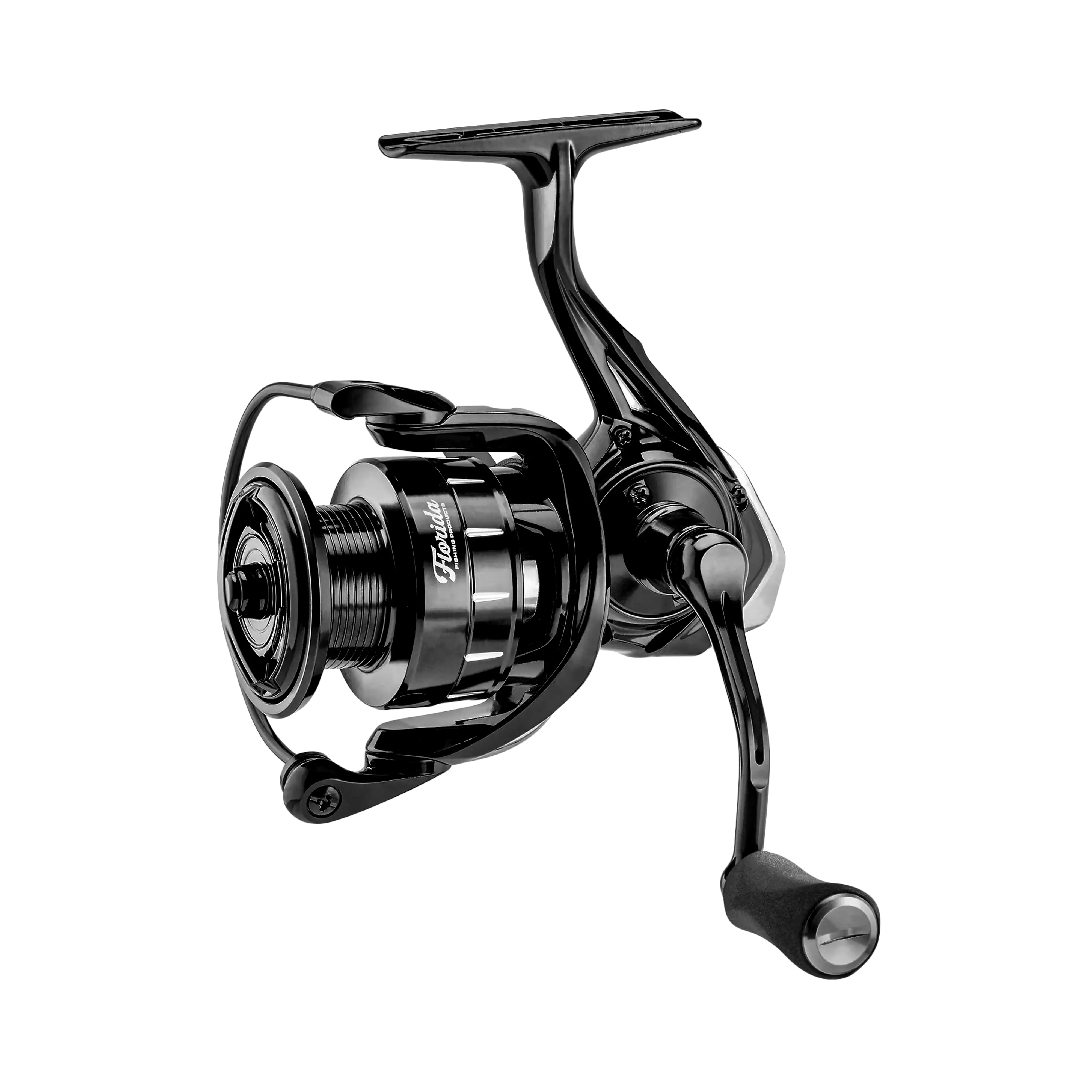
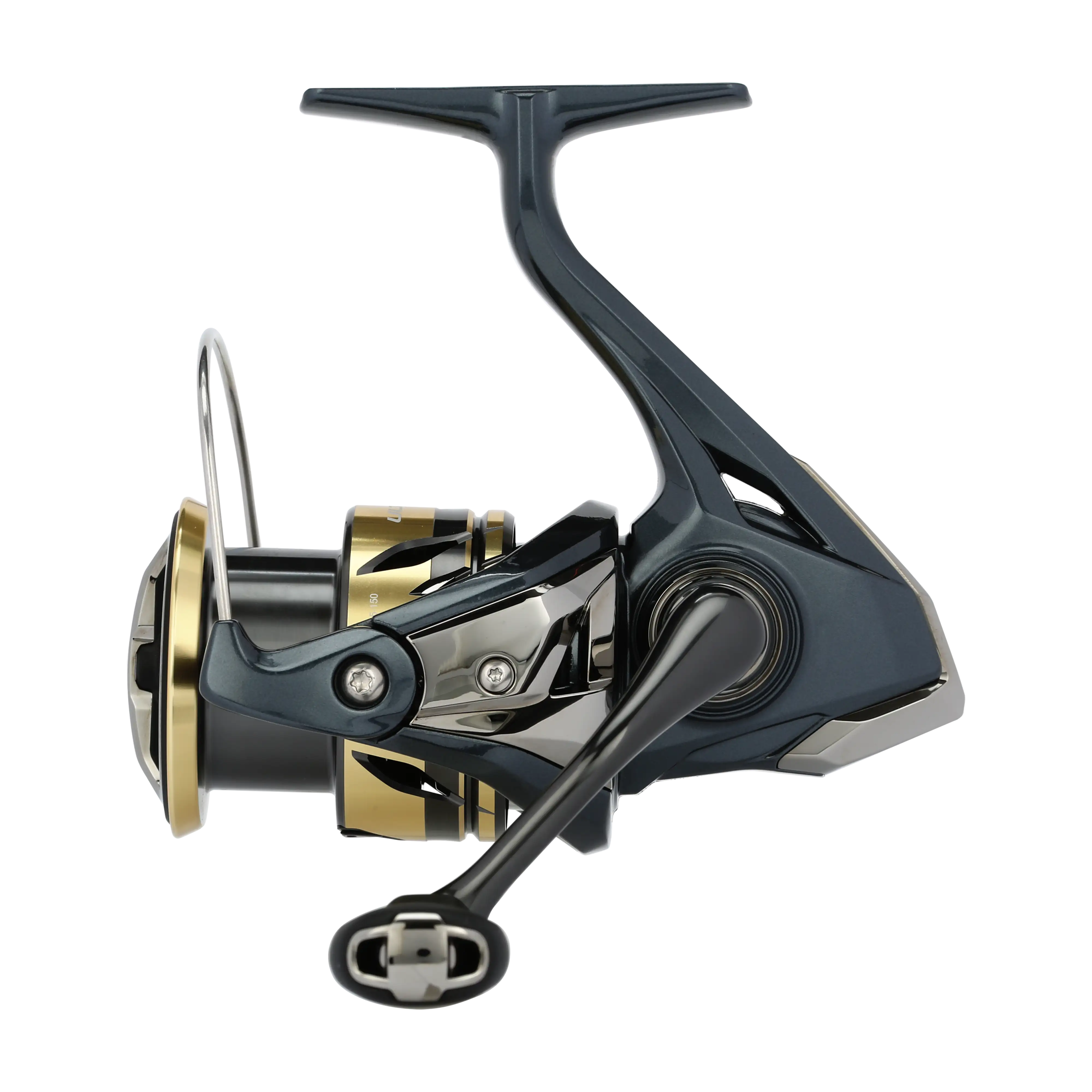
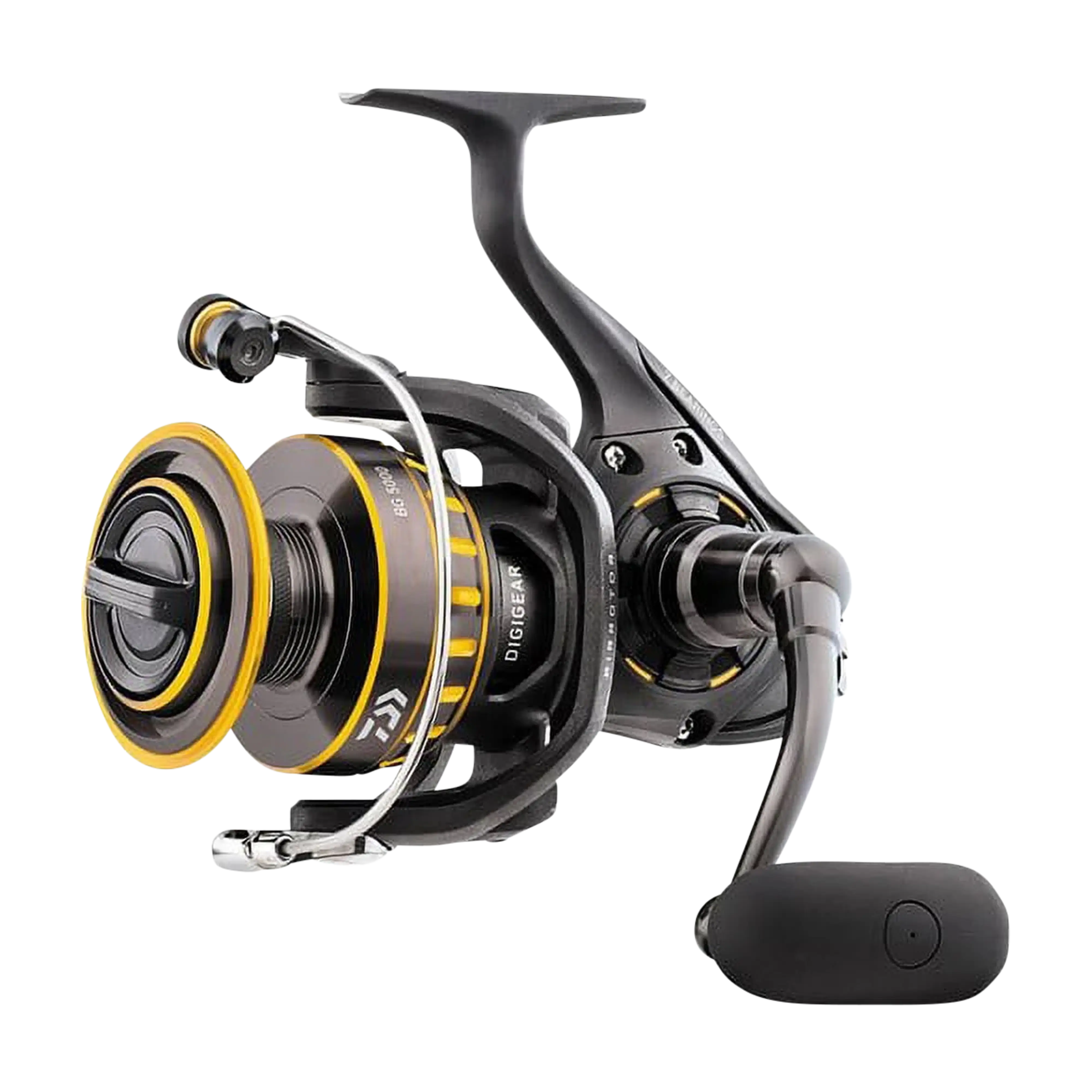
Best Reels for Neko Rig Fishing
Now let’s find a reel for your custom rod.
A spinning reel is the control center of a Neko rig setup because the technique relies on slow bottom contact, controlled slack management, and detecting extremely light bites. Unlike moving baits, Neko fishing is all about maintaining tension without dragging the bait unnaturally, so the reel needs to balance smooth retrieval with precise line pickup and dependable drag performance.
Since most Neko presentations use light to medium line and subtle rod work, reel smoothness and consistency matter more than speed or power. A well-balanced spinning reel helps maintain steady bottom contact, manage slack on the fall, and quickly transition into a hookset when a fish loads up on the bait.
When evaluating a reel for Neko rig fishing, consider these key features:
Reel Type / Size
Spinning reels are the standard because they handle light line and finesse rig presentations precisely. A 2500–3000 size reel balances line capacity, weight, and ergonomics for most Neko rig applications, while a 4000-size is sometimes preferred for longer rods or deeper/heavier setups.
Gear Ratio
Moderate to moderately fast ratios (5.2:1–6.8:1) are ideal for Neko rig fishing, with different parts of the range serving different applications. Slower ratios provide maximum control and bottom contact for dragging and deadsticking, while mid-range setups balance control with efficient slack management, and faster ratios improve line pickup for sonar, wind, and light cover situations. This range allows anglers to stay connected to the rig through the fall and retrieve slack efficiently without overpowering the finesse nature of the presentation.
Drag System
The drag system controls line tension during a fight. Smooth, progressive drags are essential for Neko rig fishing because lighter braid and fluorocarbon lines can break if tension spikes. A drag rated appropriately for your line ensures that even sudden runs from a hooked fish won’t snap the line or pull hooks.
Line Capacity
The reel should hold enough line for your target water depth and presentation. Neko rig setups typically don’t require extreme capacity, but sufficient line ensures full coverage for deeper ledges and offshore points.
Durability
Even finesse rigs require reels that withstand repeated casts, occasional bumps on cover, and freshwater or mild saltwater exposure. Corrosion-resistant components and smooth bearings ensure consistent performance.
Finesse / Bottom Contact Neko Rig
Look for a spinning reel with a smooth drag and controlled retrieve speed that helps maintain bottom contact and manage slack during slow finesse presentations.
Reel Type / Size: Spinning reel, 2500–3000
Gear Ratio: 5.2:1–6.0:1 (slower retrieve for maximum control and bottom contact stability)
Drag: 5–10 lb smooth, consistent drag
Line: 10–12 lb braid / 8–12 lb fluorocarbon
Cover Neko Rig (Weedless)
Look for a spinning reel with faster line pickup and stronger drag pressure to quickly recover slack and keep fish from reaching heavy cover.
Reel Type / Size: Spinning reel, 2500–3000
Gear Ratio: 6.0:1–6.6:1 (balanced-to-faster range for control and recovery in cover)
Drag: 8–12 lb smooth drag with strong mid-range stability
Line: 10–15 lb braid / 8–12 lb fluorocarbon (Med-Heavy and deep cover: 10–15 lb braid / 10–15 lb fluorocarbon)
Deep Structure Neko Rig
Look for a spinning reel with consistent drag performance and efficient line recovery to maintain feel and control during deep-water presentations and long casts.
Reel Type / Size: Spinning reel, 2500–3000
Gear Ratio: 5.8:1–6.6:1 (balanced range for controlled fall + efficient slack recovery)
Drag: 6–10 lb smooth drag
Line: 10–15 lb braid / 8–12 lb fluorocarbon (or 8–10 lb straight fluorocarbon)
Vertical / Sonar Neko Rig
Look for a spinning reel with fast retrieve speed and smooth startup that allows quick slack recovery and controlled vertical presentations around suspended fish.
Reel Type / Size: Spinning reel, 2500–3000
Gear Ratio: 6.4:1–6.8:1 (faster recovery for sonar and vertical presentations)
Drag: 6–10 lb smooth drag with consistent startup
Line: 8–12 lb braid / 6–10 lb fluorocarbon
Key Takeaways
- Spinning reels are standard for Neko rig fishing because they handle light line and finesse rig presentations effectively.
- Moderate gear ratios (5.2:1–6.2:1) provide smooth, controlled line pickup.
- Smooth, progressive drags protect braid and fluorocarbon lines from sudden runs.
- Reel size 2500–3000 fits most Neko rig rods and line setups; 4000-size works for longer rods or heavier applications.
- Consistent line management and smooth bearings improve handling and retrieve control.
- Adjust drag and gear ratio slightly based on depth, line strength, and fishing application.
Best Reels for Neko Rig Fishing
Now let’s find a reel for your custom rod.
A spinning reel is the control center of a Neko rig setup because the technique relies on slow bottom contact, controlled slack management, and detecting extremely light bites. Unlike moving baits, Neko fishing is all about maintaining tension without dragging the bait unnaturally, so the reel needs to balance smooth retrieval with precise line pickup and dependable drag performance.
Since most Neko presentations use light to medium line and subtle rod work, reel smoothness and consistency matter more than speed or power. A well-balanced spinning reel helps maintain steady bottom contact, manage slack on the fall, and quickly transition into a hookset when a fish loads up on the bait.
When evaluating a reel for Neko rig fishing, consider these key features:
Reel Type / Size
Spinning reels are the standard because they handle light line and finesse rig presentations precisely. A 2500–3000 size reel balances line capacity, weight, and ergonomics for most Neko rig applications, while a 4000-size is sometimes preferred for longer rods or deeper/heavier setups.
Gear Ratio
Moderate to moderately fast ratios (5.2:1–6.8:1) are ideal for Neko rig fishing, with different parts of the range serving different applications. Slower ratios provide maximum control and bottom contact for dragging and deadsticking, while mid-range setups balance control with efficient slack management, and faster ratios improve line pickup for sonar, wind, and light cover situations. This range allows anglers to stay connected to the rig through the fall and retrieve slack efficiently without overpowering the finesse nature of the presentation.
Drag System
The drag system controls line tension during a fight. Smooth, progressive drags are essential for Neko rig fishing because lighter braid and fluorocarbon lines can break if tension spikes. A drag rated appropriately for your line ensures that even sudden runs from a hooked fish won’t snap the line or pull hooks.
Line Capacity
The reel should hold enough line for your target water depth and presentation. Neko rig setups typically don’t require extreme capacity, but sufficient line ensures full coverage for deeper ledges and offshore points.
Durability
Even finesse rigs require reels that withstand repeated casts, occasional bumps on cover, and freshwater or mild saltwater exposure. Corrosion-resistant components and smooth bearings ensure consistent performance.
Finesse / Bottom Contact Neko Rig
Look for a spinning reel with a smooth drag and controlled retrieve speed that helps maintain bottom contact and manage slack during slow finesse presentations.
Reel Type / Size: Spinning reel, 2500–3000
Gear Ratio: 5.2:1–6.0:1 (slower retrieve for maximum control and bottom contact stability)
Drag: 5–10 lb smooth, consistent drag
Line: 10–12 lb braid / 8–12 lb fluorocarbon
Cover Neko Rig (Weedless)
Look for a spinning reel with faster line pickup and stronger drag pressure to quickly recover slack and keep fish from reaching heavy cover.
Reel Type / Size: Spinning reel, 2500–3000
Gear Ratio: 6.0:1–6.6:1 (balanced-to-faster range for control and recovery in cover)
Drag: 8–12 lb smooth drag with strong mid-range stability
Line: 10–15 lb braid / 8–12 lb fluorocarbon (Med-Heavy and deep cover: 10–15 lb braid / 10–15 lb fluorocarbon)
Deep Structure Neko Rig
Look for a spinning reel with consistent drag performance and efficient line recovery to maintain feel and control during deep-water presentations and long casts.
Reel Type / Size: Spinning reel, 2500–3000
Gear Ratio: 5.8:1–6.6:1 (balanced range for controlled fall + efficient slack recovery)
Drag: 6–10 lb smooth drag
Line: 10–15 lb braid / 8–12 lb fluorocarbon (or 8–10 lb straight fluorocarbon)
Vertical / Sonar Neko Rig
Look for a spinning reel with fast retrieve speed and smooth startup that allows quick slack recovery and controlled vertical presentations around suspended fish.
Reel Type / Size: Spinning reel, 2500–3000
Gear Ratio: 6.4:1–6.8:1 (faster recovery for sonar and vertical presentations)
Drag: 6–10 lb smooth drag with consistent startup
Line: 8–12 lb braid / 6–10 lb fluorocarbon
Key Takeaways
- Spinning reels are standard for Neko rig fishing because they handle light line and finesse rig presentations effectively.
- Moderate gear ratios (5.2:1–6.2:1) provide smooth, controlled line pickup.
- Smooth, progressive drags protect braid and fluorocarbon lines from sudden runs.
- Reel size 2500–3000 fits most Neko rig rods and line setups; 4000-size works for longer rods or heavier applications.
- Consistent line management and smooth bearings improve handling and retrieve control.
- Adjust drag and gear ratio slightly based on depth, line strength, and fishing application.
Neko Rig Reels






Build a Neko Rig Rod
FAQ - Custom Neko Rig Rods
What rod blank power is best for a Neko rig build?
Medium-light to medium power rod blanks are most commonly used for Neko rig builds, offering the right balance of sensitivity for light bites and enough strength to control fish during hooksets.
What action should I choose for a Neko rig rod blank?
Fast to extra-fast action blanks are preferred because they improve bite detection on slack line and provide better control when working the bait with small, precise movements.
What length rod blank works best for Neko rig fishing?
Most Neko rig rod blanks fall in the 6’8″ to 7’6″ range, with shorter blanks offering accuracy and longer blanks improving casting distance and line control.
Should I build a spinning or casting Neko rig rod?
Spinning rods are the standard choice for Neko rig builds because they perform better with light line, finesse hooks, and subtle presentations. Keep in mind a rod blank can be built as a spinning or casting rod.
What lure weight range should a Neko rig rod blank support?
A typical Neko rig rod blank is best matched to light nail weights, usually ranging from 1/16 to 1/8 oz, depending on depth and conditions.
How important is blank sensitivity in a Neko rig build?
Sensitivity is critical in a Neko rig build because many bites occur during the fall or subtle pauses where pressure changes must be transmitted through the blank.
From the Mud Hole Journal
Further Reading
Article
Write text about your blog post.