









Mud Hole Gear Guide:
About Inshore Topwater Fishing
Inshore topwater fishing is a surface-based technique used in coastal and nearshore waters where predatory fish feed on or near the surface. Anglers work topwater lures across a wide range of environments—including flats, shorelines, mangrove edges, grass edges, open bays, and tidal flow zones—to imitate baitfish struggling at the surface and trigger reaction strikes.
Common topwater lures include walking baits, poppers, prop baits, and other surface plugs, each designed to produce different combinations of movement, sound, and surface disturbance. Some styles rely on subtle side-to-side action, while others create loud commotion or continuous surface churn to draw attention and provoke strikes.
Success depends on maintaining lure control through slack management, consistent cadence, and timing adjustments based on fish behavior, bait presence, and water conditions. Because strikes happen at the surface, anglers must also manage delayed hooksets and maintain tension through explosive, often unpredictable takes—especially when using treble-hooked lures.
Introduction
What is Inshore Topwater Fishing?
About Inshore Topwater Fishing
Inshore topwater fishing is a surface-based technique used in coastal and nearshore waters where predatory fish feed on or near the surface. Anglers work topwater lures across a wide range of environments—including flats, shorelines, mangrove edges, grass edges, open bays, and tidal flow zones—to imitate baitfish struggling at the surface and trigger reaction strikes.
Common topwater lures include walking baits, poppers, prop baits, and other surface plugs, each designed to produce different combinations of movement, sound, and surface disturbance. Some styles rely on subtle side-to-side action, while others create loud commotion or continuous surface churn to draw attention and provoke strikes.
Success depends on maintaining lure control through slack management, consistent cadence, and timing adjustments based on fish behavior, bait presence, and water conditions. Because strikes happen at the surface, anglers must also manage delayed hooksets and maintain tension through explosive, often unpredictable takes—especially when using treble-hooked lures.
Types of Inshore Topwater Fishing
Inshore topwater fishing is best understood through the style of lure being worked and how that presentation interacts with fish feeding behavior in different surface environments. While these lure styles can be used across flats, structure, current, and sight-fishing scenarios, the real differences come from how fish are positioned, how actively they are feeding, and how willing they are to commit to surface strikes.
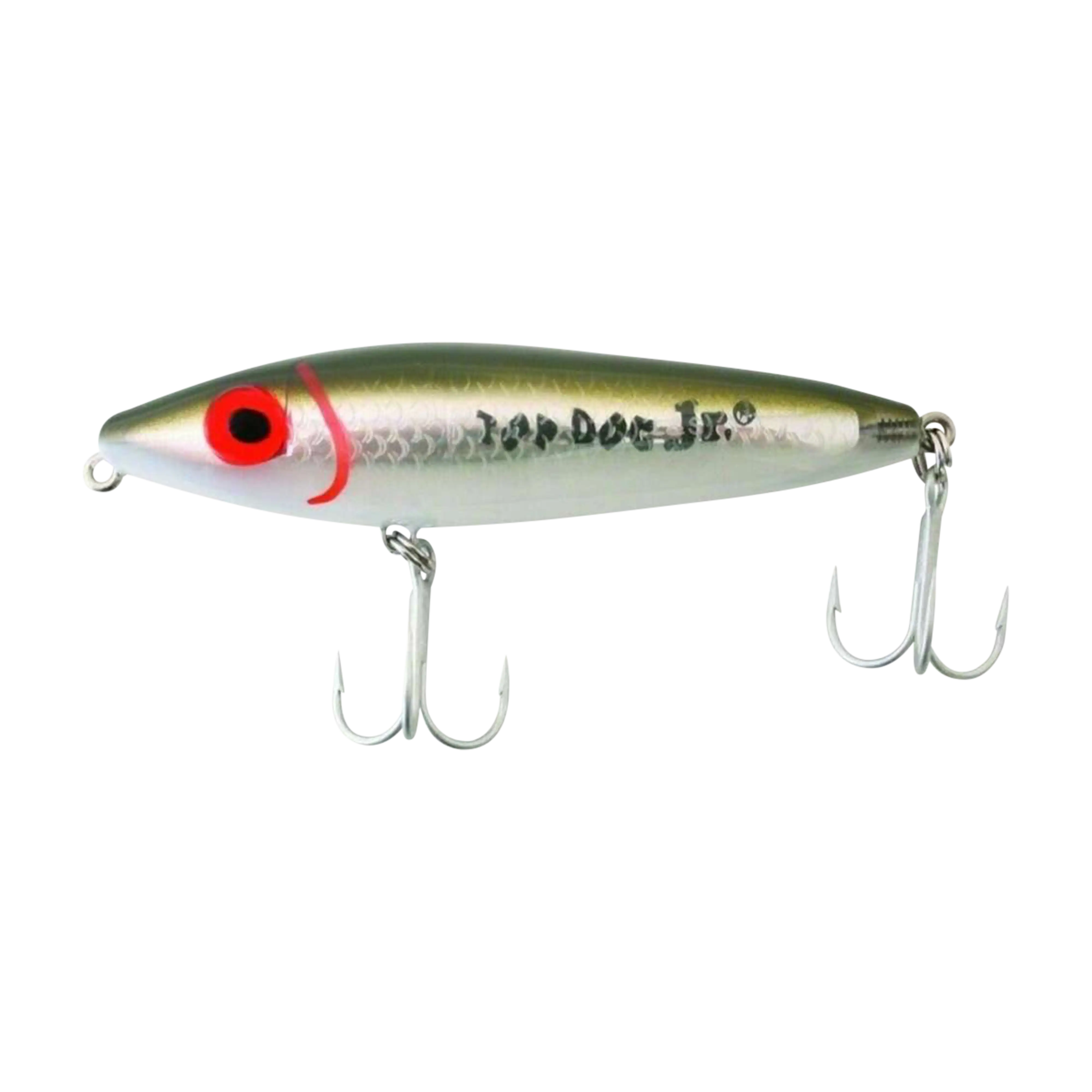
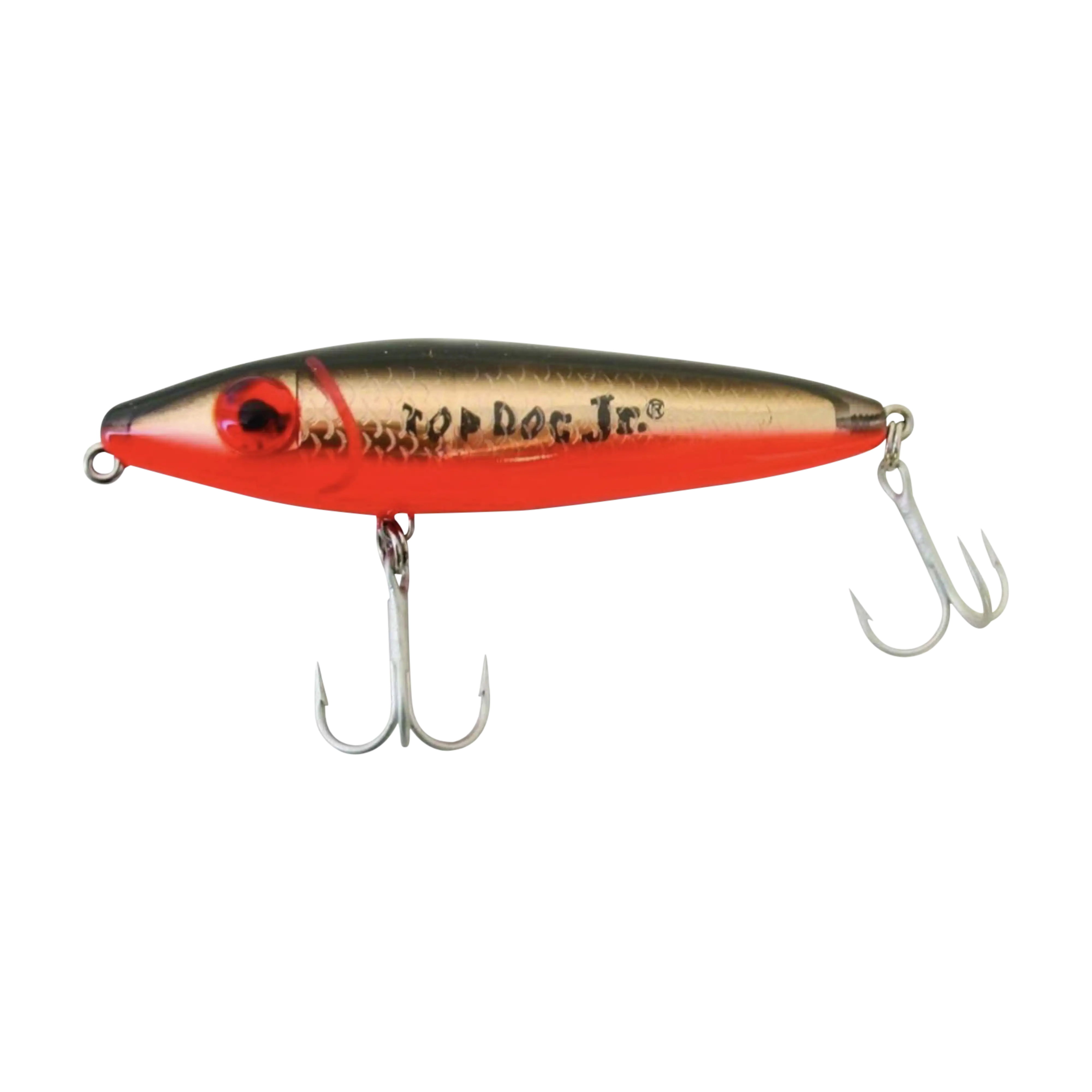
Walking Baits (Walk-the-Dog)
Targets: Speckled trout, redfish, snook feeding on roaming bait schools
Walking baits produce a side-to-side surface glide that imitates a wounded or fleeing baitfish. This style is most effective when fish are actively moving and tracking bait across open water, grass flats, structure or along shorelines where they are not tightly locked to structure.
These situations typically involve fish that are searching or intercepting rather than holding in one exact spot, which is why a steady, covering presentation tends to outperform stop-start or overly aggressive movements. Strikes often occur as fish close distance from behind the lure, following it for several feet before committing.
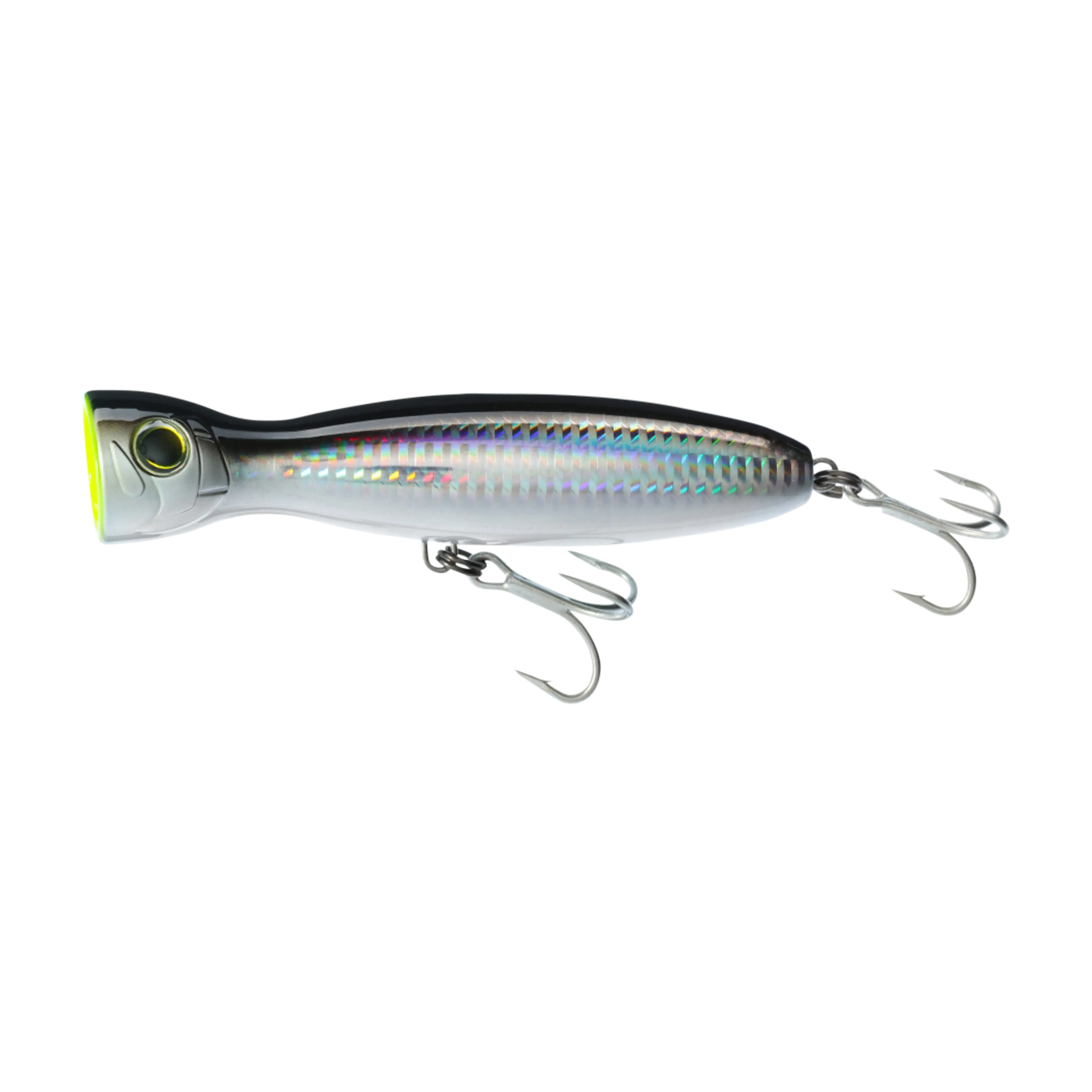
Poppers & Chuggers
Targets: Redfish, snook, trout relating to structure, edges, or scattered bait
Popping and chugging lures are designed to create strong surface disturbance that attracts attention from a distance. This makes them most effective when fish are actively feeding or when added noise helps trigger reaction strikes in open water, low visibility, or around scattered structure. Because they are a more aggressive presentation, poppers tend to work best on fish that are already keyed in on bait and willing to react. In calmer conditions or when fish are pressured or less active, the loud surface disruption can spook fish, making a walking bait or more subtle topwater a better choice.
These are often reaction-based situations, where fish may not be actively feeding upward until a disturbance triggers them. Because of this, strikes can feel sudden and occur after pauses or irregular retrieves that break up the surface rhythm.
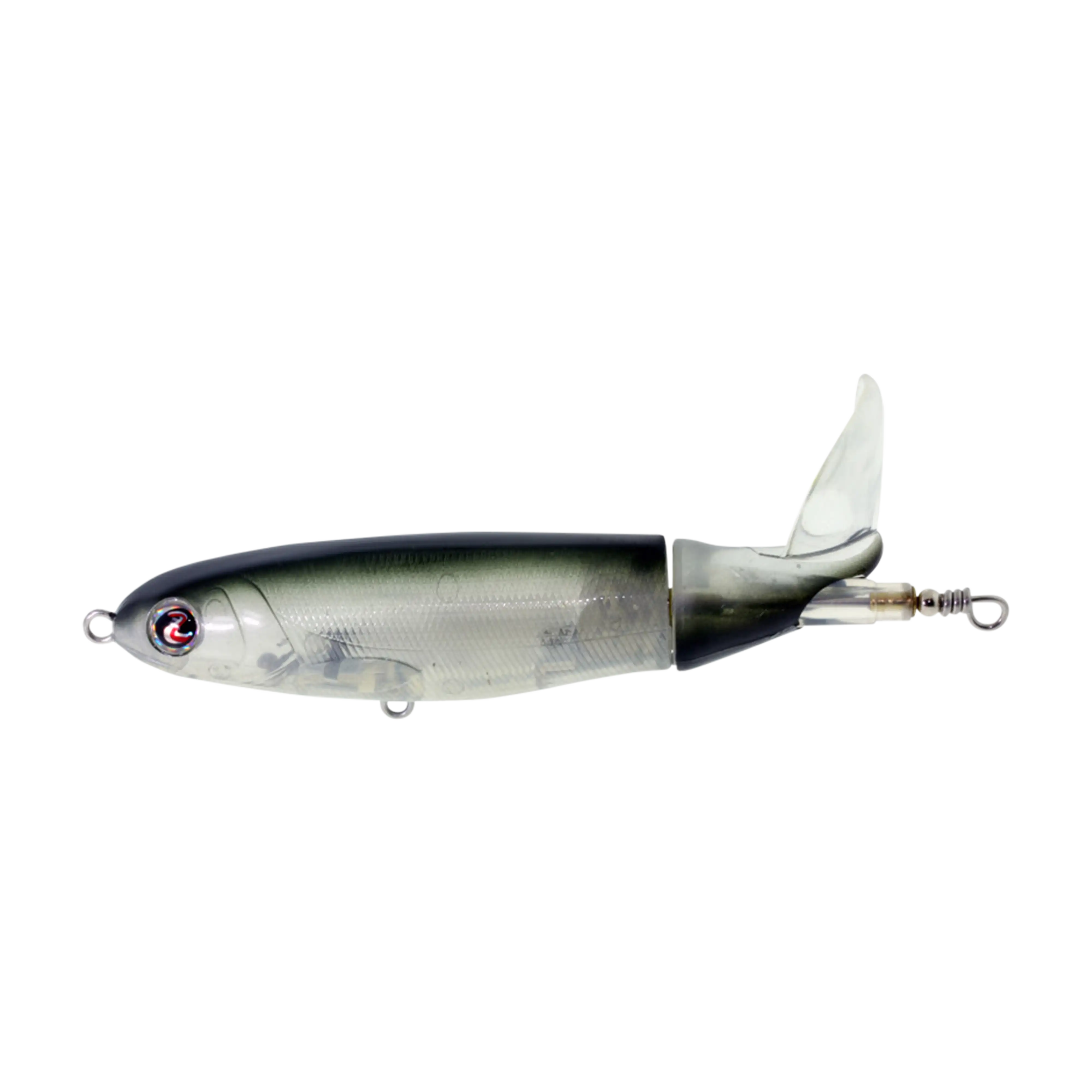
Prop Baits & Buzz-Style Topwater
Targets: Redfish, snook, and aggressive feeders around bait concentrations and current movement
Prop-style lures generate constant surface disturbance through vibration, blade rotation, or buzzing action that mimics frantic baitfish activity. This style excels when fish are already keyed in on bait and competing in the same area, such as moving water, bait schools, or shoreline feed zones.
Unlike more subtle presentations, these lures rely on maintaining attention through continuous movement and sound, keeping fish tracking the target across a wider window of water. Strikes are typically aggressive and committed, often occurring immediately behind the lure during steady retrieves.
Subtle / Finesse Topwater (Pencils, Slim Walkers)
Targets: Pressured trout, wary redfish, laid-up fish in clear or calm conditions
Finesse topwater lures use a slimmer profile and reduced surface disturbance to imitate more natural baitfish behavior. This approach becomes most effective when fish are under pressure from fishing traffic, clear water conditions, or calm surfaces where excessive movement can spook or deter strikes.
In these situations, fish are more likely to inspect a lure before committing, meaning overly aggressive surface action can actually reduce effectiveness. Success comes from presenting something that looks vulnerable without overacting, often triggering slower but more deliberate surface eats.
Key Takeaways
- Walking baits are the most versatile inshore topwater option and excel when fish are actively tracking bait across flats, shorelines, and open water
- Poppers and chuggers create louder surface disturbance and often work best when fish are aggressive and feeding actively
- Prop and buzz-style lures maintain constant surface movement, making them effective around bait concentrations, current, and feeding fish
- Finesse topwater lures produce subtler action for pressured fish, calm water, and clear conditions where excessive disturbance can reduce strikes
Types of Inshore Topwater Fishing
Inshore topwater fishing is best understood through the style of lure being worked and how that presentation interacts with fish feeding behavior in different surface environments. While these lure styles can be used across flats, structure, current, and sight-fishing scenarios, the real differences come from how fish are positioned, how actively they are feeding, and how willing they are to commit to surface strikes.
Walking Baits (Walk-the-Dog)
Targets: Speckled trout, redfish, snook feeding on roaming bait schools
Walking baits produce a side-to-side surface glide that imitates a wounded or fleeing baitfish. This style is most effective when fish are actively moving and tracking bait across open water, grass flats, structure or along shorelines where they are not tightly locked to structure.
These situations typically involve fish that are searching or intercepting rather than holding in one exact spot, which is why a steady, covering presentation tends to outperform stop-start or overly aggressive movements. Strikes often occur as fish close distance from behind the lure, following it for several feet before committing.
Poppers & Chuggers
Targets: Redfish, snook, trout relating to structure, edges, or scattered bait
Popping and chugging lures are designed to create strong surface disturbance that attracts attention from a distance. This makes them most effective when fish are actively feeding or when added noise helps trigger reaction strikes in open water, low visibility, or around scattered structure. Because they are a more aggressive presentation, poppers tend to work best on fish that are already keyed in on bait and willing to react. In calmer conditions or when fish are pressured or less active, the loud surface disruption can spook fish, making a walking bait or more subtle topwater a better choice.
These are often reaction-based situations, where fish may not be actively feeding upward until a disturbance triggers them. Because of this, strikes can feel sudden and occur after pauses or irregular retrieves that break up the surface rhythm.
Prop Baits & Buzz-Style Topwater
Targets: Redfish, snook, and aggressive feeders around bait concentrations and current movement
Prop-style lures generate constant surface disturbance through vibration, blade rotation, or buzzing action that mimics frantic baitfish activity. This style excels when fish are already keyed in on bait and competing in the same area, such as moving water, bait schools, or shoreline feed zones.
Unlike more subtle presentations, these lures rely on maintaining attention through continuous movement and sound, keeping fish tracking the target across a wider window of water. Strikes are typically aggressive and committed, often occurring immediately behind the lure during steady retrieves.
Subtle / Finesse Topwater (Pencils, Slim Walkers)
Targets: Pressured trout, wary redfish, laid-up fish in clear or calm conditions
Finesse topwater lures use a slimmer profile and reduced surface disturbance to imitate more natural baitfish behavior. This approach becomes most effective when fish are under pressure from fishing traffic, clear water conditions, or calm surfaces where excessive movement can spook or deter strikes.
In these situations, fish are more likely to inspect a lure before committing, meaning overly aggressive surface action can actually reduce effectiveness. Success comes from presenting something that looks vulnerable without overacting, often triggering slower but more deliberate surface eats.
Key Takeaways
- Walking baits are the most versatile inshore topwater option and excel when fish are actively tracking bait across flats, shorelines, and open water
- Poppers and chuggers create louder surface disturbance and often work best when fish are aggressive and feeding actively
- Prop and buzz-style lures maintain constant surface movement, making them effective around bait concentrations, current, and feeding fish
- Finesse topwater lures produce subtler action for pressured fish, calm water, and clear conditions where excessive disturbance can reduce strikes
How To Choose an Inshore Topwater Rod
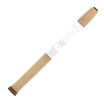
An inshore topwater rod must balance casting distance, lure control, and shock absorption during strikes. Because most topwater lures use treble hooks, the rod needs enough flex to keep fish pinned while still providing the backbone to control fish around structure. Power, action, length, and lure rating all influence casting performance, lure action, and hookup consistency.
When choosing a rod, consider these key specs:
Length
Inshore topwater rods typically range from 6’6” to 7’6”, with most anglers preferring 6’10”–7’2” as the best all-around range. Shorter rods (6’6”–7’0”) are best for tight cover like mangroves, docks, and creeks where accuracy matters more than distance. Mid-length rods (6’10”–7’2”) offer the best balance of casting distance, lure control, and fish-fighting ability for most inshore situations. Longer rods (7’3”–7’6”) are best for open water, wind, and maximum casting distance when reaching distant bait schools.
Power
Rod power refers to how much the rod resists bending under load and in inshore topwater fishing it typically falls into medium-light, medium, and medium-heavy. Medium-light is best for smaller walking baits and finesse presentations because it loads easily and helps lighter lures cast and walk more naturally. Medium is the most versatile choice, handling most walking baits, poppers, and prop baits with a balanced mix of casting distance, control, and fish-fighting ability. Medium-heavy is used for larger lures, windy conditions, or fishing around structure where extra backbone is needed to turn larger fish quickly and maintain control after the strike.
Action
Action describes where the rod bends and how quickly it responds under load. For inshore topwater fishing, most rods are moderate-fast or fast to balance lure control with keeping treble hooks pinned. Moderate-fast rods are more forgiving and popular because they absorb sudden strikes and help prevent pulled hooks while still working walking baits effectively. Fast action rods give sharper, more precise lure control—especially at distance or in wind—but require more controlled hooksets to avoid overpowering treble-hooked lures.
Line Rating
Line rating refers to the range of line strength a rod is designed to handle while still loading and casting properly. Most inshore topwater setups use 10–30 lb braided mainline for its low stretch, sensitivity, and lure control. Braid is typically paired with a leader: monofilament is most common because it floats and adds stretch to help treble-hooked lures work naturally and stay pinned, while fluorocarbon is used in clearer water or around structure for added abrasion resistance, despite sinking and stretching less than mono. Straight mono is still used in some setups, but braid-to-leader remains the standard for most inshore topwater fishing.
Weight / Lure Rating
Lure rating defines the range of topwater bait weights a rod is designed to cast and control effectively, and most inshore topwater rods fall between 1/4 oz and 1 oz. The lower range (1/8–3/8 oz) is best for finesse walking baits and calm conditions where subtle presentations are important. The mid-range (3/8–3/4 oz) is the most commonly used and covers standard walking baits, poppers, and prop baits used in everyday inshore fishing. The upper range (3/4–1 oz+) is designed for larger plugs, windy conditions, or situations where extra casting distance and water displacement are needed.
Spinning vs. Baitcasting
Both spinning and baitcasting rods work for inshore topwater fishing, and most anglers use a mix depending on conditions. Spinning setups are best for lighter lures, finesse presentations, and windy conditions because they cast easily and reduce backlashes, making them more forgiving for long walks and open flats. Baitcasting rods are commonly used because they offer great line control, and more power for working a wide range of lure sizes and fishing around structure.
Walking Baits (Walk-the-Dog)
Walking baits need a rod that can load smoothly on the cast and return quickly to keep a steady side-to-side cadence. Too stiff and the bait becomes erratic, too soft and it loses control at distance. A medium power rod with a responsive tip (moderate-fast to fast) is a popular choice and gives a good balance of control and consistency, especially when fishing wind or longer casts over flats.
Rod Length: 6’10”–7’2”
Power: Medium-Light to Medium
Action: Moderate-Fast to Fast
Line (Mainline / Leader): 10–20 lb braid / 15–25 lb leader (usually mono)
Weight/Lures Used: 1/4–3/4 oz walking baits
Poppers & Chuggers
Poppers require clean rod pops that move water without overworking the bait. A rod that is too soft kills the pop, while one that is too stiff reduces control and increases hook loss. Medium to medium-heavy power with moderate-fast action gives enough snap for solid surface disturbance while still absorbing strikes.
Rod Length: 6’8”–7’3”
Power: Medium to Medium-Heavy
Action: Moderate-Fast
Line (Mainline / Leader): 15–30 lb braid / 20–30 lb leader (usually mono)
Weight/Lures Used: 3/8–1+ oz poppers & chuggers
Prop Baits & Buzz-Style Topwater
These lures create resistance, so rod choice is about maintaining steady retrieve pressure while controlling fish during aggressive strikes. Medium to medium-heavy rods keep the bait tracking correctly in current and give enough backbone to manage close-range hookups without losing control.
Rod Length: 7’0”–7’6”
Power: Medium to Medium-Heavy
Action: Moderate-Fast to Fast
Line (Mainline / Leader): 15–30 lb braid / 15-20lb mono leader
Weight/Lures Used: 1/2–1+ oz prop & buzz baits
Subtle / Finesse Topwater (Pencils, Slim Walkers)
Finesse topwater requires light input and clean rod loading so the bait doesn’t get overworked. Medium-light to medium rods with fast tips allow controlled, subtle movement and better performance with light lures in calm or pressured conditions.
Rod Length: 6’6”–7’0”
Power: Medium-Light to Medium
Action: Fast
Line (Mainline / Leader): 10–15 lb braid / 15–20 lb leader (usually mono)
Weight/Lures Used: 1/8–1/2 oz finesse topwaters
Key Takeaways
- Match rod length to your water: shorter rods for tight cover and accuracy, longer rods for open flats and maximum casting distance.
- Medium power is the most versatile choice, with lighter rods for finesse lures and heavier rods for structure and bigger fish.
- Moderate-fast to fast action works best for treble-hook topwaters, balancing lure control with keeping fish pinned.
- Braided mainline (10–20 lb for most setups) paired with a mono or fluoro leader is the standard inshore system.
- Mono leaders add stretch and help keep topwater action natural; fluoro leaders offer better abrasion resistance but do not float.
- Rod choice should prioritize control of the lure first—casting distance and power come second to clean action and consistent hookups.
How To Choose an Inshore Topwater Rod
An inshore topwater rod must balance casting distance, lure control, and shock absorption during strikes. Because most topwater lures use treble hooks, the rod needs enough flex to keep fish pinned while still providing the backbone to control fish around structure. Power, action, length, and lure rating all influence casting performance, lure action, and hookup consistency.
When choosing a rod, consider these key specs:
Length
Inshore topwater rods typically range from 6’6” to 7’6”, with most anglers preferring 6’10”–7’2” as the best all-around range. Shorter rods (6’6”–7’0”) are best for tight cover like mangroves, docks, and creeks where accuracy matters more than distance. Mid-length rods (6’10”–7’2”) offer the best balance of casting distance, lure control, and fish-fighting ability for most inshore situations. Longer rods (7’3”–7’6”) are best for open water, wind, and maximum casting distance when reaching distant bait schools.
Power
Rod power refers to how much the rod resists bending under load and in inshore topwater fishing it typically falls into medium-light, medium, and medium-heavy. Medium-light is best for smaller walking baits and finesse presentations because it loads easily and helps lighter lures cast and walk more naturally. Medium is the most versatile choice, handling most walking baits, poppers, and prop baits with a balanced mix of casting distance, control, and fish-fighting ability. Medium-heavy is used for larger lures, windy conditions, or fishing around structure where extra backbone is needed to turn larger fish quickly and maintain control after the strike.
Action
Action describes where the rod bends and how quickly it responds under load. For inshore topwater fishing, most rods are moderate-fast or fast to balance lure control with keeping treble hooks pinned. Moderate-fast rods are more forgiving and popular because they absorb sudden strikes and help prevent pulled hooks while still working walking baits effectively. Fast action rods give sharper, more precise lure control—especially at distance or in wind—but require more controlled hooksets to avoid overpowering treble-hooked lures.
Line Rating
Line rating refers to the range of line strength a rod is designed to handle while still loading and casting properly. Most inshore topwater setups use 10–30 lb braided mainline for its low stretch, sensitivity, and lure control. Braid is typically paired with a leader: monofilament is most common because it floats and adds stretch to help treble-hooked lures work naturally and stay pinned, while fluorocarbon is used in clearer water or around structure for added abrasion resistance, despite sinking and stretching less than mono. Straight mono is still used in some setups, but braid-to-leader remains the standard for most inshore topwater fishing.
Weight / Lure Rating
Lure rating defines the range of topwater bait weights a rod is designed to cast and control effectively, and most inshore topwater rods fall between 1/4 oz and 1 oz. The lower range (1/8–3/8 oz) is best for finesse walking baits and calm conditions where subtle presentations are important. The mid-range (3/8–3/4 oz) is the most commonly used and covers standard walking baits, poppers, and prop baits used in everyday inshore fishing. The upper range (3/4–1 oz+) is designed for larger plugs, windy conditions, or situations where extra casting distance and water displacement are needed.
Spinning vs. Baitcasting
Both spinning and baitcasting rods work for inshore topwater fishing, and most anglers use a mix depending on conditions. Spinning setups are best for lighter lures, finesse presentations, and windy conditions because they cast easily and reduce backlashes, making them more forgiving for long walks and open flats. Baitcasting rods are commonly used because they offer great line control, and more power for working a wide range of lure sizes and fishing around structure.
Walking Baits (Walk-the-Dog)
Walking baits need a rod that can load smoothly on the cast and return quickly to keep a steady side-to-side cadence. Too stiff and the bait becomes erratic, too soft and it loses control at distance. A medium power rod with a responsive tip (moderate-fast to fast) is a popular choice and gives a good balance of control and consistency, especially when fishing wind or longer casts over flats.
Rod Length: 6’10”–7’2”
Power: Medium-Light to Medium
Action: Moderate-Fast to Fast
Line (Mainline / Leader): 10–20 lb braid / 15–25 lb leader (usually mono)
Weight/Lures Used: 1/4–3/4 oz walking baits
Poppers & Chuggers
Poppers require clean rod pops that move water without overworking the bait. A rod that is too soft kills the pop, while one that is too stiff reduces control and increases hook loss. Medium to medium-heavy power with moderate-fast action gives enough snap for solid surface disturbance while still absorbing strikes.
Rod Length: 6’8”–7’3”
Power: Medium to Medium-Heavy
Action: Moderate-Fast
Line (Mainline / Leader): 15–30 lb braid / 20–30 lb leader (usually mono)
Weight/Lures Used: 3/8–1+ oz poppers & chuggers
Prop Baits & Buzz-Style Topwater
These lures create resistance, so rod choice is about maintaining steady retrieve pressure while controlling fish during aggressive strikes. Medium to medium-heavy rods keep the bait tracking correctly in current and give enough backbone to manage close-range hookups without losing control.
Rod Length: 7’0”–7’6”
Power: Medium to Medium-Heavy
Action: Moderate-Fast to Fast
Line (Mainline / Leader): 15–30 lb braid / 15-20lb mono leader
Weight/Lures Used: 1/2–1+ oz prop & buzz baits
Subtle / Finesse Topwater (Pencils, Slim Walkers)
Finesse topwater requires light input and clean rod loading so the bait doesn’t get overworked. Medium-light to medium rods with fast tips allow controlled, subtle movement and better performance with light lures in calm or pressured conditions.
Rod Length: 6’6”–7’0”
Power: Medium-Light to Medium
Action: Fast
Line (Mainline / Leader): 10–15 lb braid / 15–20 lb leader (usually mono)
Weight/Lures Used: 1/8–1/2 oz finesse topwaters
Key Takeaways
- Match rod length to your water: shorter rods for tight cover and accuracy, longer rods for open flats and maximum casting distance.
- Medium power is the most versatile choice, with lighter rods for finesse lures and heavier rods for structure and bigger fish.
- Moderate-fast to fast action works best for treble-hook topwaters, balancing lure control with keeping fish pinned.
- Braided mainline (10–20 lb for most setups) paired with a mono or fluoro leader is the standard inshore system.
- Mono leaders add stretch and help keep topwater action natural; fluoro leaders offer better abrasion resistance but do not float.
- Rod choice should prioritize control of the lure first—casting distance and power come second to clean action and consistent hookups.
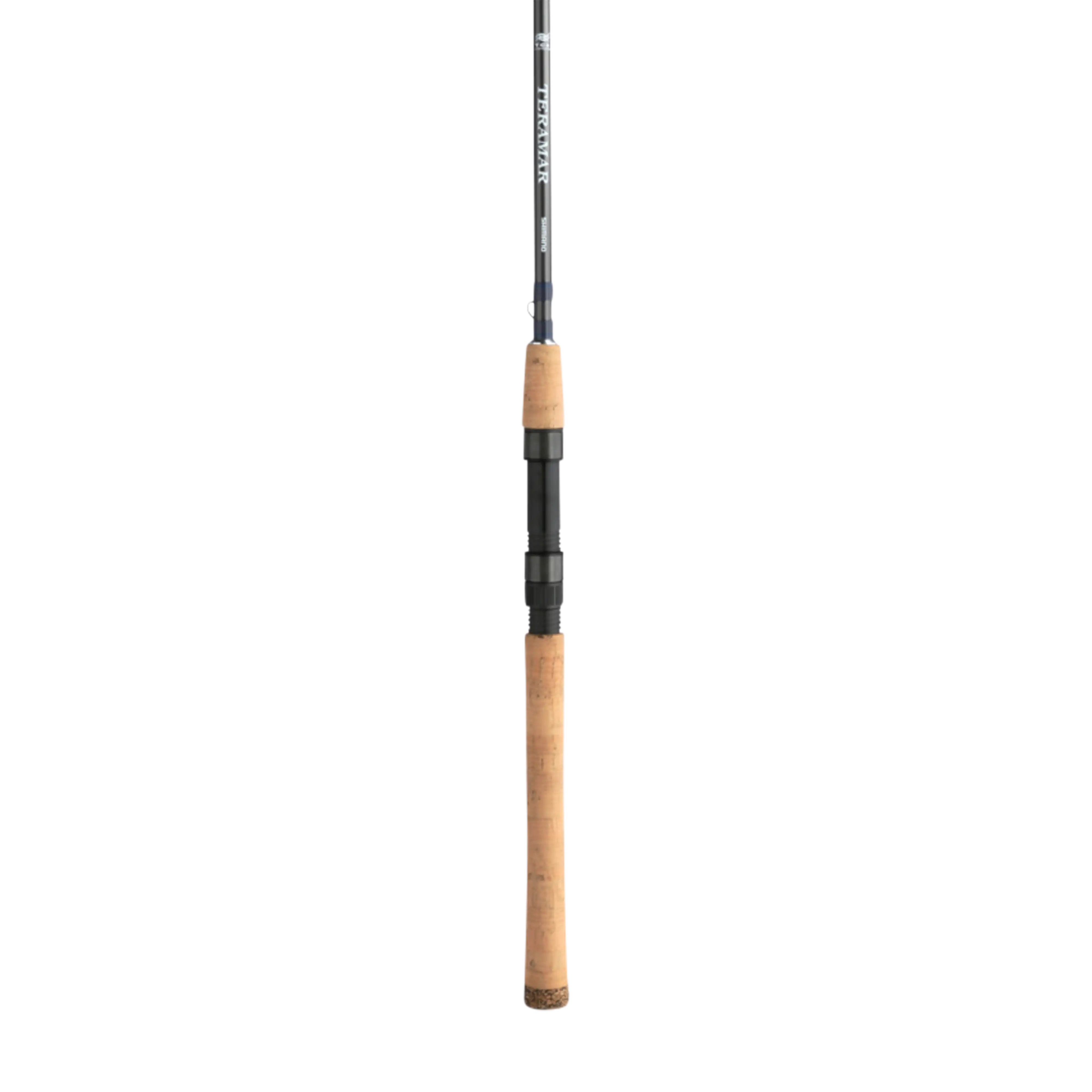
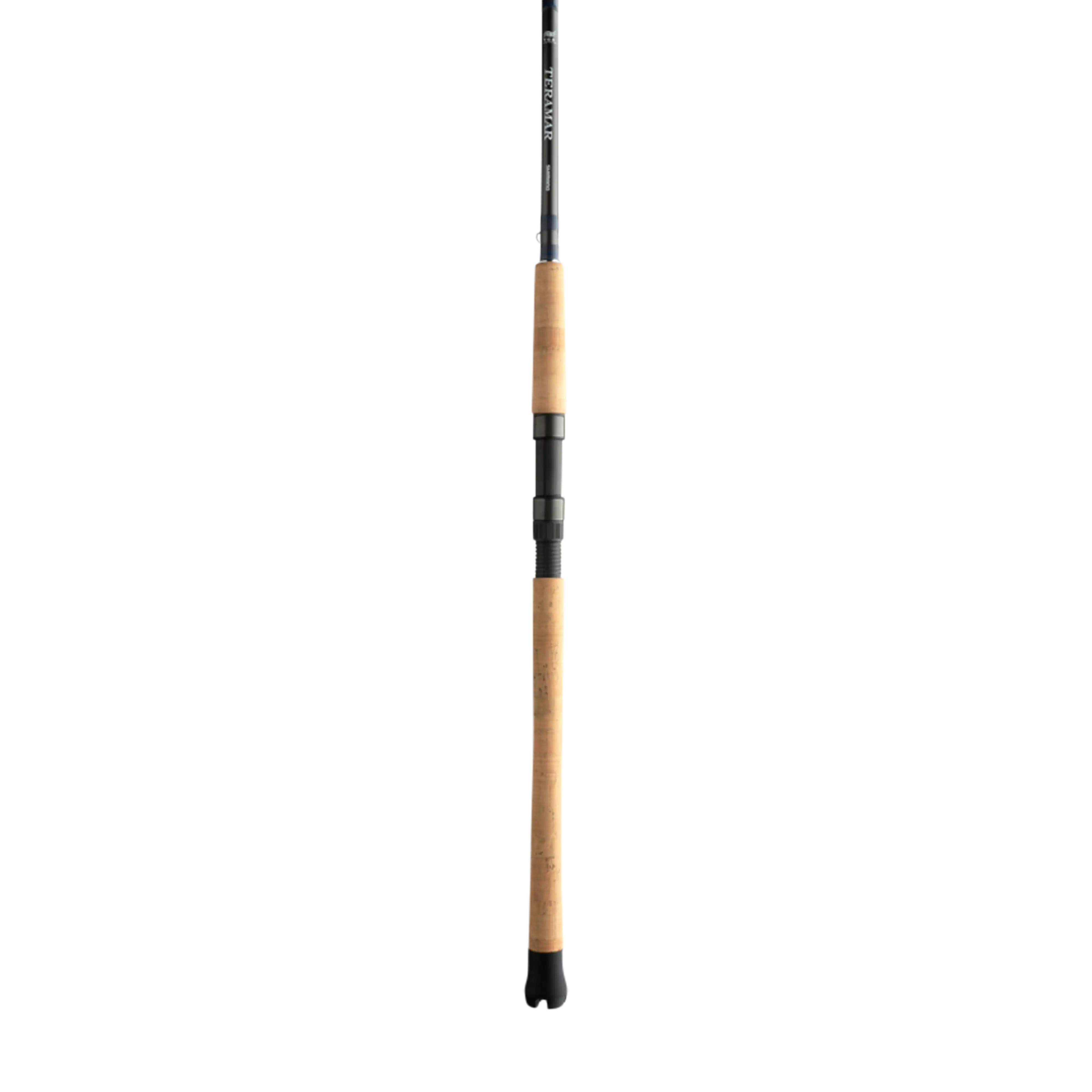
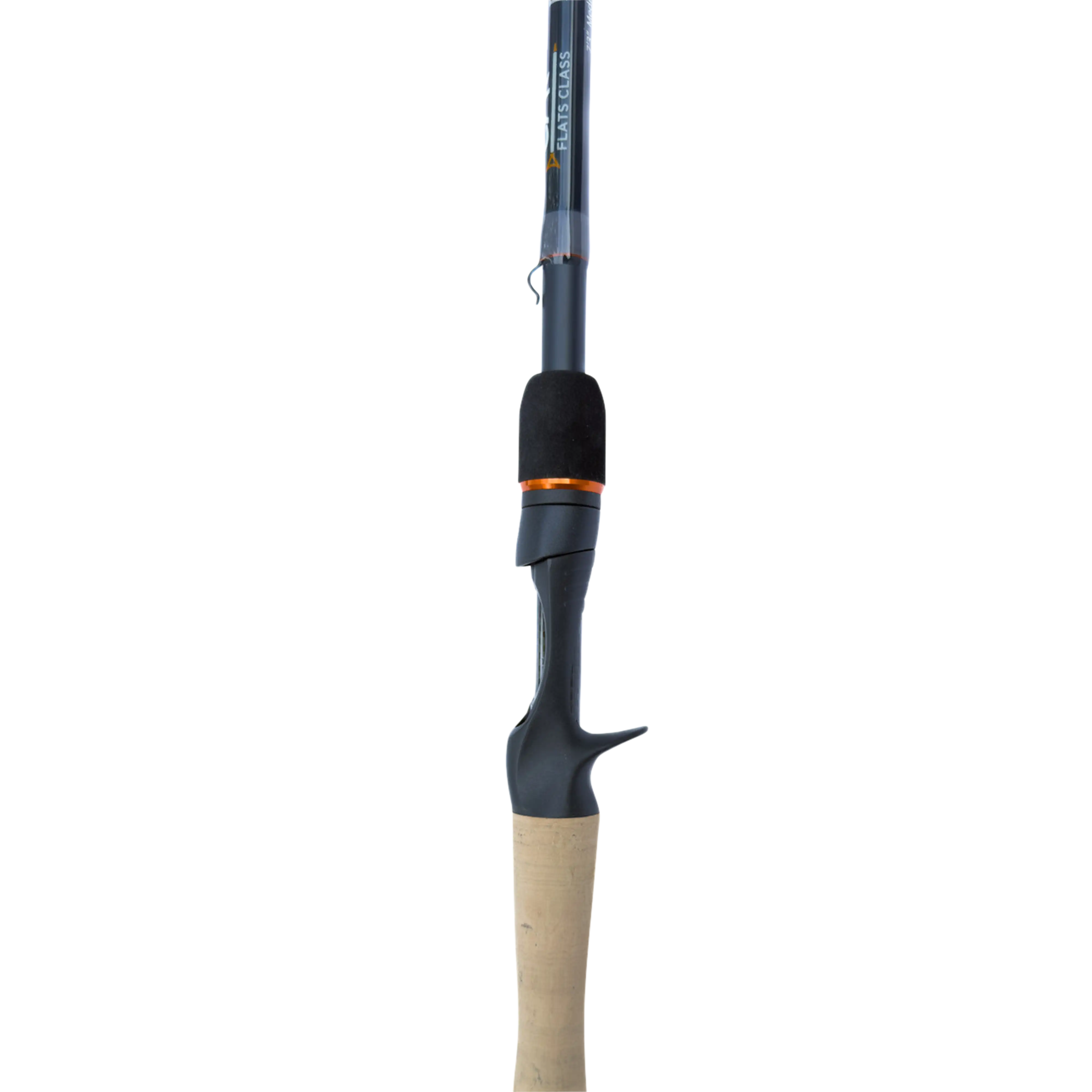
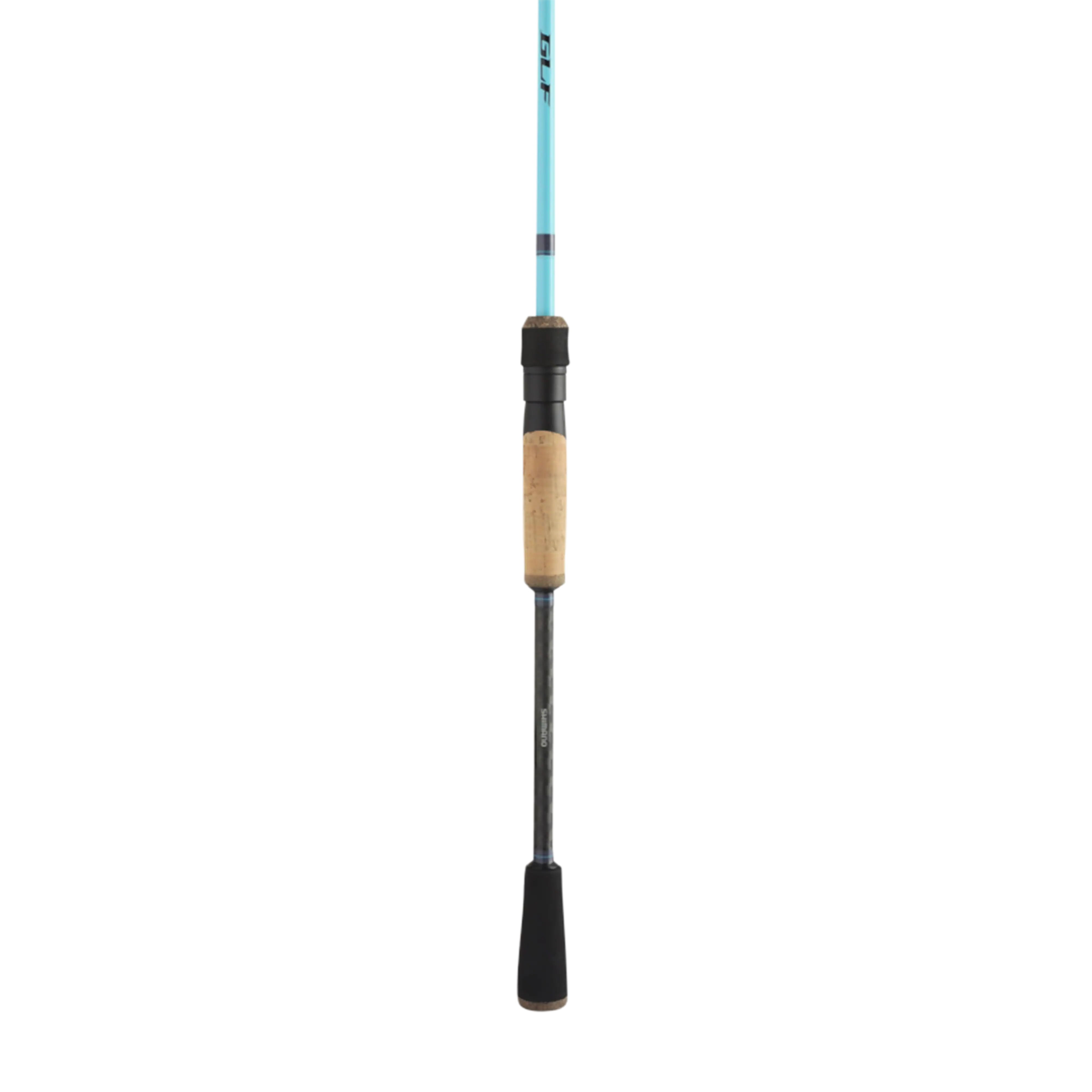
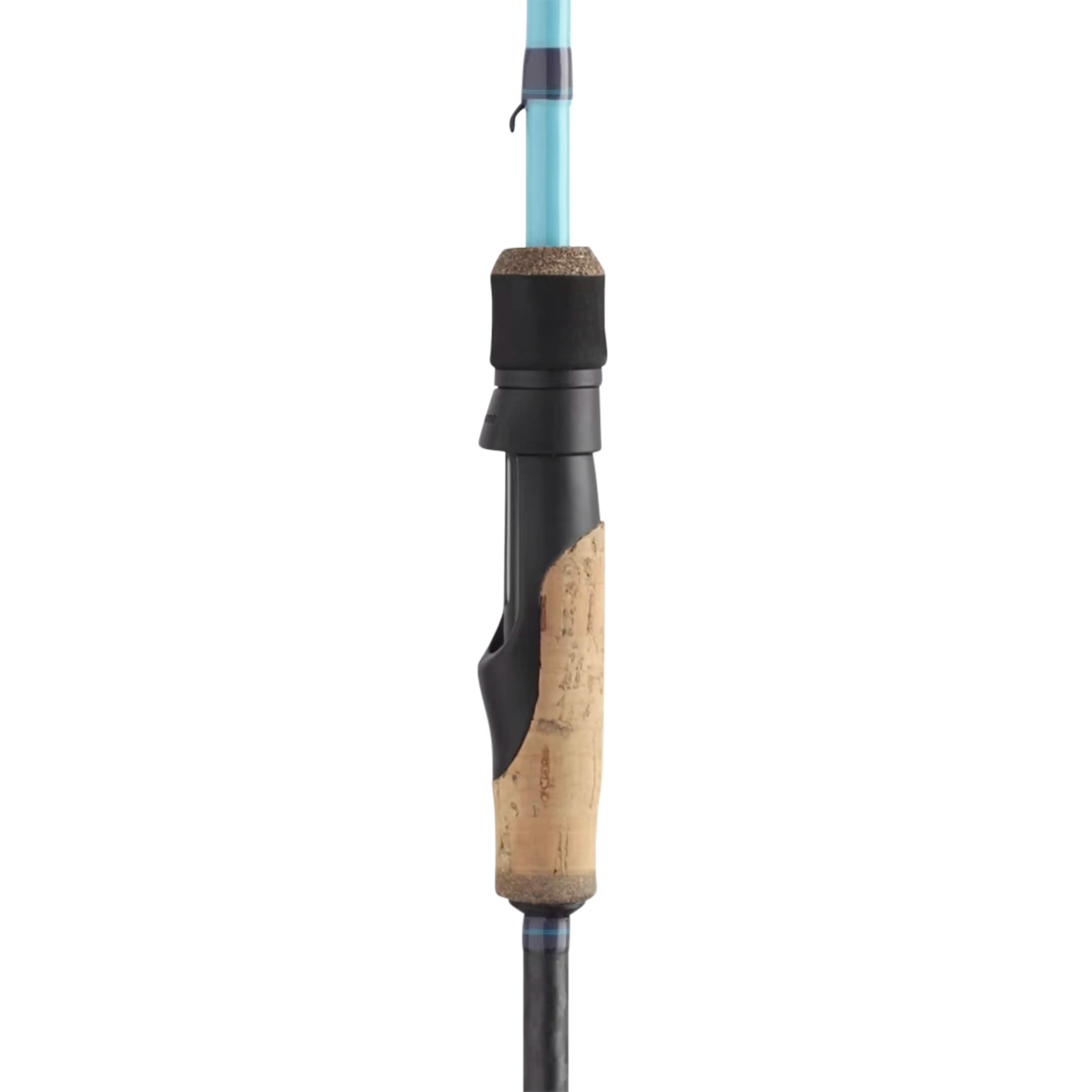
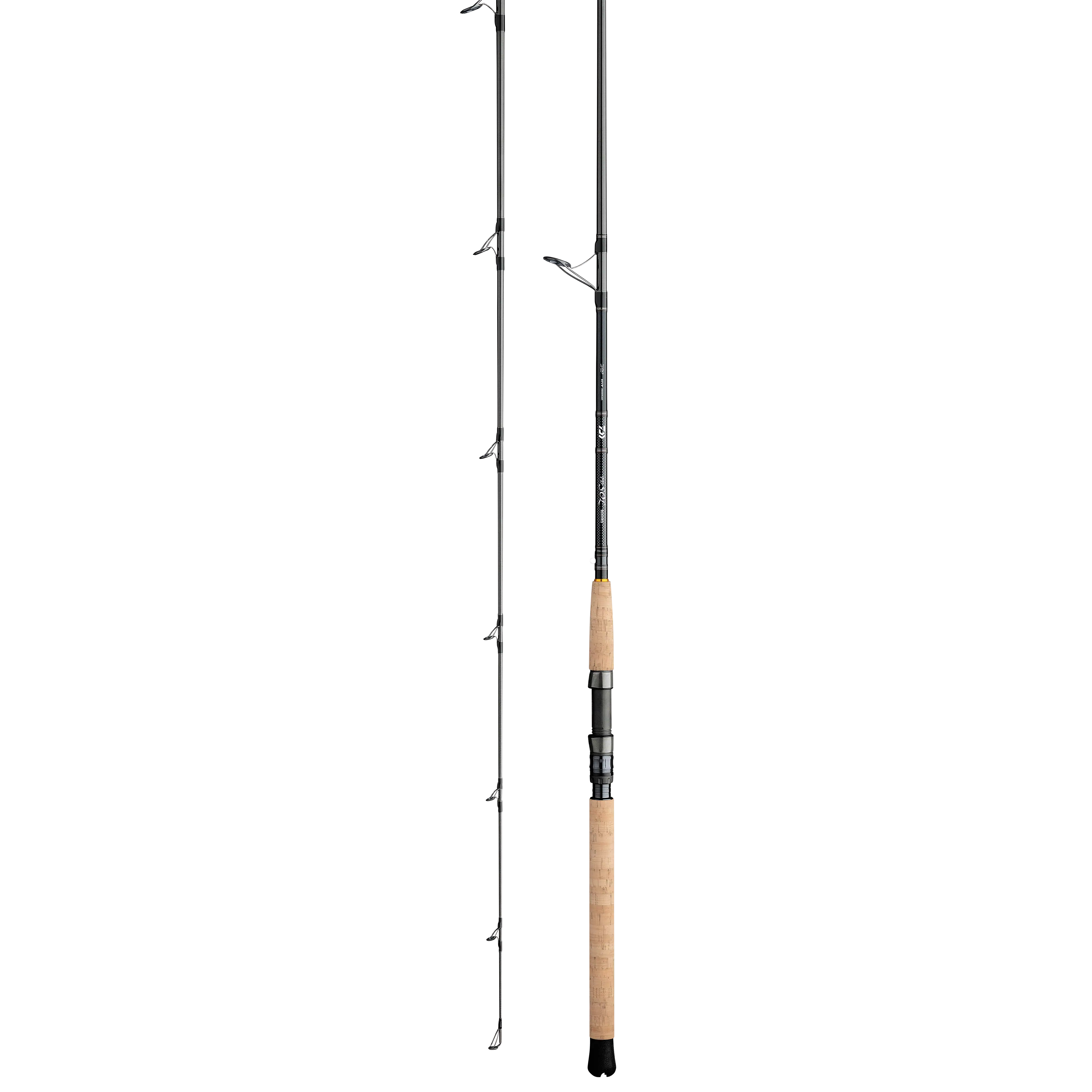
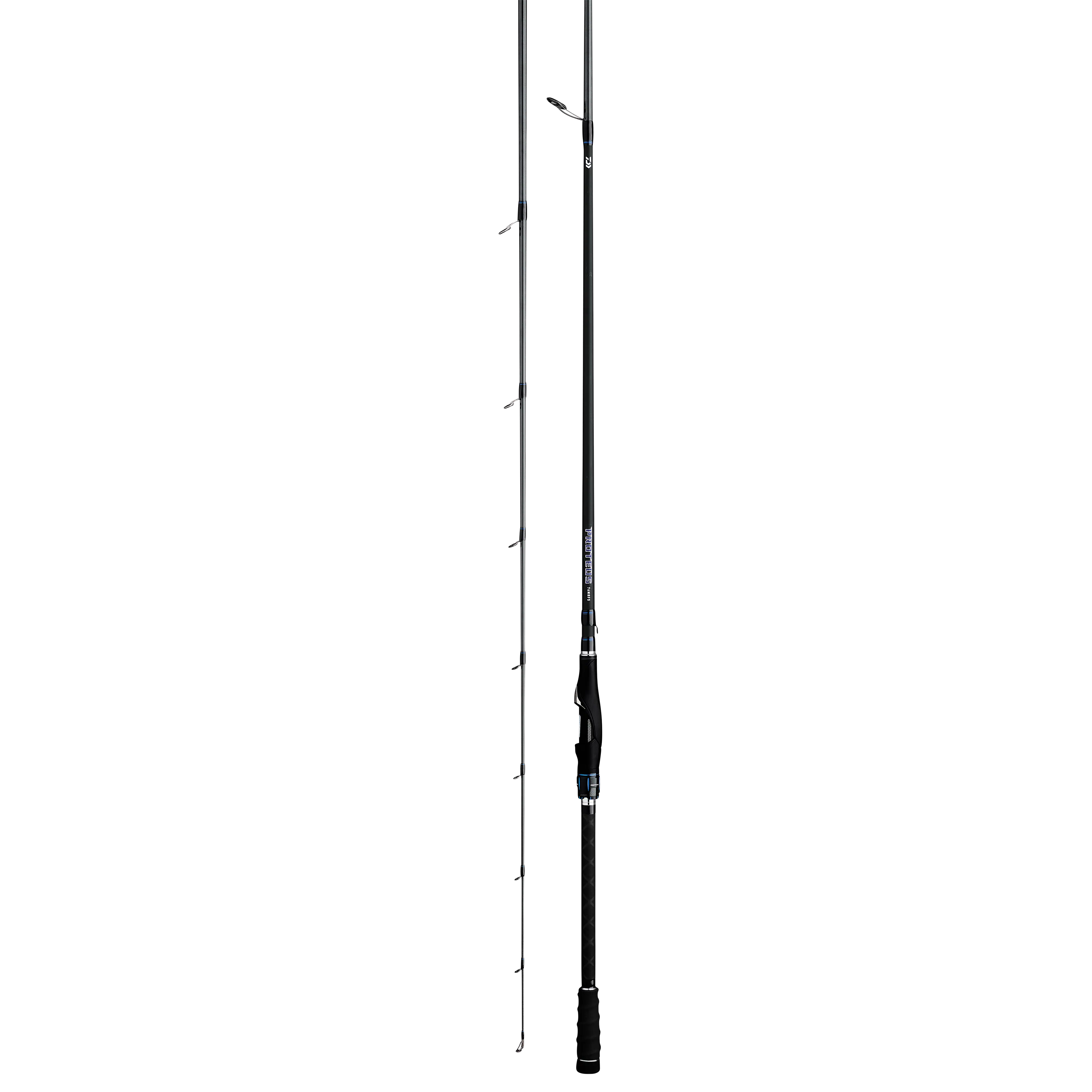
Inshore Topwater Rods



Best Reels for Inshore Topwater Fishing
Reels for inshore topwater fishing should balance smooth casting, fast slack control, and a reliable drag system for sudden surface strikes. The reel’s job is to support lure action (especially walking baits and poppers), manage slack efficiently, and keep consistent pressure on fish using treble hooks. Key factors include size, gear ratio, drag smoothness, line capacity, weight, and corrosion resistance. A properly matched reel should feel balanced with the rod and handle braided line and leader setups without hesitation in saltwater conditions.
Both spinning and baitcasting reels can be used for inshore topwater fishing—here’s what to look for.
Choosing a Spinning Reel
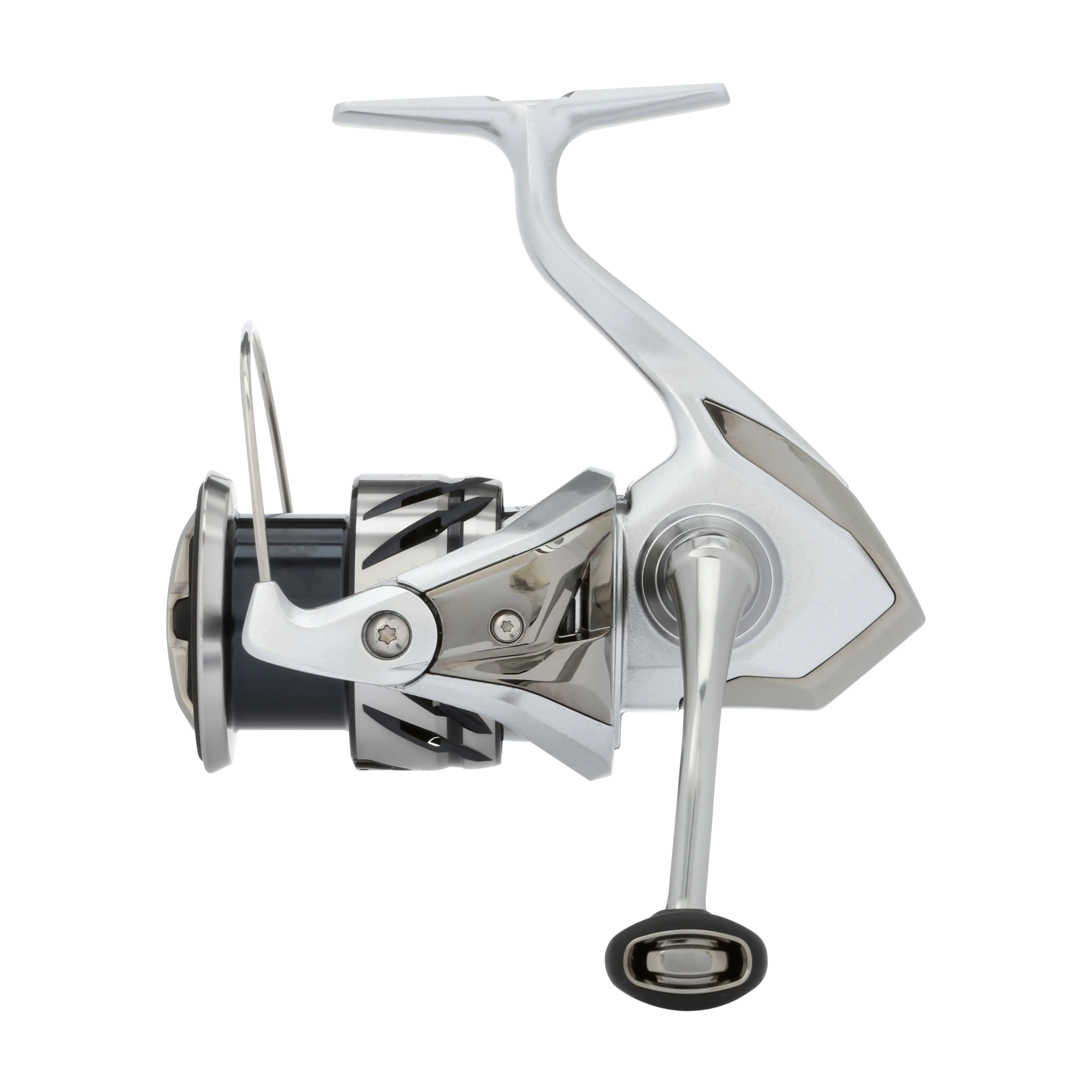
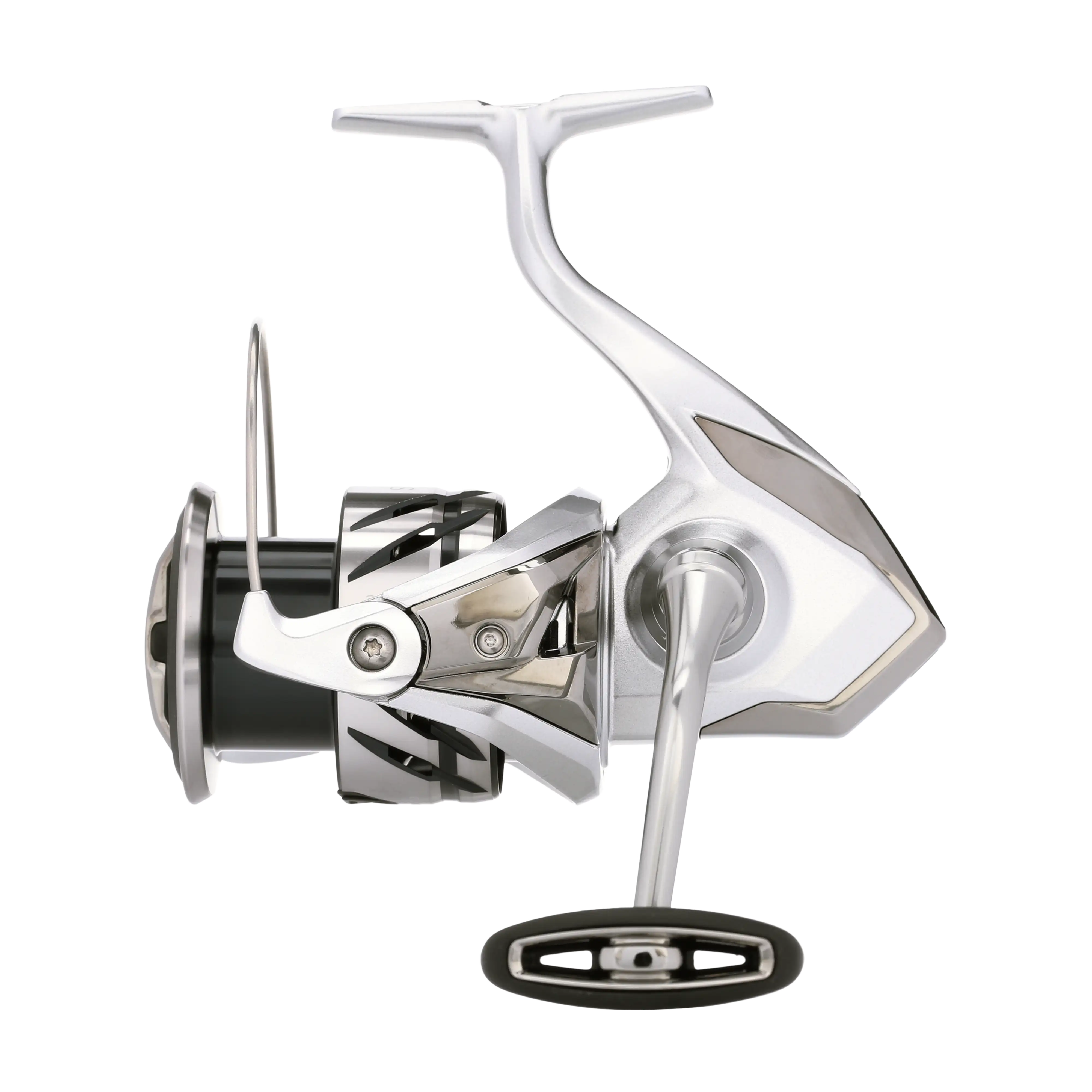
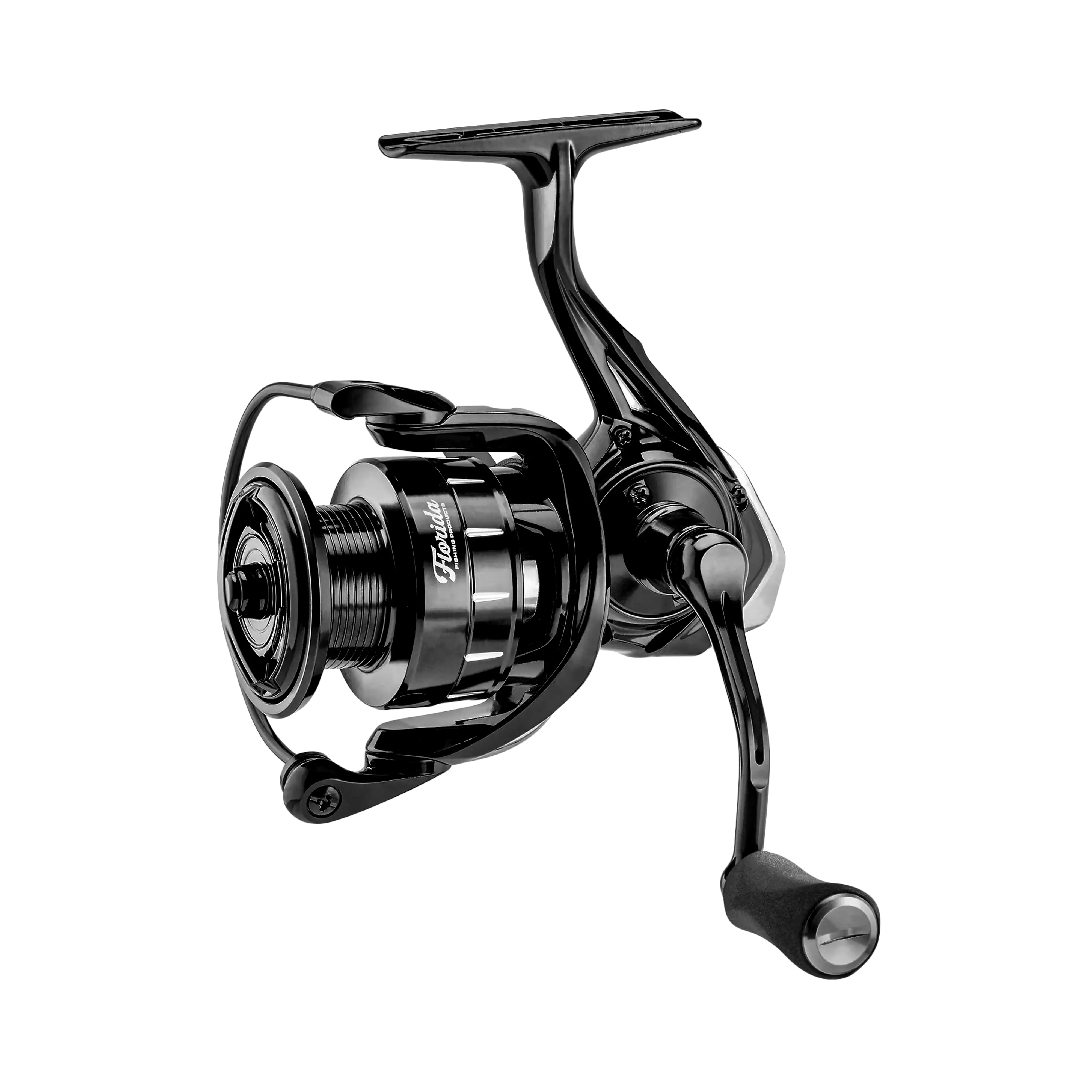
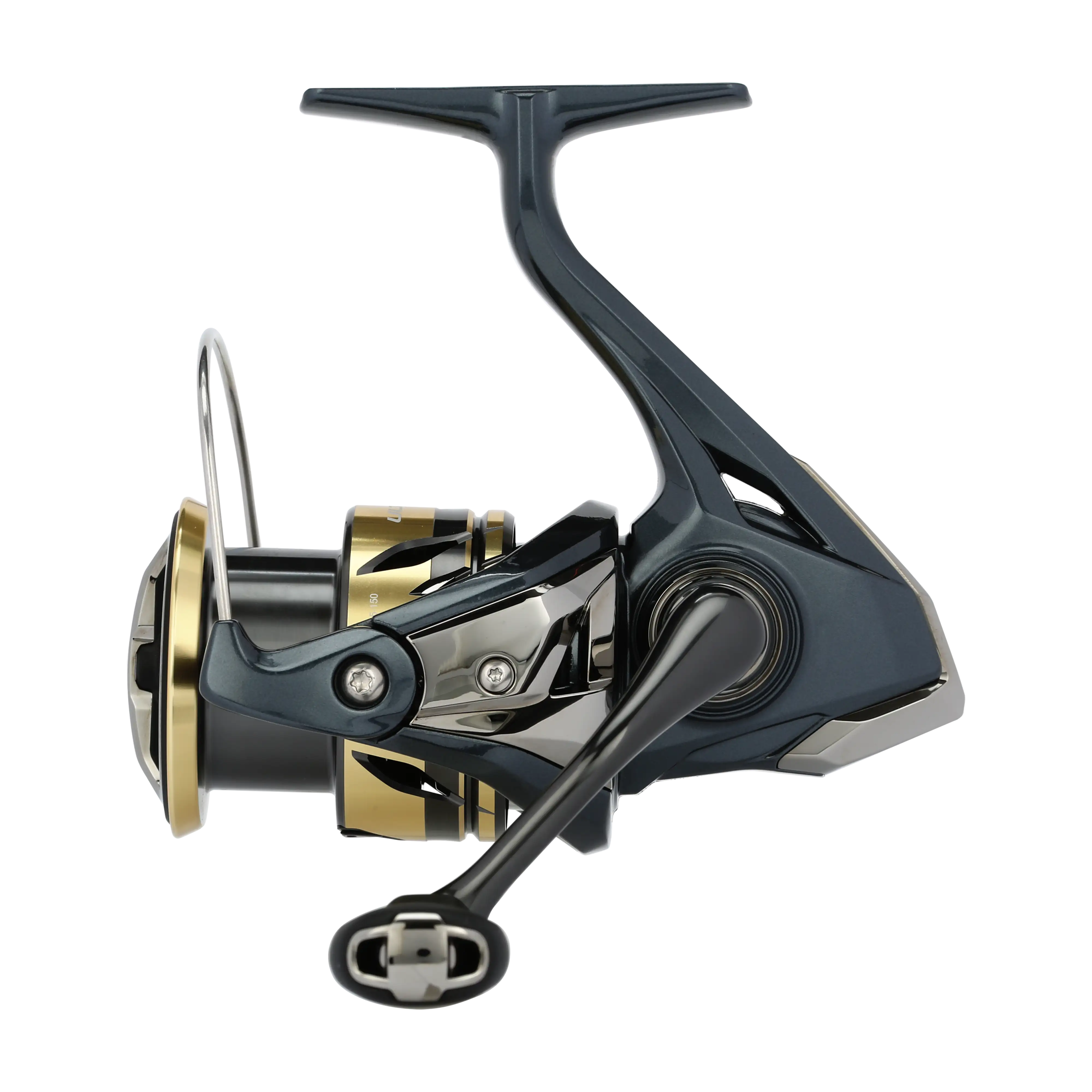
Spinning reels in the 2000–5000 size range are commonly used for inshore topwater fishing, with 3000–3500 being the true “all-around” sweet spot. They pair best with 10–30 lb braided mainline and a 10–40 lb leader, depending on structure and target species.
A gear ratio around 6.0:1–6.5:1 is the most versatile for walking baits and poppers because it balances retrieve speed with control. Higher ratios (6.5:1–7.0:1) are useful when fishing faster cadence lures or needing quicker slack pickup. Smooth drag is critical since topwater strikes are violent and often occur close to the boat or shore.
Choosing a Baitcasting Reel
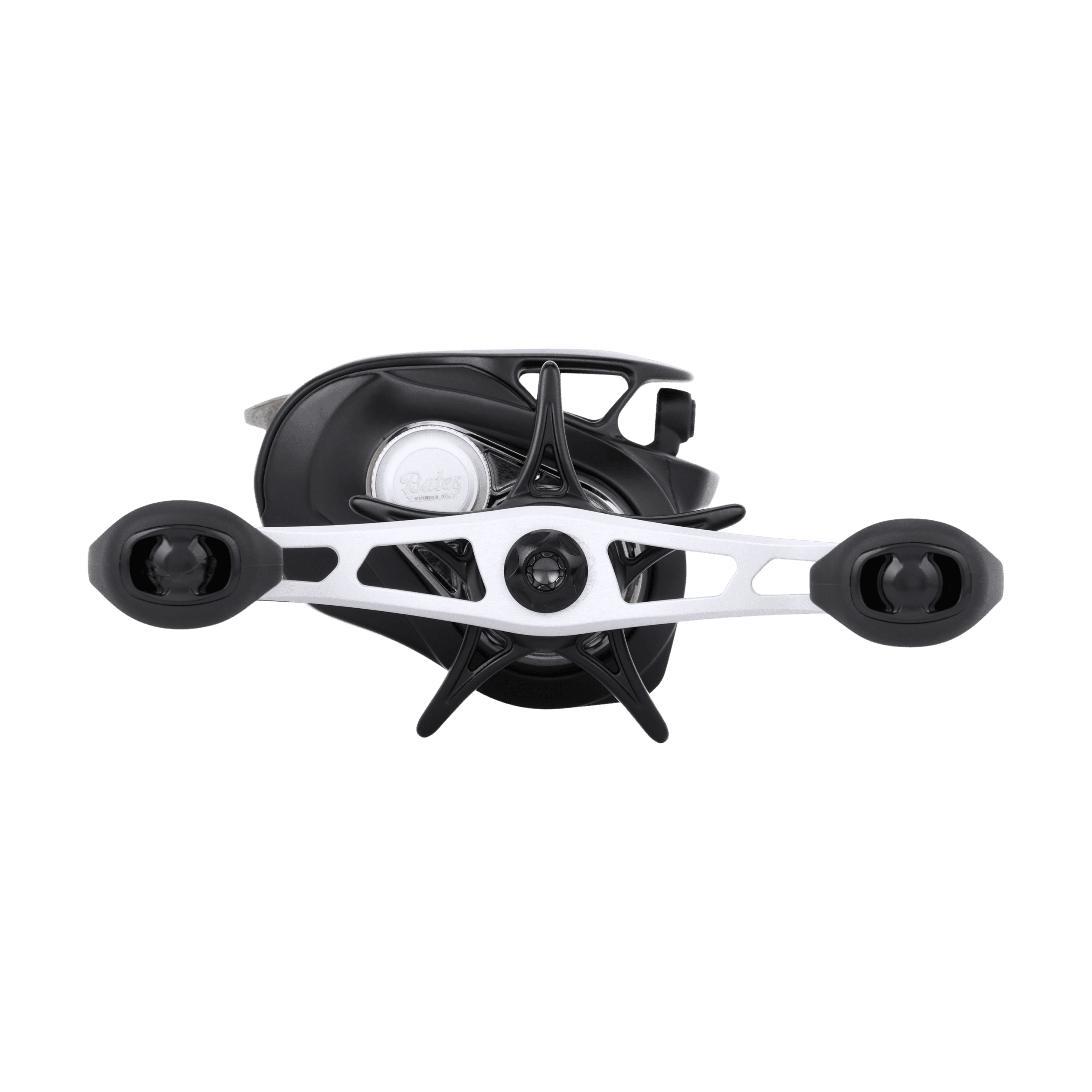
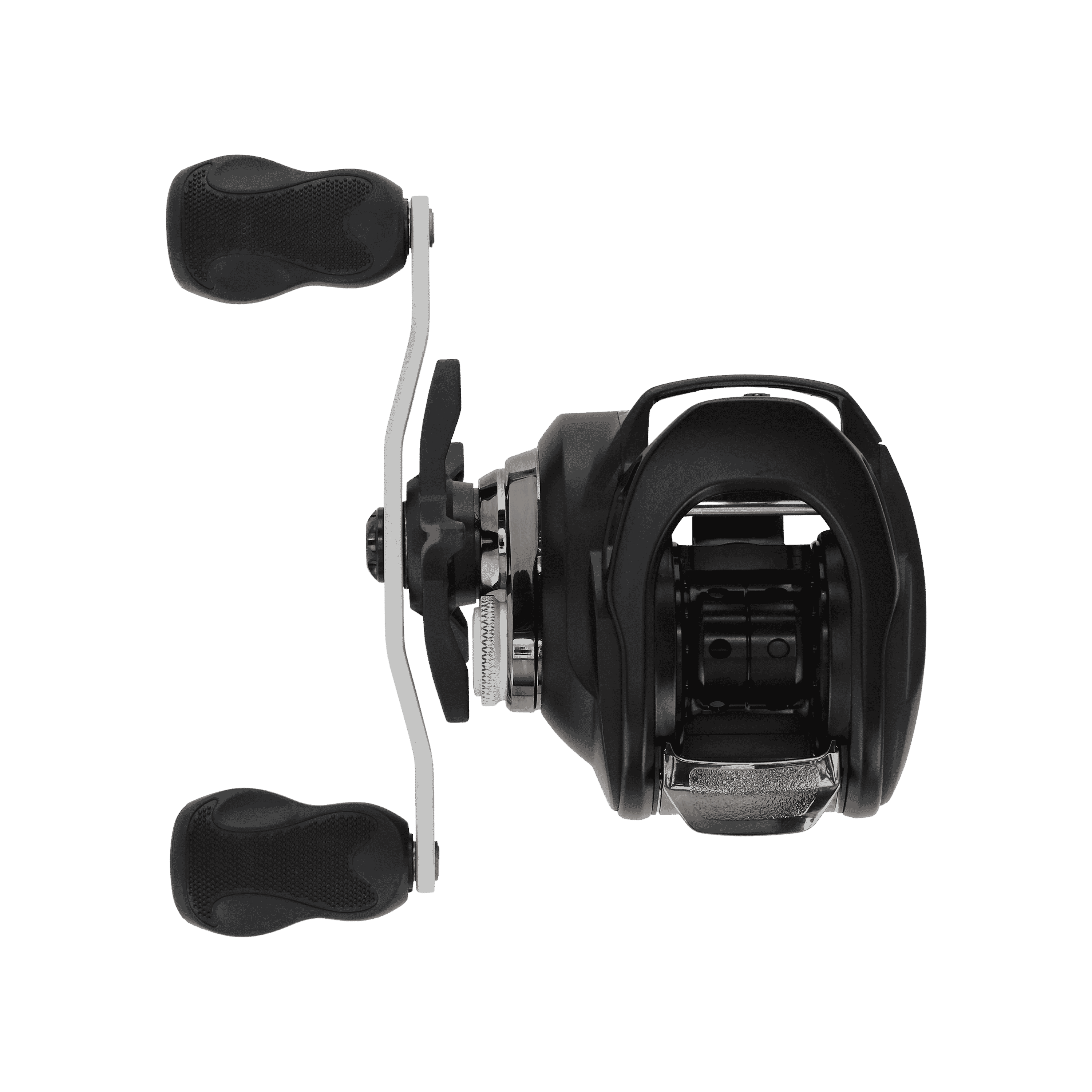
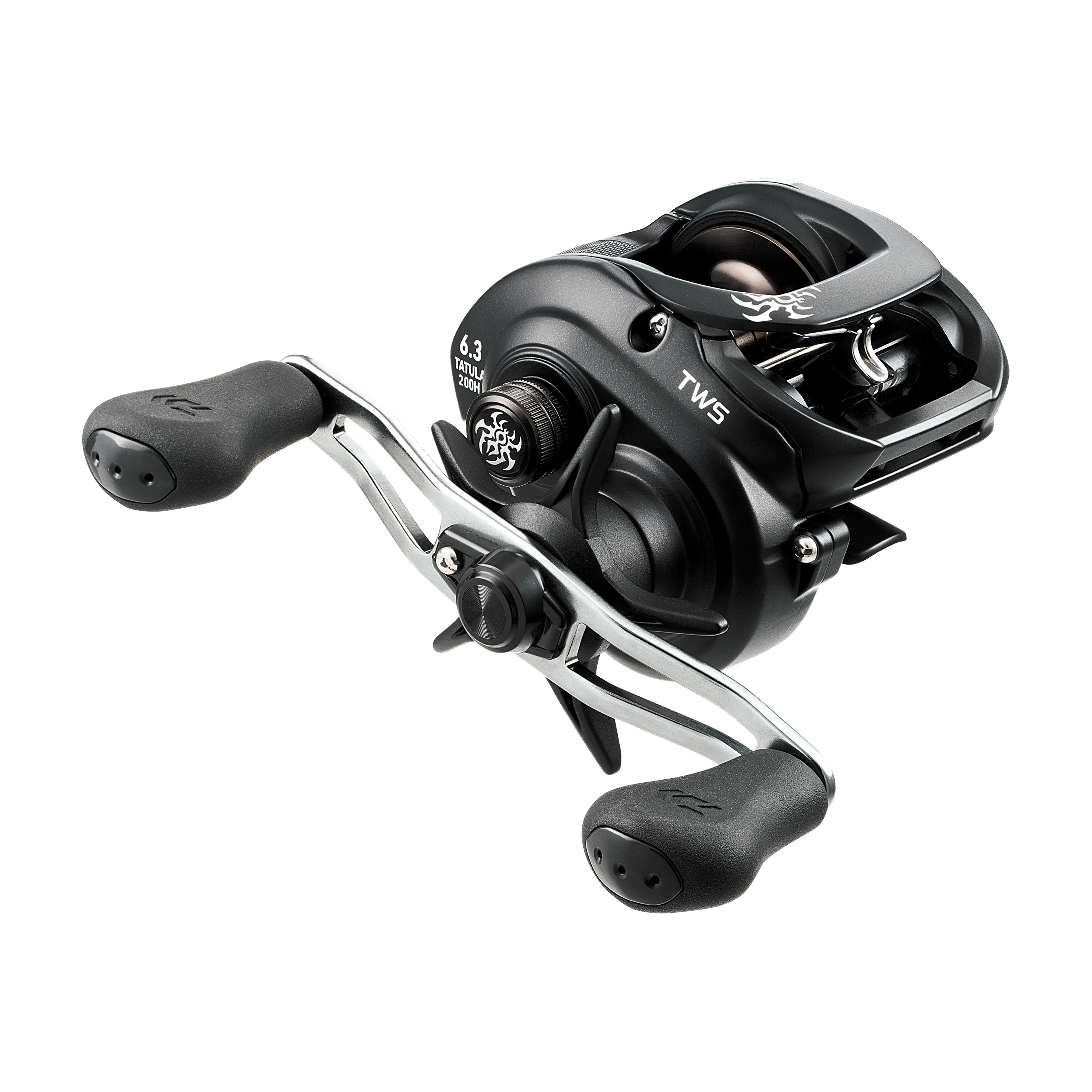
Baitcasting reels in the 150–200 size range are the most common choice for inshore topwater fishing. They offer better casting control, tighter lure placement, and faster slack management, making them especially effective for walking baits and fishing around structure. This is the true all-around size for speckled trout, redfish, and smaller snook, offering the best balance of comfort, control, and versatility for most inshore applications.
200–300 size reels are used in heavier-duty situations where extra line capacity, drag strength, and leverage are needed. These are better suited for larger lures, stronger current, and fishing tight or heavy structure where bigger redfish and snook require more stopping power.
Most baitcasting setups use braided mainline in the 20–40 lb range for balancing casting distance, control, and strength in typical inshore conditions.
A 7.0:1–8.1:1 gear ratio is typical for topwater because it helps quickly pick up slack after rod twitches and maintains tight cadence when walking baits or working poppers. Lower gear ratios are less common and are generally reserved for heavier lures or slower, more deliberate retrieves.
Spinning vs. Baitcasting — Which Should You Choose?
Spinning and baitcasting reels can both handle inshore topwater effectively, and for many anglers the choice comes down to comfort and application. Each has strengths depending on lure size, casting style, and how you prefer to work a bait.
Spinning reels are easier to use and more forgiving overall. They handle lighter lures and lines well, cast efficiently with less effort, and perform reliably in windy conditions or when longer casts are needed. They also offer smooth drag systems and strong line management, making them a versatile option across a wide range of inshore topwater situations.
Baitcasting reels offer more direct control over retrieve and line management, which helps maintain consistent cadence when working walking baits or other topwater lures that create slack. They are commonly used with slightly heavier lures and in situations where repeated casting and precise lure control are important.
In practice, both setups overlap heavily—many inshore anglers use spinning gear for most topwater situations and switch to baitcasting when they prefer the feel and control it provides. The best choice is the one that matches your confidence, casting style, and the lures you use most often.
Walking Baits (Walk-the-Dog)
Walking baits depend heavily on reel responsiveness because every rod twitch creates slack that must be recovered instantly. The reel’s job is not power—it’s rhythm. Smooth retrieve and fast slack pickup are critical for maintaining a clean side-to-side walk and reacting quickly to strikes. Spinning setups are more forgiving in wind and long casts, while baitcasters give tighter cadence control and more direct feedback for experienced anglers.
Reel Type / Size: Spinning 3000–3500 / Baitcaster 100–150
Gear Ratio: 6.2–7.5:1
Drag: Smooth, light-to-moderate for treble hooks
Spinning Line: 10–20 lb braid / 15–30 lb leader
Casting Line: 20-30lb Braid / 15-30 lb leader
Poppers & Chuggers
Poppers require controlled stop-and-go rhythm, so reel smoothness matters more than speed. The reel must recover slack cleanly after each pop so the lure can pause correctly without losing tension or feel. Gear ratio plays a moderate role here, but consistency and drag smoothness are more important than raw speed.
Reel Type / Size: Spinning 3000–3500 / Baitcaster 100–150
Gear Ratio: 6.0–7.3:1
Drag: Smooth and steady to handle sudden strikes
Spinning Line: 15–30 lb braid / 20–30 lb leader
Casting Line: 30-40lb Braid / 20-30lb leader
Prop Baits & Buzz-Style Topwater
These lures are more continuous, so reel consistency and torque matter more than finesse. The reel is mainly maintaining steady pressure and retrieve speed rather than managing slack. Baitcasters are often used here because they handle steady retrieves and heavier lures more efficiently.
Reel Type / Size: Spinning 3000–4000 / Baitcaster 100–200
Gear Ratio: 6.3–7.5:1
Drag: Moderate, consistent pressure
Spinning Line: 15–30 lb braid
Casting Line: 30-40 lb Braid / 20-30lb leader
Subtle / Finesse Topwater (Pencils, Slim Walkers)
Finesse topwater is about subtle control and clean presentation. Spinning reels dominate here because they handle lighter braid, longer casts, and softer inputs more effectively. Reel smoothness matters more than speed, and overly fast gear ratios can actually make cadence harder to control.
Reel Type / Size: Spinning 2500–3000 / Baitcaster 100–150
Gear Ratio: 6.0–6.3:1
Drag: Light-to-moderate, very smooth
Spinning Line: 10–15 lb braid / 15–25 lb leader
Casting Line: 20-30lb Braid / 15-30lb leader
Key Takeaways
- 3000–3500 spinning reels are the inshore “sweet spot” for most topwater fishing
- 100–150 size baitcasters are the most versatile all-around option; 150–200 sizes are used for heavier lures and more demanding conditions
- Gear ratios between 6.0–7.5:1 provide the best balance of cadence control and slack pickup for topwater retrieves
- Smooth, consistent drag is more important than maximum drag strength when fishing treble-hooked lures
- Reel balance, line lay, and corrosion resistance directly impact casting performance and long-term reliability in saltwater conditions
Best Reels for Inshore Topwater Fishing
Reels for inshore topwater fishing should balance smooth casting, fast slack control, and a reliable drag system for sudden surface strikes. The reel’s job is to support lure action (especially walking baits and poppers), manage slack efficiently, and keep consistent pressure on fish using treble hooks. Key factors include size, gear ratio, drag smoothness, line capacity, weight, and corrosion resistance. A properly matched reel should feel balanced with the rod and handle braided line and leader setups without hesitation in saltwater conditions.
Both spinning and baitcasting reels can be used for inshore topwater fishing—here’s what to look for.
Choosing a Spinning Reel
Spinning reels in the 2000–5000 size range are commonly used for inshore topwater fishing, with 3000–3500 being the true “all-around” sweet spot. They pair best with 10–30 lb braided mainline and a 10–40 lb leader, depending on structure and target species.
A gear ratio around 6.0:1–6.5:1 is the most versatile for walking baits and poppers because it balances retrieve speed with control. Higher ratios (6.5:1–7.0:1) are useful when fishing faster cadence lures or needing quicker slack pickup. Smooth drag is critical since topwater strikes are violent and often occur close to the boat or shore.
Choosing a Baitcasting Reel
Baitcasting reels in the 150–200 size range are the most common choice for inshore topwater fishing. They offer better casting control, tighter lure placement, and faster slack management, making them especially effective for walking baits and fishing around structure. This is the true all-around size for speckled trout, redfish, and smaller snook, offering the best balance of comfort, control, and versatility for most inshore applications.
200–300 size reels are used in heavier-duty situations where extra line capacity, drag strength, and leverage are needed. These are better suited for larger lures, stronger current, and fishing tight or heavy structure where bigger redfish and snook require more stopping power.
Most baitcasting setups use braided mainline in the 20–40 lb range for balancing casting distance, control, and strength in typical inshore conditions.
A 7.0:1–8.1:1 gear ratio is typical for topwater because it helps quickly pick up slack after rod twitches and maintains tight cadence when walking baits or working poppers. Lower gear ratios are less common and are generally reserved for heavier lures or slower, more deliberate retrieves.
Spinning vs. Baitcasting — Which Should You Choose?
Spinning and baitcasting reels can both handle inshore topwater effectively, and for many anglers the choice comes down to comfort and application. Each has strengths depending on lure size, casting style, and how you prefer to work a bait.
Spinning reels are easier to use and more forgiving overall. They handle lighter lures and lines well, cast efficiently with less effort, and perform reliably in windy conditions or when longer casts are needed. They also offer smooth drag systems and strong line management, making them a versatile option across a wide range of inshore topwater situations.
Baitcasting reels offer more direct control over retrieve and line management, which helps maintain consistent cadence when working walking baits or other topwater lures that create slack. They are commonly used with slightly heavier lures and in situations where repeated casting and precise lure control are important.
In practice, both setups overlap heavily—many inshore anglers use spinning gear for most topwater situations and switch to baitcasting when they prefer the feel and control it provides. The best choice is the one that matches your confidence, casting style, and the lures you use most often.
Walking Baits (Walk-the-Dog)
Walking baits depend heavily on reel responsiveness because every rod twitch creates slack that must be recovered instantly. The reel’s job is not power—it’s rhythm. Smooth retrieve and fast slack pickup are critical for maintaining a clean side-to-side walk and reacting quickly to strikes. Spinning setups are more forgiving in wind and long casts, while baitcasters give tighter cadence control and more direct feedback for experienced anglers.
Reel Type / Size: Spinning 3000–3500 / Baitcaster 100–150
Gear Ratio: 6.2–7.5:1
Drag: Smooth, light-to-moderate for treble hooks
Spinning Line: 10–20 lb braid / 15–30 lb leader
Casting Line: 20-30lb Braid / 15-30 lb leader
Poppers & Chuggers
Poppers require controlled stop-and-go rhythm, so reel smoothness matters more than speed. The reel must recover slack cleanly after each pop so the lure can pause correctly without losing tension or feel. Gear ratio plays a moderate role here, but consistency and drag smoothness are more important than raw speed.
Reel Type / Size: Spinning 3000–3500 / Baitcaster 100–150
Gear Ratio: 6.0–7.3:1
Drag: Smooth and steady to handle sudden strikes
Spinning Line: 15–30 lb braid / 20–30 lb leader
Casting Line: 30-40lb Braid / 20-30lb leader
Prop Baits & Buzz-Style Topwater
These lures are more continuous, so reel consistency and torque matter more than finesse. The reel is mainly maintaining steady pressure and retrieve speed rather than managing slack. Baitcasters are often used here because they handle steady retrieves and heavier lures more efficiently.
Reel Type / Size: Spinning 3000–4000 / Baitcaster 100–200
Gear Ratio: 6.3–7.5:1
Drag: Moderate, consistent pressure
Spinning Line: 15–30 lb braid
Casting Line: 30-40 lb Braid / 20-30lb leader
Subtle / Finesse Topwater (Pencils, Slim Walkers)
Finesse topwater is about subtle control and clean presentation. Spinning reels dominate here because they handle lighter braid, longer casts, and softer inputs more effectively. Reel smoothness matters more than speed, and overly fast gear ratios can actually make cadence harder to control.
Reel Type / Size: Spinning 2500–3000 / Baitcaster 100–150
Gear Ratio: 6.0–6.3:1
Drag: Light-to-moderate, very smooth
Spinning Line: 10–15 lb braid / 15–25 lb leader
Casting Line: 20-30lb Braid / 15-30lb leader
Key Takeaways
- 3000–3500 spinning reels are the inshore “sweet spot” for most topwater fishing
- 100–150 size baitcasters are the most versatile all-around option; 150–200 sizes are used for heavier lures and more demanding conditions
- Gear ratios between 6.0–7.5:1 provide the best balance of cadence control and slack pickup for topwater retrieves
- Smooth, consistent drag is more important than maximum drag strength when fishing treble-hooked lures
- Reel balance, line lay, and corrosion resistance directly impact casting performance and long-term reliability in saltwater conditions
Inshore Topwater Reels




Choosing Inshore Topwater Lures
Surface lures vary in size, profile, and action, and choosing the right one directly affects how fish respond. Inshore predators like snook, redfish, and speckled trout often key in on specific bait sizes and surface behavior, so matching both the look and movement of your lure is critical. The right topwater should cast efficiently, create the intended surface action, and match the feeding mood of the fish—whether they’re aggressively chasing bait or cautiously tracking from below.
Size & Weight
Lure size and weight determine casting distance, retrieve control, and how naturally a bait presents on the surface. Most inshore topwater lures fall between 1/4 oz and 1 oz, with 3/8–3/4 oz probably covering the majority of applications. Lighter lures (1/4–1/2 oz) excel in calm conditions or when fish are pressured, allowing for quieter landings and more subtle action. Mid-range sizes (1/2–3/4 oz) are the most versatile, balancing casting distance and control across flats and structure. Heavier lures (3/4–1 oz+) perform better in wind, current, or when covering water, as they cast farther and maintain consistent surface action in rougher conditions. Choosing the right weight ensures proper lure movement and keeps your presentation consistent.
Colors & Styles
Color selection should match both water clarity and available forage. Natural patterns like bone, silver, translucent baitfish, and muted greens work best in clear water where fish rely heavily on sight. In stained or low-light conditions, darker silhouettes (black, dark purple) create stronger contrast, while brighter or high-visibility colors help fish track the lure through surface disturbance. While matching the hatch is a strong starting point, contrast often matters more than exact color—especially in choppy water or low visibility. Keeping a mix of natural, dark, and high-visibility options allows you to adjust quickly as conditions change.
Key Takeaways
- Match lure action to fish behavior—subtle for pressured fish, aggressive for active feeders
- Size and weight control casting distance, surface action, and presentation consistency
- Natural colors work best in clear water; darker or high-contrast colors improve visibility in low-light or stained conditions
- Larger, louder lures excel in wind and current, while smaller, quieter lures perform better in calm or pressured conditions
Lures by Application
These are the most common topwater lure styles and how size, weight, and color selection apply to each.
Walking Baits (Walk-the-Dog)
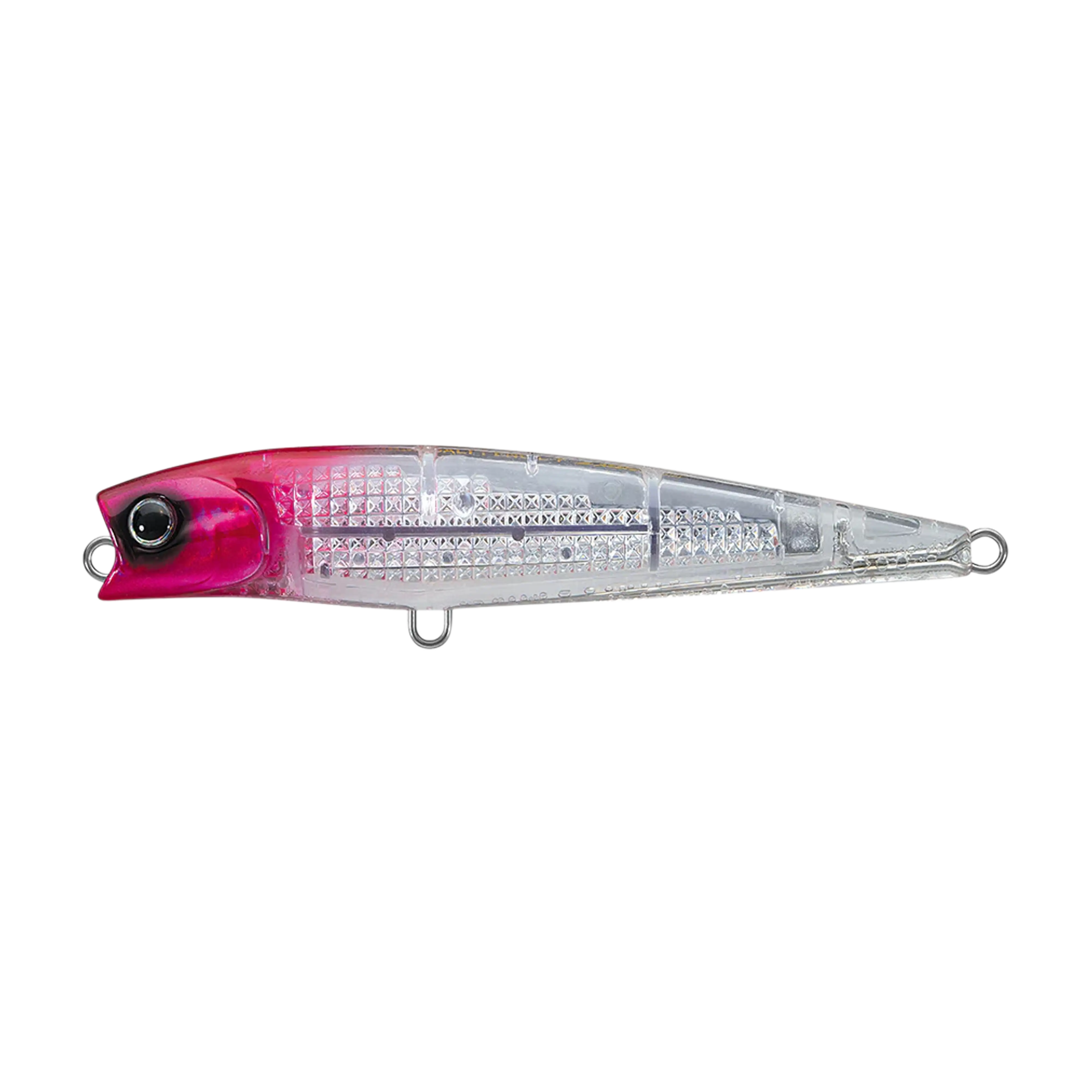
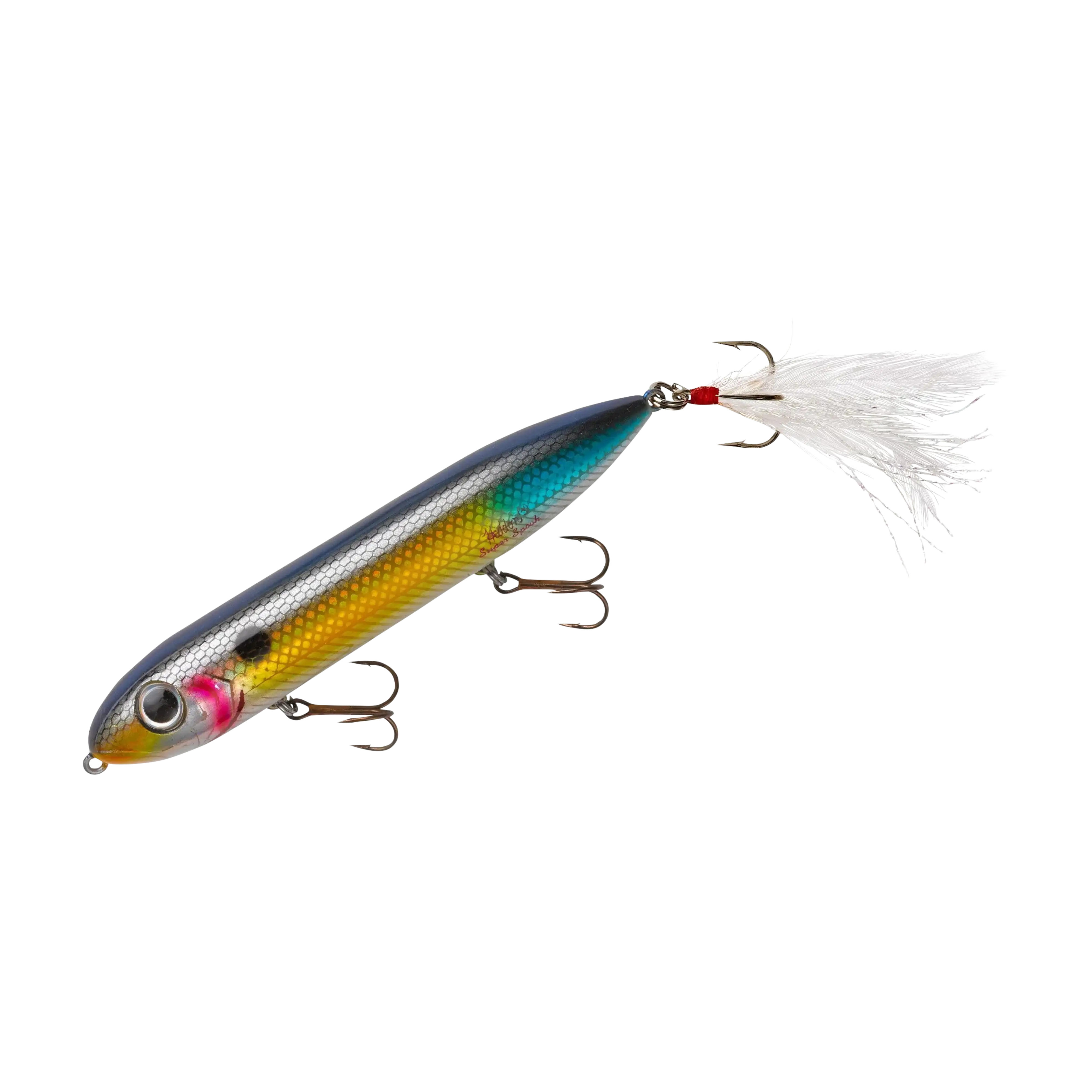
Walking baits are typically mid-sized plugs (1/4–3/4 oz, 3.5”–5”) designed to mimic injured baitfish moving erratically across the surface. They excel in open water, over flats, and around roaming bait schools where fish can track from a distance. Natural baitfish colors (bone, silver, translucent) are consistent producers, while darker colors help in low-light or choppy conditions. Slightly larger profiles are often more effective when targeting bigger fish or when baitfish are larger, while smaller versions work better in pressured conditions or when fish are keyed on smaller forage.
Poppers & Chuggers
Poppers are a louder, more aggressive topwater option designed to create splash and surface disturbance that draws fish in from a distance. They typically range from 3/8–1+ oz and are most effective when fish are actively feeding, in low-visibility water, or when added noise helps trigger reaction strikes.
While they can be used around structure like mangroves, docks, and grass edges, poppers are less subtle than walking baits and may not perform as well when fish are pressured or hesitant. In those situations, walking lures are often the more consistent choice, especially for working tight to cover. Larger poppers excel in wind or rough conditions, while smaller sizes offer a more controlled presentation when a softer approach is needed. Color selection should follow water clarity—natural patterns in clear water and higher-contrast colors in stained conditions.
Prop Baits & Buzz-Style Topwater
Prop-style and buzzing topwaters typically fall in the 1/2–1+ oz range and create continuous surface disturbance through spinning blades or steady retrieve action. These lures are effective for covering water and triggering aggressive reaction strikes, especially when fish are actively feeding. Larger sizes and louder profiles excel in wind, current, or when fish are feeding aggressively, while smaller versions can be used when fish are present but less aggressive. Color is less critical than profile and disturbance, but high-visibility or contrasting patterns help fish track the lure during continuous movement.
Subtle / Finesse Topwater
Finesse topwater lures are typically smaller and lighter (1/8–1/2 oz, 3”–4”) with slimmer profiles and quieter surface action. These are best used in calm water, clear conditions, or when fish are pressured and unwilling to commit to louder presentations. Natural and translucent colors are most effective, as they closely mimic smaller baitfish without spooking fish. Downsizing both profile and sound helps maintain a natural presentation, especially when fish are following but not striking larger or louder lures.
Choosing Inshore Topwater Lures
Surface lures vary in size, profile, and action, and choosing the right one directly affects how fish respond. Inshore predators like snook, redfish, and speckled trout often key in on specific bait sizes and surface behavior, so matching both the look and movement of your lure is critical. The right topwater should cast efficiently, create the intended surface action, and match the feeding mood of the fish—whether they’re aggressively chasing bait or cautiously tracking from below.
Size & Weight
Lure size and weight determine casting distance, retrieve control, and how naturally a bait presents on the surface. Most inshore topwater lures fall between 1/4 oz and 1 oz, with 3/8–3/4 oz probably covering the majority of applications. Lighter lures (1/4–1/2 oz) excel in calm conditions or when fish are pressured, allowing for quieter landings and more subtle action. Mid-range sizes (1/2–3/4 oz) are the most versatile, balancing casting distance and control across flats and structure. Heavier lures (3/4–1 oz+) perform better in wind, current, or when covering water, as they cast farther and maintain consistent surface action in rougher conditions. Choosing the right weight ensures proper lure movement and keeps your presentation consistent.
Colors & Styles
Color selection should match both water clarity and available forage. Natural patterns like bone, silver, translucent baitfish, and muted greens work best in clear water where fish rely heavily on sight. In stained or low-light conditions, darker silhouettes (black, dark purple) create stronger contrast, while brighter or high-visibility colors help fish track the lure through surface disturbance. While matching the hatch is a strong starting point, contrast often matters more than exact color—especially in choppy water or low visibility. Keeping a mix of natural, dark, and high-visibility options allows you to adjust quickly as conditions change.
Key Takeaways
- Match lure action to fish behavior—subtle for pressured fish, aggressive for active feeders
- Size and weight control casting distance, surface action, and presentation consistency
- Natural colors work best in clear water; darker or high-contrast colors improve visibility in low-light or stained conditions
- Larger, louder lures excel in wind and current, while smaller, quieter lures perform better in calm or pressured conditions
Lures by Application
These are the most common topwater lure styles and how size, weight, and color selection apply to each.
Walking Baits (Walk-the-Dog)
Walking baits are typically mid-sized plugs (1/4–3/4 oz, 3.5”–5”) designed to mimic injured baitfish moving erratically across the surface. They excel in open water, over flats, and around roaming bait schools where fish can track from a distance. Natural baitfish colors (bone, silver, translucent) are consistent producers, while darker colors help in low-light or choppy conditions. Slightly larger profiles are often more effective when targeting bigger fish or when baitfish are larger, while smaller versions work better in pressured conditions or when fish are keyed on smaller forage.
Poppers & Chuggers
Poppers are a louder, more aggressive topwater option designed to create splash and surface disturbance that draws fish in from a distance. They typically range from 3/8–1+ oz and are most effective when fish are actively feeding, in low-visibility water, or when added noise helps trigger reaction strikes.
While they can be used around structure like mangroves, docks, and grass edges, poppers are less subtle than walking baits and may not perform as well when fish are pressured or hesitant. In those situations, walking lures are often the more consistent choice, especially for working tight to cover. Larger poppers excel in wind or rough conditions, while smaller sizes offer a more controlled presentation when a softer approach is needed. Color selection should follow water clarity—natural patterns in clear water and higher-contrast colors in stained conditions.
Prop Baits & Buzz-Style Topwater
Prop-style and buzzing topwaters typically fall in the 1/2–1+ oz range and create continuous surface disturbance through spinning blades or steady retrieve action. These lures are effective for covering water and triggering aggressive reaction strikes, especially when fish are actively feeding. Larger sizes and louder profiles excel in wind, current, or when fish are feeding aggressively, while smaller versions can be used when fish are present but less aggressive. Color is less critical than profile and disturbance, but high-visibility or contrasting patterns help fish track the lure during continuous movement.
Subtle / Finesse Topwater
Finesse topwater lures are typically smaller and lighter (1/8–1/2 oz, 3”–4”) with slimmer profiles and quieter surface action. These are best used in calm water, clear conditions, or when fish are pressured and unwilling to commit to louder presentations. Natural and translucent colors are most effective, as they closely mimic smaller baitfish without spooking fish. Downsizing both profile and sound helps maintain a natural presentation, especially when fish are following but not striking larger or louder lures.
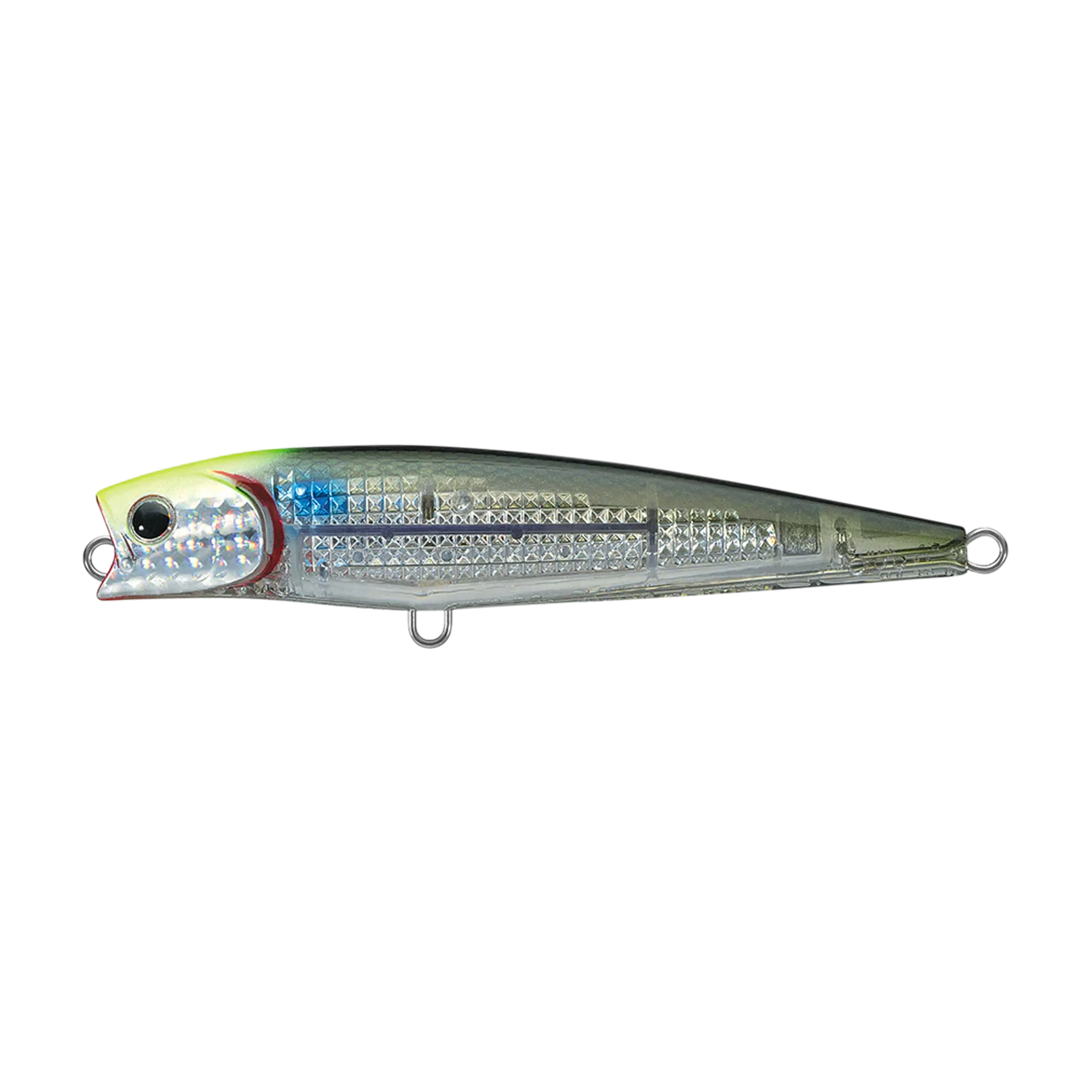
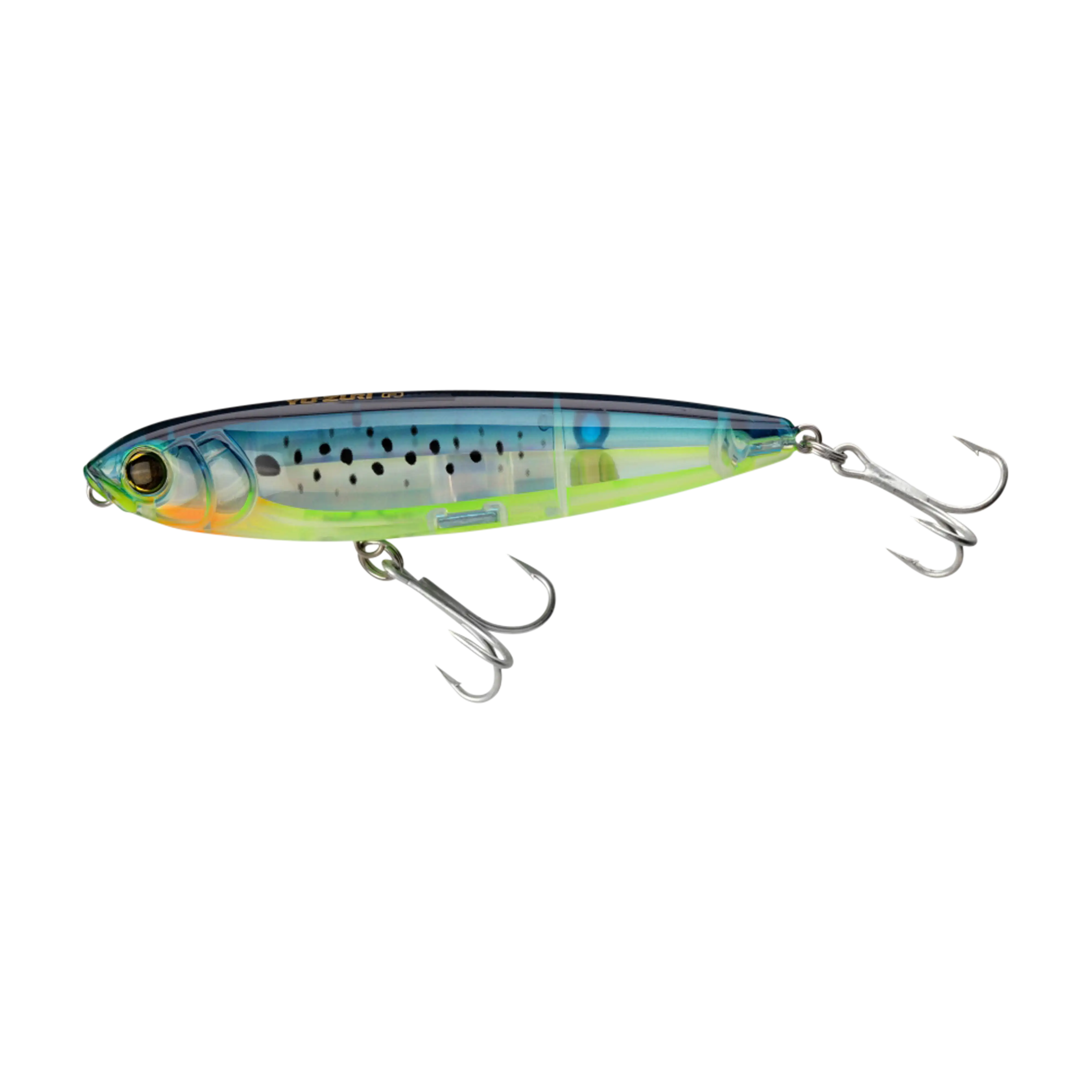
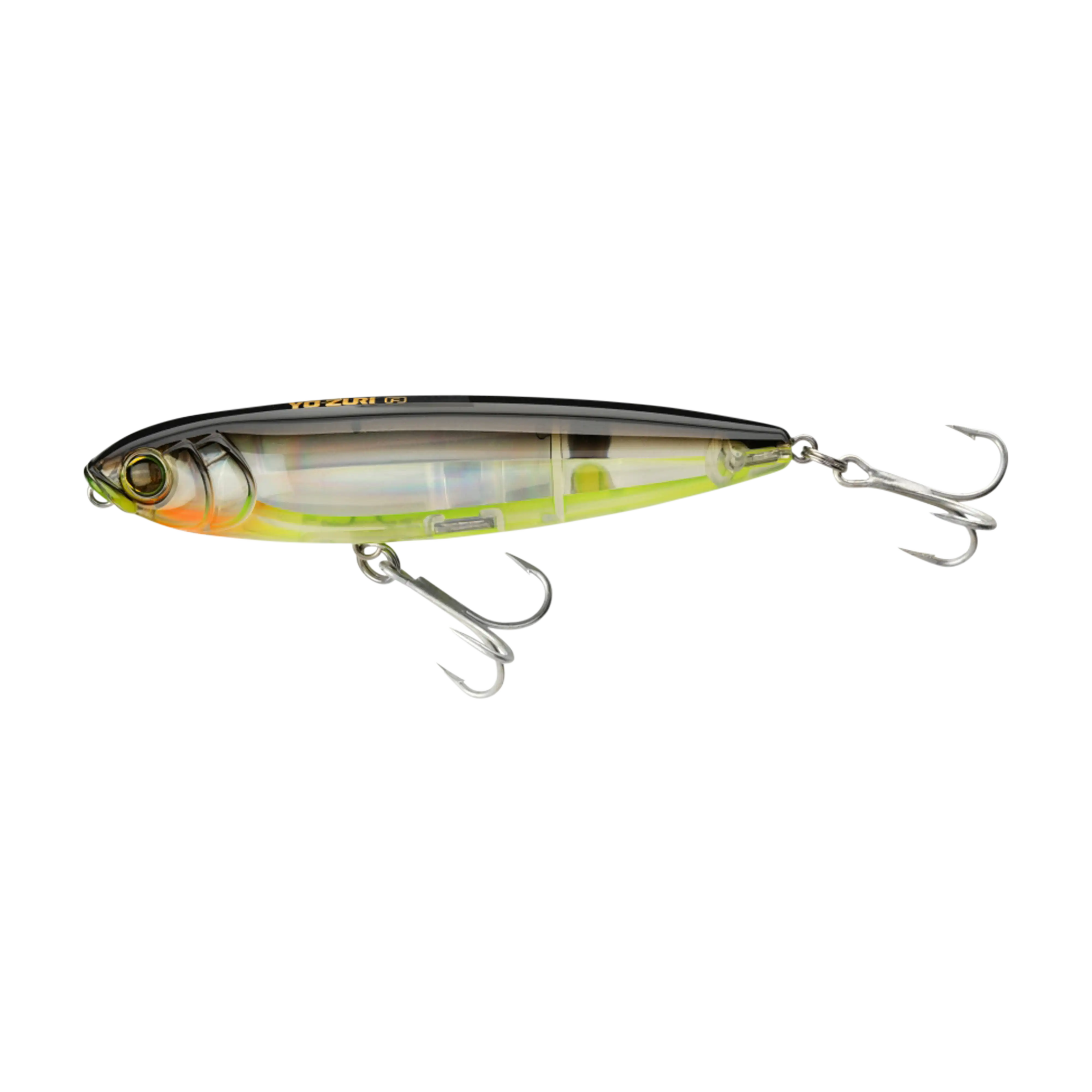
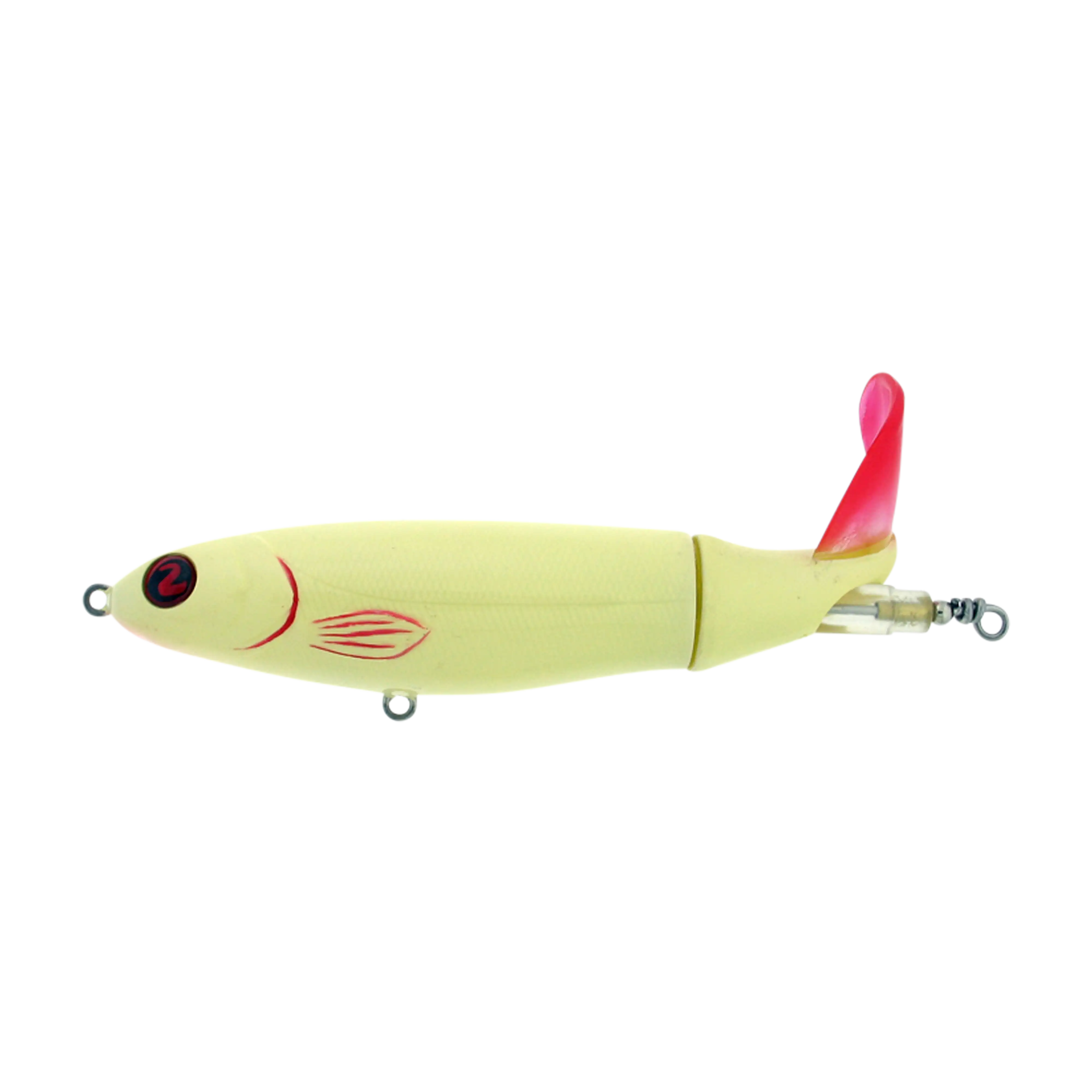
Inshore Topwater Lures


Inshore Topwater Line & Leaders
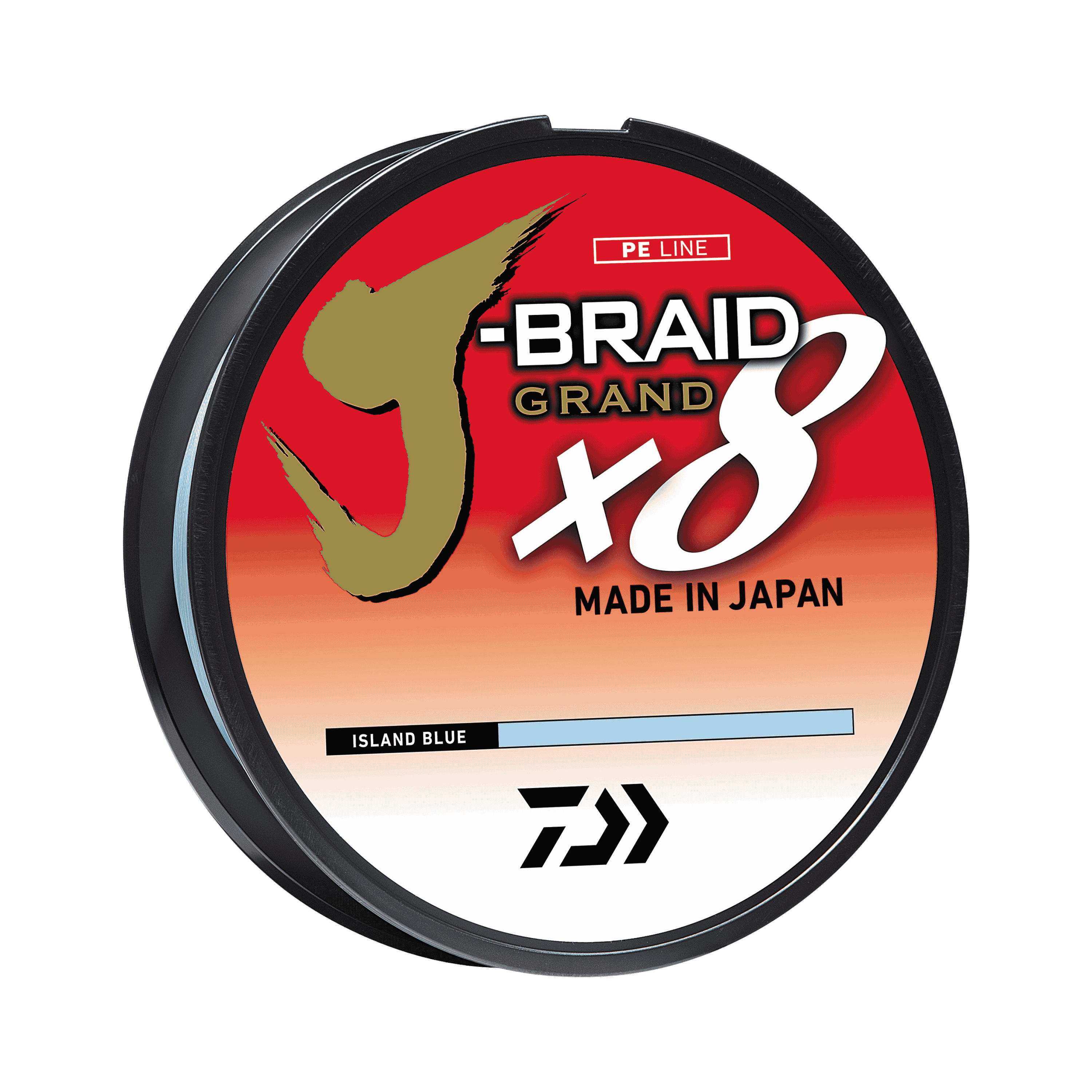
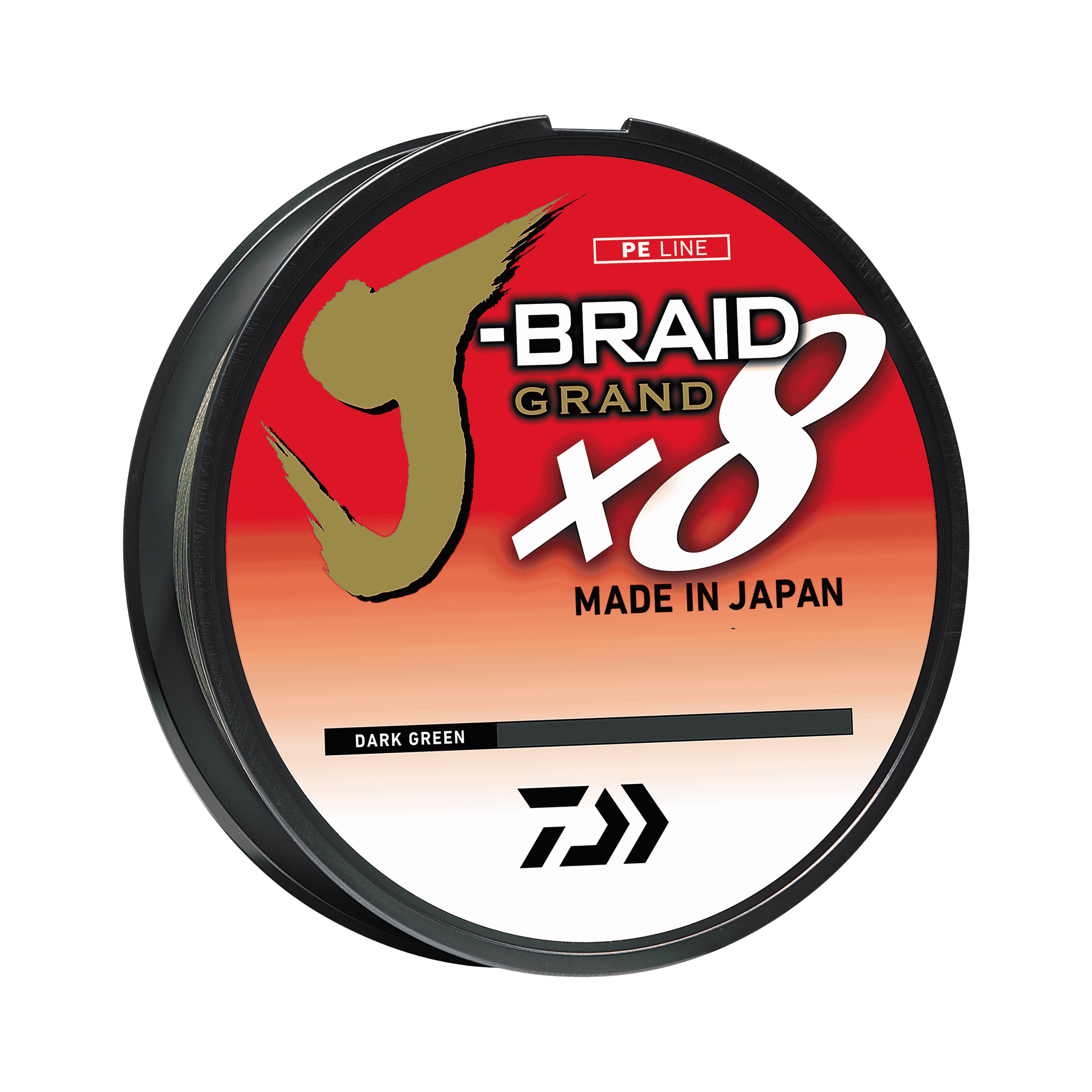
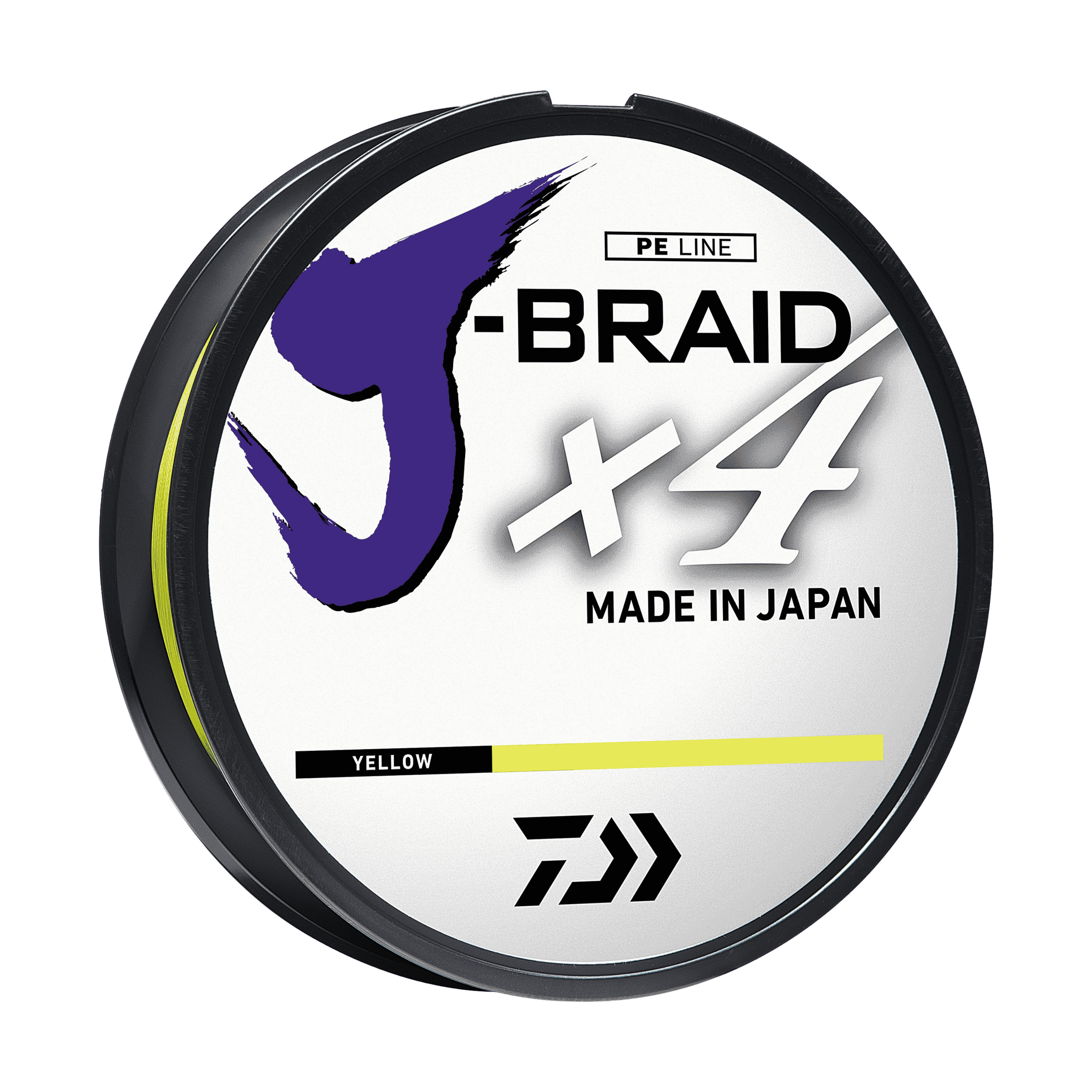
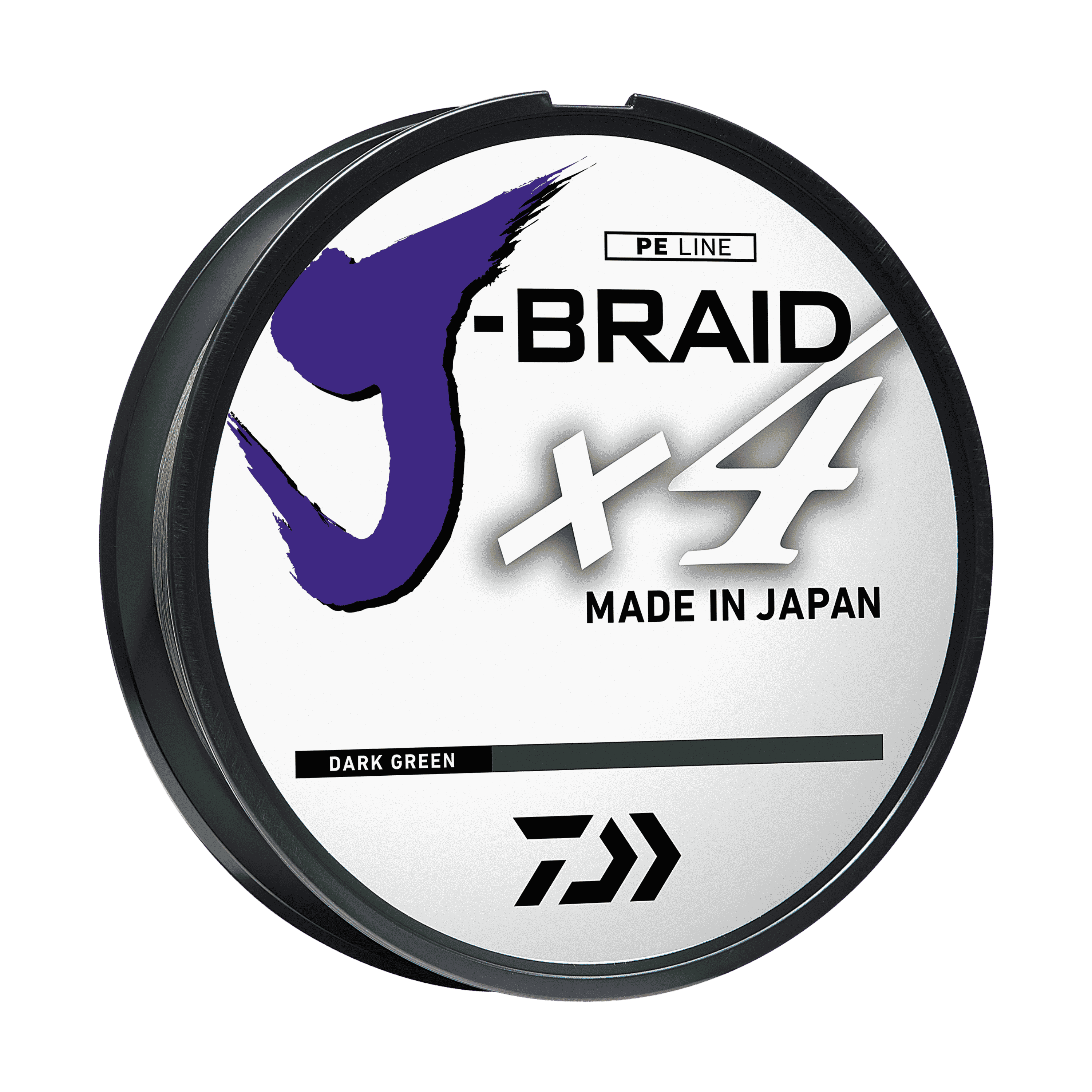
Your line and leader connect your rod, reel, and lure into a single system that directly affects casting distance, lure action, and hookup success. The right setup helps maintain natural surface movement while giving you enough strength and abrasion resistance to handle mangroves, oyster edges, docks, and other inshore structure. A well-matched system also improves control during strikes, especially when fish hit aggressively at the surface.
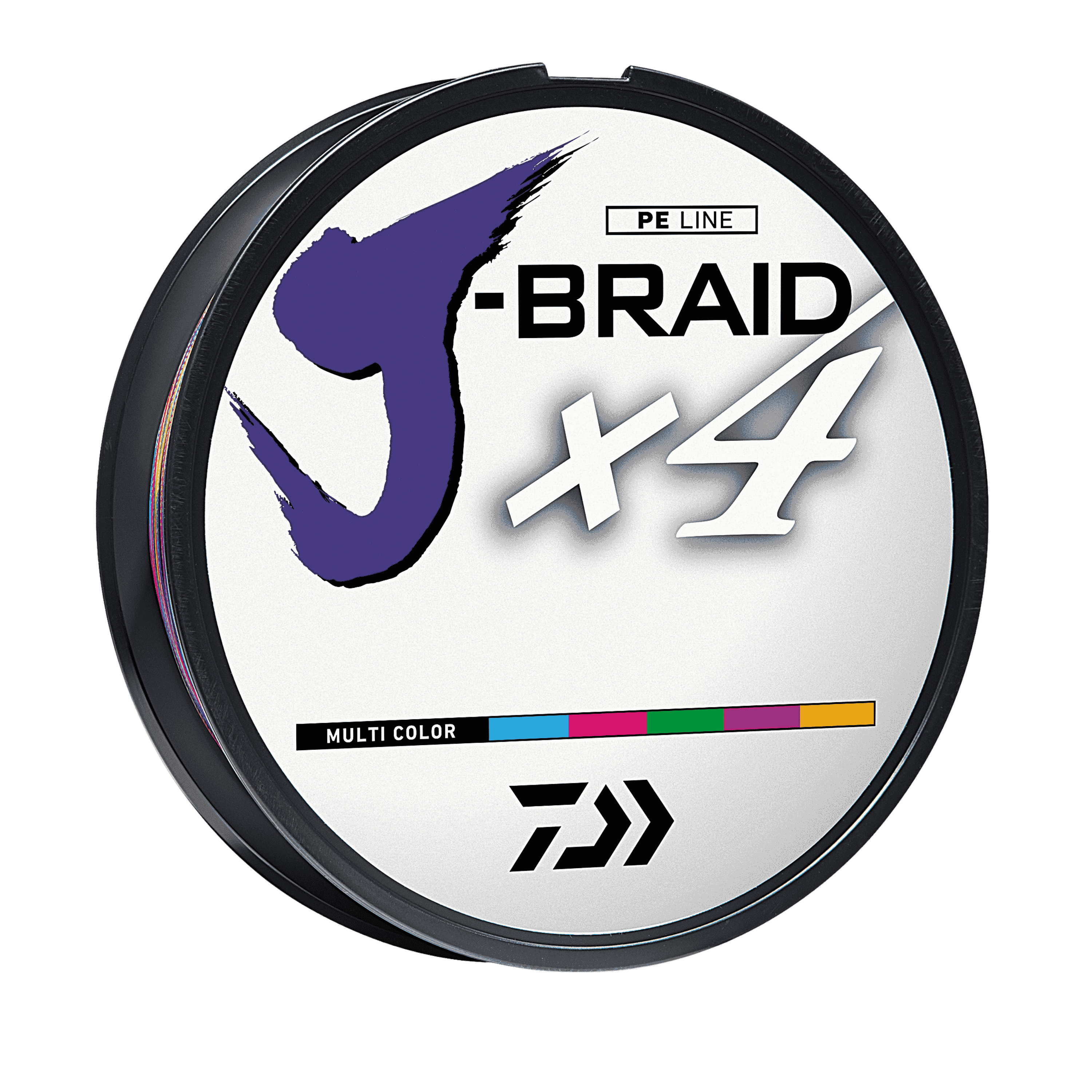
Most inshore topwater setups start with braided mainline paired with a monofilament leader for a balance of sensitivity, casting distance, and natural lure action. Fluorocarbon can be used instead of mono when extra abrasion resistance is needed around heavy structure or clearer water, but mono remains the most common choice for treble-hooked surface lures due to its stretch and buoyancy.
Braided Line (Mainline)
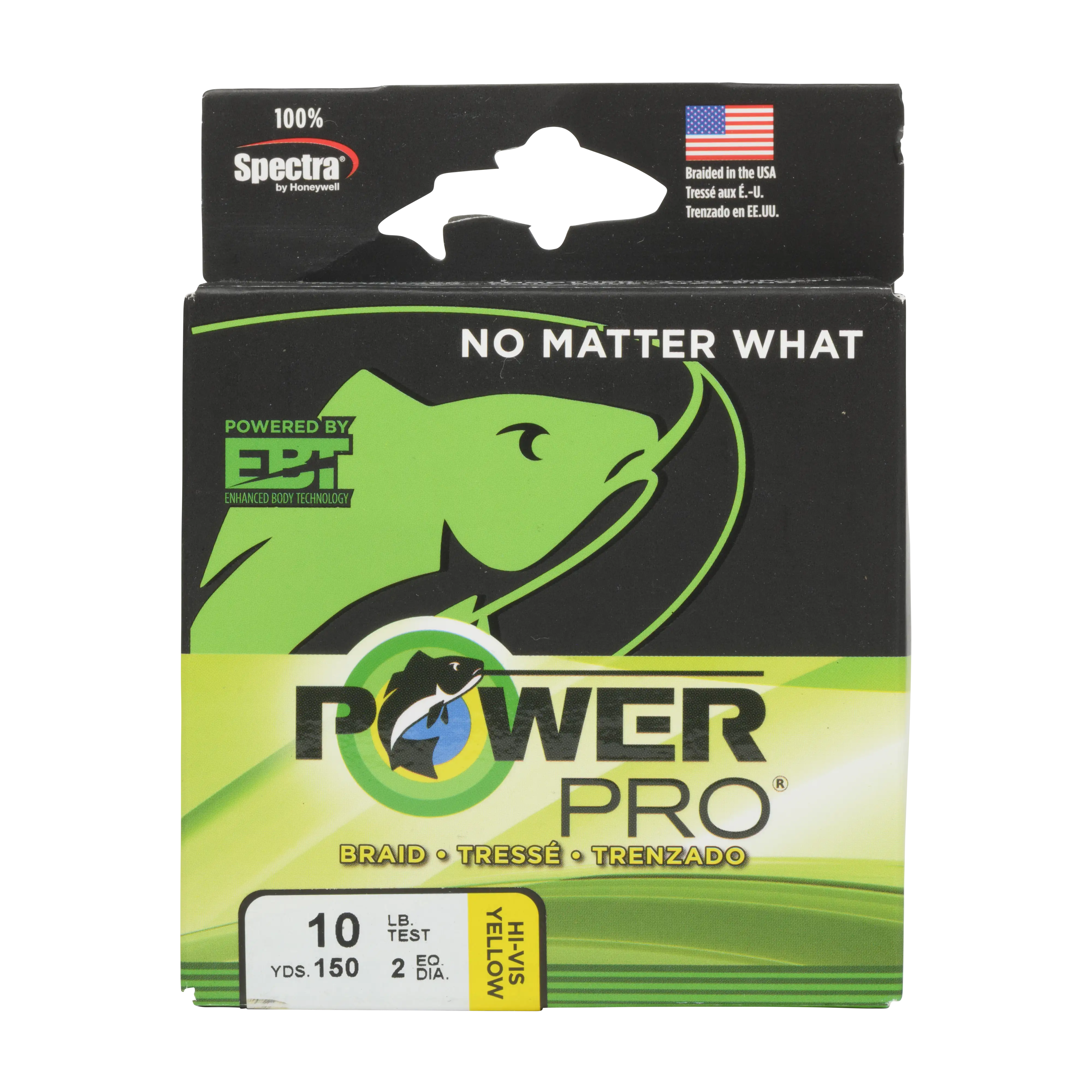
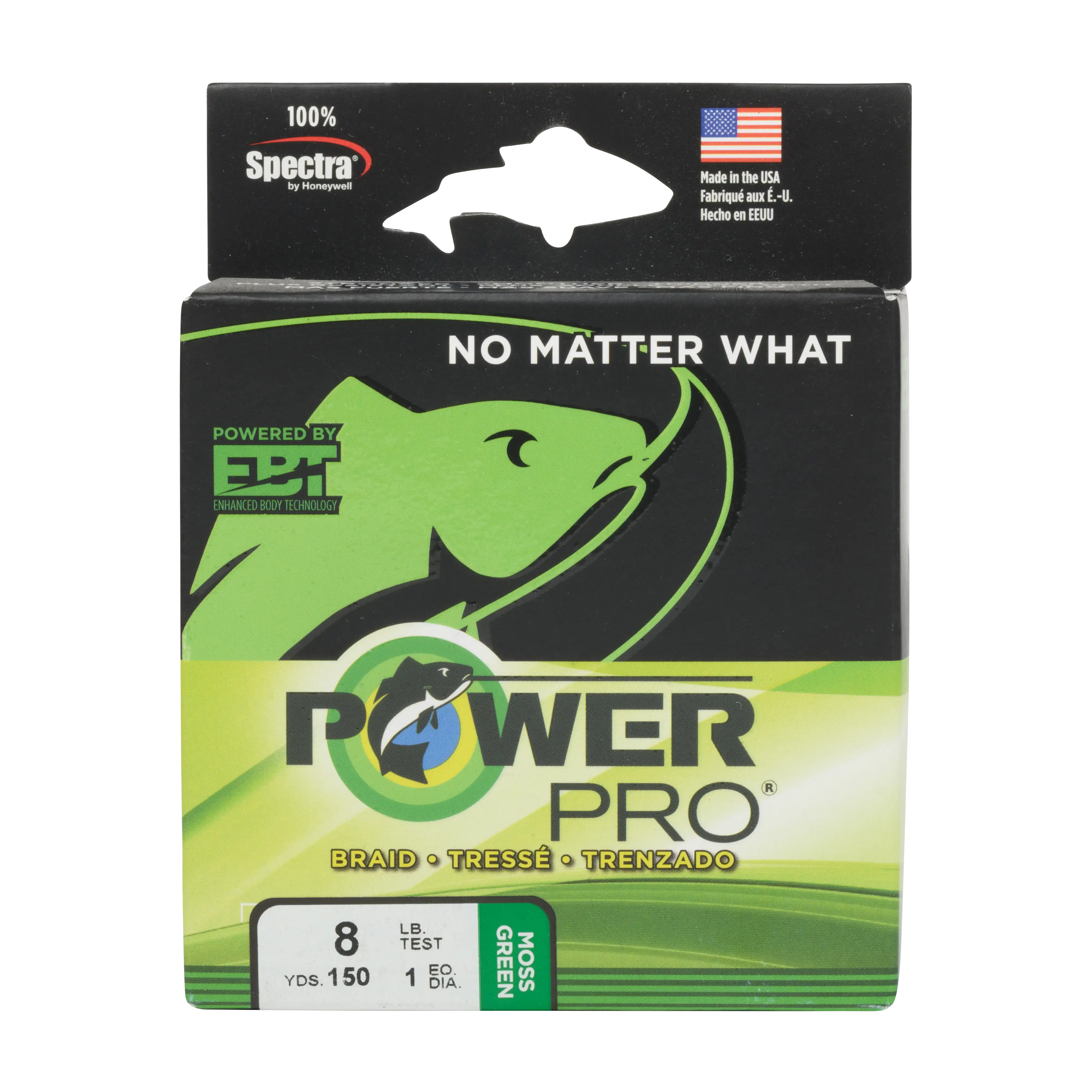
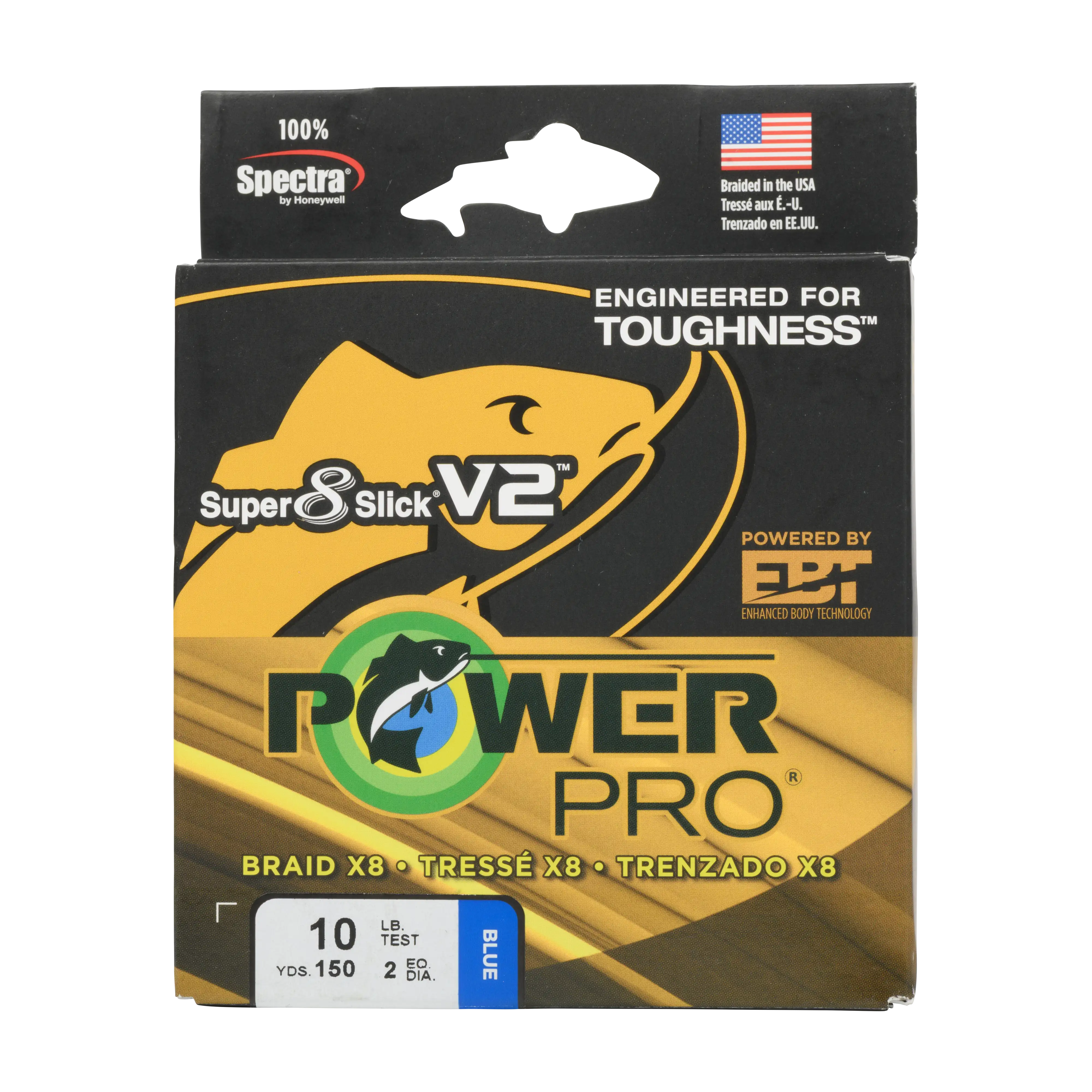
Braided line is the standard mainline for most inshore topwater fishing. It offers zero stretch, high strength for its diameter, and high sensitivity, helping you detect subtle strikes and maintain control of walking baits and poppers. Most inshore setups use 10–30 lb braid, with lighter braid favoring finesse presentations and heavier braid used around structure or larger lures.
Monofilament (Leader or Mainline in some cases)
Monofilament is most commonly used as a leader in topwater applications. Its natural stretch helps absorb sudden strikes and reduces the chance of pulling hooks on treble-hooked lures. It also has slight buoyancy, which can help walking baits and poppers sit and move more naturally on the surface. It’s especially useful in calm water or when fish are more cautious.
Fluorocarbon (Leader)
Fluorocarbon is used less often for topwater but still has specific roles. It is denser, more abrasion-resistant, and more invisible underwater than mono. However, it sinks, which can slightly dampen surface action on some lures. It’s best used when fishing around heavy structure, clearer water, or when abrasion resistance matters more than lure float characteristics.
Walking Baits (Walk-the-Dog)
Spinning Line: 10–20 lb braid / 15–30 lb leader
Casting Line: 20-30lb Braid / 15-30 lb leader
Mono is commonly used here because its stretch helps smooth out cadence and reduces missed hooks on aggressive but short strikes. The leader also helps the bait sit naturally during pauses.
Poppers & Chuggers
Spinning Line: 15–30 lb braid / 20–30 lb leader
Casting Line: 30-40lb Braid / 20-30lb leader
Heavier braid supports more aggressive popping and longer casts, while mono helps absorb sudden surface strikes and keeps the lure working cleanly during stop-and-go retrieves.
Prop Baits & Buzz-Style Topwater
Spinning Line: 15–30 lb braid
Casting Line: 30-40 lb Braid / 20-30lb leader
These lures are usually fished on straight braid because they rely on a constant retrieve. Leader stretch is less important here, and skipping the leader can improve direct connection, vibration feedback, and hook-up efficiency.
Subtle / Finesse Topwater
Spinning Line: 10–15 lb braid / 15–25 lb leader
Casting Line: 20-30lb Braid / 15-30lb leader
Lighter braid improves cast distance and lure control with smaller walking baits. A light mono leader helps keep presentations natural and reduces the chance of pulling hooks on subtle strikes.
Key Takeaways
- Line type directly affects lure action, casting distance, and strike control
- Braided mainline is standard for inshore topwater setups
- Monofilament leaders improve hookup forgiveness and surface presentation
- Fluorocarbon is best used when abrasion resistance is more important than buoyancy
- Matching line strength to structure and species improves durability and landing success
Inshore Topwater Line & Leaders
Your line and leader connect your rod, reel, and lure into a single system that directly affects casting distance, lure action, and hookup success. The right setup helps maintain natural surface movement while giving you enough strength and abrasion resistance to handle mangroves, oyster edges, docks, and other inshore structure. A well-matched system also improves control during strikes, especially when fish hit aggressively at the surface.
Most inshore topwater setups start with braided mainline paired with a monofilament leader for a balance of sensitivity, casting distance, and natural lure action. Fluorocarbon can be used instead of mono when extra abrasion resistance is needed around heavy structure or clearer water, but mono remains the most common choice for treble-hooked surface lures due to its stretch and buoyancy.
Braided Line (Mainline)
Braided line is the standard mainline for most inshore topwater fishing. It offers zero stretch, high strength for its diameter, and high sensitivity, helping you detect subtle strikes and maintain control of walking baits and poppers. Most inshore setups use 10–30 lb braid, with lighter braid favoring finesse presentations and heavier braid used around structure or larger lures.
Monofilament (Leader or Mainline in some cases)
Monofilament is most commonly used as a leader in topwater applications. Its natural stretch helps absorb sudden strikes and reduces the chance of pulling hooks on treble-hooked lures. It also has slight buoyancy, which can help walking baits and poppers sit and move more naturally on the surface. It’s especially useful in calm water or when fish are more cautious.
Fluorocarbon (Leader)
Fluorocarbon is used less often for topwater but still has specific roles. It is denser, more abrasion-resistant, and more invisible underwater than mono. However, it sinks, which can slightly dampen surface action on some lures. It’s best used when fishing around heavy structure, clearer water, or when abrasion resistance matters more than lure float characteristics.
Walking Baits (Walk-the-Dog)
Spinning Line: 10–20 lb braid / 15–30 lb leader
Casting Line: 20-30lb Braid / 15-30 lb leader
Mono is commonly used here because its stretch helps smooth out cadence and reduces missed hooks on aggressive but short strikes. The leader also helps the bait sit naturally during pauses.
Poppers & Chuggers
Spinning Line: 15–30 lb braid / 20–30 lb leader
Casting Line: 30-40lb Braid / 20-30lb leader
Heavier braid supports more aggressive popping and longer casts, while mono helps absorb sudden surface strikes and keeps the lure working cleanly during stop-and-go retrieves.
Prop Baits & Buzz-Style Topwater
Spinning Line: 15–30 lb braid
Casting Line: 30-40 lb Braid / 20-30lb leader
These lures are usually fished on straight braid because they rely on a constant retrieve. Leader stretch is less important here, and skipping the leader can improve direct connection, vibration feedback, and hook-up efficiency.
Subtle / Finesse Topwater
Spinning Line: 10–15 lb braid / 15–25 lb leader
Casting Line: 20-30lb Braid / 15-30lb leader
Lighter braid improves cast distance and lure control with smaller walking baits. A light mono leader helps keep presentations natural and reduces the chance of pulling hooks on subtle strikes.
Key Takeaways
- Line type directly affects lure action, casting distance, and strike control
- Braided mainline is standard for inshore topwater setups
- Monofilament leaders improve hookup forgiveness and surface presentation
- Fluorocarbon is best used when abrasion resistance is more important than buoyancy
- Matching line strength to structure and species improves durability and landing success
Inshore Topwater Line & Leaders

Inshore Topwater Tackle Storage
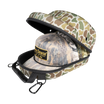
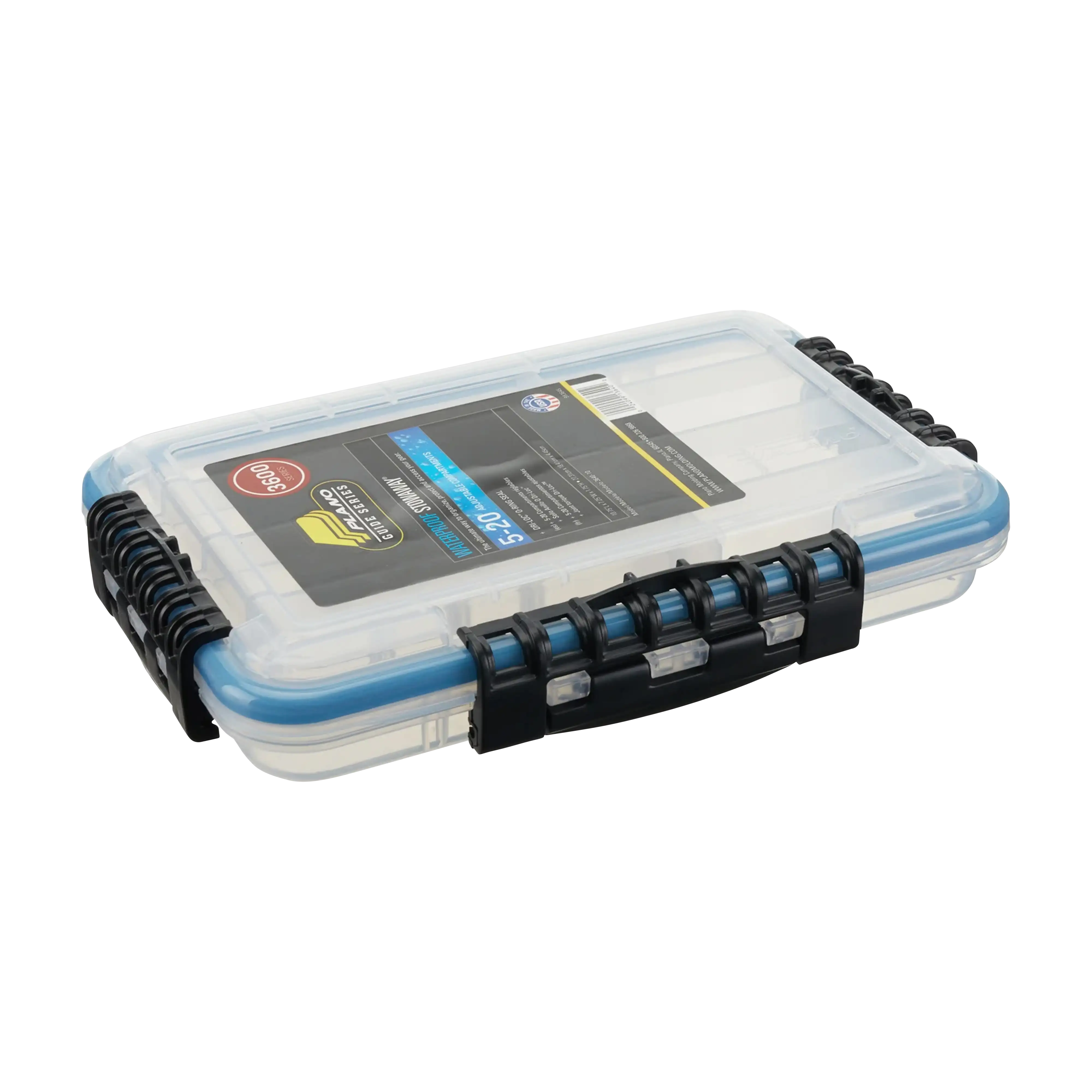
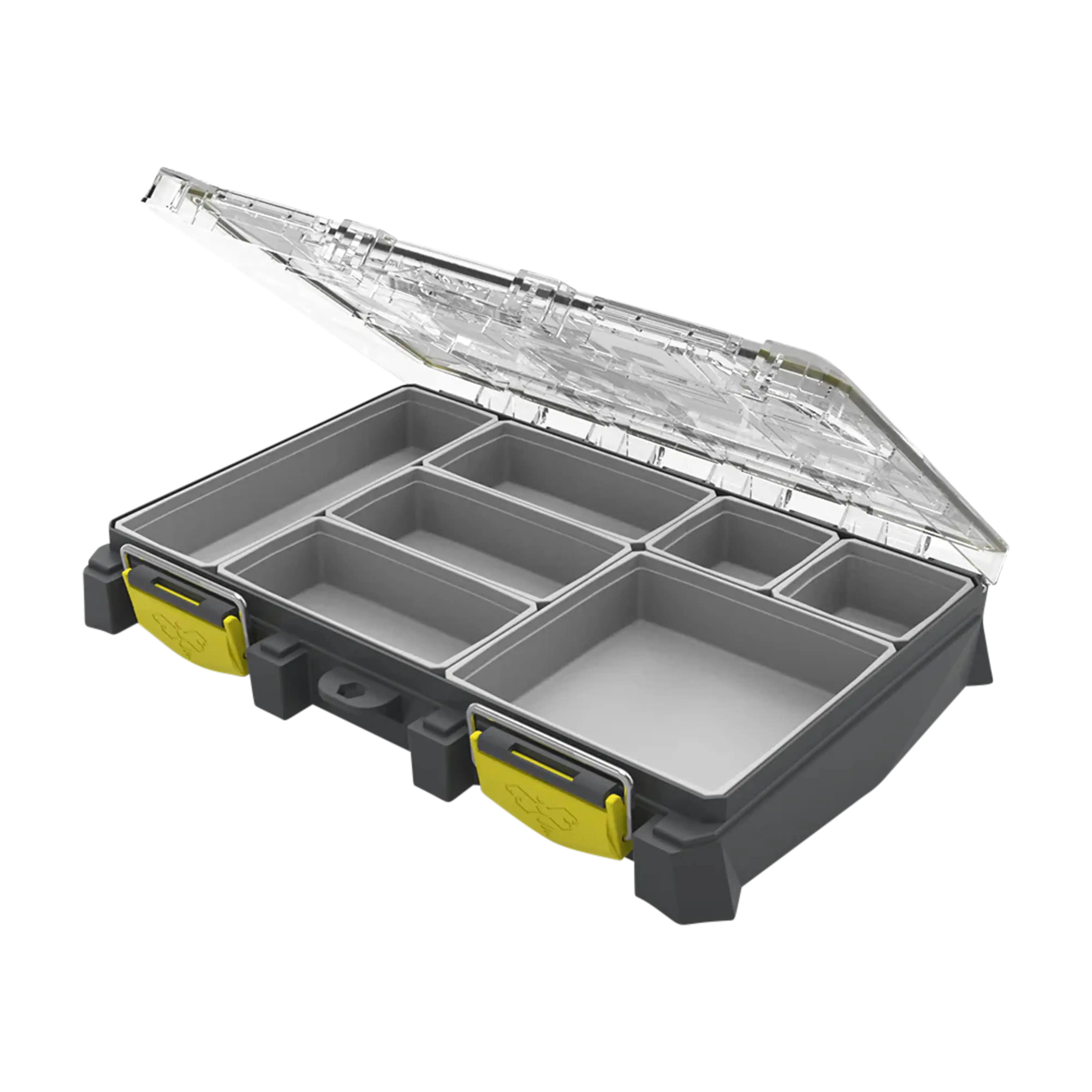
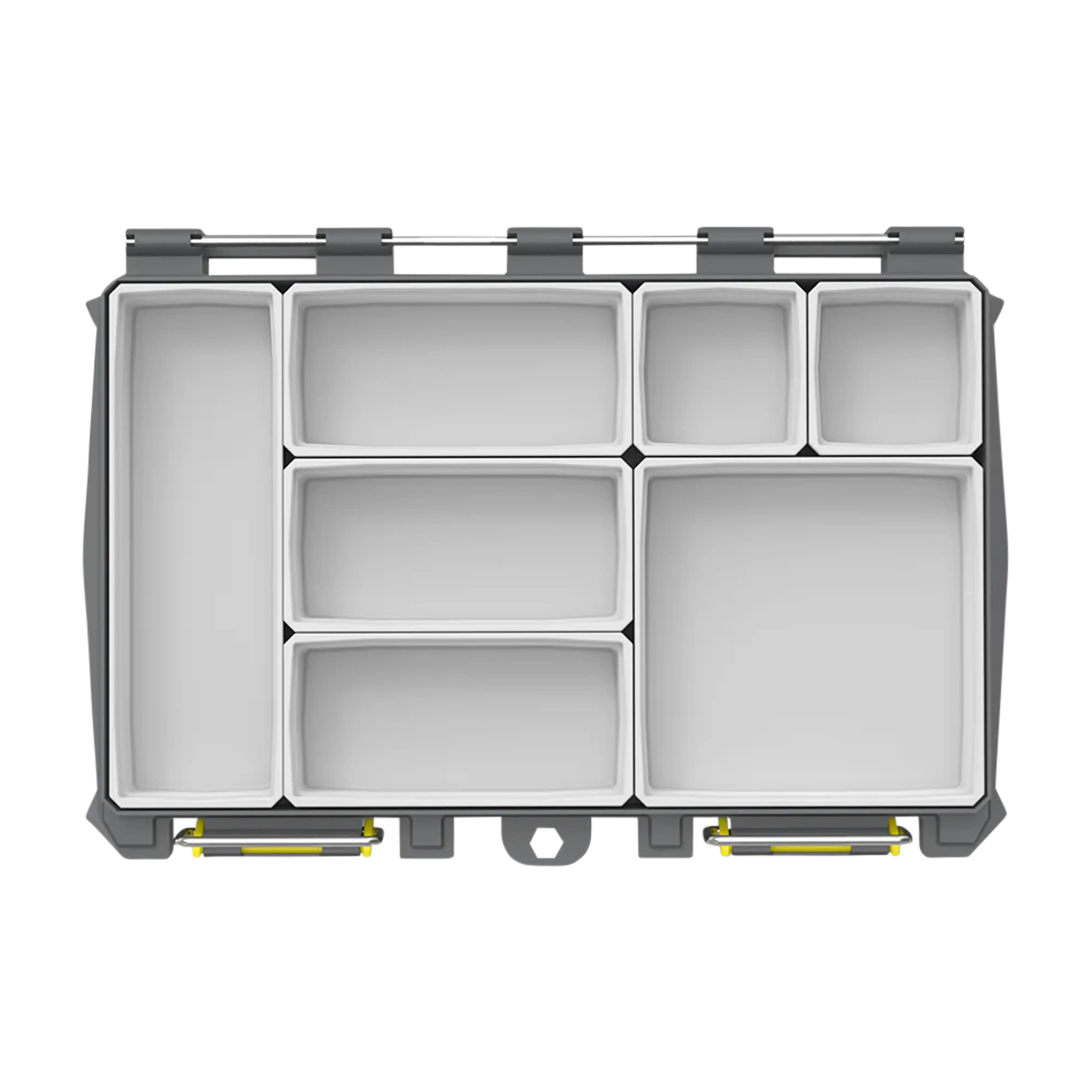
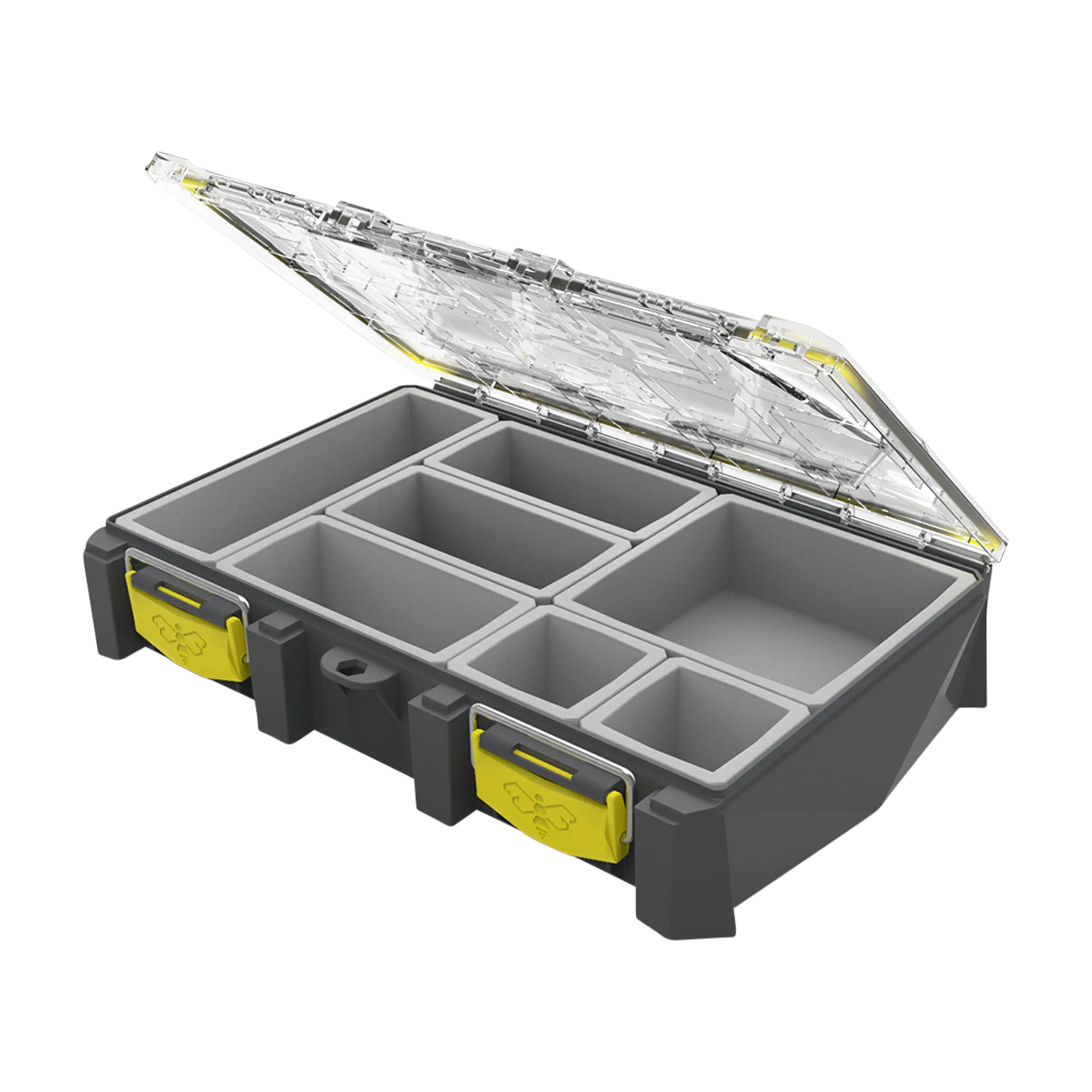
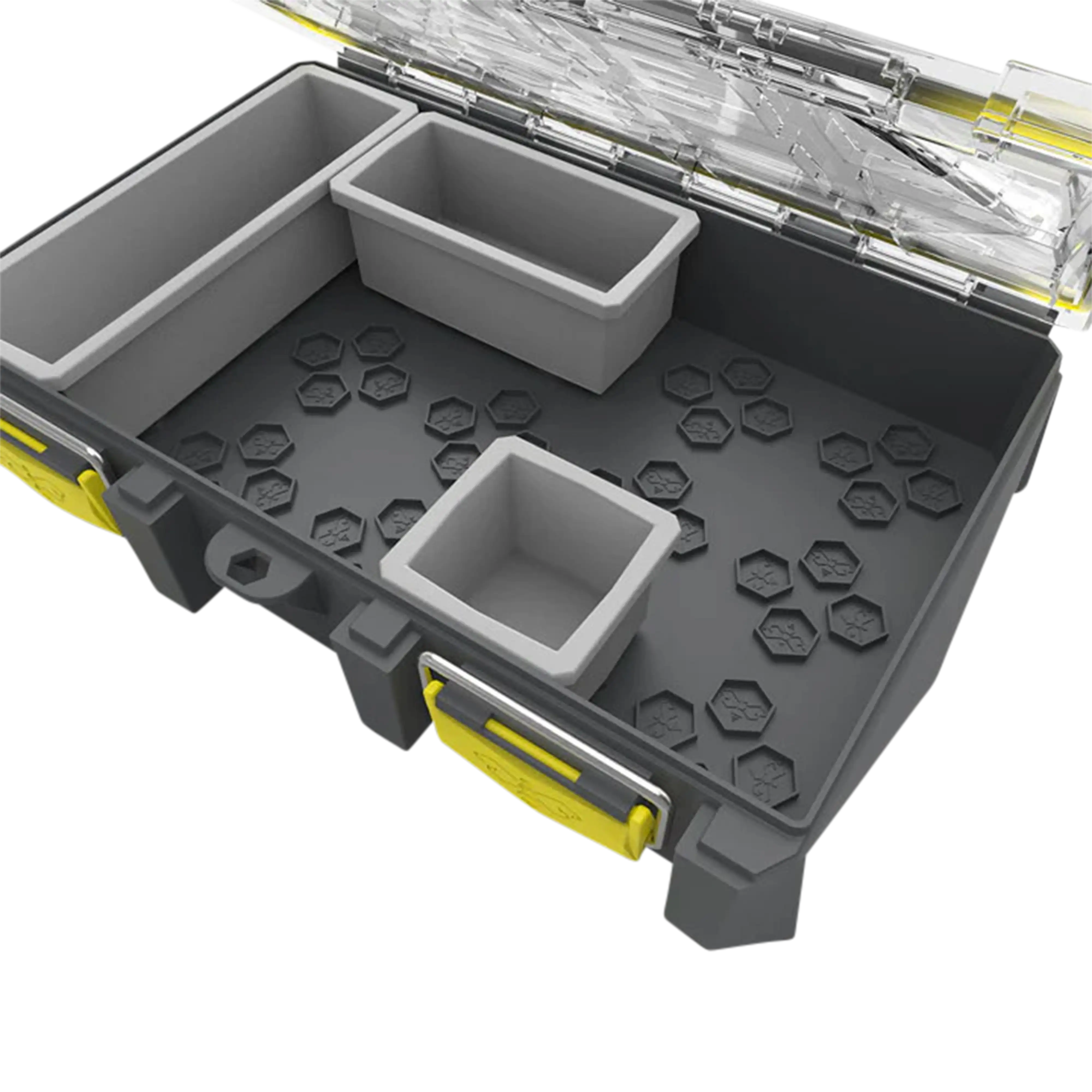
Keeping lures, hooks, and leaders organized is essential for efficient inshore fishing. Proper storage prevents treble hook tangles, protects lure finishes and hardware, and reduces time wasted digging through gear. It also helps maintain lure integrity over time, especially when moving between saltwater environments where corrosion and moisture can quickly degrade equipment. A well-organized system allows faster lure changes when conditions shift and keeps your most-used topwater baits ready to go.
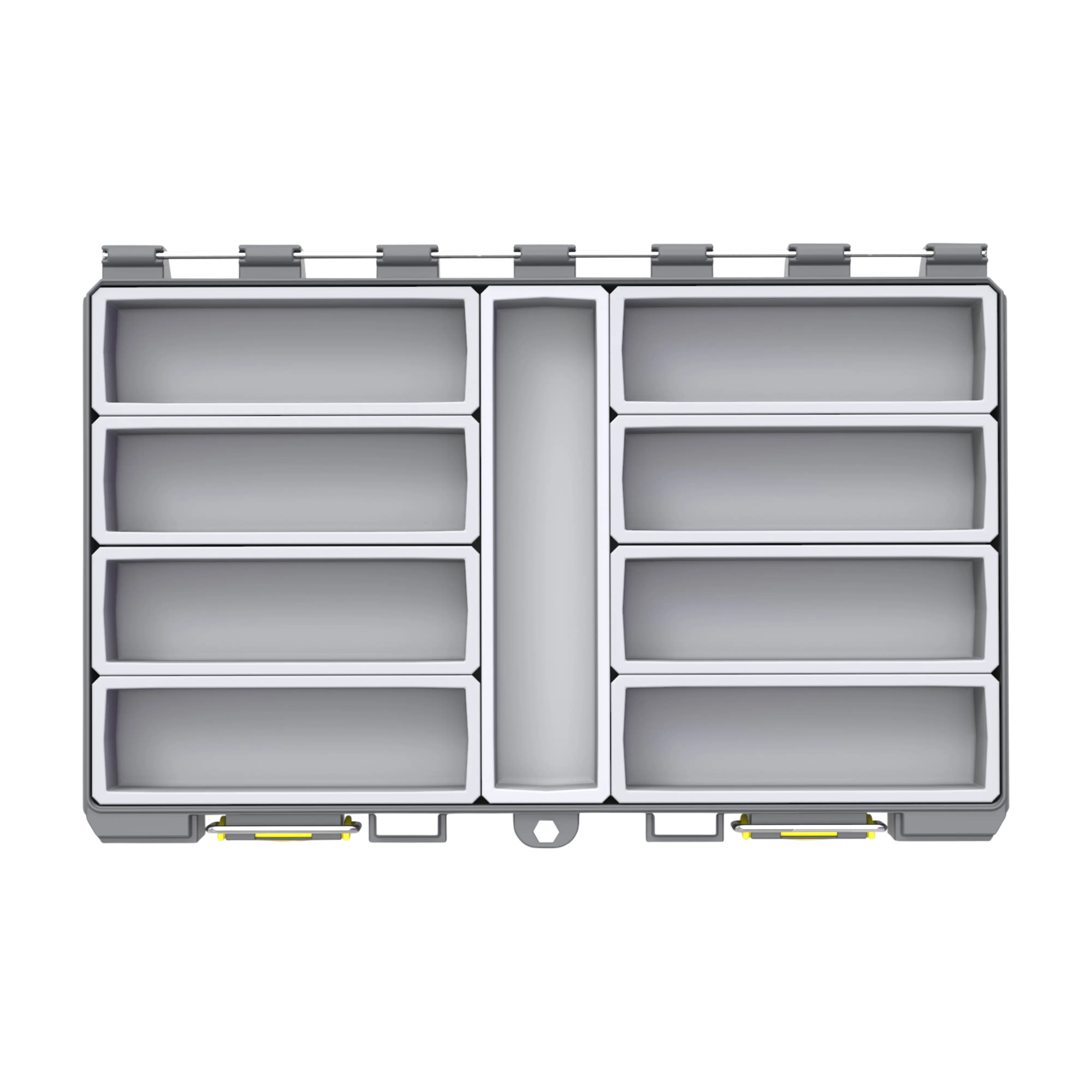
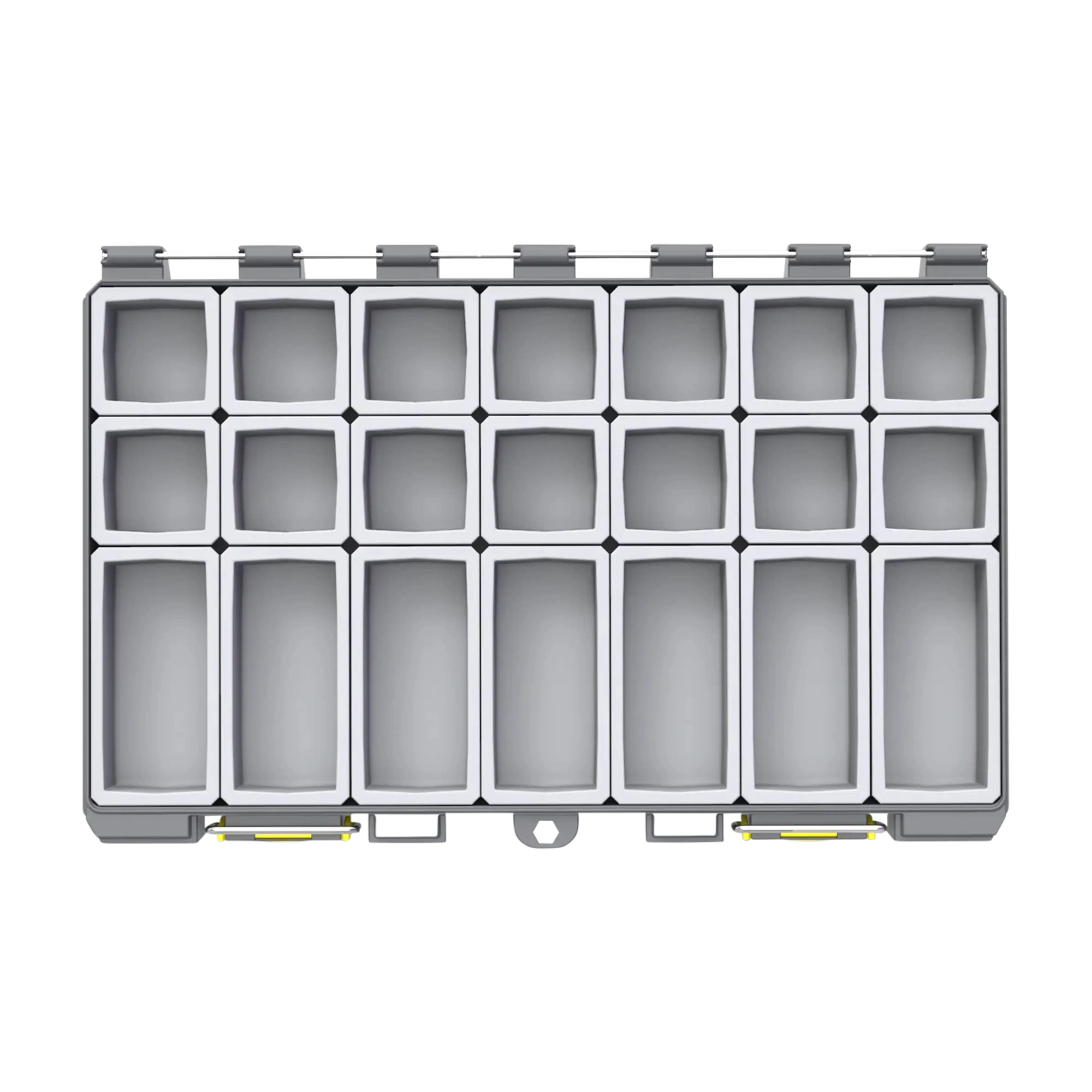
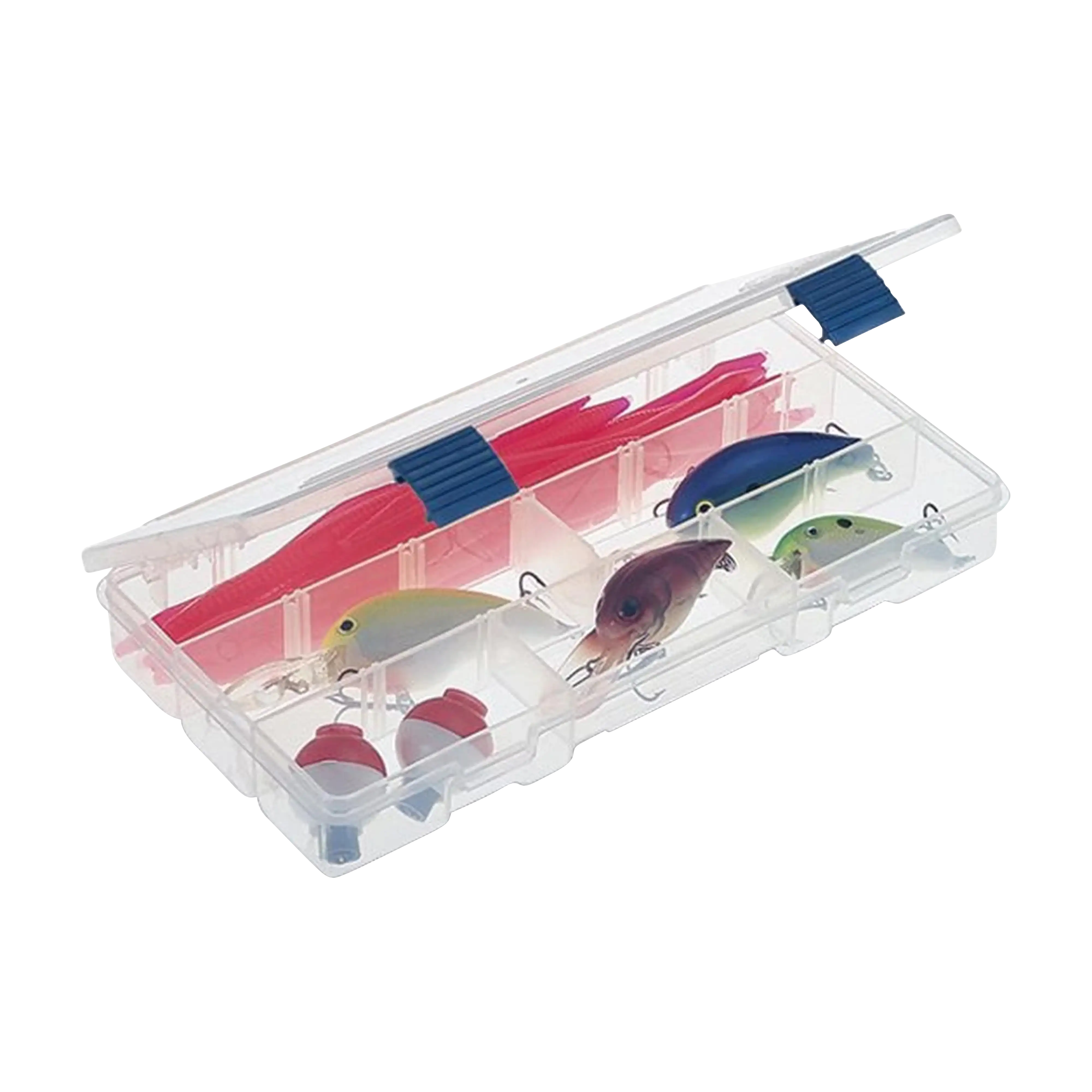
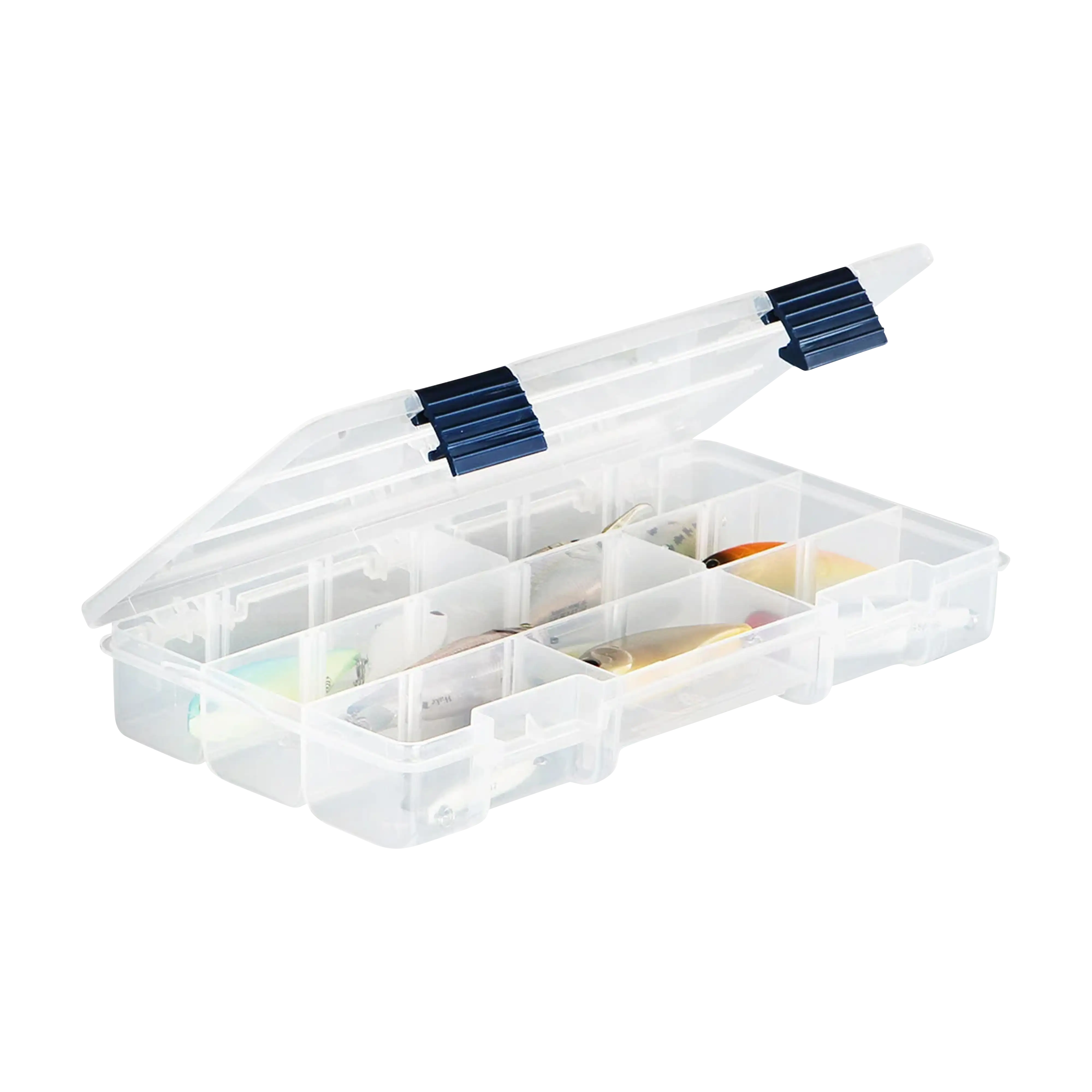
Effective tackle storage for topwater lures starts with long, narrow compartments designed to fit walking baits, poppers, and prop-style lures without bending hooks or damaging finishes. Internal dividers are important for separating treble hooks so they don’t tangle or dull against each other during transport. Foam inserts can add extra security by holding lures in place, especially when boxes are carried in rough conditions or on moving boats.
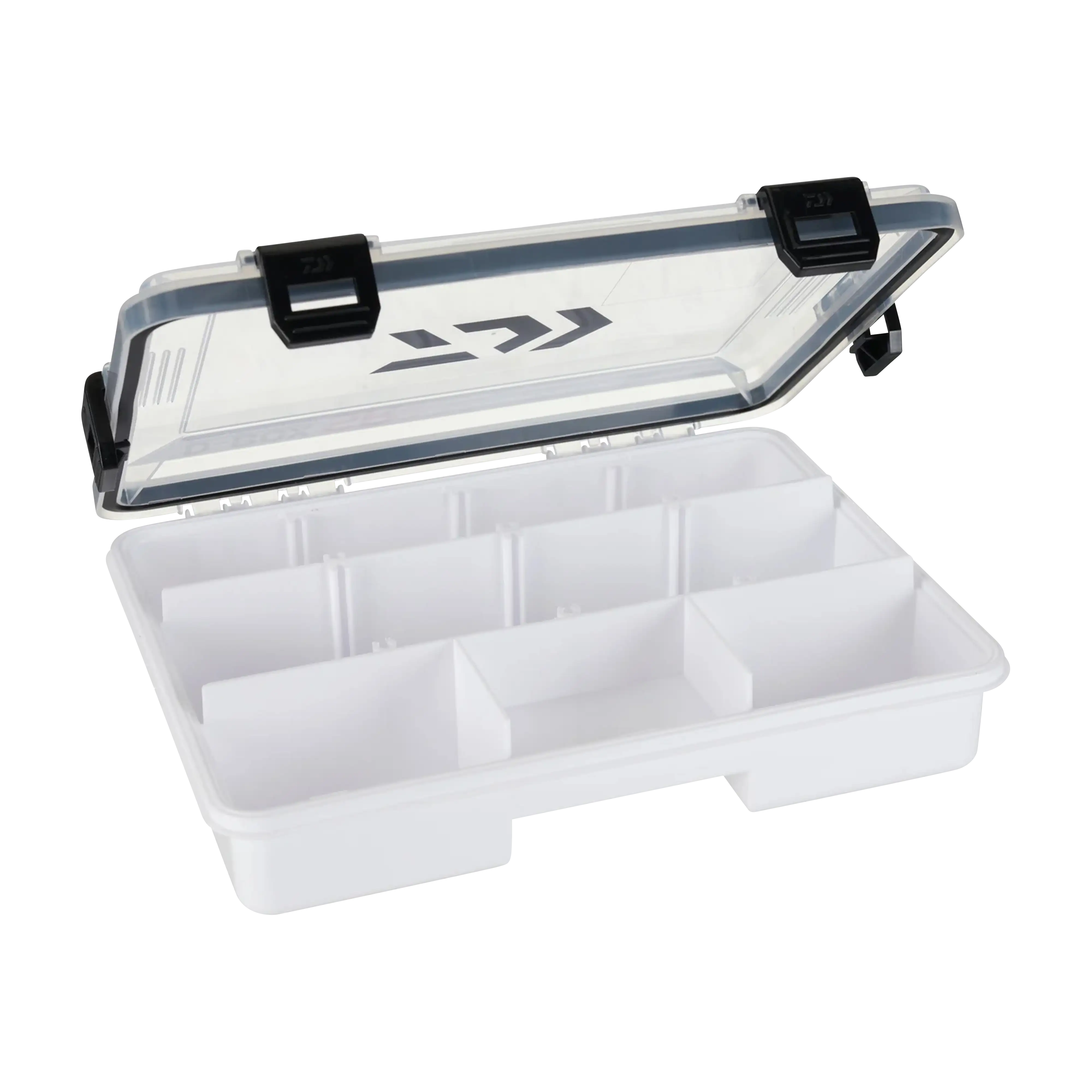
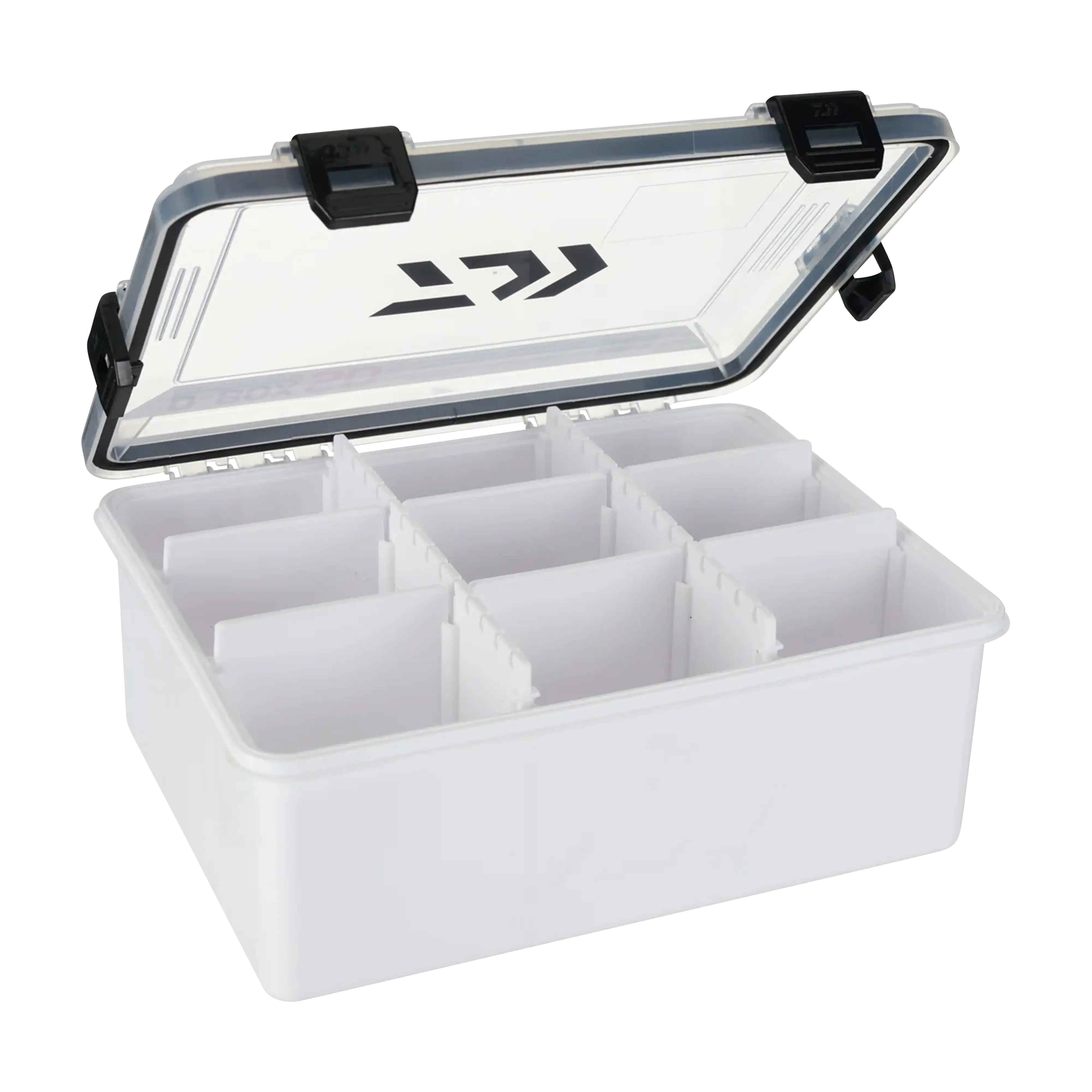
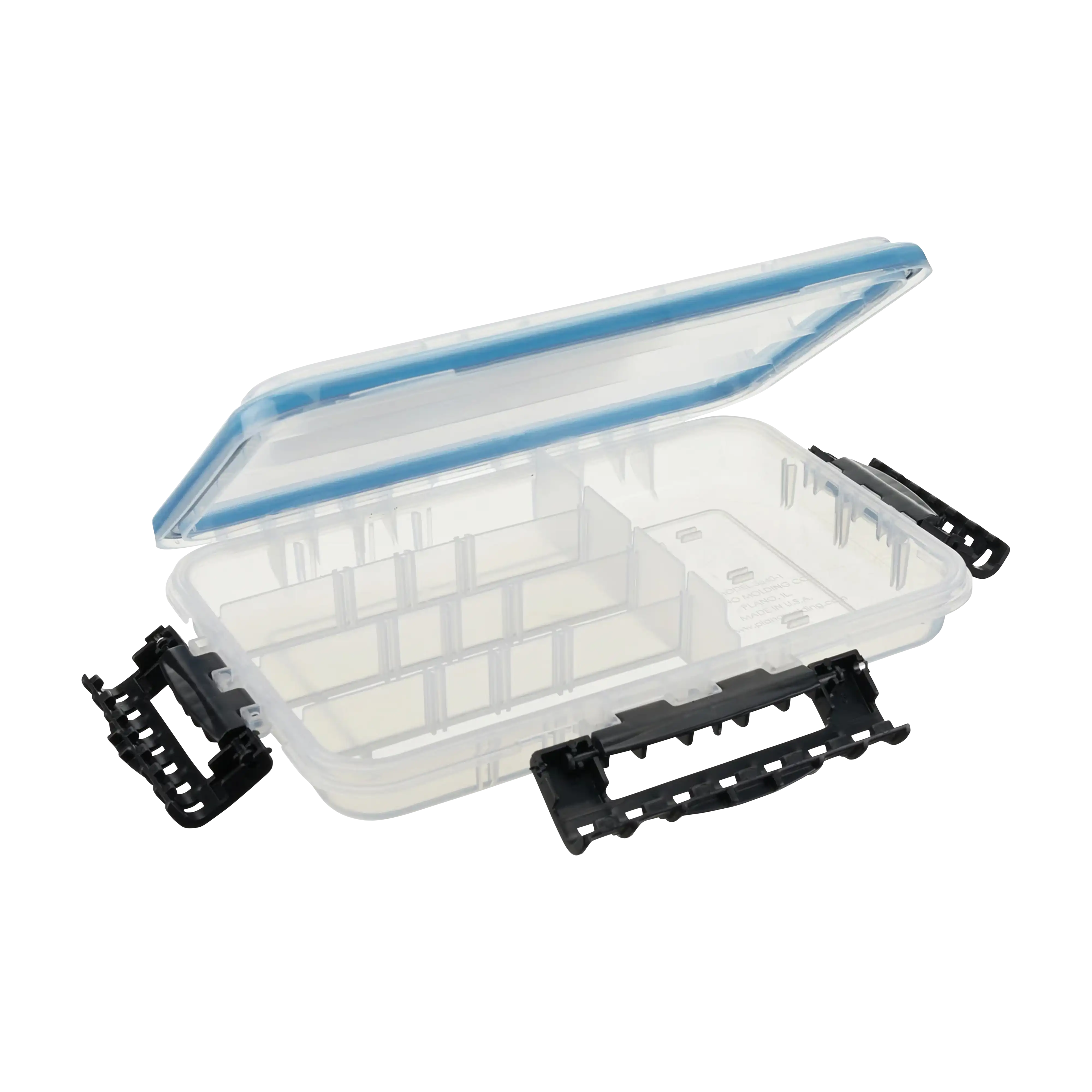
Waterproof or water-resistant boxes are highly recommended for saltwater use, helping protect both lures and terminal tackle from corrosion caused by spray, rain, or wet storage compartments. Clear lids or well-labeled layouts also improve efficiency, allowing quick identification and faster lure changes when fish are actively feeding.
Key Takeaways
- Separate lures and hooks to prevent tangles and damage
- Use long compartments to safely store topwater plugs
- Foam inserts help secure lures and reduce movement
- Waterproof cases protect gear from saltwater exposure
- Clear layouts improve speed and efficiency on the water
Inshore Topwater Tackle Storage
Keeping lures, hooks, and leaders organized is essential for efficient inshore fishing. Proper storage prevents treble hook tangles, protects lure finishes and hardware, and reduces time wasted digging through gear. It also helps maintain lure integrity over time, especially when moving between saltwater environments where corrosion and moisture can quickly degrade equipment. A well-organized system allows faster lure changes when conditions shift and keeps your most-used topwater baits ready to go.
Effective tackle storage for topwater lures starts with long, narrow compartments designed to fit walking baits, poppers, and prop-style lures without bending hooks or damaging finishes. Internal dividers are important for separating treble hooks so they don’t tangle or dull against each other during transport. Foam inserts can add extra security by holding lures in place, especially when boxes are carried in rough conditions or on moving boats.
Waterproof or water-resistant boxes are highly recommended for saltwater use, helping protect both lures and terminal tackle from corrosion caused by spray, rain, or wet storage compartments. Clear lids or well-labeled layouts also improve efficiency, allowing quick identification and faster lure changes when fish are actively feeding.
Key Takeaways
- Separate lures and hooks to prevent tangles and damage
- Use long compartments to safely store topwater plugs
- Foam inserts help secure lures and reduce movement
- Waterproof cases protect gear from saltwater exposure
- Clear layouts improve speed and efficiency on the water
Inshore Topwater Tackle Storage
Inshore Rod & Reel Care
Proper rod and reel care helps extend the life of your equipment and maintain consistent performance in harsh inshore environments. Saltwater, sand, moisture, and repeated transport can quickly wear down rods, reels, guides, and reel finishes if gear is left unprotected. Simple protective accessories and regular maintenance help reduce corrosion, prevent damage during storage or travel, and keep your setup ready for the next trip.
Rod Sleeves
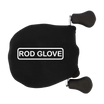
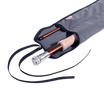
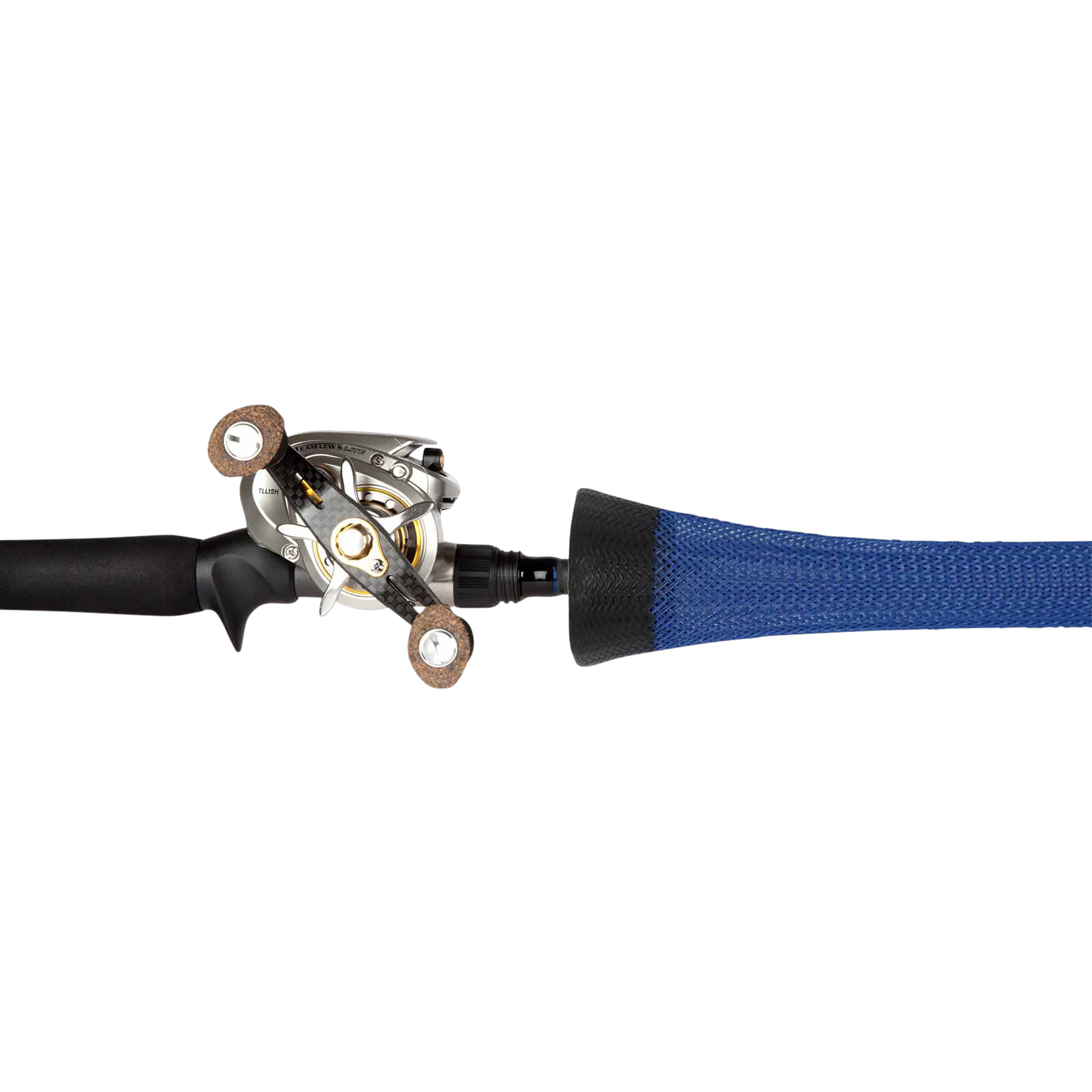
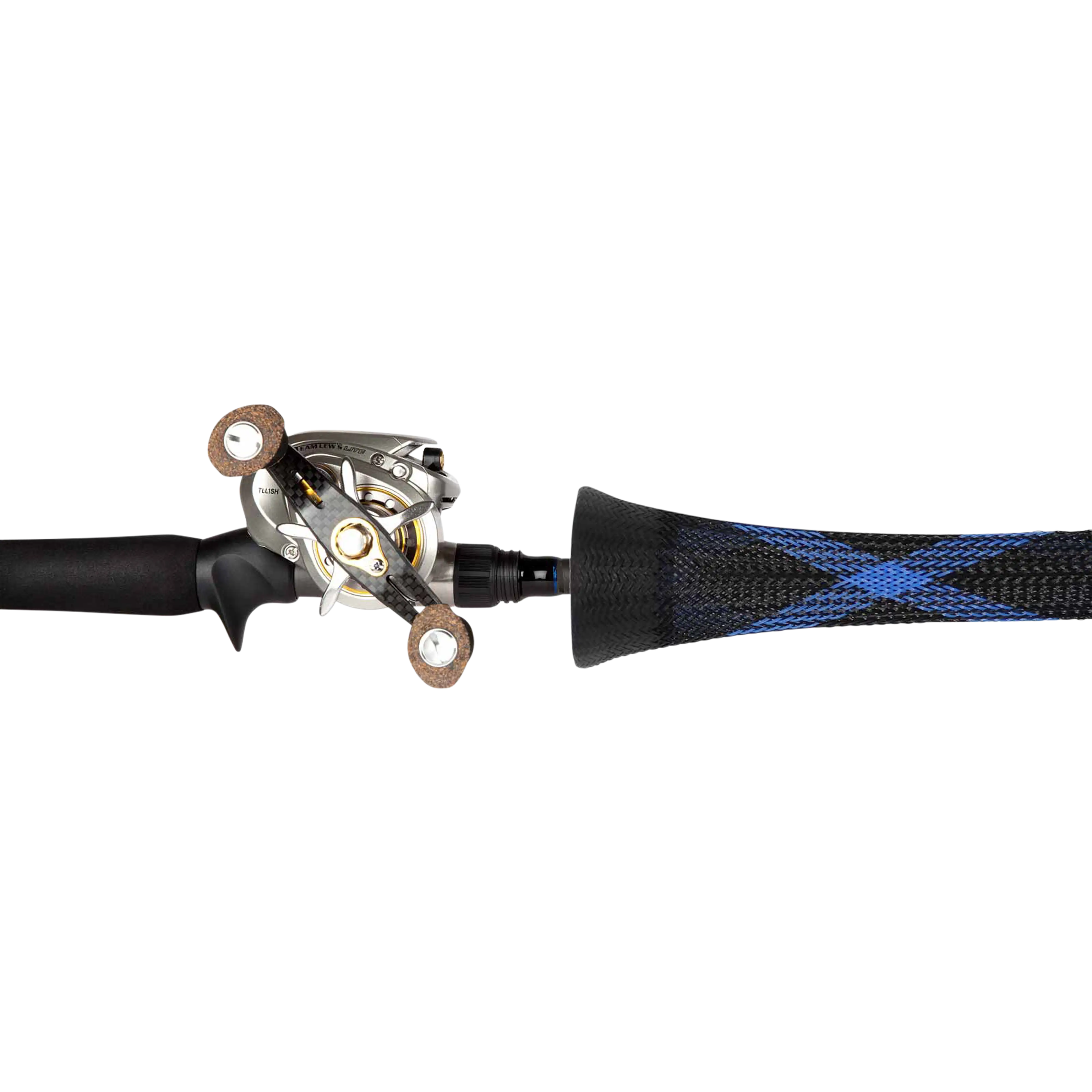
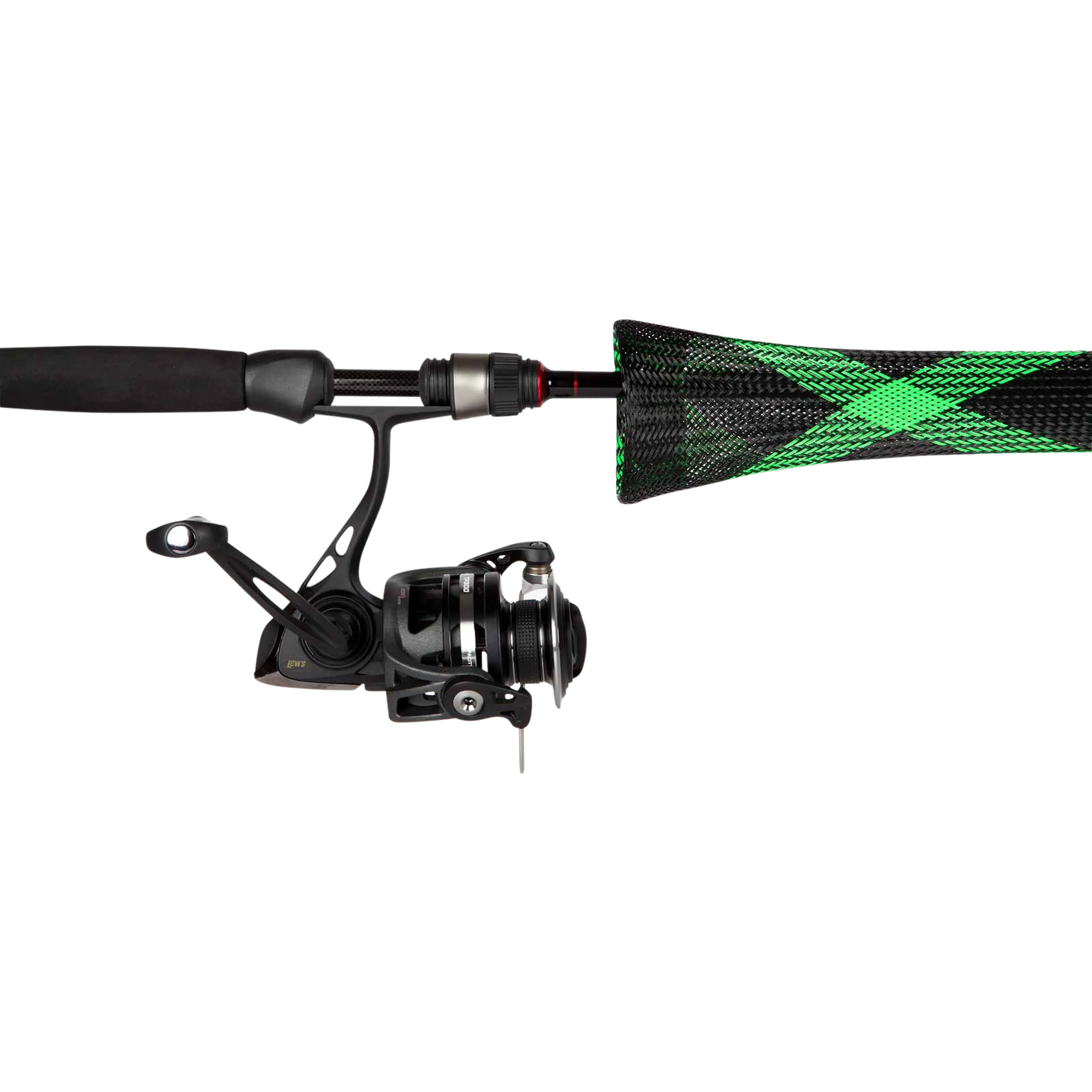
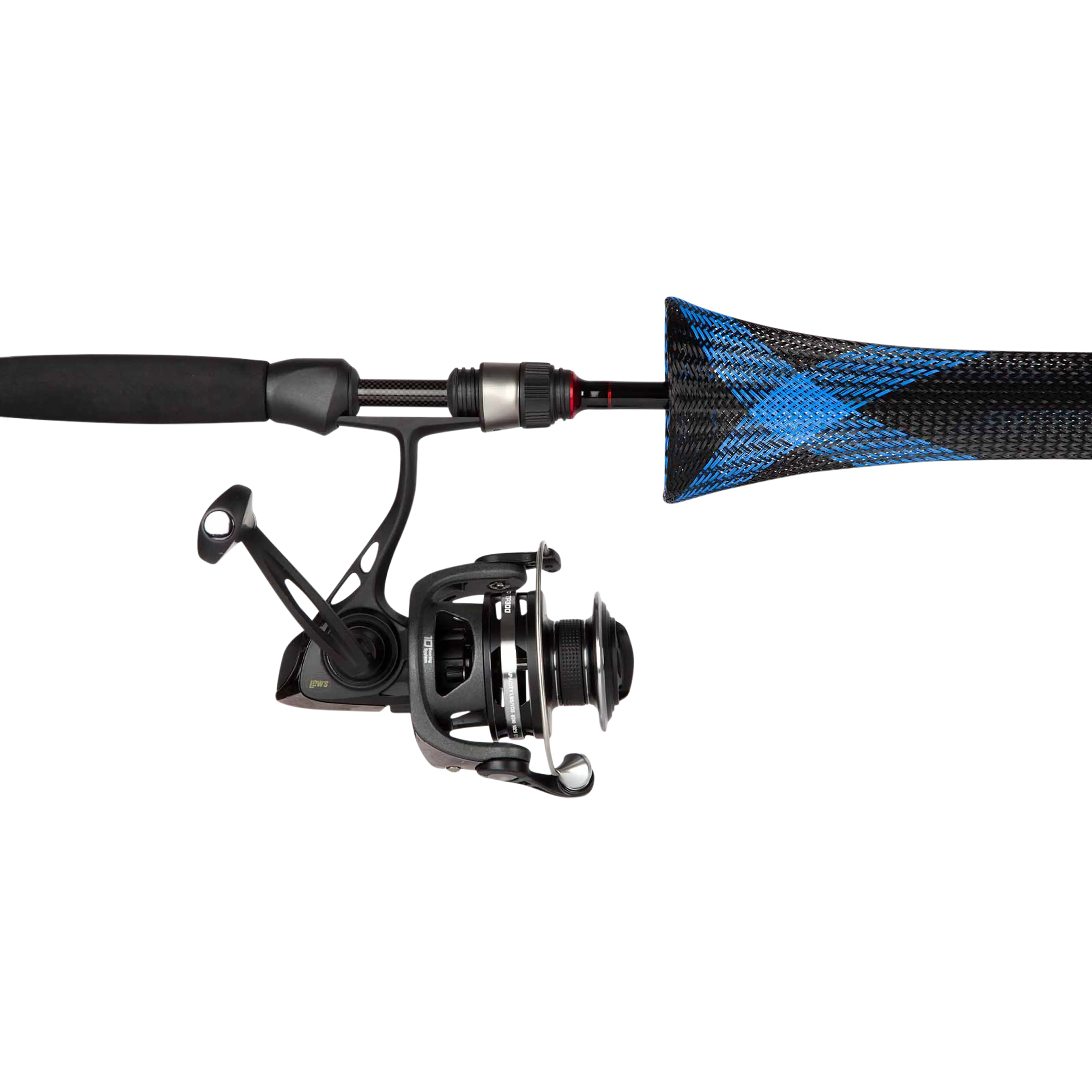
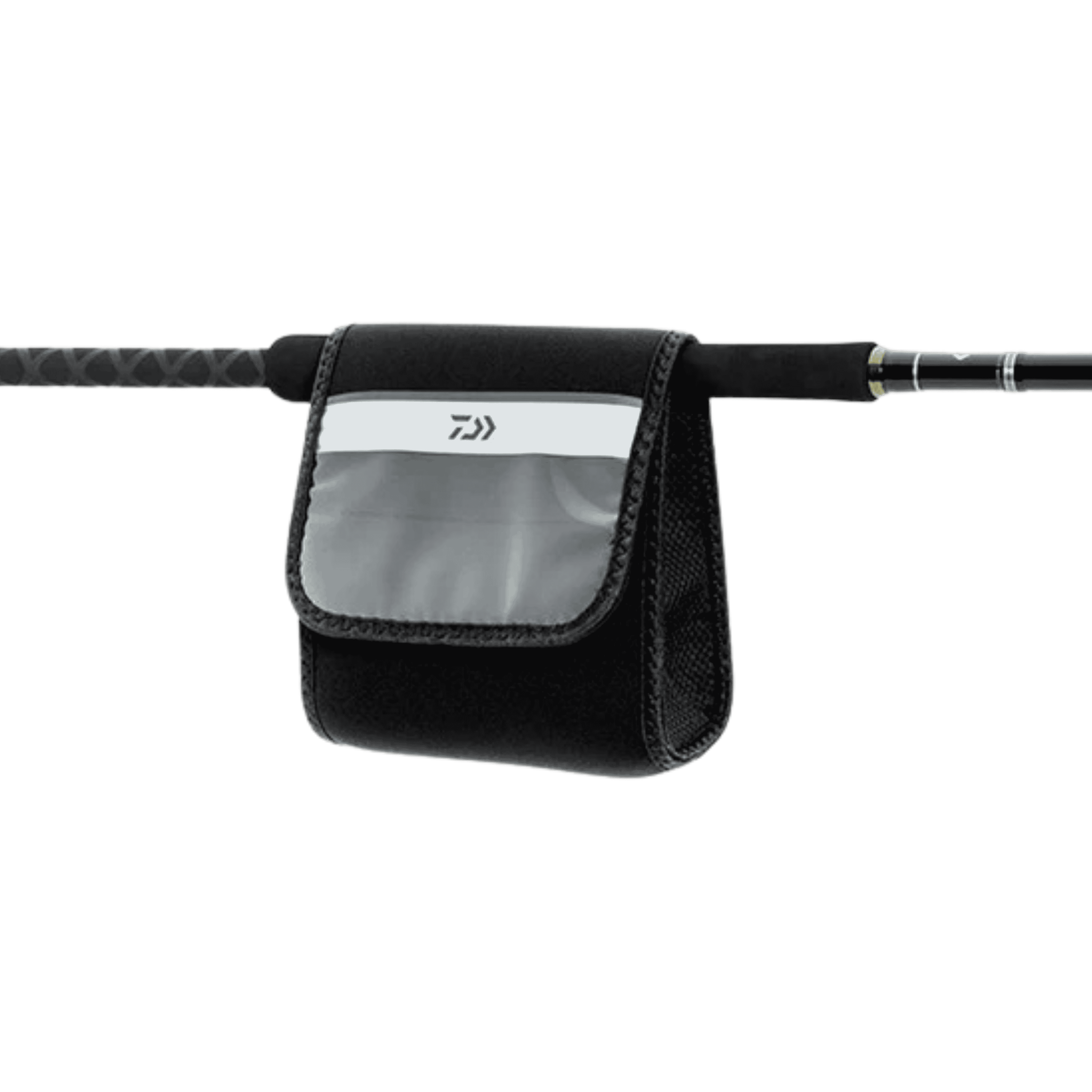
Rod sleeves help protect blanks, guides, and rod finishes from scratches, impacts, and tangles during transport and storage. Spinning and casting sleeves are designed differently to match guide orientation and help prevent setups from rubbing together in rod lockers, truck beds, or boats. Look for durable, breathable materials that slide on easily without catching guides while still allowing quick removal on the water.
Reel Covers & Reel Care
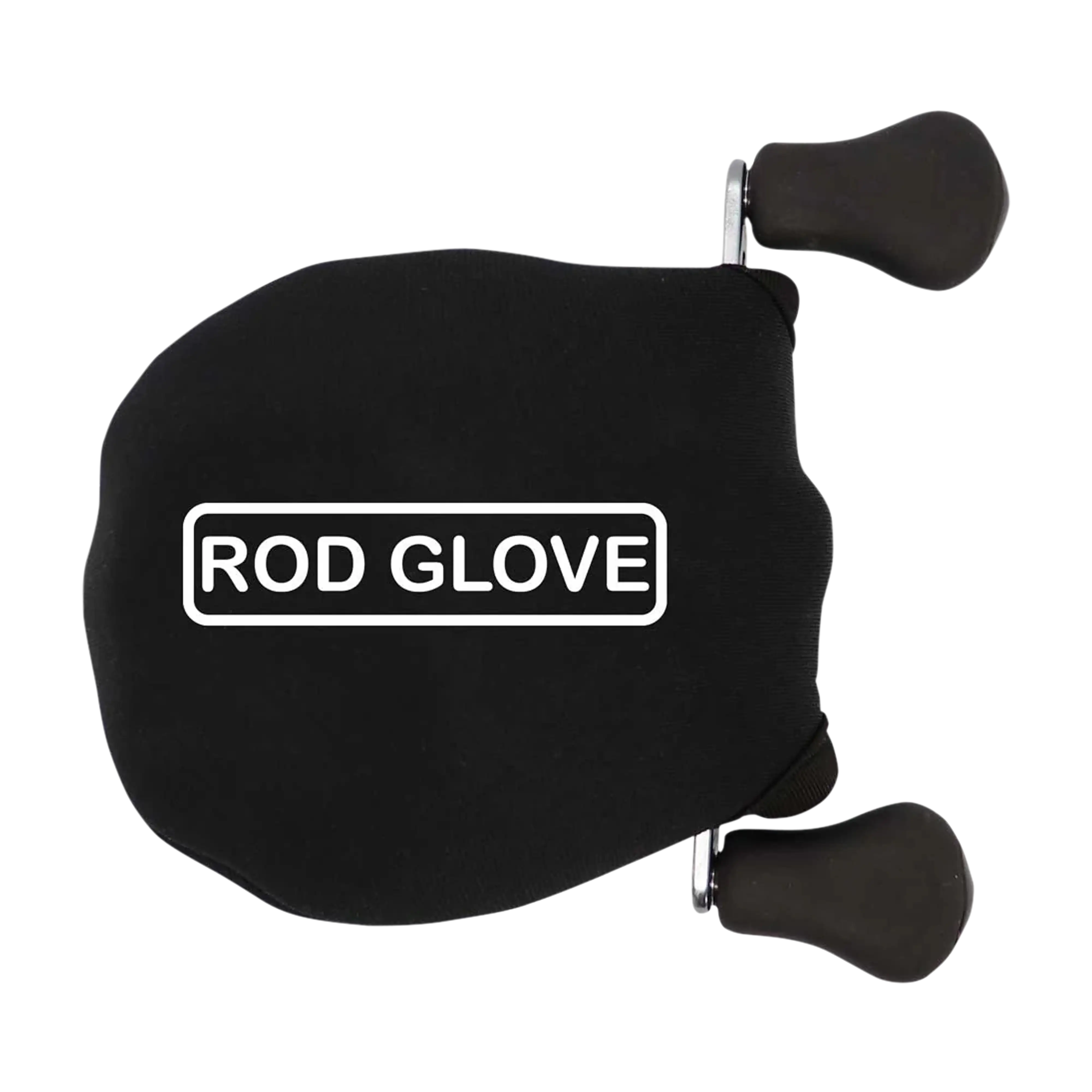
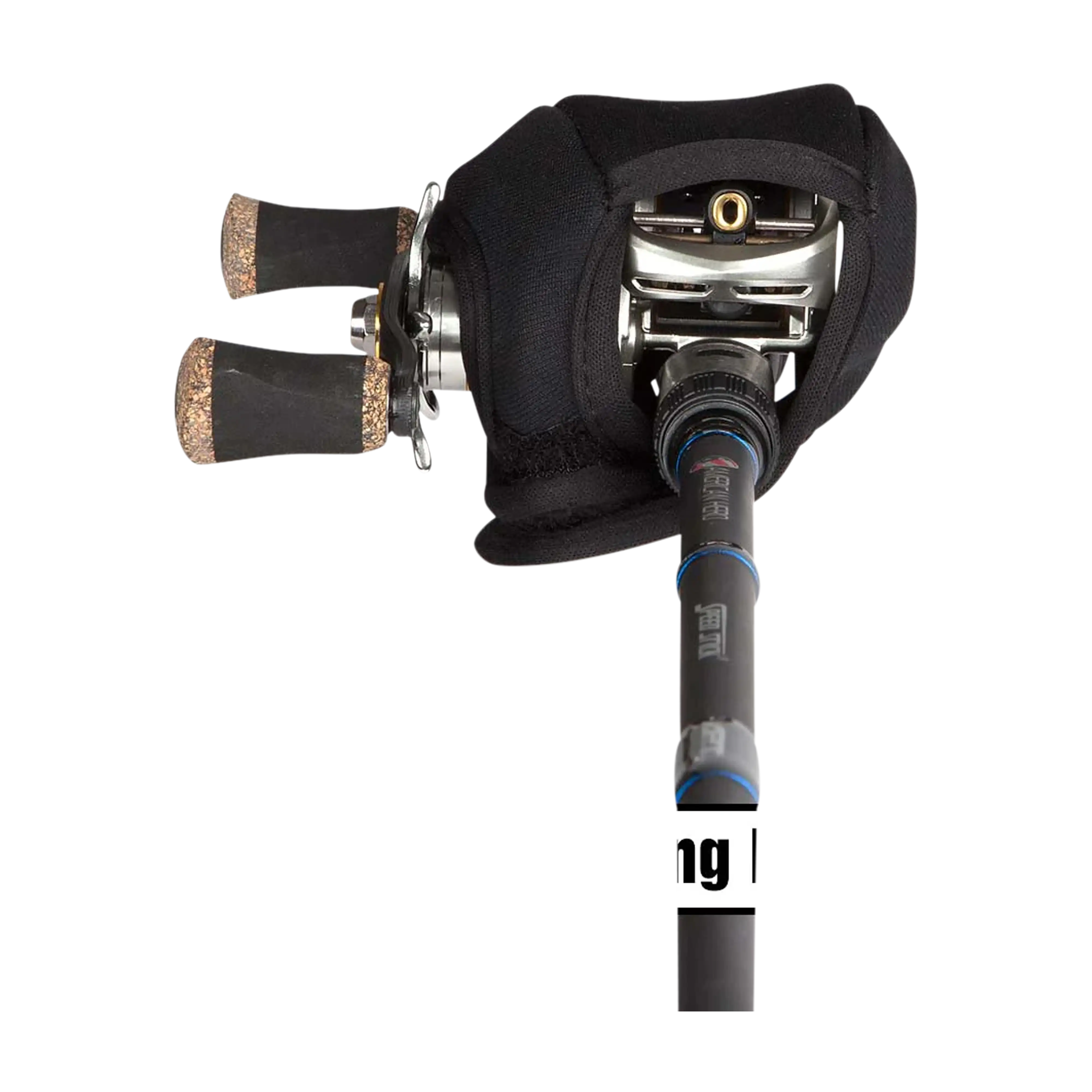
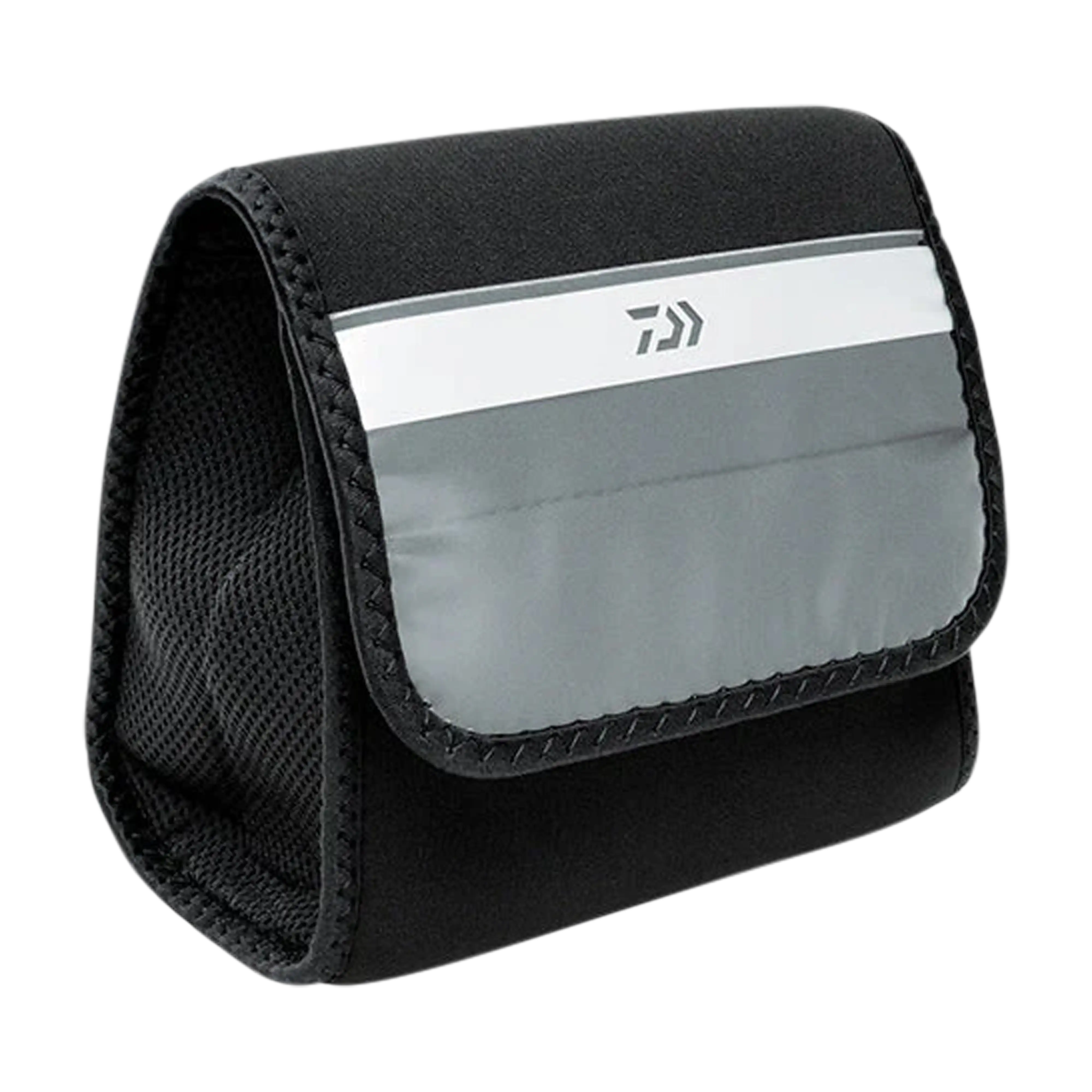
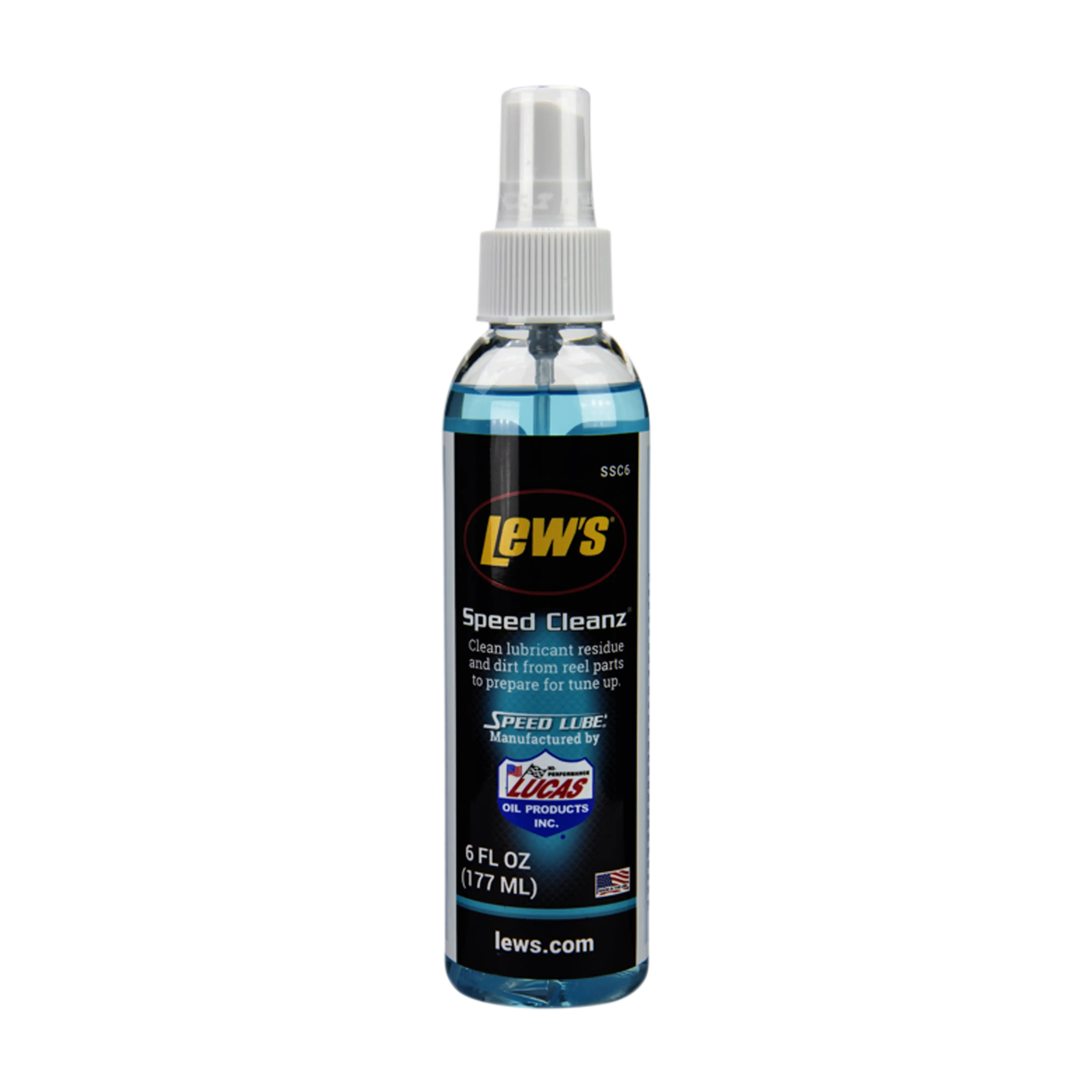
Reel covers protect spinning and casting reels from impacts, salt spray, sand, and scratches during transport or storage. A properly fitted cover helps preserve reel finishes and reduces unnecessary wear on handles, drags, and exposed components. Reel cleaners and maintenance products are also important for saltwater fishing, helping remove salt buildup and keep reels operating smoothly over time. Regular cleaning and light maintenance can significantly improve long-term reel performance and reliability.
Key Takeaways
- Rod sleeves help prevent guide damage, scratches, and tangled setups
- Reel covers protect reels from impacts, salt, sand, and transport damage
- Regular reel cleaning helps reduce corrosion and maintain smooth performance
- Proper storage and protection extend the lifespan of inshore fishing gear
Inshore Rod & Reel Care
Proper rod and reel care helps extend the life of your equipment and maintain consistent performance in harsh inshore environments. Saltwater, sand, moisture, and repeated transport can quickly wear down rods, reels, guides, and reel finishes if gear is left unprotected. Simple protective accessories and regular maintenance help reduce corrosion, prevent damage during storage or travel, and keep your setup ready for the next trip.
Rod Sleeves
Rod sleeves help protect blanks, guides, and rod finishes from scratches, impacts, and tangles during transport and storage. Spinning and casting sleeves are designed differently to match guide orientation and help prevent setups from rubbing together in rod lockers, truck beds, or boats. Look for durable, breathable materials that slide on easily without catching guides while still allowing quick removal on the water.
Reel Covers & Reel Care
Reel covers protect spinning and casting reels from impacts, salt spray, sand, and scratches during transport or storage. A properly fitted cover helps preserve reel finishes and reduces unnecessary wear on handles, drags, and exposed components. Reel cleaners and maintenance products are also important for saltwater fishing, helping remove salt buildup and keep reels operating smoothly over time. Regular cleaning and light maintenance can significantly improve long-term reel performance and reliability.
Key Takeaways
- Rod sleeves help prevent guide damage, scratches, and tangled setups
- Reel covers protect reels from impacts, salt, sand, and transport damage
- Regular reel cleaning helps reduce corrosion and maintain smooth performance
- Proper storage and protection extend the lifespan of inshore fishing gear
Inshore Rod & Reel Care


Inshore Topwater Tips & Techniques
Topwater fishing is about triggering reaction strikes from fish that are actively watching the surface. Your presentation, timing, and ability to read subtle signs of feeding all combine to create opportunity. When you understand how fish respond to movement, splash, and pauses, you can match the right lure and retrieve to conditions and trigger more consistent strikes.
Success in inshore topwater fishing also comes from understanding when to slow down, speed up, or change lure style entirely based on fish behavior and water conditions. Surface activity, bait movement, wind, tide, and water clarity all influence how aggressively fish feed and how they react to different presentations. Mastering these variables helps you apply techniques like walking baits, popping, and targeting structure more effectively across changing inshore conditions.
Technique 1: Walk the Dog
The “walk the dog” technique creates a side-to-side zigzag action that imitates a fleeing baitfish. This subtle topwater presentation is especially effective for pressured or cautious fish and allows you to cover water efficiently while keeping the lure in the strike zone longer. It works best on flats, mangroves, and calm creeks where fish can closely track surface movement.
How to:
- Keep the rod tip low and just above the water to maintain control of the lure.
- Use short, rhythmic twitches of the rod to create a steady zigzag motion.
- Adjust cadence based on water clarity, current, and fish activity level.
- Maintain a tight line so rod movement translates directly into lure action.
- Start with a consistent rhythm, then vary speed slightly to imitate injured or fleeing baitfish.
Technique 2: Popping & Chugging
Poppers and chuggers create surface disturbance that attracts attention and triggers reaction strikes. This technique is effective when fish are actively feeding or when visibility is lower, as sound and splash help draw fish in from cover or distance. Controlling pop strength and timing is key to generating strikes without overworking the lure.
How to:
- Hold the rod tip slightly above the water to allow the lure to work cleanly on the surface.
- Use quick, sharp rod pops to create splash, bubbles, and surface noise.
- Vary pop intensity—smaller pops for pressured fish, stronger pops for aggressive feeders.
- Fish low-light periods like dawn, dusk, or overcast conditions when topwater is most effective.
- Watch fish reactions and adjust cadence, including pauses to trigger strikes.
Technique 3: Targeting Structure
Casting near structure—such as mangroves, oyster beds, docks, grass edges, or current breaks—focuses on areas where predatory fish ambush prey. Fish typically hold tight to cover, so accuracy and controlled presentation are critical. Small changes in lure placement, speed, and pause timing often determine whether you get a strike.
How to:
- Target edges and ambush points rather than casting directly into heavy cover.
- Use pauses to let the lure sit or “hover” in the strike zone.
- Vary retrieve speed and cadence to mimic natural bait movement.
- Watch for surface signs like swirls, pushes, or shadows before casting.
- Adjust lure choice and presentation based on structure type and fish behavior.
Inshore Topwater Tips & Techniques
Topwater fishing is about triggering reaction strikes from fish that are actively watching the surface. Your presentation, timing, and ability to read subtle signs of feeding all combine to create opportunity. When you understand how fish respond to movement, splash, and pauses, you can match the right lure and retrieve to conditions and trigger more consistent strikes.
Success in inshore topwater fishing also comes from understanding when to slow down, speed up, or change lure style entirely based on fish behavior and water conditions. Surface activity, bait movement, wind, tide, and water clarity all influence how aggressively fish feed and how they react to different presentations. Mastering these variables helps you apply techniques like walking baits, popping, and targeting structure more effectively across changing inshore conditions.
Technique 1: Walk the Dog
The “walk the dog” technique creates a side-to-side zigzag action that imitates a fleeing baitfish. This subtle topwater presentation is especially effective for pressured or cautious fish and allows you to cover water efficiently while keeping the lure in the strike zone longer. It works best on flats, mangroves, and calm creeks where fish can closely track surface movement.
How to:
- Keep the rod tip low and just above the water to maintain control of the lure.
- Use short, rhythmic twitches of the rod to create a steady zigzag motion.
- Adjust cadence based on water clarity, current, and fish activity level.
- Maintain a tight line so rod movement translates directly into lure action.
- Start with a consistent rhythm, then vary speed slightly to imitate injured or fleeing baitfish.
Technique 2: Popping & Chugging
Poppers and chuggers create surface disturbance that attracts attention and triggers reaction strikes. This technique is effective when fish are actively feeding or when visibility is lower, as sound and splash help draw fish in from cover or distance. Controlling pop strength and timing is key to generating strikes without overworking the lure.
How to:
- Hold the rod tip slightly above the water to allow the lure to work cleanly on the surface.
- Use quick, sharp rod pops to create splash, bubbles, and surface noise.
- Vary pop intensity—smaller pops for pressured fish, stronger pops for aggressive feeders.
- Fish low-light periods like dawn, dusk, or overcast conditions when topwater is most effective.
- Watch fish reactions and adjust cadence, including pauses to trigger strikes.
Technique 3: Targeting Structure
Casting near structure—such as mangroves, oyster beds, docks, grass edges, or current breaks—focuses on areas where predatory fish ambush prey. Fish typically hold tight to cover, so accuracy and controlled presentation are critical. Small changes in lure placement, speed, and pause timing often determine whether you get a strike.
How to:
- Target edges and ambush points rather than casting directly into heavy cover.
- Use pauses to let the lure sit or “hover” in the strike zone.
- Vary retrieve speed and cadence to mimic natural bait movement.
- Watch for surface signs like swirls, pushes, or shadows before casting.
- Adjust lure choice and presentation based on structure type and fish behavior.
Inshore Topwater Fishing
FAQ - Inshore Topwater Gear
What is the best rod length for topwater?
Rods between 6’10” and 7’6” provide a strong balance of casting distance, lure control, and accuracy. Longer rods help improve casting range and line management during walking-style retrieves, while shorter options are easier to control around docks, mangroves, and tight cover. Medium power with a fast action is most common, offering enough sensitivity to detect strikes while still providing backbone for solid hook sets.
Can beginners use topwater lures?
Yes, beginners can be very successful with topwater lures by starting with simple walking baits and poppers in calm water. Focus on learning a steady retrieve rhythm rather than speed or aggression. Short casts and watching how fish react to surface movement will help build timing and confidence without relying on complex techniques.
Spinning or baitcasting—what’s better for topwater inshore?
Both spinning and baitcasting setups work well depending on lure size and fishing style. Spinning reels are better suited for lighter lures and easier casting, especially for beginners or finesse presentations. Baitcasting reels offer more control, longer casts, and better handling of heavier topwater plugs. Many anglers use both and switch based on conditions and lure type.
What time of day is best for topwater fishing?
Early morning, late evening, and overcast days are typically the most productive times for topwater fishing. Low light conditions increase surface activity and make fish more willing to strike near the surface. Tidal movement also plays a major role—moving water often concentrates baitfish and improves feeding activity around flats and structure.
Which lures trigger the most strikes in topwater inshore fishing?
Walking baits and poppers are all effective depending on conditions. Walking baits work best in calm water or when fish are pressured, poppers excel in low light or active feeding situations, and plugs are useful for covering water or fishing near structure. Matching lure action to fish behavior is key to consistent strikes.
How do I prevent treble hook tangles?
Proper tackle organization is essential for topwater fishing. Use long compartments for plugs, separate lures by size and type, and consider foam inserts or dividers to keep hooks isolated. This reduces tangling, protects lure finishes, and makes gear easier to access when changing setups quickly.
Can I repurpose topwater inshore rods for other techniques?
Yes. Medium topwater rods (including medium-light and medium-heavy) in the 6’10”–7’3” range are versatile enough for light jigging, soft plastics, and other inshore finesse techniques, and many freshwater applications too. They offer a good balance of sensitivity and backbone, making them useful across multiple applications beyond topwater fishing.
How do I choose inshore topwater lure colors?
In clear water, natural colors that match local baitfish are most effective. In stained or murky water, brighter or higher-contrast colors help improve visibility and attract attention. Color selection should be adjusted based on water clarity, light conditions, and forage in the area.
How often should I replace fishing line and leaders?
Inspect braid and leaders regularly for frays, abrasion, and UV wear. Heavily used braided mainline typically lasts 6–12 months, while monofilament leaders may need more frequent replacement depending on structure and conditions. Check leaders throughout the day, especially after contact with cover or after each catch or strike. Fresh line helps maintain performance and reduces the risk of lost fish.
Can topwater techniques work in salt and brackish water?
Yes, topwater techniques are highly effective in both salt and brackish environments. Adjust lure size, tackle strength, and leader type based on water clarity, current, and target species. Corrosion-resistant gear and properly matched line systems help ensure consistent performance in these conditions.
From the Mud Hole Journal
Further Reading
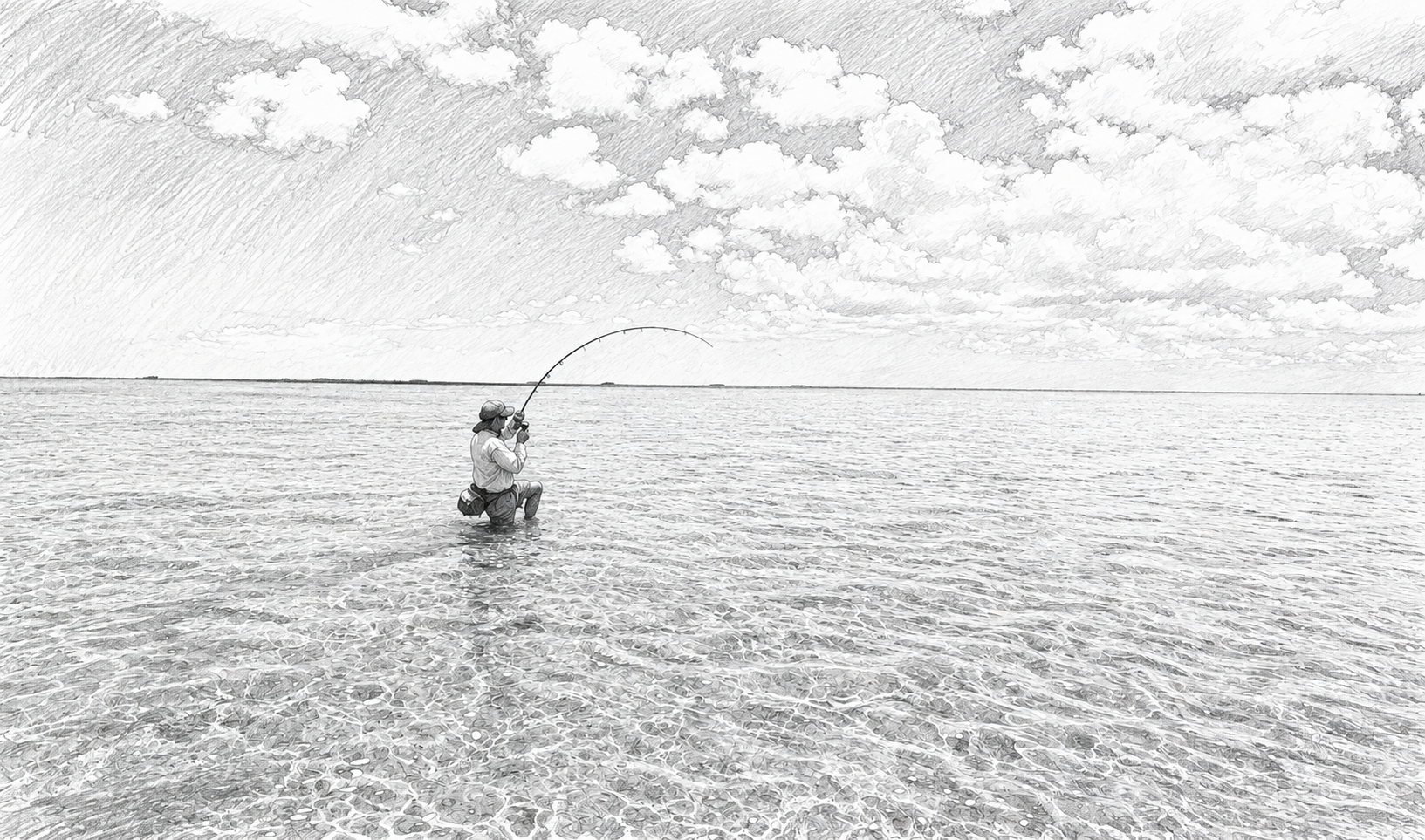
Walking Baits: The Ultimate Inshore Topwater Technique
If you’re looking for more rod recommendations, reel pairings, line setups, and technique-specific advice, head back to the complete Main Gear Guide Page for the full breakdowns on your favorite te...
Further Reading
Can't get enough Inshore Topwater Fishing content? Check out the articles below!