












If you’re looking for more rod recommendations, reel pairings, line setups, and technique-specific advice, head back to the complete Main Gear Guide Page for the full breakdowns on your favorite techniques.
Few techniques in fishing create the anticipation and excitement of working a walking bait across the surface.
Every twitch of the rod sends the lure gliding side-to-side like a wounded baitfish attempting to escape danger. The rhythmic movement draws attention from predators below, often resulting in explosive surface strikes that leave anglers replaying the moment long after the fish is landed.
For many inshore anglers, walk-the-dog fishing represents the pinnacle of topwater fishing.
Whether targeting speckled trout across expansive grass flats, redfish cruising shorelines, or snook feeding along mangrove edges, walking baits offer an incredibly effective way to cover water while presenting a realistic surface target.
The combination of visual excitement, versatility, and fish-catching ability has made walking baits one of the most popular inshore lure categories ever developed.
When conditions are right, few techniques can match their effectiveness.
What Is Walk-the-Dog Fishing?
Walk-the-dog fishing revolves around a specialized topwater lure designed to glide side-to-side across the surface.
Rather than moving in a straight line, the lure darts left and right with each rod twitch, closely imitating a wounded or fleeing baitfish.
This action is created through a combination of rod movement and slack-line control.
After the cast, anglers use rhythmic twitches while managing slack line to generate the signature zigzag motion.
The presentation can be worked quickly to imitate fleeing bait or slowed down to tempt cautious fish.
Because the lure remains on the surface throughout the retrieve, fish have ample opportunity to track, inspect, and ultimately attack the bait.
The result is one of the most visually exciting presentations in all of fishing.
Why Walking Baits Work
Predatory fish are naturally drawn to vulnerable prey.
The erratic side-to-side movement of a walking bait mimics a baitfish that is injured, disoriented, or attempting to escape.
This triggers both feeding and reaction responses.
Unlike subsurface lures that may disappear from a fish's field of vision, walking baits remain highly visible throughout the retrieve.
Fish often track them for several feet before committing.
The technique also covers water efficiently.
Because the lure continues moving forward while walking, anglers can search large areas and locate actively feeding fish quickly.
Another major advantage is versatility.
Walking baits can be fished aggressively when predators are feeding heavily or worked slowly when fish are more cautious.
Few presentations adapt to changing conditions as effectively.
Where Walking Baits Excel
Walking baits perform exceptionally well in open-water environments where fish are actively searching for bait.
Grass flats, shorelines, oyster bars, sand pockets, mangrove edges, and shallow bays all create productive opportunities.

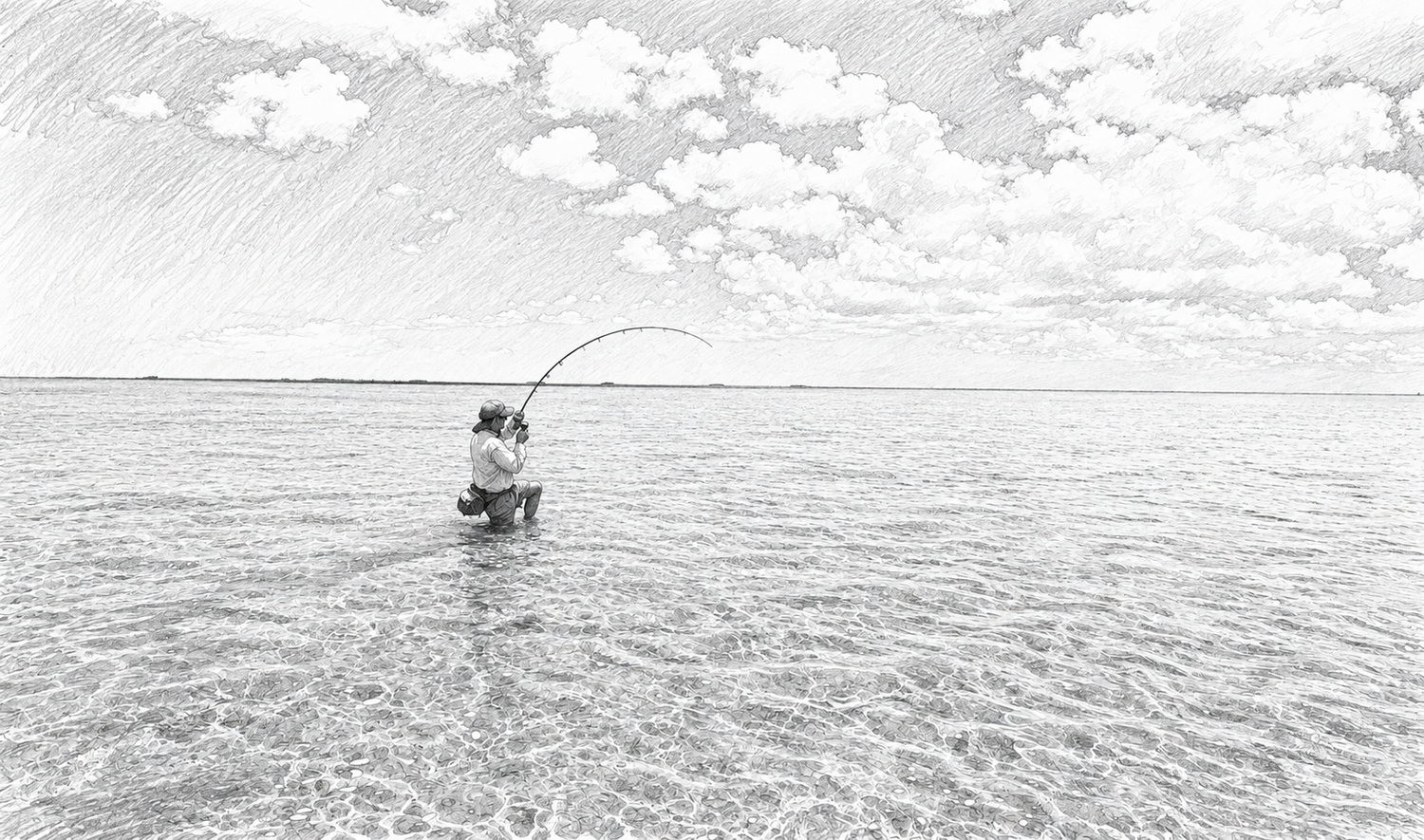
Laguna Madre Flats
The technique shines when fish are roaming rather than holding tightly to a specific piece of structure.
Speckled trout feeding over submerged grass, redfish cruising shorelines, and snook hunting baitfish along current edges are all prime candidates.
Walking baits are particularly effective in low-light conditions.
Early mornings, late evenings, overcast days, and periods of active tidal movement often produce the best surface action.
Whenever fish are feeding near the surface, a walking bait deserves serious consideration.
Reading Conditions and Fish Behavior
Success with topwater fishing often begins with understanding fish activity.
Bait presence is one of the strongest indicators.
Schools of mullet, glass minnows, pilchards, or other forage species frequently attract predators.
Watch for surface disturbances such as bait showers, nervous water, wakes, and subtle pushes across the surface.
These clues often reveal actively feeding fish.
Water conditions also matter.
Calm to moderately choppy water generally provides ideal walking-bait conditions because fish can track the lure effectively.
Tidal movement can further concentrate bait and create feeding opportunities along points, shorelines, and current breaks.
The more signs of active feeding behavior you can identify, the more productive topwater fishing becomes.
Technique: Master the Walk
The key to successful walk-the-dog fishing is rhythm.
After making a cast, lower the rod tip toward the water and allow the lure to settle.
Begin making short, controlled twitches while simultaneously managing slack line.
Each twitch should cause the lure to glide in the opposite direction, creating the signature side-to-side action.
The biggest mistake many anglers make is keeping the line too tight.
A small amount of slack is necessary for the lure to walk properly.
Experiment with cadence until you find what fish prefer.
Sometimes a fast, aggressive retrieve triggers reaction strikes. Other times, a slower cadence with occasional pauses produces better results.
One of the most important lessons in topwater fishing is resisting the urge to set the hook immediately when a fish strikes.
Wait until you feel the weight of the fish before applying pressure.
Patience often results in significantly better hookup percentages.
Best Walking Baits for Inshore Fishing
Walking baits are available in a wide range of sizes and profiles.
Most inshore models range from approximately 3.5 to 5 inches and weigh between 1/4 and 3/4 ounce.
These sizes effectively imitate many of the baitfish commonly found in coastal environments.
Natural baitfish colors such as bone, silver, translucent patterns, and subtle greens remain consistent producers.
Dark colors often excel during low-light periods because they create strong silhouettes against the surface.
Larger walking baits can be highly effective when targeting bigger fish or matching larger forage, while smaller models often shine when fish are pressured or feeding on smaller bait.

MirrOLure Top Dog Jr. Walking Bait
The key is selecting a lure that matches local forage and prevailing conditions.
For a complete selection of proven lure, explore our curated collection of topwater baits designed specifically for open-water applications.
Gear Setup for Walking-Bait Success
Walking baits require a rod capable of casting accurately while maintaining precise lure control.

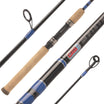
Shimano Teramar Southeast Inshore Spinning Rod 7'0" Medium
A rod between 6'10" and 7'2" with medium-light to medium power provides an excellent balance of casting distance, responsiveness, and fish-fighting ability. Start by picking out your rod.
Moderate-fast to fast actions help anglers create clean lure movement while remaining forgiving enough to keep treble-hooked fish pinned.
Choosing the right inshore topwater rod is critical because lure control is often more important than raw power when fishing walking baits.

Florida Fishing Products Salos
Spinning reels in the 3000 to 3500 size range remain the most versatile option for many anglers, though baitcasters are also popular for anglers who prefer maximum lure control. Check out our reel recommendations.
Most setups utilize 10-20 lb braided mainline paired with a 15-30 lb monofilament leader. These are the line and leader combinations we pick.
The braid provides excellent sensitivity and casting distance, while the mono leader adds stretch and helps maintain natural topwater action.
A Must-Fish Destination: Laguna Madre, Texas
A perfect example of where walking baits excel is the legendary Laguna Madre in Texas.

Laguna Madre, Texas
Known for its expansive shallow flats, abundant baitfish populations, and exceptional speckled trout and redfish fishing, the Laguna Madre provides ideal conditions for topwater presentations.
Large areas of shallow grass allow predators to roam while actively searching for bait.
Walking baits can efficiently cover these expansive flats while remaining visible to fish from considerable distances.
The region's combination of clear water, abundant forage, and aggressive gamefish has made it one of the most celebrated topwater fisheries in North America.
Few destinations showcase the effectiveness of walk-the-dog fishing better than the Laguna Madre.
Final Thoughts
Walking baits remain one of the most exciting and productive lure categories in inshore fishing.
Their ability to imitate wounded baitfish, cover water efficiently, and trigger explosive surface strikes makes them a favorite among anglers targeting trout, redfish, snook, and other coastal predators.
Whether fishing expansive grass flats, winding shorelines, or current-rich estuaries, the walk-the-dog retrieve provides a proven system for locating and catching active fish.
The key is mastering cadence, maintaining proper slack-line control, and adapting retrieve speed to fish behavior.
For anglers looking to experience some of the most memorable strikes in fishing, few techniques rival the excitement of a walking bait disappearing beneath an explosive surface attack.
For more rod recommendations, reel pairings, line setups, lure selections, and topwater-specific advice, check out the complete Inshore Topwater Gear Guide and build a system designed to maximize every surface strike.
About the Author
The team at Mud Hole Custom Tackle are passionate anglers, coastal fishing enthusiasts, and tackle experts dedicated to helping fishermen build better gear and catch more fish. From shallow-water flats and mangrove shorelines to open bays and tidal creeks, the Mud Hole Staff combines real-world fishing experience with technical expertise to help anglers select equipment that performs on the water. Their passion for fishing innovation and practical knowledge drives every guide, article, and recommendation they create.