








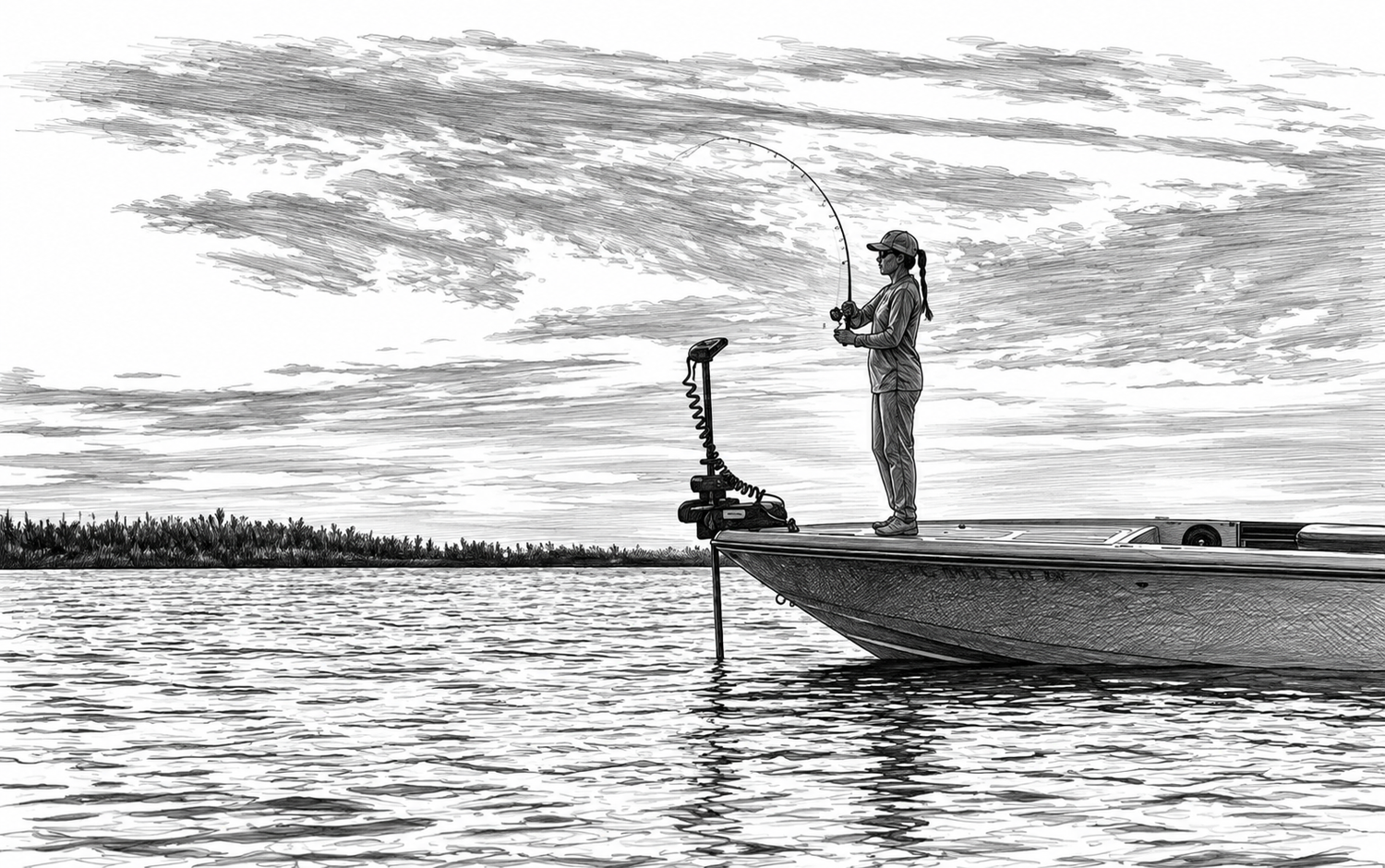
If you’re looking for more rod recommendations, reel pairings, line setups, and technique-specific advice, head back to the complete Main Gear Guide Page for the full breakdowns on your favorite techniques.
While walking baits excel at imitating a fleeing baitfish, there are times when subtle presentations simply aren't enough.
Wind creates surface chop. Water clarity decreases. Fish bury themselves around structure. Predators become aggressive and begin feeding by sound as much as sight.
That's when poppers and chuggers truly shine.
Designed to create noise, splash, and surface disturbance, these lures grab the attention of fish from a distance and trigger violent reaction strikes. Every sharp pull of the rod produces a burst of water and an unmistakable "pop" that mimics feeding activity, struggling baitfish, or prey attempting to escape danger.
For inshore anglers targeting redfish, speckled trout, snook, and other coastal predators, few topwater presentations can match the ability of a popper to call fish up from below.
When conditions favor surface commotion, poppers often become the loudest voice in the water.
What Are Poppers and Chuggers?
Poppers and chuggers are topwater lures designed with concave faces that displace water during the retrieve.
Instead of gliding side-to-side like a walking bait, these lures push water forward, creating splashes, bubbles, and distinctive popping sounds on the surface.
The amount of disturbance varies by lure design.
Some create subtle spits and small splashes, while others produce deep chugging sounds and significant surface commotion.
This versatility allows anglers to match lure action to prevailing conditions and fish behavior.
The presentation can imitate feeding baitfish, fleeing prey, shrimp skipping across the surface, or the commotion created by predators actively feeding.
The result is a lure category capable of attracting fish from considerable distances.
Why Poppers Work
Predatory fish rely on multiple senses when hunting.
While vision plays an important role, vibration and sound become increasingly important in stained water, windy conditions, or low-light environments.
Poppers excel because they appeal to all three.
The splash attracts attention.
The sound signals feeding activity.
The visual disturbance creates the appearance of vulnerable prey.

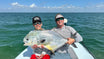
Topwater Snook
Many strikes occur not because fish are actively feeding, but because the lure invades their territory and triggers an instinctive reaction.
The ability to generate attraction from a distance makes poppers especially effective when fish are scattered or holding around isolated structure.
In situations where subtle presentations may go unnoticed, a properly worked popper can become impossible to ignore.
Where Poppers & Chuggers Excel
Poppers perform exceptionally well around structure-rich environments where predators frequently ambush prey.
Oyster bars, mangrove shorelines, grass edges, docks, seawalls, points, and creek mouths all create ideal opportunities.
The technique also shines during windy conditions.
While calmer water often favors walking baits, surface chop can make it difficult for fish to track subtle presentations.
The added sound and commotion of a popper help fish locate the lure more easily.
Poppers are particularly effective when targeting aggressive fish holding in shallow water.
Redfish cruising shorelines, snook stationed near mangroves, and trout feeding over grass flats all respond well to surface disturbance.
Whenever visibility decreases or fish need help locating a lure, poppers deserve a place in the lineup.
Reading Conditions and Fish Behavior
Successful topwater fishing starts with identifying active fish.
Bait activity remains one of the strongest indicators.
Look for mullet schools, shrimp movement, nervous water, bait showers, and feeding activity near the surface.
Wind direction can also play an important role.
Points, shorelines, and current seams that concentrate bait often become prime topwater locations.
Cloud cover and low-light periods frequently increase surface activity as predators become more comfortable feeding shallow.
Water clarity should influence lure selection as well.
The dirtier the water becomes, the more valuable sound and vibration become.
Understanding how environmental conditions affect fish behavior helps anglers determine when poppers are likely to outperform quieter topwater presentations.
Technique: Create Attention, Then Pause
One of the biggest mistakes anglers make with poppers is working them too quickly.
While aggressive retrieves can be effective at times, many strikes occur during pauses.
After the cast, allow the lure to settle before beginning the retrieve.
Use short rod twitches to create distinct pops and splashes.
Then pause.
That pause often gives following fish an opportunity to commit.
Experiment with cadence until fish reveal their preference.
Some days they respond to rapid-fire pops. Other times, a single loud chug followed by a lengthy pause produces the best results.
Around structure, accuracy becomes especially important.
Landing the lure tight to mangroves, docks, grass edges, or oyster bars often creates the highest-percentage opportunities.
The goal is attracting attention while giving fish enough time to attack.
Best Poppers and Chuggers for Inshore Fishing
Inshore poppers are available in a variety of sizes, shapes, and sound profiles.
Smaller models often excel when fish are feeding on shrimp, glass minnows, or smaller baitfish.
Larger chuggers create more commotion and can attract larger predators from greater distances.
Natural baitfish patterns remain consistent producers in clear water.
Bone, silver, chrome, translucent finishes, and subtle baitfish colors continue to catch fish throughout coastal fisheries.
Brighter colors can improve visibility in stained water and low-light conditions.

Daiwa Floating Salt Pencil Popper
Some anglers prefer rattling models for added attraction, while others favor quieter designs when fishing pressured waters.
Matching lure size and sound profile to prevailing conditions often improves success.
For a complete selection of proven lure, explore our curated collection of topwater baits designed specifically for open-water applications.
Gear Setup for Popper Success
Poppers require a rod capable of delivering accurate casts while creating crisp lure action.

G. Loomis GCX Inshore Spinning Rod
A rod between 6'10" and 7'3" with medium or medium-heavy power provides excellent versatility for most inshore applications. Start by picking out your rod.
Fast actions help anglers create clean popping movements while maintaining strong hook-setting performance.
Choosing the right inshore topwater rod is critical because lure control and casting accuracy directly influence success with poppers.

Florida Fishing Products Salos 3000
Spinning reels in the 3000 to 4000 size range remain among the most popular options for inshore topwater fishing. Check out our reel recommendations.
Most anglers pair these reels with 10-20 lb braided line and a 20-30 lb monofilament leader. These are the line and leader combinations we pick.
The braid provides casting distance and sensitivity, while the mono leader helps keep the presentation floating naturally and absorbs shock during explosive surface strikes.
A Must-Fish Destination: Charlotte Harbor, Florida
A perfect example of where poppers and chuggers excel is Charlotte Harbor on Florida's Gulf Coast.
Known for its extensive grass flats, oyster bars, mangrove shorelines, and healthy populations of redfish, trout, and snook, Charlotte Harbor offers countless opportunities for topwater fishing.

Charlotte Harbor, Florida
The combination of shallow structure and abundant forage creates ideal conditions for surface-feeding predators.
Wind often plays a role throughout the system, making the additional sound and disturbance of poppers particularly effective.
Whether working shoreline points at first light or targeting redfish around oyster bars, poppers consistently produce memorable topwater action.
Few fisheries showcase the effectiveness of popping-style lures better than Charlotte Harbor.
Final Thoughts
Poppers and chuggers remain among the most effective topwater lures available to inshore anglers.
Their ability to create sound, splash, and surface disturbance allows them to attract fish from greater distances and perform exceptionally well when conditions reduce visibility.
Whether targeting redfish around oyster bars, trout over grass flats, or snook along mangrove shorelines, these lures provide an exciting and highly productive surface presentation.
The key is balancing commotion with patience, using pauses effectively, and matching lure size and sound profile to prevailing conditions.
For anglers seeking explosive surface strikes and the ability to call predators up from below, few techniques are as exciting as fishing a well-worked popper.
For more rod recommendations, reel pairings, line setups, lure selections, and topwater-specific advice, check out the complete Inshore Topwater Gear Guide and build a system designed to maximize every topwater opportunity.
About the Author

The team at Mud Hole Custom Tackle are passionate anglers, coastal fishing enthusiasts, and tackle experts dedicated to helping fishermen build better gear and catch more fish. From shallow grass flats and oyster bars to mangrove shorelines and tidal estuaries, the Mud Hole Staff combines real-world fishing experience with technical expertise to help anglers select equipment that performs on the water. Their passion for fishing innovation and practical knowledge drives every guide, article, and recommendation they create.