








What is Urchin Bait Fishing?
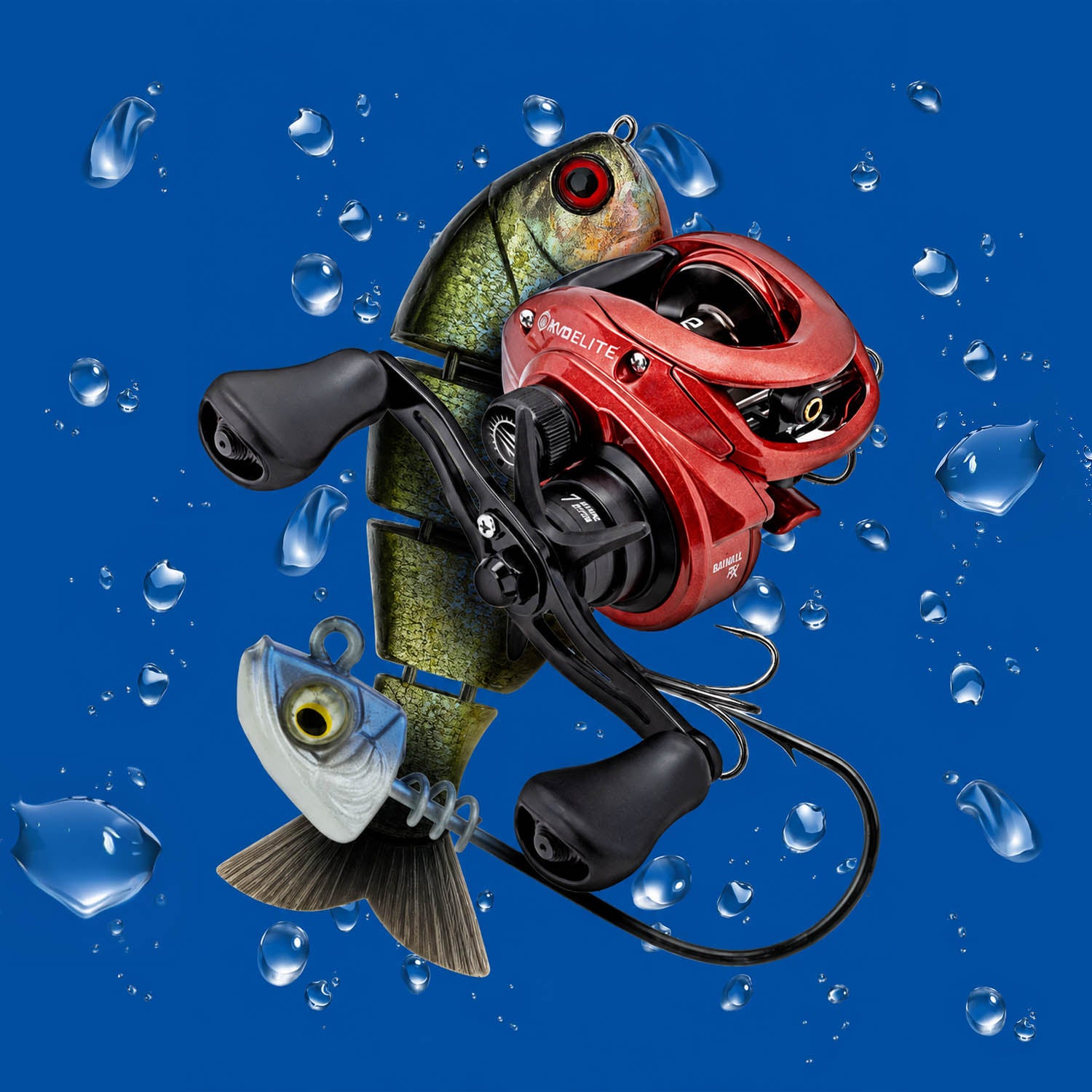
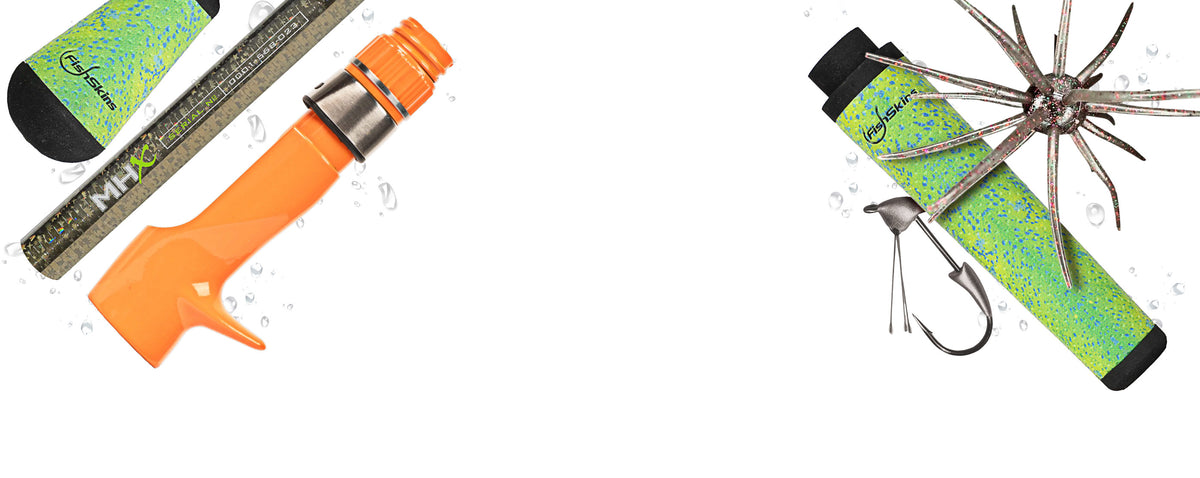
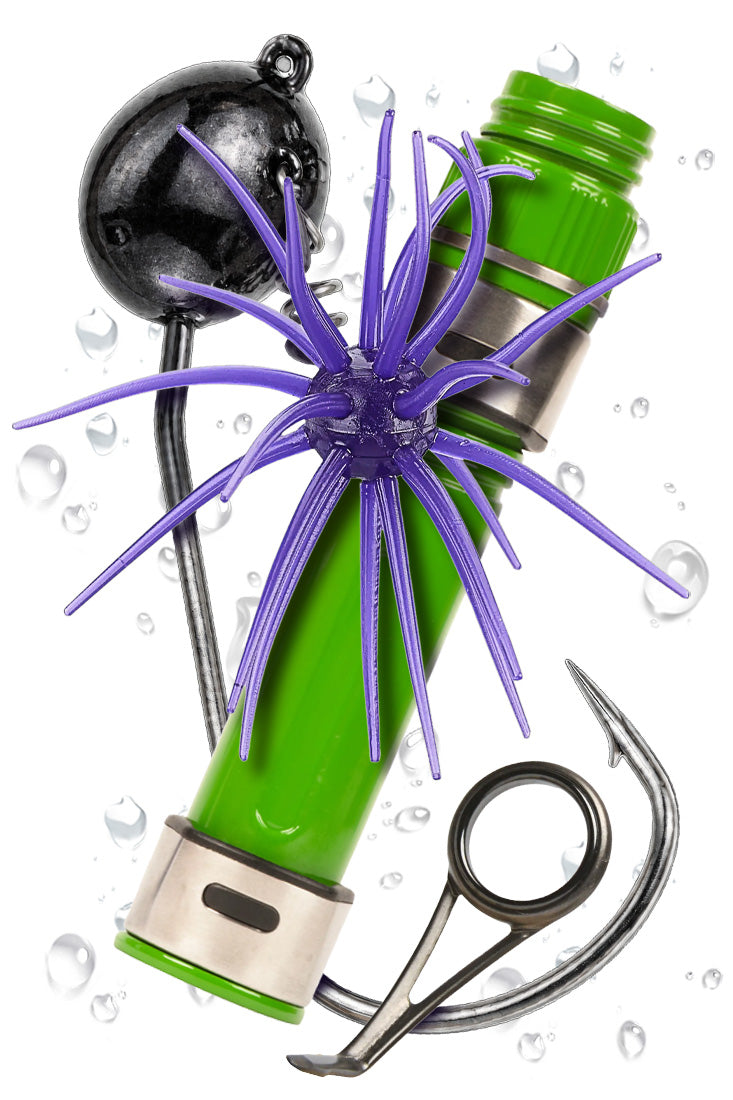
Urchin baits, sometimes called spiky balls, porcupine, or Coike-style baits, are a rapidly growing category of soft plastics known for their round, compact bodies and dense, flexible tentacles that radiate in every direction and create constant movement with very little angler input.
Rather than imitating a single forage item, urchin baits were designed to look like a bait ball, a tight cluster of small baitfish. The Coike's creator, Yoshida, built the original about 20 years ago around that idea, and other makers now market urchins the same way. Not every angler buys the theory; some think fish see a crawfish, an insect cluster, or simply something new. Either way, the tentacles pulse, flare, and undulate with subtle rod movements, current, or even while the bait is falling or resting, so the bait looks alive without matching any one prey item. This natural movement makes urchin baits effective on pressured fish, suspended fish, and big bass that are unwilling to chase faster-moving lures.
While the bait itself remains the same, the way it's rigged dramatically changes how it fishes. Different hook and weight combinations allow anglers to target everything from docks and isolated cover to brush piles, standing timber, and suspended fish. Each size of urchin also requires slightly different tackle to maximize casting performance, lure control, and hook-setting power.
Because different presentations place different demands on your tackle, many anglers choose to build a custom urchin bait rod tailored to how they fish. This guide walks through the different rigging methods and selecting the right blank and components to maximize casting accuracy, lure control, and hook-setting performance for the urchin bait techniques you use most.
Introduction
What is Build an Urchin Bait Rod?
What is Urchin Bait Fishing?
Urchin baits, sometimes called spiky balls, porcupine, or Coike-style baits, are a rapidly growing category of soft plastics known for their round, compact bodies and dense, flexible tentacles that radiate in every direction and create constant movement with very little angler input.
Rather than imitating a single forage item, urchin baits were designed to look like a bait ball, a tight cluster of small baitfish. The Coike's creator, Yoshida, built the original about 20 years ago around that idea, and other makers now market urchins the same way. Not every angler buys the theory; some think fish see a crawfish, an insect cluster, or simply something new. Either way, the tentacles pulse, flare, and undulate with subtle rod movements, current, or even while the bait is falling or resting, so the bait looks alive without matching any one prey item. This natural movement makes urchin baits effective on pressured fish, suspended fish, and big bass that are unwilling to chase faster-moving lures.
While the bait itself remains the same, the way it's rigged dramatically changes how it fishes. Different hook and weight combinations allow anglers to target everything from docks and isolated cover to brush piles, standing timber, and suspended fish. Each size of urchin also requires slightly different tackle to maximize casting performance, lure control, and hook-setting power.
Because different presentations place different demands on your tackle, many anglers choose to build a custom urchin bait rod tailored to how they fish. This guide walks through the different rigging methods and selecting the right blank and components to maximize casting accuracy, lure control, and hook-setting performance for the urchin bait techniques you use most.
How to Rig Urchin Baits
Urchin baits are rigged by pairing a hook with a weight. The hook determines hookup ratio and snag resistance, while the weight controls casting distance, sink rate, and the depth you can target. There is no single correct way to rig an urchin, and anglers mix and match hooks and weights based on bait size, cover, and depth. Here are the most common rigs anglers are currently using.
Treble & Quad Hook Urchin Rig
Targets: Open water, suspended fish, brush piles, docks, sparse cover
The treble hook rig is the most popular way to fish urchin baits. A nail weight is pushed into the hole through the center of the bait, and a treble or quad hook is attached so the points sit exposed around the tentacles. Multiple exposed points produce the highest hookup ratio of any urchin rig, which is why it's the go-to choice in open water and around sparse cover.
Trebles from #2 to 2/0 are common, with #1 and 1/0 used most on standard and full-size baits. Because bass often take urchins deep, use no smaller than a #1 on standard and full-size urchins. The exposed points will snag in heavy cover, so switch to a double frog or single hook when fishing thick wood or grass.
Double Frog Hook Urchin Rig
Targets: Docks, laydowns, wood cover, moderate cover
The double frog hook rig offers two hook points with better snag resistance than a treble. The hook eye is threaded through the center of the bait so the urchin rests on the shank with both points exposed behind it. Weight is added with a split ring and drop shot weight near the hook, or with a weight secured to the shank.
Because the weight sits low, the bait falls with the hook points riding up, which improves hookups and reduces snags when skipping docks or fishing wood. A 2/0 double frog hook fits most 15–20mm baits, while a 4/0 handles urchins up to about 25mm.
Single Hook Urchin Rig
Targets: Heavy cover, vegetation, standing timber, cypress trees
Single hooks such as Neko- and wacky-style hooks provide the most snag-resistant open-hook option for fishing urchins in and around heavier cover. The hook is skin-hooked into the body of the bait and paired with a nail weight in the center hole.
Hook sizes from 1/0 to 5/0 are common depending on bait diameter, with 2/0 a common match for 17mm baits and 4/0 to 5/0 for full-size urchins. Single hooks sacrifice some hookup ratio compared to trebles, but they are harder for bass to swallow and come through cover much cleaner.
Weighted Urchin Hook Rig
Targets: Bottom structure, deeper water, grass, timber
Weighted urchin hooks are a fast-growing category of terminal tackle designed specifically for these baits. Some feature a molded weight that cradles the bait and keeps it from sliding on the hook, while others include a clip or loop for attaching a drop shot weight directly to the hook. Weedless versions are also available for working through grass and timber.
Placing the weight at the front of the bait makes it fall faster and pivot on the bottom, creating a hinge between the weight and the bait that adds action when hopped along hard bottoms. This setup is a good option for deeper fish and for baits that don't accommodate a nail weight.
Drop Shot & Neko Rigs
Targets: Open water, suspended fish, docks
Drop shot and Neko rigs are also common, mainly with mini urchins. A drop shot keeps a light bait suspended at a set depth above the weight, while a Neko rig pairs a nail weight with a single hook for a slow, nose-down fall.
How to Choose an Urchin Bait Rod Blank
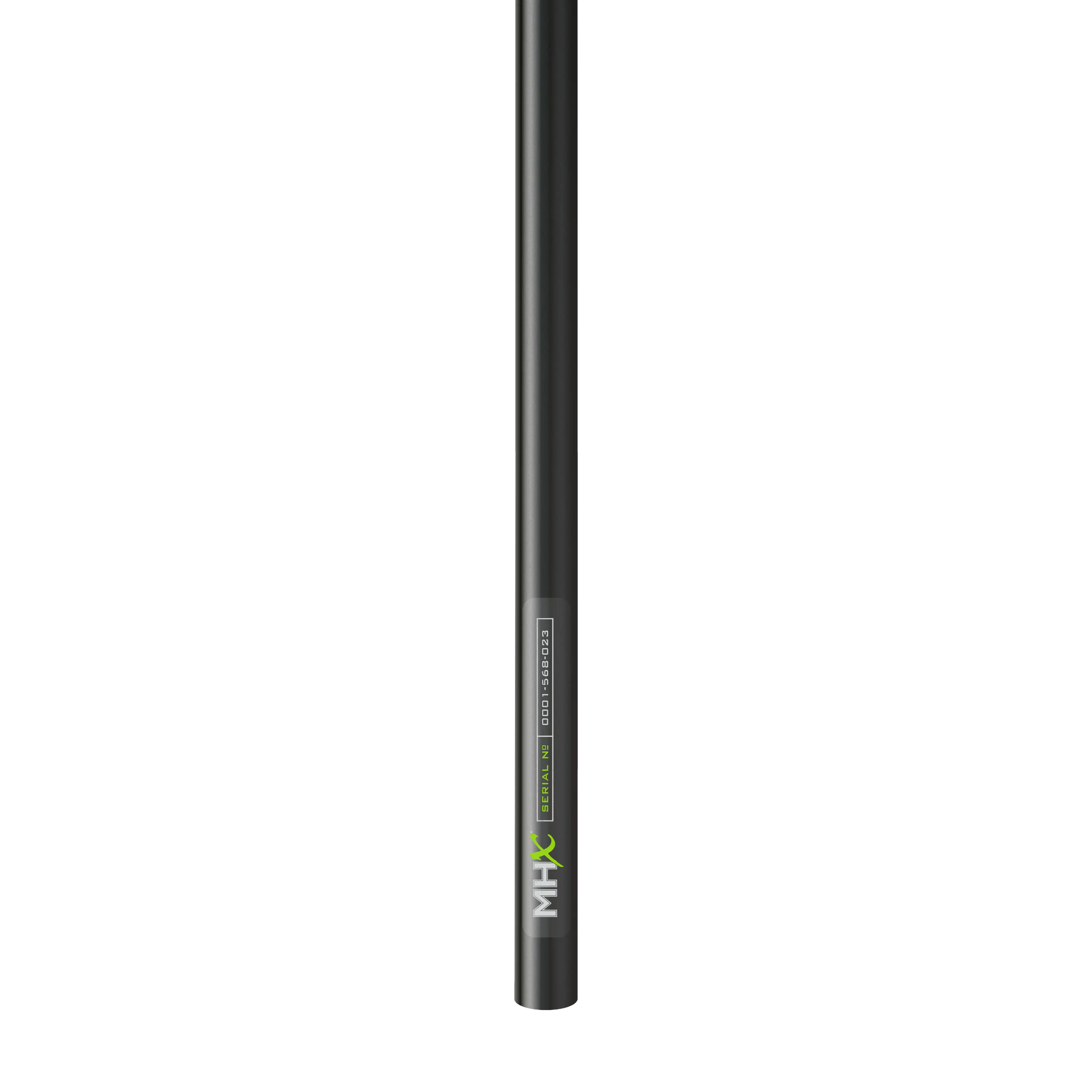
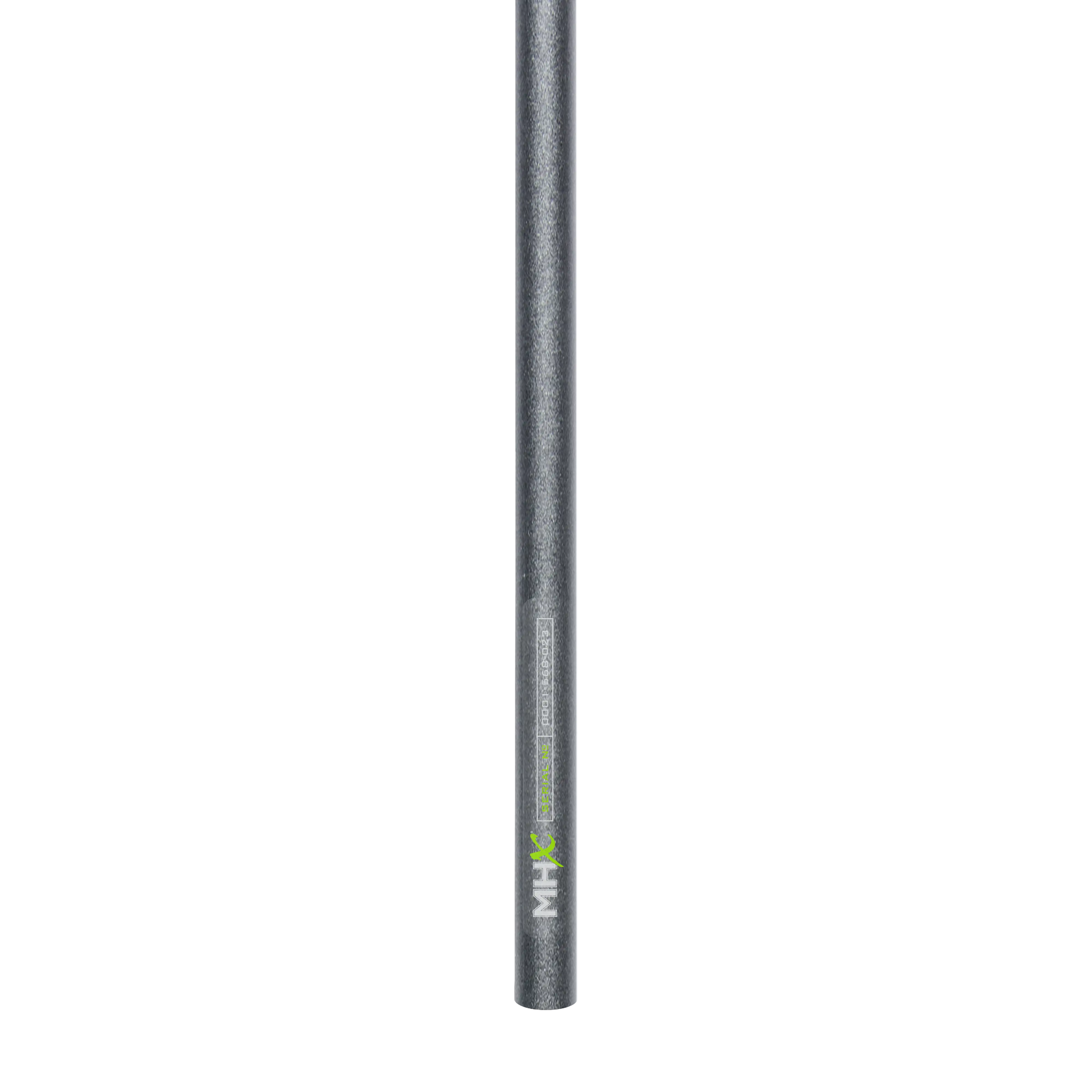
An urchin bait rod blank should balance casting performance, bait control, and the power needed to hook and land big fish. Although urchins are compact, they are dense baits fished on heavier line than most finesse techniques, and they frequently catch the biggest fish in the lake. The right combination of rod type, power, action, length, line rating, and lure weight depends mostly on the size of the urchin being fished.
When choosing an urchin bait rod, consider these key specs:
Rod Type
Casting rods are the standard for urchin fishing. They provide the power to drive hooks, control fish around cover, and handle the heavier fluorocarbon line these baits are fished on. Spinning rods are the right choice for mini urchins, which are too light to cast efficiently on a baitcaster, and they can also help when skipping small baits under docks.
Build Note: The same rod blank can be used to build either a custom spinning or casting rod.
Power
Rod power refers to the rod blank's resistance to bending under load. Urchin rods typically range from medium-light to heavy depending on bait size. Medium to medium-heavy rods handle standard urchins, while medium-heavy to heavy rods are best for full-size urchins and fishing around cover. Mini urchins on spinning tackle pair best with medium-light to medium power, which provides a softer tip for casting light baits.
Action
Action describes where a rod blank bends along the blank when pressure is applied. Fast actions are the standard for urchin fishing because they provide a responsive tip for sharp pops and twitches while maintaining the backbone needed for solid hooksets.
Length
Urchin rods typically range from 7'0" to 7'6". Longer rods improve casting distance and line pickup on the hookset, which matters when fish eat the bait on a semi-slack line. Most anglers favor 7'1" to 7'3" for standard and full-size urchins, while slightly longer spinning rods help cast mini urchins farther.
Line Rating
Line rating indicates the range of line strengths a rod is designed to handle. Urchin baits are commonly fished on straight fluorocarbon with casting gear, while spinning setups typically use braided mainline with a fluorocarbon leader. Even with small baits, line is heavier than typical finesse setups because urchins often trigger big fish.
Weight / Lure Rating
The lure rating identifies the range of weights a rod blank is designed to cast and control. With urchins, remember that the bait itself carries real weight before any weight is added. Mini urchins weigh under 1/10 oz, standard urchins roughly 3/16 to 5/16 oz, and full-size urchins roughly 7/16 to 5/8 oz. Most rigs then add anywhere from 1/32 to 1/4 oz of weight, so choose a rod rated for the total weight of the bait plus the weight you intend to fish.
Mini Urchin Baits (5–12mm)
Mini urchins are typically fished on spinning tackle because their light weight makes them difficult to cast on a baitcaster. Medium-light to medium spinning rods with fast actions provide the tip needed to cast light baits while keeping enough backbone for heavier leaders.
Targets: Smallmouth, spotted bass, pressured fish, clear water
Rod Type: Spinning
Rod Length: 7'0"–7'6"
Power: Medium-light to medium
Action: Fast
Line (Mainline / Leader): 10–15 lb braid / 14–17 lb fluorocarbon leader
Weights Used: 1/32–1/8 oz
Total Rig Weight: Approximately 1/8–1/4 oz
MHX Models: SJ8600-MHX, NEPS86MLF-MHX
Standard Urchin Baits (13–19mm)
Standard urchins are most commonly fished on casting tackle. Medium to medium-heavy casting rods with fast actions provide the casting control and hook-setting power needed around brush, docks, and isolated cover.
Targets: Brush piles, docks, isolated cover, suspended fish
Rod Type: Casting
Rod Length: 7'0"–7'3"
Power: Medium to medium-heavy
Action: Fast
Line (Mainline / Leader): 14–17 lb fluorocarbon
Weights Used: 1/32–1/4 oz
Total Rig Weight: Approximately 1/4–1/2 oz
MHX Models: MB842-MHX, NEPS86MF-MHX
Full-Size Urchin Baits (20mm and up)
Full-size urchins are a power-fishing presentation paired with casting rods. Medium-heavy to heavy rods provide the backbone needed to skip and pitch heavy baits to docks and wood cover and to pull big fish away from structure.
Targets: Docks, wood cover, cypress trees, stained water, big largemouth
Rod Type: Casting
Rod Length: 7'1"–7'4"
Power: Medium-heavy to heavy
Action: Fast
Line (Mainline / Leader): 16–20 lb fluorocarbon
Weights Used: 1/32–1/4 oz
Total Rig Weight: Approximately 1/2–7/8 oz
MHX Models: MB874-MHX, NEPS86MHF
Key Takeaways
- Casting rods are the standard for standard and full-size urchin baits
- Spinning rods are the right choice for mini urchins that are too light to cast on a baitcaster
- Medium to heavy power covers most urchin applications, with power increasing as bait size increases
- Fast actions provide the responsive tip needed for pops, twitches, and solid hooksets
- Match the rod's lure rating to the total weight of the bait plus added weight
- 7'1"–7'3" rods provide a versatile balance of casting distance, control, and leverage
Urchin Bait Rod Blanks


Urchin Bait Rod Guide Kits
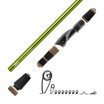
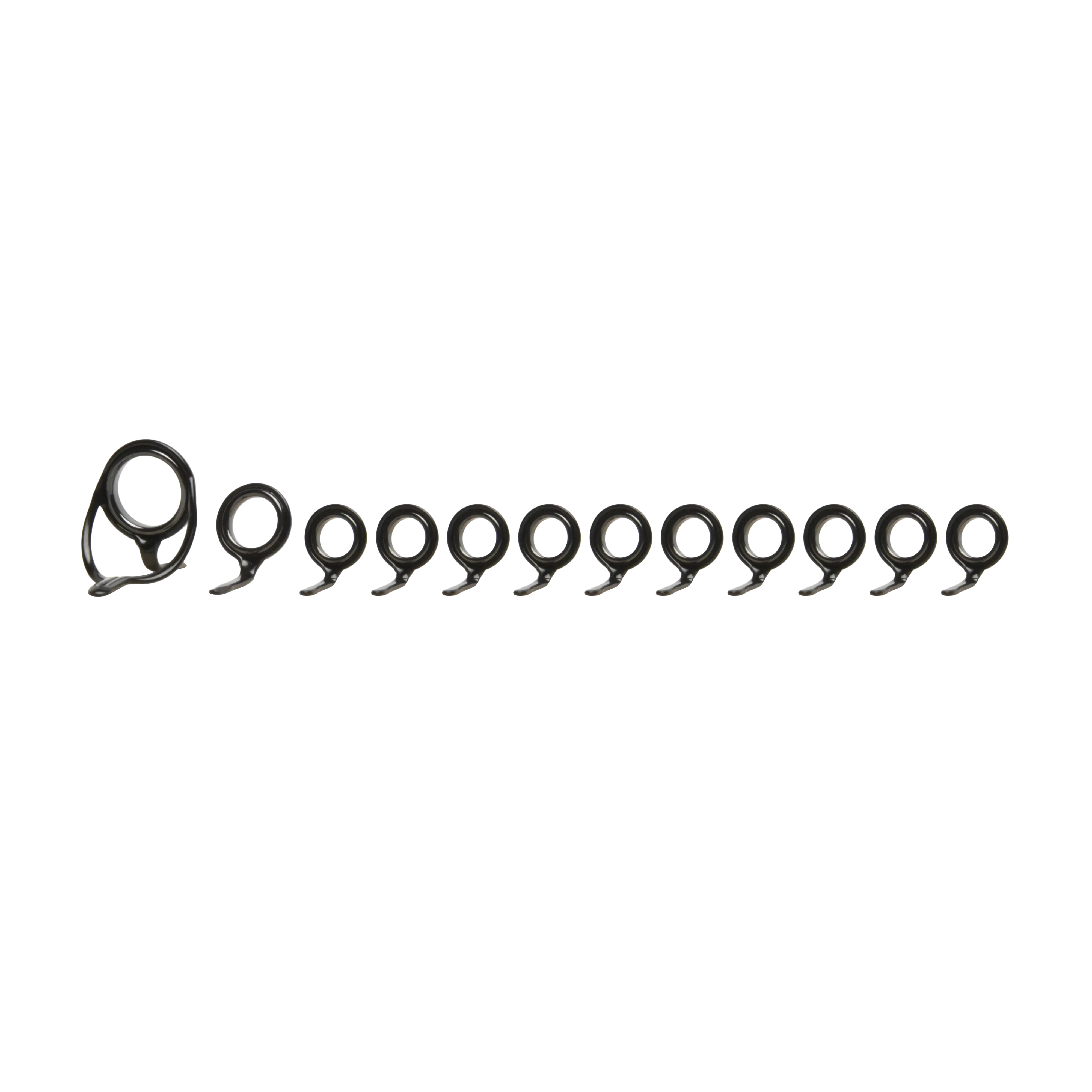
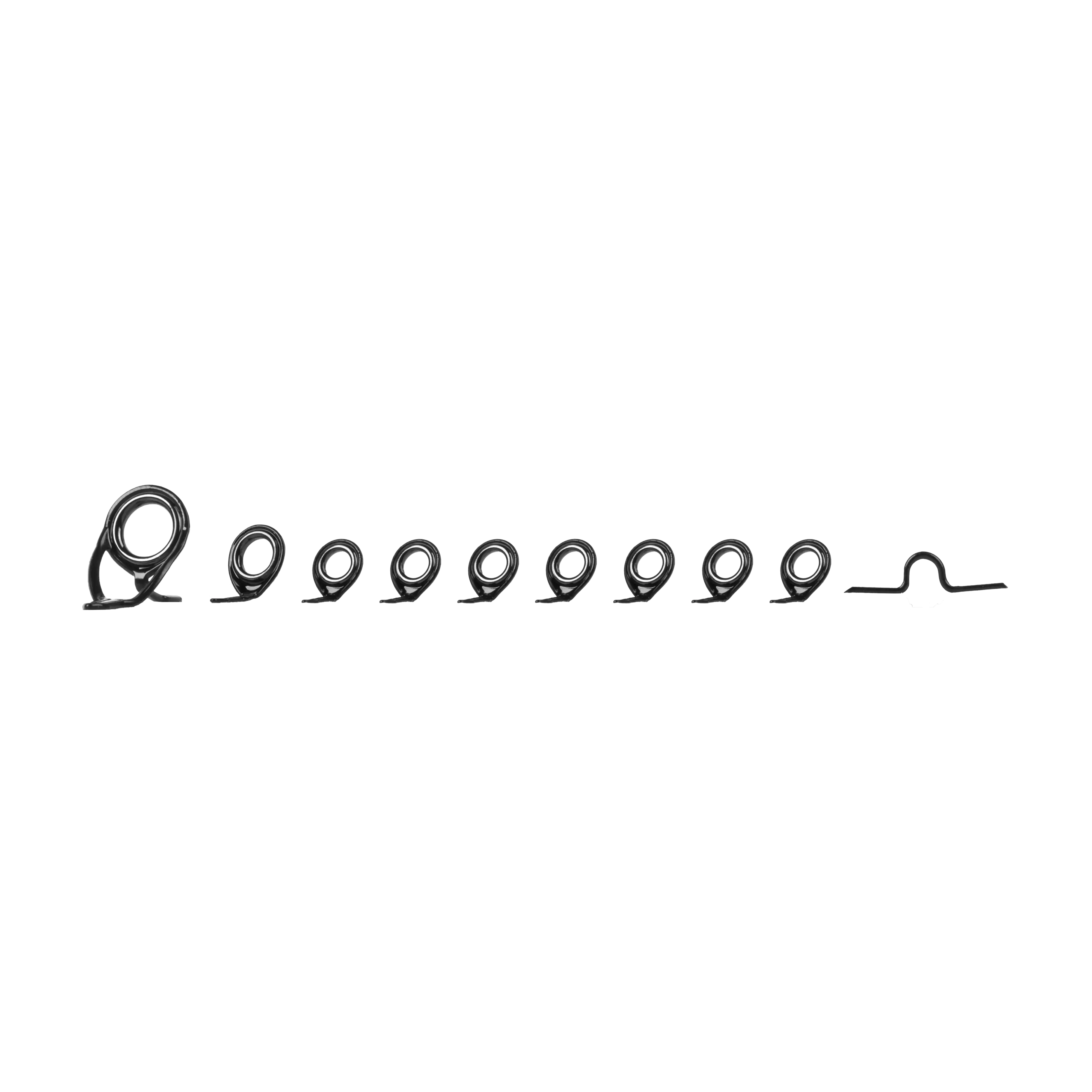
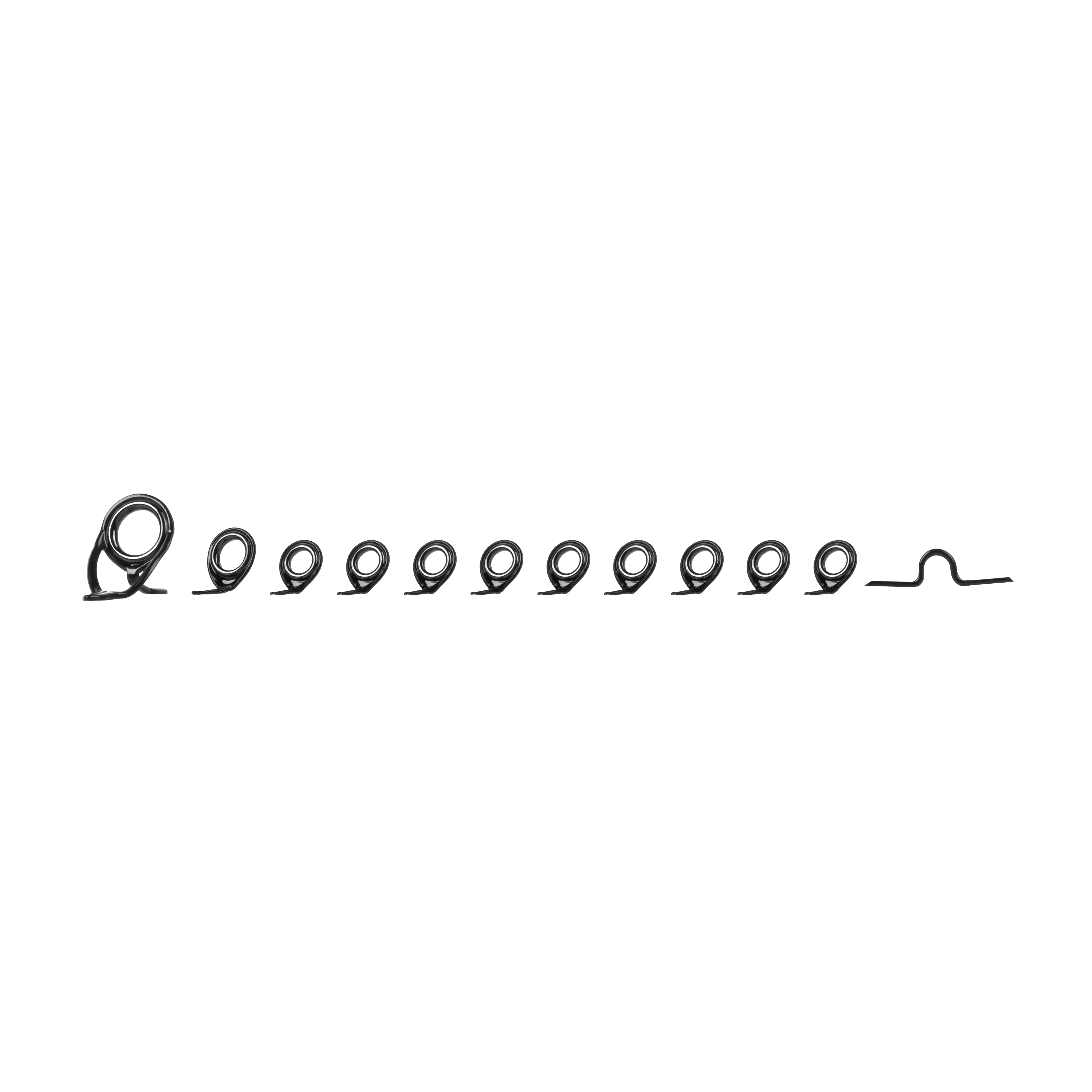
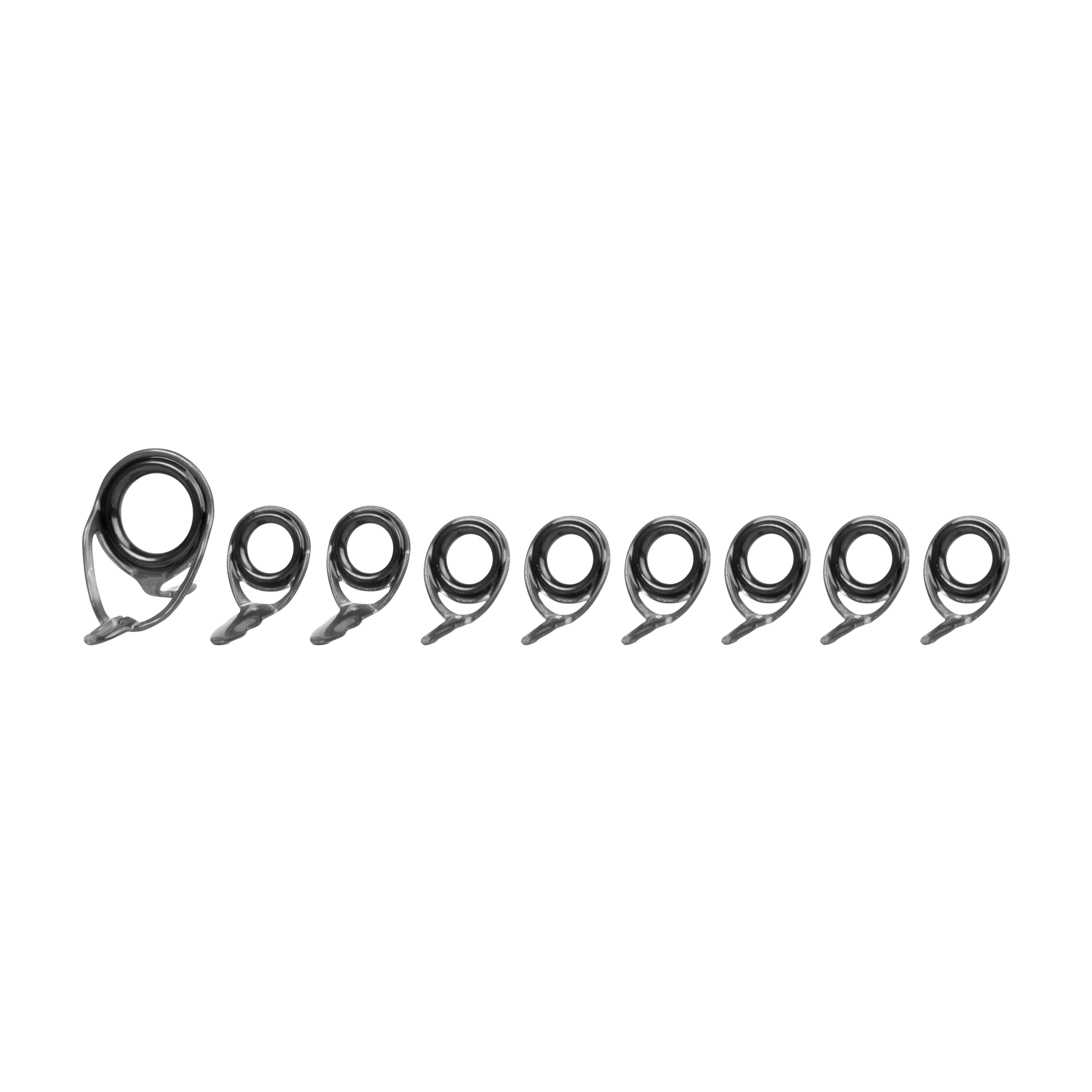
Guide kits are one of the easiest ways to build a custom urchin bait rod because they simplify the process of selecting and spacing guides correctly. Instead of choosing each component individually, kits are matched to specific blank lengths and actions, helping builders create a consistent layout that is faster, easier, and more reliable to assemble.
For urchin bait builds, where presentation control, line management, and maintaining the blank's natural action are important, guide kits provide a proven setup that supports everything from finesse presentations to heavier bottom-contact techniques. This makes them especially valuable for builders who want dependable performance without having to manually determine every guide size, placement, and spacing measurement.
Casting vs Spinning Guides
Casting and spinning urchin bait builds use different guide layouts even when built on the same blank, based on how line exits the reel and travels through the guide train. Spinning setups require a reduction section to control the larger coils of line leaving the spool and transition the line into a smooth path down the blank. Casting setups use a more direct layout because the line comes off the reel in a straighter path with less expansion. In both configurations, the goal is the same—efficient line flow, balanced weight distribution, and consistent performance during casting, bait manipulation, and hooksets.
Stripper Guides
Stripper guides are the first guides on the blank and control the initial transition of line from the reel into the guide system. This section often includes multiple reduction guides on spinning builds that progressively decrease in size to manage larger spool coils and move the line into a controlled path along the blank. Casting setups typically require less reduction because the line leaves the reel with less movement before entering the guide train.
Properly positioned stripper guides help create smooth line entry into the remaining guides, reducing friction and improving casting consistency. In urchin bait fishing, where anglers commonly use braided mainline with fluorocarbon leaders and make repeated accurate casts, proper guide placement helps maintain efficient line flow while supporting precise bait control throughout the presentation.
Running Guides
Running guides extend from the transition (stripper) section to the tip and maintain consistent line tracking along the upper portion of the blank. Their purpose is to keep the line aligned while allowing the blank to load, recover, and perform naturally during casting, bait movement, hooksets, and fighting fish.
In urchin bait fishing, where subtle rod movements often control the action of the bait, properly spaced running guides help preserve the blank's responsiveness while maintaining smooth line movement. This allows anglers to work presentations effectively while still having the backbone needed for solid hook penetration and fish control.
Guide Frame & Ring
Guide frame and ring selection directly influence balance, durability, and line flow in urchin bait rod builds. Since these rods are often used with braided line, fluorocarbon leaders, and techniques that require constant interaction with the bait, each component should provide smooth performance while handling repeated casting and hook-setting loads.
Guide Frame
The frame controls how the guide positions the line as it travels along the blank. Frame height and alignment should match the reel position to create a smooth transition from the spool into the guide system without unnecessary angles or added resistance. Lightweight frames are commonly selected to reduce overall rod weight and improve balance, while durable frame materials help maintain alignment through repeated casting, hooksets, and everyday use.
Guide Ring
Ring size affects how efficiently the line travels through the guide system during casting, retrieval, and presentation. Larger rings can provide additional clearance for braid-to-fluorocarbon leader connections, while smaller rings can reduce overall guide weight when properly matched to the setup. The goal is to balance line clearance, durability, weight, and smooth performance for the intended urchin bait application.
Common ring materials such as Duralite, Nanolite, Alconite, SiC, and other hardened ceramics are widely used because they provide durability and smooth performance with braided line, fluorocarbon, and monofilament.
Key Takeaways
- Guide kits simplify the build process with matched sizing and spacing for each blank
- Proper guide placement improves casting performance, line control, and fish-fighting ability
- Spinning systems use a reduction section to manage line coils coming off the spool
- Running guides maintain alignment while supporting the blank's natural action
- Frame material and height influence durability, balance, and line flow
- Ring size affects leader clearance, weight, and casting efficiency
- A properly designed guide system helps maximize the performance and durability of a custom urchin bait rod
Urchin Bait Guide Kits




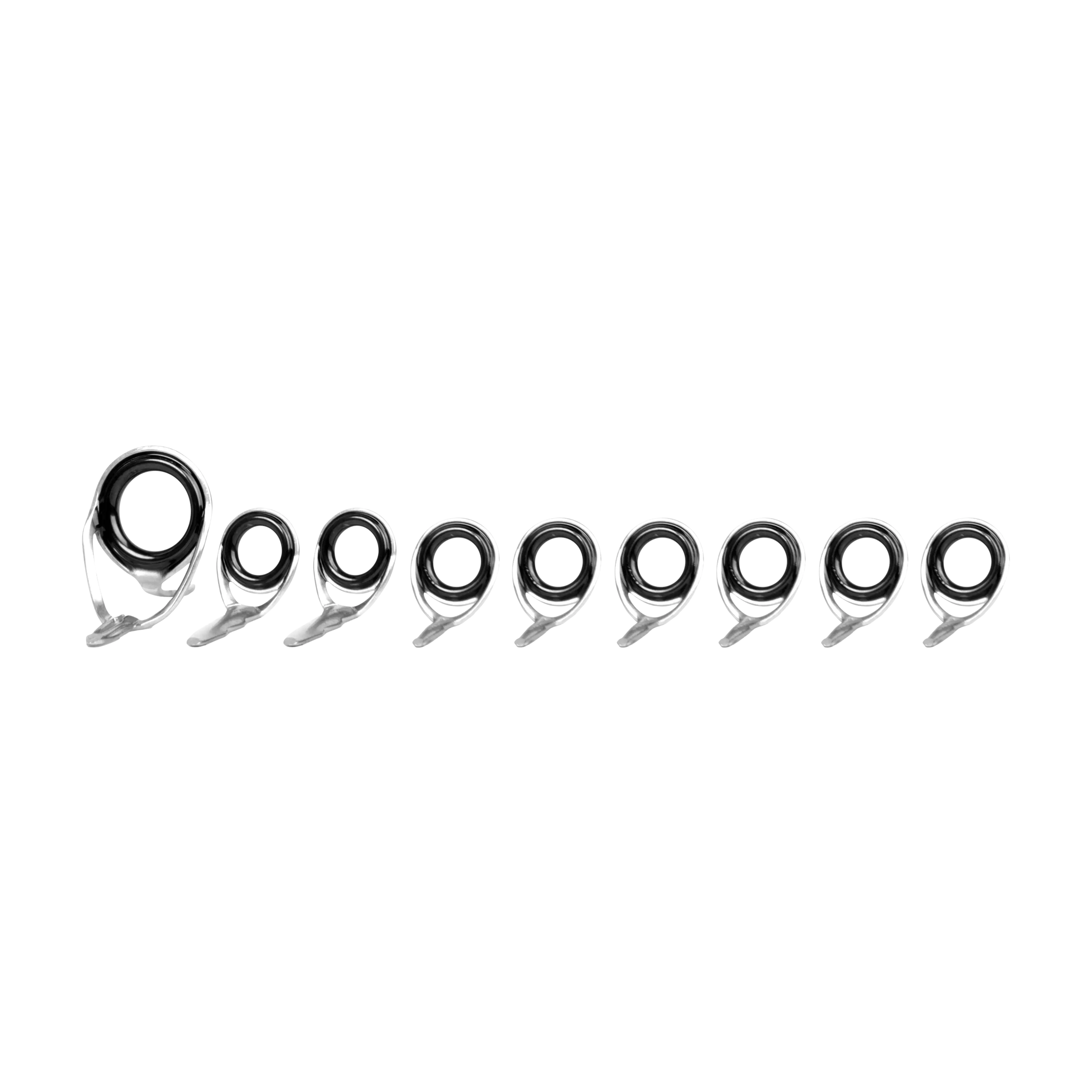
Urchin Bait Tip Top Guides
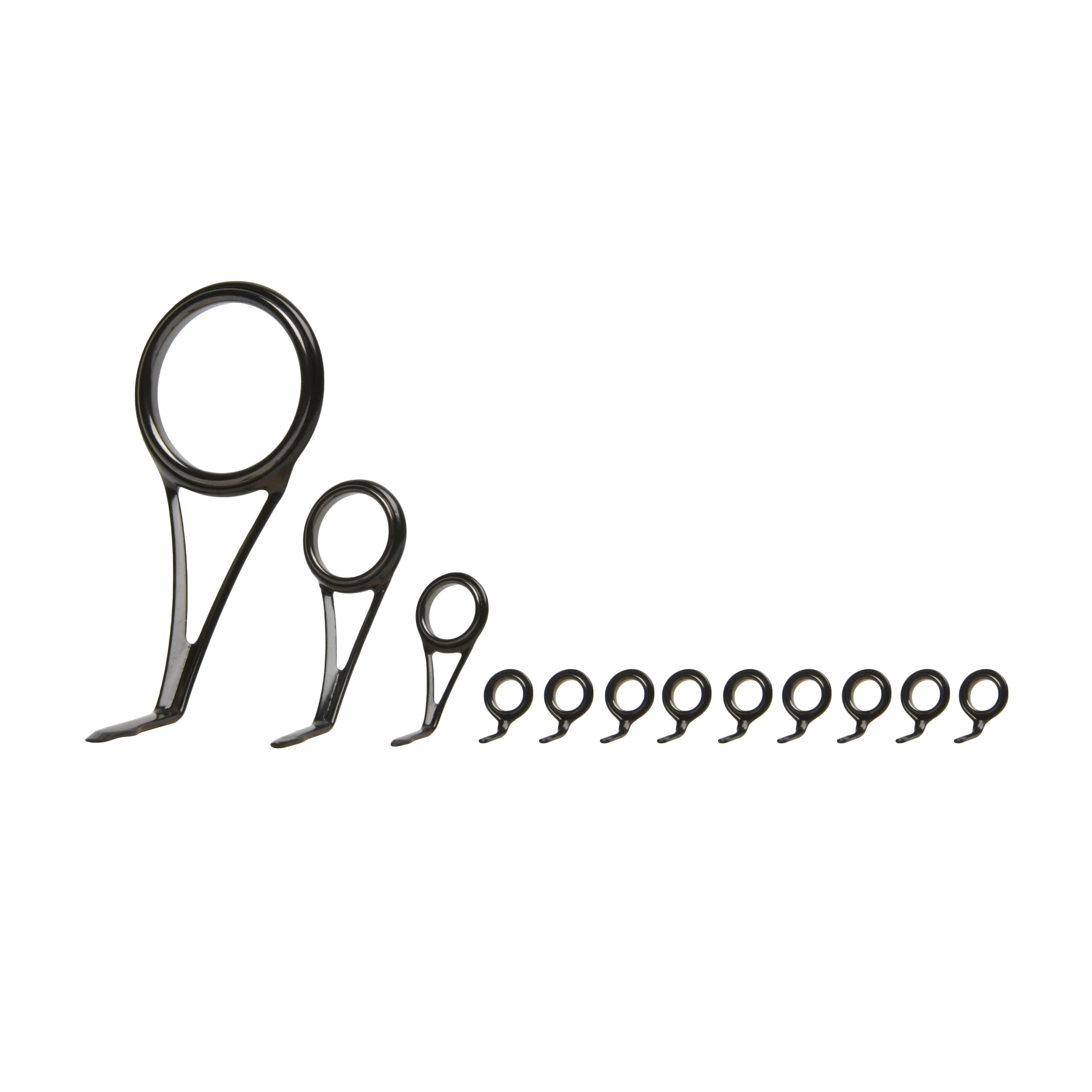
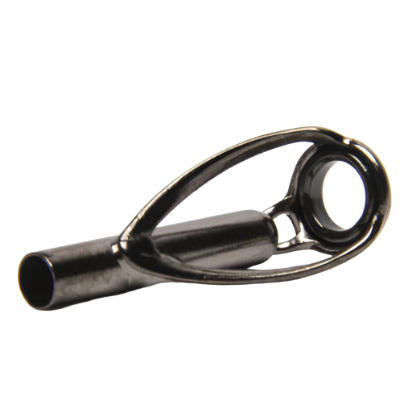
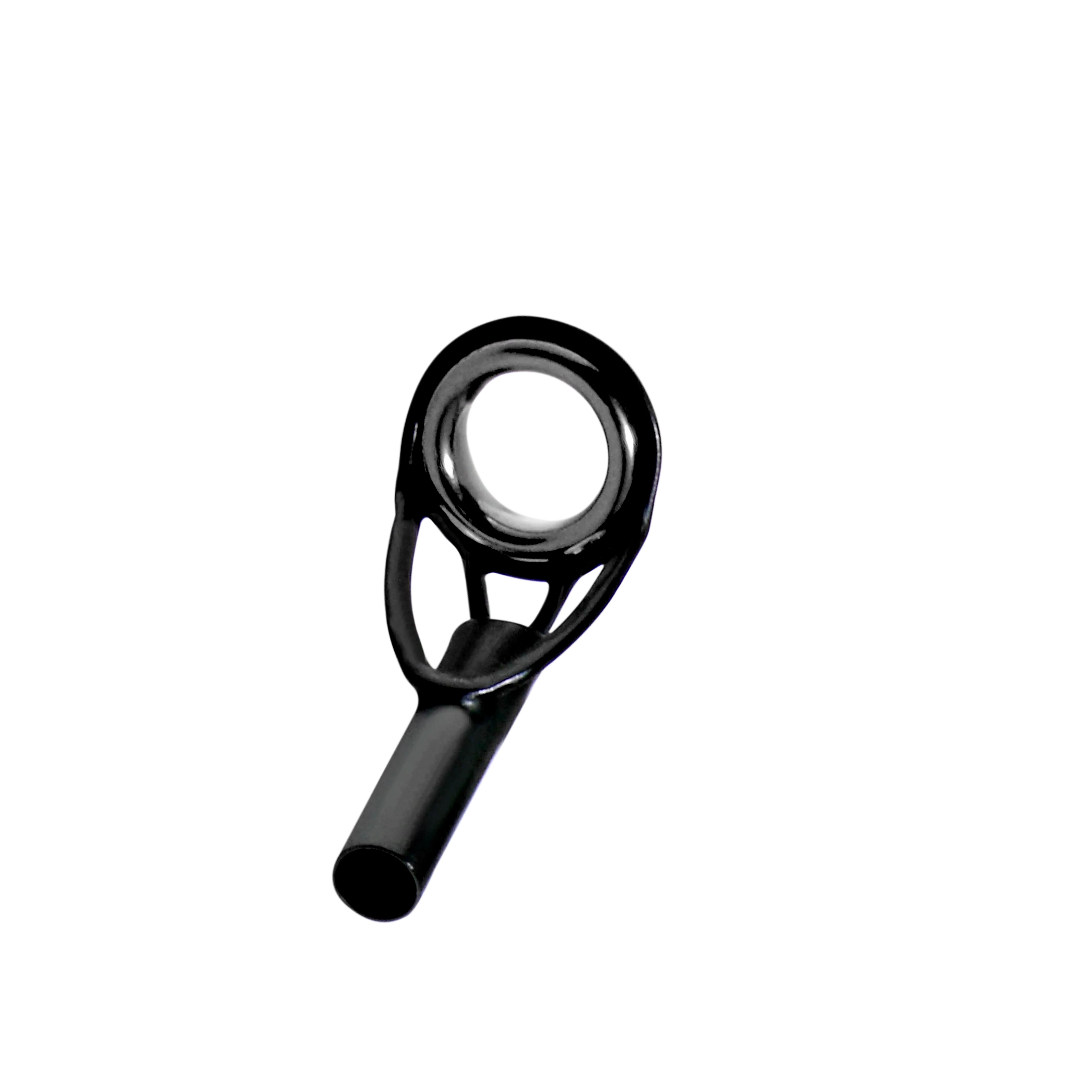
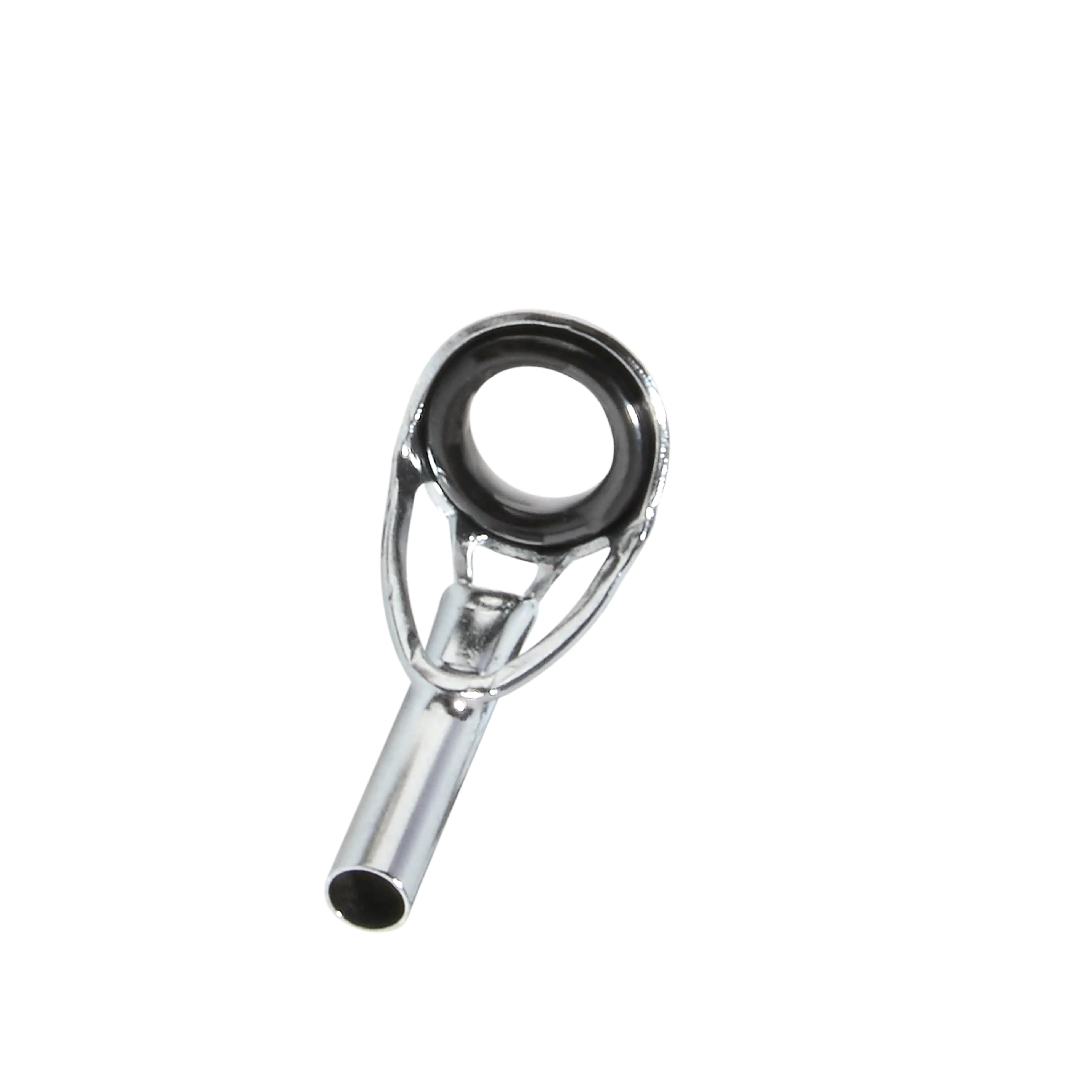
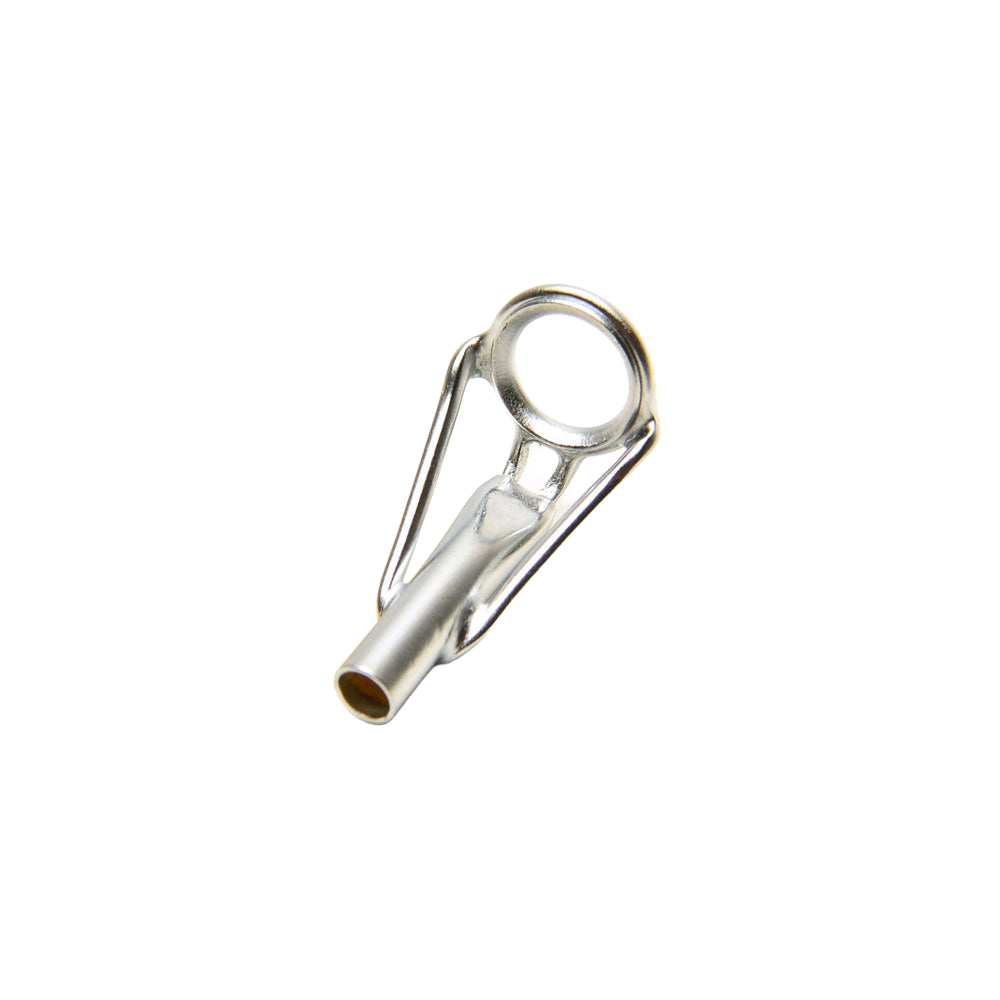
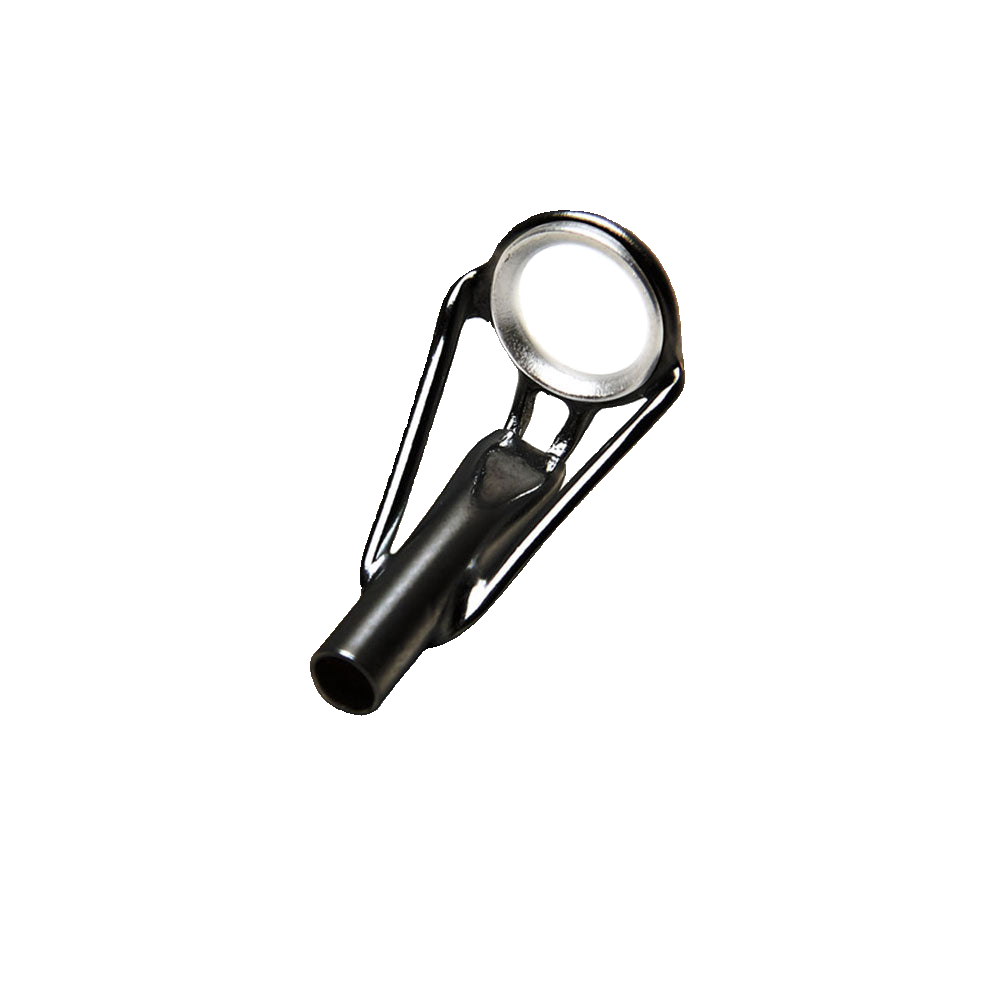
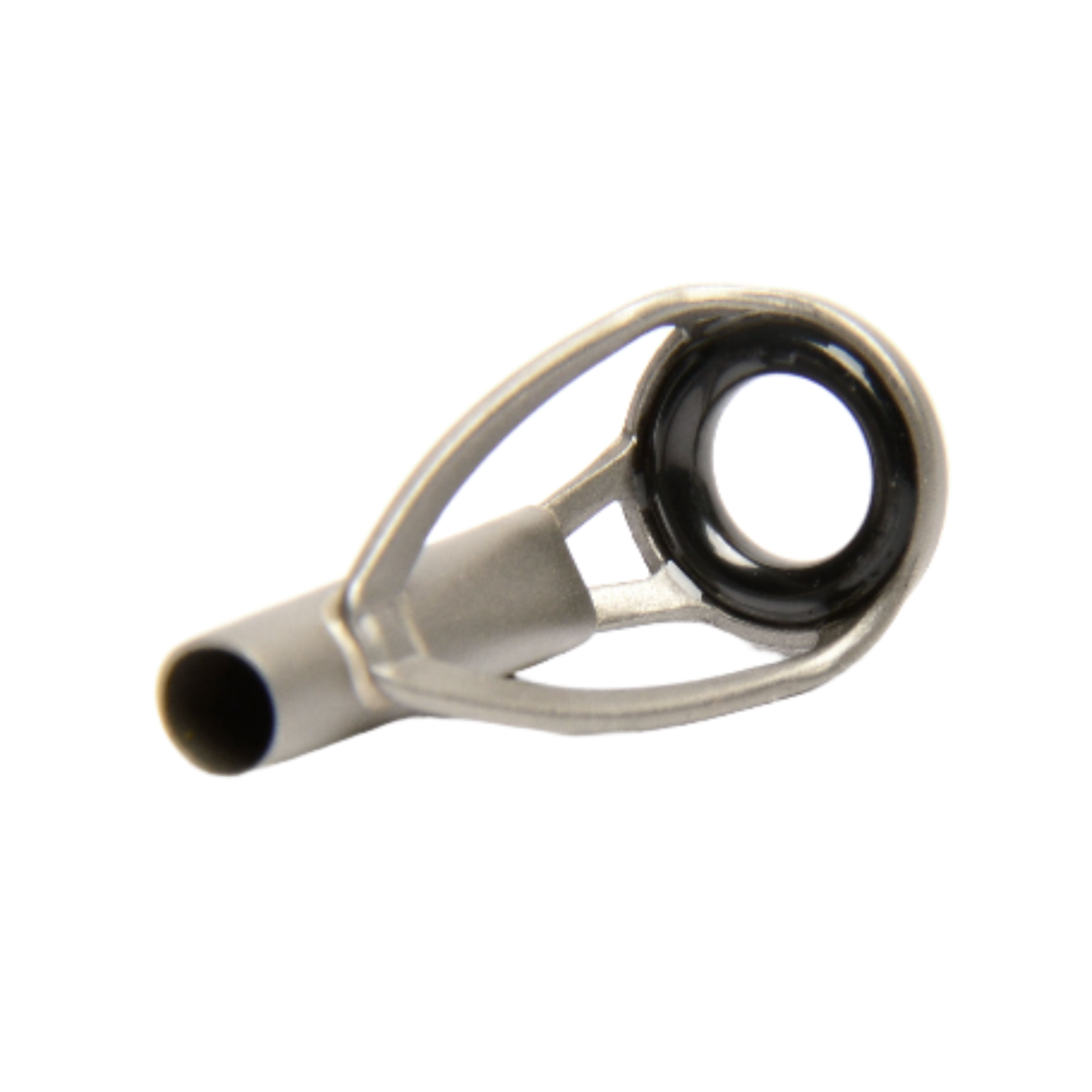
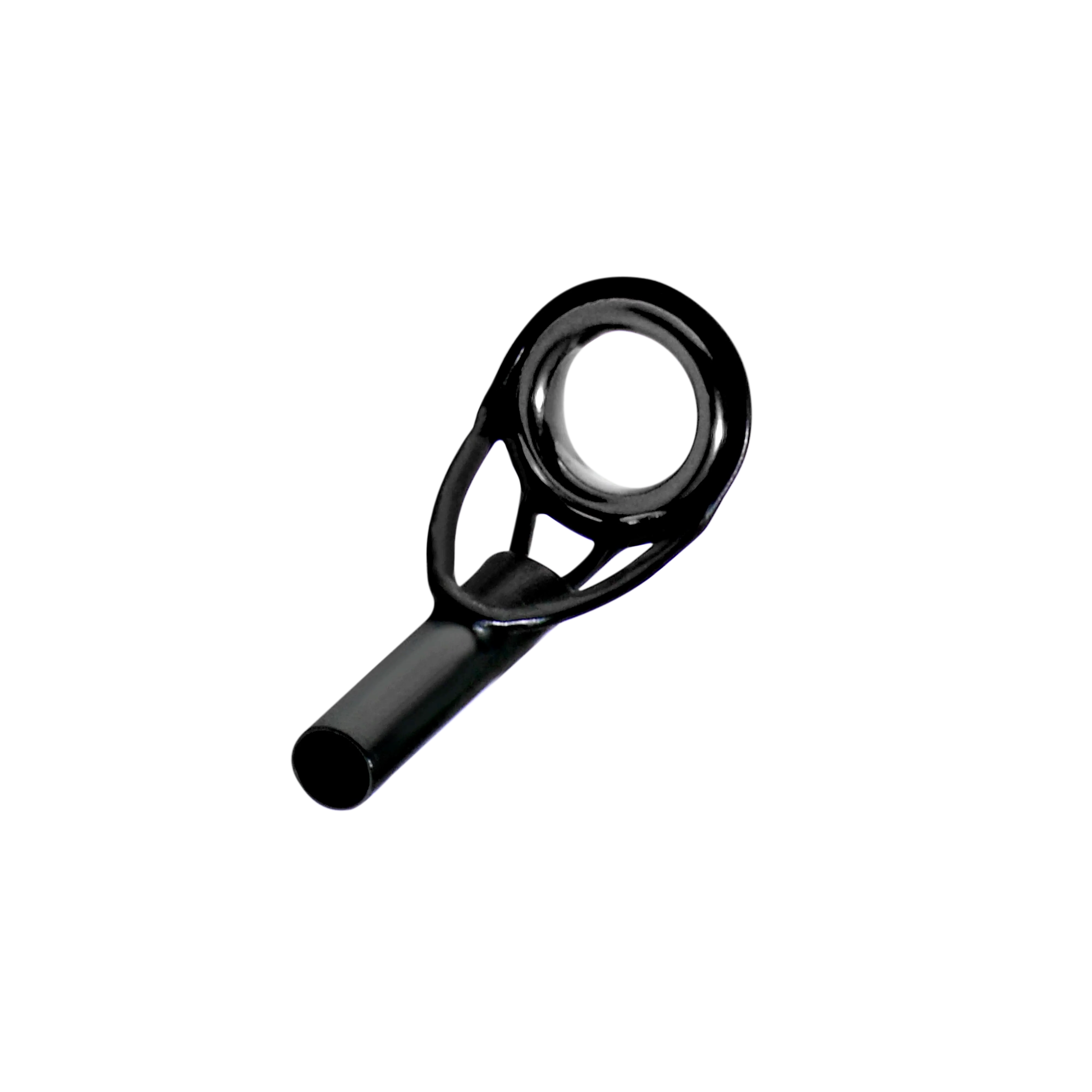
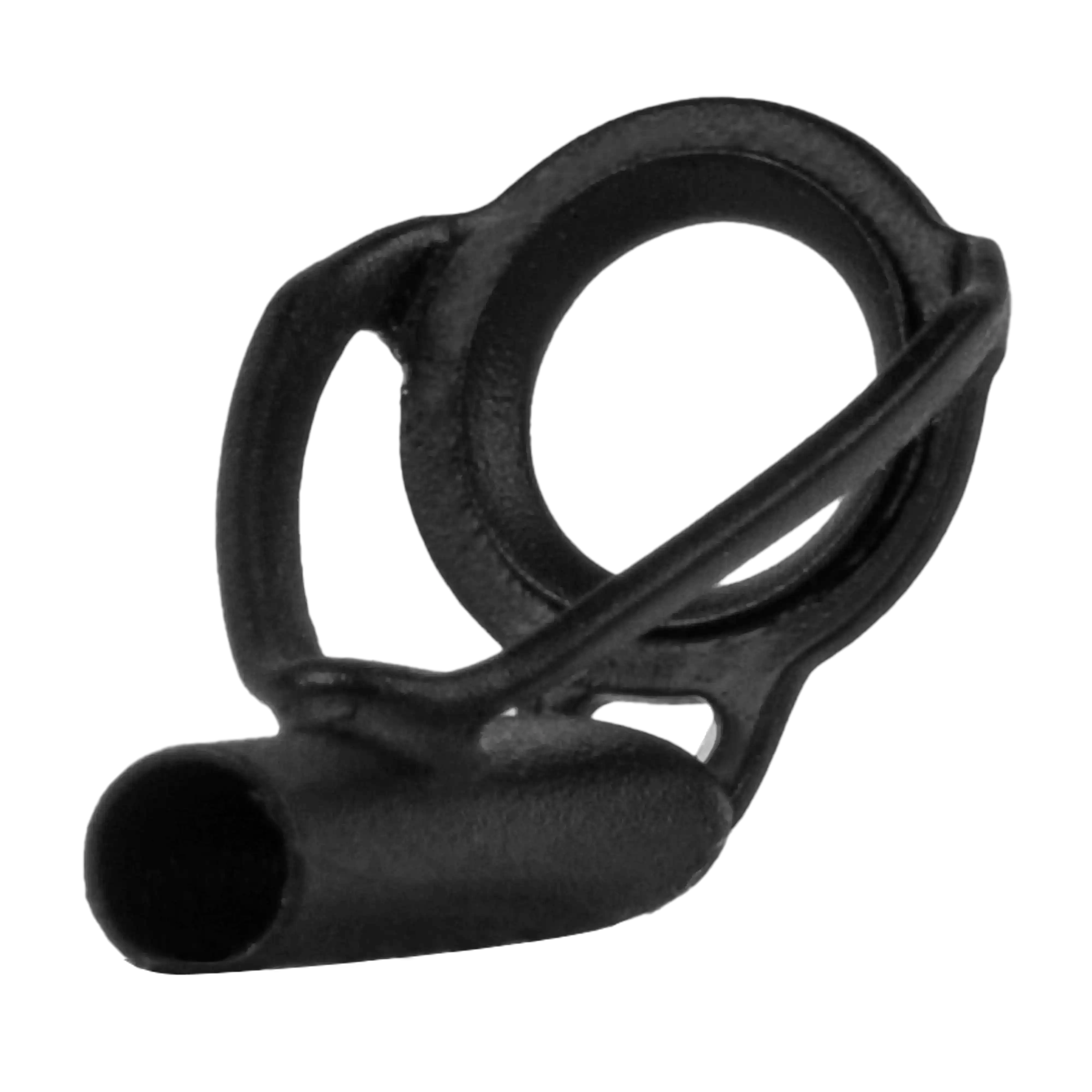
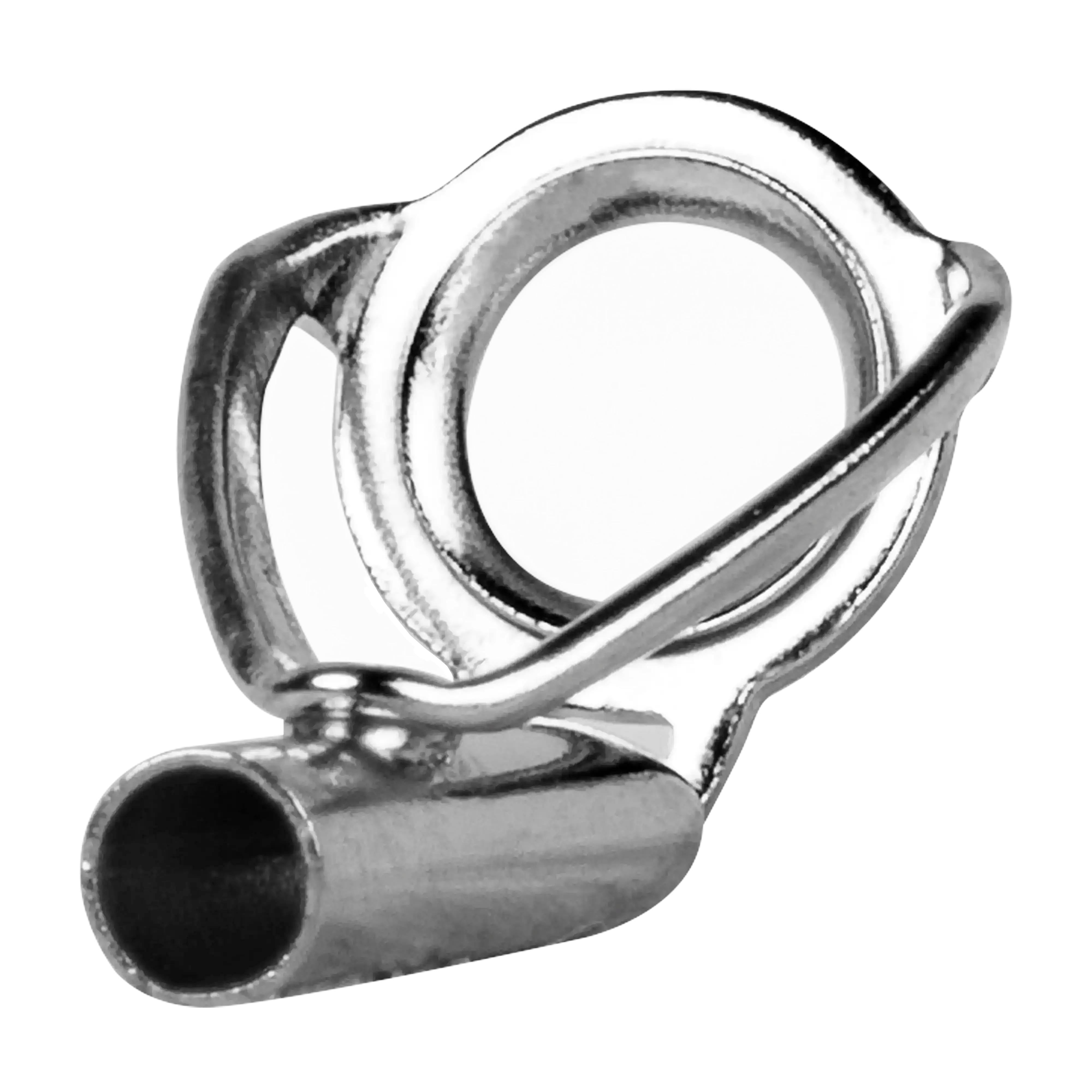
The tip-top is a small but important component that influences how an urchin bait rod performs from the first cast to the final hookset. Positioned at the end of the blank, the tip-top guides the line through the final transition point, helps maintain a smooth path during casting, and protects the delicate end section of the blank during normal use. Since urchin bait techniques often involve braided line, fluorocarbon leaders, and frequent rod movement to animate the bait, the right tip-top helps maintain efficient line control while preserving the intended feel and balance of the custom build.
When choosing a tip-top, builders should consider two primary factors:
Ring Size
The ring size determines how easily line and leader connections pass through the tip during casting and fishing. A properly sized ring allows the line to move freely without creating unnecessary friction while maintaining a consistent transition from the running guides. Many builders select a tip-top ring that matches the final guide in the train to keep the line path smooth and properly aligned.
When using braid-to-fluorocarbon setups, a slightly larger ring may be beneficial to provide additional clearance for connection knots. This can help reduce resistance as the knot moves through the tip-top while still keeping the end of the rod lightweight and responsive.
Tube Size
Tube size refers to the diameter of the tip-top tube that slides over the end of the blank. Selecting the correct tube size ensures the tip-top seats securely and stays properly aligned throughout the life of the rod. A proper fit allows the blank tip to flex naturally during casting, working the bait, and fighting fish without creating unnecessary stress on the connection point.
Because the tip-top is the final contact point between the rod and line, proper selection helps complete the guide system by maintaining alignment, protecting the blank, and supporting consistent performance. While it may be one of the smallest components on the rod, an incorrectly sized tip-top can affect line flow, casting smoothness, and the overall feel of a custom urchin bait build.
Matching Your Tip-Top
Many builders choose a tip-top that complements the rest of the guide train for a finished, professional appearance. Matching the frame finish, guide style, and ring material creates a more cohesive look throughout the build while maintaining the performance characteristics of the selected components.
Before ordering a tip-top, measure the blank tip or refer to the blank specifications for the correct tube size, then confirm the ring size matches your guide train.
Urchin Bait Tip Tops



Urchin Bait Grip & Handle Kits
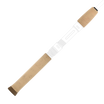
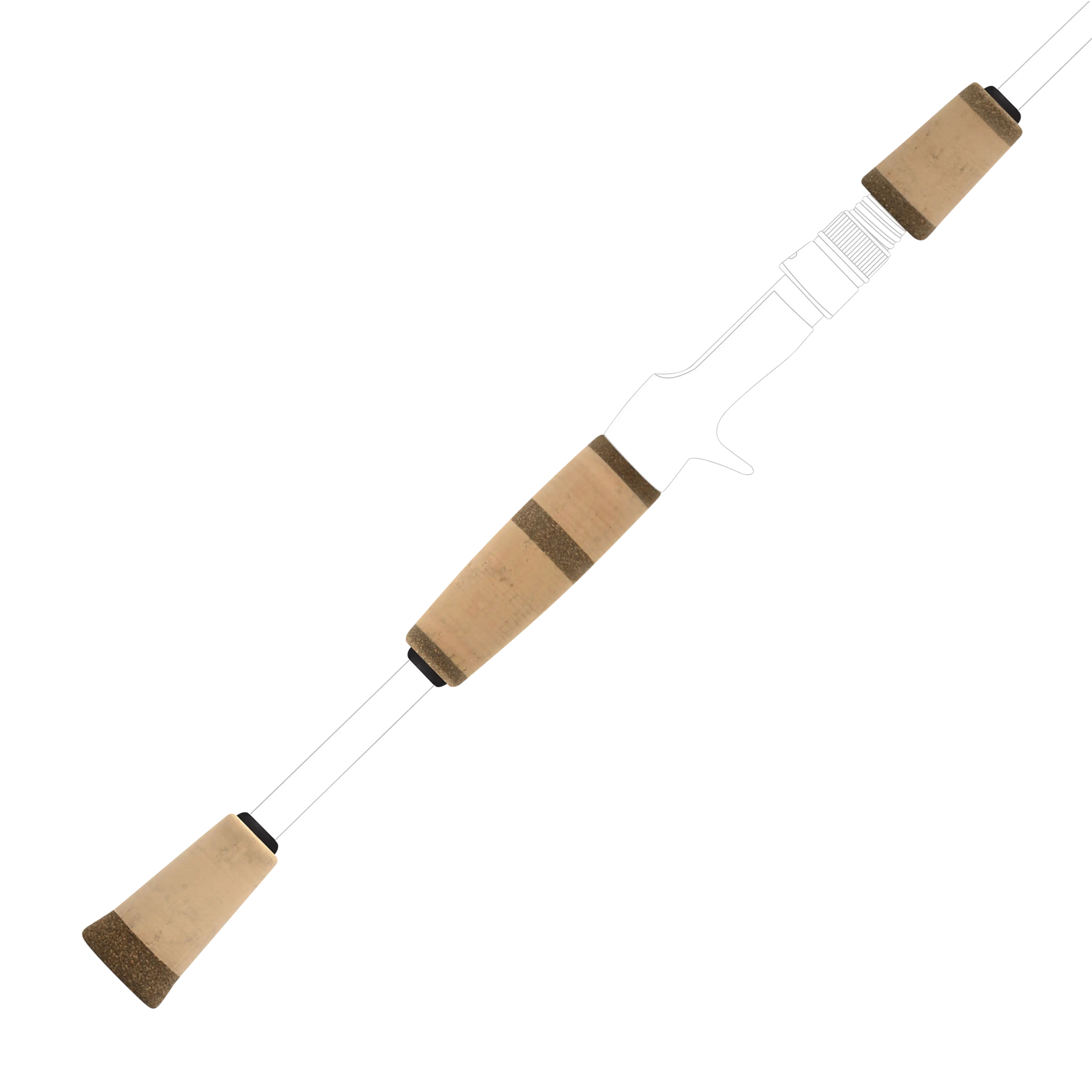
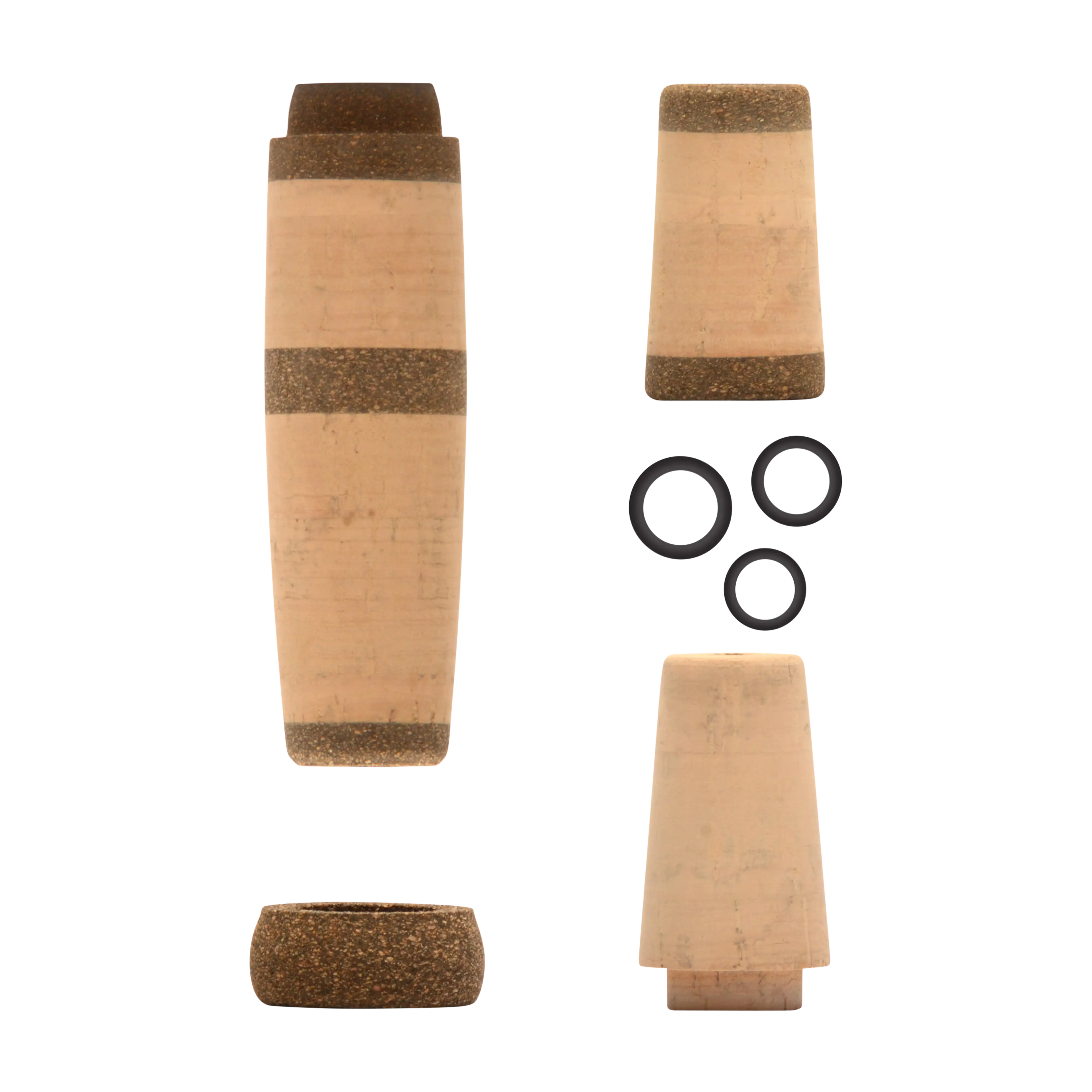
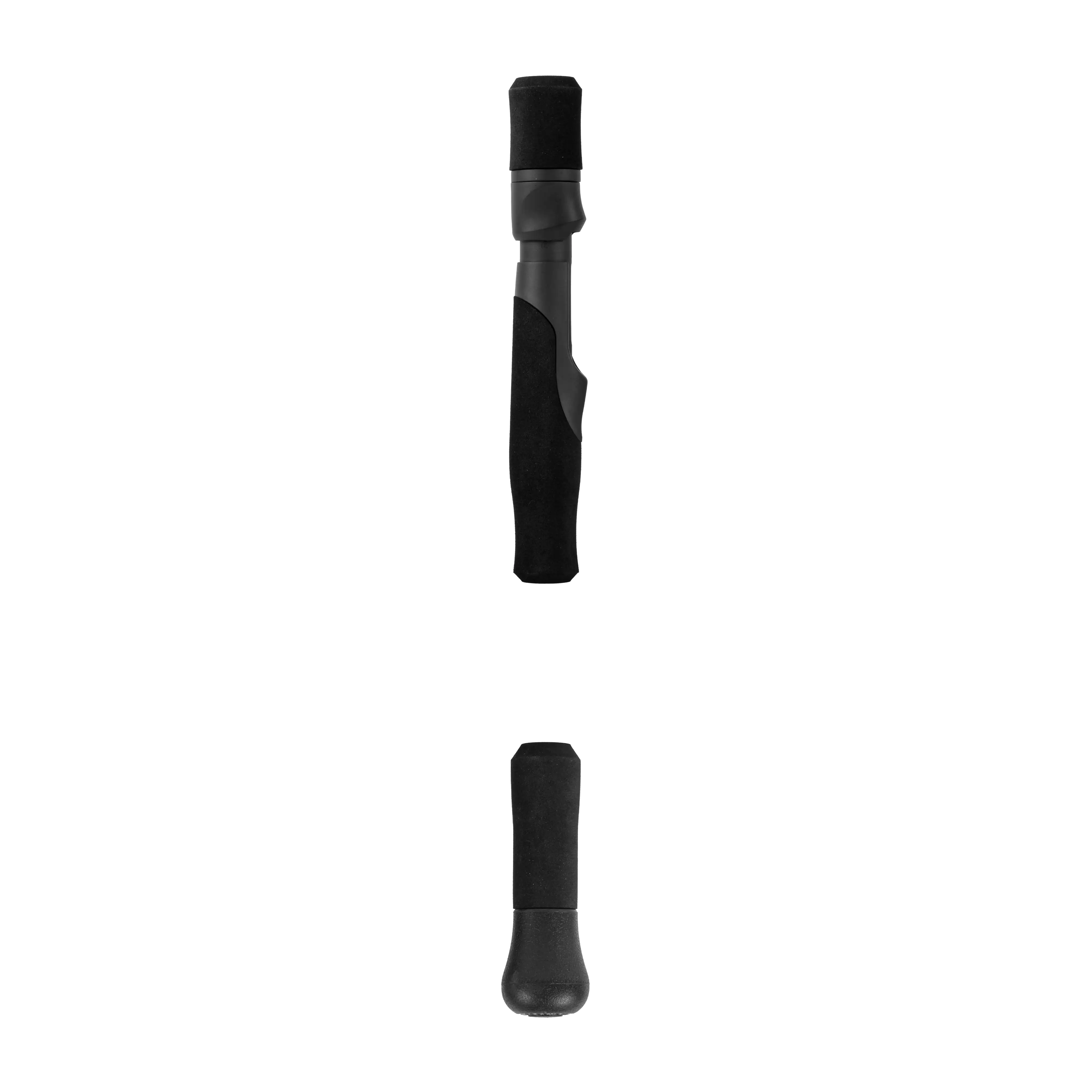
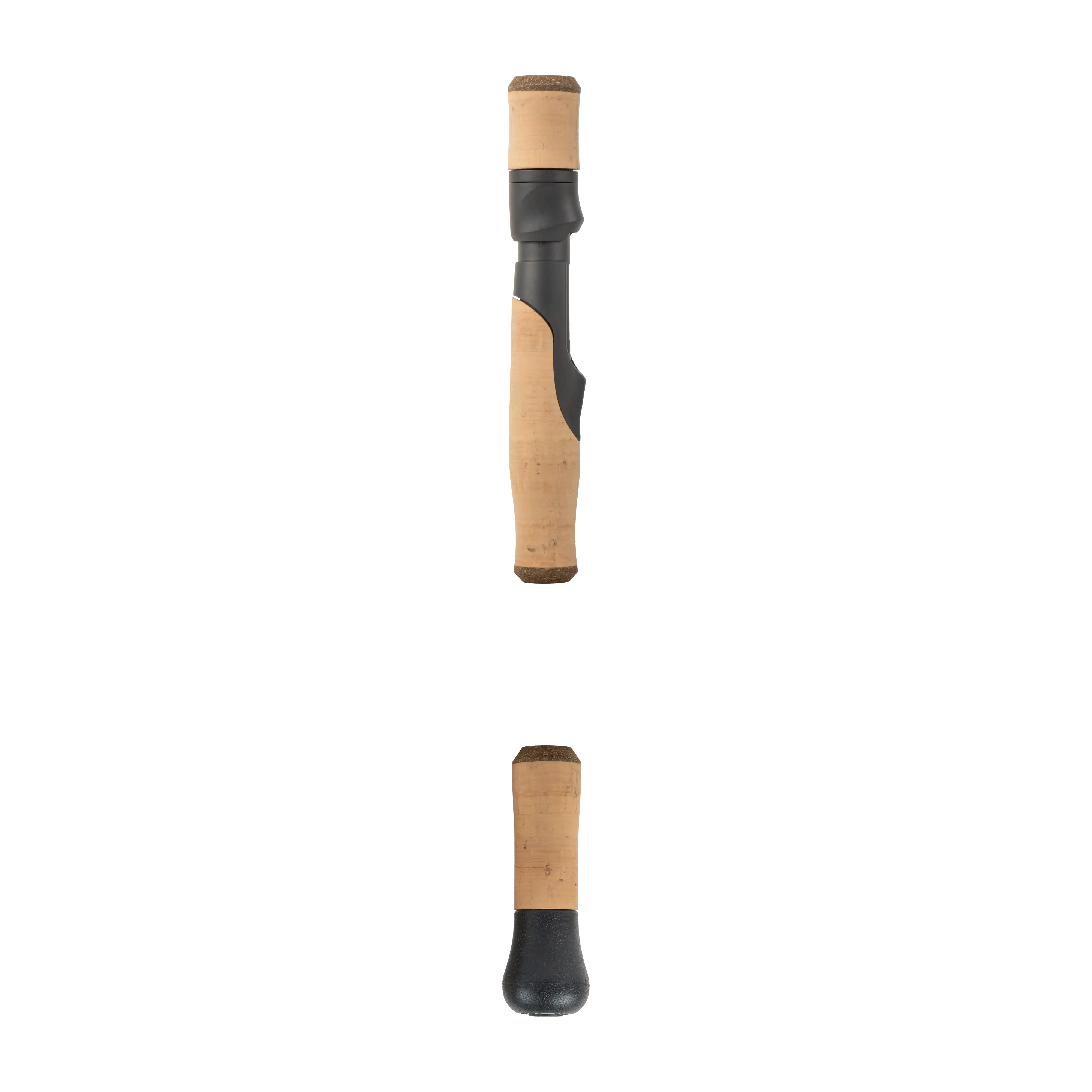
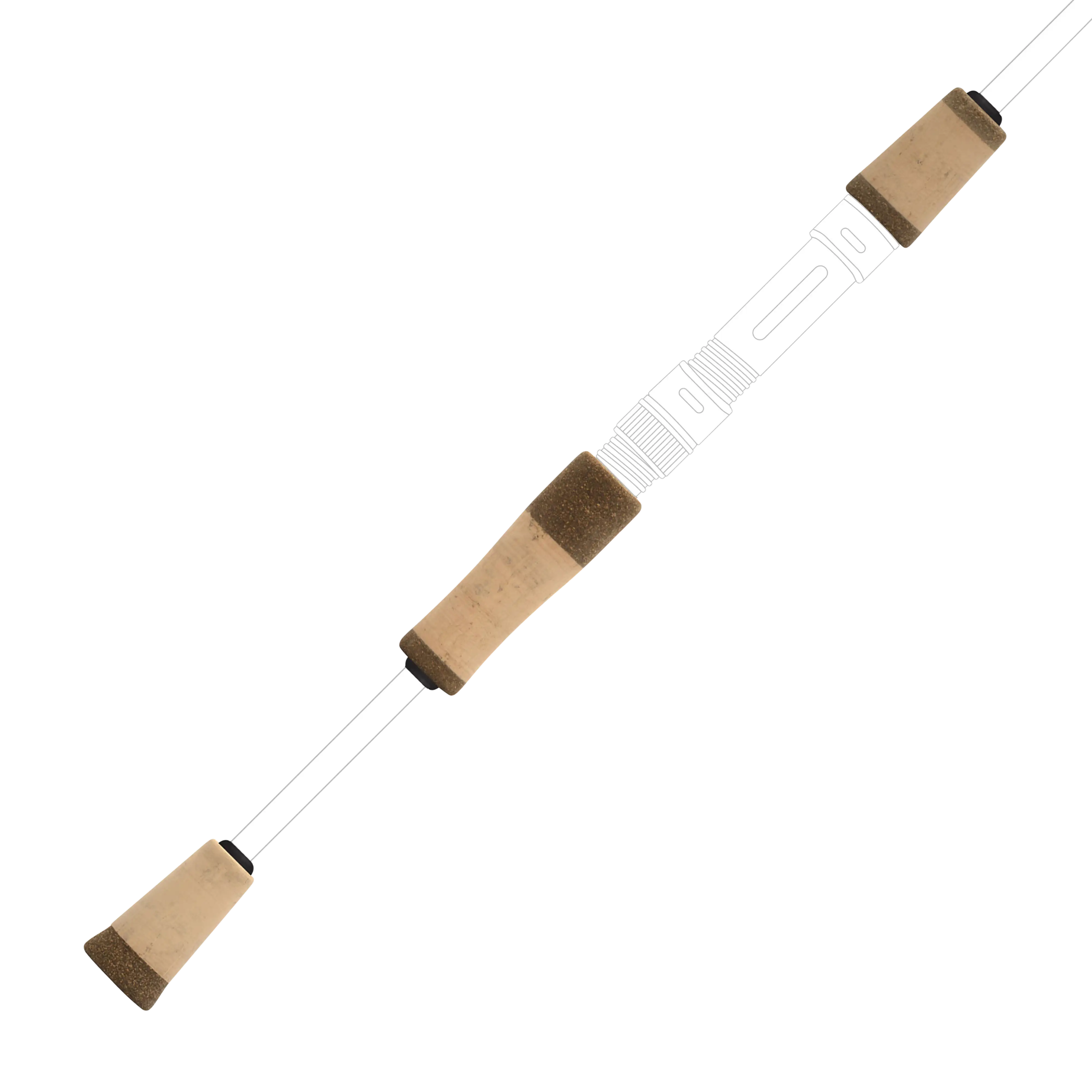
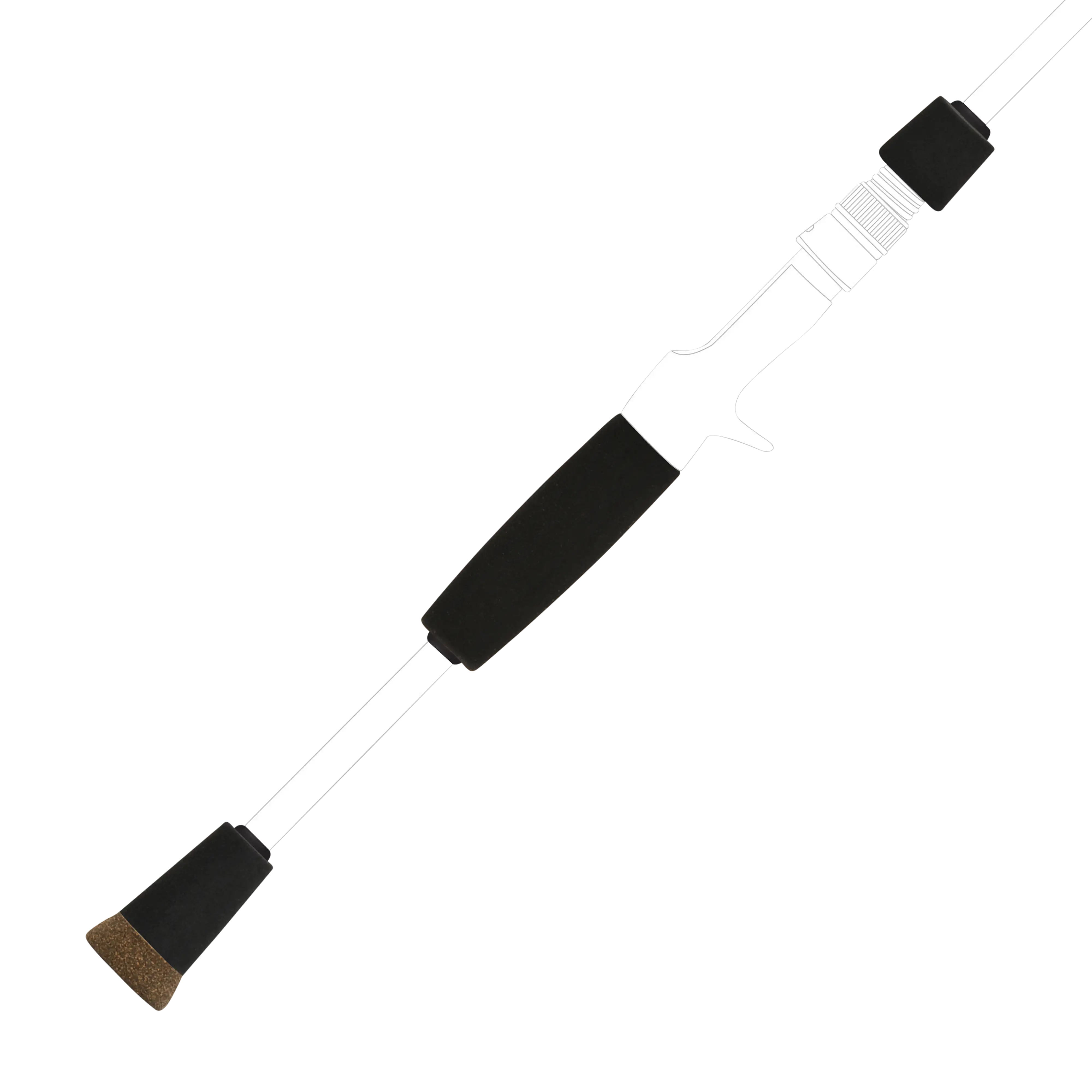
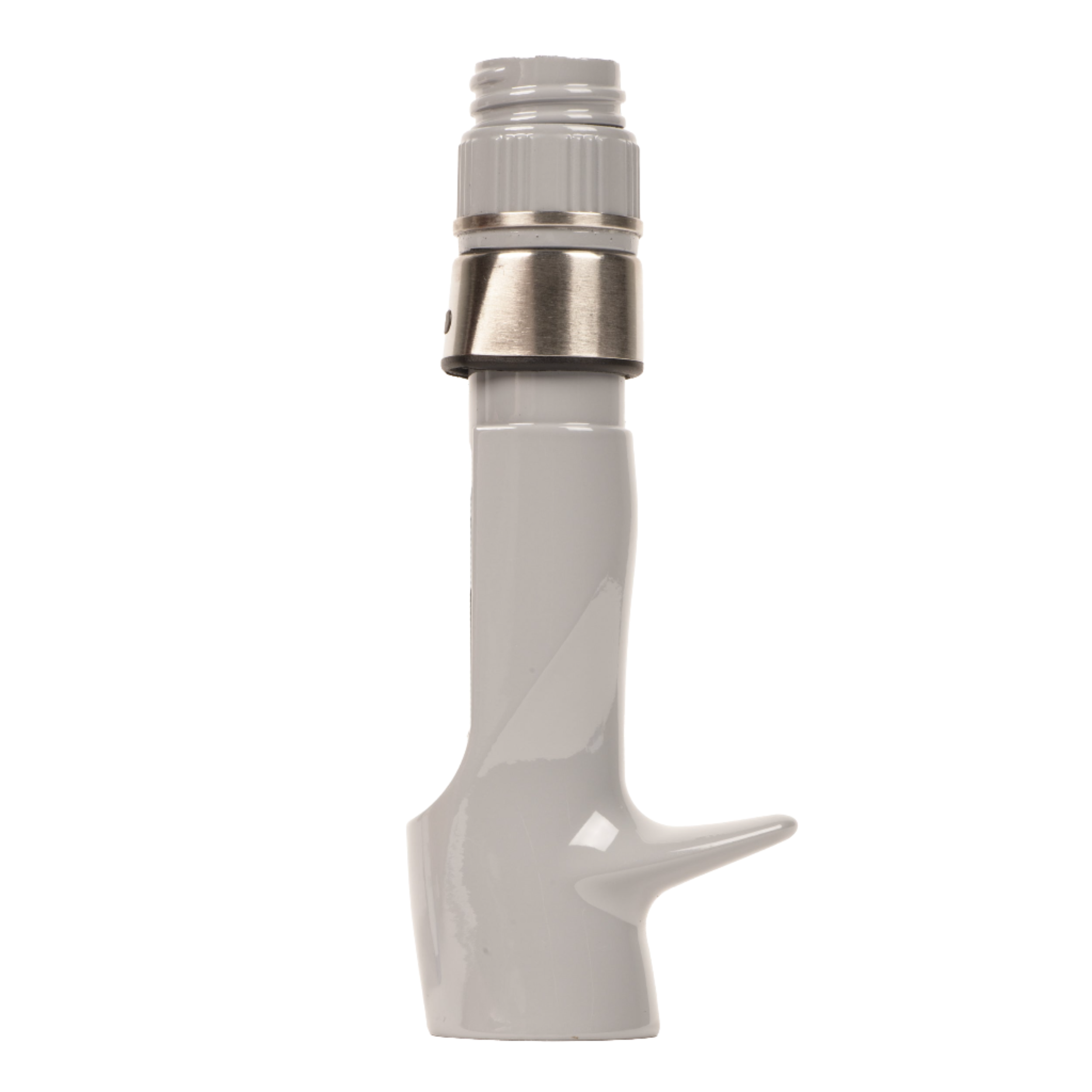
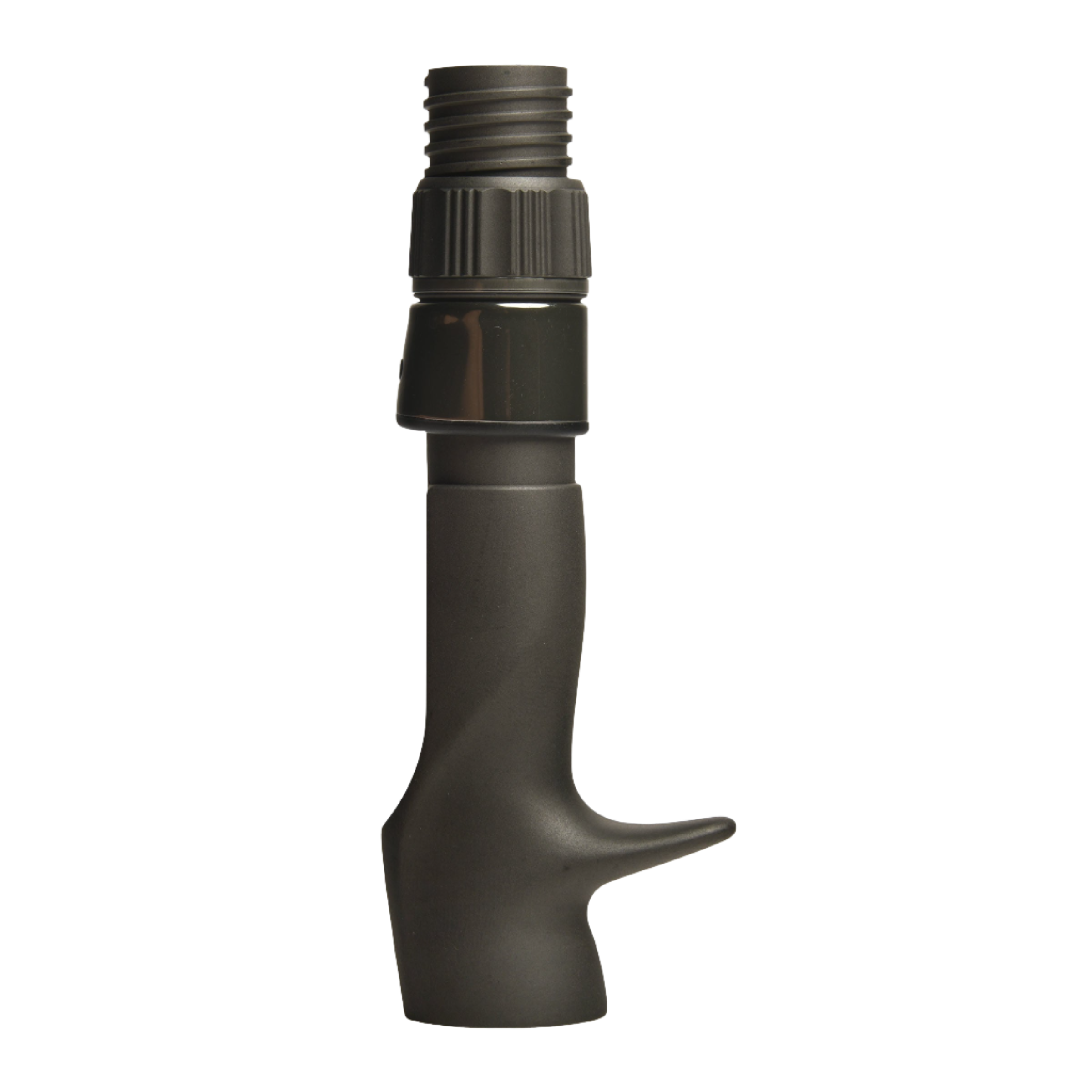
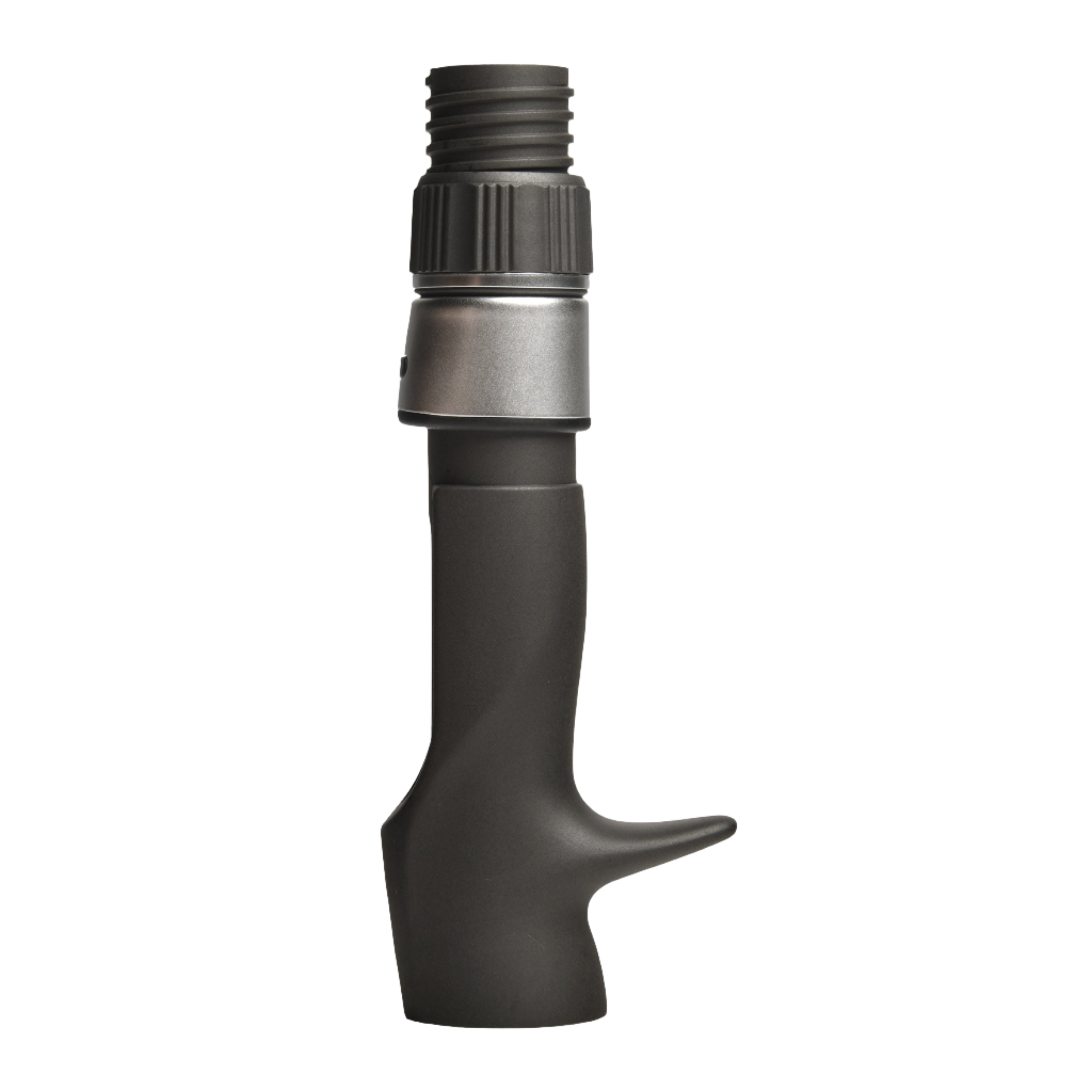
The grip and handle system plays an important role in how a custom urchin bait rod feels and performs on the water. Beyond comfort, the handle affects balance, weight distribution, and control during techniques that require frequent rod movement and precise bait manipulation. Whether working finesse presentations or maintaining contact with the bottom, the right handle setup helps anglers stay connected to the bait while reducing fatigue during long fishing sessions. Grip and handle kits simplify the build process by combining compatible components, allowing builders to create a balanced setup without selecting each piece individually.
Casting vs Spinning
Casting and spinning handle kits are determined by reel placement and how the finished rod is held during use. Casting setups position the reel above the blank, providing leverage and control for heavier urchin bait rigs and cover-oriented presentations. Spinning setups place the reel below the blank and are commonly paired with lighter line, smaller hooks, and finesse techniques. Both configurations can be built with different grip styles, allowing builders to prioritize balance, comfort, and the intended fishing application.
Split vs Full-Grip Handles
Handle design affects the balance, weight, and overall feel of a custom rod. The choice between split and full grips depends on how the rod will be used and the type of performance the builder wants from the finished setup.
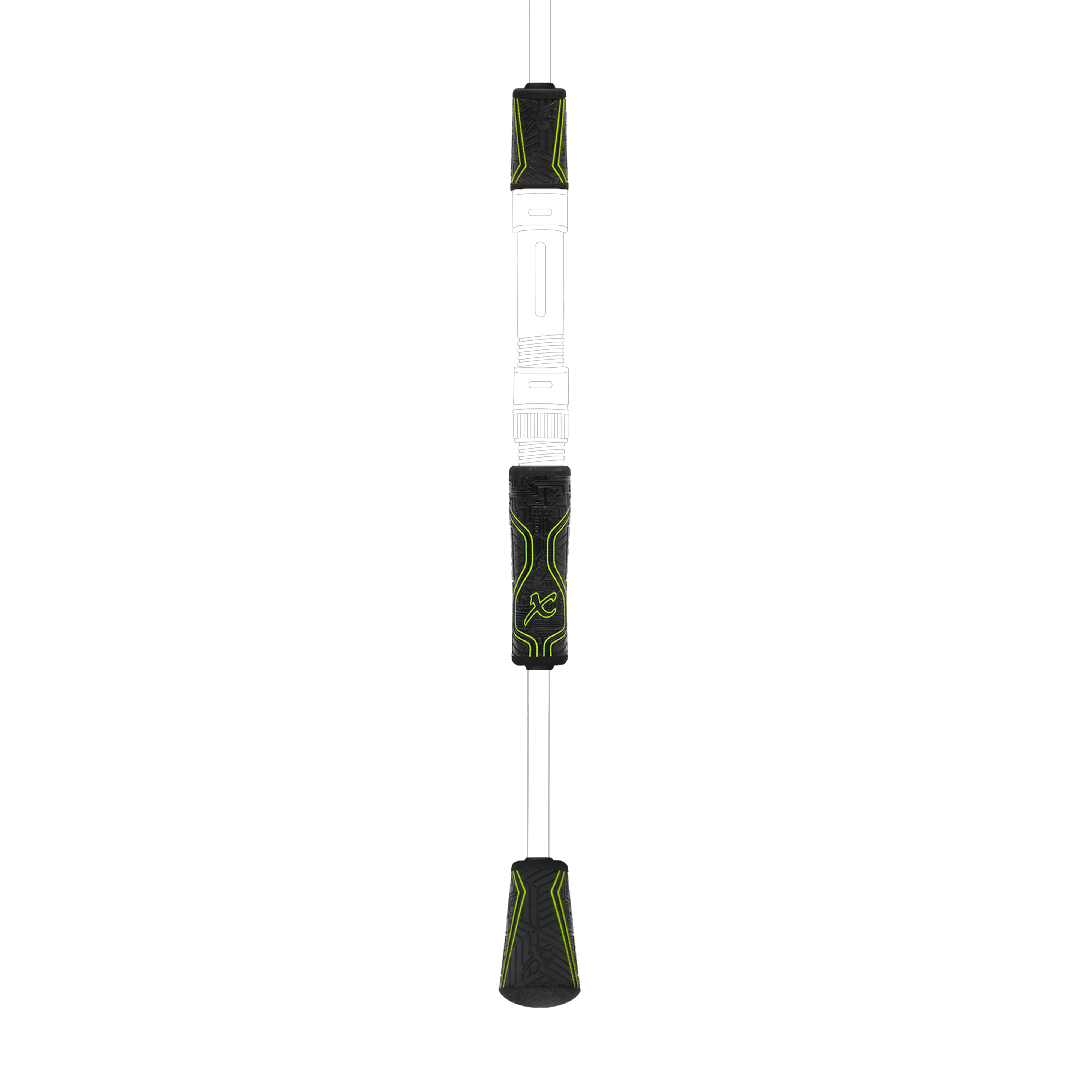
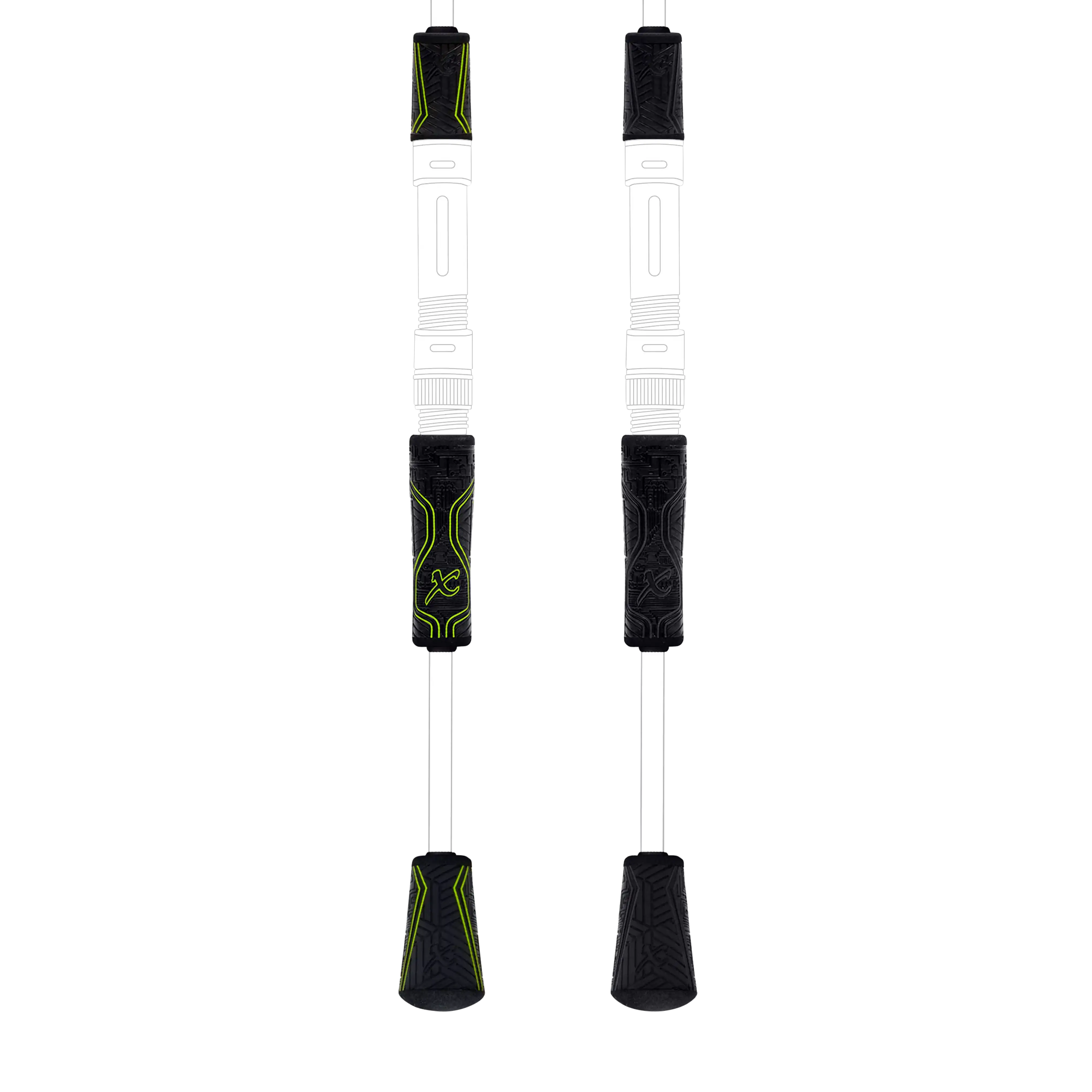
Split Grips
Split grip layouts are common in Urchin bait builds because they remove material from the rear section, reducing weight and exposing more of the blank. This creates a lighter feel in hand and can improve balance during long casting sessions, while also enhancing responsiveness when working urchin baits. Many builders prefer this setup for its modern feel and reduced fatigue over long periods of casting.
Full-Length Grips
Full-length grips extend continuously from the reel seat to the butt section, offering a more traditional feel with added rear support. While slightly heavier, they provide increased stability and comfort during long retrieves, especially when throwing larger and heavier urchin baits and rigs that maintain steady load throughout the retrieve.
Handle Materials
Handle material selection impacts the way the rod feels in hand, including weight, comfort, durability, and overall balance. Each material offers different advantages, allowing builders to customize the finished rod based on fishing conditions, personal preference, and the performance characteristics they value most.
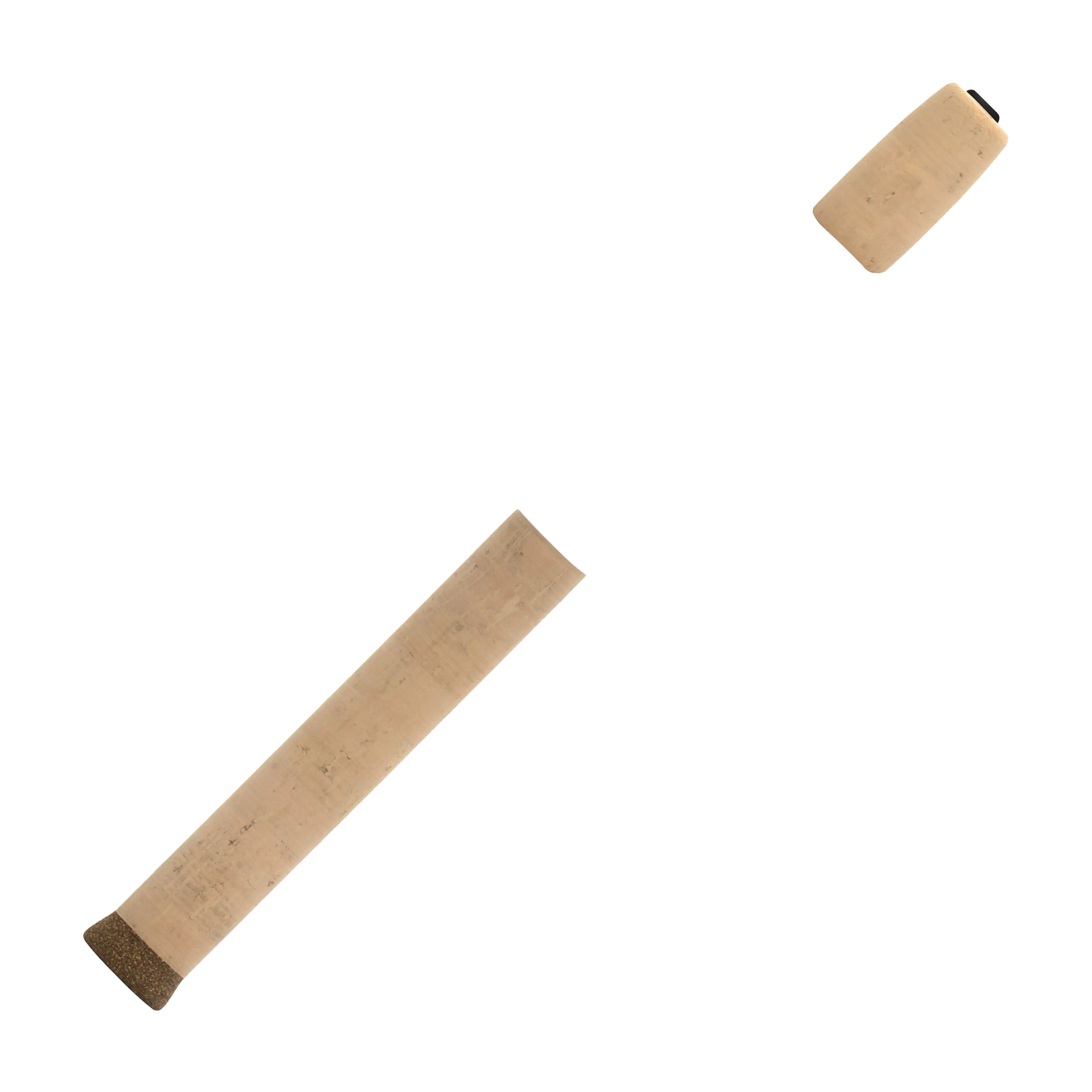
Cork
Cork remains a popular handle material because of its lightweight feel, traditional appearance, and natural grip texture. It provides a comfortable connection to the rod while allowing anglers to feel changes in the presentation. Cork performs well for many applications but may require more care over time compared to synthetic materials.
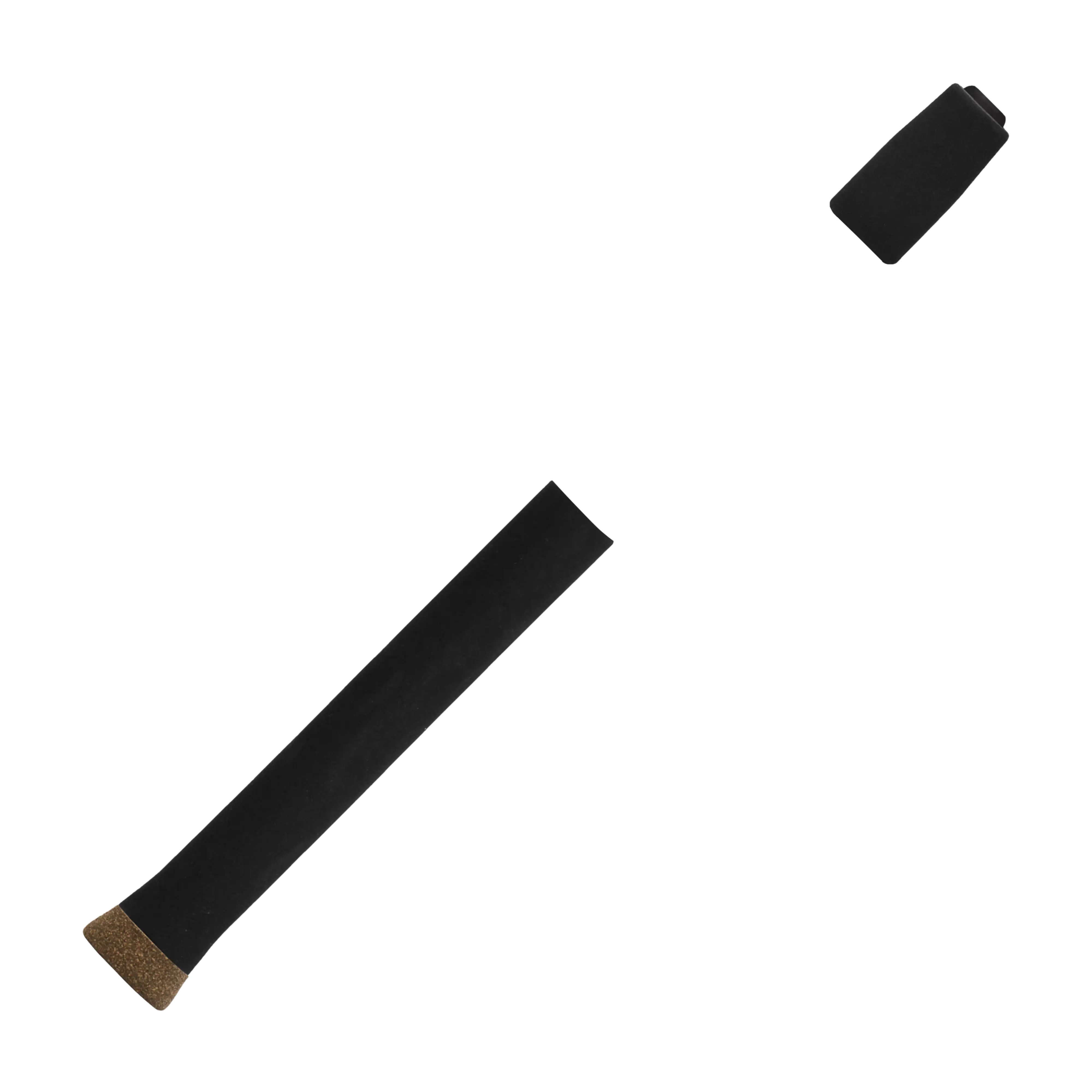
EVA Foam
EVA foam offers a durable, low-maintenance grip option that performs well in wet environments. Its softer feel provides comfort during extended fishing sessions, while its resistance to water absorption helps it maintain performance through repeated use. EVA is a practical choice for anglers looking for a reliable grip material with minimal upkeep.
Carbon / Composite
Carbon and composite handle materials provide an extremely lightweight option designed to maximize balance and reduce overall rod weight. Their rigid construction creates a direct feel between the angler and blank while maintaining durability. These materials are often selected by builders focused on creating lightweight custom rods with a responsive, performance-oriented feel.
Selecting the right grip and handle kit comes down to matching the blank, reel configuration, fishing style, and desired performance. Whether building a lightweight split grip setup or choosing the stability of a full-length handle, the correct combination of components helps create a balanced urchin bait rod that is comfortable, efficient, and enjoyable to fish.
Key Takeaways
- Handle design affects balance, weight, comfort, and overall rod control
- Split grips reduce weight and create a lighter, quicker feel in hand
- Full-length grips provide additional support and stability for heavier applications
- Cork, EVA, and carbon/composite materials provide different advantages in feel, durability, and weight
Urchin Bait Grip & Handle Kits


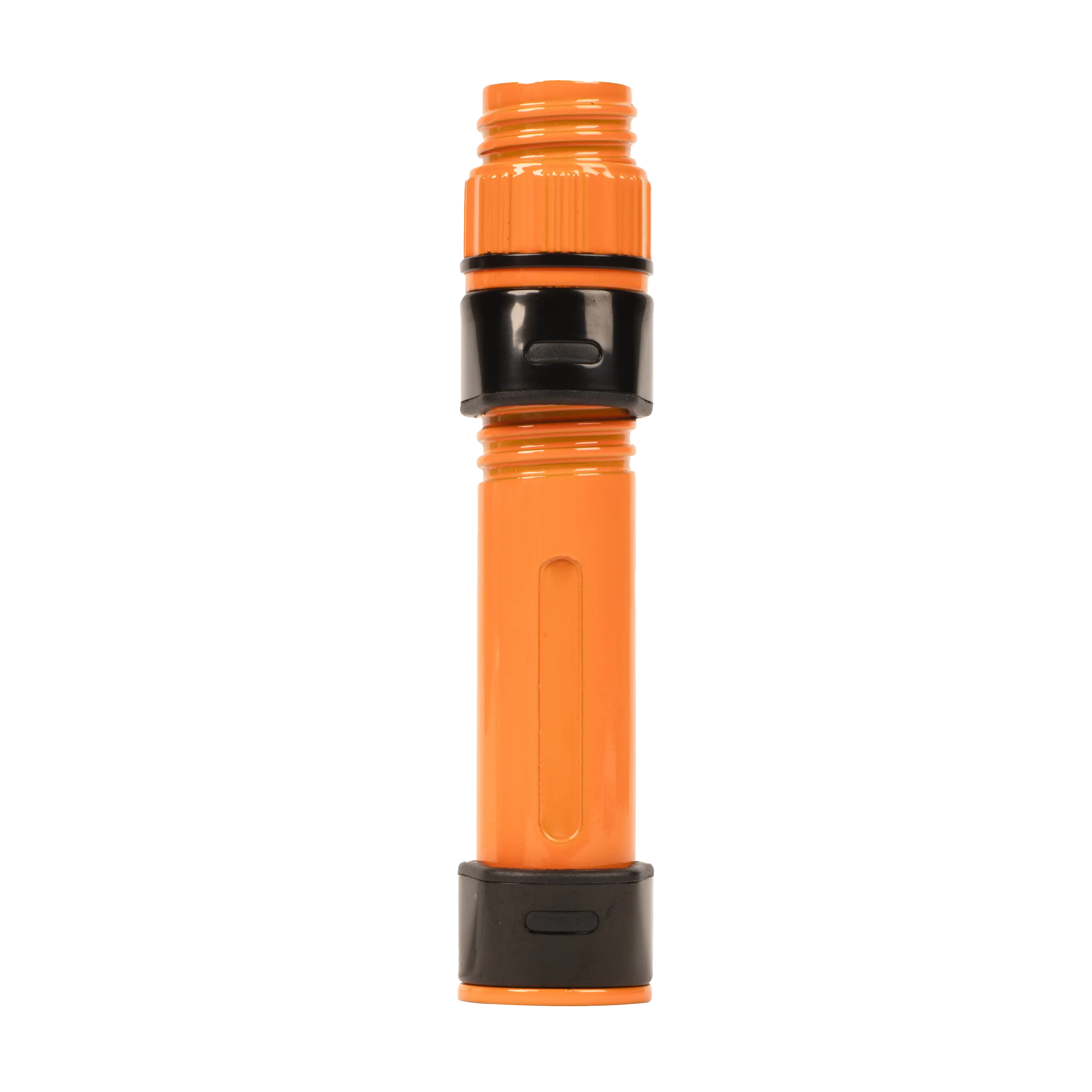
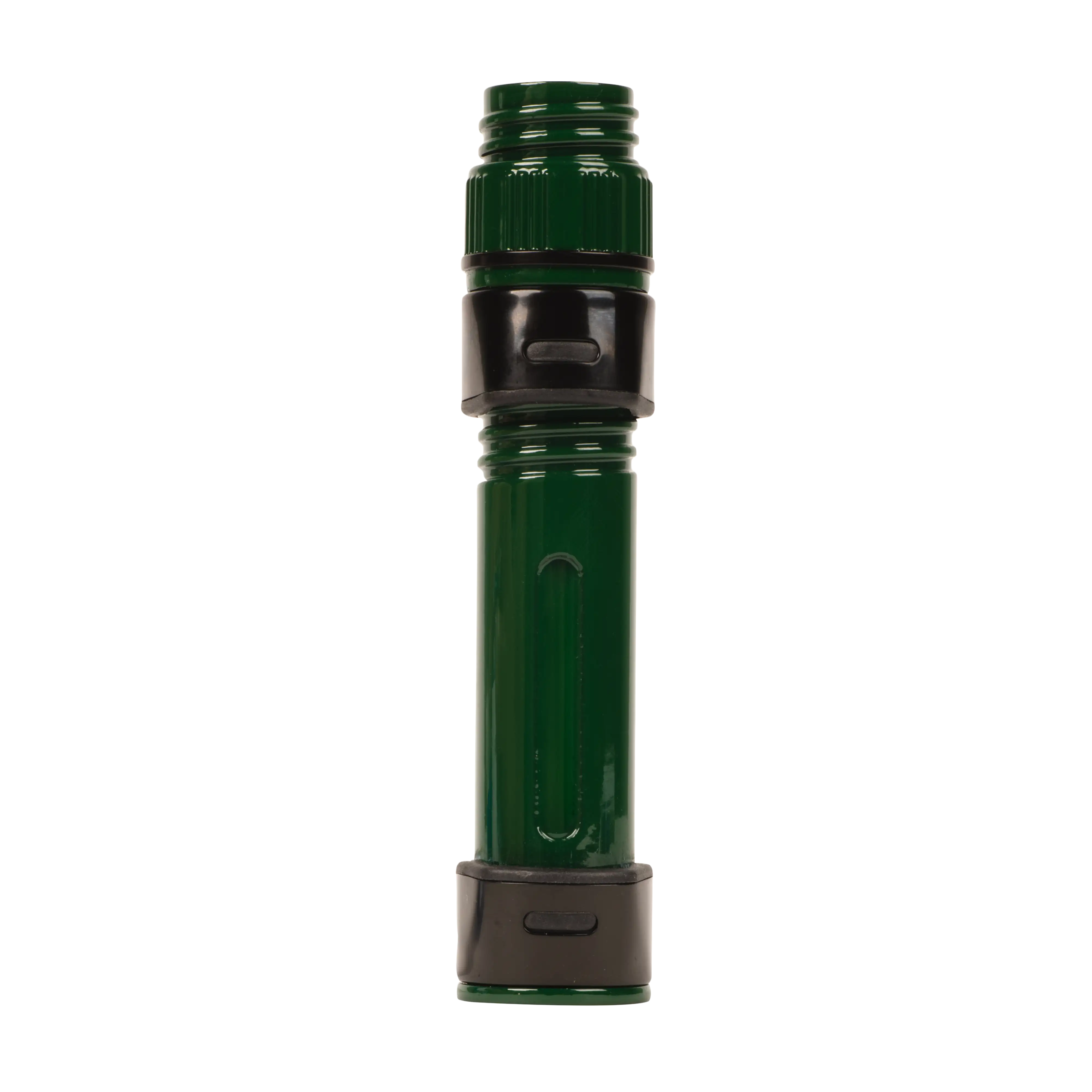
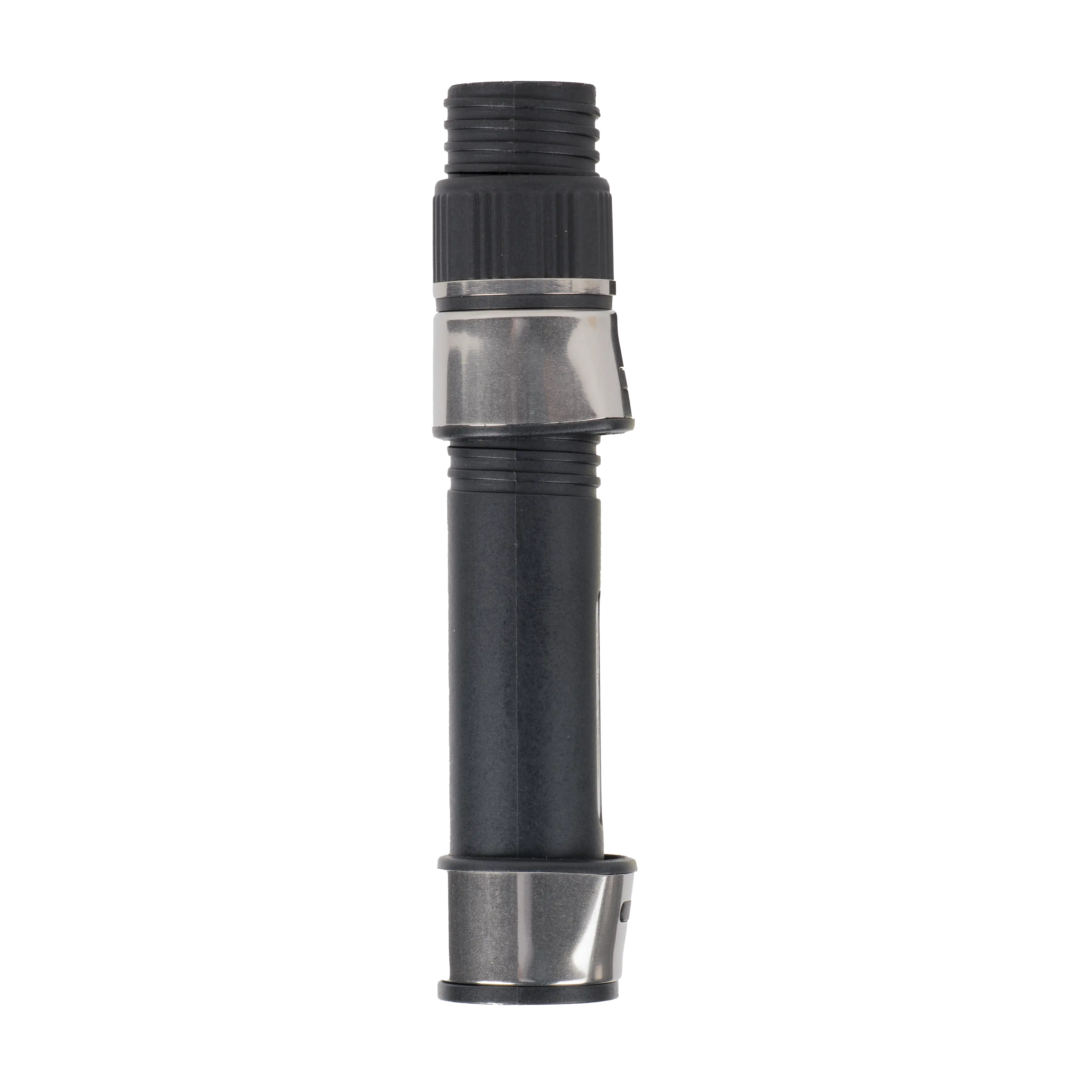
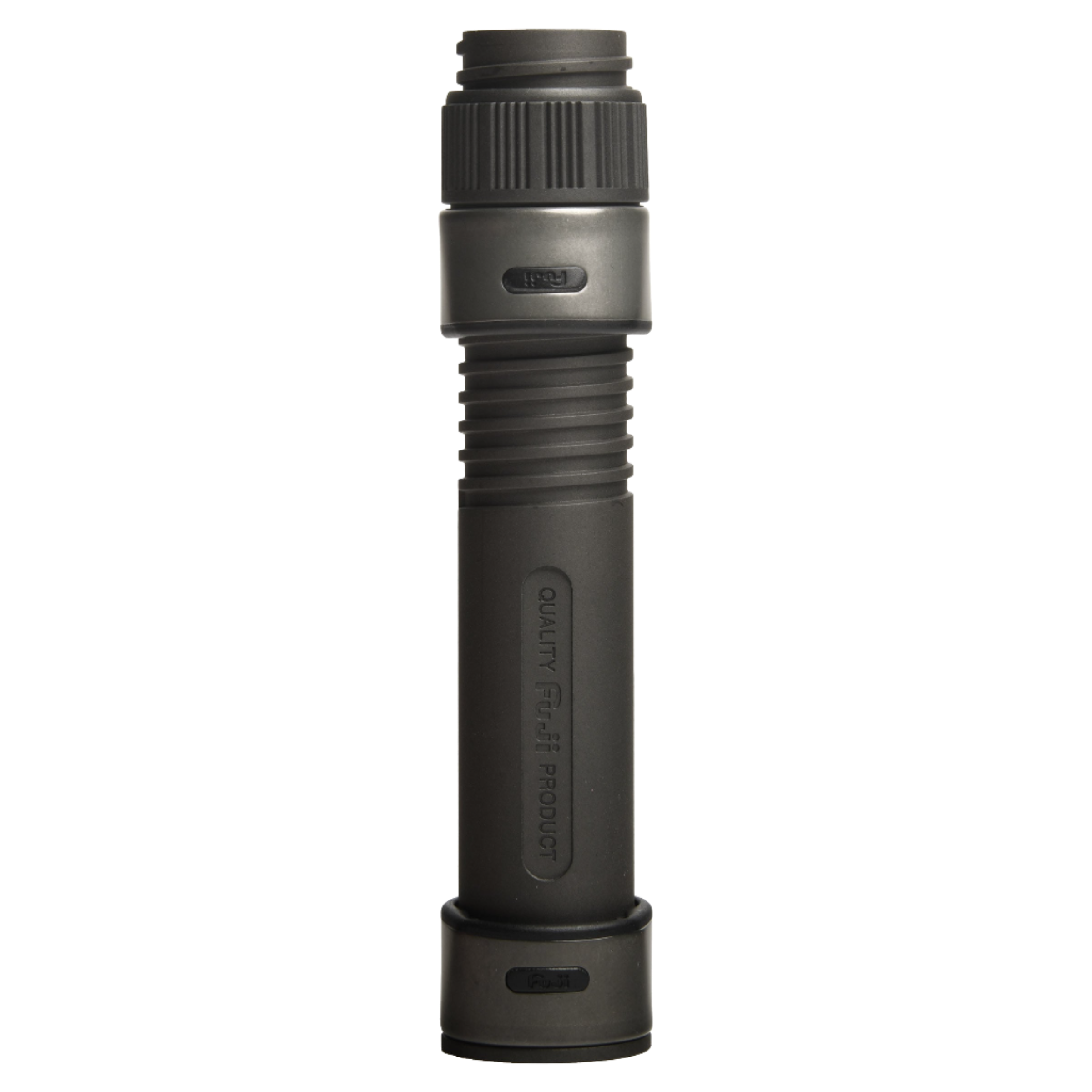
Urchin Bait Reel Seats
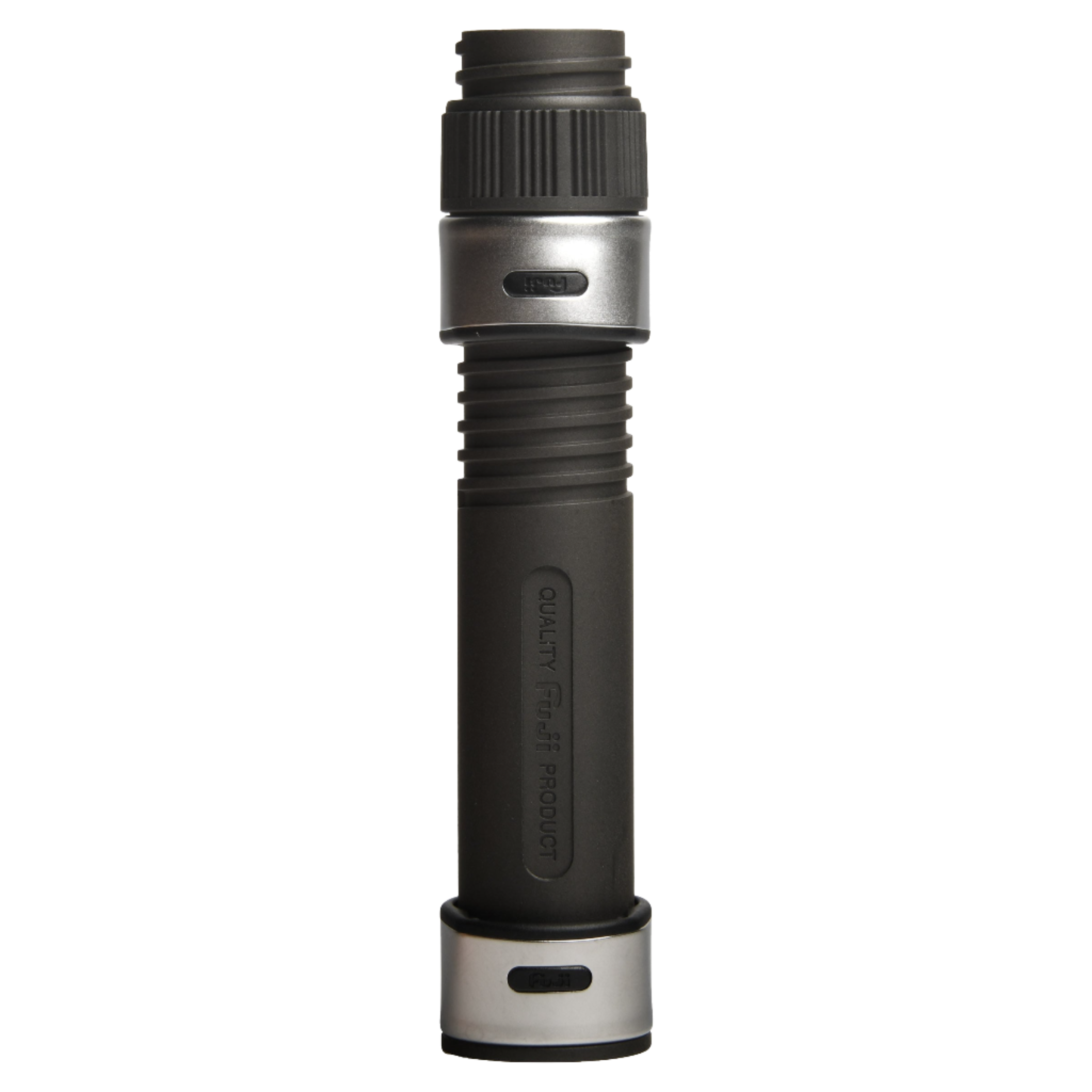
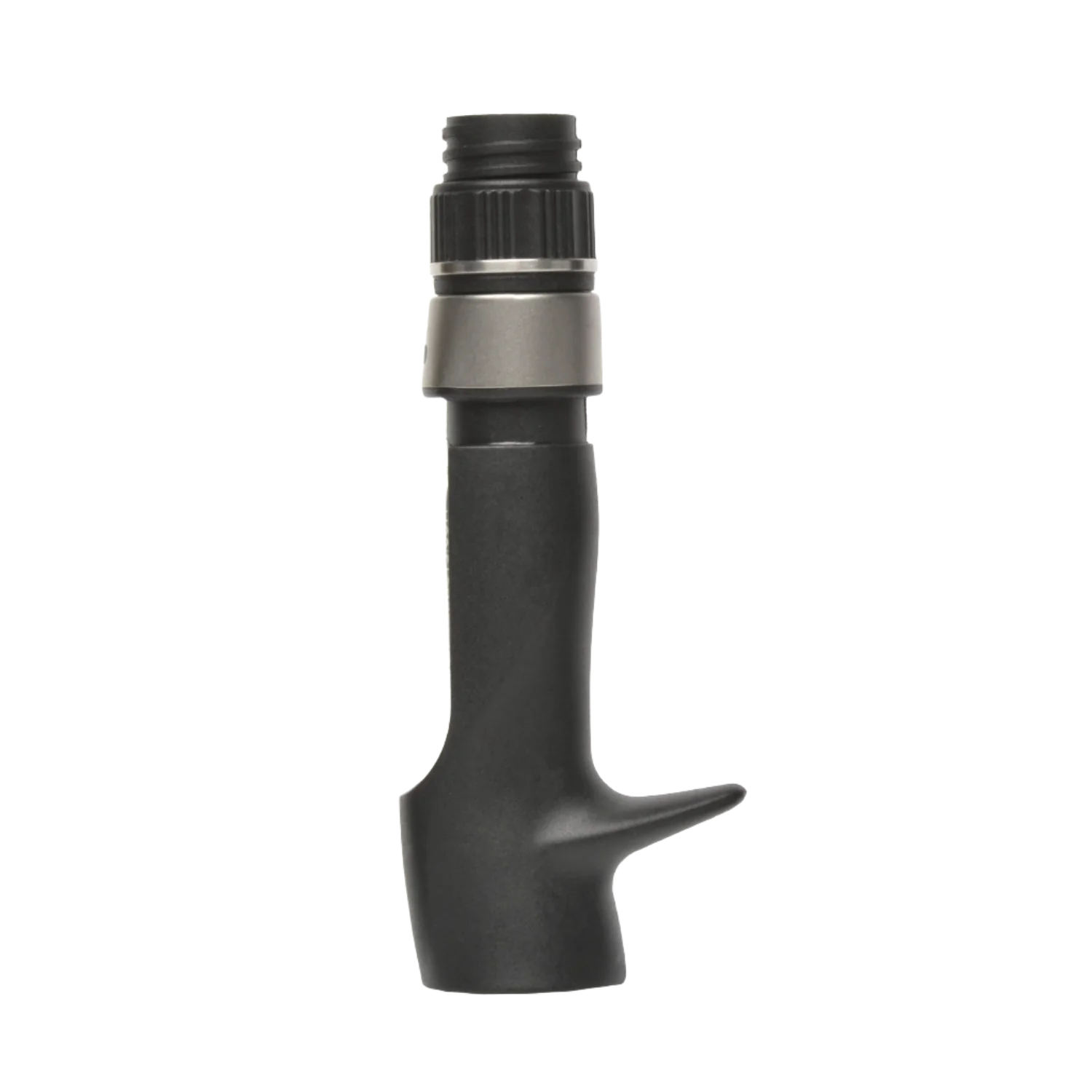
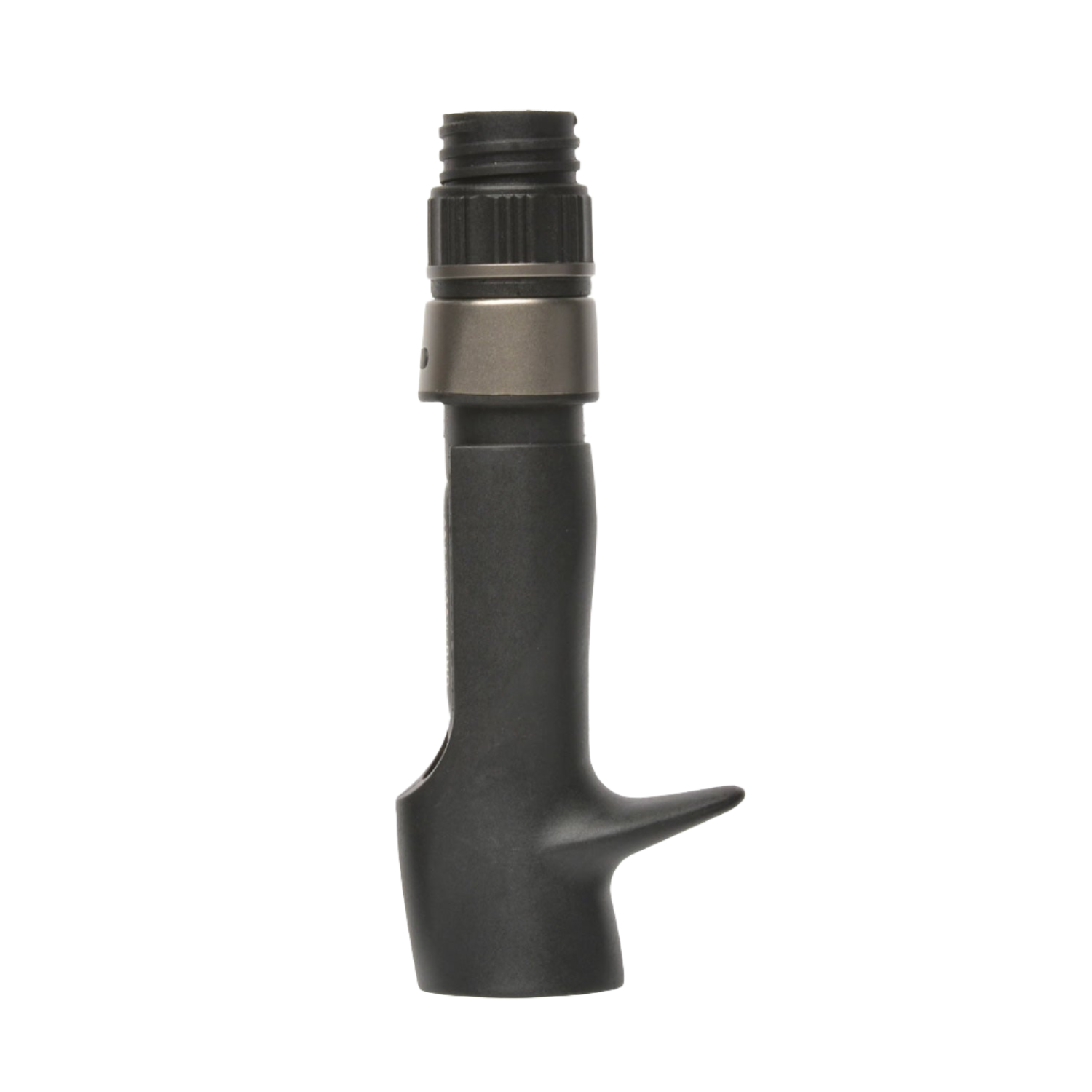
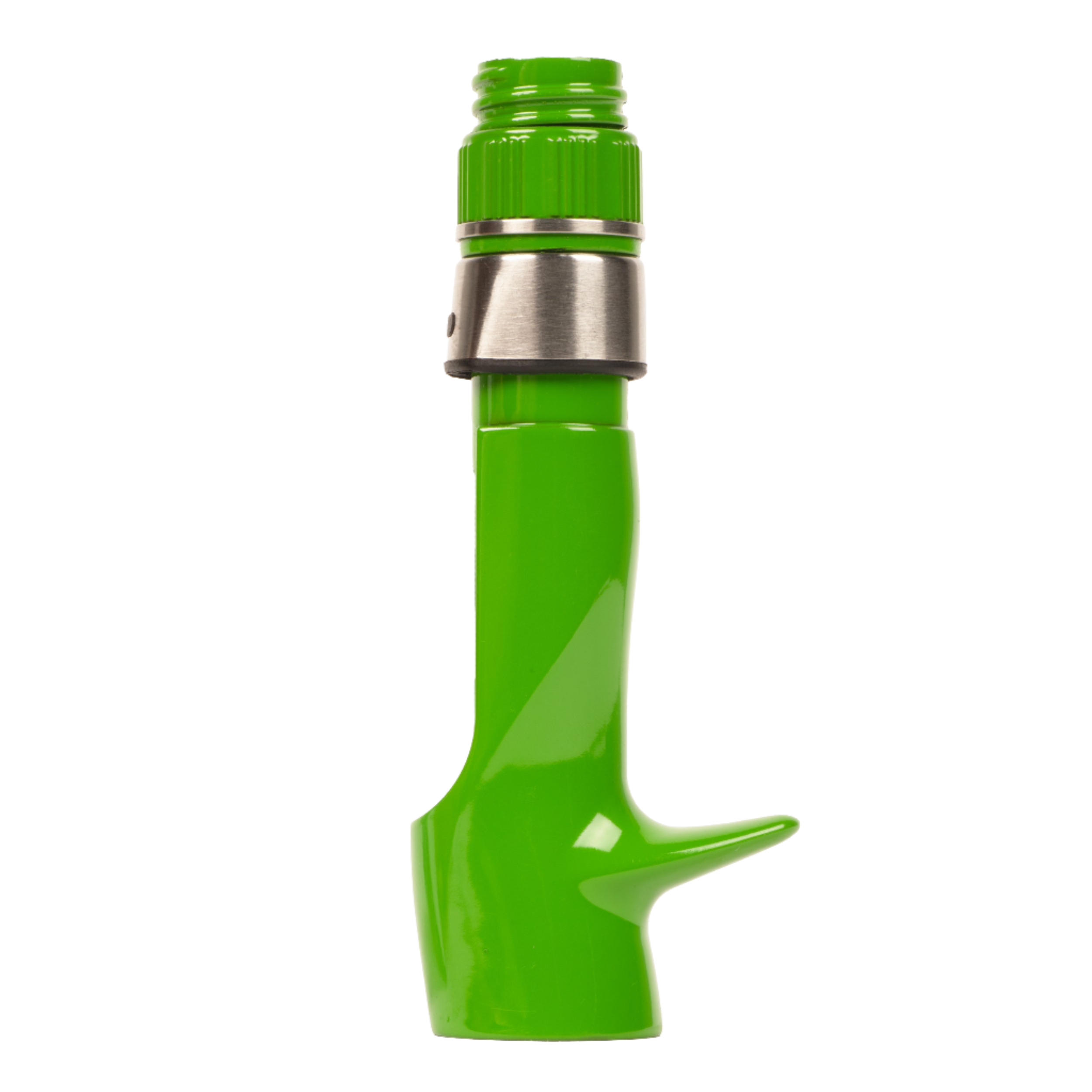
Some handle kits include a reel seat, while others require it to be selected separately. In a custom urchin bait rod build, the reel seat is a key component that secures the reel while influencing balance, comfort, and overall rod feel. Because urchin bait fishing often involves repeated casting, subtle rod movements, and maintaining control over the presentation, the reel seat needs to provide a stable connection between the reel, handle, and blank. Proper fit, material selection, and placement all contribute to how efficiently the finished rod performs on the water.
Spinning vs Casting
The reel seat configuration is determined by whether the rod is being built for a spinning or casting reel, with each setup creating a different hand position and balance point on the finished rod. Spinning reel seats place the reel below the blank and are commonly paired with lighter urchin bait presentations where easy casting and line control are priorities. Casting reel seats position the reel above the blank and provide a more compact connection that many builders prefer for heavier rigs, increased leverage, and fishing around cover. Choosing the correct reel seat style ensures the reel fits securely, aligns properly with the blank, and creates a comfortable setup for the intended urchin bait techniques.
Reel Compatibility & Seat Types
Urchin bait rods are built around spinning or baitcasting reels depending on the technique, lure weight, and fishing environment. The reel seat must properly match the reel foot to ensure a secure fit and correct alignment with the blank. This connection affects overall comfort and balance while allowing the builder to fine-tune the feel of the finished rod. Different reel seat styles provide options for adjusting weight, appearance, and performance characteristics during the build process.
Split vs Full Reel Seats
Split reel seats use a two-piece design that removes material around the reel connection area, reducing overall weight and allowing more of the blank to remain exposed. This creates a lighter feel in hand and gives builders additional flexibility when balancing the rod with different handle components.
Full-length reel seats use a continuous (barrel) design that provides a traditional mounting platform around the reel. While slightly heavier, they offer a solid connection point and a more supported feel that some builders prefer when creating rods for heavier urchin bait rigs or applications requiring additional leverage.
Reel Seat Materials
Material selection affects the weight, durability, and overall feel of the finished rod. Since urchin bait fishing can involve long periods of rod control and repeated presentations, selecting the right reel seat material helps create a balanced and comfortable custom build.
Graphite
Graphite reel seats are a common choice for custom rod builds because they provide a lightweight design, corrosion resistance, and dependable durability. They offer a practical balance of strength and weight reduction while maintaining secure reel attachment and consistent rod balance.
Composite & Carbon Fiber
Composite and carbon fiber reel seats are performance-focused options that provide reduced weight, increased rigidity, and a refined connection between the reel and blank. These materials are often selected for higher-end builds where minimizing overall weight and maximizing balance are important considerations.
A properly selected reel seat keeps the reel securely locked in place, maintains alignment with the blank, and helps create the balance and control needed for a custom urchin bait rod.
Key Takeaways
- Reel seats secure the reel while influencing balance, comfort, and overall rod feel
- Spinning and casting reel seats are designed around different reel positions and applications
- Proper reel compatibility ensures alignment, stability, and reliable performance
- Split and full reel seats provide different weight and support characteristics
- Graphite, composite, and carbon fiber materials offer different advantages in weight and durability
- The right reel seat helps optimize control and performance in a custom urchin bait rod
Urchin Bait Reel Seats

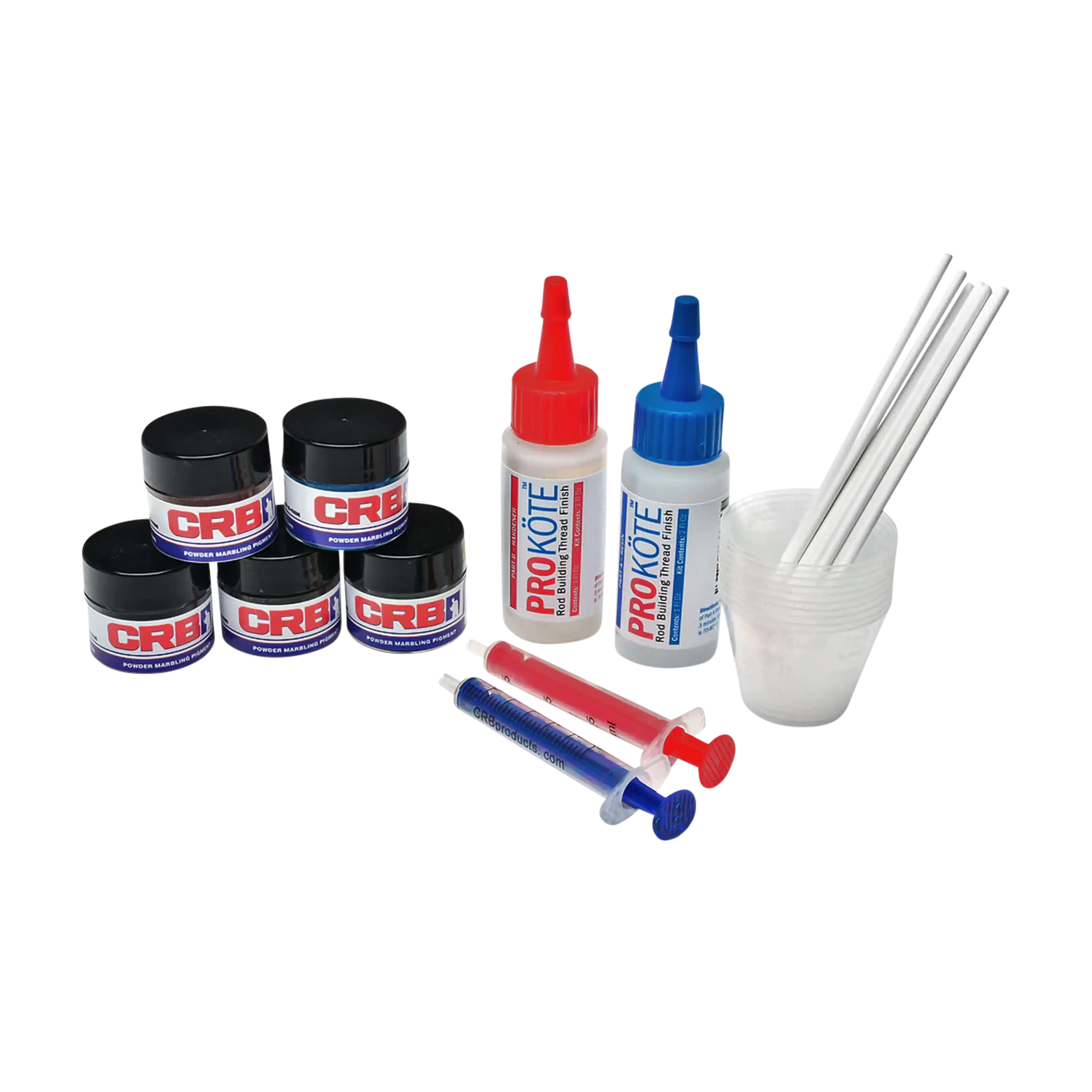
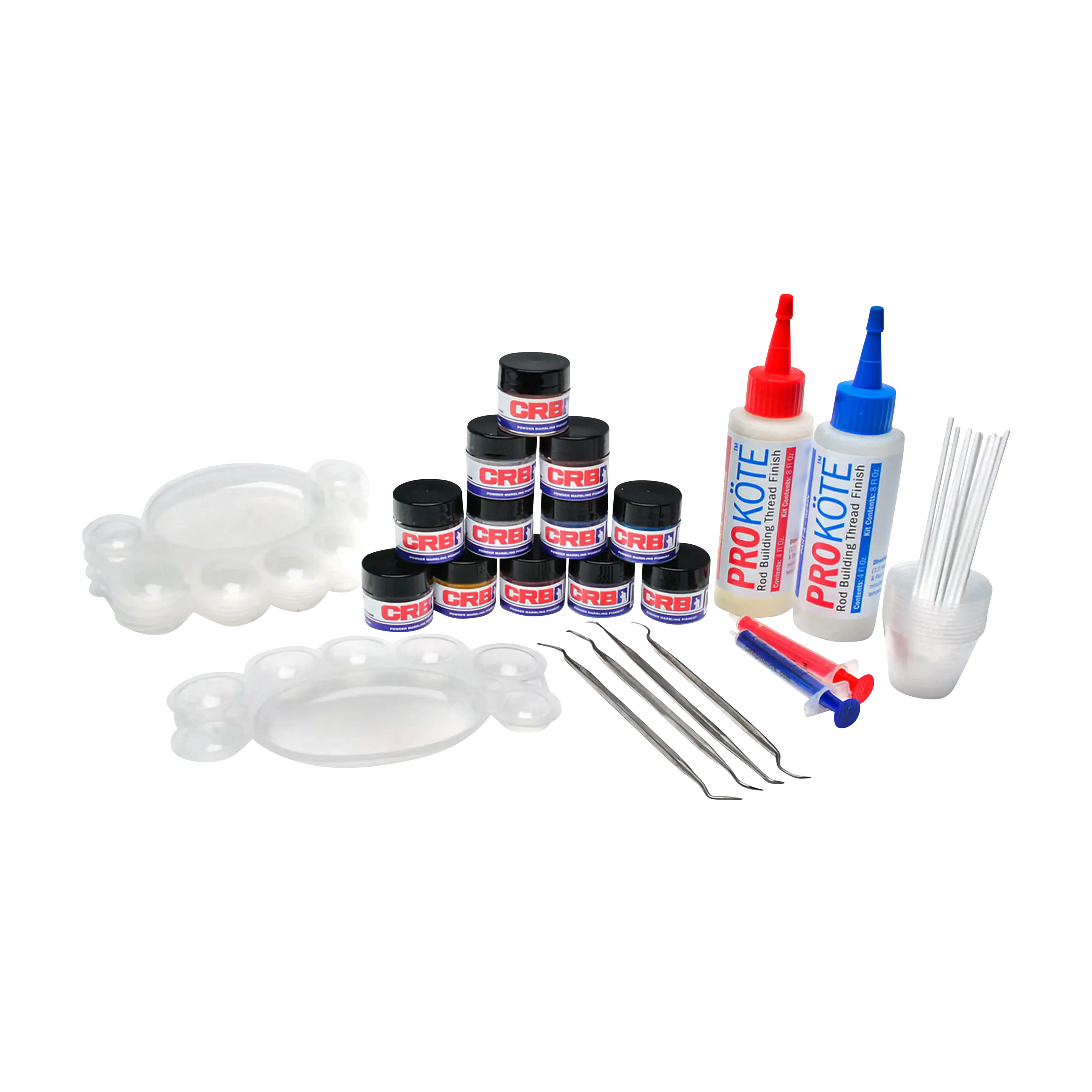
Choose Your Supply Kits
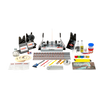
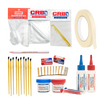
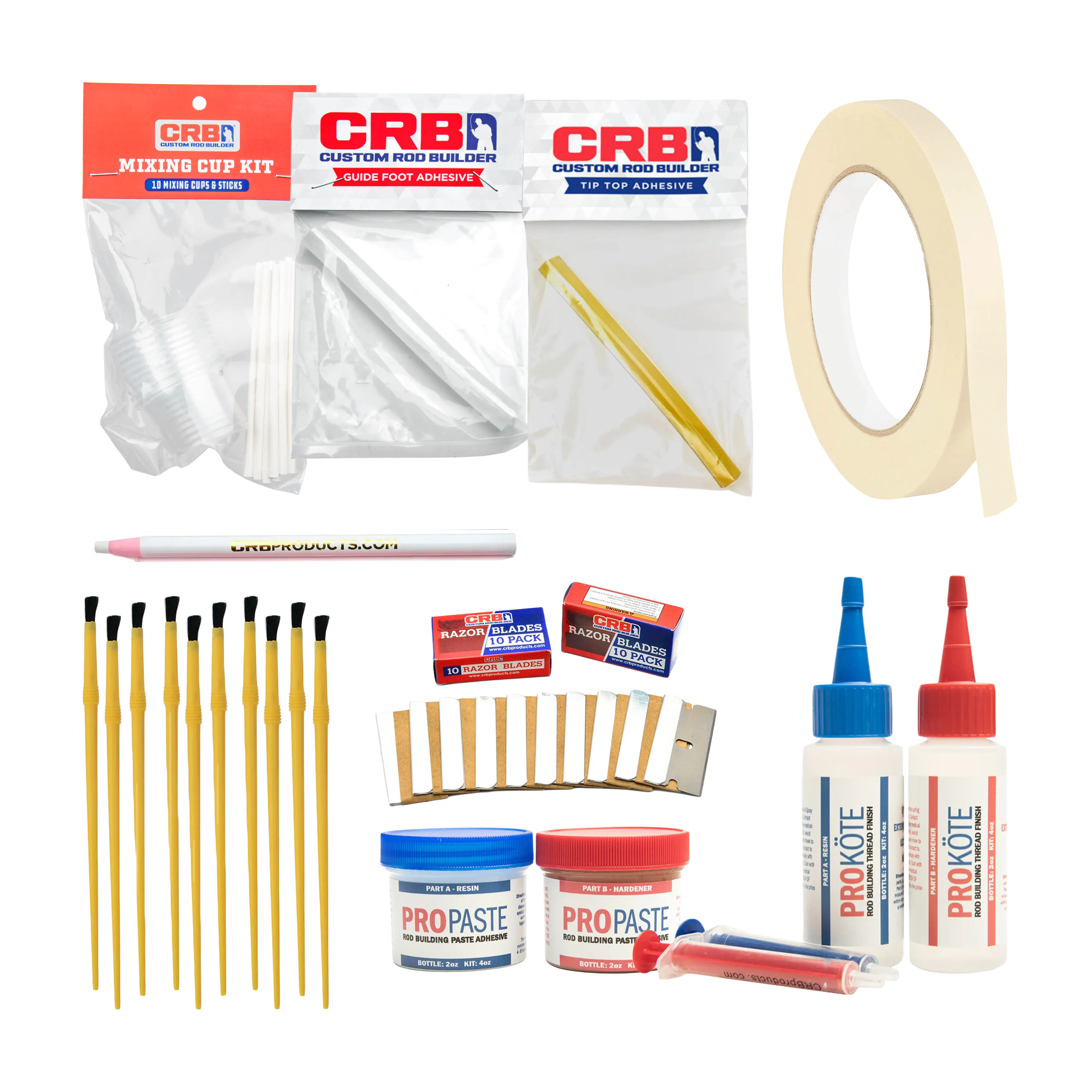
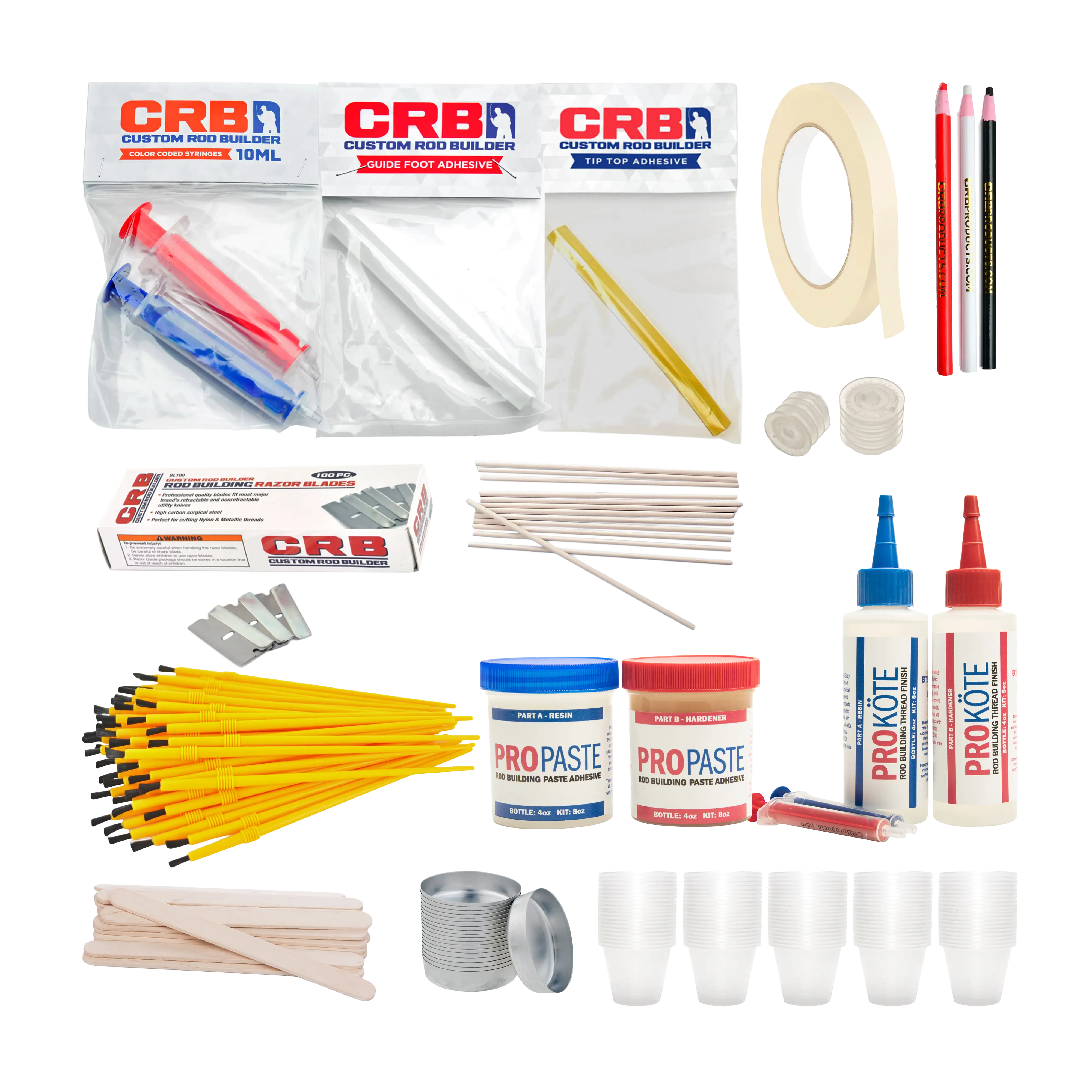
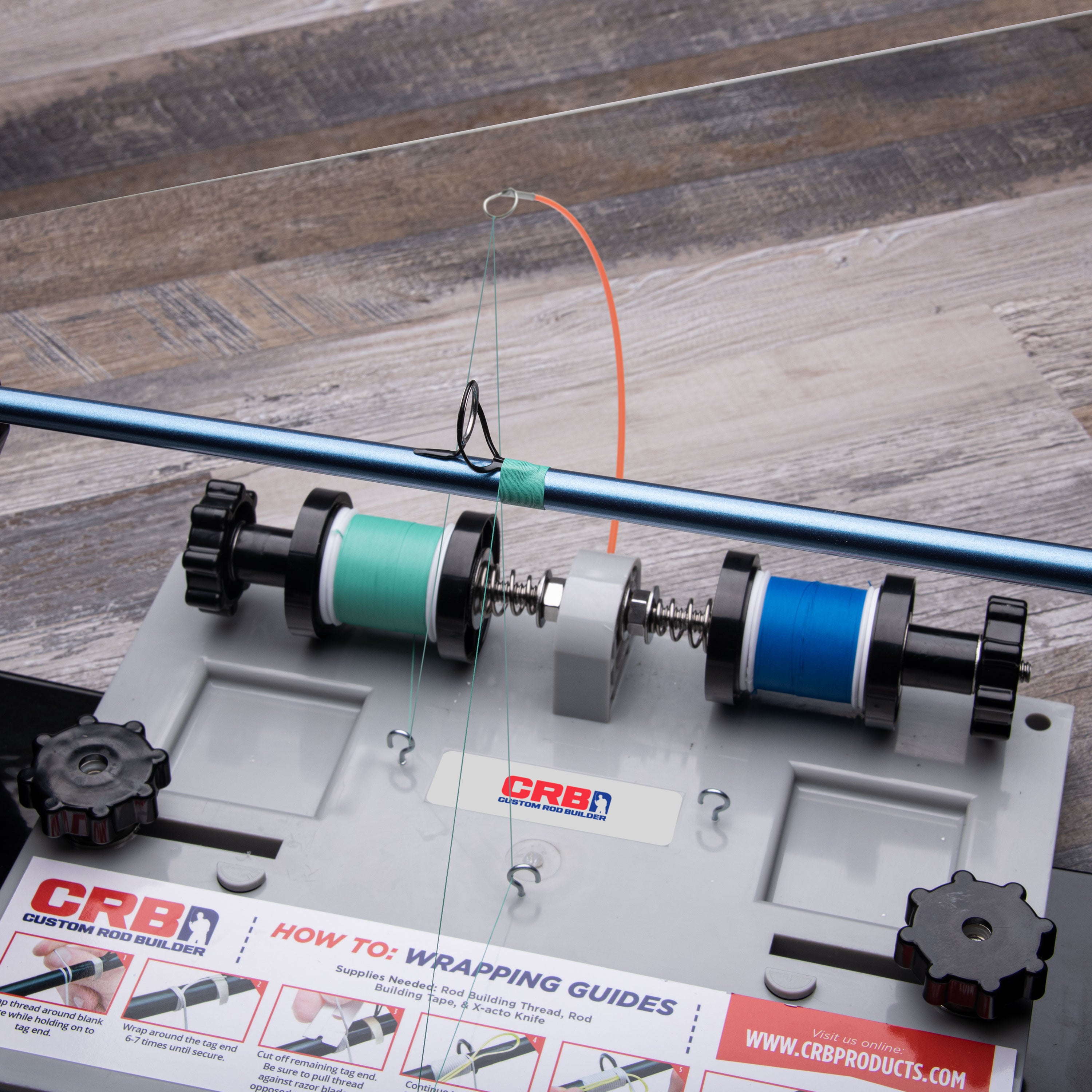
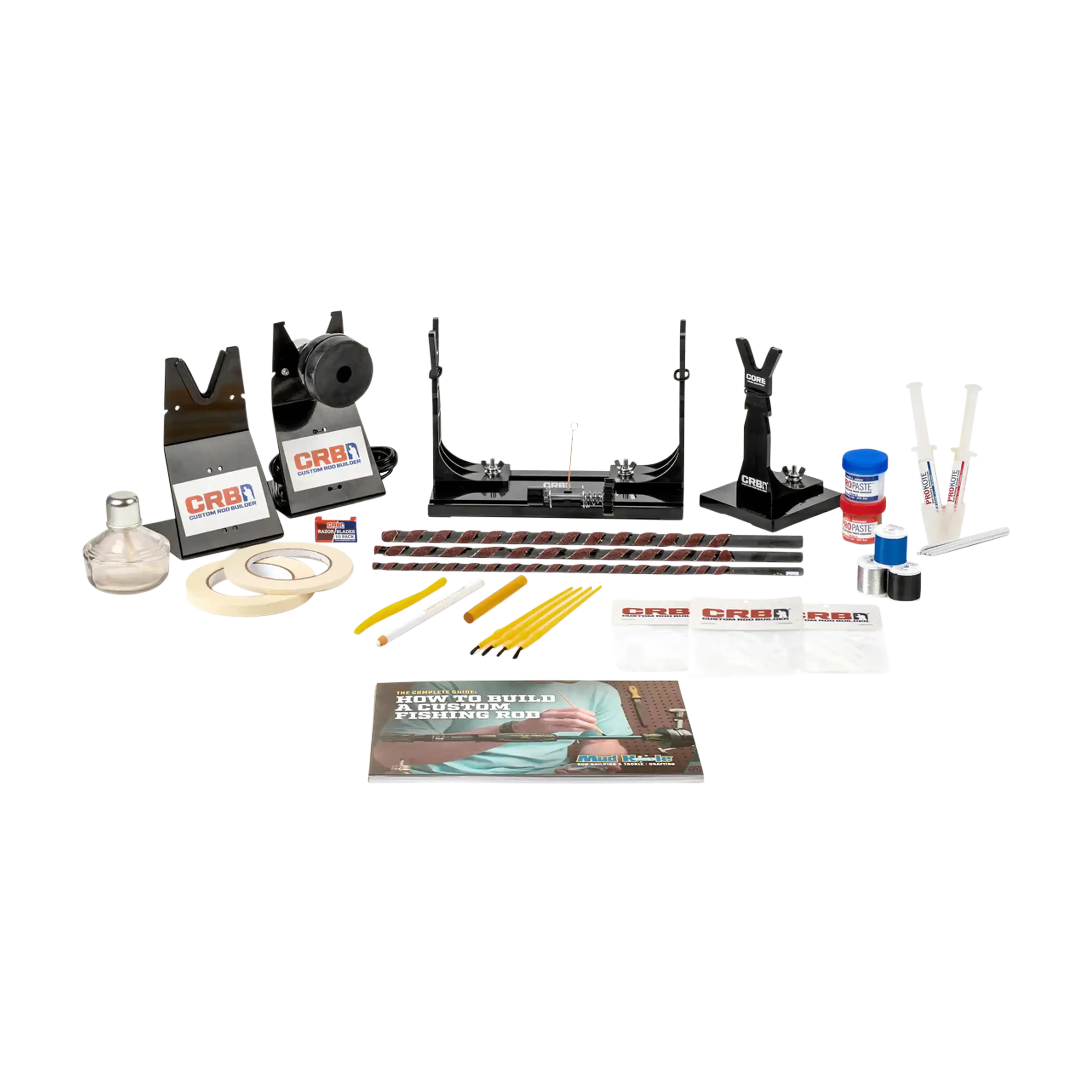
Everything needed to build a high-performance urchin bait rod can be found in a rod building supply kit. These kits typically include essential tools and materials—rod dryers, thread, hand wrappers, epoxy, brushes, reamers, and other core supplies—so builders can focus on the construction process instead of sourcing individual components. Using a kit helps simplify the build, improve consistency, and provide the precision needed for an urchin bait rod designed around accurate casting, controlled presentations, and reliable hook-setting performance. It is a practical option for both beginners and experienced builders looking to organize their setup.
For Beginners
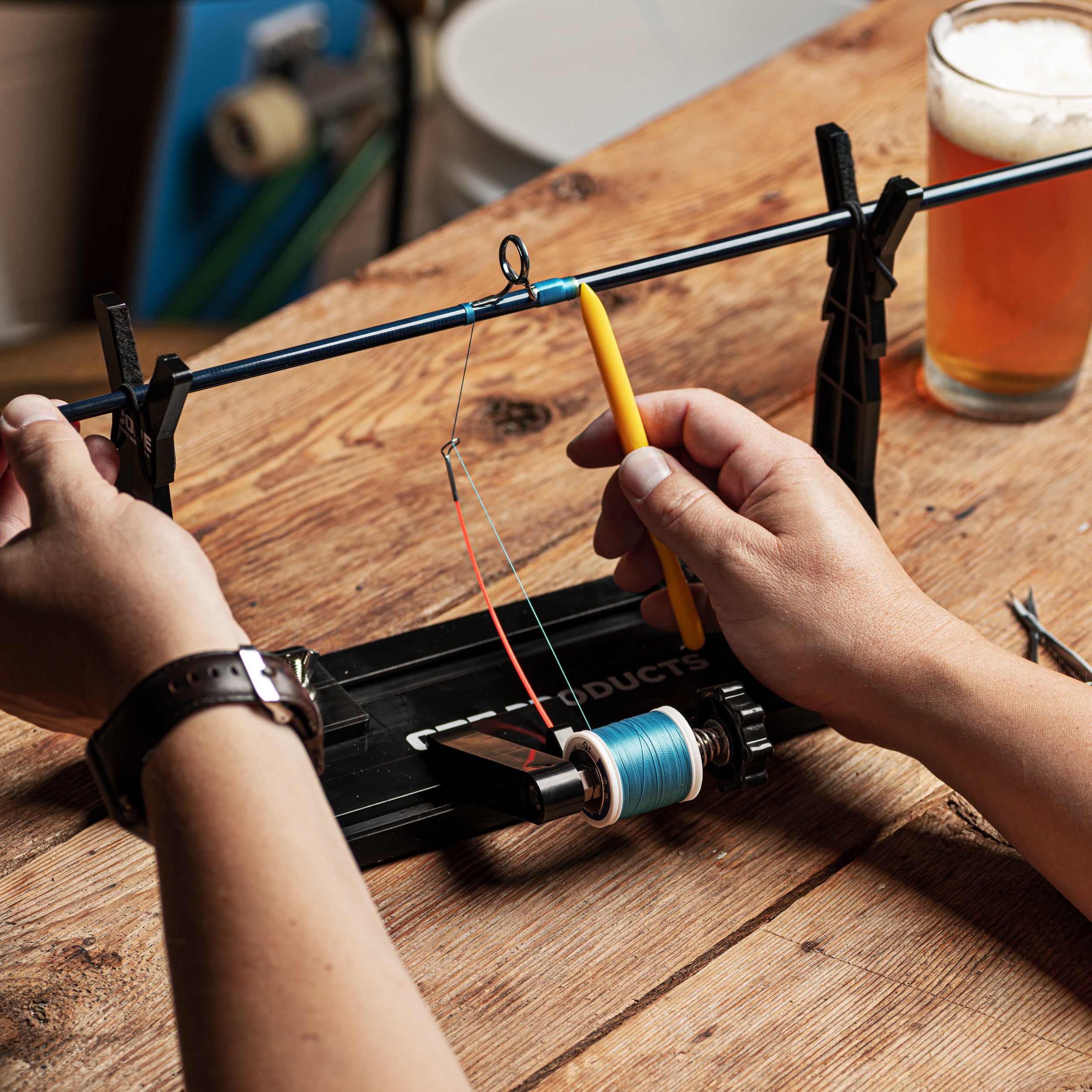
All-in-one kits provide new builders with the essential tools and materials needed to start building without having to purchase each item separately. This allows beginners to focus on learning important steps like guide wrapping, tip-top installation, and assembling a properly balanced handle system for spinning or casting urchin bait rods. Having the correct supplies available also helps create more consistent results throughout each stage of the build.
For Experienced Builders
Supply kits remain useful for experienced builders who need to replenish consumable materials like epoxy, brushes, and thread. Even when core tools are already available, having a complete supply kit saves time and ensures the necessary materials are ready for efficient, repeatable urchin bait rod builds across different blanks and configurations.
Key Takeaways
- Supply kits include essential tools and materials for building custom urchin bait rods
- Beginners benefit from all-in-one setups that simplify the learning process
- Experienced builders can use kits to restock supplies and maintain workflow efficiency
- Having the right tools helps create smoother assembly and more consistent build results
Supply Kits

Best Reels for Urchin Bait Fishing
Now let’s find a reel for your custom rod.
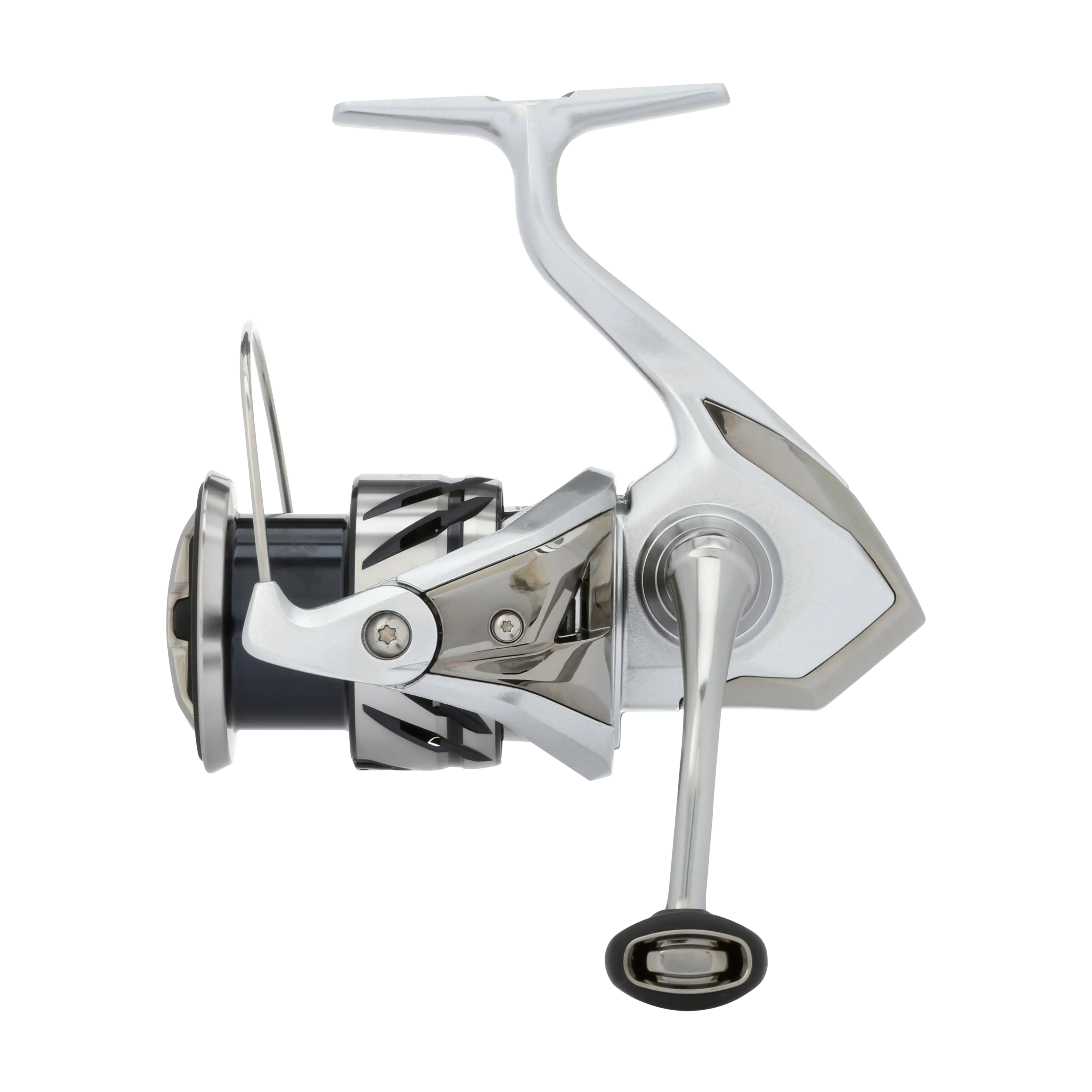
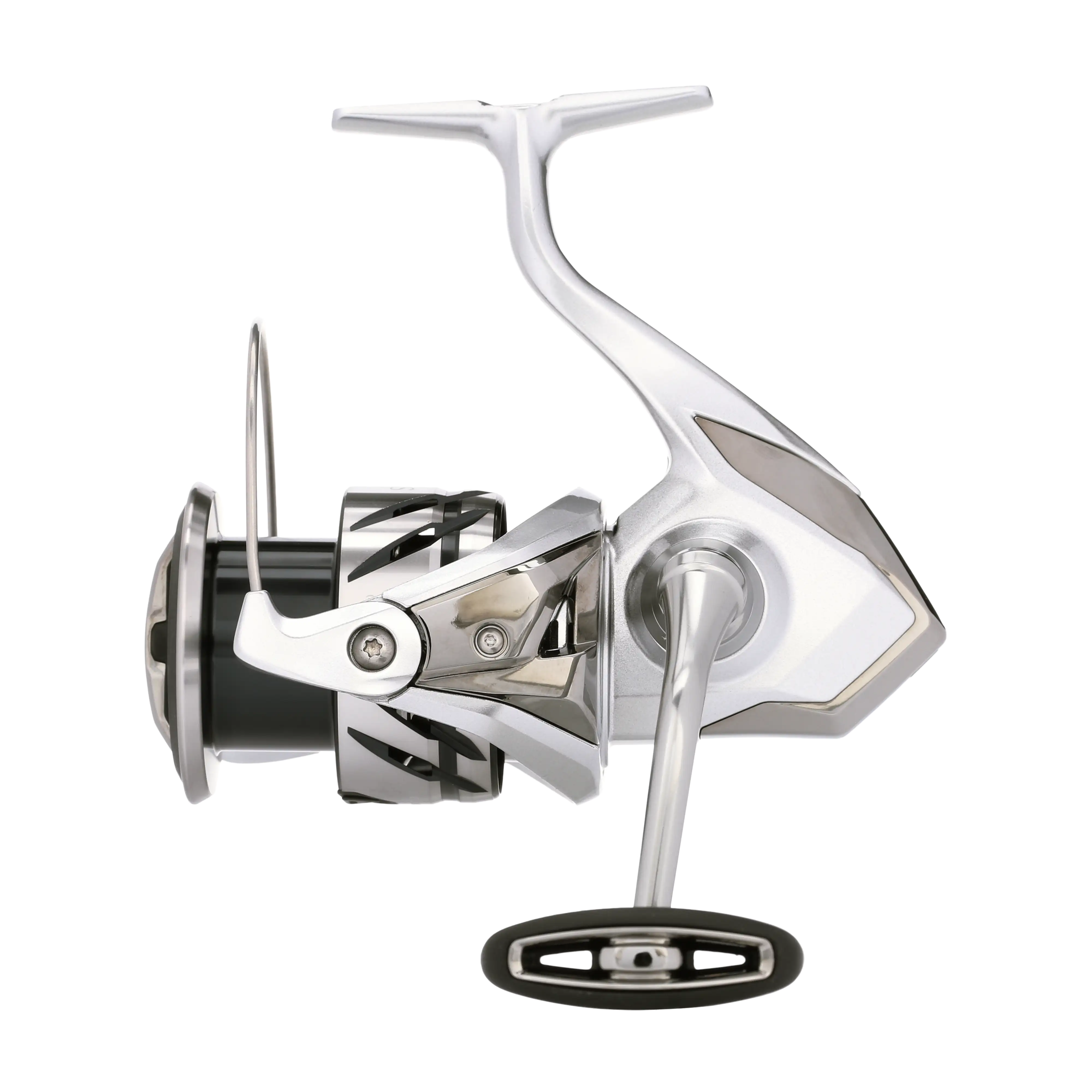
An urchin bait reel should complement the size of bait being fished and provide the line pickup and drag performance needed to land big fish. Because urchins are often worked with sharp pops and fished on semi-slack line, quick line pickup and a smooth drag help anglers stay connected from the hookset to the landing.
When choosing an urchin bait reel, consider these key features:
Reel Type
Casting reels are most commonly used for standard and full-size urchin baits because they handle heavier fluorocarbon line and provide more power and control when fighting fish around cover. Spinning reels are the preferred choice for mini urchins, where light baits and light weights cast more efficiently on spinning tackle.
Gear Ratio
Gear ratio determines how many times the spool rotates with one full turn of the handle, directly affecting retrieve speed and line pickup. High-speed casting reels in the 7.1:1 to 8.1:1 range are popular for urchin fishing because they quickly remove slack between pops and after a bite. For spinning reels, gear ratios around 6.2:1 to 7.1:1 provide good slack-line pickup for mini urchin presentations.
Drag System
The drag system controls line tension during the fight and should provide smooth, consistent performance under pressure. Urchin baits frequently catch big fish, often around docks and wood cover, so a drag that holds steady pressure without slipping helps anglers pull fish away from structure while protecting the line.
Line Capacity
Urchin fishing does not require excessive line capacity, but the reel should comfortably hold enough fluorocarbon or braid for long casts and the line weights being fished. Matching spool size to the intended line helps casting performance and reduces issues like backlashes and line memory.
Durability
Reels should be built to withstand repeated casting, skipping, and hard hooksets. Reels with rigid frames, corrosion-resistant components, and quality bearings maintain smoother performance and consistent drag pressure season after season.
Mini Urchin Baits (5–12mm)
Mini urchins are typically paired with a spinning reel because their light weight casts more efficiently on spinning tackle. A properly sized spinning reel provides smooth casting and enough drag to control fish on a heavier fluorocarbon leader.
Reel Type / Size: Spinning reel, 2500–3000 size
Gear Ratio: 6.2:1–7.1:1 (quick slack-line pickup)
Drag: Smooth, 10–15 lb maximum
Line (Mainline / Leader): 10–15 lb braid / 14–17 lb fluorocarbon leader
Standard Urchin Baits (13–19mm)
Standard urchins are most often fished with a low-profile casting reel, which provides accurate casting, quick line pickup, and the power to control fish around brush and docks.
Reel Type / Size: Low-profile casting reel, 100–150 size
Gear Ratio: 7.1:1–8.1:1 (fast for removing slack between pops and on the hookset)
Drag: Smooth, 12–15 lb maximum
Line (Mainline / Leader): 14–17 lb fluorocarbon
Full-Size Urchin Baits (20mm and up)
Full-size urchins demand a casting reel with the drag and line capacity to handle heavier line and big fish around cover.
Reel Type / Size: Low-profile casting reel, 150 size
Gear Ratio: 7.1:1–8.1:1 (fast for removing slack between pops and on the hookset)
Drag: Smooth, 15–20 lb maximum
Line (Mainline / Leader): 16–20 lb fluorocarbon
Key Takeaways
- Casting reels are the standard for standard and full-size urchin baits
- 2500–3000 size spinning reels handle mini urchin presentations
- High-speed gear ratios (7.1:1–8.1:1) help remove slack quickly between pops and on the hookset
- A smooth, strong drag helps pull big fish away from docks and wood cover
- Choose a reel with durable construction and enough capacity for the line weights being fished
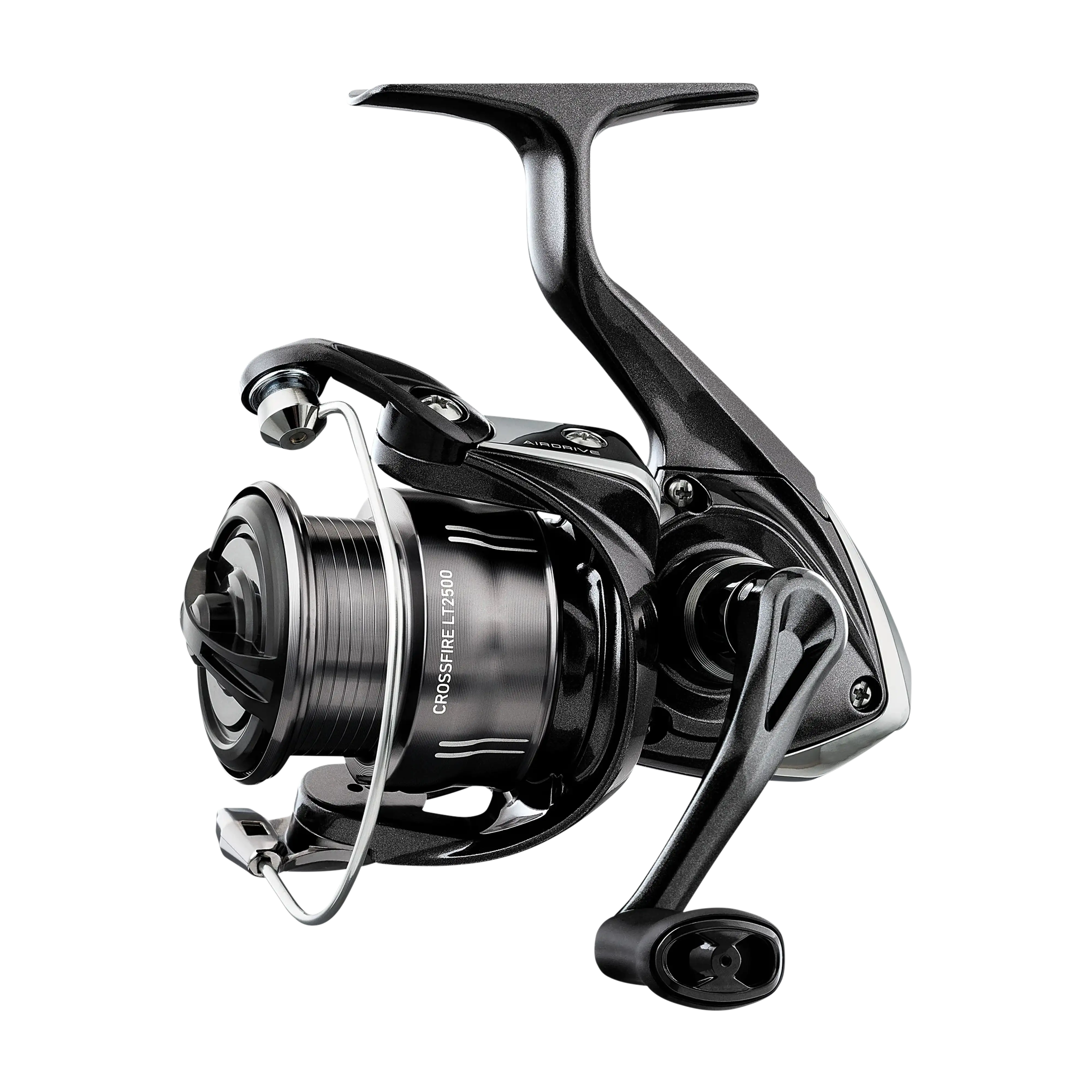
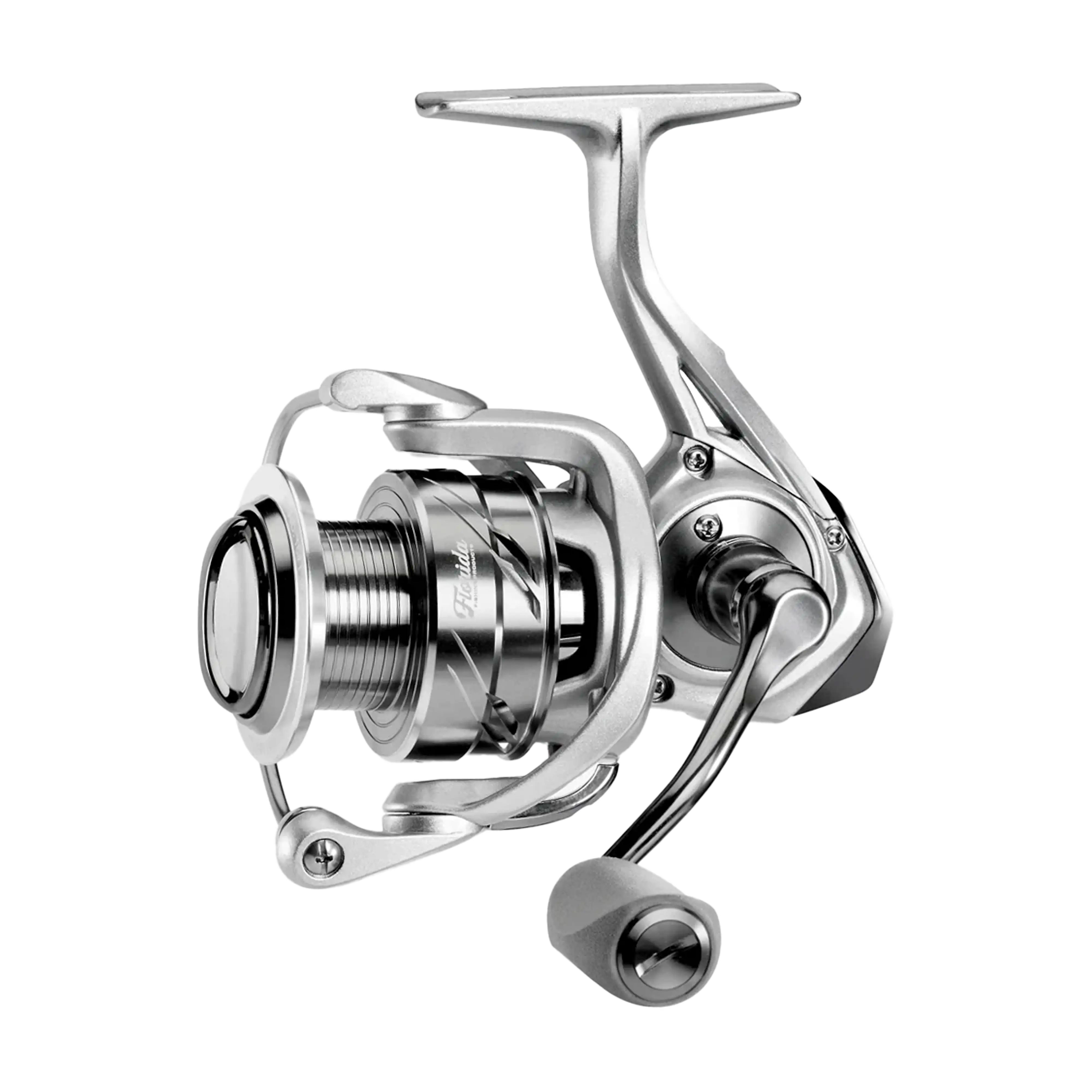
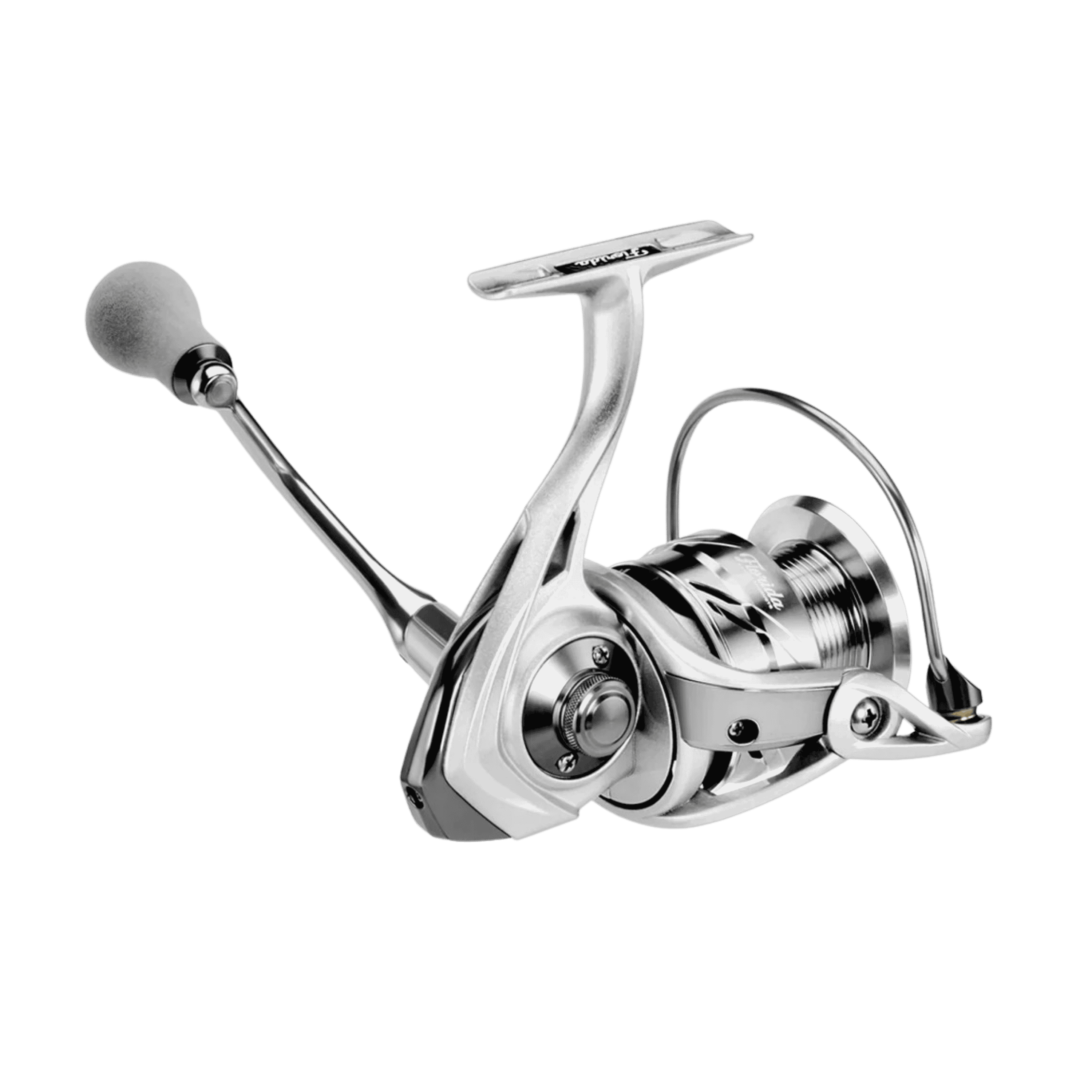
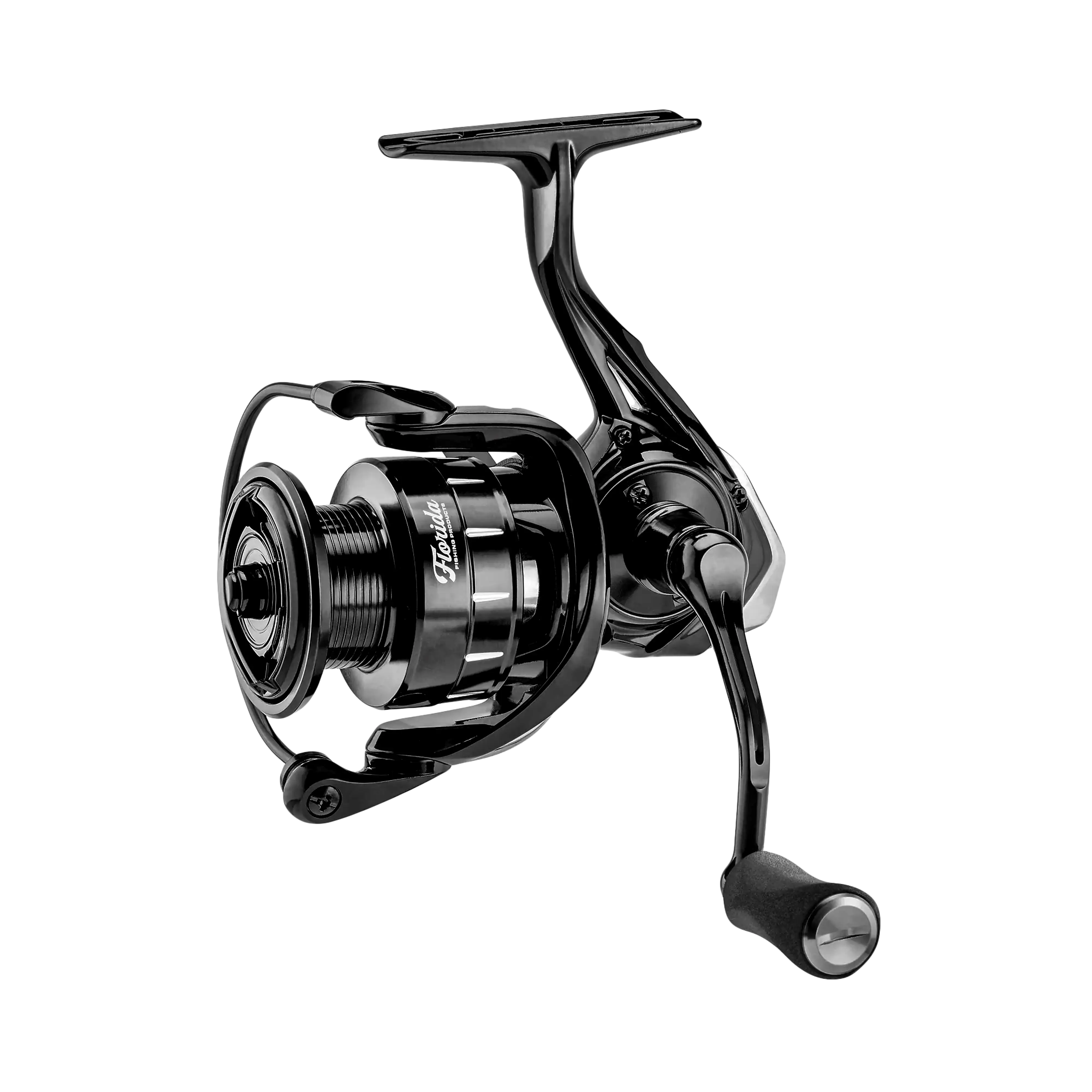
Urchin Bait Fishing Reels



Build an Urchin Bait Rod
FAQ - Custom Urchin Bait Rods
Should I build a spinning or casting rod for urchin baits?
Casting gear is the standard for standard and full-size urchins. A 7'0"–7'4" medium to heavy fast-action casting rod, a high-speed casting reel, and 14–20 lb fluorocarbon handle these baits and the fish they catch. Spinning gear is the right choice for mini urchins, but even then anglers use heavier leaders than typical finesse setups.
How do I pick the right guides for an urchin bait rod?
Go with a guide kit. A quality guide kit simplifies guide selection, spacing, and placement by providing components matched to your blank. It helps maintain smooth line flow, proper blank performance, and consistent casting with common urchin bait setups, including braid-to-fluorocarbon leader systems.
What tip-top works best for an urchin bait rod?
Select a tip-top that matches the final running guide in ring size and fits securely over the blank tip. Proper sizing helps maintain smooth line movement, provides clearance for leader connections, protects the blank, and supports consistent performance throughout the cast, retrieve, and hookset.
Should I use a split grip or full grip handle for an urchin bait build?
Split grips reduce material and can create a lighter, more customizable balance by exposing more of the blank. Full grips provide a traditional feel with additional handle support. Both options work well for urchin bait rods, and the best choice depends on the blank, reel setup, personal preference, and intended application.
Why are rod building kits helpful for urchin bait rods?
Rod building kits combine essential components like guides, handles, tip-tops, thread, epoxy, and tools into one package. They simplify the building process, save time, and help builders create a properly matched and balanced urchin bait rod without sourcing every component individually.
What rod power is best for urchin bait fishing?
Urchin rods typically range from medium-light to heavy depending on bait size. Medium to medium-heavy rods handle standard urchins, while medium-heavy to heavy rods are best for full-size urchins and fishing around cover. Mini urchins on spinning tackle pair best with medium-light to medium power, which provides a softer tip for casting light baits.
From the Mud Hole Journal
Further Reading
Article
Write text about your blog post.