




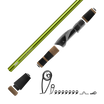
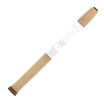


If you've spent any time talking to experienced rod builders, you've probably heard some version of this advice: Don't start with expensive components. The reasoning is understandable. Your first custom rod is a learning experience, and there is a pretty good chance you are going to make some mistakes along the way. Your thread wraps might not be as clean as you'd like, your epoxy finish may have a few imperfections, and your handle might not be quite as straight or symmetrical as the one you build after you've made a dozen more rods. If you're going to make mistakes while learning, why make those mistakes on a rod built with expensive components?
Start with a less expensive blank, use some basic components, learn the process and then work your way up as your skills improve. There is certainly some logic behind that approach, and for some builders, it may be exactly the right way to get started. But I don't think it is the only way to look at it.
The reality is that rod building has never been more accessible to beginners than it is today. If you're willing to spend some time learning, there are an incredible number of resources available before you ever make your first wrap. You can find information about blanks, actions, powers, guide spacing, reel seats, handle construction, thread wrapping, adhesives and finishing. There are videos demonstrating nearly every step of the process, and manufacturers provide specifications and recommendations for their components. Between educational content, instructional videos and the resources available from retailers like Mud Hole, a first-time builder can learn a tremendous amount before ever putting a component on a blank.
That doesn't mean you're going to build a perfect rod on your first attempt, but it does mean that being a beginner doesn't necessarily mean you have to build a "beginner" rod.
Your First Rod Can Still Be a Great Fishing Rod
I think there is an important distinction between building a rod that doesn't look perfect and building a rod that doesn't perform. Those are two completely different things. Your first rod may have thread wraps that aren't quite as clean as you want them to be. Your decorative work may not look exactly like the picture you had in your head. You may have a little more finish on one guide than another, or you may look back at your handle and realize you could have done a better job getting everything perfectly aligned. Those are all things that tend to improve with experience, and by the time you've built your hundredth rod, you'll probably be much more critical of the little details than you were on your first one.
None of that necessarily means the rod won't fish well. If the blank is appropriate for the application, the handle is properly assembled and bonded, the reel seat is secure, and the guides are correctly spaced and properly aligned, there is a very good chance that first rod is going to perform exactly as it should. It might not win any awards for the prettiest thread work in the shop, but once you put a reel on it and go fishing, the fish aren't going to care whether your guide wraps are perfect. They care a lot more about whether the rod does its job.
That is one of the things I like most about custom rod building. You don't have to be an expert to build something functional. There is a learning curve, just like there is with any new skill, but the finished product can become a very capable fishing rod long before your craftsmanship reaches the level of a builder who has been doing this for years. Your first rod might not look like your tenth rod, and your tenth rod probably won't look like your hundredth, but that doesn't mean the first rod can't catch fish.
Where the Details Really Matter
There is, however, an important caveat to all of this. While some mistakes are purely cosmetic, others can have a direct effect on the performance and durability of the finished rod. This is where a beginner needs to slow down and understand the difference. Spending more money on components doesn't eliminate the need to build the rod correctly, and premium components can't compensate for poor assembly.
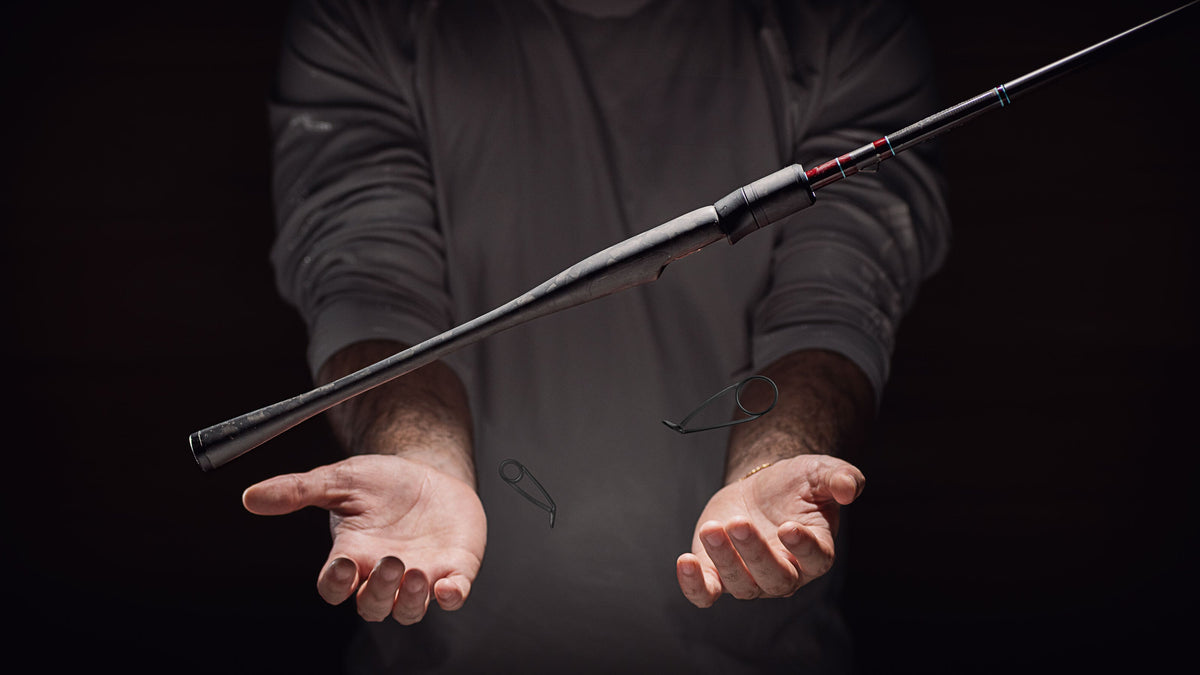
The handle is a good example. If your handle components are not properly fitted, assembled or bonded, you can end up with problems that go far beyond appearance. A reel seat that isn't properly secured can move or loosen. Handle components that aren't properly bonded can shift or create unwanted movement. These aren't things you want to discover after you've spent a day on the water. The same goes for your guide train. Proper spacing and alignment are important because the guides are responsible for managing the line as it travels from the reel to the tip. You can buy some of the best guides available, but if they're improperly spaced or badly misaligned, you aren't getting the full benefit of those components.

That's why I would encourage any beginner to spend as much time learning the fundamentals as they do shopping for components. Before you worry about whether you should use one guide system over another, make sure you understand how to properly install and align the guides. Before you worry about which premium reel seat you want, learn how to properly fit and bond a reel seat to the blank. Before you get too ambitious with decorative wraps, learn how to maintain consistent thread tension and properly apply finish. Those fundamentals will matter whether you're building a $100 rod or a $1,000 custom rod.
Does a Beginner Really Need to Start Cheap?
This is where I think the answer becomes much more personal. If you want to build your first rod with inexpensive components because you don't want to worry about making mistakes, there is absolutely nothing wrong with that. In fact, it can be a very practical way to learn. Knowing that you're working with a less expensive blank and components may make you more comfortable experimenting, making mistakes and trying something again. If you aren't sure whether rod building is even something you're going to enjoy, there is also a lot of sense in keeping your initial investment reasonable.
But what if you've already been fishing for years and know exactly what you want? What if you've spent months researching blanks and have a specific technique in mind? Maybe you want a lightweight inshore rod, a finesse bass rod, a heavy offshore rod or a specialized fly rod. You've already decided which blank you want, you know what reel you're going to put on it, and you've found a reel seat, handle and guide train that fit the build you're envisioning. Are you really supposed to use cheaper components simply because you've never built a rod before?
I'm not sure that's necessary.
If you've done your homework and you understand what you're buying, there is nothing wrong with putting premium components on your first build. You aren't required to complete some sort of apprenticeship with inexpensive components before you're allowed to build a high-end rod. There is no rod-building police showing up at your door because your first build has a premium blank and titanium guides.
And I'm certainly not going to tell you how to spend your money.
Premium Components Don't Make the Builder
There is one thing I would caution against, though. Don't assume that buying premium components automatically means you're going to build a premium rod. The blank, guides, reel seat and handle components are only part of the equation. The builder still has to put everything together correctly.

A premium blank isn't going to straighten out an improperly installed reel seat. The most expensive guide train available isn't going to correct poor guide spacing or alignment. A high-end handle isn't going to stay in place if it wasn't properly fitted and bonded. In other words, premium components can give you premium materials to work with, but they don't remove the responsibility of building the rod correctly.
That is why I think the most valuable investment a beginner can make isn't necessarily buying the most expensive component available. It is taking the time to learn. Watch the videos. Read the instructions. Look at guide spacing recommendations. Learn how adhesives work. Understand how to properly align guides. Learn how to check your work before you move on to the next step. Ask questions when you're not sure. The more you understand about the process, the better chance you have of getting the most out of whatever components you decide to use.
Your First Rod Is Supposed to Teach You Something
One of the biggest mistakes a new builder can make is expecting their first rod to look like something built by an experienced custom builder. That's an unrealistic comparison. Someone who has built 100 rods has had 100 opportunities to learn from mistakes that you haven't made yet. They've learned how much pressure to put on the thread, how much finish to apply, how to make small adjustments to a handle, how to recognize a guide that isn't quite aligned and how to avoid the little problems that can make a build more difficult.
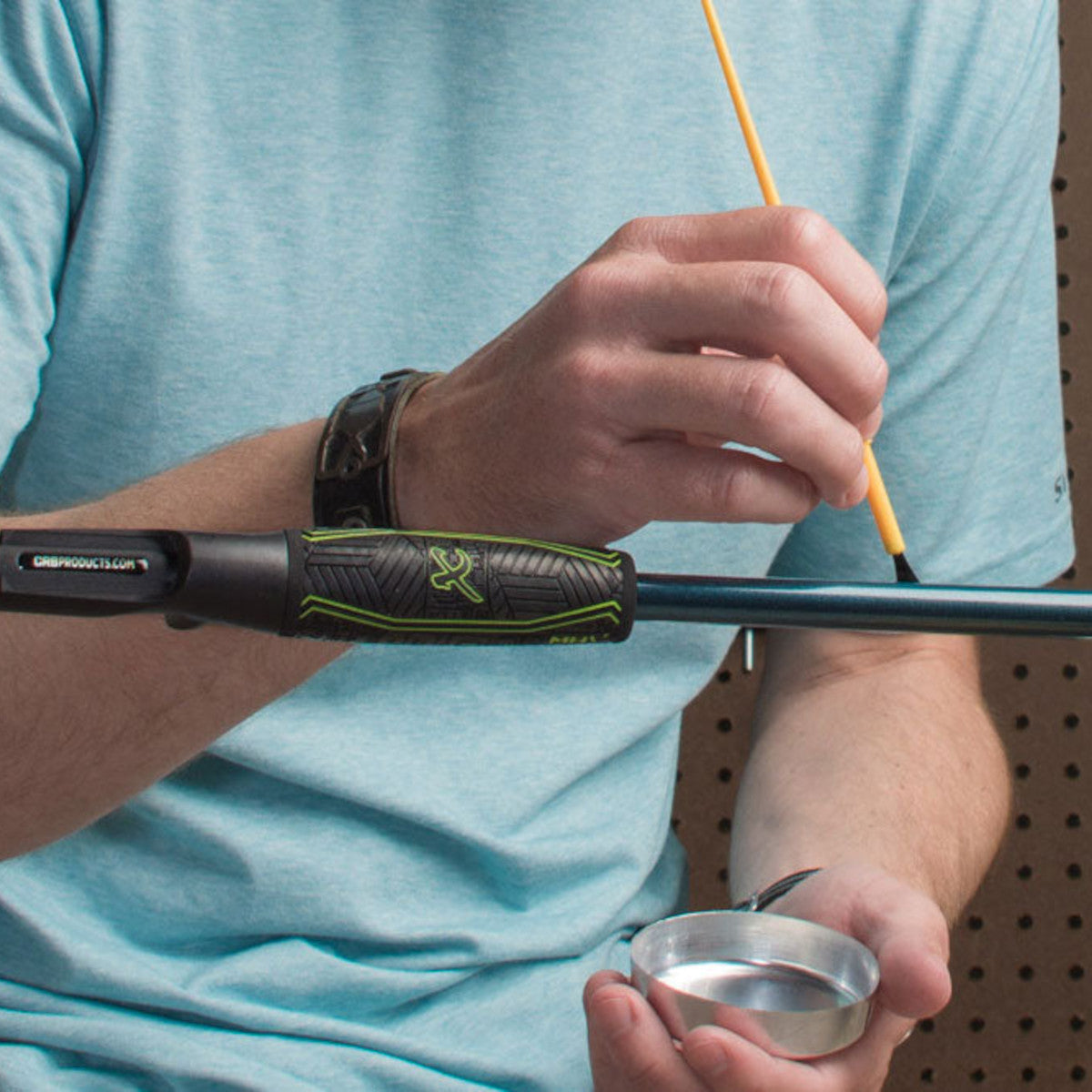
You don't have that experience yet, and that's okay. Your first rod is going to teach you things that no video or article can completely explain. You'll learn how the materials behave in your hands. You'll discover how much thread tension feels right to you. You'll learn how long you really need to spend checking alignment. You'll probably find a few things you would do differently the next time. That is exactly how you become a better builder.
And that's why I wouldn't get too hung up on whether your first rod is perfect. Build it correctly where it matters. Make sure the structural components are properly installed. Make sure the guides are properly spaced and aligned. Make sure your adhesives are properly mixed and everything is securely bonded. Then accept the fact that some of the cosmetic details may not be perfect. Those are the things that experience will improve.
So, What Should You Build?
Ultimately, I don't think there is one right answer to the question of whether beginners should start with premium components. There is a perfectly reasonable argument for starting with less expensive components, particularly if you want to learn without worrying about making costly mistakes. There is also a perfectly reasonable argument for building your first rod exactly the way you want it, especially if you've already done your research and know what you want from that rod.
The important thing is to understand what you're buying and what you're trying to accomplish. Don't buy premium components simply because you think expensive automatically means better. At the same time, don't avoid a component you really want simply because somebody told you beginners aren't supposed to use it. Choose components that make sense for the rod you're building, your budget and your goals.
Because at the end of the day, your first custom rod doesn't have to be a masterpiece. It doesn't have to have perfect decorative wraps. It doesn't have to look like the rod hanging in a professional builder's showroom. It needs to be a rod that you can take fishing and be proud that you built yourself.
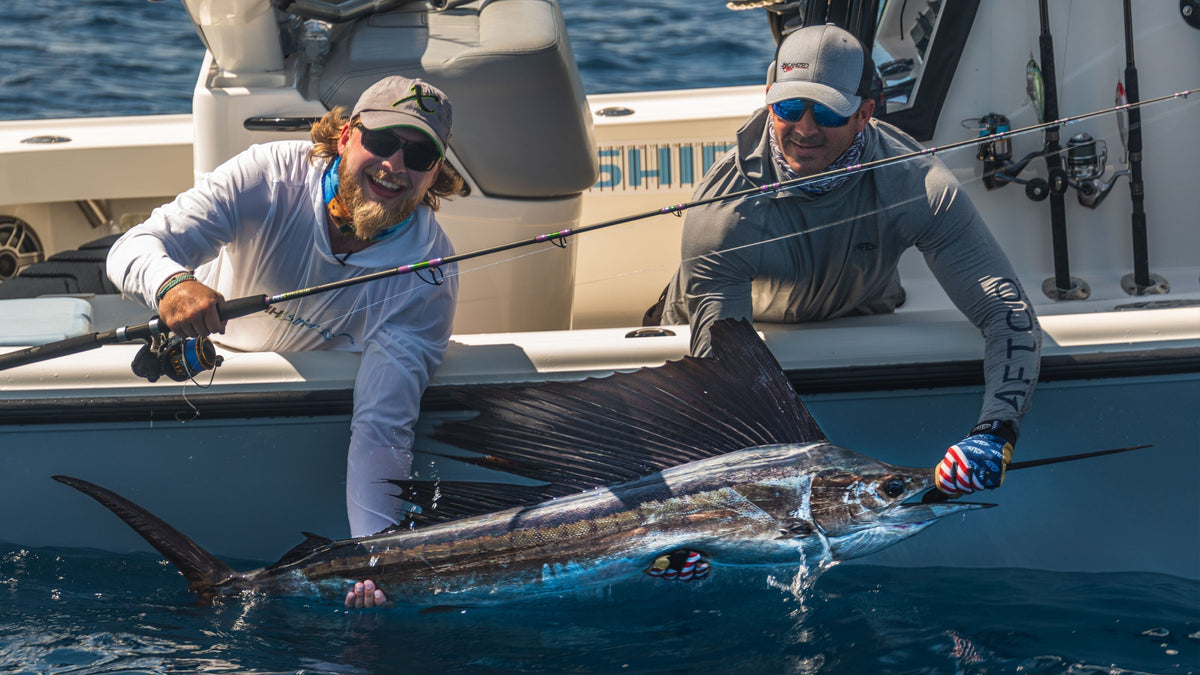
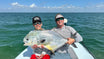
And here's the best part: even an ugly rod can catch fish.
The rod you build today may have a few imperfections that you'll laugh about a few years from now. Your second rod will probably be better. Your tenth will likely be better still. By the time you get to your hundredth, you'll probably look back at that first rod and see all the things you would do differently.
But don't be surprised if you still remember how many fish that first ugly rod caught.
Because that's when you really start to understand what custom rod building is all about. It isn't about waiting until you're good enough to build the rod you want. It's about learning the process, building something that works, taking it fishing and getting better with every rod you build.