











If you ask ten bass anglers what makes the perfect jerkbait rod, you'll probably get ten different answers. Some prefer a moderate action because it keeps treble-hooked fish pinned. Others like a traditional fast action that offers a little more versatility. While there's certainly more than one way to fish a jerkbait, I've developed a pretty strong opinion after years of throwing them. If I'm building or buying a dedicated jerkbait rod, I want an extra-fast action.
That doesn't mean every jerkbait rod has to be extra-fast to catch fish. Plenty of anglers have success with moderate and fast action rods every season. But for the way I fish a jerkbait, nothing gives me the same level of control. I want the rod to react instantly to every movement I make because those movements are what bring the lure to life.
It's All About Controlling the Bait
The biggest reason I prefer an extra-fast action is simple. I don't want the rod absorbing my movements. I want those movements transferred directly to the bait.
A jerkbait isn't like a crankbait or spinnerbait where the lure creates its own action during a steady retrieve. Every twitch, snap, pause, and pop comes from the angler. You're the one making the bait dart, roll, and flash like a wounded baitfish. The rod is simply the tool that transfers those movements, and I want that transfer to be as crisp and efficient as possible.
That's exactly what an extra-fast action provides. Since the blank flexes primarily in the tip, very little of my movement is lost before it reaches the lure. Small wrist movements create immediate, precise reactions without feeling like the rod is lagging behind.
Small Inputs Create Big Reactions
One misconception about jerkbait fishing is that it requires aggressive rod snaps to make the bait work properly. In reality, many of the best jerkbait anglers barely move the rod at all.
Watch experienced anglers closely and you'll notice that most of the movement comes from the wrist, not the entire arm. The motions are compact, controlled, and repeatable. They're not trying to throw slack line everywhere. They're simply making the bait react.
That's why I compare an extra-fast rod to using a fine paintbrush instead of a broom. A paintbrush lets you make tiny, deliberate strokes exactly where you want them. A broom moves a lot, but it lacks precision. I want that same level of precision when I'm working a jerkbait. An extra-fast rod allows me to make subtle adjustments that change how the lure behaves without overworking it.
You're Working the Bait, Not the Rod
One phrase I always come back to is this: you're trying to work the bait, not the rod.
The rod should faithfully follow your hands instead of requiring larger movements just to get the lure to respond. Every time you twitch the rod, you're telling the bait exactly what to do. If the rod flexes too deeply before transferring that movement, some of that command gets softened.

With an extra-fast action, I can make a tiny twitch and know the bait will react immediately. If I want a hard slash to one side, I can do that. If I want the bait to barely roll before suspending in place, I can do that too. The rod simply gives me more precise control over every part of the retrieve.
Rhythm Matters
Every jerkbait angler eventually develops a cadence that gives them confidence. Sometimes it's twitch, twitch, pause. Other days it's snap, pause, snap. Cold water fish may want long pauses between subtle movements, while aggressive fish may respond to a much faster cadence.
Whatever rhythm you're fishing, consistency matters. I want every twitch to produce the same reaction throughout the retrieve. An extra-fast rod recovers almost instantly after each movement, allowing me to maintain that cadence without feeling like the rod is still unloading from the previous snap.
That quick recovery also makes jerkbait fishing less tiring. After hundreds of casts in a day, small efficient movements are much easier on your wrist and forearm than exaggerated rod sweeps.
Don't Forget About Power
One criticism of extra-fast jerkbait rods is that they're too stiff for treble hooks. I understand where that opinion comes from, but I think it focuses on only half of the equation.
Power and action are two completely different characteristics. An extra-fast action doesn't automatically mean the rod is overly stiff. I prefer pairing that extra-fast action with a medium-light or medium power blank, depending on the size of the bait I'm throwing. That combination gives me the quick tip response I want while still allowing the rod to load deeper once a fish is hooked.
As the fish surges, the blank continues to flex farther into the rod, helping keep constant pressure on those small treble hooks. Add a properly adjusted drag and the slight stretch of fluorocarbon line, and the system becomes much more forgiving than many anglers expect.
Building the Right Jerkbait Rod
If you're building a dedicated jerkbait rod, I would start with the technique you'll be fishing most often.
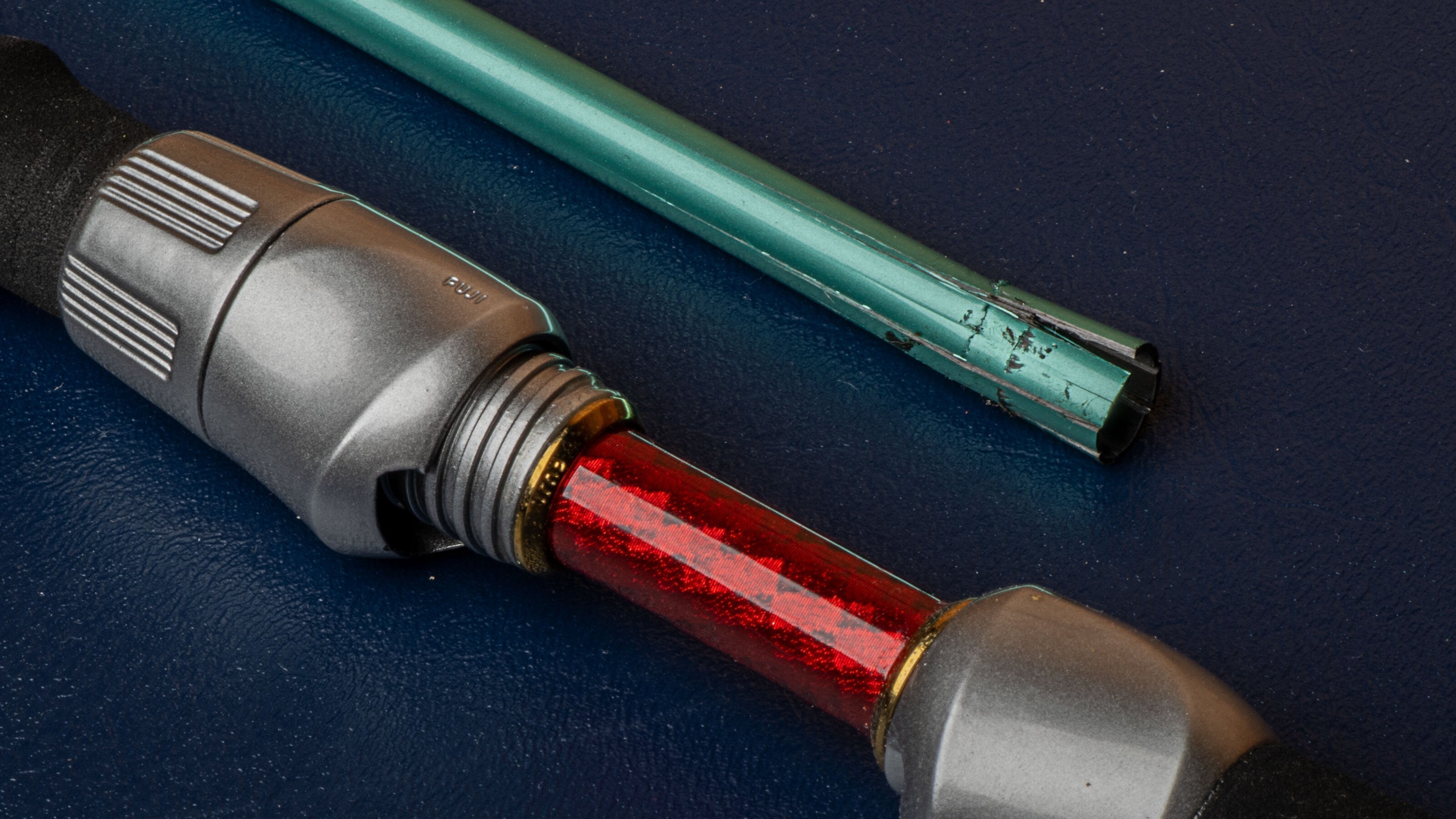
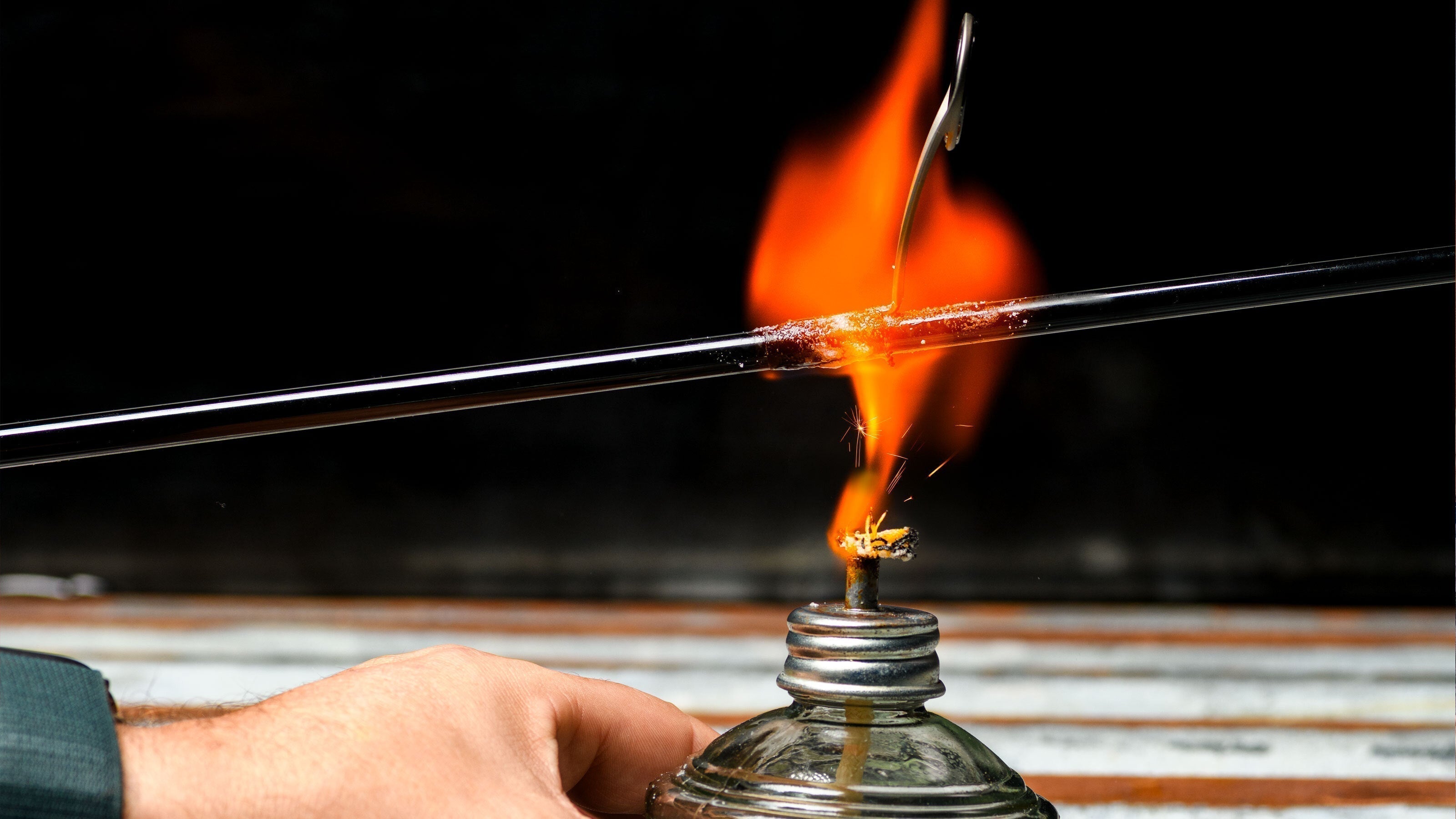
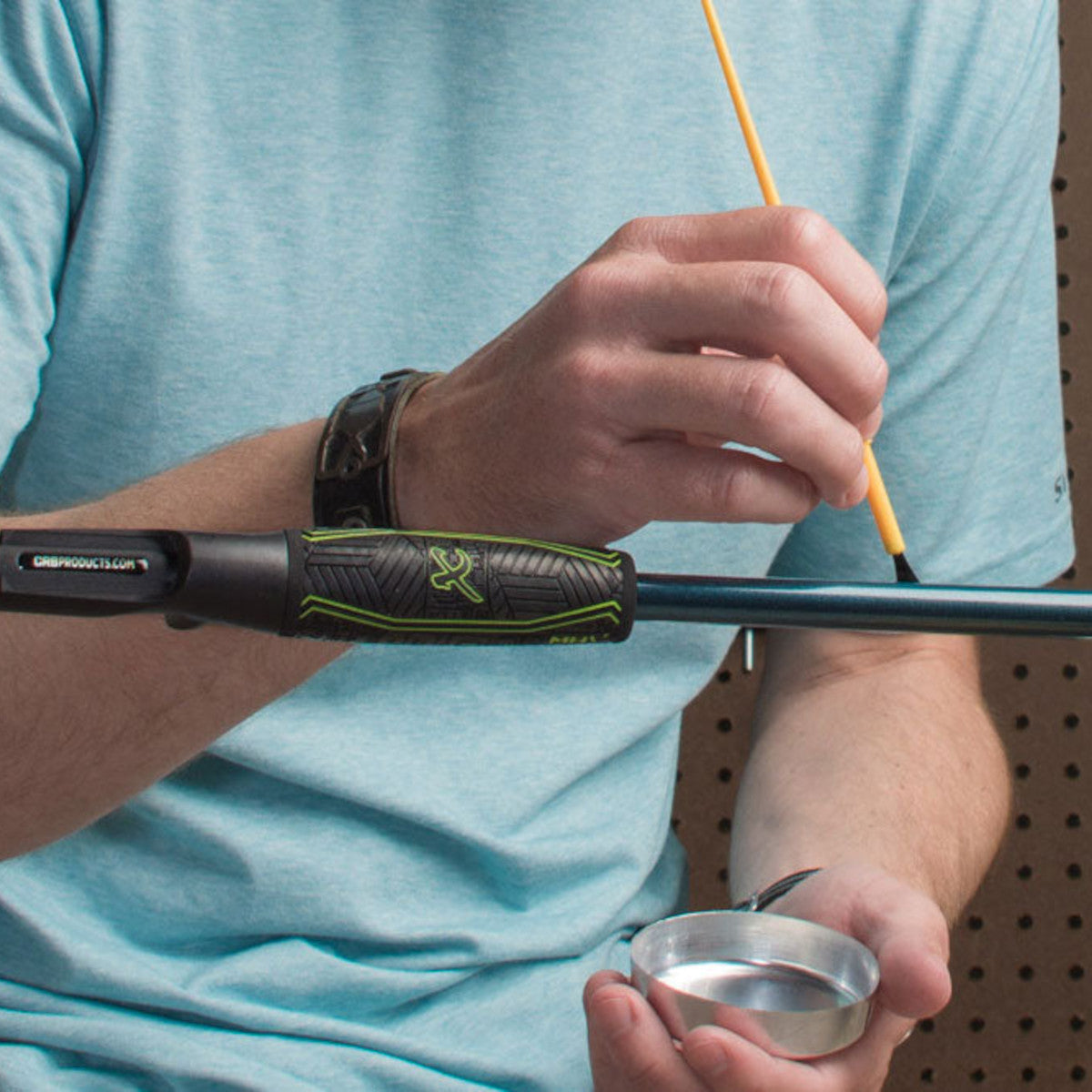
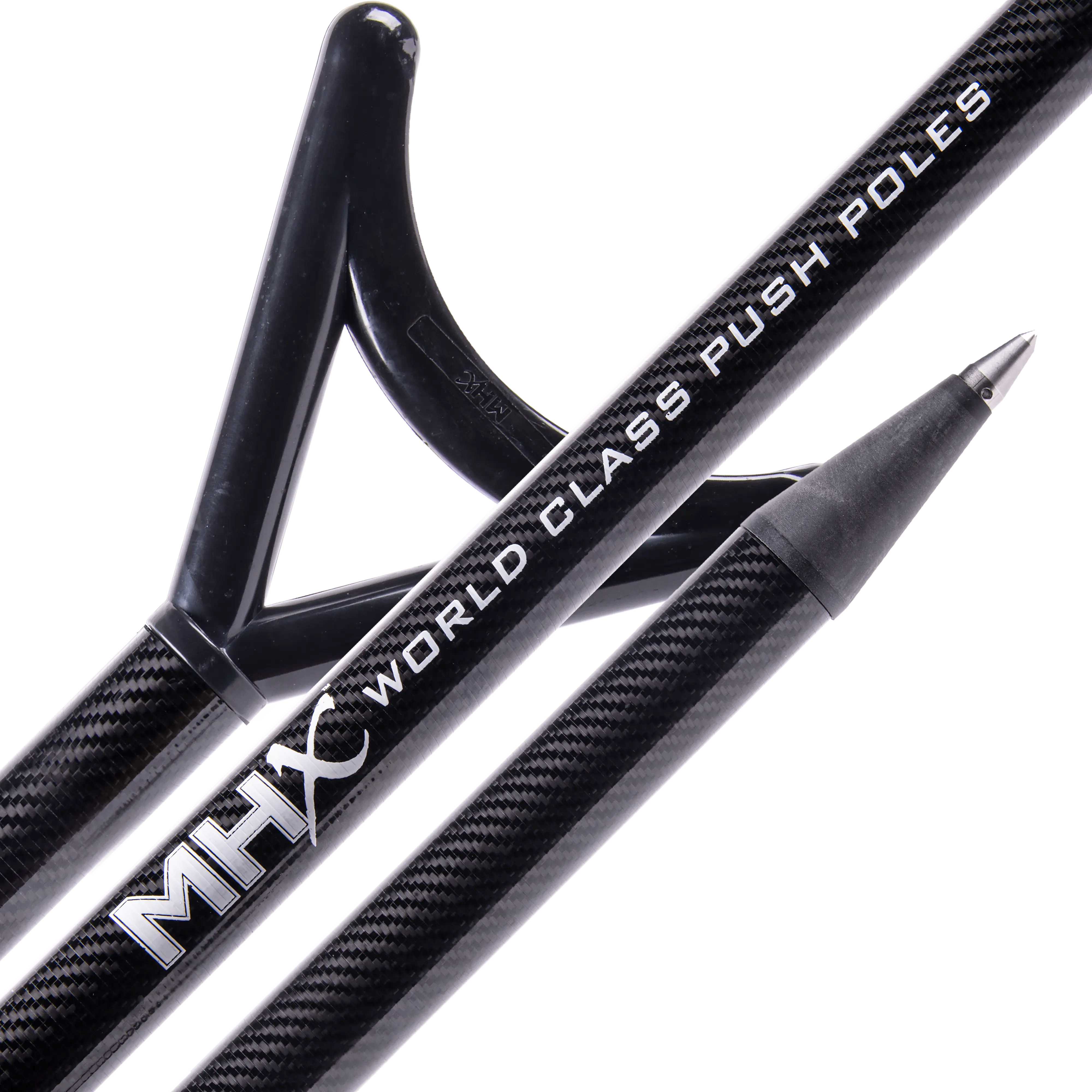
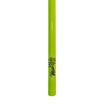
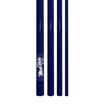
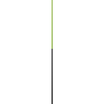
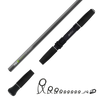
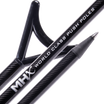
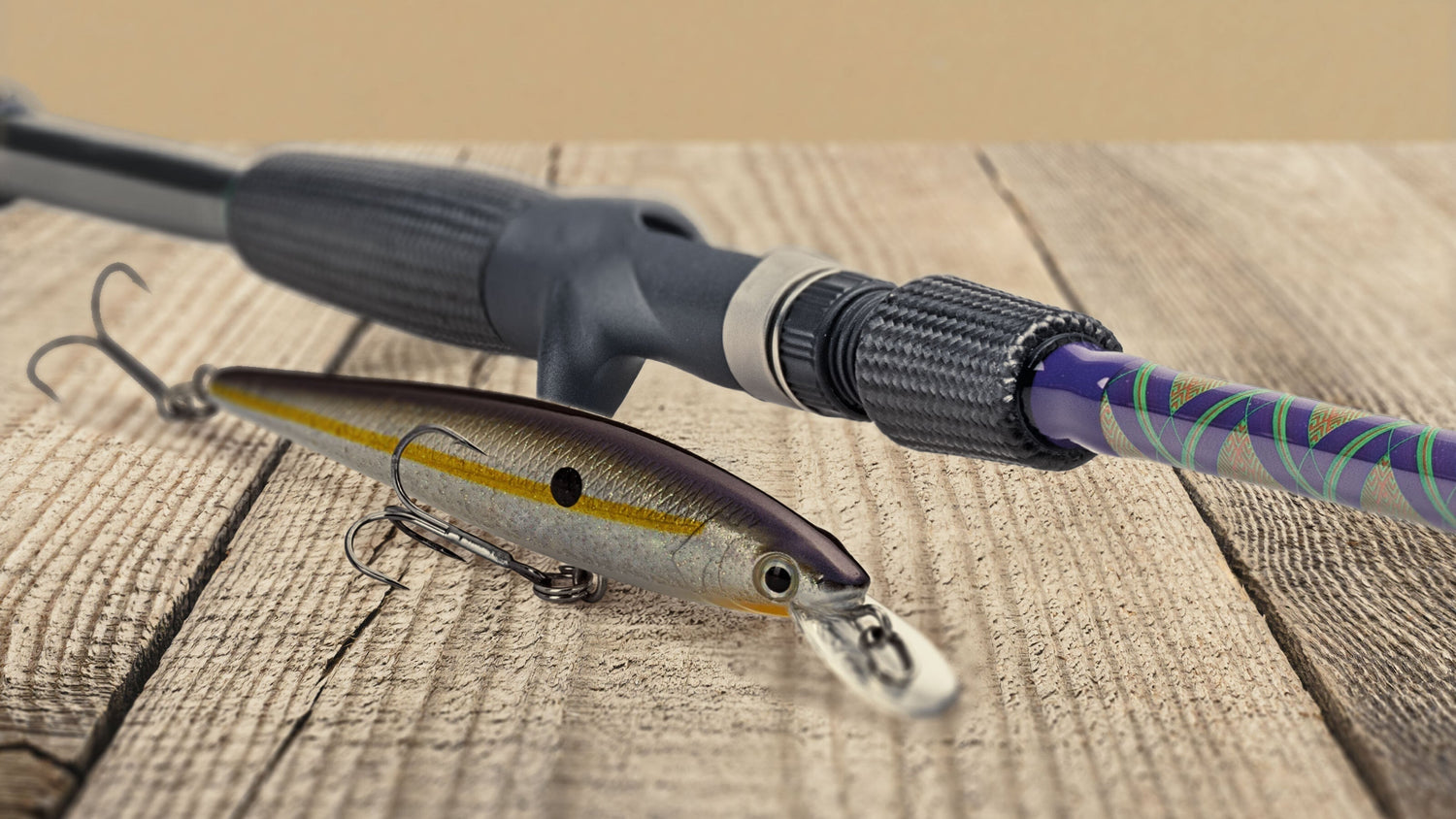
For smaller finesse jerkbaits, a medium power blank with an extra-fast action provides excellent lure control while protecting light-wire trebles. My pick is the MB812XF from MHX. For those smaller and lighter ones like the Lucky Craft Pointer 78 this is the perfect blank. Im throwing it on Sunline Sniper 12lb most of the time and occasionally dropping to 10lb.

If you're throwing larger suspending jerkbaits or fishing around heavier cover, stepping up to a medium-heavy power blank gives you additional authority without sacrificing the quick response that makes an extra-fast action so effective. My choice is the MB813XF from MHX, especially being here in Florida. Another we have some open water lakes we are still throwing hard jerkbaits like the Megabass Vision 110 around grass or over brushpiles with 12lb or even 14lb Sunline Sniper. No one wants to lose a big fish in cover or that $26 jerkbait!
Rod length also deserves some consideration. I generally like something between 6'8" and 7'2". That length casts well, gives me good line control, and still allows comfortable downward rod movements without constantly hitting the water or the side of the boat.
My Take
Can you catch bass on a jerkbait with a fast action rod? Absolutely. Can you catch them with a moderate action? Of course. There are plenty of excellent anglers who do exactly that.
But if I'm building a jerkbait rod specifically for myself, I'm choosing an extra-fast action every single time. I want every twitch, pop, and snap to transfer directly to the lure with as little wasted movement as possible. I want to make small, controlled rod movements and know exactly how the bait is going to react. To me, that's what separates a good jerkbait rod from a great one.
The more precise your inputs are, the more lifelike your presentation becomes. When you're trying to convince a bass that your lure is an injured baitfish making one final desperate attempt to escape, those little movements matter. That's why I'll continue reaching for an extra-fast jerkbait rod every chance I get.