




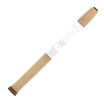





If you’re looking for more rod recommendations, reel pairings, line setups, and technique-specific advice, head back to the complete Main Gear Guide Page for the full breakdowns on your favorite techniques.
When bass position themselves deep inside vegetation, around brush piles, beneath docks, or tight to wood cover, most anglers instinctively reach for a Texas rig, jig, or flipping setup. While those techniques certainly have their place, heavily pressured bass often become conditioned to seeing the same presentations day after day.
That's where the weedless shakey head shines.
By combining the subtle action of a finesse worm with a weedless jig head design, anglers can fish cover efficiently without sacrificing the natural presentation that makes finesse fishing so effective. The result is a bait that moves through grass, brush, docks, and wood while still maintaining the upright posture and subtle action that consistently triggers bites.
For anglers looking to present something different around cover-oriented bass, the weedless shakey head offers a unique blend of finesse and versatility that few techniques can match.
What Is a Weedless Shakey Head?
A weedless shakey head is a variation of the traditional shakey head designed specifically for fishing around cover.
The foundation remains the same. A weighted jig head is paired with a soft plastic worm, allowing the bait to maintain bottom contact while standing upright and moving naturally.
The difference is the hook design.
Rather than using an exposed hook, weedless shakey heads incorporate hook guards, recessed hook positions, or lightly texposed rigging styles that help prevent snags while maintaining excellent hook-up ratios.
This allows anglers to fish around grass, brush piles, laydowns, dock pilings, and other cover that would normally make traditional finesse presentations difficult.
Once the bait reaches the bottom, subtle rod movements cause the worm to stand upright and quiver naturally while remaining in the strike zone.
The presentation combines the finesse characteristics of a traditional shakey head with the cover-fishing capability many anglers need.
Why the Weedless Shakey Head Works
Bass use cover because it provides protection, shade, and feeding opportunities.
Unfortunately, these same areas often receive tremendous fishing pressure.
Jigs, Texas rigs, and creature baits are constantly pitched into high-percentage cover, causing many bass to become wary of traditional presentations.
The weedless shakey head works because it offers fish something different.
Instead of a bulky profile or aggressive action, the worm presents a subtle, natural appearance. Once on the bottom, the bait stands upright and reacts to even the slightest movement.
The finesse profile often appeals to fish that have already ignored larger offerings.
Another advantage is strike-zone time.
Because the bait is worked slowly and methodically, bass have more opportunities to inspect it and commit. Fish that refuse a fast-moving presentation often respond to a shakey head simply because it stays in front of them longer.
In pressured fisheries, that subtle difference can dramatically improve success.
Where the Weedless Shakey Head Excels
This technique thrives anywhere bass position themselves around cover.
Vegetation is one of the best applications. Grass lines, hydrilla, milfoil, eelgrass, and scattered vegetation all provide opportunities to present a finesse bait without constantly fouling the hook.

Lake Guntersville
Brush piles and laydowns are another ideal target. The weedless design allows anglers to work the bait through limbs and branches while maintaining bottom contact.
Boat docks create excellent opportunities as well. Bass frequently position beneath platforms and around pilings where they can ambush prey while remaining protected.
The weedless shakey head also performs exceptionally well around isolated cover such as stumps, brush clumps, and submerged wood.
Whenever bass are using cover but seem reluctant to chase reaction baits, this finesse presentation deserves consideration.
Reading Conditions and Fish Behavior
Understanding how bass relate to cover is critical for success.
In bright conditions, bass often position deeper within vegetation, tighter to wood cover, or farther beneath docks where shade provides security.
During lower-light periods, fish may move slightly away from cover but generally remain nearby.
Fishing pressure plays a major role as well. The more pressure a fishery receives, the more valuable subtle presentations become.
Water clarity also influences effectiveness. Clear water typically favors natural colors and finesse presentations, while stained water may require slightly larger profiles or darker colors to improve visibility.
Pay close attention to where bites occur.
If bass consistently position on outside grass edges, inside dock corners, or specific portions of brush piles, similar cover throughout the lake often becomes productive.
Recognizing these patterns can significantly improve efficiency and catch rates.
Technique: Fish Every Piece of Cover Thoroughly
One of the biggest mistakes anglers make with a weedless shakey head is fishing too quickly.
This technique is built around precision.
After making an accurate cast or pitch, allow the bait to settle completely to the bottom. Once contact is established, use small rod-tip movements and short drags to work the worm naturally through the cover.
The goal is not to aggressively hop the bait.
Instead, focus on maintaining bottom contact while allowing the worm to stand upright and shake naturally.
Pauses are especially important around cover. Many bites occur when the bait remains stationary beside a dock post, brush pile, or vegetation edge.
Around wood and brush, carefully work the bait through openings and gaps rather than forcing it aggressively through the thickest portions.
Patience consistently outperforms speed when fishing a weedless shakey head.
Best Baits for Weedless Shakey Head Fishing
Straight-tail worms remain the most productive option for weedless shakey head fishing.
Most anglers prefer 5" to 6" worms because they provide slightly more profile while maintaining the subtle action that defines the technique.
These larger profiles also improve visibility around vegetation and cover.
Natural colors such as green pumpkin, watermelon, and green pumpkin blue remain highly productive across a variety of conditions.
When fishing stained water, darker colors such as black, junebug, and plum can help bass locate the bait more easily.

6th Sense Divine Shakey Worm
The key is maintaining a streamlined profile that slips through cover efficiently while preserving the natural action that makes shakey heads so effective.
For a complete selection of proven finesse worms, explore our curated collection of shakey head baits designed specifically for fishing around cover.
Gear Setup for Fishing Around Cover
Cover fishing requires a slight increase in power compared to traditional finesse shakey head applications.

St Croix Premier Series Spinning Rods
A medium-power spinning rod between 7'0" and 7'3" provides an excellent balance of sensitivity and fish-control capability. Around heavier vegetation or dense cover, some anglers prefer a medium-heavy spinning rod for additional control after the hookset. Start by picking out your rod.
Fast actions remain important because many bites still occur on semi-slack line and require immediate response.
Choosing the right shakey head rod becomes especially important around cover because anglers often need to steer fish away from obstructions quickly.

Kast King Spinning Reel
A quality 2500-3000 size spinning reel provides excellent line management and smooth drag performance. Check out our reel recommendations.
Most anglers prefer 10-15 lb braid paired with an 8-12 lb fluorocarbon leader. Around heavier cover, some anglers increase leader strength to improve abrasion resistance. These are the line and leader combinations we pick.

6th Sense Masterclass Shakey Head
Jig heads ranging from 1/8 to 3/16 ounce cover most situations and provide the ideal balance between bottom contact and weedless performance. Grab your shaky heads here.
Matching rod power, line strength, and jig head size to the cover you're fishing can dramatically improve success.
A Must-Fish Destination: Lake Guntersville
A perfect example of where the weedless shakey head excels is Lake Guntersville.
Widely recognized as one of the premier bass fisheries in the country, Guntersville offers expansive grass flats, vegetation edges, boat docks, and countless pieces of shallow cover where bass spend much of their time.

Lake Guntersville
While power-fishing techniques dominate much of the attention on Guntersville, finesse presentations often become critical when fish are pressured or conditions become difficult.
The weedless shakey head allows anglers to present a subtle worm directly within grass pockets, along vegetation edges, and around isolated cover without constantly snagging.
Many experienced anglers rely on finesse tactics to catch fish that have already seen countless moving baits throughout the day.
Few fisheries showcase the effectiveness of a cover-oriented shakey head better than Lake Guntersville.
Final Thoughts
The weedless shakey head bridges the gap between finesse fishing and cover fishing.
Its ability to present a subtle worm naturally while navigating vegetation, wood, docks, and brush makes it one of the most versatile finesse techniques available to bass anglers.
When fish become pressured, conditions get tough, or traditional cover presentations stop producing, the weedless shakey head often provides the perfect alternative.
The key is slowing down, making precise presentations, and allowing the bait to remain in the strike zone.
For anglers willing to fish methodically and focus on high-percentage targets, the weedless shakey head can become one of the most productive tools in the boat.
For more rod recommendations, reel pairings, line setups, and shakey head-specific advice, check out the complete Shakey Head Gear Guide and build a finesse system designed to maximize your success around cover.
About the Author

The team at Mud Hole Custom Tackle are industry leaders in custom rod building, fishing tackle innovation, and technique-specific rod design. With decades of hands-on experience both on the water and at the rod bench, the Mud Hole Staff combines technical expertise with real-world fishing knowledge to help anglers build better rods and catch more fish. From bass and inshore applications to offshore and specialty techniques, their passion for performance-driven gear is at the core of every article, tutorial, and product they develop.