









When you start building offshore and nearshore rods, there is a good chance you will eventually find yourself looking at an aluminum butt. For some builders, it is simply the traditional choice for heavy-duty offshore rods. For others, it is a design element that can completely change the way a rod is built and fished.
But an aluminum butt is more than a piece of hardware added to the back of a rod. It can influence the way the rod connects to the angler, how it works with a fighting belt or chair, how the reel is positioned, and even how the finished rod is configured.
And with today's selection of aluminum butt systems, builders have more options than ever. Straight butts, bent butts, interchangeable systems and lighter aluminum designs give custom builders the ability to build a rod around the way it is actually going to be used.
So, why do we use aluminum butts, and how do you decide which one belongs on your next offshore or nearshore build?
Why Aluminum?
Aluminum has been a staple in offshore rod building for decades because it provides a combination of strength, durability and precision that makes sense for demanding applications. Machined and formed aluminum can handle the abuse associated with heavy tackle while providing a solid connection between the rod, reel and angler.
There is also something to be said for the design possibilities. Aluminum allows manufacturers to create precisely machined reel seats, gimbals, ferrules and butt sections that are purpose-built for offshore fishing. Instead of simply adapting a conventional rod handle to a heavier application, the entire butt system can become part of the rod's design.
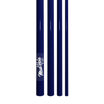
AFTCO has been producing aluminum rod butts since 1975, and its Unibutt system has become one of the most recognizable designs in offshore rod building. American Tackle also offers complete aluminum butt systems in both straight and curved configurations, giving custom builders several options for designing offshore rods around different applications.
The important thing is that aluminum isn't being used simply because it looks like an offshore rod component. It is being used because it provides a purpose-built solution for the demands of offshore fishing.
The Butt Is Part of the Rod's Design
It can be easy to think of the butt as simply the last few inches of the rod, but on a serious offshore rod, it plays a much bigger role.
The butt determines how the rod interfaces with the angler. It can work with a fighting belt, a chair or a rod holder, and it can affect the position of the rod while you're fighting a fish. The length and configuration of the butt also influence where the reel sits in relation to the angler and how the rod is controlled under pressure.
That means choosing an aluminum butt should happen early in the design process rather than being treated as an afterthought.
Before choosing a butt, think about how the rod will be fished. Is it a stand-up rod? Will it be used from a fighting chair? Is it designed for heavy drag? Is it a lighter offshore or nearshore rod? What reel will be mounted on it? How will the angler be holding and fighting the rod?
Those questions can lead you toward very different butt configurations.
Straight or Bent?
One of the biggest decisions when building an aluminum-butt rod is whether to use a straight or bent butt.
A straight butt is the more versatile option and works well for a wide range of offshore and stand-up applications. It provides a traditional connection between the rod and angler and can be used in situations where the rod needs to move freely around the angler.

A bent butt changes that relationship. The angle of the butt can help position the rod differently during a fight, particularly when heavy tackle, heavy drag or a fighting chair is involved. Instead of simply changing the appearance of the rod, the bend changes how the rod sits in relation to the angler.
That's why a bent butt shouldn't simply be viewed as a stronger version of a straight butt. It is a different tool for a different style of fishing.
The right choice depends on how the rod will actually be used.
The Advantage of Interchangeable Butts
One of the most interesting aspects of modern aluminum butt systems is that the builder doesn't always have to make a permanent decision between straight and bent.
Some systems are designed around interchangeable rod sections, allowing the angler to change the configuration depending on the fishing application. That can be a major advantage for someone who fishes different techniques or wants to get more versatility out of a single rod.
AFTCO's Unibutt system is one example of this approach. The system uses interchangeable rod tip sections, allowing different rod configurations to be paired with the same butt system.

This concept is especially interesting for custom builders because it changes the way we can think about the finished rod. Instead of building one rod for one very specific situation, you can sometimes design a system that gives the angler more than one way to fish it.
There is an important detail here, however. Not every butt or ferrule is automatically interchangeable simply because it comes from a different manufacturer. The dimensions and ferrule specifications have to match. When mixing components, builders need to verify compatibility rather than assuming that different brands will work together.
American Tackle Aluminum Butts
American Tackle gives custom builders several options when it comes to aluminum offshore butts. Its complete aluminum butt systems are available in both straight and curved configurations and are designed around the demands of offshore fishing.
The variety of sizes and configurations makes them useful for building everything from conventional offshore rods to heavier big-game setups. The machined reel-seat components and aluminum construction also give the finished rod a clean, purpose-built appearance.
For the builder, the appeal is really the range of options. You're not locked into one particular butt design just because you're building an aluminum-butt rod. You can choose the configuration that makes sense for the blank, reel and fishing application.
And that's an important part of custom building. The butt should fit the rod, not the other way around.
AFTCO and the Unibutt
If you've spent much time around offshore tackle, you've probably seen an AFTCO Unibutt. AFTCO has been producing aluminum rod butts for decades, and the Unibutt has become a well-established system for offshore rod builders.
One of the things that makes the Unibutt interesting is its integrated design. Rather than treating the reel seat and butt as completely separate pieces, the Unibutt combines those elements into a single system.

AFTCO offers straight and bent configurations, along with different sizes and options for different applications. That gives builders the ability to create rods around a specific style of offshore fishing rather than simply selecting a generic heavy-duty handle.
For anglers who spend serious time fighting fish with heavy tackle, the butt and reel-seat system becomes an important part of the overall fighting system. The goal isn't just to attach a reel to a rod. It's to create a connection between the angler, the reel and the rod that works when the pressure comes on.
Winthrop Epic: Aluminum for Lighter Offshore and Nearshore Rods
When most people think about aluminum butts, they probably picture heavy offshore rods built for big reels and big fish. But aluminum isn't limited to those applications.
The Winthrop Epic Butt brings the aluminum butt concept into a lighter package that works well for offshore and nearshore rods. It gives builders the durability and precision of an aluminum butt without requiring a traditional large, heavy big-game butt configuration.
What makes the Epic especially interesting to custom builders is its construction and how the rod blank can be installed. The blank can extend completely through the aluminum butt, or the builder can use an arbor and terminate the blank inside the butt rather than running it all the way through.
That gives you another option when designing the finished rod.
If the blank runs completely through the butt, you're using the aluminum section more traditionally as part of the handle and butt assembly. But if the blank terminates inside the Epic, the aluminum butt itself can become part of the finished rod length.
That can be particularly useful when you're trying to lengthen a rod or design a custom handle configuration around an existing blank. Instead of thinking of the aluminum butt as something that simply attaches to the end of the blank, you can make it part of the overall length and geometry of the finished rod.
For nearshore and lighter offshore applications, that's a pretty unique option.
Winthrop Terminator Adjusta-Butt
Then there's the Winthrop Terminator Adjusta-Butt, which takes the straight-versus-bent discussion in another direction.
Instead of forcing the builder or angler to choose one configuration, the Terminator allows the butt to move between straight and bent positions. Winthrop's design uses a push-button mechanism that allows the butt to switch between a straight position and a 40-degree bent position.

That means the same rod can be configured differently depending on how it is being fished.
Fishing stand-up? The straight position may be the configuration you want. Fighting a fish from a chair or using a setup where the bent configuration makes more sense? The butt can be changed without having to change the entire rod.
For a custom builder, that's an interesting design opportunity because you're building versatility directly into the rod.
It also illustrates an important point about offshore rod building: the butt isn't just a component. It can be part of the fishing system.
Choosing the Right Butt for the Rod
With all of these options available, it can be tempting to start with the butt you like and build the rod around it. But the better approach is to start with the application.
Think about the fish you're targeting, the reel you're using, the drag you're going to fish, how the rod will be held and whether you'll be fishing from a boat, a fighting chair, a rod holder or stand-up.
Then consider the blank.
The length, power and construction of the blank will influence which butt makes sense. The reel will determine the reel-seat requirements. The fishing style will help determine whether a straight, bent or adjustable configuration makes the most sense.
Only after you've answered those questions should you start narrowing down the specific butt.
That's where custom rod building really separates itself from simply assembling components. Every part of the rod can be selected because it serves a purpose.
It's More Than Just an Offshore Look
There is no denying that an aluminum butt gives a custom rod a distinctive appearance. Put a machined aluminum butt, a quality reel seat and a properly finished blank together, and the result looks like a serious fishing tool.
But the appearance is only part of the story.
The real reason we use aluminum butts is because they give us design options and functionality that make sense for demanding fishing applications. Straight or bent. Fixed or adjustable.
Heavy-duty or lighter weight. Traditional or highly specialized.
American Tackle, AFTCO and Winthrop have each approached the aluminum butt from slightly different directions, giving today's rod builder a wide range of ways to solve the same basic problem: how do we connect the rod, reel and angler in the most effective way for the fishing application?
And that's really what custom rod building is all about.
You're not just picking components because they look good together. You're designing a fishing tool around a specific purpose, a specific technique and a specific angler.
So the next time you're building an offshore or nearshore rod, don't think of the aluminum butt as simply the piece at the very end of the rod.
Think of it as part of the design.