









If you’re looking for more rod recommendations, reel pairings, line setups, and technique-specific advice, head back to the complete Main Gear Guide Page for the full breakdowns on your favorite techniques.
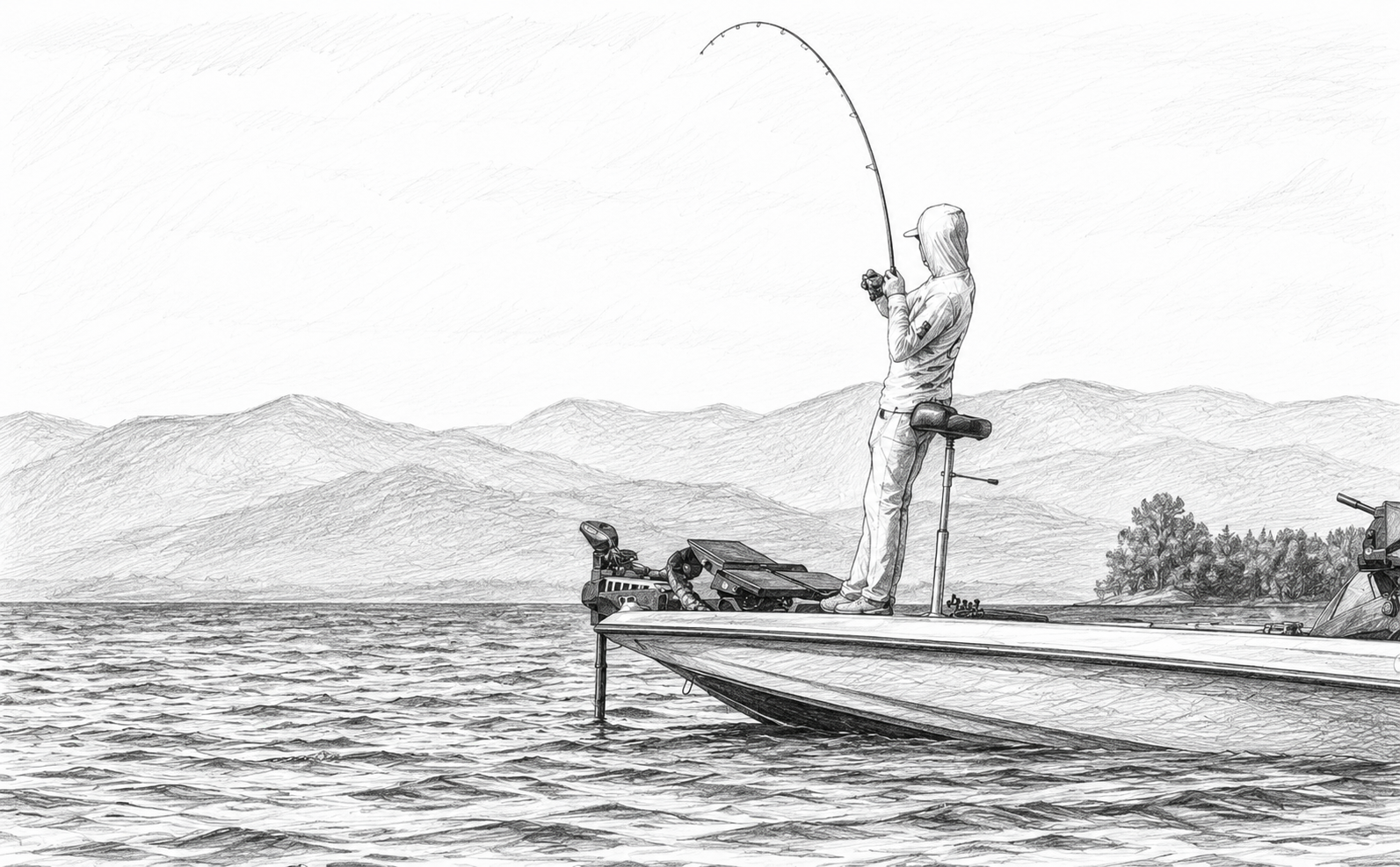
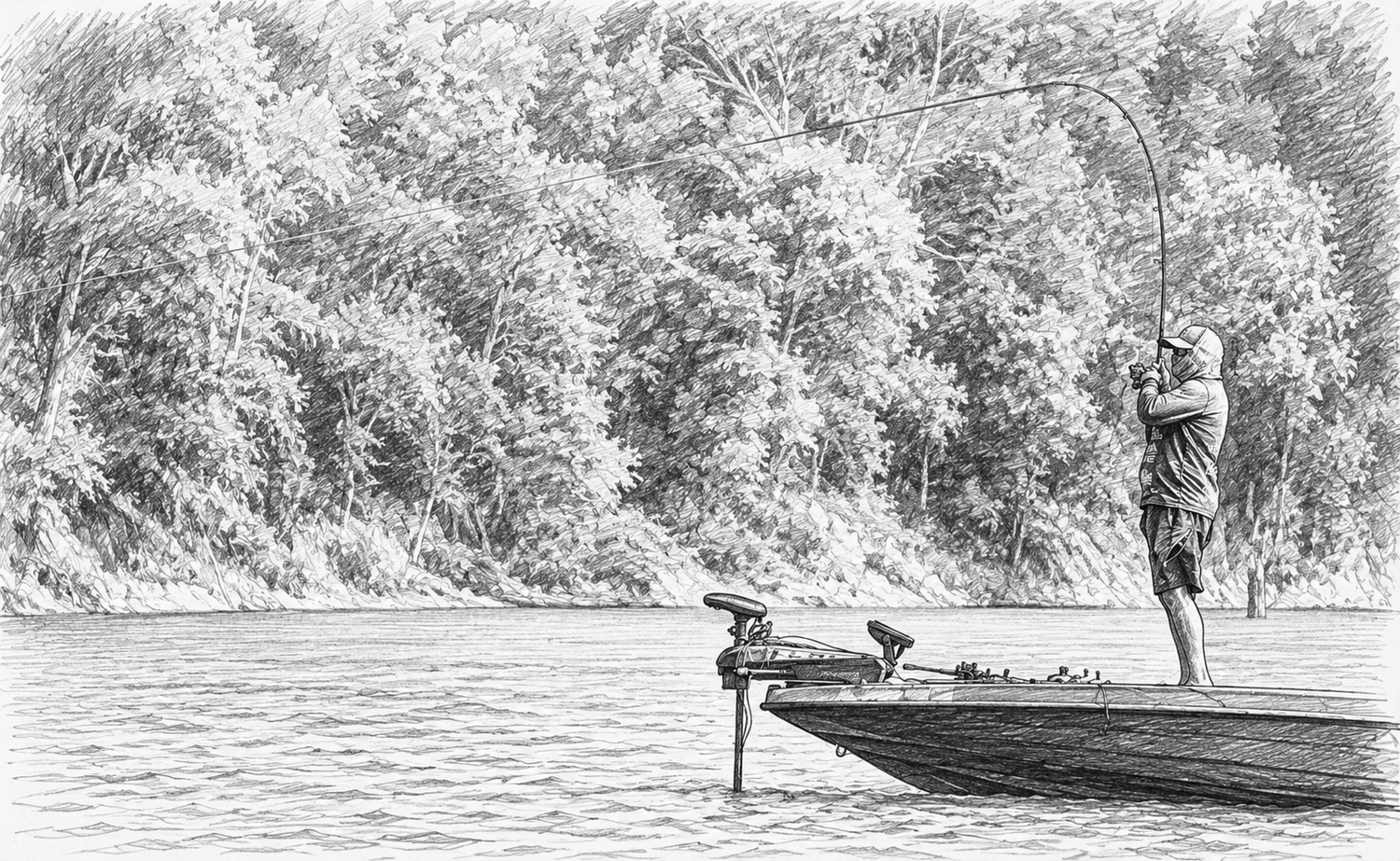
One of the most challenging situations in bass fishing occurs when fish stop relating to the bottom and begin suspending somewhere in the water column. They may be following baitfish, hovering around standing timber, cruising open water, or positioning above structure without committing to traditional bottom-oriented presentations.
Many anglers struggle in these situations because they continue fishing below the fish.
The suspended Neko rig offers a different approach.
By reducing the amount of weight in the bait, anglers can dramatically slow the fall rate and keep the presentation in front of suspended bass for longer periods of time. Instead of quickly reaching the bottom, the bait spends valuable seconds falling naturally through the strike zone where fish are actively positioned.
This slower, more subtle presentation often triggers bites from bass that refuse faster-moving lures and ignore traditional bottom-contact techniques.
For suspended smallmouth, spotted bass, and pressured largemouth, few finesse techniques are as effective as a properly executed slow-fall Neko rig.
What Is a Suspended / Slow-Fall Neko Rig?
The suspended Neko rig is a variation of the traditional Neko rig that emphasizes fall rate rather than bottom contact.
Like a standard Neko rig, it uses a soft stick worm with a nail weight inserted into the nose and a finesse hook positioned near the middle of the bait.
The difference is the amount of weight being used.
Rather than selecting heavier nail weights designed to maintain constant bottom contact, anglers utilize lighter weights that allow the bait to fall much more slowly through the water column.

Lake Lanier
This slower descent creates a natural, vulnerable appearance that resembles a dying baitfish, drifting forage, or an easy meal slowly sinking through the water.
The bait still retains the signature nose-down posture of a Neko rig, but the reduced weight keeps it suspended in productive depth zones for a much longer period of time.
Instead of focusing on structure, the presentation becomes focused on depth and fish positioning.
Why the Slow-Fall Neko Rig Works
Suspended bass often have one thing in common: they are feeding upward.
Whether targeting baitfish schools or intercepting prey drifting through the water column, bass naturally prefer to attack prey positioned above them rather than below them.
The slow-fall Neko rig takes advantage of this behavior.
Instead of forcing fish to move downward to investigate a lure, the bait enters their strike zone naturally and remains there longer than most presentations.
The reduced fall rate creates an appearance that feels natural and non-threatening. Bass have time to study the bait, track it, and eventually commit.
The nose-weighted design adds another level of realism. As the bait falls, it maintains a unique posture that differs from many traditional finesse presentations.
For fish that have seen countless swimbaits, jerkbaits, and drop shots, the slow-fall Neko rig often provides a completely different look.
When bass become pressured or highly selective, that subtle difference can be the key to generating bites.
Where the Suspended Neko Rig Excels
This technique shines anytime bass position themselves off the bottom.
Standing timber is one of the best applications. Bass often suspend around submerged trees while waiting for baitfish to pass through.
Open-water bait schools create another excellent opportunity. Fish that are actively following forage can be targeted directly by allowing the bait to fall naturally through the school.
Steep bluff walls, bridge pilings, marina docks, and deep points also produce suspended fish throughout much of the year.
The technique is particularly effective in clear-water reservoirs where spotted bass and smallmouth frequently suspend around baitfish.
Suspended Neko rigs also excel during transitional periods when fish are moving between seasonal patterns and may not be locked onto specific structure.
Whenever bass appear on electronics but seem disconnected from the bottom, the slow-fall Neko rig deserves consideration.
Reading Conditions and Fish Behavior
Success with suspended fish begins with understanding where they position themselves and why.
Electronics are extremely valuable because they help identify fish that are suspended above structure, timber, or bait schools.
Pay close attention to forage activity.
Bass rarely suspend randomly. More often, they position themselves near baitfish or environmental conditions that provide feeding opportunities.
Water clarity plays a major role in the effectiveness of this technique. Clear water allows fish to track a slowly falling bait from greater distances, making the presentation even more effective.
Seasonal timing is also important.
Summer often creates excellent suspended-fish opportunities as bass follow offshore bait schools. Fall migrations can produce similar conditions, while winter fish frequently suspend for extended periods around deeper structure.
One of the most common clues is seeing fish consistently ignore bottom presentations while remaining visible on electronics.
When fish are clearly present but unwilling to move down to feed, the slow-fall Neko rig often becomes the perfect solution.
Technique: Let the Fall Do the Work
The biggest mistake anglers make with a suspended Neko rig is fishing it like a traditional bottom-contact presentation.
The entire purpose of the technique is the fall.
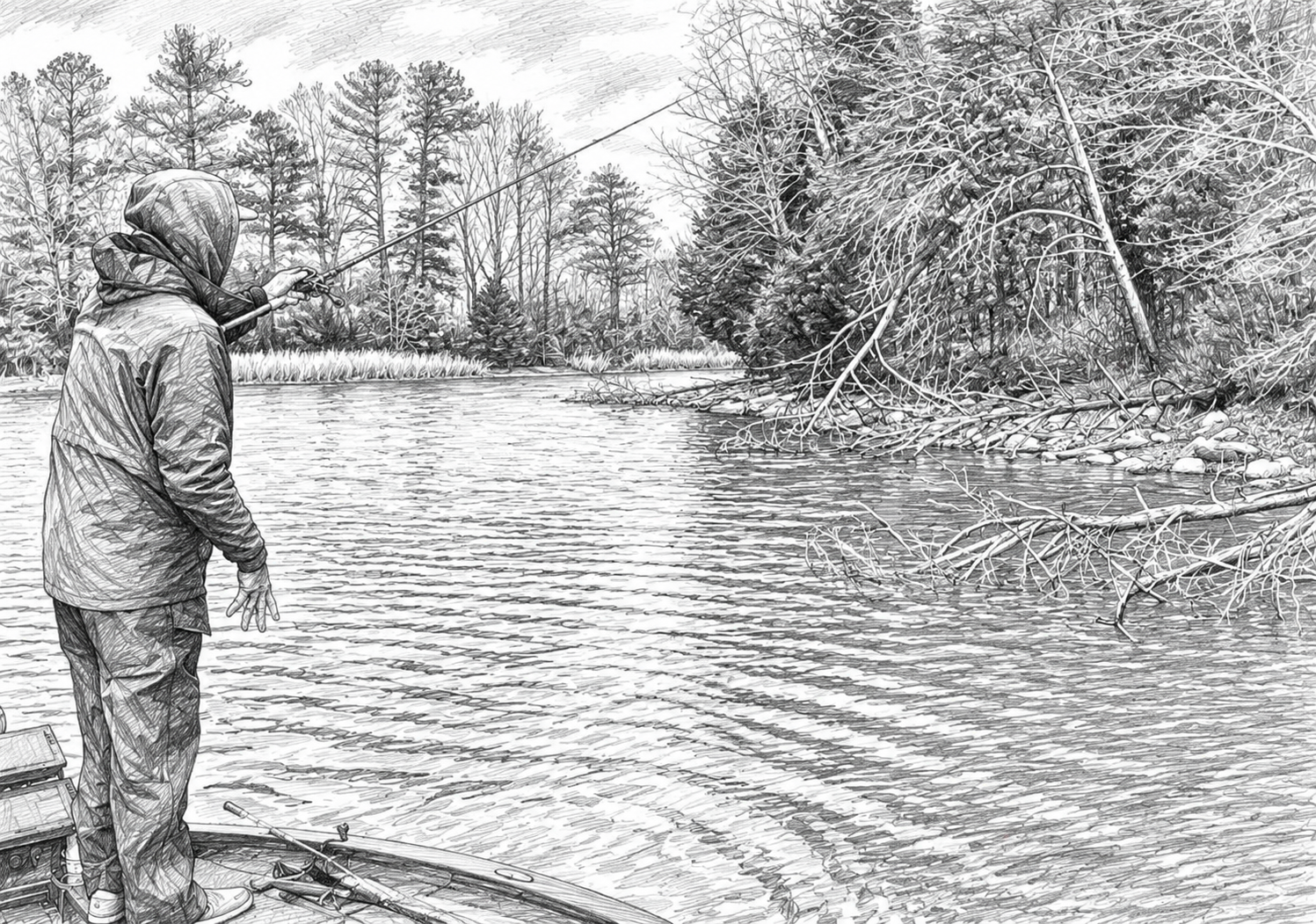
After making a cast, allow the bait to sink naturally through the water column on controlled slack line. Resist the urge to immediately begin working the bait.
Many strikes occur before the bait ever reaches the bottom.
Watch your line carefully during the descent. A slight twitch, hesitation, jump, or unexpected movement often signals a bite.
If the bait reaches the desired depth without a strike, subtle rod-tip movements can be used to create additional action while maintaining a slow, natural presentation.
Short lifts followed by controlled slack often allow the bait to repeat its most productive action: the fall.
The goal is to maximize time in the strike zone rather than aggressively work the lure.
Patience and confidence are essential.
Best Baits for Suspended Neko Rig Fishing
Smaller stick worms generally perform best for slow-fall applications.
Most anglers favor 4" to 6" worms because they provide a balanced profile while maintaining a controlled descent through the water column.
Slim stick baits are particularly effective because they create subtle movement without accelerating the fall rate.
Natural baitfish-oriented colors often excel in suspended-fish situations. Smoke, translucent shad patterns, green pumpkin, and watermelon consistently produce in clear water.
The key is maintaining a realistic appearance that closely resembles the forage bass are targeting.

Yamamoto Senko Soft Plastic Stickbait
Simple profiles generally outperform bulky soft plastics because they allow the bait to fall naturally and remain within the strike zone longer.
For a complete selection of proven finesse plastics, explore our curated collection of Neko rig baits designed specifically for slow-fall and suspended-fish presentations.
Gear Setup for Maximum Fall Control
The suspended Neko rig places a premium on line management and bite detection.

Lew’s LFS Spinning
A medium-light to medium-power spinning rod between 6'10" and 7'2" provides the ideal combination of sensitivity and casting performance. The softer tip helps anglers track the bait during the fall while maintaining excellent control over subtle presentations. Start by picking out your rod.
Fast to extra-fast actions remain critical because many strikes occur on slack line and require immediate response.
Choosing the right Neko rig rod becomes especially important because suspended-fish bites often feel different than traditional bottom-contact strikes.
A quality 2500-3000 size spinning reel provides smooth line management and excellent drag performance. Check out our reel recommendations.

Daiwa J-Fluoro Fluorocarbon Leader
Most anglers prefer 10-12 lb braid paired with an 8-10 lb fluorocarbon leader. This combination maximizes sensitivity while maintaining a natural presentation. These are the line and leader combinations we pick.
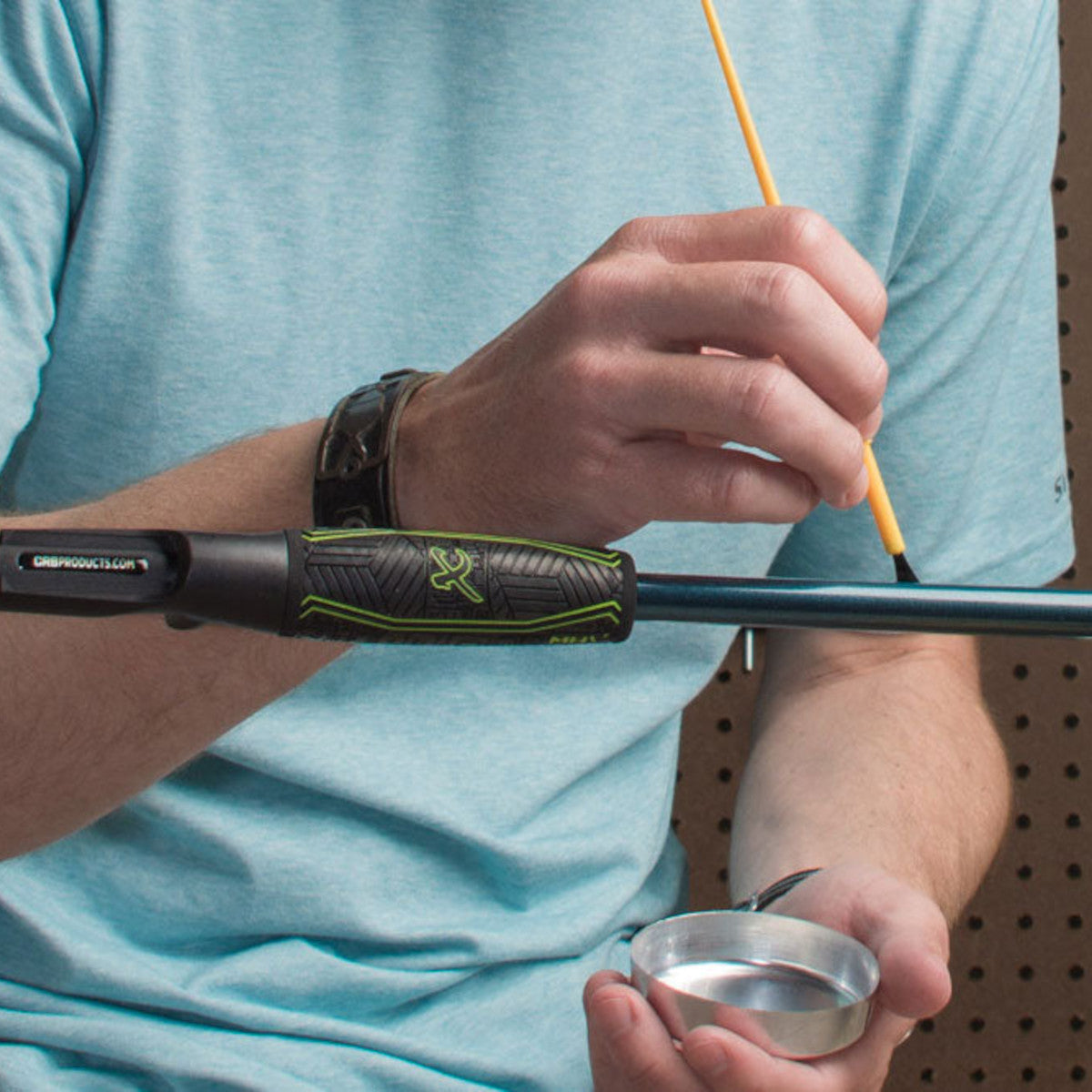
Lighter nail weights, typically between 1/32 and 1/16 ounce, are the foundation of the technique. These lighter weights allow the bait to remain in the strike zone longer and create the controlled descent that defines the presentation. Grab your hooks and weights here.

VMC Neko
Every piece of the system should work together to maximize fall control and bite detection.
A Must-Fish Destination: Lake Lanier
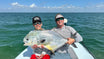
A perfect example of where the suspended Neko rig excels is Lake Lanier.
Known for its clear water, abundant spotted bass population, and blueback herring forage base, Lanier has become one of the premier suspended-fish fisheries in the country.

Lake Lanier
Spotted bass frequently suspend around bait schools, timber, and offshore structure while feeding on roaming forage.
Traditional bottom-contact presentations often struggle in these situations because the fish are positioned well above the structure itself.
The slow-fall Neko rig allows anglers to present a subtle bait directly within the feeding zone and keep it there longer than many competing techniques.
Many experienced Lanier anglers rely heavily on finesse presentations whenever fish become suspended and difficult to catch.
Few fisheries demonstrate the effectiveness of suspended-fish Neko rigging better than Lake Lanier.
Final Thoughts
The suspended Neko rig is one of the most overlooked finesse techniques in modern bass fishing.
Its ability to slow the fall, target suspended fish, and create a natural presentation in the water column makes it uniquely effective when bass stop relating to the bottom.
Whether targeting spotted bass around bait schools, smallmouth suspended over structure, or pressured largemouth that refuse traditional presentations, the slow-fall Neko rig offers a highly effective solution.
The key is trusting the fall.
By allowing the bait to remain in the strike zone and resisting the urge to overwork it, anglers can consistently trigger bites from fish that ignore many other finesse presentations.
For more rod recommendations, reel pairings, line setups, and Neko rig-specific advice, check out the complete Neko Rig Gear Guide and build a system designed to maximize every suspended-fish opportunity.
About the Author

The team at Mud Hole Custom Tackle are industry leaders in custom rod building, fishing tackle innovation, and technique-specific rod design. With decades of hands-on experience both on the water and at the rod bench, the Mud Hole Staff combines technical expertise with real-world fishing knowledge to help anglers build better rods and catch more fish. From bass and inshore applications to offshore and specialty techniques, their passion for performance-driven gear is at the core of every article, tutorial, and product they develop.