









If you’re looking for more rod recommendations, reel pairings, line setups, and technique-specific advice, head back to the complete Main Gear Guide Page for the full breakdowns on your favorite techniques.
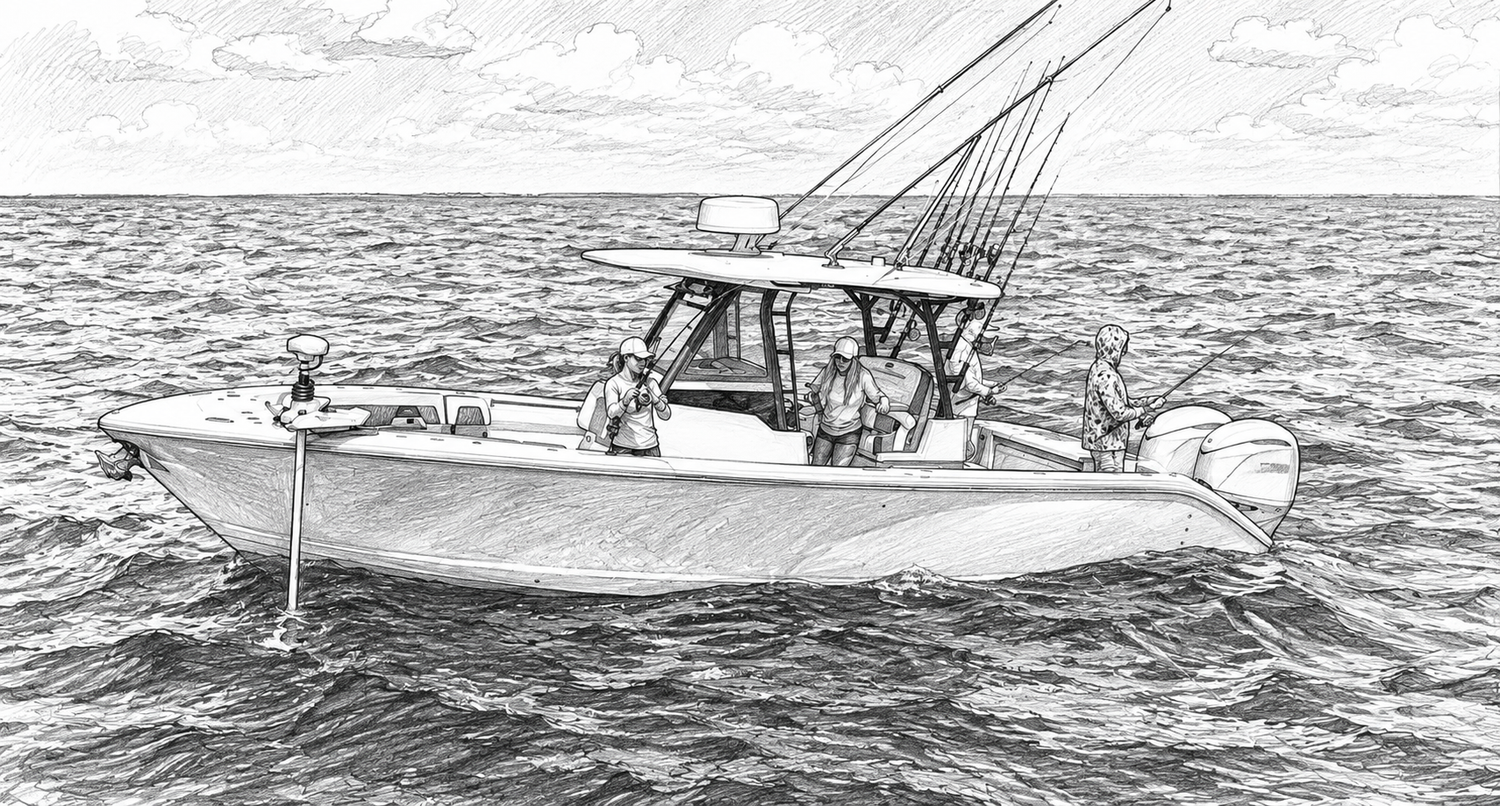
When it comes to offshore reef fishing, no technique has accounted for more red snapper and gag grouper than fishing natural baits on traditional bottom rigs.
Long before specialized jigs and advanced electronics became common, anglers were catching snapper and grouper by presenting natural offerings directly in the strike zone around reefs, wrecks, ledges, and hard-bottom structure. While modern techniques have expanded the offshore angler's arsenal, natural bait fishing remains one of the most consistent and productive methods available.
Part of its effectiveness comes from simplicity.
Predators that spend their lives feeding on baitfish, squid, and crustaceans rarely ignore a well-presented natural bait. Whether targeting aggressive red snapper suspended above a reef or trying to tempt a wary gag grouper hiding deep within structure, natural baits continue to produce results across a wide range of offshore conditions.
For many anglers, it remains the benchmark by which all other offshore techniques are measured.
What Is Natural Bait Fishing?
Natural bait fishing involves presenting live or cut bait on weighted bottom rigs designed to reach fish holding around offshore structure.
The technique typically utilizes sinkers heavy enough to maintain contact with the bottom while keeping the bait positioned naturally within the strike zone.
Common baits include squid, sardines, threadfin herring, pinfish, pigfish, croakers, grunts, and other locally available forage species.
Depending on conditions and fish behavior, baits may be fished directly on the bottom or suspended slightly above structure.
Red snapper often move throughout the water column when feeding and may intercept baits several feet above the reef. Gag grouper, on the other hand, typically remain much tighter to structure and often require presentations that stay close to cover.
The objective is simple: place a natural offering where fish are already feeding and maintain enough control to land them once they bite.
Why Natural Baits Work
Natural bait succeeds because it removes much of the guesswork from presentation.
Instead of imitating prey, anglers are presenting the real thing.

A Rigged Threadfin
The scent, appearance, movement, and texture of natural bait trigger feeding responses that fish instinctively recognize.
This becomes especially valuable when targeting species such as red snapper and gag grouper that often have abundant forage available around structure.
Natural baits also remain effective across a wide range of conditions.
Strong current, deep water, changing light levels, and fishing pressure can all influence how fish respond to artificial presentations. Natural baits continue producing because they appeal directly to a fish's primary feeding instincts.
Another advantage is versatility.
Live baits can trigger aggressive predators looking for a substantial meal, while cut baits often produce when fish are feeding more cautiously.
Few offshore techniques adapt to changing conditions as effectively as natural bait fishing.
Where Natural Baits Excel
Natural bait fishing performs best around the types of structure that naturally attract reef fish.
Artificial reefs, natural ledges, shipwrecks, rock piles, oil platforms, and hard-bottom areas all create ideal opportunities.
These locations concentrate bait and provide shelter for both predators and prey.
Red snapper often school above and around these structures, sometimes feeding several feet off the bottom.
Gag grouper generally position themselves much closer to cover, using ledges, holes, and reef features as ambush points.
The technique is particularly effective whenever fish are tightly associated with structure and actively feeding on natural forage.
Whether fishing shallow nearshore reefs or deep offshore wrecks, natural baits consistently produce opportunities.
Reading Conditions and Fish Behavior
Successful bottom fishing starts with understanding where fish are positioned relative to structure.
Electronics play a major role in identifying productive areas.
Pay close attention to bait concentrations, suspended fish, and structural features that create ambush points.
Current is another critical factor.
Strong current often concentrates bait while simultaneously making it more difficult to maintain bottom contact.
This may require adjustments in sinker weight and presentation style throughout the day.
Red snapper frequently position themselves where current delivers food directly to them.
Gag grouper often remain tucked into structure while waiting for prey to pass within striking distance.
The more accurately anglers can identify these feeding zones, the more productive natural bait fishing becomes.
Technique: Maintain Bottom Contact
One of the most important aspects of natural bait fishing is maintaining consistent contact with the strike zone.
After the rig reaches the bottom, anglers should keep enough tension on the line to monitor the bait while remaining sensitive to bites.
Too much slack reduces sensitivity and increases the likelihood of missed opportunities.
Weight selection becomes extremely important.
Current strength often has a greater impact on sinker choice than depth alone.
The goal is using enough weight to maintain position without sacrificing natural presentation.
When targeting red snapper suspended above structure, anglers may occasionally lift the bait higher into the water column to intersect actively feeding fish.
For gag grouper, maintaining close proximity to the bottom and structure is typically more productive.
Once a bite occurs, immediate pressure becomes critical.
Both species instinctively attempt to return to cover after being hooked.
The first few seconds often determine whether the fish reaches structure or reaches the boat.
Best Natural Baits for Snapper and Grouper
Bait selection varies by region, but several options consistently produce throughout offshore fisheries.
Squid remains one of the most popular and reliable choices due to its durability and strong scent profile.
Threadfin herring, sardines, pinfish, pigfish, croakers, grunts, and other baitfish are also highly effective.
Live bait often excels when targeting larger fish or when predators are feeding aggressively.
Cut bait remains productive when fish are more cautious or when scent becomes a major factor.
The best approach is often matching the local forage base.
Presenting baits that fish naturally encounter increases confidence and improves overall success.
Regardless of the bait selected, freshness and proper rigging are essential.
Gear Setup for Natural Bait Fishing
Natural bait fishing requires equipment capable of maintaining bottom contact while providing enough power to control fish around structure.

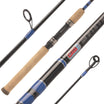
Daiwa Darkwater Saltwater Conventional Rods
Rods between 6'6" and 7'6" with medium-heavy to heavy power remain the standard for most applications. Start by picking out your rod.
These rods provide the lifting strength necessary to handle weighted rigs while maintaining sensitivity for bite detection.
Choosing the right red snapper and gag grouper rod is critical because bottom fishing often involves sustained loads, deep-water pressure, and immediate fish control after the hookup.

Shimano Torium Star Drag Conventional Reel
Conventional reels remain the most popular option for natural bait fishing due to their line capacity, torque, and drag performance. Check out our reel recommendations.
Most anglers utilize 30-65 lb braided mainline paired with 40-80 lb fluorocarbon or monofilament leaders depending on structure and fish size. These are the line and leader combinations we pick.

Yo-Zuri H.D. Carbon Disappearing Pink Fluorocarbon Leader
Heavy-duty terminal tackle is equally important.
Circle hooks are commonly used for bait presentations and help produce solid corner-of-the-mouth hookups, while strong swivels and abrasion-resistant leaders improve reliability around reefs and wrecks.
A Must-Fish Destination: Florida Panhandle Gulf Reefs
A perfect example of where natural bait fishing excels is the offshore reef system along Florida's Panhandle.
Known for its extensive network of artificial reefs, natural ledges, and productive hard-bottom habitat, the region offers outstanding opportunities for both red snapper and gag grouper.

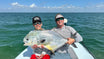
Red Snapper
The abundance of structure creates ideal feeding environments where baitfish and predators congregate throughout much of the year.
Anglers routinely target snapper suspended above reefs while simultaneously encountering grouper holding tight to the structure below.
Natural baits remain one of the most productive presentations throughout the region because they closely match the forage species these fish encounter daily.
Few fisheries showcase the effectiveness of traditional bottom fishing better than the reefs of the northern Gulf of Mexico.
Final Thoughts
Natural bait fishing remains the foundation of successful red snapper and gag grouper fishing.
Its ability to present realistic forage directly within the strike zone makes it one of the most productive offshore techniques available.
Whether fishing reefs, wrecks, ledges, or hard-bottom structure, natural baits consistently produce opportunities for both species across a wide range of conditions.
The key is maintaining bottom contact, matching bait selection to local forage, and applying immediate pressure once a fish is hooked.
For anglers seeking a proven method capable of producing consistent offshore success, natural baits and rigs continue to set the standard.
For more rod recommendations, reel pairings, line setups, rigging options, and offshore bottom-fishing advice, check out the complete Red Snapper & Gag Grouper Gear Guide and build a system designed for success around offshore structure.
About the Author

The team at Mud Hole Custom Tackle are passionate offshore anglers, reef-fishing enthusiasts, and tackle experts dedicated to helping fishermen build better gear and catch more fish. From shallow artificial reefs to deep offshore wrecks and ledges, the Mud Hole Staff combines real-world fishing experience with technical expertise to help anglers select equipment that performs when it matters most. Their passion for offshore fishing and practical knowledge drives every guide, article, and recommendation they create.