






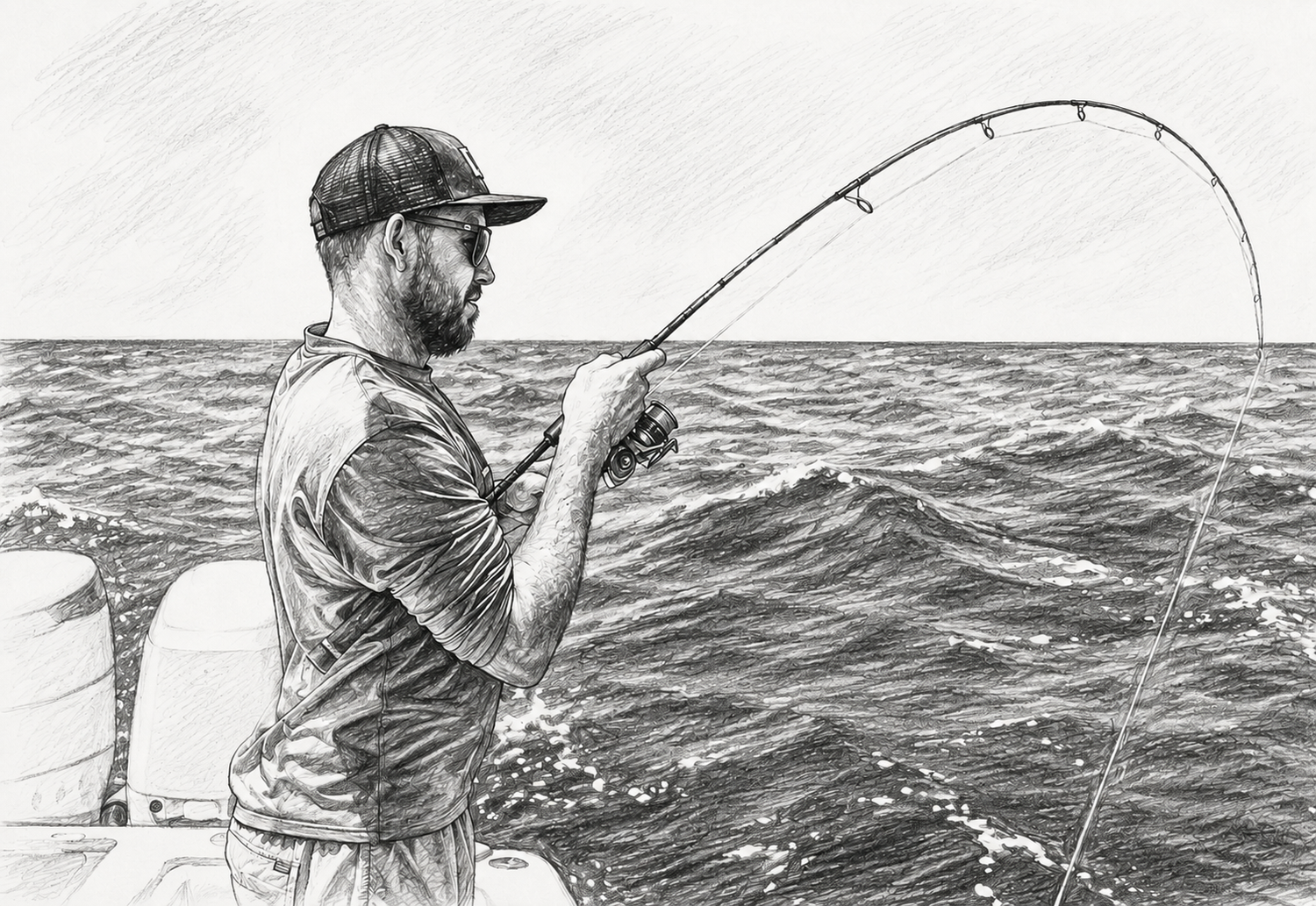
If you’re looking for more rod recommendations, reel pairings, line setups, and technique-specific advice, head back to the complete Main Gear Guide Page for the full breakdowns on your favorite techniques.
While natural bait remains the foundation of reef fishing, there are times when a more aggressive approach can outproduce traditional bottom rigs.
When red snapper are suspended above structure, bait schools are concentrated around a reef, or fish are actively feeding, vertical jigging offers a fast-paced and highly effective alternative. Instead of waiting for fish to find a stationary bait, anglers actively present a metal jig through the water column, triggering reaction strikes from predators that may not otherwise commit to a natural offering.
The technique combines precision, efficiency, and excitement.
Every drop presents an opportunity, and every retrieve keeps the lure moving through productive water. Few offshore methods produce strikes as violent as a snapper or grouper intercepting a rapidly moving jig.
For anglers who enjoy active fishing and direct contact with their lure, vertical jigging is one of the most rewarding techniques in offshore fishing.
What Is Vertical Jigging?
Vertical jigging is a technique that uses metal jigs worked directly beneath the boat to imitate fleeing baitfish.
After dropping the jig to the desired depth, anglers use a combination of rod lifts and reel turns to create erratic movement that triggers feeding and reaction responses.
Unlike traditional bottom fishing, which relies on scent and natural presentation, vertical jigging depends on movement and speed.
The lure darts, flashes, and changes direction as it moves through the water column, creating the appearance of a baitfish attempting to escape.
This presentation is especially effective when fish are actively feeding around reefs, wrecks, ledges, and offshore structure.
Because the jig remains in motion throughout the retrieve, anglers can cover multiple depth zones during a single presentation.
Why Vertical Jigging Works
Predatory fish are programmed to react to movement.
When a baitfish suddenly accelerates or changes direction, predators often respond instinctively.
Vertical jigs capitalize on this behavior.
The flashing profile, rapid movement, and erratic action create an easy target that fish perceive as vulnerable prey.

Red snapper frequently suspend above structure while feeding, making them ideal candidates for vertical jigging.
Gag grouper, while generally more structure-oriented, will often leave cover to attack a fast-moving jig when feeding aggressively.
Another advantage is efficiency.
Rather than waiting for fish to discover a bait, anglers actively place the presentation in front of fish throughout the water column.
When fish are actively feeding, vertical jigging can produce bites quickly and consistently.
Where Vertical Jigging Excels
Vertical jigging performs best around offshore structure that concentrates both bait and predators.
Artificial reefs, natural ledges, wrecks, oil platforms, rock piles, and hard-bottom areas all create productive opportunities.
The technique is particularly effective when fish are suspended above the structure rather than holding directly on the bottom.
Bait schools often provide an excellent clue.
When forage is concentrated around a reef, predators frequently move higher into the water column to feed.
Vertical jigging allows anglers to target these fish efficiently without relying solely on bottom presentations.
The technique also shines in deeper water where fish may be spread across multiple depth zones.
Whenever fish are actively feeding and willing to chase prey, vertical jigging becomes a powerful tool.
Reading Conditions and Fish Behavior
Electronics play a major role in successful jigging.
Modern sonar allows anglers to identify bait schools, suspended fish, and productive structure with remarkable precision.
Pay close attention to where fish appear relative to the bottom.
Large groups of fish suspended above a reef often indicate ideal jigging conditions.
Current is equally important.
Moderate current can improve feeding activity while helping position fish predictably around structure.
Boat control also becomes critical.
Maintaining a near-vertical presentation ensures the jig remains within productive water and behaves as intended.
The more accurately anglers can position the boat over structure, the more effective vertical jigging becomes.
Technique: Speed and Rhythm Matter
The defining characteristic of vertical jigging is movement.
After dropping the jig to the desired depth, begin a series of controlled rod lifts combined with steady reel turns.
The goal is to create an erratic fleeing action while maintaining contact with the lure.
Different retrieves can produce different results.
Some days fish respond best to aggressive, fast-moving presentations. Other times a more moderate cadence proves more effective.
Experimentation is important.
One of the biggest advantages of vertical jigging is the ability to work multiple depth zones during each retrieve.
Fish may be feeding near the bottom, suspended halfway through the water column, or positioned just above the structure.
Covering these areas efficiently often leads to more opportunities.
When a strike occurs, immediate pressure becomes essential, particularly around structure where grouper and larger snapper attempt to return to cover.
Best Jigs for Snapper and Grouper
Metal jigs designed for speed jigging are the standard for this technique.
Most anglers utilize jigs ranging from approximately 100 to 300 grams depending on depth, current, and drift speed.
Long-profile jigs excel at creating fast, erratic movement and are particularly effective when fish are feeding aggressively.
Reflective finishes, holographic patterns, and baitfish-inspired colors consistently produce around offshore structure.

Silver, blue, pink, green, and glow patterns remain among the most popular options.
The most important factor is selecting a jig heavy enough to maintain vertical control while still producing the desired action.
Matching jig weight to prevailing conditions often has a significant impact on success.
Gear Setup for Vertical Jigging Success
Vertical jigging places unique demands on tackle.
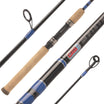
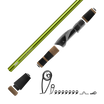
Rods between 5'6" and 6'6" with medium-heavy to heavy power provide the ideal combination of lifting strength and jig control. Start by picking out your rod.

Daiwa Harrier X Conventional Jigging Rod
These rods are specifically designed to work metal jigs efficiently while maintaining enough backbone to handle powerful fish.
Choosing the right vertical jigging rod is critical because rod action directly influences lure performance and fish-fighting capability.

Compact conventional reels remain the preferred choice due to their torque, line capacity, and ability to handle repeated jigging motions. Check out our reel recommendations.
Most anglers utilize 30-50 lb braided line paired with 40-80 lb fluorocarbon leaders. These are the line and leader combinations we pick.

The braid maximizes sensitivity and helps maintain direct contact with the jig, while the heavier leader provides abrasion resistance around structure.
Every component should be selected with both lure performance and fish control in mind.
A Must-Fish Destination: Gulf of Mexico Oil Platforms, Louisiana
A perfect example of where vertical jigging excels is the network of offshore oil platforms found throughout the Louisiana Gulf Coast.
These structures create enormous underwater ecosystems that attract baitfish, red snapper, grouper, amberjack, and countless other species.

Large schools of fish frequently suspend throughout the water column around platform legs and adjacent structure.
This creates ideal conditions for vertical jigging presentations.
The ability to work a jig through multiple depth zones allows anglers to target fish that may never encounter a traditional bottom rig.
Few fisheries demonstrate the effectiveness of vertical jigging better than the offshore oil platforms of Louisiana.
Final Thoughts
Vertical jigging offers one of the most exciting and effective ways to target red snapper and gag grouper around offshore structure.
Its ability to trigger reaction strikes, cover multiple depth zones, and actively target feeding fish makes it a valuable addition to any offshore angler's arsenal.
Whether fishing reefs, wrecks, ledges, or oil platforms, vertical jigs provide a highly efficient presentation capable of producing explosive strikes and memorable fights.
The key is maintaining vertical control, matching jig weight to conditions, and adapting retrieve speed to fish behavior.
For anglers seeking a more active approach to offshore reef fishing, few techniques deliver the combination of excitement and effectiveness found in vertical jigging.
For more rod recommendations, reel pairings, line setups, jig selections, and offshore reef-fishing advice, check out the complete Red Snapper & Gag Grouper Gear Guide and build a system designed for success around offshore structure.
About the Author

The team at Mud Hole Custom Tackle are passionate offshore anglers, reef-fishing enthusiasts, and tackle experts dedicated to helping fishermen build better gear and catch more fish. From shallow reefs and artificial structure to deep offshore wrecks and oil platforms, the Mud Hole Staff combines real-world fishing experience with technical expertise to help anglers select equipment that performs when it matters most. Their passion for offshore fishing and practical knowledge drives every guide, article, and recommendation they create.