









If you’re looking for more rod recommendations, reel pairings, line setups, and technique-specific advice, head back to the complete Main Gear Guide Page for the full breakdowns on your favorite techniques.
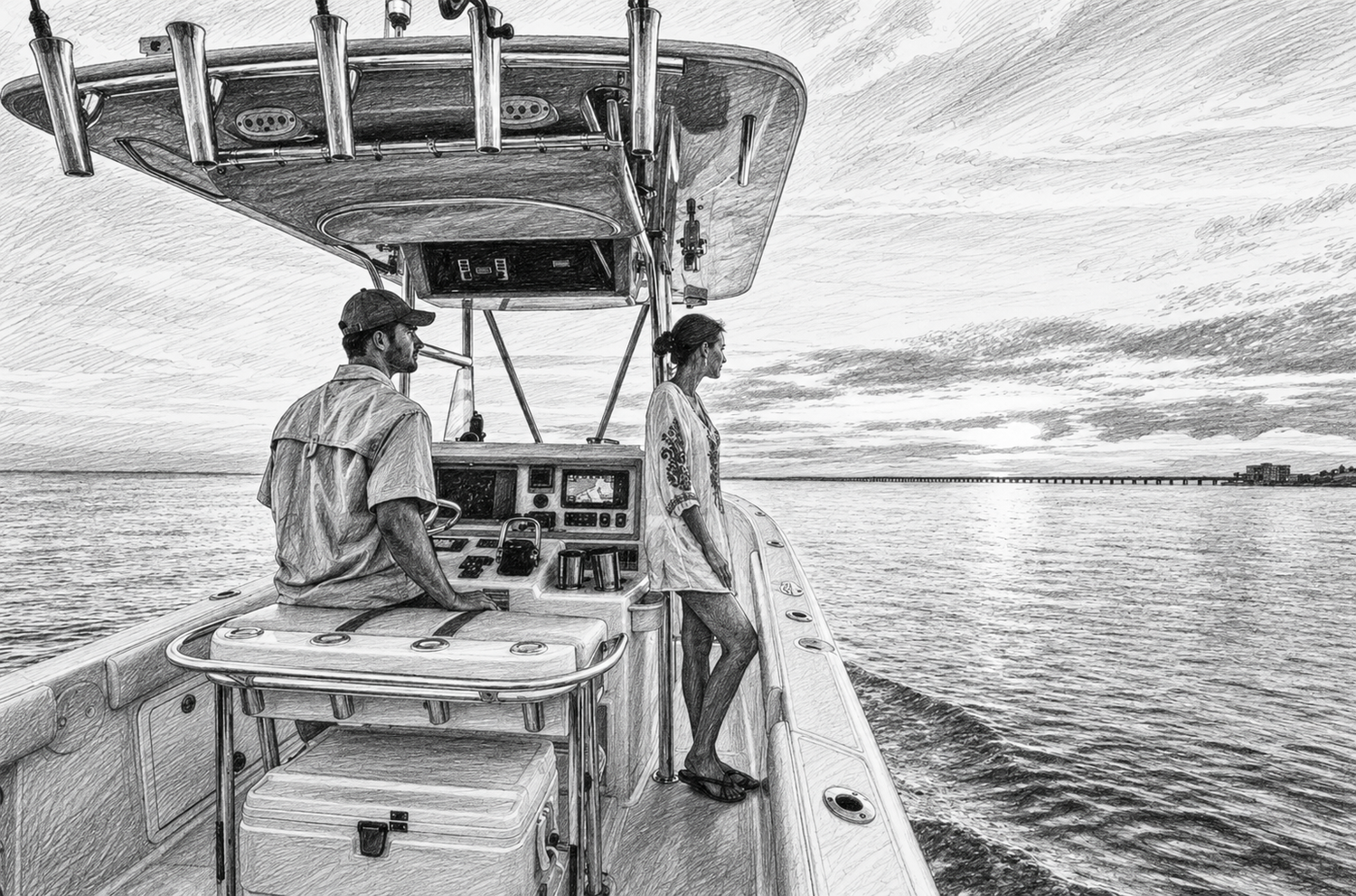
If you're anything like us, spending time outdoors is about far more than simply catching fish. It's about watching the sun come up over the water, hiking a trail you've never explored before, relaxing around a campfire with family, or loading the boat before daylight with the anticipation of what the day might bring. While rods, reels, and tackle often get most of the attention, they're only part of the equation.
The right outdoor gear can make every adventure safer, more comfortable, and far more enjoyable. Staying hydrated on a hot summer afternoon, keeping food and drinks cold during a full day on the water, organizing your gear so it's always within reach, and protecting yourself from the elements all contribute to a better experience. Whether you're an angler, camper, boater, hiker, or someone who simply enjoys spending time outside, investing in quality outdoor gear allows you to spend less time worrying about your equipment and more time enjoying your surroundings.
The good news is that today's outdoor gear has never been better. Modern drinkware keeps beverages cold for hours. Coolers retain ice for days instead of hours. Packs are lighter, stronger, and more organized than ever before. Small improvements in design have made outdoor equipment more durable, more comfortable, and easier to use than the gear many of us grew up with.
Like every piece of fishing equipment, however, choosing the right gear isn't about buying the biggest or most expensive option. It's about selecting products that match the way you spend your time outdoors.
Staying Hydrated Starts with the Right Drinkware
No matter what adventure you're planning, staying hydrated should always be near the top of your priority list. Long days in the sun, physical activity, heat, and humidity all increase your body's need for water. Even mild dehydration can leave you feeling fatigued, reduce concentration, and make an otherwise enjoyable day feel much longer than it should.
That's why dependable drinkware deserves far more attention than it usually receives.
Modern insulated drinkware has evolved far beyond simple water bottles and coffee mugs. Today's tumblers, bottles, and insulated jugs are designed to keep drinks cold during long summer days and coffee hot during chilly mornings on the water. Double-wall vacuum insulation has become the standard because it dramatically improves temperature retention while eliminating the condensation that leaves everything in your cup holder soaking wet.

The type of drinkware you choose should reflect how you spend your time outdoors. An insulated tumbler is perfect for daily use because it fits comfortably in most boat, truck, and camp-chair cup holders while keeping water, sports drinks, or coffee close at hand. Insulated bottles provide greater capacity and are ideal for hiking, kayaking, and full-day fishing trips where frequent refills aren't always possible. Larger insulated jugs become valuable when you're spending an entire day outside with family or friends and need enough water to keep everyone hydrated.
Construction also matters. Stainless steel remains the preferred material because it resists dents, corrosion, and years of everyday abuse. Leak-resistant lids, comfortable carrying handles, and easy-to-clean designs may seem like small details, but they make a noticeable difference over time.
One mistake many outdoor enthusiasts make is choosing drinkware based primarily on appearance or size. A bottle that's too small may leave you constantly searching for more water, while an oversized container can become cumbersome to carry throughout the day. Matching capacity to the type of adventure you're planning usually leads to the best long-term experience.
Quality drinkware may not be the most exciting purchase you'll make, but it's often one of the most frequently used. Whether you're chasing bass at sunrise, hiking mountain trails, or simply enjoying a day at the beach, staying properly hydrated allows you to stay focused on the adventure instead of the heat.
Choosing Between Hard and Soft Coolers
Few pieces of outdoor equipment are as versatile as a quality cooler. They keep drinks cold, preserve food, protect bait, and even serve as extra seating or workstations around the boat or campsite. The biggest question isn't whether you need one. It's whether a hard cooler or a soft cooler better fits the way you spend your time outdoors.

Hard coolers have become the standard for situations where maximum performance is required. Built with thick insulated walls, durable latches, and rugged construction, they're designed to hold ice for extended periods while standing up to years of abuse. For anglers, they're invaluable during offshore trips, tournament days, and multi-day adventures where dependable cold storage is essential. They also provide excellent protection for food, drinks, harvested fish, and bait because the rigid construction prevents contents from being crushed during transport.
Modern hard coolers often include features such as non-slip feet, integrated drain systems, heavy-duty handles, and tie-down points that make them even more useful around boats, campsites, and trucks. While they take up more space and become heavier when fully loaded, they remain the best choice when durability and long-lasting ice retention are the highest priorities.
Soft coolers approach the problem from a different perspective.
Instead of maximizing insulation at all costs, they focus on portability and convenience. Their lightweight construction, flexible materials, and comfortable carrying straps make them ideal for day trips, kayak fishing, beach outings, road trips, and everyday outdoor use. Modern soft coolers offer surprisingly good insulation while fitting easily into places where larger hard coolers simply won't.
Many anglers actually find themselves using a combination of both. A larger hard cooler handles drinks, food, bait, and fish for the day, while a smaller soft cooler carries lunch, snacks, and beverages that remain within easy reach. It's a practical system that combines the strengths of both designs without forcing either cooler to do everything.

When choosing a cooler, it's easy to focus exclusively on capacity, but that's rarely the most important factor. Think first about how you'll use it. Are you loading the boat before sunrise for a full day offshore, or are you packing lunch for an afternoon on the local lake? Will you be carrying the cooler long distances, or will it remain in the back of the truck or on the deck of the boat? How many people are you packing for, and how long do you need ice to last?
Answering those questions usually points you toward the right size and style much faster than comparing specifications.
No matter which design you choose, proper cooler management also plays a significant role in performance. Starting with pre-chilled food and beverages, using quality ice, minimizing how often the lid is opened, and storing the cooler in the shade whenever possible all help maximize ice retention. Even the best cooler performs better when it's used efficiently.
Ultimately, hard and soft coolers aren't competitors. They're complementary tools designed for different situations. Choosing the one that best fits your typical adventures ensures you'll enjoy colder drinks, fresher food, and greater convenience every time you head outdoors.
Stay Organized and Prepared with the Right Pack
No matter where your adventures take you, having the right gear only matters if you can carry it comfortably and find it when you need it. Whether it's extra tackle, rain gear, water, snacks, tools, cameras, or emergency supplies, a quality pack helps keep everything organized so you're spending your time fishing, hiking, or exploring instead of digging through a pile of equipment.
Modern outdoor packs have come a long way from the basic backpacks many of us grew up using. Today's designs are purpose-built for specific activities, offering dedicated storage, ergonomic carrying systems, and durable materials that stand up to years of outdoor use.
The type of pack you choose depends largely on where your adventures take you. Traditional backpacks remain the most versatile option for hiking, camping, and longer excursions where carrying larger loads comfortably is important. Sling packs have become favorites among bank anglers because they rotate around the body, providing quick access to tackle without having to remove the pack completely. Waterproof packs are ideal for kayaks, boats, and wet environments where keeping gear dry is a priority.

Regardless of the style, organization is what separates a great pack from an average one. Multiple compartments, dedicated pockets, and easy-access storage make it simple to keep tackle, tools, clothing, and personal items exactly where you expect them to be. Comfort also deserves plenty of attention. Padded shoulder straps, breathable back panels, and adjustable harness systems make a significant difference when carrying gear for several hours.
One mistake many people make is buying the largest pack they can find. While extra storage sounds appealing, oversized packs often encourage carrying equipment you rarely use, adding unnecessary weight that eventually becomes uncomfortable. Choosing a pack that fits your typical adventure instead of your occasional one usually leads to a better overall experience.
Polarized Sunglasses Are More Than an Accessory
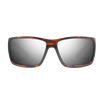
Few pieces of outdoor gear provide benefits that are as immediately noticeable as a quality pair of polarized sunglasses. Most anglers think of rods, reels, and tackle as essential equipment, but once you've fished with high-quality polarized lenses, it's hard to imagine spending another day on the water without them.
The biggest advantage is glare reduction. Sunlight reflecting off the water creates visual distortion that makes it difficult to see fish, submerged structure, grass lines, and changing bottom composition. Polarized lenses filter that reflected light, giving anglers a much clearer view beneath the surface while reducing eye strain throughout the day.

The benefits extend well beyond fishing. Boaters, hikers, beachgoers, and travelers all appreciate the improved visual clarity and reduced fatigue that polarized lenses provide. At the same time, quality sunglasses protect your eyes from harmful UV rays, making them one of the most valuable long-term investments for anyone who spends significant time outdoors.
Lens color also plays a role in performance. Gray lenses provide natural color reproduction and excel in bright, sunny conditions. Brown and copper lenses increase contrast and are favorites among freshwater anglers. Blue mirror lenses remain popular offshore where intense sunlight and open water dominate the landscape. There isn't a single "best" lens color. The right choice depends on where you spend most of your time.
The biggest mistake people make is assuming all sunglasses perform the same. Dark lenses reduce brightness, but without true polarization they do little to eliminate glare. When you're trying to spot fish cruising a grass flat or navigate safely across open water, quality optics make a remarkable difference.
Protect Yourself from the Elements
Nothing ends a great day outdoors faster than too much sun.
Whether you're fishing a bass tournament, running offshore, hiking mountain trails, or spending the afternoon at the beach, prolonged exposure to the sun can quickly lead to fatigue, dehydration, and discomfort. Fortunately, today's performance apparel makes staying protected much easier than it was just a few years ago.
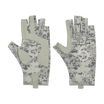
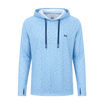
Modern sun-protection clothing combines lightweight fabrics with moisture-wicking technology and built-in UPF protection to help keep you cool while shielding your skin from harmful UV rays. Wide-brim hats provide outstanding coverage for the face, ears, and neck, while lightweight performance caps offer ventilation during more active pursuits. Neck gaiters have also become incredibly popular because they protect areas that are often overlooked, especially around the neck and lower face where reflected sunlight from the water can be particularly intense.
Protective clothing also works hand in hand with the other gear we've discussed. Staying hydrated, wearing polarized sunglasses, and choosing breathable apparel all work together to keep you comfortable during long days outside.
One of the most common mistakes outdoor enthusiasts make is relying solely on sunscreen. While sunscreen is certainly important, combining it with UPF-rated clothing provides more consistent protection throughout the day, especially when fishing, boating, or hiking for extended periods.
Add a Little Entertainment to the Adventure
Not every outdoor trip is about catching fish. Sometimes it's about relaxing with family, spending time around the campfire, enjoying a sandbar gathering, or simply unwinding after a successful day on the water.
Portable outdoor speakers have become one of the most popular accessories for those occasions. Modern Bluetooth speakers are compact, rugged, and capable of delivering impressive sound while standing up to rain, spray, dust, and the occasional accidental drop.

When choosing an outdoor speaker, durability is often more important than maximum volume. Water resistance, long battery life, and portability usually contribute more to long-term satisfaction than simply having the loudest speaker available. Compact models are ideal for kayaks, hiking, and travel, while larger speakers may be better suited for boats, campsites, and gatherings where more powerful sound is desired.
As with any outdoor accessory, it's worth remembering that part of enjoying the outdoors is respecting those around you. Music can certainly enhance your own experience, but keeping the volume at a reasonable level allows everyone nearby to enjoy the same natural setting.
Building the Right Gear System
One thing becomes clear after spending time outdoors: there isn't a single piece of equipment that does everything. Instead, the best outdoor adventures are supported by a collection of gear that works together.
A dependable cooler keeps food and drinks cold. Quality drinkware helps you stay hydrated throughout the day. A comfortable pack keeps essential equipment organized and easy to access. Polarized sunglasses improve visibility while protecting your eyes. Performance apparel shields you from the sun, and a portable speaker can make downtime even more enjoyable.
The key isn't buying the most expensive equipment available. It's selecting products that match your lifestyle and the activities you enjoy most. Someone who primarily fishes from a kayak may prioritize lightweight packs and compact soft coolers, while offshore anglers often place greater value on large hard coolers and maximum storage capacity. Campers, hikers, beachgoers, and travelers all have slightly different needs, but the goal remains the same: choosing gear that helps you spend more time enjoying the outdoors and less time dealing with inconveniences.
Final Thoughts
Fishing may be what gets many of us outdoors, but it's only part of the adventure. Every trip is made better by the gear that keeps us comfortable, organized, hydrated, and prepared for whatever the day brings.
Whether you're packing for a weekend camping trip, loading the boat before sunrise, hiking to a remote trout stream, or spending an afternoon at your favorite local lake, quality outdoor gear helps eliminate distractions so you can focus on what really matters: making memories with family and friends and enjoying every minute outside.
The best outdoor gear isn't necessarily the newest or the most expensive. It's the gear you can depend on every time you head out the door. Build your system around the way you spend your time outdoors, invest in products that offer comfort, durability, and performance, and you'll be prepared for whatever adventure comes next.
About the Author

The team at Mud Hole Custom Tackle are anglers and outdoor enthusiasts who understand that great days outside depend on more than just great fishing equipment. From time on the water to camping trips, road travel, and everyday outdoor adventures, the Mud Hole Staff combines hands-on experience with practical product knowledge to help customers choose gear that performs when it matters most. Their passion for quality equipment and life outdoors drives every guide, article, and recommendation they create.