









If you’re looking for more rod recommendations, reel pairings, line setups, and technique-specific advice, head back to the complete Main Gear Guide Page for the full breakdowns on your favorite techniques.
When most anglers think about vertical jigging, they picture heavy tackle, large jigs, and aggressive rod movements designed to overpower deep-water predators. While those techniques certainly have their place, slow-pitch jigging offers a completely different approach.
Nowhere is that more evident than in nearshore and light slow-pitch fishing.
This finesse-driven style focuses on subtle presentations, controlled jig movement, and precision around structure where smaller reef species spend much of their lives. Rather than relying on speed and force, anglers use lightweight jigs and rhythmic rod lifts to create an irresistible fluttering action that mimics an injured baitfish.
The result is a highly effective and engaging technique capable of producing steady action from a variety of prized reef species.
Whether you're targeting mangrove snapper around nearshore structure or introducing yourself to the world of slow-pitch jigging, light slow pitch provides one of the most enjoyable and accessible ways to experience this rapidly growing technique.
What Is Nearshore / Light Slow Pitch?
Nearshore slow-pitch jigging is the finesse side of vertical jigging.
The technique utilizes lighter jigs, lighter tackle, and smaller rod movements to create natural presentations around reefs, ledges, hard-bottom areas, and shallow offshore structure.
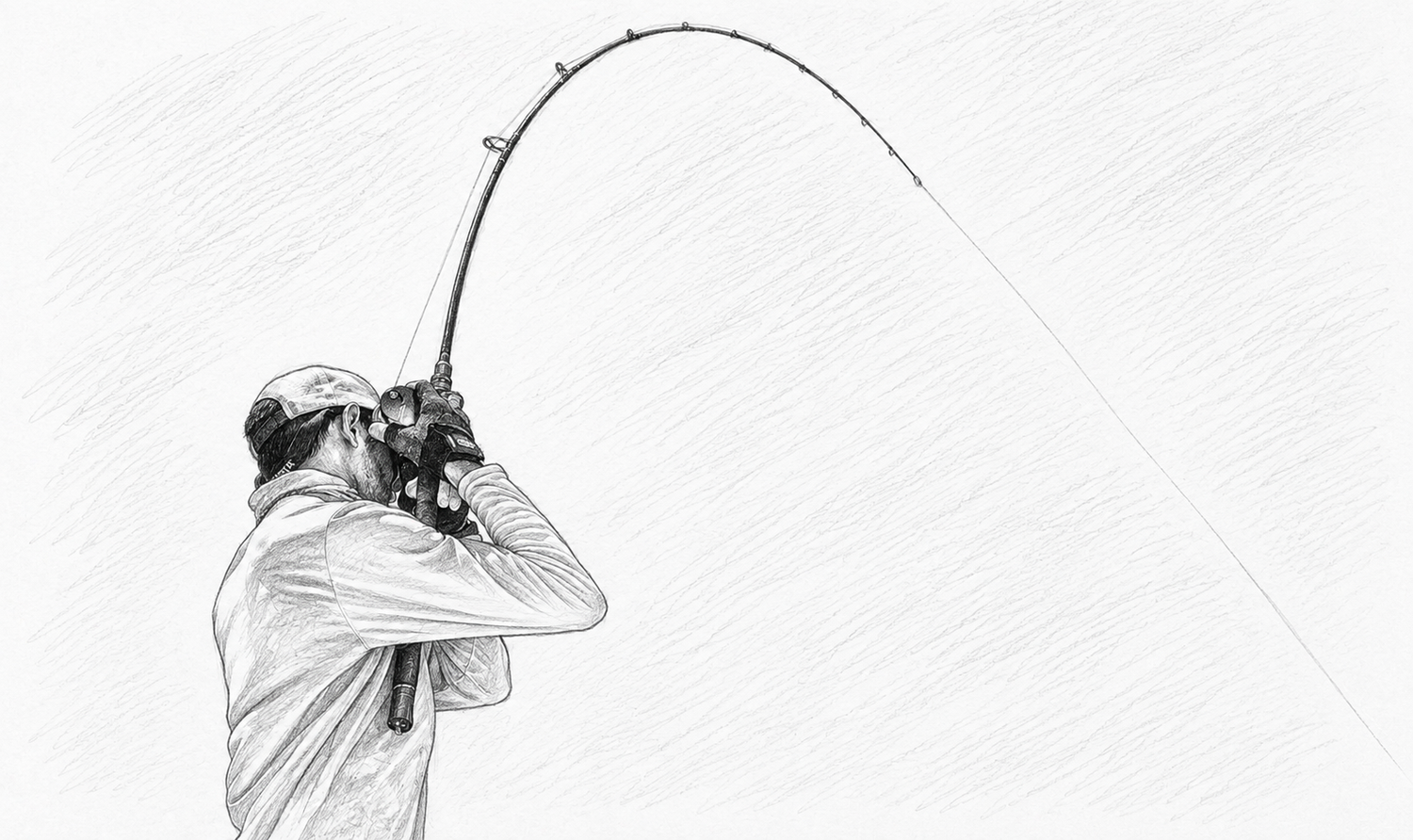
Instead of aggressively ripping a jig through the water column, anglers use short, rhythmic rod lifts that allow the rod blank to load and unload naturally. This motion causes the jig to dart upward before fluttering and gliding back toward the bottom.
The majority of strikes occur during the fall.
As the jig flutters unpredictably, it closely resembles a wounded baitfish struggling to maintain control. Reef species often find this presentation impossible to ignore.
Because the technique relies on finesse rather than brute force, it provides an ideal introduction to slow-pitch jigging while remaining highly effective for experienced anglers.
Why Nearshore Slow Pitch Works
Many reef fish spend their lives feeding on small baitfish, shrimp, squid, and other forage that move naturally through the water column.
Traditional vertical jigging often relies on speed and aggression to trigger reaction strikes. Light slow pitch takes a different approach.
The fluttering fall creates a vulnerable, easy-to-catch target that appears injured or disoriented.
This slower, more natural presentation often appeals to fish that ignore faster-moving offerings.
Another advantage is efficiency.
Because the rod and jig work together to create the action, anglers expend far less energy than they would with traditional speed jigging. This allows for longer fishing sessions without excessive fatigue.
The combination of subtle action, extended strike-zone time, and reduced angler effort makes nearshore slow pitch one of the most productive vertical presentations available.
Where Nearshore Slow Pitch Excels
Light slow-pitch jigging performs best around structure-rich environments where reef fish naturally congregate.
Nearshore reefs, hard-bottom areas, rock piles, ledges, artificial reefs, and wrecks all provide excellent opportunities.

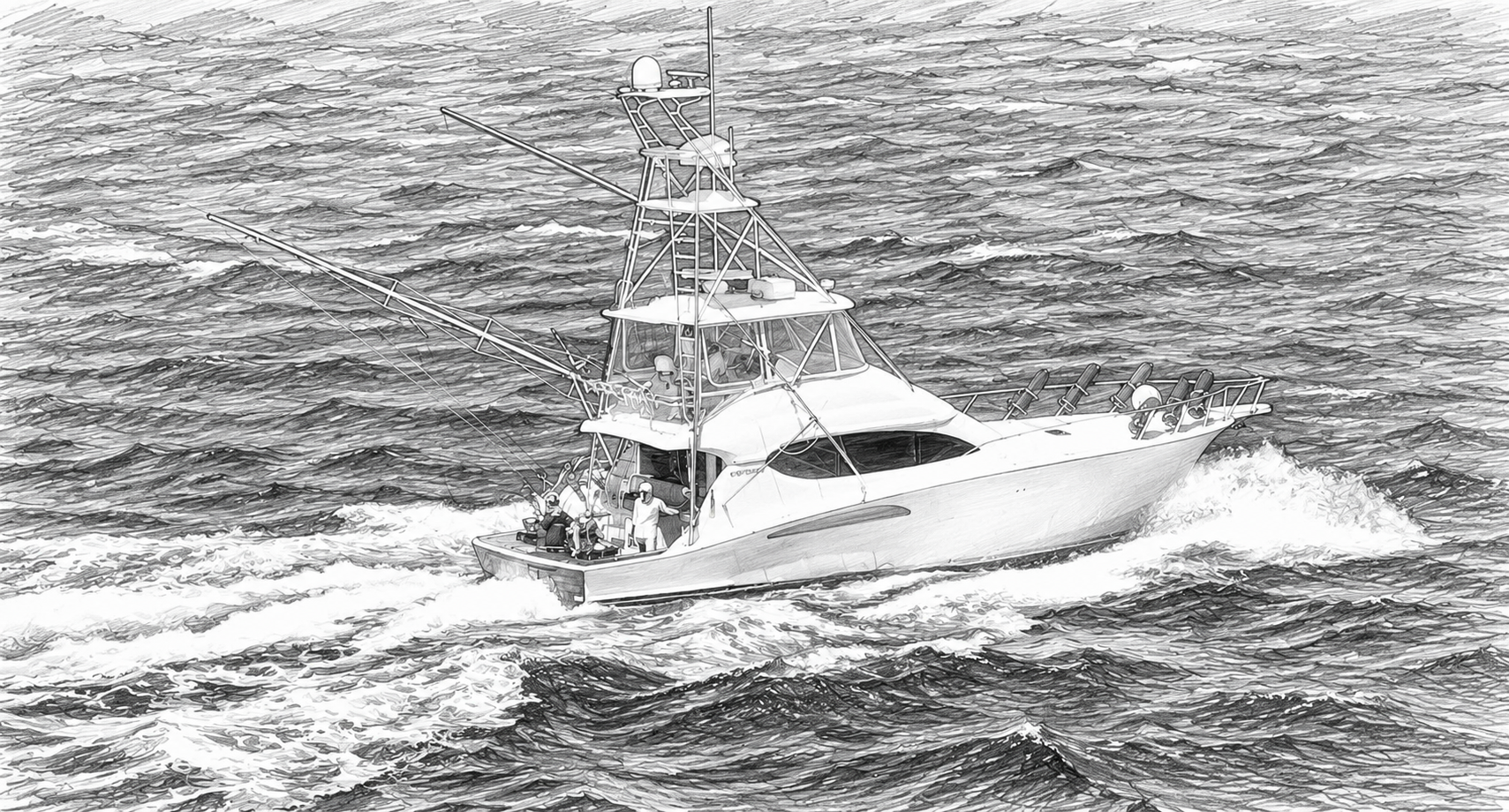
Headed to The Reef!
The technique particularly shines in depths up to approximately 150 feet where lighter jigs can maintain effective presentations without excessive weight.
Current also plays an important role.
Moderate current often enhances jig action by allowing the lure to flutter more naturally during the fall.
The technique excels when fish are pressured or feeding selectively because the presentation appears natural and non-threatening.
Whenever smaller reef species are actively feeding around structure, nearshore slow pitch deserves serious consideration.
Reading Conditions and Fish Behavior
Success with light slow-pitch jigging begins with understanding how fish position themselves around structure.
Many reef species utilize ledges, rock formations, and hard-bottom areas as both feeding stations and protection.
Electronics are invaluable for identifying these locations and locating fish within the water column.
Pay attention to current direction and boat drift.
Maintaining a near-vertical presentation is critical because it allows the jig to perform as designed.
Fish positioning can also vary throughout the day.
Some species remain tight to the structure while others suspend slightly above it.
Understanding where fish are positioned relative to the bottom helps determine how high the jig should be worked before beginning another drop.
The more precisely anglers can maintain contact with productive depth zones, the more effective the presentation becomes.
Technique: Let the Jig Do the Work
One of the most common mistakes beginners make is overworking the jig.
The beauty of slow-pitch jigging lies in its efficiency.
After dropping the jig to the desired depth, use short, controlled rod lifts while simultaneously making small turns of the reel handle.
The goal is to load the rod and allow it to spring back naturally.
This creates the upward movement.
The real magic happens on the fall.
As tension decreases, the jig flutters, glides, and stalls unpredictably through the water column.
Most strikes occur during this phase.
Rather than focusing on aggressive movements, concentrate on maintaining rhythm and allowing the jig to work naturally.
Subtle, deliberate motions consistently outperform excessive rod action.
Best Jigs for Nearshore Slow Pitch
Light slow-pitch applications typically utilize jigs ranging from approximately 60 to 150 grams.
These weights provide enough mass to maintain vertical control while still allowing exceptional flutter and hang time.
Center-balanced and flutter-style jigs are particularly effective because they create unpredictable movement during the fall.
Natural color patterns often perform exceptionally well in clear water. Silver, blue, pink, and baitfish-inspired finishes consistently produce around nearshore structure.
Glow accents can also be effective during low-light conditions or in deeper portions of the water column.

JYG Pro WYLD Collection - Slow Pitch Jigs 60g
The key is selecting a jig that matches the depth, current, and forage available in your area.
For a complete selection of proven slow-pitch jigs, explore our curated collection of slow-pitch jigging lures designed specifically for light and nearshore applications.
Gear Setup for Light Slow Pitch Success
Nearshore slow-pitch fishing is built around balance and sensitivity.

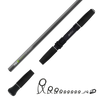
Fitzgerald Stunner X Slow Pitch Jigging Rod 6'6" Power 1
A rod between 6'3" and 6'9" with light to medium-light power and a moderate action provides the ideal combination of jig control and bite detection. These rods are designed to load deeply and create the natural jig action that defines the technique. Start by picking out your rod.
Choosing the right slow-pitch rod is critical because the rod itself generates much of the lure's movement.
Compact conventional reels with narrow spools remain the preferred choice. Their lightweight design, smooth drag systems, and excellent line control complement the finesse nature of the technique. Check out our reel recommendations.

Shimano Torium Jigging Special Reel 1500
Most anglers pair these reels with 15-20 lb braid and a 15-30 lb fluorocarbon leader. This setup maximizes sensitivity while maintaining enough strength for reef species and structure-oriented fishing. These are the line and leader combinations we pick.
The result is a balanced system that allows anglers to fish comfortably and efficiently throughout the day.
A Must-Fish Destination: Destin's Nearshore Reefs
A perfect example of where light slow-pitch jigging excels can be found off Destin, Florida.

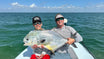
Big Grouper!
Known for its extensive nearshore reef systems, artificial reefs, and productive hard-bottom areas, Destin offers countless opportunities for finesse-oriented jigging presentations.
Mangrove snapper, lane snapper, porgies, triggerfish, and numerous other reef species frequently hold around these structures.
The moderate depths and abundant forage create ideal conditions for lighter jigs and subtle presentations.
Because fish often receive significant fishing pressure, the natural action of a slow-pitch jig can provide a distinct advantage over more traditional techniques.
Few fisheries demonstrate the effectiveness of nearshore slow-pitch jigging better than the productive waters surrounding Destin.
Final Thoughts
Nearshore and light slow-pitch jigging represents one of the most enjoyable and accessible entries into the world of vertical jigging.
Its emphasis on finesse, rhythm, and natural presentation creates a highly effective approach for targeting reef fish while reducing angler fatigue.
Whether you're targeting mangrove snapper on a shallow reef or simply looking to learn the fundamentals of slow-pitch jigging, this technique offers an excellent balance of action, effectiveness, and enjoyment.
The key is maintaining rhythm, staying vertical, and allowing the jig to do the work.
For more rod recommendations, reel pairings, line setups, jig selections, and slow-pitch-specific advice, check out the complete Slow-Pitch Jigging Gear Guide and build a system designed to maximize every drop.
About the Author

The team at Mud Hole Custom Tackle are passionate anglers, offshore fishing enthusiasts, and tackle experts dedicated to helping fishermen build better gear and catch more fish. From inshore reefs and coastal structure to deep offshore applications, the Mud Hole Staff combines real-world fishing experience with technical expertise to help anglers select equipment that performs at the highest level. Their passion for fishing innovation and practical knowledge drives every guide, article, and recommendation they create.