












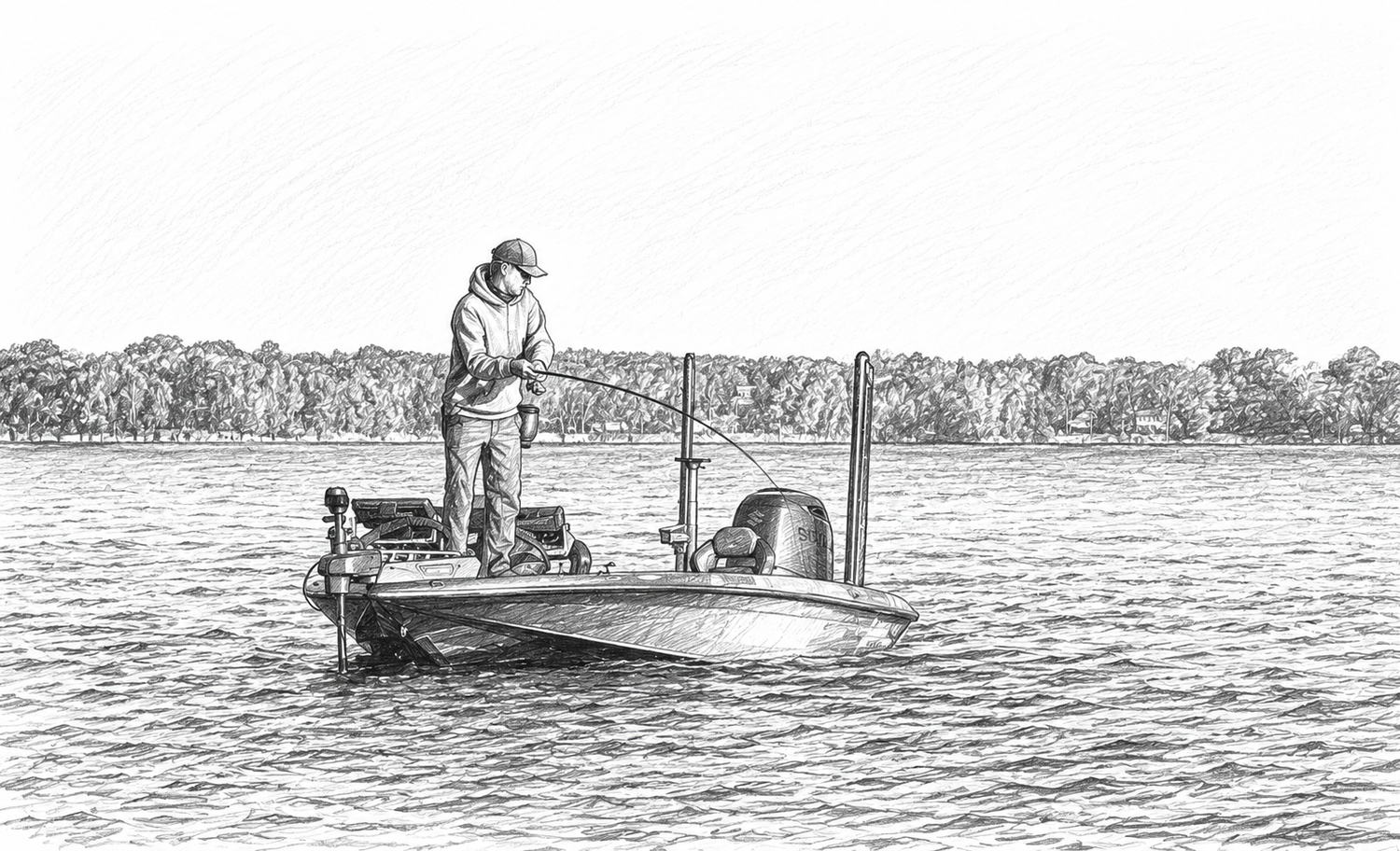
If you’re looking for more rod recommendations, reel pairings, line setups, and technique-specific advice, head back to the complete Main Gear Guide Page for the full breakdowns on your favorite techniques.
When bass become pressured, fishing conditions get tough, or clear water makes fish increasingly selective, many anglers find themselves searching for a presentation that can generate bites without overwhelming cautious fish. Few techniques have earned a reputation for consistency in these situations like the finesse shakey head.
Built around a simple jig head and straight-tail worm, the shakey head allows anglers to maintain constant bottom contact while presenting a natural, subtle profile that bass find difficult to ignore. Rather than relying on speed, vibration, or aggressive movement, the finesse shakey head excels by staying in the strike zone and creating realistic action with only the slightest rod movements.
For anglers targeting bass that have seen every crankbait, jig, and soft plastic in the lake, the finesse shakey head remains one of the most reliable tools available.
What Is Finesse Shakey Head Fishing?
The finesse shakey head is a bottom-contact technique designed to present a soft plastic worm naturally while maintaining constant contact with the structure below.
The rig consists of a weighted jig head paired with a slender soft plastic, most commonly a straight-tail finesse worm. The design allows the worm to stand upright or angle naturally when resting on the bottom.
Once the bait reaches the bottom, anglers work it with subtle rod-tip movements, slow drags, or short pauses. These movements cause the worm to quiver and pivot while the jig head remains in contact with the structure.
Unlike presentations that move quickly through the strike zone, the shakey head is designed to stay in productive areas longer and encourage fish to investigate.
The technique is particularly effective because it appears natural and non-threatening. Even inactive bass often find it difficult to resist a worm slowly moving along the bottom directly in front of them.
Its simplicity is one of its greatest strengths.
Why the Finesse Shakey Head Works
Bass living in heavily pressured fisheries become conditioned to seeing aggressive presentations.
Spinnerbaits, crankbaits, chatterbaits, and even traditional soft plastics can lose effectiveness when fish are exposed to them repeatedly.
The finesse shakey head offers something different.
Rather than forcing fish to react, it gives them an opportunity to feed naturally. The worm remains close to the bottom where bass commonly search for food and presents itself in a way that resembles natural forage.
The upright posture created by the jig head is particularly effective. As the worm stands and subtly moves, it appears alive without requiring excessive angler input.
Another advantage is strike-zone time.
Because the bait is worked slowly and deliberately, bass have more opportunities to inspect and eventually commit to the presentation.
When fish are inactive, pressured, or unwilling to chase, that additional time often makes the difference.
Where the Finesse Shakey Head Excels
This technique performs best anywhere bass relate closely to the bottom.
Rocky points, gravel flats, shell beds, hard-bottom transitions, and submerged structure are all ideal locations.
Clear-water lakes are especially well suited for finesse shakey head fishing because bass can closely inspect a lure before deciding to bite. The subtle action and natural appearance help overcome this challenge.

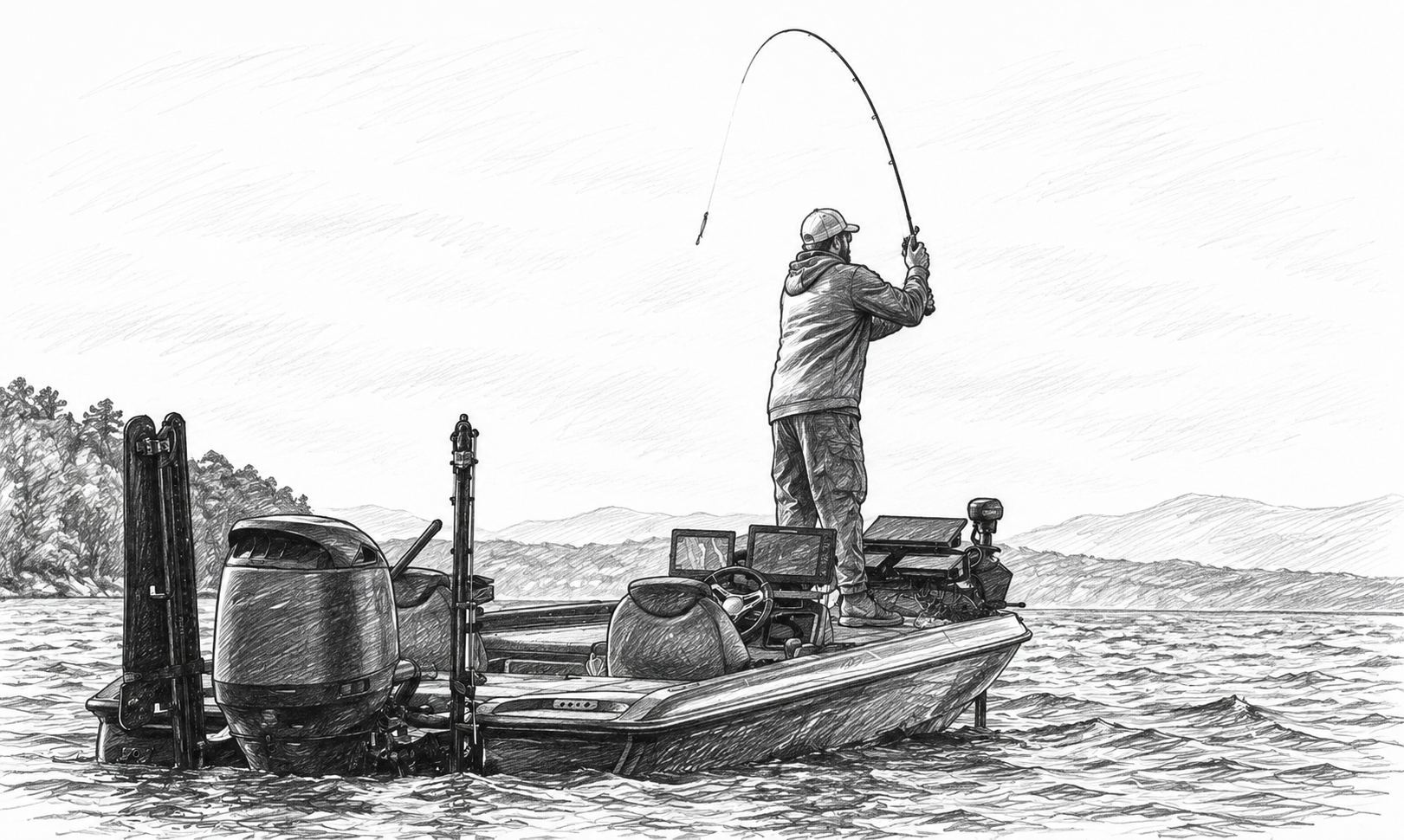
Lake Champlain Bluff Wall Point
The technique also shines in high-pressure environments where fish become conditioned to faster-moving presentations.
Smallmouth bass are particularly susceptible to shakey heads on rock and gravel structure, but largemouth and spotted bass respond equally well in the right situations.
Seasonal transitions, post-frontal conditions, and periods of reduced feeding activity are all prime times to reach for a finesse shakey head.
Whenever bass seem unwilling to chase, this presentation deserves a place in the rotation.
Reading Conditions and Fish Behavior
Success with a finesse shakey head often begins with understanding fish mood.
Water clarity is one of the most important factors. Clear water generally favors finesse presentations because fish have more time to inspect the bait.
Fishing pressure also plays a significant role. The more anglers a fishery receives, the more valuable subtle presentations become.
Pay close attention to bottom composition. Hard-bottom areas often concentrate bait and provide feeding opportunities that attract bass.
Weather conditions can influence effectiveness as well. Following a cold front, bass frequently become less aggressive and position tighter to the bottom. These situations often favor slower presentations like a shakey head.
Bass that are unwilling to chase moving baits often remain willing to investigate something slowly moving along the lake floor.
Recognizing these conditions can dramatically improve success.
Technique: Slow Down and Stay Connected
The biggest mistake anglers make with a finesse shakey head is fishing it too aggressively.
This technique is designed around subtlety.
After making a cast, allow the jig head to settle completely to the bottom. Once contact is established, begin working the bait with small rod-tip movements and short drags.
The goal is to make the worm quiver naturally while maintaining constant bottom contact.
Large hops and aggressive movements often pull the bait away from the fish and reduce effectiveness.
Pauses are equally important. Many bites occur when the bait sits motionless after a drag or subtle shake.
Line watching is critical as well. Not every bite feels like a sharp tap. Many simply feel like added weight or slight pressure.
Patience, subtle movements, and constant bottom contact are the foundation of successful shakey head fishing.
Best Baits for Finesse Shakey Head Fishing
Straight-tail finesse worms remain the standard for shakey head presentations.
Most anglers favor worms in the 4" to 5" range because they provide the ideal balance of subtle movement and natural posture.
These smaller profiles excel in clear water and highly pressured environments where bass are feeding selectively.
Natural colors consistently produce the best results. Green pumpkin, watermelon, brown, and smoke remain among the most productive choices across a variety of fisheries.
The simplicity of the bait is important.

6th Sense Clout Stick Bait Worm
Bulky plastics often reduce the clean, upright posture that makes the shakey head so effective. Slim worm profiles respond naturally to subtle rod movements and maintain a realistic appearance on the bottom.
For a complete selection of proven finesse worms, explore our curated collection of shakey head baits designed specifically for bottom-contact presentations.
Gear Setup for Maximum Sensitivity
The finesse shakey head demands sensitivity above all else.

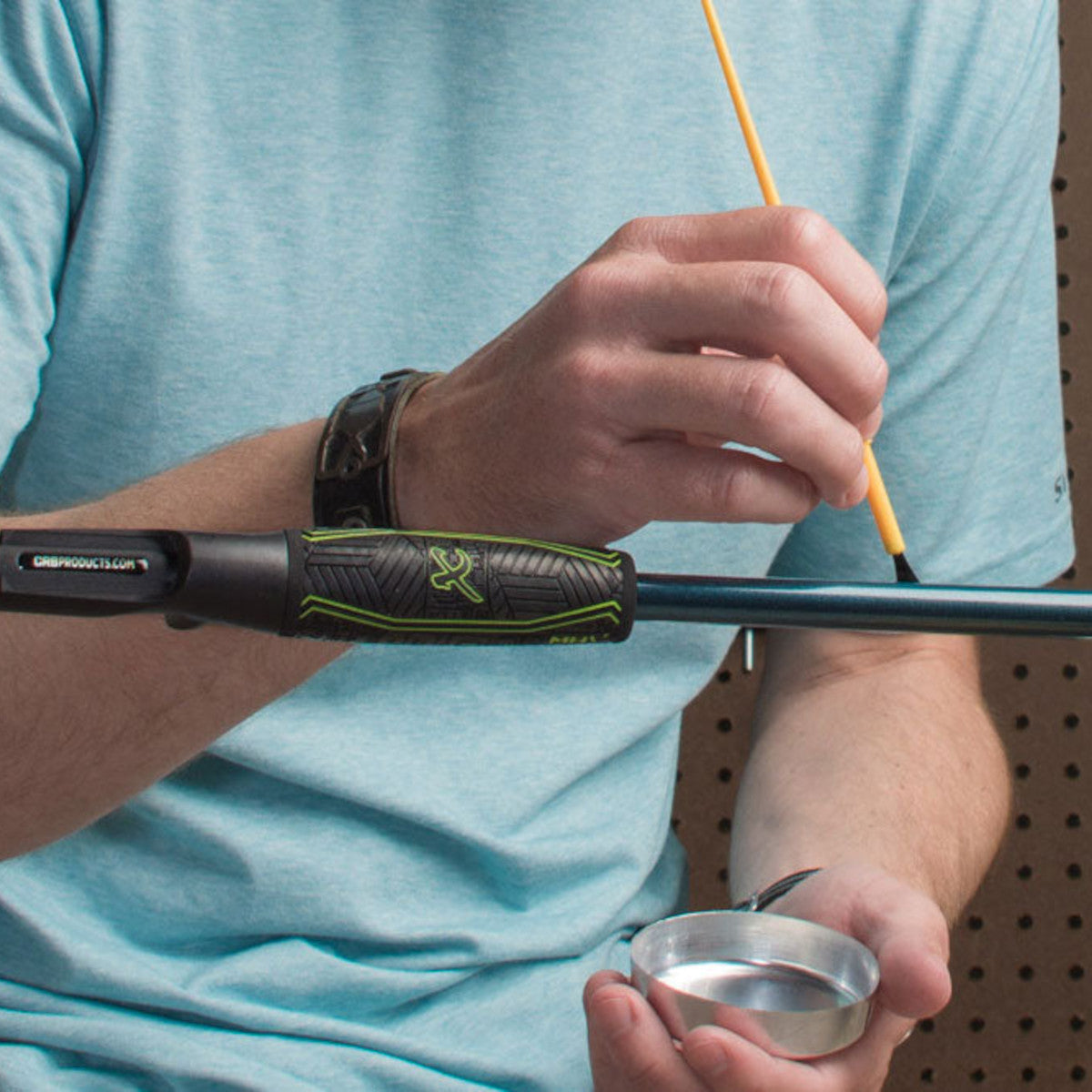
Cashion 7'0" Medium-Light
A medium-light to medium-power spinning rod between 6'10" and 7'0" provides the ideal balance of control, sensitivity, and casting performance. Fast actions allow anglers to detect subtle bites while maintaining precise control over light jig heads. Start by picking out your rod.
Choosing the right shakey head rod is critical because many strikes feel like nothing more than slight pressure changes.
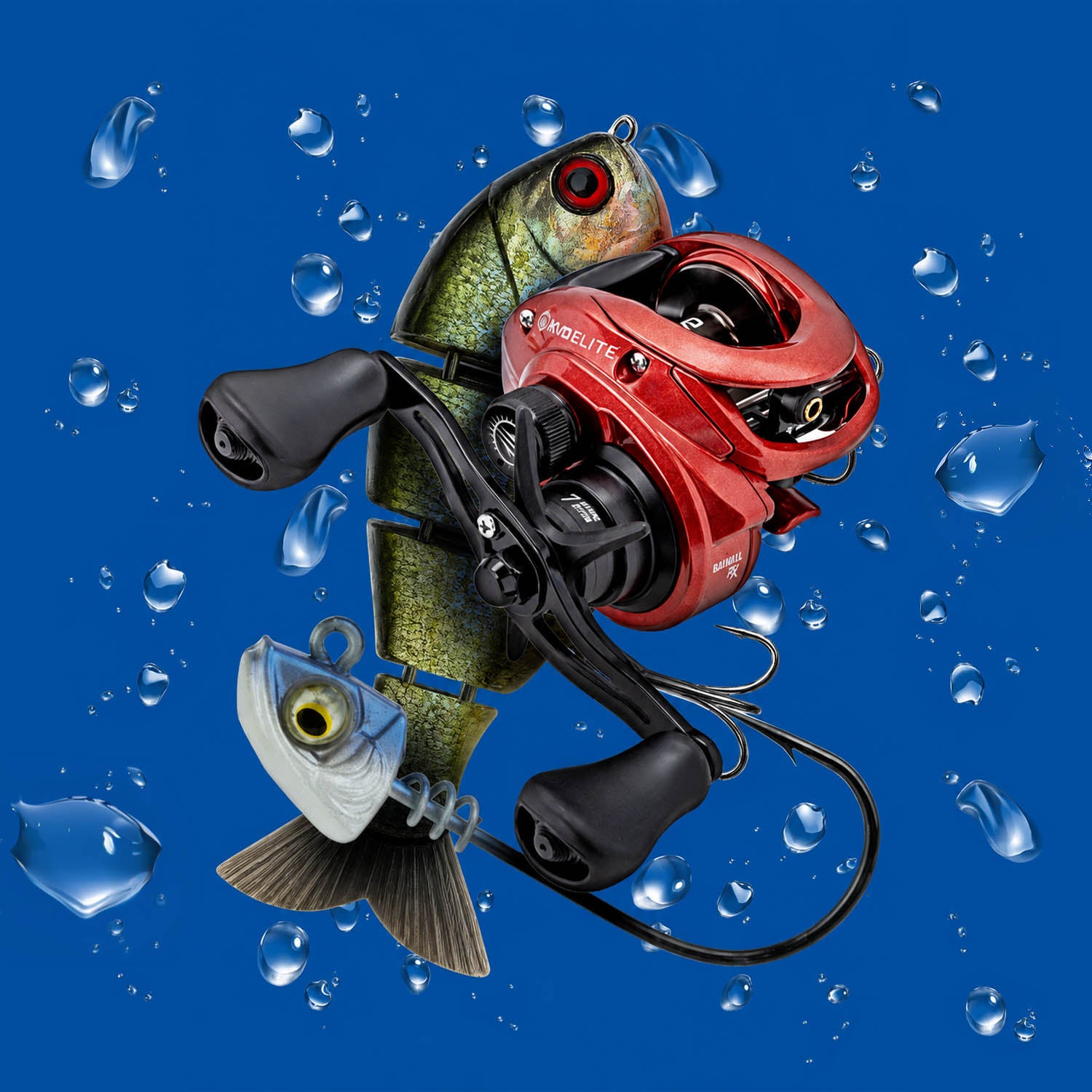
A quality 2500-3000 size spinning reel pairs perfectly with these rods. Smooth drag performance becomes especially important when fishing lighter line and finesse hooks. Check out our reel recommendations.

Shimano Nasci FD Spinning Reel 2500
Most anglers prefer 10-15 lb braid connected to a 6-10 lb fluorocarbon leader. This combination maximizes sensitivity while maintaining stealth around pressured fish. These are the line and leader combinations we pick.
Jig heads between 1/16 and 1/8 ounce cover most finesse applications and provide the ideal balance of fall rate and bottom contact. Grab your shaky heads here.

Z-Man Shakey Head
Proper line, rod, and jig selection all contribute to maintaining feel and maximizing bite detection.
A Must-Fish Destination: Lake Champlain
A perfect example of where finesse shakey head fishing excels is Lake Champlain.
Stretching across New York and Vermont, Champlain offers world-class smallmouth and largemouth bass fishing along with the clear water and hard-bottom structure that make finesse presentations so effective.

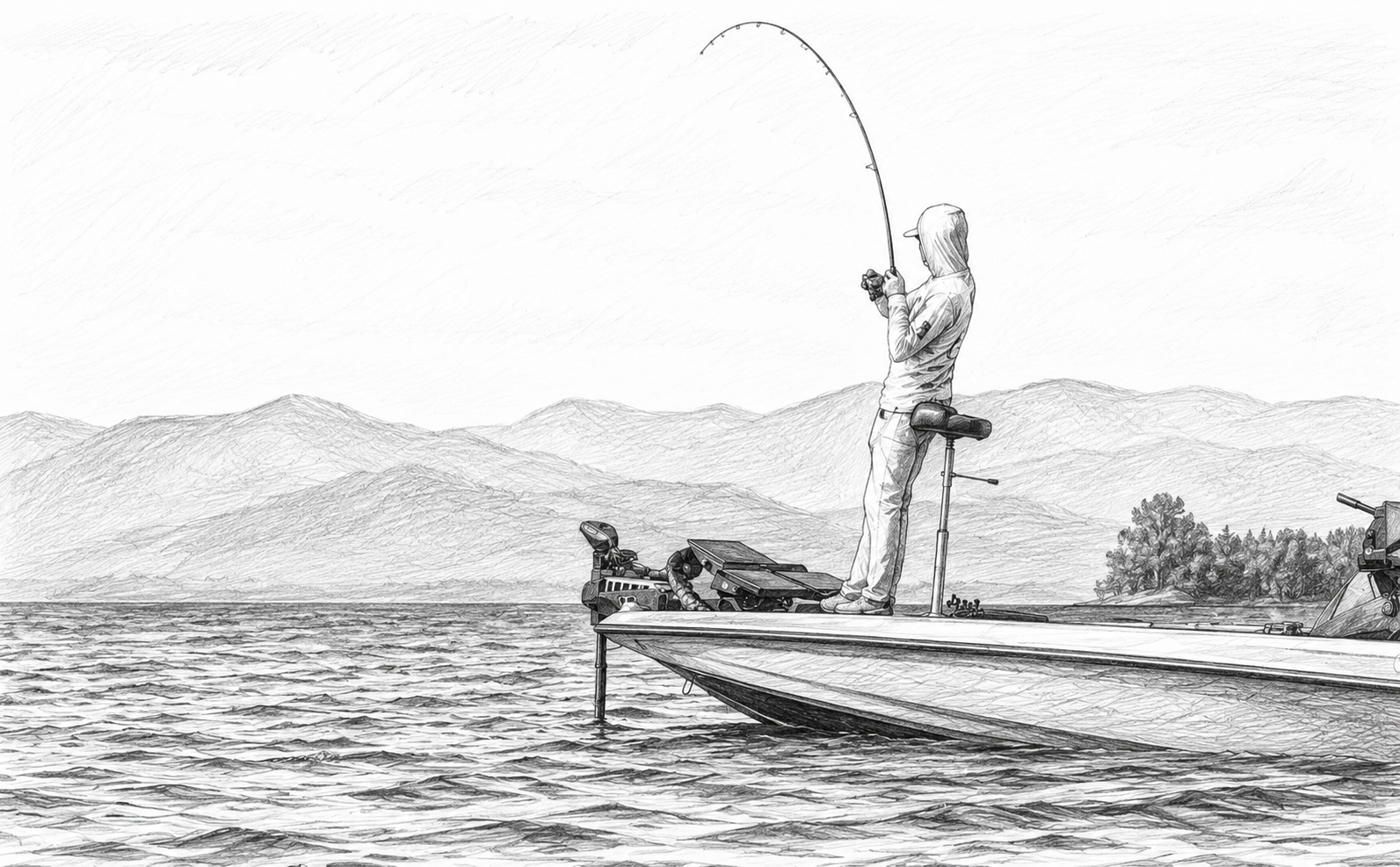
Lake Champlain Bluff
Bass on Champlain frequently relate to rock, gravel, and transition areas where a shakey head can be worked slowly and naturally.
The lake also receives significant fishing pressure throughout the year, making subtle presentations especially valuable.
Smallmouth bass in particular respond exceptionally well to finesse worms dragged across rocky structure and gravel flats.
Anglers who slow down and focus on bottom contact often discover that the shakey head produces bites when more aggressive techniques fail.
Few fisheries showcase the effectiveness of finesse shakey head fishing better than Lake Champlain.
Final Thoughts
The finesse shakey head remains one of the most productive and versatile bass fishing techniques ever developed.
Its ability to maintain constant bottom contact while presenting a subtle, natural profile allows anglers to consistently catch fish in some of the toughest conditions imaginable.
Whether targeting pressured largemouth, offshore smallmouth, or spotted bass relating to structure, the shakey head provides a dependable solution when bass become selective.
The key is slowing down, maintaining bottom contact, and letting the worm do the work.
For anglers looking to improve their finesse fishing arsenal, few presentations offer the consistency and versatility of a properly fished shakey head.
For more rod recommendations, reel pairings, line setups, and shakey head-specific advice, check out the complete Shakey Head Gear Guide and build a system designed to maximize every finesse opportunity on the water.
About the Author

The team at Mud Hole Custom Tackle are industry leaders in custom rod building, fishing tackle innovation, and technique-specific rod design. With decades of hands-on experience both on the water and at the rod bench, the Mud Hole Staff combines technical expertise with real-world fishing knowledge to help anglers build better rods and catch more fish. From bass and inshore applications to offshore and specialty techniques, their passion for performance-driven gear is at the core of every article, tutorial, and product they develop.