














If you’re looking for more rod recommendations, reel pairings, line setups, and technique-specific advice, head back to the complete Main Gear Guide Page for the full breakdowns on your favorite techniques.
When bass become pressured, conditions get tough, or cold fronts make fish reluctant to chase moving baits, finesse presentations often become the key to success. Few techniques are better suited for these situations than the Neko rig.
Built around a weighted stick worm that maintains bottom contact while producing subtle, lifelike action, the Neko rig offers anglers a unique presentation that falls somewhere between a shaky head, a wacky rig, and a traditional finesse worm. Its ability to stand upright, pivot naturally, and react to minimal rod movement makes it one of the most effective tools for catching bass that have seen every conventional lure in the tackle box.
Among all the ways to fish a Neko rig, the finesse bottom-contact approach is the most versatile and widely used. Whether you're targeting pressured largemouth, roaming smallmouth, or spotted bass relating to subtle structure, this presentation consistently produces bites when other techniques struggle.
What Is a Finesse / Bottom Contact Neko Rig?
The finesse Neko rig is built around a simple concept: keeping a bait in contact with the bottom while allowing it to move naturally with minimal input.
The rig starts with a soft stick worm that is weighted at the nose using a small nail weight. A finesse hook is then positioned through the middle of the bait, often using an O-ring to improve durability and maintain proper hook alignment.
Once the bait reaches the bottom, the nose weight keeps it anchored while the rest of the worm stands upright and reacts to subtle movements. Small rod twitches, slight line tension, or even underwater current can cause the bait to pivot, shake, and glide naturally.
Unlike faster-moving presentations that cover water aggressively, the Neko rig is designed to stay in the strike zone and tempt fish that are unwilling to chase.
Its simplicity is part of what makes it so effective.
Why the Finesse Neko Rig Works
Bass in pressured fisheries quickly become conditioned to aggressive presentations. They see countless crankbaits, spinnerbaits, jigs, and Texas rigs throughout the year.
The finesse Neko rig offers something different.

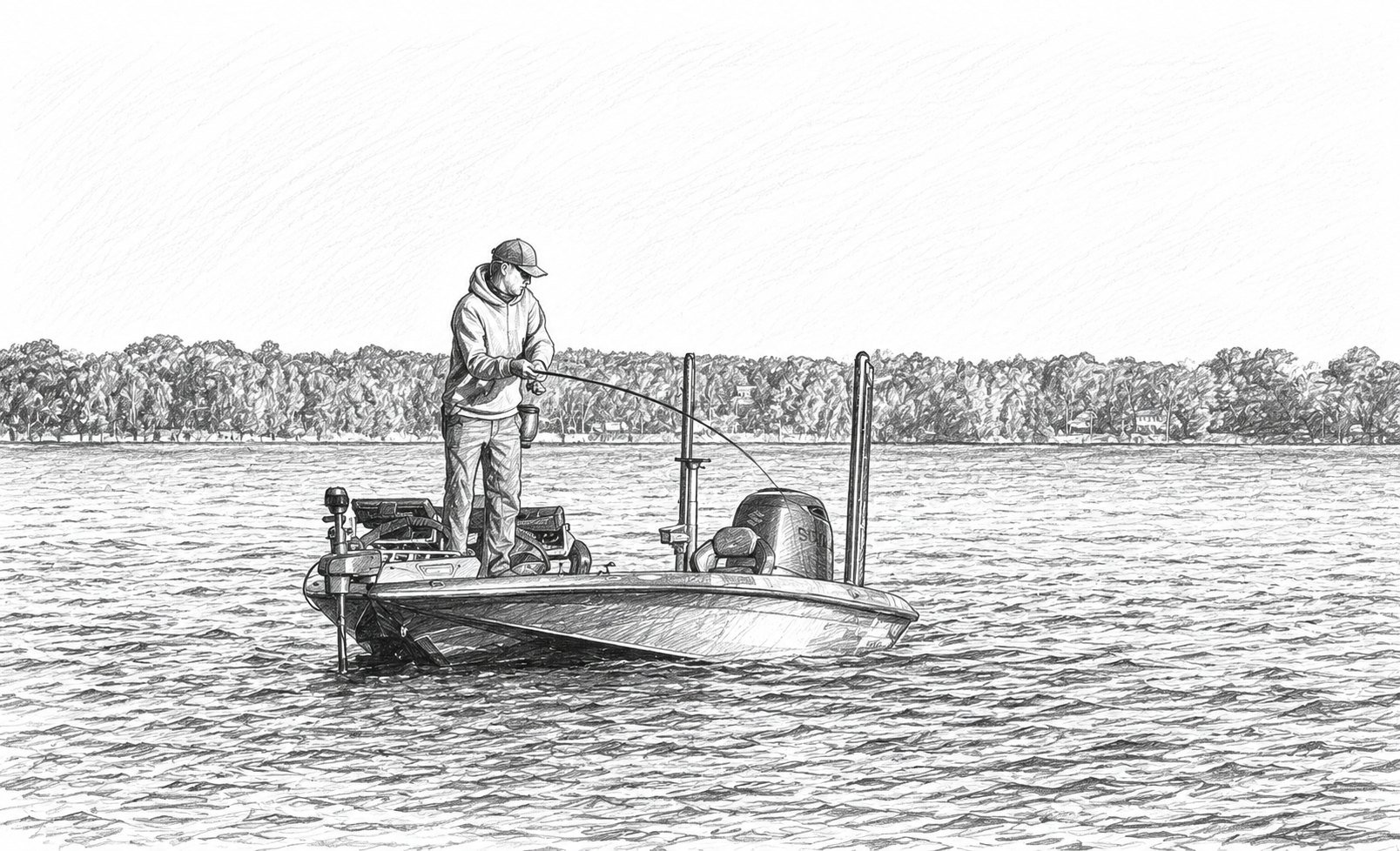
Lake Champlain Rocky Point
Rather than creating excessive movement or vibration, it relies on realism. The bait appears natural, vulnerable, and easy to catch. Because it remains near the bottom and moves very little, bass can inspect it without feeling threatened.
The weighted nose creates a unique posture that mimics feeding forage. As the bait stands upright and pivots subtly, it resembles a worm, baitfish, or other prey item rooting along the bottom.
The presentation is especially effective because it allows anglers to fish slowly without becoming inactive. Even when sitting nearly motionless, the bait continues to look alive.
For pressured bass, that subtle difference often turns follows into bites.
Where the Finesse Neko Rig Excels
This technique shines anywhere bass relate to the bottom and require a slower presentation.
Rocky points, gravel flats, transition areas, submerged roadbeds, and hard-bottom structure are all excellent places to fish a finesse Neko rig.
Clear-water lakes are particularly well suited for this presentation because bass have more time to inspect a lure before committing. The natural action and subtle profile allow the bait to blend seamlessly into the environment.
The finesse Neko rig also excels in highly pressured fisheries where fish become conditioned to traditional presentations. Tournament lakes, heavily fished reservoirs, and urban waters often reward anglers who slow down and present something less aggressive.
Seasonal transitions are another prime opportunity. During post-spawn, summer, fall, and even winter conditions, bass often remain close to the bottom and respond well to subtle presentations that stay in the strike zone.
Whenever fish appear unwilling to chase but still show signs of feeding, the Neko rig deserves consideration.
Reading Conditions and Fish Behavior
Success with a finesse Neko rig begins with understanding how bass position themselves and how they respond to pressure.
Water clarity is one of the most important factors. The clearer the water becomes, the more effective finesse presentations tend to be. Bass in these environments often rely heavily on sight and can become extremely selective.
Fishing pressure is another major consideration. Lakes that receive heavy recreational or tournament traffic often produce excellent Neko rig bites because fish become conditioned to seeing traditional presentations repeatedly.
Pay close attention to bottom composition. Hard-bottom areas such as gravel, rock, shell beds, and transition zones frequently concentrate fish and create ideal Neko rig opportunities.
Weather also plays a role. Following a cold front, bass often become less aggressive and position closer to the bottom. These conditions frequently favor slow-moving finesse presentations.
The key is recognizing when fish are present but unwilling to commit to faster-moving lures.
That's where the Neko rig often shines brightest.
Technique: Slow Down and Let the Bait Work
One of the biggest mistakes anglers make with a Neko rig is overworking it.
The beauty of the presentation comes from its subtlety.
After making a cast, allow the bait to fall naturally to the bottom. Once it settles, use small rod-tip movements to make the worm stand, pivot, and shake in place.
The goal is not to drag the bait quickly across the structure. Instead, focus on creating small movements while keeping the bait in the strike zone.
Deadsticking can be incredibly effective. Allowing the bait to sit motionless for several seconds often triggers bites from fish that have been following the presentation.
Short drags, subtle lifts, and controlled pauses should make up the majority of the retrieve.
Watch your line closely. Many bites occur on semi-slack line and feel like nothing more than added weight or a slight movement in the line.
Patience and discipline consistently outperform aggressive retrieves.
Best Baits for Finesse Neko Rig Fishing
Stick worms are the foundation of Neko rig fishing.
Most finesse applications revolve around 4" to 5" stick worms because they provide the perfect combination of subtle action, natural posture, and controlled fall rate.
Straight-tail worms are particularly effective in clear water and high-pressure situations where bass demand realism.
Natural colors such as green pumpkin, watermelon, smoke, and translucent variations consistently produce across a variety of fisheries.
Smaller profiles often outperform larger baits when fish become cautious. The reduced size creates a more natural presentation while maintaining the stand-up action that makes the Neko rig unique.

Yamamoto Senko Soft Plastic Stickbait in Baby Bass
The most important characteristic is simplicity. Clean stick bait profiles generally outperform heavily ribbed or appendage-heavy plastics because they react more predictably to subtle rod movements.
For a complete selection of proven soft plastics, explore our curated collection of Neko rig baits designed specifically for finesse presentations.
Gear Setup for Maximum Sensitivity
The finesse Neko rig is built around sensitivity and control.
A medium-light to medium-power spinning rod between 6'10" and 7'2" provides the ideal balance of bite detection, casting performance, and fish-fighting control. Fast to extra-fast actions help anglers detect subtle pressure bites while maintaining precise control of the bait. Start by picking out your rod.

Shimano Sellus B Spinning Rod 7'0" Medium-Light
Choosing the right Neko rig rod is especially important because many strikes occur while the bait is falling or sitting nearly motionless on the bottom.
A quality 2500-3000 size spinning reel pairs perfectly with this setup. Smooth drag performance is critical when fishing lighter lines and finesse hooks. Check out our reel recommendations.

Shimano Nasci FD Spinning Reel 3000
Most anglers prefer 10-12 lb braid connected to an 8-12 lb fluorocarbon leader. This combination delivers outstanding sensitivity while maintaining the stealth necessary for pressured fish. These are the line and leader combinations we pick.

6th Sense Masterclass Dome Neko Weights
Nail weights between 1/32 and 1/8 ounce cover most finesse situations. Lighter weights create a slower fall while heavier options help maintain bottom contact in deeper water or windy conditions.Grab your hooks and weights here.
Proper hook selection, O-rings, and rigging accessories also play an important role in maximizing bait action and landing percentage.
A Must-Fish Destination: Lake Champlain
A perfect example of where finesse Neko rig fishing excels is Lake Champlain.
Stretching across New York and Vermont, Champlain is renowned for its combination of world-class smallmouth and largemouth bass fishing, clear water, and diverse structure.

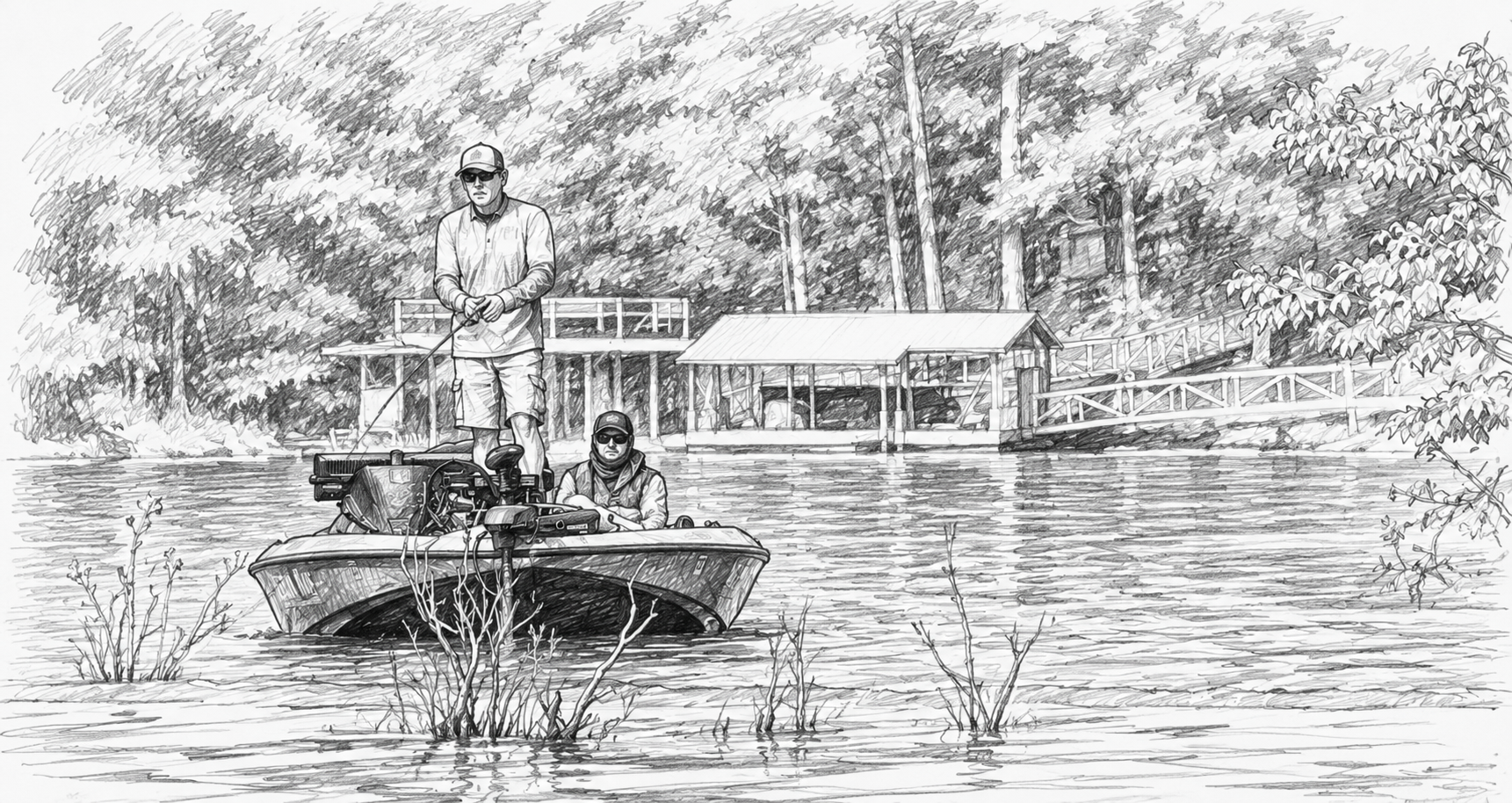
Lake Champlain Rocky Point
Bass on Champlain frequently experience significant fishing pressure throughout the year, making finesse presentations especially valuable. Rocky points, grass edges, transition zones, and offshore structure all create ideal Neko rig opportunities.
Smallmouth bass in particular respond exceptionally well to bottom-contact finesse presentations. Their tendency to relate to rock, gravel, and hard-bottom areas makes the Neko rig a natural fit.
Anglers who slow down and focus on subtle presentations often find success when more aggressive techniques fail.
Few fisheries demonstrate the effectiveness of finesse Neko rig fishing better than Lake Champlain.
Final Thoughts
The finesse bottom-contact Neko rig remains one of the most productive and versatile finesse techniques in bass fishing.
Its ability to maintain bottom contact while creating natural, lifelike movement allows anglers to consistently catch fish that ignore more aggressive presentations. Whether targeting pressured largemouth, offshore smallmouth, or spotted bass relating to subtle structure, the Neko rig excels when precision and patience matter most.
The key is resisting the urge to overwork the bait.
By slowing down, maintaining bottom contact, and allowing the worm to do what it was designed to do, anglers can consistently generate bites in some of the toughest conditions bass fishing has to offer.
For more rod recommendations, reel pairings, line setups, and Neko rig-specific advice, check out the complete Neko Rig Gear Guide and build a finesse system designed to maximize every opportunity on the water.
About the Author

The team at Mud Hole Custom Tackle are industry leaders in custom rod building, fishing tackle innovation, and technique-specific rod design. With decades of hands-on experience both on the water and at the rod bench, the Mud Hole Staff combines technical expertise with real-world fishing knowledge to help anglers build better rods and catch more fish. From bass and inshore applications to offshore and specialty techniques, their passion for performance-driven gear is at the core of every article, tutorial, and product they develop.