









Flipping and pitching are two of the most effective techniques for targeting bass that bury themselves in heavy cover. Thick vegetation, fallen timber, boat docks, reeds, and matted grass all create ideal ambush zones where big fish feel safe, often too safe for traditional casting methods to reach them. That’s where flipping and pitching come in. These close-range, high-precision presentations allow you to quietly drop a bait into the tightest pockets, detect subtle bites, and muscle fish out before they dig deeper into cover. For anglers who love shallow-water power fishing, few techniques are as reliable or rewarding.

Flipping vs. Pitching: What’s the Difference?
While often paired together, flipping and pitching have distinct purposes. Pitching is essentially an underhand cast—ideal for targets 10 to 30 feet away. You let the lure pendulum forward, using a bit of line to make a soft, controlled entry. Flipping, on the other hand, is a short-line technique. You keep the reel engaged, pull a fixed amount of line with your free hand, and drop the bait into close-range cover. Flipping offers unmatched precision and immediate line control, making it especially effective in thick, shallow vegetation or dirty water where stealth and speed matter most. I will admit, and I think many of us are guilty of this, although I always say flipping, I always mean pitching. No offense to the older bass anglers out there as I am in my 40’s but I do not think I have even seen anyone my age or younger actually flipping.
Why Heavy Cover Fishing Works
I always remember a funny but true quote from my dad, “Son, bass have no eye-lids, when it is a blue bird day and bright, they will be under them mats”.
Bass gravitate to heavy cover for shade, food, protection, and ambush opportunities. Here in Florida, I’m talking about vegetation 99% of the time, but this works all over the country. These same hiding places also deter many anglers because it’s hard to present a bait accurately and even harder to pull fish out once hooked. Flipping and pitching simplify this challenge by giving you the accuracy to hit tight windows, the sensitivity to detect light bites, and the leverage to turn fish instantly. In stained water or anytime bass are pressured, this up-close approach can turn tough days into productive ones.
Essential Gear for Flipping and Pitching
Fishing heavy cover requires equipment that can withstand force, abrasion, and sudden impacts. I have put together a bit of a checklist with my favorite picks as suggestions.
Here’s what you need:

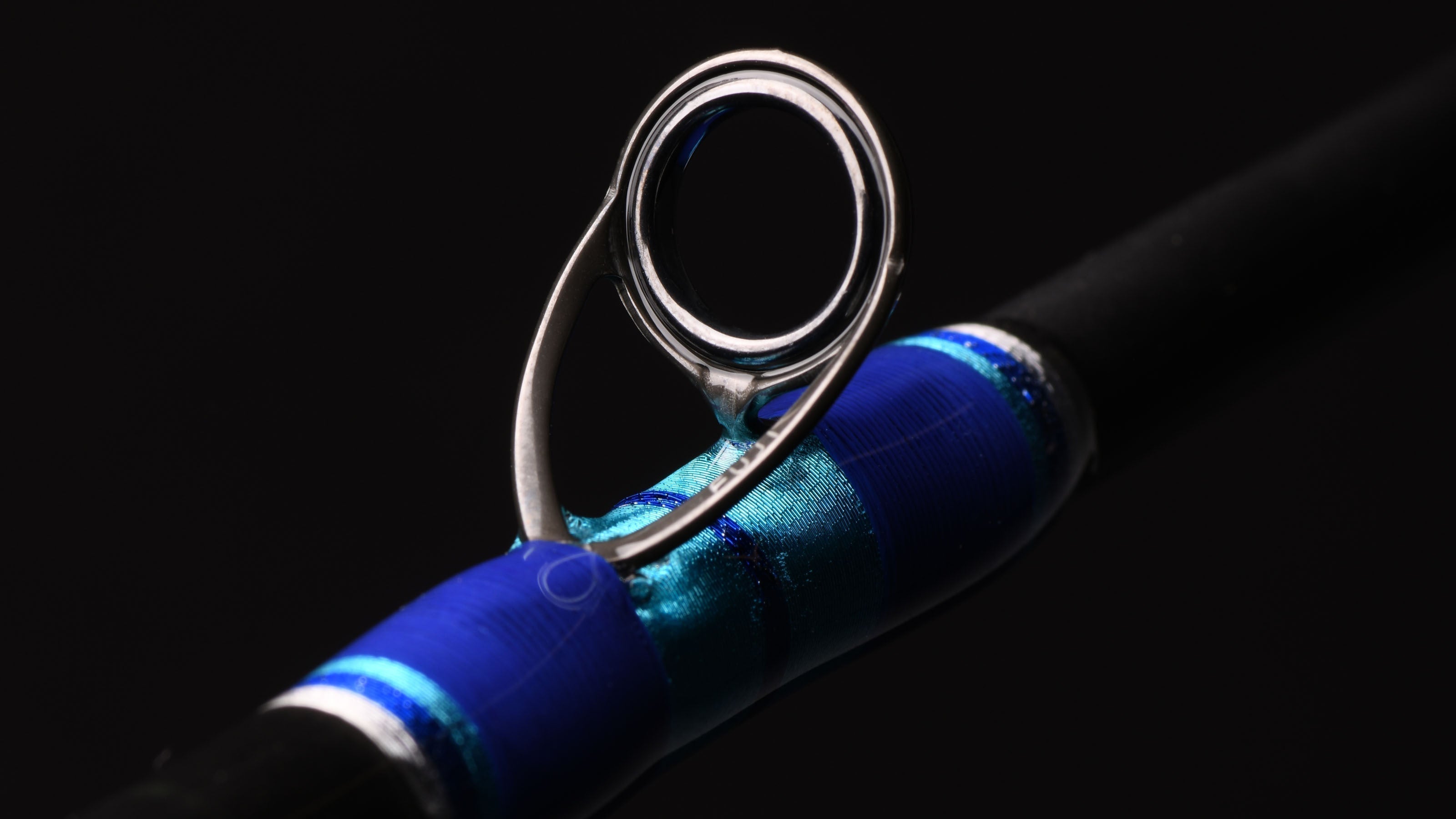
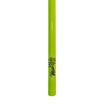
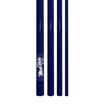
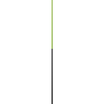
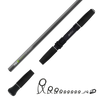
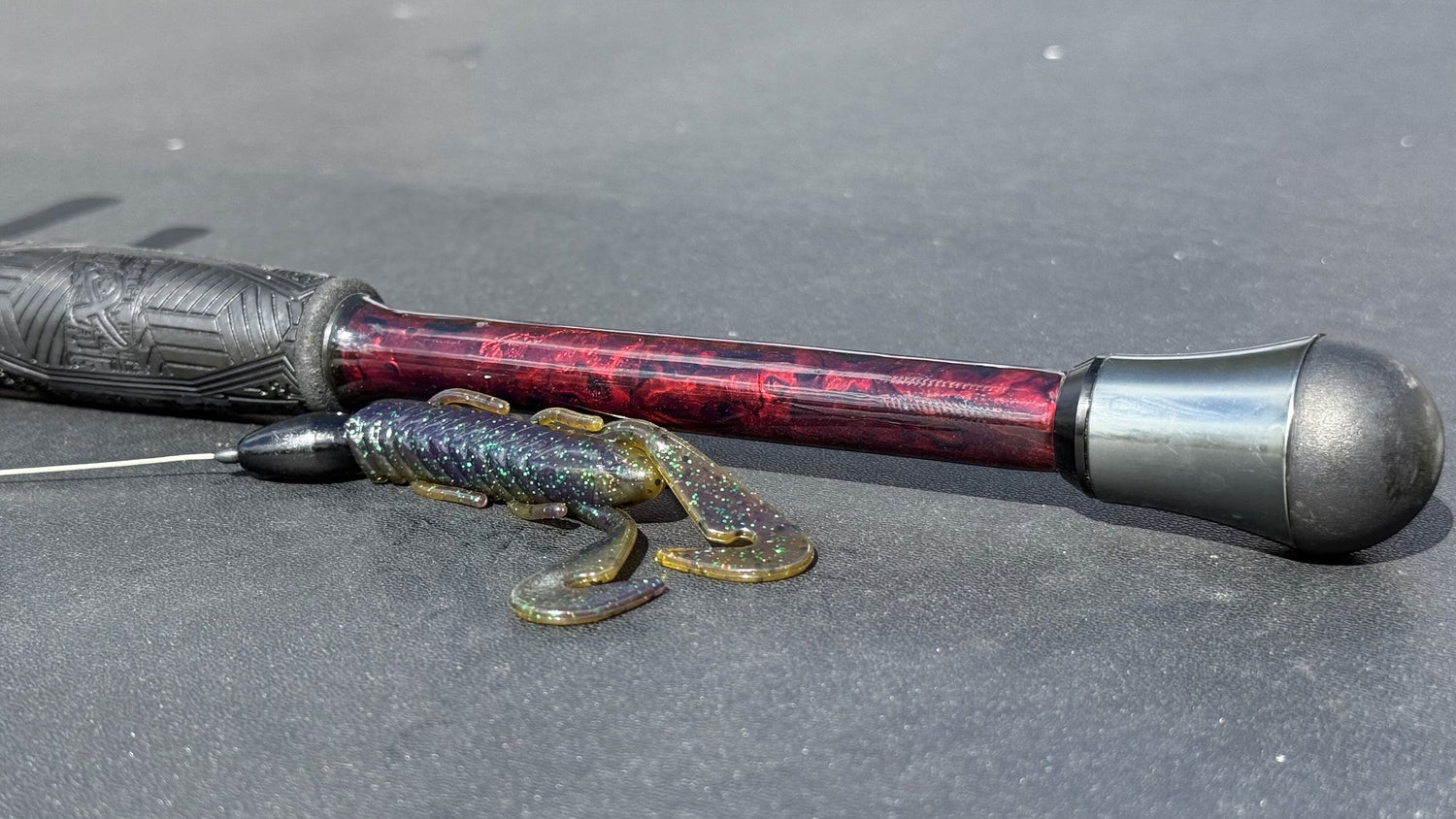
*Note* - The photo above is the rod that will become the FP885. It is a great story of how an accidental rod breakage paved the way for one of the most legendary blanks in the MXH lineup. Notice the marking of the FP936 and FP937 on the Deflection Chart. Those were the first. Listen to A Broken Rod Turned Into a Game-Changing Flipping Blank! | Build To Bite Podcast
Flipping and Pitching Rod
Use at least a 7’3” and up to 8’ heavy or extra-heavy power rod with a moderate-fast action to keep fish pinned easier. Longer rods improve leverage, accuracy, and speed when pulling fish from cover. For the shorter and lighter rod I choose the 7’4” MHX FP885 and for my favorite all around heavy cover rod I always carry the 7’9” MHX FP936.
Reel for Pitching
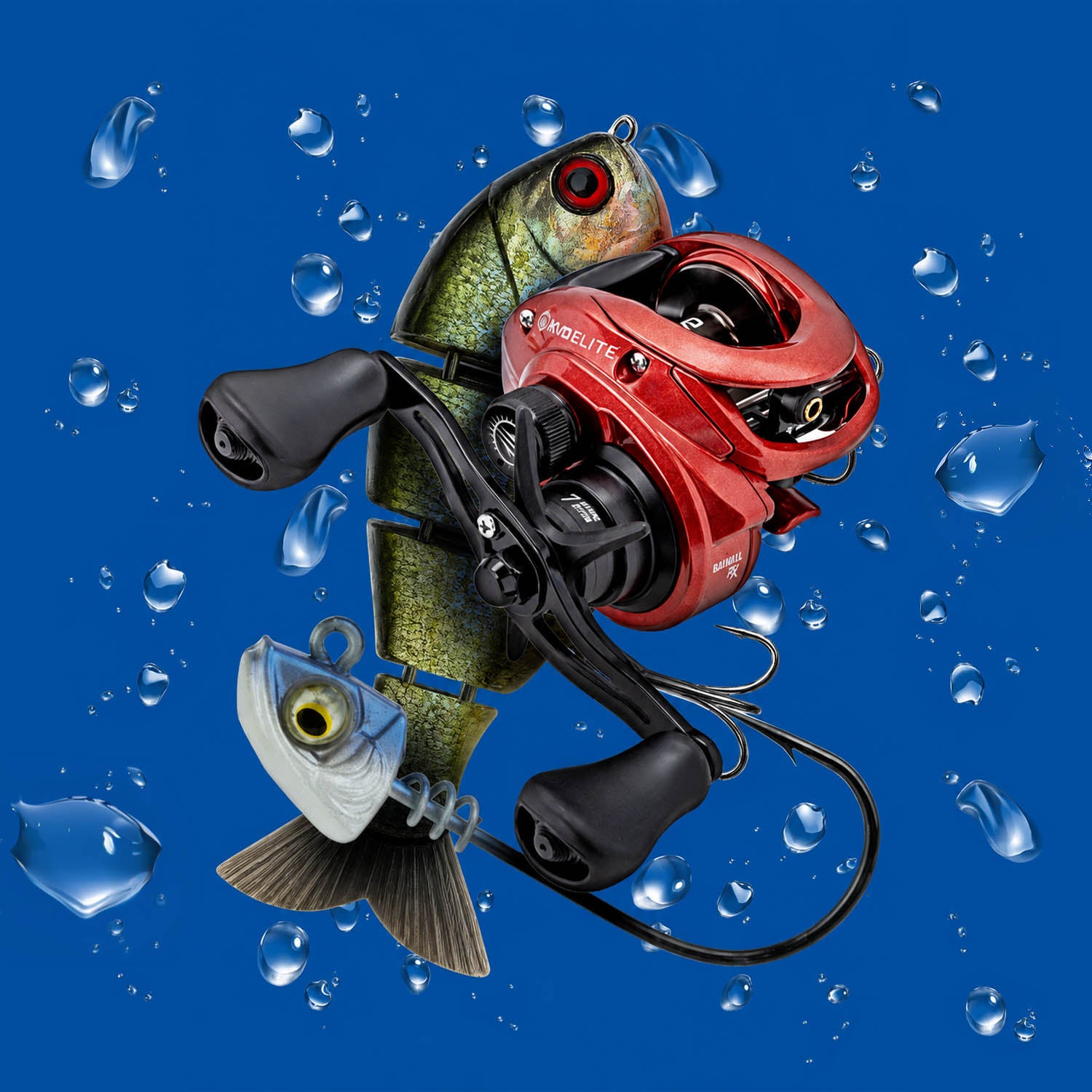
A high-speed baitcaster (7.1:1 or faster) helps you quickly take up slack and keep fish from digging deeper into vegetation or wood. I do not typically go higher than 8:1 as I do not feel it is necessary. I have fished Abu Garcia Revos for a long time and more recently switched a few of my reels to the Bates because of their gearing and CNC reel bodies for durability and rigidity.
Line Choice
- Braid (50–65 lb): You can get away with fishing less than 65lb but I really do not see a need for it. I suggest using an 8-carrier or higher braid as it is quieter when rubbing against matted vegetation. The Daiwa J-Braid X8 is my choice. If you need the stealth and are not fishing matted vegetation, just make the move to Fluorocarbon.
- Fluorocarbon (20–25 lb): Ideal around wood or mixed cover where abrasion resistance as well as stealth is critical, I use Sunline Shooter Fluorocarbon.
Flipping Weights
Tungsten weights from 3/8 to 1 oz. Tungsten is denser and more compact than lead, helping baits slip through vegetation effortlessly. Just buy the tungsten, it is worth it. Both 6th Sense and Fitzgerald make excellent tungsten flipping weights.
 The Right Hook
Heavy-duty straight-shank flipping hooks and look for models with bait keepers to hold plastics in place. Some angler still use and offset or EWG style hook but I prefer the straight shank like the Strike King Hack Attack.
Terminal Gear
Bobber stops or weight pegs are crucial to keep tungsten weights snug against the lure, creating a streamlined “punching” profile when flipping thick vegetation. There are a number of options but the best bobber stop by far is made by 6th Sense.
 Best Lures for Flipping and Pitching
Your lure choice will vary greatly depending on where you fish across the country but they fall into just a few categories:
Creature Baits: Beaver-style plastics, craws, and compact creatures excel in tight cover and mimic a variety of prey. The D-Bomb or Burner Craw are two of my must-haves.
Jigs: Flipping jigs and Arkie-head jigs (3/8–1 oz) are versatile and ideal for wood and mixed cover. Jigs will certainly, catch’em when nothing else will. I prefer the Dirty Jigs No-Jack or the Double Weedguard jig.
Punch Baits: Streamlined plastics like the Gambler Boxer Craw designed for punching thick mats perform best with ¾–1 oz tungsten weights.
Worms: Around certain vegetation you just can not beat flipping or pitching a Senko or Gamber Fat Ace.
Putting It All Together
Success in flipping and pitching comes down to precision, stealth, and strength. Master soft lure entries to avoid spooking fish, hit as many pockets as possible, and be ready to set the hook instantly. With the right gear, the right lures, and the right knots, flipping and pitching allow you to target trophy bass in places most anglers overlook or simply can’t reach. It’s a technique where power meets finesse, and when executed well, it can quickly become one of your most productive shallow-water strategies.
Ready to Build?
Check out HEAVY COVER Fishing with Flipping Rods | Build To Bite video on how we put together our favorite flipping stick!
About The Author

Capt. Chris Adams, originally from Jacksonville, FL, brings a wealth of knowledge and experience to his role as a product specialist and co-host for Mud Hole Live. Beyond the studio, Chris is a captain, fly fishing guide and avid angler with a penchant for the elusive bonefish, permit and tarpon often found on the flats of South Florida. His passion for fishing isn't just a hobby; it's a lifestyle that has taken him on adventures across Central and South America, where he's honed his rod building and fishing skills amidst some of the world's most challenging and rewarding waters.