



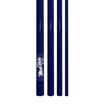














This one might surprise you. Is there really this much that goes into choosing your handle configuration? The top options are, Split grip or full-length grip, which one truly gives you the edge on the water? It is a question that has sparked plenty of debate among anglers and custom rod builders over the years. Some anglers swear by the lightweight feel and modern look of a split grip, while others refuse to give up the comfort and secure feel of a full-length handle.
The truth is that both designs have their place, and choosing between them is not always as simple as following a trend. Factors like balance, technique, comfort, and even personal preference can play a role in determining which style works best for a particular rod. For custom builders especially, the handle is more than just something to hold on to. It directly influences how the rod fishes, how it balances, and how efficiently an angler can work a lure.
I have my opinions but let’s take a closer look at both options and why you might choose one over the other. I know I always say, "there really isn't anything that is wrong in rod building", but could this topic get us closer to proving me wrong? I know he have been getting quite a few new to rod building reading these so let's give them some grace as I want to mention what a split or full grip means.
What Is a Split Grip?

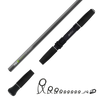
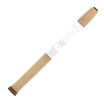
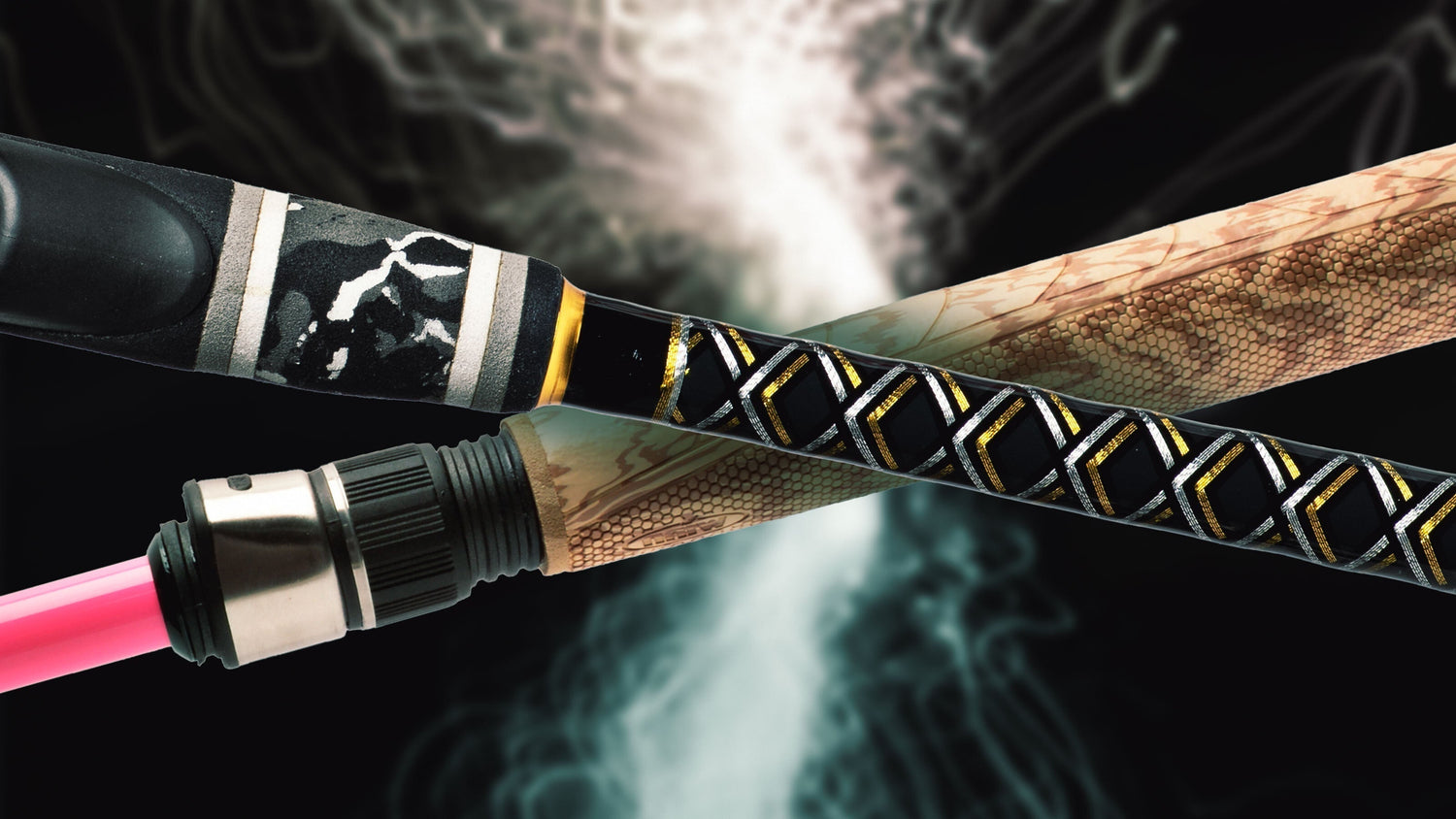
A split grip handle features two separate grip sections, typically one in front of the reel seat(foregrip) and a shorter section behind it(rear-grip), with a portion of the blank exposed between them. This design became extremely popular in bass fishing rods over the last couple of decades, especially as rod manufacturers focused on reducing weight and improving sensitivity.
Instead of one continuous rear grip, the split design removes material from the center section of the handle. The result is a lighter rod and a modern appearance that many anglers prefer.
But aesthetics are only part of the story.
What Is a Full-Length Grip?

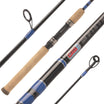
A full-length grip is the traditional rod handle design that most anglers grew up using. It consists of a continuous section of cork, EVA, or other material extending from the back of the reel seat down to the butt cap.
For decades this was the standard across nearly all freshwater and saltwater rods. While split grips have become popular in certain segments of the market, full-length grips remain extremely common in many types of fishing. The reason is simple. They offer durability, comfort, and consistent leverage when fighting fish.
The Weight Debate
Oh boy, do I hear this reason a bunch! One of the biggest arguments in favor of split grips is angler claiming weight reduction. By removing material from the center of the handle, a split grip rod is naturally lighter. In certain techniques where anglers are casting hundreds of times per day, even small weight savings can make a noticeable difference over the course of a long day on the water.
In my opinion, the material removed does't typically weigh enough for it to be a life changing experience but you can't deny that removing 50% of anything from your rod build won't make it lighter. The weight difference between a split grip and a full-length grip is often smaller than people expect. We are usually talking about fractions of an ounce. In many cases, the blank, guides, and reel play a much larger role in overall rod weight.
That is why some builders argue that the weight advantage of a split grip can sometimes be overstated. Still, for anglers who want to squeeze every possible ounce out of a rod build, it remains an attractive option.
Sensitivity and Blank Exposure
Im going to be honest here, I do not put as much trust in "exposing" parts of the blank or grip material having a huge effect on sensitivity. That being said, I have heard commonly cited benefit of split grips is sensitivity.
Because part of the blank remains exposed, anglers feel (pun intended) it can help transmit vibrations more clearly when fishing finesse presentations, jigs, or bottom-contact baits. I don't buy it as the exposed split grip doesn't touch any part of my body when fishing it. I also do not believe that grip material makes a difference in sensitivity either, but that is an argument for another time.
For myself and so many others, anglers fishing a baitcaster hold the rod at the reel seat or rest their finger on the blank anyway, which somewhat minimizes the sensitivity claim of a split-grip. In my opinion, sensitivity is influenced more by the blank itself, guide system, and line choice than by the handle design.
Balance and Rod Performance
Balance is where the conversation becomes more interesting and for me, a much more valid point.
A rod that feels balanced in your hand will fish better and feel less fatiguing throughout the day. The balance point is affected by the blank, guides, reel, and handle configuration.
Split grips can sometimes move the balance point slightly forward because less material is located in the rear of the handle. This is not always a bad thing, but it can influence how the rod feels during casting and retrieving.
On the other hand, a full-length grip naturally adds more material and weight to the rear of the rod, which can help counterbalance the blank and reel.
For certain builds, particularly longer rods or rods with heavier guide trains, that extra rear weight can actually improve balance. Some custom builders even add weighted butt caps or counterweights specifically to fine-tune the balance point.
This is a good example of why the answer is not always straightforward. Sometimes a split grip improves balance, and sometimes a full-length grip does.
 Handle Length Flexibility
One area where split grips shine is handle customization. Don't just think I am going to gloss over the balance part and not mention that it can be adjusted by simply moving the reel seat location. Its not just about adding or removing weight from your grip material.
Because the rear grip and fighting butt are separate components, builders can easily adjust the spacing between them to fine-tune the overall handle length. This allows for very precise control over how the rod fits the angler and the technique being used.
For example:
• A shorter rear grip may be ideal for jerkbait rods or topwater rods where constant rod movement is required. Also, when I am typically throwing a jerkbait, it is cold weather, so I take into account I will have a jacket or sweatshirt on, hence a shorter handle section.
• A longer rear grip can provide additional leverage for techniques like flipping, swimbaits, or deep crankbaits.
With a split grip, adjusting this spacing is relatively simple. Builders can position components exactly where they want them without being locked into the dimensions of a pre-formed full grip.
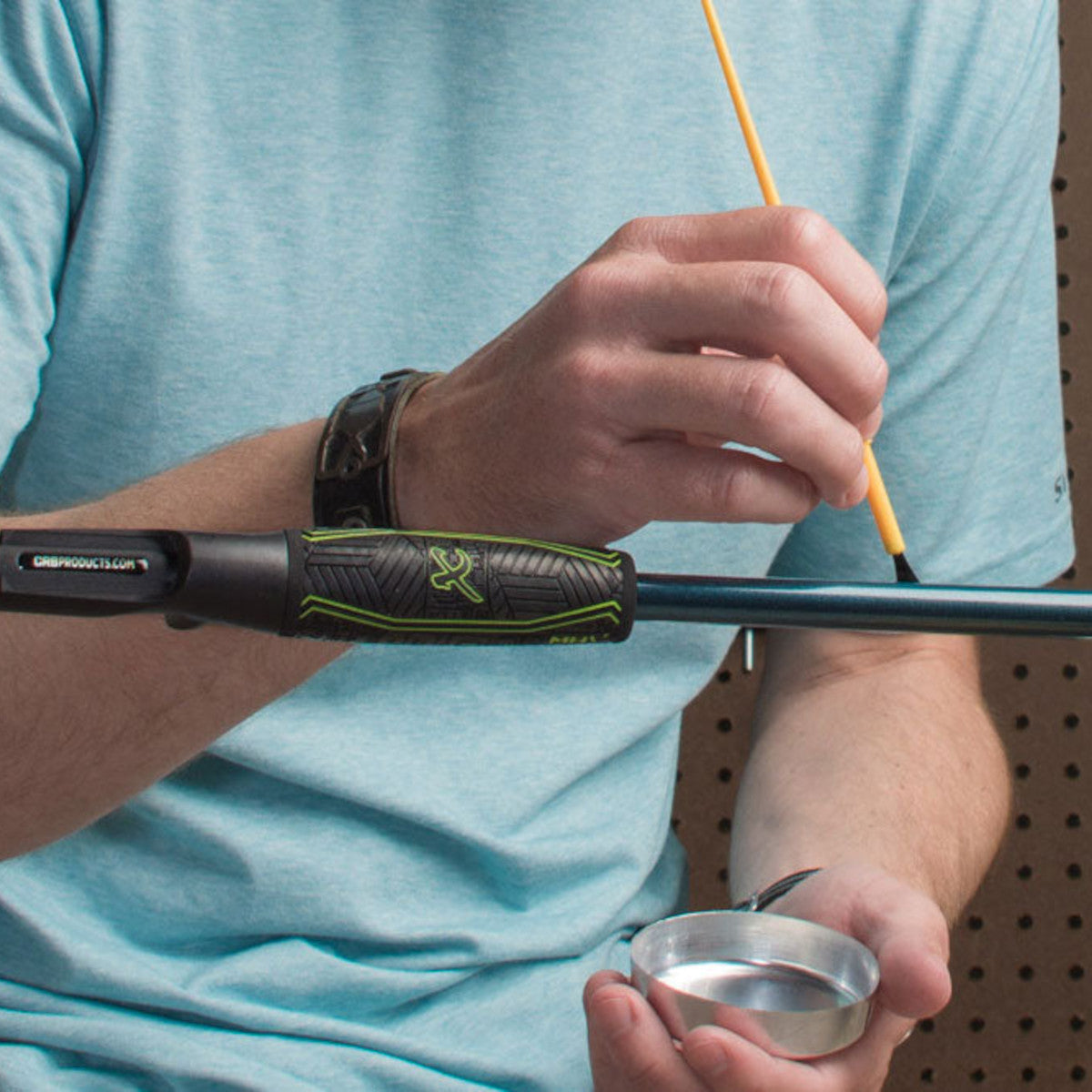
That level of flexibility is one of the reasons custom rod builders often prefer split grip layouts when tailoring a rod to a specific technique. Remember though, we are custom rod builders, so do not be afraid to cut that full length grip and sand a tenon on your CRB Pro G2 Power Wrapper for your butt cap.
Comfort and Fish Fighting Power
Despite the popularity of split grips, full-length grips still dominate in many types of fishing. One major reason is comfort. Remember, throwing baitcasters while bass fishing isn't necessarily the majority.
A full grip provides a continuous surface along the handle, which can feel more natural when the rod is tucked against your forearm or body during retrieves or while fighting fish. Techniques like crankbait fishing, trolling, and saltwater applications often benefit from that extra contact area.
When fighting larger fish, a full grip can also provide better leverage and support against the angler’s body as well as a solid continuous section for added overall grip. In addition, offshore and freshwater trolling techniques really should have a full length grip. This is why you will still see full-length grips used heavily in offshore rods, surf rods, and many heavy power freshwater rods.
Technique Matters
For my two cents on this handle discussion, it boils down to technique.
Different fishing techniques often favor different handle styles.

Split grips are commonly used for:
• Bass casting rods
• Finesse spinning rods
• Jig and worm rods
• Drop shot rods
• Topwater rods
These techniques often benefit from lighter rods and the trends to lean more towards a more modern look.

Full-length grips are often preferred for:
• Crankbait rods
• Swimbait rods
• Saltwater rods
• Surf rods
• Heavy flipping rods
These applications tend to benefit from additional grip and comfort.
Again, these are not strict rules. Plenty of anglers successfully use both styles across many techniques, and your mileage may vary but give a little food for thought if building your first.
Personal Preference Still Wins
This will always be the hill I stand on. At the end of the day, handle choice often comes down to what feels right in your hand. It is what got me into rod building in the first place. One rod I hated the handle and another rod I hated the guides. More than twelve years later, here we are.
Some anglers simply like the modern look of split grips. Others prefer the traditional feel and familiarity of a full-length handle. Neither choice is inherently right or wrong. What matters most is how the rod performs for the way you fish.
Custom rod builders have a unique advantage here because they can tailor the handle layout exactly to the angler. Grip length, material, spacing, and balance can all be adjusted to create a rod that feels perfectly dialed in.
Final Thoughts
Split grips and full-length grips both have legitimate advantages, and neither design is universally better than the other.
Split grips might offer weight savings but certainly provide customization flexibility, and a modern aesthetic that many anglers enjoy. Full-length grips provide comfort, secure feel, and traditional performance that has proven itself over decades of fishing.
The real key is understanding how each design affects balance, handle length, and overall rod performance. Once you understand those factors, choosing the right grip becomes much easier.
For me, the best answer is building based on technique and letting your time on the water decide which one earns a permanent in your rotation.