

















If you’re looking for more rod recommendations, reel pairings, line setups, and technique-specific advice, head back to the complete Main Gear Guide Page for the full breakdowns on your favorite techniques. And if you're looking specifically for Shakey Head ideas and products, head over to the Swimbait Gear Guide.
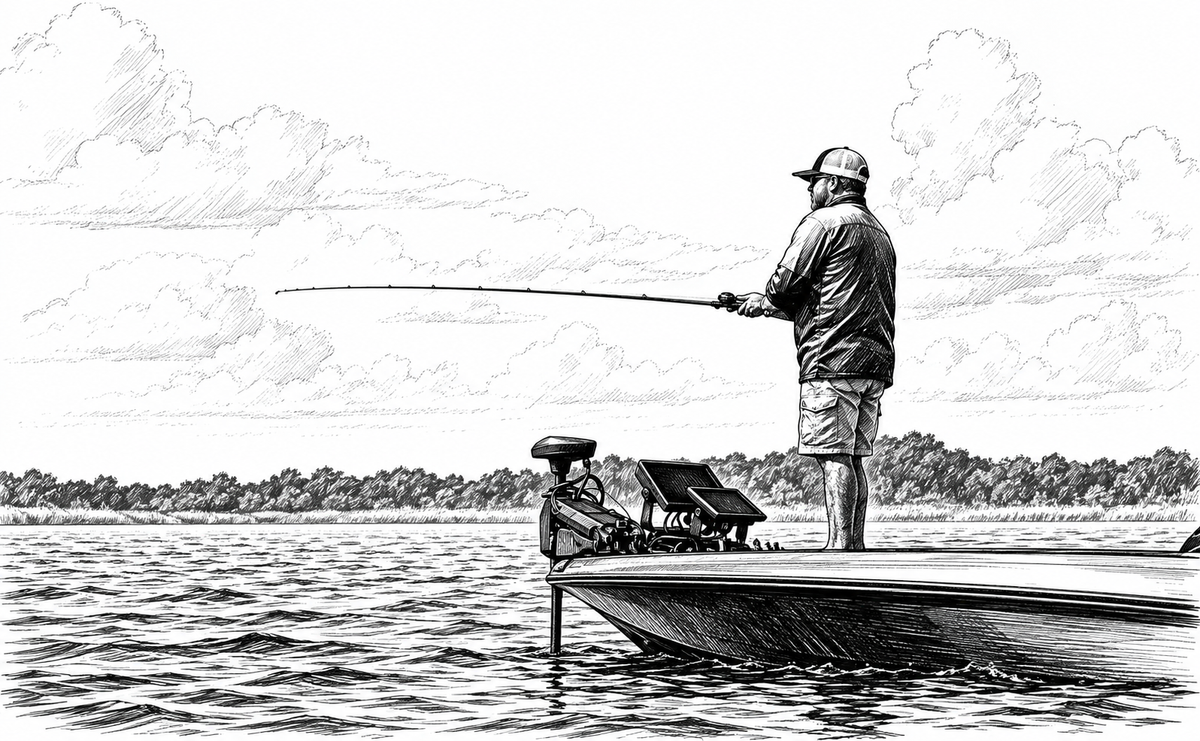
Few experiences in bass fishing compare to watching a big bass explode on a swimbait in shallow water. Whether it's a fish waking behind the bait before committing or a violent surface strike that erupts without warning, shallow and surface swimbait fishing delivers some of the most exciting moments an angler can experience.
Unlike offshore swimbait techniques that focus on depth control and suspended fish, shallow-water swimbait fishing emphasizes visibility, ambush points, and feeding opportunities near the surface. These presentations allow anglers to cover water efficiently while targeting active bass that are willing to move significant distances to attack a lure.
From shallow grass flats and shoreline cover to emerging vegetation and spawning areas, shallow and surface swimbaits provide a realistic baitfish profile that can trigger both feeding and reaction strikes from bass throughout much of the year.
What Is Shallow & Surface Swimbait Fishing?
Shallow and surface swimbait fishing focuses on presenting baitfish imitations in the upper portion of the water column, often within just a few feet of the surface.
These presentations typically utilize soft swimbaits rigged weedless, waking swimbaits designed to create a surface disturbance, or hard-bodied swimbaits retrieved just beneath the surface.
Unlike deep-water swimbait fishing, where maintaining a specific depth is critical, shallow swimbait fishing emphasizes visibility and fish reaction.
The goal is to imitate forage moving naturally through areas where bass are actively feeding or waiting in ambush.
Because the bait remains visible throughout much of the retrieve, anglers often get the unique opportunity to watch fish react, follow, and strike in real time.
That visual component is one of the reasons shallow swimbait fishing has become so popular among bass anglers.
Why Shallow & Surface Swimbaits Work
Bass are opportunistic predators.
When baitfish move through shallow water, around vegetation, or across feeding flats, bass often position themselves where they can intercept prey with minimal effort.
Shallow swimbaits work because they closely resemble these natural feeding opportunities.
The realistic profile and swimming action create the appearance of a vulnerable baitfish moving through the environment. Unlike many traditional topwater lures that rely heavily on noise or commotion, swimbaits often produce strikes through realism alone.
Another major advantage is visibility.
Bass can often track a shallow-running swimbait from several feet away, giving them ample opportunity to inspect and commit to the presentation.
The technique also triggers reaction bites.
A swimbait moving over vegetation, crossing an isolated ambush point, or waking near the surface often provokes aggressive strikes from fish that might not otherwise be actively feeding.
This combination of realism and reaction potential makes shallow swimbaits incredibly effective.
Where Shallow & Surface Swimbaits Excel
This technique shines anywhere bass are actively feeding in shallow water.
Grass flats are among the most productive environments because they provide both forage and ambush opportunities. Bass frequently position along vegetation edges, inside grass pockets, and near isolated clumps waiting for prey to pass overhead.

Emergent vegetation, lily pads, reeds, and shoreline cover also create excellent opportunities.
Shallow points, spawning flats, and bluegill-rich environments frequently produce outstanding swimbait action as well.
Boat docks and shallow wood cover can become productive targets when bass use shade and structure to ambush forage.
The technique is especially effective during spring, early summer, and fall when fish commonly utilize shallow water for feeding.
Anytime bass are positioned high in the water column and actively hunting baitfish, shallow swimbaits deserve consideration.
Reading Conditions and Fish Behavior
Understanding fish positioning is critical for shallow swimbait success.
Water temperature often dictates how shallow bass are willing to position. Warmer water generally encourages more active feeding behavior and increases the effectiveness of surface-oriented presentations.
Pay close attention to forage activity.
Baitfish flickering near the surface, bluegill around vegetation, or visible feeding activity often indicate productive swimbait opportunities.
Weather conditions can also play a major role.
Cloud cover and wind frequently encourage bass to roam and feed more aggressively in shallow water. Low-light periods such as early morning and late evening often provide excellent opportunities for surface presentations.
Water clarity influences both lure selection and retrieve speed.
In clearer water, bass may follow a bait from considerable distances before striking. In stained water, placing the lure close to likely ambush points becomes increasingly important.
The most productive areas often combine forage, cover, and access to nearby depth changes.
Technique: Keep the Bait in the Strike Zone
The biggest mistake anglers make with shallow swimbaits is fishing too fast.
While speed can sometimes trigger reaction bites, a controlled retrieve generally produces more consistent results.
The goal is to keep the bait moving naturally while maintaining its position near the surface or just above submerged cover.
When fishing over vegetation, retrieve the swimbait high enough to avoid constantly fouling in the grass while remaining close to potential ambush points.
Waking swimbaits should create a subtle surface disturbance without appearing unnatural.
Occasional pauses, speed changes, or slight directional changes can trigger following fish that seem reluctant to commit.
One of the most important aspects of shallow swimbait fishing is resisting the urge to react when a fish follows.
Many bass will trail a bait for several feet before striking. Maintaining a steady retrieve often results in more hookups than sudden changes in speed or direction.
Patience and confidence are essential.
Best Swimbaits for Shallow & Surface Fishing
Soft paddle-tail swimbaits remain among the most versatile choices for shallow-water fishing.
Rigged on weighted hooks or weedless swimbait hooks, they can be fished effectively through vegetation, around cover, and across shallow flats.
Most anglers prefer sizes between 4" and 6" because they closely match common forage species while remaining easy for bass to attack.
Waking swimbaits and shallow-running hard swimbaits are also highly productive, particularly when fish are feeding aggressively near the surface.
Color selection should match local forage whenever possible.
Bluegill patterns often excel around vegetation and spawning areas, while shad and baitfish colors remain productive in forage-driven fisheries.
The key is choosing a bait that can be presented naturally in the specific cover and water depth being targeted.

Gambler Big E-Z
For a complete selection of proven shallow-water swimbaits, explore our curated collection of swimbaits designed specifically for surface and shallow-water applications. Grab your hard body swimbaits here and don’t forget to grab your soft body swim baits too.
Gear Setup for Shallow Swimbait Fishing
Shallow-water swimbait fishing requires a balance of casting distance, lure control, and fish-fighting power.

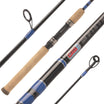
Fitzgerald Fishing Vursa Series Casting Rod
A medium-heavy to heavy casting rod between 7'2" and 7'8" provides the ideal combination of accuracy and control. The longer rod helps launch swimbaits efficiently while maintaining leverage when fighting fish around shallow cover. Start by picking out your rod.
Moderate-fast to fast actions offer excellent versatility across a variety of swimbait styles.
Choosing the right swimbait rod becomes especially important when fishing around vegetation and cover where immediate fish control is often necessary.
A quality 200-300 size casting reel provides smooth operation and sufficient line capacity for larger swimbaits. Check out our reel recommendations.

Most anglers prefer 15-25 lb fluorocarbon or 40-65 lb braid depending on cover density and lure style. These are the line and leader combinations we pick.
Swimbaits ranging from 1/2 ounce to 3 ounces cover the majority of shallow-water applications. Here are the hooks and jigheads you will need.

Matching rod power, line size, and lure style to the cover being fished helps maximize both efficiency and landing percentages.
A Must-Fish Destination: Lake Okeechobee
A perfect example of where shallow and surface swimbaits excel is Lake Okeechobee.

Known as one of the most iconic shallow-water bass fisheries in the world, Okeechobee offers expansive grass flats, emergent vegetation, and countless feeding opportunities for bass throughout the year.
Bass routinely position around grass lines, reed edges, and shallow cover where they actively hunt baitfish and bluegill.
These conditions create ideal opportunities for swimbaits to shine.
Whether waking a swimbait across a vegetation edge or swimming a soft paddle-tail through sparse grass, anglers can consistently generate explosive strikes from quality fish.
The lake's combination of shallow habitat, abundant forage, and aggressive bass behavior makes it a natural fit for surface-oriented swimbait fishing.
Few fisheries showcase the excitement of shallow swimbait fishing better than Lake Okeechobee.
Final Thoughts
Shallow and surface swimbaits offer one of the most exciting ways to target bass in shallow water.
Their ability to imitate natural forage, trigger reaction strikes, and generate highly visual bites makes them a favorite among anglers who enjoy active, aggressive fishing.
Whether targeting fish around vegetation, shallow cover, spawning flats, or feeding areas, swimbaits provide a versatile and highly effective presentation.
The key is maintaining a natural retrieve, focusing on high-percentage ambush points, and allowing fish the opportunity to commit.
For anglers looking to experience some of the most memorable strikes bass fishing has to offer, shallow and surface swimbaits deserve a permanent place in the arsenal.
For more rod recommendations, reel pairings, line setups, and swimbait-specific advice, check out the complete Swimbait Gear Guide and build a system designed for maximum confidence with glide baits and hard swimbaits.
About the Author

The team at Mud Hole Custom Tackle are industry leaders in custom rod building, fishing tackle innovation, and technique-specific rod design. With decades of hands-on experience both on the water and at the rod bench, the Mud Hole Staff combines technical expertise with real-world fishing knowledge to help anglers build better rods and catch more fish. From bass and inshore applications to offshore and specialty techniques, their passion for performance-driven gear is at the core of every article, tutorial, and product they develop.

