





















If you’re looking for more rod recommendations, reel pairings, line setups, and technique-specific advice, head back to the complete Main Gear Guide Page for the full breakdowns on your favorite techniques. And if you're looking specifically for Flipping and Pitching ideas and products, head over to the Flipping and Pitching Gear Guide.
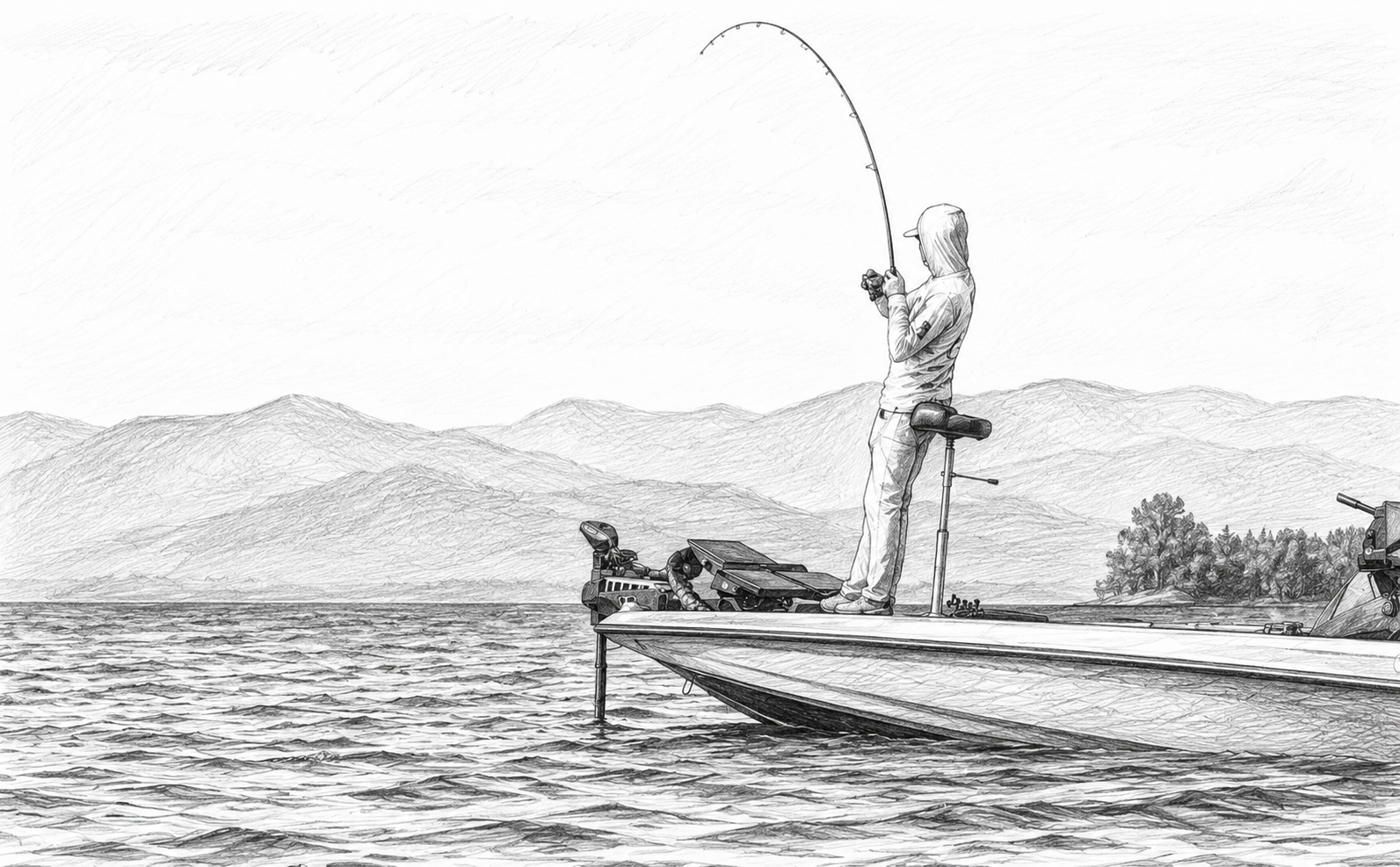
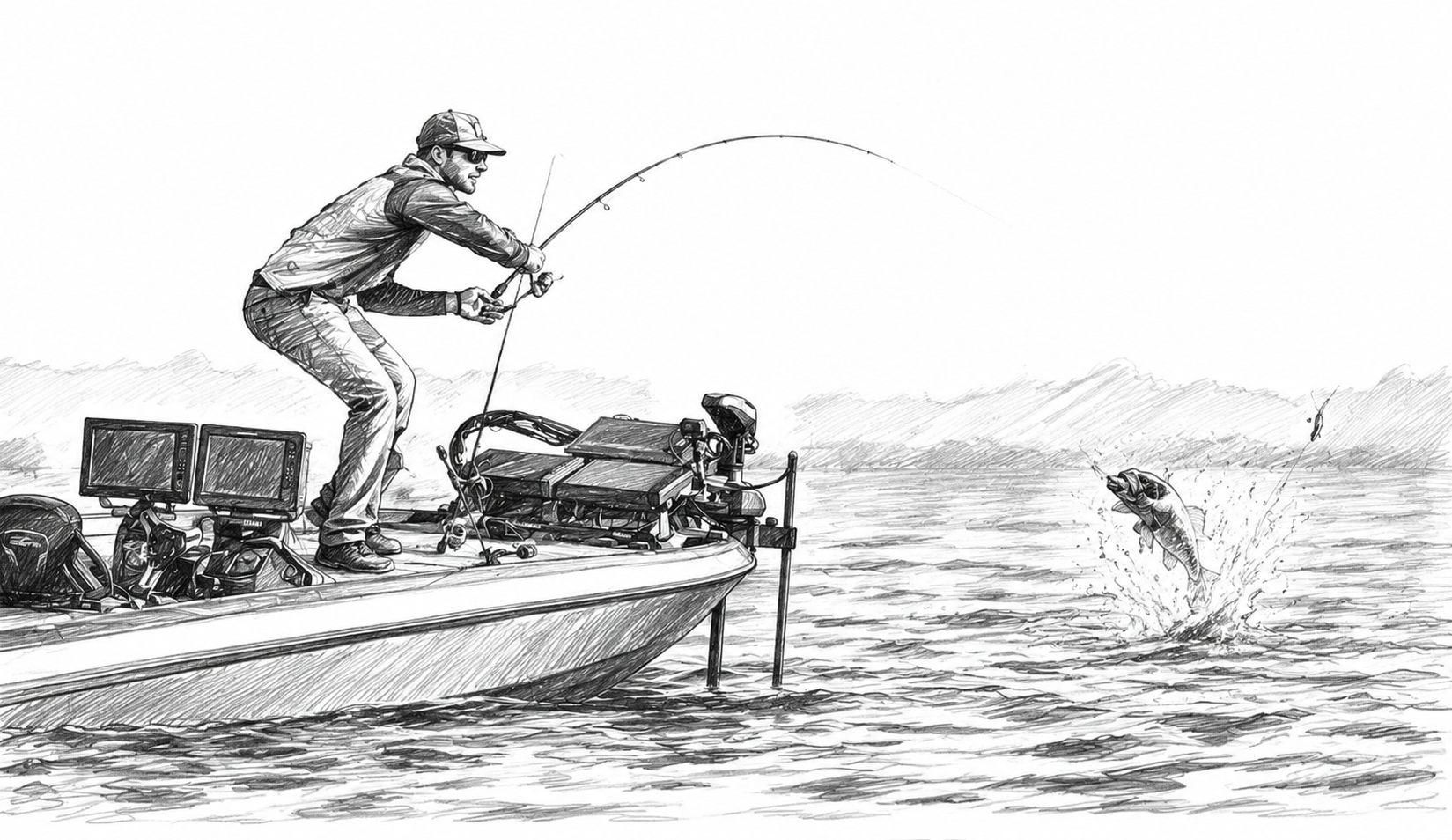
When fishing pressure is high and water clarity leaves little room for mistakes, power alone will not get it done. This is where finesse flipping and stealth pitching separate themselves. It is a disciplined, detail-driven approach built around quiet presentations, natural movement, and letting the fish make the decision to bite. Instead of forcing a reaction, you are creating an opportunity and allowing bass to engage on their own terms.
This style of fishing is often overlooked by anglers who associate flipping and pitching with heavy gear and aggressive hooksets. But in clear water or heavily pressured fisheries, subtlety becomes the most powerful tool you have.
What Is Finesse Flipping and Stealth Pitching?
Finesse flipping is a scaled-down, highly controlled version of traditional flipping. It focuses on lighter weights, quieter entries, and longer pauses. Every movement is intentional, and every presentation is designed to look as natural as possible.
Stealth pitching follows the same philosophy but allows for slightly more distance. The key is minimizing disturbance. The bait should enter the water with little to no splash, and the line should remain controlled to avoid spooking fish.
In both cases, the goal is not to trigger a reaction, but to present something that bass are willing to investigate and eventually commit to. It requires patience, awareness, and confidence in a slower approach.
Why Subtle Presentations Work
In clear water, bass rely heavily on their vision. They can inspect a bait from a distance and detect unnatural movement or noise almost instantly. The same is true in highly pressured environments, where fish have seen countless lures and presentations.
A loud entry or aggressive movement can shut fish down before the bait even reaches the strike zone. On the other hand, a quiet, natural presentation allows the bait to blend into the environment, making it easier for bass to approach without hesitation.

Table Rock Lake Bluff Wall
Slower presentations also give fish time to commit. Instead of reacting out of instinct, they evaluate the bait, move toward it, and eventually decide to bite. This is why patience is such a critical part of finesse flipping.
Where Finesse Flipping Excels
This approach shines anywhere bass are pressured or wary. Clear lakes, heavily fished reservoirs, and shallow water with high visibility are all prime scenarios.
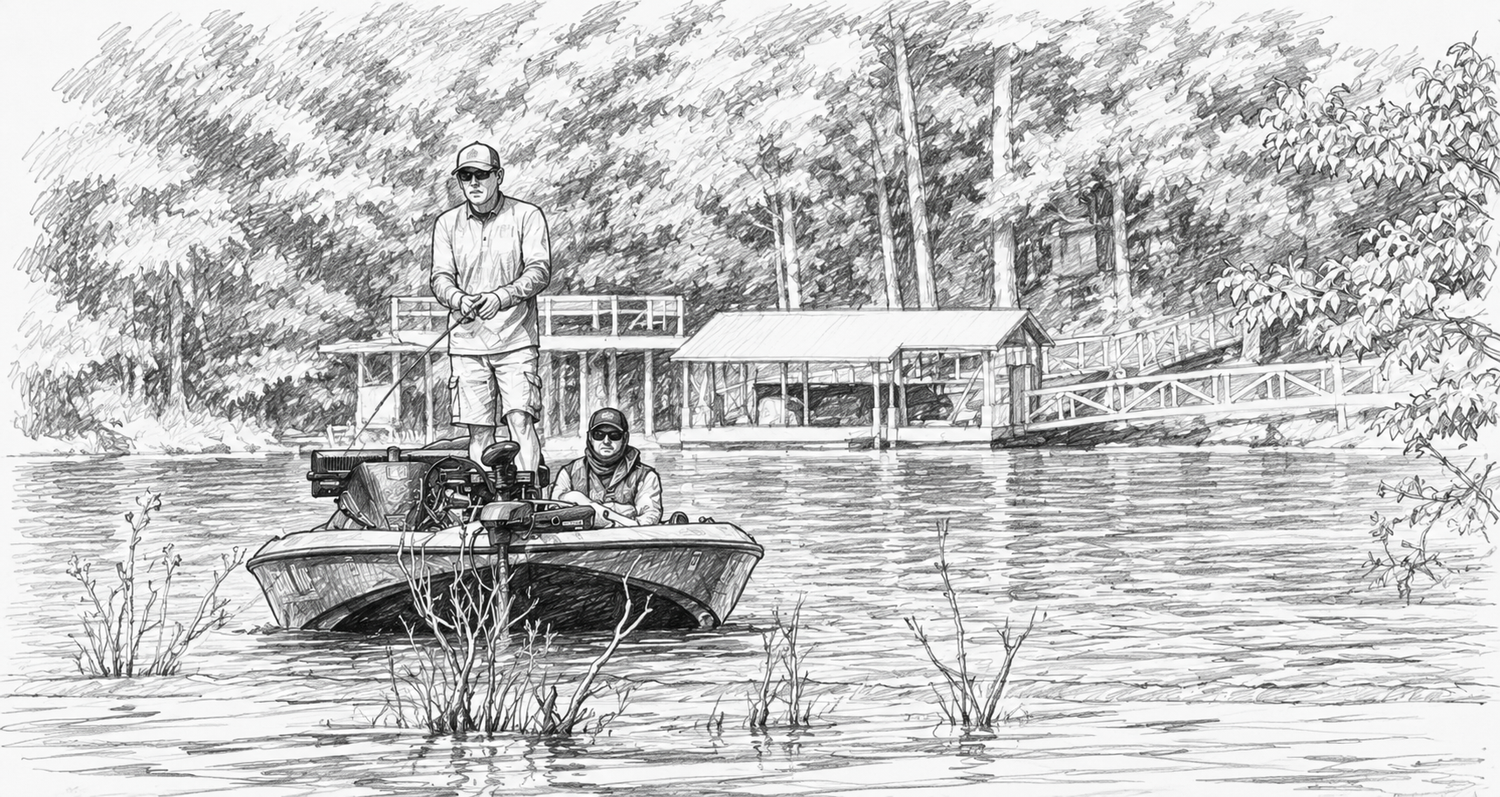
Docks, isolated cover, sparse grass, and shallow brush are excellent targets. These areas often hold fish that have seen repeated pressure and require a more refined presentation.
Calm conditions make finesse even more important. When the water is slick and visibility is high, every movement is amplified. This is when stealth pitching becomes essential.
Reading Conditions and Fish Behavior
Understanding when to switch to finesse is key. If fish are following but not committing, or if you are getting short strikes, it is often a sign that your presentation is too aggressive.
Water clarity is a major factor. The clearer the water, the more important stealth becomes. In ultra-clear conditions, bass may hold off the cover slightly, watching before they decide to engage.
Fishing pressure also plays a role. On heavily pressured lakes, fish become conditioned to loud entries and fast presentations. Slowing down and refining your approach can make all the difference.
Light conditions matter as well. Bright, sunny days often push fish into tighter cover, where a subtle presentation is required to reach them without spooking them.
Technique: Slowing Down and Letting It Happen
Finesse flipping is all about control and patience. Every presentation should be deliberate, with a focus on minimizing disturbance.
Approach your target quietly and position yourself to make accurate pitches without excessive movement. The bait should enter the water softly, ideally with little more than a ripple.
Once the bait is in the water, let it fall naturally on a controlled line. Avoid excessive slack, but do not force the fall. Many bites occur as the bait settles slowly into the strike zone.
If the bait reaches the bottom without a bite, resist the urge to move it too quickly. Subtle movements, small hops, or even letting it sit still can be enough to trigger a strike.
Pay close attention to your line. In finesse flipping, bites are often light and easy to miss. A slight tick or line movement may be the only indication.
Best Baits for Finesse Flipping
Bait selection is critical when fishing this style. Smaller, more natural profiles tend to perform best. We have curated a full list of the best of the best when it comes to Flipping and Pitch Soft Baits.

Zoom Speed Craw
Compact jigs with subtle trailers are a strong option, especially when imitating crawfish or small bluegill. Keeping the profile streamlined helps maintain a natural fall.
Soft plastics like finesse worms, small creature baits, and beaver-style baits excel in these situations. Their subtle action and ability to move naturally through the water make them ideal.
Weight selection should lean lighter. Using just enough weight to reach the target allows the bait to fall more slowly and naturally, which is often what triggers a bite. We always recommend your terminal tackle of hooks and weights to be flipping a pitching specific. Here is our list of what should be in your tackle box.
Color selection should match the environment closely. Natural greens, browns, and translucent tones work well in clear water, helping the bait blend in.
Gear Setup for Stealth Presentations
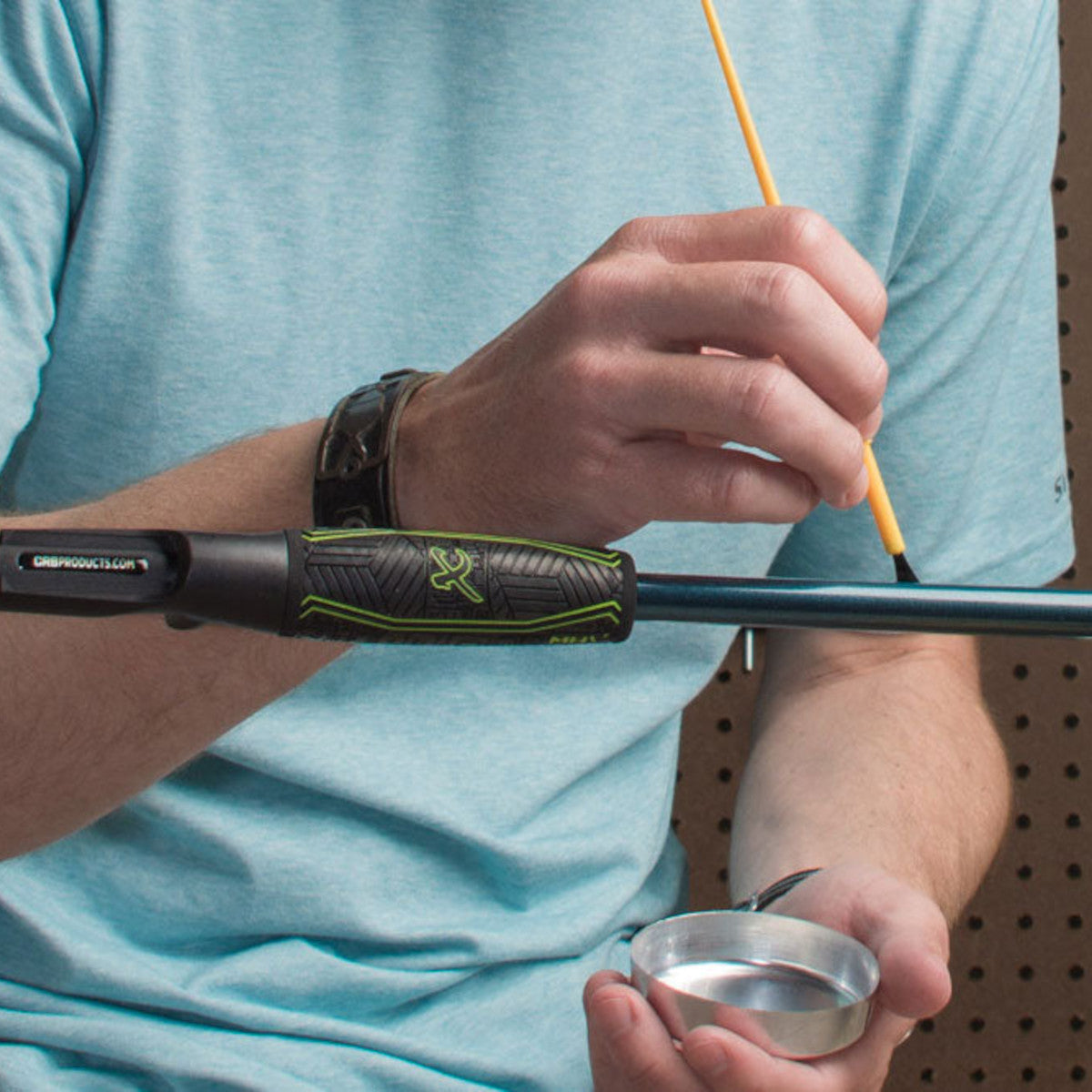
Finesse flipping requires a more balanced setup compared to power techniques. A medium-heavy casting rod around 7’ is often ideal, providing enough sensitivity to detect subtle bites while still offering control. Of course we begin with choosing the right Flipping and Pitching Rod for this technique.

Lews Signature Series Greg Hackney Flippin'
A smooth, high-quality baitcasting reel helps manage line and maintain consistency in your presentations. Smooth drag becomes more important, especially when using lighter line.
Choosing the right flipping and pitching reel is critical for making quick, accurate presentations and maintaining control in heavy cover. A high-speed reel with a strong drag system helps anglers pick up line fast, drive solid hooksets, and pull big fish away from thick vegetation or structure. Check out our curated list of recommended flipping and pitching reels to find the best option for your style of fishing and target cover.

Lews Speed Spool
Fluorocarbon line is typically the preferred choice. It offers low visibility and good sensitivity, making it ideal for clear water conditions. Line size can vary, but many anglers scale down to maintain a natural presentation. We have our recommended list of proven line for flipping and pitching here.
Drag settings should allow for some give. Unlike heavy cover fishing, where you lock down and pull hard, finesse flipping often requires a bit more control during the fight.
A Must-Fish Destination: Table Rock Lake
A perfect example of where finesse flipping and stealth pitching shine is Table Rock Lake. Known for its clear water and heavily pressured fish, Table Rock demands a refined approach.

Table Rock Lake
Bass in this system are often cautious and selective, especially around docks and shallow cover. Loud presentations and aggressive techniques can quickly shut down a bite, making finesse tactics essential.
Anglers who take the time to slow down, present their bait quietly, and focus on natural movement consistently find success in these conditions. It is a fishery that rewards patience and precision.
Final Thoughts
Finesse flipping and stealth pitching are about restraint. They require you to slow down, pay attention to the smallest details, and trust that subtlety will produce results when power cannot.
This is not always the most exciting way to fish, but it is often one of the most effective, especially in tough conditions. When bass are pressured, wary, or simply not reacting to aggressive presentations, this approach can turn a slow day into a productive one.
Mastering finesse techniques adds another layer to your skill set, giving you the ability to adapt when conditions demand it. In the end, it is not about fishing harder. It is about fishing smarter, quieter, and with purpose.
For more rod recommendations, reel and line combinations, plus in-depth technique advice, check out the full Flipping and Pitching Gear Guide to help you catch more big bass!
About the Author

The team at Mud Hole Custom Tackle are industry leaders in custom rod building, fishing tackle innovation, and technique-specific rod design. With decades of hands-on experience both on the water and at the rod bench, the Mud Hole Staff combines technical expertise with real-world fishing knowledge to help anglers build better rods and catch more fish. From bass and inshore applications to offshore and specialty techniques, their passion for performance-driven gear is at the core of every article, tutorial, and product they develop.