














If you’re looking for more rod recommendations, reel pairings, line setups, and technique-specific advice, head back to the complete Main Gear Guide Page for the full breakdowns on your favorite techniques.
When bass move deeper and begin relating to structure, many anglers automatically reach for football jigs, shaky heads, drop shots, and Carolina rigs. While those presentations continue to catch fish, there are times when bass become so focused on baitfish that a more natural swimming presentation becomes the better option.
That's where bottom contact and depth-control finesse swimbaits excel.
By combining the subtle realism of a small paddle-tail swimbait with the precision of a bottom-oriented presentation, anglers can effectively target bass positioned along points, humps, ledges, creek channels, and offshore structure. Instead of aggressively hopping a bait through the strike zone, the finesse swimbait maintains a natural swimming action while remaining exactly where fish are feeding.
For pressured bass, deep-water smallmouth, and structure-oriented largemouth, few presentations can match the versatility and effectiveness of a properly fished depth-control finesse swimbait.
What Is Bottom Contact / Depth-Control Finesse Swimbait Fishing?
Bottom contact finesse swimbait fishing is a presentation designed to keep a swimbait within a specific depth range or close to the bottom while maintaining a natural swimming action.
Unlike open-water finesse swimbaits that often target suspended fish, this technique focuses on bass relating to deeper structure and contour changes.
The setup typically consists of a small paddle-tail swimbait rigged on a slightly heavier jighead that allows anglers to control sink rate, maintain contact with deeper water zones, and accurately target fish holding near structure.
The bait is usually slow-rolled, counted down to a specific depth, or retrieved just above the bottom while maintaining a realistic swimming motion.
The goal is not to drag the bait like a jig.
Instead, the objective is to keep the swimbait swimming naturally where fish are already positioned.
Why Bottom Contact Finesse Swimbaits Work
Many offshore bass spend their lives feeding on baitfish while relating closely to structure.
Points, ledges, shell beds, humps, and creek channels all provide feeding opportunities and security. While traditional bottom-contact techniques imitate crawfish and bottom-oriented forage, finesse swimbaits offer something different.

Table Rock Lake
They imitate the forage bass often prefer most.
The realistic swimming action appeals to bass that are feeding on shad, herring, smelt, and other baitfish species while still allowing anglers to maintain precise depth control.
Another advantage is strike-zone time.
The heavier jighead helps keep the bait where fish are positioned while preserving the subtle movement that makes finesse swimbaits so effective.
When bass become pressured or refuse more aggressive presentations, the combination of depth control and natural action often produces bites that other techniques miss.
Where Bottom Contact Finesse Swimbaits Excel
This technique shines anywhere bass are positioned near deeper structure.
Primary and secondary points are classic locations because they naturally concentrate both forage and predator fish.
Offshore humps, submerged roadbeds, shell beds, rock piles, and creek channel swings also create ideal opportunities for depth-controlled swimbait presentations.
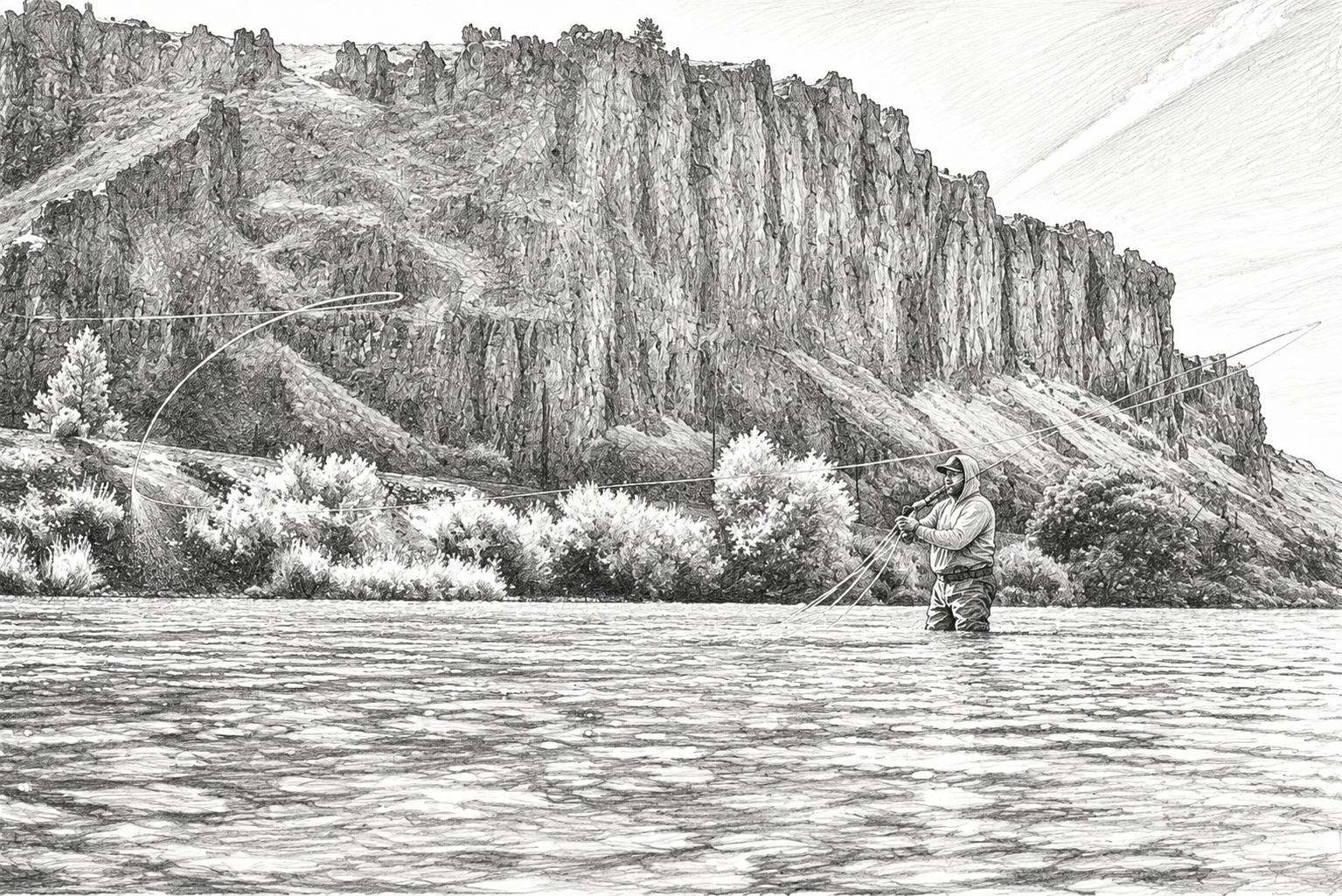
The technique is especially effective in clear-water reservoirs where fish have time to inspect a lure before committing.
Smallmouth bass frequently respond exceptionally well around deep rock and gravel structure, while largemouth and spotted bass often utilize offshore contour changes and bait-rich environments.
Bottom-contact finesse swimbaits also excel during summer and winter when bass commonly position deeper and become heavily focused on offshore forage.
Whenever electronics reveal fish relating to structure but traditional presentations stop producing, a finesse swimbait deserves serious consideration.
Reading Conditions and Fish Behavior
Success with depth-control swimbaits begins with understanding how fish position around structure.
Electronics are one of the most valuable tools available because they help identify contour changes, bait schools, and productive holding areas.
Pay close attention to fish depth.
Bass positioned tight to the bottom often require a slower presentation that maintains contact with the strike zone. Fish suspended slightly above structure may respond better to a swimbait retrieved just overhead.
Current can dramatically improve effectiveness.
On reservoirs with generation schedules, moving water often positions bass predictably and encourages feeding activity.
Seasonal timing is also important.
Summer bass frequently relate to deeper structure while feeding on baitfish. Winter fish often remain grouped in predictable offshore areas and respond well to subtle, realistic presentations.
The key is identifying where fish are positioned and maintaining the bait within that depth zone throughout the retrieve.
Technique: Control the Depth, Not the Speed
The biggest mistake anglers make with bottom-contact finesse swimbaits is focusing too much on retrieve speed and not enough on depth.
Depth control is everything.
After making a cast, allow the bait to sink to the desired depth before beginning the retrieve. The heavier jighead helps maintain contact with deeper water zones while preserving the swimbait's natural action.
A slow, steady retrieve is often the most productive approach.
The goal is to keep the bait swimming just above the structure or occasionally making light contact with the bottom without constantly dragging.
Rod angle also plays a major role.
A lower rod position generally keeps the bait deeper, while a higher rod position allows it to ride slightly above the structure.
Small adjustments in retrieve speed, rod angle, and jighead weight often make a significant difference.
Consistency and precision usually outperform aggressive retrieves.
Best Baits for Bottom Contact Finesse Swimbait Fishing
Mid-sized paddle-tail swimbaits dominate this category.
Most anglers prefer swimbaits in the 3" to 4" range because they provide excellent visibility while maintaining a finesse profile and natural swimming action.
These sizes closely match the forage species bass commonly target offshore.
Natural baitfish colors continue to produce the best results. Shad, smoke, pearl, silver, and subtle baitfish patterns consistently perform across a variety of fisheries.
Slightly larger finesse swimbaits can be effective in deeper water because they create a more visible target without sacrificing realism.

Z-Man Slim Swim
Simple body designs typically outperform heavily textured profiles because they maintain a cleaner, more predictable swimming action.
For a complete selection of proven finesse swimbaits, explore our curated collection of soft-body finesse swimbaits designed specifically for depth-control applications.
Gear Setup for Maximum Depth Control
Depth-control finesse swimbaits require a slightly more powerful setup than traditional open-water applications.

St. Croix Black Bass Spinning Rod
A medium-power spinning rod between 7'3" and 7'6" provides the ideal balance of casting distance, sensitivity, and hook-setting performance. Moderate-fast to fast actions help anglers maintain consistent depth control while detecting subtle strikes. Start by picking out your rod.
Choosing the right finesse swimbait rod is especially important because many bites occur at the end of long casts and require excellent feel.
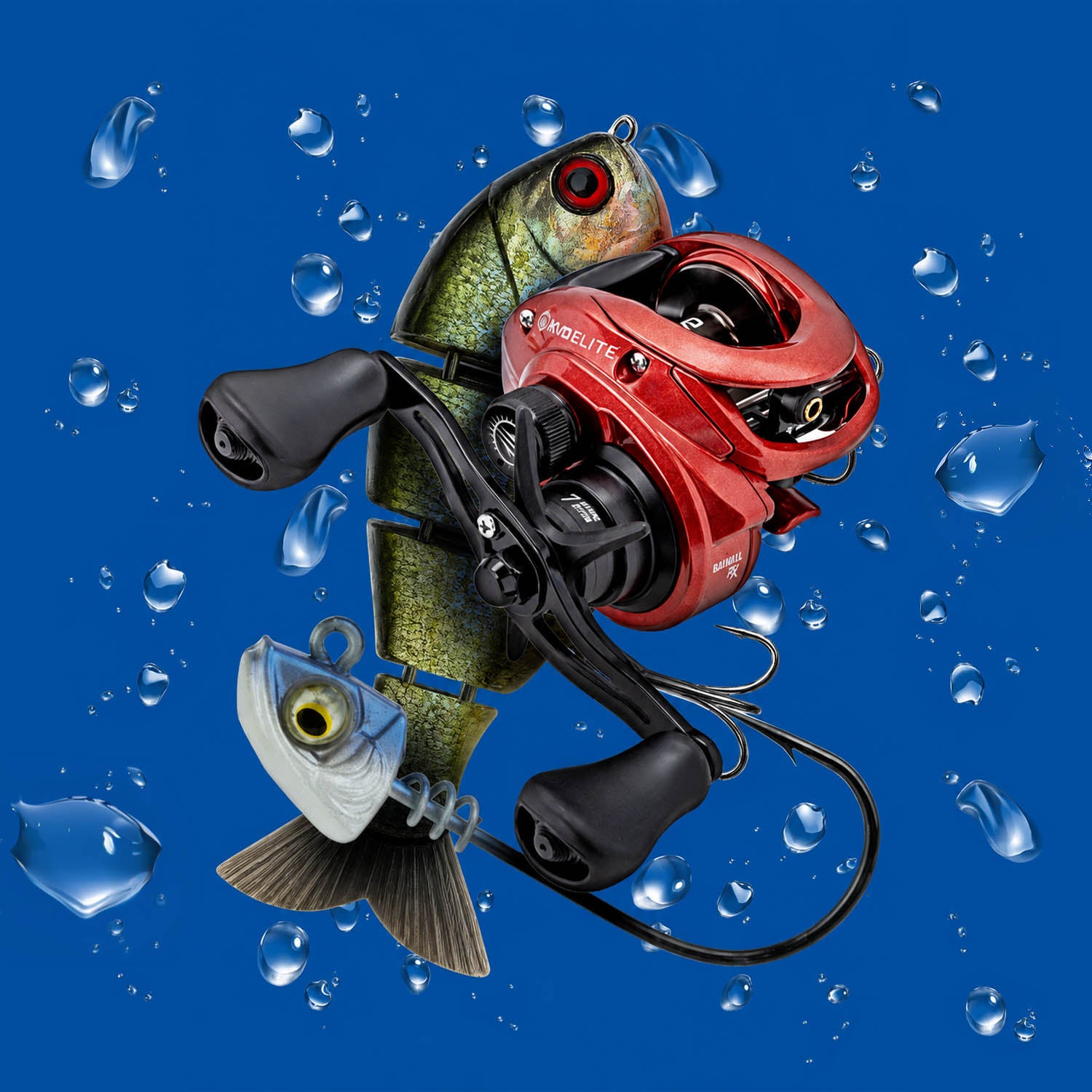
A quality 2000-2500 size spinning reel provides smooth drag performance and consistent line management. Check out our reel recommendations.

Daiwa Fuego LT Spinning Reel
Most anglers prefer 10-15 lb braid paired with a 6-10 lb fluorocarbon leader. This setup maximizes sensitivity while maintaining a natural presentation. These are the line and leader combinations we pick.
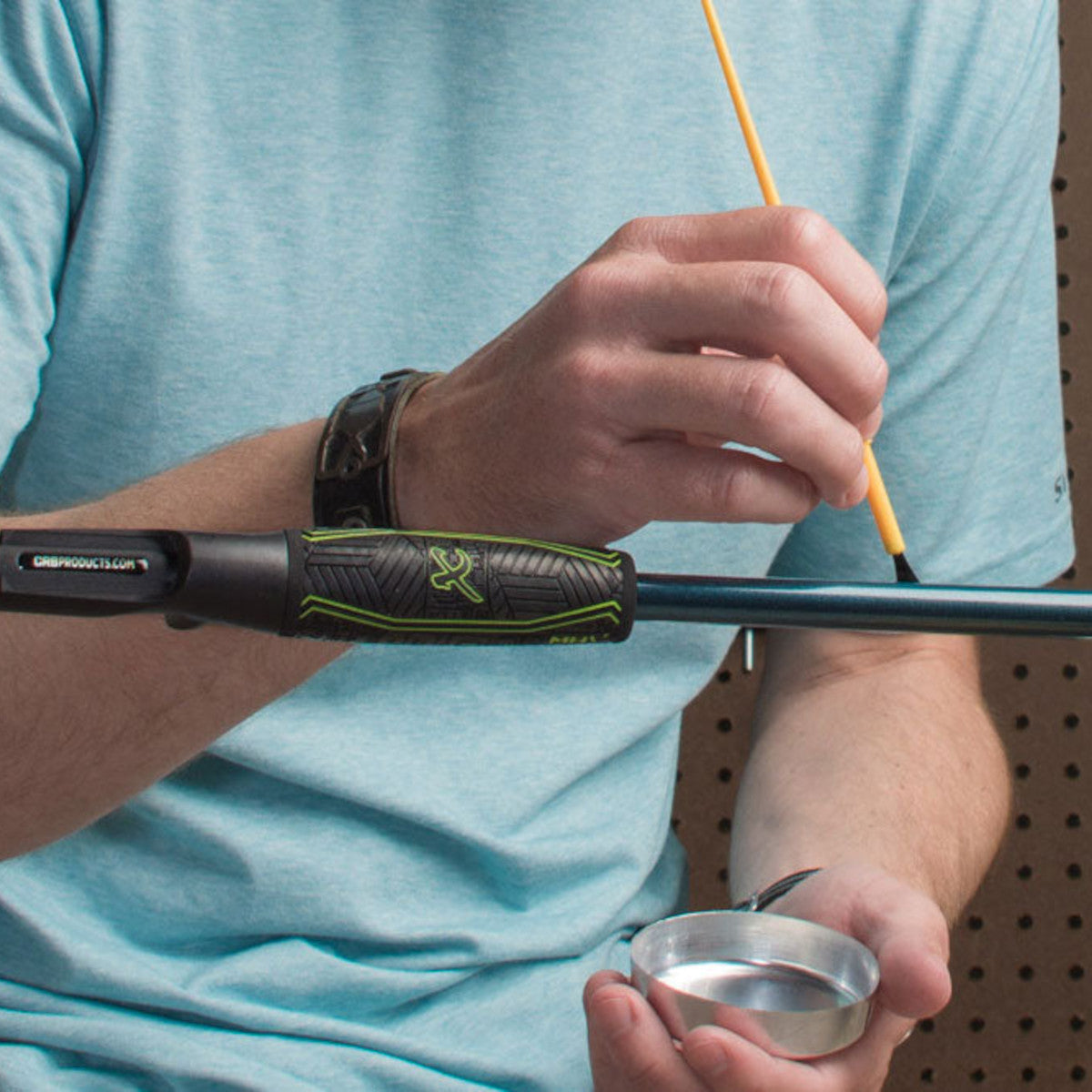
Jigheads between 1/4 and 3/8 ounce are commonly used because they provide the depth control necessary for offshore applications while preserving a realistic swimming action. Here are the hooks and jigheads you will need.

Dirty Jigs Guppy Swimbait Jig Head
Every component should work together to maximize feel, depth precision, and presentation control.
A Must-Fish Destination: Table Rock Lake
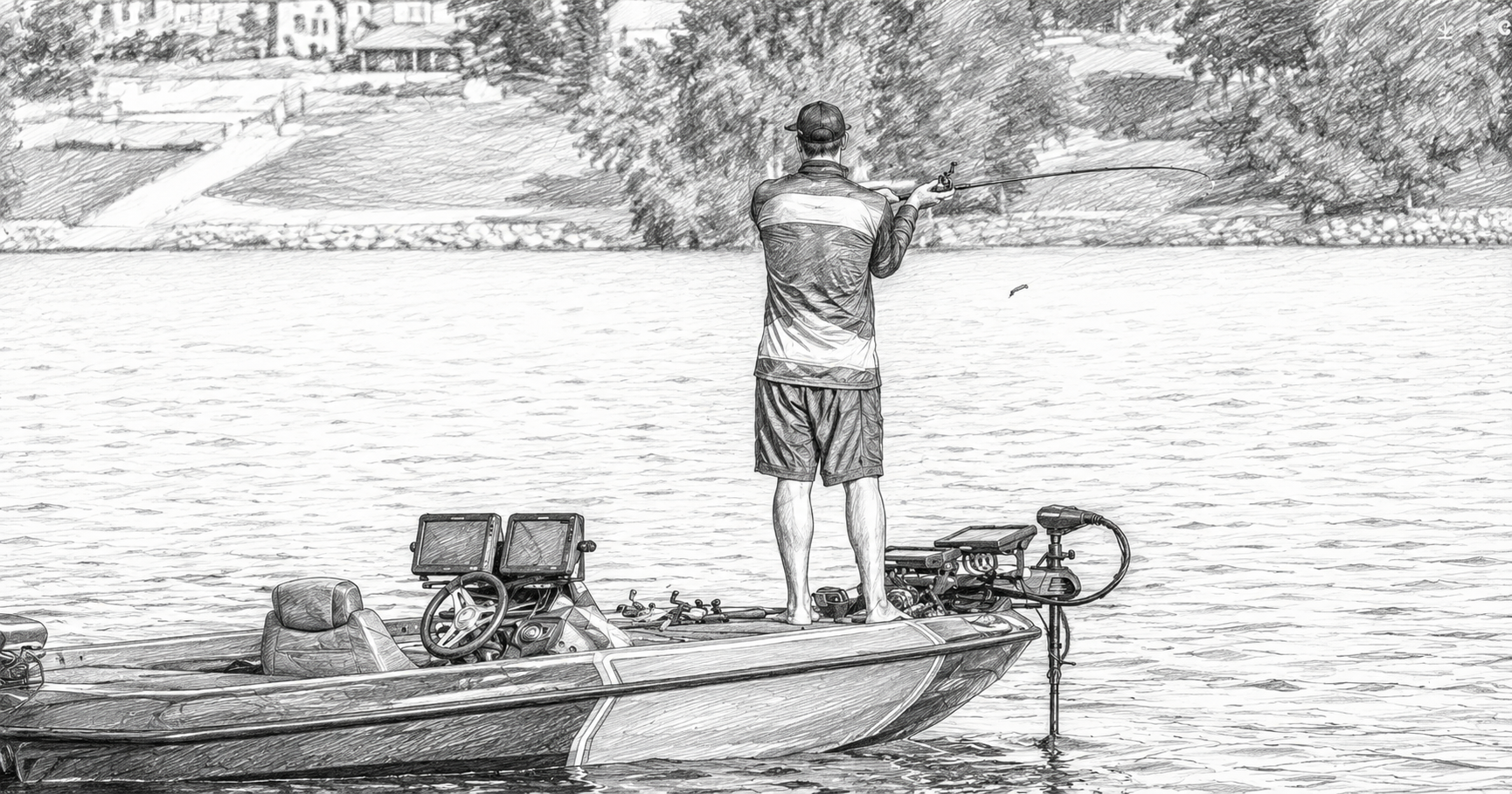
A perfect example of where bottom-contact finesse swimbaits excel is Table Rock Lake.
Known for its exceptionally clear water, offshore structure, and abundant baitfish populations, Table Rock has become one of the premier finesse swimbait fisheries in the country.

Table Rock Lake
Bass throughout the lake frequently position along points, channel swings, bluff ends, and deep structure while feeding heavily on baitfish.
These conditions create ideal opportunities for depth-controlled swimbait presentations.
The ability to keep a small swimbait within a specific depth zone while maintaining a realistic swimming action often proves highly effective when fish become pressured or selective.
Whether targeting offshore smallmouth, spotted bass, or largemouth relating to structure, finesse swimbaits consistently produce quality fish throughout much of the year.
Few fisheries demonstrate the effectiveness of bottom-contact finesse swimbait fishing better than Table Rock Lake.
Final Thoughts
Bottom contact and depth-control finesse swimbaits bridge the gap between traditional offshore structure fishing and realistic baitfish presentations.
Their ability to maintain precise depth while creating natural swimming action makes them one of the most versatile tools available for targeting deeper bass.
Whether fishing points, ledges, humps, creek channels, or offshore structure, finesse swimbaits provide a presentation that consistently appeals to bass feeding on baitfish.
The key is maintaining depth control, matching local forage, and keeping the bait where fish are positioned.
For anglers looking to improve their offshore fishing success, few techniques offer the combination of realism, precision, and effectiveness found in depth-control finesse swimbait fishing.
For more rod recommendations, reel pairings, line setups, and finesse swimbait-specific advice, check out the complete Finesse Swimbait Gear Guide and build a system designed to maximize every offshore opportunity.
About the Author

The team at Mud Hole Custom Tackle are industry leaders in custom rod building, fishing tackle innovation, and technique-specific rod design. With decades of hands-on experience both on the water and at the rod bench, the Mud Hole Staff combines technical expertise with real-world fishing knowledge to help anglers build better rods and catch more fish. From bass and inshore applications to offshore and specialty techniques, their passion for performance-driven gear is at the core of every article, tutorial, and product they develop.