








Mud Hole Gear Guide:
What is Urchin Bait Fishing?
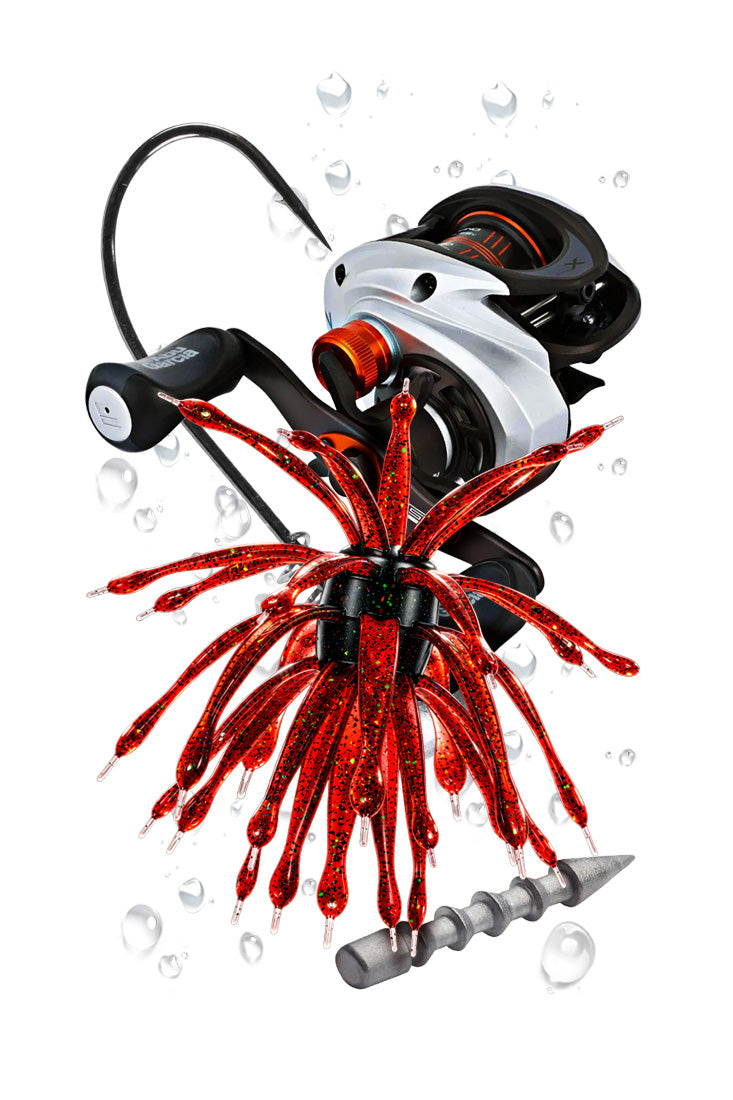
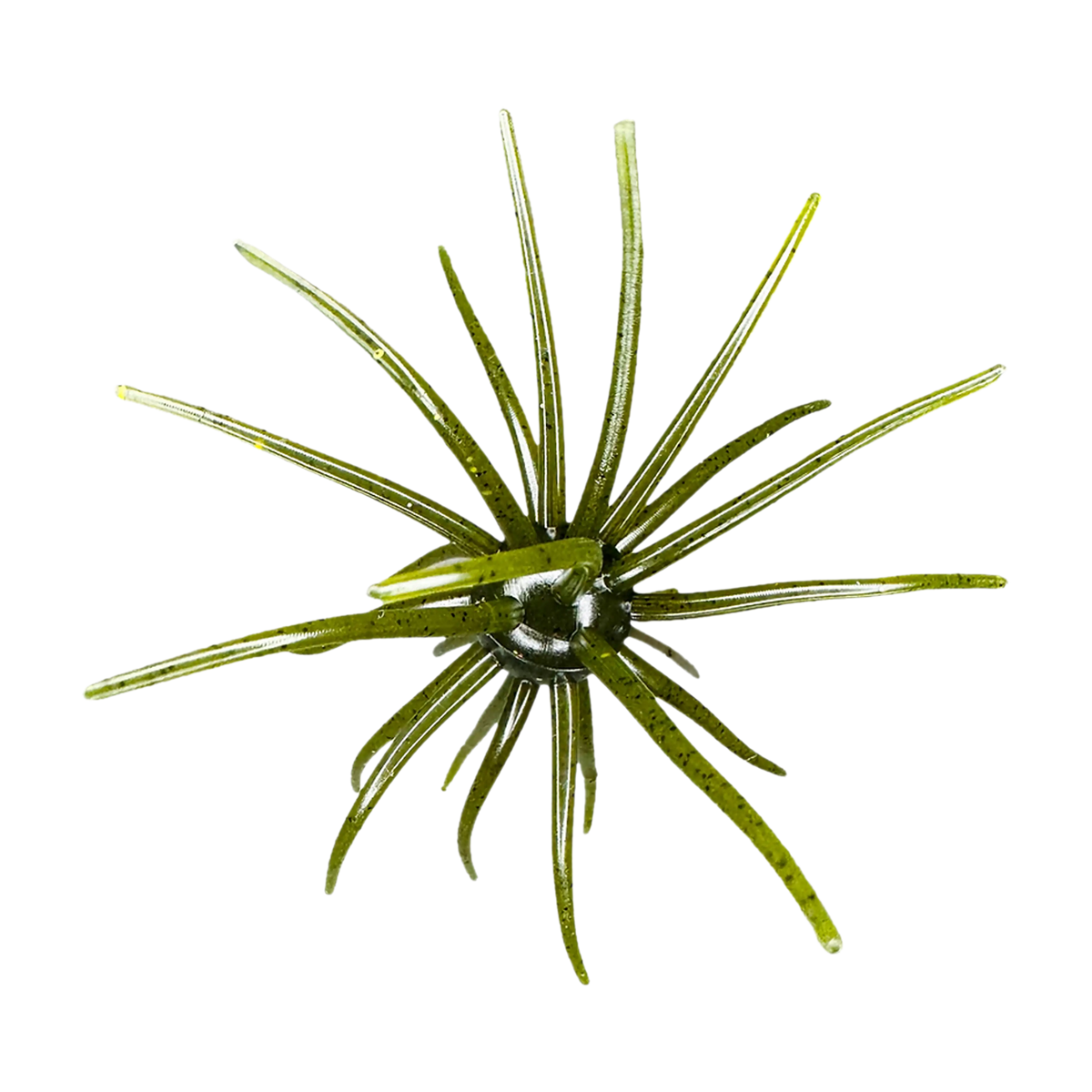
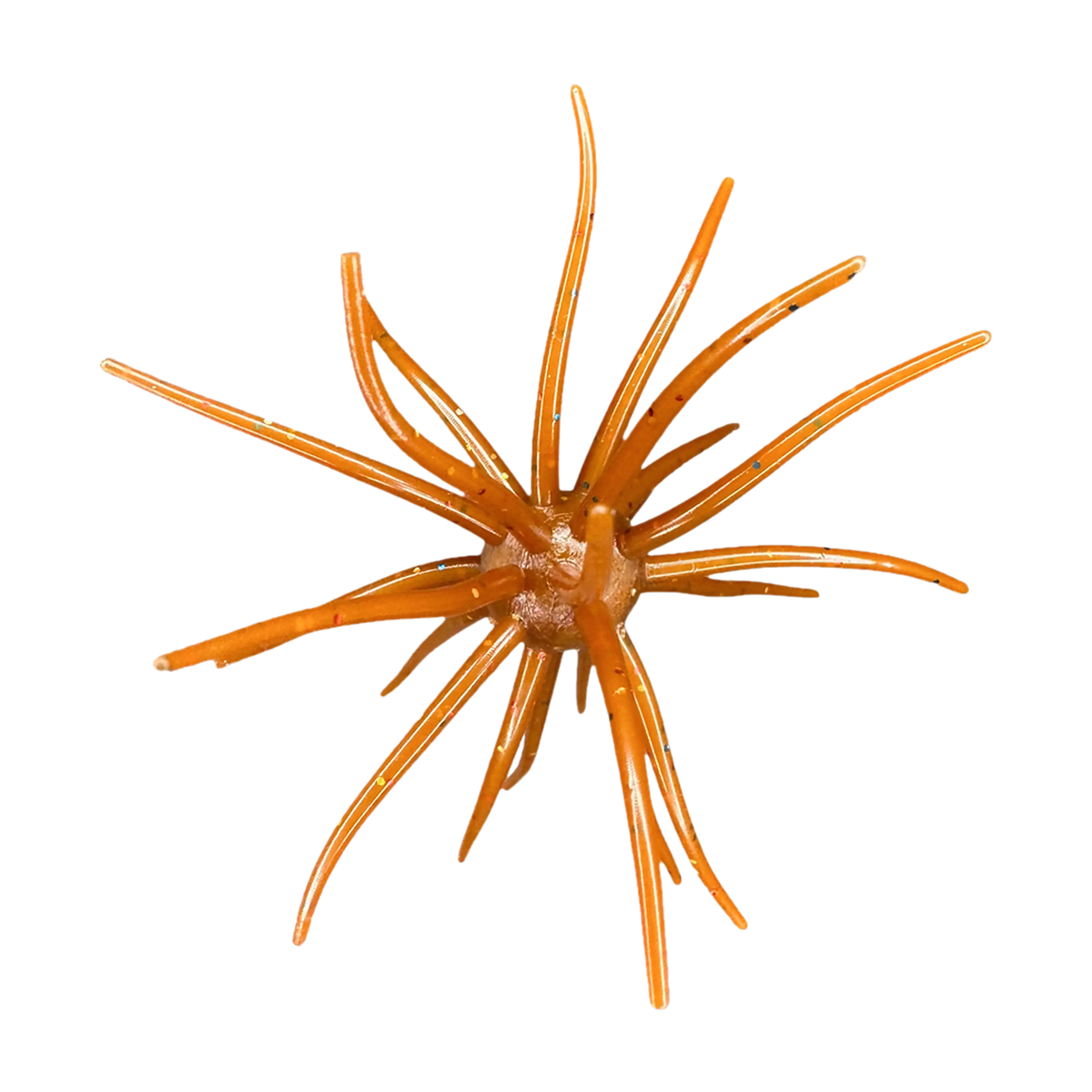
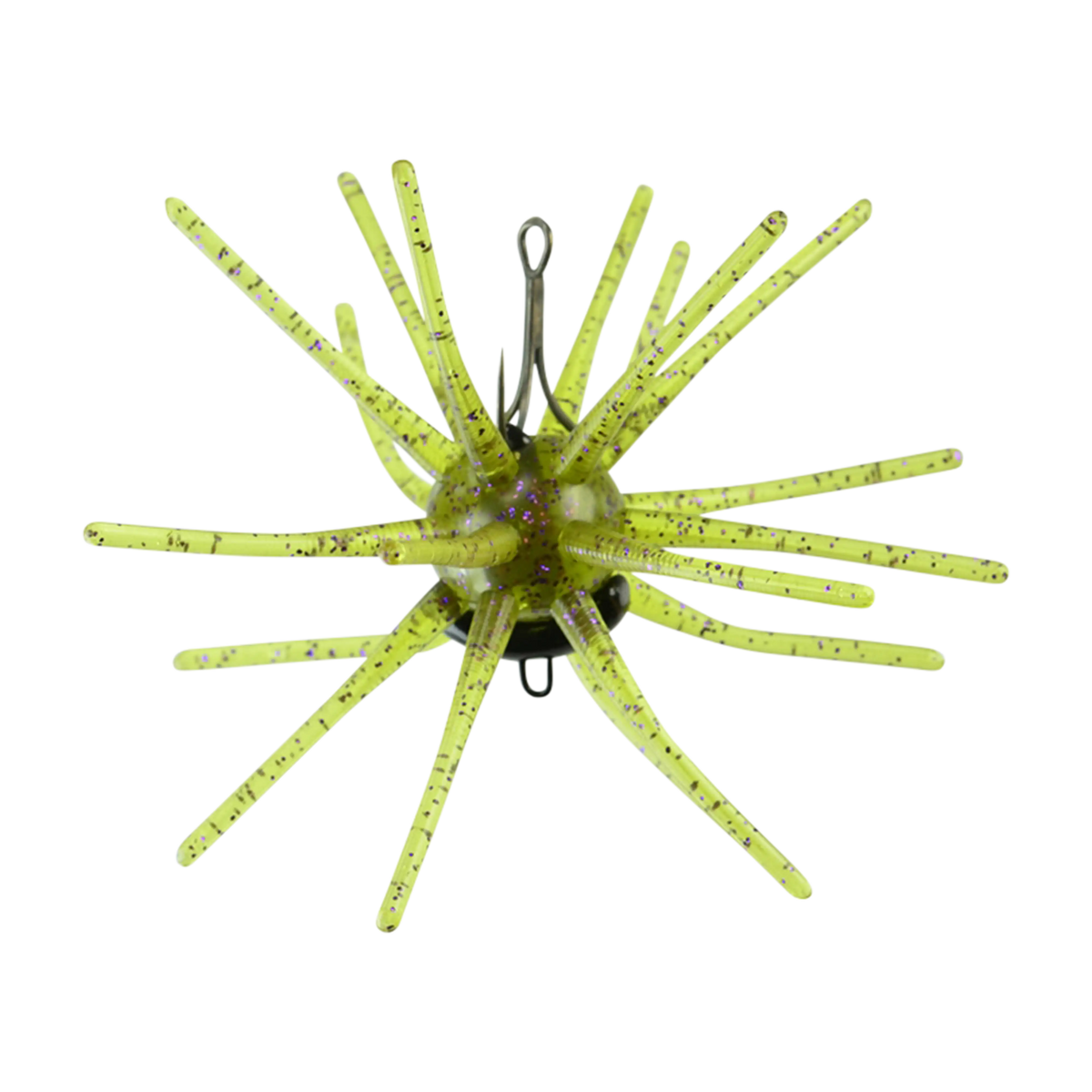
Urchin baits, sometimes called spiky balls, porcupine, or Coike-style baits, are a rapidly growing category of soft plastics known for their round, compact bodies and dense, flexible tentacles that radiate in every direction and create constant movement with very little angler input.
Rather than imitating a single forage item, urchin baits were designed to look like a bait ball, a tight cluster of small baitfish. The Coike's creator, Yoshida, built the original about 20 years ago around that idea, and other makers now market urchins the same way. Not every angler buys the theory; some think fish see a crawfish, an insect cluster, or simply something new. Either way, the tentacles pulse, flare, and undulate with subtle rod movements, current, or even while the bait is falling or resting, so the bait looks alive without matching any one prey item. This natural movement makes urchin baits effective on pressured fish, suspended fish, and big bass that are unwilling to chase faster-moving lures.
While the bait itself remains the same, the way it's rigged dramatically changes how it fishes. Different hook and weight combinations allow anglers to target everything from docks and isolated cover to brush piles, standing timber, and suspended fish. Each size of urchin also requires slightly different tackle to maximize casting performance, lure control, and hook-setting power.
Understanding these rigging options helps anglers match their gear and presentation to the conditions. Below are the most widely used ways to rig urchin baits.
Introduction
What is Urchin Bait Fishing?
What is Urchin Bait Fishing?
Urchin baits, sometimes called spiky balls, porcupine, or Coike-style baits, are a rapidly growing category of soft plastics known for their round, compact bodies and dense, flexible tentacles that radiate in every direction and create constant movement with very little angler input.
Rather than imitating a single forage item, urchin baits were designed to look like a bait ball, a tight cluster of small baitfish. The Coike's creator, Yoshida, built the original about 20 years ago around that idea, and other makers now market urchins the same way. Not every angler buys the theory; some think fish see a crawfish, an insect cluster, or simply something new. Either way, the tentacles pulse, flare, and undulate with subtle rod movements, current, or even while the bait is falling or resting, so the bait looks alive without matching any one prey item. This natural movement makes urchin baits effective on pressured fish, suspended fish, and big bass that are unwilling to chase faster-moving lures.
While the bait itself remains the same, the way it's rigged dramatically changes how it fishes. Different hook and weight combinations allow anglers to target everything from docks and isolated cover to brush piles, standing timber, and suspended fish. Each size of urchin also requires slightly different tackle to maximize casting performance, lure control, and hook-setting power.
Understanding these rigging options helps anglers match their gear and presentation to the conditions. Below are the most widely used ways to rig urchin baits.
How to Rig Urchin Baits
Urchin baits are rigged by pairing a hook with a weight. The hook determines hookup ratio and snag resistance, while the weight controls casting distance, sink rate, and the depth you can target. There is no single correct way to rig an urchin, and anglers mix and match hooks and weights based on bait size, cover, and depth. Here are the most common rigs anglers are currently using.
Treble & Quad Hook Urchin Rig
Targets: Open water, suspended fish, brush piles, docks, sparse cover
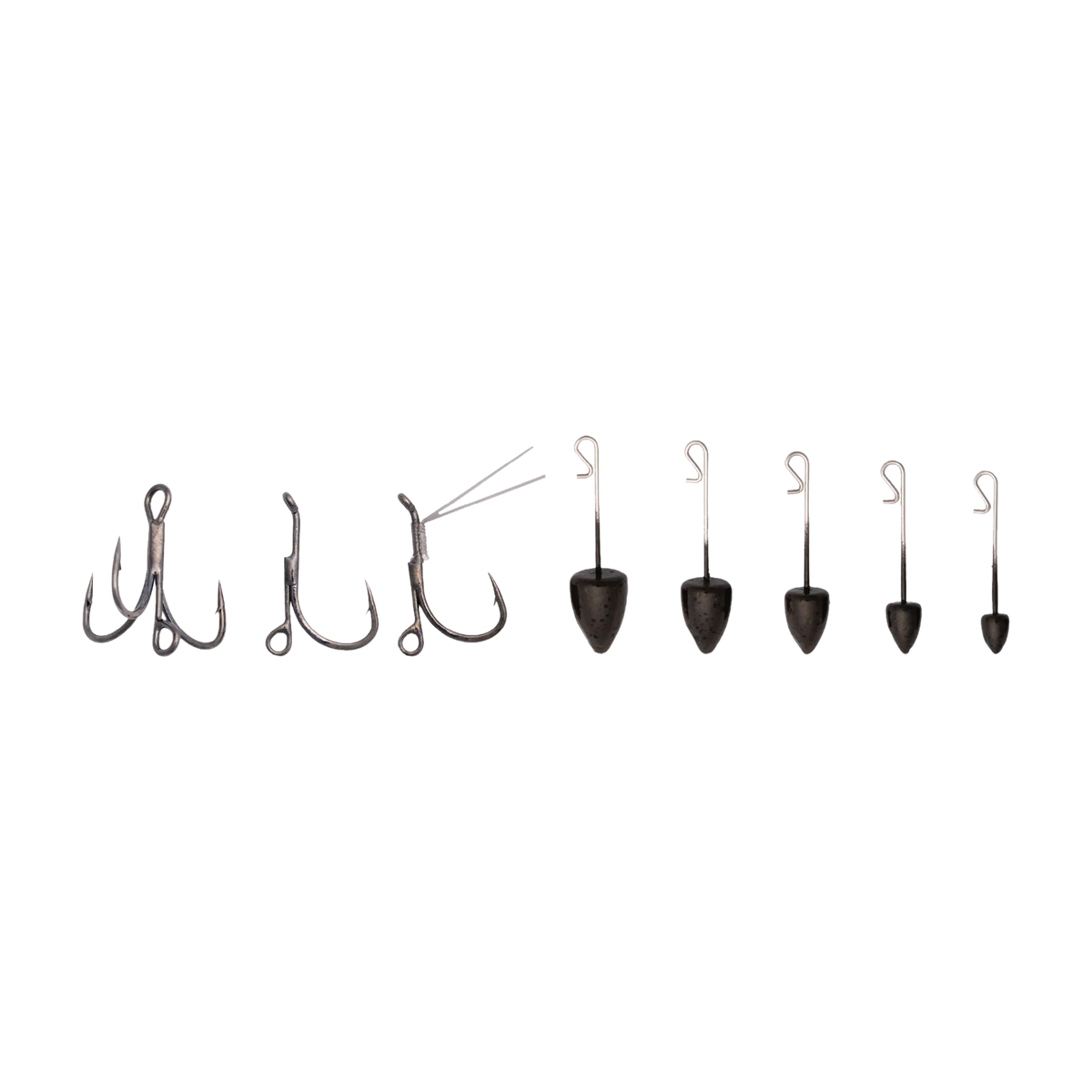
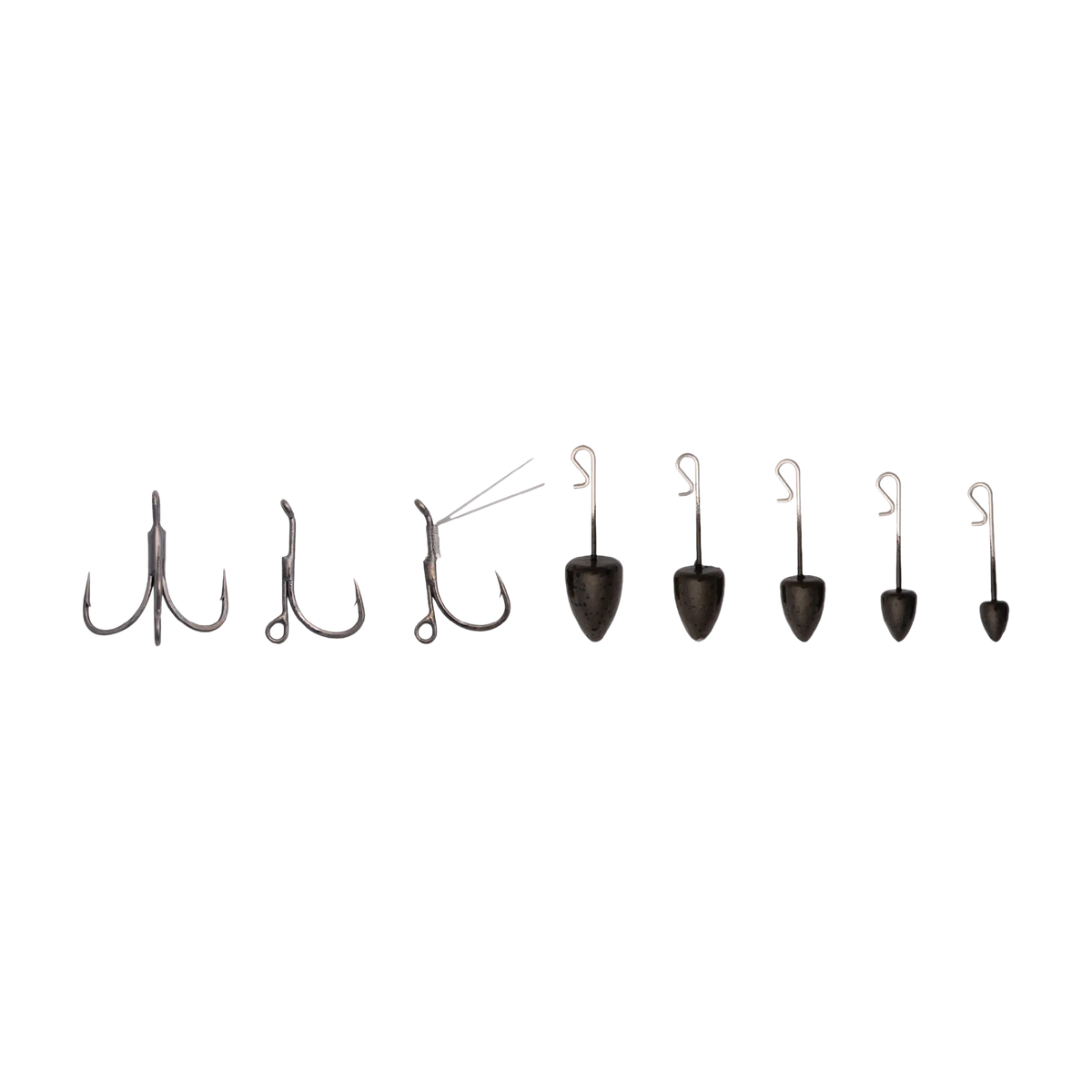
The treble hook rig is the most popular way to fish urchin baits. A nail weight is pushed into the hole through the center of the bait, and a treble or quad hook is attached so the points sit exposed around the tentacles. Multiple exposed points produce the highest hookup ratio of any urchin rig, which is why it's the go-to choice in open water and around sparse cover.
Trebles from #2 to 2/0 are common, with #1 and 1/0 used most on standard and full-size baits. Because bass often take urchins deep, use no smaller than a #1 on standard and full-size urchins. The exposed points will snag in heavy cover, so switch to a double frog or single hook when fishing thick wood or grass.
Double Frog Hook Urchin Rig
Targets: Docks, laydowns, wood cover, moderate cover
The double frog hook rig offers two hook points with better snag resistance than a treble. The hook eye is threaded through the center of the bait so the urchin rests on the shank with both points exposed behind it. Weight is added with a split ring and drop shot weight near the hook, or with a weight secured to the shank.
Because the weight sits low, the bait falls with the hook points riding up, which improves hookups and reduces snags when skipping docks or fishing wood. A 2/0 double frog hook fits most 15–20mm baits, while a 4/0 handles urchins up to about 25mm.
Single Hook Urchin Rig
Targets: Heavy cover, vegetation, standing timber, cypress trees
Single hooks such as Neko- and wacky-style hooks provide the most snag-resistant open-hook option for fishing urchins in and around heavier cover. The hook is skin-hooked into the body of the bait and paired with a nail weight in the center hole.
Hook sizes from 1/0 to 5/0 are common depending on bait diameter, with 2/0 a common match for 17mm baits and 4/0 to 5/0 for full-size urchins. Single hooks sacrifice some hookup ratio compared to trebles, but they are harder for bass to swallow and come through cover much cleaner.
Weighted Urchin Hook Rig
Targets: Bottom structure, deeper water, grass, timber
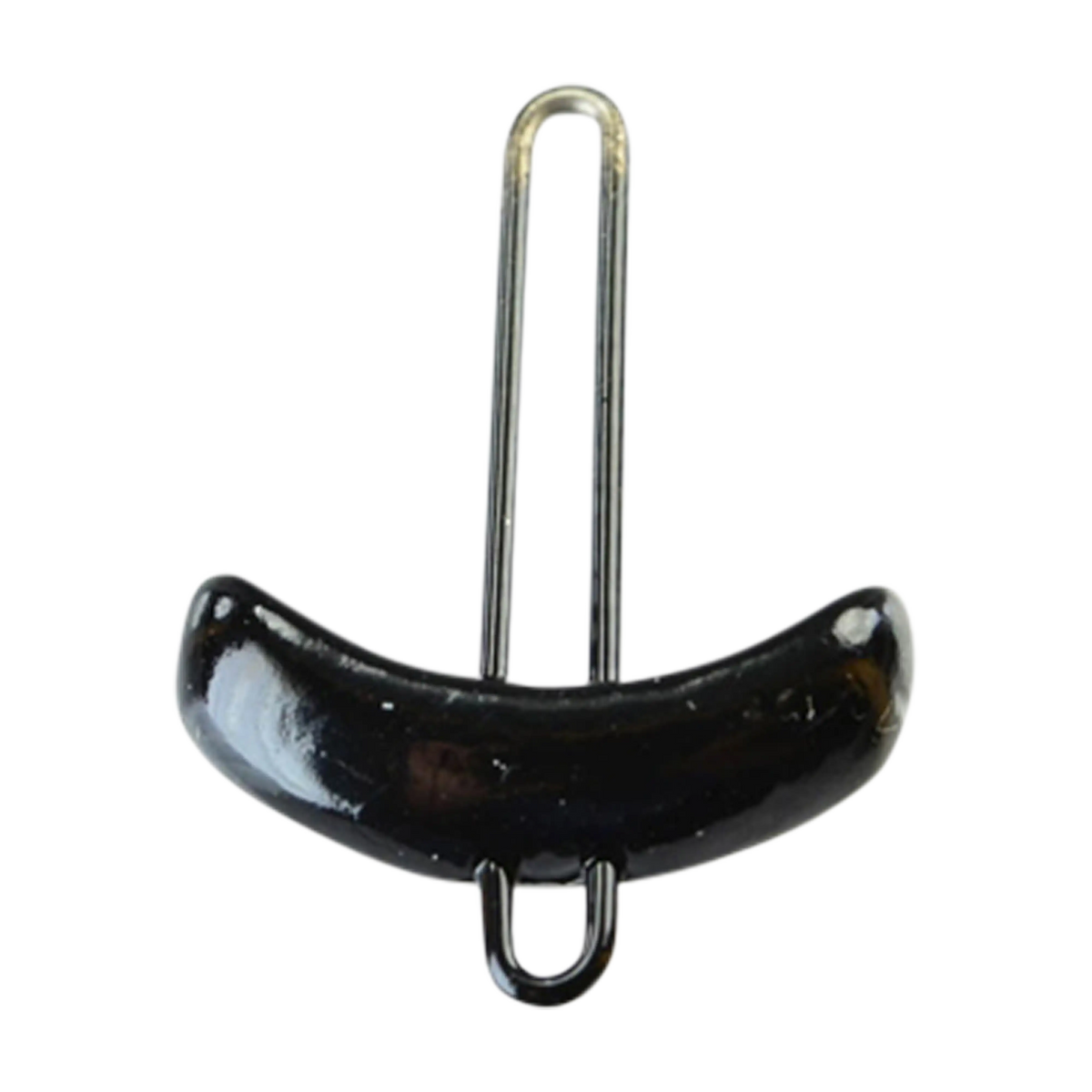
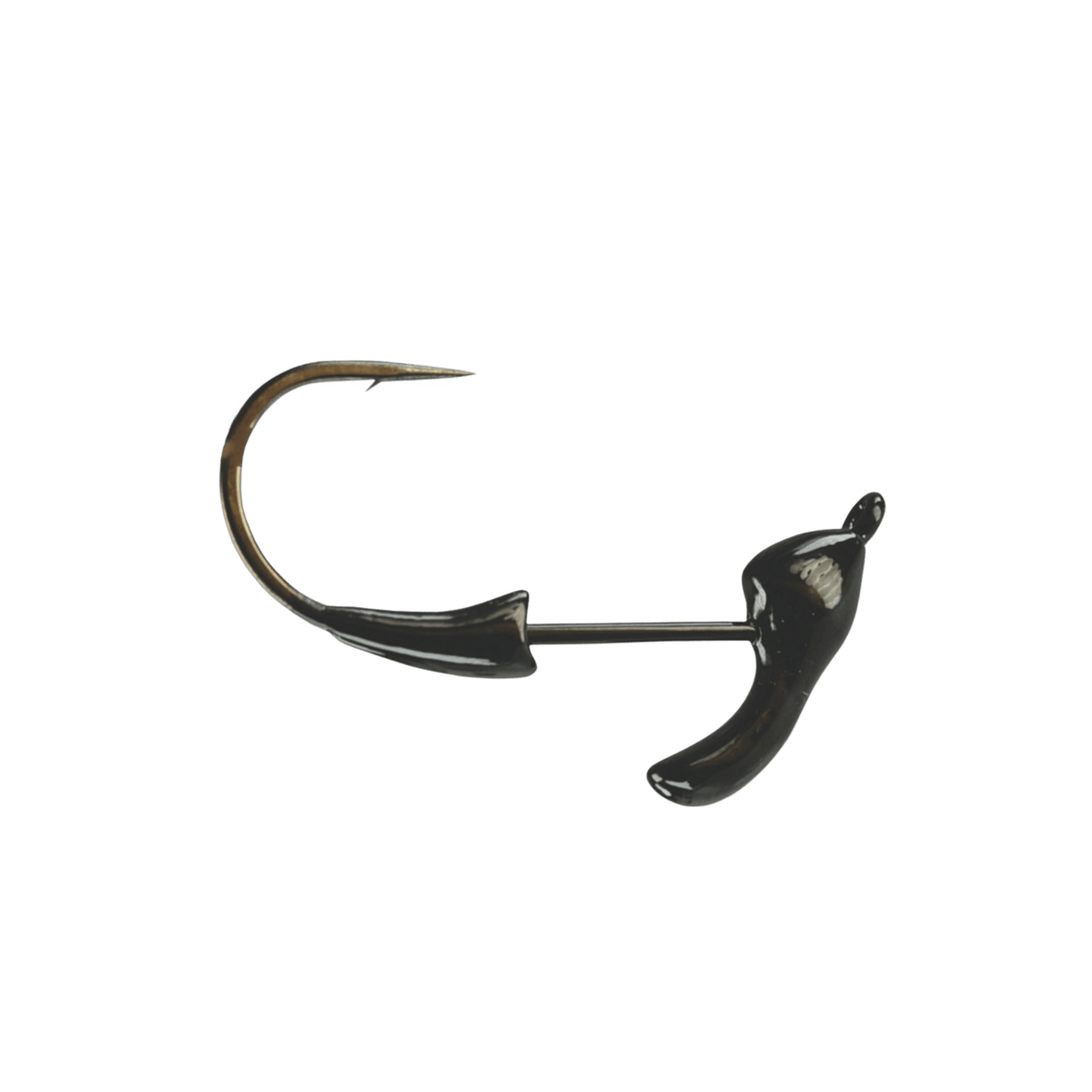
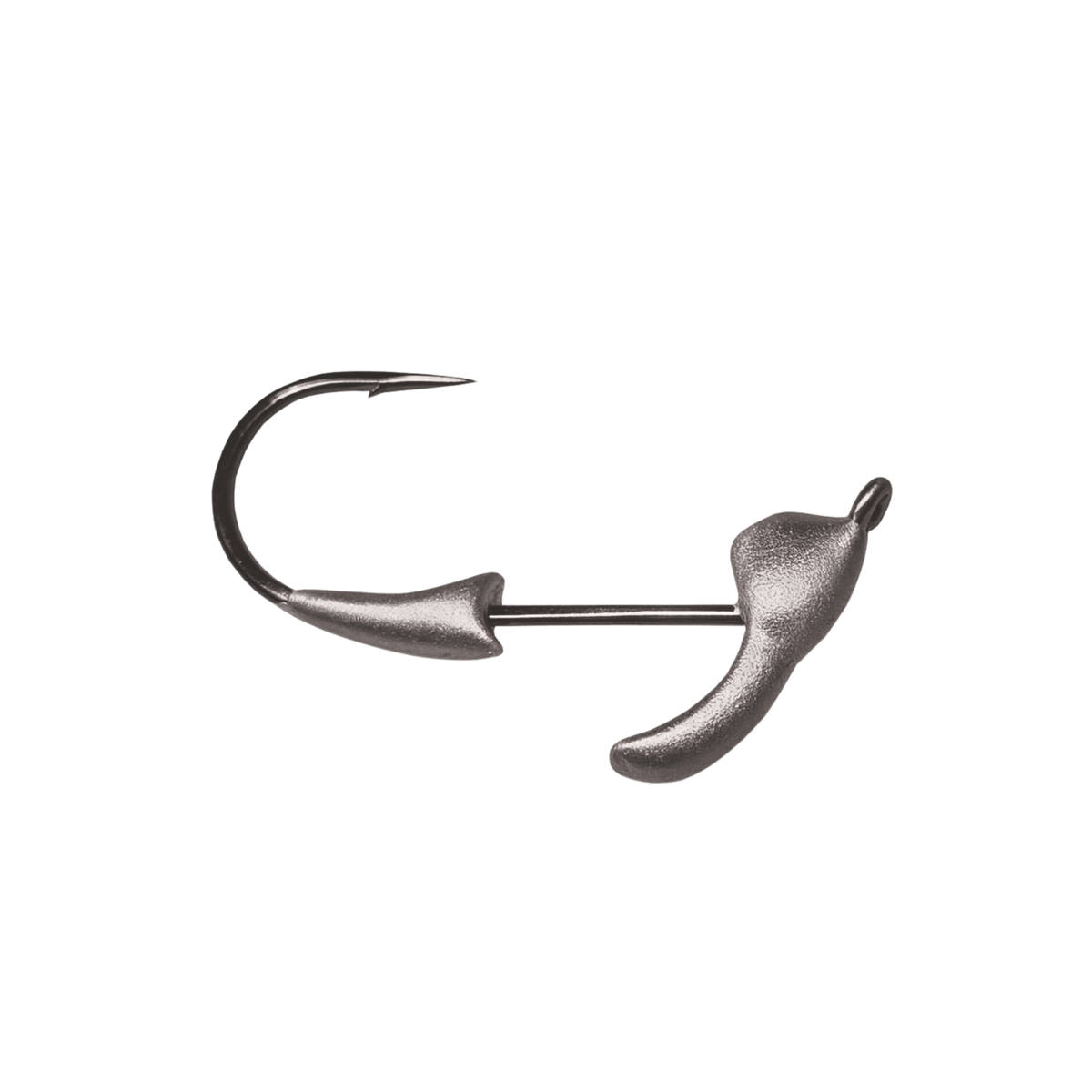
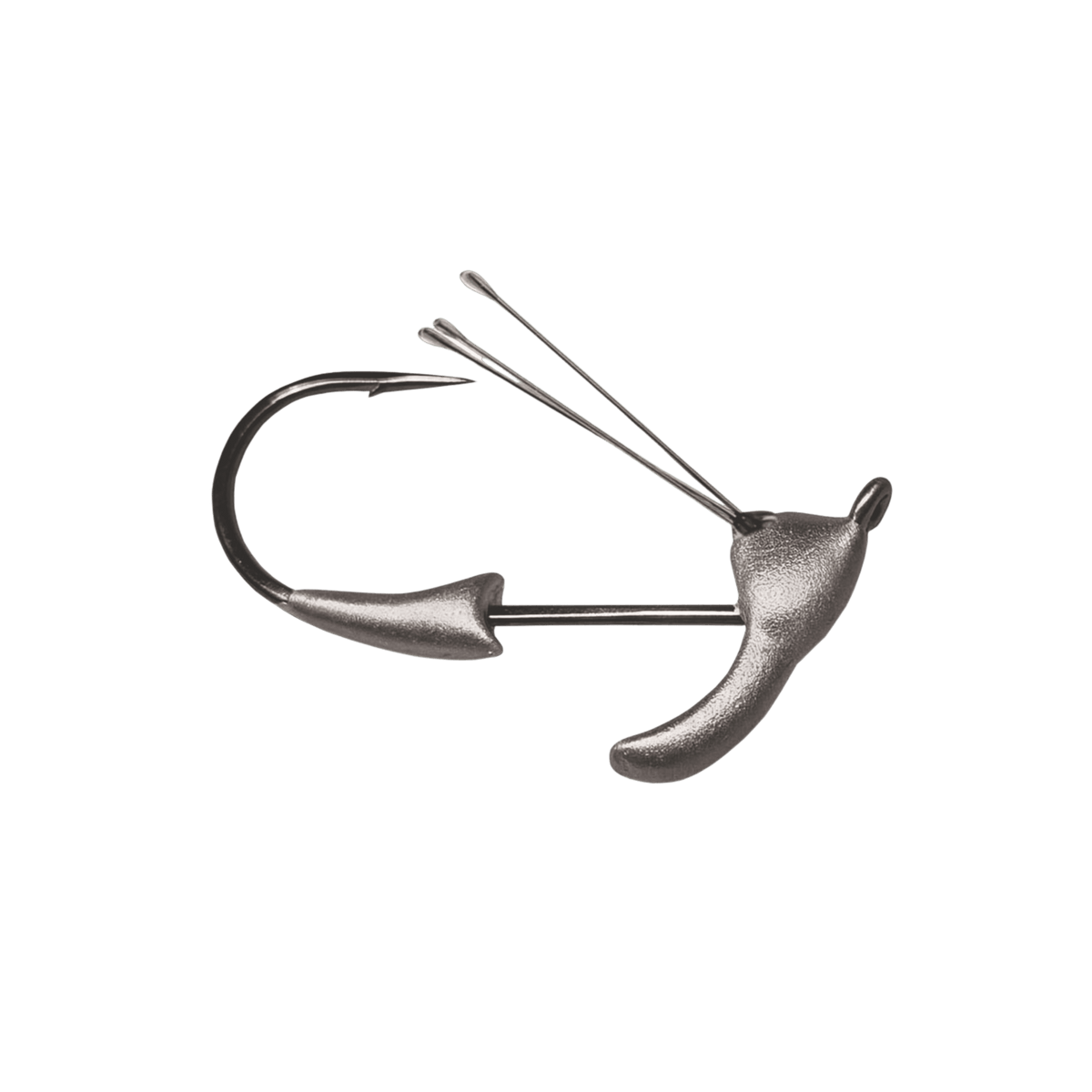
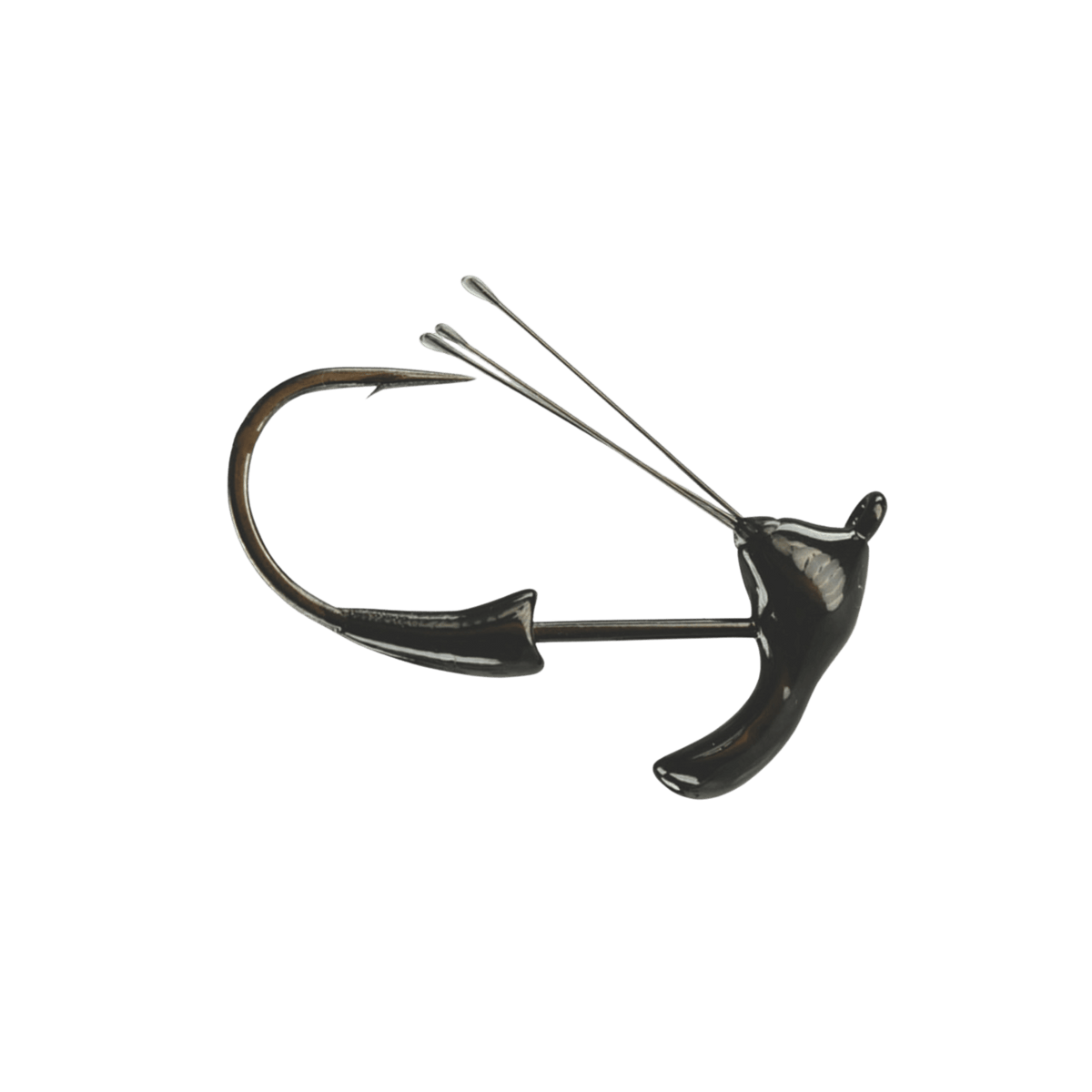
Weighted urchin hooks are a fast-growing category of terminal tackle designed specifically for these baits. Some feature a molded weight that cradles the bait and keeps it from sliding on the hook, while others include a clip or loop for attaching a drop shot weight directly to the hook. Weedless versions are also available for working through grass and timber.
Placing the weight at the front of the bait makes it fall faster and pivot on the bottom, creating a hinge between the weight and the bait that adds action when hopped along hard bottoms. This setup is a good option for deeper fish and for baits that don't accommodate a nail weight.
Drop Shot & Neko Rigs
Targets: Open water, suspended fish, docks
Drop shot and Neko rigs are also common, mainly with mini urchins. A drop shot keeps a light bait suspended at a set depth above the weight, while a Neko rig pairs a nail weight with a single hook for a slow, nose-down fall.
How to Choose an Urchin Bait Fishing Rod
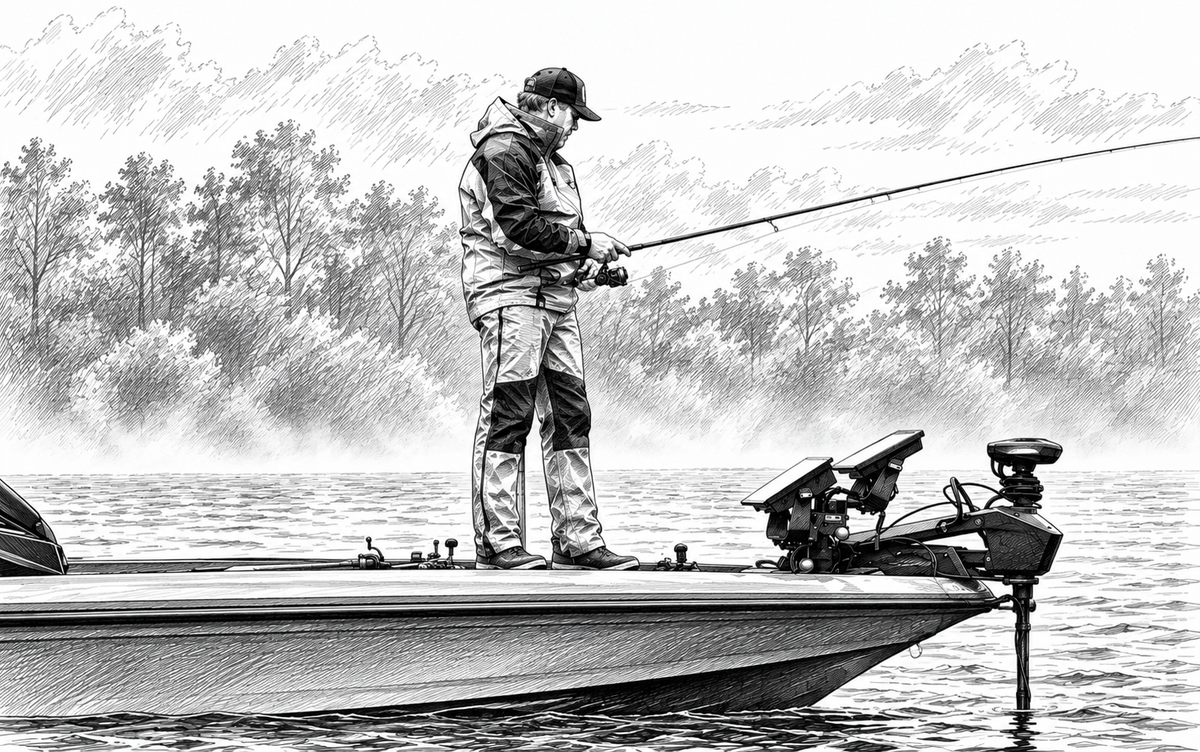
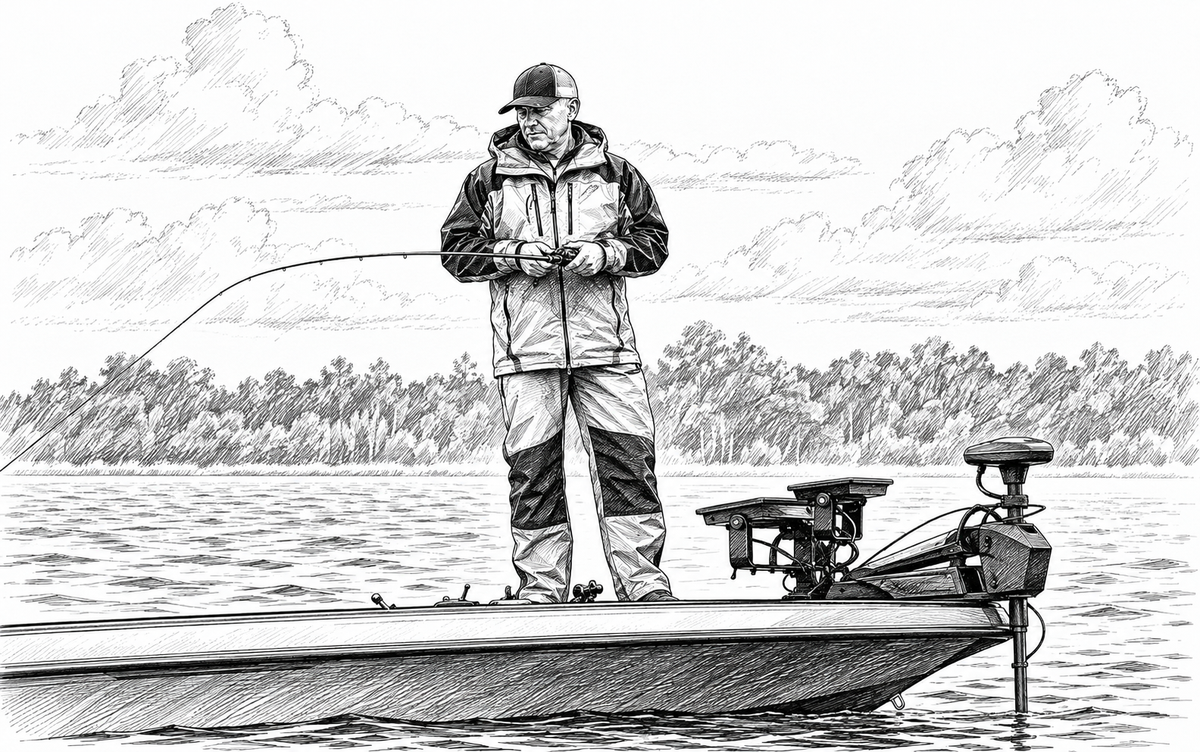
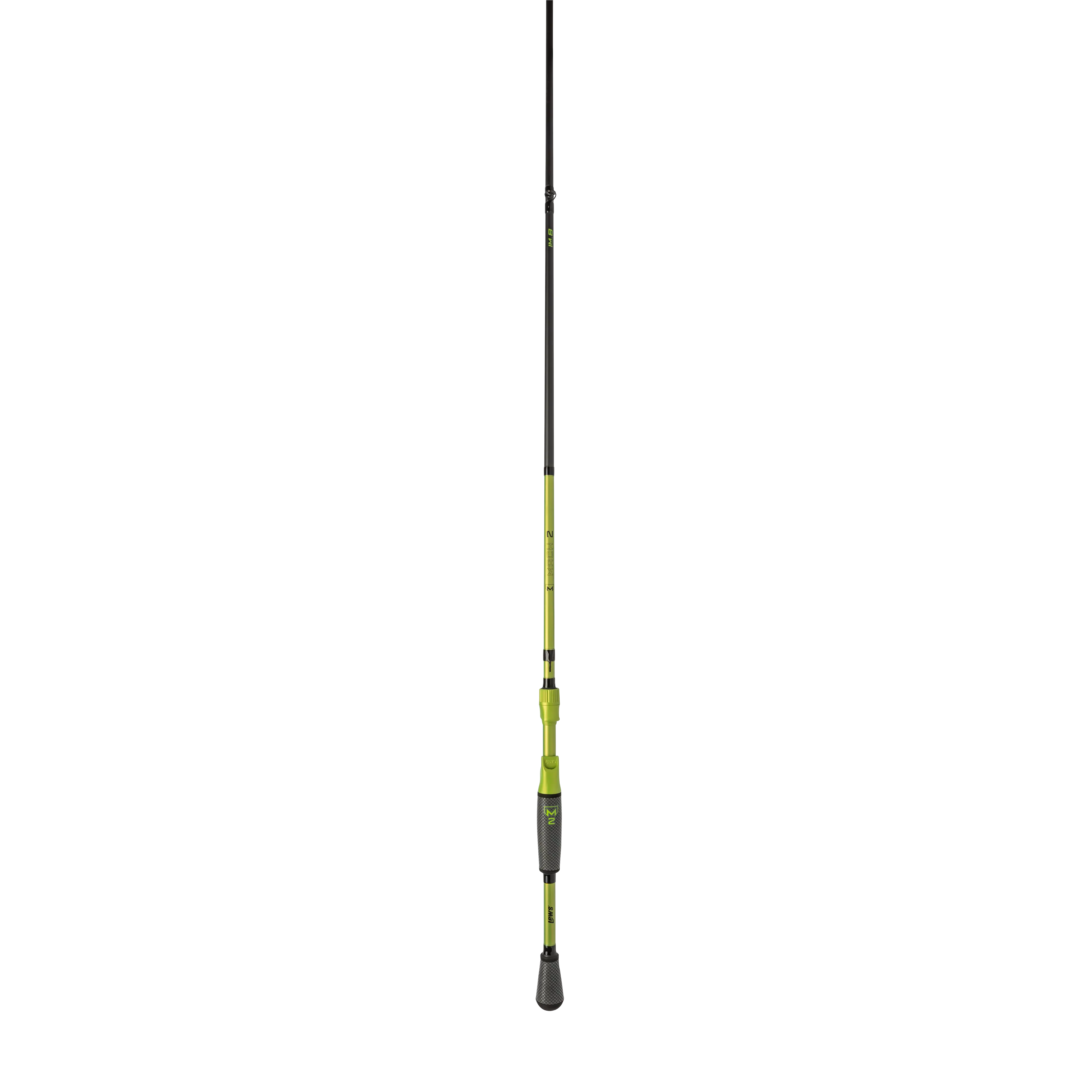
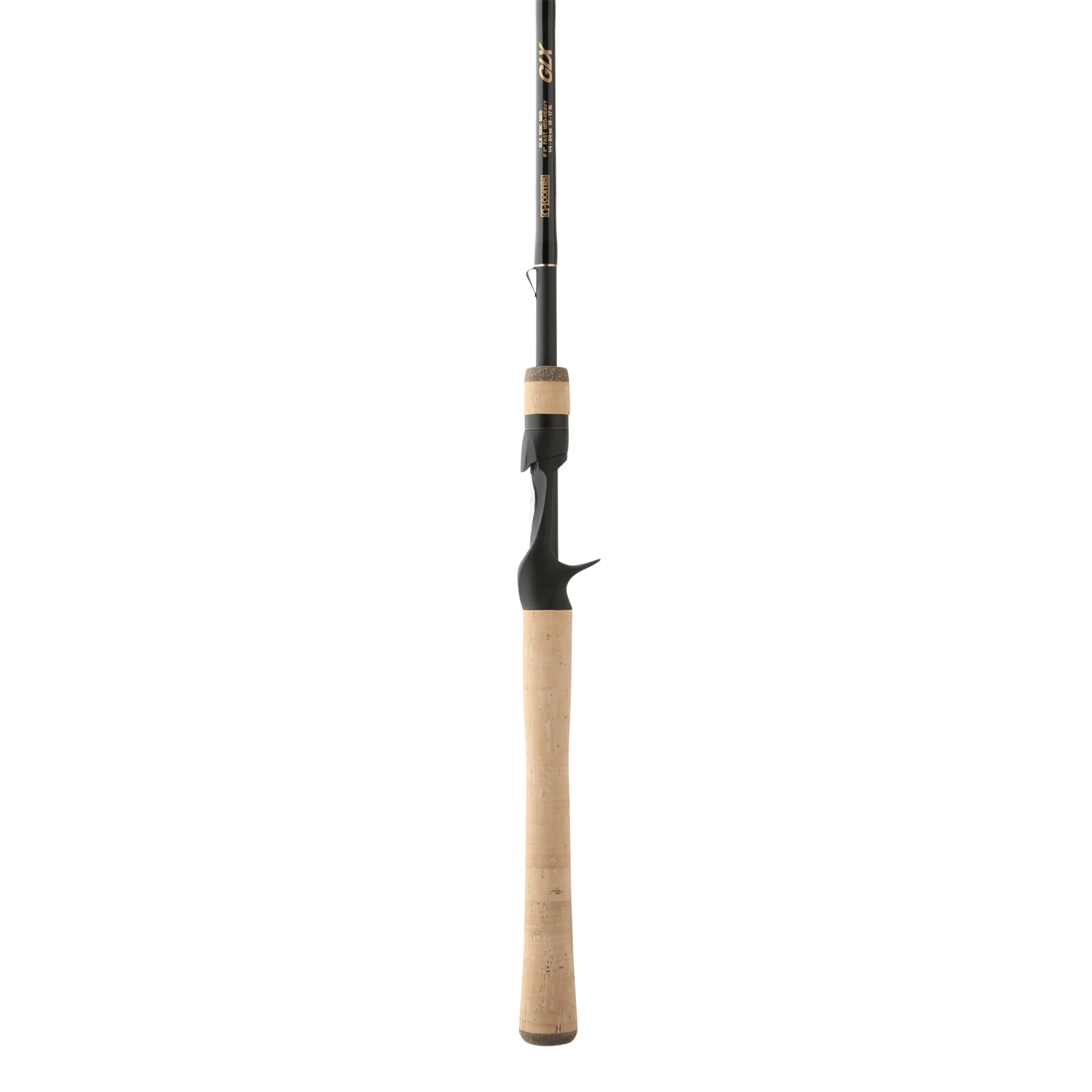
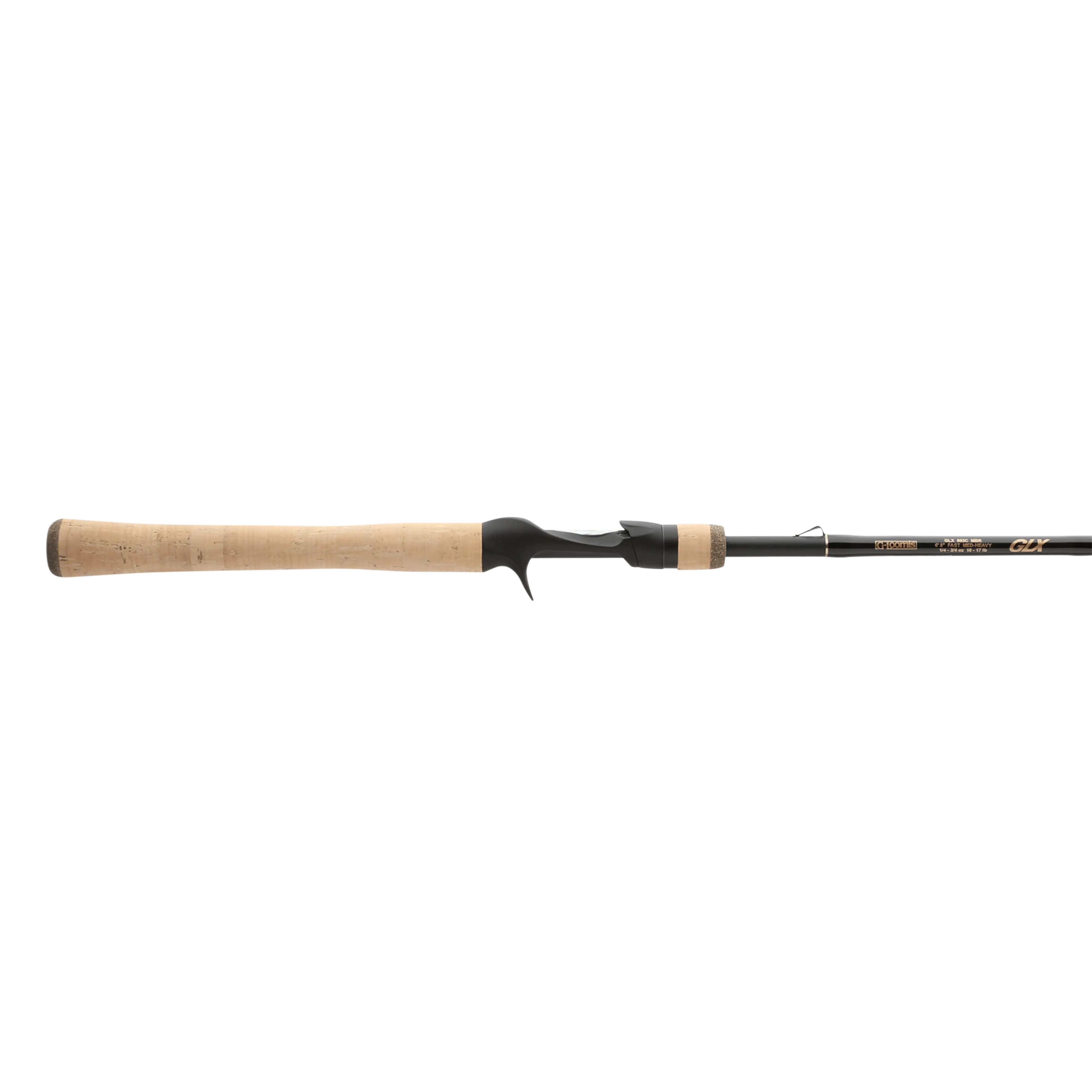
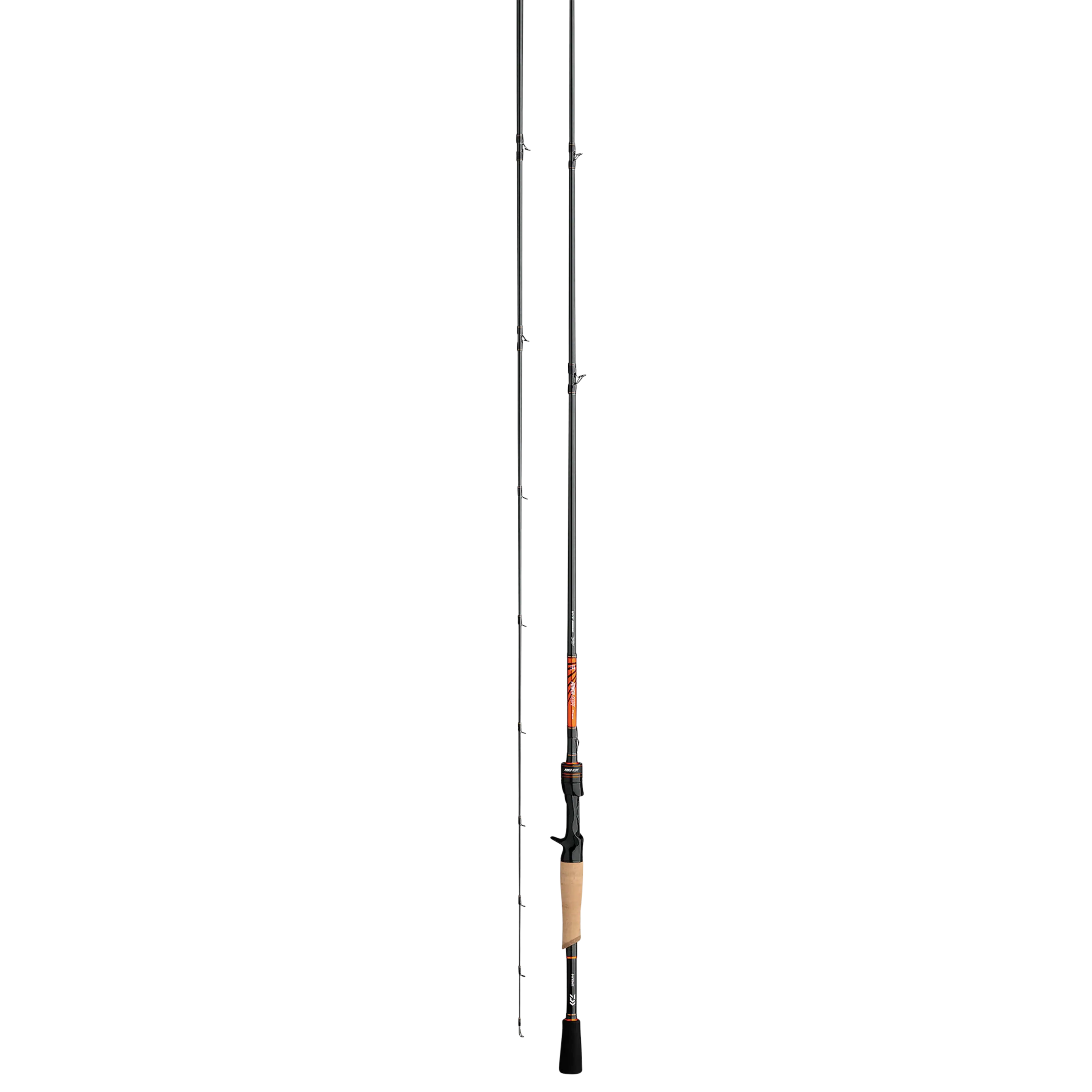
An urchin bait rod should balance casting performance, bait control, and the power needed to hook and land big fish. Although urchins are compact, they are dense baits fished on heavier line than most finesse techniques, and they frequently catch the biggest fish in the lake. The right combination of rod type, power, action, length, line rating, and lure weight depends mostly on the size of the urchin being fished.
When choosing an urchin bait rod, consider these key specs:
Rod Type
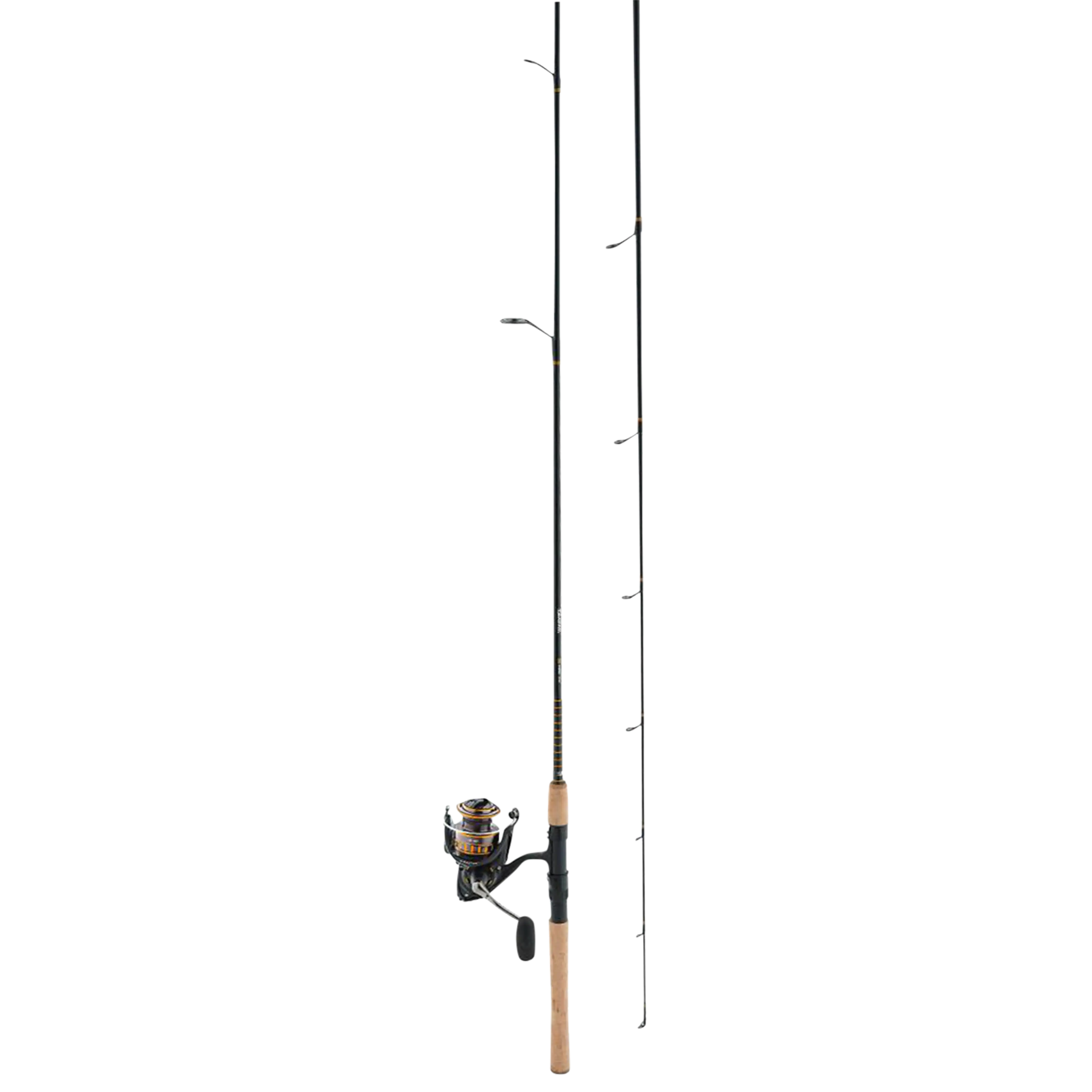
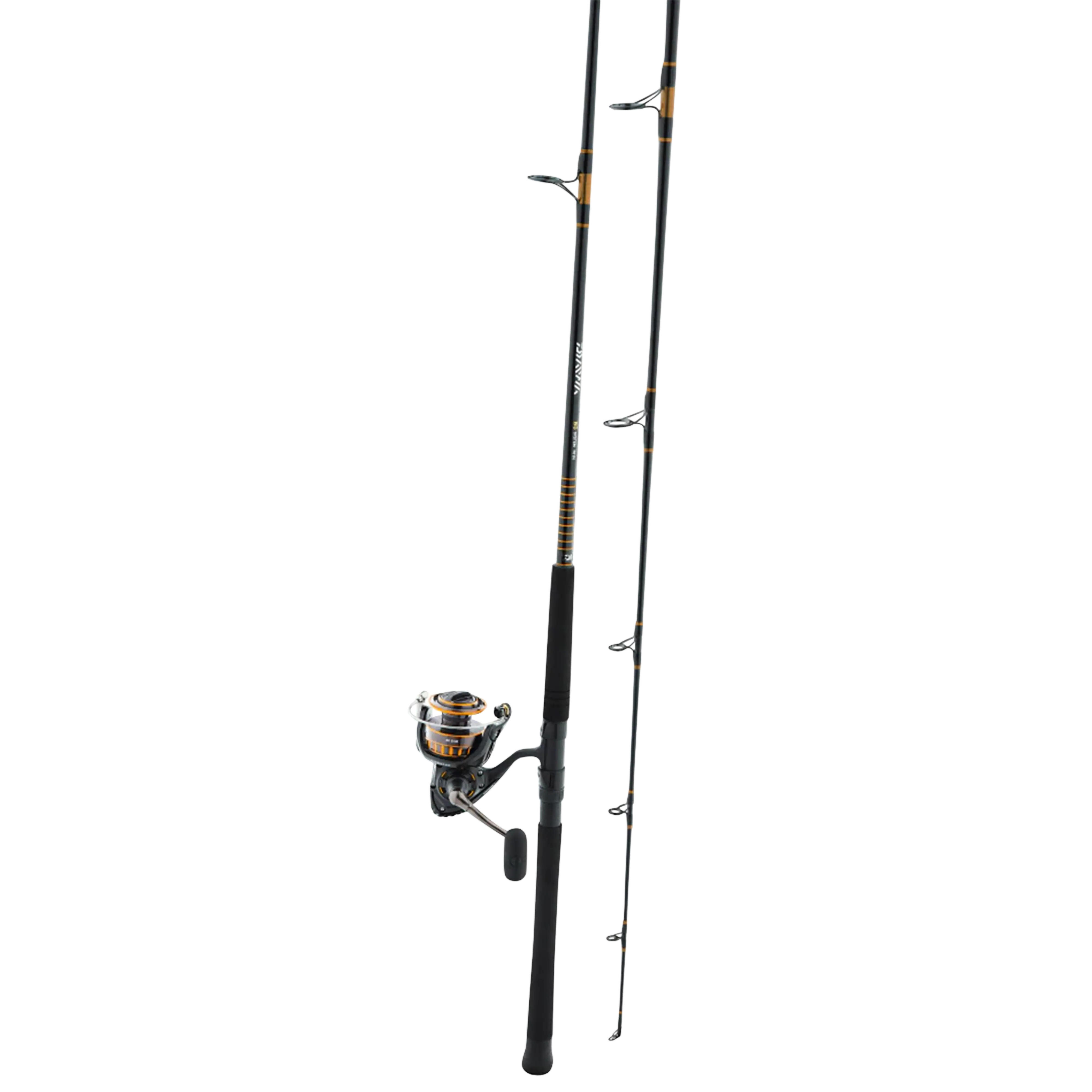
Casting rods are the standard for urchin fishing. They provide the power to drive hooks, control fish around cover, and handle the heavier fluorocarbon line these baits are fished on. Spinning rods are the right choice for mini urchins, which are too light to cast efficiently on a baitcaster, and they can also help when skipping small baits under docks.
Power
Rod power refers to the rod's resistance to bending under load. Urchin rods typically range from medium-light to heavy depending on bait size. Medium to medium-heavy rods handle standard urchins, while medium-heavy to heavy rods are best for full-size urchins and fishing around cover. Mini urchins on spinning tackle pair best with medium-light to medium power, which provides a softer tip for casting light baits.
Action
Action describes where a rod bends along the blank when pressure is applied. Fast actions are the standard for urchin fishing because they provide a responsive tip for sharp pops and twitches while maintaining the backbone needed for solid hooksets.
Length
Urchin rods typically range from 7'0" to 7'6". Longer rods improve casting distance and line pickup on the hookset, which matters when fish eat the bait on a semi-slack line. Most anglers favor 7'1" to 7'3" for standard and full-size urchins, while slightly longer spinning rods help cast mini urchins farther.
Line Rating
Line rating indicates the range of line strengths a rod is designed to handle. Urchin baits are commonly fished on straight fluorocarbon with casting gear, while spinning setups typically use braided mainline with a fluorocarbon leader. Even with small baits, line is heavier than typical finesse setups because urchins often trigger big fish.
Weight / Lure Rating
The lure rating identifies the range of weights a rod is designed to cast and control. With urchins, remember that the bait itself carries real weight before any weight is added. Mini urchins weigh under 1/10 oz, standard urchins roughly 3/16 to 5/16 oz, and full-size urchins roughly 7/16 to 5/8 oz. Most rigs then add anywhere from 1/32 to 1/4 oz of weight, so choose a rod rated for the total weight of the bait plus the weight you intend to fish.
Mini Urchin Baits (5–12mm)
Mini urchins are typically fished on spinning tackle because their light weight makes them difficult to cast on a baitcaster. Medium-light to medium spinning rods with fast actions provide the tip needed to cast light baits while keeping enough backbone for heavier leaders.
Targets: Smallmouth, spotted bass, pressured fish, clear water
Rod Type: Spinning
Rod Length: 7'0"–7'6"
Power: Medium-light to medium
Action: Fast
Line (Mainline / Leader): 10–15 lb braid / 14–17 lb fluorocarbon leader
Weights Used: 1/32–1/8 oz
Total Rig Weight: Approximately 1/8–1/4 oz
Standard Urchin Baits (13–19mm)
Standard urchins are most commonly fished on casting tackle. Medium to medium-heavy casting rods with fast actions provide the casting control and hook-setting power needed around brush, docks, and isolated cover.
Targets: Brush piles, docks, isolated cover, suspended fish
Rod Type: Casting
Rod Length: 7'0"–7'3"
Power: Medium to medium-heavy
Action: Fast
Line (Mainline / Leader): 14–17 lb fluorocarbon
Weights Used: 1/32–1/4 oz
Total Rig Weight: Approximately 1/4–1/2 oz
Full-Size Urchin Baits (20mm and up)
Full-size urchins are a power-fishing presentation paired with casting rods. Medium-heavy to heavy rods provide the backbone needed to skip and pitch heavy baits to docks and wood cover and to pull big fish away from structure.
Targets: Docks, wood cover, cypress trees, stained water, big largemouth
Rod Type: Casting
Rod Length: 7'1"–7'4"
Power: Medium-heavy to heavy
Action: Fast
Line (Mainline / Leader): 16–20 lb fluorocarbon
Weights Used: 1/32–1/4 oz
Total Rig Weight: Approximately 1/2–7/8 oz
Key Takeaways
- Casting rods are the standard for standard and full-size urchin baits
- Spinning rods are the right choice for mini urchins that are too light to cast on a baitcaster
- Medium to heavy power covers most urchin applications, with power increasing as bait size increases
- Fast actions provide the responsive tip needed for pops, twitches, and solid hooksets
- Match the rod's lure rating to the total weight of the bait plus added weight
- 7'1"–7'3" rods provide a versatile balance of casting distance, control, and leverage
Urchin Bait Rods & Combos



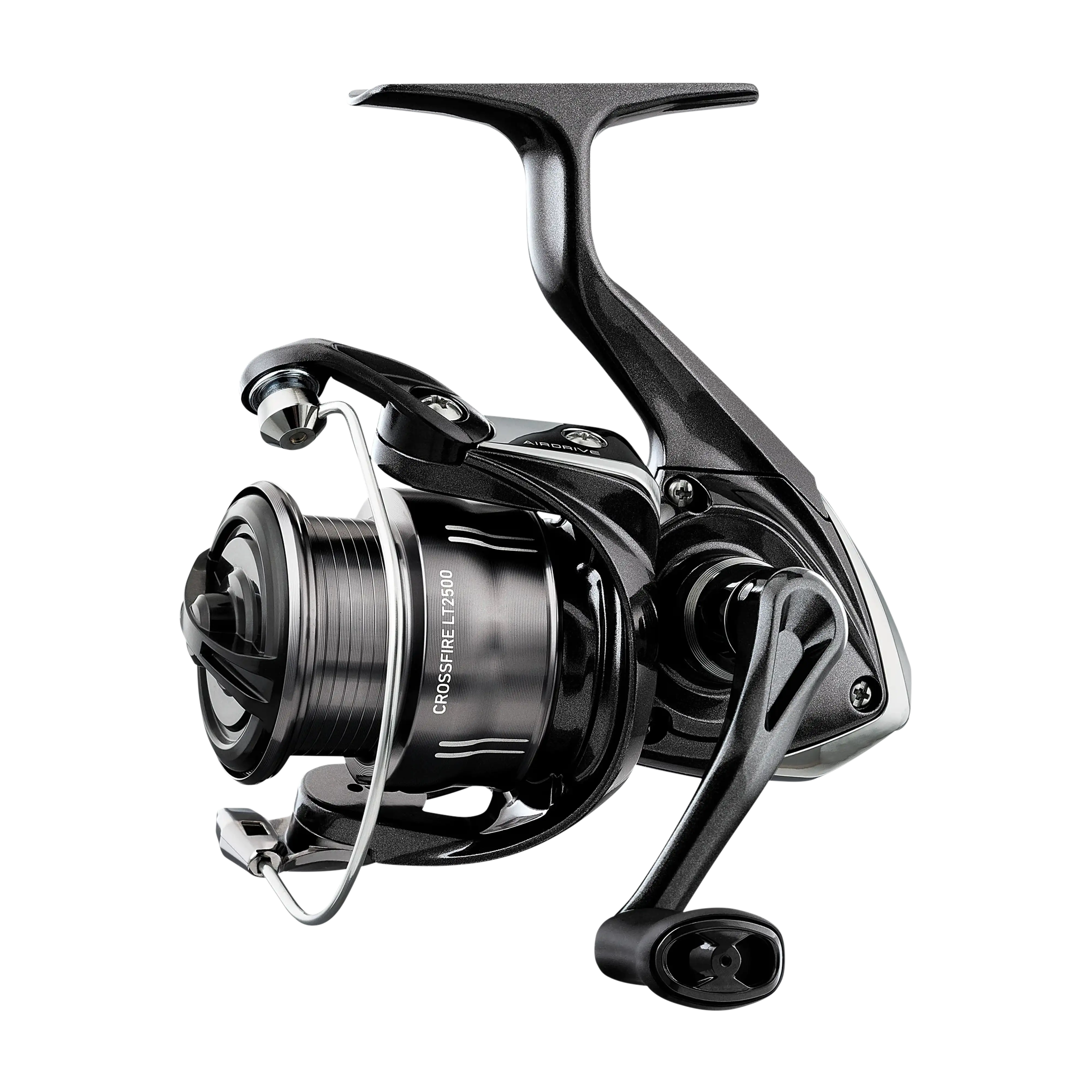
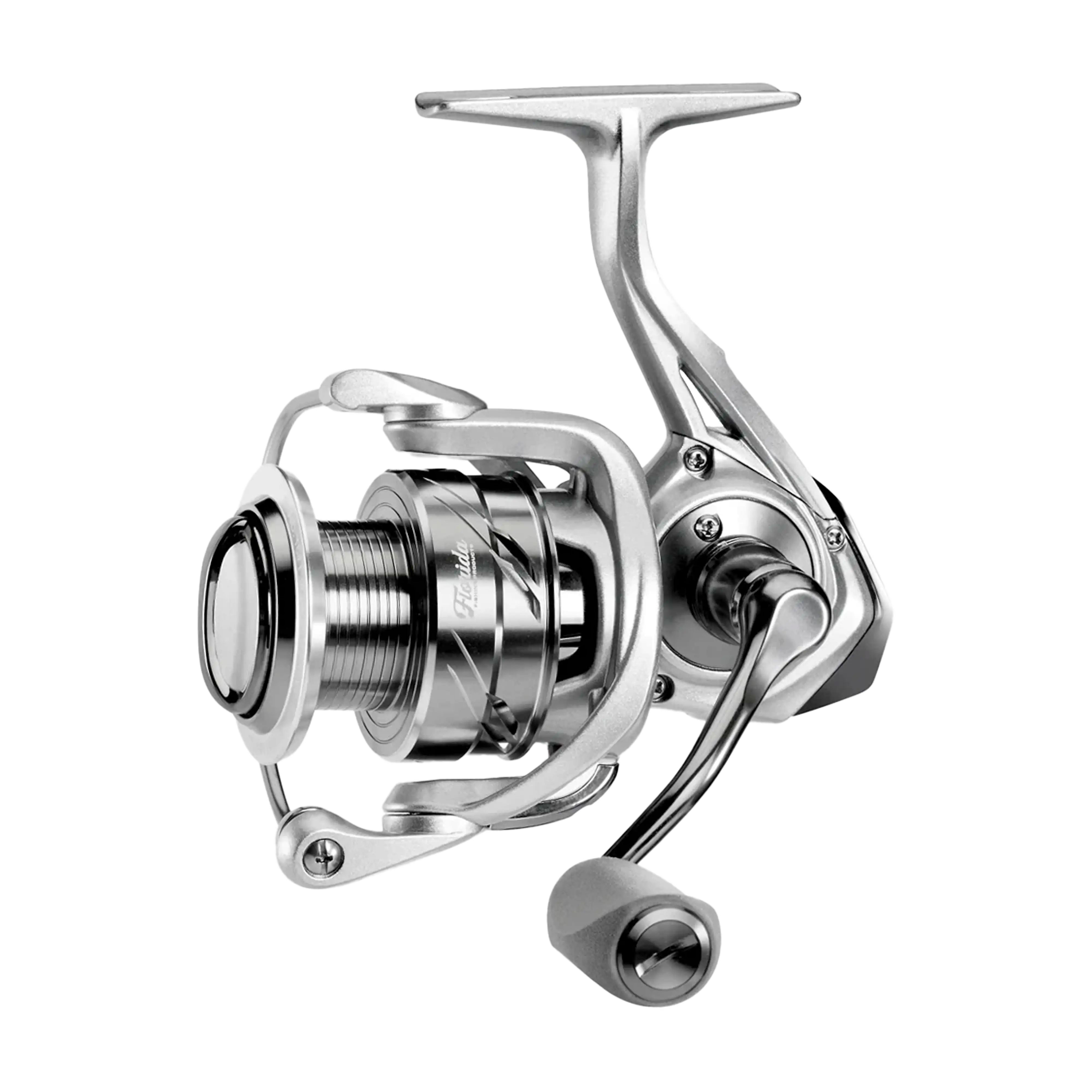
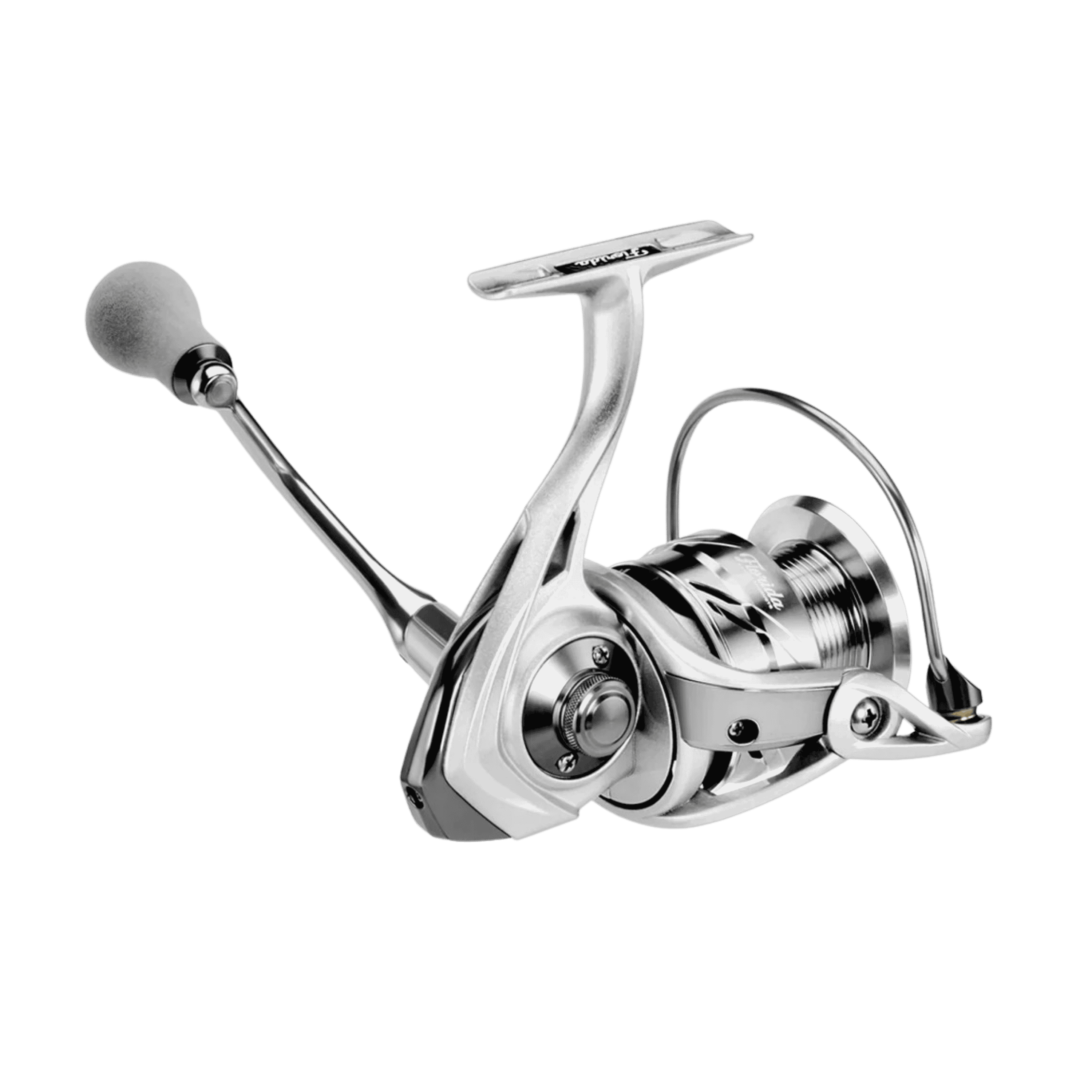
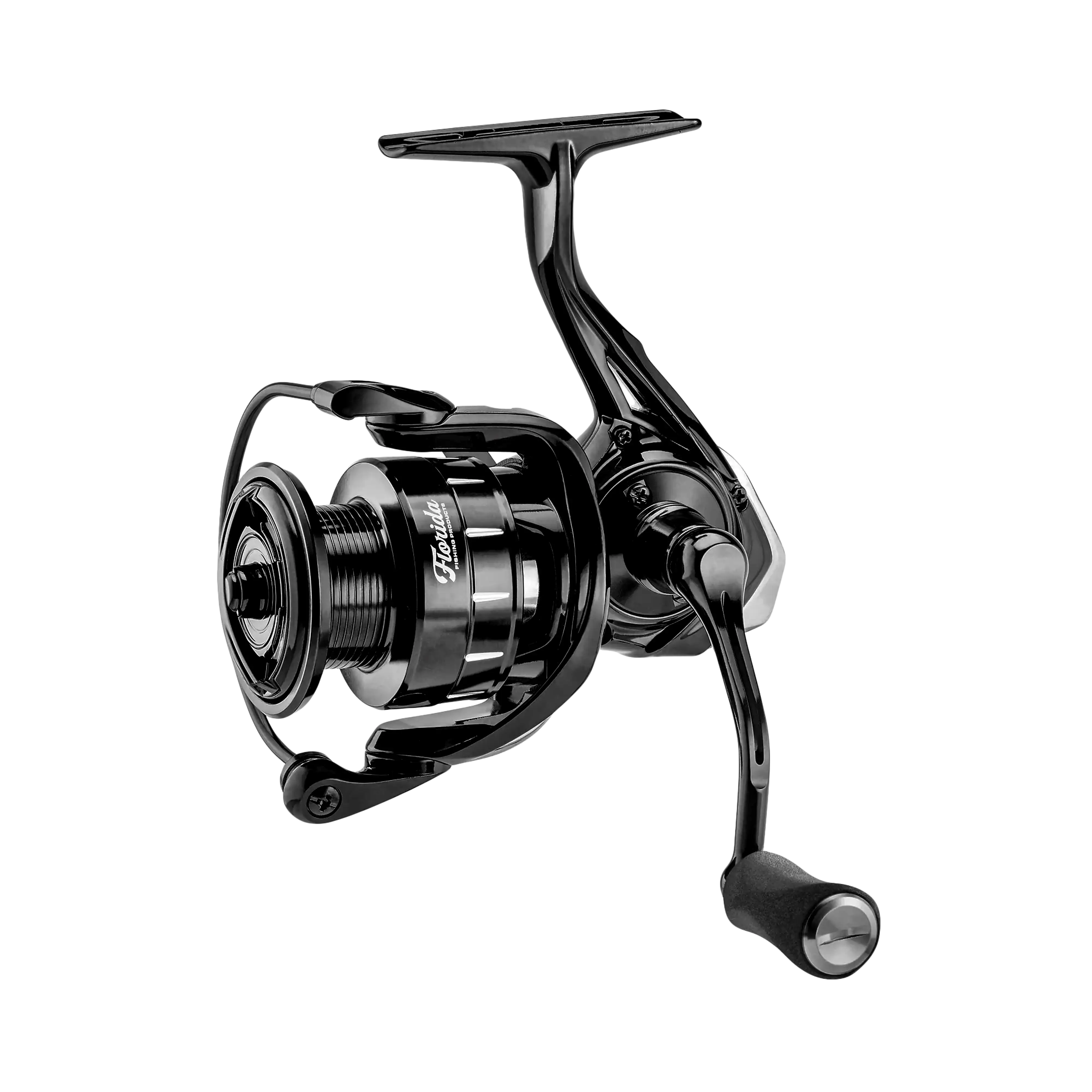
Best Reels for Urchin Bait Fishing
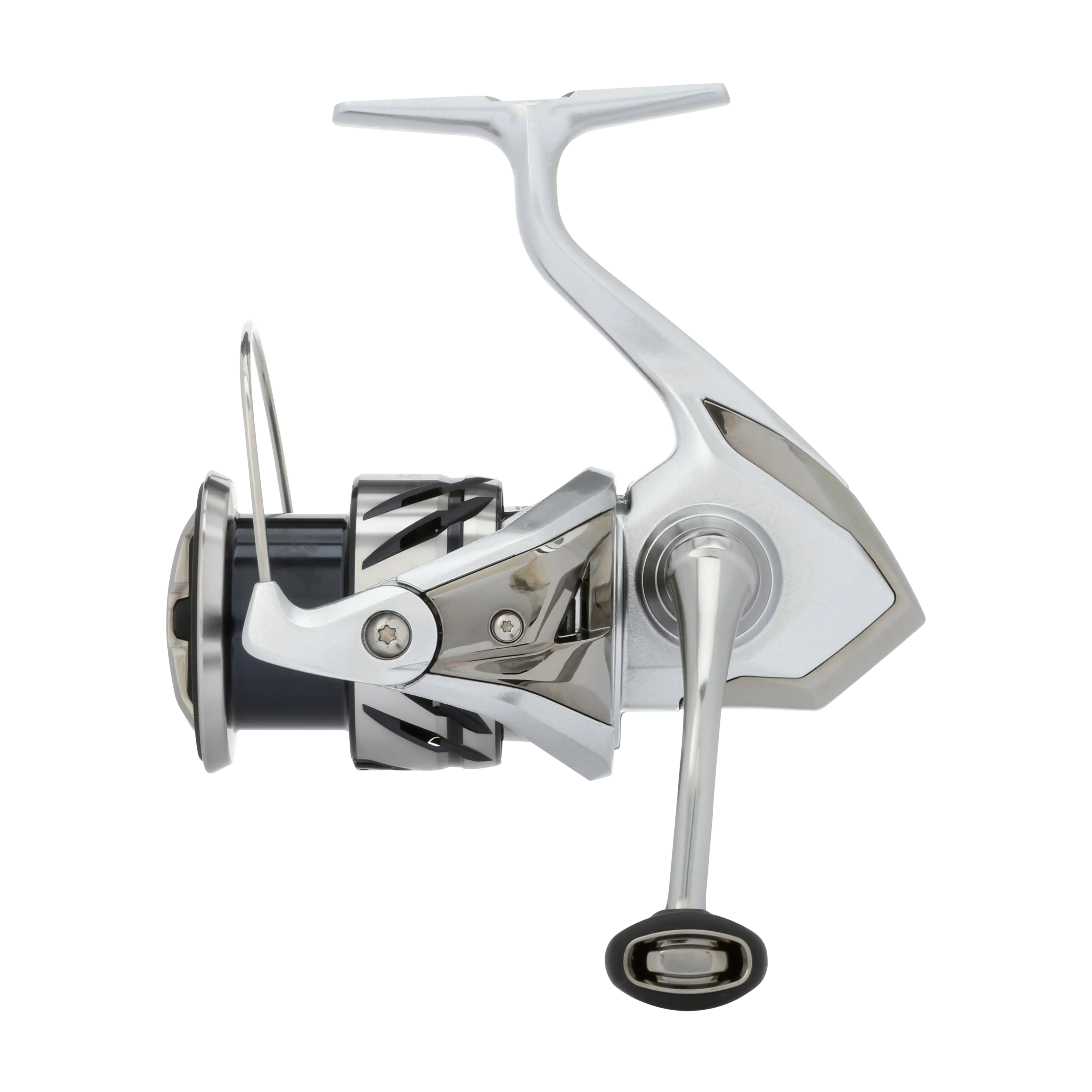
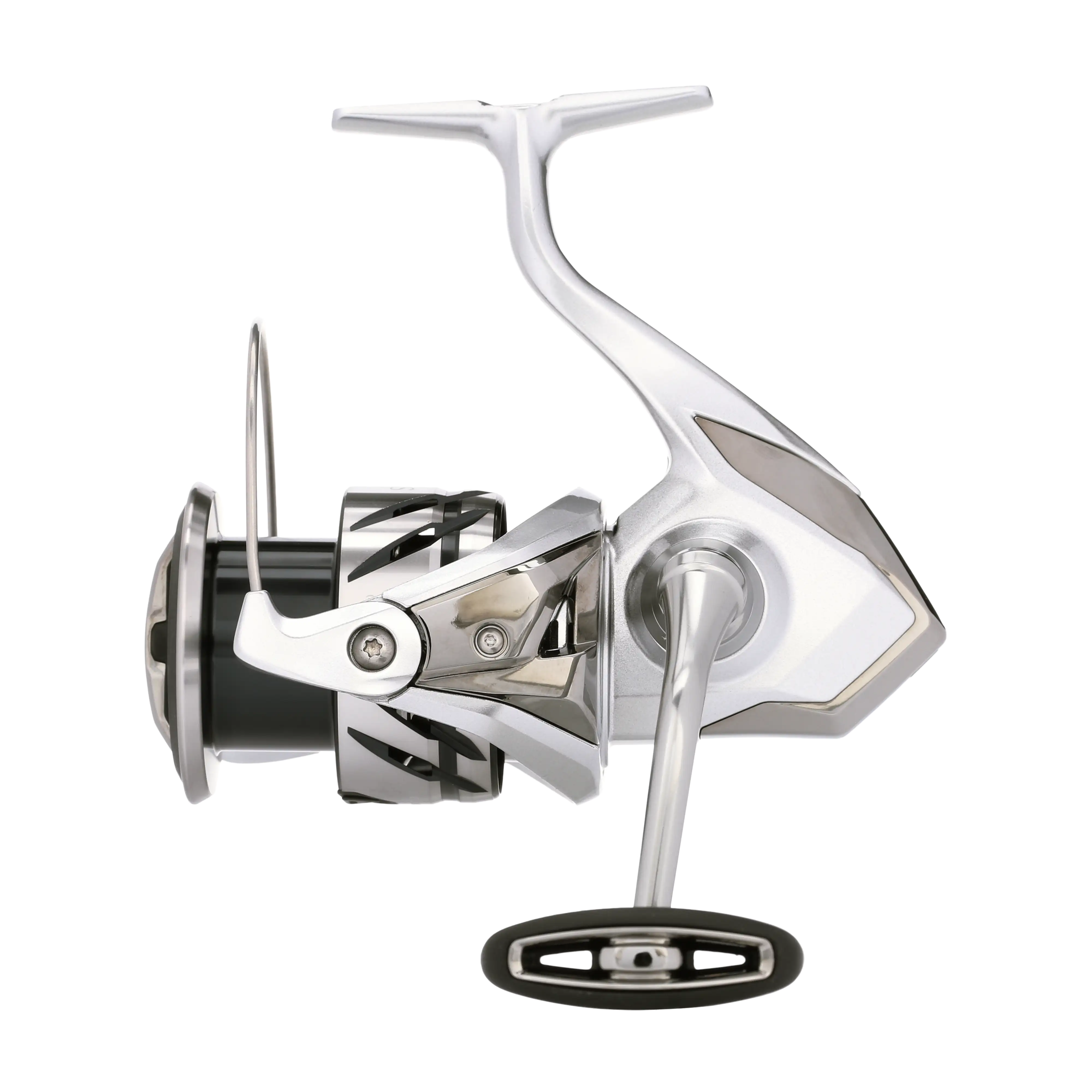
An urchin bait reel should complement the size of bait being fished and provide the line pickup and drag performance needed to land big fish. Because urchins are often worked with sharp pops and fished on semi-slack line, quick line pickup and a smooth drag help anglers stay connected from the hookset to the landing.
When choosing an urchin bait reel, consider these key features:
Reel Type
Casting reels are most commonly used for standard and full-size urchin baits because they handle heavier fluorocarbon line and provide more power and control when fighting fish around cover. Spinning reels are the preferred choice for mini urchins, where light baits and light weights cast more efficiently on spinning tackle.
Gear Ratio
Gear ratio determines how many times the spool rotates with one full turn of the handle, directly affecting retrieve speed and line pickup. High-speed casting reels in the 7.1:1 to 8.1:1 range are popular for urchin fishing because they quickly remove slack between pops and after a bite. For spinning reels, gear ratios around 6.2:1 to 7.1:1 provide good slack-line pickup for mini urchin presentations.
Drag System
The drag system controls line tension during the fight and should provide smooth, consistent performance under pressure. Urchin baits frequently catch big fish, often around docks and wood cover, so a drag that holds steady pressure without slipping helps anglers pull fish away from structure while protecting the line.
Line Capacity
Urchin fishing does not require excessive line capacity, but the reel should comfortably hold enough fluorocarbon or braid for long casts and the line weights being fished. Matching spool size to the intended line helps casting performance and reduces issues like backlashes and line memory.
Durability
Reels should be built to withstand repeated casting, skipping, and hard hooksets. Reels with rigid frames, corrosion-resistant components, and quality bearings maintain smoother performance and consistent drag pressure season after season.
Mini Urchin Baits (5–12mm)
Mini urchins are typically paired with a spinning reel because their light weight casts more efficiently on spinning tackle. A properly sized spinning reel provides smooth casting and enough drag to control fish on a heavier fluorocarbon leader.
Reel Type / Size: Spinning reel, 2500–3000 size
Gear Ratio: 6.2:1–7.1:1 (quick slack-line pickup)
Drag: Smooth, 10–15 lb maximum
Line (Mainline / Leader): 10–15 lb braid / 14–17 lb fluorocarbon leader
Standard Urchin Baits (13–19mm)
Standard urchins are most often fished with a low-profile casting reel, which provides accurate casting, quick line pickup, and the power to control fish around brush and docks.
Reel Type / Size: Low-profile casting reel, 100–150 size
Gear Ratio: 7.1:1–8.1:1 (fast for removing slack between pops and on the hookset)
Drag: Smooth, 12–15 lb maximum
Line (Mainline / Leader): 14–17 lb fluorocarbon
Full-Size Urchin Baits (20mm and up)
Full-size urchins demand a casting reel with the drag and line capacity to handle heavier line and big fish around cover.
Reel Type / Size: Low-profile casting reel, 150 size
Gear Ratio: 7.1:1–8.1:1 (fast for removing slack between pops and on the hookset)
Drag: Smooth, 15–20 lb maximum
Line (Mainline / Leader): 16–20 lb fluorocarbon
Key Takeaways
- Casting reels are the standard for standard and full-size urchin baits
- 2500–3000 size spinning reels handle mini urchin presentations
- High-speed gear ratios (7.1:1–8.1:1) help remove slack quickly between pops and on the hookset
- A smooth, strong drag helps pull big fish away from docks and wood cover
- Choose a reel with durable construction and enough capacity for the line weights being fished
Urchin Bait Fishing Reels



Urchin-Style Baits
Urchin baits vary considerably in size, material, tentacle density, and color, with each influencing how the bait falls, moves, and appears underwater. While the overall concept remains the same, selecting the right bait size for the fish and conditions improves casting performance, lure control, and overall effectiveness.
Here's what to look for:
Size & Weight
Urchin baits are typically measured by body diameter in millimeters rather than overall length. Size directly affects how the bait casts, how fast it falls, and the tackle it should be fished on.
- Mini (approximately 5–12 mm body diameter): Best suited for spinning tackle when targeting smallmouth, spotted bass, and pressured fish in clear water.
- Standard (approximately 13–19 mm body diameter): The most versatile size range for largemouth and smallmouth, fished on casting tackle around brush, docks, and isolated cover.
- Full-Size (approximately 20 mm body diameter and up, into the 30 mm range): Produces a larger profile with more water displacement, making it the top choice for targeting big largemouth, fishing stained water, and power fishing around cover.
Bait weight increases quickly with size. Mini urchins typically weigh less than 1/10 oz, standard urchins roughly 3/16 to 5/16 oz, and full-size urchins roughly 7/16 to 5/8 oz, which is why full-size urchins are fished on heavier casting tackle.
Material also affects performance. Most urchins are made from TPE (elastomer), a highly durable material that floats and typically needs added weight to sink, while a few models use a denser or salt-infused material that sinks on its own and can be fished weightless in shallow water.
Colors & Styles
Urchin baits are available in a wide range of natural forage patterns, translucent finishes, solid colors, and high-contrast combinations. Natural greens and browns, green pumpkin, and translucent shad tones are popular choices for clear water and pressured fish, while white, chartreuse, and dark colors like black provide a more visible profile in stained water or low-light conditions.
Urchins have performed best overall in clear water with at least 2 ft of visibility; when the water is stained, full-size baits are the better choice. Some baits feature sparse tentacles for a subtler presentation, while others use denser tentacle patterns that create a fuller profile and displace more water. Carrying a variety of colors and profiles allows anglers to adjust to changing conditions while fishing the same rigs.
Key Takeaways
- Urchin baits are measured by body diameter, so choose by millimeter size rather than length
- Mini sizes pair with spinning tackle, while standard and full-size urchins are fished on casting gear
- Full-size urchins draw bigger fish and are the choice for stained water
- Natural, green pumpkin, and translucent colors excel in clear water, while white, chartreuse, and dark colors improve visibility in stained water
- Urchins perform best overall in clear water with at least 2 ft of visibility
- Tentacle density and bait material influence the bait's profile and fall as much as size
Urchin Baits


Urchin Bait Line & Leaders
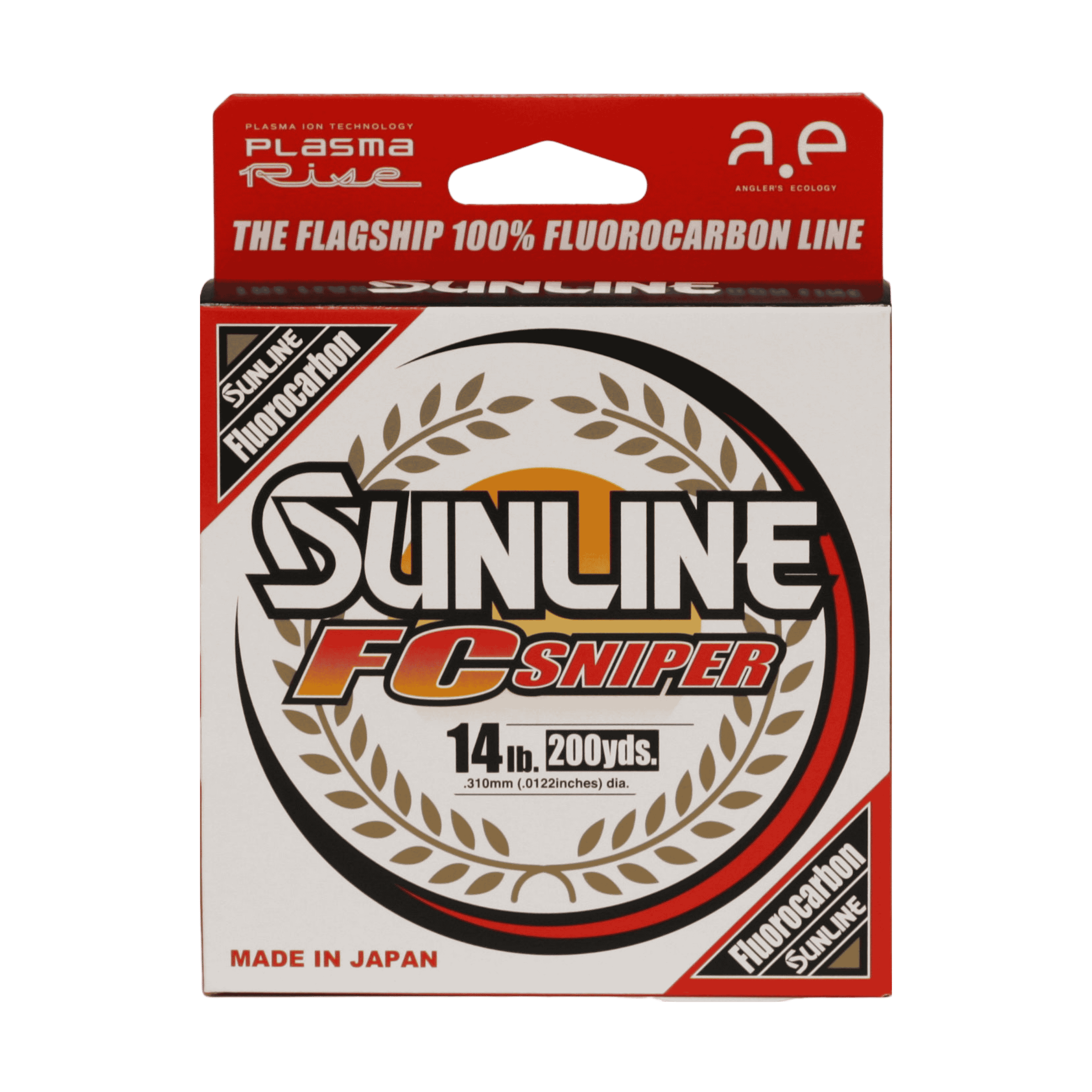
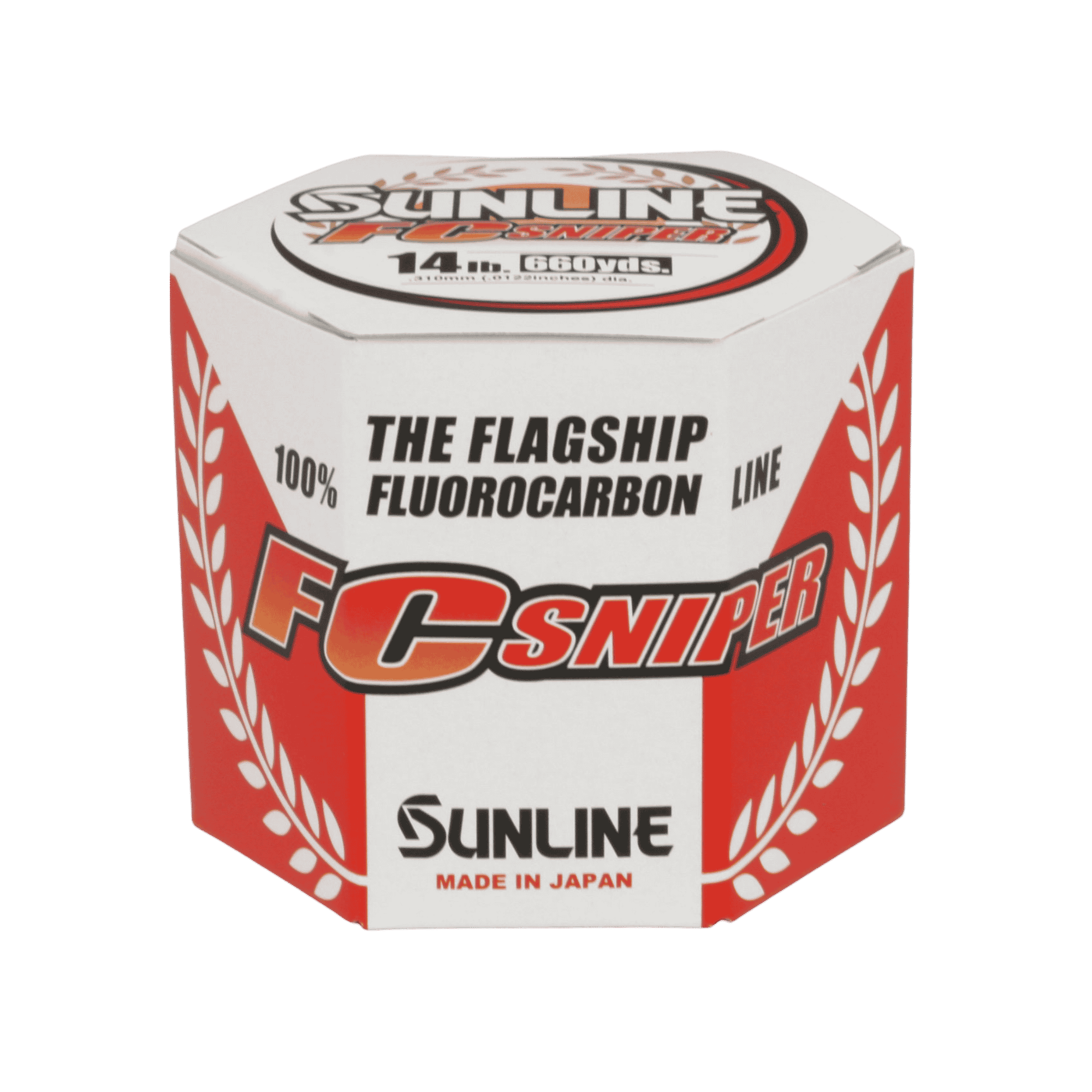
Choosing the right line helps anglers get the most out of urchin baits while standing up to the big fish they catch. Despite their compact size, urchins are not a finesse technique. They are fished on heavier line than most finesse presentations, and the ideal setup depends mainly on bait size and whether the bait is fished on casting or spinning tackle.
Fluorocarbon Mainline
Straight fluorocarbon is the most common line choice for urchin fishing on casting tackle. It offers low visibility, low stretch, and abrasion resistance around docks, wood, and brush, and it sinks, which helps maintain a direct connection as the bait falls. Many anglers prefer straight fluorocarbon over braid to a leader because they feel the bait performs better on it.
Braided Mainline with Fluorocarbon Leader
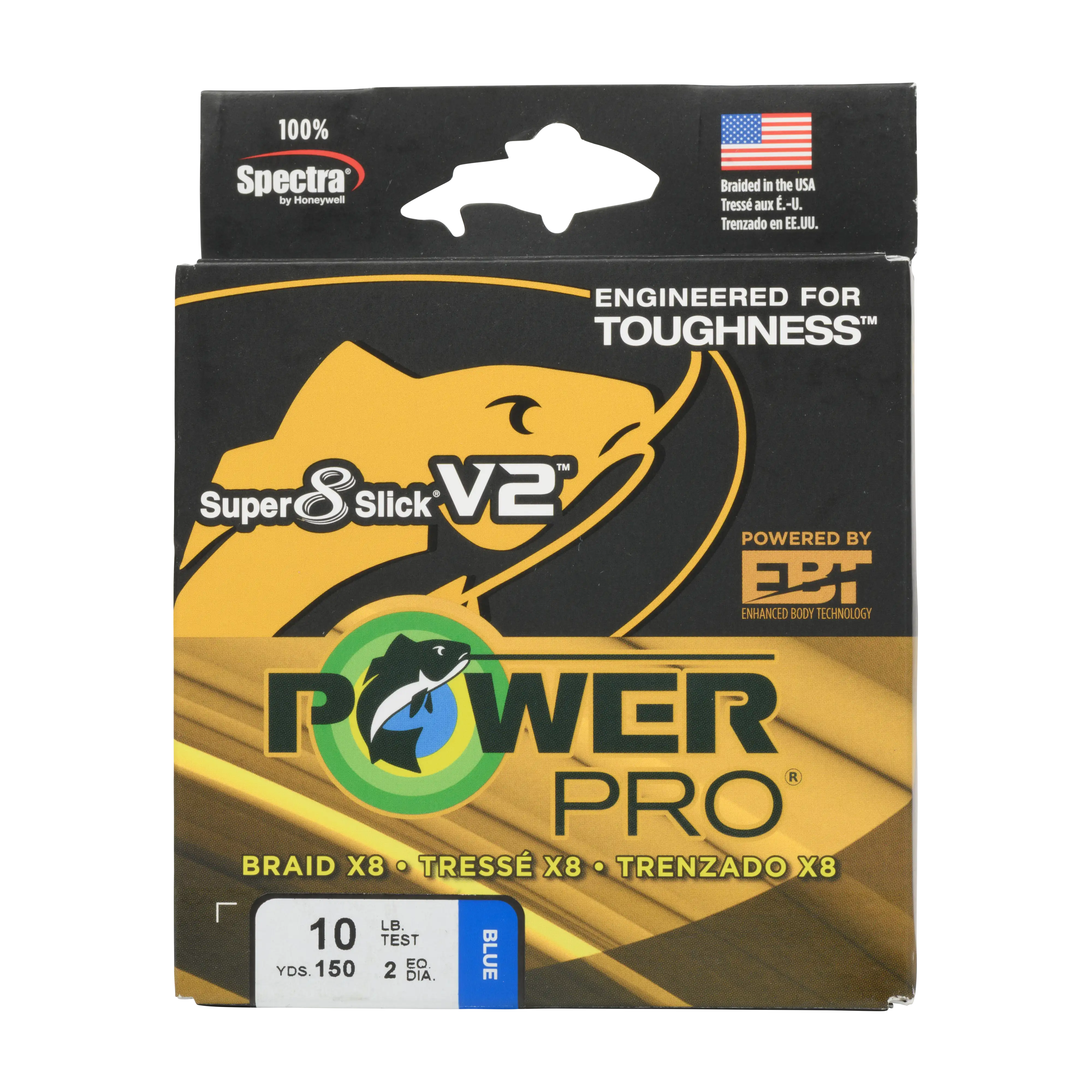
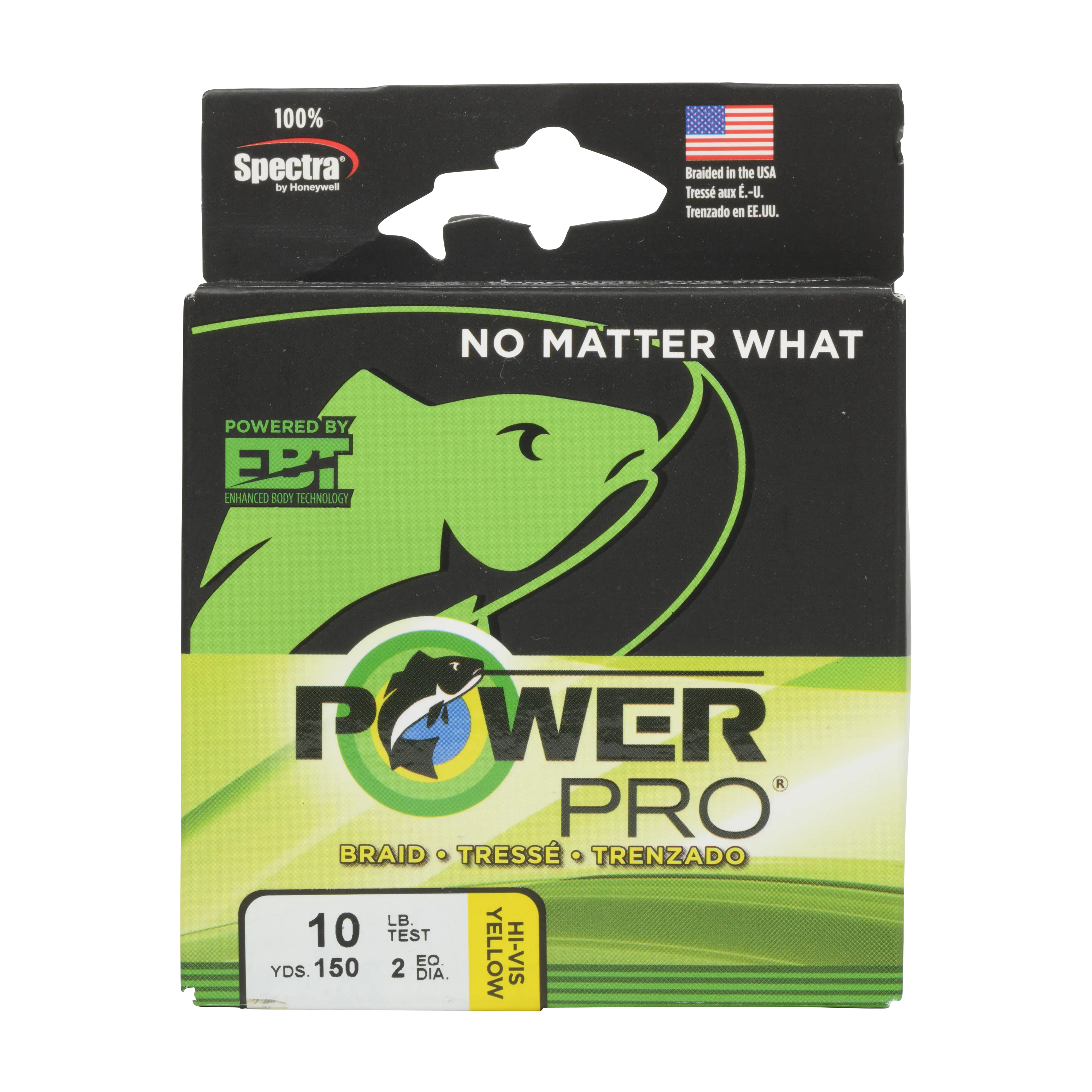
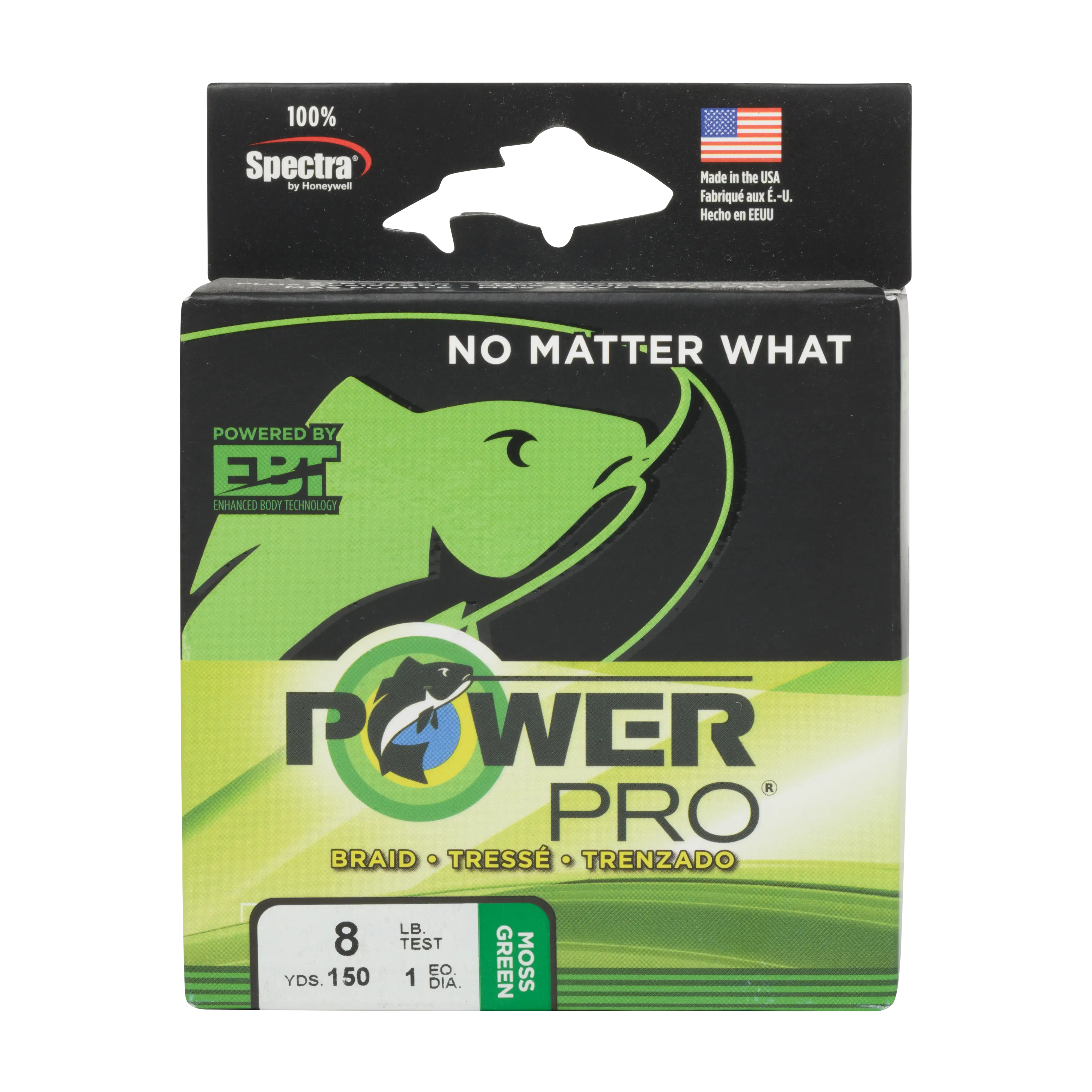
Braided mainline with a fluorocarbon leader is the preferred setup for mini urchins on spinning tackle. Braid casts light baits farther and provides sensitivity and a solid hookset, while the fluorocarbon leader adds low visibility and abrasion resistance. Leaders in the 14–17 lb range are common even on small baits, providing enough strength to land big fish that eat urchins.
Suggested Line & Leaders
Mini Urchin Baits (5–12mm)
Line (Mainline / Leader): 10–15 lb braid / 14–17 lb fluorocarbon leader
Standard Urchin Baits (13–19mm)
Line (Mainline / Leader): 14–17 lb fluorocarbon
Full-Size Urchin Baits (20mm and up)
Line (Mainline / Leader): 16–20 lb fluorocarbon
Key Takeaways
- Straight fluorocarbon is the standard line choice on casting tackle
- Braid with a fluorocarbon leader is the preferred setup for mini urchins on spinning tackle
- Urchins are fished on heavier line than typical finesse techniques
- Increase line strength as bait size and cover increase
Urchin Bait Line & Leaders




Urchin Bait Terminal Tackle
Choosing the right hooks and weights is important for maximizing the unique movement of urchin baits. The right components control sink rate, casting distance, and snag resistance while providing reliable hook penetration. Because urchin fishing is still evolving, new hooks and weights designed specifically for these baits are being introduced constantly.
Urchin Bait Weights
Weight selection depends more on depth, wind, and the desired fall rate than on the size of the bait. Urchins are fished with anywhere from 1/32 to 1/4 oz of added weight. A 1/32 oz nail weight can work on any size bait when a slow fall is the goal, while 1/8 to 1/4 oz weights are used on larger urchins for a faster fall, especially in deeper water. Mini urchins typically stay in the 1/32 to 1/8 oz range.
Sink rate is one of the most important parts of the presentation. Most anglers want the bait to fall slowly and come close to suspending during pauses, so the goal is to use the lightest weight that still gets the bait to the fish.
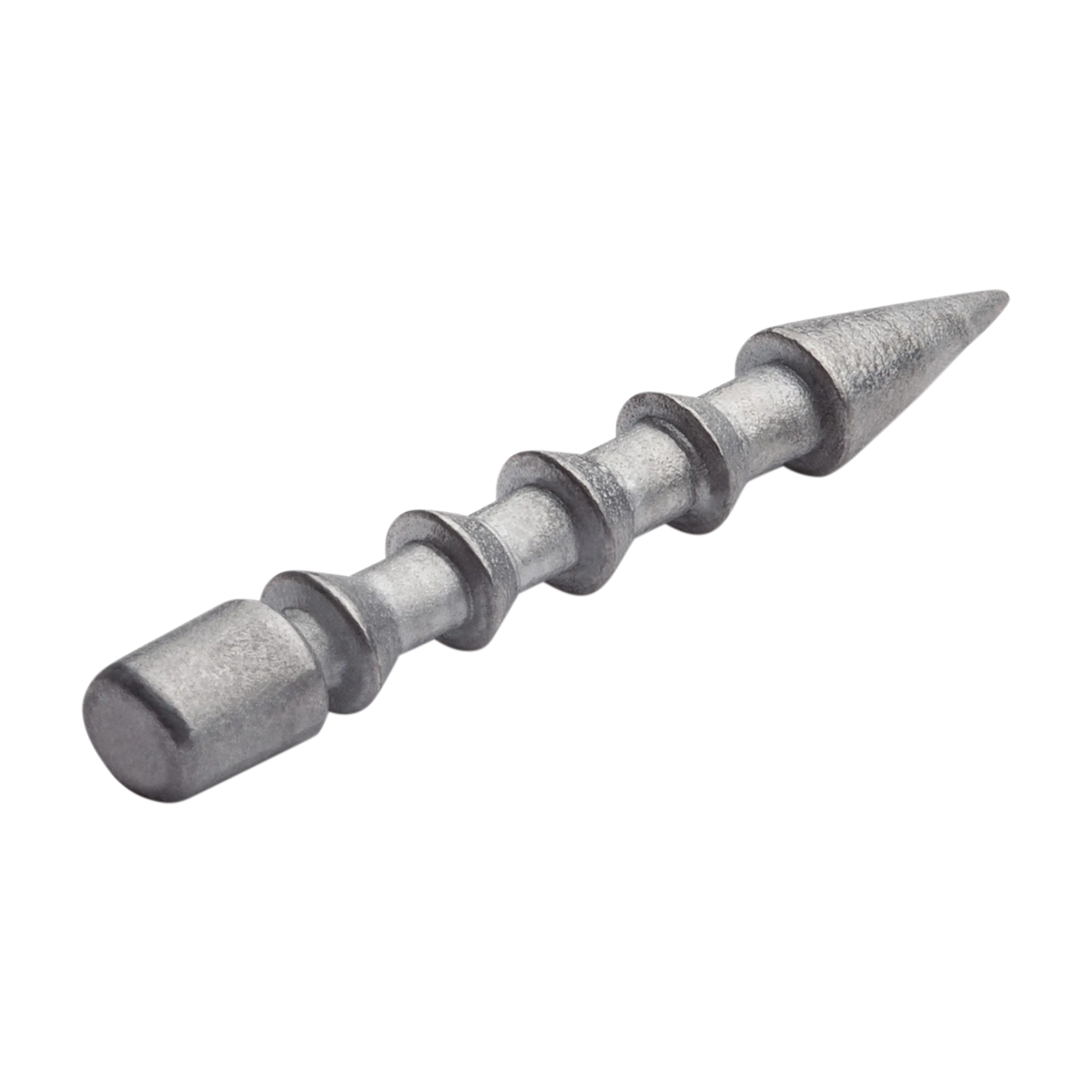
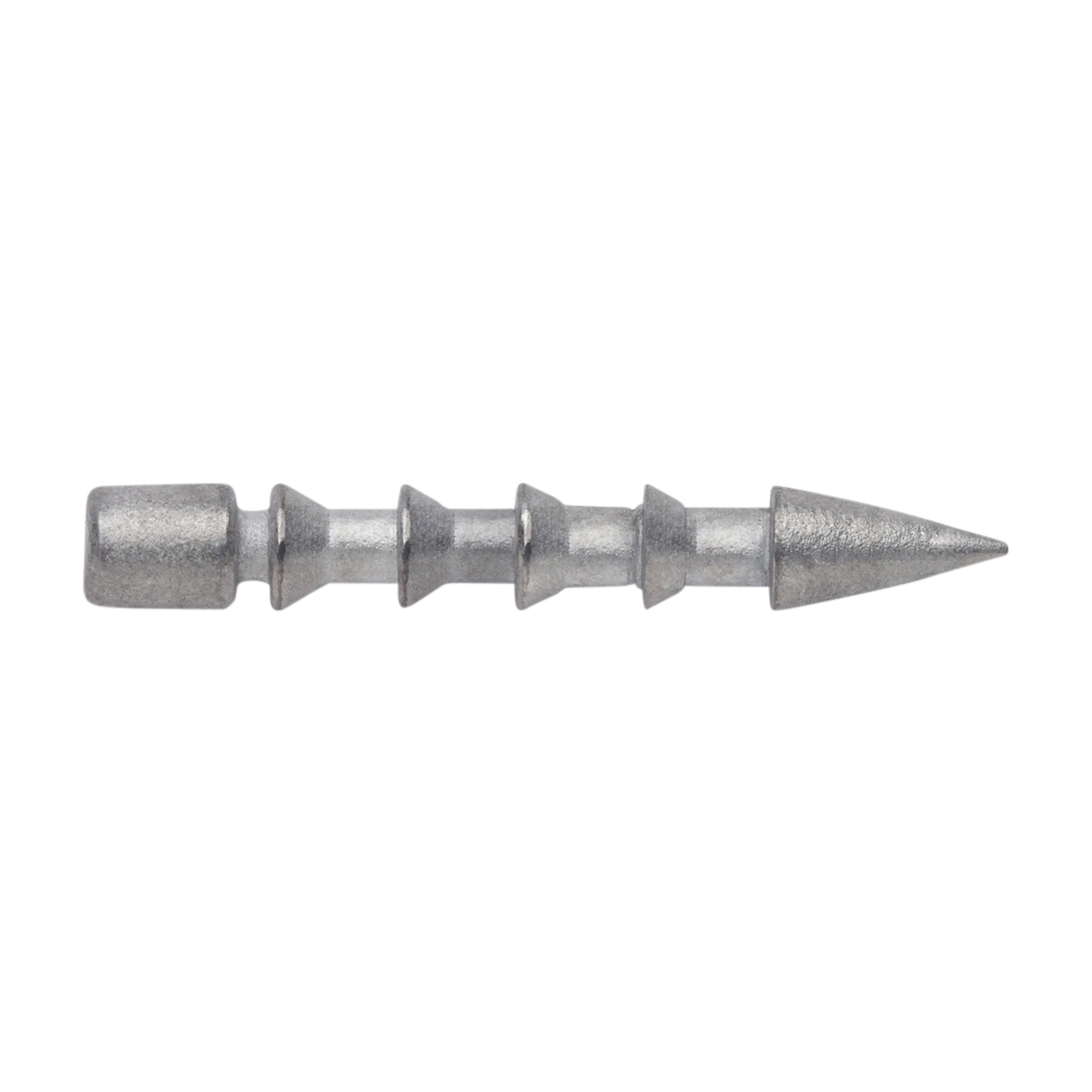
The way the weight is positioned also changes the presentation. Nail weights are the most common method and are pushed into the hole through the center of the bait, keeping the profile compact and the fall balanced. Tungsten nail weights are preferred because they are smaller and denser than lead, and the center hole is small. Barbed nail weights hold especially well in TPE baits, but because the barbs prevent them from pulling out, push the weight through the bait to change sizes. Drop shot-style weights, attached to the hook with a split ring or clip, and weights molded onto the hook place the weight at the front of the bait so it falls faster and pivots on the bottom.
Urchin Bait Hooks
Hook selection for urchin baits depends on the bait's diameter, the rigging style, and the amount of cover being fished. Because urchins are sized by body diameter in millimeters, hook sizes can be larger than expected for such a compact bait. The goal is to choose a hook with enough gap for solid hooksets while allowing the tentacles to move naturally.
Common hook sizes:
#4–#2: Common for mini urchins and smaller treble hook rigs.
#1–2/0: The most common range for treble and quad hooks on standard and full-size urchins, with #1 and 1/0 used most.
1/0–5/0: Common for single and double frog hooks, sized to match bait diameter, with 2/0 a common match for 17mm baits and 4/0 to 5/0 for full-size urchins.
Hook style affects presentation:
Treble & Quad Hooks: The most popular choice for open water and sparse cover, offering the highest hookup ratio.
Double Frog Hooks: Threaded through the center of the bait with both points exposed behind it, offering better snag resistance around docks and wood.
Single Hooks: Neko- and wacky-style hooks skin-hooked into the bait for fishing heavier cover.
Weighted Urchin Hooks: Hooks with molded weights, clips, or loops designed specifically to hold urchins and attach weight, including weedless versions for grass and timber.
Fish Care Note: Bass frequently take urchin baits deep. When using treble and quad hooks on standard and full-size urchins, use no smaller than a #1, and consider double frog or single hooks, which are harder for fish to swallow. Having long-nose pliers or a hook-removal tool on hand helps release fish quickly.
Urchin Bait Weighted Hooks
Weighted urchin hooks combine the hook and weight into a single component designed around the shape of these baits. Molded weights cradle the bait to keep it from sliding on the hook, and many designs keep the hook points exposed behind the bait for better hookups. Weedless versions help work urchins through grass, timber, and other cover where open hooks snag.
Common hook weights:
- 1/32–1/16 oz: Mini urchins, shallow water, and the slowest falls
- 3/32–1/8 oz: The most versatile range for everyday urchin fishing
- 5/32–3/16 oz: Deeper water, wind, and faster bottom contact
Key Takeaways
- Match hook size to bait diameter and rigging style
- Treble and quad hooks provide the highest hookup ratio, while double frog and single hooks handle cover better
- Use the lightest weight that still gets the bait to the fish
- Tungsten nail weights in the center hole are the most common weighting method, from 1/32 to 1/4 oz depending on depth and fall rate
- Weighted urchin hooks offer a secure, all-in-one rigging option
Urchin Bait Terminal Tackle


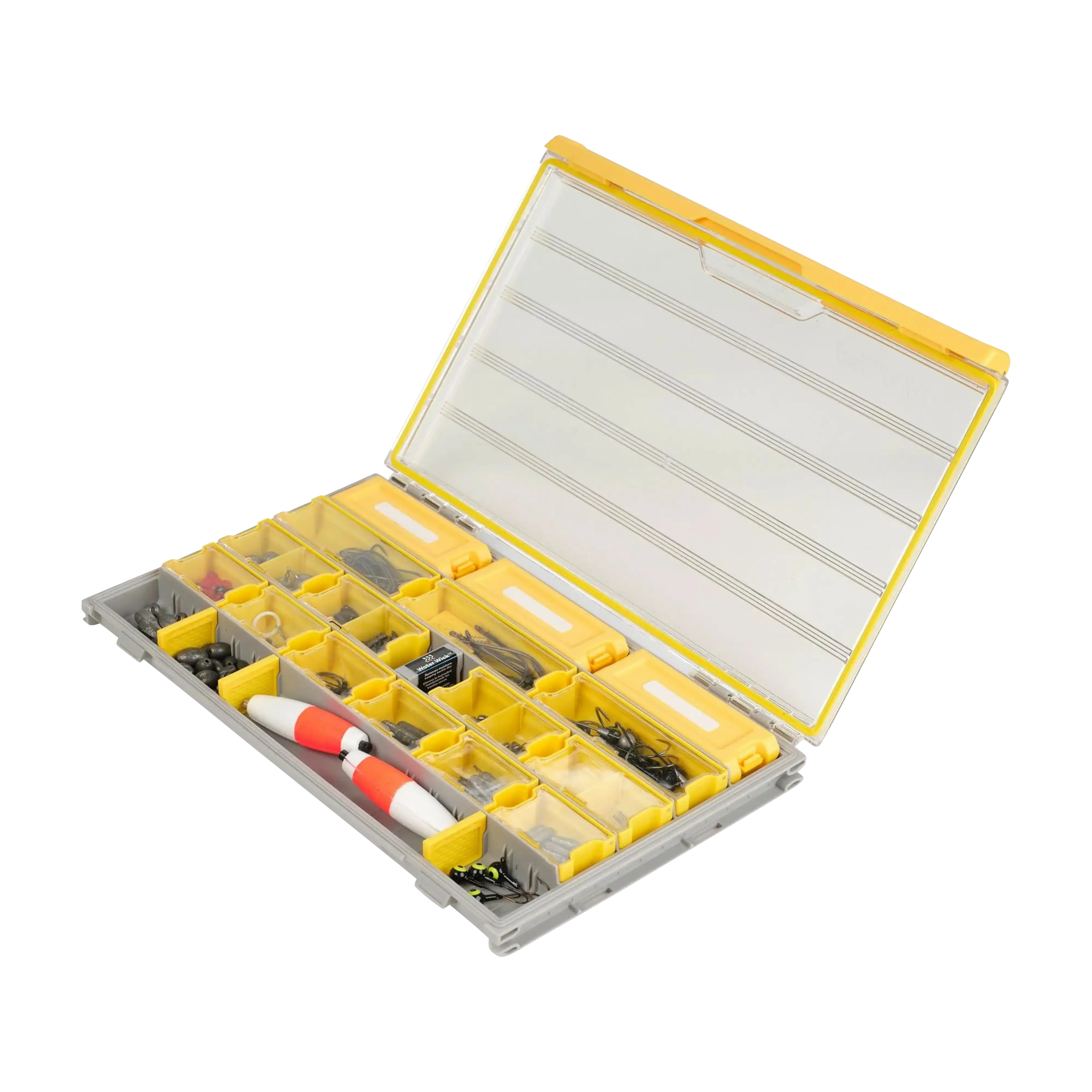
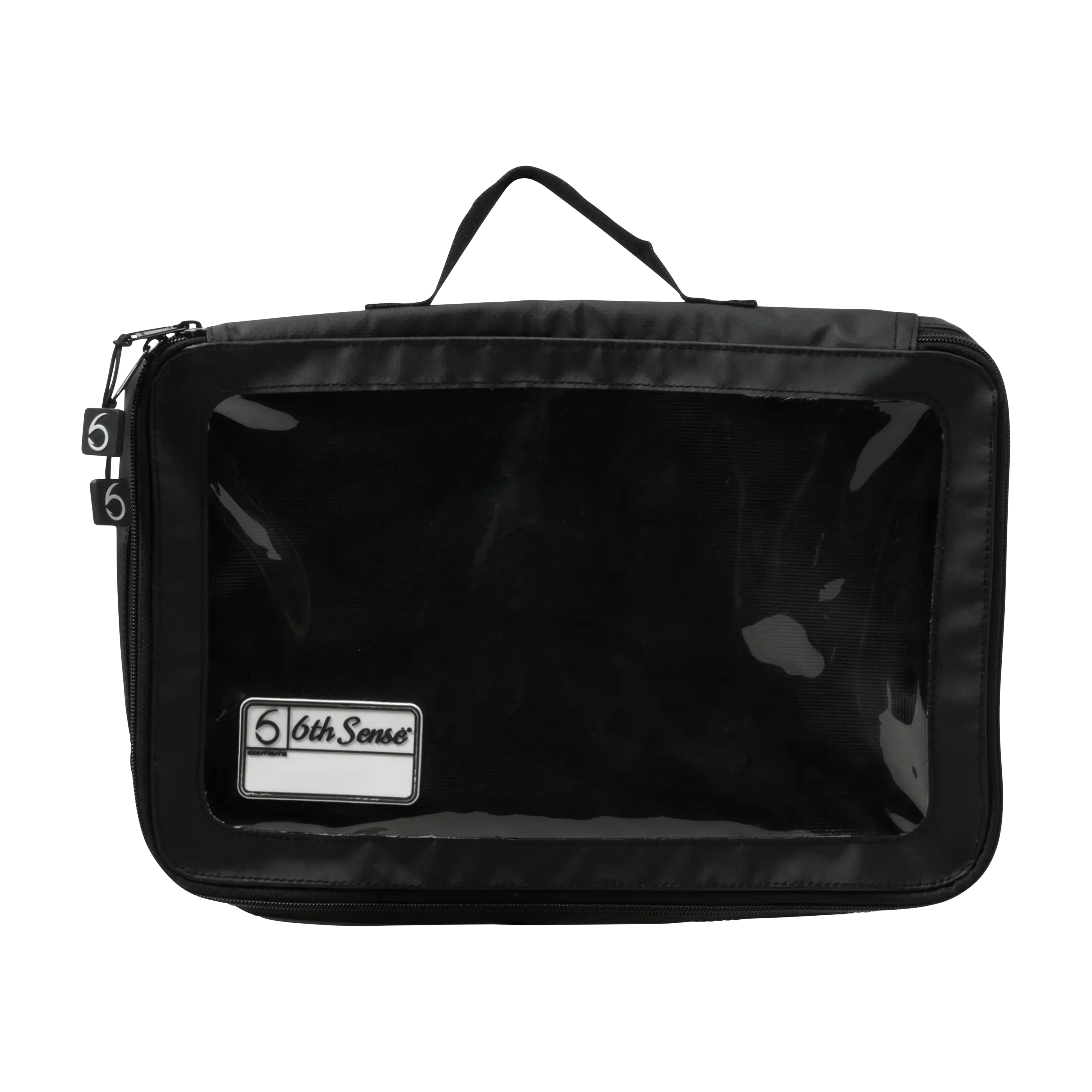
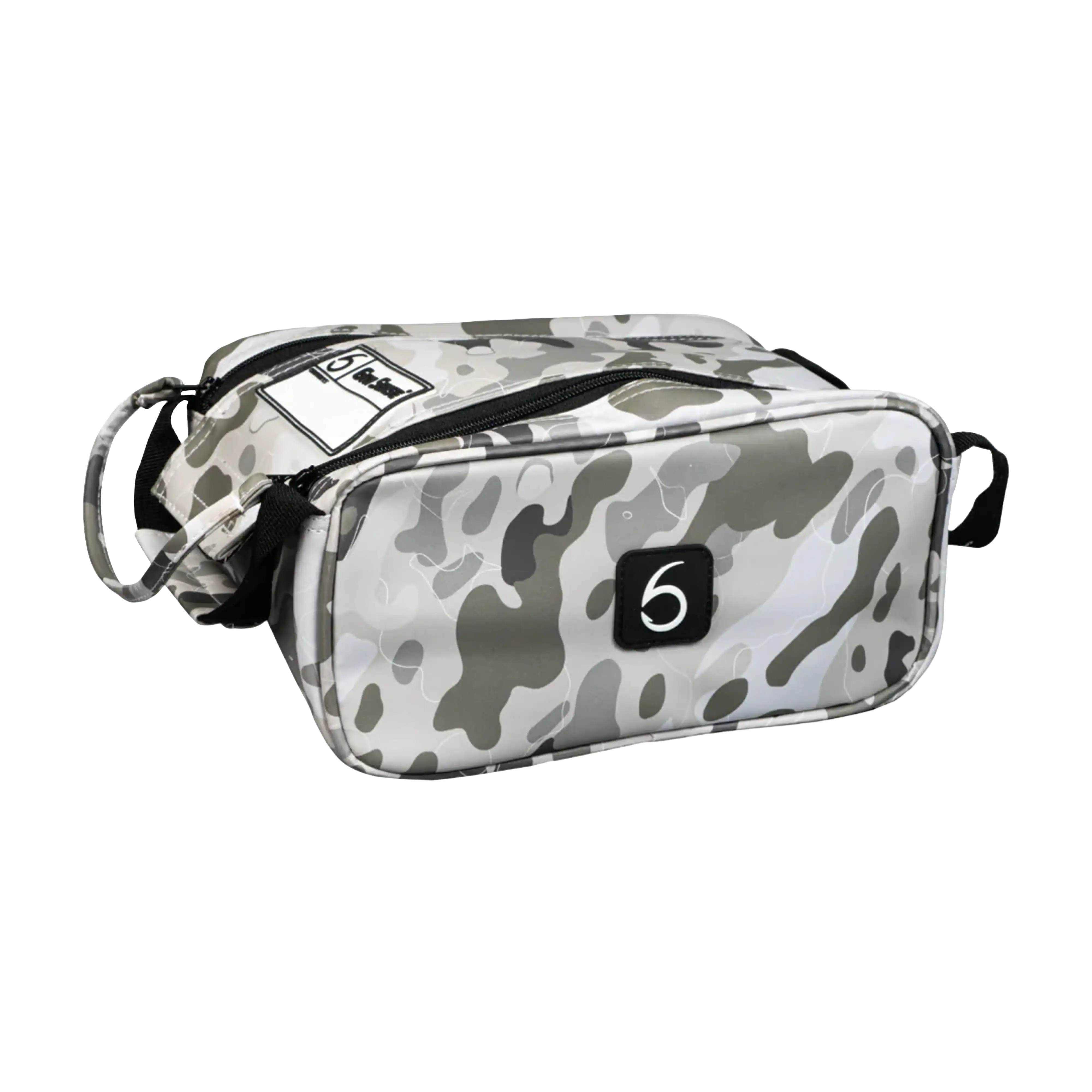
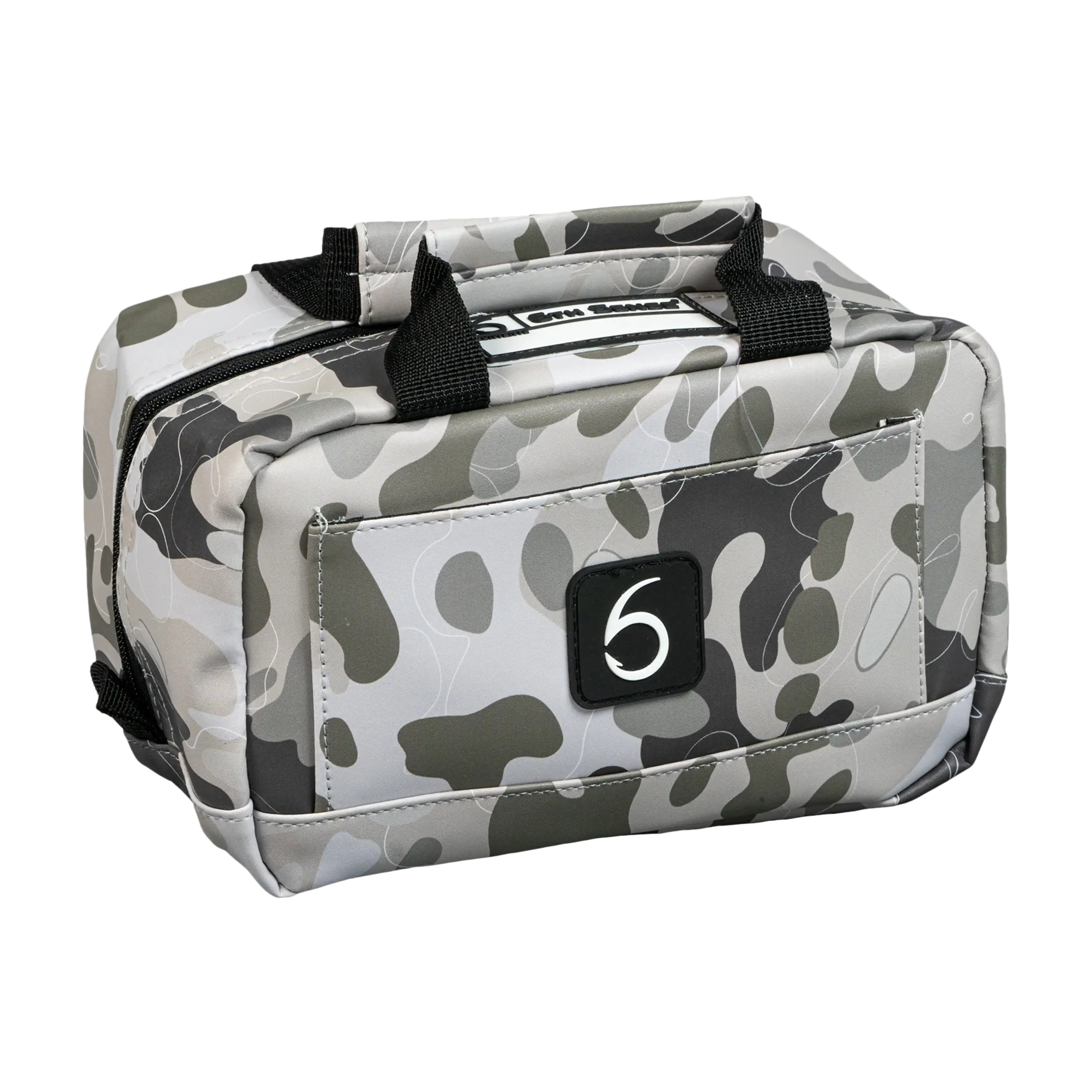
Urchin Bait Tackle Storage
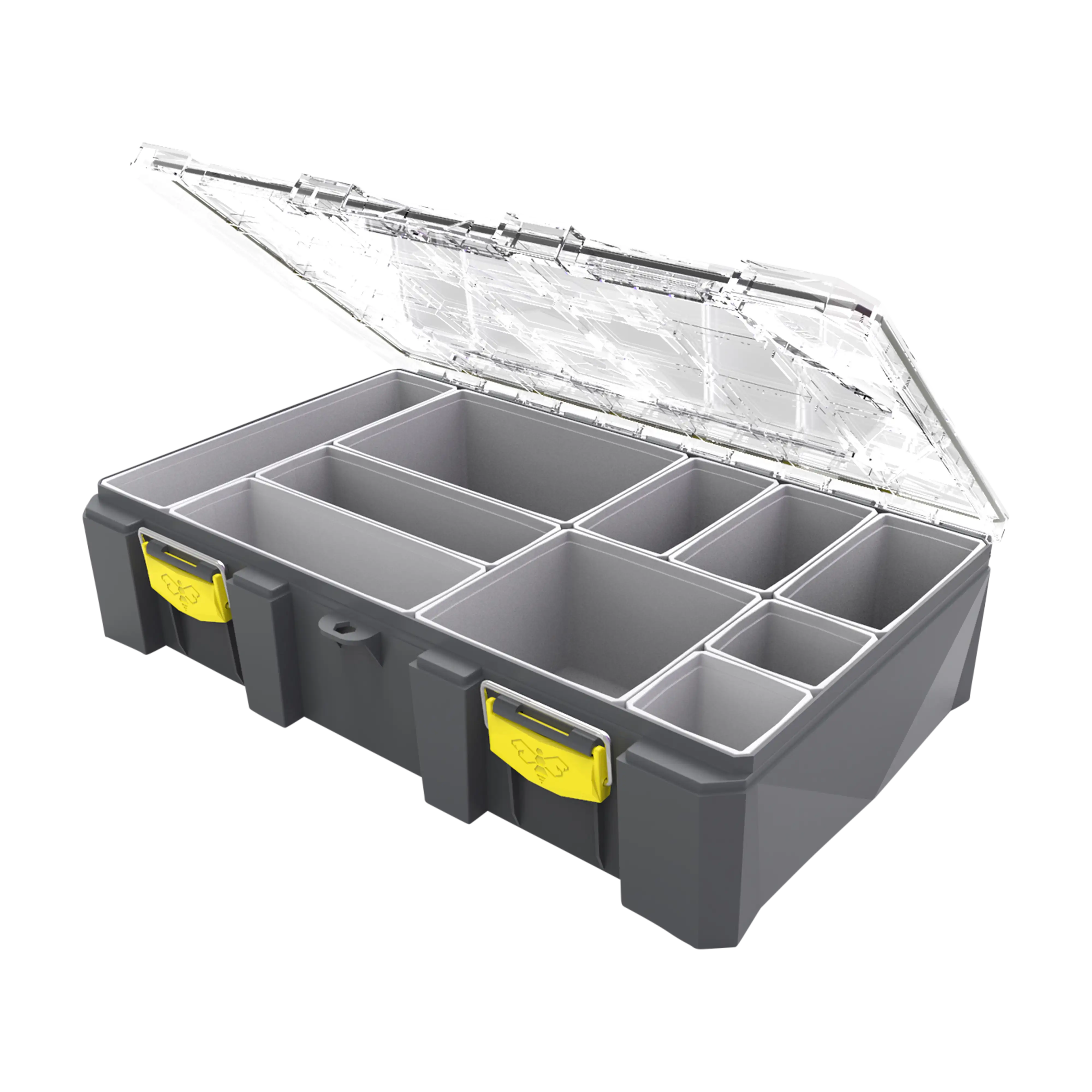
Proper storage is important for urchin baits because of both their shape and their material. The tentacles that create an urchin's unique movement can become bent, compressed, or permanently deformed if stored improperly, and most urchins are made from TPE, which reacts with other soft plastics.
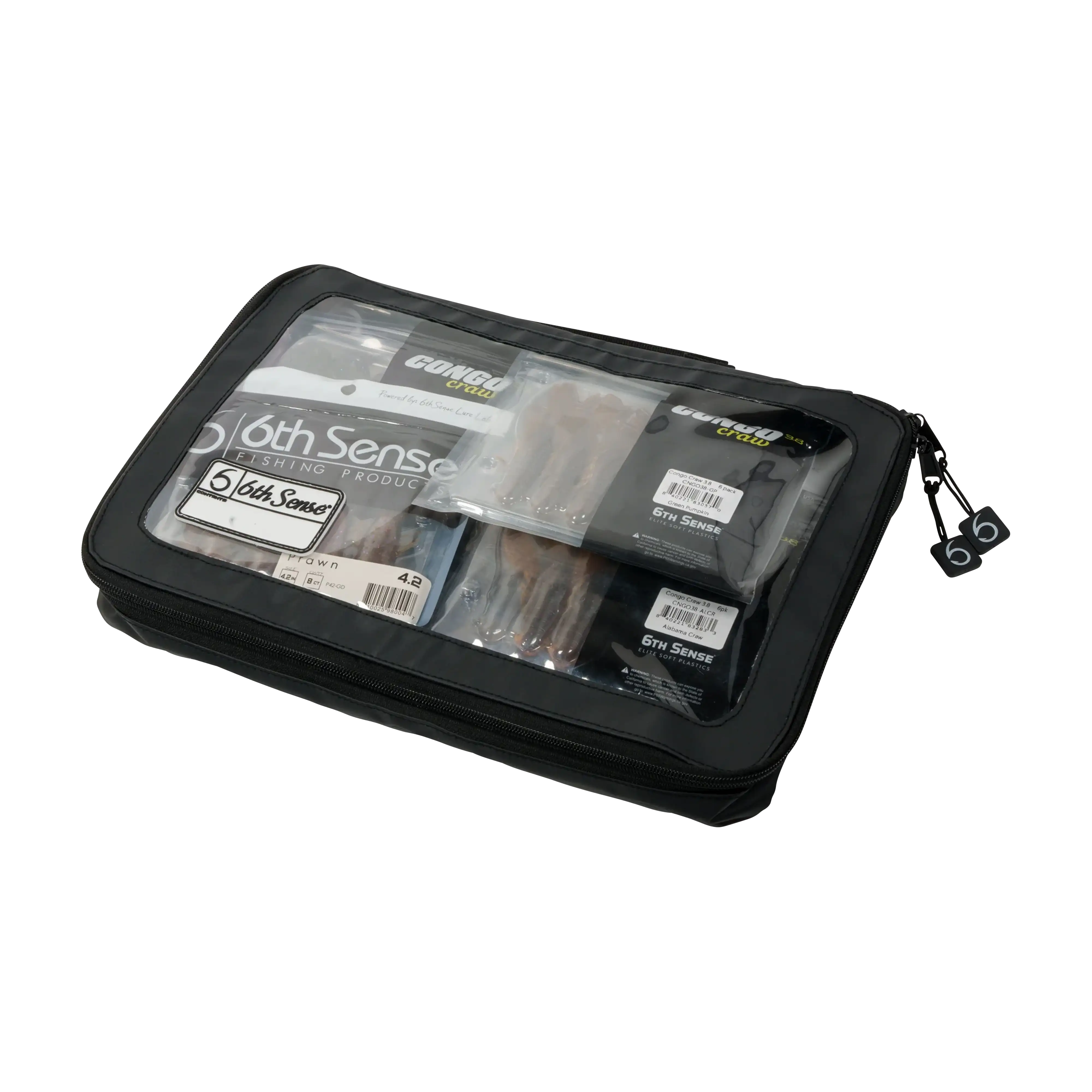
Most urchin baits are made from TPE, which melts into traditional soft plastics on contact, including urchins made from standard plastic. Store TPE urchins separately from all other soft plastics, either in their original packaging or in dedicated compartments.
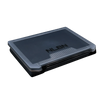
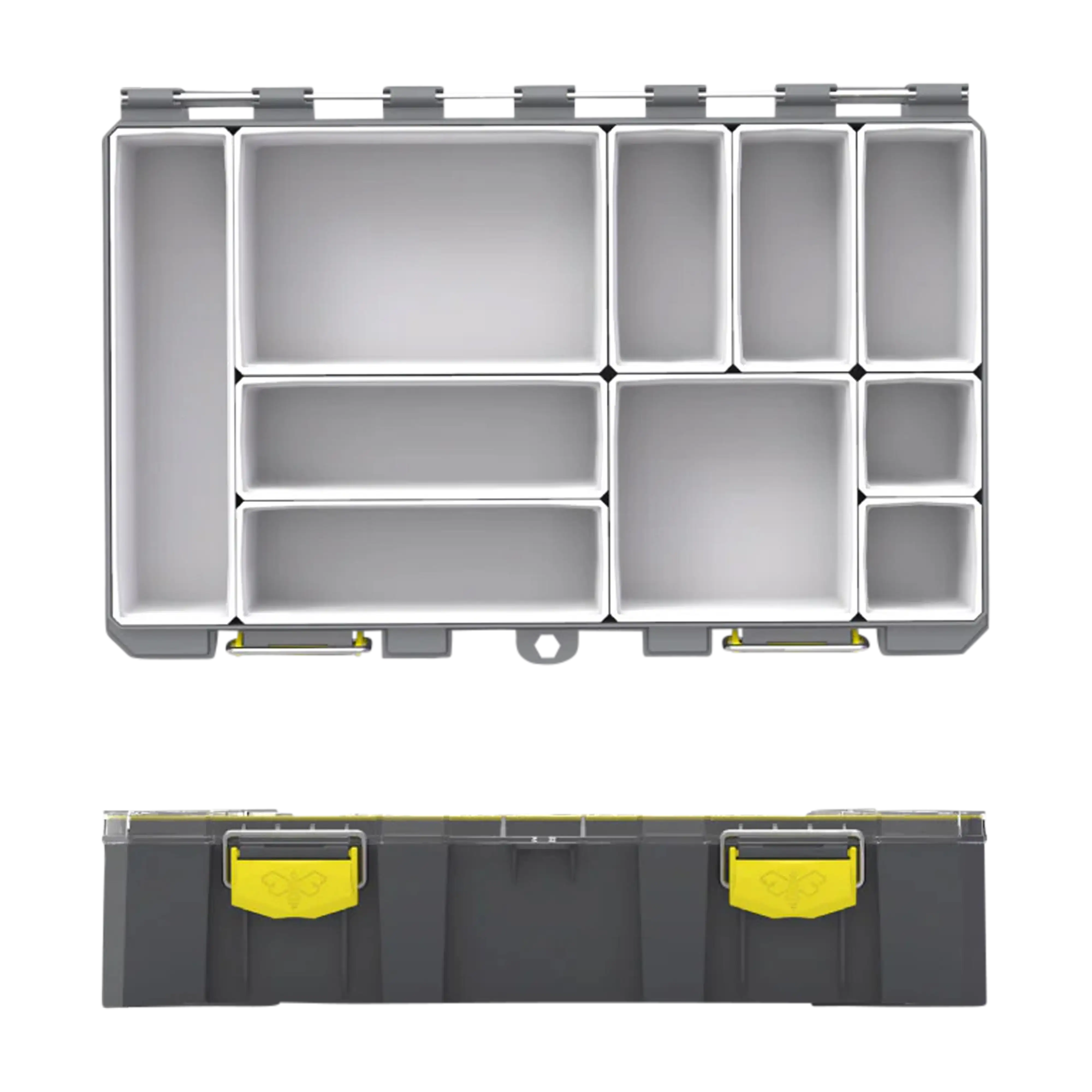
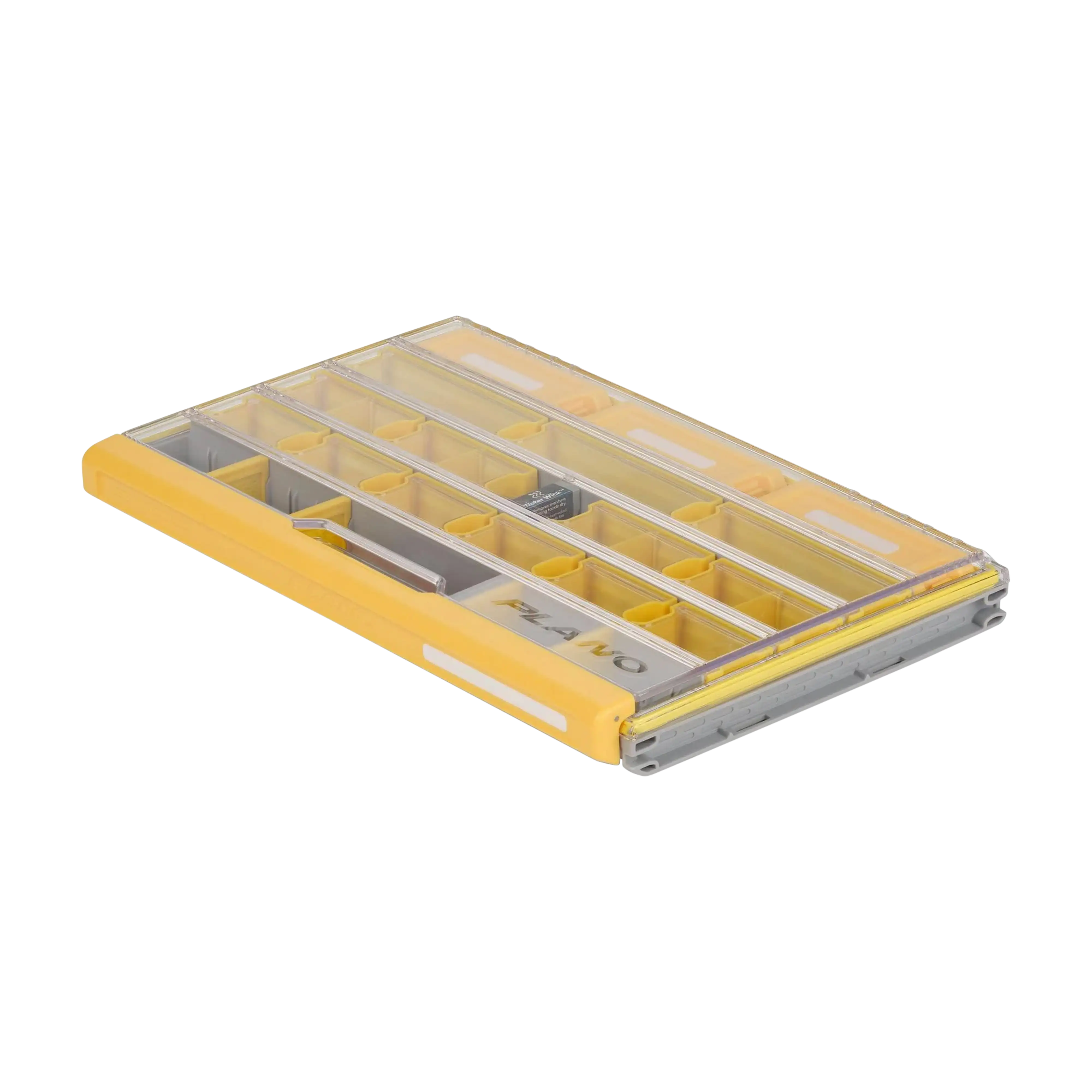
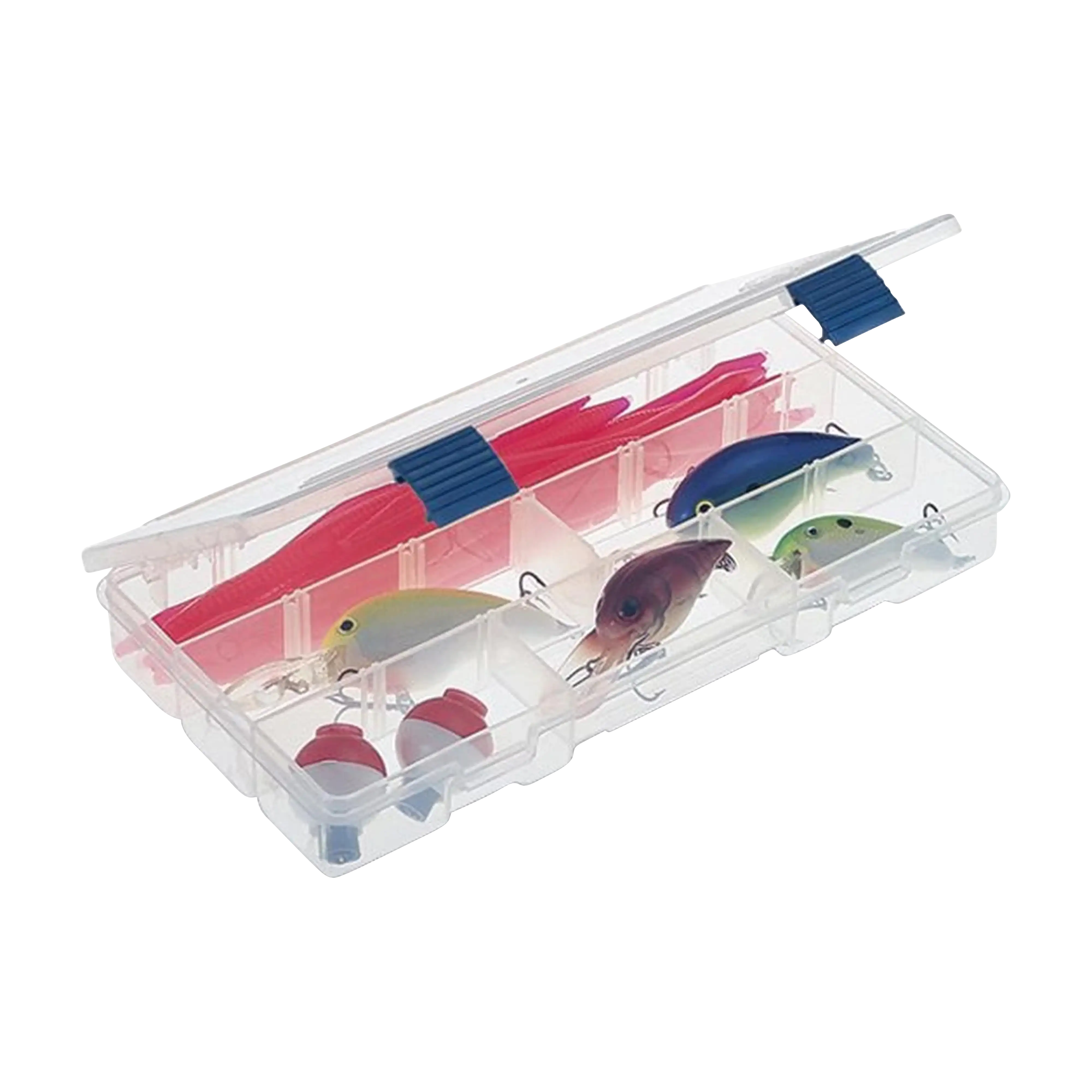
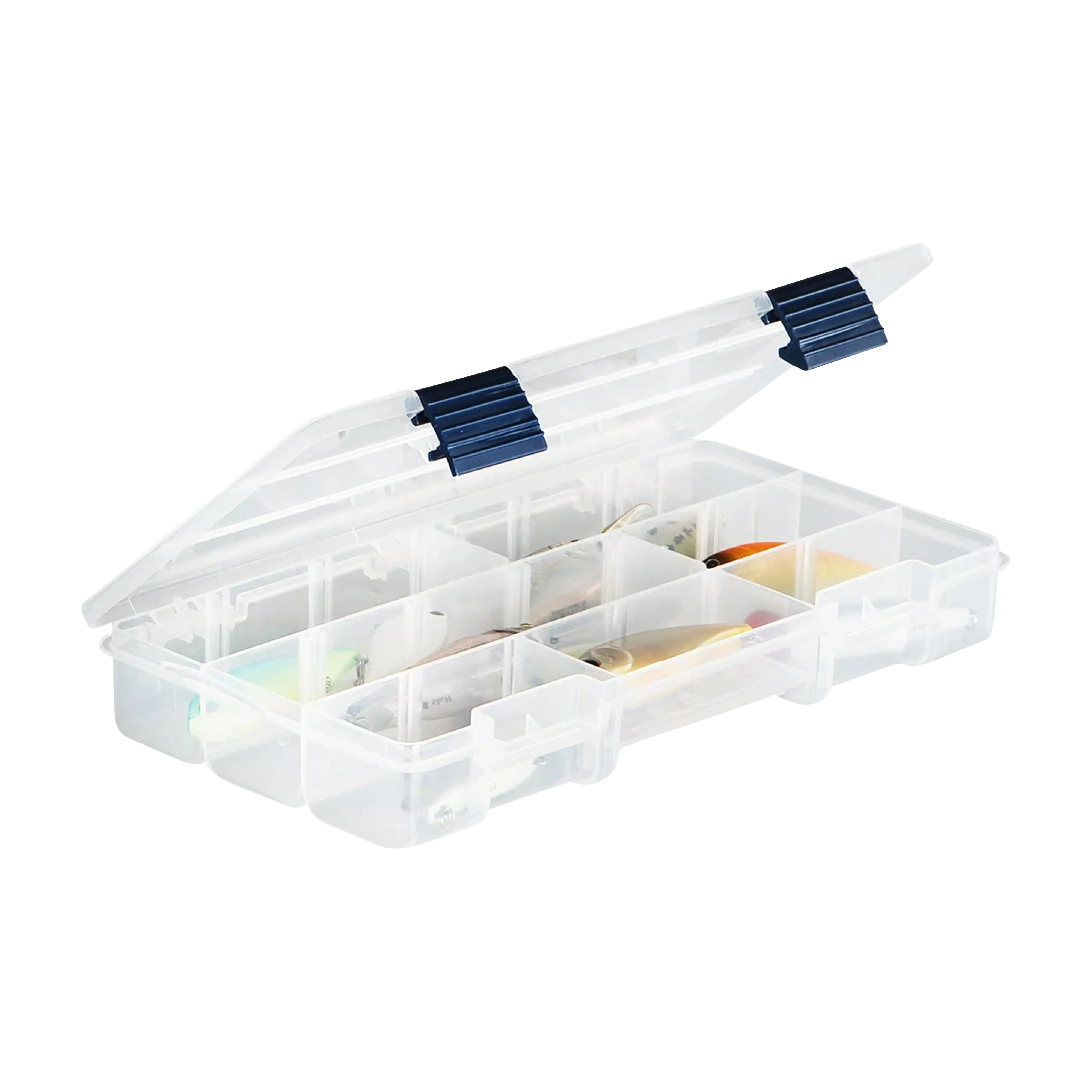
Urchins left loose in a box can deform within days and won't recover their shape. The best storage suspends each bait, either by hanging it on the wire from its packaging, using a foam insert, or using a dedicated urchin storage box. Look for deep compartments that hold baits without crushing or flattening the tentacles.
Adjustable dividers are useful for separating different bait sizes, colors, hooks, nail weights, and weighted hooks while keeping each setup organized. Organizing baits by size and color also helps anglers quickly adjust presentations, especially since urchins are sized by millimeter measurements rather than traditional soft plastic lengths.
Key Takeaways
- Store TPE urchins separately from all other soft plastics
- Suspend baits on their packaging wire, foam inserts, or dedicated urchin boxes to prevent deforming
- Use deep compartments to prevent crushing the tentacles
- Organize hooks, weights, and rigging components for faster setup changes
- Sort baits by size and color for quick presentation adjustments
Urchin Bait Tackle Storage


Urchin Bait Tips & Techniques
Urchin baits excel when anglers focus on controlled movement and letting the bait's tentacles do the work. Most urchins are weighted to sink slowly and worked through the middle of the water column rather than dragged on the bottom. These techniques focus on how to fish urchins once they are rigged, helping anglers maximize tentacle movement, adjust to conditions, and trigger bites from both active and pressured fish.
Tip 1: Pop, Pause & Let It Fall
The most effective way to fish an urchin is with a jerkbait-style cadence: sharp pops of the rod tip followed by pauses. The pop makes the tentacles flare and displace water, and the pause lets the bait fall slowly. Let the bait fall on a semi-slack line so it drops naturally and the tentacles keep working.
Most bites come on the fall right after a pop. When a fish follows but won't commit, stop popping and quiver the bait in place with small shakes of the rod tip.
Key Takeaways
- Work the bait with sharp pops followed by pauses
- Let the bait fall on a semi-slack line
- Most bites come on the fall after a pop
- Quiver the bait in place for fish that follow but won't bite
Tip 2: Go as Light as You Can
Sink rate is critical. Use the lightest weight that still gets the bait to the fish, so it falls slowly and comes close to suspending during pauses. A slow fall keeps the bait in the strike zone longer and gives fish more time to react. Go heavier only when depth, wind, or current requires it. In current, add nail or drop-shot weight until the bait holds where fish are feeding instead of drifting past them.
Key Takeaways
- A slow fall keeps the bait in the strike zone longer
- Use the lightest weight that reaches the fish
- Increase weight only for depth, wind, or current
- With barbed nail weights, push the old weight through the bait to swap sizes
Tip 3: Match Size & Color to Conditions
Adjusting urchin size and color is one of the easiest ways to fine-tune a presentation. Mini and standard urchins are effective for smallmouth, spotted bass, and pressured fish, and when a more subtle offering is needed. Full-size urchins create more presence and water displacement, drawing bigger largemouth, especially in stained water.
Color selection should match water clarity and available light. Urchins have performed best overall in clear water with at least 2 ft of visibility, where natural, green pumpkin, and translucent shad colors excel. In stained water, low light, or around heavier cover, switch to a full-size urchin in white, chartreuse, or a darker, higher-contrast color.
Match the season, too. In spring, small urchins imitate the bluegill and bass fry that gather around beds, while summer and fall bring the threadfin shad schools covered in Tip 4.
Key Takeaways
- Downsize for smallmouth, spotted bass, and pressured fish
- Full-size urchins draw bigger largemouth and are the choice for stained water
- Natural, green pumpkin, and translucent colors work best in clear water, where urchins shine overall
- White, chartreuse, and higher-contrast colors improve visibility in stained water
- Downsize in spring when fish are keyed on fry
Tip 4: Fish It Around Bait
Urchins were designed to look like a bait ball, so they fish best where bass are feeding on one. Threadfin and gizzard shad, shiners, and schools of bluegill or bass fry all pack into tight balls when predators close in. A loose, cloud-shaped school usually means bass aren't feeding, while a tight ball means it's under attack. Bass often hold below the school and pick off stunned baitfish that fall out of it, and a slow-falling urchin looks like a knot of bait sinking right into that zone.
- Threadfin Shad Balls: Summer and fall, over open water, points, and creek arms. Let the urchin fall through or just under the ball with a pop-pop-pause cadence.
- Suspended Shad: 5–40 ft over brush, bluffs, and points. Use forward-facing sonar to find fish holding under the bait, then hover or dead-stick the urchin just above them.
- Minnows & Shiners on Cover: Brush piles, laydowns, and rock piles. Cast past the cover and let the urchin sink into it; nearby bass often swarm the bait before it reaches the bottom.
- Bluegill & Bass Fry: Spring spawn and post-spawn shallows. Fish a mini or small standard urchin on a drop shot or Neko rig near beds.
Key Takeaways
- Fish urchins where bass are feeding on schooling baitfish
- A tight bait ball means bass are feeding; a loose school usually means they aren't
- Let the urchin fall through or just under the ball, where bass wait for stragglers
- Use forward-facing sonar to hover the bait above suspended fish
Urchin Bait Fishing
FAQ - Urchin Bait Gear
What is an urchin bait used for?
Urchin baits are soft plastics with a round body and dense tentacles that pulse and flare with minimal rod input. They are most often fished through the middle of the water column with pops and pauses, targeting suspended fish, docks, brush, isolated cover, and big bass that won't bite other baits.
What's the difference between urchin baits and dice baits?
Urchin baits have a round body with dense tentacles radiating in every direction and are typically fished on casting tackle with specialized hooks and weights. Dice baits, sometimes called fuzzy dice, are smaller finesse baits, usually cube-shaped with appendages, and are most often fished on spinning tackle.
What size urchin bait should I use?
Mini urchins (5–12mm) work well on spinning tackle for smallmouth, spotted bass, and pressured fish. Standard urchins (13–19mm) are the most versatile for everyday use on casting tackle. Full-size urchins (20mm and up) provide more presence for big largemouth, stained water, and fishing around cover.
What hook size should I use for an urchin bait?
Hook size depends on bait diameter and rigging style. Trebles from #1 to 2/0 are most common on standard and full-size urchins, while single and double frog hooks typically run 1/0 to 5/0. Mini urchins pair with smaller hooks in the #4 to #2 range.
What is the best way to rig an urchin bait?
Pair a hook with a weight. Treble and quad hooks with a nail weight in the center hole are the most popular. Double frog hooks and single hooks are better in cover, and a growing number of weighted hooks are designed specifically for urchins.
Do urchin baits work in clear water?
Yes. Clear water is where urchins shine, and they have performed best overall with at least 2 ft of visibility. Their tentacle movement creates action without requiring aggressive retrieves, and natural colors and smaller sizes help with pressured fish that may avoid larger or faster-moving lures. In stained water, switch to a full-size urchin in white, chartreuse, or a darker color.
Can you fish urchin baits around cover?
Yes. Double frog hooks, single hooks, and weedless weighted urchin hooks allow anglers to fish urchins around docks, wood cover, vegetation, and standing timber. Treble hooks work well in open water and sparse cover but snag more easily in heavy cover.
Are urchin baits only for bass?
No. Bass are the primary target, and striped bass and white bass feed under the same shad schools urchins imitate. Saltwater use is early and mostly anecdotal, but anglers have reported catching speckled trout, redfish, and tripletail on urchins. If you fish them in salt, switch to corrosion-resistant hooks and split rings.
Should I use spinning or casting gear for urchin baits?
Casting gear is the standard for standard and full-size urchins. A 7'0"–7'4" medium to heavy fast-action casting rod, a high-speed casting reel, and 14–20 lb fluorocarbon handle these baits and the fish they catch. Spinning gear is the right choice for mini urchins, but even then anglers use heavier leaders than typical finesse setups.
What line is best for fishing urchin baits?
Straight fluorocarbon in the 14–20 lb range is the most common choice on casting tackle. For mini urchins on spinning tackle, braid with a 14–17 lb fluorocarbon leader casts light baits farther while still providing the strength to land big fish.
Can urchin baits be fished weightless?
Most urchins are made from TPE, which floats, so they typically need added weight to sink. Weightless TPE urchins can even be fished on the surface. A few models use a denser or salt-infused material that sinks on its own and can be fished weightless in shallow water.
What is the best color for an urchin bait?
The best color depends on water clarity, light conditions, and fish behavior. Natural and translucent colors are often effective in clear water, while darker or higher-contrast colors can improve visibility in stained water or low-light conditions. A mix of subtle and brighter options allows anglers to adjust without changing presentations.
What is the biggest mistake anglers make when fishing urchin baits?
The biggest mistake is using too much weight. A bait that sinks too fast spends less time in the strike zone and loses much of its appeal. Use the lightest weight that reaches the fish, and let the bait fall slowly on a semi-slack line.
From the Mud Hole Journal
Further Reading
Standard Urchin Bait Gear Guide: Versatile Fishing for Bass Around Cover
If you’re looking for more rod recommendations, reel pairings, line setups, and technique-specific advice, head back to the complete Main Gear Guide Page for the full breakdowns on your favorite te...
Further Reading
Can't get enough Urchin Bait Fishing content? Check out the articles below!