









If you’re looking for more rod recommendations, reel pairings, line setups, and technique-specific advice, head back to the complete Main Gear Guide Page for the full breakdowns on your favorite techniques. And if you're looking specifically for Shakey Head ideas and products, head over to the Urchin Bait Gear Guide.
When bass are relating to brush, docks, isolated cover, or suspended around baitfish, the standard urchin offers a versatile presentation that can be adapted to a wide variety of situations. Its compact round body and dense tentacles create constant movement with minimal angler input, giving bass a unique presentation that looks alive even when the bait is barely moving.
Standard urchins occupy the middle ground between finesse and power fishing. They are substantial enough to fish effectively on casting tackle while remaining compact enough to appeal to both largemouth and smallmouth bass. This combination makes the standard urchin one of the most versatile sizes in the urchin bait family.
For anglers looking for one urchin size that can handle a wide variety of conditions and presentations, the standard urchin is an excellent place to start.
What Is Standard Urchin Bait Fishing?
Standard urchin baits typically measure approximately 13–19mm in body diameter. Like other urchin baits, they feature a round body surrounded by dense, flexible tentacles that radiate in every direction.
Rather than imitating a single forage species, urchin baits are designed to resemble a compact bait ball. Their tentacles flare, pulse, and undulate with subtle rod movements, current, or even while the bait is falling or resting, creating movement without requiring an aggressive retrieve.
The standard size provides enough profile to attract quality bass while maintaining the subtle presentation that makes urchins so different from traditional soft plastics. This makes them particularly effective around brush piles, docks, isolated cover, and suspended fish.
Standard urchins can also be rigged in several different ways. Treble and quad hooks provide excellent hookup potential in open water, while double frog and single hooks allow anglers to fish the bait more effectively around cover.
Why Standard Urchin Baits Work
Standard urchins work because they combine a compact profile with an unusual amount of movement. A few sharp pops of the rod tip cause the tentacles to flare and displace water, while the pause allows the bait to slowly fall through the strike zone.
That combination makes the standard urchin effective when bass are interested in movement but aren't willing to chase. The bait can be worked aggressively enough to get attention, then allowed to fall naturally when the fish follows.
The standard size also gives anglers more versatility than either the mini or full-size versions. It has enough weight to cast effectively on baitcasting tackle while remaining small enough to present a subtle profile in clear water.
Because standard urchins are frequently fished around isolated cover, they also give anglers the ability to change hook styles depending on conditions. An exposed treble can maximize hookups in open water, while a more snag-resistant hook can make the same bait much more effective around docks and wood.
Where Standard Urchin Baits Excel
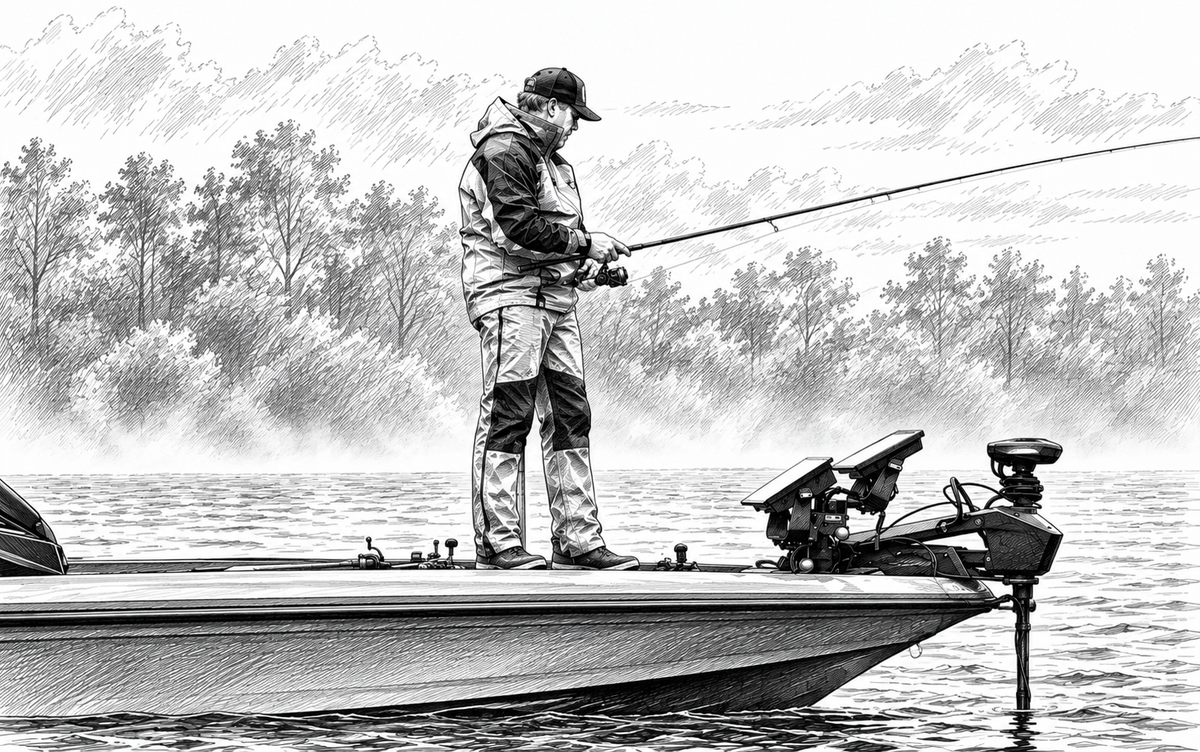
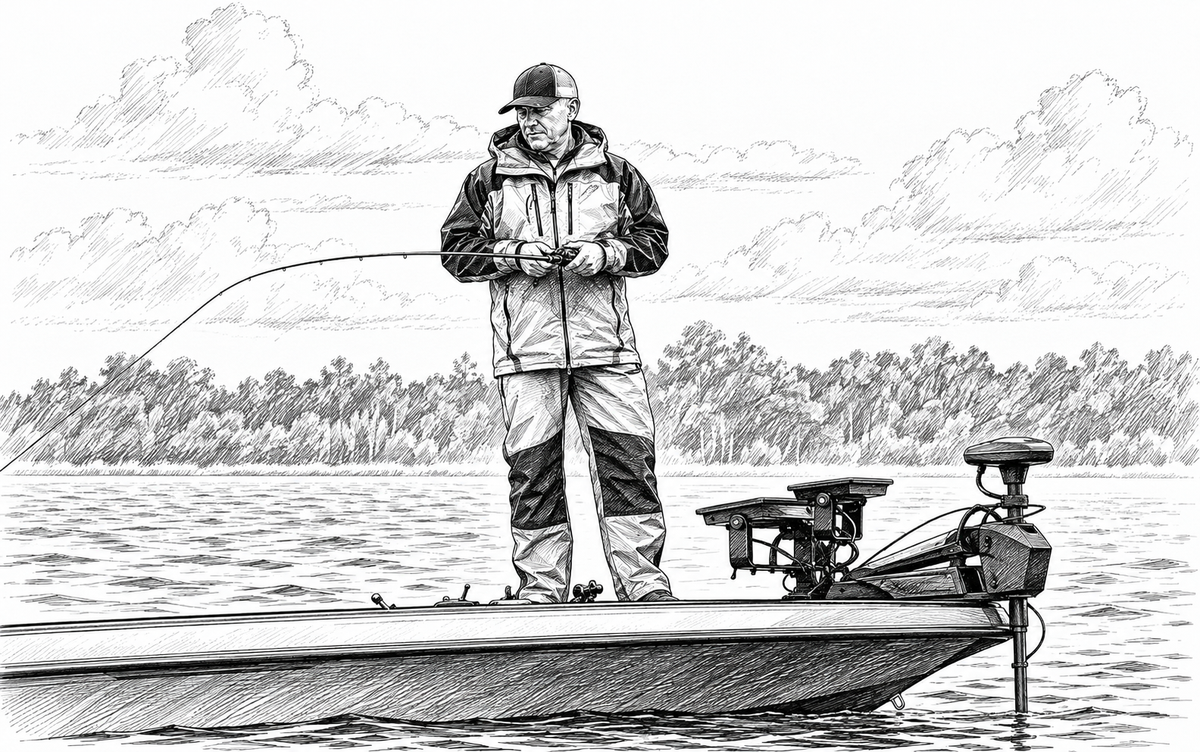
Standard urchins are particularly effective around brush piles, docks, isolated cover, and suspended fish. They can be worked through open water, around structure, or alongside schooling baitfish depending on how the fish are positioned.
Brush piles and isolated cover are especially productive because bass can use the structure as an ambush point while still having enough room to move toward the bait. A standard urchin can be cast beyond the target and allowed to fall naturally toward the cover.
Docks also provide an excellent opportunity to use standard urchins. The compact profile allows the bait to be skipped or pitched around dock posts and shaded areas where bass often position themselves.
Standard urchins can also be effective around schooling baitfish. When bass are positioned underneath a tight bait ball, the slowly falling urchin can resemble a piece of forage separating from the school and falling into the feeding zone.
Reading Conditions and Fish Behavior
Success with a standard urchin starts with understanding where bass are positioned and what they are feeding on.
Electronics can help locate suspended bass around bait schools, brush piles, points, and offshore structure. When fish are suspended, the goal is to keep the bait at their depth and allow the natural movement of the tentacles to do the work.
Water clarity should also influence bait selection. Urchin baits have performed best overall in clear water with at least two feet of visibility. Natural, green pumpkin, and translucent shad colors are excellent starting points when bass have plenty of visibility and are able to inspect the bait closely.
As water becomes more stained or light levels decrease, higher-contrast colors can make the bait easier for bass to locate. White, chartreuse, and darker colors can provide additional visibility when the conditions call for a stronger silhouette.
Pay attention to how fish react to the bait as well. If bass follow but refuse to commit, changing the color, weight, or retrieve can often make the difference. Sometimes the best adjustment is simply slowing the fall and allowing the bait to remain in the strike zone longer.
Technique: Pop, Pause & Let It Fall
The most effective way to fish a standard urchin is with a simple pop, pause, and fall cadence.
After the bait reaches the desired depth, use a few sharp pops of the rod tip to make the tentacles flare before allowing the bait to fall on a semi-slack line. The pop creates attention, while the fall gives bass an easy opportunity to eat.
Many bites occur during the fall immediately after a pop. This makes line control especially important because the bite can be subtle and the fish may pick up the bait while the line is relatively slack.
If a fish follows without committing, stop moving the bait aggressively. Small shakes of the rod tip can make the tentacles quiver without moving the entire bait very far.
The key is to avoid overworking the urchin. Its tentacles provide plenty of action on their own, so subtle rod movements and well-timed pauses are often more effective than a constant retrieve.
Best Rigs for Standard Urchin Baits
Standard urchins can be rigged several different ways depending on the cover, depth, and desired presentation.
A treble or quad hook is the most popular choice when fishing open water and sparse cover. The exposed hook points provide a high hookup ratio and allow bass to be hooked from multiple directions as they eat the bait.
A double frog hook provides additional snag resistance when fishing around docks, laydowns, and wood cover. The hook passes through the center of the bait while both points remain exposed behind it, allowing the bait to come through cover more cleanly than a treble.
A single Neko- or wacky-style hook is another option when fishing heavier cover. The hook can be skin-hooked into the bait to reduce snags while still providing an exposed point for solid hookups.
Weighted urchin hooks provide another option by combining the hook and weight into one component. These hooks can be particularly useful when fishing deeper water, grass, or timber and are available in designs intended specifically for urchin baits.
Standard urchins typically use 1/32- to 1/4-ounce weights. Start with the lightest weight that will reach the fish and increase weight only when depth, wind, or current requires it. Grab your hooks and weights here.
Gear Setup for Standard Urchin Success
Standard urchin fishing demands a casting setup that balances sensitivity, casting control, and enough power to handle quality bass around cover.
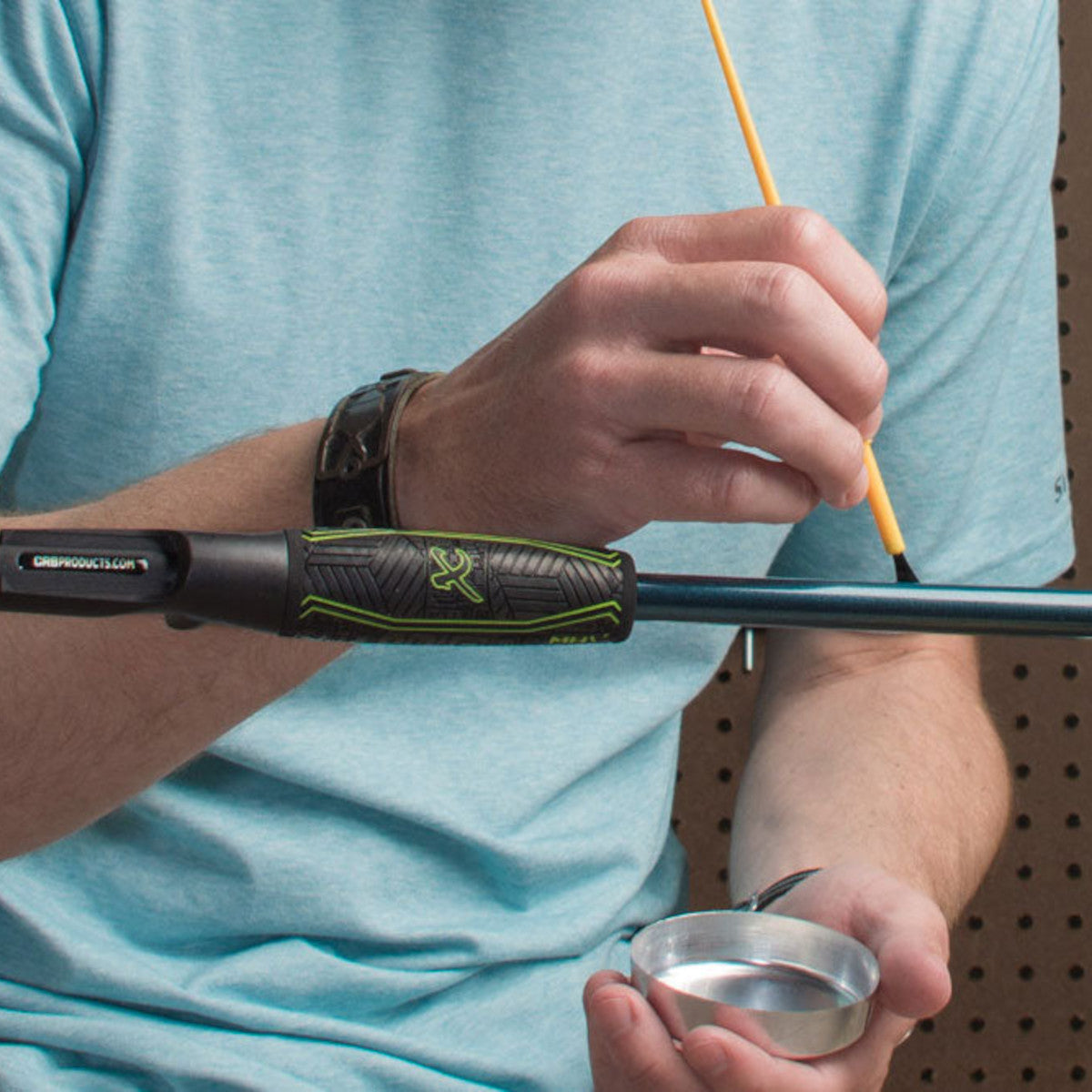
A medium to medium-heavy casting rod between 7'0" and 7'3" provides the ideal combination of control and backbone. A fast action gives anglers the responsive tip needed to pop and twitch the bait while maintaining the power necessary for solid hooksets. Start with picking out your rod here.
Choosing the right standard urchin rod is important because the bait itself weighs approximately 3/16 to 5/16 ounce before any additional weight is added. The rod should be rated to handle the total weight of the bait and terminal tackle being used.
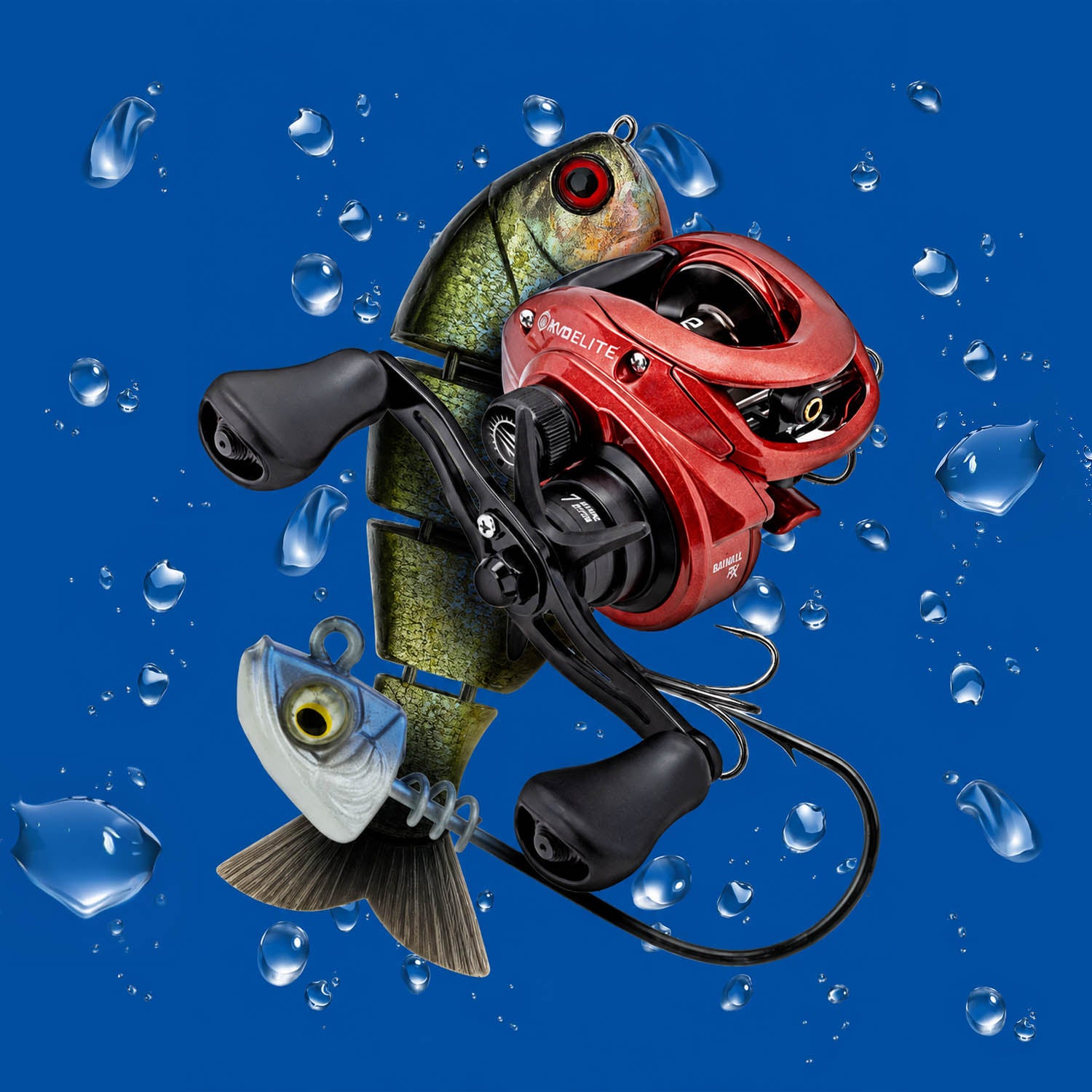
A quality 100–150 size low-profile casting reel pairs perfectly with a standard urchin rod. A fast gear ratio helps quickly remove slack between pops and after a fish eats the bait on the fall. Check out our reel recommendations.
Most anglers prefer 14–17 lb fluorocarbon when fishing standard urchins. Straight fluorocarbon provides low visibility, abrasion resistance, and enough strength for working around docks, brush, and isolated cover. These are the line and leader combinations we pick.
Standard urchins can be fished with 1/32 to 1/4 ounce of added weight depending on depth and desired fall rate. Selecting the right hook and weight combination allows anglers to control how quickly the bait reaches the strike zone while maintaining the natural movement that makes an urchin effective. Grab your hooks and weights here.
A Must-Fish Destination: Lake Fork
A perfect example of where standard urchin fishing can excel is Lake Fork in Texas.
Known for its trophy largemouth bass and extensive combination of timber, brush, docks, and other fish-holding cover, Lake Fork provides exactly the type of environment where a standard urchin can shine. The lake's reputation for producing quality largemouth also makes it an excellent place to put a compact but substantial bait like a standard urchin to work.

Standard urchins are particularly well suited for Lake Fork because they provide enough profile to attract quality largemouth while maintaining the subtle movement that can appeal to pressured fish. Around docks, brush, and isolated cover, anglers can skip or pitch the bait into high-percentage areas and allow it to slowly fall through the strike zone.
The combination of shallow cover and deeper structure also allows anglers to change how they rig the bait without changing the basic presentation. Treble hooks can be used around open water and sparse cover, while double frog and single-hook rigs provide additional snag resistance when fishing tighter to cover.
Few fisheries better demonstrate why having a versatile, compact presentation like the standard urchin can be an advantage when targeting quality largemouth around a variety of cover.
Final Thoughts
Standard urchins offer one of the most versatile ways to fish this unique bait category. Their compact profile, dense tentacles, and ability to be rigged in several different ways make them effective across a wide range of bass fishing situations.
Whether you're fishing brush piles, docks, isolated cover, or suspended fish, the standard urchin gives anglers a presentation that can be subtle when necessary while still creating enough movement to attract attention.
The key is matching the bait to the conditions and using the lightest weight that allows you to maintain control. A properly balanced casting setup, quality fluorocarbon, and the right hook combination allow the bait's natural movement to do the work.
For more rod recommendations, reel pairings, line setups, and urchin-specific advice, check out the complete Urchin Bait Gear Guide and build a system designed to maximize every standard urchin opportunity.
About the Author

The team at Mud Hole Custom Tackle are industry leaders in custom rod building, fishing tackle innovation, and technique-specific rod design. With decades of hands-on experience both on the water and at the rod bench, the Mud Hole Staff combines technical expertise with real-world fishing knowledge to help anglers build better rods and catch more fish. From bass and inshore applications to offshore and specialty techniques, their passion for performance-driven gear is at the core of every article, tutorial, and product they develop.