









Mud Hole Gear Guide:
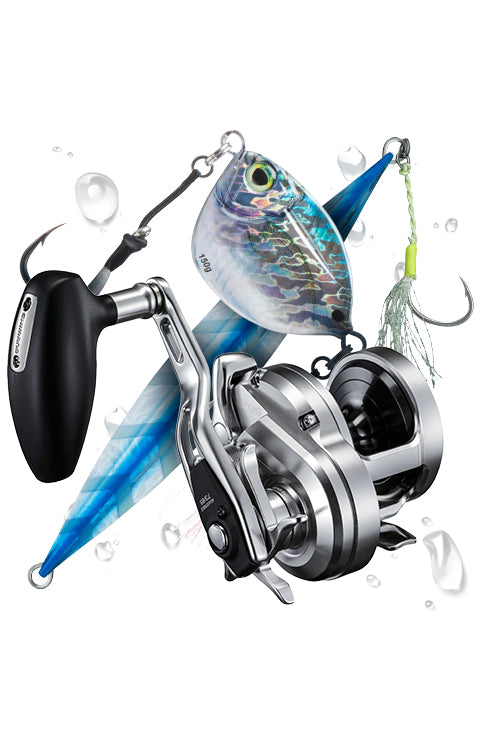
What is Slow-Pitch Jigging?
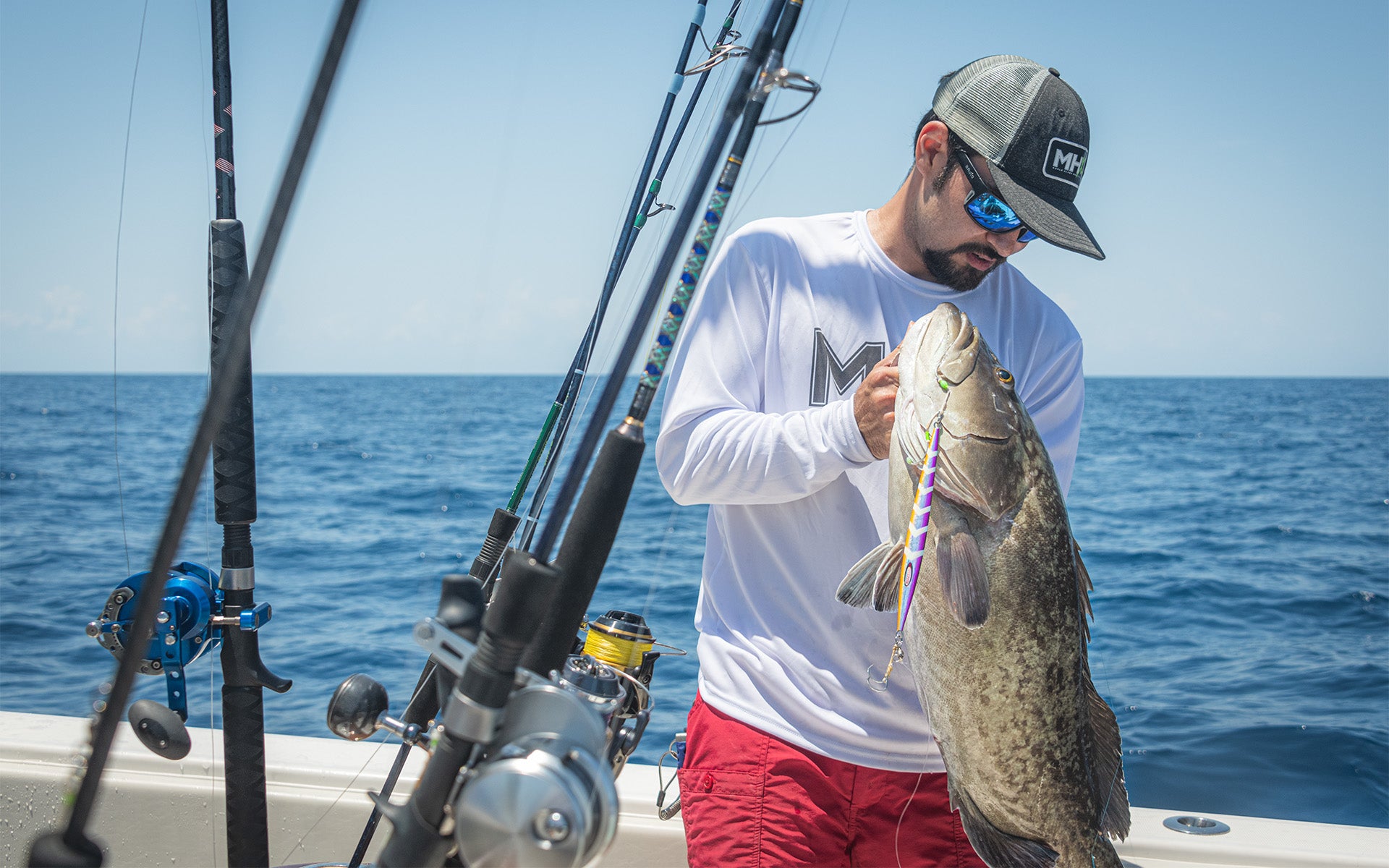
Slow-pitch jigging is a vertical saltwater fishing technique designed to trigger strikes through controlled jig movement rather than speed. Instead of aggressively ripping a lure through the water, anglers use short, rhythmic rod lifts to load the blank and allow the jig to flutter naturally on the fall. Most strikes occur as the jig drops, imitating a wounded or disoriented baitfish.
This technique shines in offshore and nearshore environments where current, depth, and pressure demand precision. It’s commonly used to target species like snapper, grouper, amberjack, tuna, and other bottom-oriented or mid-water predators. Because the jig does much of the work, slow-pitch jigging is efficient and less physically demanding than traditional speed jigging.
Gear plays a critical role. Slow-pitch rods are designed to bend deeply and recover smoothly, creating the jig’s action. Compact reels offer control and torque, while thin braided line improves sensitivity and keeps the jig vertical. When everything works together, the presentation looks natural, controlled, and highly effective—especially in deeper water where subtle movement matters most.
Introduction
What is Slow-Pitch Jigging?
What is Slow-Pitch Jigging?
Slow-pitch jigging is a vertical saltwater fishing technique designed to trigger strikes through controlled jig movement rather than speed. Instead of aggressively ripping a lure through the water, anglers use short, rhythmic rod lifts to load the blank and allow the jig to flutter naturally on the fall. Most strikes occur as the jig drops, imitating a wounded or disoriented baitfish.
This technique shines in offshore and nearshore environments where current, depth, and pressure demand precision. It’s commonly used to target species like snapper, grouper, amberjack, tuna, and other bottom-oriented or mid-water predators. Because the jig does much of the work, slow-pitch jigging is efficient and less physically demanding than traditional speed jigging.
Gear plays a critical role. Slow-pitch rods are designed to bend deeply and recover smoothly, creating the jig’s action. Compact reels offer control and torque, while thin braided line improves sensitivity and keeps the jig vertical. When everything works together, the presentation looks natural, controlled, and highly effective—especially in deeper water where subtle movement matters most.
Slow-Pitch Jigging Applications
Nearshore / Light Slow Pitch
This is slow pitch at its most subtle: a finesse-driven jigging style geared toward structure that’s closer to the boat, lighter current, and smaller game. Anglers use slower yet precise motions to make lighter metal jigs glance and flutter near rock edges, reef ledges, and shallow shelves. Because you’re often fishing tighter structure and want bite detection more than brute force, the rod responds to small lifts and gentle falls—it’s as much about timing as strength.
Targets: Lane snapper, mangrove snapper, porgy, smaller reef fish inside ~150 ft
Classic Reef Slow Pitch
This is what most people think of when they picture slow-pitch jigging: rhythmic half-turn lifts followed by controlled free falls, keeping the jig dancing around reef drops and structure lines. It’s reactive but deliberate—enough power to punch current, yet soft enough to let the metal flutter enticingly in the strike zone. This is the foundation and the go-to for most East Coast slow-pitch boats.
Targets: Vermilion, red and mutton snapper, scamp grouper, gag grouper (reef fish ~120–300 ft)
Long Fall / Suspended Slow Pitch
Long fall slow pitch shifts the goal from tight bottom contact to maximizing hang time. Instead of snap-tight twitches, the rod sets up longer sweeps and controlled slack so the jig flutters through the water column for as long as possible. It’s a killer when fish aren’t brushing the bottom—suspended over rises, ledges, or drop-offs—because that extra flutter keeps the jig in the strike zone longer.
Targets: Snapper, amberjack, blackfin tuna, mid-column predators ~150–400 ft
Deep Water Slow Pitch
Deep water slow pitch isn’t just a “bigger jig.” It’s an optimized technique to work heavy metals through strong current at serious depth. Here, you’re fighting drag, thermoclines, and jigs that must accelerate fast enough to get down and stay in play. The rods recover quicker in the mid and lower sections to move weight without fatigue, while still holding enough flex to make the jig sing. This is the workhorse of Gulf Stream edges and wreck drops.
Targets: Snowy grouper, tilefish, deep wreck species ~300–700 ft
Power Slow / Heavy Hybrid
This is the bridge between pure slow-pitch finesse and brute-force vertical jigging. The rods still allow controlled lifts and jig deflection, but the backbone and butt section are beefed up so you can muscle big fish—amberjack, large grouper, or yellowfin—without bending past the rod’s limits. This category comes into play when the fish are big, aggressive, or the current demands leverage over subtlety.
Targets: Greater amberjack, large grouper, yellowfin tuna
Key Takeaways
- Technique relies on short, rhythmic rod lifts, not aggressive motion.
- Jig flutter on the fall triggers most strikes, imitating wounded baitfish.
- Effective for snapper, grouper, amberjack, tuna, and other bottom/mid-water species.
- Best used in offshore and nearshore conditions with varying depth and current.
- Proper rod, reel, and line setup ensures natural jig action and precise control.
Slow-Pitch Jigging Applications
Nearshore / Light Slow Pitch
This is slow pitch at its most subtle: a finesse-driven jigging style geared toward structure that’s closer to the boat, lighter current, and smaller game. Anglers use slower yet precise motions to make lighter metal jigs glance and flutter near rock edges, reef ledges, and shallow shelves. Because you’re often fishing tighter structure and want bite detection more than brute force, the rod responds to small lifts and gentle falls—it’s as much about timing as strength.
Targets: Lane snapper, mangrove snapper, porgy, smaller reef fish inside ~150 ft
Classic Reef Slow Pitch
This is what most people think of when they picture slow-pitch jigging: rhythmic half-turn lifts followed by controlled free falls, keeping the jig dancing around reef drops and structure lines. It’s reactive but deliberate—enough power to punch current, yet soft enough to let the metal flutter enticingly in the strike zone. This is the foundation and the go-to for most East Coast slow-pitch boats.
Targets: Vermilion, red and mutton snapper, scamp grouper, gag grouper (reef fish ~120–300 ft)
Long Fall / Suspended Slow Pitch
Long fall slow pitch shifts the goal from tight bottom contact to maximizing hang time. Instead of snap-tight twitches, the rod sets up longer sweeps and controlled slack so the jig flutters through the water column for as long as possible. It’s a killer when fish aren’t brushing the bottom—suspended over rises, ledges, or drop-offs—because that extra flutter keeps the jig in the strike zone longer.
Targets: Snapper, amberjack, blackfin tuna, mid-column predators ~150–400 ft
Deep Water Slow Pitch
Deep water slow pitch isn’t just a “bigger jig.” It’s an optimized technique to work heavy metals through strong current at serious depth. Here, you’re fighting drag, thermoclines, and jigs that must accelerate fast enough to get down and stay in play. The rods recover quicker in the mid and lower sections to move weight without fatigue, while still holding enough flex to make the jig sing. This is the workhorse of Gulf Stream edges and wreck drops.
Targets: Snowy grouper, tilefish, deep wreck species ~300–700 ft
Power Slow / Heavy Hybrid
This is the bridge between pure slow-pitch finesse and brute-force vertical jigging. The rods still allow controlled lifts and jig deflection, but the backbone and butt section are beefed up so you can muscle big fish—amberjack, large grouper, or yellowfin—without bending past the rod’s limits. This category comes into play when the fish are big, aggressive, or the current demands leverage over subtlety.
Targets: Greater amberjack, large grouper, yellowfin tuna
Key Takeaways
- Technique relies on short, rhythmic rod lifts, not aggressive motion.
- Jig flutter on the fall triggers most strikes, imitating wounded baitfish.
- Effective for snapper, grouper, amberjack, tuna, and other bottom/mid-water species.
- Best used in offshore and nearshore conditions with varying depth and current.
- Proper rod, reel, and line setup ensures natural jig action and precise control.
How to Choose a Slow-Pitch Jigging Rod
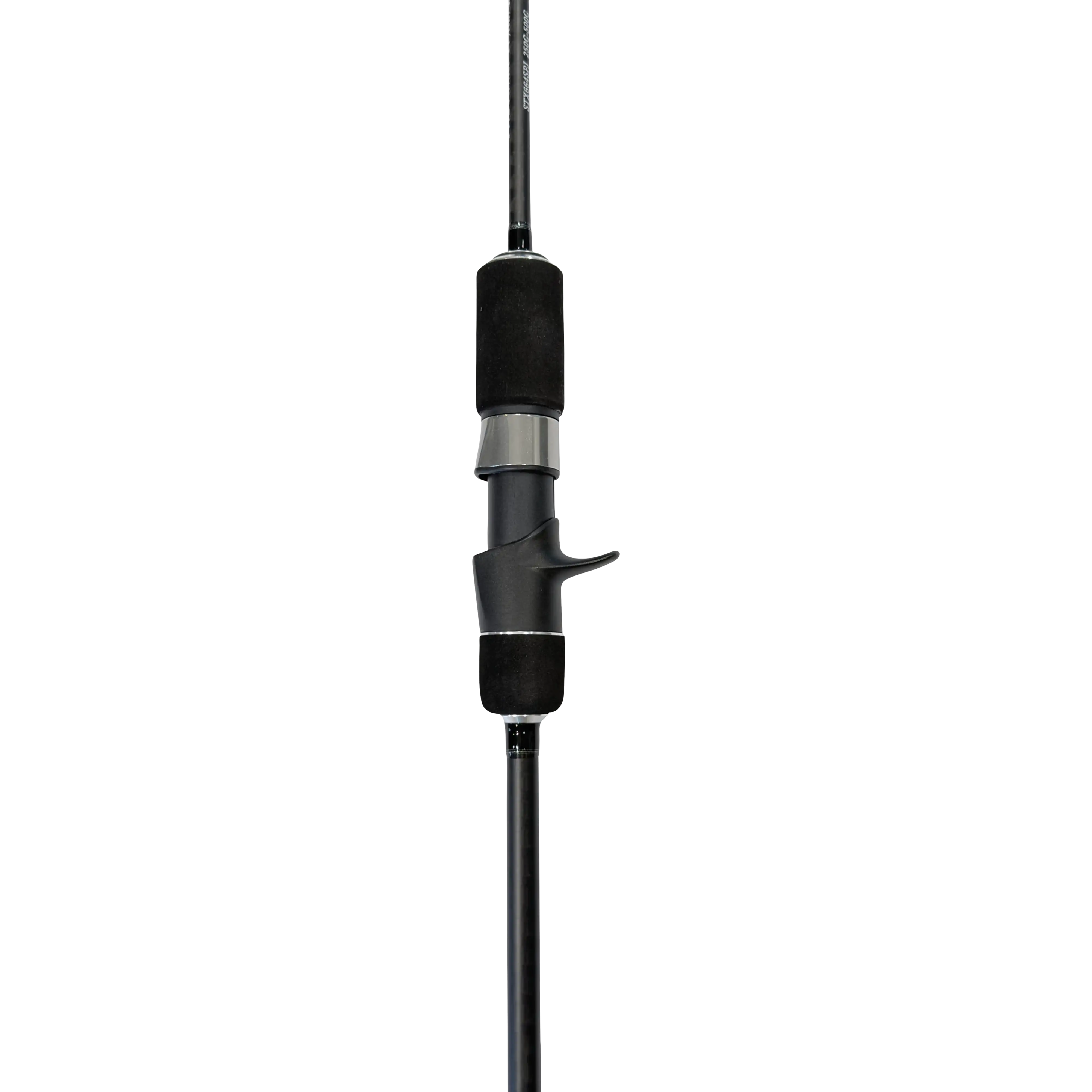
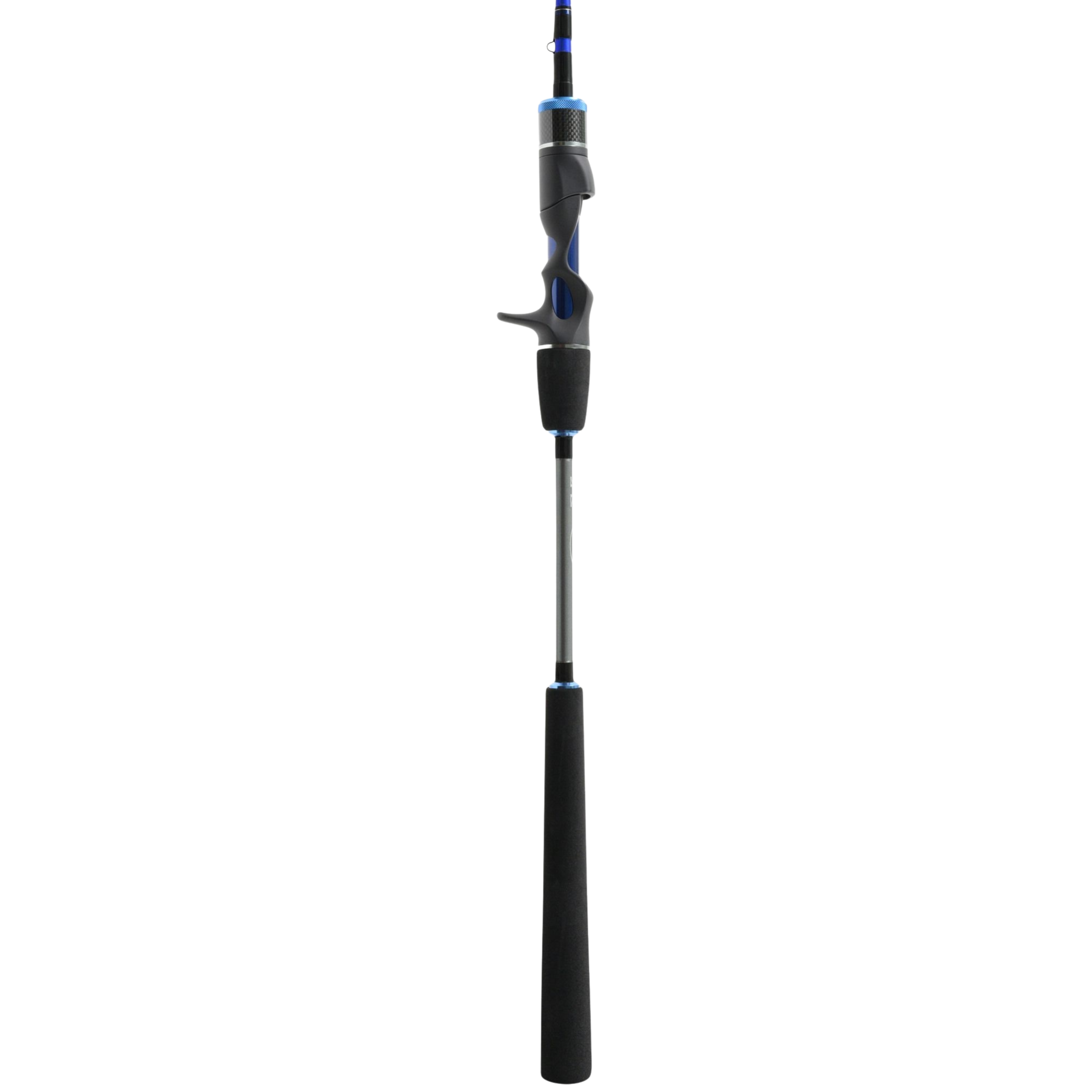
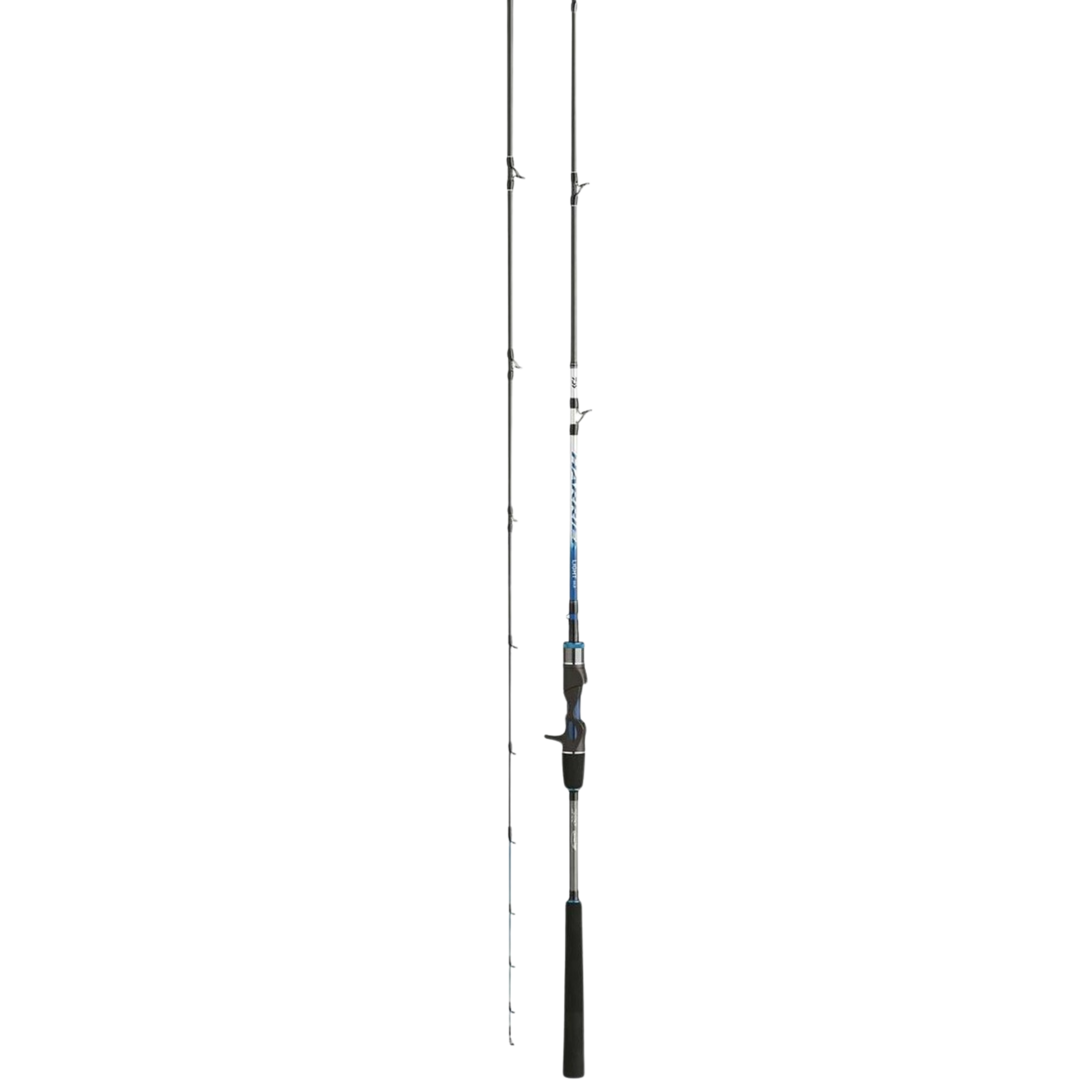
Choosing the right slow-pitch rod is about matching the rod’s action and power to your jig weights, fishing depth, and target species. Unlike traditional vertical jigging rods, slow-pitch rods are built to load deeply through the mid-section, allowing the blank to “kick” the jig forward on each lift before it flutters back down.
Rod length is carefully chosen to balance control, leverage, and fatigue. Shorter rods improve precision and make repeated lifts easier, while slightly longer rods allow subtle manipulation of the jig, especially for suspended or long-fall applications. Power ratings indicate how much backbone the rod has: lighter rods flex easily for finesse, heavier and X‑Heavy rods can handle big jigs, strong current, and larger predators.
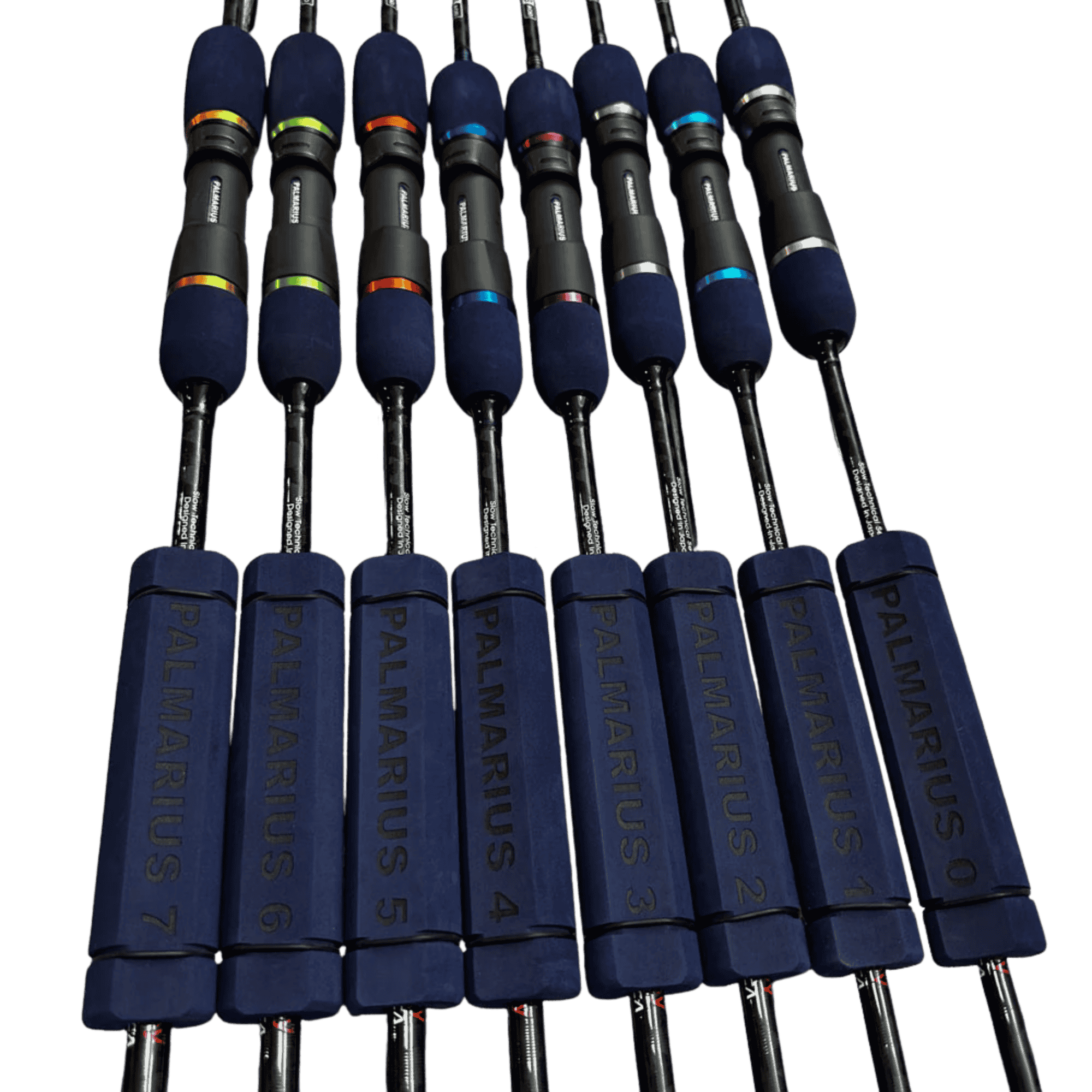
Handle design and materials impact comfort and control, as slow-pitch anglers often use forward hand positions. A properly chosen rod ensures smooth jig movement, keeps the technique effective, and allows longer, fatigue-free sessions.
When selecting a rod, focus on these key performance characteristics:
Power
This tells you how much backbone the rod has and how much load it can handle. Lighter rods (Light / Medium-Light) are ideal for finesse nearshore work with small jigs, letting you feel subtle strikes and keep the jig fluttering naturally. Medium to Medium-Heavy rods give enough strength for deeper water, larger species, or stronger currents, without losing sensitivity. Heavy to X-Heavy rods are designed for deep, heavy-jig applications and big predators, giving you the leverage and control needed to move large fish without overstressing the rod. Choosing the right power ensures your lifts are efficient, your jig action is correct, and your rod won’t be overloaded.
Action
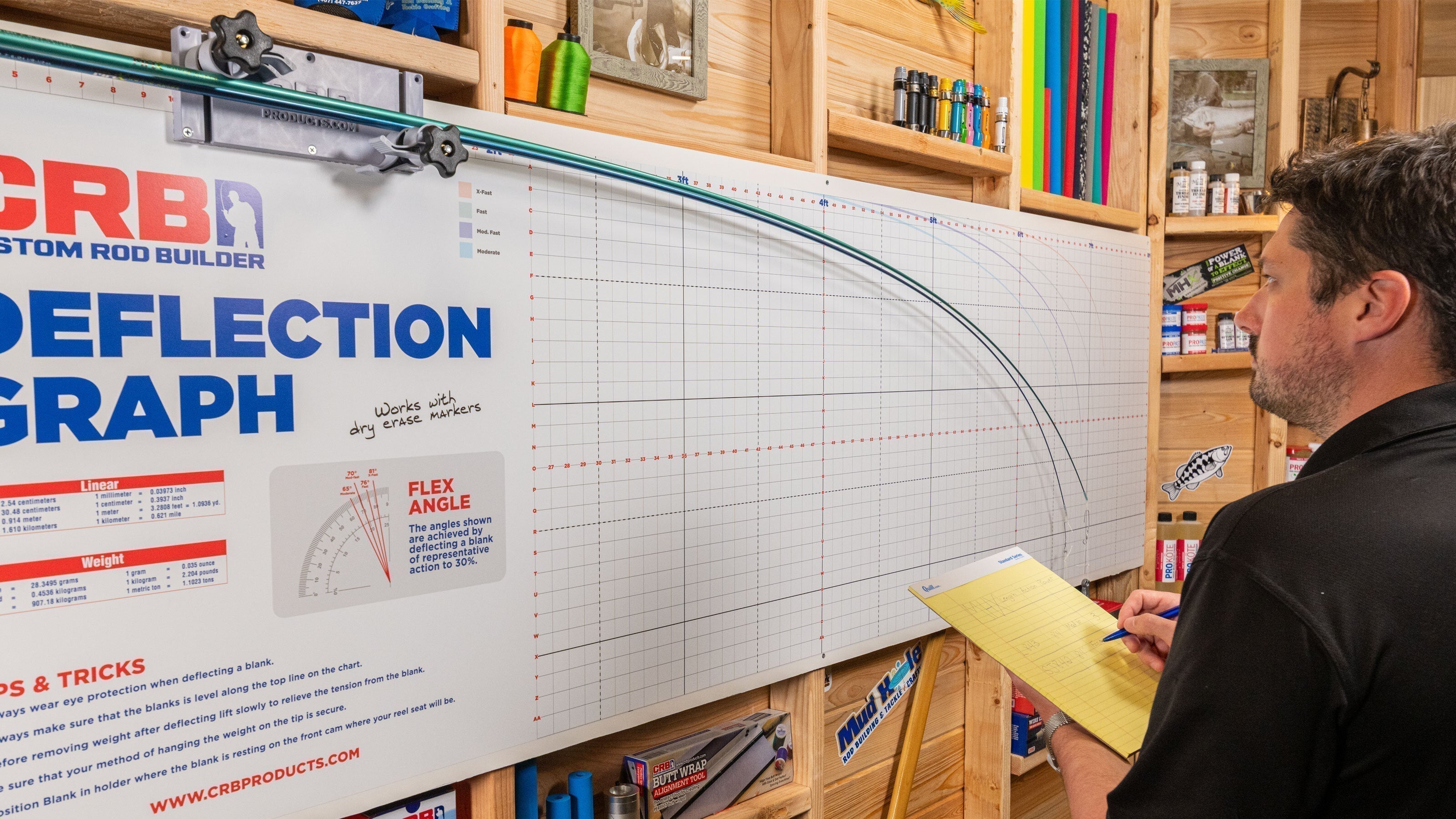
Slow-pitch rods typically have a moderate to slow (parabolic) action, meaning the blank bends deeply through the midsection and sometimes into the butt. This deep bend creates the natural flutter and hang time that makes slow-pitch jigging effective, while allowing anglers to feel subtle strikes without pulling the hook. A proper parabolic action balances lift, jig control, and sensitivity, ensuring each jig move is smooth, deliberate, and productive.
Length
Rod length affects leverage, precision, and fatigue. Shorter rods (6'3"–6'8") give tighter control over the jig, especially in nearshore structure or rough seas, and reduce strain during repeated lifts. Longer rods (6'8"–7'3") improve finesse and subtle jig manipulation, letting the angler create longer flutter or hang-time presentations in mid-column or long-fall applications. Selecting the right length ensures the rod matches both the technique and your personal handling comfort.
Line Rating
This indicates the braid strength the rod is designed to handle, expressed as a PE class — “PE” stands for polyethylene, the material used in modern braided lines. The PE number standardizes line diameter and strength. Using line within the recommended PE range keeps the rod balanced, preserves sensitivity, and lets you feel subtle strikes while still controlling heavier jigs. Too light or too heavy a line reduces jig control, accuracy, and hook-setting effectiveness.
Weight / Lure Rating
This shows the optimal jig weight range for the rod. Matching your jig to the rating ensures the rod bends correctly, produces the intended flutter, and transfers energy efficiently for hook-ups. Too light a jig won’t load the rod properly, reducing action, while too heavy a jig can overstress the blank or fatigue the angler. Proper matching guarantees natural movement, consistent presentation, and more productive fishing sessions.
Key Takeaways
- Match rod action and power to jig weight, depth, and target species.
- Shorter rods improve control; longer rods aid finesse and subtle jig motion.
- Moderate to slow actions maximize jig flutter without sacrificing control.
- Correct rod selection ensures smooth jig movement, more hook-ups, and longer fishing sessions.
Nearshore / Light Slow Pitch
A shorter, lighter rod with moderate action allows precise, delicate lifts and smooth jig flutter over shallow reefs and structure, giving anglers control of light jigs without overpowering the presentation.
Targets: Lane snapper, mangrove snapper, porgy, smaller reef fish inside ~150 ft
Rod Length: 6'3"–6'9"
Power: Light to Medium-Light
Action: Moderate
Line: Mainline: 15–20 lb braid (PE 0.8–1.2); Leader: 15–30 lb fluorocarbon
Weights Used: 60g–150g
West Coast note: Often paired with slightly heavier braid (20–30 lb) due to rock structure and surge
Classic Reef Slow Pitch
A medium-power rod with moderate to slow actions balance lift and control for mid-weight jigs, letting anglers punch currents, maintain jig flutter, and fish longer without fatigue over mid-depth reefs.
Targets: Vermilion snapper, red snapper, mutton snapper, scamp, gag grouper (~120–300 ft)
Rod Length: 6'2"–6'8"
Power: Medium
Action: Moderate, Moderate-Fast
Line: Mainline: 20–30 lb braid (PE 1.5–2.5); Leader: 25–40 lb fluorocarbon
Weights Used: 120g–300g
West Coast note: Many anglers on deeper reefs bump to 30–40 lb braid and slightly heavier jigs (200g+) for structure and surge
Long Fall / Suspended Slow Pitch
Medium-heavy and heavy rods with moderate action and extended tip allows the jig to hang longer in the water column while providing enough backbone to control medium-large fish and maintain sensitivity during long lifts and slack recovery.
Targets: Suspended snapper, amberjack, blackfin tuna, mid-column predators (~150–400 ft)
Rod Length: 6'8"–7'8"
Power: Medium-Heavy, Heavy
Action: Moderate
Line: Mainline: 30–40 lb braid (PE 2–3); Leader: 30–50 lb fluorocarbon
Weights Used: 200g–400g
East Coast note: Most offshore boats cap long-fall rods around ~7'3"
West Coast note: Long fall sometimes pushed heavier (up to 500g) for bluefin
Deep Water Slow Pitch
Heavy rods with moderate to moderate-fast actions move large jigs efficiently through strong currents and deep water while maintaining sensitivity, giving anglers control over both the jig and aggressive bottom-dwelling fish.
Targets: Snowy grouper, tilefish, deep wreck species (~300–700 ft)
Rod Length: 6'0"–6'6"
Power: Heavy
Action: Moderate, Moderate-Fast
Line: Mainline: 30–50 lb braid (PE 3–4); Leader: 40–60 lb fluorocarbon
Weights Used: 300g–500g
East Coast note: Past 500g, many anglers switch to hybrid vertical rods
West Coast note: Deep drop slow pitch overlaps heavy bluefin; 500–600g jigs are common
Power Slow / Heavy Hybrid
Extra-heavy rods with moderate to moderate-fast actions provide the backbone to handle large jigs, strong currents, and powerful predators, allowing controlled lifts and hook-sets without overstressing the blank.
Targets: Greater amberjack, large grouper, yellowfin tuna
Rod Length: 6'3"–7'3"
Power: X-Heavy
Action: Moderate, Moderate-FastLine: Mainline: 20–30 lb braid (PE 1.5–2.5); Leader: 30–60 lb fluorocarbon
Weights Used: 250g–450g (occasionally 500g)
East Coast note: True power slow tends to stay under 500g
West Coast note: Bluefin fisheries often use PE 6–8 and 400–600g jigs
How to Choose a Slow-Pitch Jigging Rod
Choosing the right slow-pitch rod is about matching the rod’s action and power to your jig weights, fishing depth, and target species. Unlike traditional vertical jigging rods, slow-pitch rods are built to load deeply through the mid-section, allowing the blank to “kick” the jig forward on each lift before it flutters back down.
Rod length is carefully chosen to balance control, leverage, and fatigue. Shorter rods improve precision and make repeated lifts easier, while slightly longer rods allow subtle manipulation of the jig, especially for suspended or long-fall applications. Power ratings indicate how much backbone the rod has: lighter rods flex easily for finesse, heavier and X‑Heavy rods can handle big jigs, strong current, and larger predators.
Handle design and materials impact comfort and control, as slow-pitch anglers often use forward hand positions. A properly chosen rod ensures smooth jig movement, keeps the technique effective, and allows longer, fatigue-free sessions.
When selecting a rod, focus on these key performance characteristics:
Power
This tells you how much backbone the rod has and how much load it can handle. Lighter rods (Light / Medium-Light) are ideal for finesse nearshore work with small jigs, letting you feel subtle strikes and keep the jig fluttering naturally. Medium to Medium-Heavy rods give enough strength for deeper water, larger species, or stronger currents, without losing sensitivity. Heavy to X-Heavy rods are designed for deep, heavy-jig applications and big predators, giving you the leverage and control needed to move large fish without overstressing the rod. Choosing the right power ensures your lifts are efficient, your jig action is correct, and your rod won’t be overloaded.
Action
Slow-pitch rods typically have a moderate to slow (parabolic) action, meaning the blank bends deeply through the midsection and sometimes into the butt. This deep bend creates the natural flutter and hang time that makes slow-pitch jigging effective, while allowing anglers to feel subtle strikes without pulling the hook. A proper parabolic action balances lift, jig control, and sensitivity, ensuring each jig move is smooth, deliberate, and productive.
Length
Rod length affects leverage, precision, and fatigue. Shorter rods (6'3"–6'8") give tighter control over the jig, especially in nearshore structure or rough seas, and reduce strain during repeated lifts. Longer rods (6'8"–7'3") improve finesse and subtle jig manipulation, letting the angler create longer flutter or hang-time presentations in mid-column or long-fall applications. Selecting the right length ensures the rod matches both the technique and your personal handling comfort.
Line Rating
This indicates the braid strength the rod is designed to handle, expressed as a PE class — “PE” stands for polyethylene, the material used in modern braided lines. The PE number standardizes line diameter and strength. Using line within the recommended PE range keeps the rod balanced, preserves sensitivity, and lets you feel subtle strikes while still controlling heavier jigs. Too light or too heavy a line reduces jig control, accuracy, and hook-setting effectiveness.
Weight / Lure Rating
This shows the optimal jig weight range for the rod. Matching your jig to the rating ensures the rod bends correctly, produces the intended flutter, and transfers energy efficiently for hook-ups. Too light a jig won’t load the rod properly, reducing action, while too heavy a jig can overstress the blank or fatigue the angler. Proper matching guarantees natural movement, consistent presentation, and more productive fishing sessions.
Key Takeaways
- Match rod action and power to jig weight, depth, and target species.
- Shorter rods improve control; longer rods aid finesse and subtle jig motion.
- Moderate to slow actions maximize jig flutter without sacrificing control.
- Correct rod selection ensures smooth jig movement, more hook-ups, and longer fishing sessions.
Nearshore / Light Slow Pitch
A shorter, lighter rod with moderate action allows precise, delicate lifts and smooth jig flutter over shallow reefs and structure, giving anglers control of light jigs without overpowering the presentation.
Targets: Lane snapper, mangrove snapper, porgy, smaller reef fish inside ~150 ft
Rod Length: 6'3"–6'9"
Power: Light to Medium-Light
Action: Moderate
Line: Mainline: 15–20 lb braid (PE 0.8–1.2); Leader: 15–30 lb fluorocarbon
Weights Used: 60g–150g
West Coast note: Often paired with slightly heavier braid (20–30 lb) due to rock structure and surge
Classic Reef Slow Pitch
A medium-power rod with moderate to slow actions balance lift and control for mid-weight jigs, letting anglers punch currents, maintain jig flutter, and fish longer without fatigue over mid-depth reefs.
Targets: Vermilion snapper, red snapper, mutton snapper, scamp, gag grouper (~120–300 ft)
Rod Length: 6'2"–6'8"
Power: Medium
Action: Moderate, Moderate-Fast
Line: Mainline: 20–30 lb braid (PE 1.5–2.5); Leader: 25–40 lb fluorocarbon
Weights Used: 120g–300g
West Coast note: Many anglers on deeper reefs bump to 30–40 lb braid and slightly heavier jigs (200g+) for structure and surge
Long Fall / Suspended Slow Pitch
Medium-heavy and heavy rods with moderate action and extended tip allows the jig to hang longer in the water column while providing enough backbone to control medium-large fish and maintain sensitivity during long lifts and slack recovery.
Targets: Suspended snapper, amberjack, blackfin tuna, mid-column predators (~150–400 ft)
Rod Length: 6'8"–7'8"
Power: Medium-Heavy, Heavy
Action: Moderate
Line: Mainline: 30–40 lb braid (PE 2–3); Leader: 30–50 lb fluorocarbon
Weights Used: 200g–400g
East Coast note: Most offshore boats cap long-fall rods around ~7'3"
West Coast note: Long fall sometimes pushed heavier (up to 500g) for bluefin
Deep Water Slow Pitch
Heavy rods with moderate to moderate-fast actions move large jigs efficiently through strong currents and deep water while maintaining sensitivity, giving anglers control over both the jig and aggressive bottom-dwelling fish.
Targets: Snowy grouper, tilefish, deep wreck species (~300–700 ft)
Rod Length: 6'0"–6'6"
Power: Heavy
Action: Moderate, Moderate-Fast
Line: Mainline: 30–50 lb braid (PE 3–4); Leader: 40–60 lb fluorocarbon
Weights Used: 300g–500g
East Coast note: Past 500g, many anglers switch to hybrid vertical rods
West Coast note: Deep drop slow pitch overlaps heavy bluefin; 500–600g jigs are common
Power Slow / Heavy Hybrid
Extra-heavy rods with moderate to moderate-fast actions provide the backbone to handle large jigs, strong currents, and powerful predators, allowing controlled lifts and hook-sets without overstressing the blank.
Targets: Greater amberjack, large grouper, yellowfin tuna
Rod Length: 6'3"–7'3"
Power: X-Heavy
Action: Moderate, Moderate-FastLine: Mainline: 20–30 lb braid (PE 1.5–2.5); Leader: 30–60 lb fluorocarbon
Weights Used: 250g–450g (occasionally 500g)
East Coast note: True power slow tends to stay under 500g
West Coast note: Bluefin fisheries often use PE 6–8 and 400–600g jigs
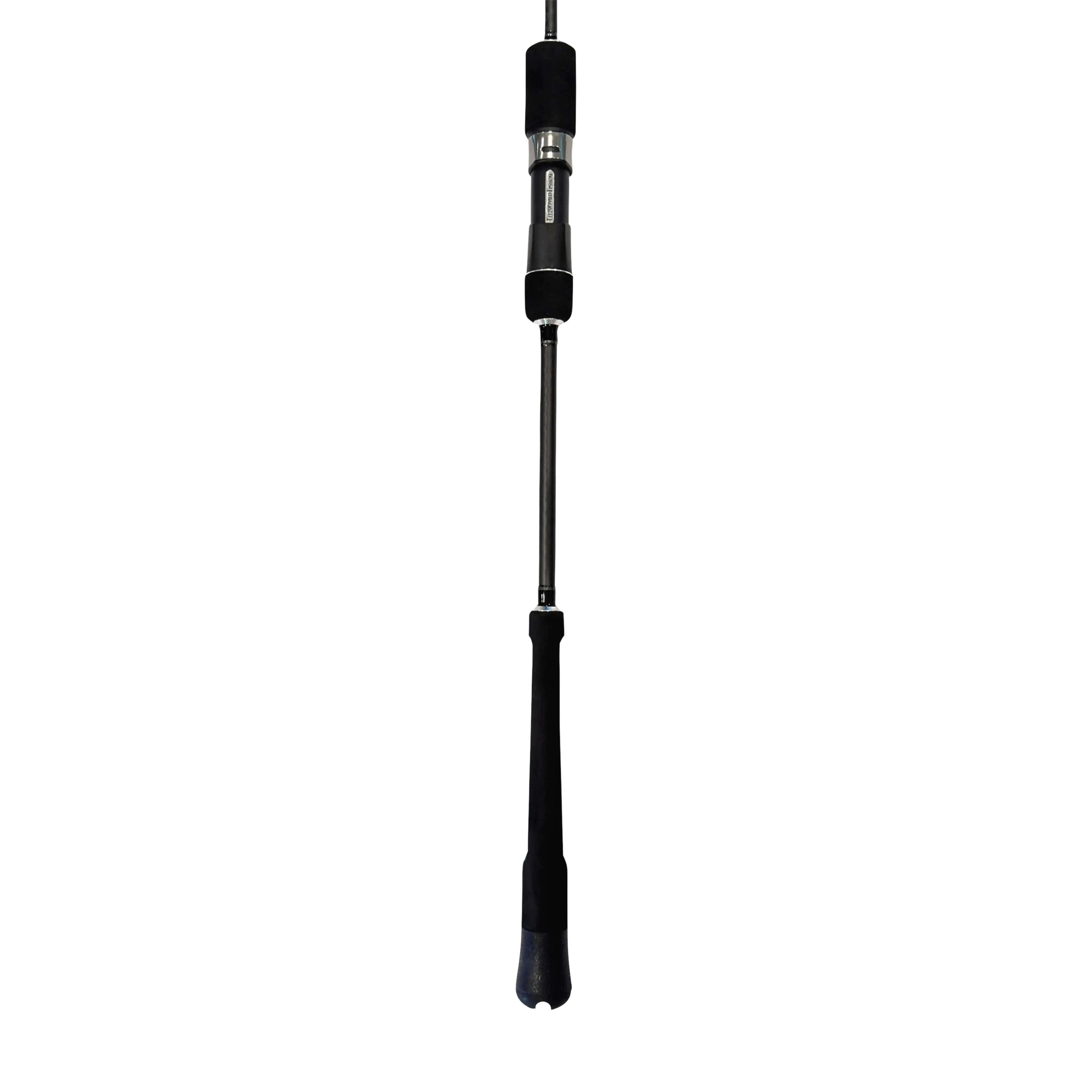
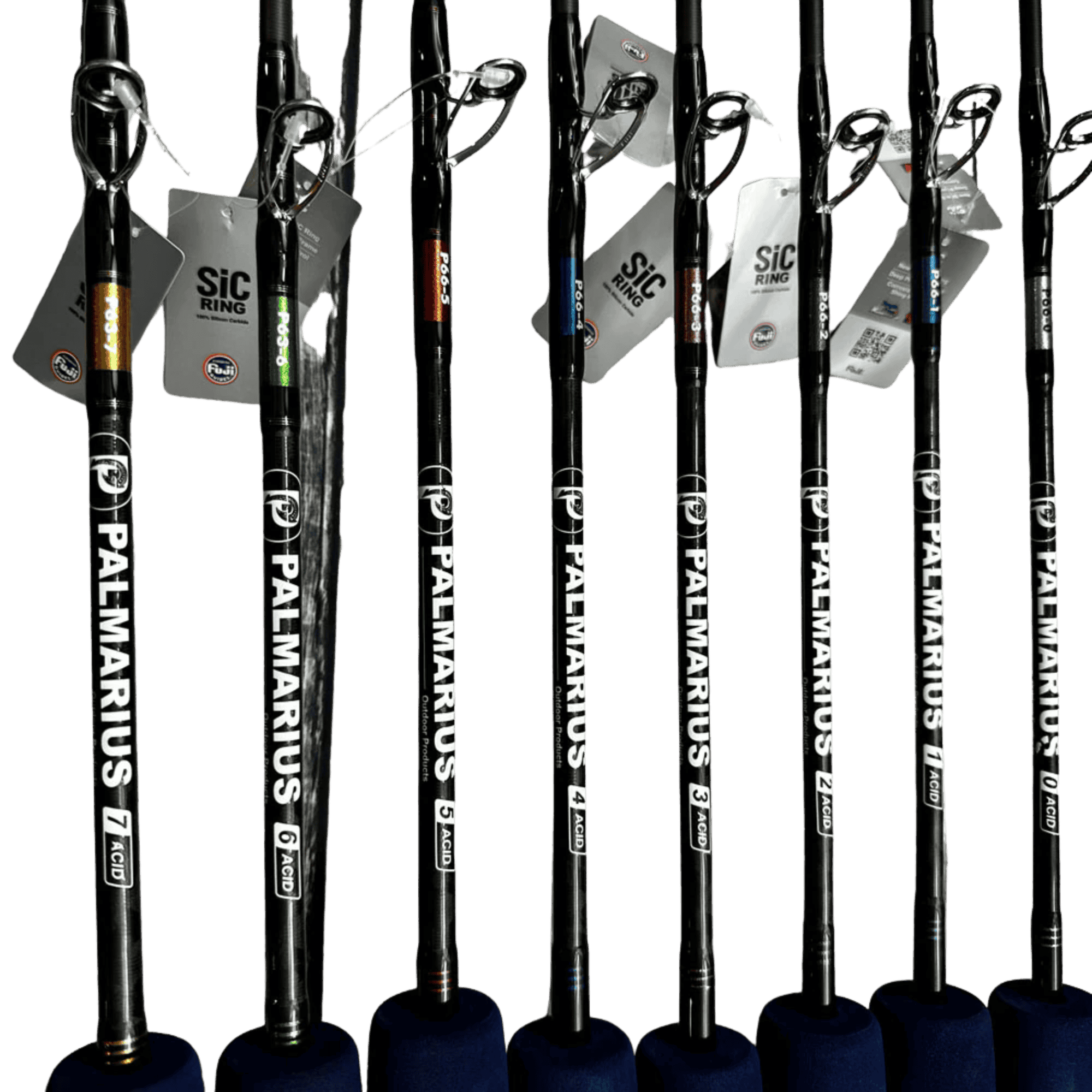
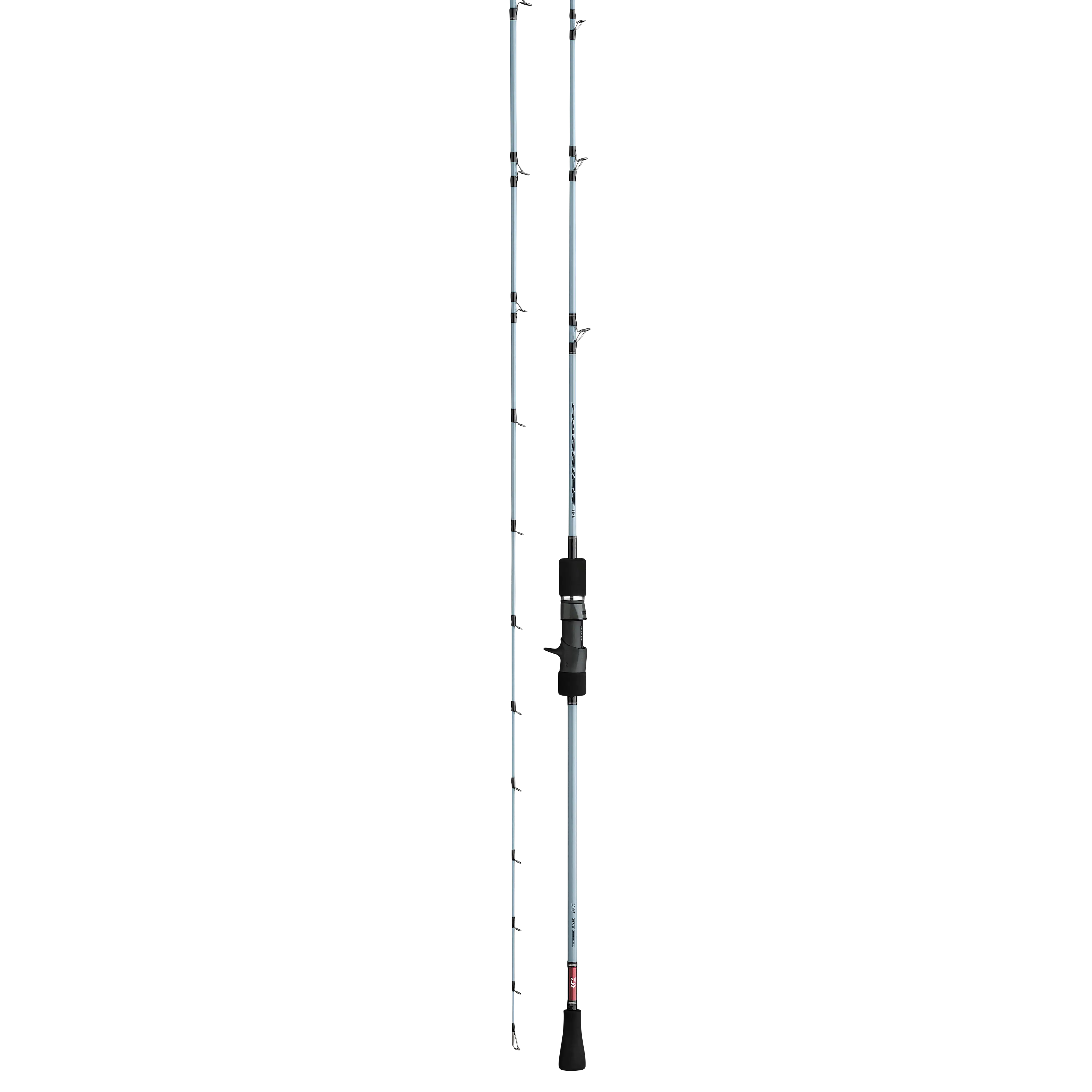
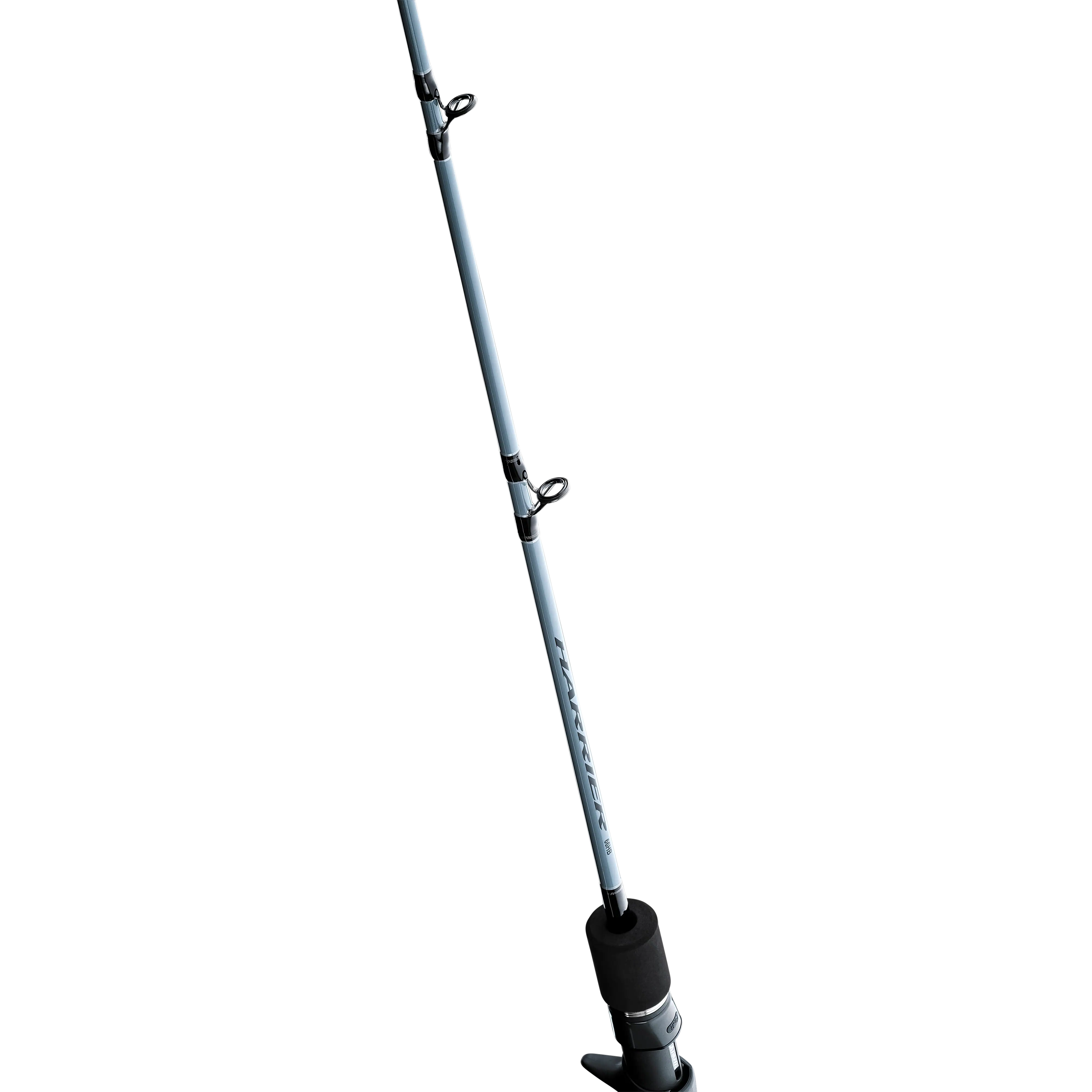
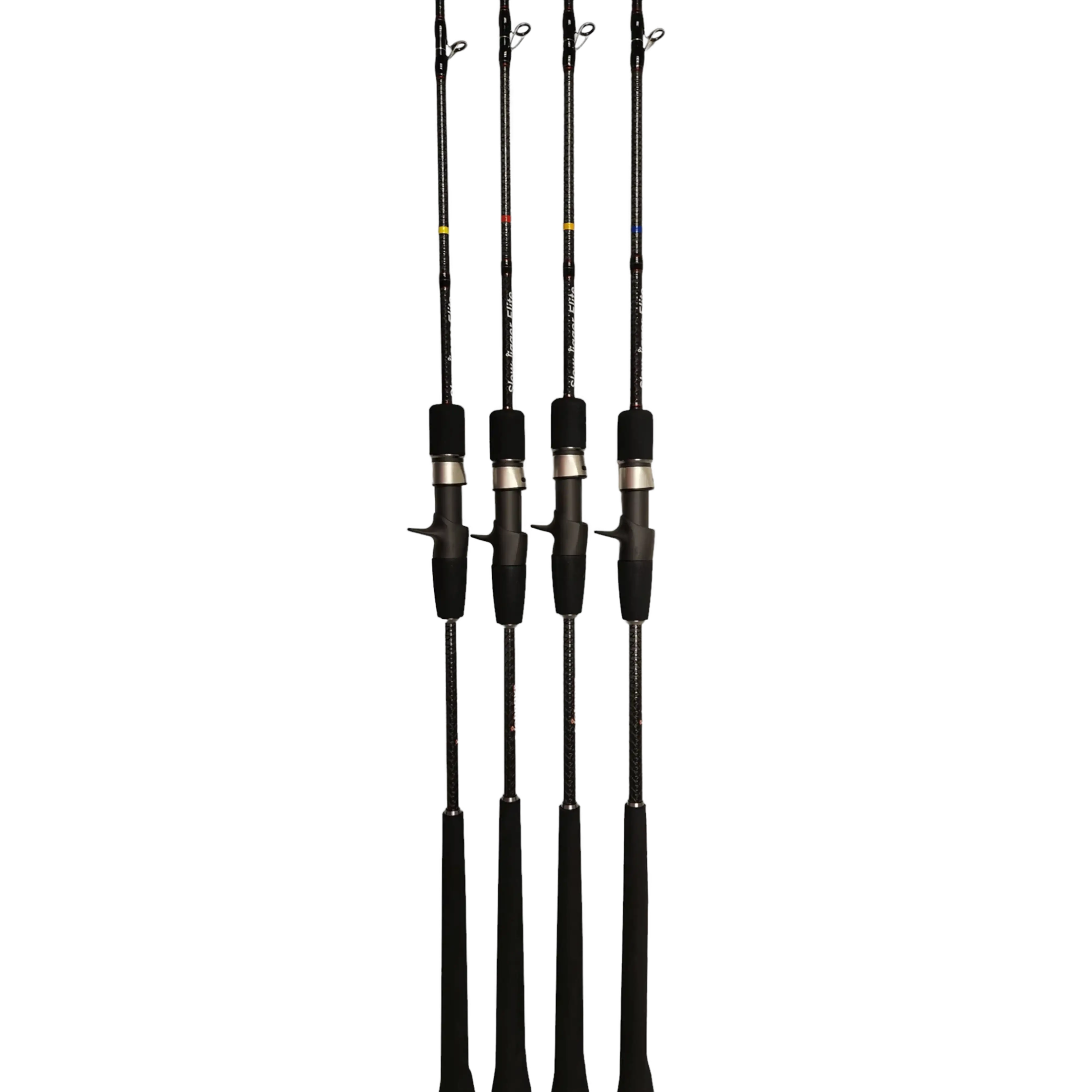
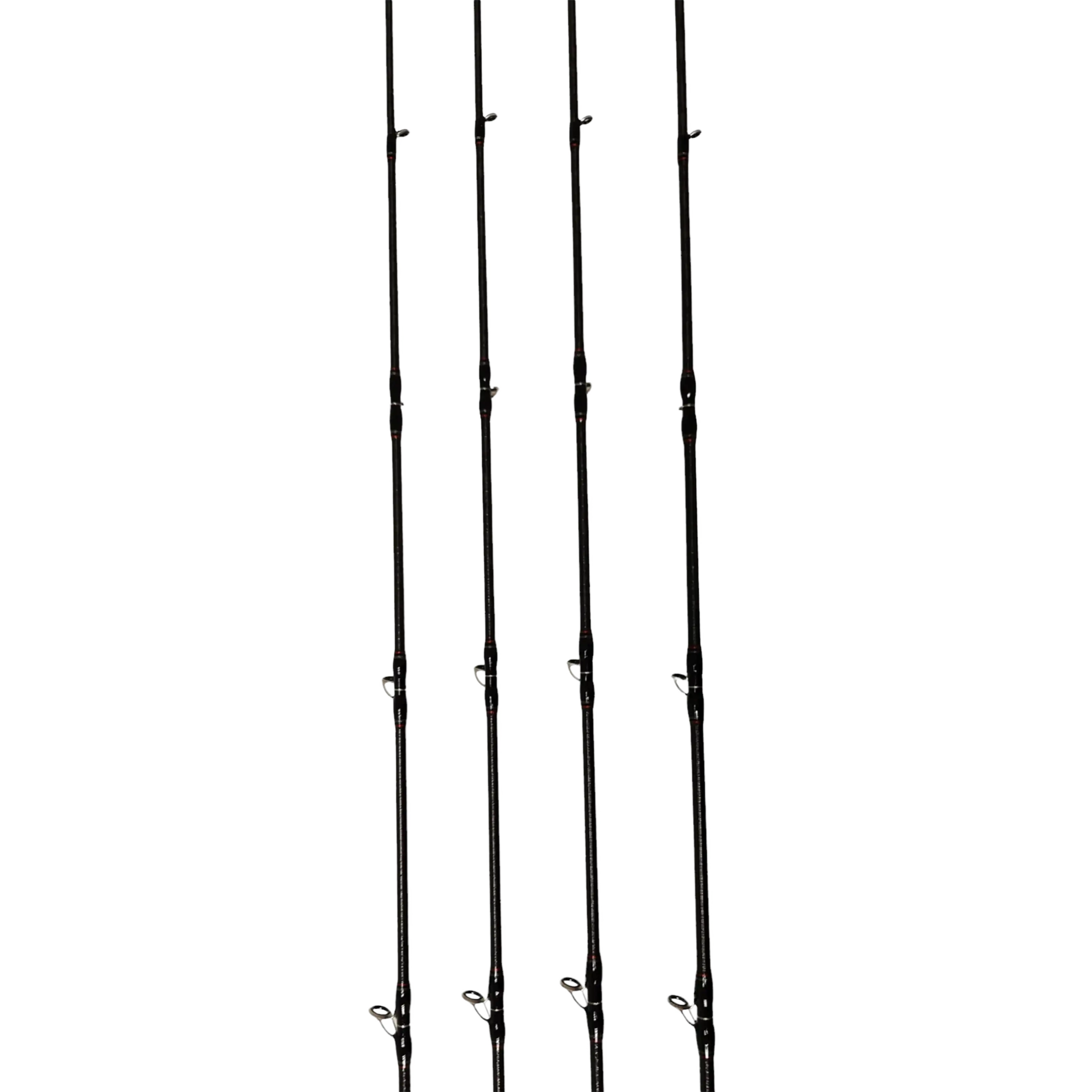
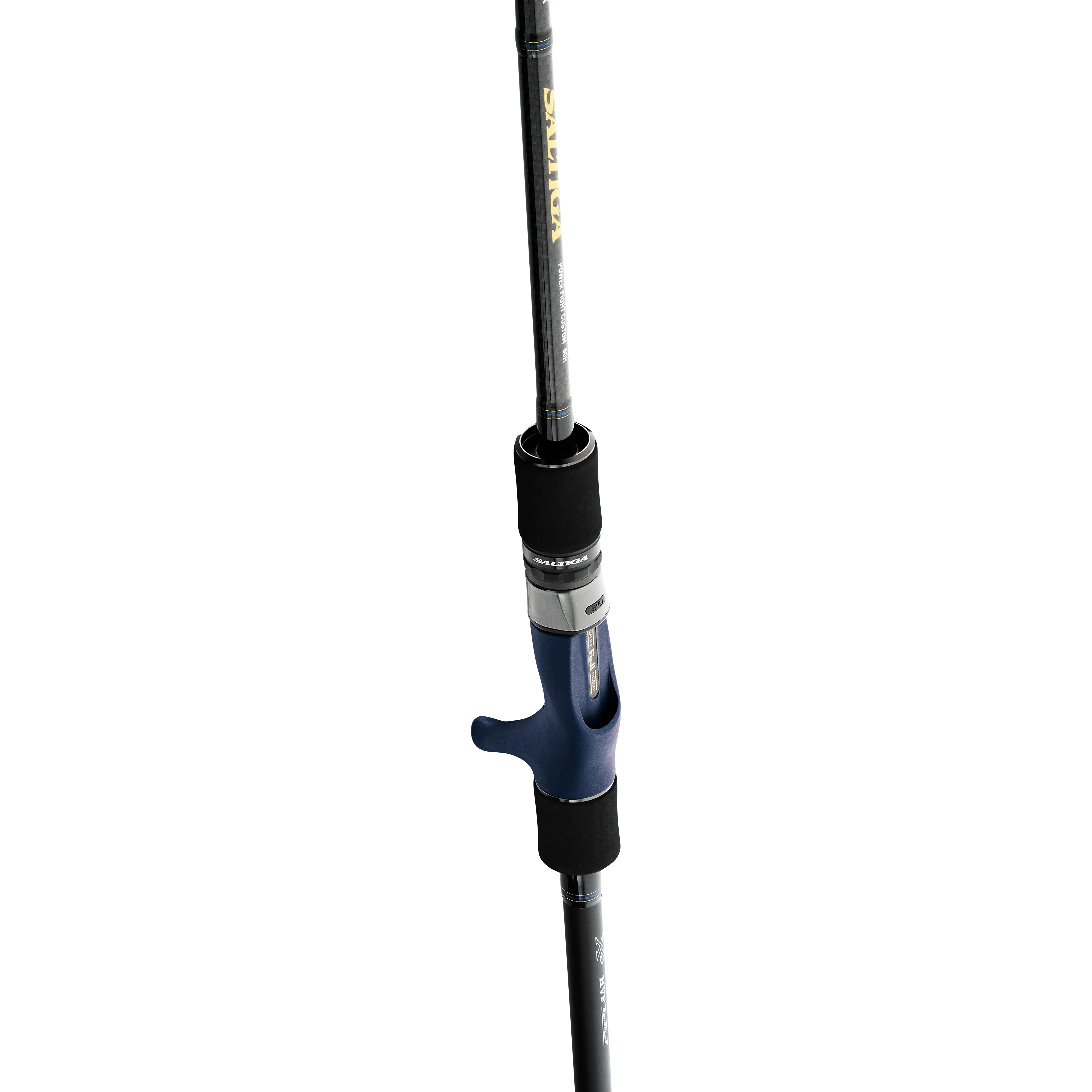
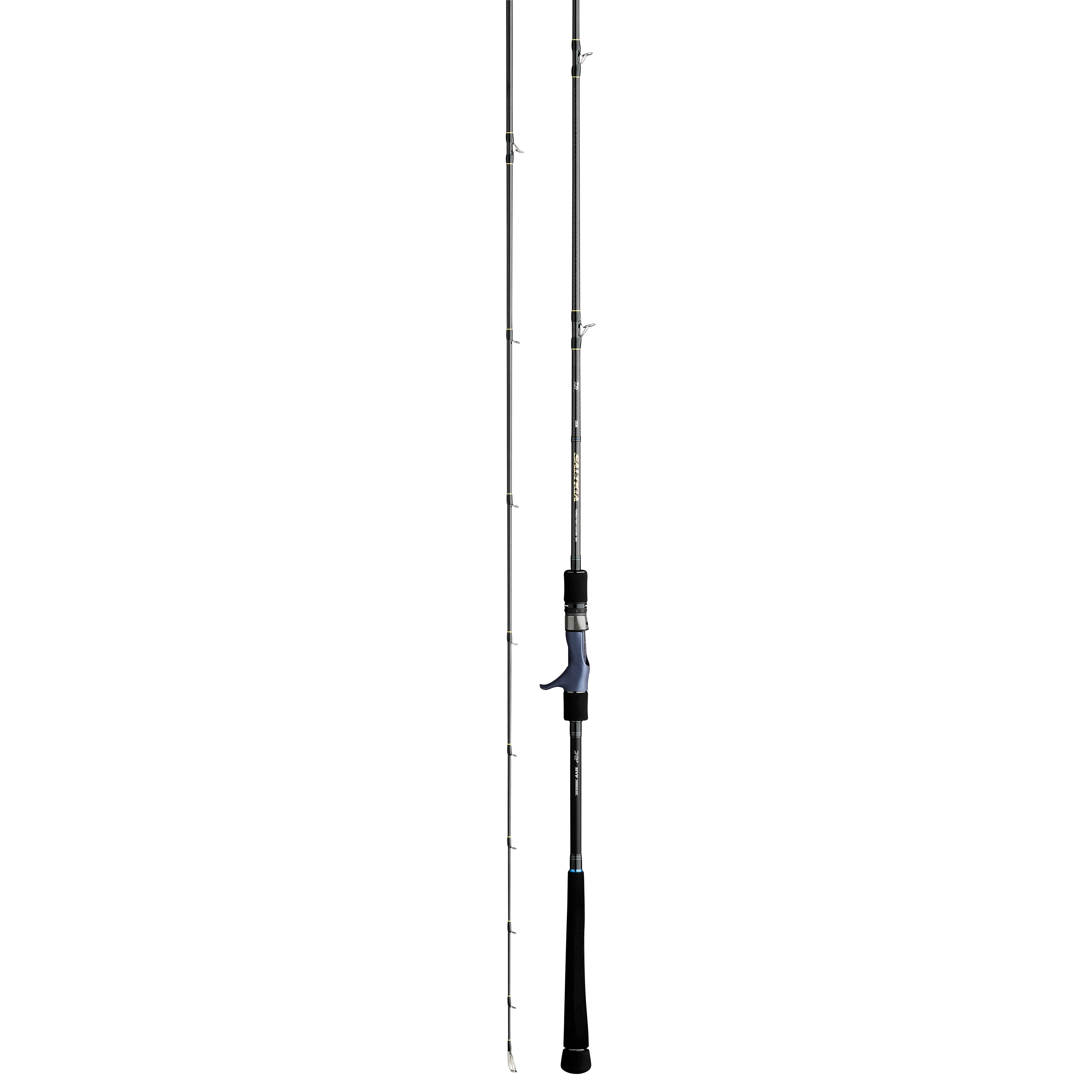
Slow-Pitch Rods
Best Reels for Slow-Pitch Jigging
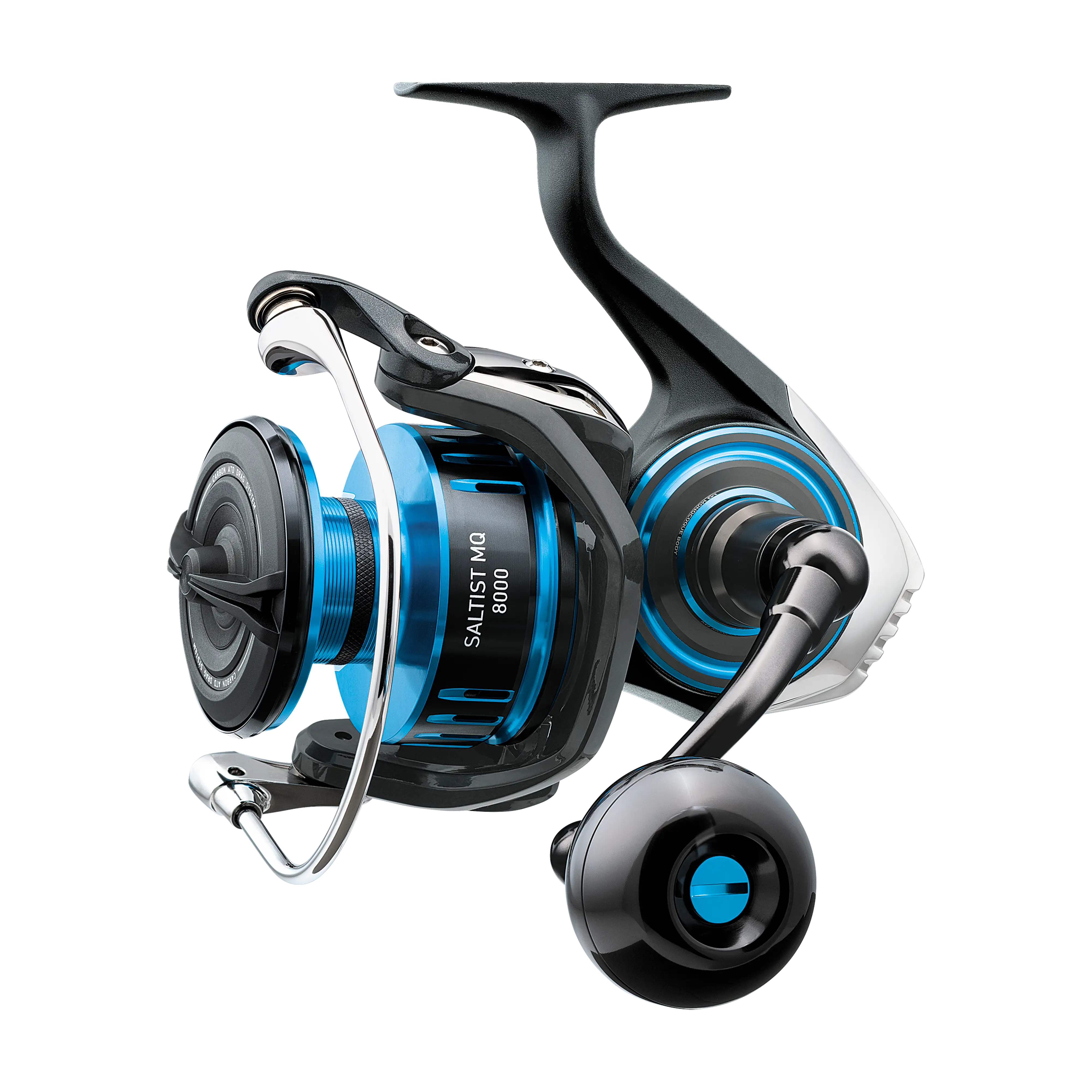
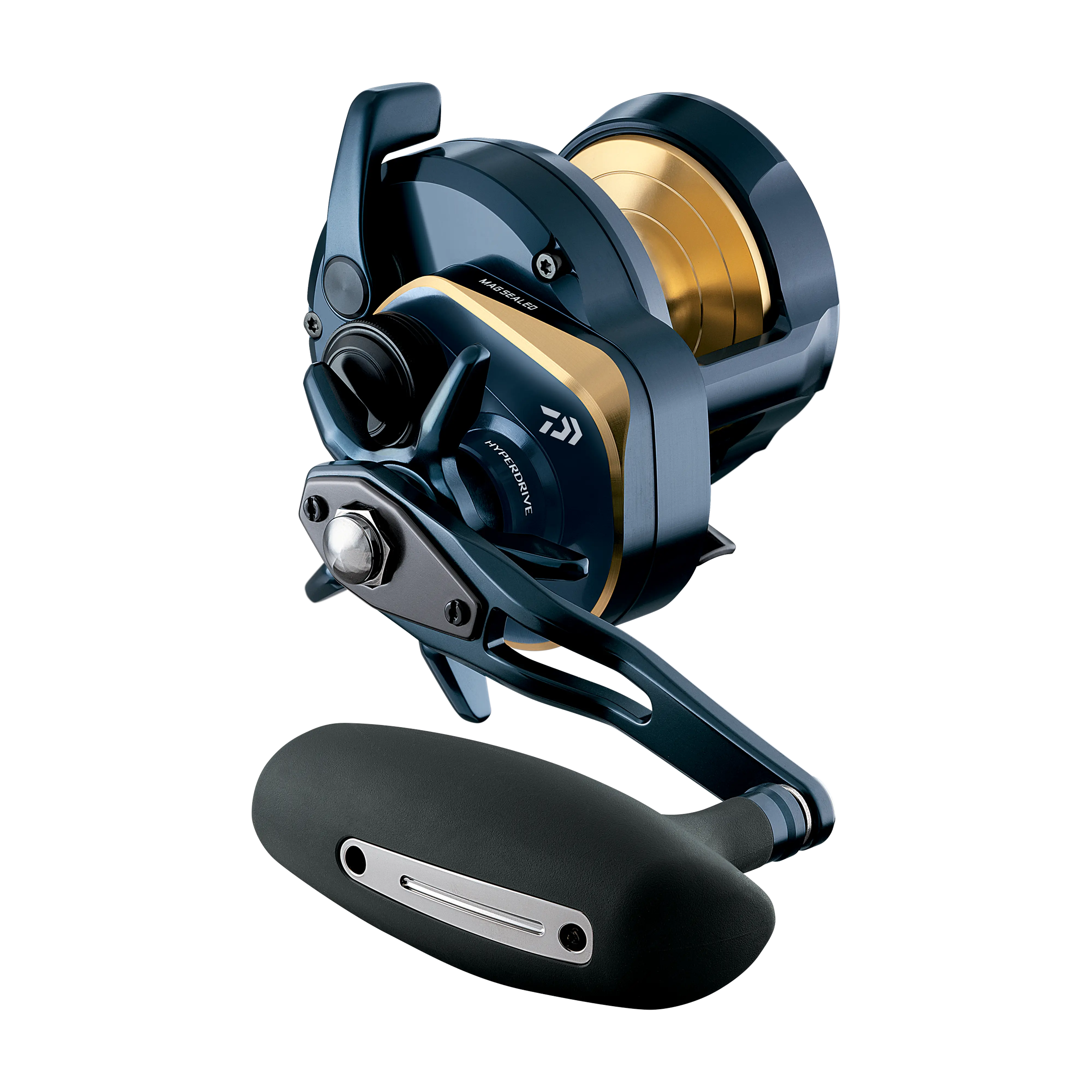
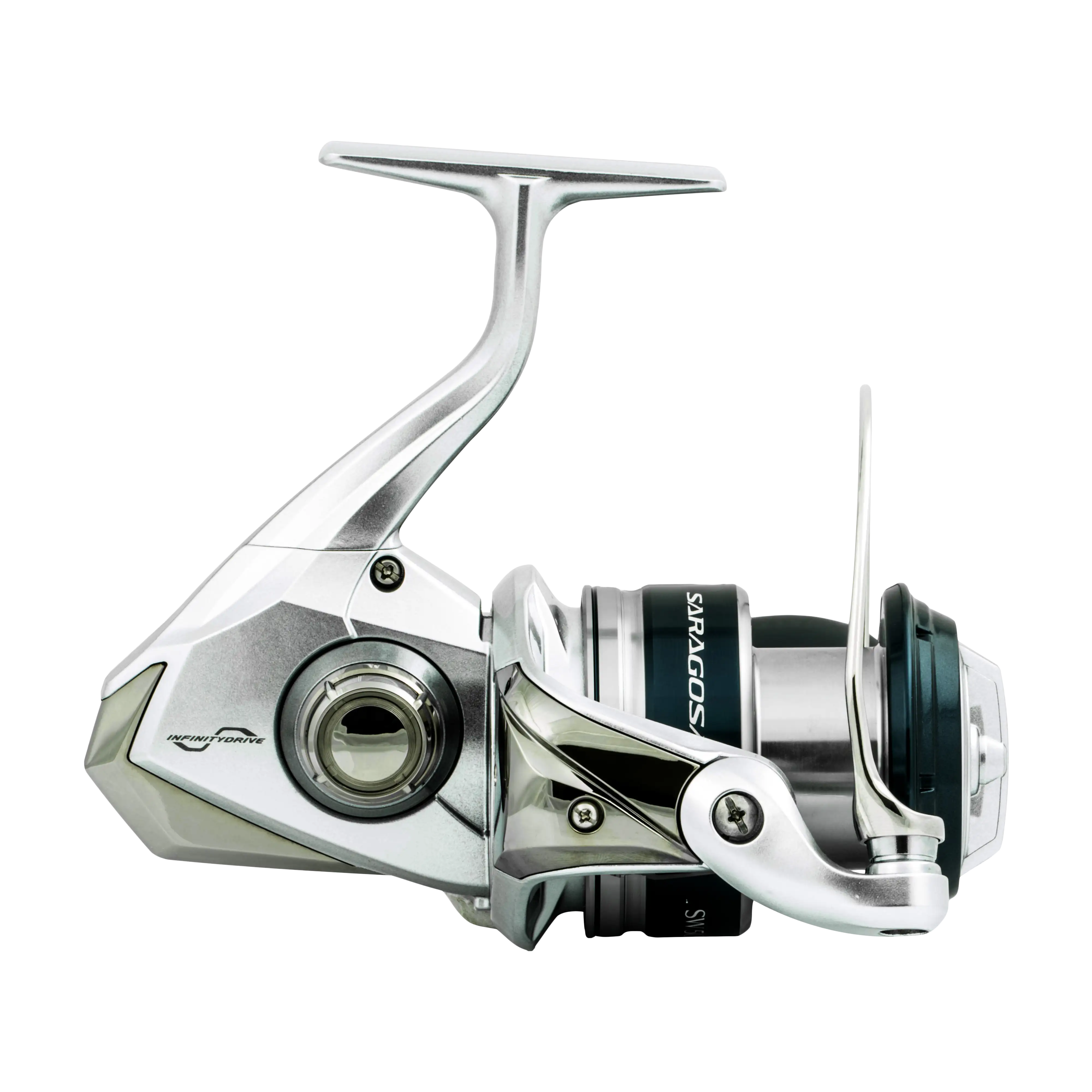
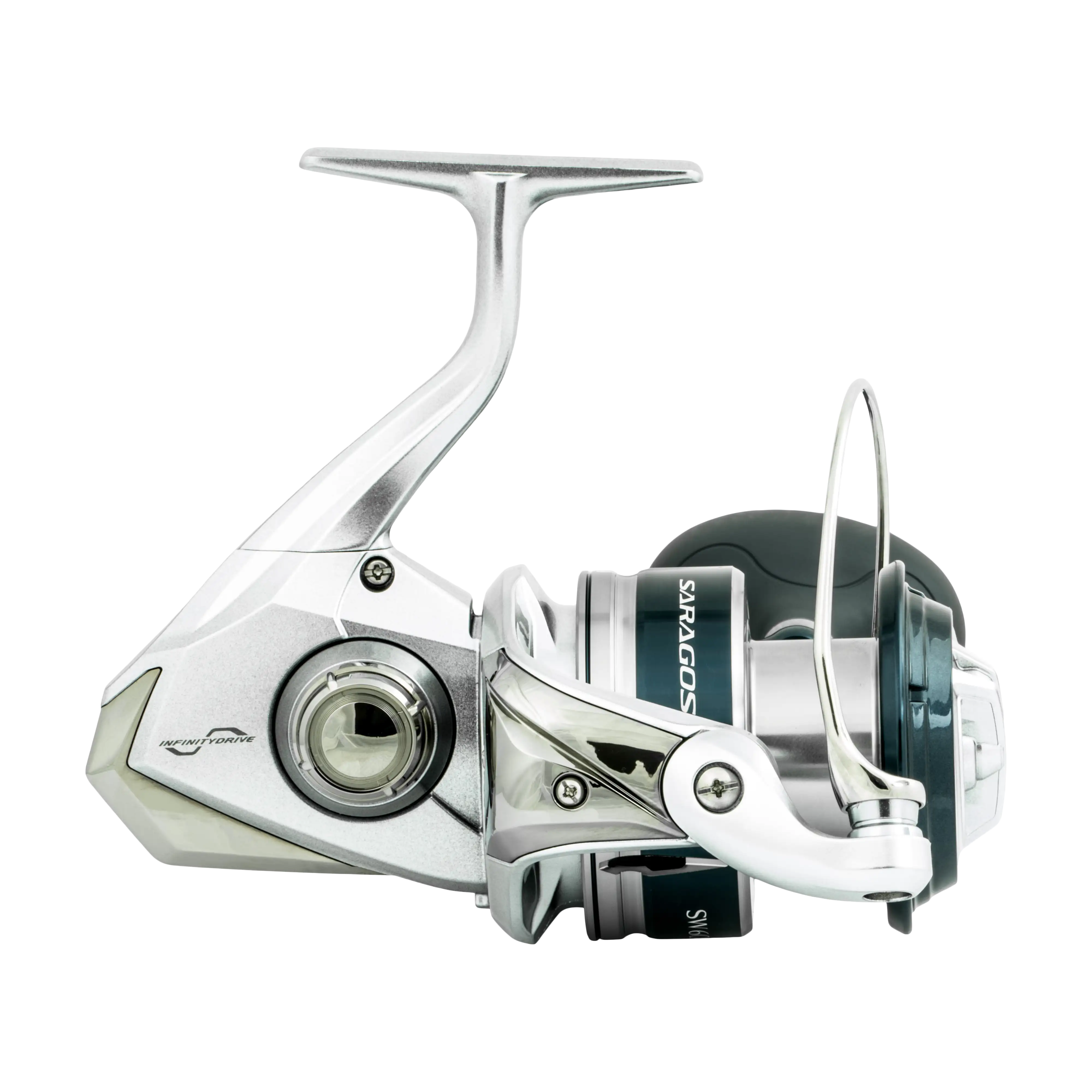
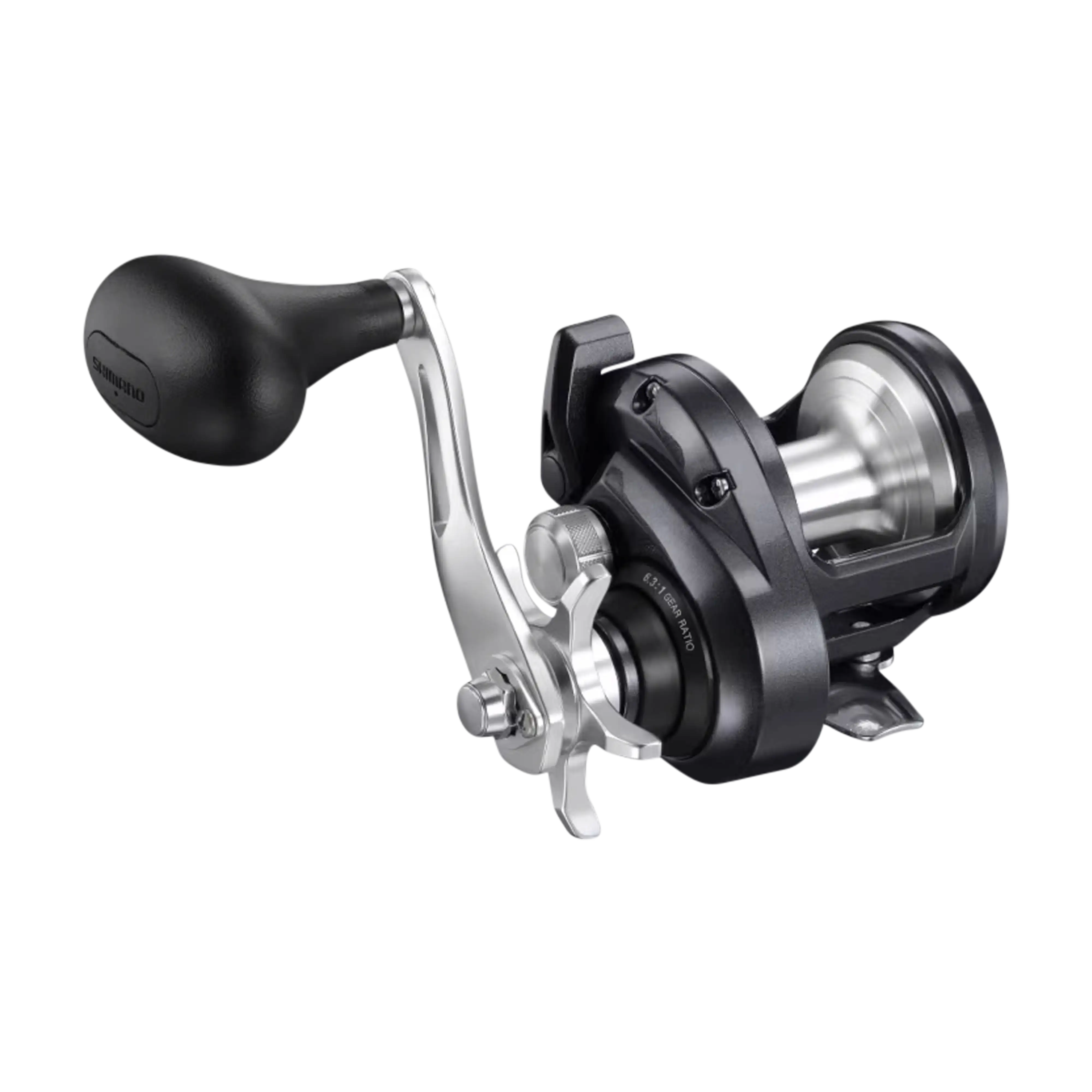
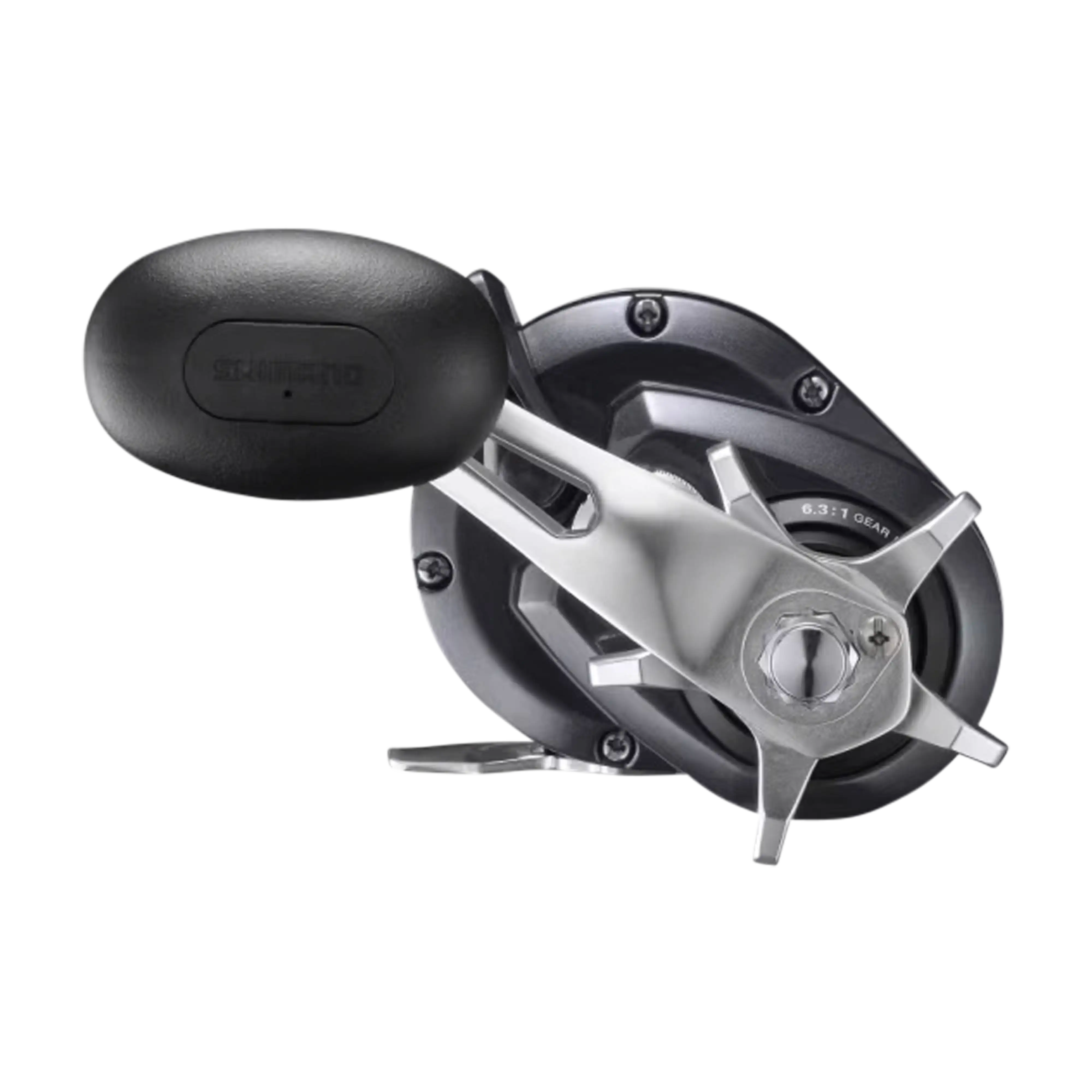
During slow-pitch jigging, the reel’s job is to recover slack, maintain vertical line control, and deliver smooth, consistent drag—especially on strikes that happen on the fall. Compact conventional reels are popular because they offer strong torque, precise control, and reliable drag in a lightweight, manageable frame. Spinning setups are also used for lighter slow-pitch applications, long-fall presentations, and by anglers who prefer an open-face reel while maintaining excellent jig control and sensitivity.
Balance matters. A properly matched reel keeps the setup neutral and easy to fish, while oversized reels add weight and disrupt cadence. When size, gearing, drag, and capacity are aligned with your rod and conditions, the reel feels effortless and keeps you focused on jig control and bite detection.
When evaluating reels, focus on these key features:
Reel Type
Compact conventional reels are preferred for slow-pitch jigging. Their smaller frames reduce fatigue and maintain balance in hand. These reels allow smooth lifts and controlled drops without overpowering subtle jig action. While spinning reels are often used for lighter slow-pitch applications, long-fall techniques, and anglers who prefer an open-face design, narrow conventional reels are specialized for this technique.
Gear Ratio
Moderate to high gear ratios (typically 5.1:1–6.3:1 for conventional reels and approximately 5.2:1–6.2:1 for spinning reels) allow quick recovery of slack line between lifts without disrupting jig flutter. Mid-range ratios give balanced torque for heavier jigs and deeper water, while higher ratios help reset the jig faster, especially on lighter rigs or shallower drops. Proper ratio selection ensures efficiency and responsiveness during repeated vertical movements.
Drag System
Smooth, consistent drag is essential because most slow-pitch strikes occur on the fall when sudden line tension can spike. The drag should protect braided main line and fluorocarbon leaders, maintain steady pressure during the fight, and prevent hook pulls without requiring extreme maximum drag.
Line Capacity
The reel should hold enough line for your typical fishing depth while keeping the reel compact and manageable. Narrow spools help maintain even line stacking, reduce tangles, and keep consistent tension to preserve natural jig action.
Durability
Quality construction matters because slow-pitch reels are exposed to saltwater, pressure from heavy fish, and repetitive lifts. Look for corrosion-resistant materials, sealed bearings, and strong frame integrity to ensure long-term performance and reliability offshore.
Nearshore / Light Slow Pitch
A compact, narrow-spool reel with moderate 5.3:1–5.8:1 gearing and 8–15 lb drag gives precise vertical control for light jigs while still handling sudden bites from small reef species.
Targets: Lane snapper, mangrove snapper, porgy, smaller reef fish inside ~150 ft
Reel Type: Compact conventional, narrow-spool or compact spinning
Gear Ratio: 5.3:1–5.8:1
Drag: 8–15 lb smooth, consistent
Line: Mainline: 15–20 lb braid (PE 0.8–1.2); Leader: 15–30 lb fluorocarbon
Classic Reef Slow Pitch
A slightly stronger compact reel with narrow spool, 5.3:1–5.8:1 gearing, and 15–25 lb drag allows control of mid-weight jigs in moderate currents while protecting line during aggressive reef strikes.
Targets: Vermilion snapper, red snapper, mutton snapper, scamp, gag grouper (~120–300 ft)
Reel Type: Compact conventional, narrow spool or compact spinning
Gear Ratio: 5.3:1–5.8:1
Drag: 15–25 lb smooth, consistent
Line: Mainline: 20–30 lb braid (PE 1.5–2.5); Leader: 25–40 lb fluorocarbon
Long Fall / Suspended Slow Pitch
A mid-size, narrow-spool reel with 5.5:1–6.0:1 gearing and 20–35 lb drag efficiently recovers slack during long-fall lifts while handling medium-large fish and offshore currents.
Targets: Suspended snapper, amberjack, blackfin tuna, mid-column predators (~150–400 ft)
Reel Type: Compact to mid-size conventional, narrow spool or mid-size spinning
Gear Ratio: 5.5:1–6.0:1
Drag: 20–35 lb smooth, consistent
Line: Mainline: 30–40 lb braid (PE 2–3); Leader: 30–50 lb fluorocarbon
Deep Water Slow Pitch
A reinforced mid-size reel with 5.8:1–6.0:1 gearing and 30–45 lb drag moves heavy jigs efficiently through deep water while maintaining smooth line tension for strikes far below the boat.
Targets: Snowy grouper, tilefish, deep wreck species (~300–700 ft)
Reel Type: Mid-size conventional, narrow spool, reinforced frame or large spinning
Gear Ratio: 5.8:1–6.0:1
Drag: 30–45 lb smooth, consistent
Line: Mainline: 30–50 lb braid size (PE 3–4); Leader: 40–60 lb fluorocarbon
Power Slow / Heavy Hybrid
A mid-to-large, reinforced reel with 5.8:1–6.3:1 gearing and 15-18 lb drag balances fast slack recovery for long-fall jigs with torque to handle large amberjack, grouper, and tuna.
Targets: Greater amberjack, large grouper, yellowfin tuna
Reel Type: Mid-to-large conventional, narrow spool or large spinning
Gear Ratio: 5.8:1–6.3:1
Drag: 15-18 lb smooth, consistent
Line: Mainline: 20–30 lb braid (PE 1.5–2.5); Leader: 30–60 lb fluorocarbon
Best Reels for Slow-Pitch Jigging
During slow-pitch jigging, the reel’s job is to recover slack, maintain vertical line control, and deliver smooth, consistent drag—especially on strikes that happen on the fall. Compact conventional reels are popular because they offer strong torque, precise control, and reliable drag in a lightweight, manageable frame. Spinning setups are also used for lighter slow-pitch applications, long-fall presentations, and by anglers who prefer an open-face reel while maintaining excellent jig control and sensitivity.
Balance matters. A properly matched reel keeps the setup neutral and easy to fish, while oversized reels add weight and disrupt cadence. When size, gearing, drag, and capacity are aligned with your rod and conditions, the reel feels effortless and keeps you focused on jig control and bite detection.
When evaluating reels, focus on these key features:
Reel Type
Compact conventional reels are preferred for slow-pitch jigging. Their smaller frames reduce fatigue and maintain balance in hand. These reels allow smooth lifts and controlled drops without overpowering subtle jig action. While spinning reels are often used for lighter slow-pitch applications, long-fall techniques, and anglers who prefer an open-face design, narrow conventional reels are specialized for this technique.
Gear Ratio
Moderate to high gear ratios (typically 5.1:1–6.3:1 for conventional reels and approximately 5.2:1–6.2:1 for spinning reels) allow quick recovery of slack line between lifts without disrupting jig flutter. Mid-range ratios give balanced torque for heavier jigs and deeper water, while higher ratios help reset the jig faster, especially on lighter rigs or shallower drops. Proper ratio selection ensures efficiency and responsiveness during repeated vertical movements.
Drag System
Smooth, consistent drag is essential because most slow-pitch strikes occur on the fall when sudden line tension can spike. The drag should protect braided main line and fluorocarbon leaders, maintain steady pressure during the fight, and prevent hook pulls without requiring extreme maximum drag.
Line Capacity
The reel should hold enough line for your typical fishing depth while keeping the reel compact and manageable. Narrow spools help maintain even line stacking, reduce tangles, and keep consistent tension to preserve natural jig action.
Durability
Quality construction matters because slow-pitch reels are exposed to saltwater, pressure from heavy fish, and repetitive lifts. Look for corrosion-resistant materials, sealed bearings, and strong frame integrity to ensure long-term performance and reliability offshore.
Nearshore / Light Slow Pitch
A compact, narrow-spool reel with moderate 5.3:1–5.8:1 gearing and 8–15 lb drag gives precise vertical control for light jigs while still handling sudden bites from small reef species.
Targets: Lane snapper, mangrove snapper, porgy, smaller reef fish inside ~150 ft
Reel Type: Compact conventional, narrow-spool or compact spinning
Gear Ratio: 5.3:1–5.8:1
Drag: 8–15 lb smooth, consistent
Line: Mainline: 15–20 lb braid (PE 0.8–1.2); Leader: 15–30 lb fluorocarbon
Classic Reef Slow Pitch
A slightly stronger compact reel with narrow spool, 5.3:1–5.8:1 gearing, and 15–25 lb drag allows control of mid-weight jigs in moderate currents while protecting line during aggressive reef strikes.
Targets: Vermilion snapper, red snapper, mutton snapper, scamp, gag grouper (~120–300 ft)
Reel Type: Compact conventional, narrow spool or compact spinning
Gear Ratio: 5.3:1–5.8:1
Drag: 15–25 lb smooth, consistent
Line: Mainline: 20–30 lb braid (PE 1.5–2.5); Leader: 25–40 lb fluorocarbon
Long Fall / Suspended Slow Pitch
A mid-size, narrow-spool reel with 5.5:1–6.0:1 gearing and 20–35 lb drag efficiently recovers slack during long-fall lifts while handling medium-large fish and offshore currents.
Targets: Suspended snapper, amberjack, blackfin tuna, mid-column predators (~150–400 ft)
Reel Type: Compact to mid-size conventional, narrow spool or mid-size spinning
Gear Ratio: 5.5:1–6.0:1
Drag: 20–35 lb smooth, consistent
Line: Mainline: 30–40 lb braid (PE 2–3); Leader: 30–50 lb fluorocarbon
Deep Water Slow Pitch
A reinforced mid-size reel with 5.8:1–6.0:1 gearing and 30–45 lb drag moves heavy jigs efficiently through deep water while maintaining smooth line tension for strikes far below the boat.
Targets: Snowy grouper, tilefish, deep wreck species (~300–700 ft)
Reel Type: Mid-size conventional, narrow spool, reinforced frame or large spinning
Gear Ratio: 5.8:1–6.0:1
Drag: 30–45 lb smooth, consistent
Line: Mainline: 30–50 lb braid size (PE 3–4); Leader: 40–60 lb fluorocarbon
Power Slow / Heavy Hybrid
A mid-to-large, reinforced reel with 5.8:1–6.3:1 gearing and 15-18 lb drag balances fast slack recovery for long-fall jigs with torque to handle large amberjack, grouper, and tuna.
Targets: Greater amberjack, large grouper, yellowfin tuna
Reel Type: Mid-to-large conventional, narrow spool or large spinning
Gear Ratio: 5.8:1–6.3:1
Drag: 15-18 lb smooth, consistent
Line: Mainline: 20–30 lb braid (PE 1.5–2.5); Leader: 30–60 lb fluorocarbon
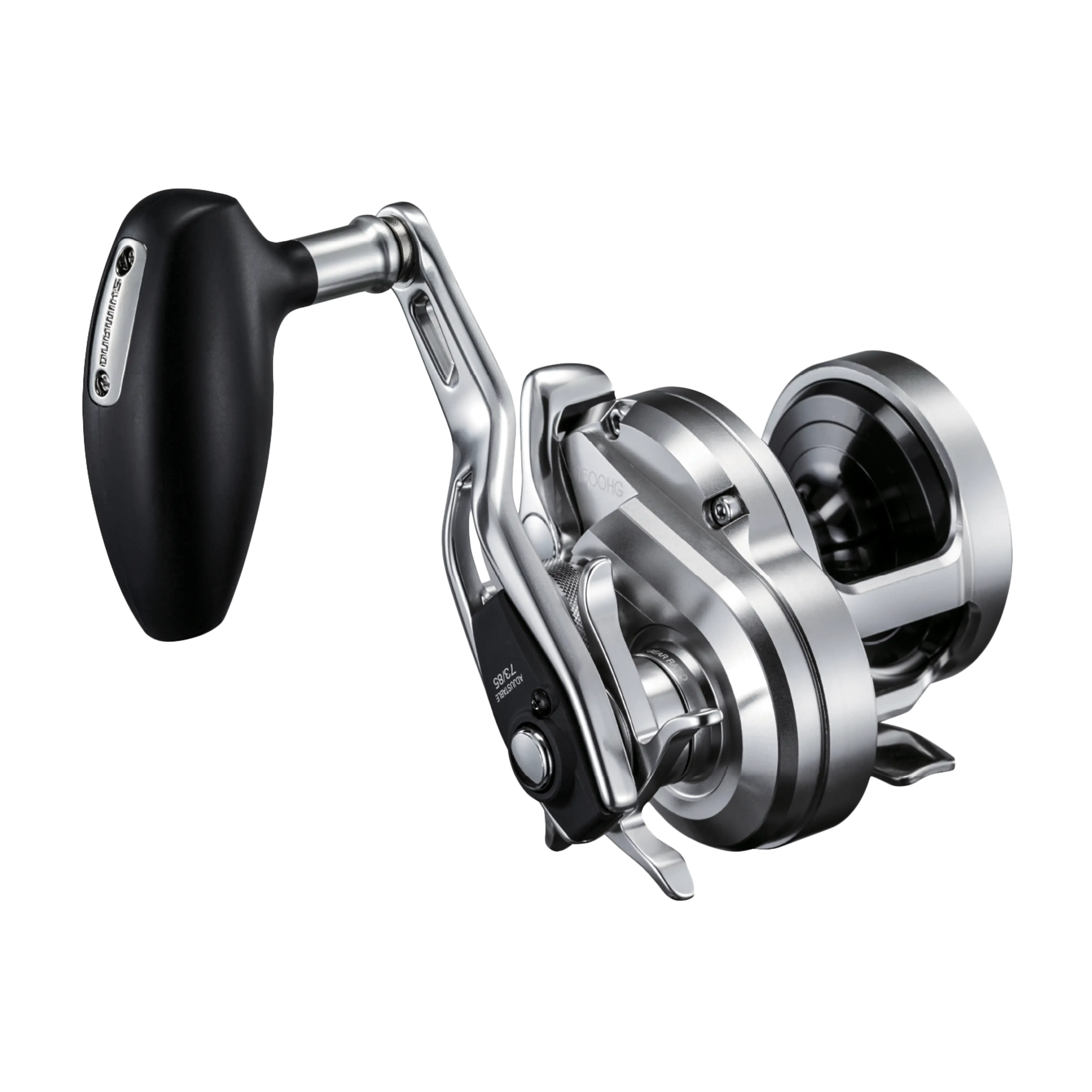
Slow-Pitch Reels


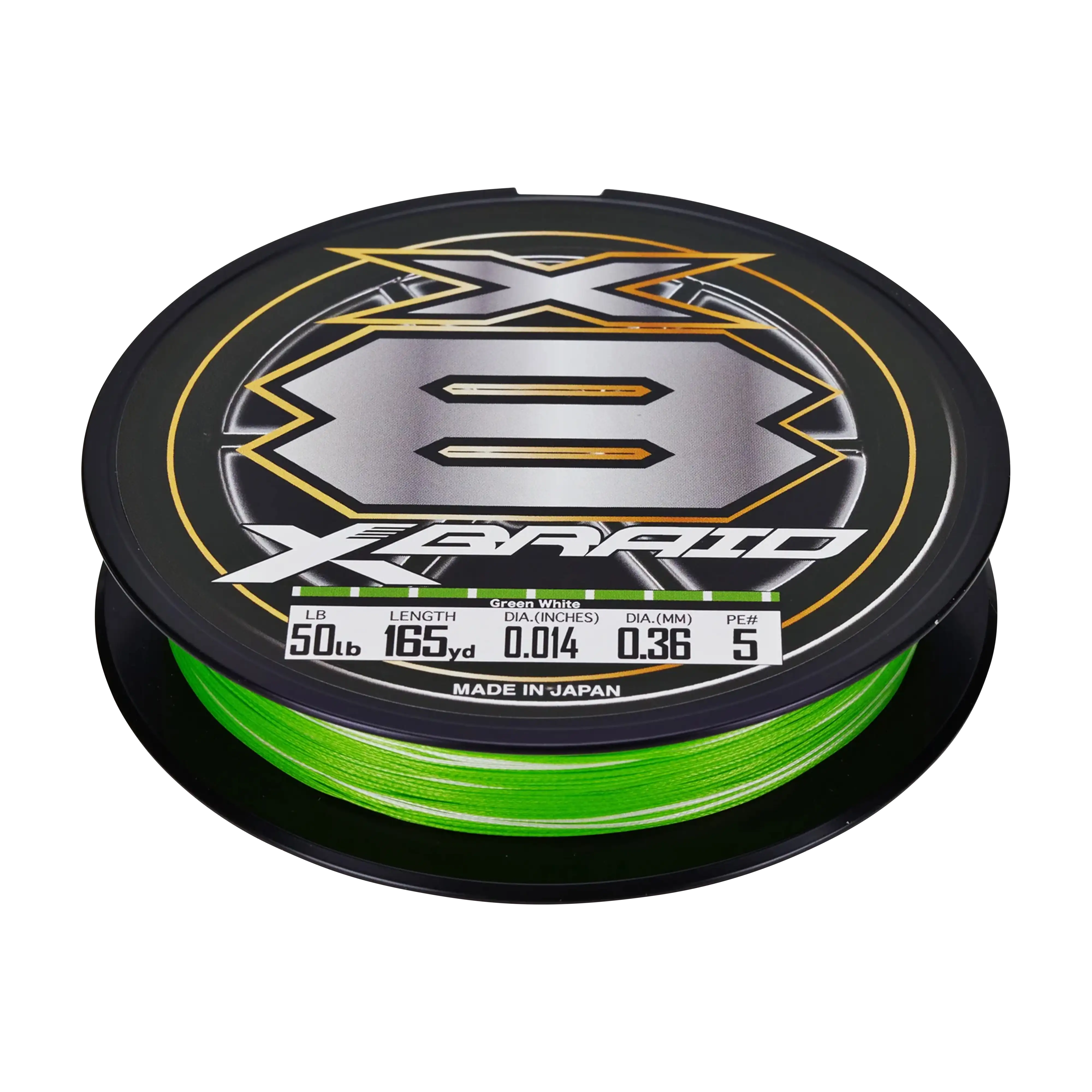
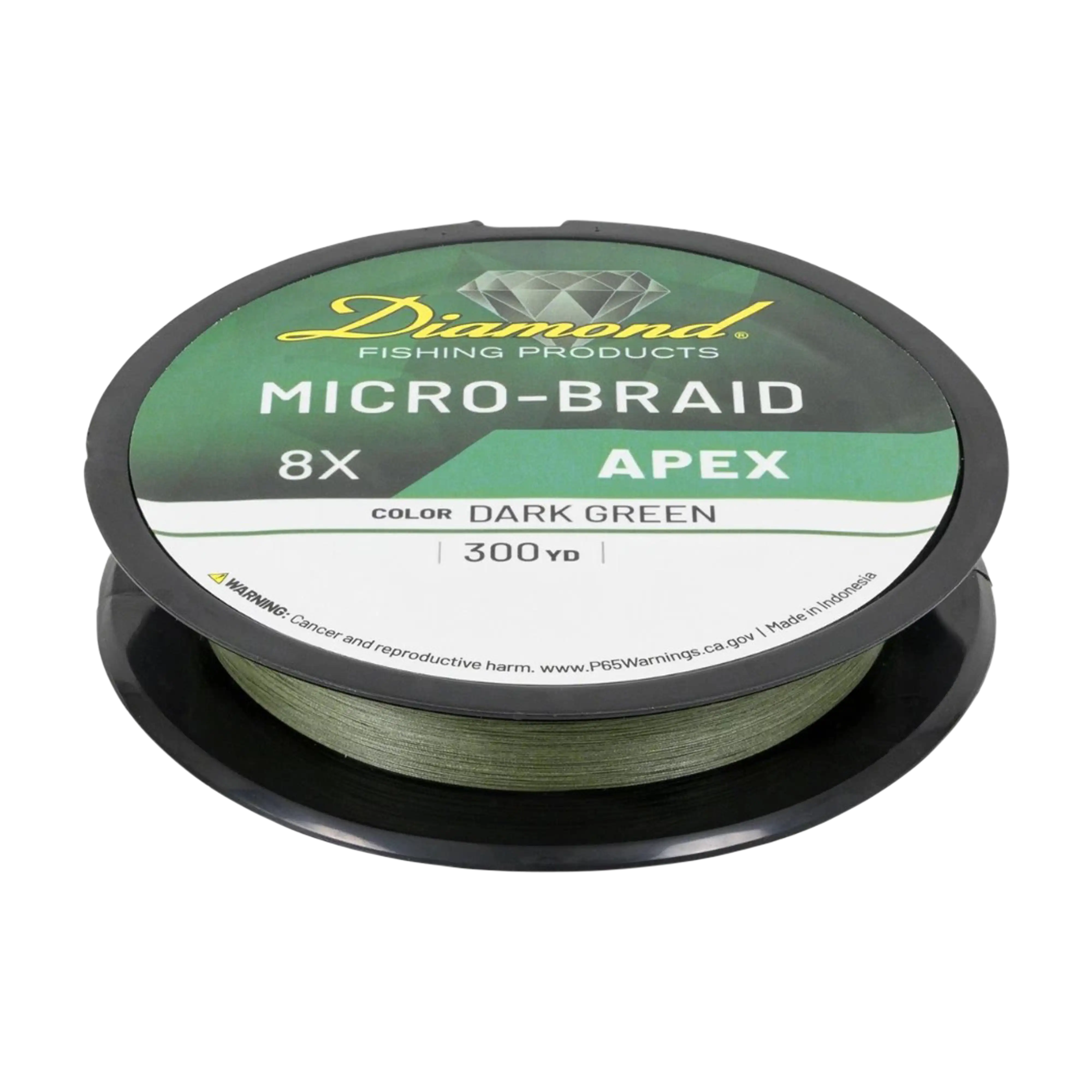
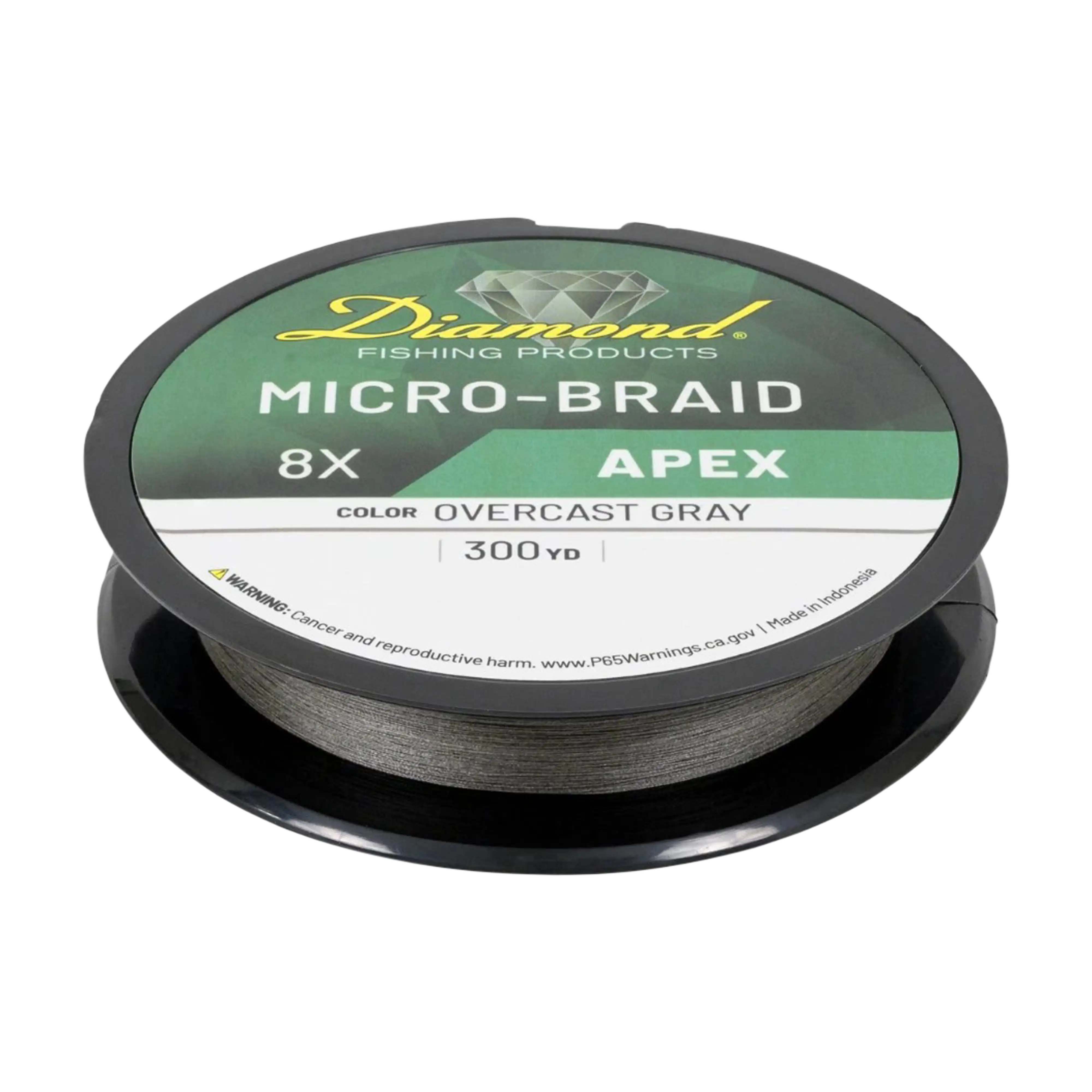
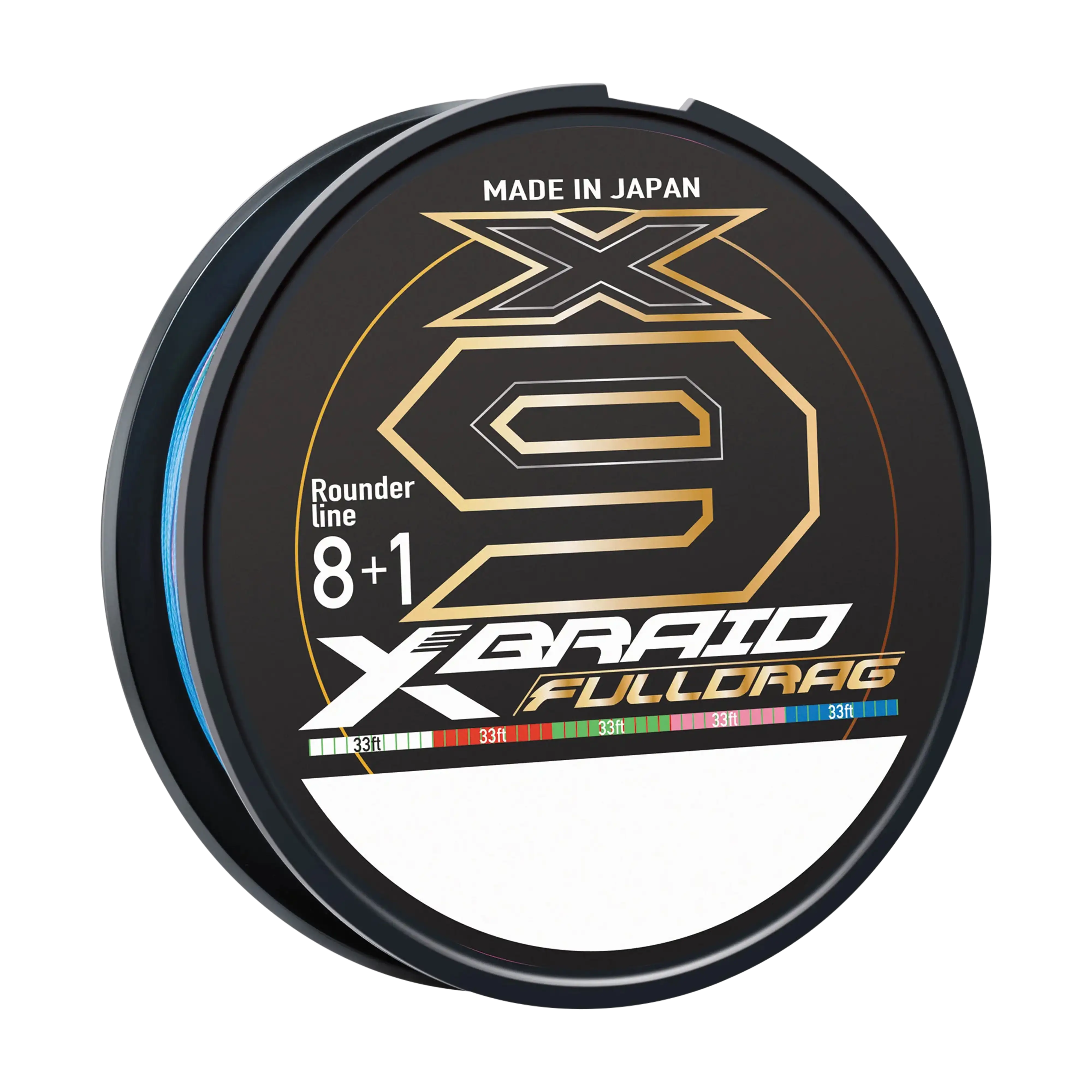
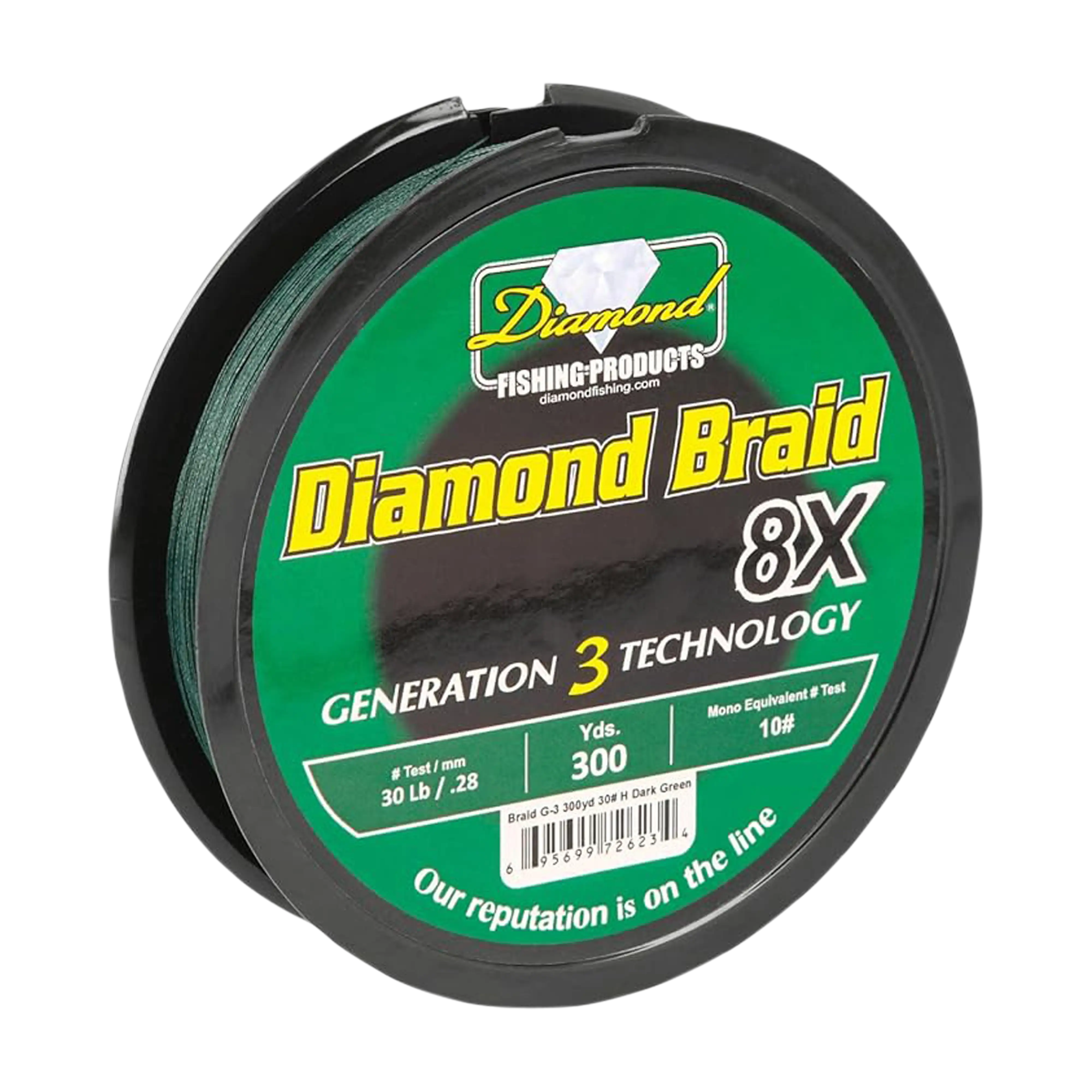
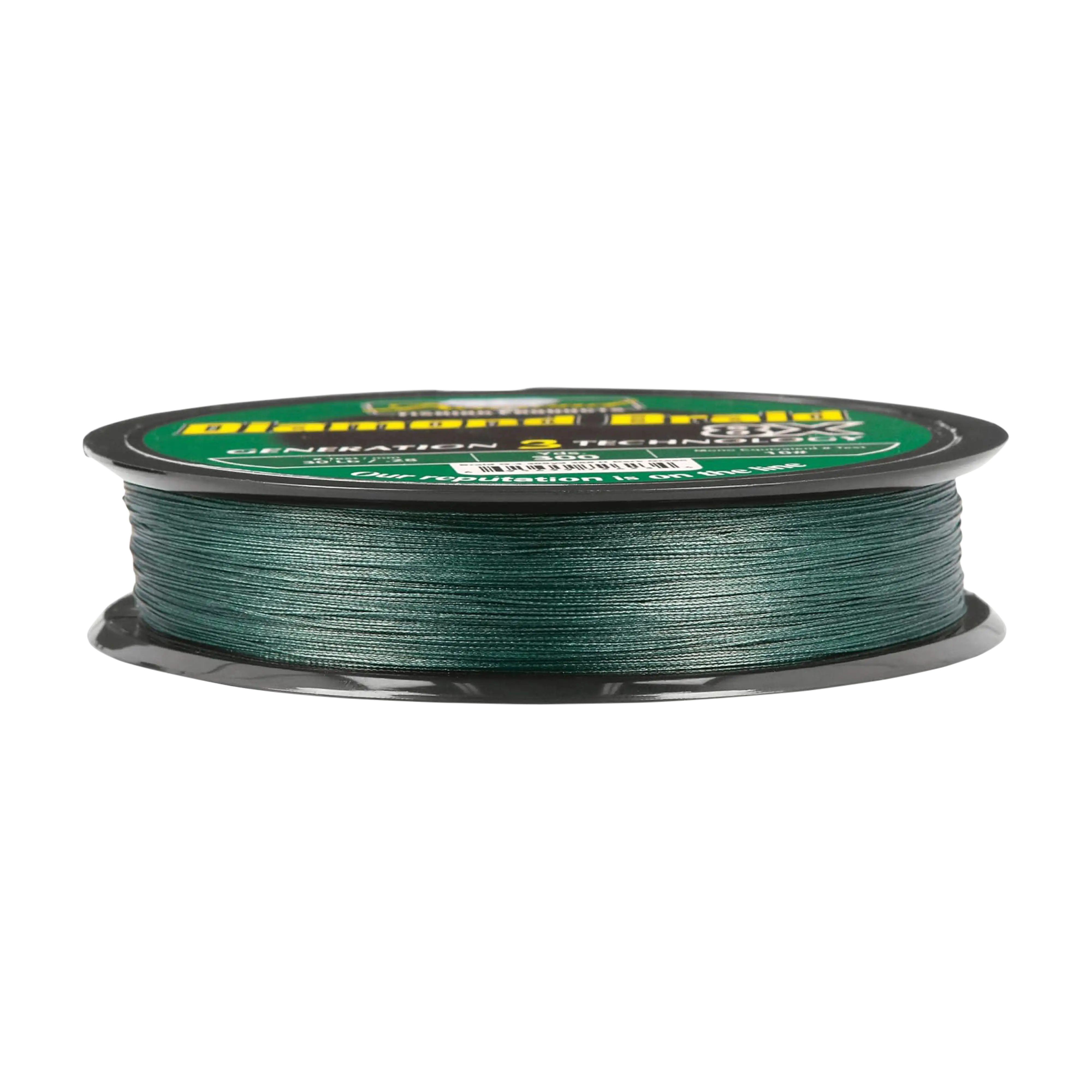
Slow-Pitch Jigging Fishing Line
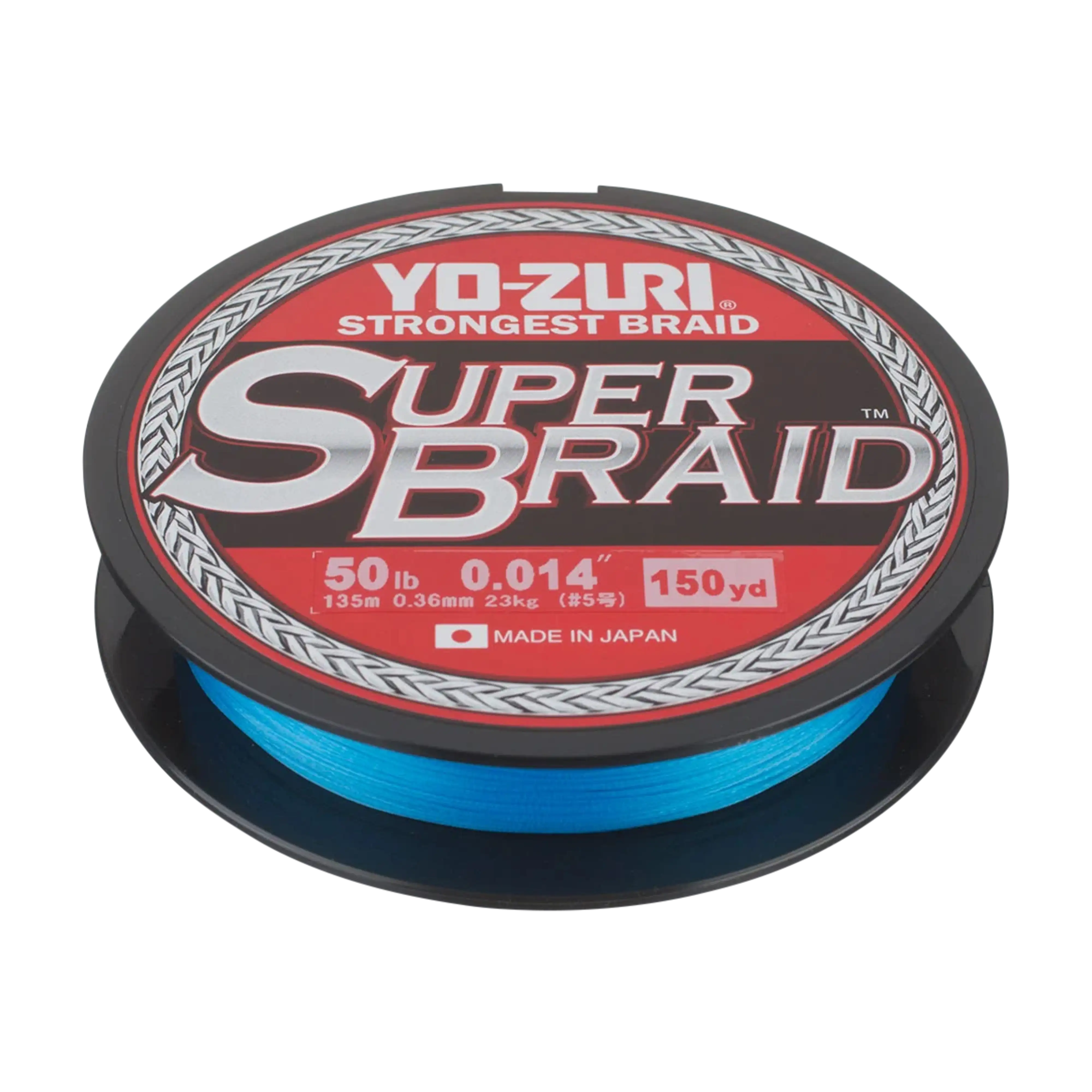
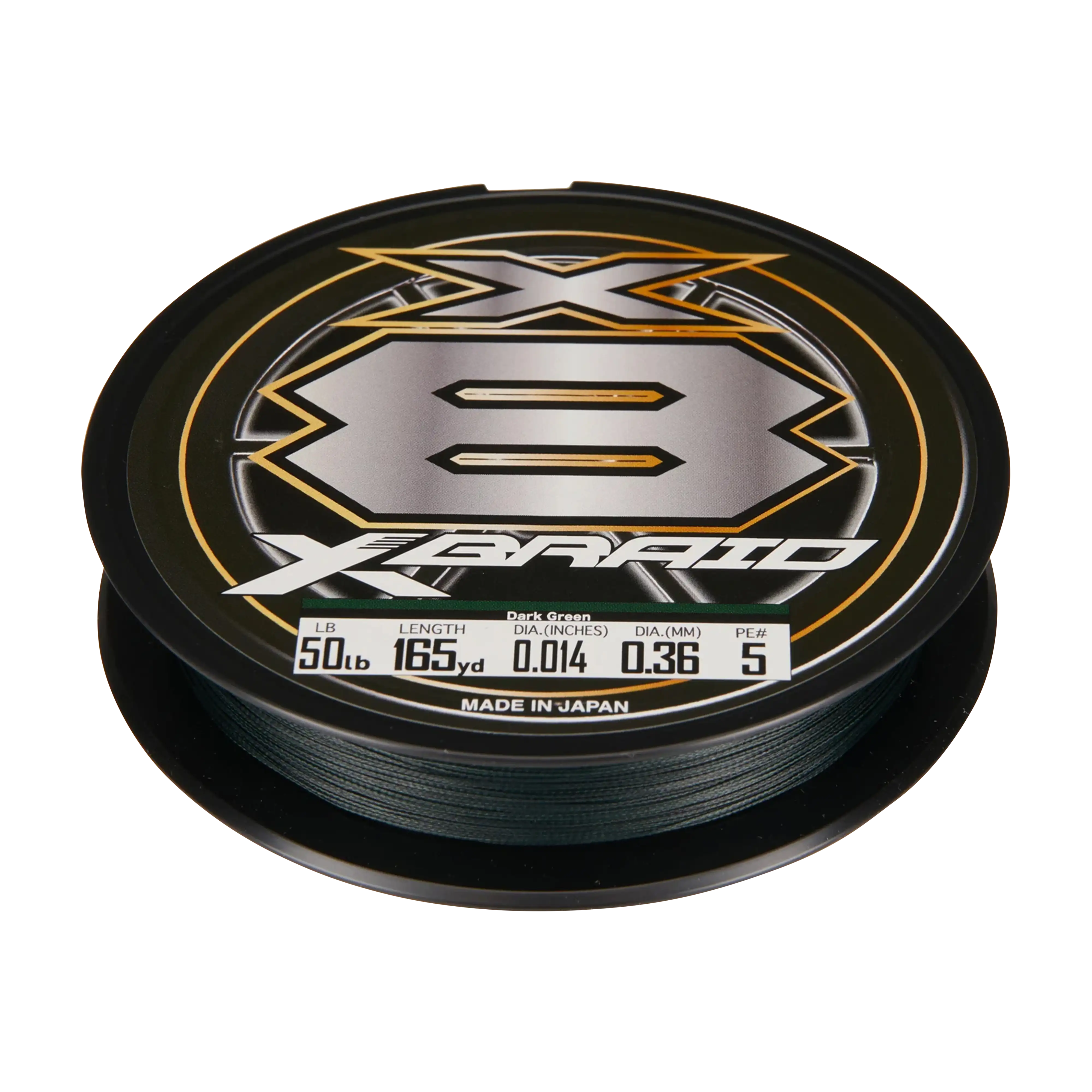
Line choice in slow-pitch jigging affects sensitivity, control, and hook-setting. Braid is the standard mainline for its thin diameter, low stretch, and ability to transmit subtle bites while maintaining precise vertical control.
Fluorocarbon leaders are often added for abrasion resistance and stealth, especially around structure or in clear water. Match leader strength and length to your target species and presentation to protect against break-offs without limiting jig action.
When selecting line, consider these key points:
Type of Line
Braid is standard for slow-pitch jigging because it provides strength, sensitivity, and thin diameter for better jig control. Fluorocarbon leaders add abrasion resistance, reduce visibility near structure, and improve hook-set performance.
Strength
Choose line rated for the species and jig weight. Too light, and the line can break; too heavy, and it reduces jig action and subtle feel.
Diameter
Thinner lines cut through water more easily, improving jig fall and sensitivity, but must still handle expected loads.
Sensitivity
Line should transmit the jig’s subtle movements and fish strikes clearly. Braid’s low stretch ensures you can feel slack pick-ups and subtle bites immediately.
Key Takeaways
- Braid is the mainline of choice for sensitivity, low stretch, and vertical jig control.
- Fluorocarbon leaders improve stealth near structure.
- Thin, sensitive line improves strike detection and precise jig manipulation.
- Adjust leader length and strength for depth, structure, and predator type to maximize hook-up rates.
Nearshore / Light Slow Pitch
For shallow reefs and small snapper species, light braid provides maximum sensitivity and allows delicate jig presentation without overpowering light jigs.
Targets: Lane snapper, mangrove snapper, porgy, smaller reef fish inside ~150 ft
Line: Mainline: 15–20 lb braid (PE 0.8–1.2); Leader: 15–30 lb fluorocarbon
Classic Reef Slow Pitch
Mid-depth reef species require a slightly heavier braid to maintain jig control through currents and reef structure while still keeping sensitivity for subtle bites.
Targets: Vermilion snapper, red snapper, mutton snapper, scamp, gag grouper (~120–300 ft)
Line: Mainline: 20–30 lb braid (PE 1.5–2.5); Leader: 25–40 lb fluorocarbon
Long Fall / Suspended Slow Pitch
For suspended fish and deeper water, medium braid ensures efficient slack recovery on long lifts and maintains line control on mid-column predators, while fluorocarbon leaders protect against abrasion and maintain stealth.
Targets: Suspended snapper, amberjack, blackfin tuna, mid-column predators (~150–400 ft)
Line: Mainline: 30–40 lb braid (PE 2–3); Leader 30–50 lb fluorocarbon
Deep Water Slow Pitch
Heavy braid is needed to move larger jigs through deep water efficiently and maintain sensitivity to strikes from strong bottom-dwelling species. Fluorocarbon leaders protect line from sharp structure and ensure clean hook sets.
Targets: Snowy grouper, tilefish, deep wreck species (~300–700 ft)
Line: Mainline: 30–50 lb braid (PE 3–4); Leader 40–60 lb fluorocarbon
Power Slow / Heavy Hybrid
Extra-heavy line provides backbone for controlling large offshore predators, handling heavy long-fall jigs, and fighting strong fish, while fluorocarbon leaders minimize abrasion and maintain stealth in open water.Targets: Greater amberjack, large grouper, yellowfin tunaLine: Mainline: 40–65 lb braid (PE 4–5); Leader: 60–100 lb fluorocarbon
Slow-Pitch Jigging Fishing Line
Line choice in slow-pitch jigging affects sensitivity, control, and hook-setting. Braid is the standard mainline for its thin diameter, low stretch, and ability to transmit subtle bites while maintaining precise vertical control.
Fluorocarbon leaders are often added for abrasion resistance and stealth, especially around structure or in clear water. Match leader strength and length to your target species and presentation to protect against break-offs without limiting jig action.
When selecting line, consider these key points:
Type of Line
Braid is standard for slow-pitch jigging because it provides strength, sensitivity, and thin diameter for better jig control. Fluorocarbon leaders add abrasion resistance, reduce visibility near structure, and improve hook-set performance.
Strength
Choose line rated for the species and jig weight. Too light, and the line can break; too heavy, and it reduces jig action and subtle feel.
Diameter
Thinner lines cut through water more easily, improving jig fall and sensitivity, but must still handle expected loads.
Sensitivity
Line should transmit the jig’s subtle movements and fish strikes clearly. Braid’s low stretch ensures you can feel slack pick-ups and subtle bites immediately.
Key Takeaways
- Braid is the mainline of choice for sensitivity, low stretch, and vertical jig control.
- Fluorocarbon leaders improve stealth near structure.
- Thin, sensitive line improves strike detection and precise jig manipulation.
- Adjust leader length and strength for depth, structure, and predator type to maximize hook-up rates.
Nearshore / Light Slow Pitch
For shallow reefs and small snapper species, light braid provides maximum sensitivity and allows delicate jig presentation without overpowering light jigs.
Targets: Lane snapper, mangrove snapper, porgy, smaller reef fish inside ~150 ft
Line: Mainline: 15–20 lb braid (PE 0.8–1.2); Leader: 15–30 lb fluorocarbon
Classic Reef Slow Pitch
Mid-depth reef species require a slightly heavier braid to maintain jig control through currents and reef structure while still keeping sensitivity for subtle bites.
Targets: Vermilion snapper, red snapper, mutton snapper, scamp, gag grouper (~120–300 ft)
Line: Mainline: 20–30 lb braid (PE 1.5–2.5); Leader: 25–40 lb fluorocarbon
Long Fall / Suspended Slow Pitch
For suspended fish and deeper water, medium braid ensures efficient slack recovery on long lifts and maintains line control on mid-column predators, while fluorocarbon leaders protect against abrasion and maintain stealth.
Targets: Suspended snapper, amberjack, blackfin tuna, mid-column predators (~150–400 ft)
Line: Mainline: 30–40 lb braid (PE 2–3); Leader 30–50 lb fluorocarbon
Deep Water Slow Pitch
Heavy braid is needed to move larger jigs through deep water efficiently and maintain sensitivity to strikes from strong bottom-dwelling species. Fluorocarbon leaders protect line from sharp structure and ensure clean hook sets.
Targets: Snowy grouper, tilefish, deep wreck species (~300–700 ft)
Line: Mainline: 30–50 lb braid (PE 3–4); Leader 40–60 lb fluorocarbon
Power Slow / Heavy Hybrid
Extra-heavy line provides backbone for controlling large offshore predators, handling heavy long-fall jigs, and fighting strong fish, while fluorocarbon leaders minimize abrasion and maintain stealth in open water.Targets: Greater amberjack, large grouper, yellowfin tunaLine: Mainline: 40–65 lb braid (PE 4–5); Leader: 60–100 lb fluorocarbon
Slow-Pitch Line

Slow-Pitch Jigs
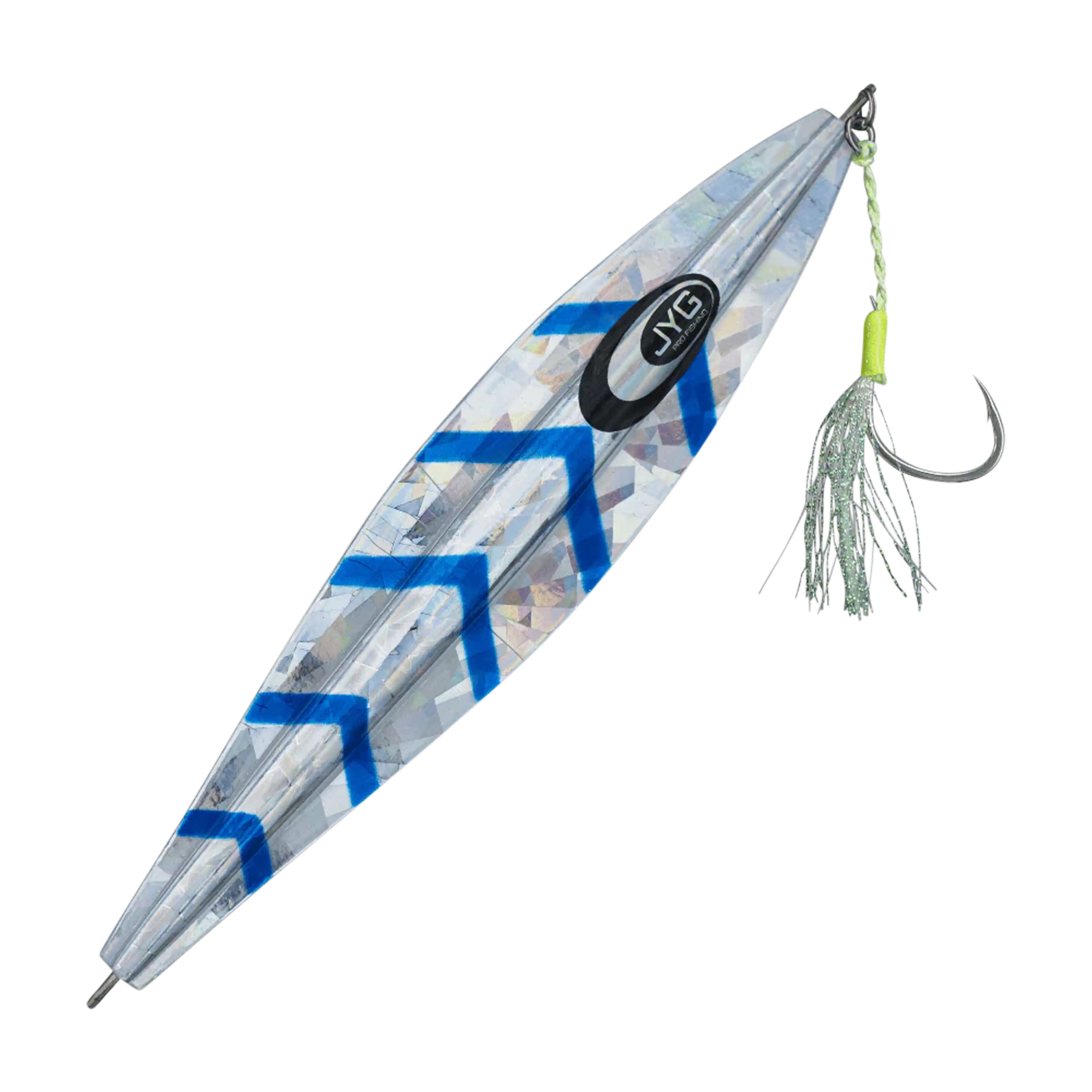
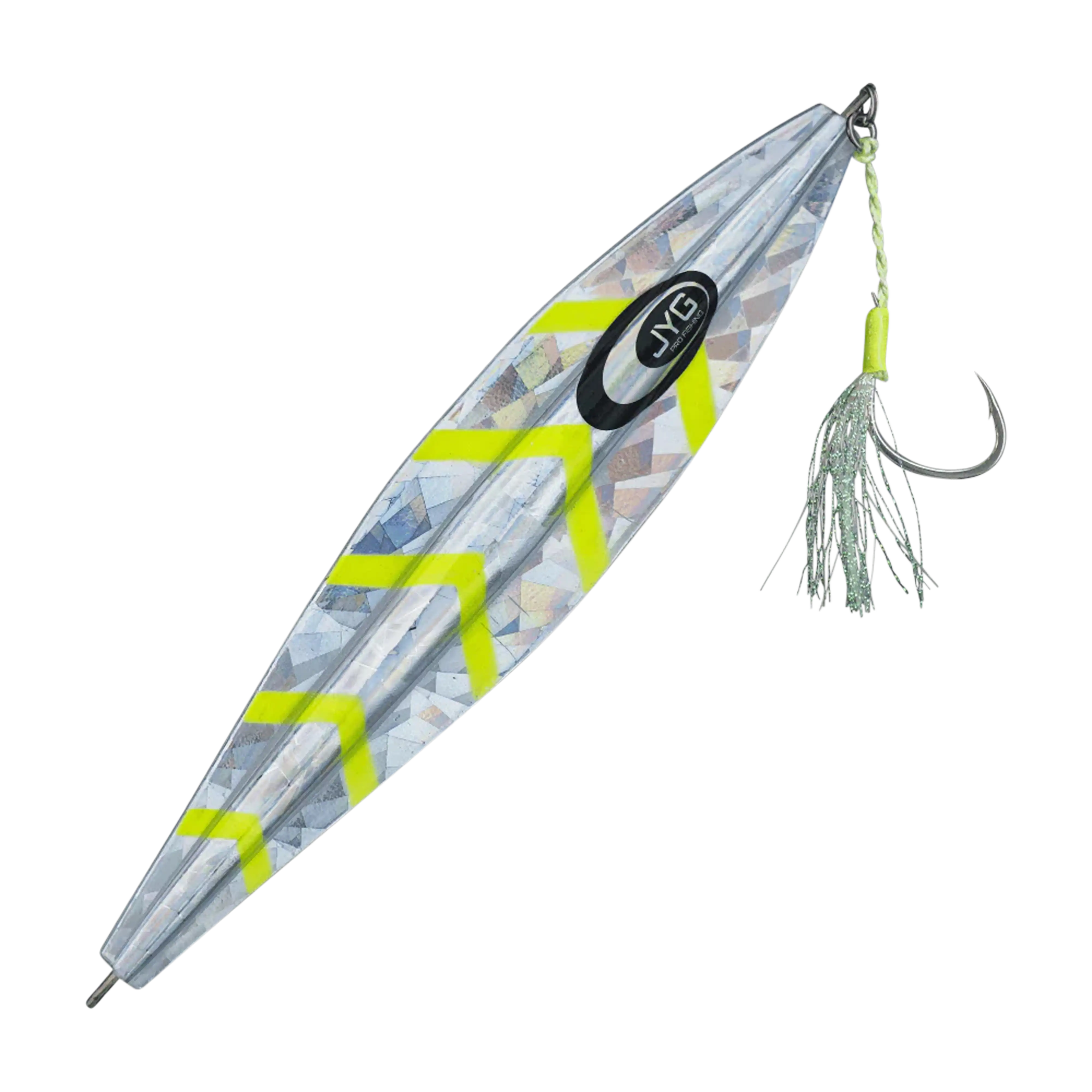
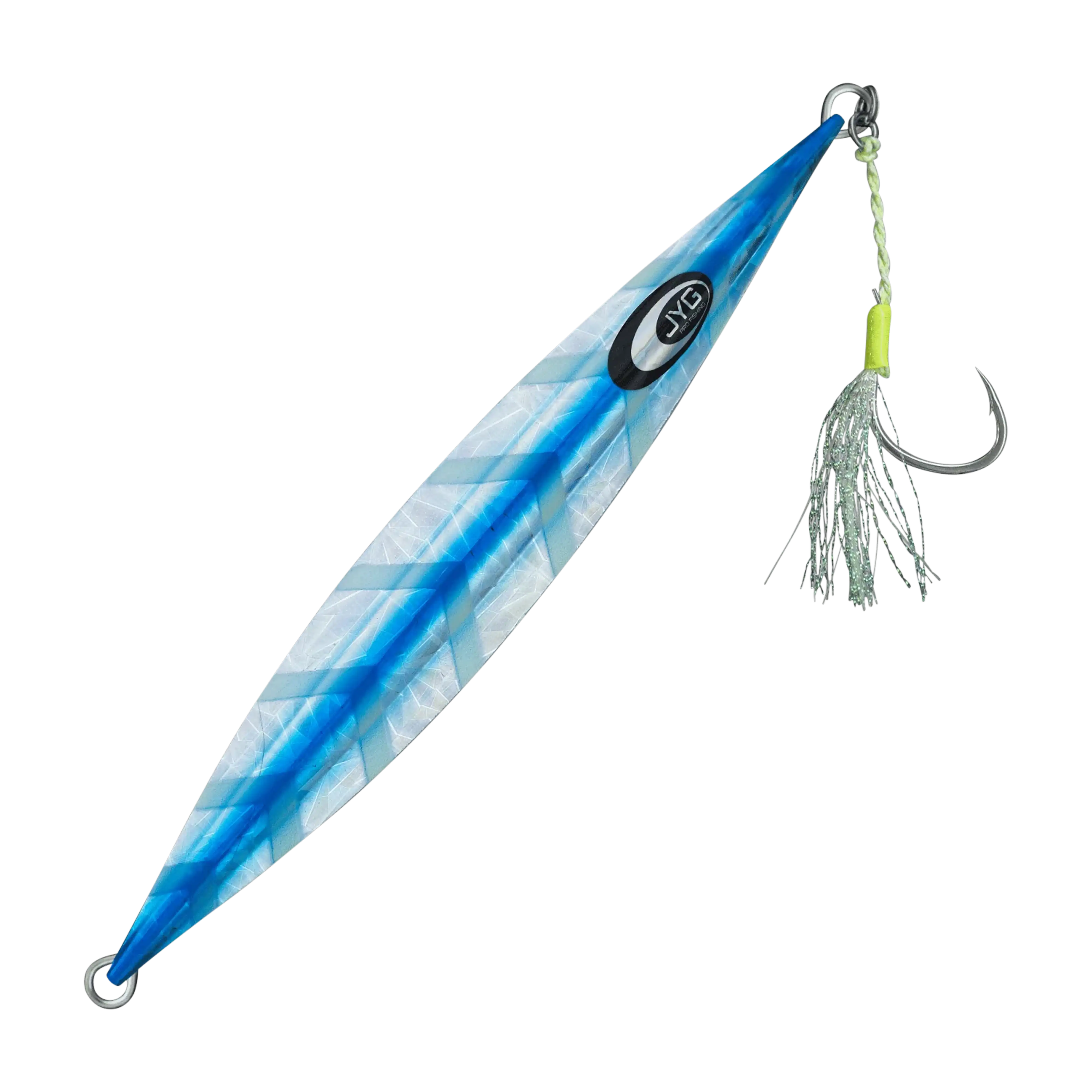
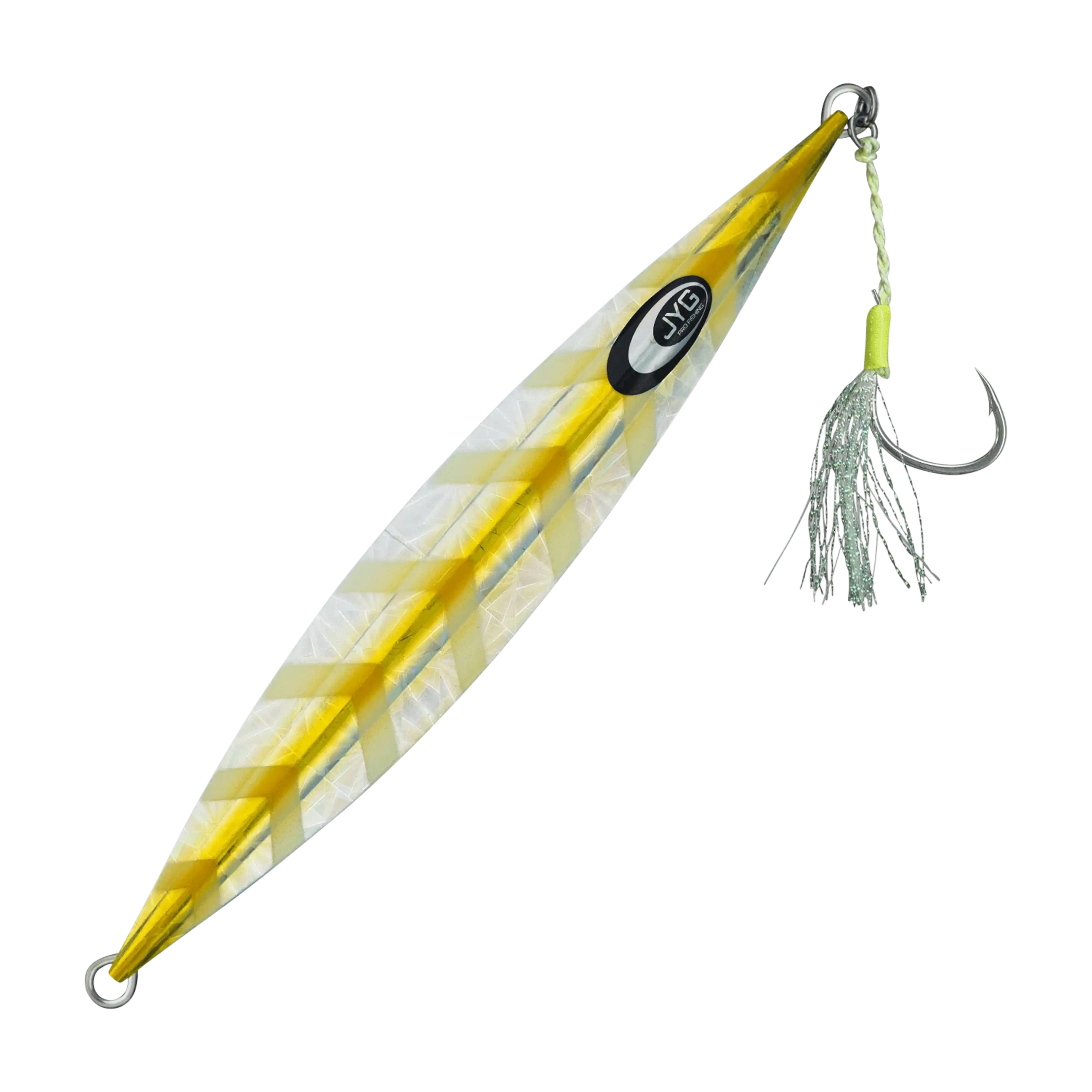
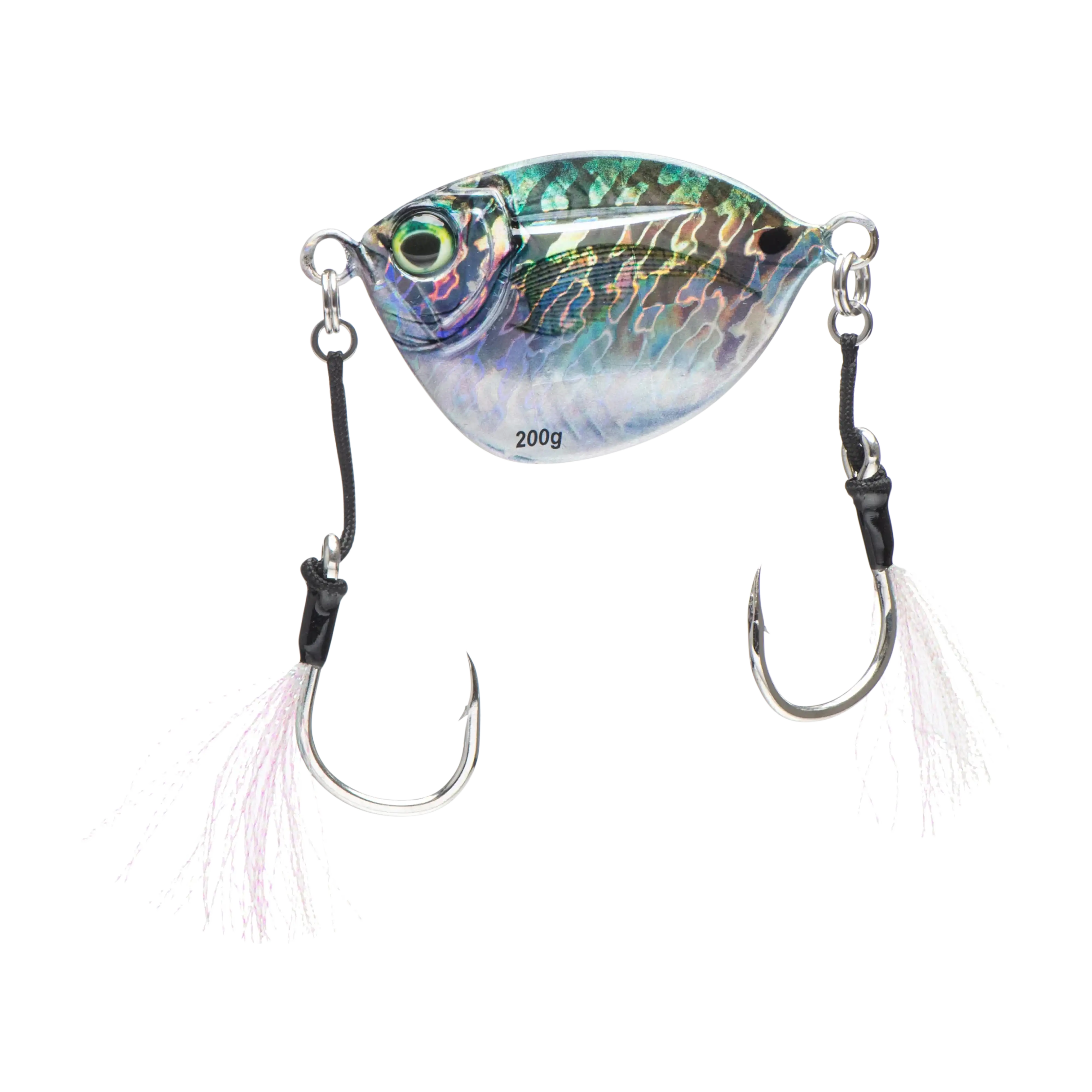
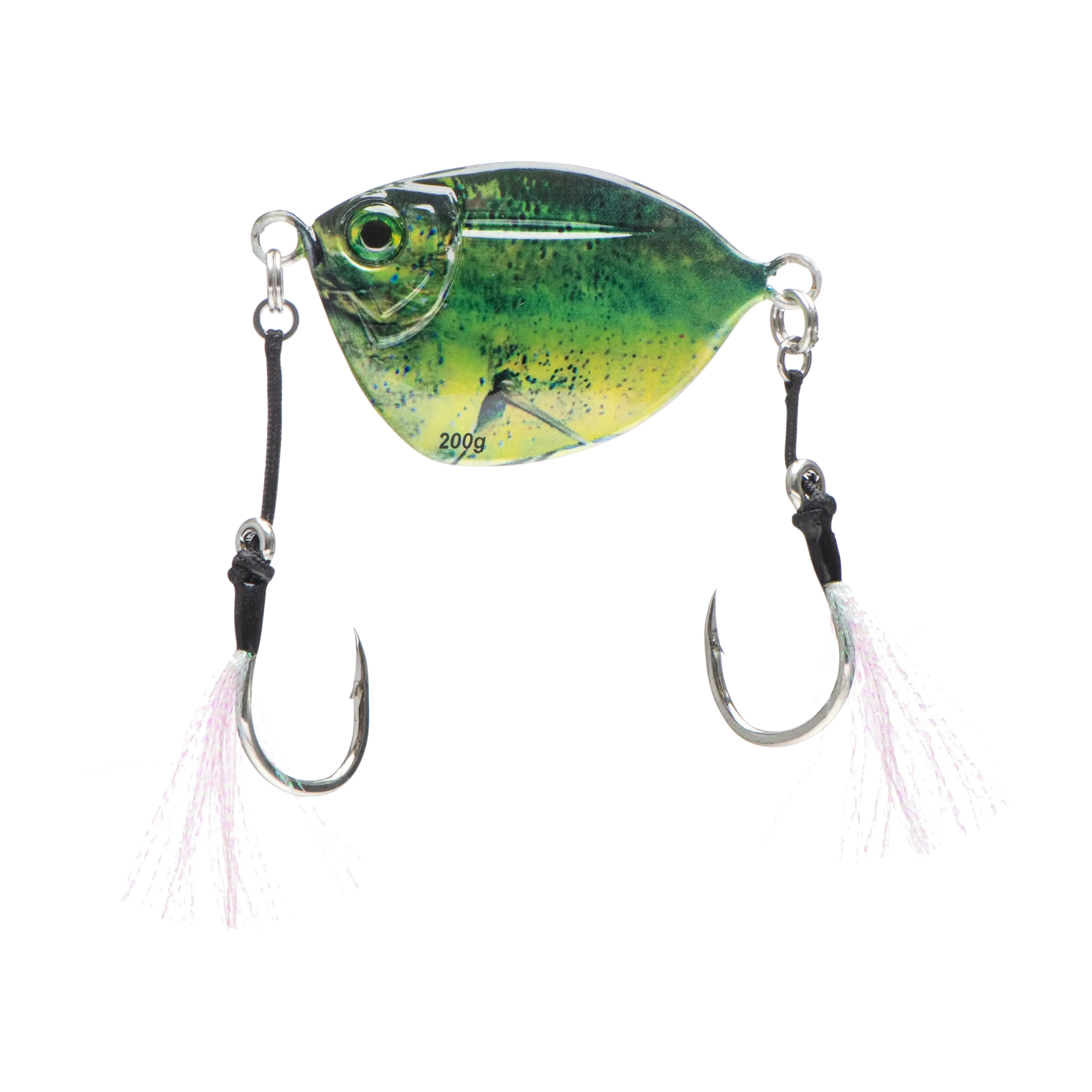
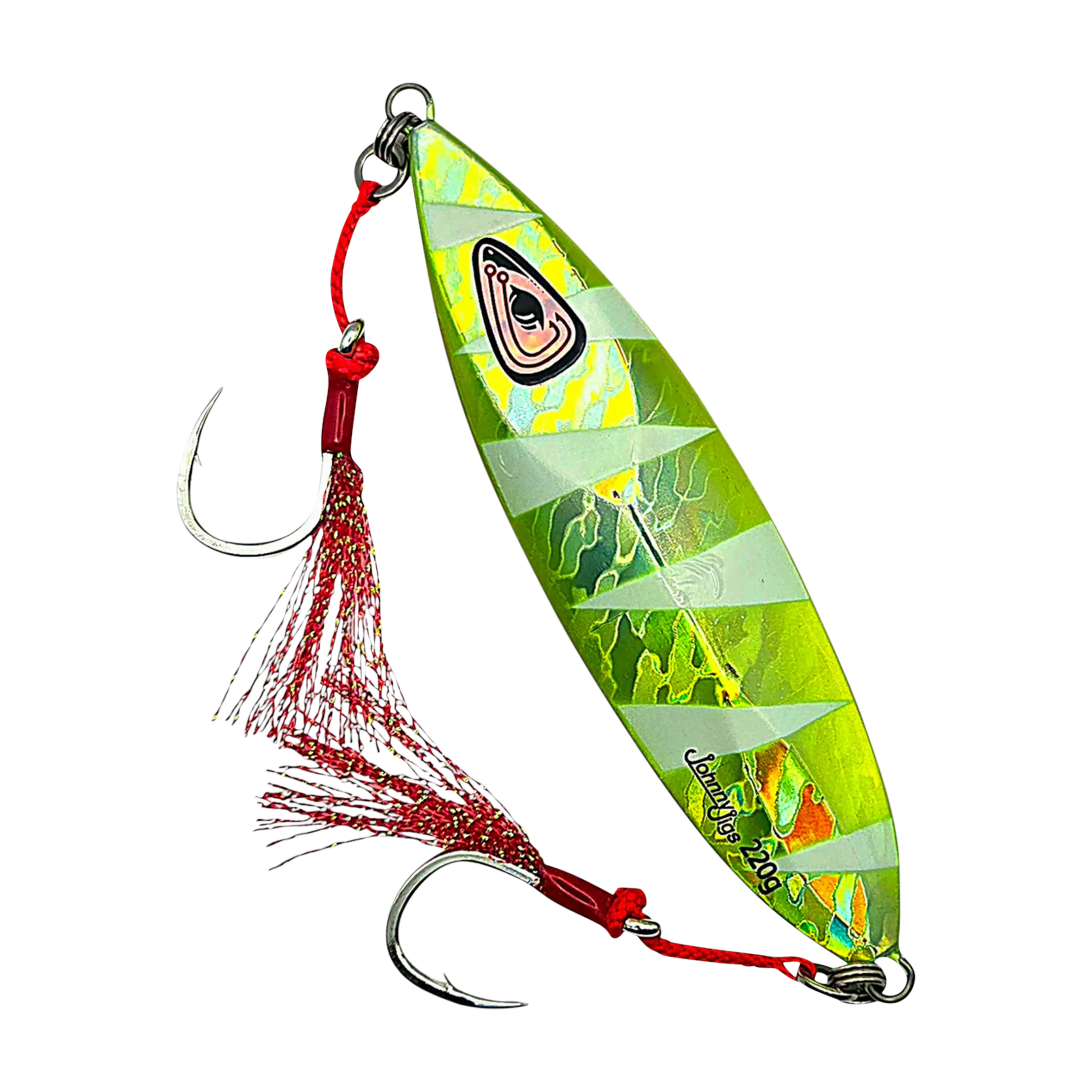
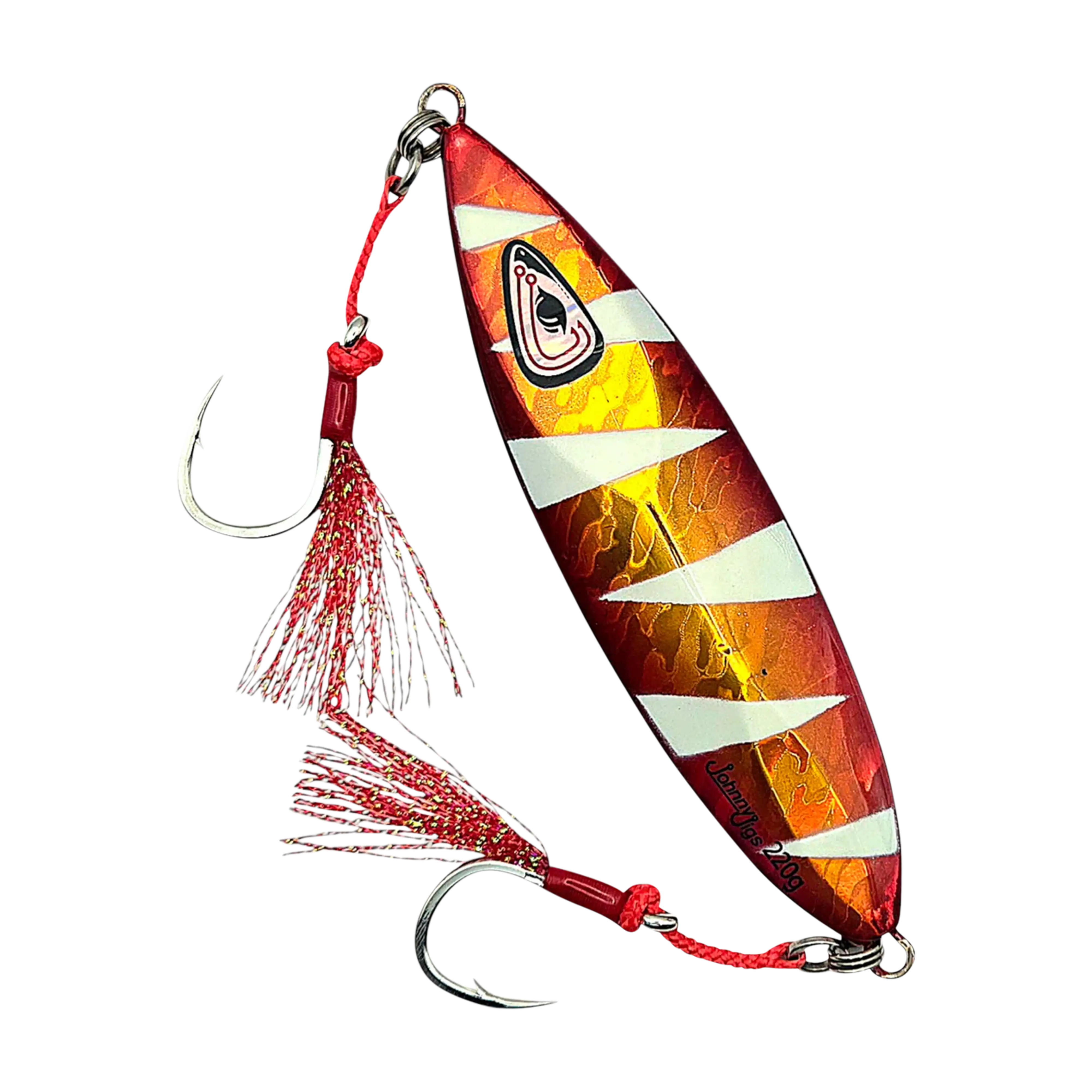
Slow-pitch jigging relies on precise vertical movement rather than speed. Jigs are designed to flutter, slide, or vibrate as they fall, triggering strikes from fish above or below. Weight, shape, and color all influence how a jig behaves in current, depth, and water clarity. Understanding these factors allows anglers to match presentations to conditions, ensuring the jig stays in the strike zone longer and maximizes hook-ups.
The weight, shape, and profile of a slow-pitch jig control how it falls, flutters, and stays in the strike zone. Choosing the right combination helps the jig descend vertically, prevents unwanted spinning, and maintains consistent contact with the rod tip for better control and bite detection.
As a general starting point, many anglers match jig weight (in grams) to water depth (in feet)—for example, a 150g jig in 150 feet of water. This isn’t a strict rule, but it provides a reliable baseline that can be adjusted for current, drift, and how aggressively you want the jig to move.
Weight
Lighter jigs are ideal for shallow or light-current nearshore work, allowing a natural flutter. Mid-weight jigs suit reef and mid-depth presentations, while heavier jigs maintain control in long-fall, deep-water, or strong-current situations. Correct weight ensures consistent vertical action and maintains the jig in the strike zone.
Shape & Style
Flutter-style jigs provide broad, natural movement and work well across most depths. Squid-shaped or soft-profile jigs create additional vibration and visual cues, triggering reaction strikes. Compact metal jigs excel in strong current or deep-water applications, maintaining a stable fall.
Balance
Combining weight with the right jig profile ensures controlled descent, proper orientation, and consistent lift and fall, reducing spinning or flutter that can deter fish.
Color & Finish
Color and finish affect visibility and appeal under varying light and water conditions. Bright, glow, or metallic finishes are effective in deeper or low-light conditions, while natural tones like silver, blue, or pink work in clear, shallow water. Matching color to water clarity, depth, and target species improves reaction and strike rates.
Once you understand weight, shape, and color, you can match jigs to specific applications. Below, each niche lists the typical jig weight and size for different depths, currents, and target species—good starting points for most anglers.
Nearshore / Light Slow Pitch
Jigs for nearshore targets are generally light and agile, emphasizing natural flutter for small reef and snapper species.
Weight: 60–150g
Color: Natural tones or subtle metallics; silver, pink, blue
Classic Reef Slow Pitch
Mid-weight jigs maintain vertical presentation over mid-depth reefs, letting anglers control descent around structure without spooking fish.
Weight: 120–300g
Color: Bright metallics or patterned finishes for visibility
Long Fall / Suspended Slow Pitch
These jigs need controlled action to entice mid-column predators like amberjack and tuna, maintaining strike zone presence during long drops.
Weight: 200–400g
Color: Bright or glow finishes for depth visibility
Deep Water Slow Pitch
Heavier jigs cut through current and maintain vertical action at extreme depths for wreck species and deep grouper.
Weight: 300–500g
Color: Reflective or high-contrast finishes
Power Slow / Heavy Hybrid
Designed for large pelagic and bottom predators, these jigs maximize control and maintain action with very heavy lifts.
Weight: 250–450g (occasionally up to 500g)
Color: High-contrast, metallic, or glow finishes for maximum visibility
Key Takeaways
- Slow-pitch jigging depends on controlled movement; jig weight, shape, and color affect action and depth control.
- Jig weight should match depth, current, and drift to keep it in the strike zone.
- Color choice matters: bright/glow for deep water, natural tones for clear conditions.
- Soft baits add vibration and profile; metal jigs give durability and consistent action.
- Matching jig style to conditions and target species maximizes strikes and presentation effectiveness.
Slow-Pitch Jigs
Slow-pitch jigging relies on precise vertical movement rather than speed. Jigs are designed to flutter, slide, or vibrate as they fall, triggering strikes from fish above or below. Weight, shape, and color all influence how a jig behaves in current, depth, and water clarity. Understanding these factors allows anglers to match presentations to conditions, ensuring the jig stays in the strike zone longer and maximizes hook-ups.
The weight, shape, and profile of a slow-pitch jig control how it falls, flutters, and stays in the strike zone. Choosing the right combination helps the jig descend vertically, prevents unwanted spinning, and maintains consistent contact with the rod tip for better control and bite detection.
As a general starting point, many anglers match jig weight (in grams) to water depth (in feet)—for example, a 150g jig in 150 feet of water. This isn’t a strict rule, but it provides a reliable baseline that can be adjusted for current, drift, and how aggressively you want the jig to move.
Weight
Lighter jigs are ideal for shallow or light-current nearshore work, allowing a natural flutter. Mid-weight jigs suit reef and mid-depth presentations, while heavier jigs maintain control in long-fall, deep-water, or strong-current situations. Correct weight ensures consistent vertical action and maintains the jig in the strike zone.
Shape & Style
Flutter-style jigs provide broad, natural movement and work well across most depths. Squid-shaped or soft-profile jigs create additional vibration and visual cues, triggering reaction strikes. Compact metal jigs excel in strong current or deep-water applications, maintaining a stable fall.
Balance
Combining weight with the right jig profile ensures controlled descent, proper orientation, and consistent lift and fall, reducing spinning or flutter that can deter fish.
Color & Finish
Color and finish affect visibility and appeal under varying light and water conditions. Bright, glow, or metallic finishes are effective in deeper or low-light conditions, while natural tones like silver, blue, or pink work in clear, shallow water. Matching color to water clarity, depth, and target species improves reaction and strike rates.
Once you understand weight, shape, and color, you can match jigs to specific applications. Below, each niche lists the typical jig weight and size for different depths, currents, and target species—good starting points for most anglers.
Nearshore / Light Slow Pitch
Jigs for nearshore targets are generally light and agile, emphasizing natural flutter for small reef and snapper species.
Weight: 60–150g
Color: Natural tones or subtle metallics; silver, pink, blue
Classic Reef Slow Pitch
Mid-weight jigs maintain vertical presentation over mid-depth reefs, letting anglers control descent around structure without spooking fish.
Weight: 120–300g
Color: Bright metallics or patterned finishes for visibility
Long Fall / Suspended Slow Pitch
These jigs need controlled action to entice mid-column predators like amberjack and tuna, maintaining strike zone presence during long drops.
Weight: 200–400g
Color: Bright or glow finishes for depth visibility
Deep Water Slow Pitch
Heavier jigs cut through current and maintain vertical action at extreme depths for wreck species and deep grouper.
Weight: 300–500g
Color: Reflective or high-contrast finishes
Power Slow / Heavy Hybrid
Designed for large pelagic and bottom predators, these jigs maximize control and maintain action with very heavy lifts.
Weight: 250–450g (occasionally up to 500g)
Color: High-contrast, metallic, or glow finishes for maximum visibility
Key Takeaways
- Slow-pitch jigging depends on controlled movement; jig weight, shape, and color affect action and depth control.
- Jig weight should match depth, current, and drift to keep it in the strike zone.
- Color choice matters: bright/glow for deep water, natural tones for clear conditions.
- Soft baits add vibration and profile; metal jigs give durability and consistent action.
- Matching jig style to conditions and target species maximizes strikes and presentation effectiveness.
Slow-Pitch Jigs


Slow-Pitch Terminal Tackle
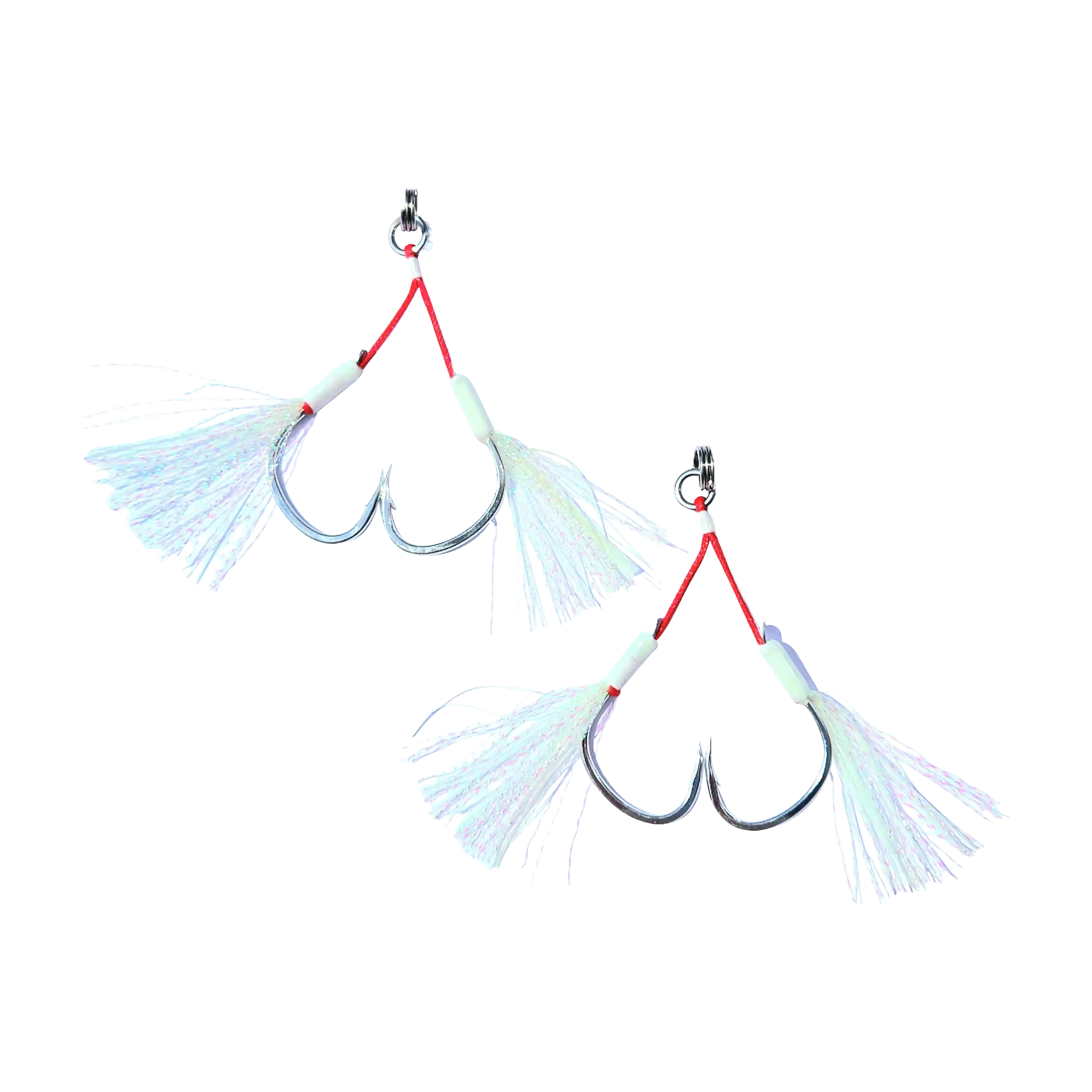
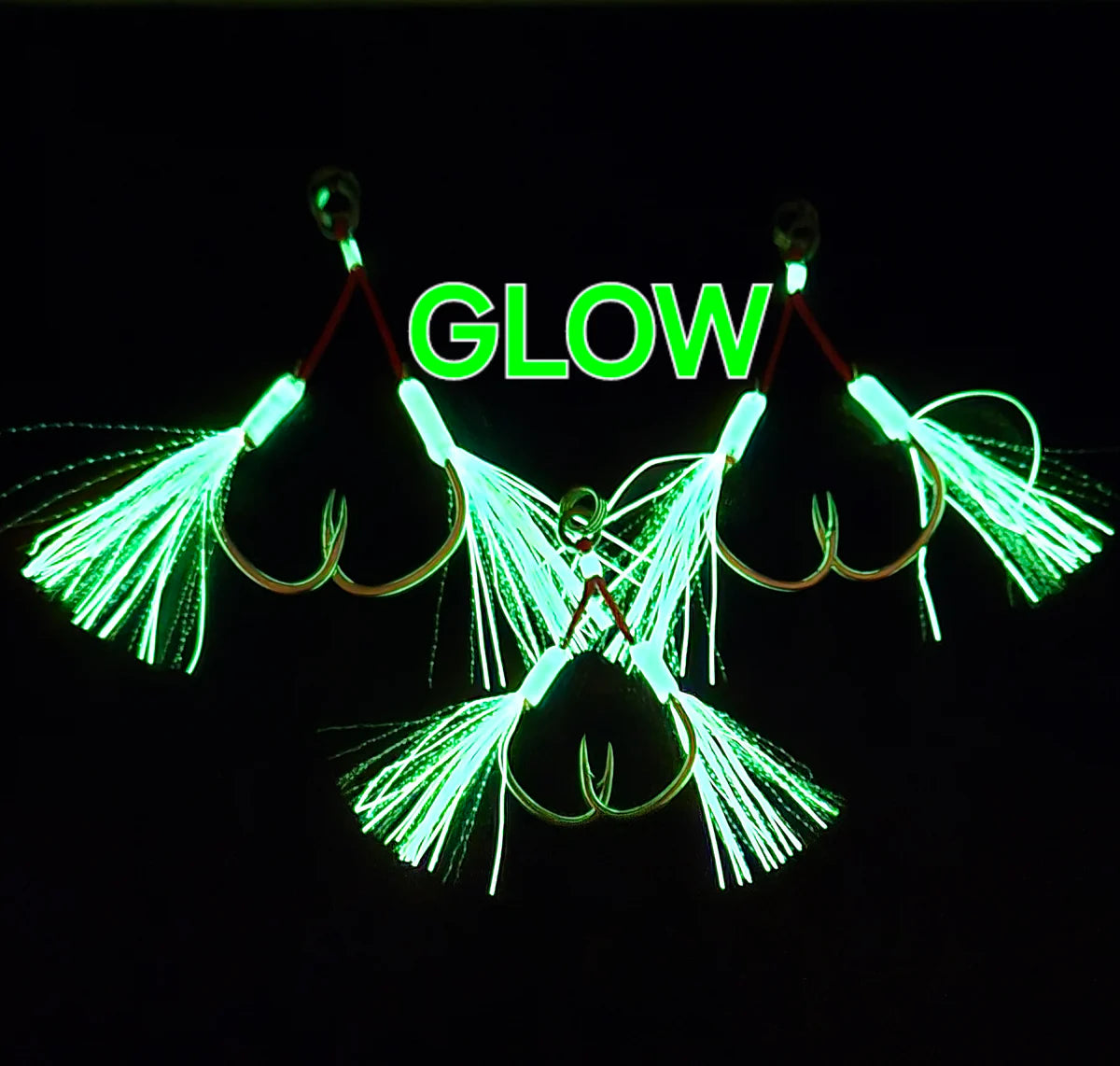
Terminal tackle plays a key role in slow-pitch jigging, as assist hooks, rings, and optional swivels must be properly sized and rigged to maintain natural jig movement, detect subtle strikes on the fall, and ensure strong, tangle-free connections under load.
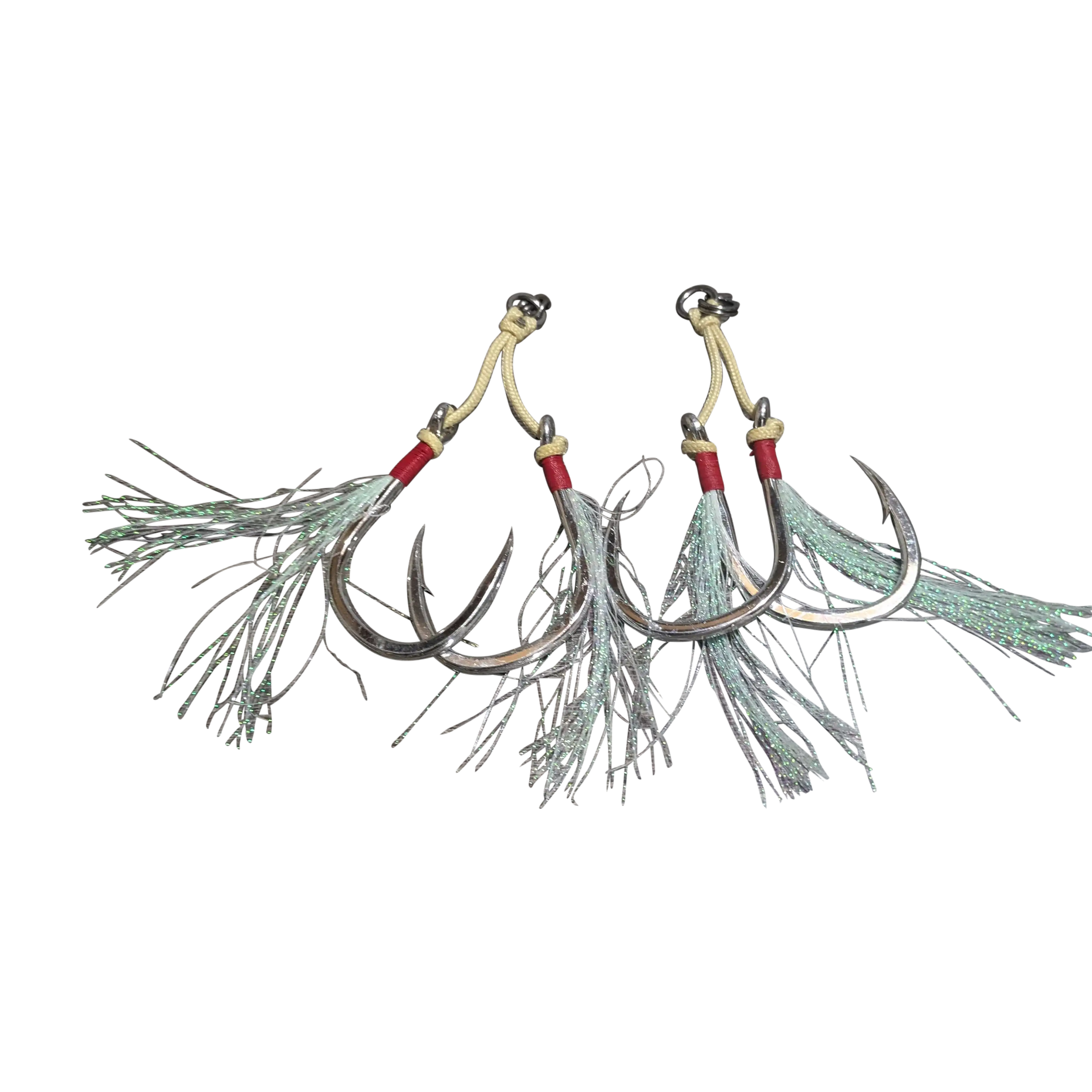
Assist Hooks
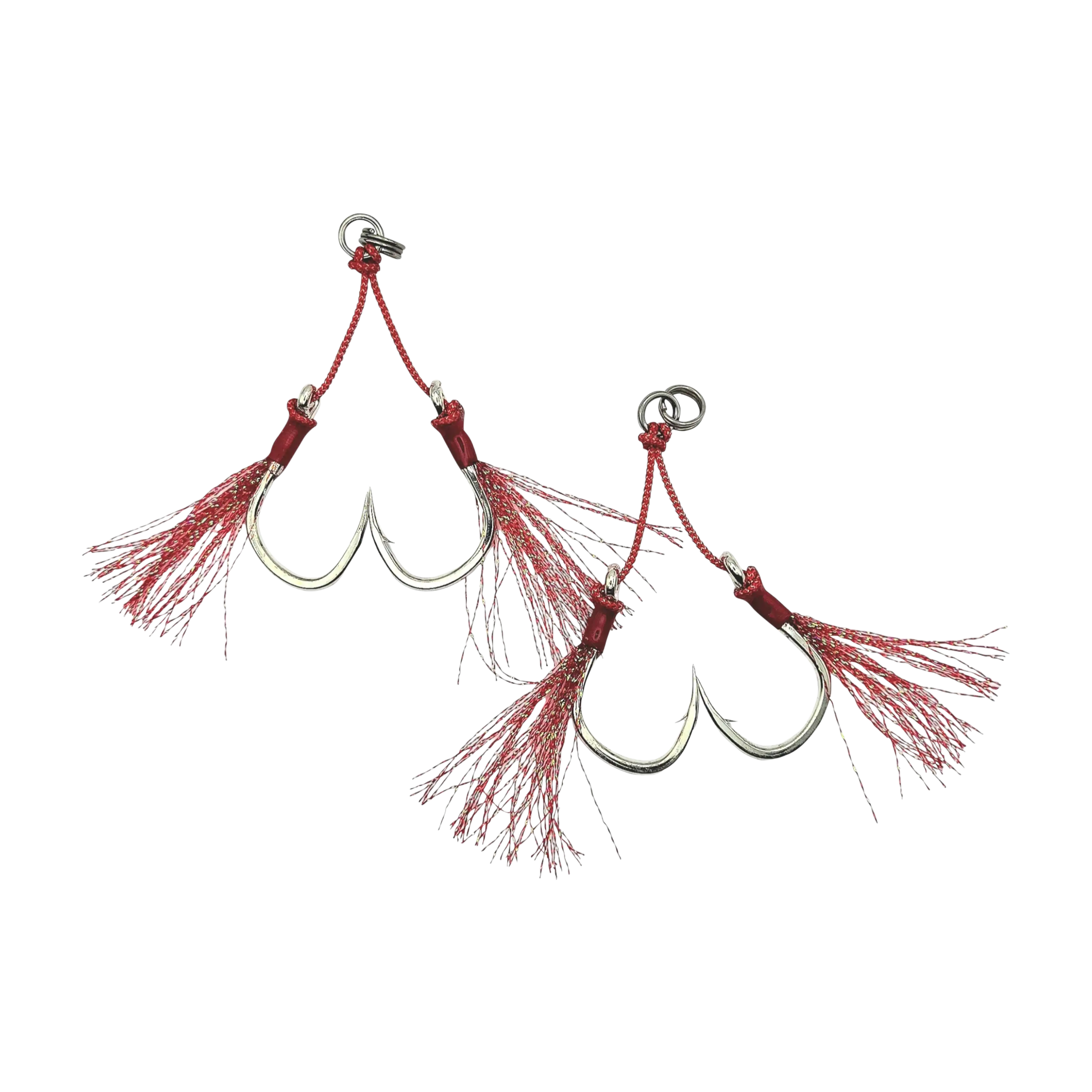
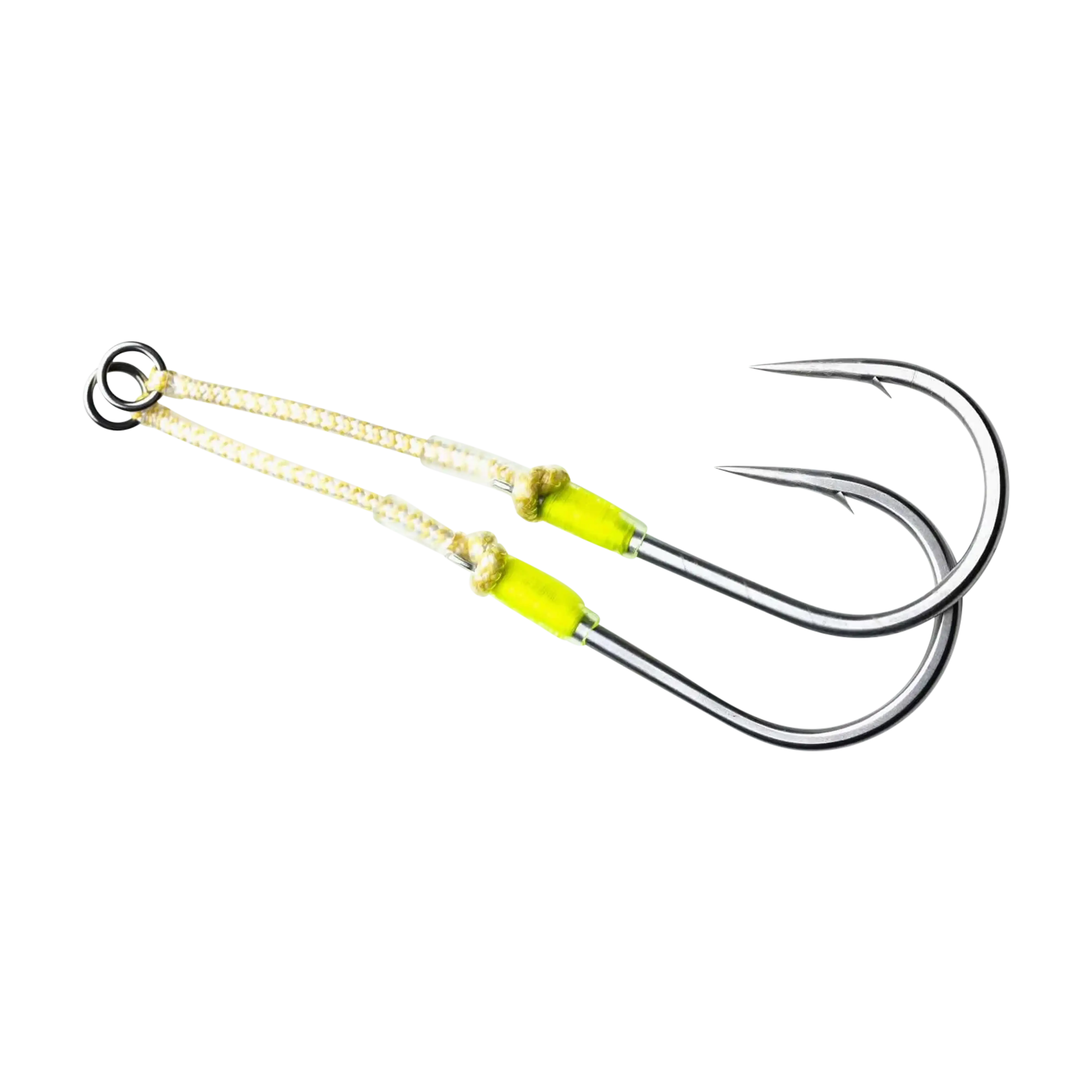
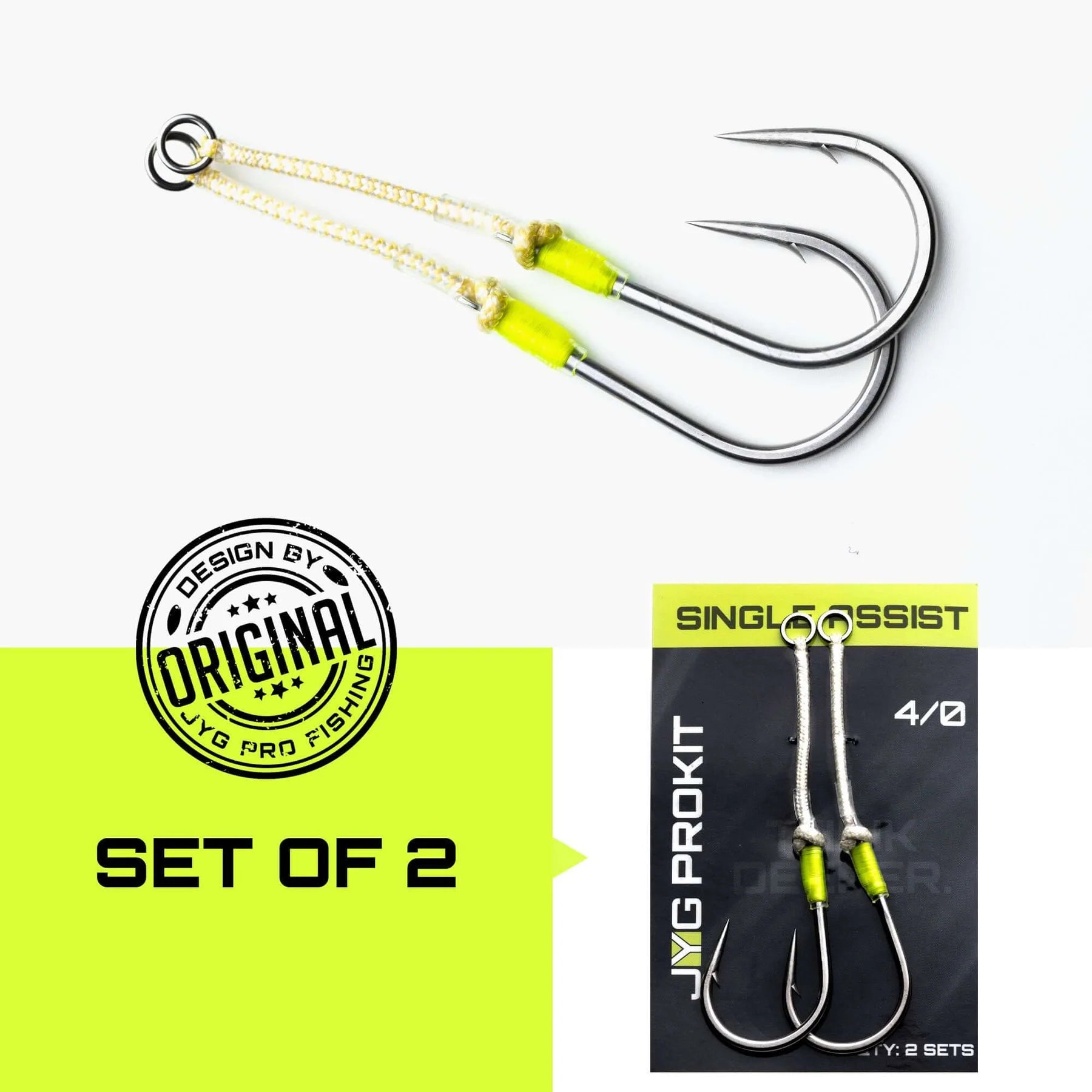
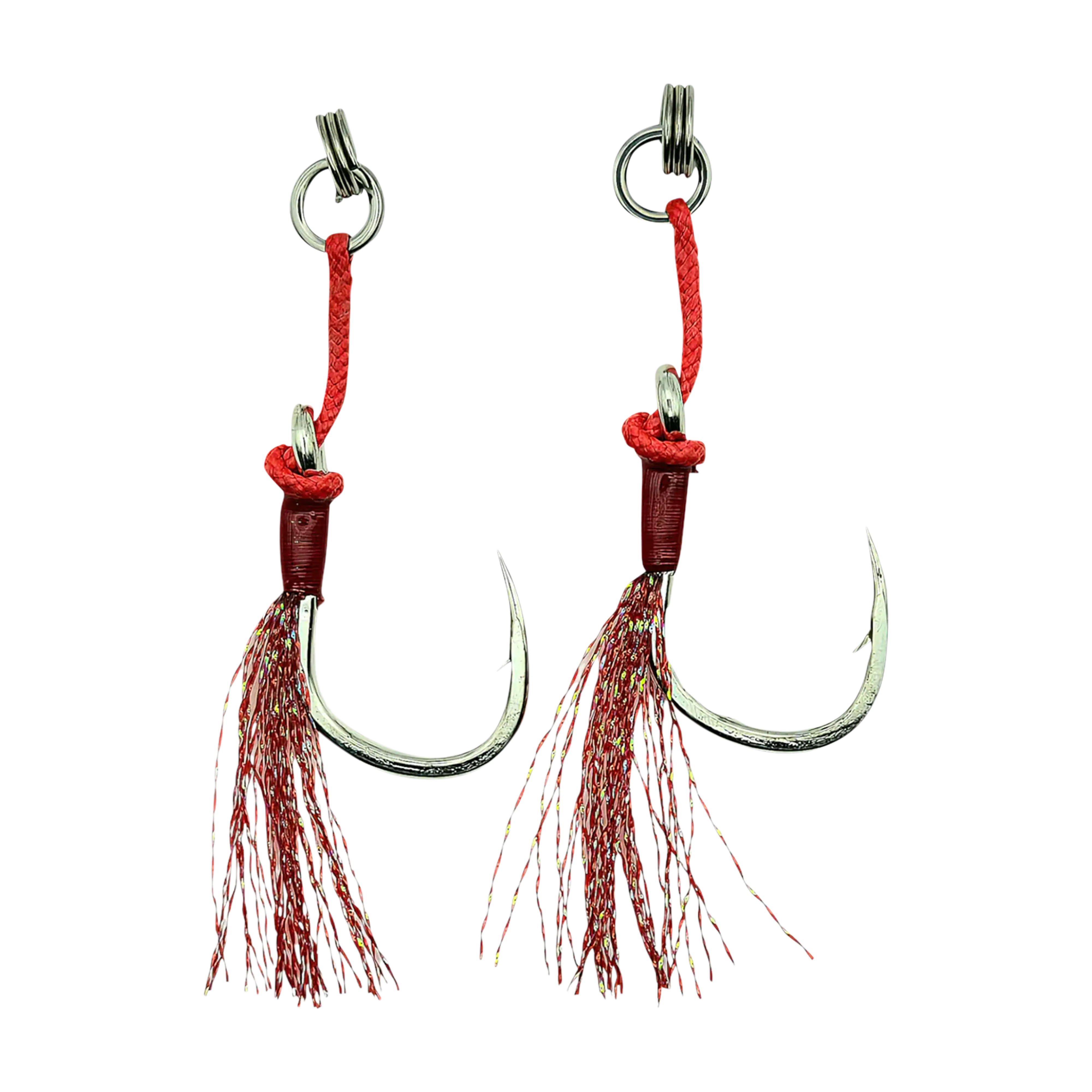
Positioned above the jig, assist hooks allow the lure to fall and flutter without obstruction. This placement keeps the hook exposed during both the lift and the drop, improving hook-ups when fish strike from below or inhale the jig on the fall. The cord connection gives the hook freedom to move, reducing leverage during the fight and helping keep fish pinned. Hook size should match the jig—too large can tangle or dampen action, while too small can reduce hook-up consistency.
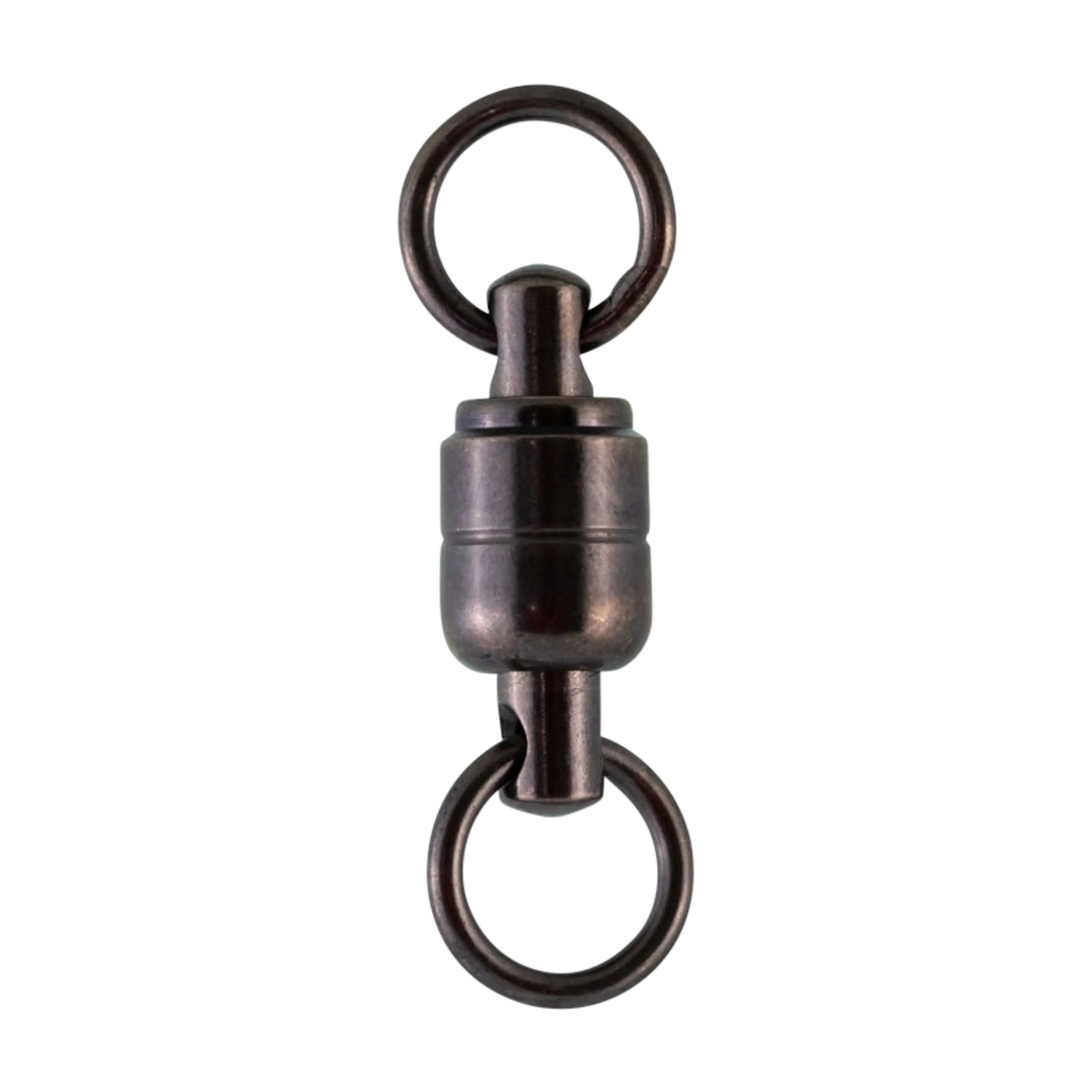
Swivels
Swivels are optional but useful when line twist becomes an issue, particularly in deeper water or when jigs begin to spin during faster cadences. They help reduce twist and maintain line performance over time, but they do add an extra connection point. In lighter or finesse applications, many anglers skip swivels to maintain maximum sensitivity and keep the setup as clean and natural as possible.
Rings
Split rings and solid rings form the core connection system between the jig, hooks, and line. Split rings are typically used to attach the jig and allow quick changes, while solid rings act as the main connection point for the leader or main line and for attaching assist hooks. A common setup connects the leader to a solid ring, then uses a split ring to attach the jig, with assist hooks also fixed to the solid ring. This keeps the load on the solid ring for strength while allowing the jig to move freely on the split ring, preserving natural action and reducing failure points.
Choosing the right combination of terminal tackle ensures the jig moves naturally, hooks stay in the optimal position, and the entire setup holds up under pressure.
Key Takeaways
- Assist hooks improve hook-ups on the fall and reduce tangles.
- Split rings allow quick jig changes and free movement.
- Solid rings provide a strong, central connection point.
- Swivels reduce line twist but aren’t always necessary.
- Proper rigging improves jig action and landing success.
Slow-Pitch Terminal Tackle
Terminal tackle plays a key role in slow-pitch jigging, as assist hooks, rings, and optional swivels must be properly sized and rigged to maintain natural jig movement, detect subtle strikes on the fall, and ensure strong, tangle-free connections under load.
Assist Hooks
Positioned above the jig, assist hooks allow the lure to fall and flutter without obstruction. This placement keeps the hook exposed during both the lift and the drop, improving hook-ups when fish strike from below or inhale the jig on the fall. The cord connection gives the hook freedom to move, reducing leverage during the fight and helping keep fish pinned. Hook size should match the jig—too large can tangle or dampen action, while too small can reduce hook-up consistency.
Swivels
Swivels are optional but useful when line twist becomes an issue, particularly in deeper water or when jigs begin to spin during faster cadences. They help reduce twist and maintain line performance over time, but they do add an extra connection point. In lighter or finesse applications, many anglers skip swivels to maintain maximum sensitivity and keep the setup as clean and natural as possible.
Rings
Split rings and solid rings form the core connection system between the jig, hooks, and line. Split rings are typically used to attach the jig and allow quick changes, while solid rings act as the main connection point for the leader or main line and for attaching assist hooks. A common setup connects the leader to a solid ring, then uses a split ring to attach the jig, with assist hooks also fixed to the solid ring. This keeps the load on the solid ring for strength while allowing the jig to move freely on the split ring, preserving natural action and reducing failure points.
Choosing the right combination of terminal tackle ensures the jig moves naturally, hooks stay in the optimal position, and the entire setup holds up under pressure.
Key Takeaways
- Assist hooks improve hook-ups on the fall and reduce tangles.
- Split rings allow quick jig changes and free movement.
- Solid rings provide a strong, central connection point.
- Swivels reduce line twist but aren’t always necessary.
- Proper rigging improves jig action and landing success.
Slow-Pitch Terminal Tackle

Slow-Pitch Tackle Storage
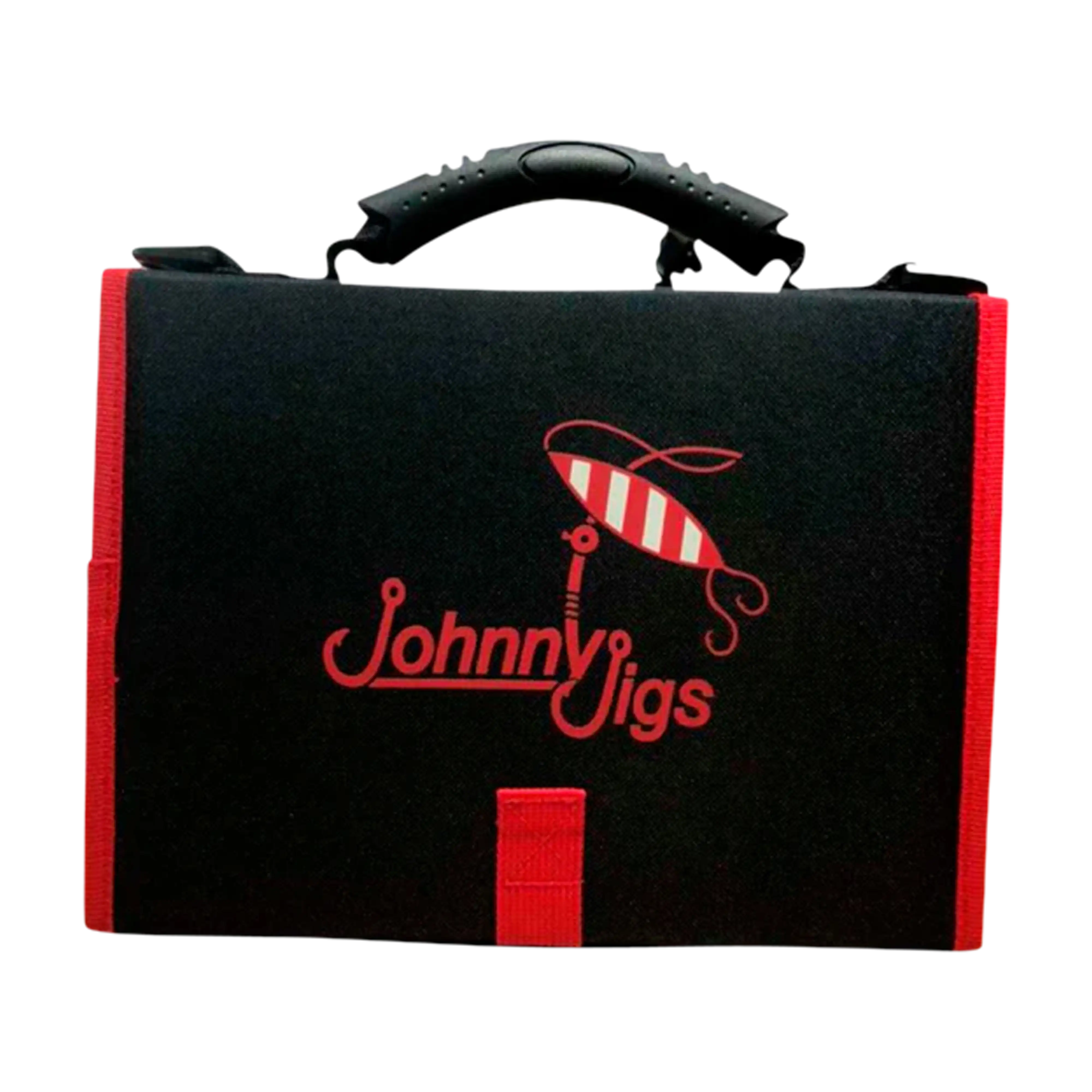
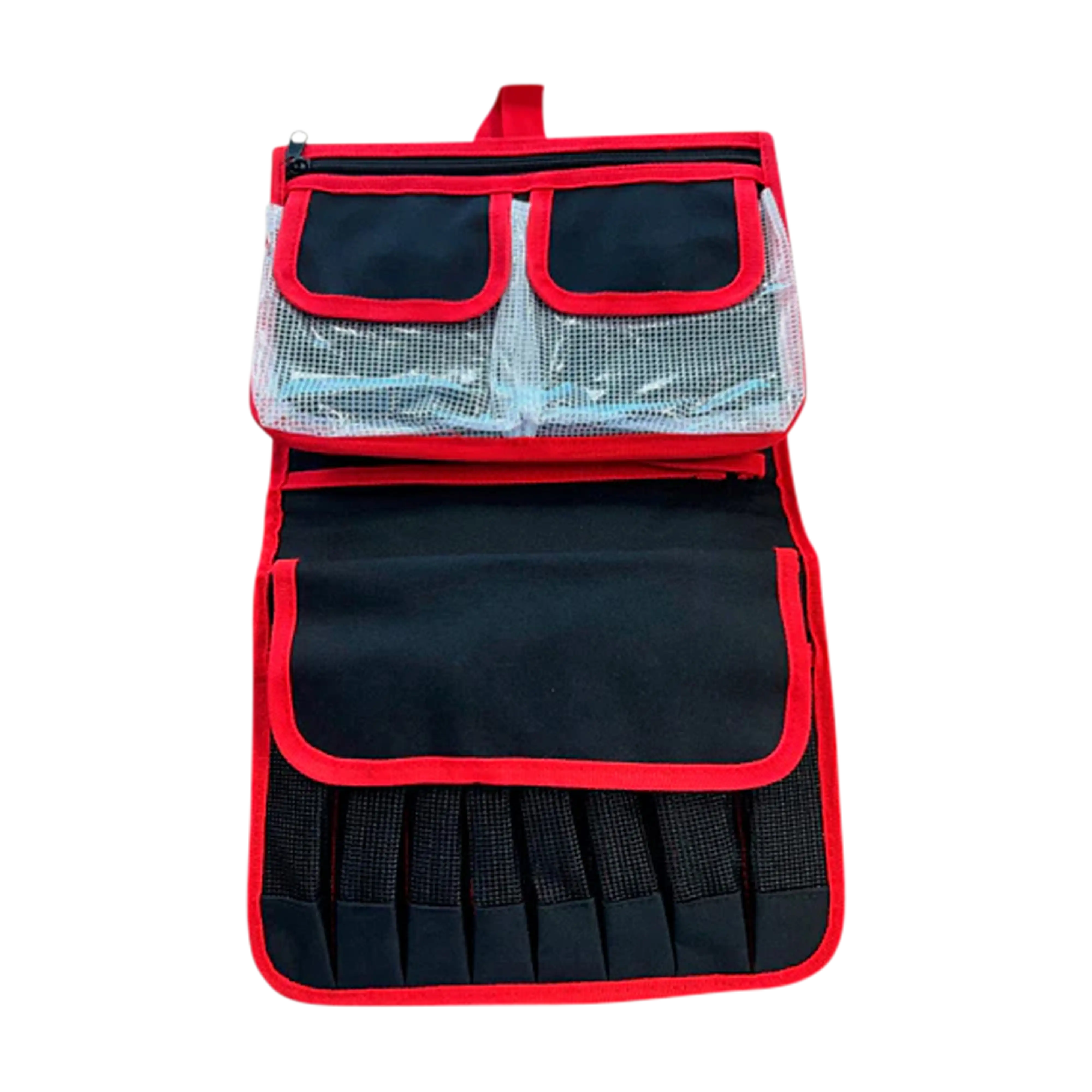
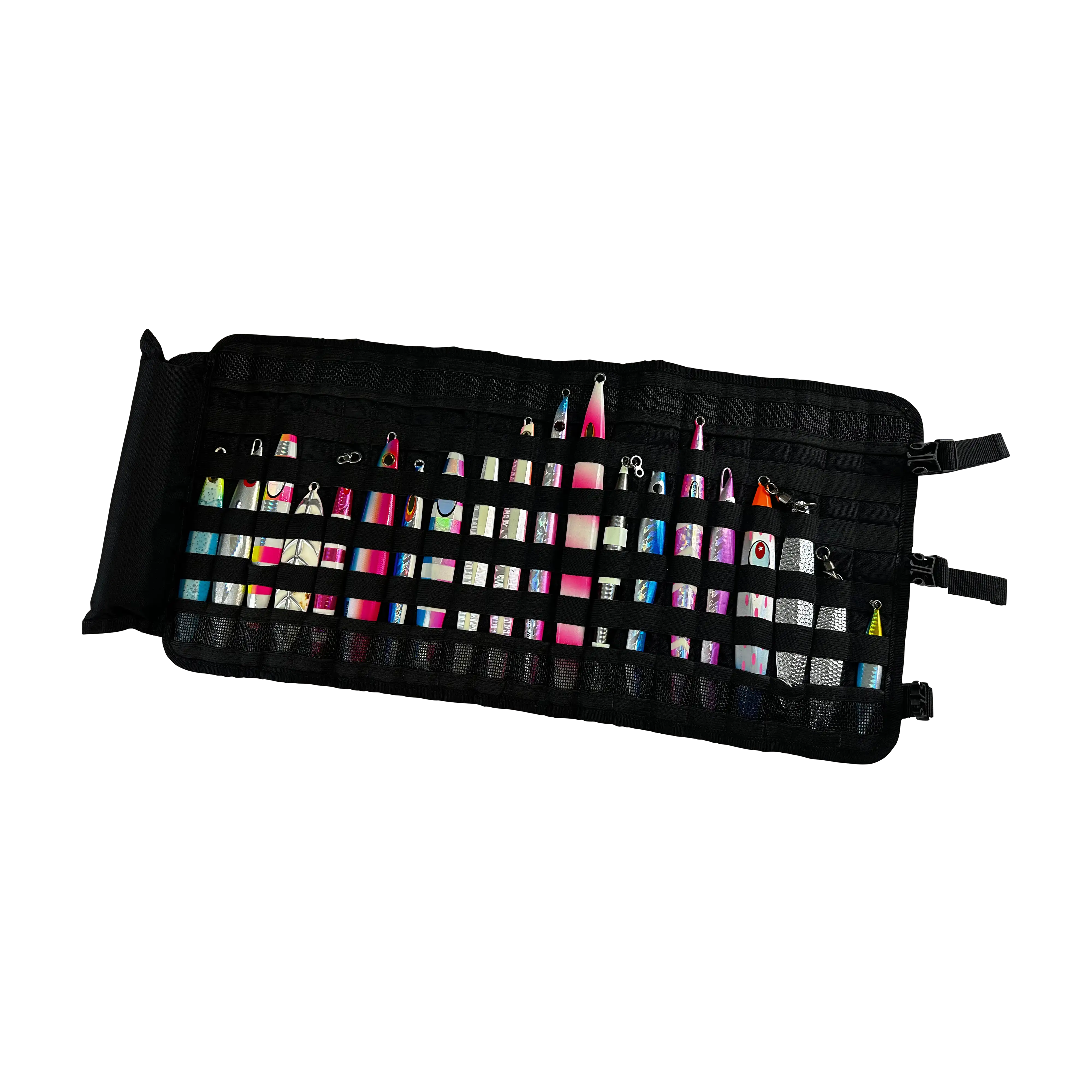
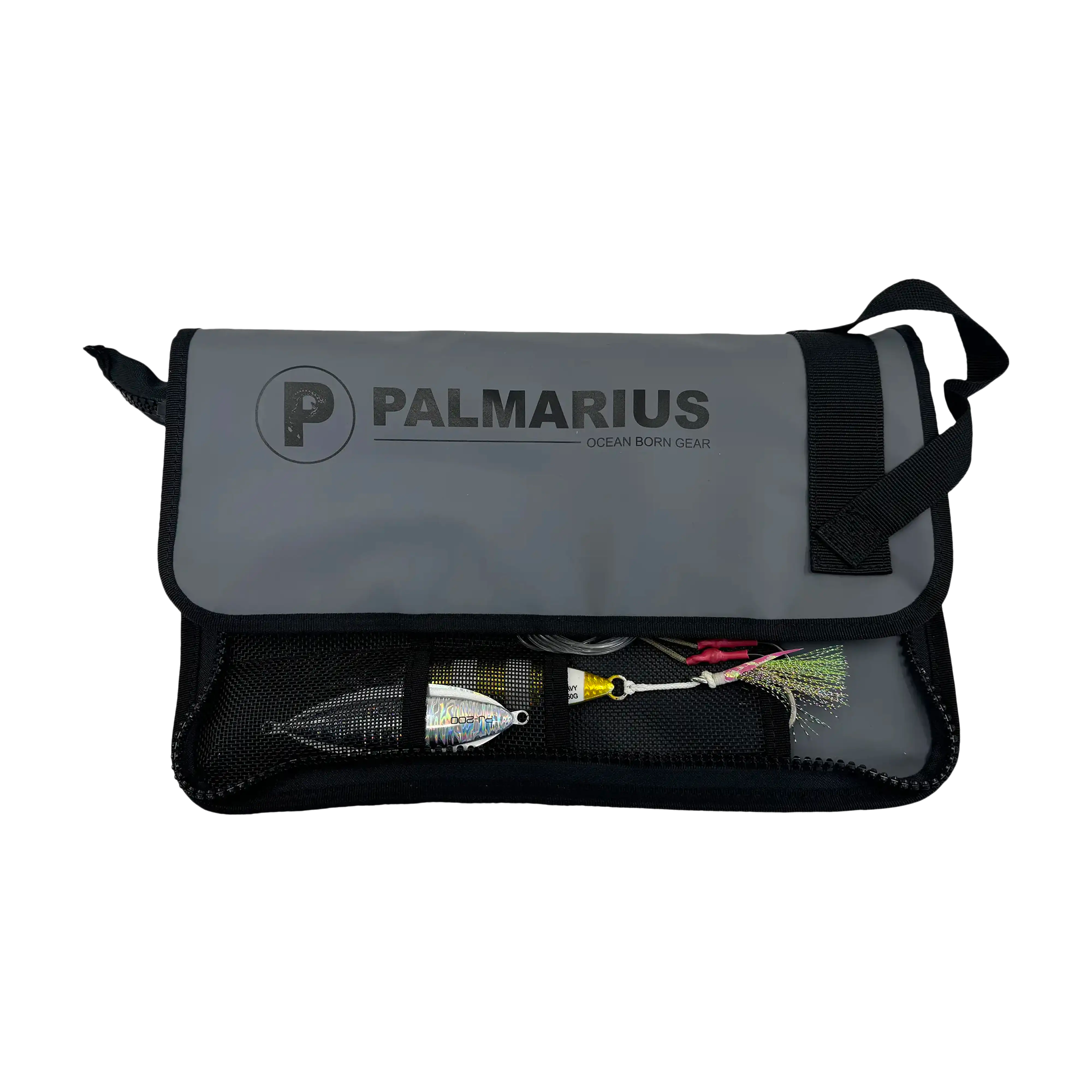
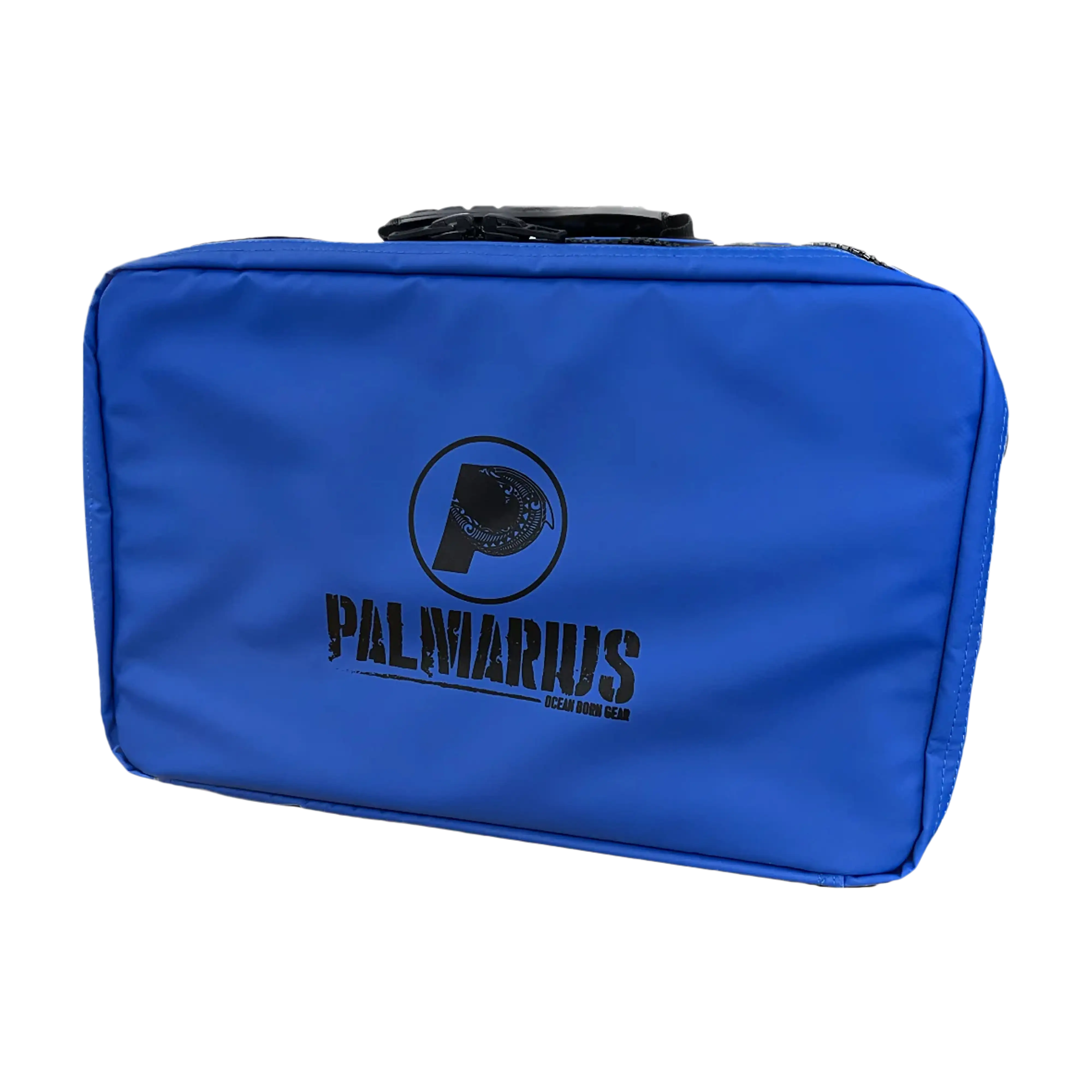
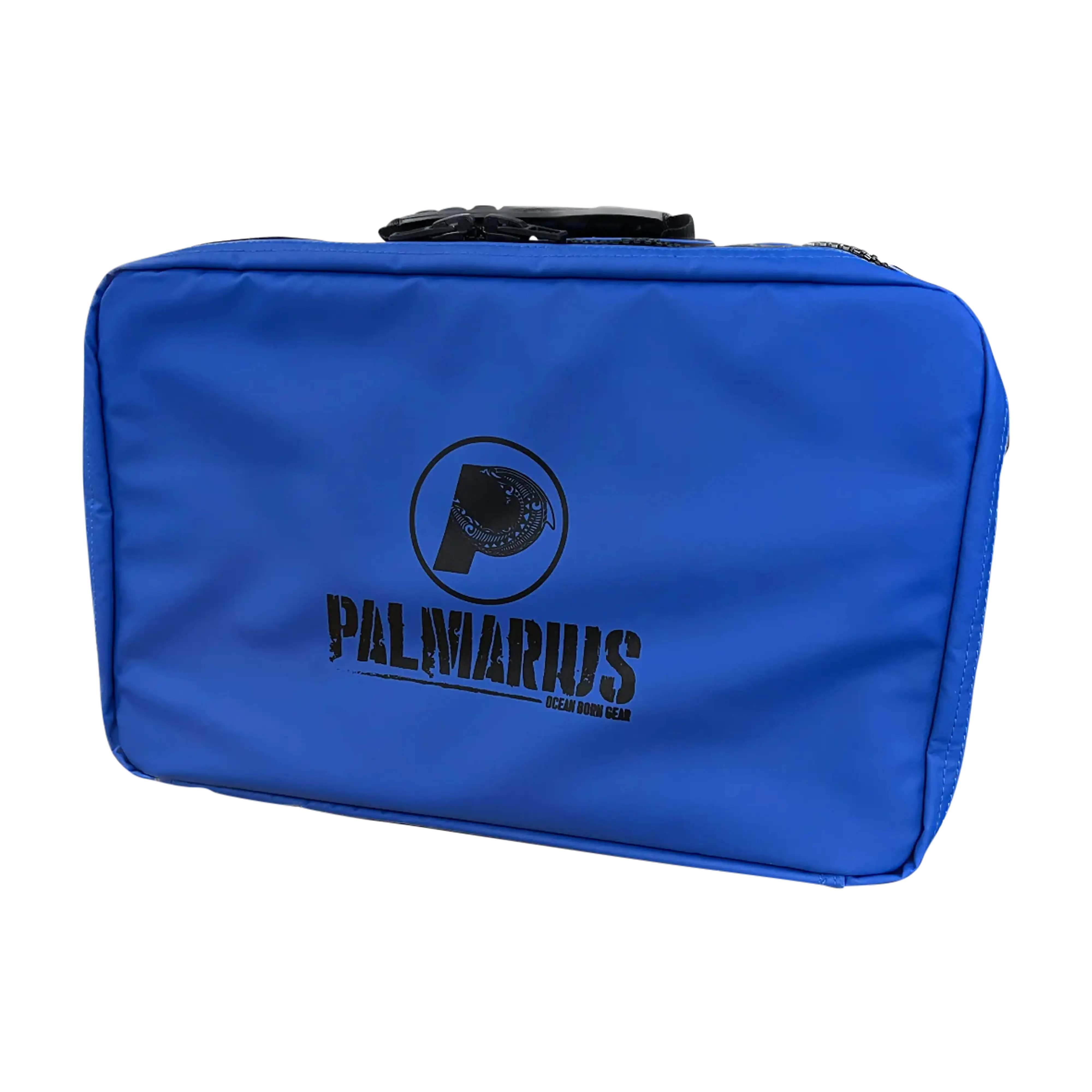
Organized storage is especially important in slow-pitch jigging, where multiple jigs, assist hooks, and rigged setups can easily tangle or get damaged. Vertical storage systems are ideal because they keep jigs separated, prevent assist hooks from fouling, and allow rigs to stay pre-tied and ready to deploy.
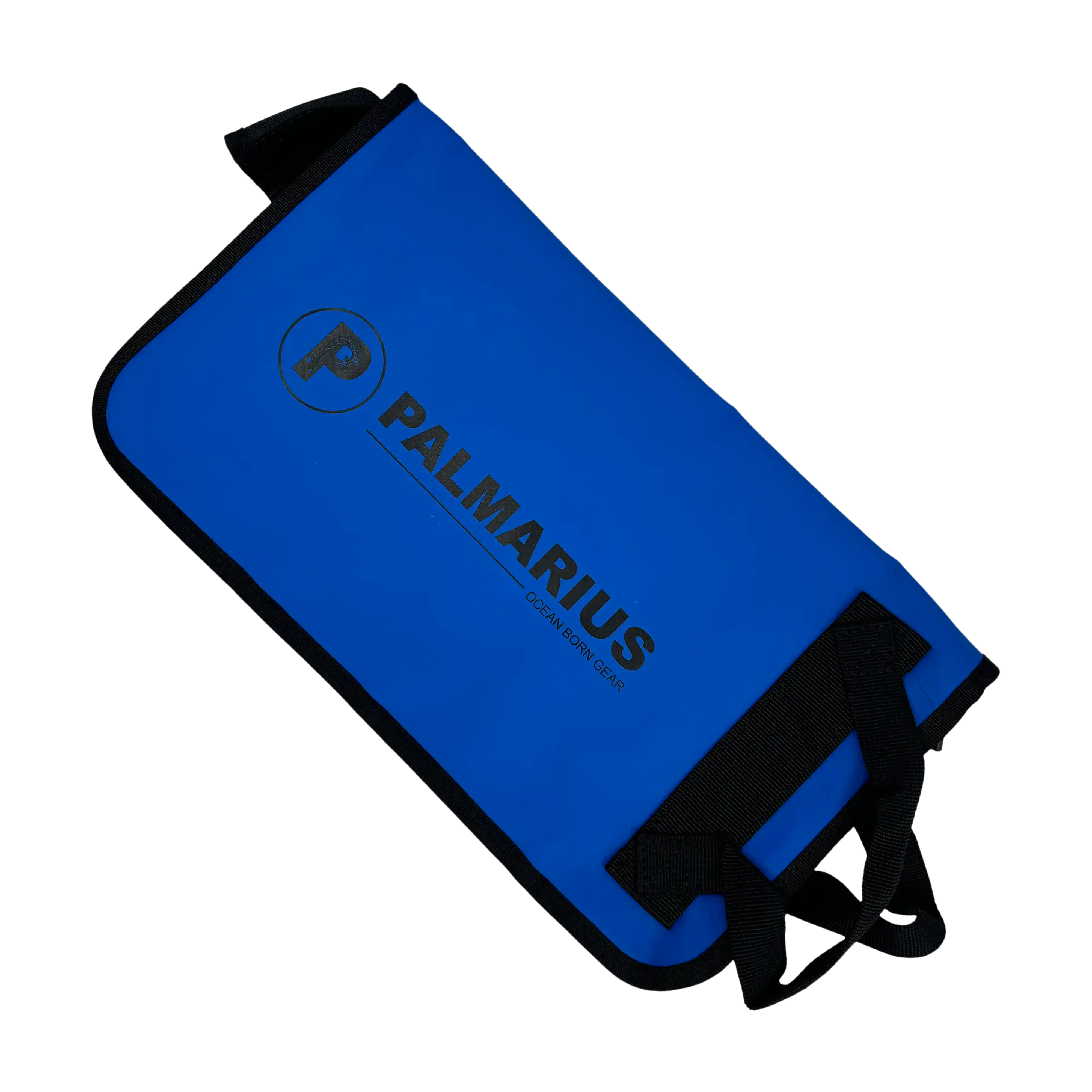
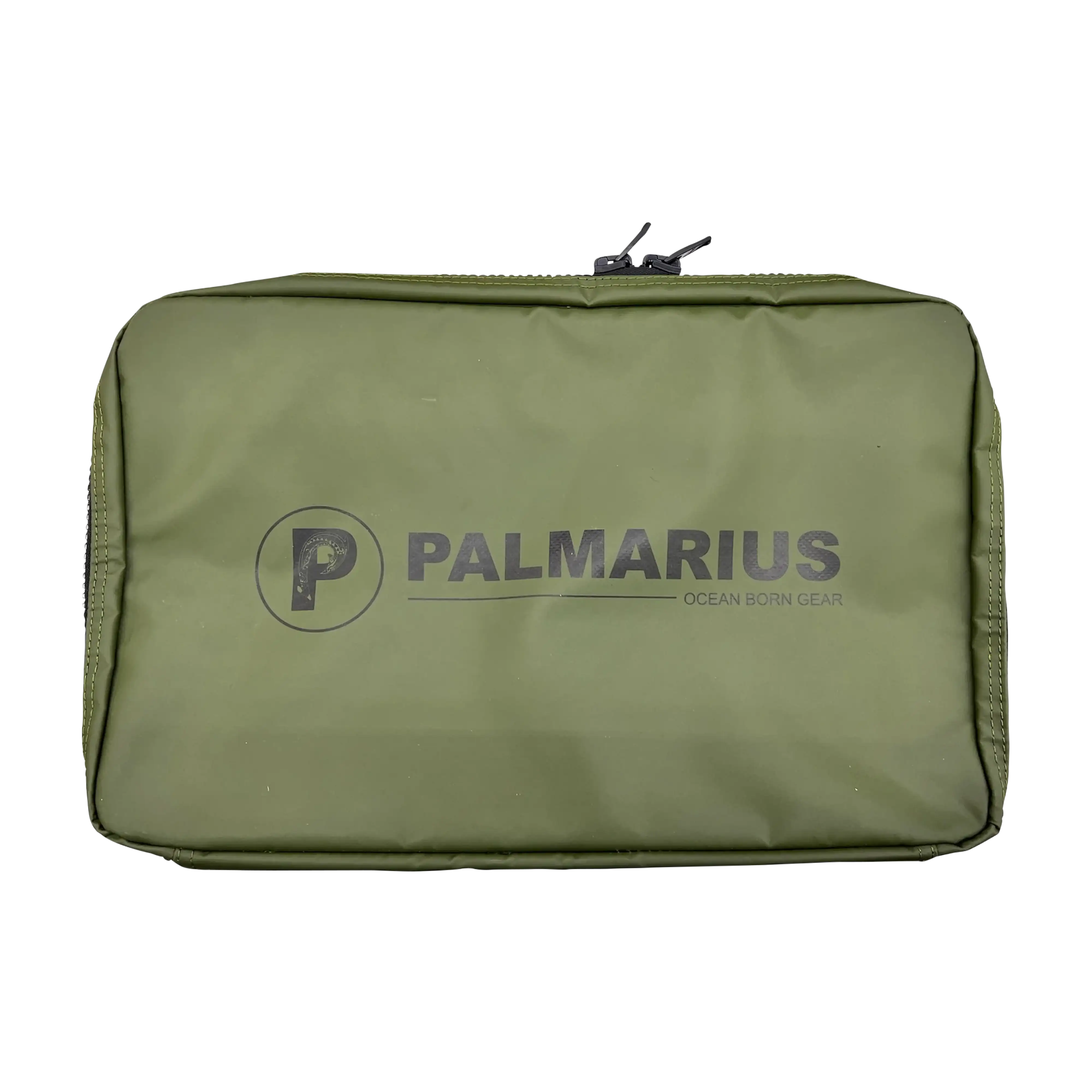
Dedicated jig bags, tackle boxes, and bait buckets help anglers rinse, organize, and transport gear efficiently between drops. Proper storage protects finishes, prevents hook dulling, and keeps terminal tackle organized so you can quickly swap jigs or adjust setups based on depth, current, or fish behavior—spending more time fishing and less time sorting gear.
Tackle Boxes & Storage - What to Look For
- Organized storage prevents damage and tangling of jigs, hooks, and leaders.
- Vertical storage systems keep assist hooks separated and ready to fish.
- Jig bags, tackle boxes, and bait buckets streamline gear transport and access.
- Proper storage reduces time spent digging for gear and speeds up rig changes.
- Keeping gear protected extends its life and maintains performance on the water.
Slow-Pitch Tackle Storage
Organized storage is especially important in slow-pitch jigging, where multiple jigs, assist hooks, and rigged setups can easily tangle or get damaged. Vertical storage systems are ideal because they keep jigs separated, prevent assist hooks from fouling, and allow rigs to stay pre-tied and ready to deploy.
Dedicated jig bags, tackle boxes, and bait buckets help anglers rinse, organize, and transport gear efficiently between drops. Proper storage protects finishes, prevents hook dulling, and keeps terminal tackle organized so you can quickly swap jigs or adjust setups based on depth, current, or fish behavior—spending more time fishing and less time sorting gear.
Tackle Boxes & Storage - What to Look For
- Organized storage prevents damage and tangling of jigs, hooks, and leaders.
- Vertical storage systems keep assist hooks separated and ready to fish.
- Jig bags, tackle boxes, and bait buckets streamline gear transport and access.
- Proper storage reduces time spent digging for gear and speeds up rig changes.
- Keeping gear protected extends its life and maintains performance on the water.
Slow-Pitch Tackle Storage




Slow-Pitch Jigging Tips
Slow-pitch jigging is less about speed and more about control, timing, and letting the rod do the work. Instead of aggressive ripping motions, this technique relies on short lifts, controlled slack, and natural jig movement on the fall. The goal is to keep the jig in the strike zone as long as possible while presenting it in a way that looks easy for fish to eat.
Depth, drift, and jig response all matter. Small adjustments to cadence or jig weight can turn a slow day into a productive one. When everything is working together—rod, reel, jig, and rhythm—you’ll feel more strikes, stay in control, and fish longer without fatigue.
Tip 1 - Depths & Drop Rates
Slow-pitch jigging works from shallow reefs to deep offshore structure, but most strikes happen on the fall. Controlling drop speed is key—too fast looks unnatural, too slow lets the jig drift out of the strike zone. Lighter jigs flutter naturally in shallower water, while heavier jigs hold vertical presentation and bottom contact in deep or strong current. Watch your line closely; many bites happen before you feel the rod tip. Adjust jig weight, cadence, and lift height to keep movement natural and strikes consistent.
Key Takeaways
- Most bites occur on the fall—control drop speed.
- Lighter jigs for shallow water, heavier jigs for deep or fast current.
- Adjust cadence, lift height, and jig weight to maintain natural movement.
- Watch your line—strikes often happen before rod feedback.
- Proper drop management keeps the jig in the strike zone longer.
Tip 2 - Match Jig to Target Species
Bottom-dwelling fish like snapper and grouper respond best to slow, fluttering jigs that stay near structure. Pelagic predators like amberjack, tuna, and kingfish react to faster lift-and-fall sequences. Jig shape and weight matter as much as color: wider, center-weighted jigs flutter well, while slim jigs cut current and reach depth faster. Adjust size or cadence for hesitant fish, or use heavier jigs and sharper lifts for aggressive bites.
Key Takeaways
- Bottom fish prefer slow flutter; pelagics react to faster lift-and-fall.
- Jig shape and weight are as important as color.
- Center-weighted jigs flutter naturally; slim jigs cut current efficiently.
- Downsize or slow the jig for picky fish; heavier, sharper lifts trigger aggressive strikes.
- Matching jig action to species improves hook-up rates.
Tip 3 - Avoid Common Mistakes
Overworking the jig kills its natural action—let the rod load and unload. Gear mismatch—stiff rods, oversized reels, or jigs that don’t suit the depth or current—reduces sensitivity and control. Other pitfalls: fishing too fast, ignoring drift, or failing to adjust jig weight. Slow, rhythmic, deliberate fishing and small adjustments throughout the day solve most problems.
Key Takeaways
- Don’t overwork the jig; let it move naturally.
- Match rod, reel, and jig to conditions.
- Adjust speed, drift, and jig weight as conditions change.
- Slow, deliberate actions outperform aggressive moves.
- Small technique tweaks solve most slow-pitch issues.
Slow-Pitch Jigging Tips
Slow-pitch jigging is less about speed and more about control, timing, and letting the rod do the work. Instead of aggressive ripping motions, this technique relies on short lifts, controlled slack, and natural jig movement on the fall. The goal is to keep the jig in the strike zone as long as possible while presenting it in a way that looks easy for fish to eat.
Depth, drift, and jig response all matter. Small adjustments to cadence or jig weight can turn a slow day into a productive one. When everything is working together—rod, reel, jig, and rhythm—you’ll feel more strikes, stay in control, and fish longer without fatigue.
Tip 1 - Depths & Drop Rates
Slow-pitch jigging works from shallow reefs to deep offshore structure, but most strikes happen on the fall. Controlling drop speed is key—too fast looks unnatural, too slow lets the jig drift out of the strike zone. Lighter jigs flutter naturally in shallower water, while heavier jigs hold vertical presentation and bottom contact in deep or strong current. Watch your line closely; many bites happen before you feel the rod tip. Adjust jig weight, cadence, and lift height to keep movement natural and strikes consistent.
Key Takeaways
- Most bites occur on the fall—control drop speed.
- Lighter jigs for shallow water, heavier jigs for deep or fast current.
- Adjust cadence, lift height, and jig weight to maintain natural movement.
- Watch your line—strikes often happen before rod feedback.
- Proper drop management keeps the jig in the strike zone longer.
Tip 2 - Match Jig to Target Species
Bottom-dwelling fish like snapper and grouper respond best to slow, fluttering jigs that stay near structure. Pelagic predators like amberjack, tuna, and kingfish react to faster lift-and-fall sequences. Jig shape and weight matter as much as color: wider, center-weighted jigs flutter well, while slim jigs cut current and reach depth faster. Adjust size or cadence for hesitant fish, or use heavier jigs and sharper lifts for aggressive bites.
Key Takeaways
- Bottom fish prefer slow flutter; pelagics react to faster lift-and-fall.
- Jig shape and weight are as important as color.
- Center-weighted jigs flutter naturally; slim jigs cut current efficiently.
- Downsize or slow the jig for picky fish; heavier, sharper lifts trigger aggressive strikes.
- Matching jig action to species improves hook-up rates.
Tip 3 - Avoid Common Mistakes
Overworking the jig kills its natural action—let the rod load and unload. Gear mismatch—stiff rods, oversized reels, or jigs that don’t suit the depth or current—reduces sensitivity and control. Other pitfalls: fishing too fast, ignoring drift, or failing to adjust jig weight. Slow, rhythmic, deliberate fishing and small adjustments throughout the day solve most problems.
Key Takeaways
- Don’t overwork the jig; let it move naturally.
- Match rod, reel, and jig to conditions.
- Adjust speed, drift, and jig weight as conditions change.
- Slow, deliberate actions outperform aggressive moves.
- Small technique tweaks solve most slow-pitch issues.
Slow-Pitch Jigging
FAQ - Slow-Pitch Jigging
What rod power is best for slow-pitch jigging?
Rod power should match jig weight, depth, and current. Light to medium rods suit small jigs and shallow water, while heavy and extra-heavy rods handle deep water, strong current, and larger fish. The key is proper blank loading to drive the jig’s action smoothly.
Can I use a spinning rod for slow-pitch jigging?
You can and many do, but conventional rods are often preferred because they give precise slack control and vertical drops. Spinning setups work in light, shallow setups but reduce control with heavier jigs or deep water.
How do I set up a slow-pitch jigging rig?
A typical setup uses braided main line tied to a fluorocarbon leader, with a solid ring connecting the jig and assist hooks. Barrel swivels are often used to eliminate line twist and should be heavy enough to support the target size fish. The jig should hang freely to allow proper flutter. Keep connections clean and minimal to preserve natural movement and sensitivity.
What is the ideal rod length for slow-pitch jigging?
Sizes vary, but some of the most common slow-pitch rods fall between 6'3" and 7'3". Shorter rods improve control and reduce fatigue during vertical jigging, while slightly longer rods help with jig movement and line management. Length is less important than matching rod action and power to your jig weights.
What jig colors are most effective for saltwater species?
Glow, silver, blue, and natural baitfish patterns are reliable starting points. In deep or low-light conditions, glow and high-contrast colors help fish locate the jig. In clear water, natural finishes often produce more consistent bites.
How do I match a slow-pitch jig to the target species?
Bottom fish often prefer slower, fluttering jigs that stay near structure, while pelagic species react to faster drops and sharper movements. Jig shape, fall speed, and cadence matter more than color alone. Matching action to feeding behavior improves strike rates.
What’s the best way to store my slow-pitch tackle?
Store jigs vertically when possible to prevent tangles and protect assist hooks. Rinse jigs after use and allow them to dry before storage. Dedicated jig wallets or buckets keep gear organized, reduce corrosion, and speed up lure changes on the water.
How often should I replace slow-pitch hooks and leaders?
Inspect hooks and leaders after every trip. Replace hooks if points are dull or cords show wear. Leaders should be changed when abrasion, nicks, or stretching is visible. Fresh terminal tackle improves hooksets and reduces lost fish.
Can I fish slow-pitch jigging from shore or only boat?
Slow-pitch jigging is primarily a boat-based technique because it relies on vertical presentation. Shore anglers can adapt some elements using metal jigs, but true slow-pitch cadence and control are difficult to achieve without a vertical drop.
From the Mud Hole Journal
Further Reading
Article
Write text about your blog post.
Further Reading
Can't get enough Slow-Pitch Jigging content? Check out the articles below!