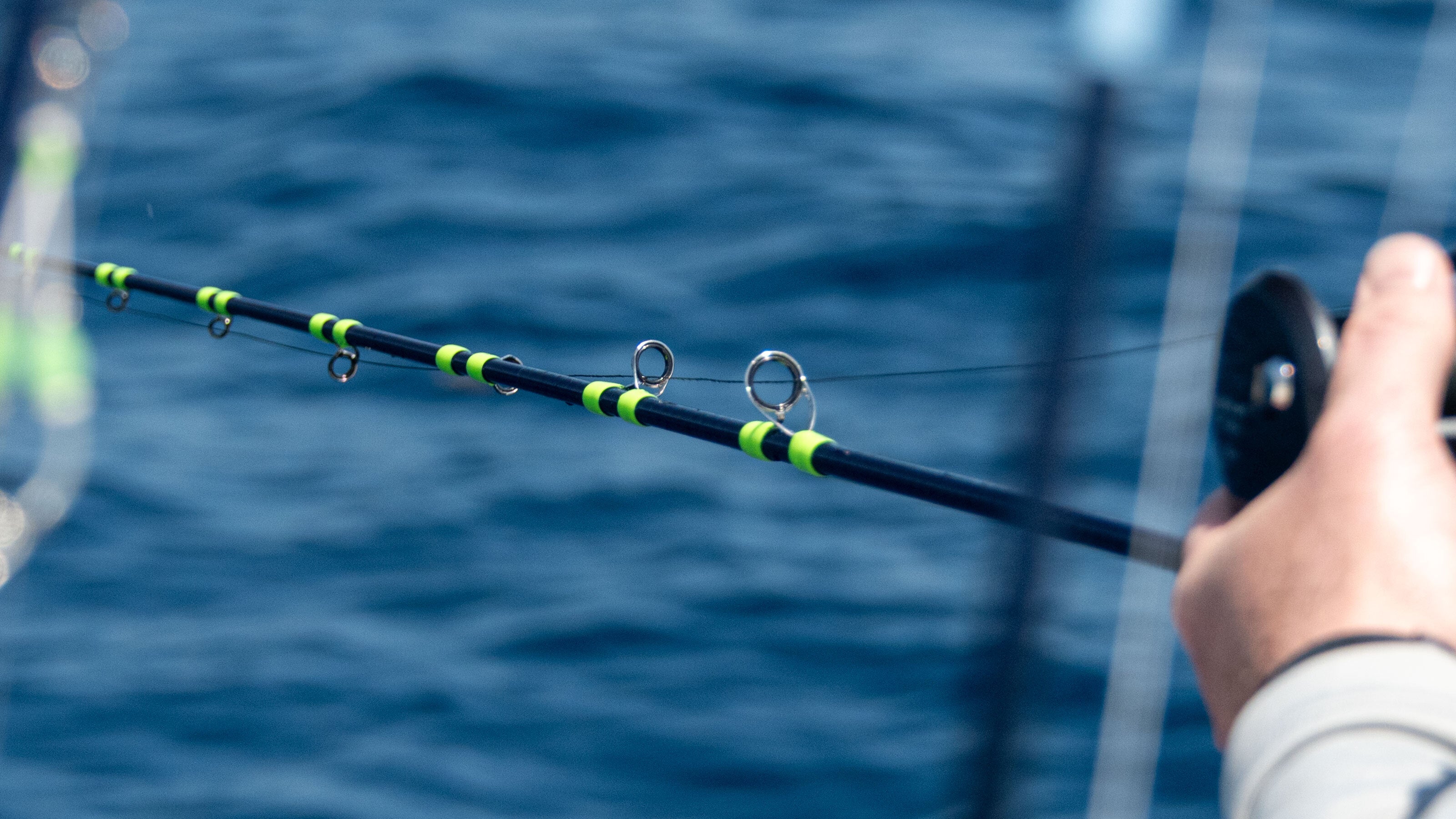























Fishing rod guides are often treated as a small detail, but in reality, they play a major role in how a rod performs. Every cast you make and every fish you fight is influenced by how well your guides manage line flow and distribute load across the blank. While most anglers focus heavily on rod blanks, reels, and line, guides are the link that ties everything together. When they are selected and set up properly, the entire system feels smoother, more responsive, and more efficient.
What Fishing Rod Guides Actually Do
At a basic level, guides control the path of your line from the reel to the tip of the rod. That sounds simple, but the impact is anything but. The way guides reduce friction, manage line coils, and spread pressure during a fight directly affects casting distance, accuracy, and sensitivity. When a rod is under load, guides also help distribute stress evenly so that no single point on the blank is overloaded. This not only improves performance but also protects the rod from failure.

Breaking Down the Types of Fishing Rod Guides
Once you start digging into the different types of guides, it becomes clear that each style is built with a specific purpose in mind. I am even going to add in a little bulleted list cheat sheet at the end of each section.

Spinning Guides
Spinning guides, for example, are designed to handle the large coils of line that come off a spinning reel. The first guide, often referred to as the stripper guide, is larger to capture those loops and begin funneling them down the rod. From there, the guides gradually decrease in size, helping to tame the line and create a smoother, more controlled path. This design works extremely well for lighter lines and finesse techniques, where casting distance and smoothness matter most. The trade-off is that larger guides add weight, especially toward the front of the rod, which can slightly reduce responsiveness.
Best for:
• Light tackle applications
• Finesse fishing
• Long casts with lighter line
Advantages:
• Reduces line twist
• Improves casting distance with light lures
• Smooth line transition from reel to blank
Shortcomings:
• Larger guides add weight
• Can feel less “tight” or controlled compared to casting setups
• Not ideal for heavy power applications

Casting Guides
Casting guides take a different approach because the line leaves the reel in a straight path rather than in coils. As a result, the guides can be smaller and more uniform in size. This creates a tighter, more controlled system that excels in accuracy and power. When you are flipping, pitching, or working heavier baits, casting guides provide a more direct connection to the lure and better overall control. However, they are less forgiving with lighter lines and techniques, and guide sizing becomes more critical when dealing with knots or leader connections.
Best for:
• Accuracy-based techniques
• Heavier lures and lines
• Power fishing applications
Advantages:
• Better line control
• Increased casting accuracy
• More direct connection to the bait
Shortcomings:
• Less forgiving with poor technique
• Not ideal for very light lures
• Can struggle with certain knots depending on guide size

Fly Guides
Fly rod guides, often referred to as snake guides, bring another level of specialization. These lightweight, wire-style guides are designed to keep overall weight to a minimum while still managing fly line effectively. Their simple design allows for smooth line shooting and easy mending, which are critical in fly fishing. At the same time, they introduce more friction compared to ceramic guides and can wear down fly line over time. They are a perfect example of how guide design is always a balance between competing priorities.
Best for:
• Fly fishing applications
• Long leader systems
• Line shooting and mending
Advantages:
• Extremely lightweight
• Minimal impact on rod action
• Less surface area for icing in cold weather
Shortcomings:
• Higher friction compared to ceramic guides
• Can wear fly line faster over time
• Not ideal for modern braided or heavy lines

Roller Guides
At the opposite end of the spectrum are roller guides, which are built for heavy-duty offshore applications. Instead of a traditional ring, these guides use a rolling mechanism to eliminate friction when fighting large fish under heavy drag. They are incredibly effective when targeting powerful species like tuna or marlin, where line tension is extreme. The downside is that they are heavy, require maintenance, and are not practical for most inshore or freshwater applications.
Best for:
• Offshore trolling
• Big game fishing
• Heavy drag applications
Advantages:
• Dramatically reduces friction under heavy load
• Protects line during long runs
• Ideal for large, powerful fish
Shortcomings:
• Heavy and bulky
• Expensive
• Require maintenance to prevent corrosion or failure

Single-Foot vs Double-Foot Guides
Another important distinction in guide design is the difference between single-foot and double-foot frames. Single-foot guides are lighter and help keep the rod feeling crisp and responsive. They are commonly used in applications where sensitivity and weight reduction are priorities. Double-foot guides, on the other hand, offer added strength and stability, making them better suited for heavy-duty rods that will see a lot of stress. The trade-off is additional weight and a slight reduction in how freely the rod can move. You will most often see a mix of double and single footers throughout a common guide train. Although it is true the double footers offer more strength and stability, the single foots might surprised you in applications like slow-pitch and light offshore bait fishing.

Micro Guides
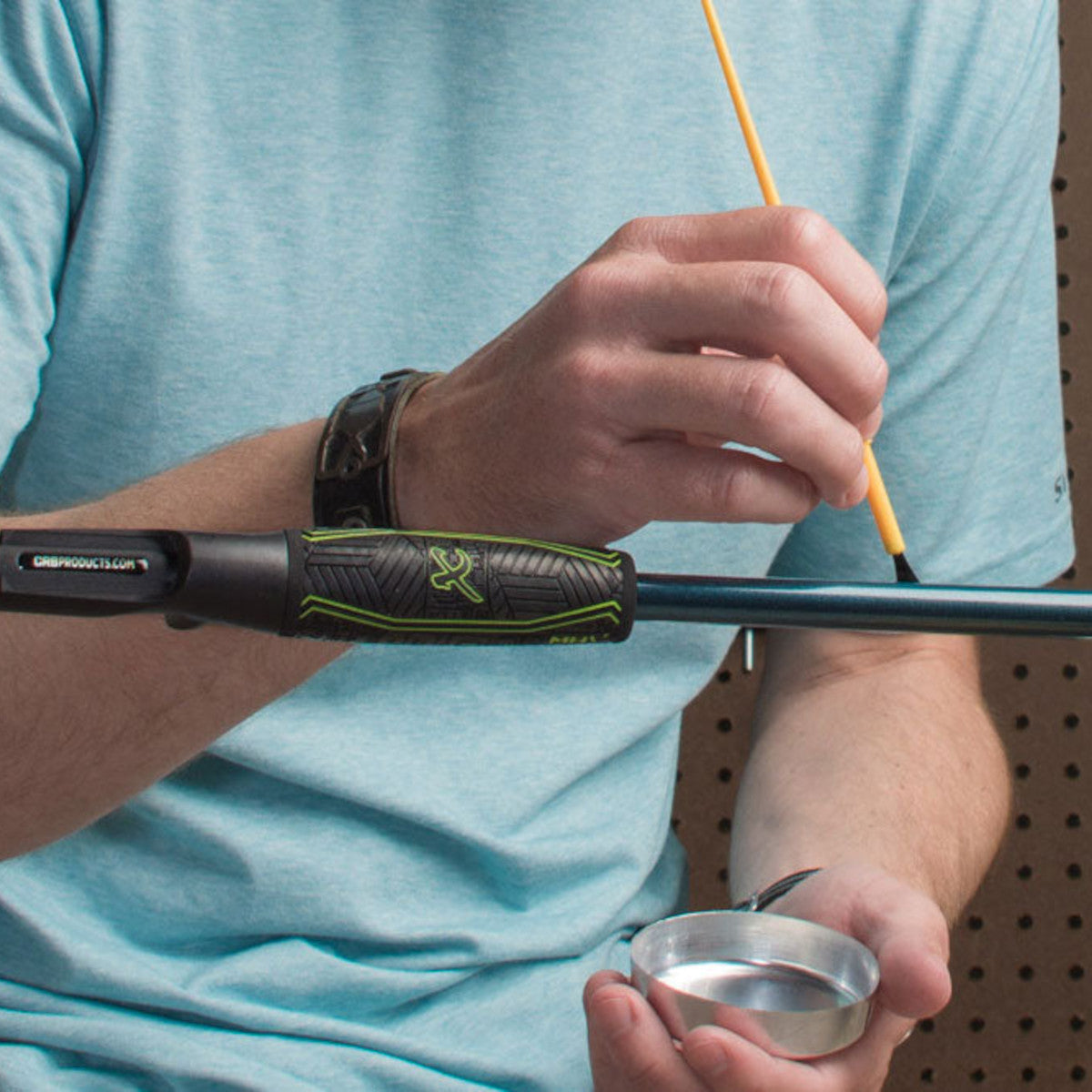
One of the biggest shifts in modern rod building has been the rise of micro guides. These smaller, lightweight guides have gained popularity because they reduce overall rod weight and improve sensitivity, especially near the tip. By minimizing mass, micro guides allow the rod to recover faster and feel more responsive in hand. Many anglers find that they also improve casting efficiency, particularly when using braided line. However, micro guides are not without their challenges. They can create issues with knot clearance, especially when using leader connections, and they demand a more precise guide layout. In colder conditions, they are also more prone to ice buildup. Like many advancements in fishing gear, they offer clear benefits but require a more dialed-in approach to get the most out of them. If you are going to work with micros or even the smaller single foot guides you might want to grab a pack of the micro guide bands to help hold them in place while you wrap.
Advantages:
• Increased sensitivity
• Better casting efficiency with modern braided lines
• Reduced tip weight
Shortcomings:
• Knot clearance issues
• Ice buildup in cold weather
• More demanding when it comes to guide spacing and layout

Guide Materials Matter More Than You Think
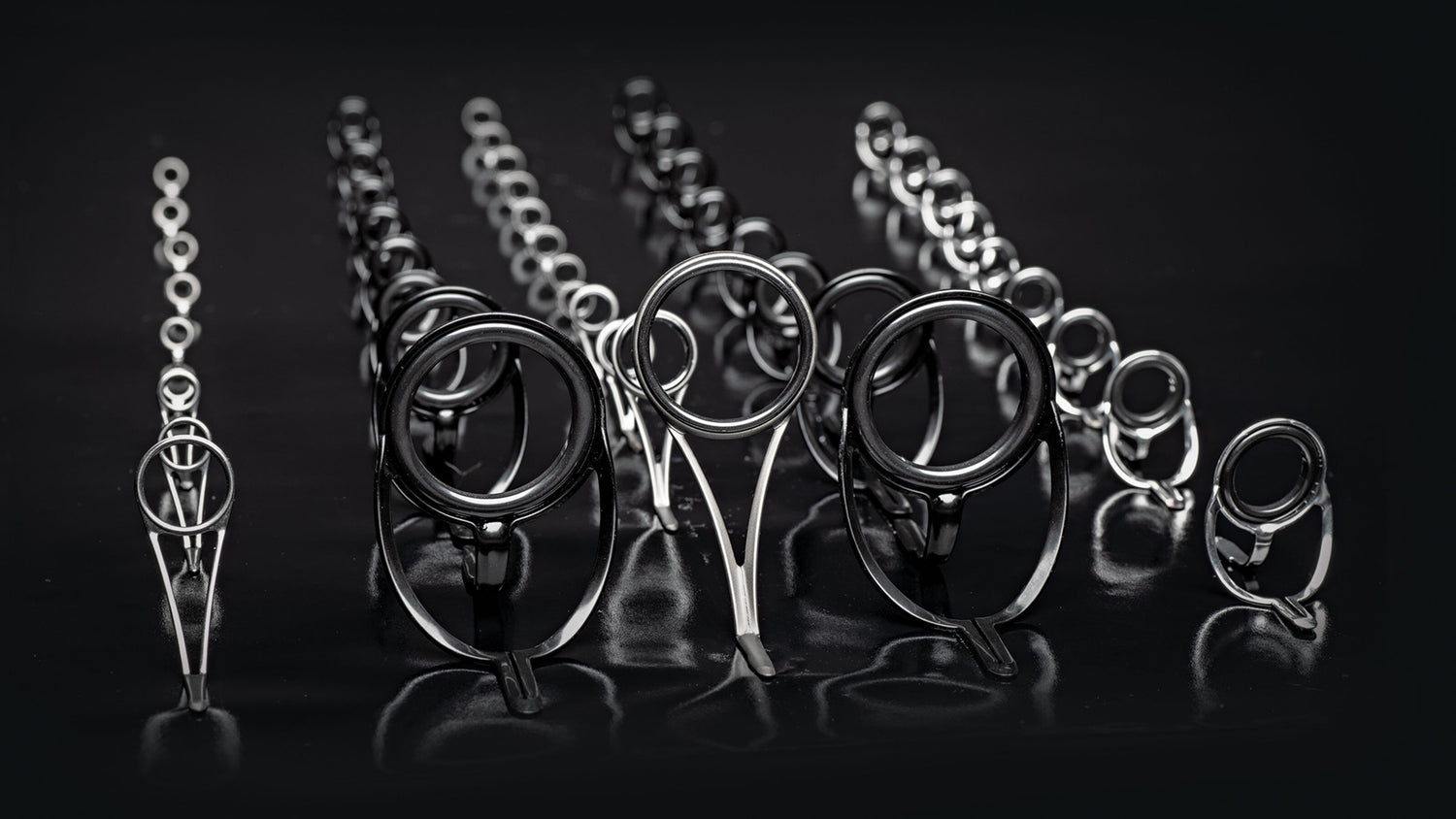
Material selection is another area where guides can vary significantly. Nothing gives a better representation than the photo above. Same guide frame, same size but different material. The ring material, whether it is aluminum oxide, silicon carbide, or more advanced options, plays a major role in how smoothly line moves through the guides. Higher-end materials tend to reduce friction and dissipate heat more effectively, which is especially important when fishing with braided line. Frame materials also matter, with stainless steel offering durability and affordability, while titanium provides a lighter, more corrosion-resistant option for anglers fishing in harsh environments.
The Hidden Factor: Guide Weight
One of the most overlooked factors in guide selection is weight, particularly toward the tip of the rod. Even small increases in weight can have a noticeable impact on how a rod performs. Heavier guides can slow down recovery speed and dampen sensitivity, while lighter guides allow the blank to perform more naturally. This is why many modern builds prioritize lightweight components, especially in the upper third of the rod.
Where Guides Fall Short
Despite all the advancements in guide design, there is no perfect solution. Every choice comes with trade-offs. Larger guides offer better knot clearance but add weight. Smaller guides improve sensitivity but reduce forgiveness. Stronger frames increase durability but can slightly hinder performance. Even the number of guides plays a role. Too few guides can create sharp line angles and uneven stress, while too many can add unnecessary weight and friction.

Match Guides to Your Fishing Style
The key is matching your guide system to your style of fishing. Line choice plays a major role in this decision, as different lines behave differently when passing through guides. Techniques that rely on sensitivity may benefit from smaller, lighter guides, while heavy cover fishing may require stronger, more durable options. Environmental factors, such as fishing in cold weather or saltwater, also influence what will work best.
Consider:
• Line type (braid vs fluorocarbon vs mono)
• Technique (finesse vs power fishing)
• Environment (freshwater vs saltwater)
• Target species
For example:
• Braided line pairs well with smaller, high-performance guides
• Heavy cover fishing may require stronger, more durable frames
• Cold weather may call for larger guides to prevent ice buildup
In the end, guides are not just a supporting component. They are a critical part of the system that directly affects how your rod performs. Understanding the different types, their intended uses, and their limitations allows you to make more informed decisions, whether you are building a custom rod or selecting your next setup.
Because when everything comes together the right way, it is not just about casting farther or feeling more bites. It is about having a rod that responds exactly how you expect it to, every single time you pick it up.