









Mud Hole Gear Guide:
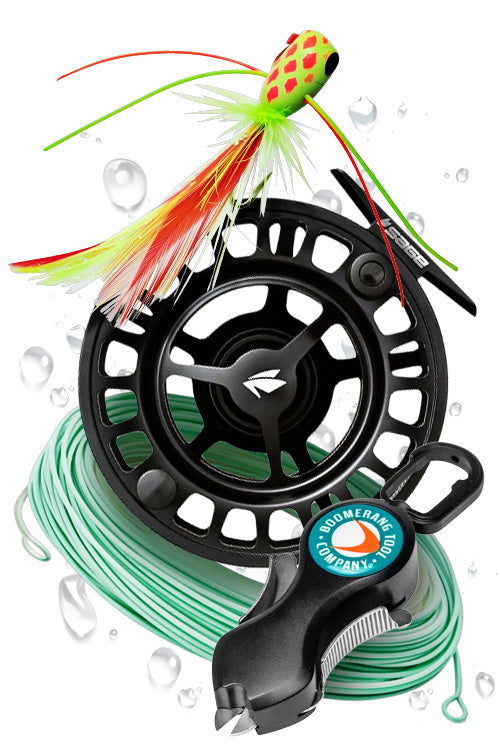
About Beginner Fly Fishing
Fly fishing is a casting method that uses a weighted fly line to deliver a nearly weightless artificial fly. Unlike spinning or casting gear—where a heavy lure pulls a light line—in fly fishing, the line itself carries the fly and leader. This creates a slower, more controlled casting motion and allows for precise, natural presentations.
At its core, fly fishing is about imitation and presentation. Flies are designed to mimic insects, baitfish, or other prey, and how you present them—dead drifting, stripping, or popping—often matters more than the fly itself. Instead of relying on lure weight or constant retrieval, anglers use line control, timing, and subtle movement to trigger strikes.
In freshwater, fly fishing is commonly used in rivers, lakes, and ponds for species like trout, bass, and panfish. Presentations often focus on drifting flies naturally with the current or working them slowly through structure.
In saltwater, the approach shifts toward more active, visual fishing—casting to moving fish, dealing with wind, and retrieving flies to imitate fleeing baitfish. This requires heavier gear and faster line control, but the core principles stay the same.
Introduction
What is Beginner Fly Fishing?
About Beginner Fly Fishing
Fly fishing is a casting method that uses a weighted fly line to deliver a nearly weightless artificial fly. Unlike spinning or casting gear—where a heavy lure pulls a light line—in fly fishing, the line itself carries the fly and leader. This creates a slower, more controlled casting motion and allows for precise, natural presentations.
At its core, fly fishing is about imitation and presentation. Flies are designed to mimic insects, baitfish, or other prey, and how you present them—dead drifting, stripping, or popping—often matters more than the fly itself. Instead of relying on lure weight or constant retrieval, anglers use line control, timing, and subtle movement to trigger strikes.
In freshwater, fly fishing is commonly used in rivers, lakes, and ponds for species like trout, bass, and panfish. Presentations often focus on drifting flies naturally with the current or working them slowly through structure.
In saltwater, the approach shifts toward more active, visual fishing—casting to moving fish, dealing with wind, and retrieving flies to imitate fleeing baitfish. This requires heavier gear and faster line control, but the core principles stay the same.
Fly Fishing Applications
Freshwater anglers commonly use lighter 3–7 wt single-hand rods for trout, panfish, and bass in streams, rivers, and small lakes. In saltwater and heavy freshwater, anglers often step up to 7–10+ wt single-hand rods for species like redfish, striped bass, bonefish, and other inshore fish that require longer casts, larger flies, and more stopping power. Their simplicity, versatility, and wide range of applications make single-hand rods the standard starting point for new fly anglers.
Most beginners start with standard single-hand fly rods, but there are several styles of fly fishing setups designed for different water conditions, casting distances, and presentation techniques. Understanding the differences helps new anglers choose gear that matches where they fish most often and how they want to fish.
Single-Hand (Standard) Fly Fishing
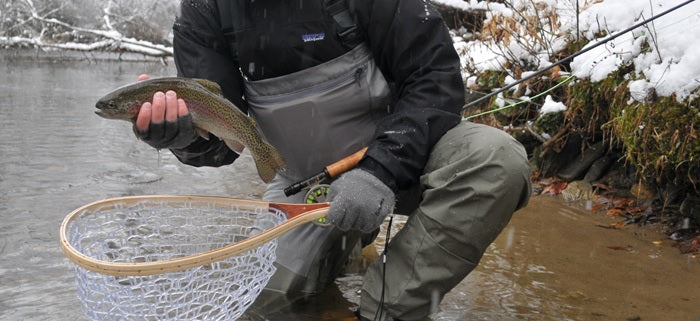
Single-hand fly rods are the most common and beginner-friendly setup. These rods are designed for traditional overhead casting and are used in everything from small creeks and trout streams to ponds, lakes, and light saltwater flats. Most beginner fly rod and reel combos fall into this category because they’re versatile, easy to learn, and effective across a wide range of fishing situations.
Freshwater anglers commonly use lighter 3–5 wt single-hand rods for trout, panfish, and bass in streams, rivers, and small lakes. In saltwater, anglers often step up to 7–9 wt single-hand rods for species like redfish, striped bass, bonefish, and other inshore fish that require longer casts, larger flies, and more stopping power. Their simplicity, versatility, and wide range of applications make single-hand rods the standard starting point for new fly anglers.
Spey (Two-Hand) Fly Fishing
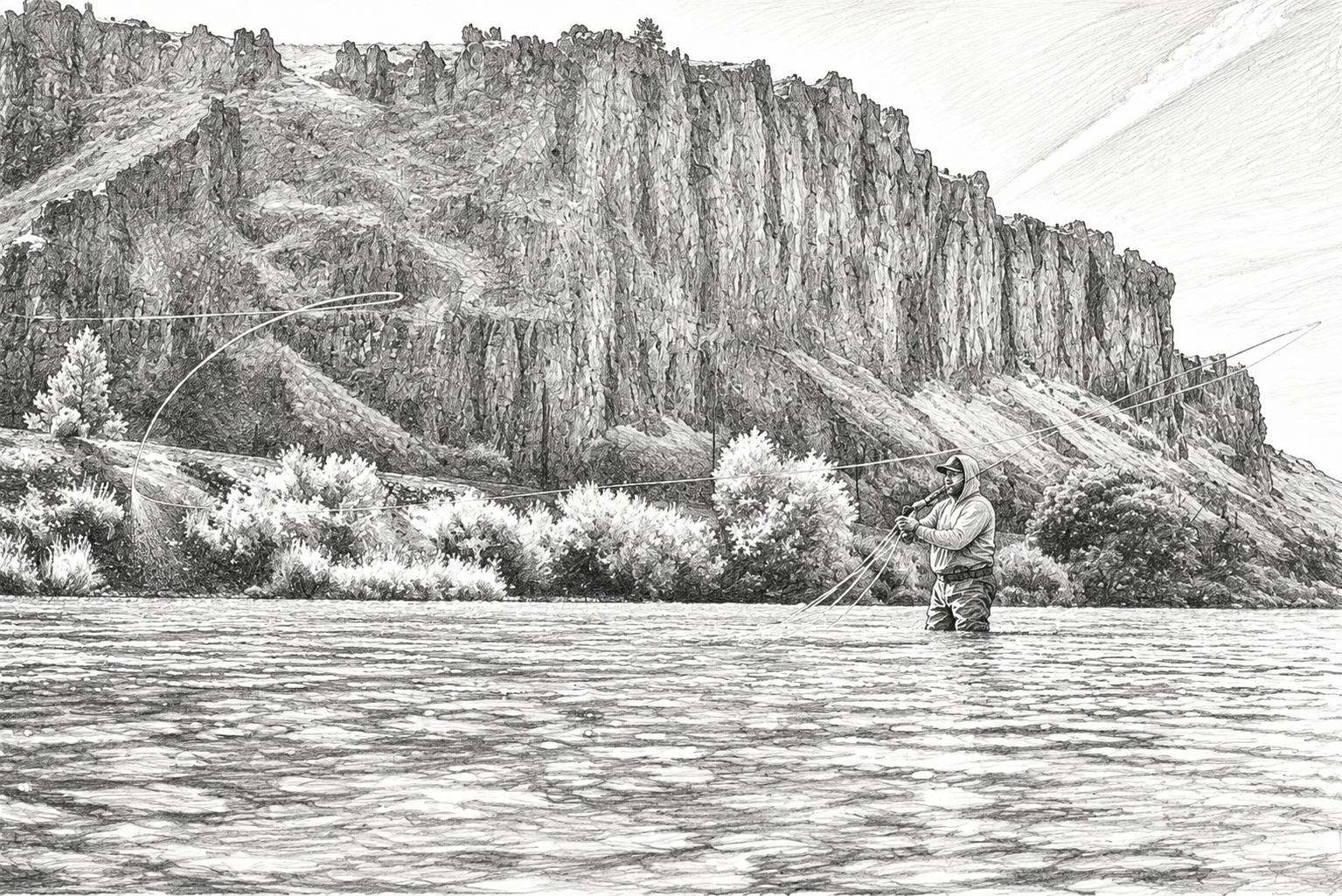
Spey rods are long two-handed fly rods designed for making long-distance casts in large rivers where backcast space is limited. Instead of traditional overhead casting, Spey anglers use water-loaded casting techniques—like the Spey cast—to launch line efficiently while keeping the fly moving through current.
These setups are popular for salmon, steelhead, and large river trout fishing because they allow anglers to cover wide stretches of water with less physical effort. Spey fishing is highly specialized and typically requires heavier rods, larger reels, and dedicated lines, making it more advanced than most beginner fly fishing setups.
Switch Rods
Switch rods blend characteristics of single-hand and Spey rods, giving anglers the flexibility to cast with one or two hands depending on the situation. They’re shorter and lighter than full Spey rods but offer more reach and line control than traditional single-hand setups.
Switch rods are useful for larger rivers, fishing from elevated banks, or situations with limited casting room where extra control and distance are helpful. Anglers often use them for trout, steelhead, light salmon fishing, and indicator rigs. While versatile, switch rods still require more technique and line management than standard beginner combos.
Key Takeaways
- Single-hand rods are the most versatile and beginner-friendly option
- Spey rods excel in large rivers with limited backcast space
- Switch rods offer flexibility for anglers fishing larger water or tight casting conditions
Fly Fishing Applications
Freshwater anglers commonly use lighter 3–7 wt single-hand rods for trout, panfish, and bass in streams, rivers, and small lakes. In saltwater and heavy freshwater, anglers often step up to 7–10+ wt single-hand rods for species like redfish, striped bass, bonefish, and other inshore fish that require longer casts, larger flies, and more stopping power. Their simplicity, versatility, and wide range of applications make single-hand rods the standard starting point for new fly anglers.
Most beginners start with standard single-hand fly rods, but there are several styles of fly fishing setups designed for different water conditions, casting distances, and presentation techniques. Understanding the differences helps new anglers choose gear that matches where they fish most often and how they want to fish.
Single-Hand (Standard) Fly Fishing
Single-hand fly rods are the most common and beginner-friendly setup. These rods are designed for traditional overhead casting and are used in everything from small creeks and trout streams to ponds, lakes, and light saltwater flats. Most beginner fly rod and reel combos fall into this category because they’re versatile, easy to learn, and effective across a wide range of fishing situations.
Freshwater anglers commonly use lighter 3–5 wt single-hand rods for trout, panfish, and bass in streams, rivers, and small lakes. In saltwater, anglers often step up to 7–9 wt single-hand rods for species like redfish, striped bass, bonefish, and other inshore fish that require longer casts, larger flies, and more stopping power. Their simplicity, versatility, and wide range of applications make single-hand rods the standard starting point for new fly anglers.
Spey (Two-Hand) Fly Fishing
Spey rods are long two-handed fly rods designed for making long-distance casts in large rivers where backcast space is limited. Instead of traditional overhead casting, Spey anglers use water-loaded casting techniques—like the Spey cast—to launch line efficiently while keeping the fly moving through current.
These setups are popular for salmon, steelhead, and large river trout fishing because they allow anglers to cover wide stretches of water with less physical effort. Spey fishing is highly specialized and typically requires heavier rods, larger reels, and dedicated lines, making it more advanced than most beginner fly fishing setups.
Switch Rods
Switch rods blend characteristics of single-hand and Spey rods, giving anglers the flexibility to cast with one or two hands depending on the situation. They’re shorter and lighter than full Spey rods but offer more reach and line control than traditional single-hand setups.
Switch rods are useful for larger rivers, fishing from elevated banks, or situations with limited casting room where extra control and distance are helpful. Anglers often use them for trout, steelhead, light salmon fishing, and indicator rigs. While versatile, switch rods still require more technique and line management than standard beginner combos.
Key Takeaways
- Single-hand rods are the most versatile and beginner-friendly option
- Spey rods excel in large rivers with limited backcast space
- Switch rods offer flexibility for anglers fishing larger water or tight casting conditions
Fly Rod & Line Weight Classifications
Fly fishing gear is built around a “weight” system that refers to the size and mass of the fly line—not the rod itself. Because the line is what gets cast, matching the correct line weight to your rod is critical. For example, a 5-weight rod is designed to cast a 5-weight line, a 9-weight rod matches a 9-weight line, and so on. When these are properly paired, the rod loads correctly, casts efficiently, and delivers the fly with control.
For beginners, this system can feel confusing at first, but it’s actually what makes fly fishing easier to dial in. Instead of guessing based on lure size or vague “power” ratings, fly rod weights directly tell you what size fish, flies, and conditions the setup is designed for. Lighter weights are built for finesse and small fish, while heavier weights are designed to handle wind, larger flies, and stronger species.
It’s also important to understand that “weight” impacts more than just fish size—it affects casting distance, accuracy, and how the fly lands on the water. A lighter setup allows for softer, more delicate presentations, while heavier setups generate more power to push casts through wind and turn over bulky flies.
Key Takeaways
- Fly rod “weight” refers to the line it’s designed to cast—not the rod itself
Matching rod and line weight is critical for proper casting performance - 5-weight setups are the most versatile starting point for beginners
- Lighter weights prioritize finesse; heavier weights prioritize power and distance
1–3 Weight (Light)
Ultra-light setups are designed for maximum finesse in small, technical water. These rods excel on small creeks and tight streams where short, accurate casts and delicate presentations are critical. They shine when targeting smaller species like brook trout and panfish, where subtlety matters more than power. However, they lack the strength for larger fish, wind, or heavier flies, making them a niche but rewarding choice.
4–6 Weight (All-Purpose)
This is the most versatile and beginner-friendly range in fly fishing. A 5-weight, in particular, is widely considered the standard “do-it-all” rod for freshwater. These setups balance casting ease, accuracy, and enough power to handle a wide range of flies and conditions. They’re ideal for trout in rivers and lakes, but can also handle bass, panfish, and light wind. If you’re starting with one setup, this is where you want to be.
7–9 Weight (Heavy)
Heavier rods step into larger fish and more demanding conditions. These setups are built to cast bigger flies, manage wind, and fight stronger species like bass, carp, salmon, and steelhead. They also cross into light saltwater and inshore use, where species like bonefish and redfish require longer casts and more line control. The added power comes at the cost of finesse, but it’s necessary when conditions or fish demand it.
10–14 Weight (Saltwater / Big Game)
These are specialized, high-power setups designed for large, fast, and powerful fish. Think tarpon, tuna, and other saltwater game species, with some crossover use for pike and musky in freshwater. These rods generate the line speed needed for long casts in heavy wind and have the backbone to apply serious pressure during fights. This category is far beyond beginner needs, but defines the upper end of the fly fishing spectrum.
Fly Rod & Line Weight Classifications
Fly fishing gear is built around a “weight” system that refers to the size and mass of the fly line—not the rod itself. Because the line is what gets cast, matching the correct line weight to your rod is critical. For example, a 5-weight rod is designed to cast a 5-weight line, a 9-weight rod matches a 9-weight line, and so on. When these are properly paired, the rod loads correctly, casts efficiently, and delivers the fly with control.
For beginners, this system can feel confusing at first, but it’s actually what makes fly fishing easier to dial in. Instead of guessing based on lure size or vague “power” ratings, fly rod weights directly tell you what size fish, flies, and conditions the setup is designed for. Lighter weights are built for finesse and small fish, while heavier weights are designed to handle wind, larger flies, and stronger species.
It’s also important to understand that “weight” impacts more than just fish size—it affects casting distance, accuracy, and how the fly lands on the water. A lighter setup allows for softer, more delicate presentations, while heavier setups generate more power to push casts through wind and turn over bulky flies.
Key Takeaways
- Fly rod “weight” refers to the line it’s designed to cast—not the rod itself
Matching rod and line weight is critical for proper casting performance - 5-weight setups are the most versatile starting point for beginners
- Lighter weights prioritize finesse; heavier weights prioritize power and distance
1–3 Weight (Light)
Ultra-light setups are designed for maximum finesse in small, technical water. These rods excel on small creeks and tight streams where short, accurate casts and delicate presentations are critical. They shine when targeting smaller species like brook trout and panfish, where subtlety matters more than power. However, they lack the strength for larger fish, wind, or heavier flies, making them a niche but rewarding choice.
4–6 Weight (All-Purpose)
This is the most versatile and beginner-friendly range in fly fishing. A 5-weight, in particular, is widely considered the standard “do-it-all” rod for freshwater. These setups balance casting ease, accuracy, and enough power to handle a wide range of flies and conditions. They’re ideal for trout in rivers and lakes, but can also handle bass, panfish, and light wind. If you’re starting with one setup, this is where you want to be.
7–9 Weight (Heavy)
Heavier rods step into larger fish and more demanding conditions. These setups are built to cast bigger flies, manage wind, and fight stronger species like bass, carp, salmon, and steelhead. They also cross into light saltwater and inshore use, where species like bonefish and redfish require longer casts and more line control. The added power comes at the cost of finesse, but it’s necessary when conditions or fish demand it.
10–14 Weight (Saltwater / Big Game)
These are specialized, high-power setups designed for large, fast, and powerful fish. Think tarpon, tuna, and other saltwater game species, with some crossover use for pike and musky in freshwater. These rods generate the line speed needed for long casts in heavy wind and have the backbone to apply serious pressure during fights. This category is far beyond beginner needs, but defines the upper end of the fly fishing spectrum.
How to Choose a Fly Fishing Rod & Combo
Fly fishing rods and rod/reel combos are both great starting points for beginners, depending on how hands-on you want to be with your setup. Combos come pre-matched with the rod, reel, and often fly line already balanced and ready to fish straight out of the box, removing the guesswork of pairing components.
For anglers who want more flexibility, starting with just a fly rod allows you to build your setup piece by piece as you learn what you prefer. Either way, the goal is the same—keep things simple at the start so you can focus on learning how to cast, present a fly, and read the water.
A well-balanced setup should feel natural in hand, cast smoothly, and match the type of fishing you plan to do most often, whether that’s small freshwater streams or light saltwater flats.
Choosing the Right Fly Rod
The fly rod is the foundation of the setup. It influences casting distance, accuracy, and the type of water and species you can effectively fish. While rods vary in many ways, beginners mainly need to understand length, weight, and action.
Rod Length
Rod length affects how a setup performs in different environments. Shorter rods (around 6–7 ft) are easier to control in tight, confined spaces like small creeks or heavily wooded streams where accuracy matters more than distance. Most beginners, however, will find that rods in the 7–9 ft range offer the best overall balance. A 9 ft rod is especially common because it provides enough reach for longer casts while still remaining versatile across most freshwater and light saltwater situations.
Rod Weight
Rod weight determines what size fly line the rod is designed to cast and what type of fishing it’s suited for. Lighter rods like a 3 wt are ideal for small streams, panfish, and delicate presentations. A 5 wt rod is the most versatile and widely recommended all-around option for beginners, covering trout, bass, and general freshwater fishing. When moving into saltwater or targeting stronger fish, 7–9 wt rods provide the power needed for wind, distance, and larger flies.
Rod Action
Rod action describes how the rod bends during the cast. Slow-action rods are very flexible and forgiving, making them great for short-range fishing and soft presentations. Moderate-action rods offer a balanced feel and are the easiest for most beginners to learn with. Faster-action rods generate more line speed and distance, which is useful in wind or when casting larger flies, but they require better timing and control.
Fly Rod Materials & Feel
Most beginner fly rods are built from graphite or fiberglass, and each offers a different casting experience.
Graphite rods are the most common because they are lightweight, sensitive, and responsive. They help beginners feel the line and improve casting timing while working well across both freshwater and light saltwater fishing.
Fiberglass rods are slower and more flexible, creating a smooth, relaxed casting rhythm. They are forgiving at short range and often preferred for small streams or anglers who enjoy a more traditional feel on the water.
Fly Rod Grip & Comfort
The grip of a fly rod affects comfort and control more than most beginners realize. Half-wells grips are smaller and commonly used on lighter freshwater rods, offering a comfortable feel for short to moderate casts. Full-wells grips are larger and provide more leverage and stability, especially on heavier rods used for larger freshwater fish or saltwater fishing.
Most grips are made from cork, which offers a natural feel and good grip even when wet. Some modern rods use EVA foam for added durability. What matters most is how the rod feels in hand during longer casting sessions.
Fly Reels in a Combo Setup
In most beginner setups, the fly reel is already matched to the rod and line, which removes the need to choose it separately. Its main role is to balance the rod and help manage line during casting and when fighting fish.
Drag systems also vary. Simple drag systems are common in freshwater setups and work well for smaller fish. More advanced sealed drag systems are designed for saltwater fishing and provide smoother resistance and better protection in harsher environments. Reel capacity is also important, but most beginner combos already include the correct amount of fly line and backing, so setup is straightforward.
A properly matched reel should feel balanced in hand and not make the rod feel tip-heavy or awkward.
Key Takeaways
- Fly fishing combos remove setup guesswork and simplify getting started
- A 5 wt rod is the most versatile freshwater beginner choice
- Rod length affects accuracy, distance, and control on the water
- Moderate-action rods are the easiest for beginners to learn with
- Graphite rods are lightweight and responsive; fiberglass rods are slower and more forgiving
- Grip shape affects comfort more than performance rules
- Reels in combos are already matched for balance and line weight
How to Choose a Fly Fishing Rod & Combo
Fly fishing rods and rod/reel combos are both great starting points for beginners, depending on how hands-on you want to be with your setup. Combos come pre-matched with the rod, reel, and often fly line already balanced and ready to fish straight out of the box, removing the guesswork of pairing components.
For anglers who want more flexibility, starting with just a fly rod allows you to build your setup piece by piece as you learn what you prefer. Either way, the goal is the same—keep things simple at the start so you can focus on learning how to cast, present a fly, and read the water.
A well-balanced setup should feel natural in hand, cast smoothly, and match the type of fishing you plan to do most often, whether that’s small freshwater streams or light saltwater flats.
Choosing the Right Fly Rod
The fly rod is the foundation of the setup. It influences casting distance, accuracy, and the type of water and species you can effectively fish. While rods vary in many ways, beginners mainly need to understand length, weight, and action.
Rod Length
Rod length affects how a setup performs in different environments. Shorter rods (around 6–7 ft) are easier to control in tight, confined spaces like small creeks or heavily wooded streams where accuracy matters more than distance. Most beginners, however, will find that rods in the 7–9 ft range offer the best overall balance. A 9 ft rod is especially common because it provides enough reach for longer casts while still remaining versatile across most freshwater and light saltwater situations.
Rod Weight
Rod weight determines what size fly line the rod is designed to cast and what type of fishing it’s suited for. Lighter rods like a 3 wt are ideal for small streams, panfish, and delicate presentations. A 5 wt rod is the most versatile and widely recommended all-around option for beginners, covering trout, bass, and general freshwater fishing. When moving into saltwater or targeting stronger fish, 7–9 wt rods provide the power needed for wind, distance, and larger flies.
Rod Action
Rod action describes how the rod bends during the cast. Slow-action rods are very flexible and forgiving, making them great for short-range fishing and soft presentations. Moderate-action rods offer a balanced feel and are the easiest for most beginners to learn with. Faster-action rods generate more line speed and distance, which is useful in wind or when casting larger flies, but they require better timing and control.
Fly Rod Materials & Feel
Most beginner fly rods are built from graphite or fiberglass, and each offers a different casting experience.
Graphite rods are the most common because they are lightweight, sensitive, and responsive. They help beginners feel the line and improve casting timing while working well across both freshwater and light saltwater fishing.
Fiberglass rods are slower and more flexible, creating a smooth, relaxed casting rhythm. They are forgiving at short range and often preferred for small streams or anglers who enjoy a more traditional feel on the water.
Fly Rod Grip & Comfort
The grip of a fly rod affects comfort and control more than most beginners realize. Half-wells grips are smaller and commonly used on lighter freshwater rods, offering a comfortable feel for short to moderate casts. Full-wells grips are larger and provide more leverage and stability, especially on heavier rods used for larger freshwater fish or saltwater fishing.
Most grips are made from cork, which offers a natural feel and good grip even when wet. Some modern rods use EVA foam for added durability. What matters most is how the rod feels in hand during longer casting sessions.
Fly Reels in a Combo Setup
In most beginner setups, the fly reel is already matched to the rod and line, which removes the need to choose it separately. Its main role is to balance the rod and help manage line during casting and when fighting fish.
Drag systems also vary. Simple drag systems are common in freshwater setups and work well for smaller fish. More advanced sealed drag systems are designed for saltwater fishing and provide smoother resistance and better protection in harsher environments. Reel capacity is also important, but most beginner combos already include the correct amount of fly line and backing, so setup is straightforward.
A properly matched reel should feel balanced in hand and not make the rod feel tip-heavy or awkward.
Key Takeaways
- Fly fishing combos remove setup guesswork and simplify getting started
- A 5 wt rod is the most versatile freshwater beginner choice
- Rod length affects accuracy, distance, and control on the water
- Moderate-action rods are the easiest for beginners to learn with
- Graphite rods are lightweight and responsive; fiberglass rods are slower and more forgiving
- Grip shape affects comfort more than performance rules
- Reels in combos are already matched for balance and line weight
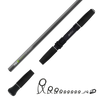
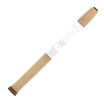
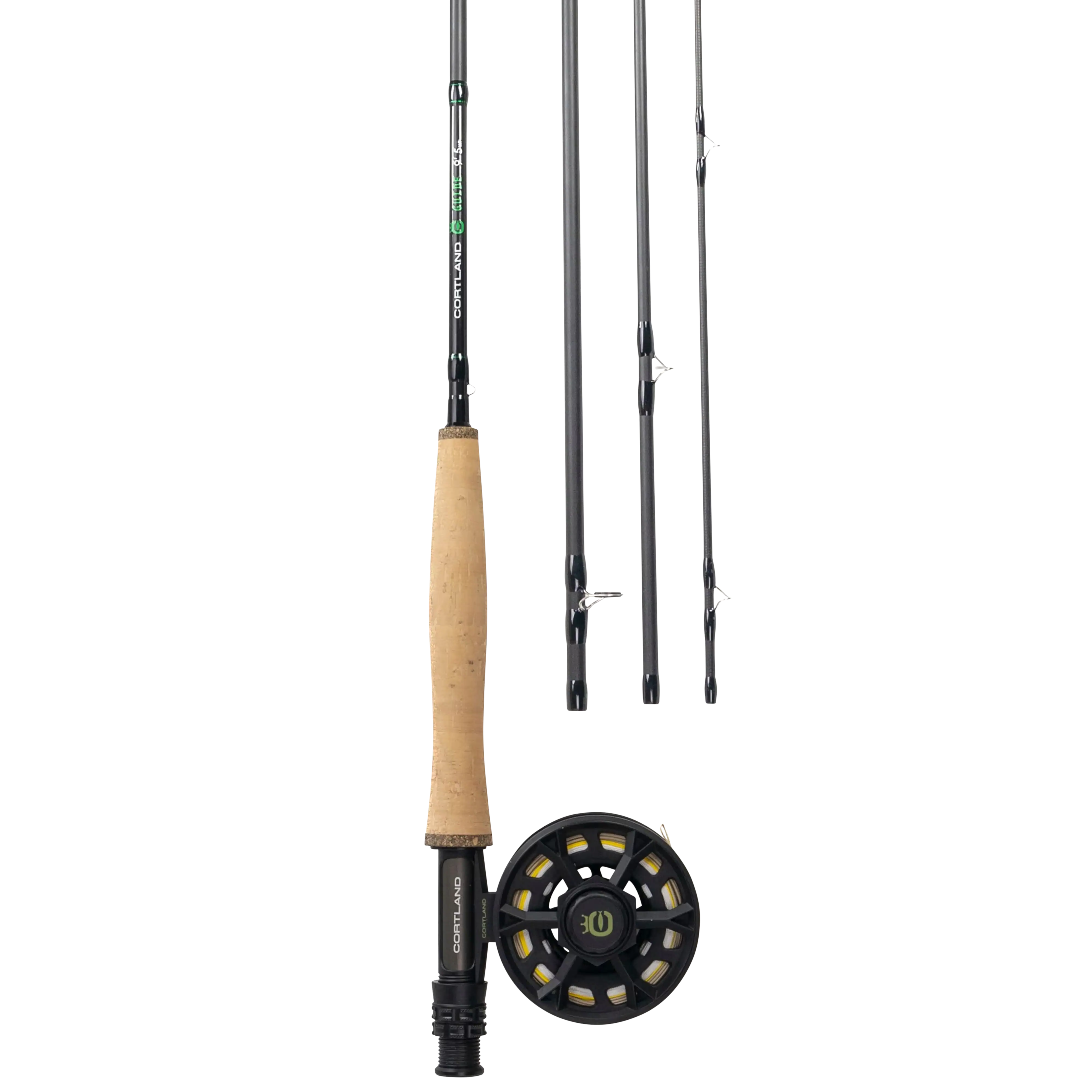
Fly Fishing Rods
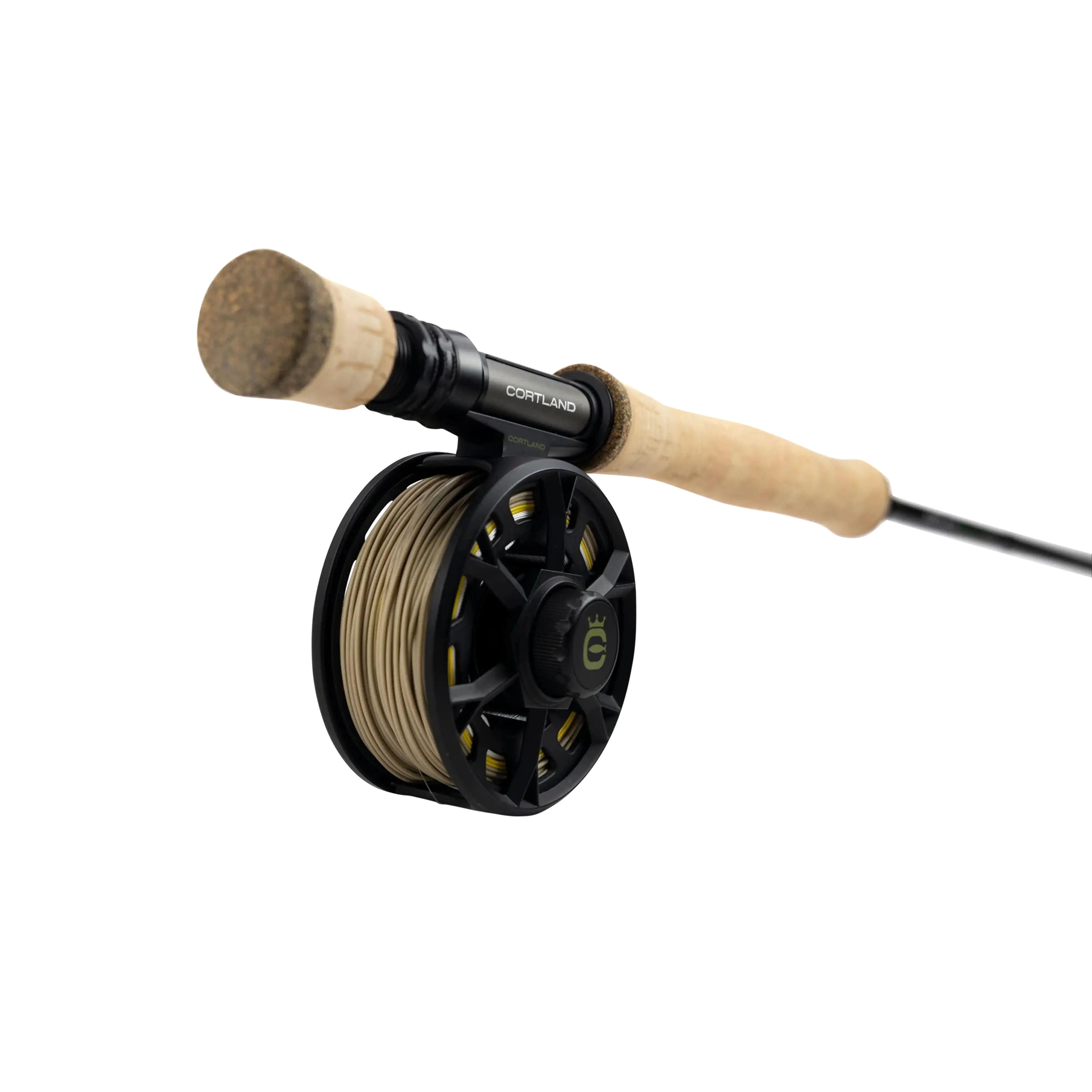
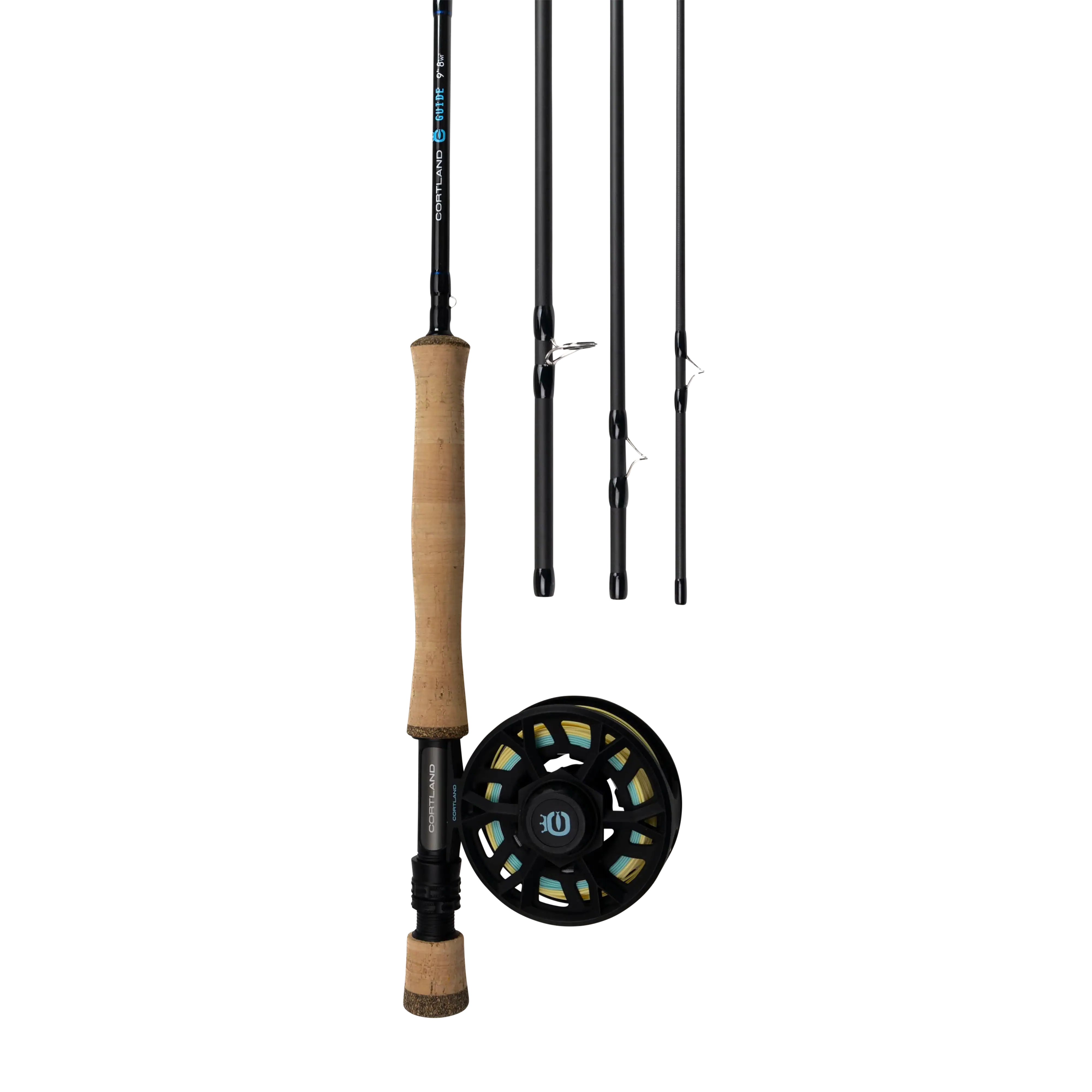
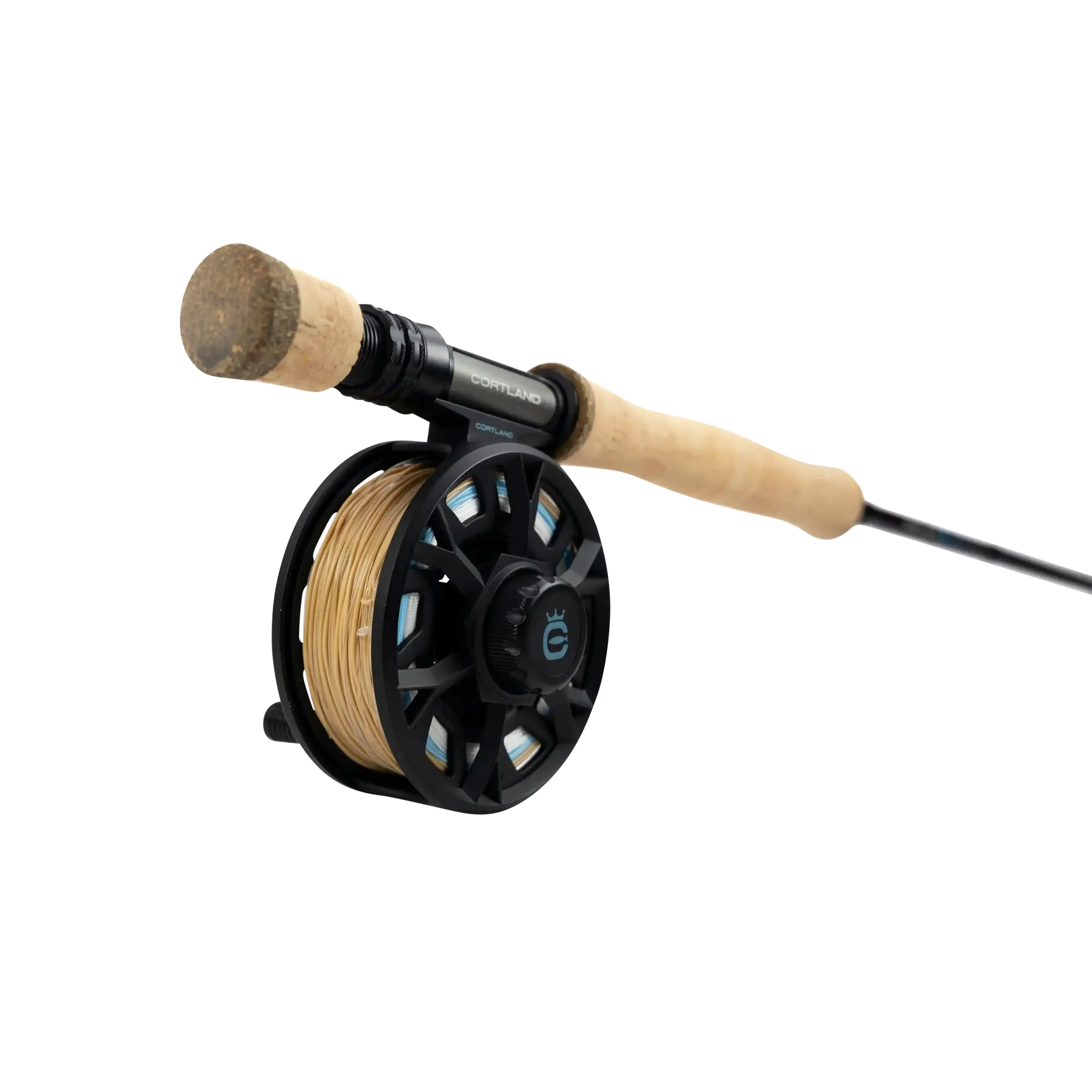


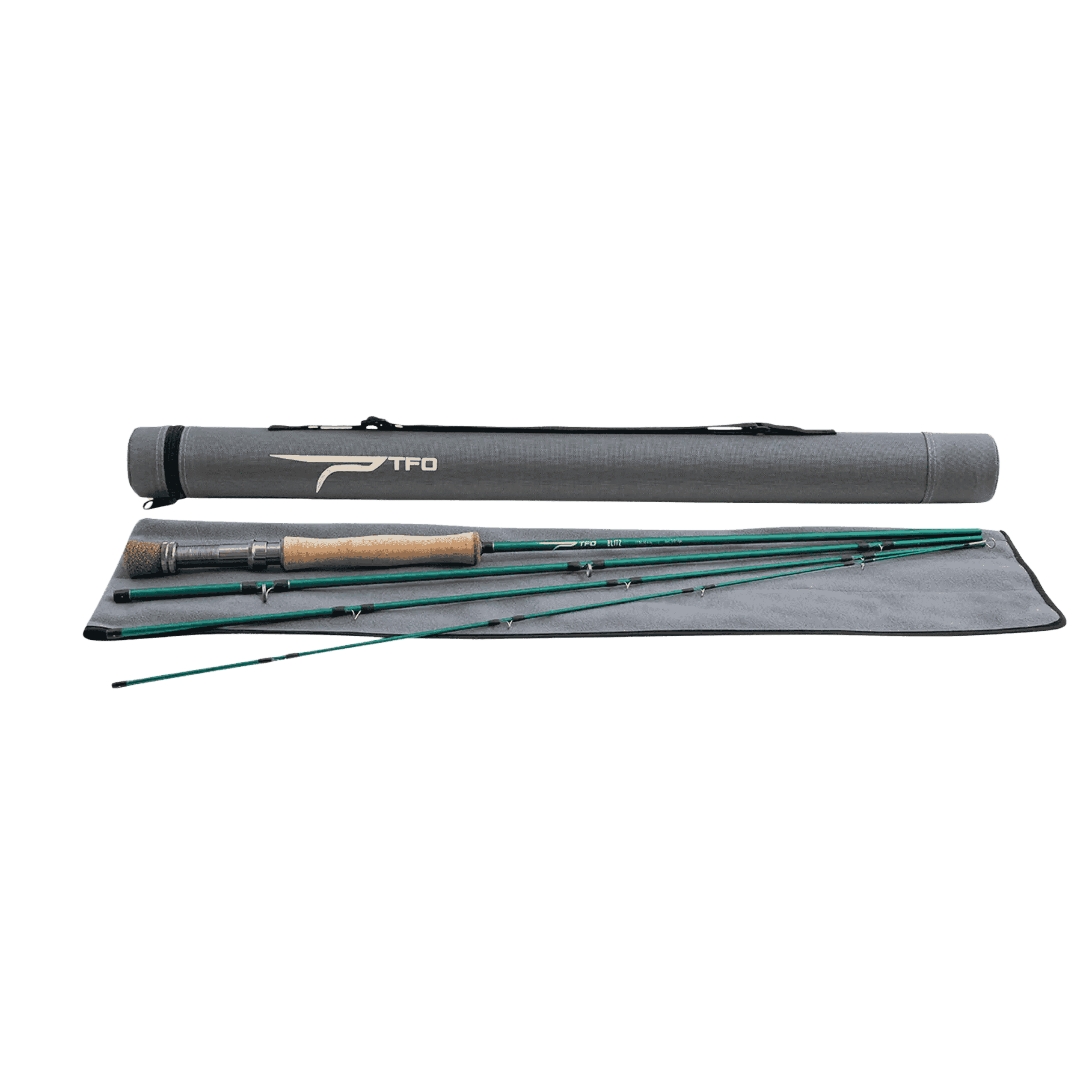


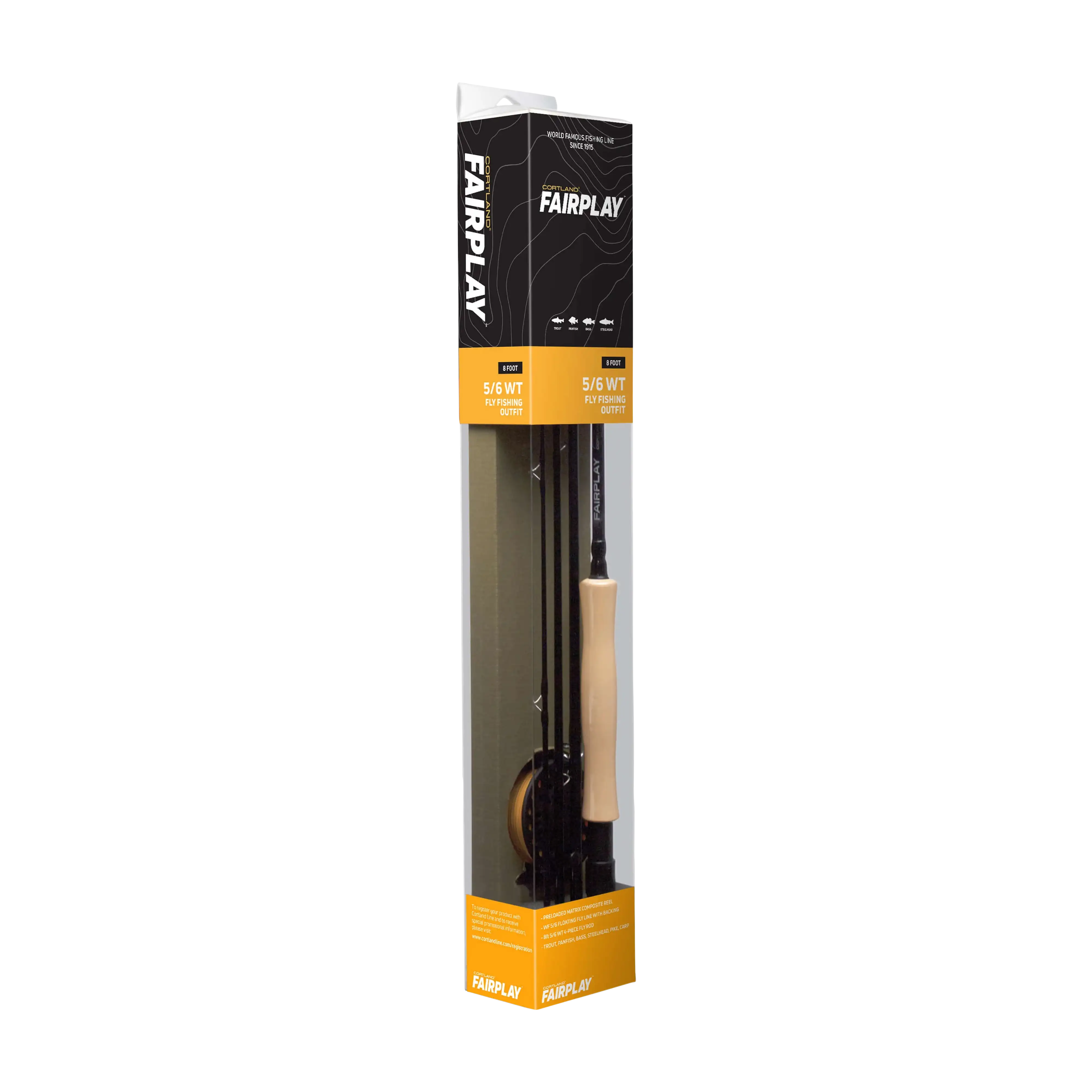
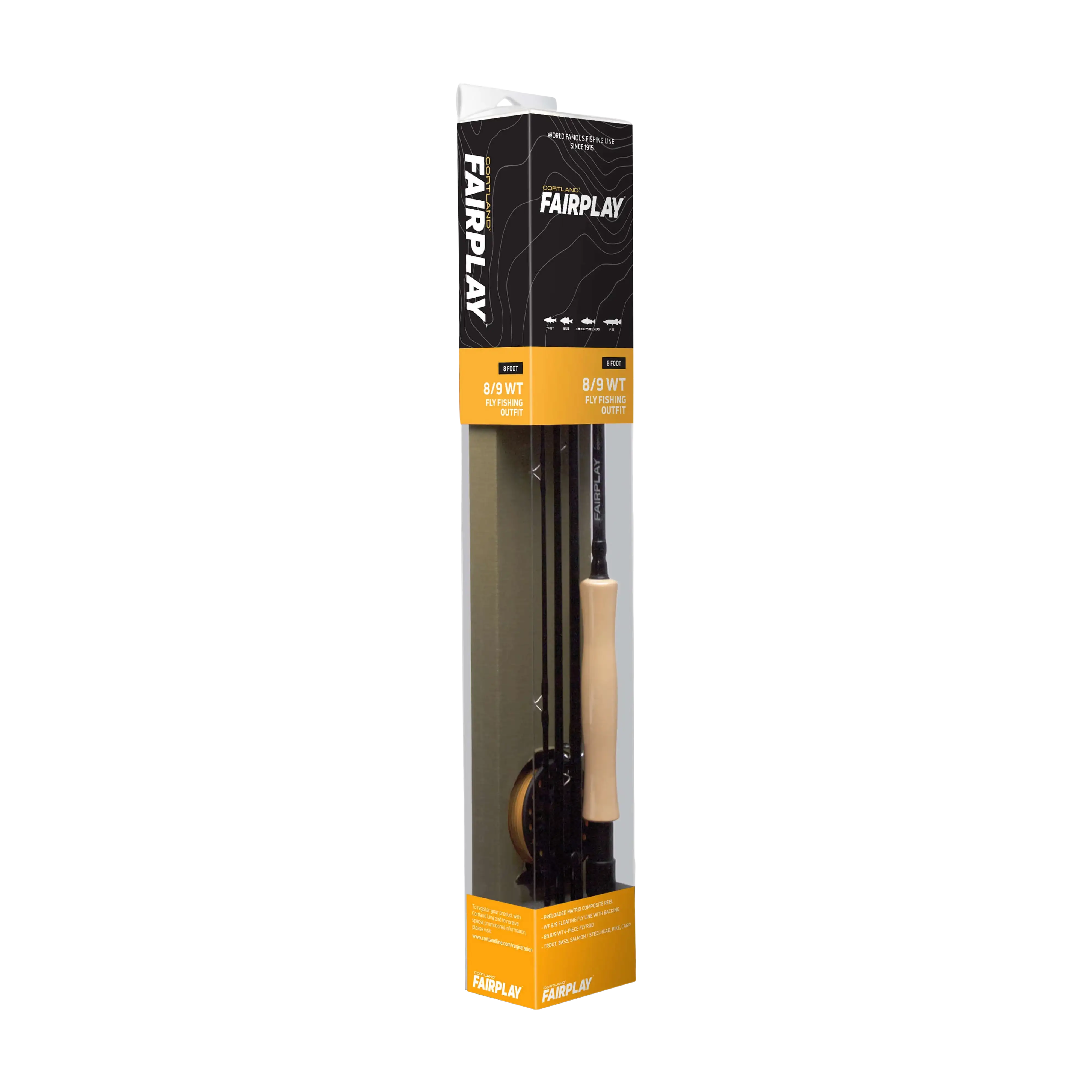
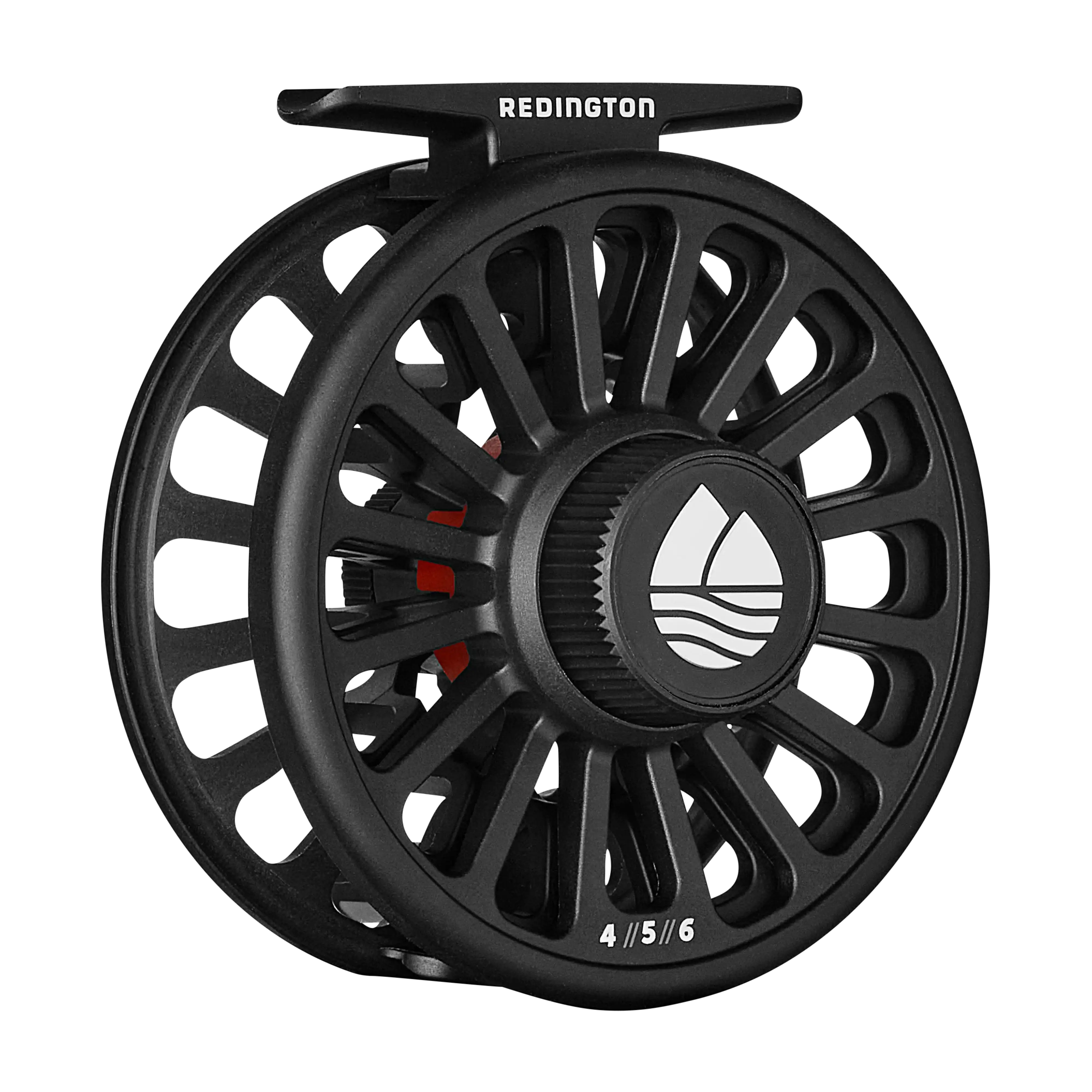
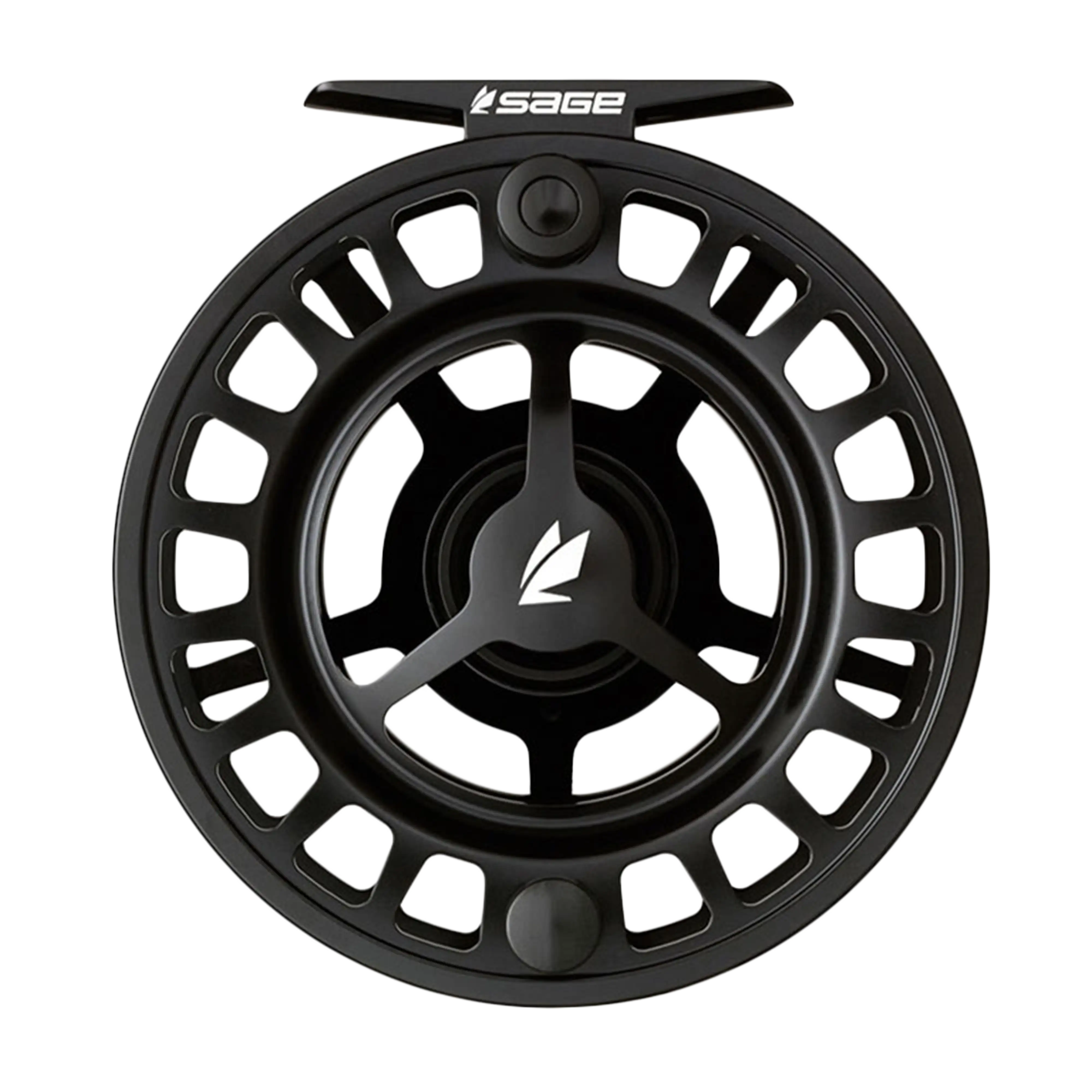
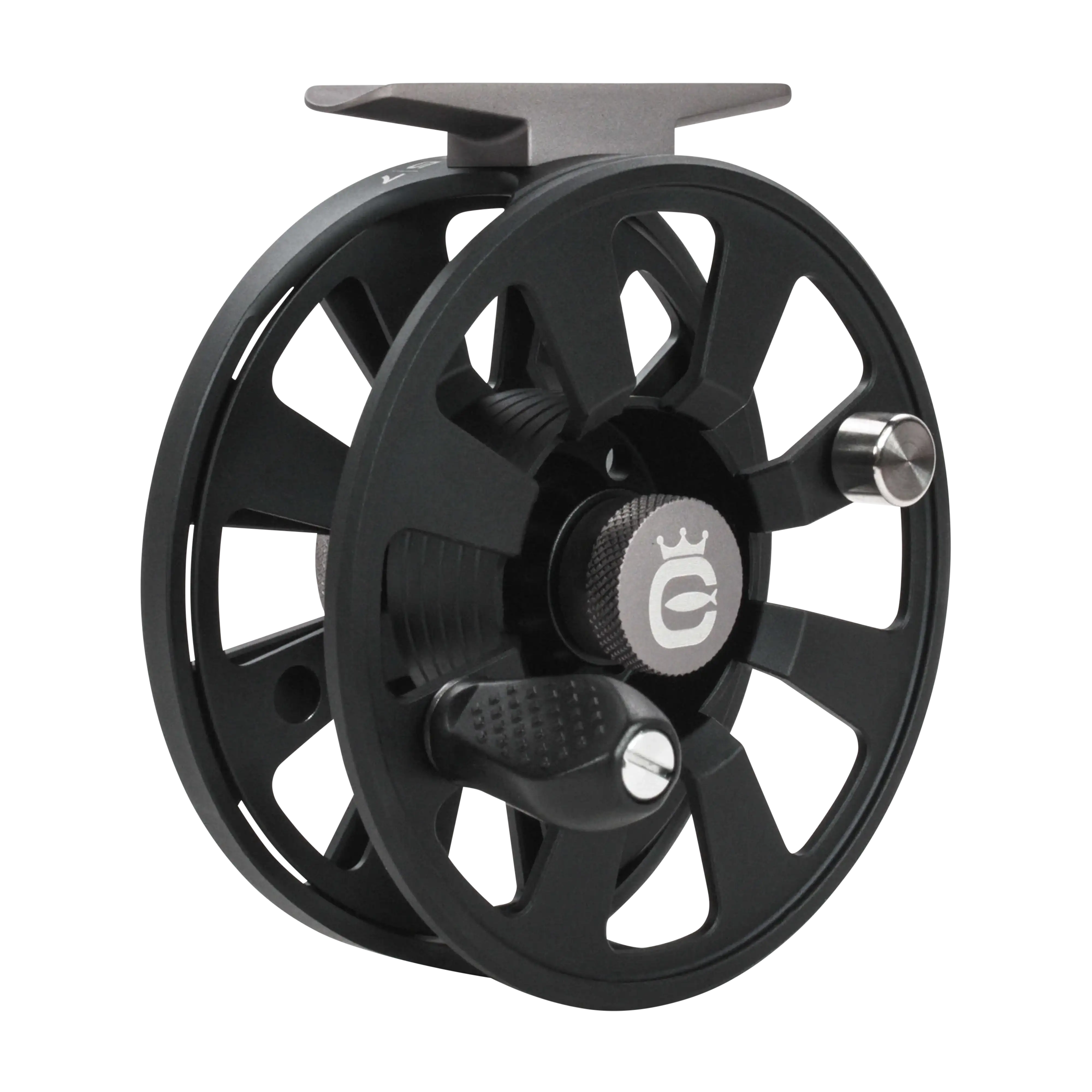
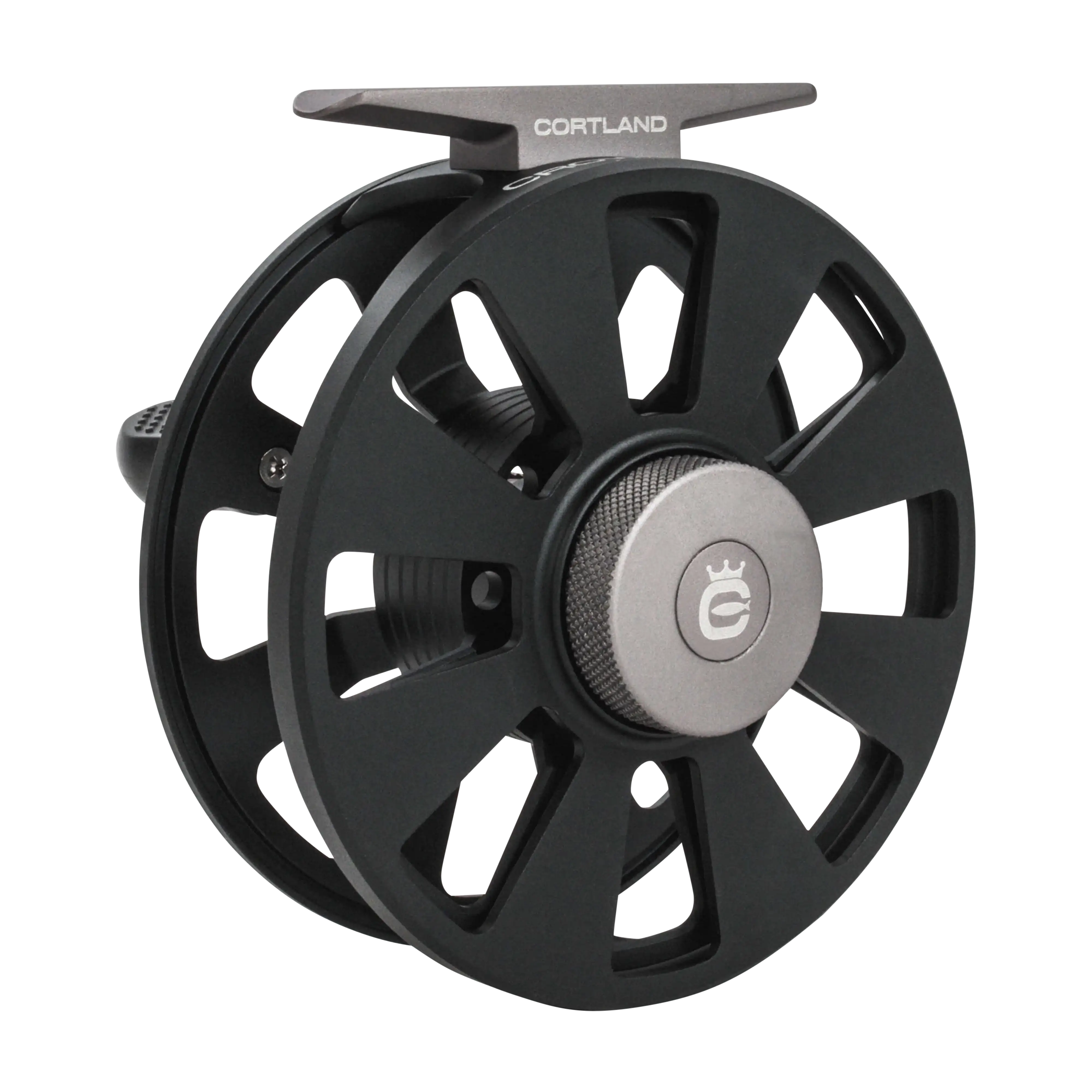
Best Reels for Fly Fishing
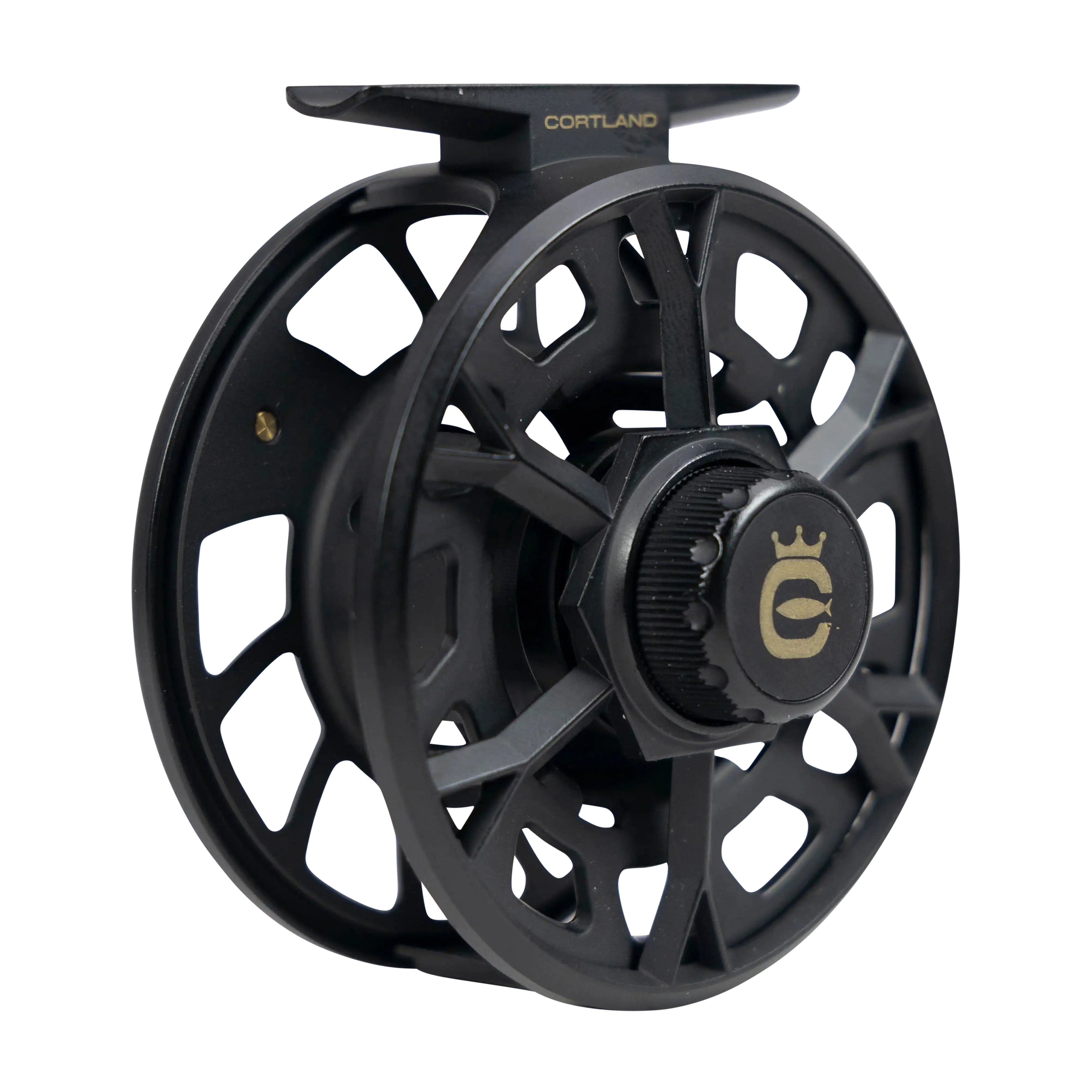
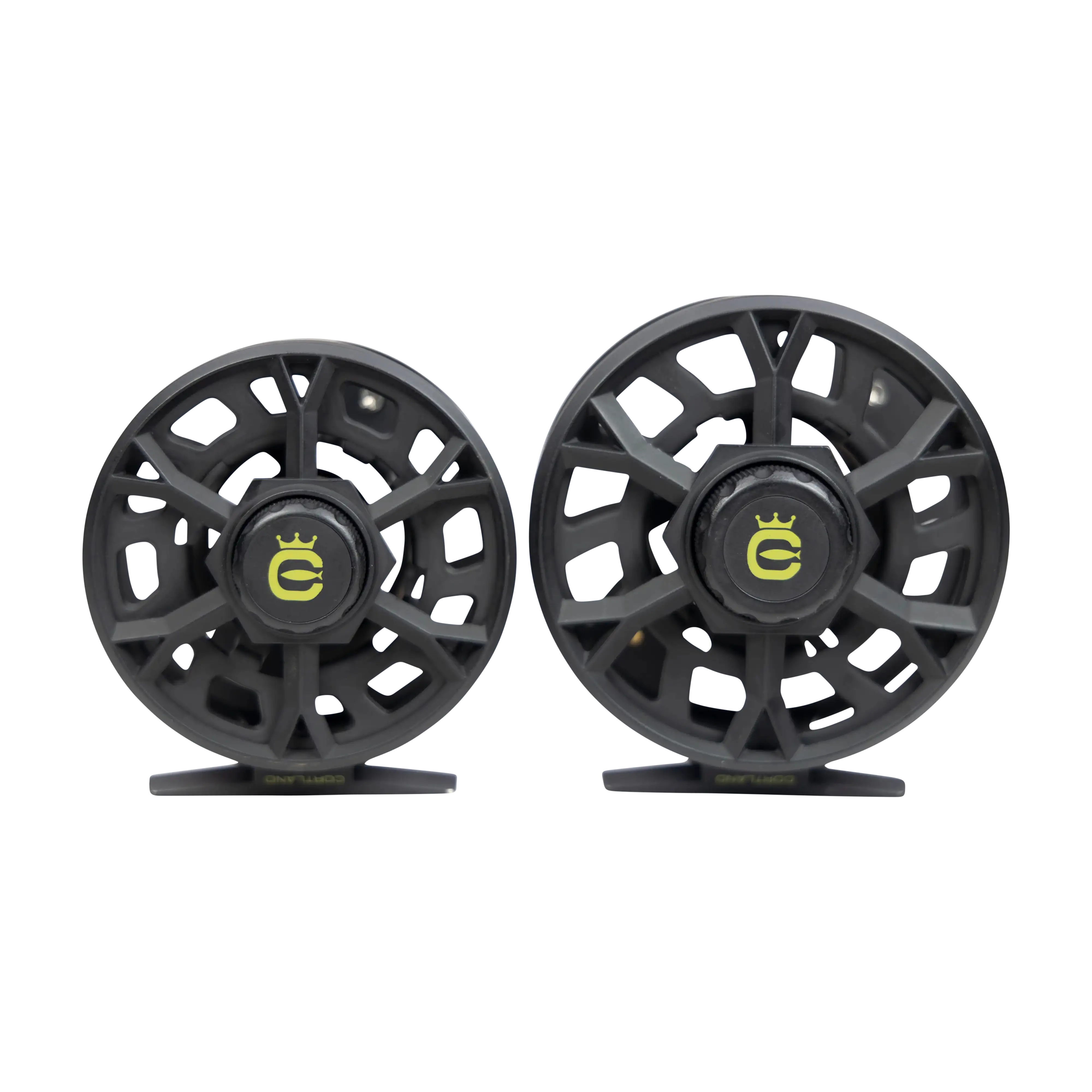
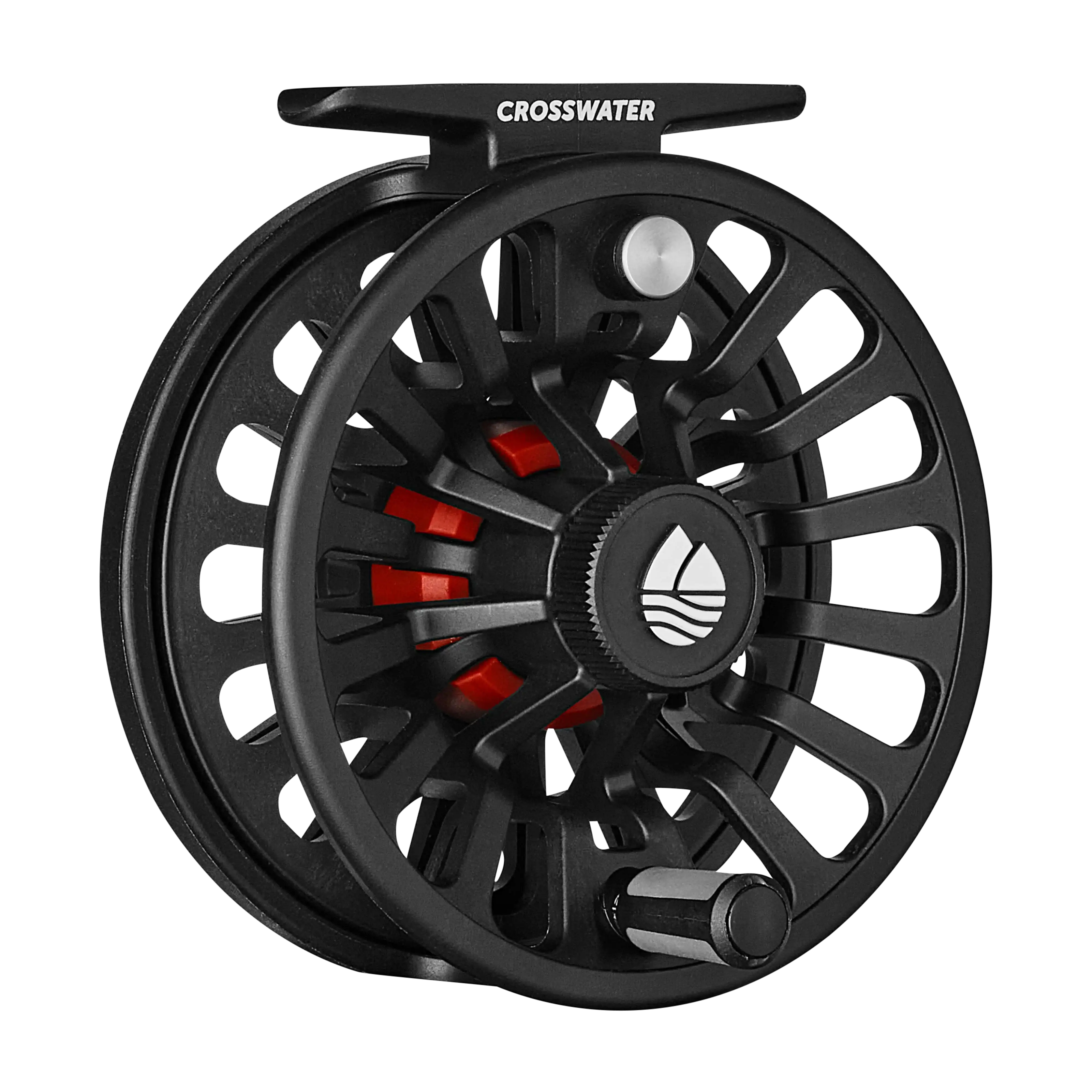
A fly reel does much more than hold your line. It plays a key role in balancing the rod, managing line during casts, and controlling fish once they’re hooked. While it’s often the simplest part of a fly setup, choosing the right reel has a noticeable impact on how smooth, balanced, and comfortable your overall setup feels on the water.
For beginners, the goal isn’t to overthink features—it’s to choose a reel that matches your rod, feels balanced in hand, and performs reliably in the conditions you plan to fish most often, whether that’s freshwater streams or light saltwater environments.
Reel Size & Balance
The most important factor in choosing a fly reel is making sure it matches the weight of your rod. A properly matched setup—such as a 5 wt reel on a 5 wt rod—helps keep the system balanced and ensures smooth casting performance. When the reel is too light, the rod can feel tip-heavy and harder to control. When it’s too large or heavy, the setup can feel awkward and fatiguing over time. A balanced reel keeps everything feeling natural in the hand and helps beginners develop better casting rhythm.
Drag Systems
The drag system controls how much resistance the reel applies when a fish pulls line. For beginners fishing smaller freshwater species, simple systems like click-and-pawl or basic disc drags are usually more than enough and are easy to use.
As you move into larger fish or saltwater environments, sealed disc drag systems become more important. These provide smoother, more consistent pressure during long runs and help protect the reel from sand, salt, and debris. They also give better control when fighting stronger fish.
Materials & Durability
Most freshwater fly reels are built from lightweight aluminum or composite materials that are easy to handle and resistant to corrosion. These are ideal for general freshwater fishing where weight and simplicity matter most.
Saltwater reels are built tougher, with stronger frames, protective coatings, and sealed components designed to handle harsher environments. Salt, sand, and constant exposure to water require a more durable construction to maintain smooth performance over time.
Line Capacity & Management
A fly reel needs to hold both fly line and backing, which gives you extra line when a fish makes a long run. Proper capacity ensures smooth line management and reduces the risk of tangles or running out of line during a fight.
Most beginner setups already come pre-spooled with the correct fly line and backing, which makes this part of the system essentially plug-and-play for new anglers.
Key Takeaways
- The reel helps balance the rod and control fish, not just store line
- Matching reel weight to rod weight is essential for proper balance
- Simple drag systems work well for freshwater beginners
- Sealed drag systems are better for saltwater and larger fish
- Proper line capacity prevents tangles and supports longer fish runs
- Balance and smooth feel matter more than complex reel features
Best Reels for Fly Fishing
A fly reel does much more than hold your line. It plays a key role in balancing the rod, managing line during casts, and controlling fish once they’re hooked. While it’s often the simplest part of a fly setup, choosing the right reel has a noticeable impact on how smooth, balanced, and comfortable your overall setup feels on the water.
For beginners, the goal isn’t to overthink features—it’s to choose a reel that matches your rod, feels balanced in hand, and performs reliably in the conditions you plan to fish most often, whether that’s freshwater streams or light saltwater environments.
Reel Size & Balance
The most important factor in choosing a fly reel is making sure it matches the weight of your rod. A properly matched setup—such as a 5 wt reel on a 5 wt rod—helps keep the system balanced and ensures smooth casting performance. When the reel is too light, the rod can feel tip-heavy and harder to control. When it’s too large or heavy, the setup can feel awkward and fatiguing over time. A balanced reel keeps everything feeling natural in the hand and helps beginners develop better casting rhythm.
Drag Systems
The drag system controls how much resistance the reel applies when a fish pulls line. For beginners fishing smaller freshwater species, simple systems like click-and-pawl or basic disc drags are usually more than enough and are easy to use.
As you move into larger fish or saltwater environments, sealed disc drag systems become more important. These provide smoother, more consistent pressure during long runs and help protect the reel from sand, salt, and debris. They also give better control when fighting stronger fish.
Materials & Durability
Most freshwater fly reels are built from lightweight aluminum or composite materials that are easy to handle and resistant to corrosion. These are ideal for general freshwater fishing where weight and simplicity matter most.
Saltwater reels are built tougher, with stronger frames, protective coatings, and sealed components designed to handle harsher environments. Salt, sand, and constant exposure to water require a more durable construction to maintain smooth performance over time.
Line Capacity & Management
A fly reel needs to hold both fly line and backing, which gives you extra line when a fish makes a long run. Proper capacity ensures smooth line management and reduces the risk of tangles or running out of line during a fight.
Most beginner setups already come pre-spooled with the correct fly line and backing, which makes this part of the system essentially plug-and-play for new anglers.
Key Takeaways
- The reel helps balance the rod and control fish, not just store line
- Matching reel weight to rod weight is essential for proper balance
- Simple drag systems work well for freshwater beginners
- Sealed drag systems are better for saltwater and larger fish
- Proper line capacity prevents tangles and supports longer fish runs
- Balance and smooth feel matter more than complex reel features
Fly Fishing Reels

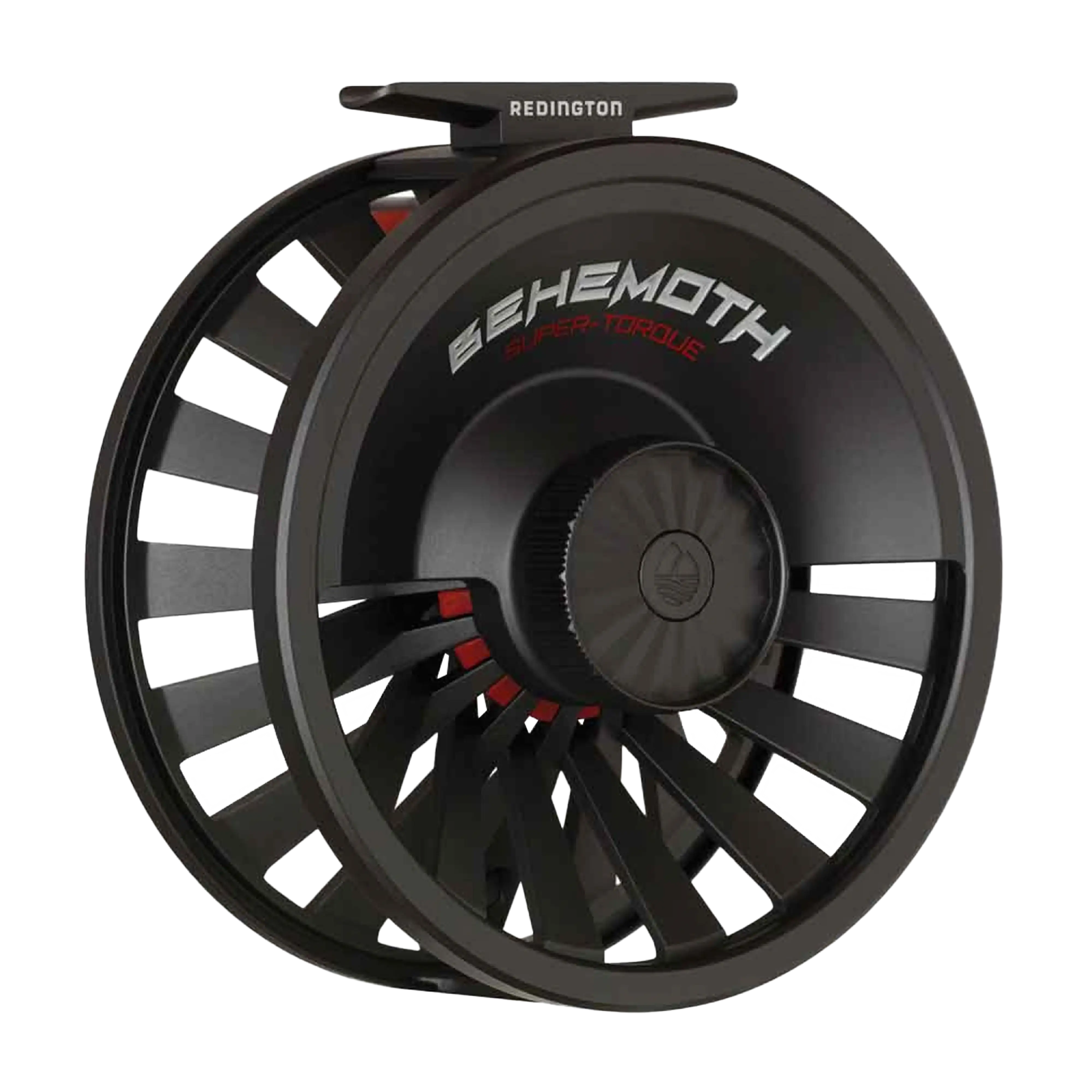
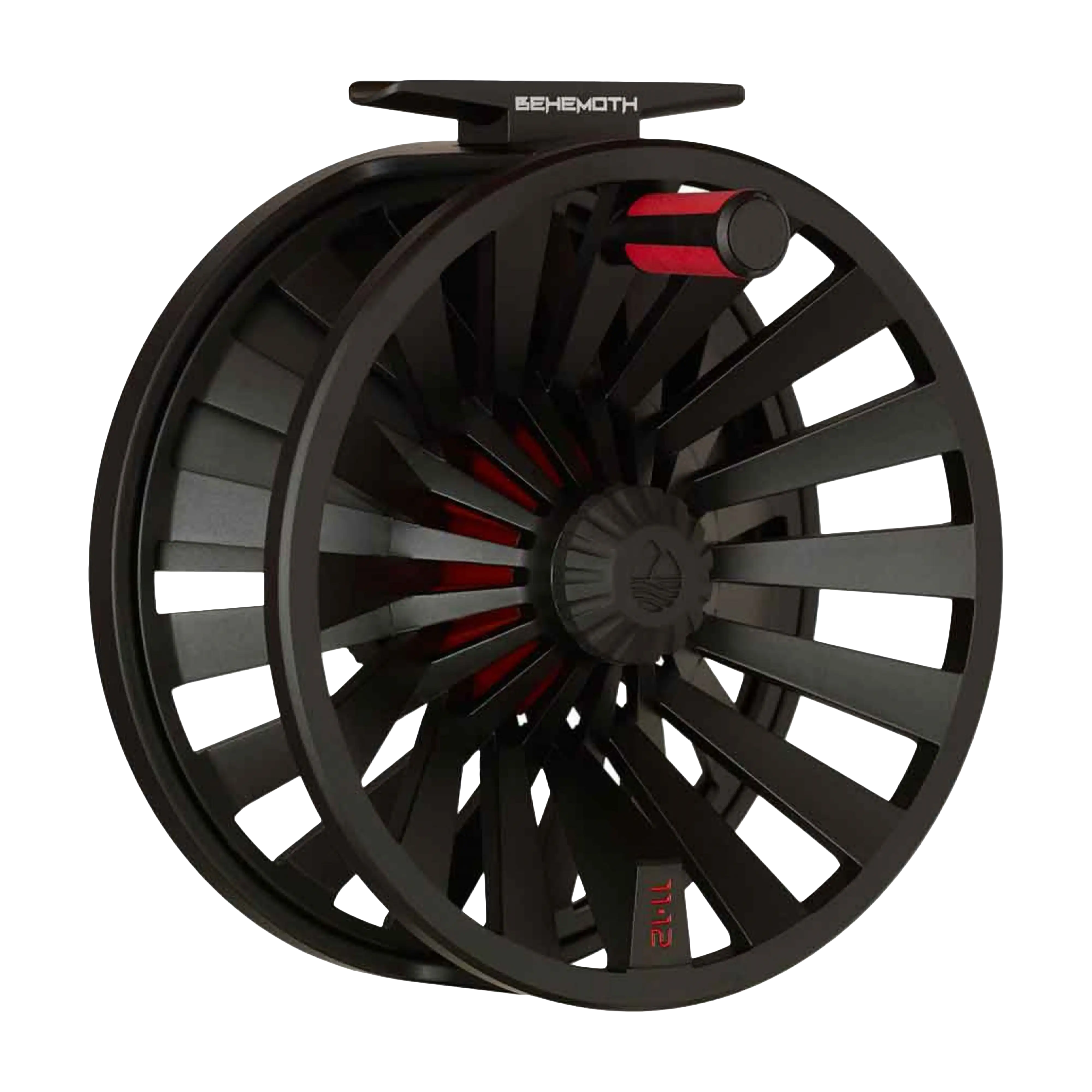
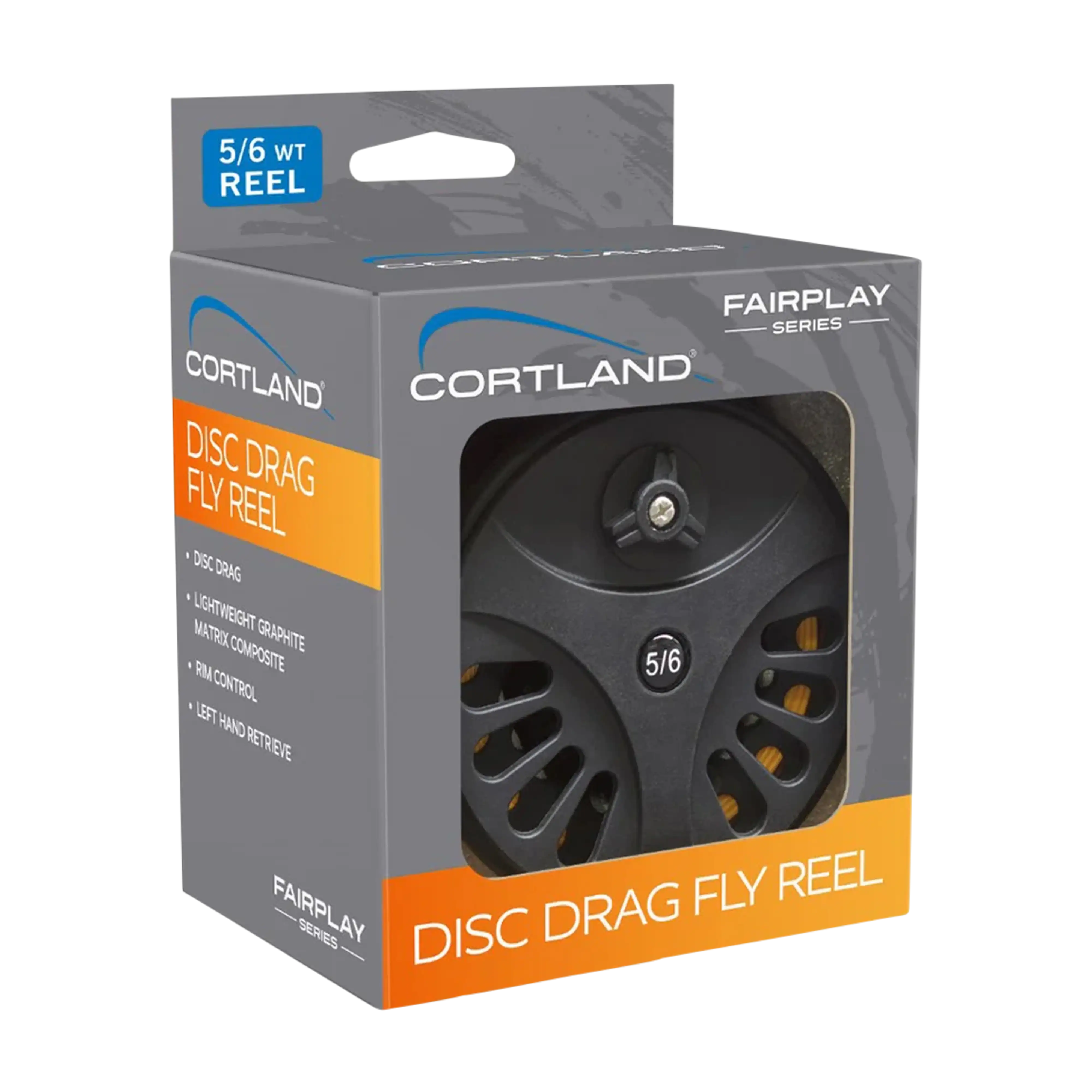
Fly Fishing Line & Leaders
Fly line and leaders are central to how a fly fishing outfit performs. Unlike spinning or baitcasting setups where the lure’s weight carries the cast, in fly fishing the fly line itself does the work—loading the rod, generating loop shape, and delivering energy to the fly. A properly chosen line helps your rod load smoothly, makes casting easier and more accurate, and boosts confidence on the water. Leaders and tippets control how the fly lands and moves in the water, allowing delicate, natural presentations that entice fish to strike.
For beginners, understanding the differences in line types, densities, and leader systems will improve casting success and fishability while reducing early frustration.
Types of Fly Fishing Line
Before choosing a line, it’s important to understand that lines are not all the same. Beyond matching the rod’s weight, lines differ in how they deliver energy, cast, and behave on the water. These classifications help you pick a line that makes casting easier, fly presentation more natural, and learning more enjoyable.
Weight Forward (WF)
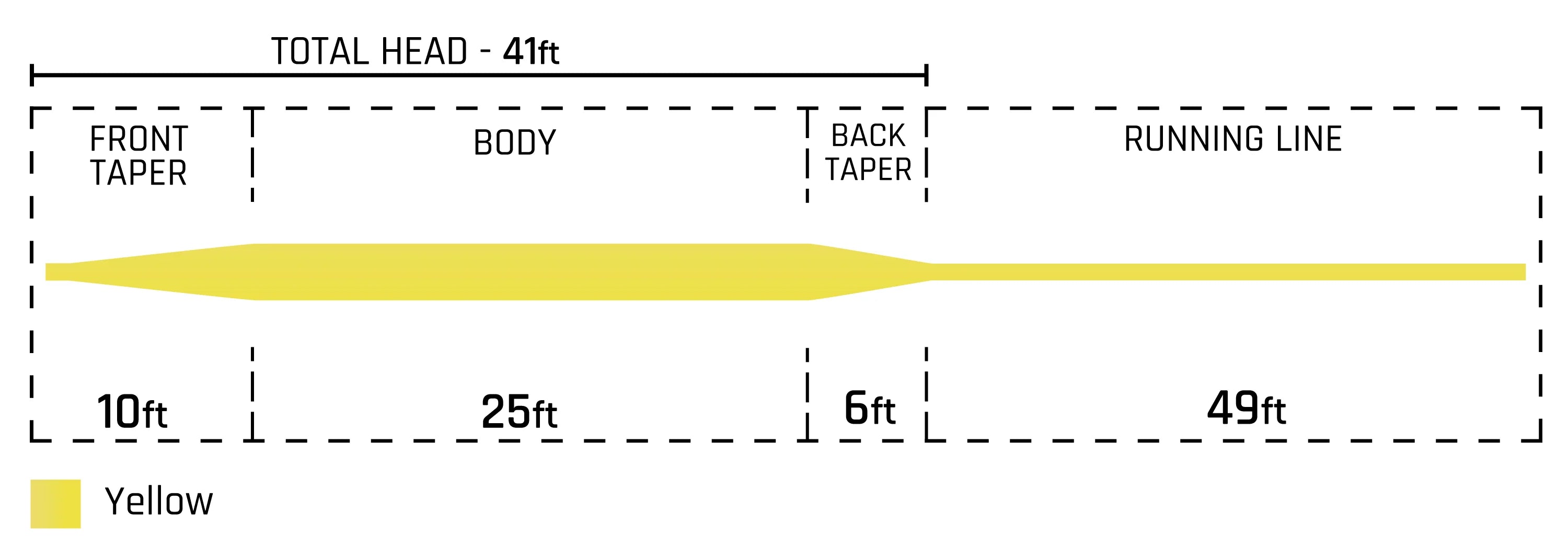
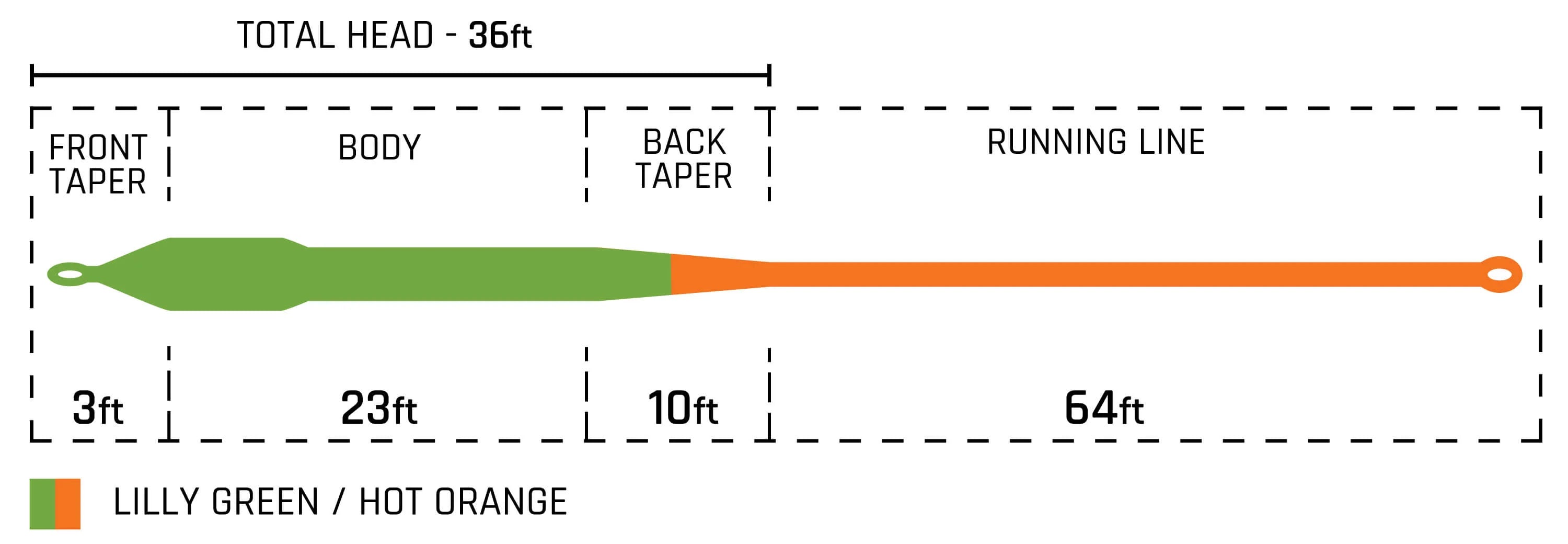
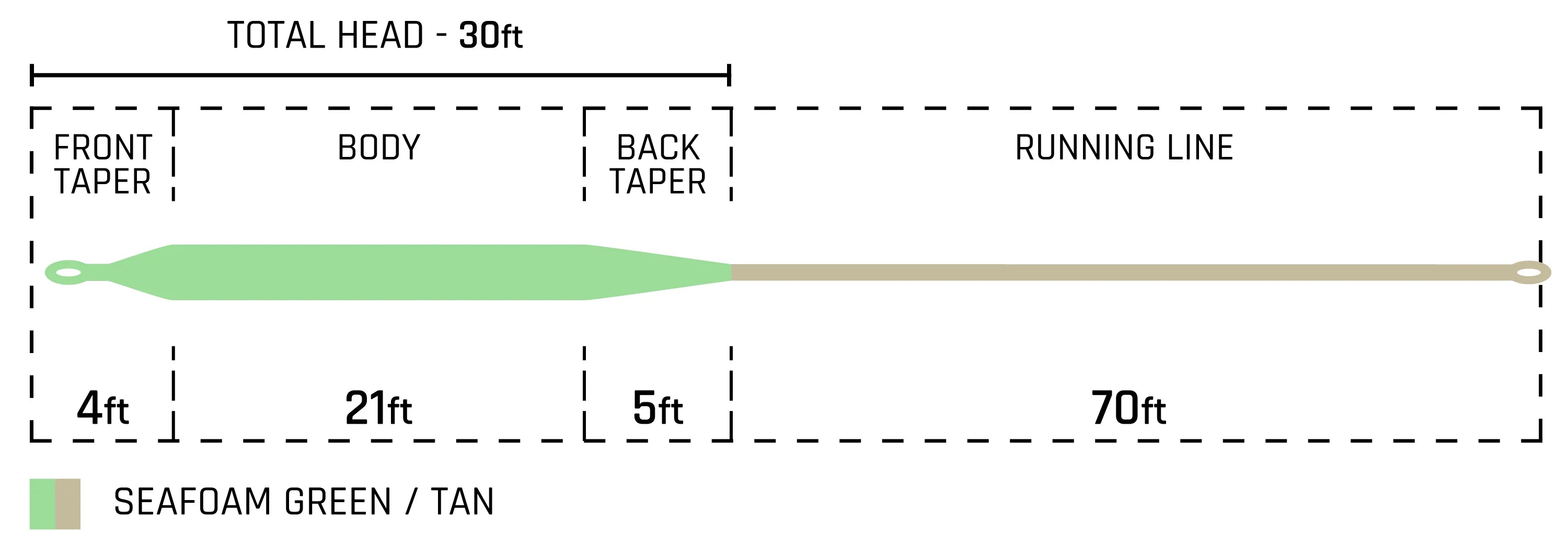
The most common and beginner‑friendly fly line design. Mass is concentrated toward the front of the line, making it easier to load the rod and cast longer distances with less effort. WF lines are versatile across freshwater and saltwater applications, and they turn over larger or wind-resistant flies more reliably than other designs. For beginners, WF lines simplify timing, reduce false casts, and help develop a smooth loop.
Double Taper (DT)
DT lines have a balanced taper at both ends of the line, creating smooth, even loops. They excel at short to medium casts and allow delicate, precise presentations—perfect for small streams, ponds, and cautious fish. While they don’t cast as far or turn over heavy flies as easily as WF lines, DT lines make learning proper roll casts and accurate fly placement easier. Beginners using DT lines will notice the fly lands softer, reducing drag and improving strike rates.
Line Density (Floating vs. Sink‑Tip vs. Sinking)
Fly lines are also categorized by how they behave in the water:
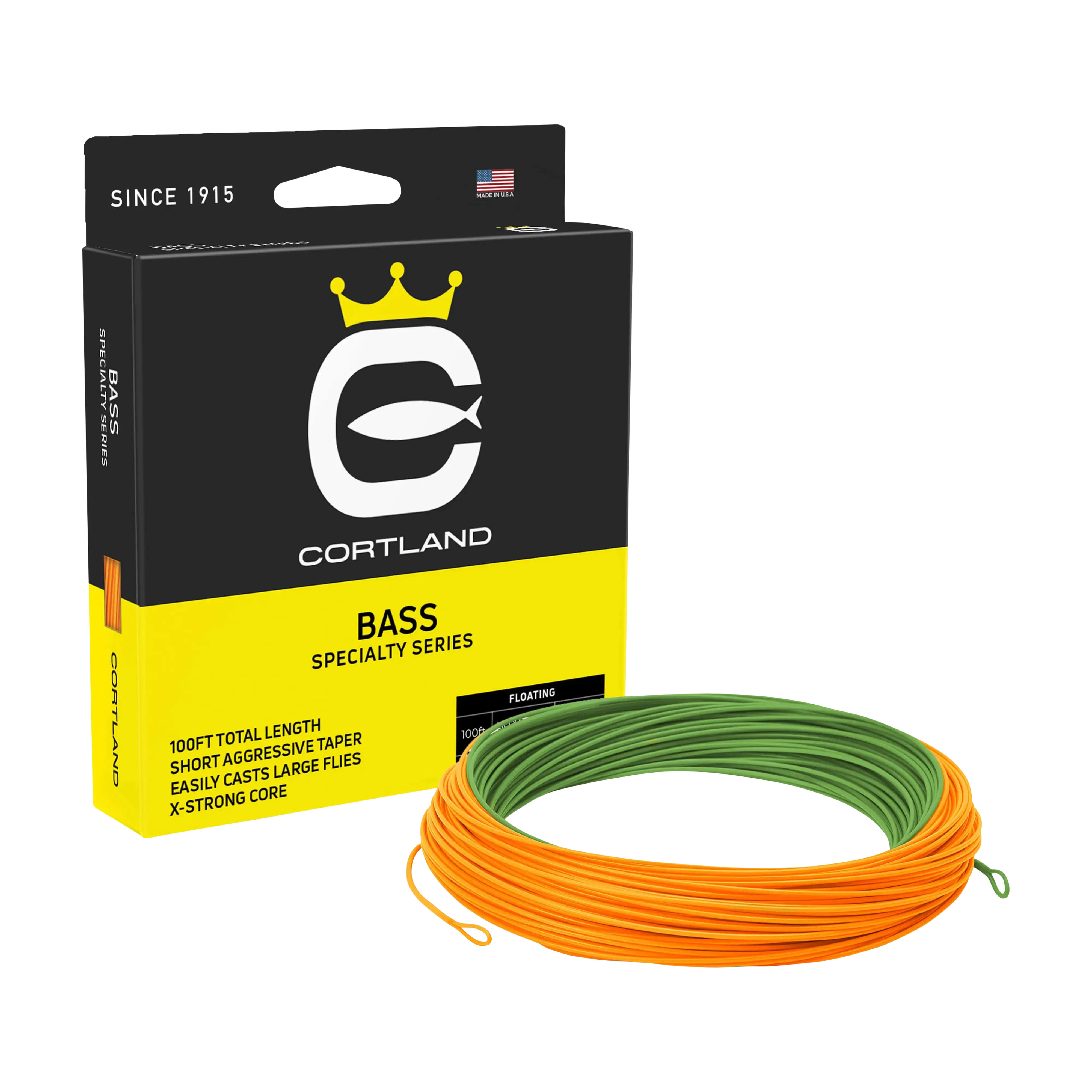
Floating Lines: Stay on the surface and are easiest for beginners to see and control. Ideal for dry-fly fishing and most standard freshwater scenarios.
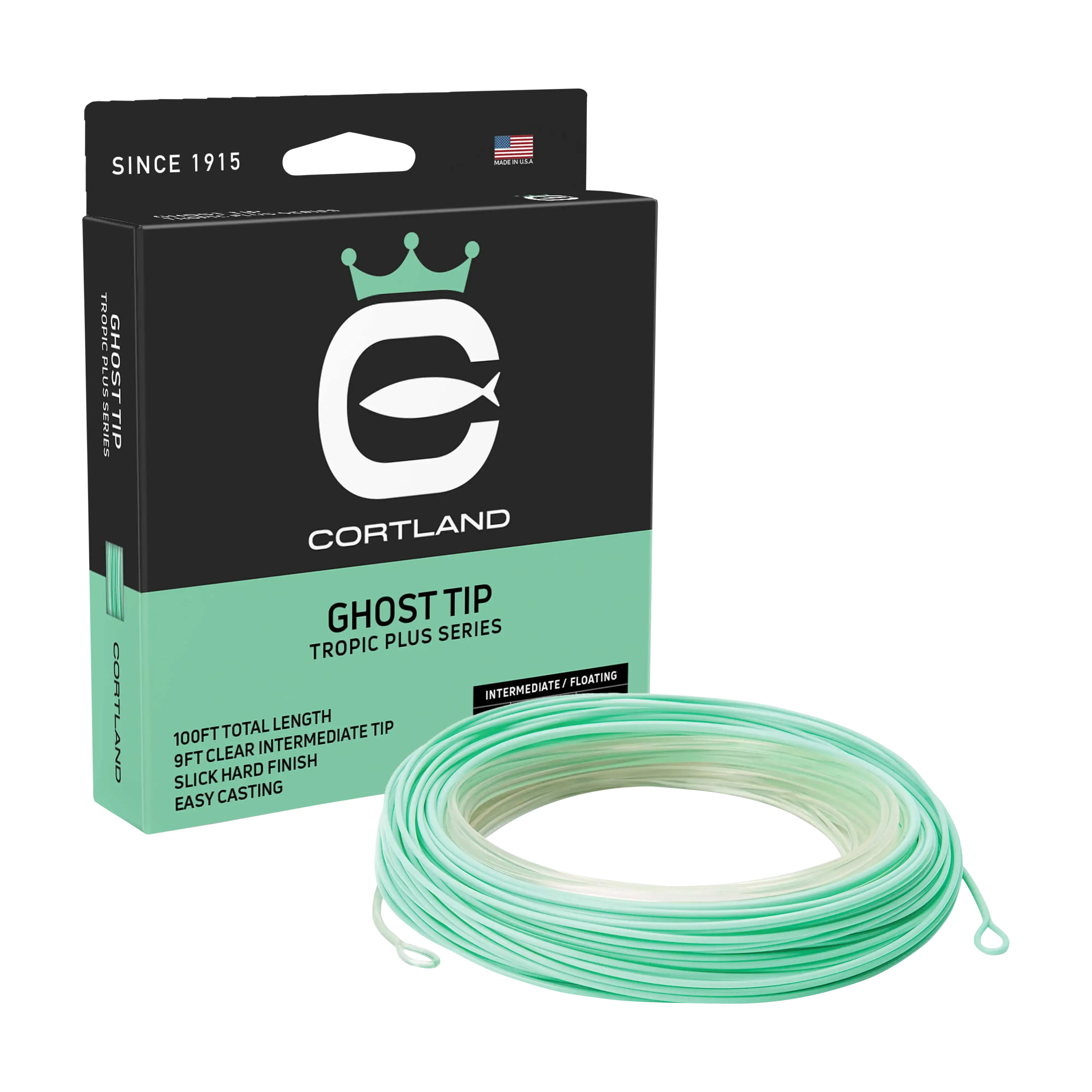
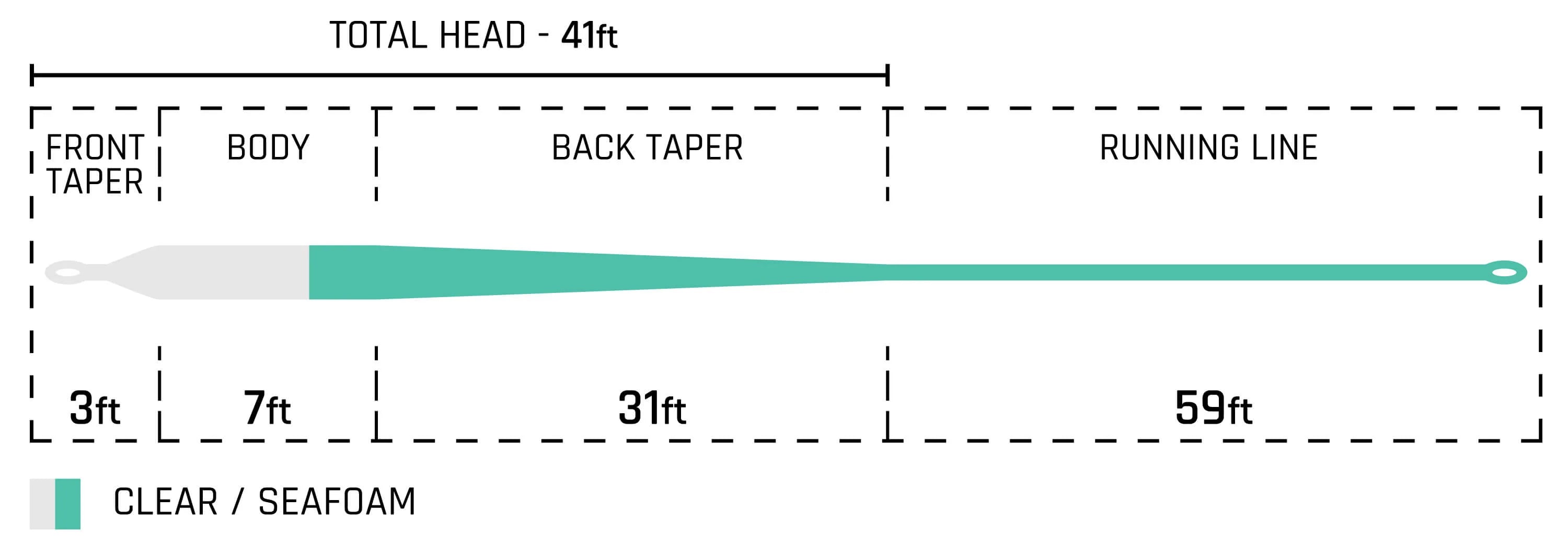
Sink-Tip Lines: Only the tip section sinks, allowing the fly to reach deeper water while maintaining surface control. Useful for nymphs, streamers, or targeting fish holding slightly below the surface.
Full Sinking Lines: The entire line sinks, available in different sink rates for fishing deep pools, rivers, or saltwater flats. These are more advanced options and are typically introduced after beginners master floating lines.
Leader & Tippet (“X” System)
The leader connects your fly line to the fly, tapering gradually to transfer energy from the cast and allow the fly to land naturally. The tippet is the final, thinnest section where the fly is tied.
In freshwater fly fishing, leaders and tippets are typically rated using the “X” system (e.g., 3X, 5X). A higher X rating means thinner, more delicate material for subtle presentations, while lower X ratings are thicker and stronger for larger flies or stronger fish. This system works well for lighter line classes and finesse presentations commonly used in trout, panfish, and bass fishing.
As you move into heavier freshwater setups and especially saltwater fly fishing, leaders and tippets are more often labeled by pound-test (lb) instead of X ratings. This is because the X system only scales so far—roughly topping out around 0X (about 10–12 lb test)—after which stronger, heavier leader material is needed. Using pound-test makes it easier to match leader strength to larger flies, stronger fish, and more demanding conditions.
Understanding both systems helps beginners choose the right leader and tippet for their setup, and makes it easier to transition from light freshwater fishing to heavier freshwater or saltwater applications.
Backing
Backing is the extra line attached to the reel behind the fly line. It provides additional line capacity, which is important when fighting larger or fast-running fish. In freshwater, backing is often minimal or unnecessary for most trout, panfish, or bass, but it can be useful when targeting bigger species like pike or musky. In saltwater, backing is essential for inshore and offshore game fish, such as redfish, snook, or bonefish, to prevent running out of line during long, powerful runs. Braided backing is common because it’s strong, thin, and fills reel space efficiently.
Recommended for Beginners
If you’re just starting out, here’s a straightforward setup to get you on the water. As your skills grow, you can explore other line and leader options.
Freshwater setups: 5 wt weight-forward floating line with a 7–9 ft tapered leader and 5X–6X tippet for trout, panfish, and bass. This setup keeps casts manageable, presentations delicate, and learning simple.
Saltwater setups: 8 wt weight-forward floating line with a 9–12 ft tapered leader and 12lb-20lb leaders and tippet for redfish, snook, and other inshore species. Extra stiffness and protective coatings on the line help resist heat, salt, and abrasion while handling heavier flies and stronger fish.
Key Takeaways
- Weight-forward floating lines are easiest for beginners to cast and control.
- Floating lines cover most freshwater and light saltwater scenarios.
- Tapered leaders improve fly presentation, reduce drag, and prevent flipping or dragging flies unnaturally.
- Backing adds line capacity for bigger or stronger fish; more important for saltwater and large freshwater species.
- Simple, well-matched line and leader setups help beginners develop casting accuracy, timing, and presentation skills before exploring advanced line types.
Fly Fishing Line & Leaders
Fly line and leaders are central to how a fly fishing outfit performs. Unlike spinning or baitcasting setups where the lure’s weight carries the cast, in fly fishing the fly line itself does the work—loading the rod, generating loop shape, and delivering energy to the fly. A properly chosen line helps your rod load smoothly, makes casting easier and more accurate, and boosts confidence on the water. Leaders and tippets control how the fly lands and moves in the water, allowing delicate, natural presentations that entice fish to strike.
For beginners, understanding the differences in line types, densities, and leader systems will improve casting success and fishability while reducing early frustration.
Types of Fly Fishing Line
Before choosing a line, it’s important to understand that lines are not all the same. Beyond matching the rod’s weight, lines differ in how they deliver energy, cast, and behave on the water. These classifications help you pick a line that makes casting easier, fly presentation more natural, and learning more enjoyable.
Weight Forward (WF)
The most common and beginner‑friendly fly line design. Mass is concentrated toward the front of the line, making it easier to load the rod and cast longer distances with less effort. WF lines are versatile across freshwater and saltwater applications, and they turn over larger or wind-resistant flies more reliably than other designs. For beginners, WF lines simplify timing, reduce false casts, and help develop a smooth loop.
Double Taper (DT)
DT lines have a balanced taper at both ends of the line, creating smooth, even loops. They excel at short to medium casts and allow delicate, precise presentations—perfect for small streams, ponds, and cautious fish. While they don’t cast as far or turn over heavy flies as easily as WF lines, DT lines make learning proper roll casts and accurate fly placement easier. Beginners using DT lines will notice the fly lands softer, reducing drag and improving strike rates.
Line Density (Floating vs. Sink‑Tip vs. Sinking)
Fly lines are also categorized by how they behave in the water:
Floating Lines: Stay on the surface and are easiest for beginners to see and control. Ideal for dry-fly fishing and most standard freshwater scenarios.
Sink-Tip Lines: Only the tip section sinks, allowing the fly to reach deeper water while maintaining surface control. Useful for nymphs, streamers, or targeting fish holding slightly below the surface.
Full Sinking Lines: The entire line sinks, available in different sink rates for fishing deep pools, rivers, or saltwater flats. These are more advanced options and are typically introduced after beginners master floating lines.
Leader & Tippet (“X” System)
The leader connects your fly line to the fly, tapering gradually to transfer energy from the cast and allow the fly to land naturally. The tippet is the final, thinnest section where the fly is tied.
In freshwater fly fishing, leaders and tippets are typically rated using the “X” system (e.g., 3X, 5X). A higher X rating means thinner, more delicate material for subtle presentations, while lower X ratings are thicker and stronger for larger flies or stronger fish. This system works well for lighter line classes and finesse presentations commonly used in trout, panfish, and bass fishing.
As you move into heavier freshwater setups and especially saltwater fly fishing, leaders and tippets are more often labeled by pound-test (lb) instead of X ratings. This is because the X system only scales so far—roughly topping out around 0X (about 10–12 lb test)—after which stronger, heavier leader material is needed. Using pound-test makes it easier to match leader strength to larger flies, stronger fish, and more demanding conditions.
Understanding both systems helps beginners choose the right leader and tippet for their setup, and makes it easier to transition from light freshwater fishing to heavier freshwater or saltwater applications.
Backing
Backing is the extra line attached to the reel behind the fly line. It provides additional line capacity, which is important when fighting larger or fast-running fish. In freshwater, backing is often minimal or unnecessary for most trout, panfish, or bass, but it can be useful when targeting bigger species like pike or musky. In saltwater, backing is essential for inshore and offshore game fish, such as redfish, snook, or bonefish, to prevent running out of line during long, powerful runs. Braided backing is common because it’s strong, thin, and fills reel space efficiently.
Recommended for Beginners
If you’re just starting out, here’s a straightforward setup to get you on the water. As your skills grow, you can explore other line and leader options.
Freshwater setups: 5 wt weight-forward floating line with a 7–9 ft tapered leader and 5X–6X tippet for trout, panfish, and bass. This setup keeps casts manageable, presentations delicate, and learning simple.
Saltwater setups: 8 wt weight-forward floating line with a 9–12 ft tapered leader and 12lb-20lb leaders and tippet for redfish, snook, and other inshore species. Extra stiffness and protective coatings on the line help resist heat, salt, and abrasion while handling heavier flies and stronger fish.
Key Takeaways
- Weight-forward floating lines are easiest for beginners to cast and control.
- Floating lines cover most freshwater and light saltwater scenarios.
- Tapered leaders improve fly presentation, reduce drag, and prevent flipping or dragging flies unnaturally.
- Backing adds line capacity for bigger or stronger fish; more important for saltwater and large freshwater species.
- Simple, well-matched line and leader setups help beginners develop casting accuracy, timing, and presentation skills before exploring advanced line types.
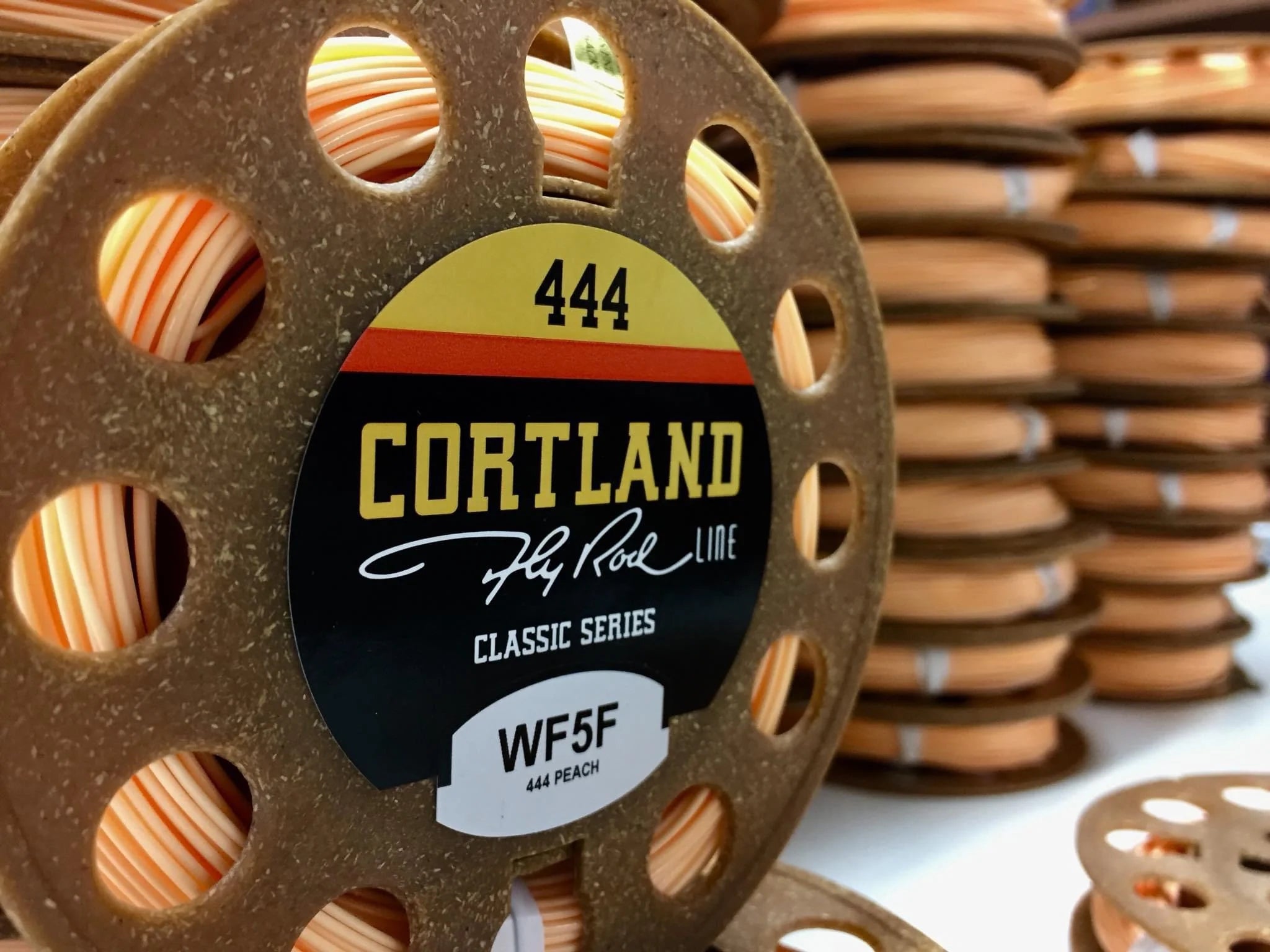
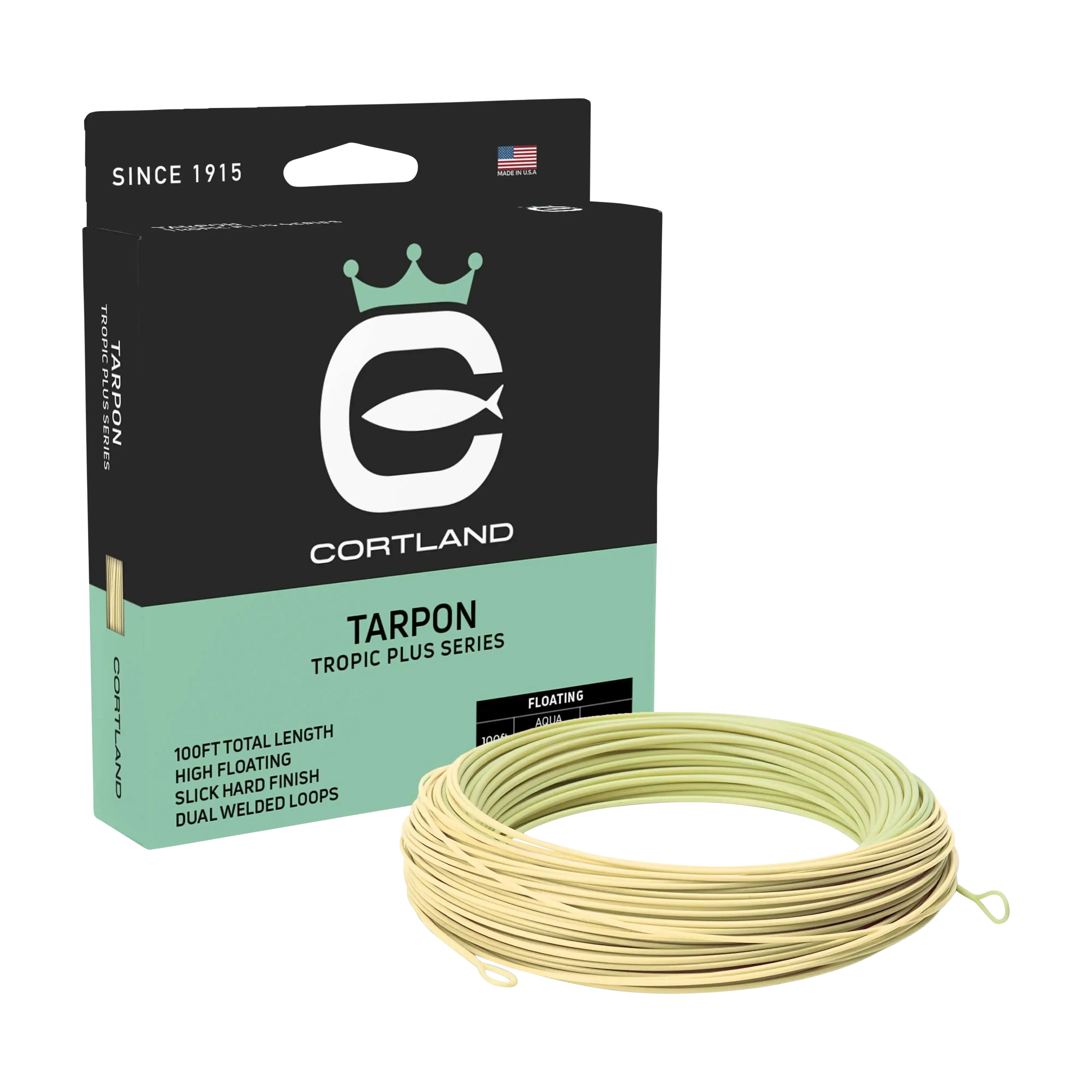
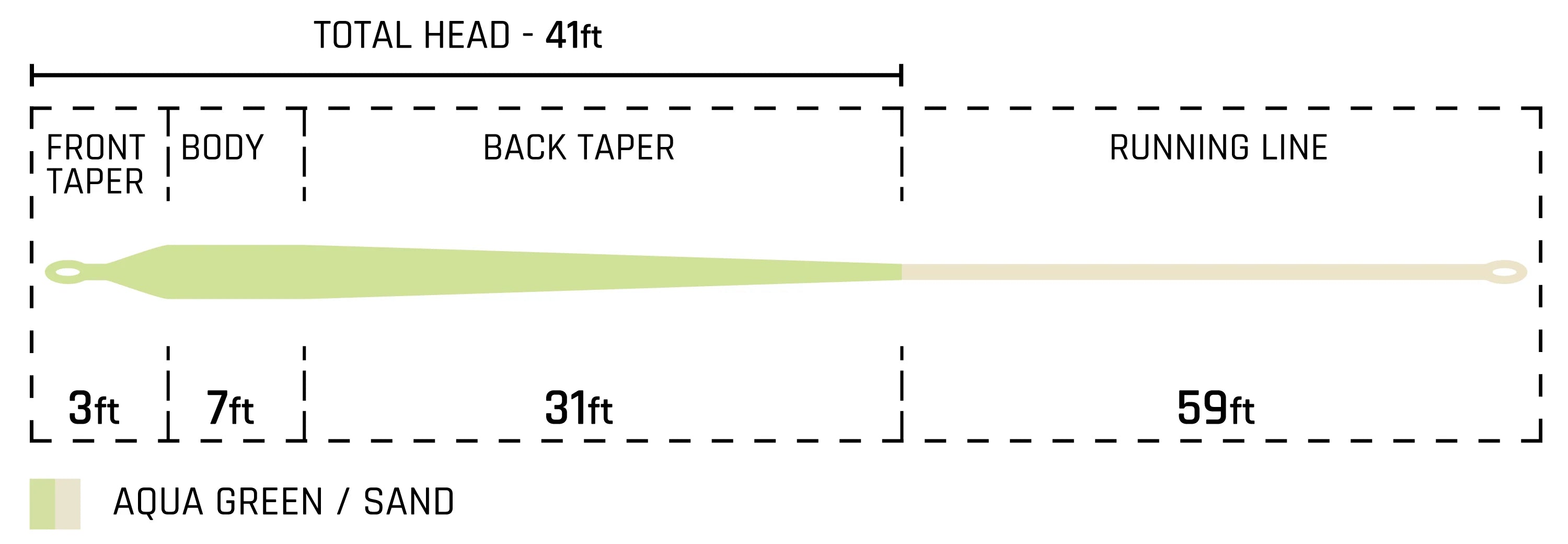
Fly Fishing Line
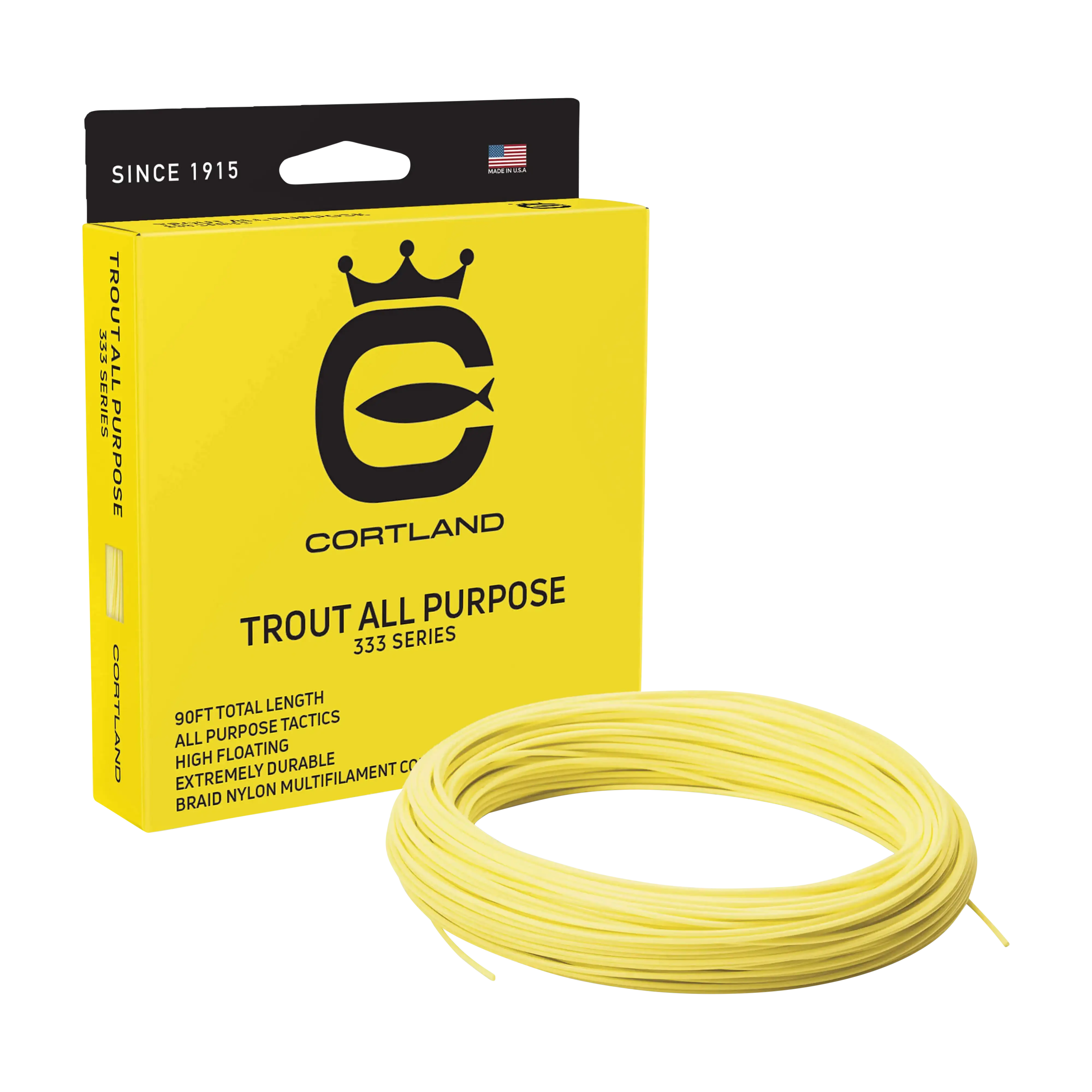
Fly Fishing Tackle Kits
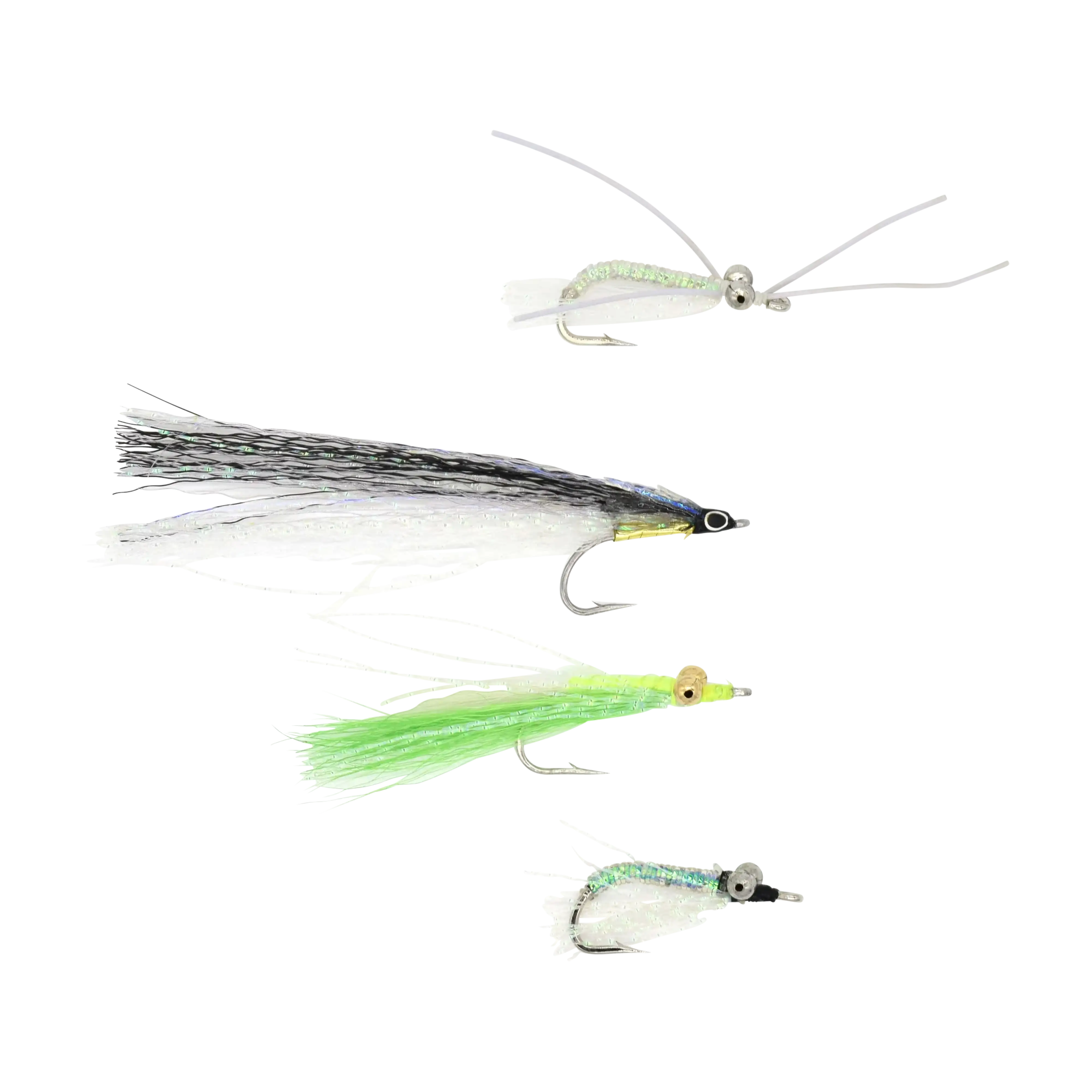
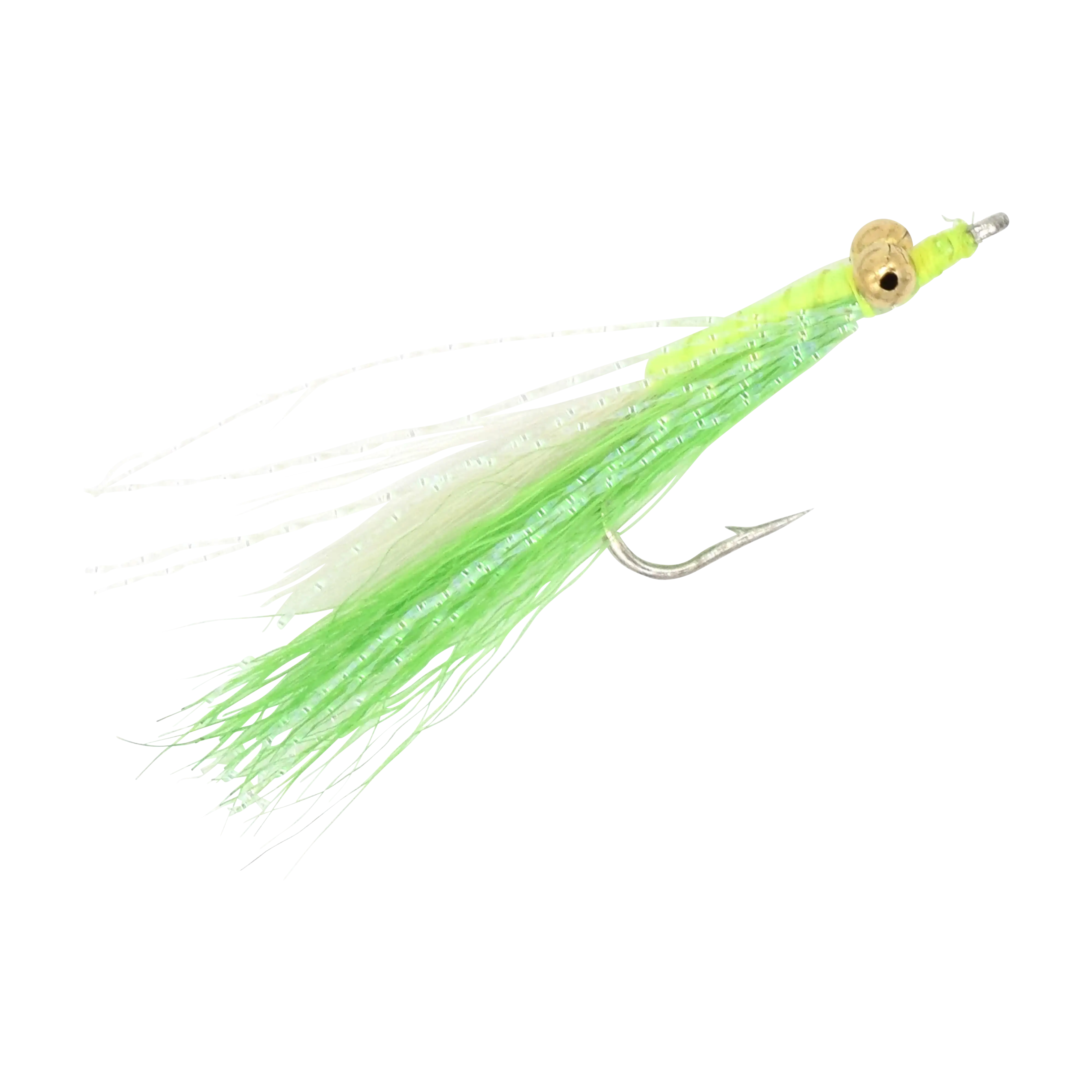
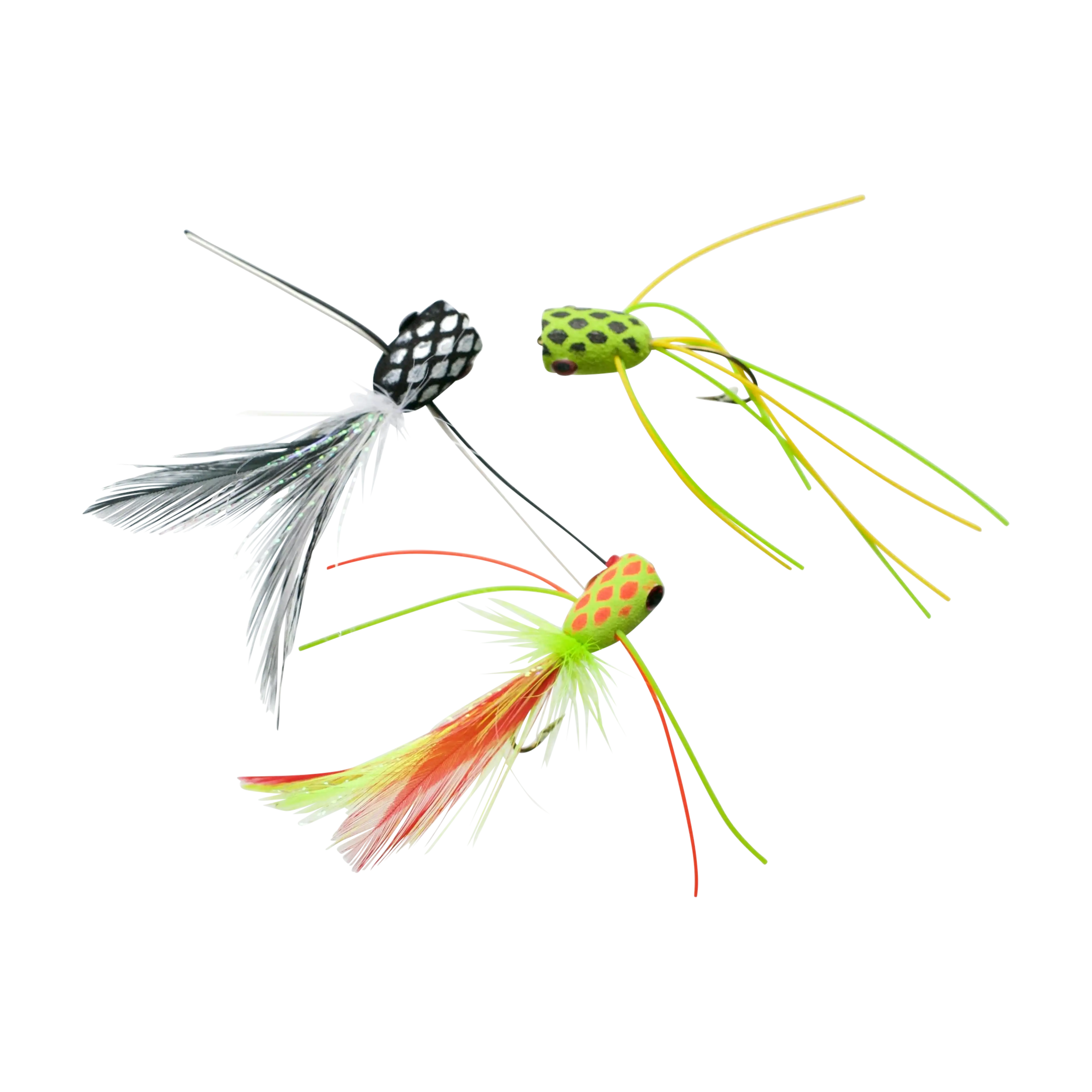
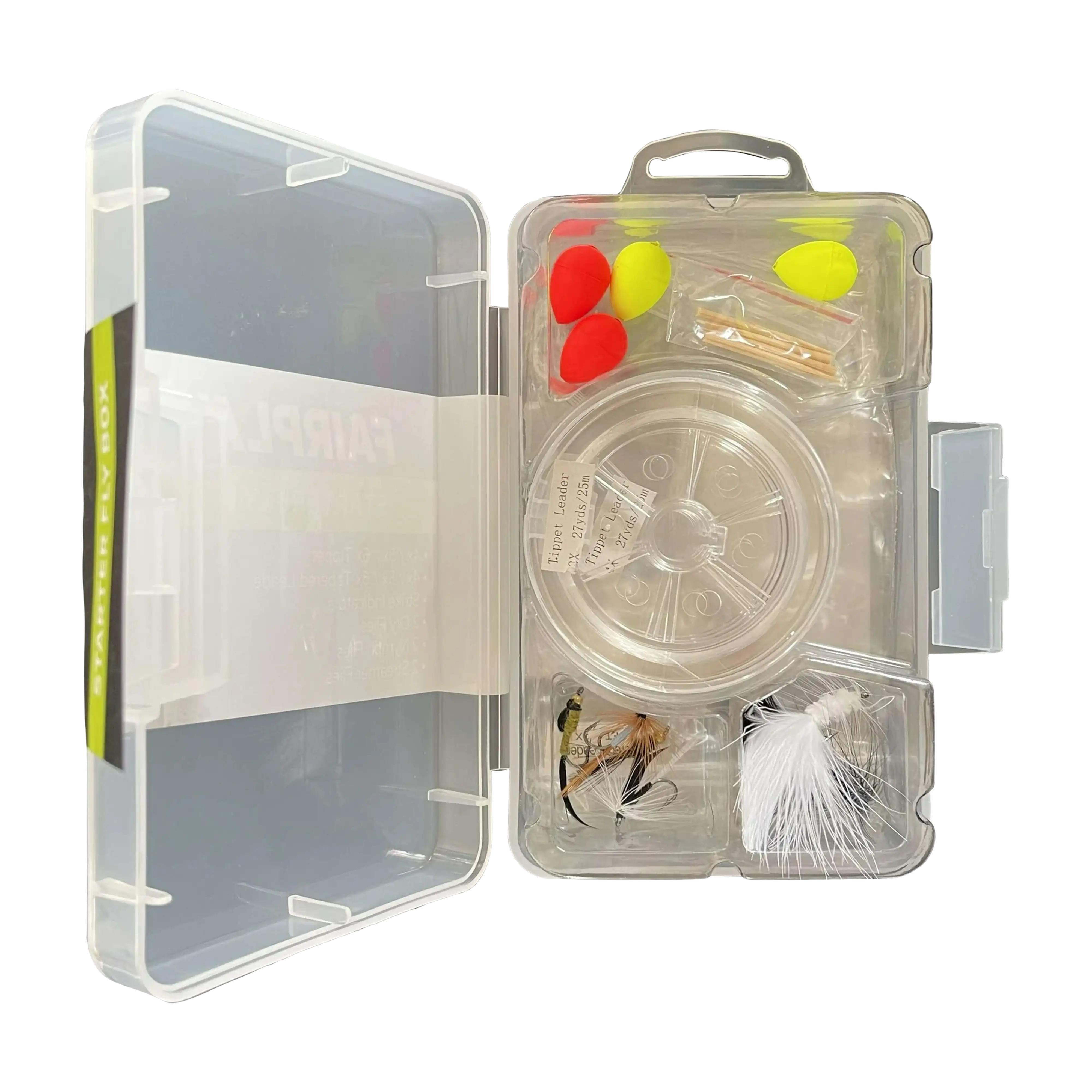
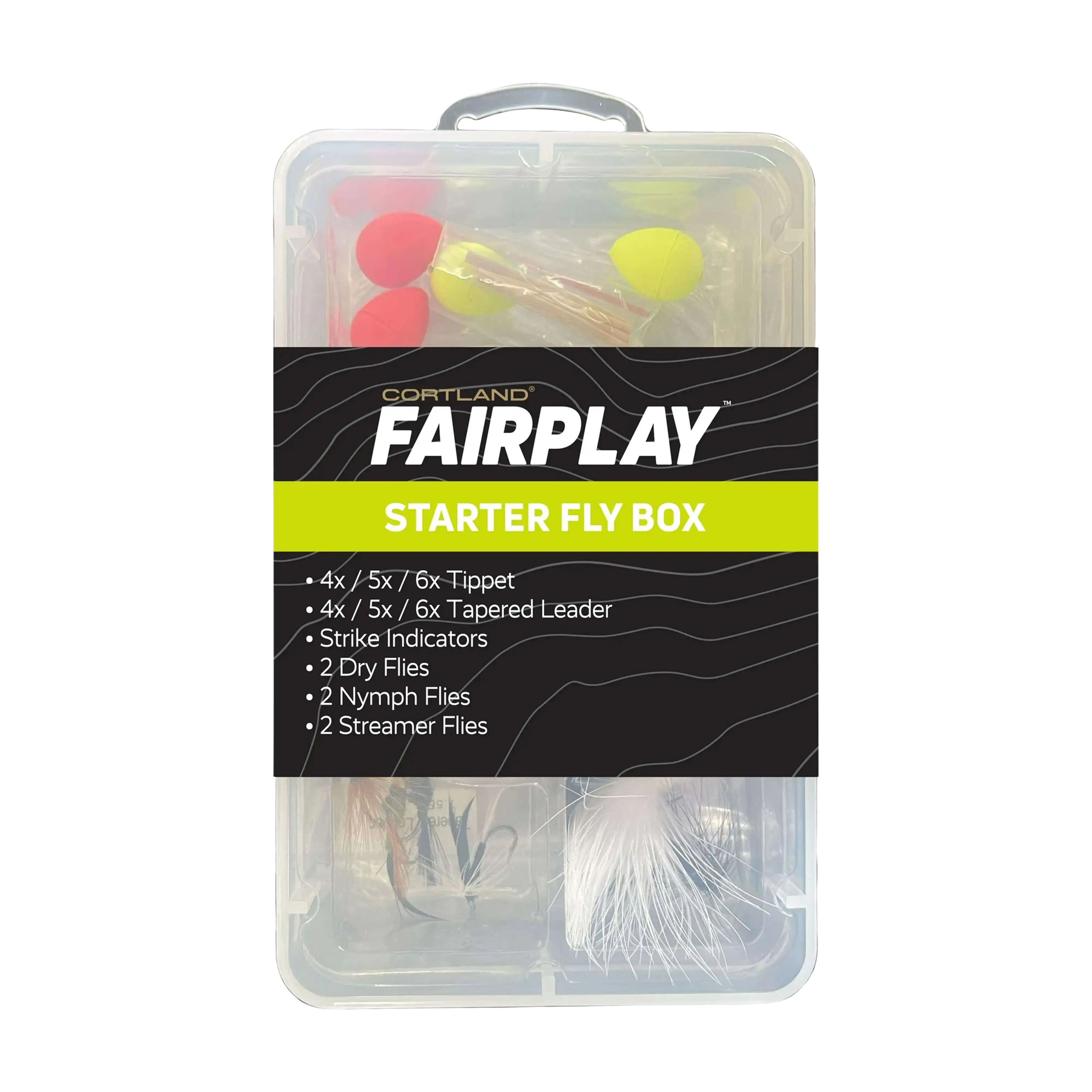
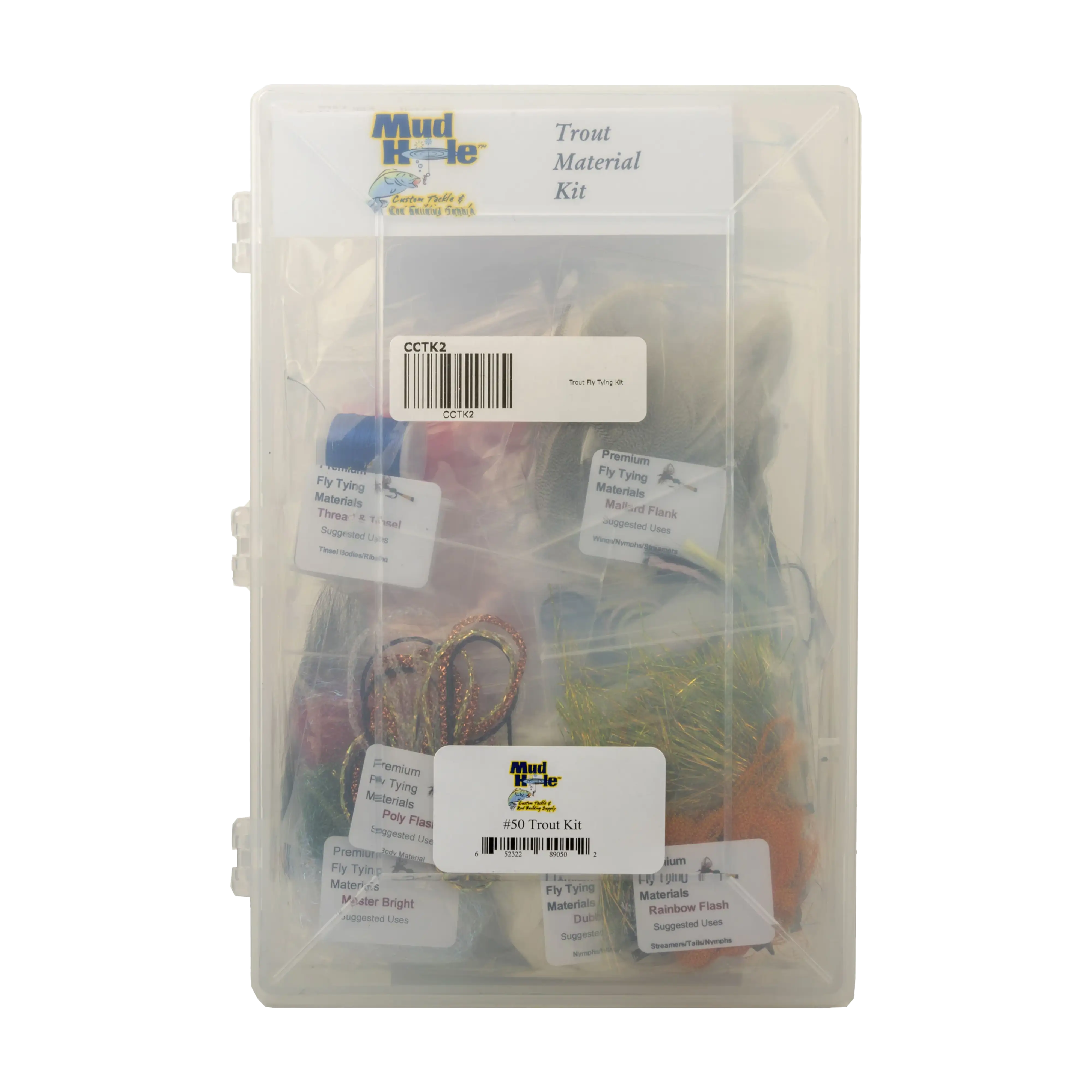
Starter fly tackle kits give beginners everything needed to fish common freshwater and light saltwater situations without guesswork. These kits typically include a variety of finished flies—dry flies, nymphs, streamers, poppers, and terrestrials—so you can try different presentations right away. Kits also usually include leaders, tippets, and sometimes basic tools or small storage boxes.
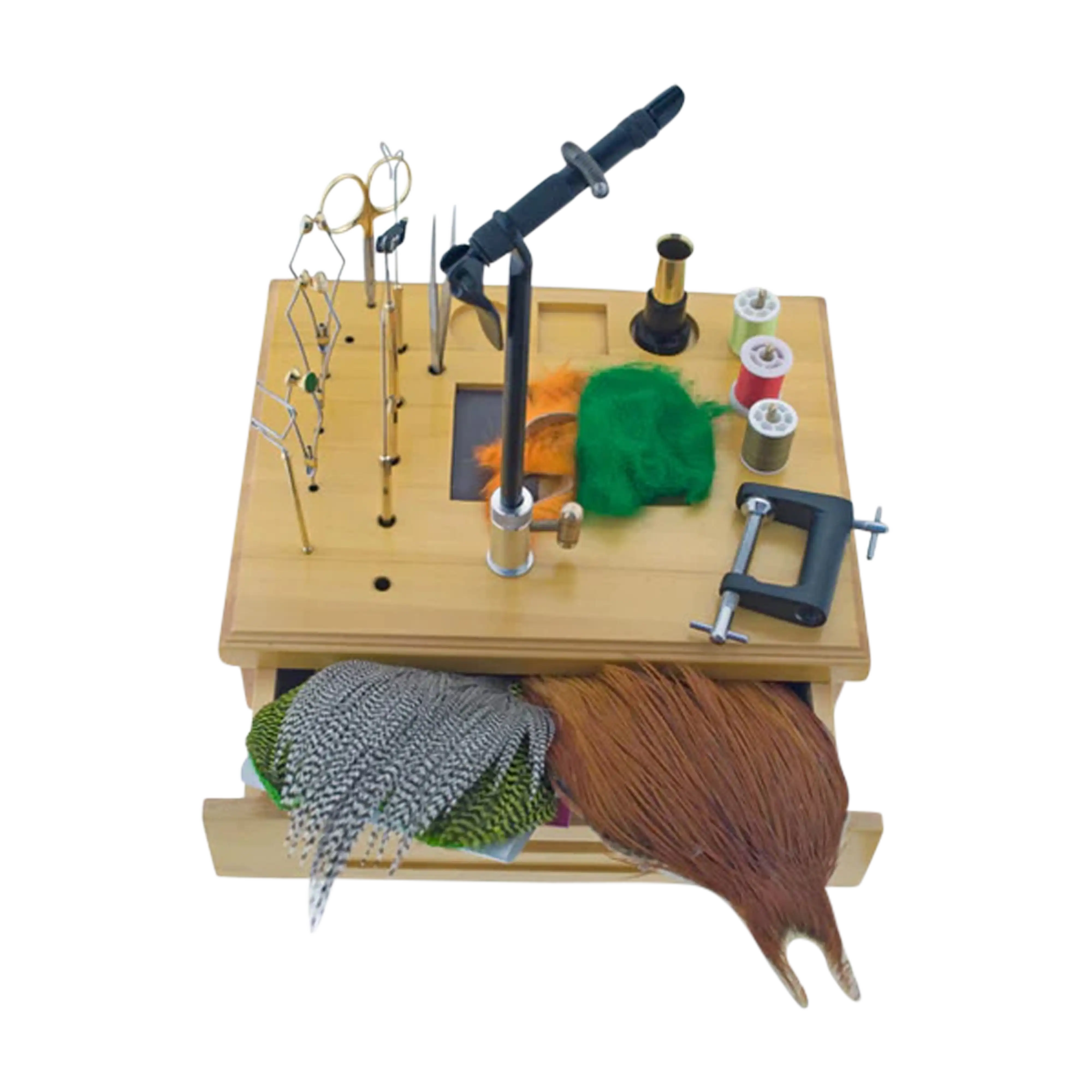
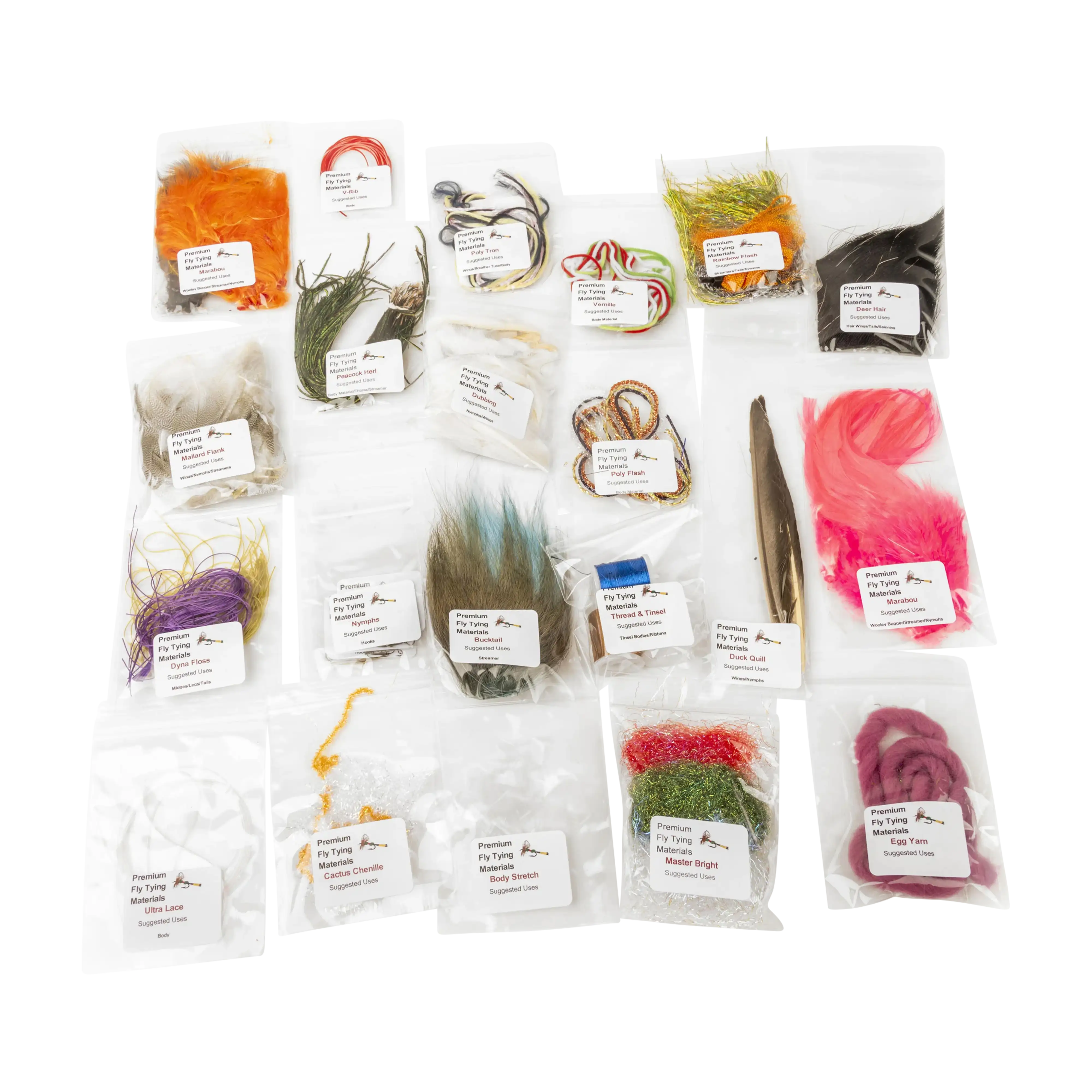
Beyond ready-to-fish flies, tackle kits introduce beginners to the creative world of fly tying. Many anglers enjoy customizing or tying their own patterns, experimenting with colors, sizes, and materials to match local hatch conditions or personal preferences. Even a basic kit can inspire this hands-on craft, blending fishing and artistry while deepening understanding of how flies behave on the water.
Types of Flies & Their Uses
Understanding the different types of flies helps beginners match what they see on the water and choose the right fly for the situation. Flies are designed to imitate insects, baitfish, or other natural prey, and each type works best in specific conditions and presentations.
Dry Flies
Dry flies float on the water surface and imitate adult insects like mayflies, caddisflies, or terrestrials (grasshoppers, ants). They are ideal for surface-feeding fish and provide a visual strike that is exciting for beginners. Use dry flies in calm pools, riffles, or small lakes where fish are actively feeding on the surface.
Nymphs
Nymphs mimic the immature, underwater stage of insects. Because many fish feed below the surface, nymphs are often the most effective pattern, especially in rivers and streams. Beginners can use weighted or unweighted nymphs to learn subtle underwater presentations and drift control.
Streamers
Streamers represent small baitfish, leeches, or other moving prey. They are fished actively, often by stripping or swinging across current, and are great for catching larger, predatory fish like bass, trout, or redfish. Streamers teach beginners to focus on movement and depth, not just surface presentation.
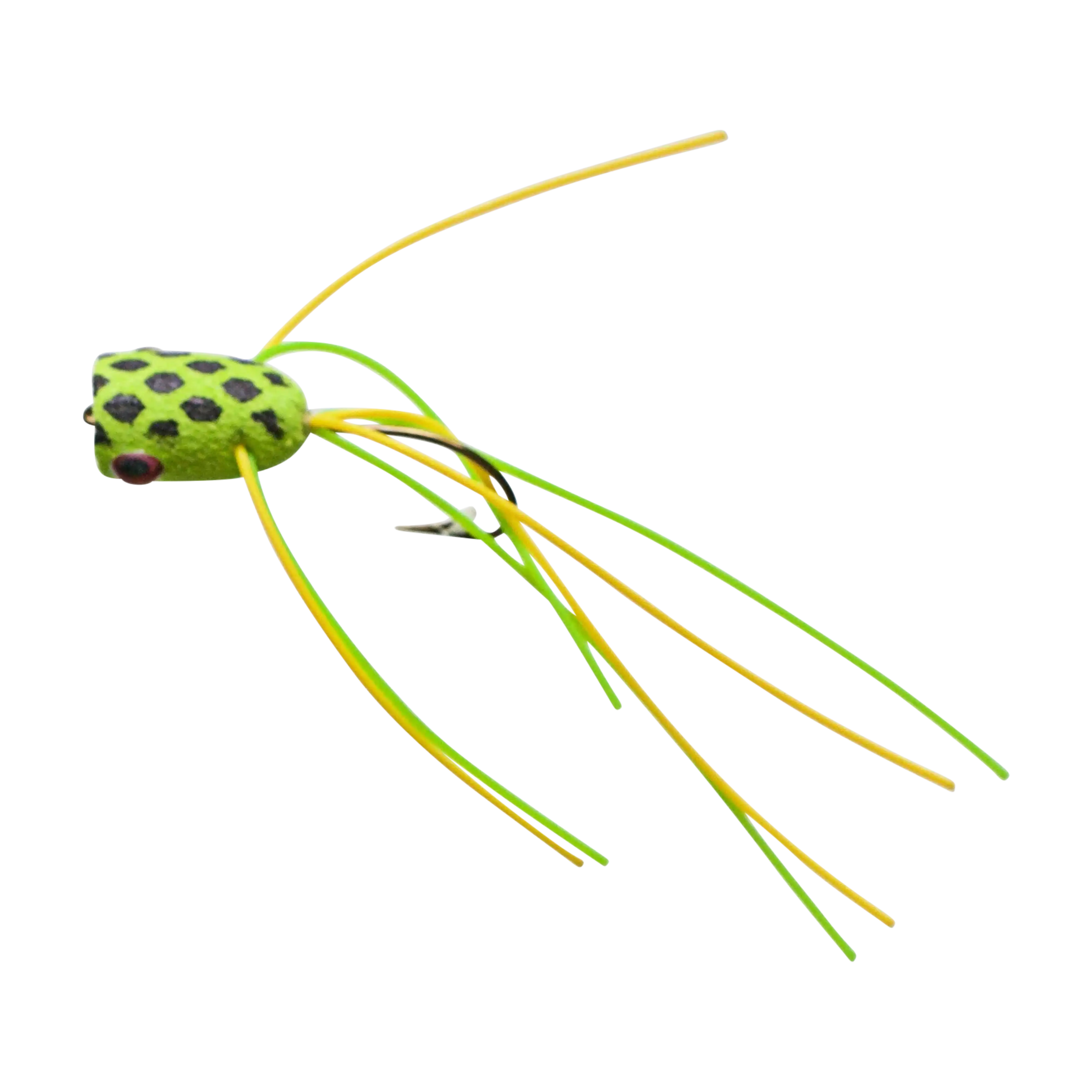
Poppers & Surface Flies
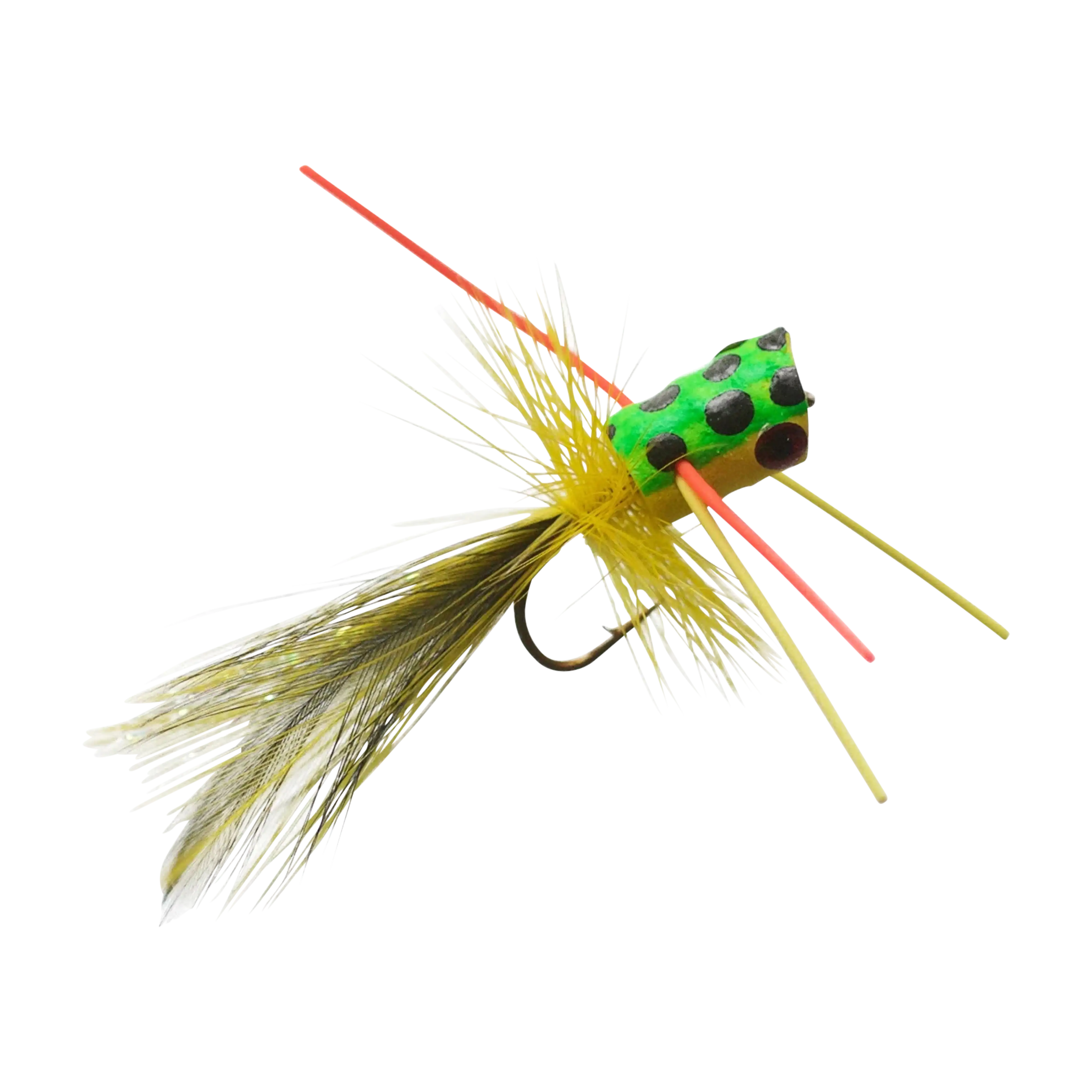
Poppers are bulky surface flies that create splashes or noise to attract aggressive fish. They are fun for beginners because strikes are visual and dramatic, often resulting in explosive surface hits. Use poppers in shallow flats, ponds, or calm rivers, especially during low-light periods when fish feed near the surface.
Terrestrials
Terrestrial flies imitate land-based insects like ants, beetles, grasshoppers, and crickets. They are most effective in late spring through early fall, when these insects fall or jump into the water. Terrestrials are perfect for beginners to practice accurate short casts and matching the hatch.
With a tackle kit, beginners can confidently try different fly types and techniques without buying individual patterns. Kits simplify learning how various flies behave in streams, rivers, and small lakes, building both casting skill and presentation knowledge, while keeping setup convenient and organized.
Key Takeaways
- Fly tackle kits give beginners a ready-to-use selection of flies for multiple freshwater and light saltwater situations.
- Kits typically include dry flies, nymphs, streamers, poppers, and terrestrials to experiment with different presentations.
- Using a kit helps beginners learn how flies behave on the water, improving casting and presentation skills.
- Fly kits can inspire creativity through fly tying, allowing beginners to experiment with colors, sizes, and materials.
Fly Fishing Tackle Kits
Starter fly tackle kits give beginners everything needed to fish common freshwater and light saltwater situations without guesswork. These kits typically include a variety of finished flies—dry flies, nymphs, streamers, poppers, and terrestrials—so you can try different presentations right away. Kits also usually include leaders, tippets, and sometimes basic tools or small storage boxes.
Beyond ready-to-fish flies, tackle kits introduce beginners to the creative world of fly tying. Many anglers enjoy customizing or tying their own patterns, experimenting with colors, sizes, and materials to match local hatch conditions or personal preferences. Even a basic kit can inspire this hands-on craft, blending fishing and artistry while deepening understanding of how flies behave on the water.
Types of Flies & Their Uses
Understanding the different types of flies helps beginners match what they see on the water and choose the right fly for the situation. Flies are designed to imitate insects, baitfish, or other natural prey, and each type works best in specific conditions and presentations.
Dry Flies
Dry flies float on the water surface and imitate adult insects like mayflies, caddisflies, or terrestrials (grasshoppers, ants). They are ideal for surface-feeding fish and provide a visual strike that is exciting for beginners. Use dry flies in calm pools, riffles, or small lakes where fish are actively feeding on the surface.
Nymphs
Nymphs mimic the immature, underwater stage of insects. Because many fish feed below the surface, nymphs are often the most effective pattern, especially in rivers and streams. Beginners can use weighted or unweighted nymphs to learn subtle underwater presentations and drift control.
Streamers
Streamers represent small baitfish, leeches, or other moving prey. They are fished actively, often by stripping or swinging across current, and are great for catching larger, predatory fish like bass, trout, or redfish. Streamers teach beginners to focus on movement and depth, not just surface presentation.
Poppers & Surface Flies
Poppers are bulky surface flies that create splashes or noise to attract aggressive fish. They are fun for beginners because strikes are visual and dramatic, often resulting in explosive surface hits. Use poppers in shallow flats, ponds, or calm rivers, especially during low-light periods when fish feed near the surface.
Terrestrials
Terrestrial flies imitate land-based insects like ants, beetles, grasshoppers, and crickets. They are most effective in late spring through early fall, when these insects fall or jump into the water. Terrestrials are perfect for beginners to practice accurate short casts and matching the hatch.
With a tackle kit, beginners can confidently try different fly types and techniques without buying individual patterns. Kits simplify learning how various flies behave in streams, rivers, and small lakes, building both casting skill and presentation knowledge, while keeping setup convenient and organized.
Key Takeaways
- Fly tackle kits give beginners a ready-to-use selection of flies for multiple freshwater and light saltwater situations.
- Kits typically include dry flies, nymphs, streamers, poppers, and terrestrials to experiment with different presentations.
- Using a kit helps beginners learn how flies behave on the water, improving casting and presentation skills.
- Fly kits can inspire creativity through fly tying, allowing beginners to experiment with colors, sizes, and materials.
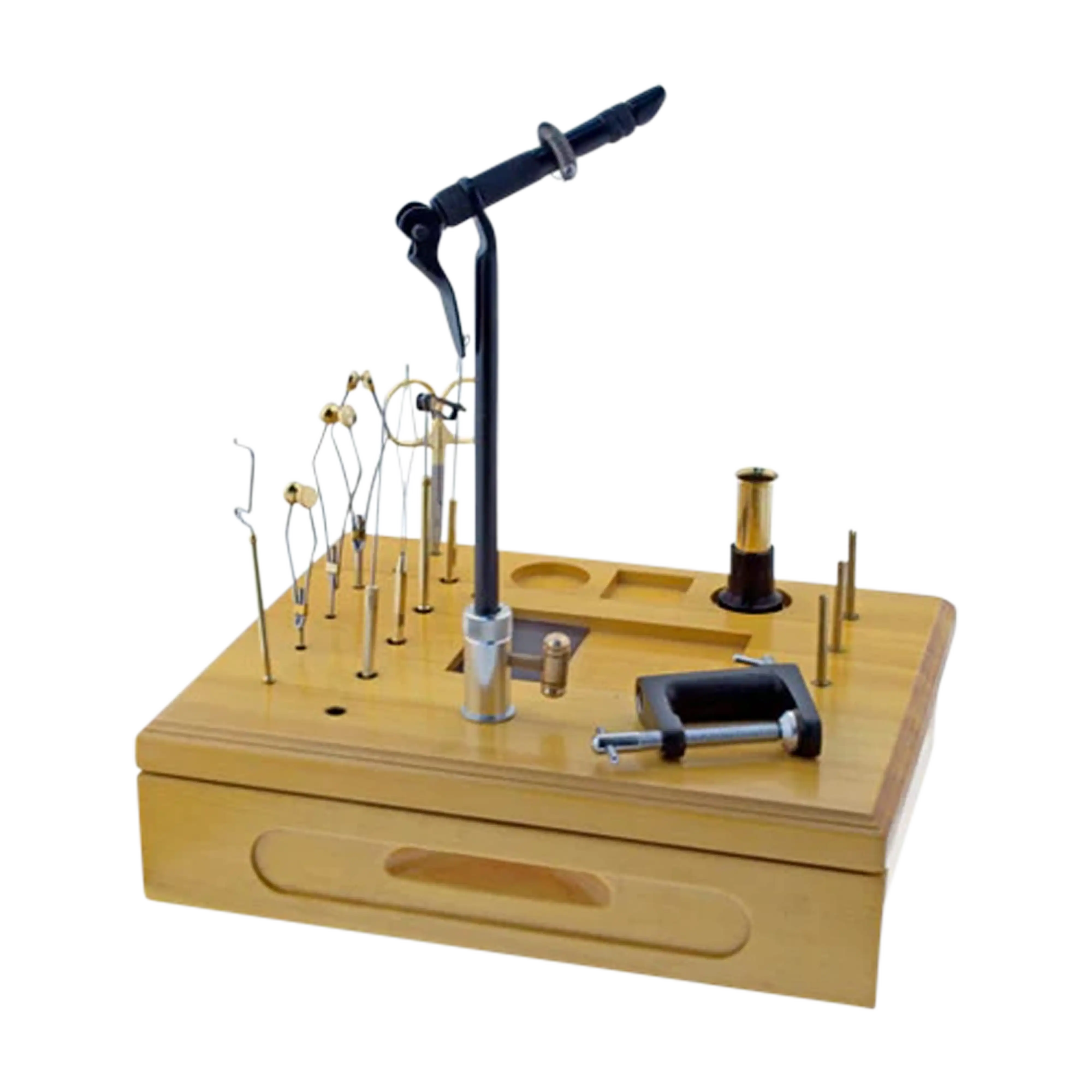
Fly Tackle Kits

Fly Fishing Accessories
Fly fishing requires more than just a rod and reel. Anglers rely on a range of small tools and accessories to manage flies, handle fish, and keep gear organized while on the water. These items may seem secondary, but they play a big role in keeping fishing efficient and enjoyable, especially for beginners who are still learning the basics.
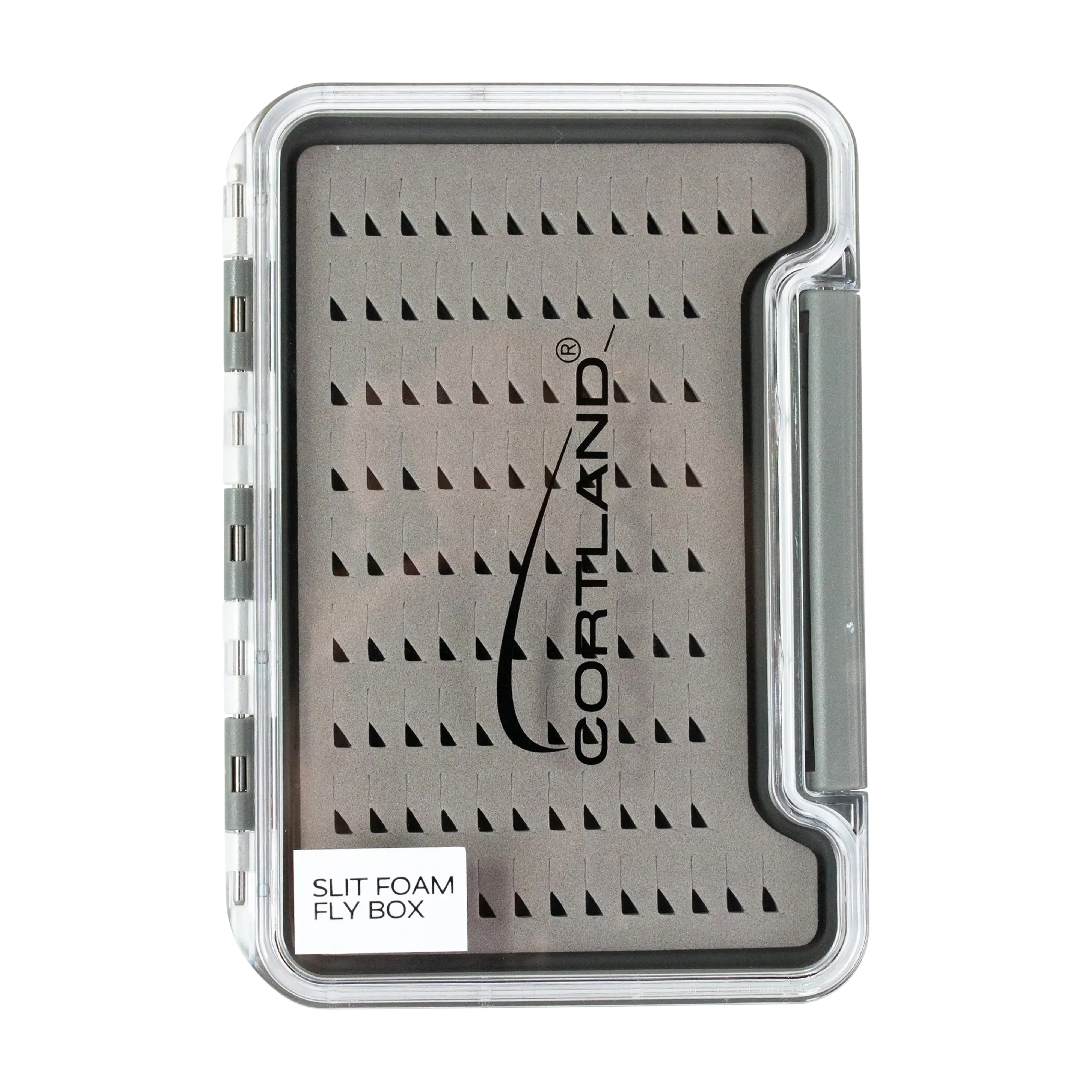
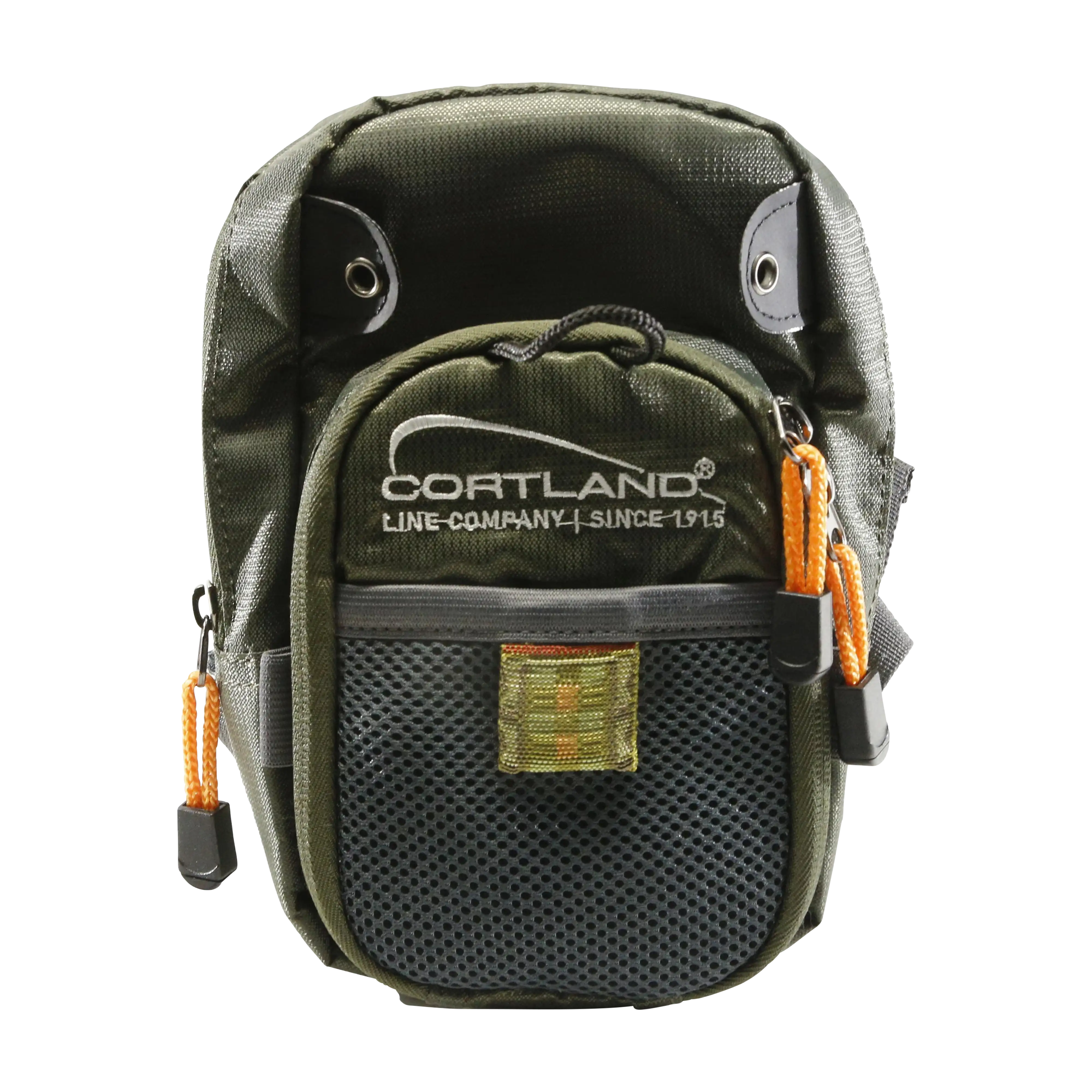
At the core of most setups are storage tools like fly boxes, leader wallets, and small packs. These help keep flies, leaders, and terminal tackle sorted and protected so they’re easy to access when needed. Without proper organization, it’s easy for flies to get damaged or for time to be wasted searching through tangled gear.
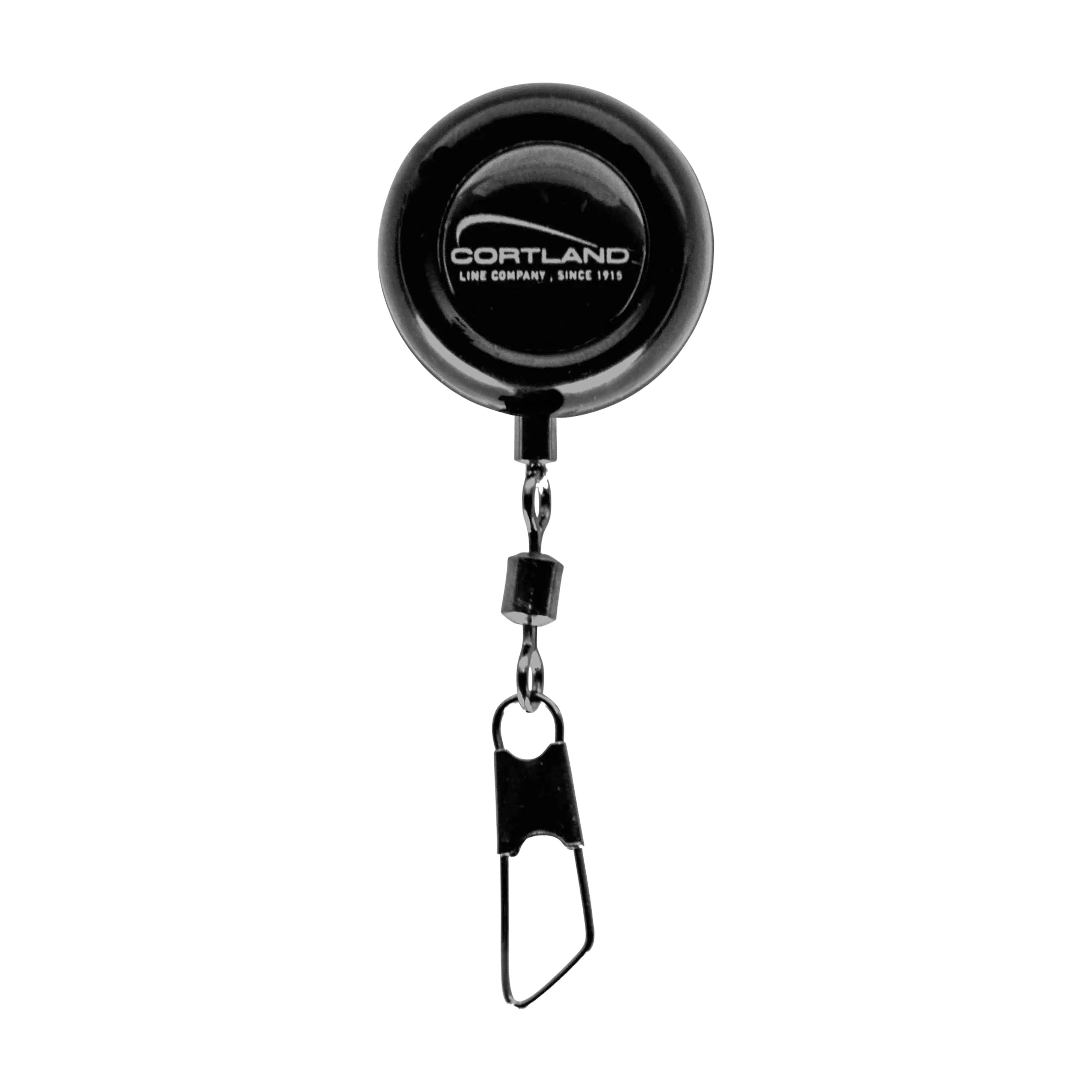
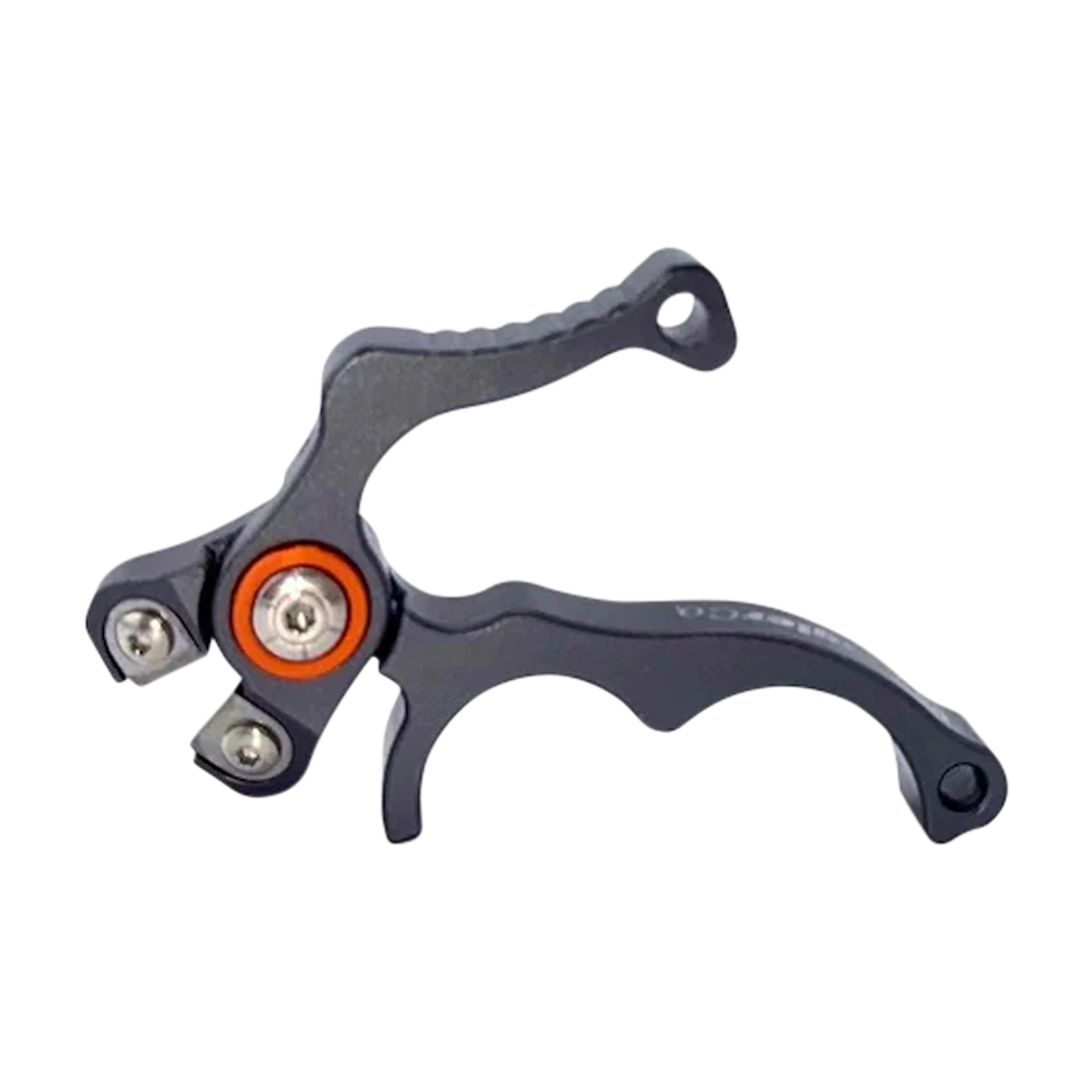
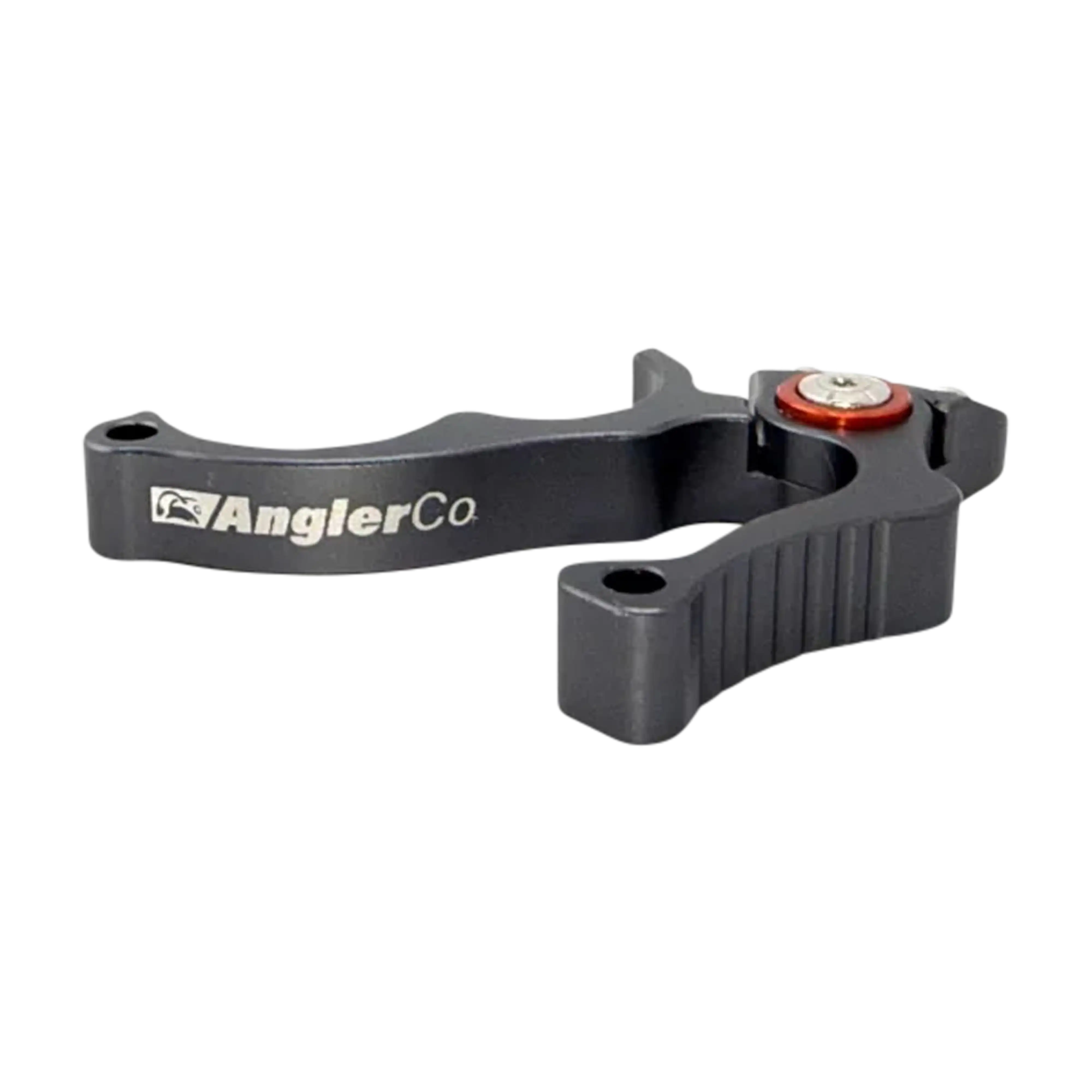
In addition to storage, fly anglers regularly use handheld tools that make on-the-water tasks easier. Nippers are used to cut line cleanly, forceps help with hook removal and handling fish safely, and retractors keep essential tools within reach. These small additions streamline common tasks so anglers can stay focused on fishing rather than gear management.
For beginners, these accessories reduce frustration and help build better habits early on. Staying organized on the water means fewer interruptions, smoother rigging, and more time actually fishing. Over time, these tools become second nature and contribute to a more confident and efficient approach to fly fishing.
Common Tools and Accessories:
- Fly Boxes & Leader Wallets: Protect and organize flies, leaders, and tippets. Keeps gear accessible and prevents tangles.
- Forceps / Pliers: Safely remove hooks from fish or adjust flies; essential for fish handling and reducing injury to both angler and fish.
- Nippers / Line Clippers: Trim leaders, tippets, and lines cleanly for precise rigs and knot tying.
- Retractors / Lanyards: Keep tools like nippers or forceps handy and prevent loss while wading or casting.
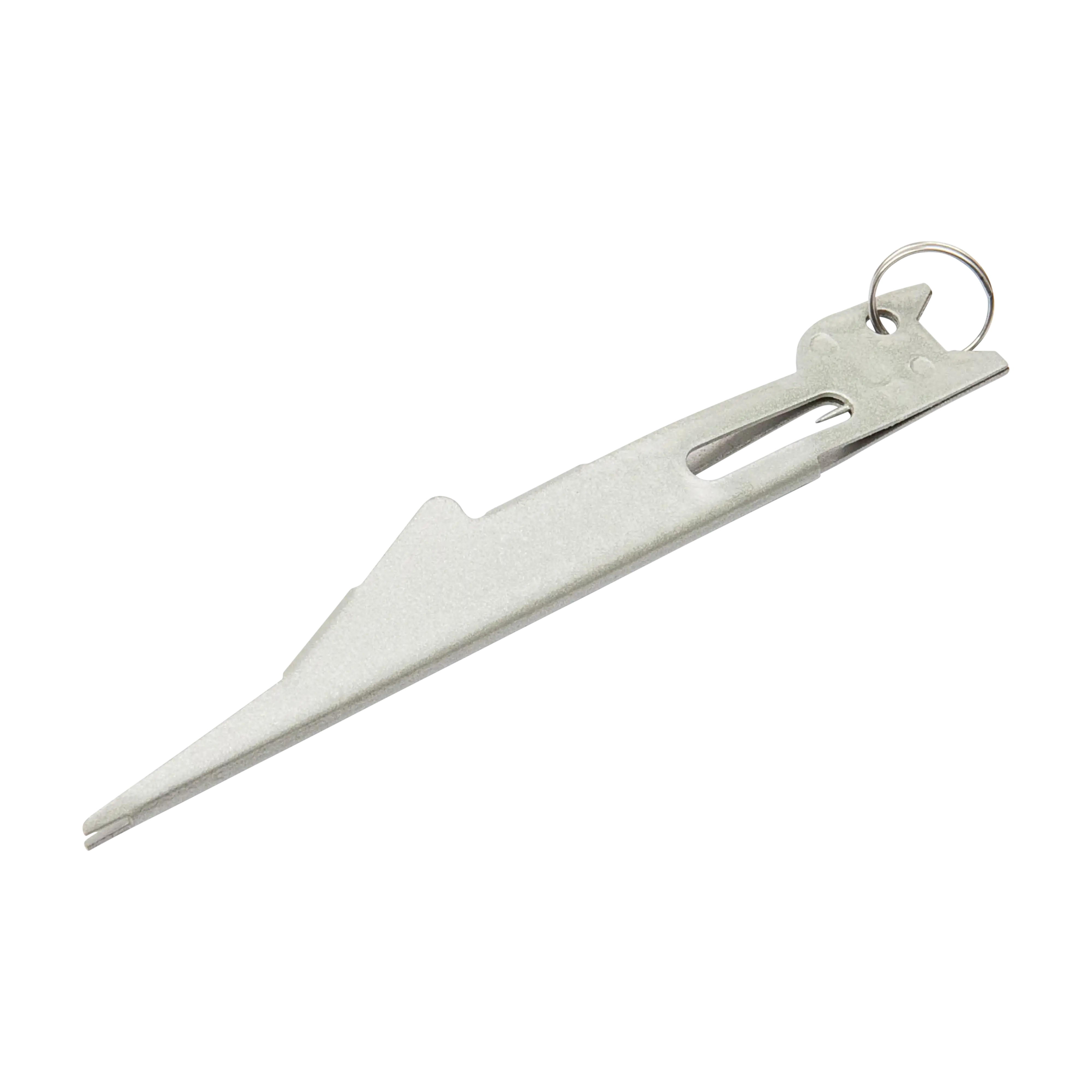
- Knot-Tying Tools: Aid in tying secure, consistent knots from fly line to leader or tippet, improving fly presentation and reliability.
- Hook Sharpeners: Maintain sharp hooks for better hooksets and improved catch rates.
- Strike Indicators: Help detect subtle strikes from nymphs or suspended flies, improving success for beginners.
- Tippet Holders / Dispensers: Keep tippet spools organized and prevent tangles while rigging leaders.
- Rod Protectors & Tubes: Protect fly rods during travel or storage, preventing breakage or damage.
- Floatant / Dry Fly Dressing: Keep dry flies floating and visible, enhancing surface presentations.
Fly Fishing Accessories
Fly fishing requires more than just a rod and reel. Anglers rely on a range of small tools and accessories to manage flies, handle fish, and keep gear organized while on the water. These items may seem secondary, but they play a big role in keeping fishing efficient and enjoyable, especially for beginners who are still learning the basics.
At the core of most setups are storage tools like fly boxes, leader wallets, and small packs. These help keep flies, leaders, and terminal tackle sorted and protected so they’re easy to access when needed. Without proper organization, it’s easy for flies to get damaged or for time to be wasted searching through tangled gear.
In addition to storage, fly anglers regularly use handheld tools that make on-the-water tasks easier. Nippers are used to cut line cleanly, forceps help with hook removal and handling fish safely, and retractors keep essential tools within reach. These small additions streamline common tasks so anglers can stay focused on fishing rather than gear management.
For beginners, these accessories reduce frustration and help build better habits early on. Staying organized on the water means fewer interruptions, smoother rigging, and more time actually fishing. Over time, these tools become second nature and contribute to a more confident and efficient approach to fly fishing.
Common Tools and Accessories:
- Fly Boxes & Leader Wallets: Protect and organize flies, leaders, and tippets. Keeps gear accessible and prevents tangles.
- Forceps / Pliers: Safely remove hooks from fish or adjust flies; essential for fish handling and reducing injury to both angler and fish.
- Nippers / Line Clippers: Trim leaders, tippets, and lines cleanly for precise rigs and knot tying.
- Retractors / Lanyards: Keep tools like nippers or forceps handy and prevent loss while wading or casting.
- Knot-Tying Tools: Aid in tying secure, consistent knots from fly line to leader or tippet, improving fly presentation and reliability.
- Hook Sharpeners: Maintain sharp hooks for better hooksets and improved catch rates.
- Strike Indicators: Help detect subtle strikes from nymphs or suspended flies, improving success for beginners.
- Tippet Holders / Dispensers: Keep tippet spools organized and prevent tangles while rigging leaders.
- Rod Protectors & Tubes: Protect fly rods during travel or storage, preventing breakage or damage.
- Floatant / Dry Fly Dressing: Keep dry flies floating and visible, enhancing surface presentations.
Fly Fishing Accessories

Beginner Fly Fishing Tips
Fly fishing rewards patience, observation, and small, deliberate adjustments more than raw power or speed. Unlike many other styles of fishing, success often comes from how naturally your fly drifts, how clean your cast lands, and how well you can read subtle changes in the water. For beginners, the biggest improvements usually don’t come from complex techniques—they come from slowing down, staying consistent, and learning how fish actually respond to movement and presentation.
The goal at the start isn’t perfection, but control and awareness. Clean casts, controlled drifts, and simple adjustments based on fish behavior will consistently outperform aggressive or overly technical approaches. As you develop these habits, you’ll start to understand why certain casts work better than others and how small changes in timing, angle, or slack can dramatically improve your results on the water.
Tip 1 — Focus on Short, Controlled Casts
Accuracy matters more than distance for beginners. Short, controlled casts help place the fly exactly where fish are feeding, reduce tangles, and make it easier to correct mistakes. Practice by targeting leaves, rocks, or floating indicators in the water, gradually increasing cast length as you gain confidence.
Key Takeaways
- Short casts improve accuracy and reduce mistakes.
- Less line in the water lowers the risk of tangles and snags.
- Precise presentations increase the chance of strikes.
- Builds confidence by letting you see results quickly.
Tip 2 — Let the Fly Drift Naturally
A natural drift often matters more than the fly itself. Watch currents, eddies, and fish behavior, and adjust your line to reduce drag. Mend your line or reposition subtly to keep your fly moving naturally. This is especially important for nymphs and wet flies, where even slight unnatural motion can spook fish.
Key Takeaways
- Minimize drag to imitate natural prey.
- Focus on the fly’s movement, not just the line.
- Small, deliberate adjustments improve presentations.
- Observing the water helps identify where fish are feeding.
Tip 3 — Change One Thing at a Time
Fly fishing has many variables: fly choice, drift, cast length, and positioning. Changing one thing at a time lets you learn what works and what doesn’t. For example, try a different fly but keep casting style the same, or adjust a mend without switching flies.
Key Takeaways
- Isolate variables to understand their effect.
- Build confidence through small, manageable improvements.
- Avoid frustration by not changing too many things at once.
Tip 4 — Watch for Rise Rings and Feeding Activity
Pay attention to subtle signs of feeding, such as rise rings or small splashes. Learning to read water helps you choose where to cast and which flies to use. Beginners benefit from observing feeding patterns before making a cast.
Key Takeaways
- Rise rings indicate active fish.
- Adjust fly choice and presentation based on behavior.
- Observing activity increases connection with fish.
Tip 5 — Read the Water
Not all water holds fish equally. Look for seams, riffles, pools, and drop-offs where fish are likely to hold. Casting into these areas increases success and teaches how fish use current and structure.
Key Takeaways
- Identify likely holding spots.
- Focus casts on seams, eddies, and pools.
- Reading water improves efficiency and learning.
Tip 6 — Adjust for Wind and Conditions
Wind and weather affect casting, drift, and fly control. Beginners should learn to adjust stance, line angle, and casting technique to compensate. A simple approach: cast slightly downstream or sidearm to reduce wind interference.
Key Takeaways
- Wind changes line behavior and drift.
- Adjust casting angle and distance as needed.
- Builds adaptability and confidence in different conditions.
Beginner Fly Fishing Tips
Fly fishing rewards patience, observation, and small, deliberate adjustments more than raw power or speed. Unlike many other styles of fishing, success often comes from how naturally your fly drifts, how clean your cast lands, and how well you can read subtle changes in the water. For beginners, the biggest improvements usually don’t come from complex techniques—they come from slowing down, staying consistent, and learning how fish actually respond to movement and presentation.
The goal at the start isn’t perfection, but control and awareness. Clean casts, controlled drifts, and simple adjustments based on fish behavior will consistently outperform aggressive or overly technical approaches. As you develop these habits, you’ll start to understand why certain casts work better than others and how small changes in timing, angle, or slack can dramatically improve your results on the water.
Tip 1 — Focus on Short, Controlled Casts
Accuracy matters more than distance for beginners. Short, controlled casts help place the fly exactly where fish are feeding, reduce tangles, and make it easier to correct mistakes. Practice by targeting leaves, rocks, or floating indicators in the water, gradually increasing cast length as you gain confidence.
Key Takeaways
- Short casts improve accuracy and reduce mistakes.
- Less line in the water lowers the risk of tangles and snags.
- Precise presentations increase the chance of strikes.
- Builds confidence by letting you see results quickly.
Tip 2 — Let the Fly Drift Naturally
A natural drift often matters more than the fly itself. Watch currents, eddies, and fish behavior, and adjust your line to reduce drag. Mend your line or reposition subtly to keep your fly moving naturally. This is especially important for nymphs and wet flies, where even slight unnatural motion can spook fish.
Key Takeaways
- Minimize drag to imitate natural prey.
- Focus on the fly’s movement, not just the line.
- Small, deliberate adjustments improve presentations.
- Observing the water helps identify where fish are feeding.
Tip 3 — Change One Thing at a Time
Fly fishing has many variables: fly choice, drift, cast length, and positioning. Changing one thing at a time lets you learn what works and what doesn’t. For example, try a different fly but keep casting style the same, or adjust a mend without switching flies.
Key Takeaways
- Isolate variables to understand their effect.
- Build confidence through small, manageable improvements.
- Avoid frustration by not changing too many things at once.
Tip 4 — Watch for Rise Rings and Feeding Activity
Pay attention to subtle signs of feeding, such as rise rings or small splashes. Learning to read water helps you choose where to cast and which flies to use. Beginners benefit from observing feeding patterns before making a cast.
Key Takeaways
- Rise rings indicate active fish.
- Adjust fly choice and presentation based on behavior.
- Observing activity increases connection with fish.
Tip 5 — Read the Water
Not all water holds fish equally. Look for seams, riffles, pools, and drop-offs where fish are likely to hold. Casting into these areas increases success and teaches how fish use current and structure.
Key Takeaways
- Identify likely holding spots.
- Focus casts on seams, eddies, and pools.
- Reading water improves efficiency and learning.
Tip 6 — Adjust for Wind and Conditions
Wind and weather affect casting, drift, and fly control. Beginners should learn to adjust stance, line angle, and casting technique to compensate. A simple approach: cast slightly downstream or sidearm to reduce wind interference.
Key Takeaways
- Wind changes line behavior and drift.
- Adjust casting angle and distance as needed.
- Builds adaptability and confidence in different conditions.
Beginner Fly Fishing
FAQ - Fly Fishing Gear
What fly rod weight is best for beginners?
For freshwater beginners, a 5-weight rod is ideal. It’s versatile, easy to cast, and forgiving, making it perfect for trout, panfish, and bass while helping beginners focus on technique without fatigue. For saltwater beginners, an 8-weight rod provides enough backbone for longer casts and stronger inshore species like redfish, snook, or striped bass.
Are fly fishing rod/reel combos good for beginners?
Yes. Rod and reel combos simplify setup by pre-matching rod, reel, and line weight, eliminating guesswork. Combos provide proper balance, smooth casting, and consistent performance, letting beginners start fishing immediately without worrying about separate components.
Is fly fishing harder than spinning gear?
Fly fishing has a learning curve with casting, line management, and presentation. However, beginner-friendly combos, floating lines, and starter kits make it approachable. With practice, beginners can catch fish quickly while learning skills like reading water, detecting strikes, and working different fly types.
What type of fly line should I start with?
Beginners fly anglers should start with weight-forward floating lines, which are easier to cast and control. Floating lines work well for most freshwater situations. Saltwater anglers may use lines with stiffer cores or protective coatings to handle wind, heavier flies, and longer casts.
What leaders and tippets do beginners need?
A tapered leader transfers casting energy smoothly, allowing the fly to land naturally. For freshwater, 7–9 ft leaders with 4X–6X tippet work well for trout, panfish, and bass. Saltwater anglers often use 9–12 ft leaders with 12lb-20lb leaders and tippet for larger species. Proper setup improves presentation, hook-up rates, and line management skills.
Do I need special gear for fly fishing?
Having the right gear makes learning fly fishing much easier. Essential accessories include fly boxes, leader wallets, forceps, nippers, retractors, and line clippers. These tools keep flies organized, simplify knot tying, and make handling fish safer and more efficient. Beginners benefit from reduced frustration and can focus on casting, reading water, and presenting flies effectively.
How long does it take to learn fly fishing?
With beginner-friendly gear, most anglers can make accurate short casts, perform basic drifts, and catch fish within a few outings. Mastery of advanced casting, reading water, and fly selection takes longer, but starter gear and practice accelerate learning and keep fishing enjoyable.
Can I use the same gear for different species?
Yes. A 5 wt freshwater rod handles trout, bass, and panfish, while a 8 wt saltwater rod covers redfish, striped bass, or bonefish. Paired with floating lines and starter fly tackle kits, these setups allow fishing multiple species without constantly switching gear.
How do I care for fly fishing gear?
Rinse rods, reels, and lines with fresh water after saltwater use, dry thoroughly, and store in rod tubes or protective cases. Replace tippets regularly and check guides and reel seats. Even beginner gear lasts longer with basic maintenance.
From the Mud Hole Journal
Further Reading
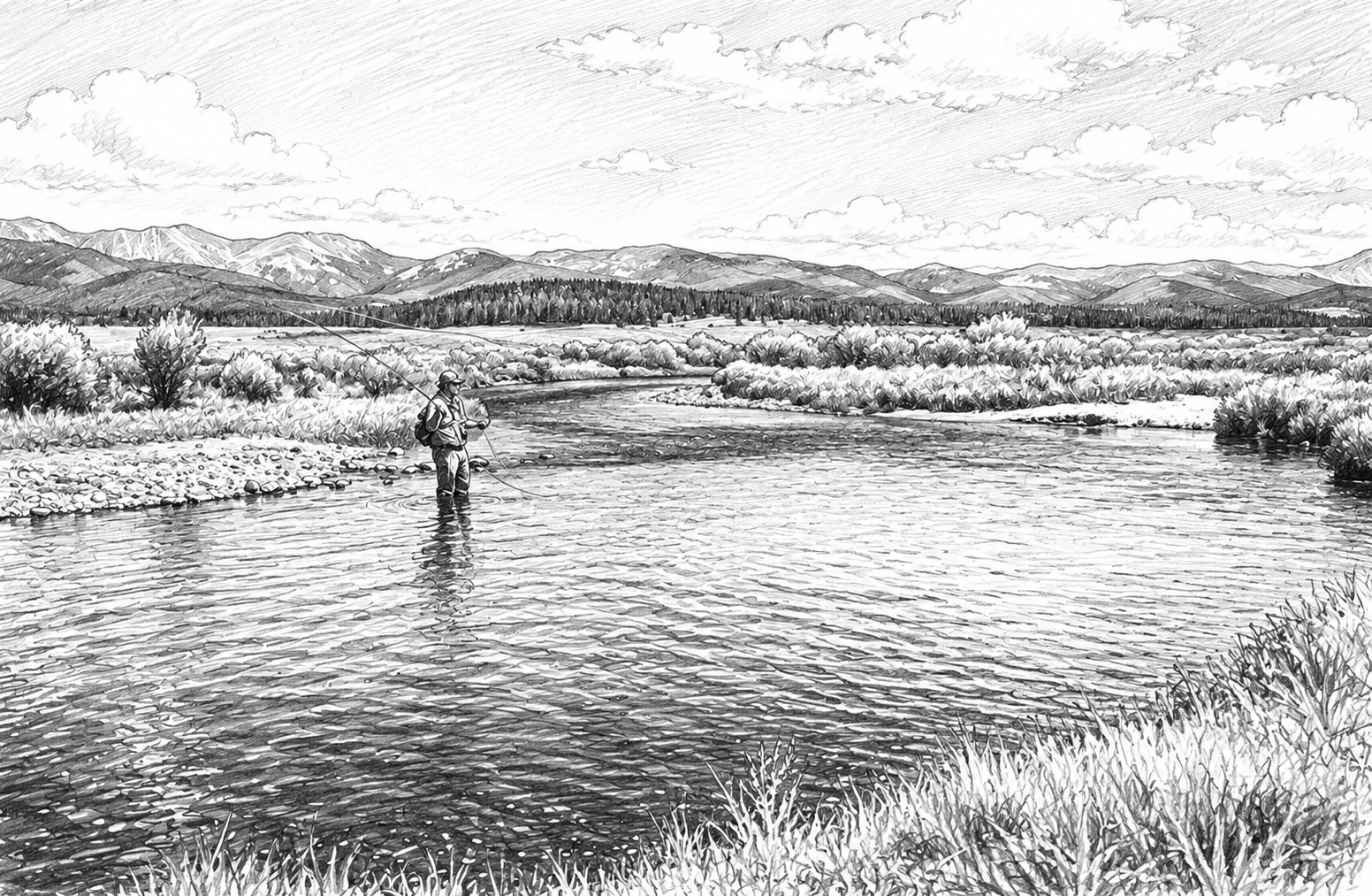
Single-Hand Fly Fishing: The Best Way to Start Your Fly Fishing Journey
If you’re looking for more rod recommendations, reel pairings, line setups, and technique-specific advice, head back to the complete Main Gear Guide Page for the full breakdowns on your favorite te...
Further Reading
Can't get enough Beginner Fly Fishing content? Check out the articles below!