












If you’re looking for more rod recommendations, reel pairings, line setups, and technique-specific advice, head back to the complete Main Gear Guide Page for the full breakdowns on your favorite techniques.
For many anglers, fly fishing begins with a traditional single-hand rod. However, as anglers start exploring larger rivers, targeting migratory fish, or fishing situations that demand longer casts and greater line control, they often discover an entirely different style of fly fishing: Spey casting.
Spey fishing utilizes a longer, two-handed fly rod designed to cast large amounts of line with remarkable efficiency and surprisingly little backcast room. While it may appear intimidating at first, Spey casting was developed to solve real-world fishing challenges and has become one of the most effective ways to cover water when targeting species such as steelhead, salmon, and large trout.
For anglers fishing wide rivers or looking to expand their fly fishing skills, Spey fishing offers a unique combination of distance, efficiency, and enjoyment that few other techniques can match.
What Is Spey (Two-Hand) Fly Fishing?
Spey fishing is a style of fly fishing that utilizes a longer two-handed fly rod and specialized casting techniques to deliver a fly across large bodies of moving water.
Unlike traditional fly casting, which typically requires a significant amount of space behind the angler for a backcast, Spey casting uses the water's surface to help load the rod before making the forward cast.
The technique originated on Scotland's River Spey, where anglers needed an efficient way to fish large rivers lined with trees and other obstacles that limited traditional casting.
Today, Spey fishing is widely used for steelhead, salmon, trout, and other migratory fish throughout the world.
Modern Spey rods generally range from 11 to 15 feet in length and are designed to be cast with both hands working together to generate power and control.
The result is a highly efficient casting system capable of covering large sections of water with minimal physical effort.
Why Spey Fishing Works
One of the greatest advantages of Spey fishing is efficiency.
Instead of repeatedly making long overhead casts throughout the day, anglers use smooth, controlled motions that allow them to cast substantial distances while conserving energy.
This becomes especially important when fishing large rivers where hundreds of casts may be required to effectively cover productive water.
Another advantage is line control.
The longer rod allows anglers to manage drifting flies more effectively, mend line at greater distances, and maintain better presentations in complex currents.
Spey fishing also excels in situations where traditional backcasting is difficult or impossible. Trees, steep banks, brush, and other obstacles often limit casting options, but Spey casts can be performed with very little room behind the angler.
For anglers targeting migratory fish that travel through large rivers, the ability to cover water efficiently often translates directly into more opportunities to connect with fish.
Where Spey Fishing Excels
Spey fishing shines on larger rivers where long casts and efficient presentations are important.
Steelhead rivers are perhaps the most famous example. Anglers frequently swing flies across broad runs, covering large sections of water in search of fish moving upstream.

The Deschutes River
Salmon fisheries provide another ideal environment. The ability to present larger flies and control longer drifts makes Spey gear highly effective for migratory fish.
Large trout rivers also create excellent opportunities for Spey techniques, particularly when fishing streamers or swinging flies through expansive runs.
Spey rods are especially valuable in rivers where limited backcast room makes traditional casting difficult.
Whenever anglers need to maximize coverage and efficiency on larger water, Spey fishing becomes an attractive option.
Reading Water and Fish Behavior
Success in Spey fishing often starts with understanding how fish use river current.
Migratory species such as steelhead and salmon typically hold in specific types of water as they move upstream. Soft seams, tailouts, buckets, and transition zones frequently concentrate fish.
Current speed is particularly important.
Fish often seek areas where they can conserve energy while remaining close to migration routes.
Reading water becomes an essential skill because Spey anglers typically fish methodically through an entire run rather than targeting isolated fish.
The goal is to present the fly through likely holding water while systematically covering as much productive water as possible.
Observing water speed, depth changes, structure, and current seams helps anglers identify the highest-percentage locations.
Technique: Let the River Work for You
One of the biggest differences between Spey fishing and traditional fly fishing is how the presentation is delivered.
Rather than constantly stripping or actively working the fly, many Spey presentations involve swinging the fly across the current.
After making a cast, the current carries the fly downstream while maintaining tension between the fly and the angler. This creates a natural presentation that often triggers aggressive responses from steelhead, salmon, and trout.
The process is simple but highly effective.
Make a cast, allow the fly to swing through the run, take a few steps downstream, and repeat.
Over time, this systematic approach allows anglers to cover large amounts of water efficiently and thoroughly.
Patience and consistency are often more important than making the longest cast possible.
Recommended Gear for Beginners
Most anglers interested in learning Spey fishing should start with a versatile two-handed setup capable of handling a variety of species and river sizes.

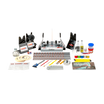
A rod in the 12'6" to 13'6" range paired with the appropriate Spey reel and fly line system provides an excellent introduction to the technique. Start by picking out your rod and reel combo.
Modern Spey lines have become much easier to cast than older systems, making the learning curve far less intimidating than many anglers expect. These are the fly line and leader combinations we pick.

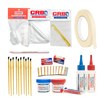
Choosing the proper rod weight depends largely on the species being targeted. Lighter setups work well for trout and smaller steelhead rivers, while heavier rods are often preferred for larger salmon and steelhead applications. Check out the fly and tackle kits.
A balanced setup designed specifically for Spey casting makes learning dramatically easier and allows beginners to focus on developing sound casting fundamentals.
A Must-Fish Destination: Deschutes River
A perfect example of where Spey fishing excels is Oregon's Deschutes River.
Known worldwide for its steelhead fishing, the Deschutes offers long runs, powerful current, and ideal water for swinging flies with a two-handed rod.

The Deschutes River
The river's expansive structure allows anglers to fully appreciate the advantages of Spey casting. Long casts, efficient coverage, and controlled presentations all play a major role in success.
The Deschutes has also become one of the most influential rivers in modern Spey fishing culture, attracting anglers from around the world who want to experience classic steelhead water.
Few destinations better showcase the effectiveness and beauty of two-handed fly fishing than the Deschutes River.
Final Thoughts
Spey fishing opens the door to a completely different side of fly fishing.
Its ability to cover water efficiently, cast long distances with minimal effort, and present flies effectively in large rivers makes it one of the most rewarding styles of fly fishing available.
While it may appear more specialized than traditional fly fishing, modern equipment has made Spey casting more approachable than ever for beginners willing to learn something new.
Whether targeting steelhead, salmon, or large trout, Spey fishing offers a unique combination of efficiency, elegance, and effectiveness that continues to attract anglers around the world.
For anglers ready to move beyond traditional fly casting and explore larger rivers, a Spey setup can unlock entirely new fishing opportunities.
For more rod recommendations, reel pairings, fly line options, and beginner-friendly tackle advice, check out the complete Beginner Fly Fishing Gear Guide and build a system designed to help you succeed with two-handed fly fishing.
About the Author

The team at Mud Hole Custom Tackle are industry leaders in custom rod building, fishing tackle innovation, and technique-specific rod design. With decades of hands-on experience both on the water and at the rod bench, the Mud Hole Staff combines technical expertise with real-world fishing knowledge to help anglers build better rods and catch more fish. From freshwater trout and steelhead applications to salmon and saltwater pursuits, their passion for performance-driven gear is at the core of every article, tutorial, and product they develop.