









If you’re looking for more rod recommendations, reel pairings, line setups, and technique-specific advice, head back to the complete Main Gear Guide Page for the full breakdowns on your favorite techniques. And if you're looking specifically for Flipping and Pitching ideas and products, head over to the Flipping and Pitching Gear Guide.
When it comes to consistent bass fishing patterns, few are as reliable and widespread as targeting grasslines and vegetation edges. Whether it is hydrilla, milfoil, eelgrass, or scattered shoreline vegetation, these edges create natural highways and ambush points that bass use year-round. Flipping and pitching along grasslines combines precision with efficiency, allowing anglers to cover water while still putting their bait exactly where fish are positioned.
Grass fishing is often associated with power techniques, but working the edges with a flipping and pitching mindset is one of the most controlled and repeatable ways to break down vegetation. It is not just about fishing grass, it is about understanding edges, transitions, and how bass position themselves in relation to cover, depth, and forage.
Understanding Grasslines and Edges
A grassline is simply the boundary where vegetation begins or ends, but that edge is where everything happens. It might be the outside edge where grass drops into deeper water, the inside edge where it meets open pockets, or irregular cuts and points within the grass itself.
These edges create definition in an otherwise uniform environment. Bass use them the same way they use a ledge, a dock, or a laydown. They position along these lines to feed, travel, and ambush prey. Instead of roaming aimlessly through thick vegetation, they often sit right on the edge where they can move quickly between cover and open water.
The key difference between grass and other types of cover is that it is alive and constantly changing. Growth, water clarity, sunlight, and seasonal cycles all influence how grass develops and where bass position. Learning to read those changes is what separates average days from great ones.
Why Bass Relate to Grass Edges
Grasslines provide everything bass need in one place. They offer oxygen, food, and protection, all within a defined zone.
Vegetation produces oxygen, especially during the warmer months, making it a magnet for baitfish and other forage. Bluegill, shad, and even small crawfish use grass as cover, and bass follow that food source closely. The edge becomes the feeding zone, where bass can sit just inside the cover and ambush anything that moves into open water.
Shade also plays a role, particularly in thicker grass or matted areas. Bass will position where they can stay concealed while still having quick access to prey. On bright days, this becomes even more important, as fish tend to hold tighter to defined edges.
The edge itself acts as a natural ambush line. Instead of chasing prey through thick vegetation, bass let the food come to them. This makes grasslines one of the most efficient feeding zones in any body of water.

Lake Okeechobee
What to Look for Along a Grassline
Not all grasslines are equal, and identifying the highest percentage areas is critical.
Irregularities are key. Points, cuts, holes, and turns in the grassline often hold more fish than straight, uniform edges. These features create natural ambush spots and concentrate bass in predictable areas.
Changes in depth are another important factor. An outside edge that drops quickly into deeper water is often more productive than a gradual taper, especially during the summer and winter when bass relate more to depth.
Pay attention to the type of grass as well. Different vegetation grows differently and holds fish in unique ways. Hydrilla and milfoil, for example, often create thicker, more defined edges, while sparse grass may hold fish differently.
Water clarity and current also influence positioning. In clearer water, bass may hold slightly off the edge, while in stained water, they often tuck tighter into the vegetation. If there is current, bass will position on the down-current side of the edge, using it as a feeding lane.
Seasonal Patterns and Timing
Grasslines are productive throughout the year, but understanding seasonal behavior can help you dial in your approach.
In the spring, bass use grass as a staging area before moving shallow to spawn. Inside edges and pockets become key, especially those near spawning flats. This is a great time to flip softer presentations into openings within the grass.
Summer is when grass truly shines. As water temperatures rise, bass rely heavily on vegetation for oxygen and shade. Outside edges become prime locations, especially those near deeper water. Midday can be particularly productive, as fish position tight to the edge to escape the heat.
In the fall, baitfish move shallow, and bass often become more aggressive along grasslines. Edges near creeks and flats can produce fast action, especially when bait is present.
During winter, deeper grass edges can still hold fish, though the bite often slows. A more methodical approach and slower presentations are key.
Time of day plays a role as well. Early morning and late evening can see fish roaming more freely along edges, while midday often pushes them tighter to cover.
Technique: Fishing the Edge
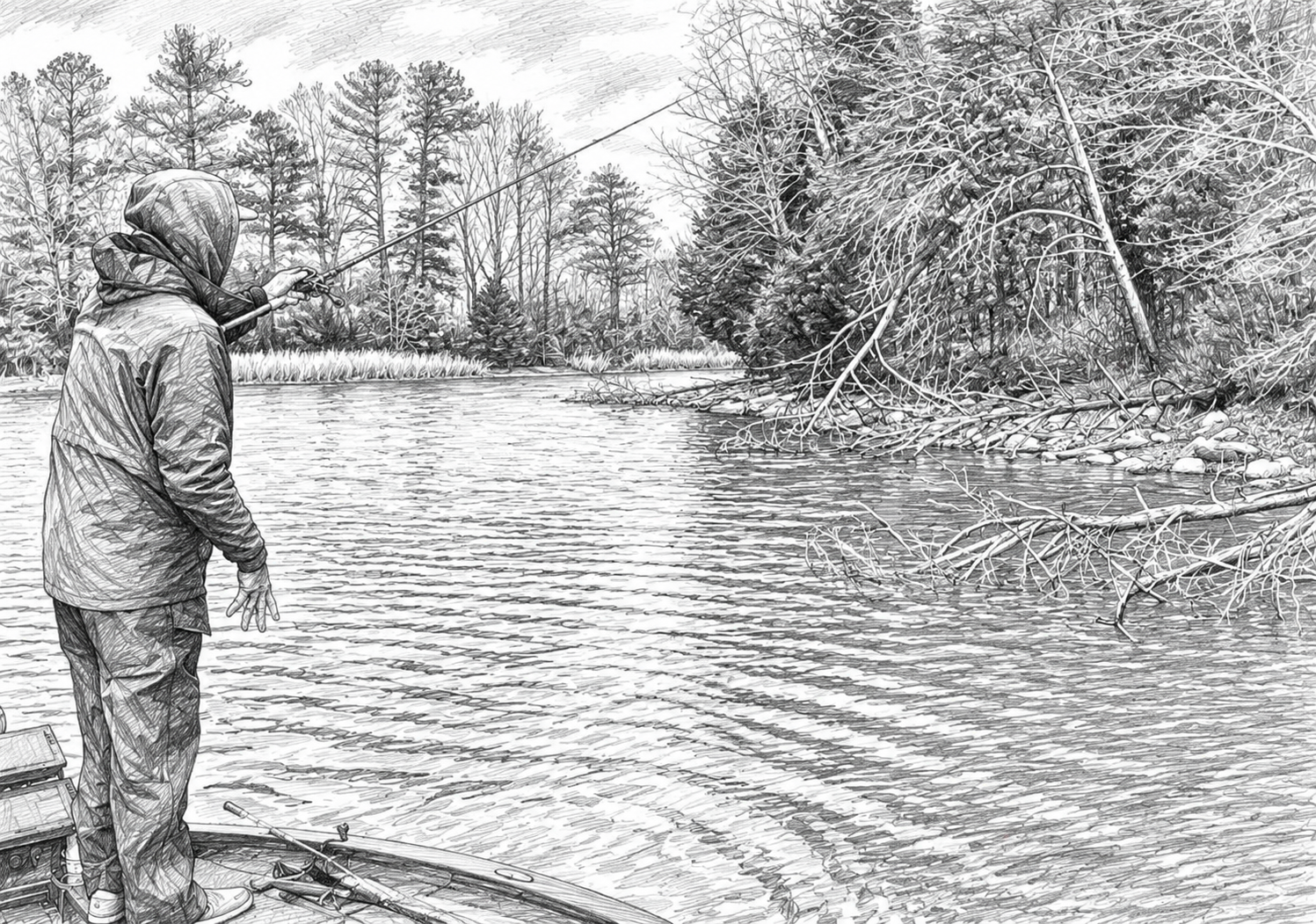
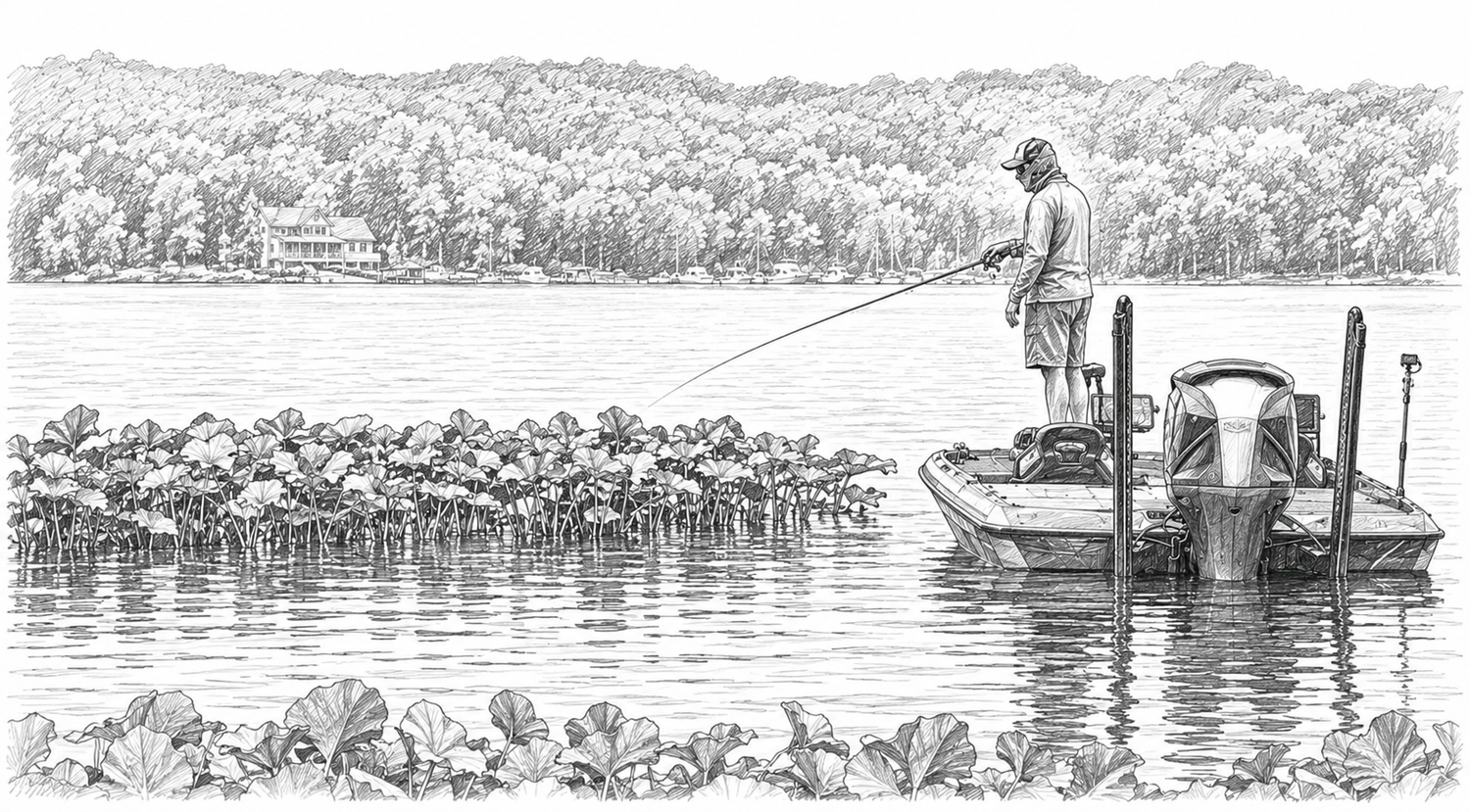
Flipping and pitching grasslines is all about efficiency and control. Unlike fishing a single piece of cover, you are often working a continuous edge, making repeated, precise presentations.
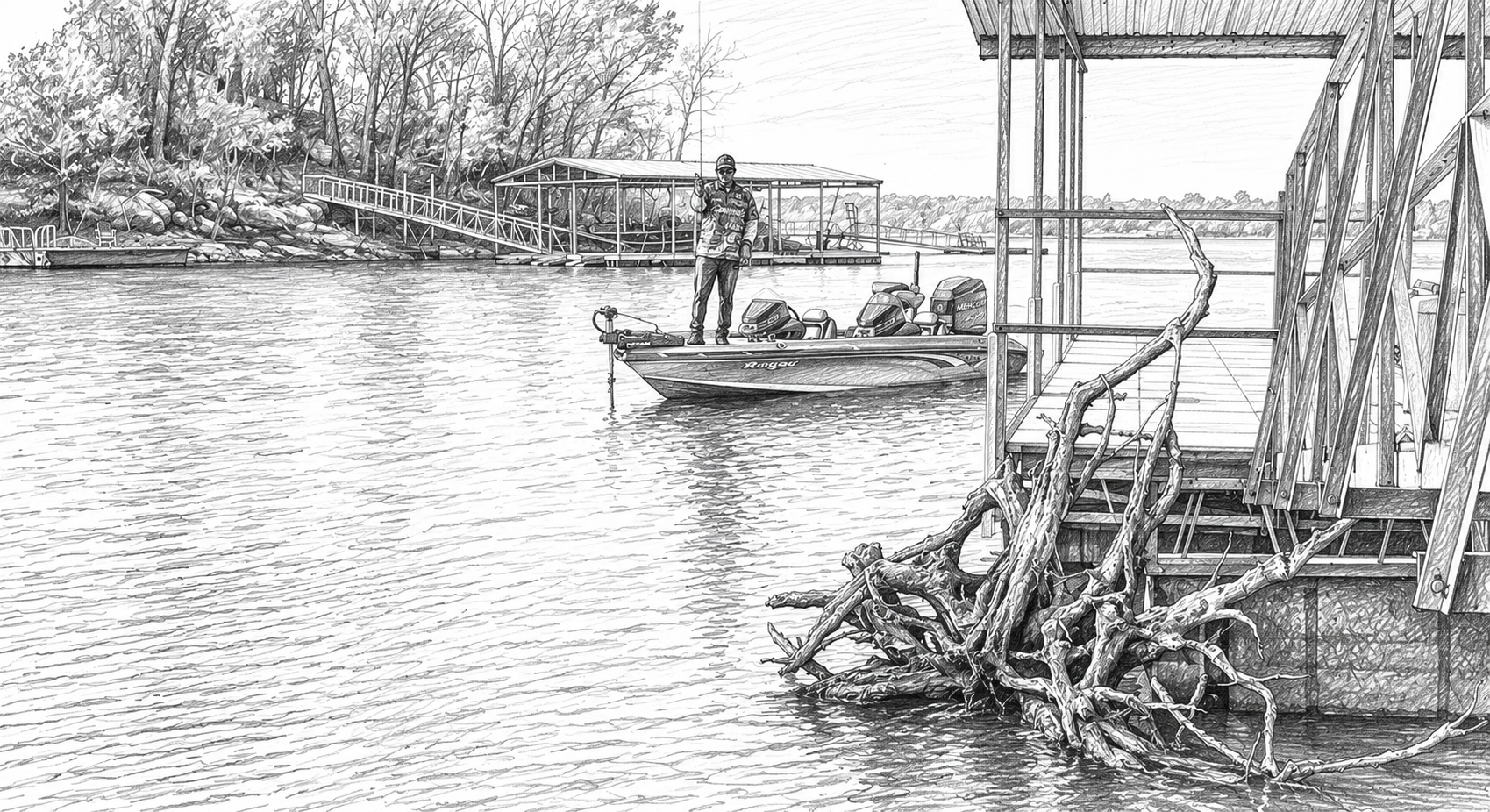
Start by positioning your boat parallel to the grassline. This allows you to cover water efficiently while keeping your bait in the strike zone longer. Work down the edge methodically, hitting key irregularities like points and cuts.
Your bait should enter the water quietly and fall naturally along the edge. Many bites happen on the initial drop, especially when bass are positioned just inside the grass waiting to ambush prey.
If the bait reaches the bottom without a bite, work it subtly along the edge before moving on. In thicker grass, you may need to punch through or adjust your angle to reach fish holding deeper within the vegetation.
Boat control is critical. Wind, current, and positioning all influence how effectively you can present your bait. Staying at the right distance and angle can make a significant difference in your success.
Best Lures for Grass Edges
Lure selection for grasslines depends on the density of the vegetation and the behavior of the fish, but a few staples consistently produce. We have curated a full list of the best of the best when it comes to Flipping and Pitch Soft Baits.

Gambler Burner Craw
Flipping jigs are a go-to option, especially around thicker edges or when bass are feeding on bluegill. Their profile and versatility make them effective in a wide range of conditions.
Texas-rigged soft plastics, particularly creature baits and beaver-style baits, are excellent for slipping into and along grass edges. They can be fished cleanly without constantly fouling in vegetation.
In heavier grass, increasing your weight allows the bait to penetrate more effectively and maintain contact with the strike zone. In lighter or more scattered grass, a more subtle presentation often works better. We always recommend your terminal tackle of hooks and weights to be flipping a pitching specific. Here is our list of what should be in your tackle box.
Color selection should match both water clarity and forage. Natural greens and browns work well in clear water, while darker or more contrasting colors help fish locate the bait in stained conditions.
Gear Setup for Grassline Fishing
Fishing grass requires a balance of strength and sensitivity. Of course we begin with choosing the right Flipping and Pitching Rod for this technique. A medium-heavy to heavy casting rod in the 7’ to 7’6” range provides the power needed to pull fish out of vegetation while still allowing for accurate presentations.

Scenko Stix Expansion Series
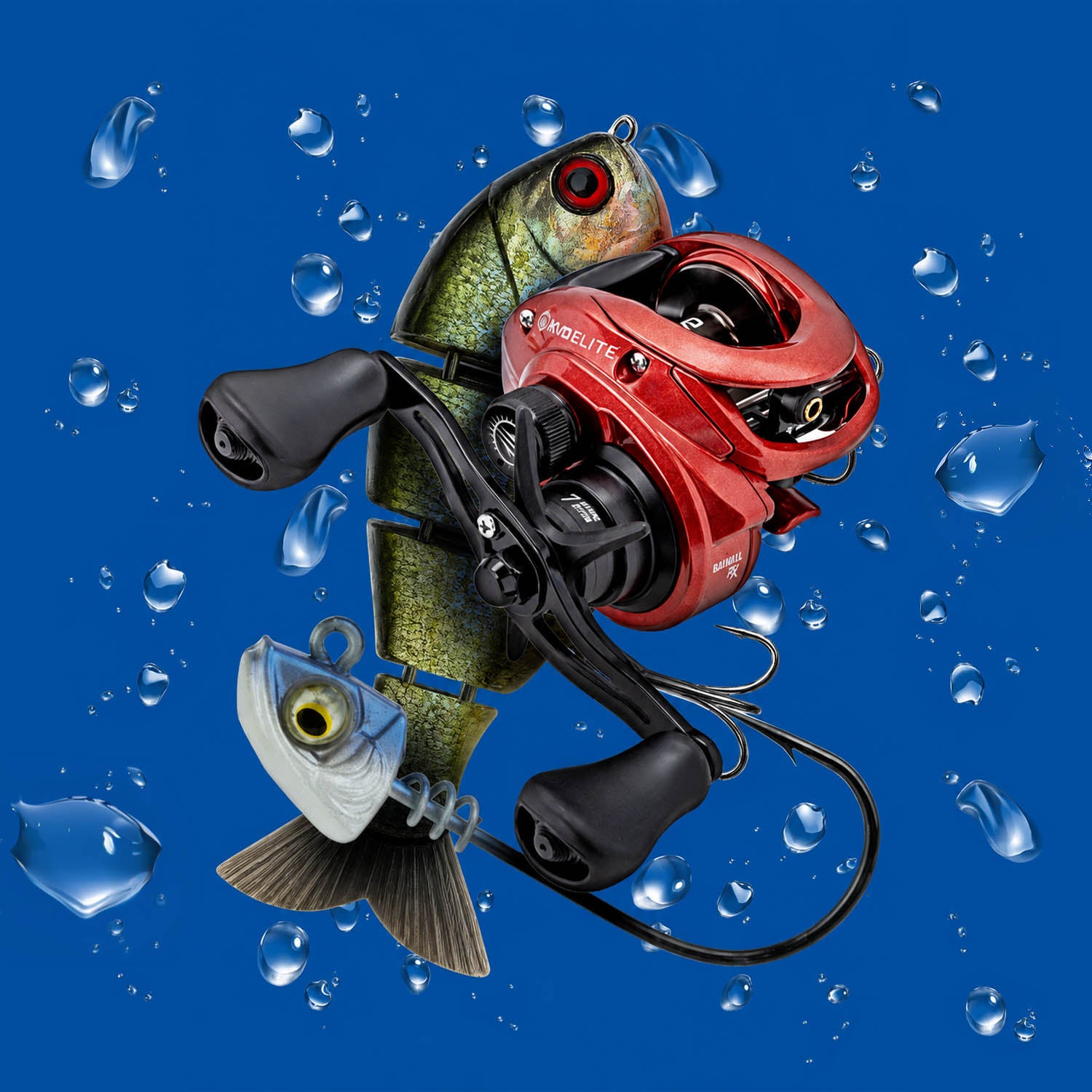
Choosing the right flipping and pitching reel is critical for making quick, accurate presentations and maintaining control in heavy cover. A high-speed reel with a strong drag system helps anglers pick up line fast, drive solid hooksets, and pull big fish away from thick vegetation or structure. Check out our curated list of recommended flipping and pitching reels to find the best option for your style of fishing and target cover.

Abu Garcia Revo
Braided line is the standard for most grass applications due to its strength and ability to cut through vegetation. In clearer water or lighter cover, fluorocarbon can be used for a more subtle presentation. We have our recommended list of proven line for flipping and pitching here.

Power Pro Super Slick
Keeping your drag tight ensures that you can move fish quickly and keep them from getting tangled in the grass.
A Must-Fish Destination: Lake Okeechobee
If there is one fishery that perfectly showcases the power of grassline flipping and pitching, it is Lake Okeechobee. Known for its vast expanses of vegetation, Okeechobee offers endless opportunities to target bass along grass edges.

Lake Okeechobee
From hydrilla and eelgrass to reeds and floating mats, the lake provides every type of grass scenario an angler could want. Bass position heavily along these edges, especially where depth changes or water movement creates ideal feeding conditions.
Okeechobee is a place where understanding grasslines is not just helpful, it is essential. Anglers who can read the edges, identify key areas, and make precise presentations consistently find success on one of the most iconic bass fisheries in the country.
Final Thoughts
Flipping and pitching grasslines and edges is one of the most efficient ways to target bass in vegetation. It combines the precision of close-range presentations with the ability to cover water and locate active fish.
Grass is constantly changing, which means there is always something new to learn. The anglers who pay attention to detail, from edge definition to seasonal movement, are the ones who consistently find success.
Approach each grassline with a plan, focus on high-percentage areas, and refine your technique with every cast. Over time, you will begin to see how bass use these edges, and that is when this pattern becomes one of the most powerful tools in your arsenal.
For more rod recommendations, reel and line combinations, plus in-depth technique advice, check out the full Flipping and Pitching Gear Guide to help you catch more big bass!
About the Author

The team at Mud Hole Custom Tackle are industry leaders in custom rod building, fishing tackle innovation, and technique-specific rod design. With decades of hands-on experience both on the water and at the rod bench, the Mud Hole Staff combines technical expertise with real-world fishing knowledge to help anglers build better rods and catch more fish. From bass and inshore applications to offshore and specialty techniques, their passion for performance-driven gear is at the core of every article, tutorial, and product they develop.