










If you’re looking for more rod recommendations, reel pairings, line setups, and technique-specific advice, head back to the complete Main Gear Guide Page for the full breakdowns on your favorite techniques.
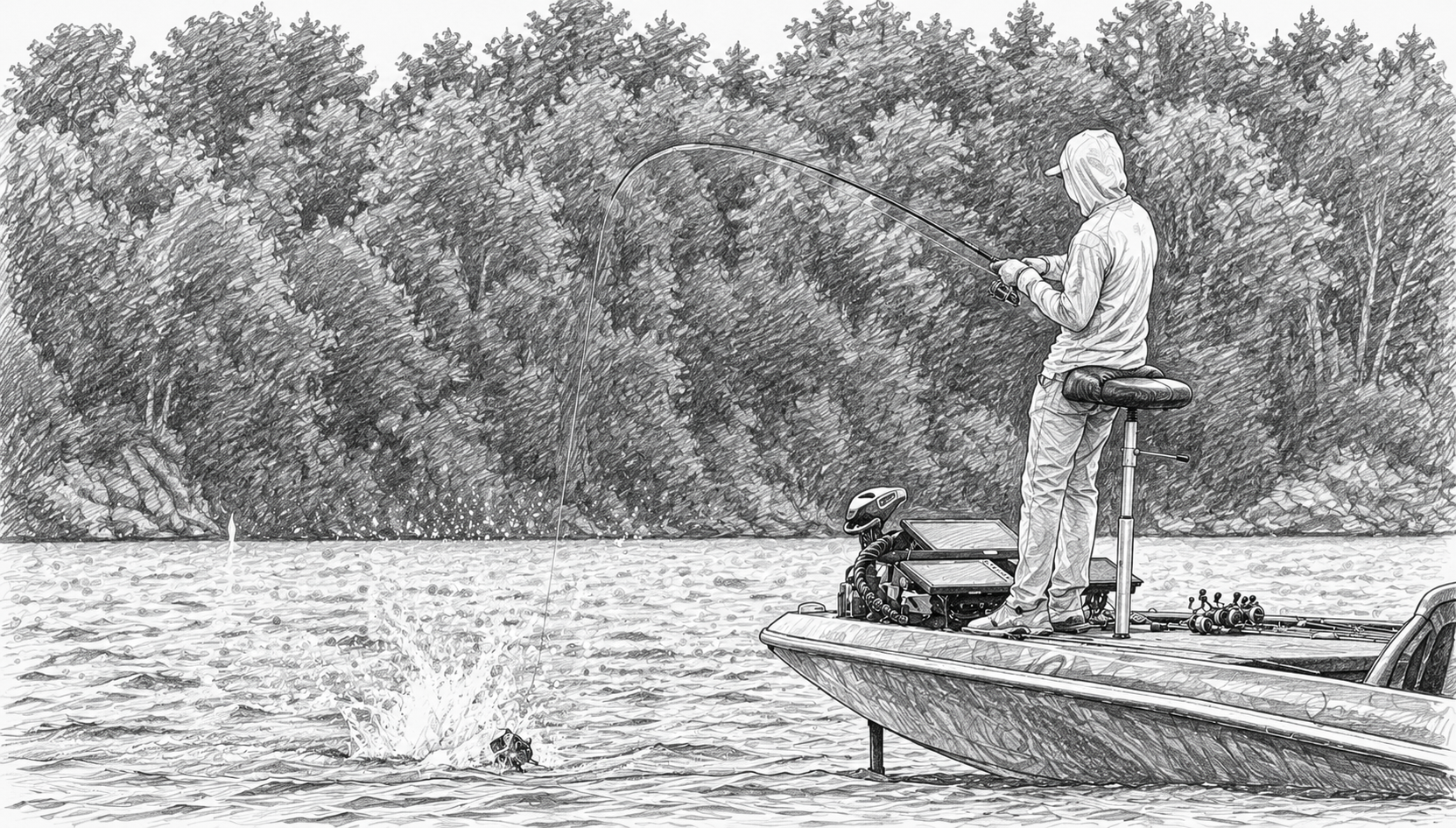
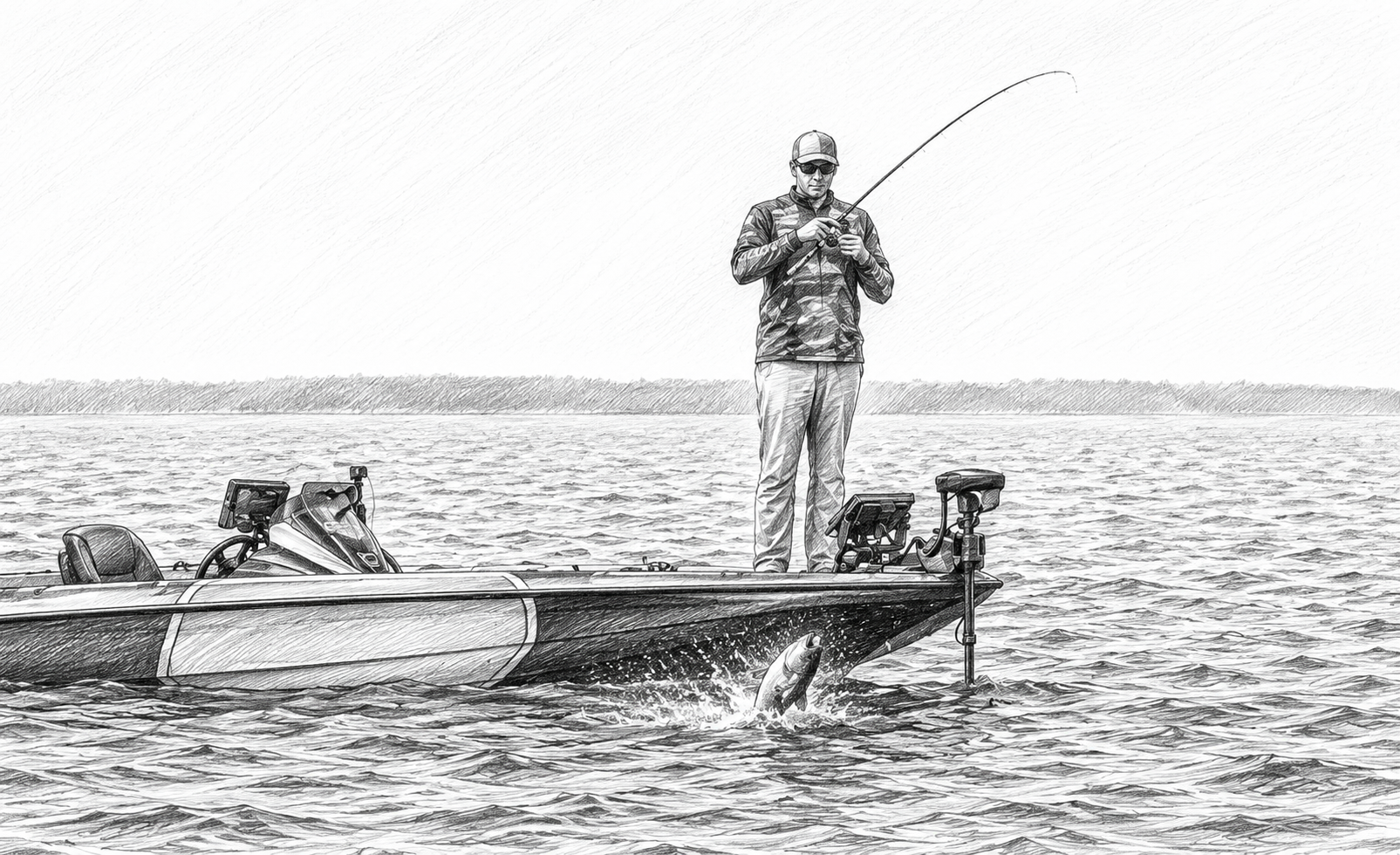
While swimbaits are often associated with open-water fishing and giant bass chasing baitfish offshore, some of the most productive swimbait opportunities occur around shallow cover. Grass lines, docks, wood, laydowns, brush piles, and isolated cover all provide ideal environments for bass to ambush prey, making them perfect targets for realistic swimbait presentations.
The ability to present a lifelike baitfish profile around cover gives anglers a unique advantage. Unlike many traditional cover-fishing techniques that rely on crawfish or creature bait imitations, swimbaits allow anglers to mimic one of the most important forage sources in any fishery: baitfish.
Whether you're fishing submerged grass, targeting dock fish, or working a swimbait through shallow cover, this technique offers an excellent combination of realism, versatility, and fish-catching potential.
What Is Around Cover Swimbait Fishing?
Around cover swimbait fishing focuses on presenting realistic baitfish imitations near the structure and cover where bass live and feed.
Unlike offshore swimbait techniques that often target suspended fish in open water, cover-oriented swimbait fishing emphasizes precision casting and controlled retrieves around visible targets.
Most presentations involve soft paddle-tail swimbaits rigged on jig heads, weighted hooks, or weedless swimbait hooks. These setups allow anglers to fish effectively around grass, wood, docks, and other forms of cover while minimizing snags.
The goal is to imitate a baitfish naturally swimming through an area where bass are already positioned.
By keeping the swimbait close to high-percentage targets and maintaining a realistic retrieve, anglers can consistently trigger strikes from fish using cover as feeding and ambush locations.
Why Around Cover Swimbaits Work
Bass spend much of their lives positioned around cover.
Vegetation provides oxygen, shade, and forage. Wood offers security and ambush opportunities. Docks create shade and concentrate baitfish. Wherever bass have access to food and protection, they are likely to be found.
The reason swimbaits work so well around cover is their realism.
Many cover presentations imitate crawfish or bottom-oriented forage. Swimbaits present a completely different profile by mimicking the baitfish bass actively hunt throughout the year.
The steady swimming action creates the appearance of vulnerable forage moving through the environment naturally.
Unlike reaction baits that often trigger impulsive strikes, swimbaits allow bass to track and commit to a target that looks familiar and easy to catch.
When fish become pressured or cautious, that natural appearance often becomes a major advantage.
Where Around Cover Swimbaits Excel
This technique performs best around shallow cover where bass are actively feeding or staging.
Vegetation is one of the most productive environments for swimbaits. Grass edges, submerged hydrilla, milfoil, eelgrass, and scattered vegetation all create ideal ambush points for bass.
Boat docks provide another excellent opportunity. Bass frequently position beneath shade lines and around dock pilings where they can intercept passing baitfish.
Laydowns, brush piles, standing timber, and isolated wood cover are also prime targets.
Swimbaits excel around shallow points, riprap banks, and shoreline cover where baitfish naturally congregate.
The technique is especially effective during spring, summer, and fall when bass spend significant time feeding around shallow structure and cover.
Whenever bass are actively relating to visible cover and feeding on baitfish, swimbaits deserve a place in the rotation.
Reading Conditions and Fish Behavior
Understanding how bass use cover is critical for success.
Water clarity often dictates presentation style. In clear water, bass may track a swimbait from several feet away, making natural colors and realistic retrieves especially important.
In stained water, fish often position tighter to cover and rely more heavily on proximity and vibration.
Pay close attention to baitfish activity.
Shad flickering near grass edges, bluegill around docks, or forage concentrated near shoreline cover often indicate productive areas for swimbaits.
Weather conditions also influence fish positioning.
Bright conditions frequently push bass tighter to shade-producing cover, while cloudy days often encourage fish to roam slightly farther from structure while continuing to feed.
The most productive cover is often the cover that combines forage, shade, and access to nearby depth changes.
Learning to identify these high-percentage areas can dramatically improve success.

Lake Guntersville
Technique: Make the Cover Work for You
One of the biggest mistakes anglers make with cover swimbaits is fishing too far away from the target.
The most productive retrieves often bring the bait as close to the cover as possible without hanging up.
Cast parallel to grass lines, swim the bait alongside dock pilings, or retrieve it past isolated pieces of wood where bass are likely to be waiting.
A steady retrieve is usually the foundation of the presentation.
The goal is to create a natural swimming action that resembles a baitfish moving through the area. Occasional pauses, speed changes, or slight rod movements can add realism and trigger following fish.
Around vegetation, maintaining the bait just above the grass often produces the best results.
When fishing wood or docks, focus on bringing the swimbait through key ambush zones rather than simply casting past the cover.
Precision and consistency are often more important than speed.
Best Swimbaits for Fishing Around Cover
Soft paddle-tail swimbaits dominate most cover-fishing applications.
Their natural swimming action, versatility, and ability to be rigged weedless make them ideal for fishing around vegetation, docks, and wood.
Most anglers favor swimbaits between 3.5" and 6" depending on forage size and fish activity.
Smaller profiles often excel when bass are feeding selectively, while larger swimbaits can help target bigger fish.
Natural forage colors consistently produce the best results. Shad, bluegill, perch, and baitfish-inspired patterns all perform exceptionally well depending on local forage.

The key is matching the predominant food source bass are feeding on in the area.
For a complete selection of proven soft swimbaits, explore our curated collection of swimbaits designed specifically for fishing around cover. Grab your hard body swimbaits here and don’t forget to grab your soft body swim baits too.
Gear Setup for Cover-Oriented Swimbait Fishing
Fishing swimbaits around cover requires a balance of casting accuracy, lure control, and fish-fighting power.

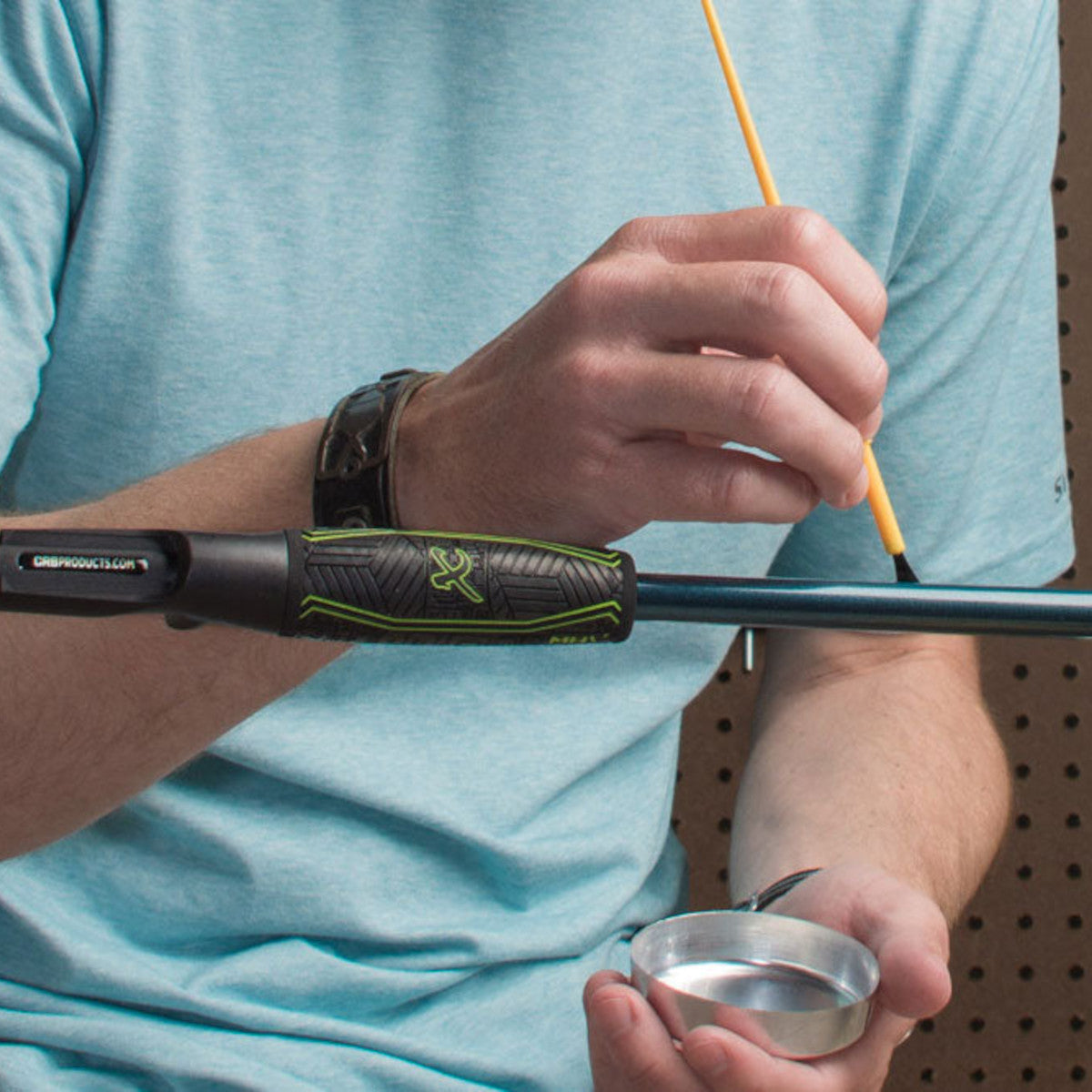
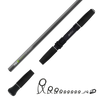
A medium-heavy to heavy casting rod between 7'0" and 7'6" provides excellent casting performance while maintaining the power needed to pull fish away from cover. Start by picking out your rod.
Moderate-fast to fast actions help keep fish pinned while providing enough responsiveness for accurate presentations.
Choosing the right swimbait rod is especially important around cover because anglers often need immediate control after the hookset.

Shimano Curado 200
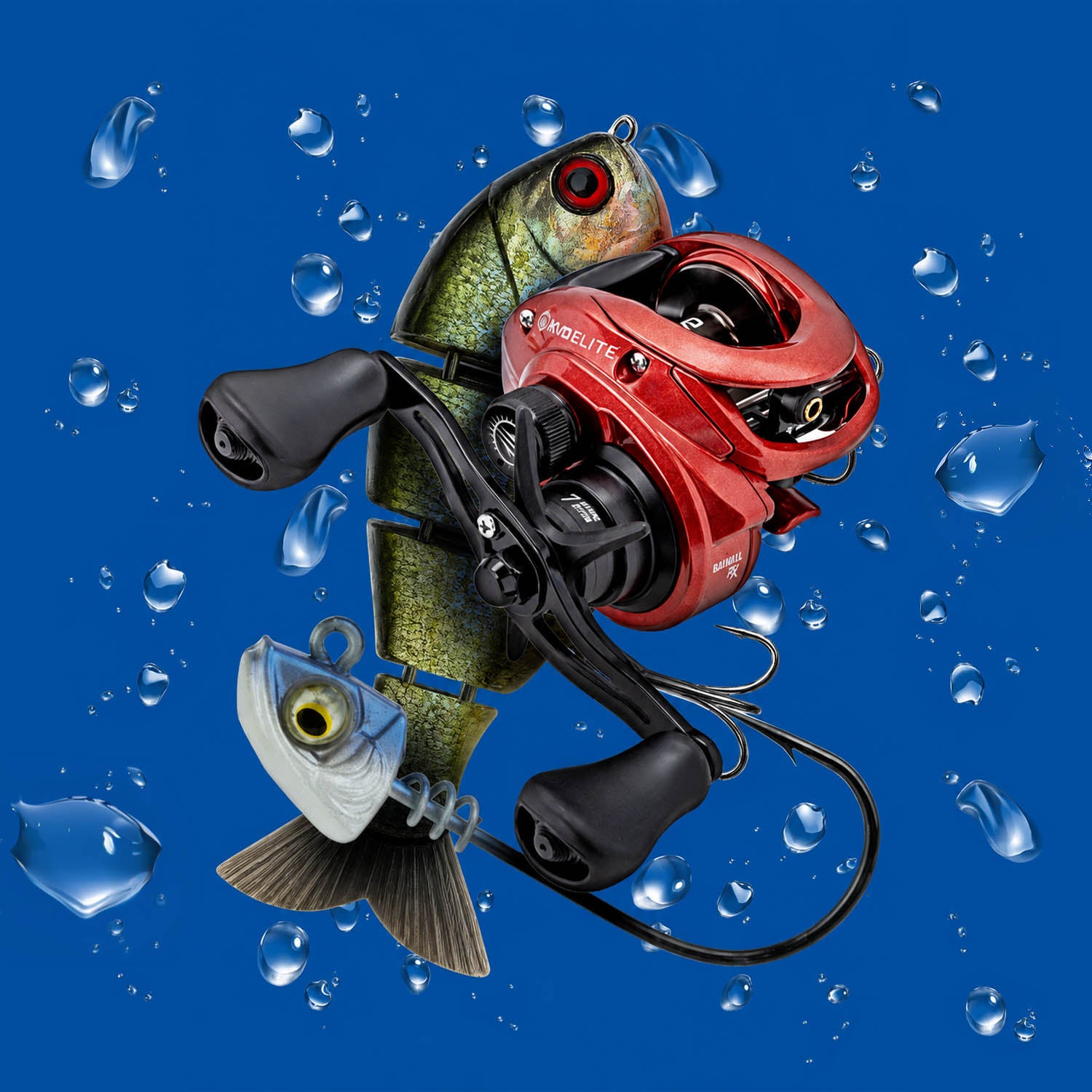
A quality 150-200 size casting reel offers excellent casting accuracy and line management. Check out our reel recommendations.
Most anglers prefer 15-20 lb fluorocarbon or 30-50 lb braid depending on cover density and water clarity. These are the line and leader combinations we pick.
Swimbaits ranging from 1/2 ounce to 2 ounces cover most cover-oriented applications and provide an ideal balance of profile and fishability.
Matching line size, hook style, and swimbait profile to the type of cover being fished can dramatically improve efficiency and landing percentages. Here are the hooks and jigheads you will need.
A Must-Fish Destination: Lake Guntersville
A perfect example of where around cover swimbaits excel is Lake Guntersville.
Known for its expansive grass flats, shallow cover, and outstanding bass population, Guntersville provides ideal conditions for fishing swimbaits around vegetation and structure.

Lake Guntersville
Bass throughout the lake routinely use grass lines, hydrilla edges, isolated cover, and dock systems as feeding locations.
Swimbaits allow anglers to mimic the baitfish these bass feed on while covering water efficiently and maintaining a natural presentation.
Whether swimming a paddle-tail through submerged grass or targeting fish along shallow vegetation edges, swimbaits consistently produce quality fish throughout much of the year.
Few fisheries demonstrate the effectiveness of cover-oriented swimbait fishing better than Lake Guntersville.
Final Thoughts
Around cover swimbait fishing combines the realism of a baitfish presentation with the precision required to target bass living around structure.
Its ability to imitate natural forage while remaining highly versatile makes it one of the most productive techniques available for grass, docks, wood, and shallow cover.
When bass are actively feeding on baitfish and relating to cover, few presentations can match the combination of efficiency and effectiveness that a swimbait provides.
The key is focusing on high-percentage targets, maintaining a natural retrieve, and matching local forage as closely as possible.
For anglers looking to expand their swimbait fishing beyond open water, the around-cover approach can unlock some of the most productive bass fishing opportunities on the lake.
For more rod recommendations, reel pairings, line setups, and swimbait-specific advice, check out the complete Swimbait Gear Guide and build a system designed to maximize your success around cover.
About the Author

The team at Mud Hole Custom Tackle are industry leaders in custom rod building, fishing tackle innovation, and technique-specific rod design. With decades of hands-on experience both on the water and at the rod bench, the Mud Hole Staff combines technical expertise with real-world fishing knowledge to help anglers build better rods and catch more fish. From bass and inshore applications to offshore and specialty techniques, their passion for performance-driven gear is at the core of every article, tutorial, and product they develop.