







Spend any time around custom rod builders and you will hear it almost immediately. Some builders swear that performance is everything. Others will tell you that if a rod does not reflect your personality, you are missing the entire point. The truth is, this debate has been going on for years, and like most things in fishing, the answer is not as simple as picking a side.
Rod building lives in a unique space where engineering meets creativity. It is one of the few areas in fishing where function and form are not competing forces, but constantly influencing each other. That is exactly what makes the conversation so interesting.
The Case for Performance First
At its core, a fishing rod is a tool. It is designed to cast, detect bites, set hooks, and land fish. If it fails at any of those, nothing else really matters. This is why many builders take a performance-first approach.
Every component on a rod plays a role in how it fishes. The blank determines action and power. The guide train affects casting efficiency and line control. The handle influences balance, comfort, and sensitivity. None of these decisions are random, and when done correctly, they create a system that works together seamlessly.
Custom rod building gives anglers the ability to fine-tune that system in ways off-the-shelf rods simply cannot. A rod can be built specifically for a technique, a body of water, or even a single species. That level of precision is what draws many serious anglers into building their own gear.

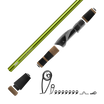
In fact, one of the biggest advantages of custom rods is how they can be tailored to the exact fishery and application. Builders who spend time on the water refining their setups are able to make informed decisions about blanks, handle configurations, and guide layouts that directly improve performance. Perfect examples of this are in our Signature rod kits. From staff members to touring pros, ALL of those kits are based on performance.
Even small details matter. Guide placement impacts stress distribution and casting smoothness. Handle length can change leverage and casting mechanics. Weight distribution influences fatigue over a long day on the water. When you start stacking these factors together, it becomes clear why performance-driven builders obsess over the details.
From this perspective, decorative wraps, color choices, and aesthetic upgrades can feel secondary. They are nice to have, but they do not help you land more fish. Some builders even argue that unnecessary additions can negatively impact performance by adding weight or altering balance.
And they are not entirely wrong. I believe you really have to go out on a limb for the addition of fancy threadwork or other decorative touches to be detrimental to the rod's performance.
The Case for Personal Expression
Now take a step back and look at rod building from a different angle. Why build a custom rod at all if performance is the only goal? There are countless high-quality factory rods available today that perform at an extremely high level.
The answer lies in personalization.

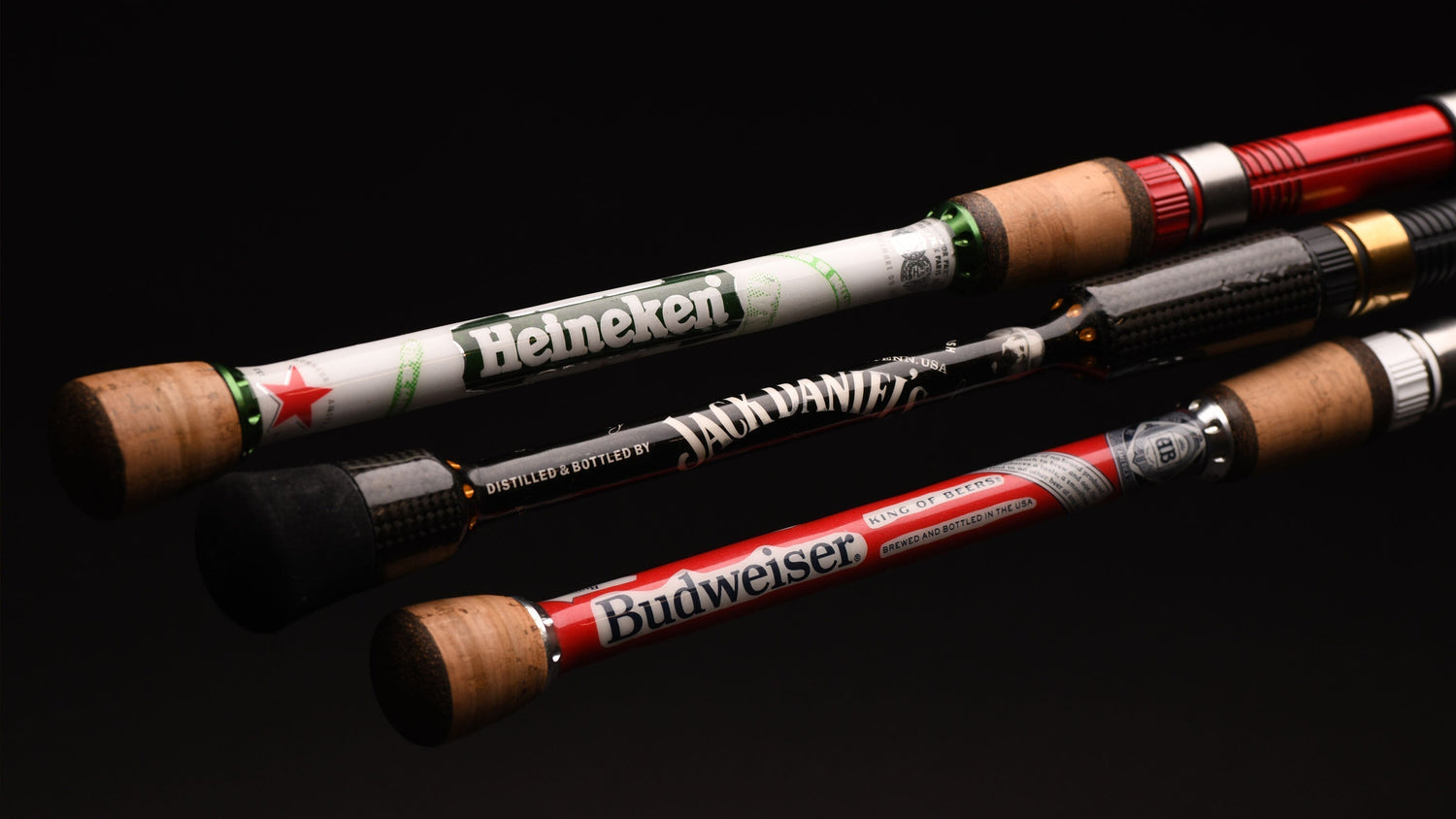
Rod building is not just about catching fish. It is about building something that is yours. From thread color and decorative wraps to handle materials and layout choices, every rod becomes a reflection of the person who built it.
For many builders, this is where the passion truly lives.
The process itself is creative. You are not just assembling components, you are designing something from the ground up. Even small choices, like trim accents or thread patterns, can completely change the look and feel of a rod.
Mud Hole often emphasizes that rod building combines creativity, craftsmanship, and precision, making it both a technical and artistic pursuit.
That creative side is what keeps many builders coming back to the bench. It is the reason people experiment with new color combinations, intricate butt wraps, and unique handle designs. It is also why no two custom rods are ever exactly the same.

There is also a deeper connection that comes with building your own gear. When you catch a fish on a rod you built yourself, it means something different. It is not just about the fish, it is about the time, effort, and thought that went into creating that tool.
For some, that alone outweighs any measurable performance gain.
Where the Debate Gets Interesting
The real tension in this debate comes from the gray area between performance and expression. Because in reality, they are not separate.
A decorative wrap might seem purely aesthetic, but it also adds thread and epoxy to the blank, which can possibly impact weight and responsiveness. A split grip might look modern and clean, but it also changes balance and handling. Even something as simple as thread choice can influence both durability and appearance.
Are you on the fence about the weight fancy threadwork might create? I did a little extra work and experiments in a previous blog: Can A Decorative Wrap Weigh You Down?
This is where experienced builders begin to see the overlap. The best rods are not just high-performing or visually appealing. They are a balance of both.
A well-designed custom rod considers how every decision affects both function and form. Builders who understand this start to make more intentional choices. They know when to push the limits creatively and when to keep things simple for the sake of performance.

Interestingly, many builders find that as their skills improve, their designs become more refined. Not necessarily more flashy, but more purposeful. Clean wraps, thoughtful layouts, and subtle accents often replace overly complex designs.
It is not that creativity goes away. It just becomes more focused.
The Role of Experience
Experience plays a huge role in how builders approach this debate.
Beginners often lean toward expression. They want to try everything. Bright colors, intricate wraps, unique designs. It is part of the learning process, and it is what makes the craft fun early on.
As builders gain experience, many shift toward performance. They begin to understand how different components interact and how small changes affect the rod on the water.
Efficiency, balance, and functionality become more important. But here is the interesting part. The best builders often circle back.
They do not abandon creativity. They just learn how to integrate it without sacrificing performance. They know how to build a rod that fishes exactly how it should while still looking incredible. That is where rod building becomes more than just a hobby. It becomes a craft.
The Influence of Modern Components
Advancements in rod building components have also blurred the line between performance and expression.
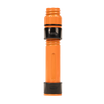
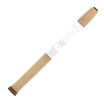
Materials like carbon fiber handles, advanced guide systems, and lightweight reel seats allow builders to create rods that are both high-performing and visually striking. Products like integrated carbon handle systems or compressed carbon reel seats are designed with both function and aesthetics in mind.

This evolution has made it easier than ever to build rods that do not force you to choose between the two.
Even so, decisions still matter. Adding decorative elements, choosing heavier materials, or overcomplicating a build can still impact performance. The tools may have improved, but the responsibility still falls on the builder.
So, Which One Matters More?
If you ask ten rod builders this question, you will likely get ten different answers. Some will tell you performance is everything. Others will argue that the entire point of custom rod building is to create something unique. Most will land somewhere in the middle even though I do skew more towards the performance end. There is something about fishable art and I am very lucky to have met so many incredible rod builders that are truly artists.
The reality is, rod building is about both. It is about building a rod that performs exactly how you need it to, while also reflecting your style, preferences, and personality. The balance between those two depends on the individual builder.
There is no right answer, and that is exactly what makes rod building so special.
Finding Your Own Balance
At the end of the day, the best approach is the one that keeps you building.
If you are chasing performance, dive into the details. Study guide placement, experiment with handle lengths, and refine your setups on the water. Pay attention to what works and what does not.
If you are drawn to creativity, embrace it. Try new designs, experiment with colors, and push the limits of what you can create.
And if you find yourself somewhere in between, you are in good company. Because the truth is, the most rewarding rods are the ones that do both. They perform when it matters, and they carry a piece of you every time you pick them up.
That is the real beauty of rod building.