










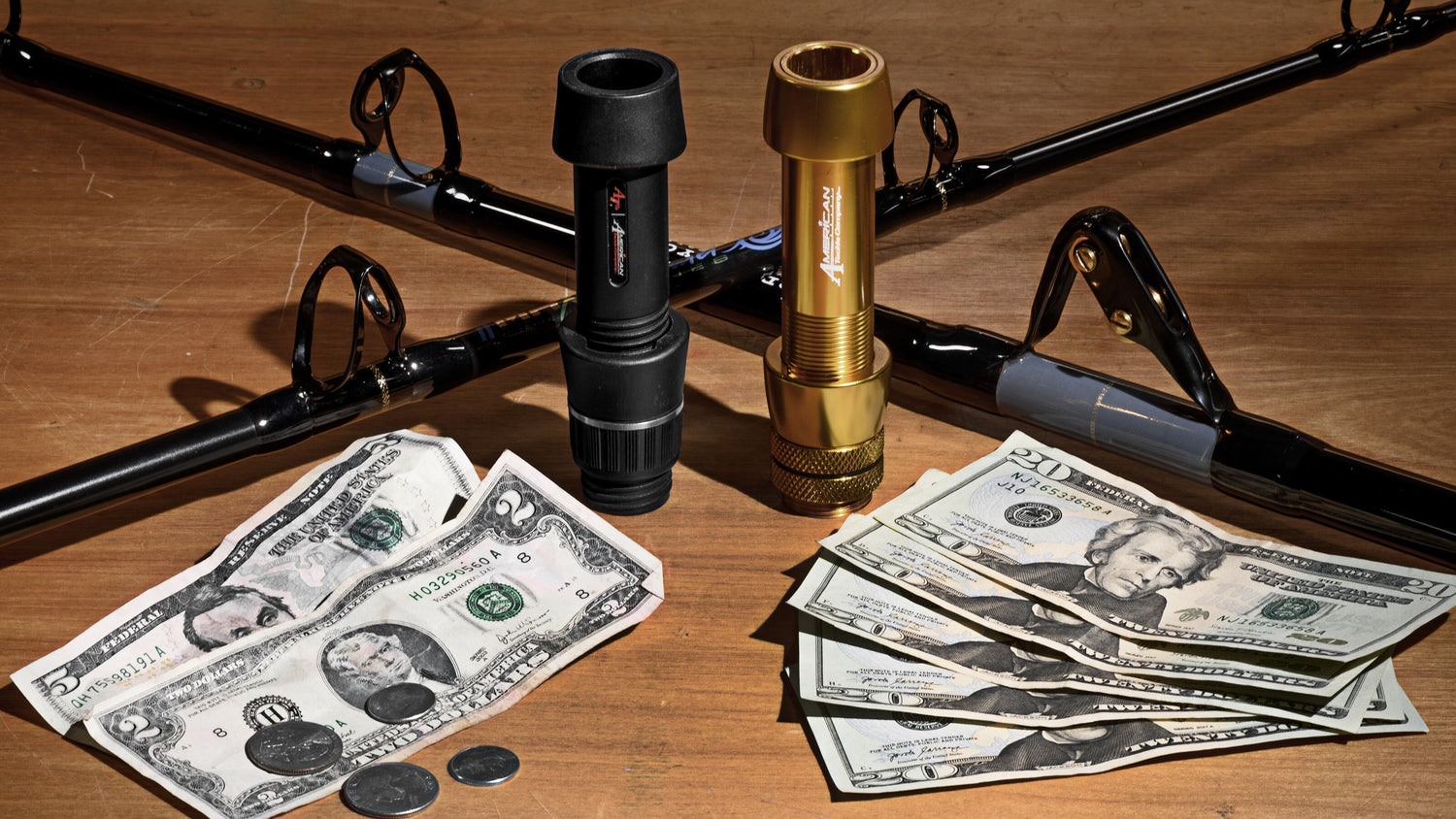
In custom rod building, one of the most common assumptions is that a higher price automatically means better performance. It is an easy trap to fall into, especially when premium materials and cutting-edge components dominate conversations online. Social media, forums, and product launches often highlight top-tier pricing as a badge of superiority. While there is no denying that high-end components have their place, performance is not defined by price alone. In many cases, choosing the right component for the technique matters far more than choosing the most expensive option on the shelf.
Rod building is ultimately about purpose. Every rod is built to solve a problem, whether that is detecting subtle bites, casting farther, fighting fish more efficiently, or reducing fatigue over a long day on the water. When builders focus on matching components to those needs rather than chasing price tags, performance naturally follows.
Blank Technology Over Price Tags
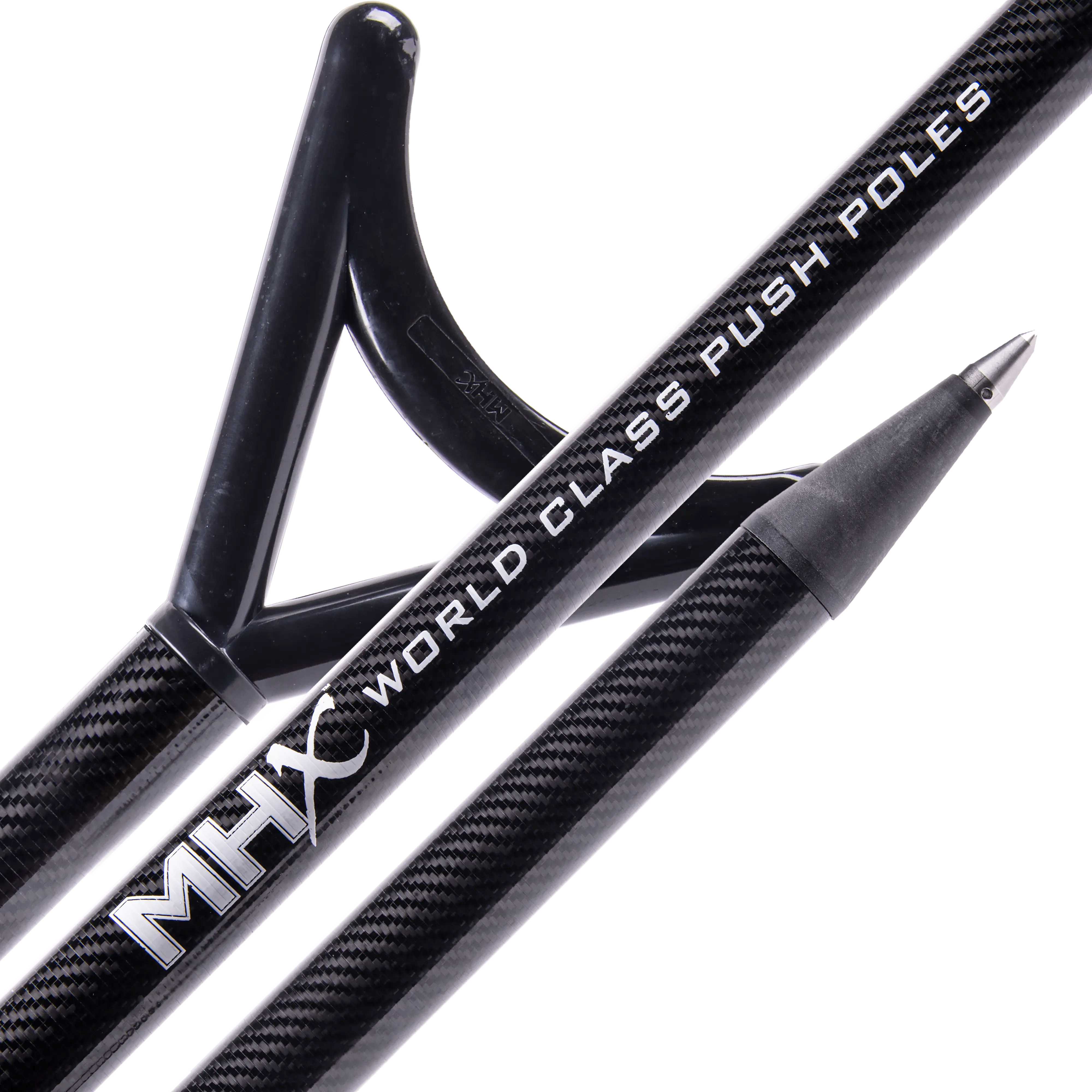
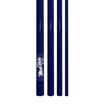
The rod blank is the foundation of any build, and its design, materials, and manufacturing process play a much larger role in performance than price alone. MHX rod blanks are a perfect example of how thoughtful engineering can deliver technique-specific performance without requiring a premium price point.
 Rather than chasing cost, MHX focuses on matching blank actions, powers, and tapers to how anglers actually fish. Whether you are building a jig rod that needs crisp sensitivity, a crankbait rod that requires controlled flex, or an inshore spinning setup designed for long casts and steady pressure, the blank’s responsiveness, recovery speed, and load profile are what dictate success on the water. A blank designed specifically for your technique will always outperform a more expensive blank that does not match how you fish.
This is where many builders go wrong. It is easy to assume that a higher-priced blank will automatically be better, but that assumption often overlooks the most important factor: application. Sensitivity, durability, and balance come from materials, taper design, and manufacturing consistency working together, not from cost alone. A well-designed blank that loads and recovers properly will feel better in hand and perform better on the water, regardless of its price.
I get this quite often when asked about choosing a blank for various bass fishing techniques. Why would I ever not choose the MHX Elite-X series? It is considered the lightest and more sensitive, right? Well, what if weight and sensitive are not the top two on my list of needs for a particular rod build? I need a rod over 7 foot, heavy power and will be throwing a Gambler Big-EZ over heavy cover for giant bass. Now you see why weight and sensitive are not at the top. I need something that is designed for making long casts and pulling your next personal best out of the thickest vegetation in the state. Enter the MB874 from MHX, a true work horse and designed for many tasks but excels particularly well at this one. I would be happy to sell you an NMB874 at over twice the cost of an MB874 but I would rather you have the best rod blank for your needs.
 MHX blank technology emphasizes consistency and real-world performance. Builders can rely on predictable actions, dependable quality, and a wide selection of models that cover nearly every freshwater, inshore, and offshore technique. That consistency is what builds confidence, especially for builders producing rods for customers who expect repeatable results.
Components That Fit the Build, Not the Budget Ceiling
The same philosophy applies to the components you choose to pair with your blank. Grips, reel seats, winding checks, and trim pieces all play a role in how a rod feels and performs. Comfort and ergonomics should always take priority over price.
 A handle that fits the angler’s hand, balances the rod correctly, and performs well in real fishing conditions will always outperform a more expensive option that looks good but feels wrong. EVA, cork, carbon fiber, and composite materials all have their place, and none of them need to be the most expensive version available to perform at a high level.
What matters most is how those components interact with the blank and the angler. It is why everyone get tired of me talking about the Fuji ECSM casting seat, but it is my favorite! Remember, a bass angler flipping heavy cover, an inshore angler working artificial lures, and a finesse fisherman chasing light bites all demand different handle lengths, grip textures, and weight distribution. When those needs are met, the rod feels natural in hand, reducing fatigue and improving control.
 Custom rod building offers the advantage of tailoring these details to the angler. That customization is far more valuable than simply choosing the highest-priced option available. The best-performing rods are the ones that feel like an extension of the angler, not the ones built around a budget ceiling.
Rod Guides and Smart Selection
Rod guides are another area where price and performance are often confused. It is easy to assume that the most expensive guide option will automatically deliver the best results, but that is not always the case.
 Guide material, frame design, ring type, and layout all matter more than price alone. Stainless steel guides, for example, remain an excellent choice for the majority of freshwater and light saltwater applications. They are durable, corrosion-resistant, and cost-effective, making them ideal for many builds.
In a previous Mud Hole Journal, “Building with Titanium Components: Is It Necessary?”, this exact topic was explored in depth. Titanium guides offer real advantages in weight savings and corrosion resistance, especially for specialized applications. However, they are not required for every build or every angler. For many techniques, stainless steel guides paired with modern ring materials deliver outstanding performance without the added cost.
 Equally important is guide layout. Proper spacing, reduction trains, and runner selection have a direct impact on casting efficiency, line control, and overall rod balance. Even the most expensive guide set will fall short if it is poorly matched to the blank or incorrectly laid out. Smart selection and thoughtful layout will always outperform price alone.
Performance Comes From Purpose
At the end of the day, performance in rod building comes from purpose-driven decisions. The most successful custom rods are not built by stacking the most expensive components together. They are built by selecting parts that work together to meet a specific goal.
MHX blank technology is designed with this philosophy in mind. By focusing on technique-specific performance, consistent quality, and real-world testing, MHX allows builders to create high-performing rods without unnecessary cost. When paired with thoughtfully chosen components, the result is a rod that fishes better, feels better, and inspires confidence every time it is picked up.
 Price can influence performance, but it does not define it. Understanding how each component contributes to the finished rod is what separates a good build from a great one. The real value of custom rod building lies in intention, knowledge, and experience, not in chasing the highest price tag.
Build with intention, match components to the technique, and remember that the best rod is the one that performs exactly the way you need it to on the water