



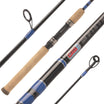
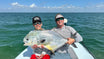







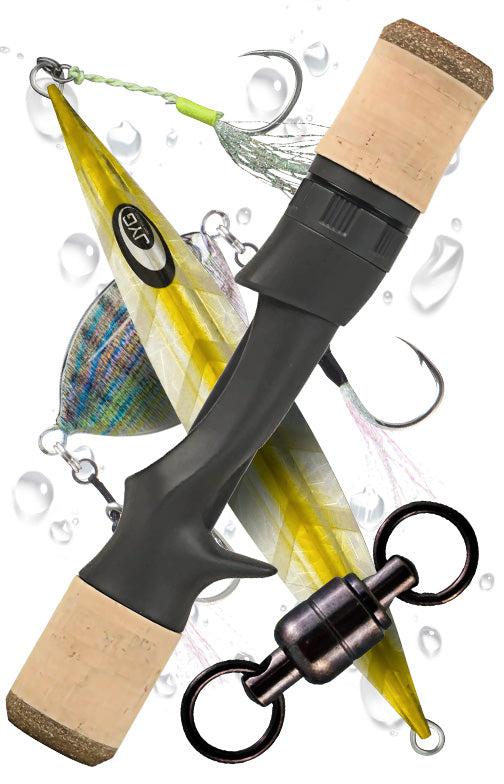
What is Slow-Pitch Jigging?
Slow-pitch jigging is a vertical saltwater fishing technique built around precision, rhythm, and controlled jig movement rather than speed. Instead of aggressively ripping a lure through the water, anglers use short, rhythmic rod lifts to load the blank and allow the jig to flutter naturally on the fall. Most strikes occur as the jig drops, imitating a wounded or disoriented baitfish.
This technique excels in offshore and nearshore environments where depth, current, and pressure demand a natural presentation. It’s commonly used to target species like snapper, grouper, amberjack, tuna, and other bottom-oriented or suspended predators. Because the jig does much of the work, slow-pitch jigging is efficient and less physically demanding than traditional speed jigging.
It’s also why slow-pitch is perfect for custom rod builds. Small adjustments to blank action, handle length, guide layout, and overall balance can dramatically affect how the rod performs. Building your own lets you fine-tune sensitivity, cadence, and comfort while matching the rod to reels, jig weights, depths, and target species for maximum performance.
Introduction
What is Build a Slow-Pitch Jigging Rod?
What is Slow-Pitch Jigging?
Slow-pitch jigging is a vertical saltwater fishing technique built around precision, rhythm, and controlled jig movement rather than speed. Instead of aggressively ripping a lure through the water, anglers use short, rhythmic rod lifts to load the blank and allow the jig to flutter naturally on the fall. Most strikes occur as the jig drops, imitating a wounded or disoriented baitfish.
This technique excels in offshore and nearshore environments where depth, current, and pressure demand a natural presentation. It’s commonly used to target species like snapper, grouper, amberjack, tuna, and other bottom-oriented or suspended predators. Because the jig does much of the work, slow-pitch jigging is efficient and less physically demanding than traditional speed jigging.
It’s also why slow-pitch is perfect for custom rod builds. Small adjustments to blank action, handle length, guide layout, and overall balance can dramatically affect how the rod performs. Building your own lets you fine-tune sensitivity, cadence, and comfort while matching the rod to reels, jig weights, depths, and target species for maximum performance.
Slow-Pitch Jigging Applications
Nearshore / Light Slow Pitch
This is slow pitch at its most subtle: a finesse-driven jigging style geared toward structure that’s closer to the boat, lighter current, and smaller game. Anglers use slower yet precise motions to make lighter metal jigs glance and flutter near rock edges, reef ledges, and shallow shelves. Because you’re often fishing tighter structure and want bite detection more than brute force, the rod responds to small lifts and gentle falls—it’s as much about timing as strength.
Targets: Lane snapper, mangrove snapper, porgy, smaller reef fish inside ~150 ft
Classic Reef Slow Pitch
This is what most people think of when they picture slow-pitch jigging: rhythmic half-turn lifts followed by controlled free falls, keeping the jig dancing around reef drops and structure lines. It’s reactive but deliberate—enough power to punch current, yet soft enough to let the metal flutter enticingly in the strike zone. This is the foundation and the go-to for most East Coast slow-pitch boats.
Targets: Vermilion, red and mutton snapper, scamp grouper, gag grouper (reef fish ~120–300 ft)
Long Fall / Suspended Slow Pitch
Long fall slow pitch shifts the goal from tight bottom contact to maximizing hang time. Instead of snap-tight twitches, the rod sets up longer sweeps and controlled slack so the jig flutters through the water column for as long as possible. It’s a killer when fish aren’t brushing the bottom—suspended over rises, ledges, or drop-offs—because that extra flutter keeps the jig in the strike zone longer.
Targets: Snapper, amberjack, blackfin tuna, mid-column predators ~150–400 ft
Deep Water Slow Pitch
Deep water slow pitch isn’t just a “bigger jig.” It’s an optimized technique to work heavy metals through strong current at serious depth. Here, you’re fighting drag, thermoclines, and jigs that must accelerate fast enough to get down and stay in play. The rods recover quicker in the mid and lower sections to move weight without fatigue, while still holding enough flex to make the jig sing. This is the workhorse of Gulf Stream edges and wreck drops.
Targets: Snowy grouper, tilefish, deep wreck species ~300–700 ft
Power Slow / Heavy Hybrid
This is the bridge between pure slow-pitch finesse and brute-force vertical jigging. The rods still allow controlled lifts and jig deflection, but the backbone and butt section are beefed up so you can muscle big fish—amberjack, large grouper, or yellowfin—without bending past the rod’s limits. This category comes into play when the fish are big, aggressive, or the current demands leverage over subtlety.
Targets: Greater amberjack, large grouper, yellowfin tuna
Key Takeaways
- Technique relies on short, rhythmic rod lifts, not aggressive motion.
- Jig flutter on the fall triggers most strikes, imitating wounded baitfish.
- Effective for snapper, grouper, amberjack, tuna, and other bottom/mid-water species.
- Best used in offshore and nearshore conditions with varying depth and current.
- Proper rod, reel, and line setup ensures natural jig action and precise control.
Slow-Pitch Jigging Applications
Nearshore / Light Slow Pitch
This is slow pitch at its most subtle: a finesse-driven jigging style geared toward structure that’s closer to the boat, lighter current, and smaller game. Anglers use slower yet precise motions to make lighter metal jigs glance and flutter near rock edges, reef ledges, and shallow shelves. Because you’re often fishing tighter structure and want bite detection more than brute force, the rod responds to small lifts and gentle falls—it’s as much about timing as strength.
Targets: Lane snapper, mangrove snapper, porgy, smaller reef fish inside ~150 ft
Classic Reef Slow Pitch
This is what most people think of when they picture slow-pitch jigging: rhythmic half-turn lifts followed by controlled free falls, keeping the jig dancing around reef drops and structure lines. It’s reactive but deliberate—enough power to punch current, yet soft enough to let the metal flutter enticingly in the strike zone. This is the foundation and the go-to for most East Coast slow-pitch boats.
Targets: Vermilion, red and mutton snapper, scamp grouper, gag grouper (reef fish ~120–300 ft)
Long Fall / Suspended Slow Pitch
Long fall slow pitch shifts the goal from tight bottom contact to maximizing hang time. Instead of snap-tight twitches, the rod sets up longer sweeps and controlled slack so the jig flutters through the water column for as long as possible. It’s a killer when fish aren’t brushing the bottom—suspended over rises, ledges, or drop-offs—because that extra flutter keeps the jig in the strike zone longer.
Targets: Snapper, amberjack, blackfin tuna, mid-column predators ~150–400 ft
Deep Water Slow Pitch
Deep water slow pitch isn’t just a “bigger jig.” It’s an optimized technique to work heavy metals through strong current at serious depth. Here, you’re fighting drag, thermoclines, and jigs that must accelerate fast enough to get down and stay in play. The rods recover quicker in the mid and lower sections to move weight without fatigue, while still holding enough flex to make the jig sing. This is the workhorse of Gulf Stream edges and wreck drops.
Targets: Snowy grouper, tilefish, deep wreck species ~300–700 ft
Power Slow / Heavy Hybrid
This is the bridge between pure slow-pitch finesse and brute-force vertical jigging. The rods still allow controlled lifts and jig deflection, but the backbone and butt section are beefed up so you can muscle big fish—amberjack, large grouper, or yellowfin—without bending past the rod’s limits. This category comes into play when the fish are big, aggressive, or the current demands leverage over subtlety.
Targets: Greater amberjack, large grouper, yellowfin tuna
Key Takeaways
- Technique relies on short, rhythmic rod lifts, not aggressive motion.
- Jig flutter on the fall triggers most strikes, imitating wounded baitfish.
- Effective for snapper, grouper, amberjack, tuna, and other bottom/mid-water species.
- Best used in offshore and nearshore conditions with varying depth and current.
- Proper rod, reel, and line setup ensures natural jig action and precise control.
How to Choose a Slow-Pitch Jigging Rod Blank
The right rod blank is one of the most important parts of a successful slow-pitch setup, directly influencing how the jig lifts, flutters, and falls through the water column. Unlike conventional jigging rods built for aggressive lifting power, slow-pitch blanks are designed to load deeply through the mid-section and recover smoothly, allowing the blank itself to help “kick” the jig forward before it flutters naturally on the fall. A poorly matched blank can make jig action inconsistent, reduce sensitivity, and increase fatigue—especially when fishing deeper water or working heavier jigs for long periods.
Slow-pitch rods can be built for either conventional or spinning reels, with both styles offering unique advantages depending on the application and angler preference. Conventional setups are popular for their direct line control, leverage, and compact profiles, while spinning setups are often favored for lighter applications, long-fall techniques, and ease of use. This guide covers considerations for both conventional and spinning builds.
Rod length, power, and handle configuration all work together to shape how the rod performs on the water. Shorter rods improve precision and reduce fatigue during repeated lifts, while slightly longer rods allow more subtle jig manipulation for suspended fish and long-fall presentations. Lighter powers excel with finesse applications and smaller jigs, while heavier and extra-heavy powers are better suited for deep water, stronger current, larger jigs, and more powerful fish. Handle design and materials also affect comfort and leverage, especially since slow-pitch anglers commonly fish with a forward hand position during the jigging cycle.
Building a custom slow-pitch rod allows each component to be tuned around your specific fishing style and conditions. Blank choice controls loading and recovery, guide layout influences sensitivity and line control, and the handle setup affects balance and ergonomics throughout the day. When everything is properly matched, the rod performs as a cohesive system that maintains smooth jig cadence, improves strike detection, and stays comfortable during long nearshore or offshore sessions.
When selecting a rod blank, focus on these key performance characteristics:
Power
This tells you how much backbone the rod blank has and how much load it can handle. Lighter rods (Light / Medium-Light) are ideal for finesse nearshore work with small jigs, letting you feel subtle strikes and keep the jig fluttering naturally. Medium to Medium-Heavy rods give enough strength for deeper water, larger species, or stronger currents, without losing sensitivity. Heavy to X-Heavy rods are designed for deep, heavy-jig applications and big predators, giving you the leverage and control needed to move large fish without overstressing the rod. Choosing the right power ensures your lifts are efficient, your jig action is correct, and your rod won’t be overloaded.
Action
Slow-pitch rod blanks typically have a moderate to slow (parabolic) action, meaning the blank bends deeply through the midsection and sometimes into the butt. This deep bend creates the natural flutter and hang time that makes slow-pitch jigging effective, while allowing anglers to feel subtle strikes without pulling the hook. A proper parabolic action balances lift, jig control, and sensitivity, ensuring each jig move is smooth, deliberate, and productive.
Length
Blank length affects leverage, precision, and fatigue. Shorter rods (6'3"–6'8") give tighter control over the jig, especially in nearshore structure or rough seas, and reduce strain during repeated lifts. Longer rods (6'8"–7'3") improve finesse and subtle jig manipulation, letting the angler create longer flutter or hang-time presentations in mid-column or long-fall applications. Selecting the right length ensures the rod matches both the technique and your personal handling comfort.
Line Rating
This indicates the braid strength the rod is designed to handle, expressed as a PE class — “PE” stands for polyethylene, the material used in modern braided lines. The PE number standardizes line diameter and strength. Using line within the recommended PE range keeps the rod balanced, preserves sensitivity, and lets you feel subtle strikes while still controlling heavier jigs. Too light or too heavy a line reduces jig control, accuracy, and hook-setting effectiveness.
Weight / Lure Rating
This shows the optimal jig weight range for the rod. Matching your jig to the rating ensures the rod blank bends correctly, produces the intended flutter, and transfers energy efficiently for hook-ups. Too light a jig won’t load the rod properly, reducing action, while too heavy a jig can overstress the blank or fatigue the angler. Proper matching guarantees natural movement, consistent presentation, and more productive fishing sessions.
Key Takeaways
- The same rod blank can be built as a conventional or spinning rod.
- Match rod blank action and power to jig weight, depth, and target species.
- Shorter rods improve control; longer rods aid finesse and subtle jig motion.
- Moderate to slow actions maximize jig flutter without sacrificing control.
- Correct rod blank selection ensures smooth jig movement and performance.
Featured Rod Blank
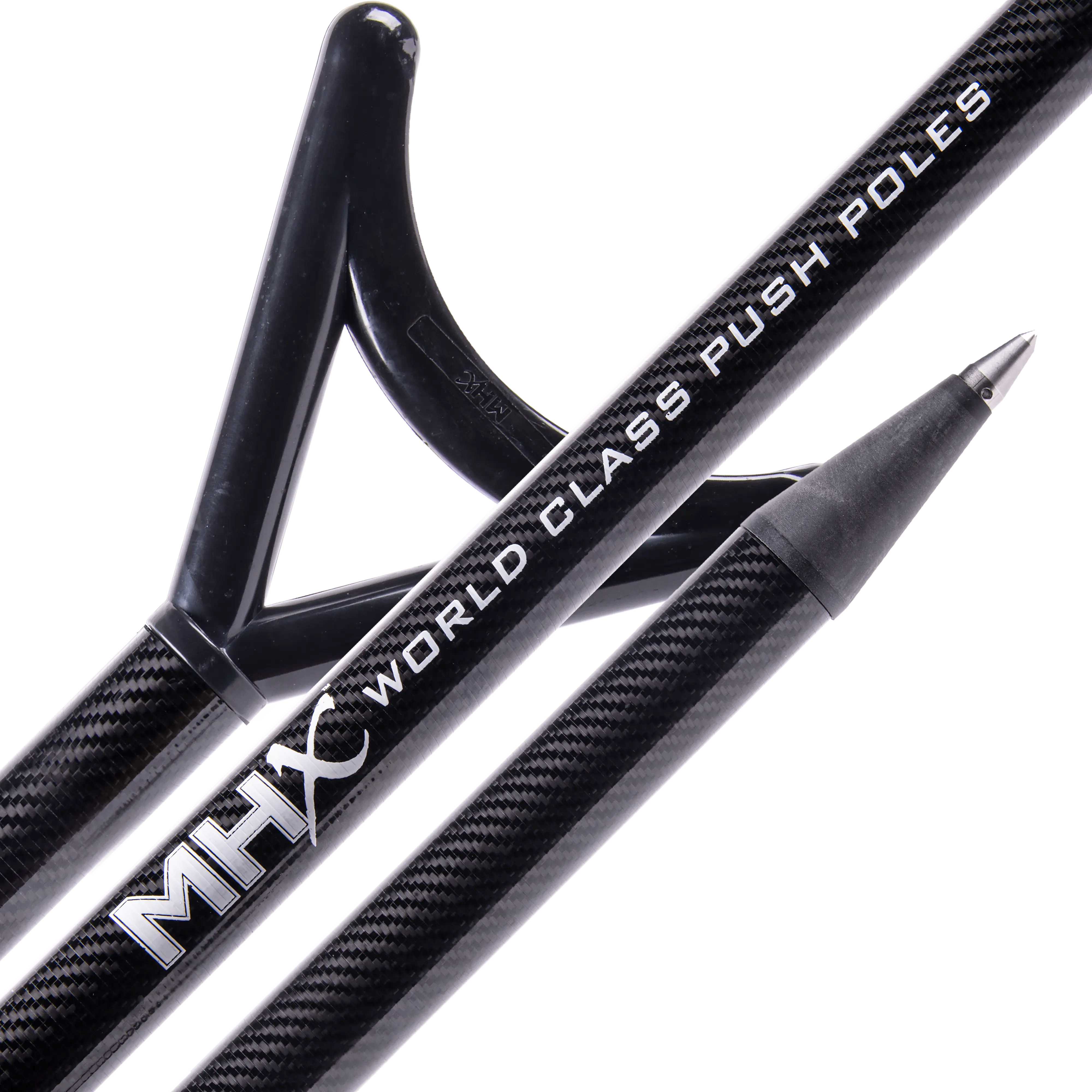
MHX Slow-Pitch Jigging Rod Blanks
For this build guide, we’ll focus on MHX slow-pitch jigging rod blanks and highlight recommended models for several common slow-pitch applications.
With twenty models available, MHX slow-pitch blanks are purpose-built for the demands of vertical jigging, balancing controlled recovery, responsiveness, and lifting power to maintain consistent jig cadence and precise presentations. Their lightweight construction helps reduce fatigue during long jigging sessions while still providing the durability needed for heavier jigs and powerful offshore species.
The sections below break down how blank length, power, and action typically match different jig weights, depths, and target species, along with regional notes and MHX part numbers to assist in your build.
Nearshore / Light Slow Pitch
A shorter, lighter rod with moderate action allows precise, delicate lifts and smooth jig flutter over shallow reefs and structure, giving anglers control of light jigs without overpowering the presentation.
Targets: Lane snapper, mangrove snapper, porgy, smaller reef fish inside ~150 ft
Rod Length: 6'3"–6'9"
Power: Light to Medium-Light
Action: Moderate
Line: Mainline: 15–20 lb braid (PE 0.8–1.2); Leader: 15–30 lb fluorocarbon
Weights Used: 60g–150g
MHX Models: XJSP631L, XJSP631ML, XJSP661L, XJSP661ML
West Coast note: Often paired with slightly heavier braid (20–30 lb) due to rock structure and surge
Classic Reef Slow Pitch
A medium-power rod with moderate to slow actions balance lift and control for mid-weight jigs, letting anglers punch currents, maintain jig flutter, and fish longer without fatigue over mid-depth reefs.
Targets: Vermilion snapper, red snapper, mutton snapper, scamp, gag grouper (~120–300 ft)
Rod Length: 6'2"–6'8"
Power: Medium
Action: Moderate, Moderate-Fast
Line: Mainline: 20–30 lb braid (PE 1.5–2.5); Leader: 25–40 lb fluorocarbon
Weights Used: 120g–300g
MHX Models: XJSP631M, XJSP661M
West Coast note: Many anglers on deeper reefs bump to 30–40 lb braid and slightly heavier jigs (200g+) for structure and surge
Long Fall / Suspended Slow Pitch
Medium-heavy and heavy rods with moderate action and extended tip allows the jig to hang longer in the water column while providing enough backbone to control medium-large fish and maintain sensitivity during long lifts and slack recovery.
Targets: Suspended snapper, amberjack, blackfin tuna, mid-column predators (~150–400 ft)
Rod Length: 6'8"–7'8"
Power: Medium-Heavy, Heavy
Action: Moderate
Line: Mainline: 30–40 lb braid (PE 2–3); Leader: 30–50 lb fluorocarbon
Weights Used: 200g–400g
MHX Models: XJSP701H, XJSP731H
East Coast note: Most offshore boats cap long-fall rods around ~7'3"
West Coast note: Long fall sometimes pushed heavier (up to 500g) for bluefin
Deep Water Slow Pitch
Heavy rods with moderate to moderate-fast actions move large jigs efficiently through strong currents and deep water while maintaining sensitivity, giving anglers control over both the jig and aggressive bottom-dwelling fish.
Targets: Snowy grouper, tilefish, deep wreck species (~300–700 ft)
Rod Length: 6'0"–6'6"
Power: Heavy
Action: Moderate, Moderate-Fast
Line: Mainline: 30–50 lb braid (PE 3–4); Leader: 40–60 lb fluorocarbon
Weights Used: 300g–500g
MHX Models: XJSP631H, XJSP661H
East Coast note: Past 500g, many anglers switch to hybrid vertical rods
West Coast note: Deep drop slow pitch overlaps heavy bluefin; 500–600g jigs are common
Power Slow / Heavy Hybrid
Extra-heavy rods with moderate to moderate-fast actions provide the backbone to handle large jigs, strong currents, and powerful predators, allowing controlled lifts and hook-sets without overstressing the blank.
Targets: Greater amberjack, large grouper, yellowfin tuna
Rod Length: 6'3"–7'3"
Power: X-Heavy
Action: Moderate, Moderate-FastLine: Mainline: 20–30 lb braid (PE 1.5–2.5); Leader: 30–60 lb fluorocarbon
Weights Used: 250g–450g (occasionally 500g)
MHX Models:
East Coast note: True power slow tends to stay under 500g
West Coast note: Bluefin fisheries often use PE 6–8 and 400–600g jigs
How to Choose a Slow-Pitch Jigging Rod Blank
The right rod blank is one of the most important parts of a successful slow-pitch setup, directly influencing how the jig lifts, flutters, and falls through the water column. Unlike conventional jigging rods built for aggressive lifting power, slow-pitch blanks are designed to load deeply through the mid-section and recover smoothly, allowing the blank itself to help “kick” the jig forward before it flutters naturally on the fall. A poorly matched blank can make jig action inconsistent, reduce sensitivity, and increase fatigue—especially when fishing deeper water or working heavier jigs for long periods.
Slow-pitch rods can be built for either conventional or spinning reels, with both styles offering unique advantages depending on the application and angler preference. Conventional setups are popular for their direct line control, leverage, and compact profiles, while spinning setups are often favored for lighter applications, long-fall techniques, and ease of use. This guide covers considerations for both conventional and spinning builds.
Rod length, power, and handle configuration all work together to shape how the rod performs on the water. Shorter rods improve precision and reduce fatigue during repeated lifts, while slightly longer rods allow more subtle jig manipulation for suspended fish and long-fall presentations. Lighter powers excel with finesse applications and smaller jigs, while heavier and extra-heavy powers are better suited for deep water, stronger current, larger jigs, and more powerful fish. Handle design and materials also affect comfort and leverage, especially since slow-pitch anglers commonly fish with a forward hand position during the jigging cycle.
Building a custom slow-pitch rod allows each component to be tuned around your specific fishing style and conditions. Blank choice controls loading and recovery, guide layout influences sensitivity and line control, and the handle setup affects balance and ergonomics throughout the day. When everything is properly matched, the rod performs as a cohesive system that maintains smooth jig cadence, improves strike detection, and stays comfortable during long nearshore or offshore sessions.
When selecting a rod blank, focus on these key performance characteristics:
Power
This tells you how much backbone the rod blank has and how much load it can handle. Lighter rods (Light / Medium-Light) are ideal for finesse nearshore work with small jigs, letting you feel subtle strikes and keep the jig fluttering naturally. Medium to Medium-Heavy rods give enough strength for deeper water, larger species, or stronger currents, without losing sensitivity. Heavy to X-Heavy rods are designed for deep, heavy-jig applications and big predators, giving you the leverage and control needed to move large fish without overstressing the rod. Choosing the right power ensures your lifts are efficient, your jig action is correct, and your rod won’t be overloaded.
Action
Slow-pitch rod blanks typically have a moderate to slow (parabolic) action, meaning the blank bends deeply through the midsection and sometimes into the butt. This deep bend creates the natural flutter and hang time that makes slow-pitch jigging effective, while allowing anglers to feel subtle strikes without pulling the hook. A proper parabolic action balances lift, jig control, and sensitivity, ensuring each jig move is smooth, deliberate, and productive.
Length
Blank length affects leverage, precision, and fatigue. Shorter rods (6'3"–6'8") give tighter control over the jig, especially in nearshore structure or rough seas, and reduce strain during repeated lifts. Longer rods (6'8"–7'3") improve finesse and subtle jig manipulation, letting the angler create longer flutter or hang-time presentations in mid-column or long-fall applications. Selecting the right length ensures the rod matches both the technique and your personal handling comfort.
Line Rating
This indicates the braid strength the rod is designed to handle, expressed as a PE class — “PE” stands for polyethylene, the material used in modern braided lines. The PE number standardizes line diameter and strength. Using line within the recommended PE range keeps the rod balanced, preserves sensitivity, and lets you feel subtle strikes while still controlling heavier jigs. Too light or too heavy a line reduces jig control, accuracy, and hook-setting effectiveness.
Weight / Lure Rating
This shows the optimal jig weight range for the rod. Matching your jig to the rating ensures the rod blank bends correctly, produces the intended flutter, and transfers energy efficiently for hook-ups. Too light a jig won’t load the rod properly, reducing action, while too heavy a jig can overstress the blank or fatigue the angler. Proper matching guarantees natural movement, consistent presentation, and more productive fishing sessions.
Key Takeaways
- The same rod blank can be built as a conventional or spinning rod.
- Match rod blank action and power to jig weight, depth, and target species.
- Shorter rods improve control; longer rods aid finesse and subtle jig motion.
- Moderate to slow actions maximize jig flutter without sacrificing control.
- Correct rod blank selection ensures smooth jig movement and performance.
Featured Rod Blank
MHX Slow-Pitch Jigging Rod Blanks
For this build guide, we’ll focus on MHX slow-pitch jigging rod blanks and highlight recommended models for several common slow-pitch applications.
With twenty models available, MHX slow-pitch blanks are purpose-built for the demands of vertical jigging, balancing controlled recovery, responsiveness, and lifting power to maintain consistent jig cadence and precise presentations. Their lightweight construction helps reduce fatigue during long jigging sessions while still providing the durability needed for heavier jigs and powerful offshore species.
The sections below break down how blank length, power, and action typically match different jig weights, depths, and target species, along with regional notes and MHX part numbers to assist in your build.
Nearshore / Light Slow Pitch
A shorter, lighter rod with moderate action allows precise, delicate lifts and smooth jig flutter over shallow reefs and structure, giving anglers control of light jigs without overpowering the presentation.
Targets: Lane snapper, mangrove snapper, porgy, smaller reef fish inside ~150 ft
Rod Length: 6'3"–6'9"
Power: Light to Medium-Light
Action: Moderate
Line: Mainline: 15–20 lb braid (PE 0.8–1.2); Leader: 15–30 lb fluorocarbon
Weights Used: 60g–150g
MHX Models: XJSP631L, XJSP631ML, XJSP661L, XJSP661ML
West Coast note: Often paired with slightly heavier braid (20–30 lb) due to rock structure and surge
Classic Reef Slow Pitch
A medium-power rod with moderate to slow actions balance lift and control for mid-weight jigs, letting anglers punch currents, maintain jig flutter, and fish longer without fatigue over mid-depth reefs.
Targets: Vermilion snapper, red snapper, mutton snapper, scamp, gag grouper (~120–300 ft)
Rod Length: 6'2"–6'8"
Power: Medium
Action: Moderate, Moderate-Fast
Line: Mainline: 20–30 lb braid (PE 1.5–2.5); Leader: 25–40 lb fluorocarbon
Weights Used: 120g–300g
MHX Models: XJSP631M, XJSP661M
West Coast note: Many anglers on deeper reefs bump to 30–40 lb braid and slightly heavier jigs (200g+) for structure and surge
Long Fall / Suspended Slow Pitch
Medium-heavy and heavy rods with moderate action and extended tip allows the jig to hang longer in the water column while providing enough backbone to control medium-large fish and maintain sensitivity during long lifts and slack recovery.
Targets: Suspended snapper, amberjack, blackfin tuna, mid-column predators (~150–400 ft)
Rod Length: 6'8"–7'8"
Power: Medium-Heavy, Heavy
Action: Moderate
Line: Mainline: 30–40 lb braid (PE 2–3); Leader: 30–50 lb fluorocarbon
Weights Used: 200g–400g
MHX Models: XJSP701H, XJSP731H
East Coast note: Most offshore boats cap long-fall rods around ~7'3"
West Coast note: Long fall sometimes pushed heavier (up to 500g) for bluefin
Deep Water Slow Pitch
Heavy rods with moderate to moderate-fast actions move large jigs efficiently through strong currents and deep water while maintaining sensitivity, giving anglers control over both the jig and aggressive bottom-dwelling fish.
Targets: Snowy grouper, tilefish, deep wreck species (~300–700 ft)
Rod Length: 6'0"–6'6"
Power: Heavy
Action: Moderate, Moderate-Fast
Line: Mainline: 30–50 lb braid (PE 3–4); Leader: 40–60 lb fluorocarbon
Weights Used: 300g–500g
MHX Models: XJSP631H, XJSP661H
East Coast note: Past 500g, many anglers switch to hybrid vertical rods
West Coast note: Deep drop slow pitch overlaps heavy bluefin; 500–600g jigs are common
Power Slow / Heavy Hybrid
Extra-heavy rods with moderate to moderate-fast actions provide the backbone to handle large jigs, strong currents, and powerful predators, allowing controlled lifts and hook-sets without overstressing the blank.
Targets: Greater amberjack, large grouper, yellowfin tuna
Rod Length: 6'3"–7'3"
Power: X-Heavy
Action: Moderate, Moderate-FastLine: Mainline: 20–30 lb braid (PE 1.5–2.5); Leader: 30–60 lb fluorocarbon
Weights Used: 250g–450g (occasionally 500g)
MHX Models:
East Coast note: True power slow tends to stay under 500g
West Coast note: Bluefin fisheries often use PE 6–8 and 400–600g jigs
Slow-Pitch Rod Blanks
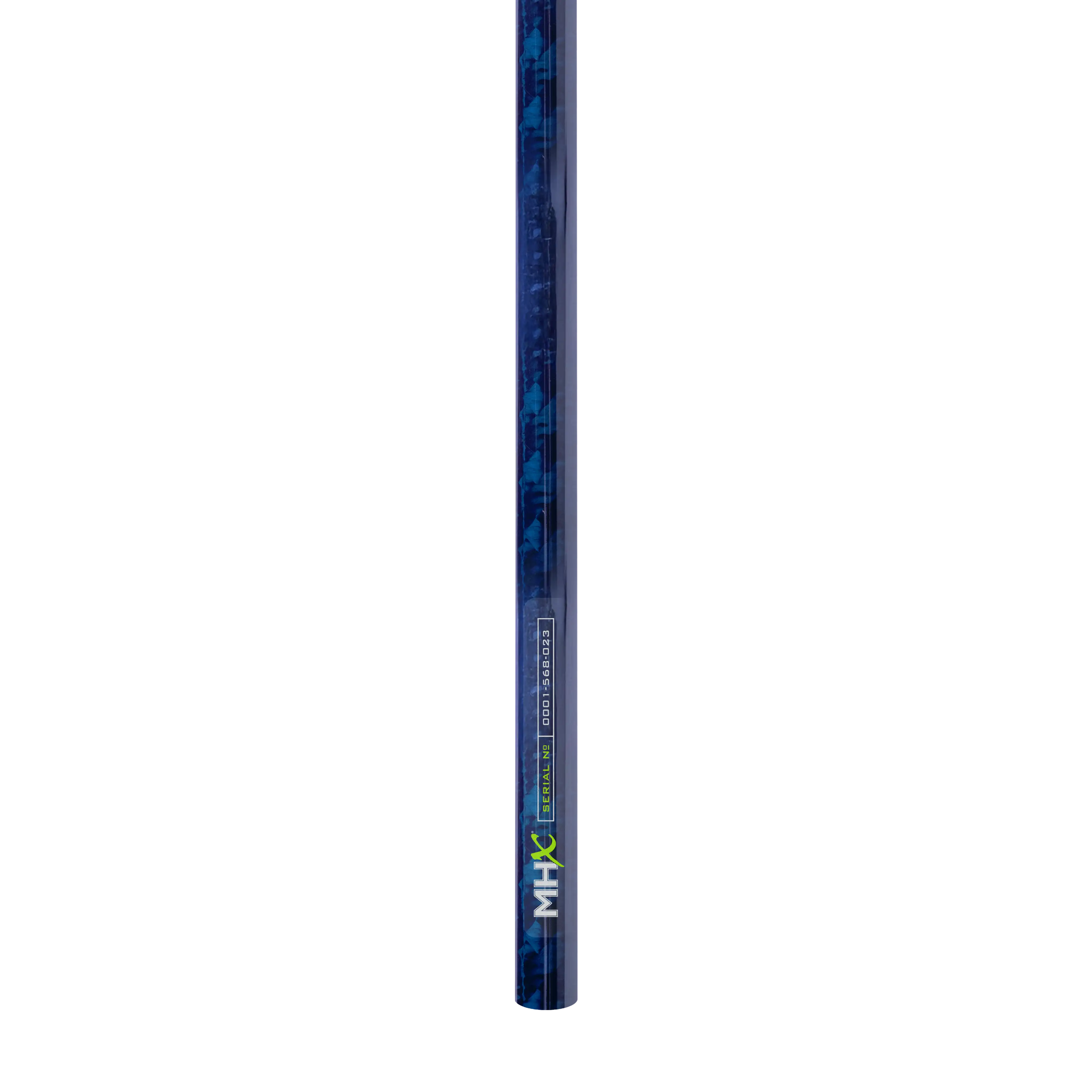
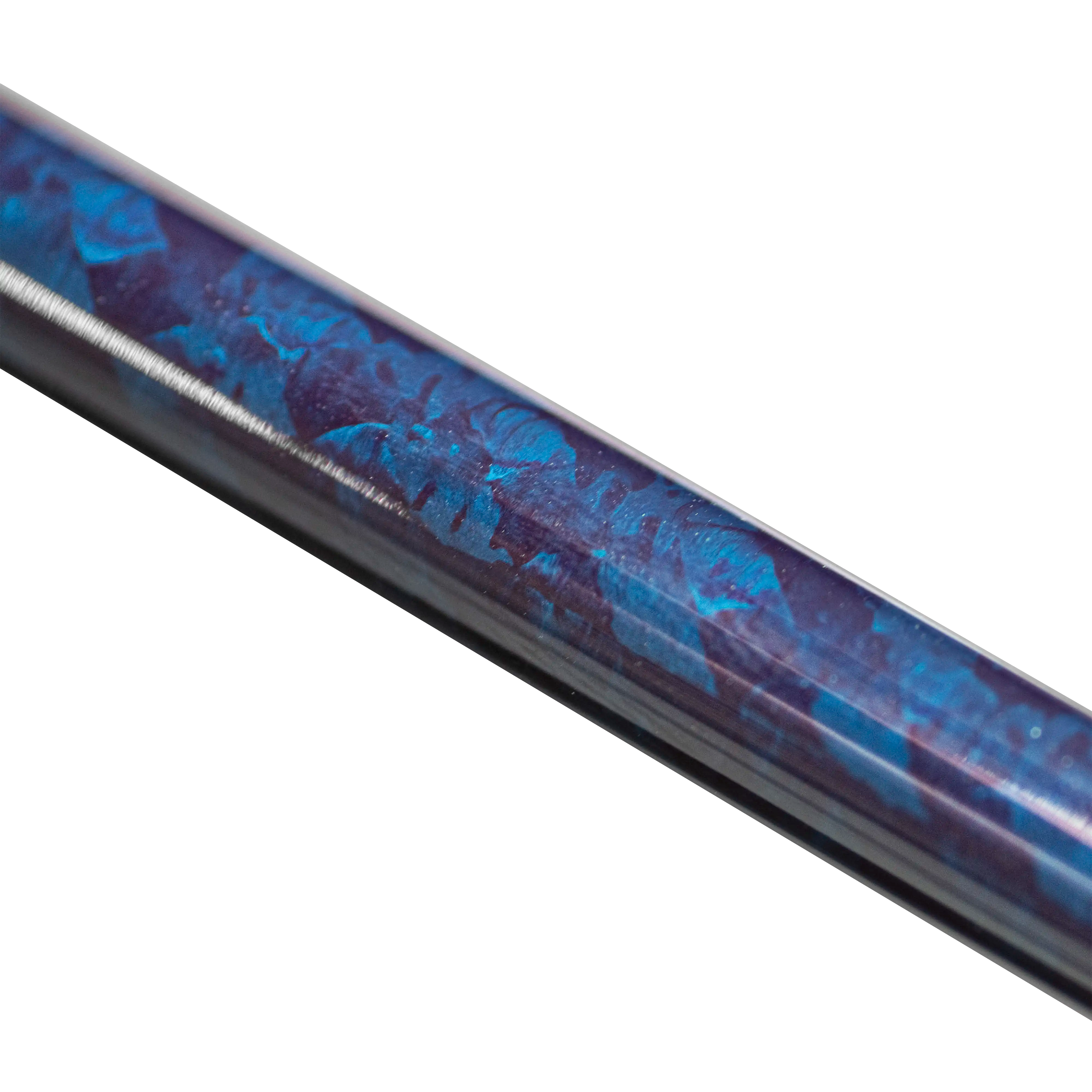
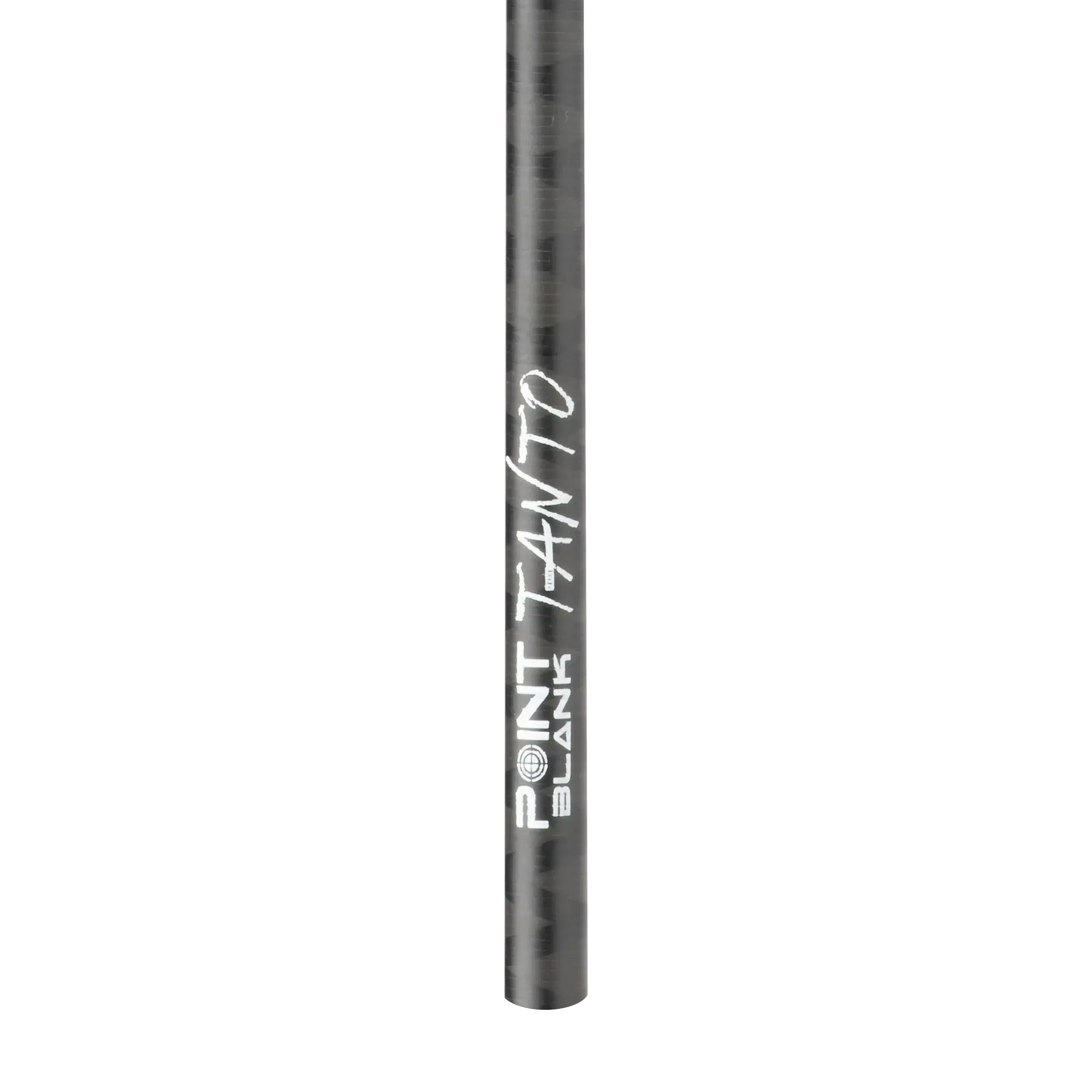
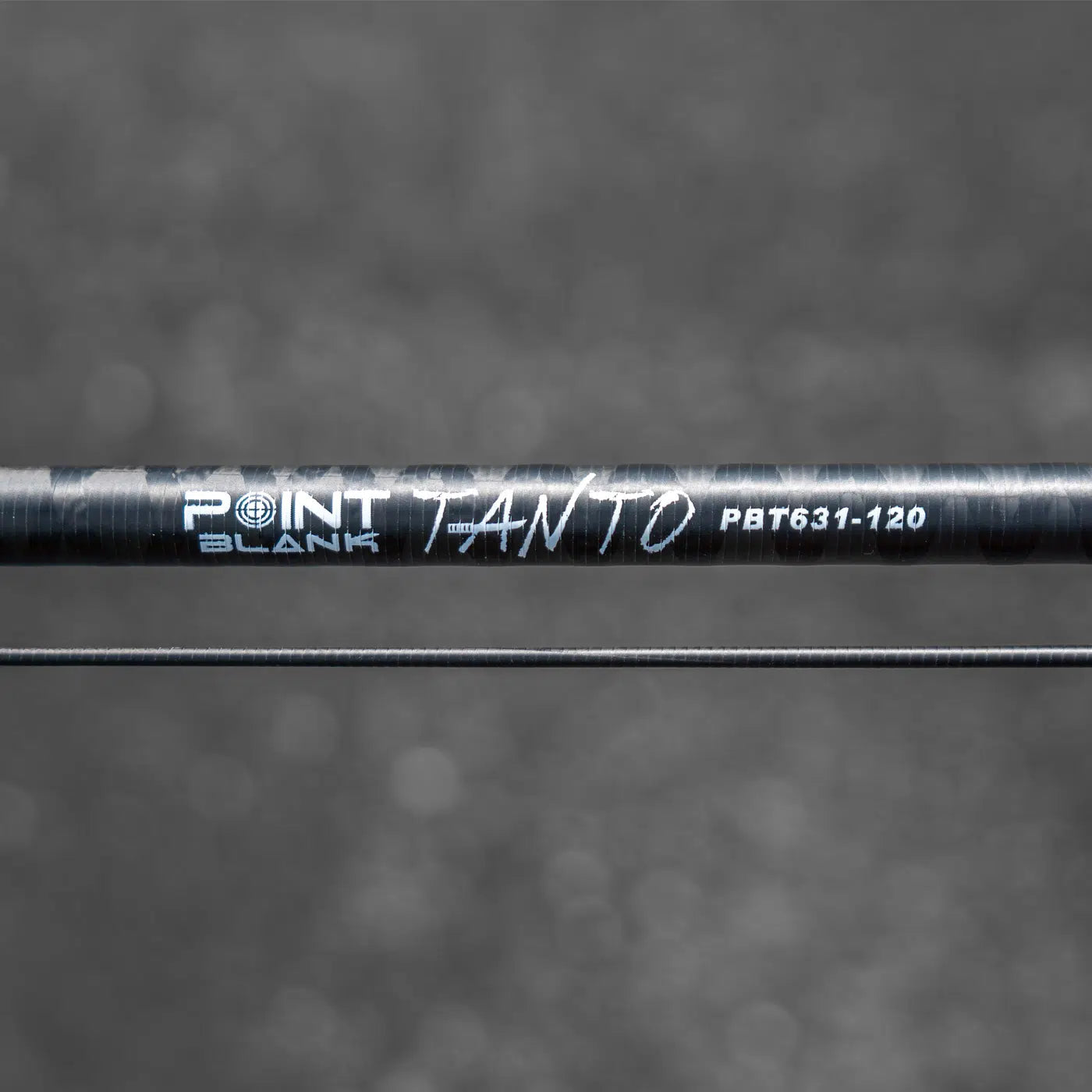
3 models available
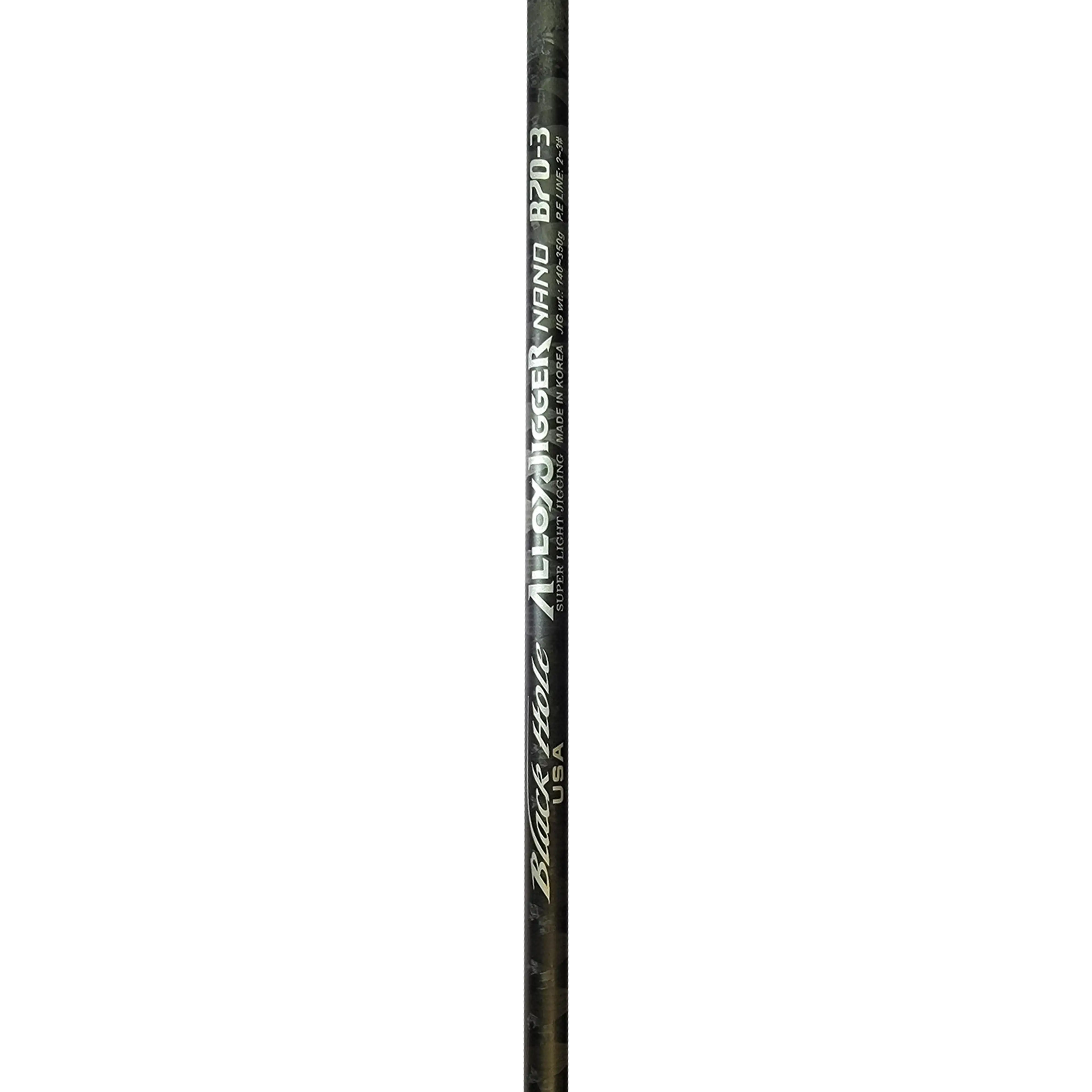

4 models available


4 models available
Slow-Pitch Rod Guide Kits
Slow-pitch rods can be built for either conventional or spinning reels depending on preference and application. In a convetional setup, the guide train plays a key role in how line moves along the blank during lifts, drops, and under load, directly affecting jig action, sensitivity, and overall rod performance. Spinning setups follow the same core principles but account for higher line height off the reel and a fixed spool line path, which influences initial guide placement and reduction layout.
Guide kits simplify the build process by providing a pre-matched set of stripper and running guides with recommended sizing and spacing, making the setup faster and more beginner-friendly. This ensures smooth line flow, consistent jig cadence, and proper blank loading without needing to select and space each guide individually.
Here’s what to consider when choosing a guide kit.
Stripper Guides
The stripper guide is the first guide above the reel and controls how line exits the spool. Its height and ring size establish the initial line path, preventing contact with the blank and ensuring smooth flow into the rest of the guide train. In slow-pitch builds, correct placement is key for consistent line control, which directly affects jig cadence and sensitivity.
Most guide kits include a properly sized stripper matched to conventional slow-pitch reels, followed by 1–3 double-foot reduction guides. These stabilize line angle, reduce friction, and manage load during lifts and fights, creating clean line tracking into the rest of the rod. Spinning setups typically begin with a taller stripper guide to accommodate the higher, wider line flow coming off a fixed spool reel.
Running Guides
Running guides carry the line along the blank to the tip and maintain a smooth, controlled path as the rod loads and recovers. Proper sizing and spacing help distribute load evenly, prevent line interference, and keep jig action consistent through the full lift-and-fall cycle.
Single-foot guides are most common to reduce weight and improve tip sensitivity for better bite detection and jig control. On heavier builds, some anglers add a few double-foot guides in the lower and mid sections for added durability under higher loads, while keeping single-foot guides toward the tip where overall sensitivity matters the most.
Guide Materials
Frames should resist saltwater corrosion. Stainless steel is durable and cost-effective, while titanium maximizes corrosion resistance and reduces weight. Ring materials such as Fazlite, Alconite, Torzite, and SiC minimize friction, resist grooves from braided lines, and maintain consistent line flow and jig action over time.
Guide Spacing & Sizes
Proper spacing ensures even blank loading, smooth jig action, and prevents line slap during vertical lifts. Start with manufacturer-recommended spacing charts and fine-tune based on blank length, taper, and intended jig weights. Correct spacing keeps the rod stable, responsive, and sensitive throughout the lift, flutter, and fall cycle.
Conventional vs Spiral/Acid Wrap
Slow-pitch rods can use either a conventional guide train, with all guides aligned on top of the blank, or a spiral/acid-wrap layout, where guides gradually rotate around the blank from top to bottom, ending similarly to a spinning rod setup. Conventional trains provide predictable line flow and consistent blank loading, while acid wraps help reduce torque and distribute stress more evenly during vertical lifts. Both layouts are common in slow-pitch builds, and the choice depends on blank taper, jig weight, and angler preference.
Key Takeaways
- Guide height should match your reel’s spool diameter and line angle to prevent rubbing or drag.
- Double-foot guides provide extra strength on lower blank sections; single-foot running guides reduce weight on the upper blank.
- Proper spacing ensures smooth blank loading, consistent jig action, and clear sensitivity.
- Smooth, corrosion-resistant inserts reduce friction, protect braided lines, and maintain performance.
- Using a guide kit streamlines the build while ensuring proper sizing, spacing, and performance.
Slow-Pitch Rod Guide Kits
Slow-pitch rods can be built for either conventional or spinning reels depending on preference and application. In a convetional setup, the guide train plays a key role in how line moves along the blank during lifts, drops, and under load, directly affecting jig action, sensitivity, and overall rod performance. Spinning setups follow the same core principles but account for higher line height off the reel and a fixed spool line path, which influences initial guide placement and reduction layout.
Guide kits simplify the build process by providing a pre-matched set of stripper and running guides with recommended sizing and spacing, making the setup faster and more beginner-friendly. This ensures smooth line flow, consistent jig cadence, and proper blank loading without needing to select and space each guide individually.
Here’s what to consider when choosing a guide kit.
Stripper Guides
The stripper guide is the first guide above the reel and controls how line exits the spool. Its height and ring size establish the initial line path, preventing contact with the blank and ensuring smooth flow into the rest of the guide train. In slow-pitch builds, correct placement is key for consistent line control, which directly affects jig cadence and sensitivity.
Most guide kits include a properly sized stripper matched to conventional slow-pitch reels, followed by 1–3 double-foot reduction guides. These stabilize line angle, reduce friction, and manage load during lifts and fights, creating clean line tracking into the rest of the rod. Spinning setups typically begin with a taller stripper guide to accommodate the higher, wider line flow coming off a fixed spool reel.
Running Guides
Running guides carry the line along the blank to the tip and maintain a smooth, controlled path as the rod loads and recovers. Proper sizing and spacing help distribute load evenly, prevent line interference, and keep jig action consistent through the full lift-and-fall cycle.
Single-foot guides are most common to reduce weight and improve tip sensitivity for better bite detection and jig control. On heavier builds, some anglers add a few double-foot guides in the lower and mid sections for added durability under higher loads, while keeping single-foot guides toward the tip where overall sensitivity matters the most.
Guide Materials
Frames should resist saltwater corrosion. Stainless steel is durable and cost-effective, while titanium maximizes corrosion resistance and reduces weight. Ring materials such as Fazlite, Alconite, Torzite, and SiC minimize friction, resist grooves from braided lines, and maintain consistent line flow and jig action over time.
Guide Spacing & Sizes
Proper spacing ensures even blank loading, smooth jig action, and prevents line slap during vertical lifts. Start with manufacturer-recommended spacing charts and fine-tune based on blank length, taper, and intended jig weights. Correct spacing keeps the rod stable, responsive, and sensitive throughout the lift, flutter, and fall cycle.
Conventional vs Spiral/Acid Wrap
Slow-pitch rods can use either a conventional guide train, with all guides aligned on top of the blank, or a spiral/acid-wrap layout, where guides gradually rotate around the blank from top to bottom, ending similarly to a spinning rod setup. Conventional trains provide predictable line flow and consistent blank loading, while acid wraps help reduce torque and distribute stress more evenly during vertical lifts. Both layouts are common in slow-pitch builds, and the choice depends on blank taper, jig weight, and angler preference.
Key Takeaways
- Guide height should match your reel’s spool diameter and line angle to prevent rubbing or drag.
- Double-foot guides provide extra strength on lower blank sections; single-foot running guides reduce weight on the upper blank.
- Proper spacing ensures smooth blank loading, consistent jig action, and clear sensitivity.
- Smooth, corrosion-resistant inserts reduce friction, protect braided lines, and maintain performance.
- Using a guide kit streamlines the build while ensuring proper sizing, spacing, and performance.
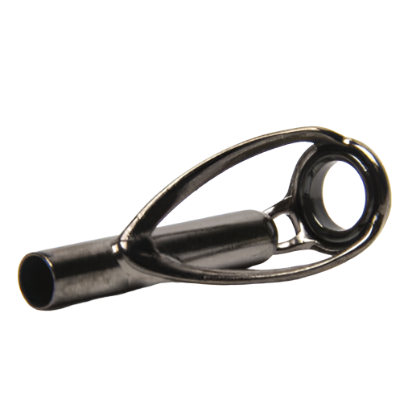
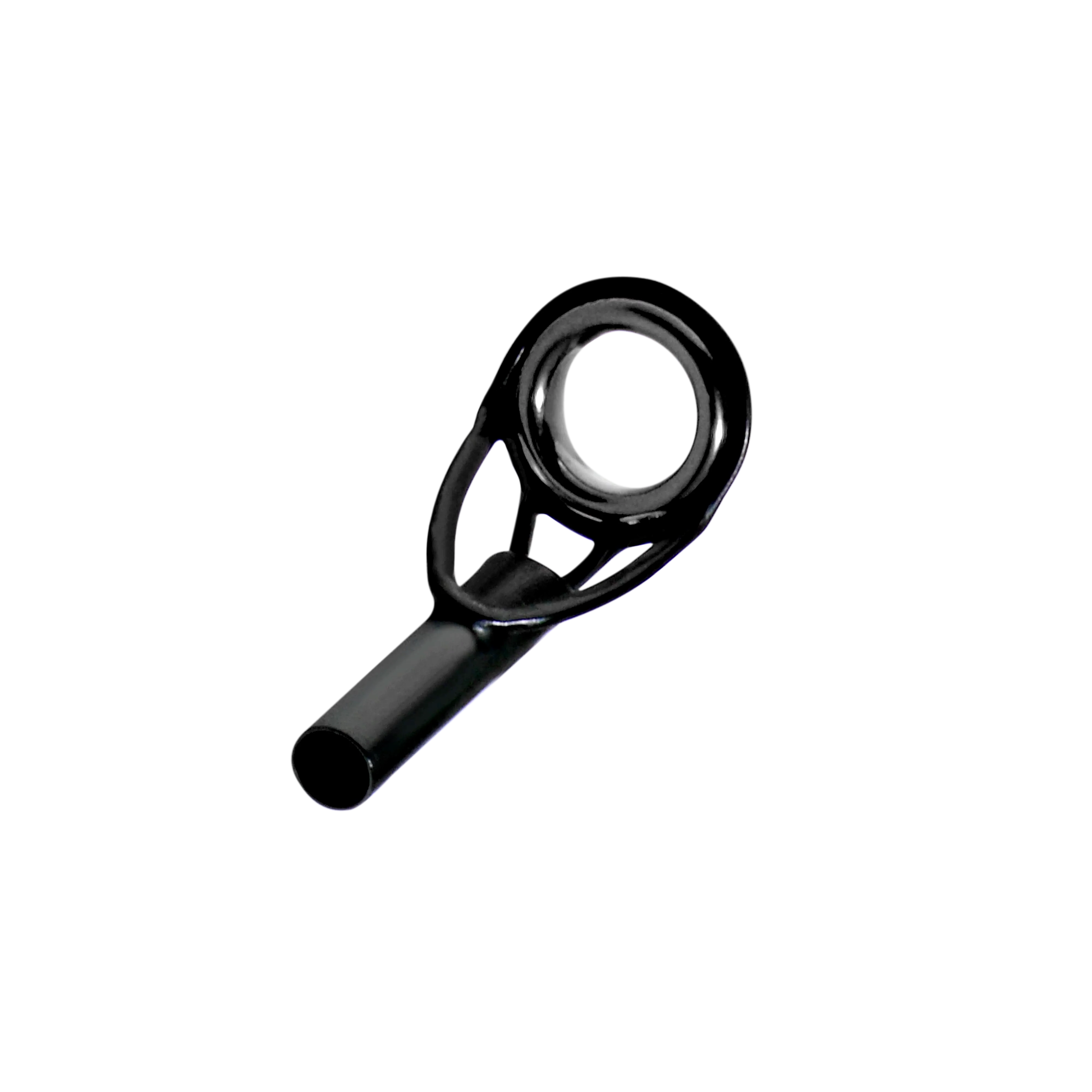
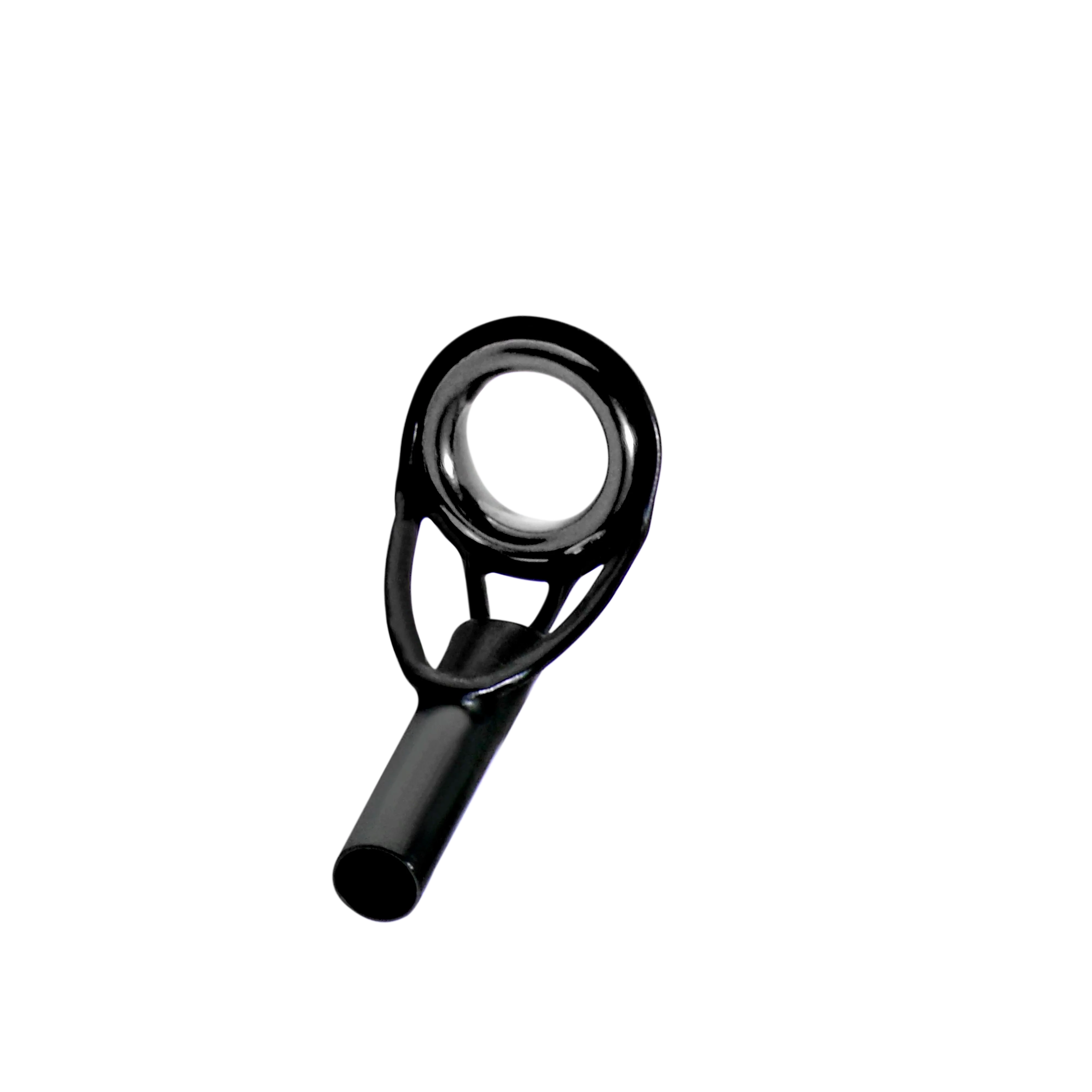
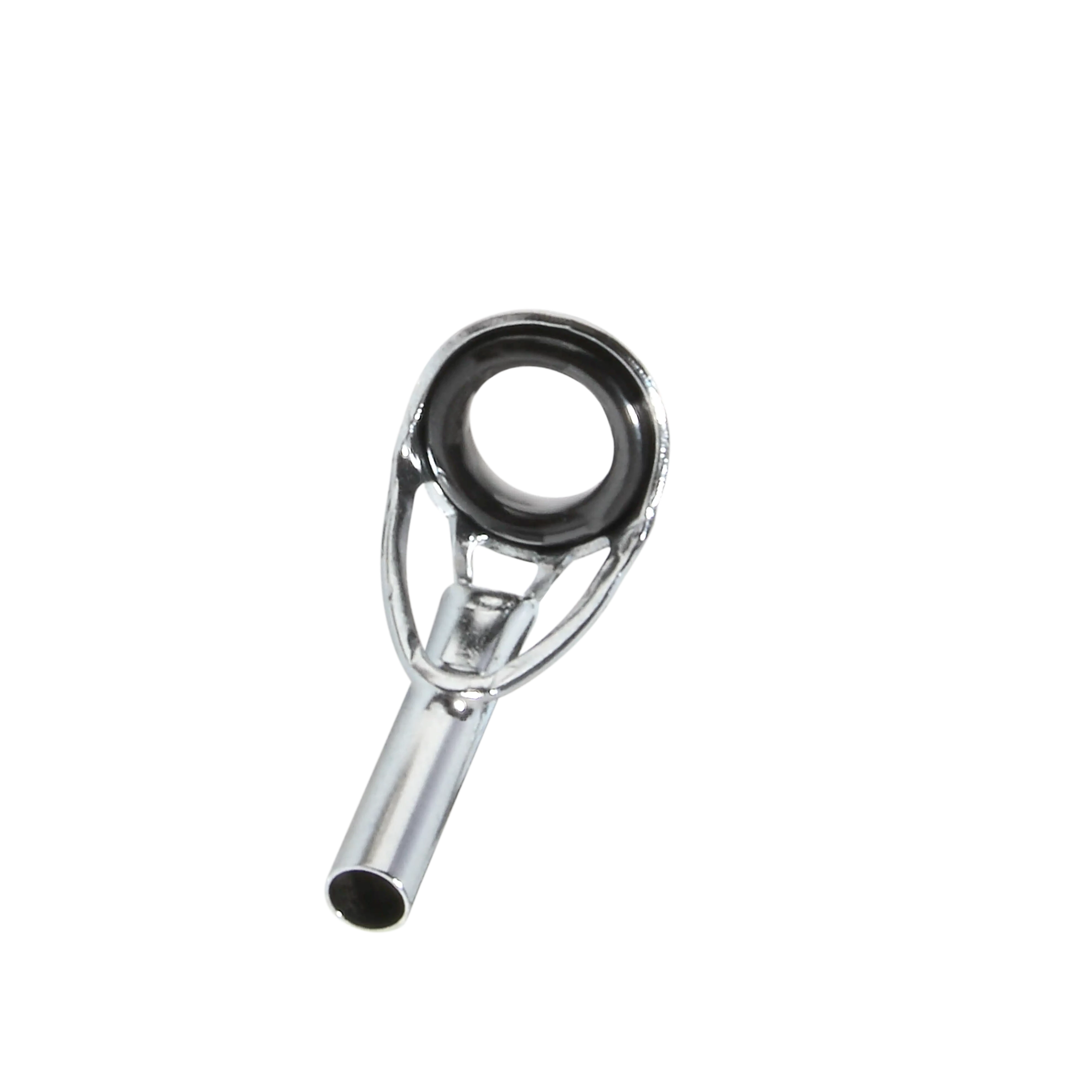
Slow-Pitch Tip Top Guides
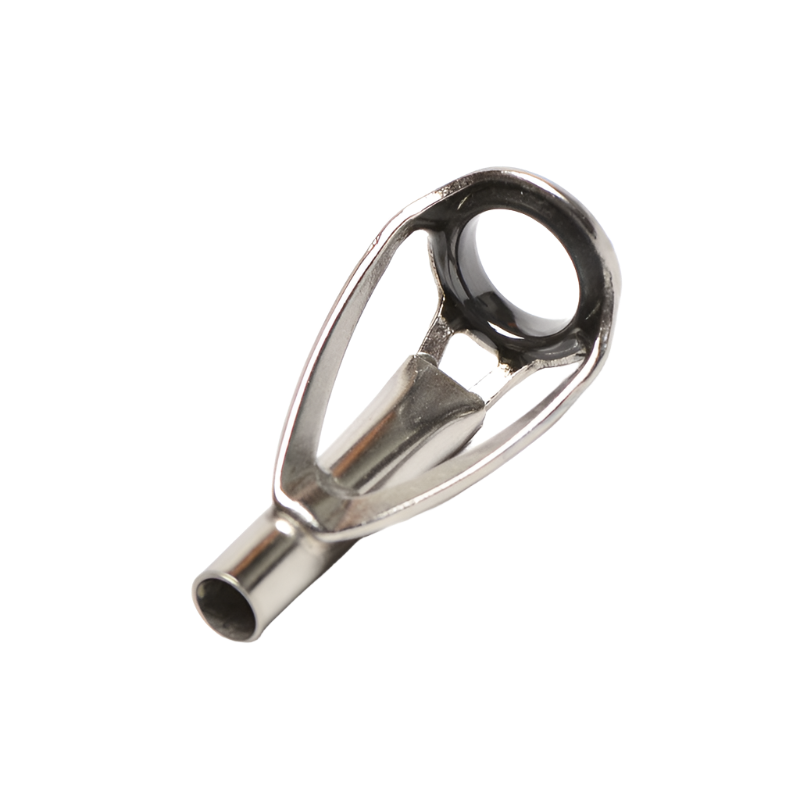
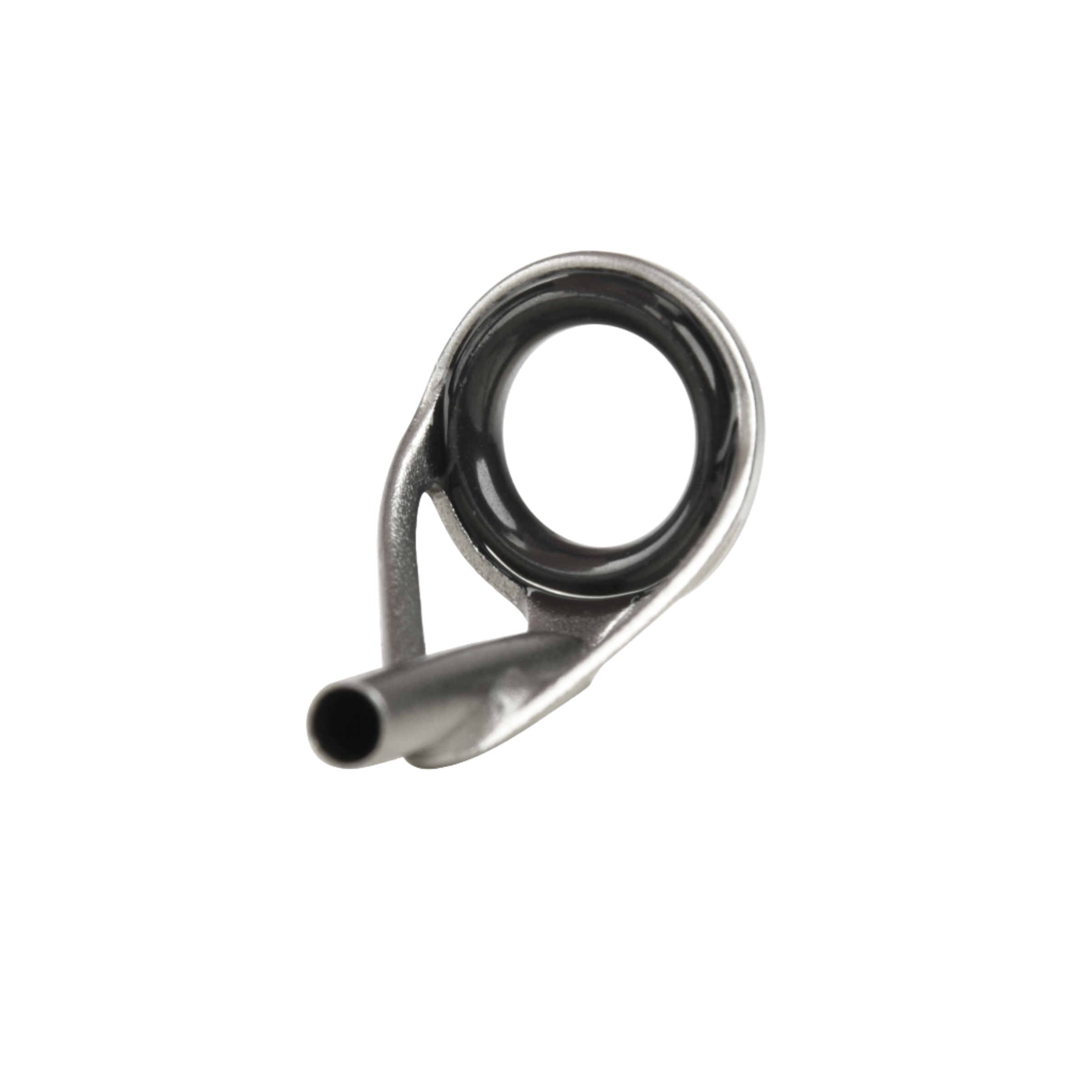
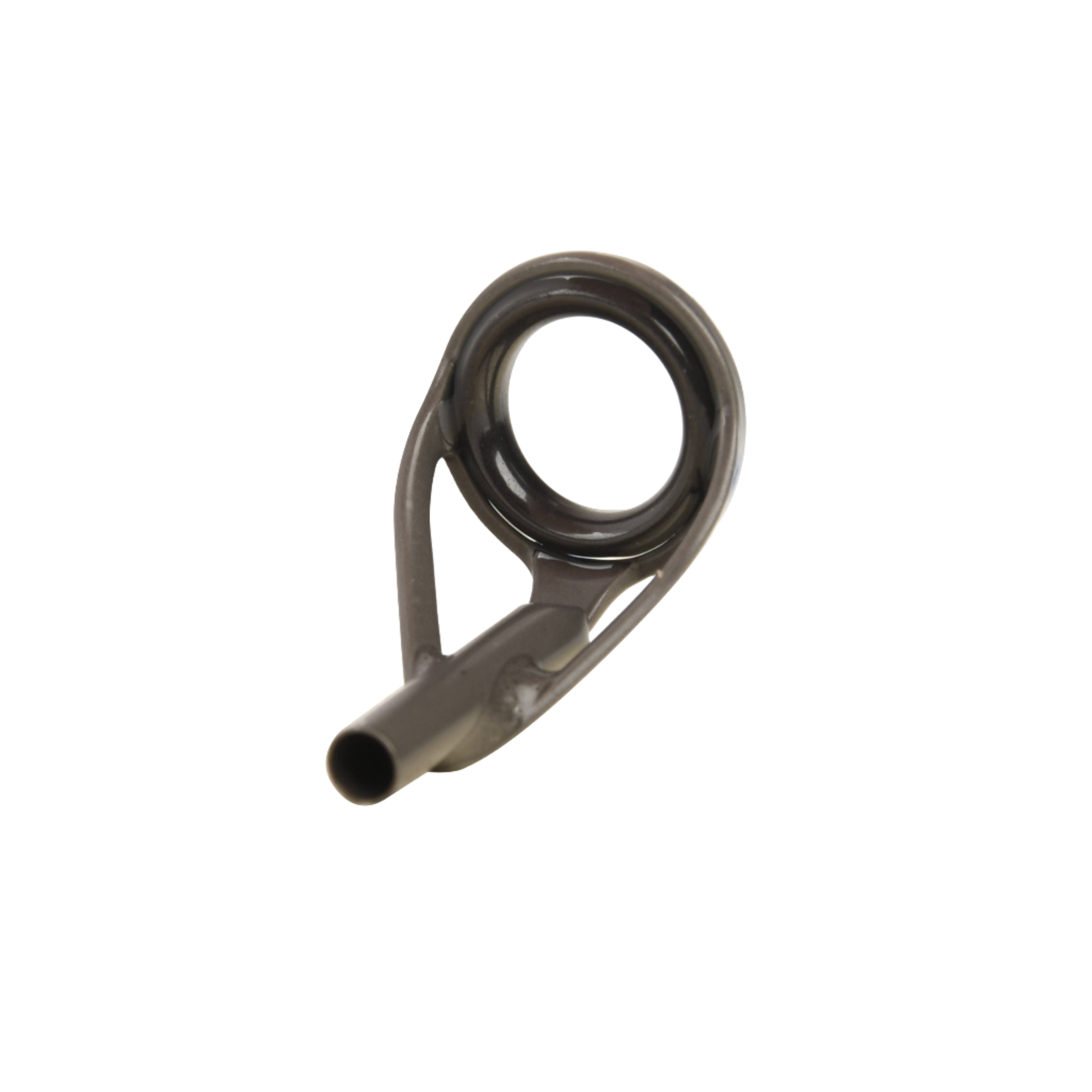
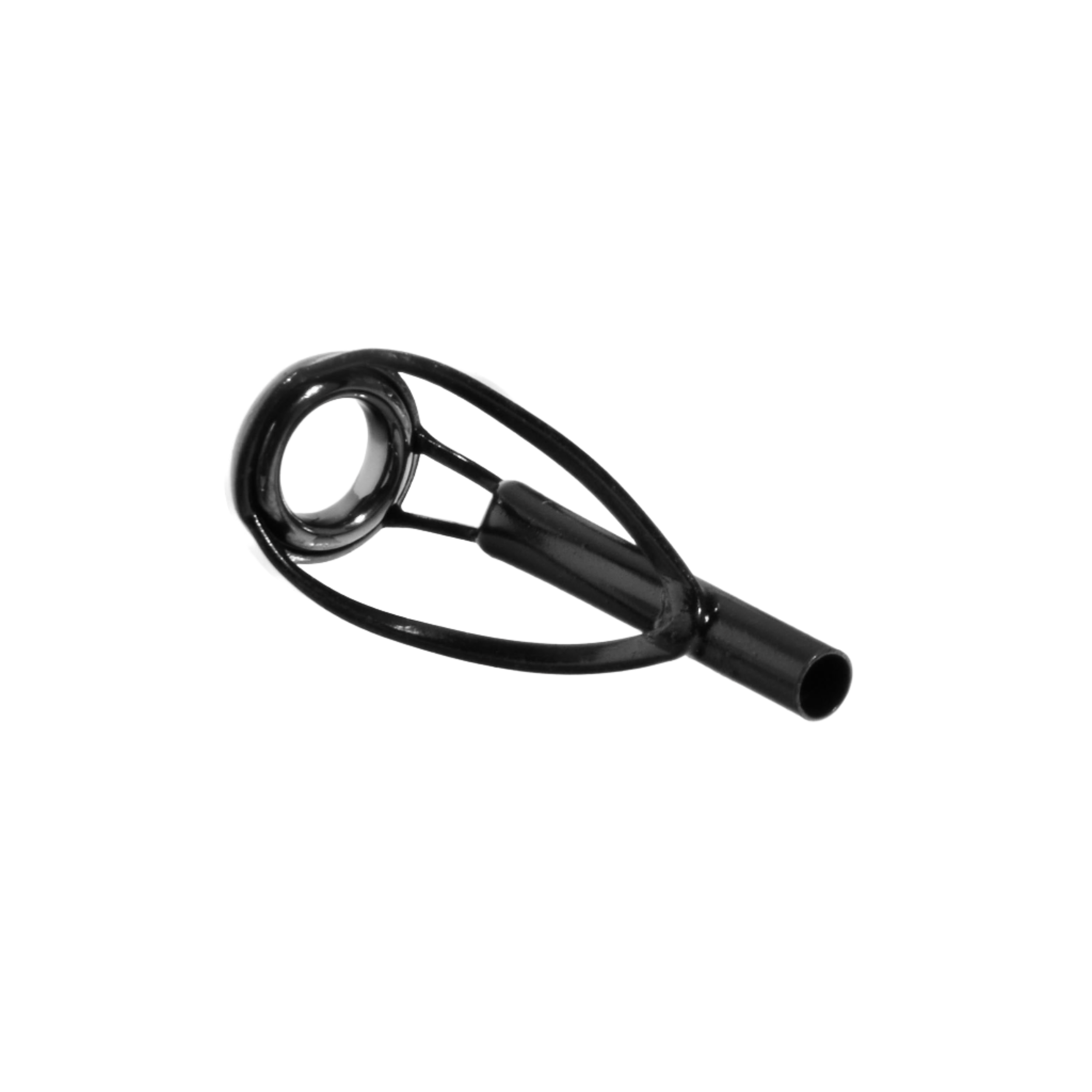
The tip-top is the final component of the guide train and plays a critical role in controlling how line exits the rod under load. Even though it’s small, it directly affects overall line flow, sensitivity, and how smoothly the rod transitions through lifts and drops. A properly matched tip-top helps maintain clean line tracking, reduces friction at the very end of the blank, and prevents unnecessary wear or stress points that can affect long-term performance. It also completes the guide system, ensuring the rod loads and recovers in a consistent, balanced way during jigging and while fighting fish.
When looking for a tip top, consider the following.
Ring Material
Hard, polished inserts such as SiC, Duralite, Nanolite, or Alconite help minimize friction and protect against grooves caused by braided line. This keeps line release smooth and consistent over time, especially during repetitive vertical jigging where heat and pressure can build at the tip.
Ring Size & Fit
Tip-top sizing should match the running guide train to maintain smooth line transition and consistent load distribution. Some builders choose to step up one ring size to better accommodate leader knots or connections without affecting performance or control. For example, if the last running guide is a size 5, you may use a size 6 tip-top ring to allow smoother passage of leader knots while still maintaining consistent tracking and control.
Frame Material
Corrosion resistance is essential in saltwater environments. Stainless steel frames offer durability and value, while titanium reduces weight and adds long-term corrosion protection for high-performance builds. A lighter tip section also improves overall rod balance and sensitivity.
Visual Matching
While not performance-driven, many builders match the tip-top brand, model, and finish to the guide kit for a clean, unified look. This creates a more professional finish and keeps the build visually consistent from reel to tip.
Keep in mind, perfect alignment with the guide train is critical. Even slight misalignment can disrupt line flow, reduce casting or drop efficiency, and negatively affect jig cadence.
Key Takeaways
- The tip-top is small but critical, directly affecting line flow, sensitivity, and overall rod performance.
- Proper ring material reduces friction and wear, especially under repeated braid use in vertical jigging.
- Corrosion-resistant frames (stainless or titanium) improve durability and help maintain balance and sensitivity.
- Perfect alignment is essential to maintain smooth line tracking, consistent loading, and clean jig cadence.
Slow-Pitch Tip Top Guides
The tip-top is the final component of the guide train and plays a critical role in controlling how line exits the rod under load. Even though it’s small, it directly affects overall line flow, sensitivity, and how smoothly the rod transitions through lifts and drops. A properly matched tip-top helps maintain clean line tracking, reduces friction at the very end of the blank, and prevents unnecessary wear or stress points that can affect long-term performance. It also completes the guide system, ensuring the rod loads and recovers in a consistent, balanced way during jigging and while fighting fish.
When looking for a tip top, consider the following.
Ring Material
Hard, polished inserts such as SiC, Duralite, Nanolite, or Alconite help minimize friction and protect against grooves caused by braided line. This keeps line release smooth and consistent over time, especially during repetitive vertical jigging where heat and pressure can build at the tip.
Ring Size & Fit
Tip-top sizing should match the running guide train to maintain smooth line transition and consistent load distribution. Some builders choose to step up one ring size to better accommodate leader knots or connections without affecting performance or control. For example, if the last running guide is a size 5, you may use a size 6 tip-top ring to allow smoother passage of leader knots while still maintaining consistent tracking and control.
Frame Material
Corrosion resistance is essential in saltwater environments. Stainless steel frames offer durability and value, while titanium reduces weight and adds long-term corrosion protection for high-performance builds. A lighter tip section also improves overall rod balance and sensitivity.
Visual Matching
While not performance-driven, many builders match the tip-top brand, model, and finish to the guide kit for a clean, unified look. This creates a more professional finish and keeps the build visually consistent from reel to tip.
Keep in mind, perfect alignment with the guide train is critical. Even slight misalignment can disrupt line flow, reduce casting or drop efficiency, and negatively affect jig cadence.
Key Takeaways
- The tip-top is small but critical, directly affecting line flow, sensitivity, and overall rod performance.
- Proper ring material reduces friction and wear, especially under repeated braid use in vertical jigging.
- Corrosion-resistant frames (stainless or titanium) improve durability and help maintain balance and sensitivity.
- Perfect alignment is essential to maintain smooth line tracking, consistent loading, and clean jig cadence.
Slow-Pitch Tip Tops



Slow-Pitch Handle Kits
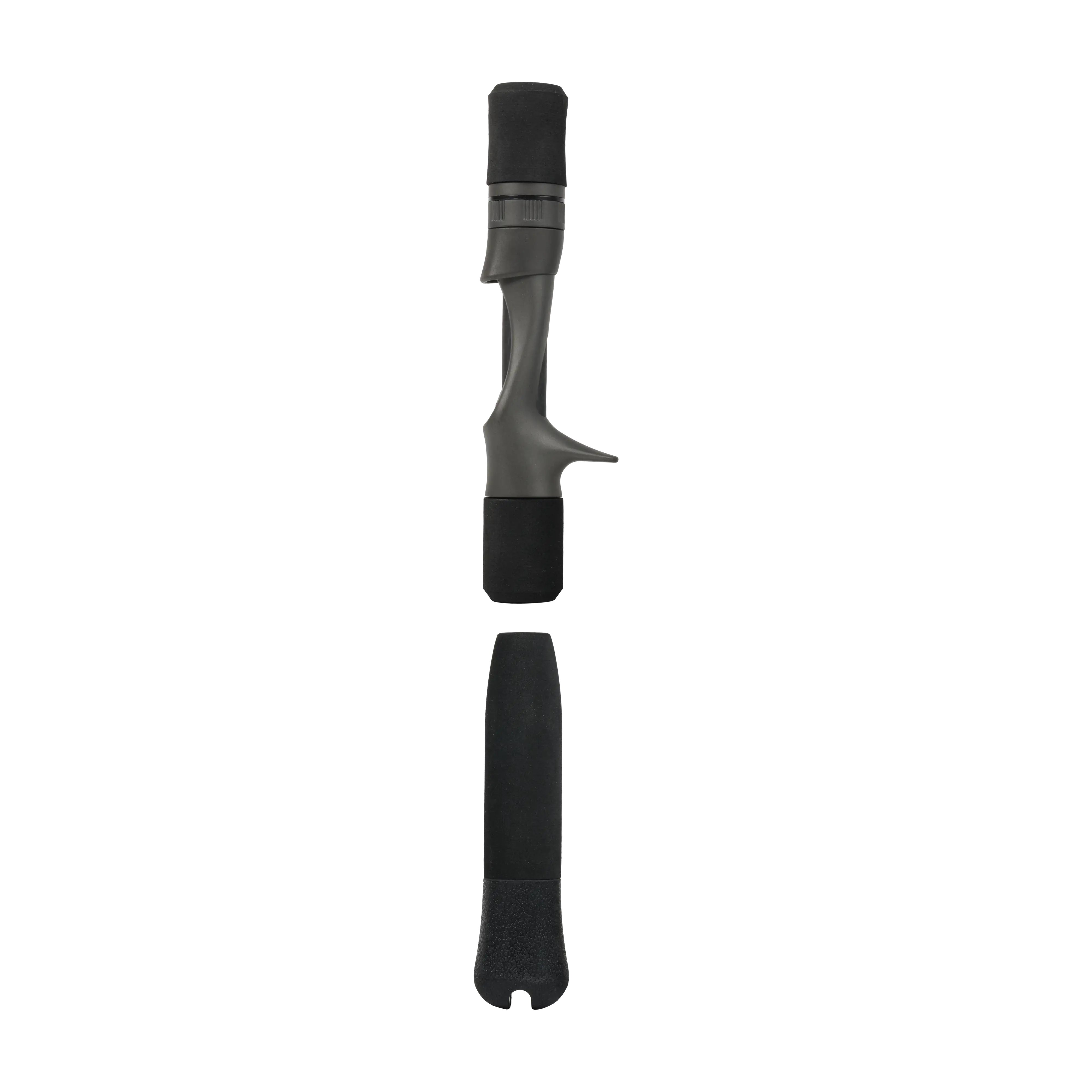
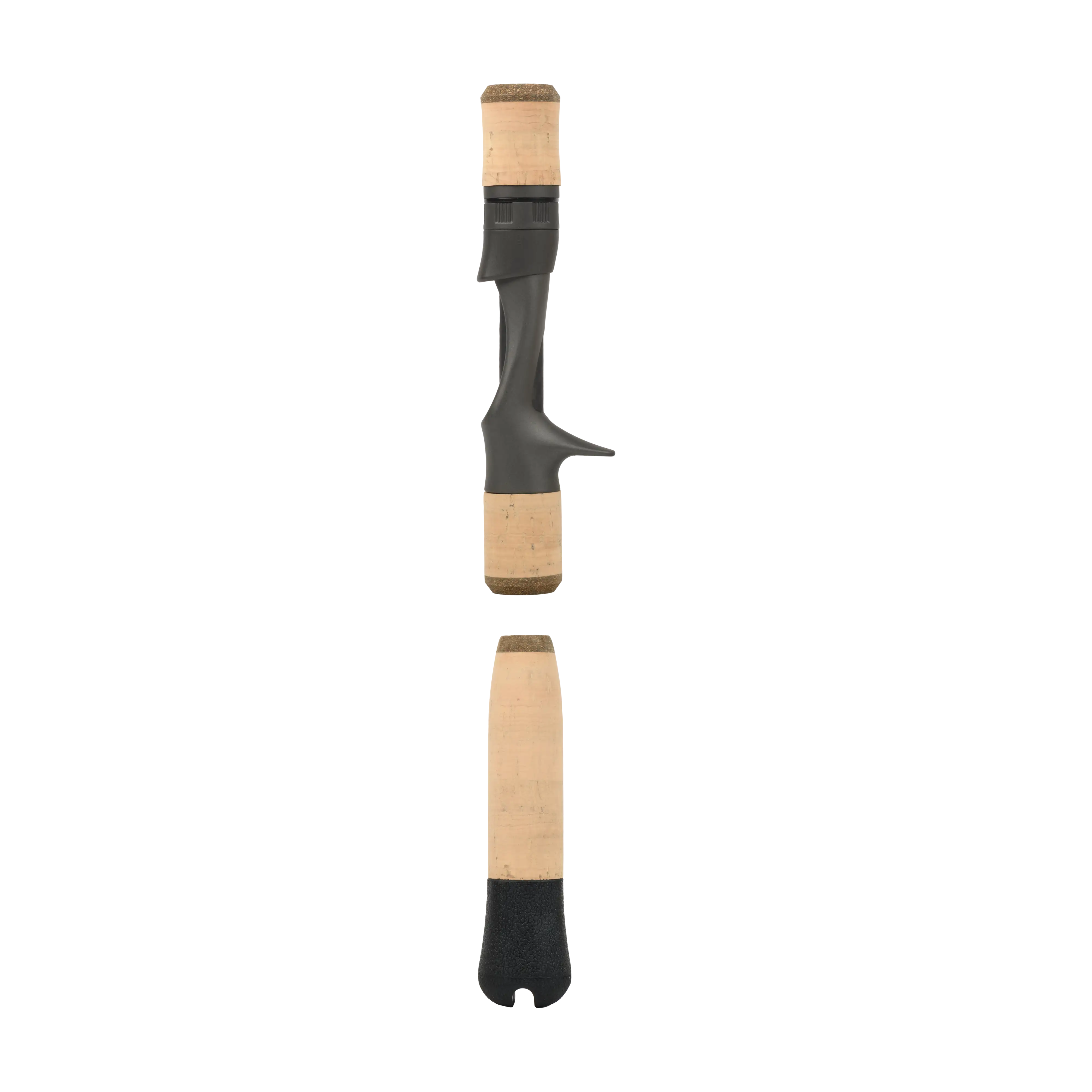
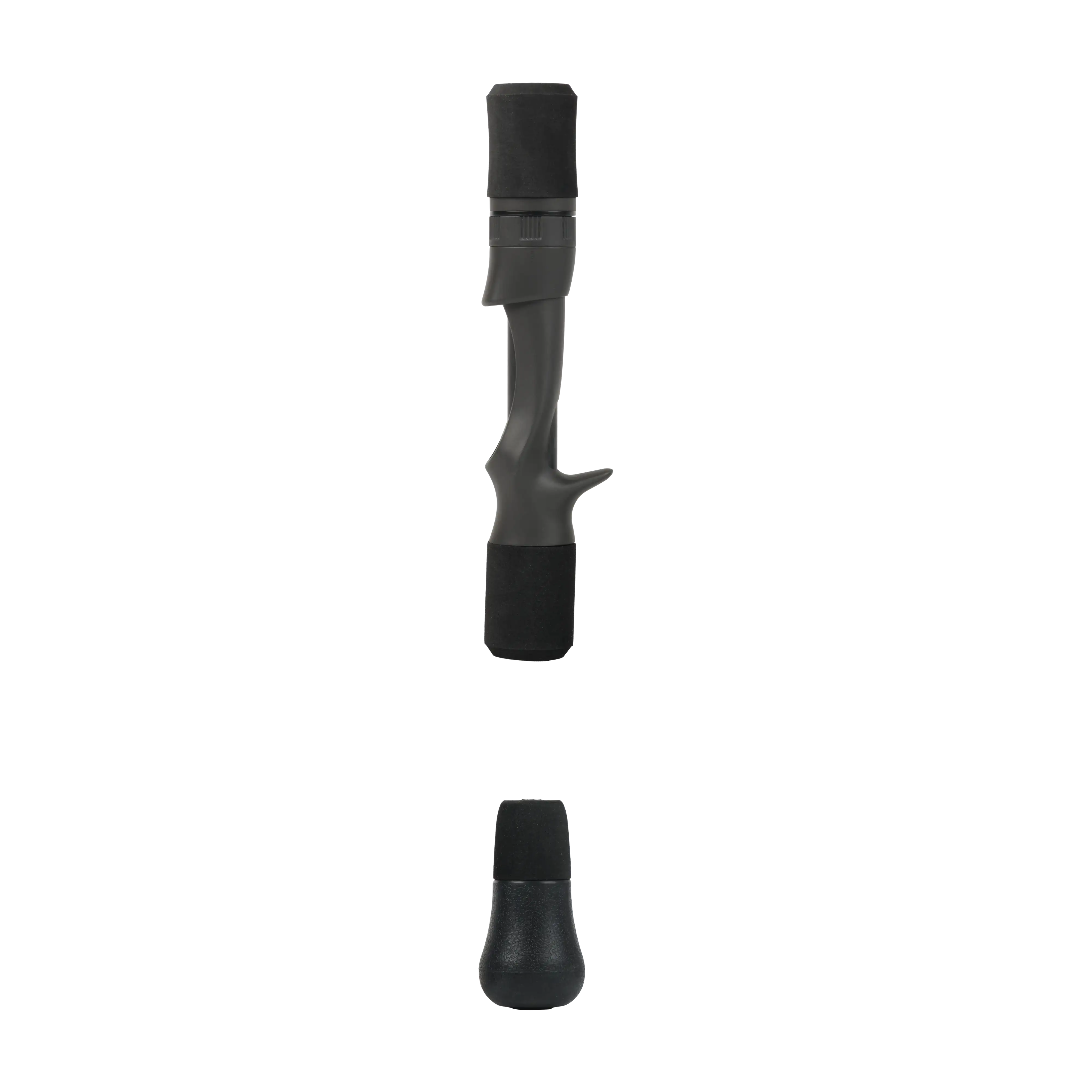
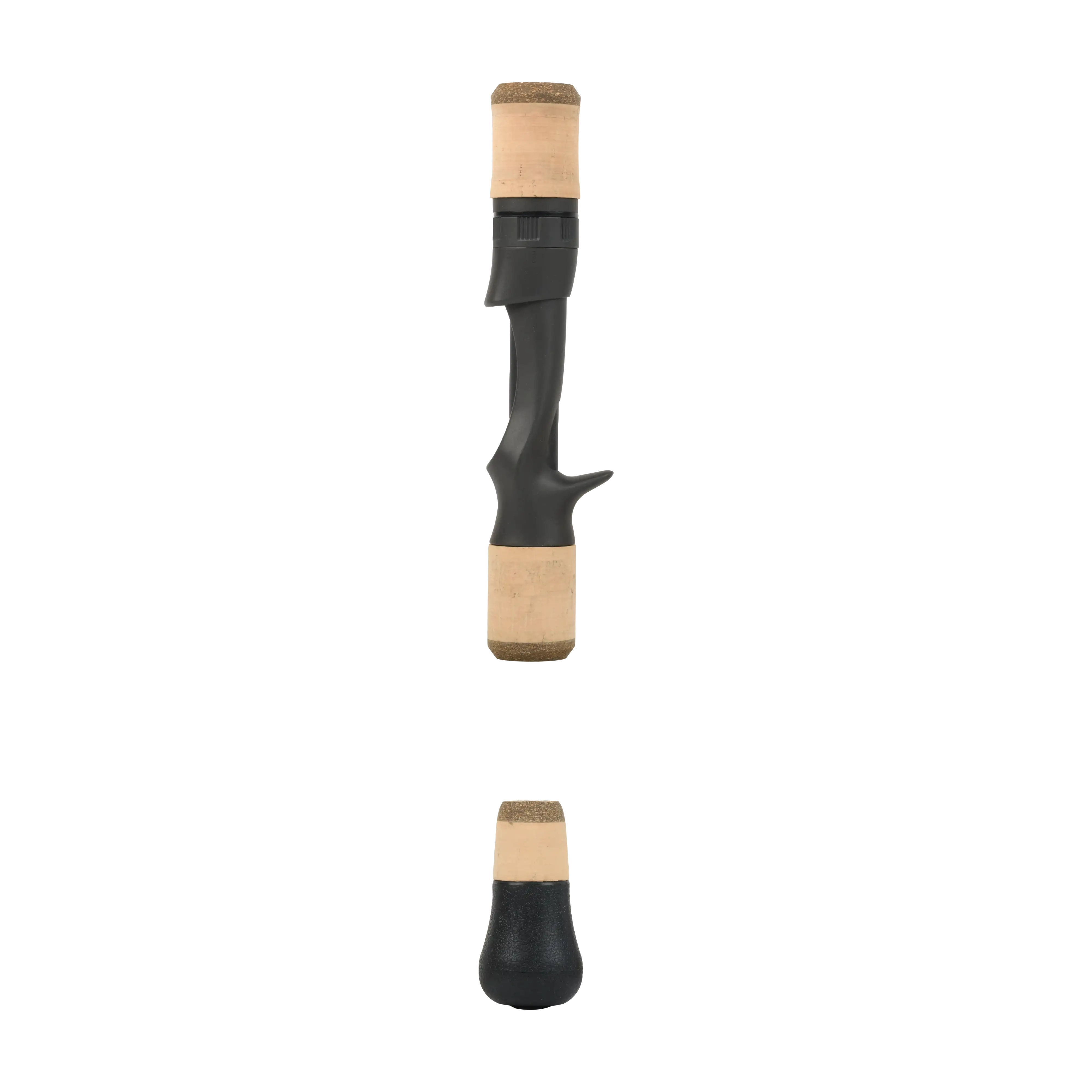
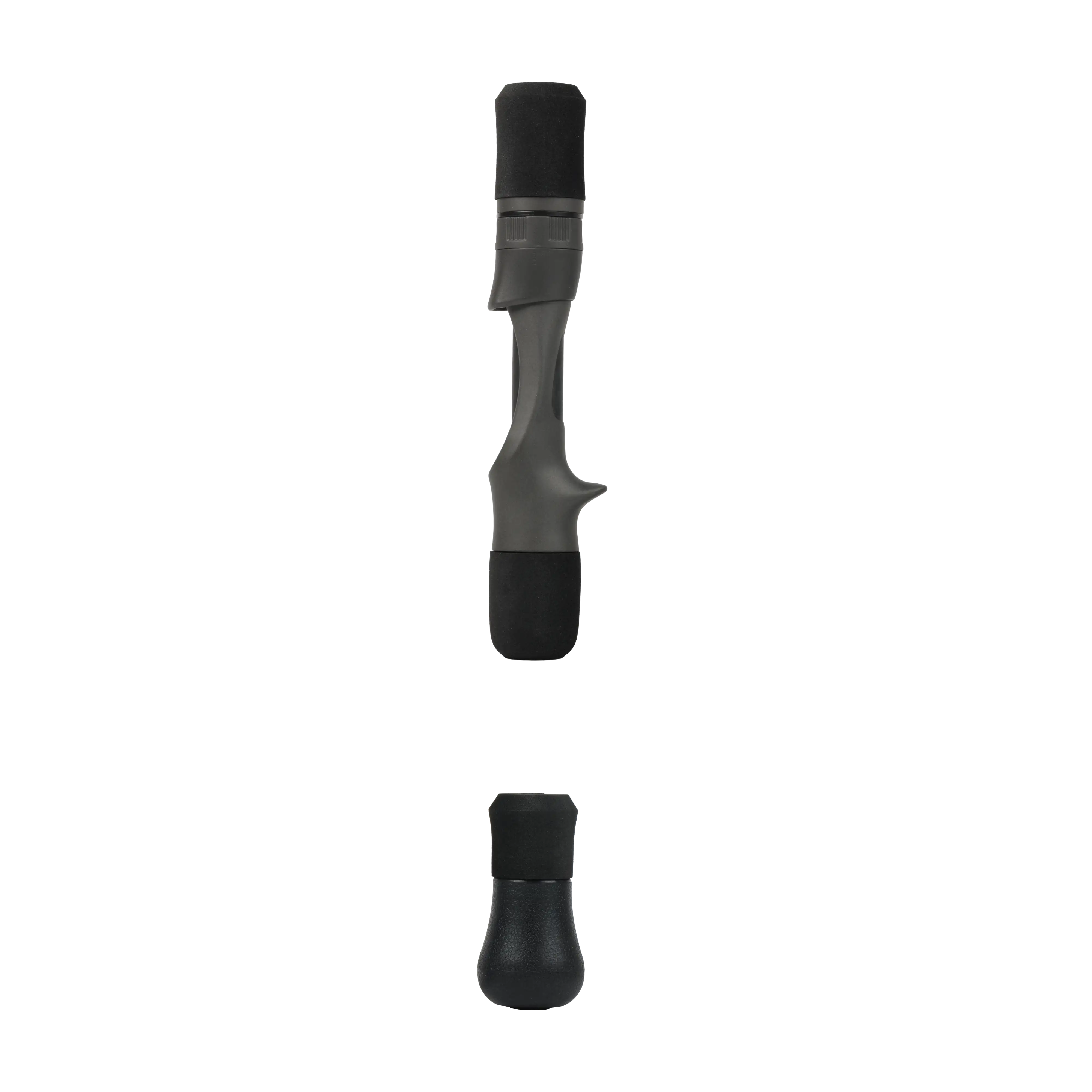
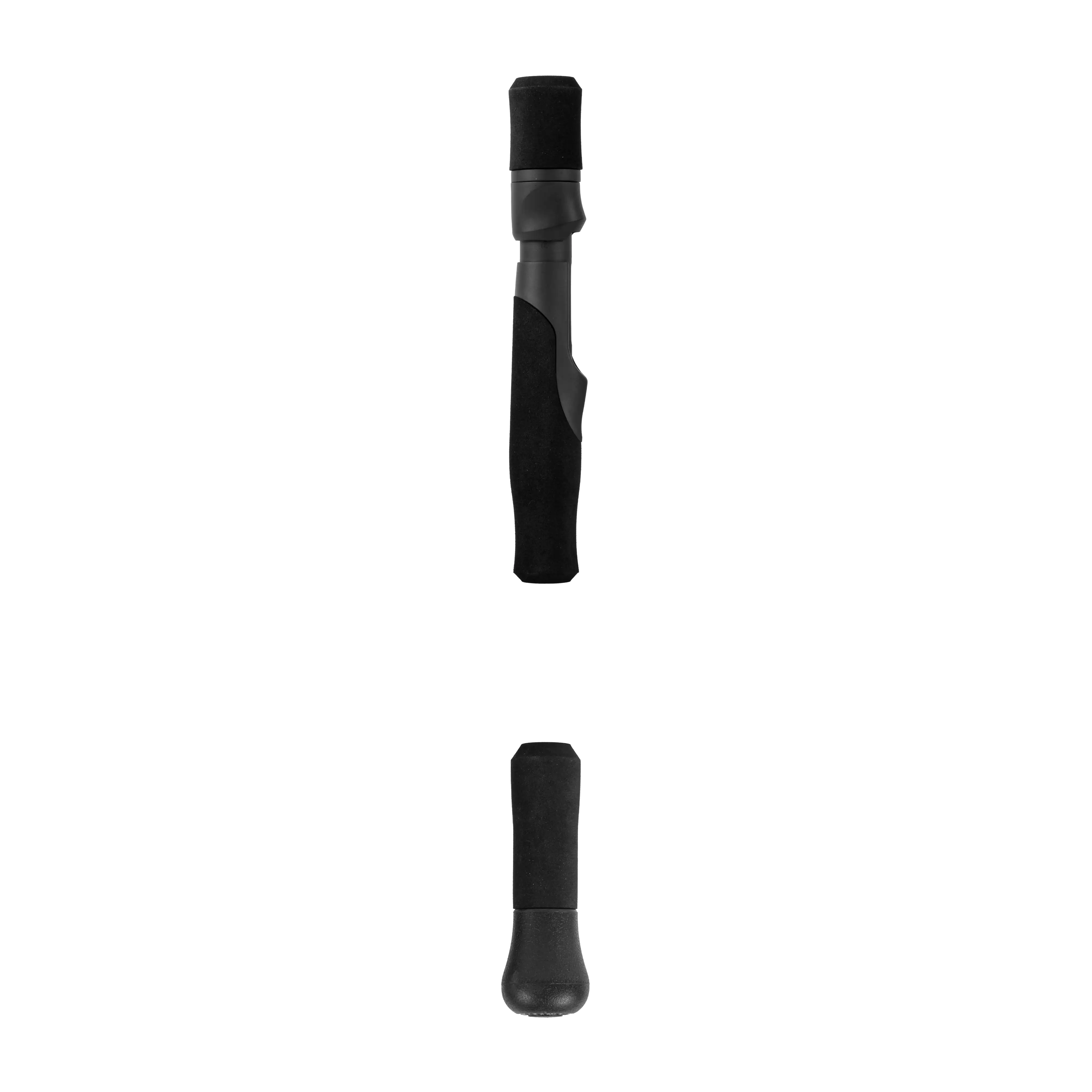
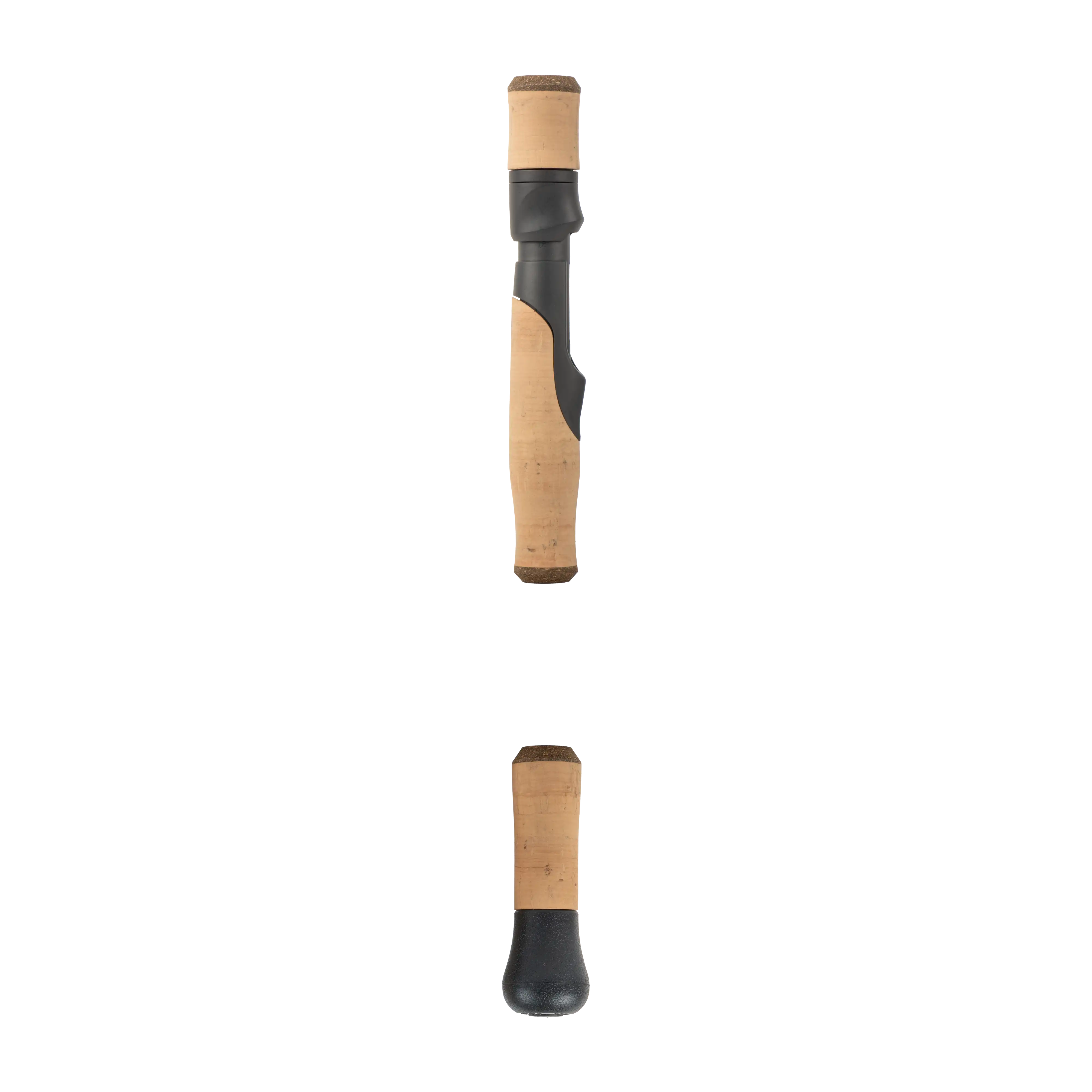
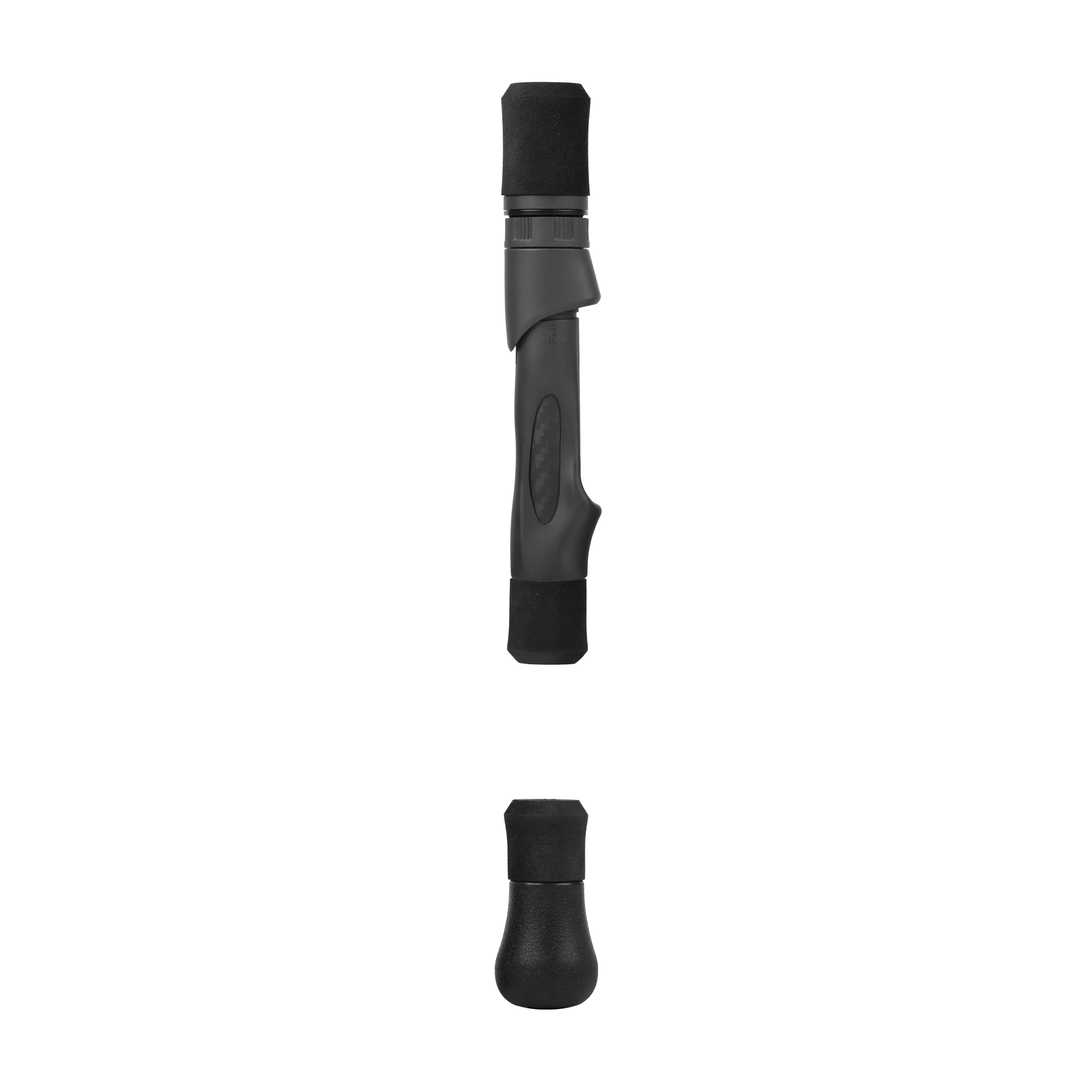
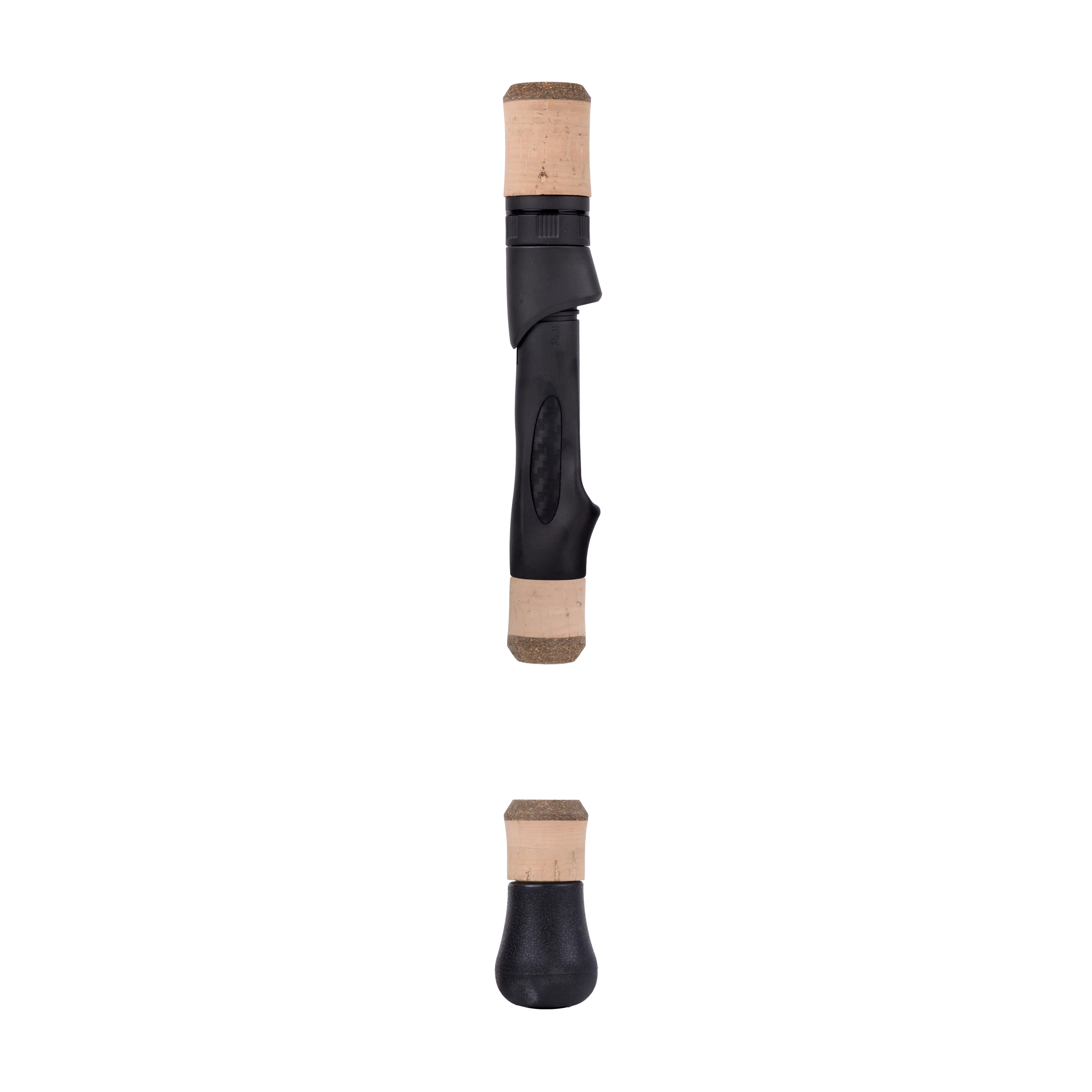
Slow-pitch handle kits simplify the build process by combining all handle components—reel seat, foregrip, rear grip, and butt section—into a pre-matched system. Instead of sourcing and fitting each piece individually, everything is already sized and designed to work together on the blank. This makes installation faster, more consistent, and easier to balance correctly. Split-grip layouts are popular because they give builders more flexibility to fine-tune reel seat placement along the blank, helping dial in balance and hand position in a way full-length grips don’t easily allow once installed.
For slow-pitch jigging, the goal is a lightweight, low-profile setup that stays balanced through repeated vertical lifts while maintaining direct sensitivity through the blank. That’s why many builders prefer minimal EVA split-grip designs over full-length handles. EVA keeps weight down, resists water absorption, and maintains a compact profile that supports multiple hand positions—whether palming the reel, bracing under the forearm, or tucking the rod under the arm during lifts and fights.
Conventional slow-pitch reels can be paired with either spinning-style or casting-style handle kits depending on the build and preferred ergonomics, and both will function correctly. This flexibility allows builders to optimize reel positioning and handle layout while still maintaining a purpose-built slow-pitch feel.
Handle Kit Components
When looking for a handle kit, consider the following.
Foregrip
The foregrip sits above the reel seat and serves as a key control point during lifts and drops. In slow-pitch fishing, anglers often use a forward hand position here for added stability and control. Short EVA foregrips are often preferred to keep weight low while still providing comfort and grip without reducing blank sensitivity. It also provides a natural contact point above the reel seat that helps protect the blank during repeated jigging.
Reel Seat
The reel seat is the primary interface between the reel and the blank, and it plays a major role in overall balance, leverage, and hand position during slow-pitch jigging. Its placement directly influences how the rod feels during repeated lifts and how much fatigue builds over long sessions, especially when working heavier jigs or deeper water. A properly positioned seat keeps the reel aligned with the blank’s load path, improving control, sensitivity, and efficiency throughout the jig cycle.
Material choice also matters. Graphite reel seats are preferred for slow-pitch builds because they are lightweight, help reduce overall rod weight, and offer a slight degree of flex that better matches the blank’s parabolic bend. Metal seats, while strong, are generally avoided in slow-pitch applications because they add unnecessary weight and may not flex with the blank under load, potentially creating stress points during deep rod bends.
For slow-pitch builds, low-profile casting seats are most commonly used for conventional setups due to their secure lockup and forward-hand positioning, but spinning-style seats can also be used depending on reel choice and personal ergonomics.
Rear Grip
The rear grip sits behind the reel seat and helps balance the rod during continuous vertical motion. In slow-pitch builds, shorter rear grips are typically used to reduce overall weight and keep the rod compact and responsive. This section also influences how the rod rests under the forearm or against the body when working jigs or managing fish.
Butt Section (Rear Butt Area)
The butt section provides structural balance at the base of the rod and helps complete overall weight distribution. In slow-pitch applications, it’s less about leverage and more about stability, comfort, and control during long vertical sessions. Rear butt sections are available in different lengths, with longer options offering added support under the forearm or when tucking the rod against the body, while shorter versions keep the setup lighter and more maneuverable. Some builds also include an optional gimbal for added security in rod holders during transport or when the rod is set down between drops.
Slow-Pitch Handle Kits
Slow-pitch handle kits simplify the build process by combining all handle components—reel seat, foregrip, rear grip, and butt section—into a pre-matched system. Instead of sourcing and fitting each piece individually, everything is already sized and designed to work together on the blank. This makes installation faster, more consistent, and easier to balance correctly. Split-grip layouts are popular because they give builders more flexibility to fine-tune reel seat placement along the blank, helping dial in balance and hand position in a way full-length grips don’t easily allow once installed.
For slow-pitch jigging, the goal is a lightweight, low-profile setup that stays balanced through repeated vertical lifts while maintaining direct sensitivity through the blank. That’s why many builders prefer minimal EVA split-grip designs over full-length handles. EVA keeps weight down, resists water absorption, and maintains a compact profile that supports multiple hand positions—whether palming the reel, bracing under the forearm, or tucking the rod under the arm during lifts and fights.
Conventional slow-pitch reels can be paired with either spinning-style or casting-style handle kits depending on the build and preferred ergonomics, and both will function correctly. This flexibility allows builders to optimize reel positioning and handle layout while still maintaining a purpose-built slow-pitch feel.
Handle Kit Components
When looking for a handle kit, consider the following.
Foregrip
The foregrip sits above the reel seat and serves as a key control point during lifts and drops. In slow-pitch fishing, anglers often use a forward hand position here for added stability and control. Short EVA foregrips are often preferred to keep weight low while still providing comfort and grip without reducing blank sensitivity. It also provides a natural contact point above the reel seat that helps protect the blank during repeated jigging.
Reel Seat
The reel seat is the primary interface between the reel and the blank, and it plays a major role in overall balance, leverage, and hand position during slow-pitch jigging. Its placement directly influences how the rod feels during repeated lifts and how much fatigue builds over long sessions, especially when working heavier jigs or deeper water. A properly positioned seat keeps the reel aligned with the blank’s load path, improving control, sensitivity, and efficiency throughout the jig cycle.
Material choice also matters. Graphite reel seats are preferred for slow-pitch builds because they are lightweight, help reduce overall rod weight, and offer a slight degree of flex that better matches the blank’s parabolic bend. Metal seats, while strong, are generally avoided in slow-pitch applications because they add unnecessary weight and may not flex with the blank under load, potentially creating stress points during deep rod bends.
For slow-pitch builds, low-profile casting seats are most commonly used for conventional setups due to their secure lockup and forward-hand positioning, but spinning-style seats can also be used depending on reel choice and personal ergonomics.
Rear Grip
The rear grip sits behind the reel seat and helps balance the rod during continuous vertical motion. In slow-pitch builds, shorter rear grips are typically used to reduce overall weight and keep the rod compact and responsive. This section also influences how the rod rests under the forearm or against the body when working jigs or managing fish.
Butt Section (Rear Butt Area)
The butt section provides structural balance at the base of the rod and helps complete overall weight distribution. In slow-pitch applications, it’s less about leverage and more about stability, comfort, and control during long vertical sessions. Rear butt sections are available in different lengths, with longer options offering added support under the forearm or when tucking the rod against the body, while shorter versions keep the setup lighter and more maneuverable. Some builds also include an optional gimbal for added security in rod holders during transport or when the rod is set down between drops.
Slow-Pitch Handle Kits

Choose Your Supply Kits
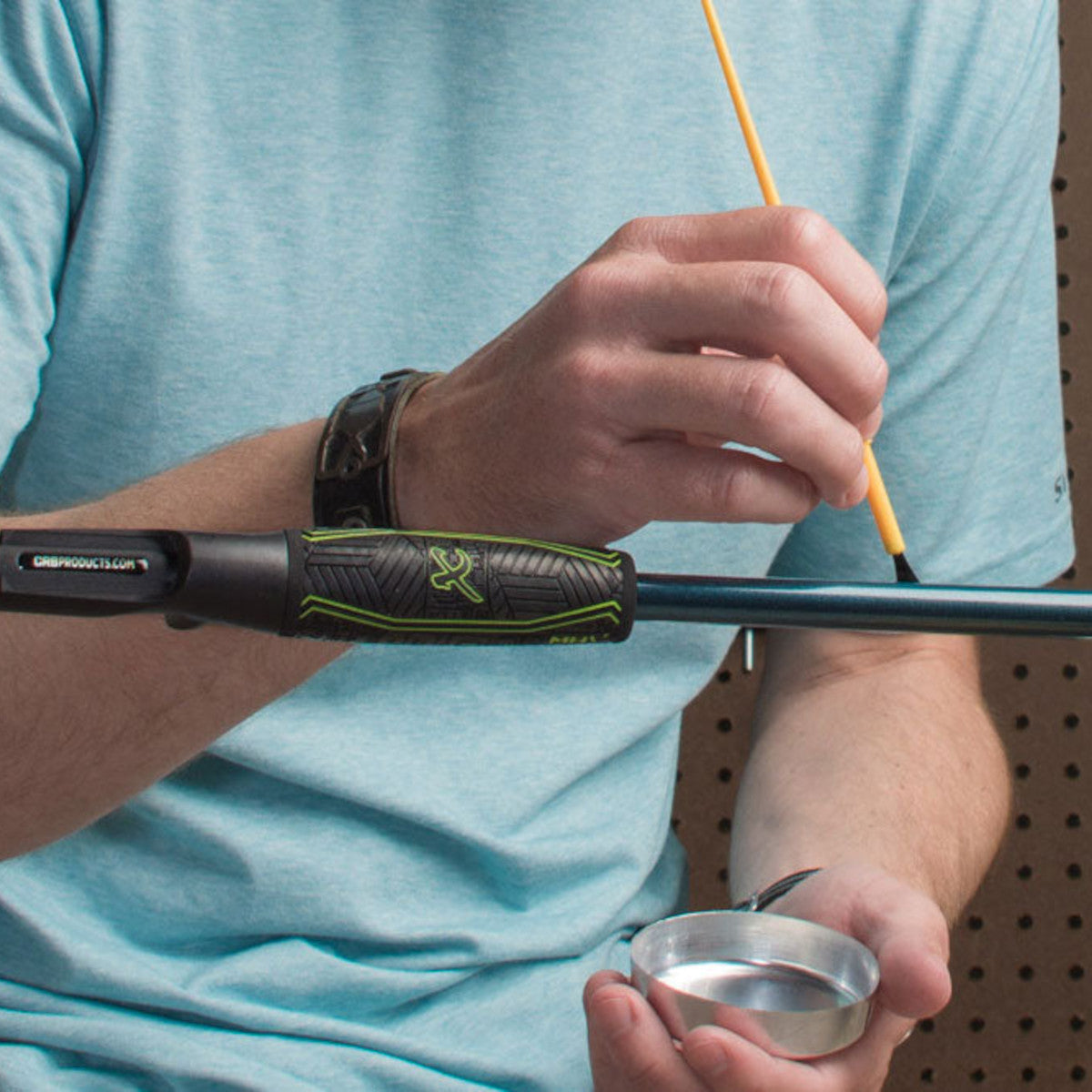
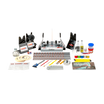
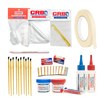
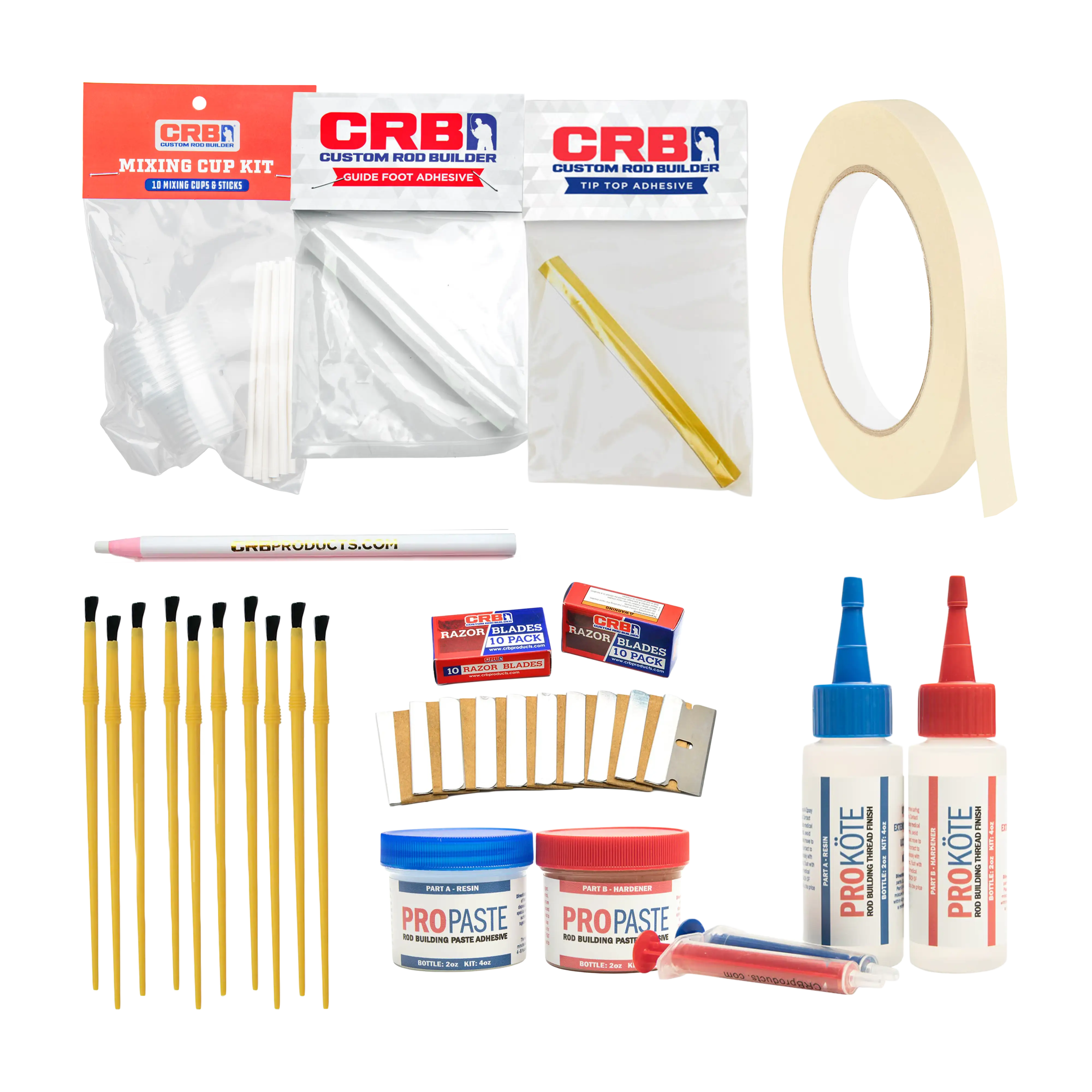
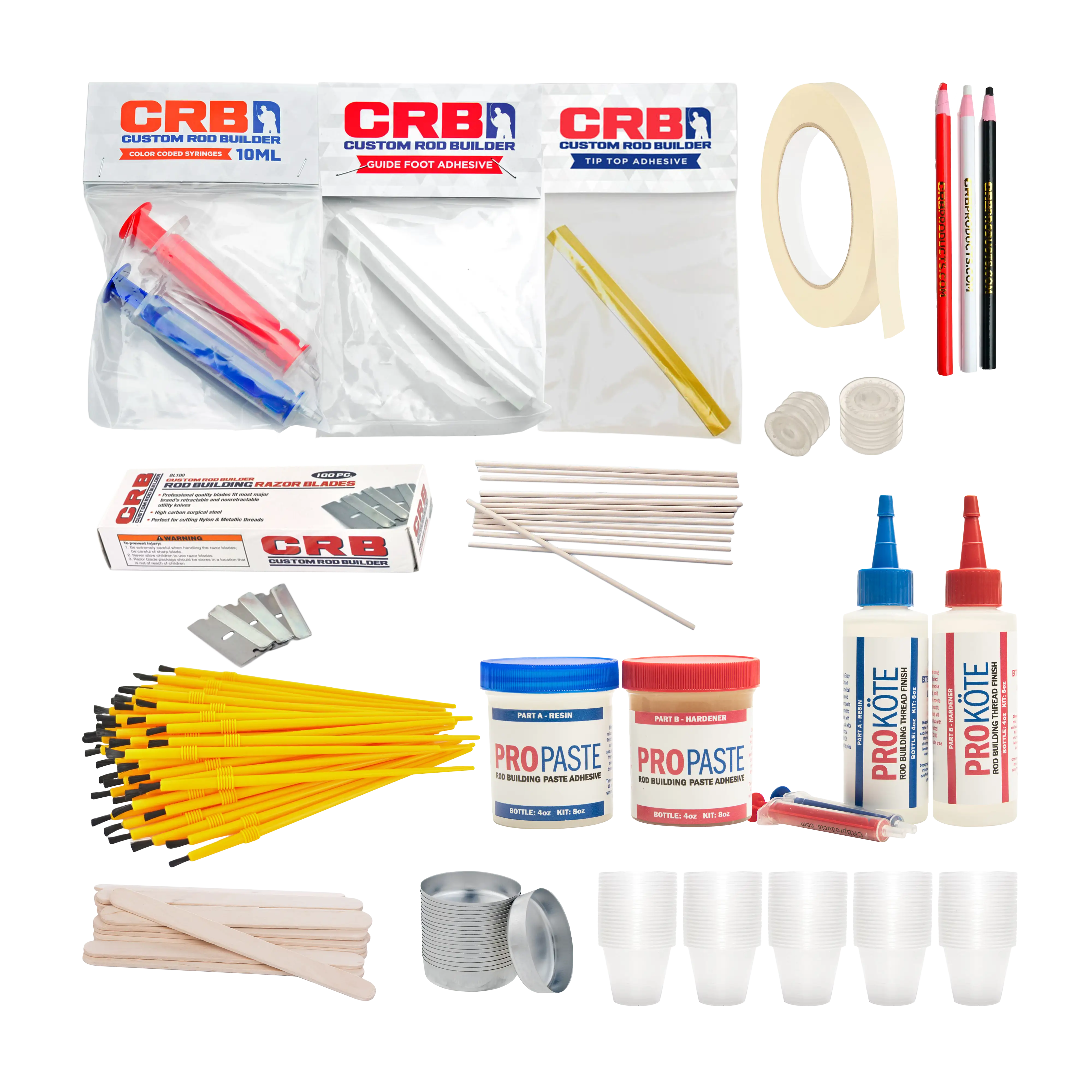
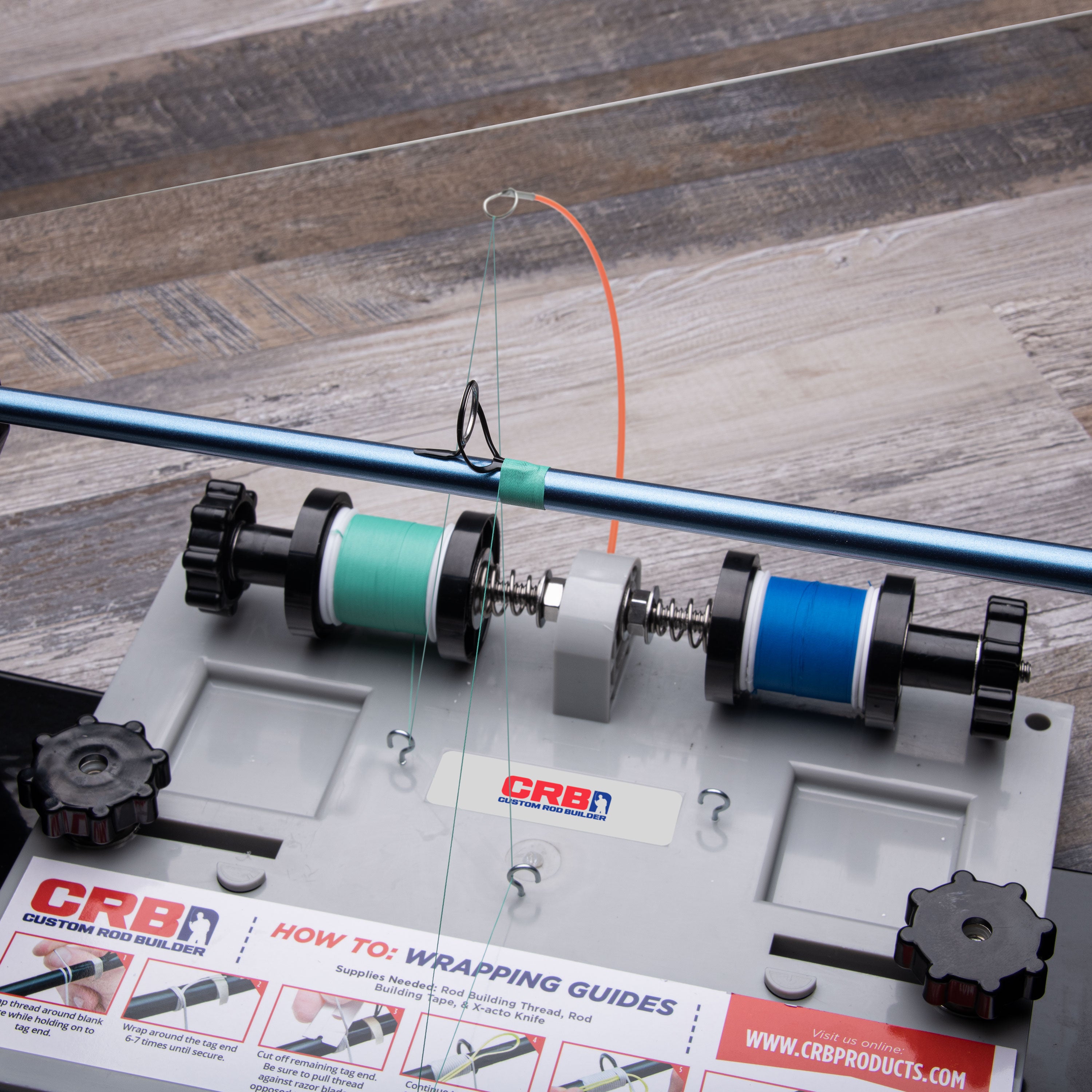
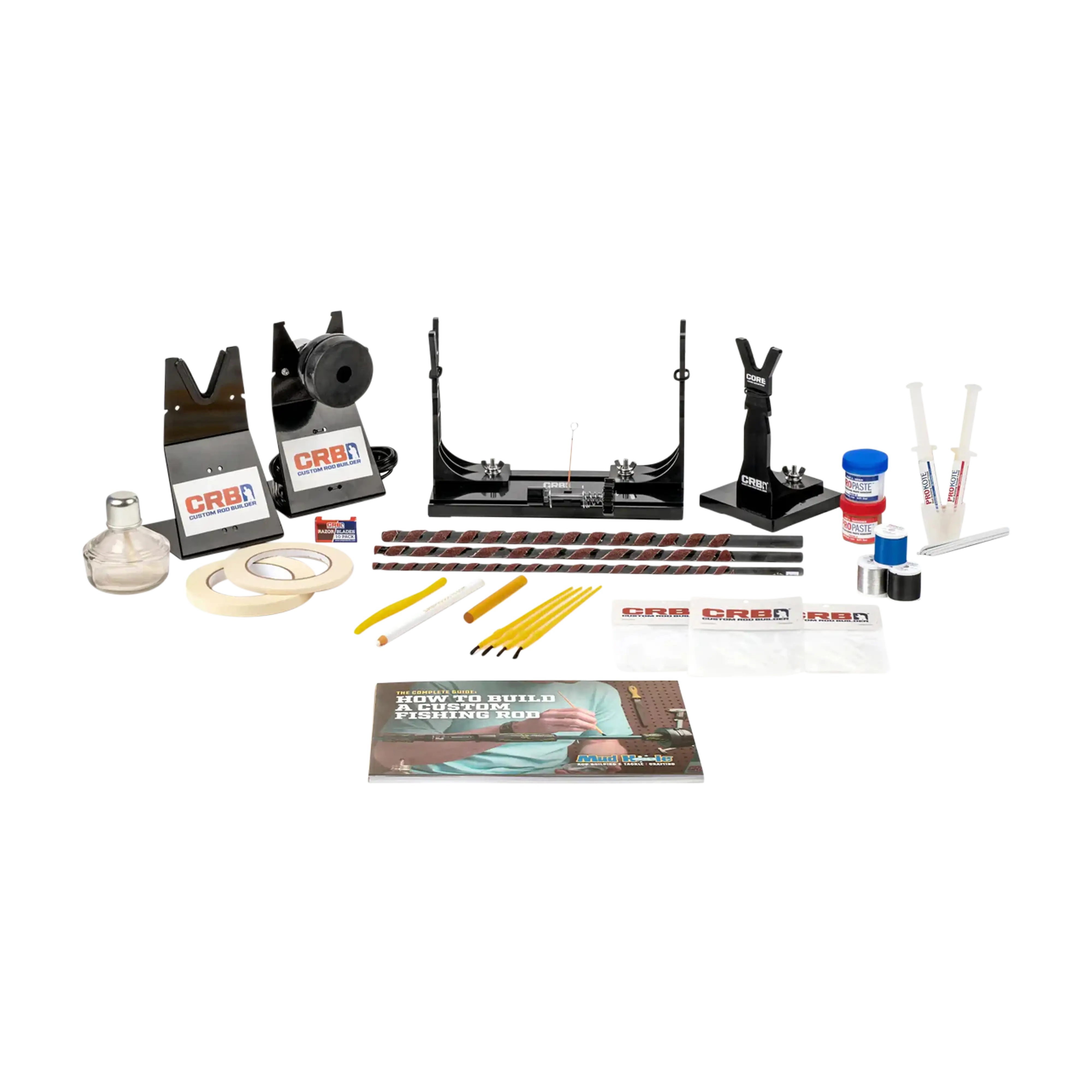
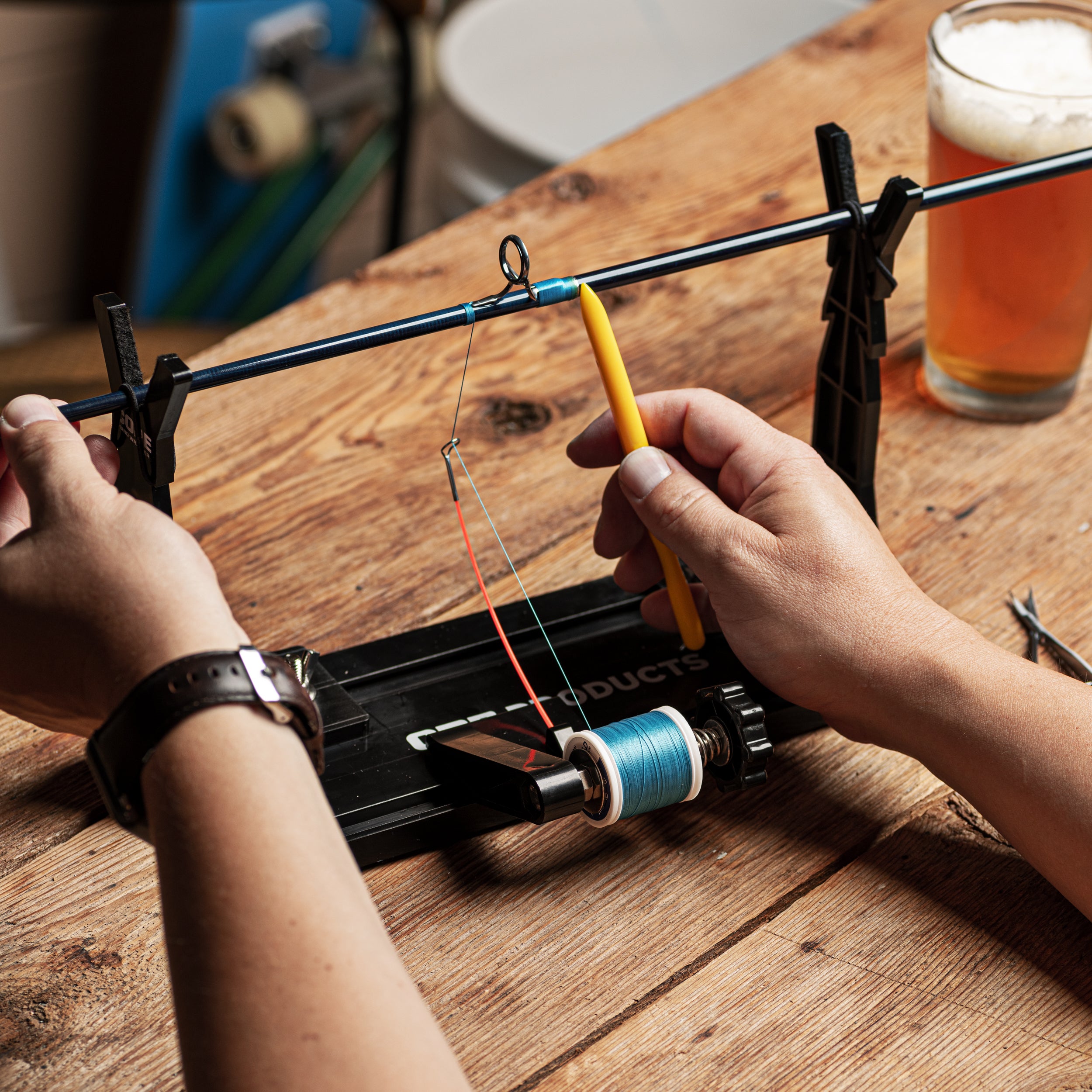
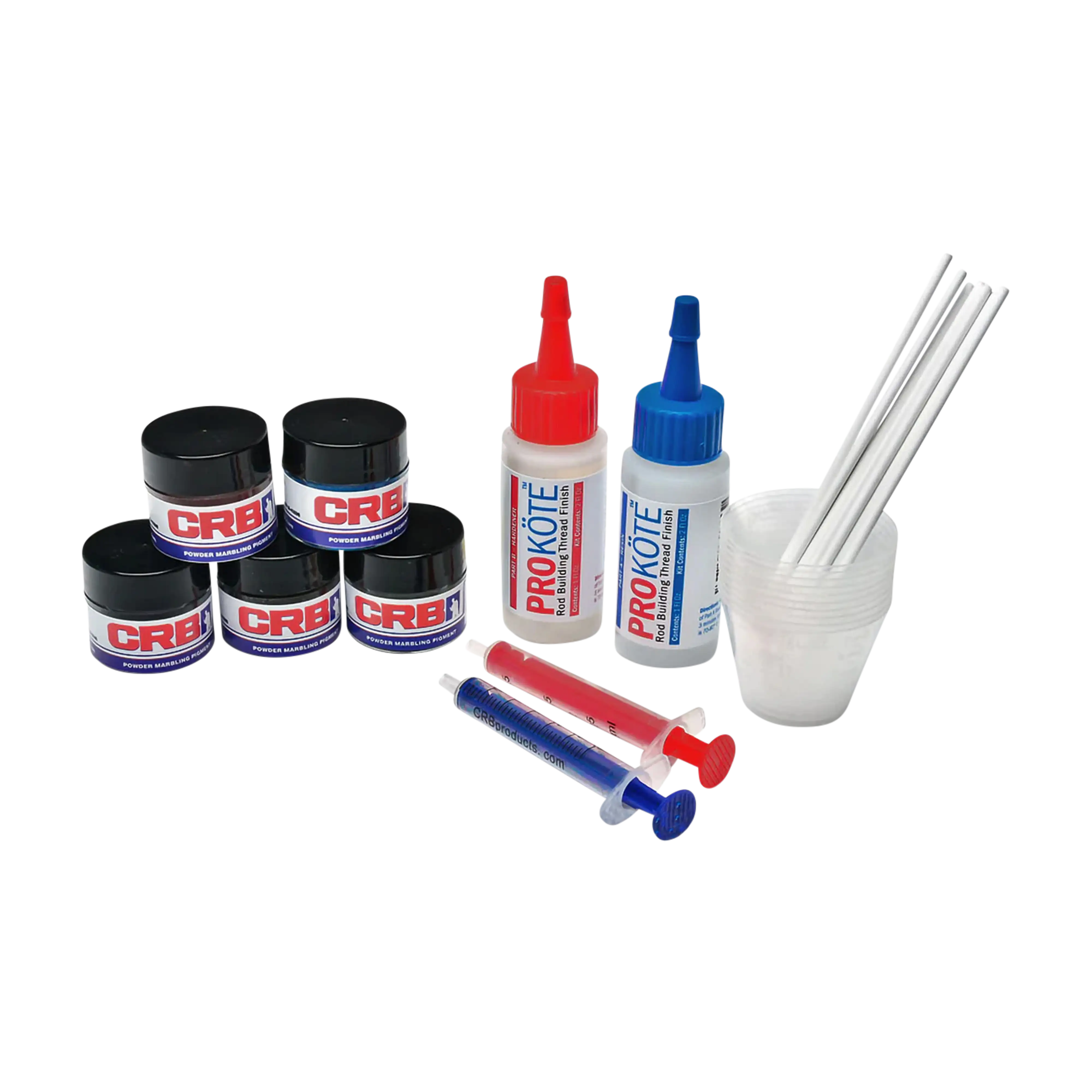
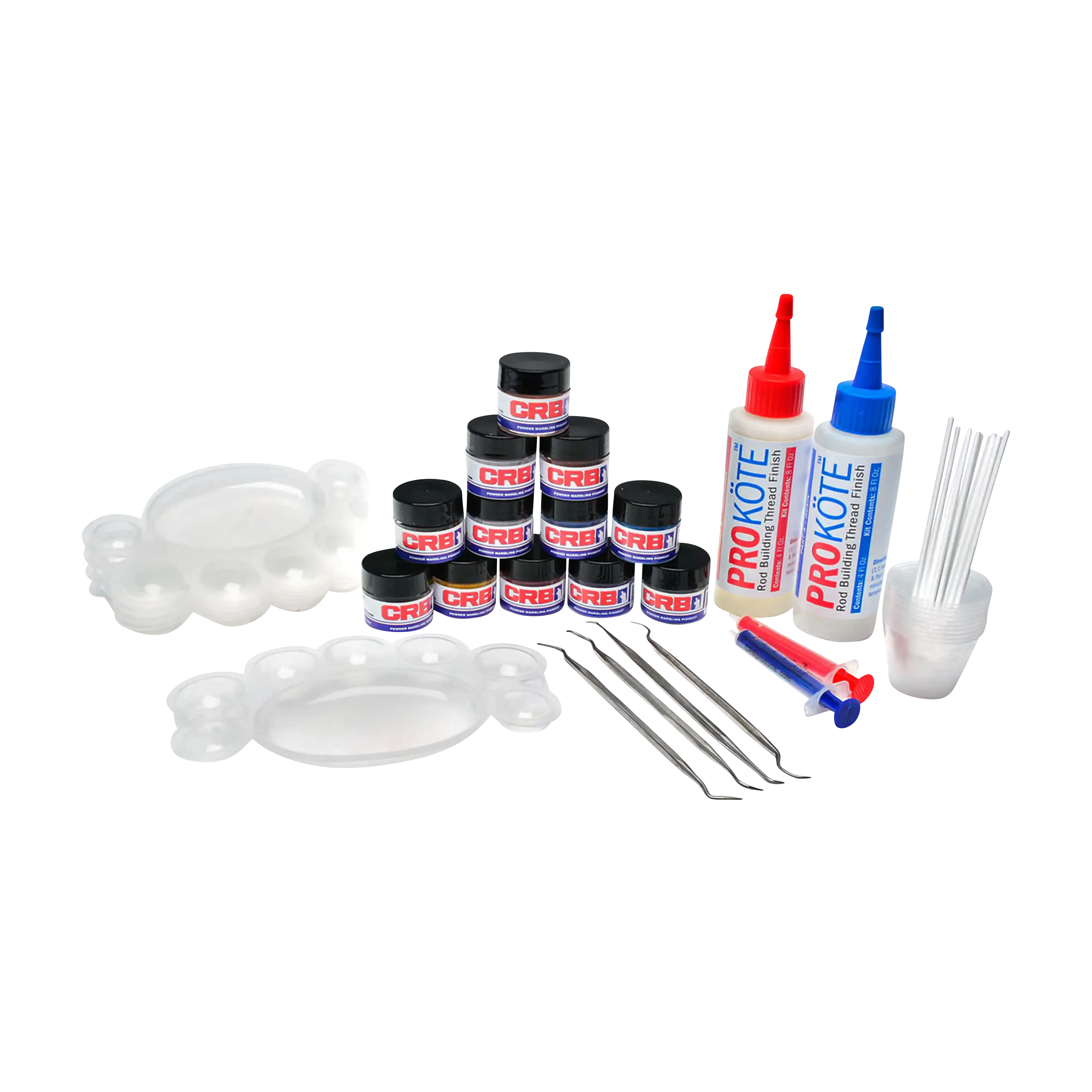
Everything you need to build a high-performance slow-pitch jigging rod is right at your fingertips with a rod building supply kit. These kits come stocked with the essential tools—rod dryers, thread, hand wrappers, epoxy, brushes, and reamers—so you can focus on the build instead of sourcing individual components. Using a kit makes the process faster, smoother, and more precise, helping you create a custom rod that delivers clean jig action, balanced loading, and reliable performance in both nearshore and offshore conditions.
For Beginners
All-in-one kits make it easy to get started without having to source tools separately. They allow you to focus on learning key slow-pitch build steps like guide wrapping, handle assembly, and tip-top installation, while keeping the process organized and repeatable.
For Experienced Builders
Kits are a convenient way to restock essential consumables like epoxy, thread, and brushes. Even with most tools already on hand, having a ready supply helps maintain workflow and ensures consistent, professional-quality builds.
Key Takeaways
- Supply kits include the essential tools and materials needed for efficient slow-pitch rod builds.
- Beginners benefit from an all-in-one setup that simplifies learning and assembly.
- Experienced builders can use kits to restock consumables and streamline workflow.
- Using the right tools improves build consistency, alignment, and overall rod performance.
Choose Your Supply Kits
Everything you need to build a high-performance slow-pitch jigging rod is right at your fingertips with a rod building supply kit. These kits come stocked with the essential tools—rod dryers, thread, hand wrappers, epoxy, brushes, and reamers—so you can focus on the build instead of sourcing individual components. Using a kit makes the process faster, smoother, and more precise, helping you create a custom rod that delivers clean jig action, balanced loading, and reliable performance in both nearshore and offshore conditions.
For Beginners
All-in-one kits make it easy to get started without having to source tools separately. They allow you to focus on learning key slow-pitch build steps like guide wrapping, handle assembly, and tip-top installation, while keeping the process organized and repeatable.
For Experienced Builders
Kits are a convenient way to restock essential consumables like epoxy, thread, and brushes. Even with most tools already on hand, having a ready supply helps maintain workflow and ensures consistent, professional-quality builds.
Key Takeaways
- Supply kits include the essential tools and materials needed for efficient slow-pitch rod builds.
- Beginners benefit from an all-in-one setup that simplifies learning and assembly.
- Experienced builders can use kits to restock consumables and streamline workflow.
- Using the right tools improves build consistency, alignment, and overall rod performance.
Supply Kits

Custom Rod Decals
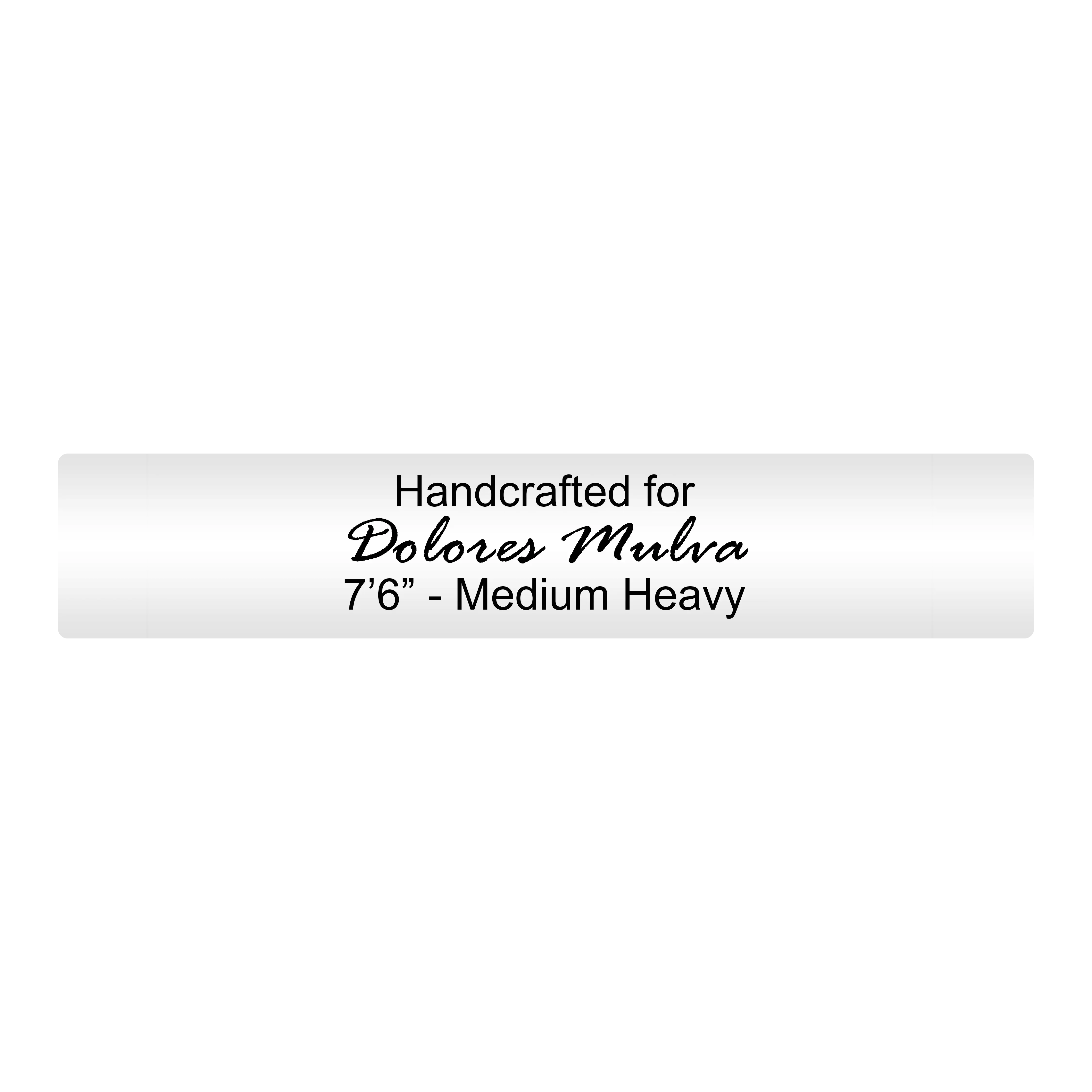
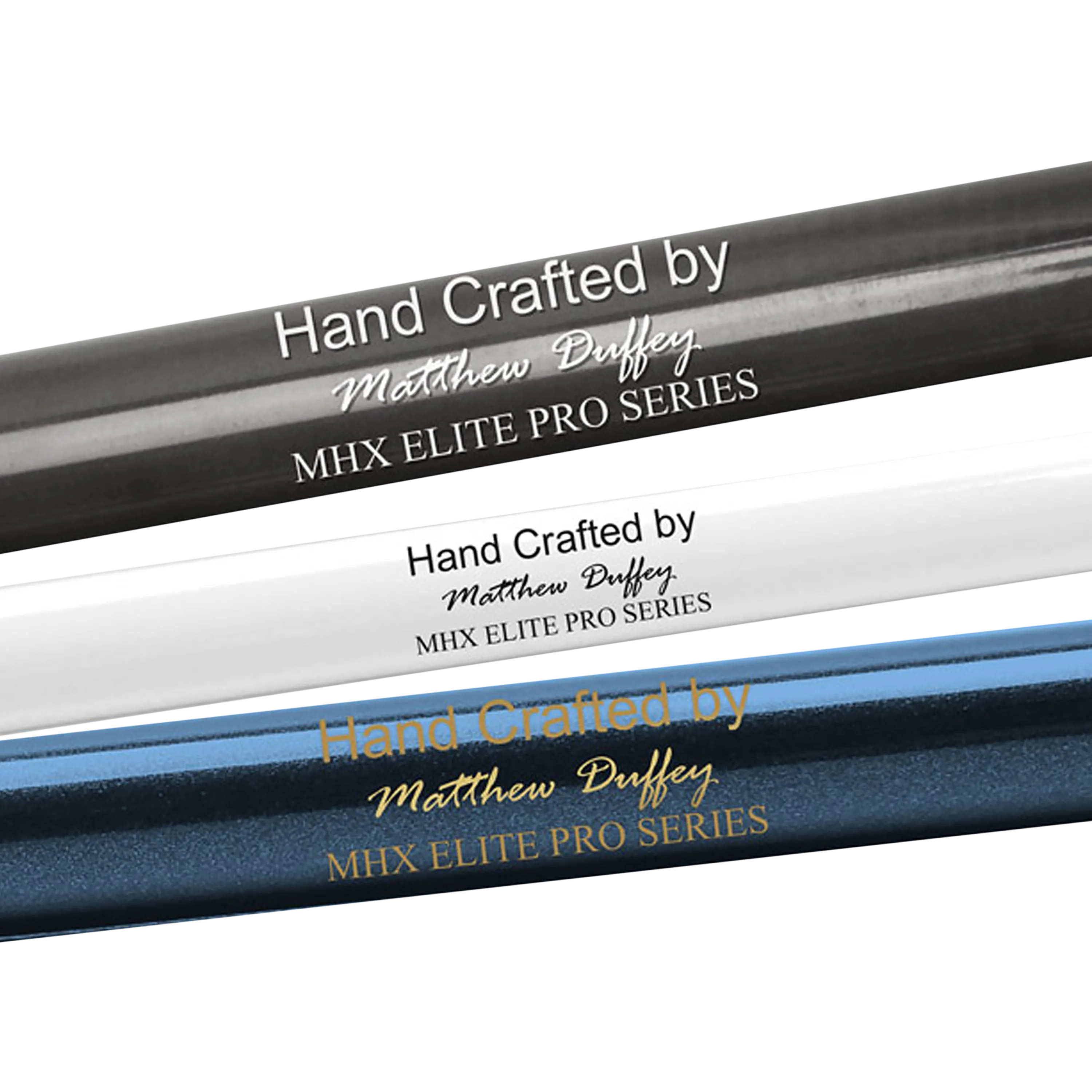
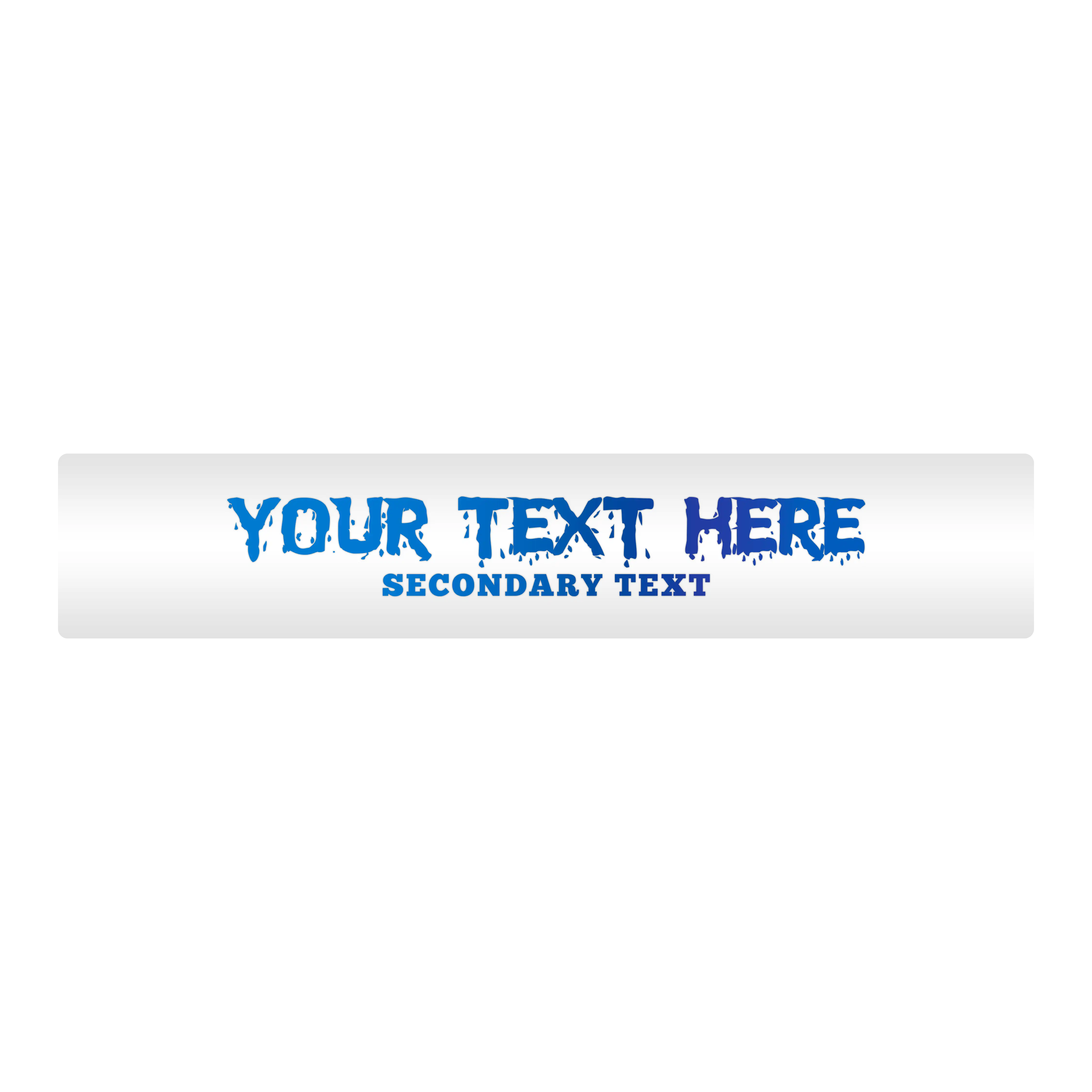
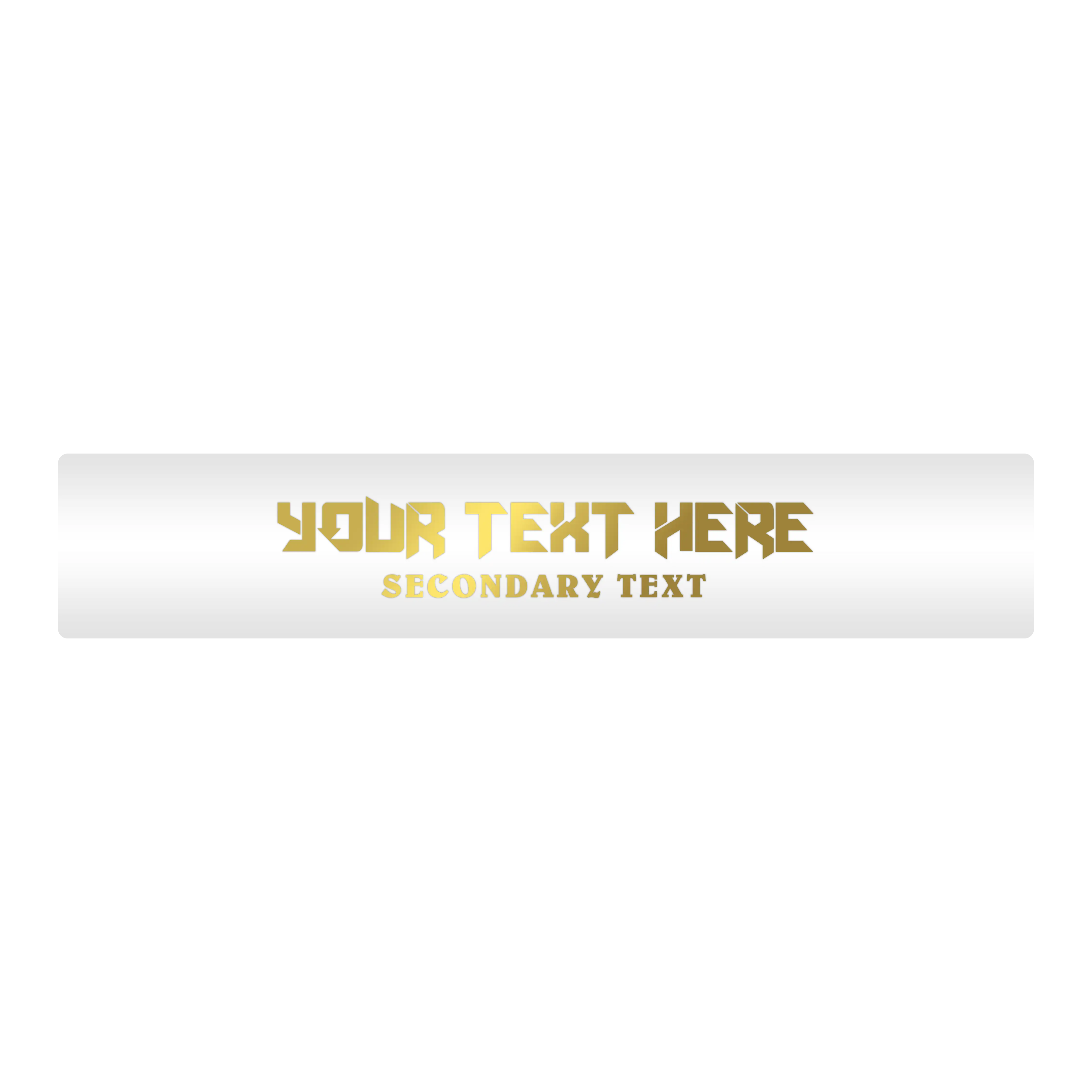
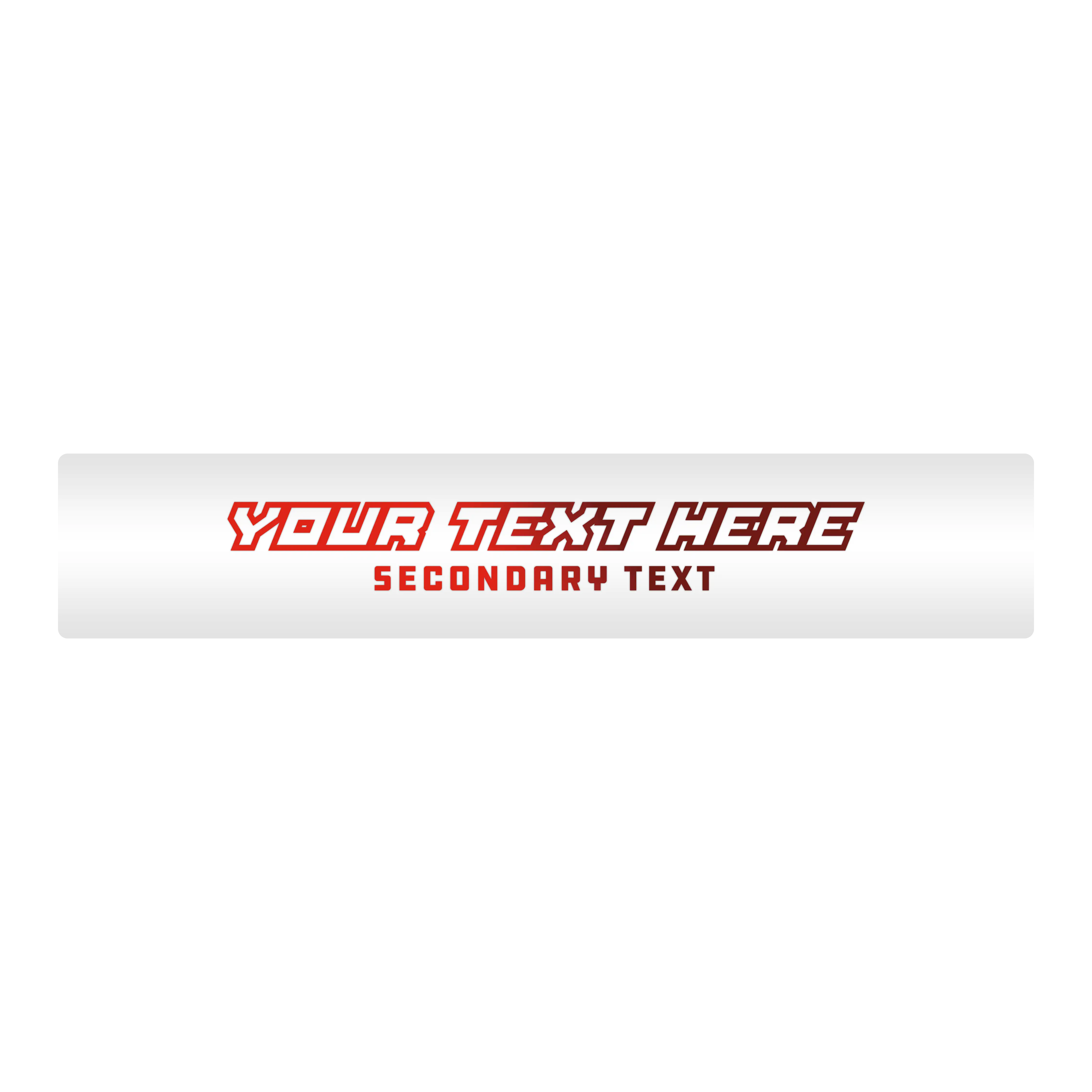
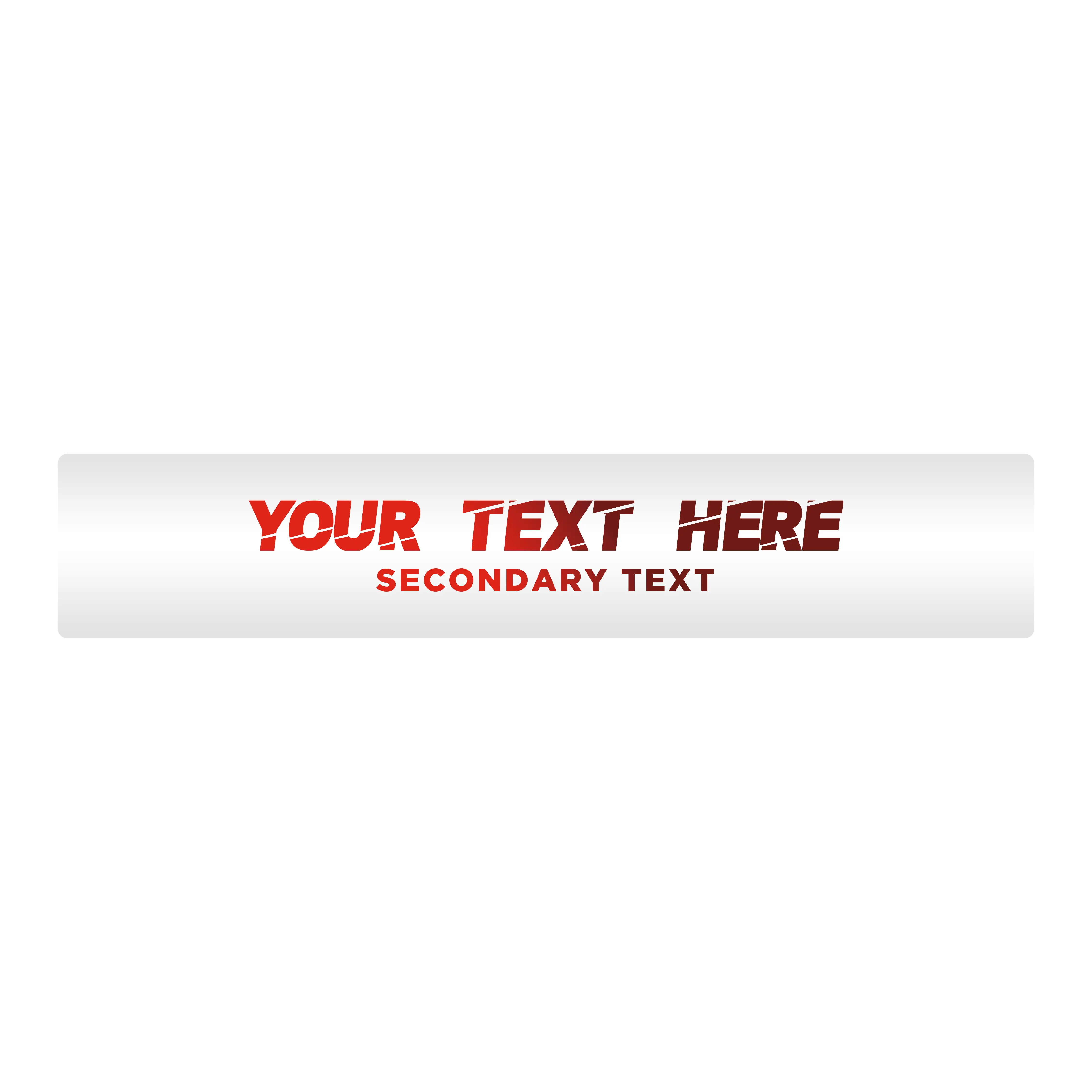
Totally optional but very popular, custom rod decals are a simple finishing touch that add personality along with a clean, professional look to any custom build. They’re commonly used for rod names, specifications, builder information, or personal details, helping turn a standard build into something unique and identifiable. While small in size, decals play an important role in completing the overall presentation of a rod and giving it a true custom-built feel.
Decals personalize the rod for the angler or builder, whether it’s a one-off build or part of a larger custom shop order, adding text to the blank that reinforces craftsmanship and provides a refined, finished detail that ties the entire build together visually.
Most rod decals are designed for easy application with a peel-and-stick backing, allowing for clean installation without special tools. Once applied, decals are sealed under epoxy as part of the finishing process, making them a permanent part of the rod and protecting them from wear, moisture, and abrasion over time.
Key Takeaways
- Custom decals add a clean, professional finishing touch to any rod build
- They’re commonly used for personalization, branding, or rod specifications
- Easy peel-and-stick application makes installation simple and consistent
- Available in multiple colors to match overall rod design
- A small detail that significantly enhances the final custom look of the rod
Custom Rod Decals
Totally optional but very popular, custom rod decals are a simple finishing touch that add personality along with a clean, professional look to any custom build. They’re commonly used for rod names, specifications, builder information, or personal details, helping turn a standard build into something unique and identifiable. While small in size, decals play an important role in completing the overall presentation of a rod and giving it a true custom-built feel.
Decals personalize the rod for the angler or builder, whether it’s a one-off build or part of a larger custom shop order, adding text to the blank that reinforces craftsmanship and provides a refined, finished detail that ties the entire build together visually.
Most rod decals are designed for easy application with a peel-and-stick backing, allowing for clean installation without special tools. Once applied, decals are sealed under epoxy as part of the finishing process, making them a permanent part of the rod and protecting them from wear, moisture, and abrasion over time.
Key Takeaways
- Custom decals add a clean, professional finishing touch to any rod build
- They’re commonly used for personalization, branding, or rod specifications
- Easy peel-and-stick application makes installation simple and consistent
- Available in multiple colors to match overall rod design
- A small detail that significantly enhances the final custom look of the rod
Custom Decals





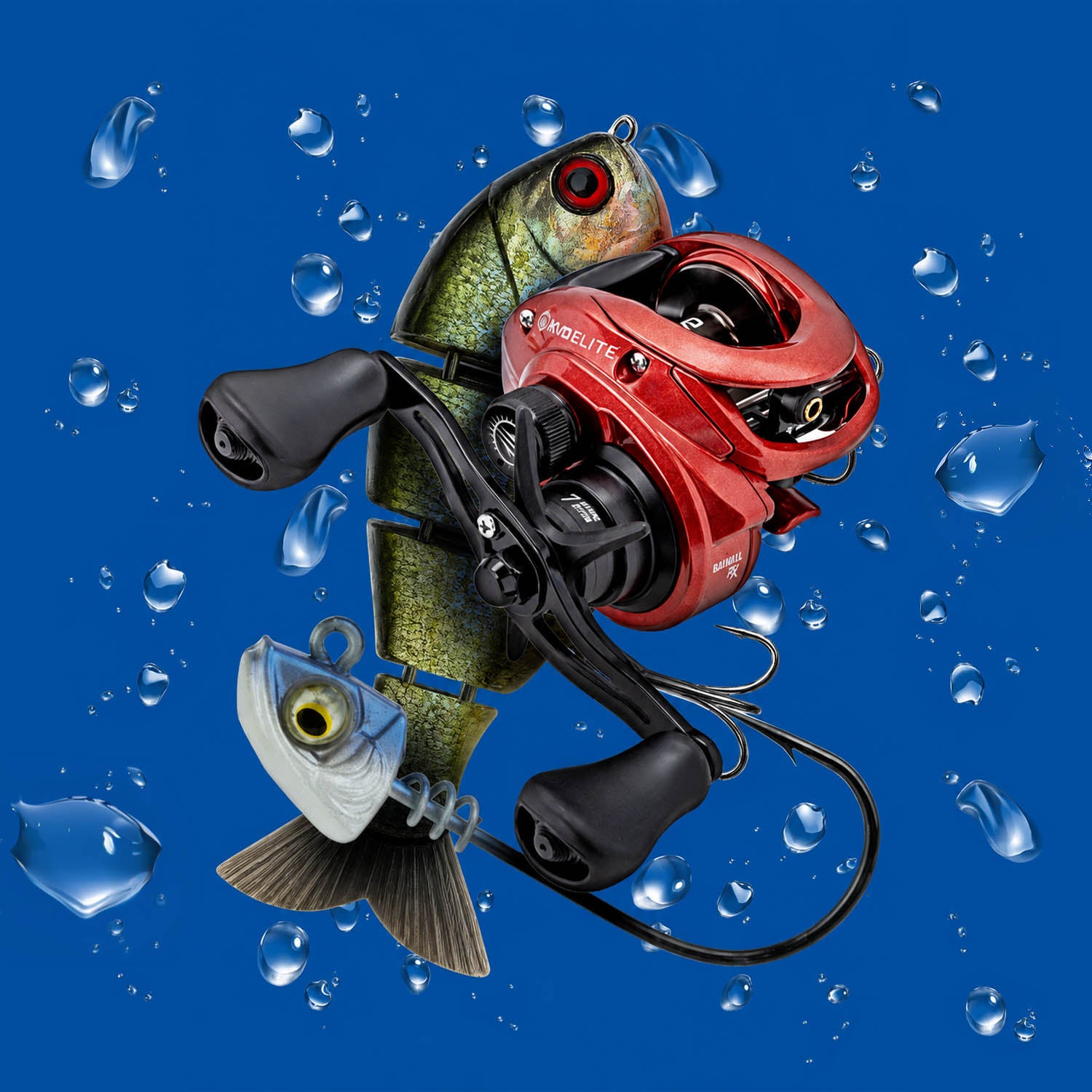
Best Reels for Slow-Pitch Jigging
Now let’s find a reel for your custom rod.
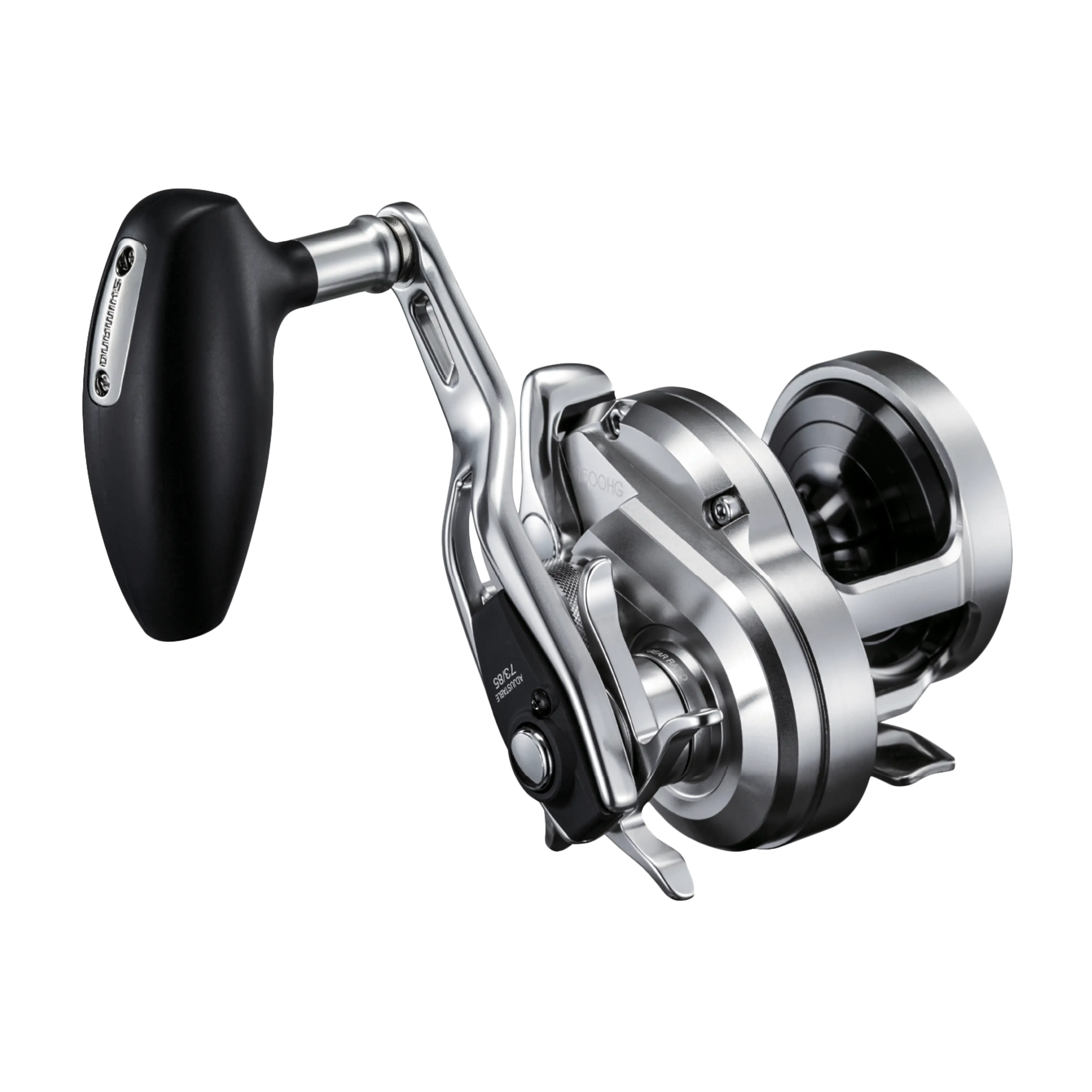
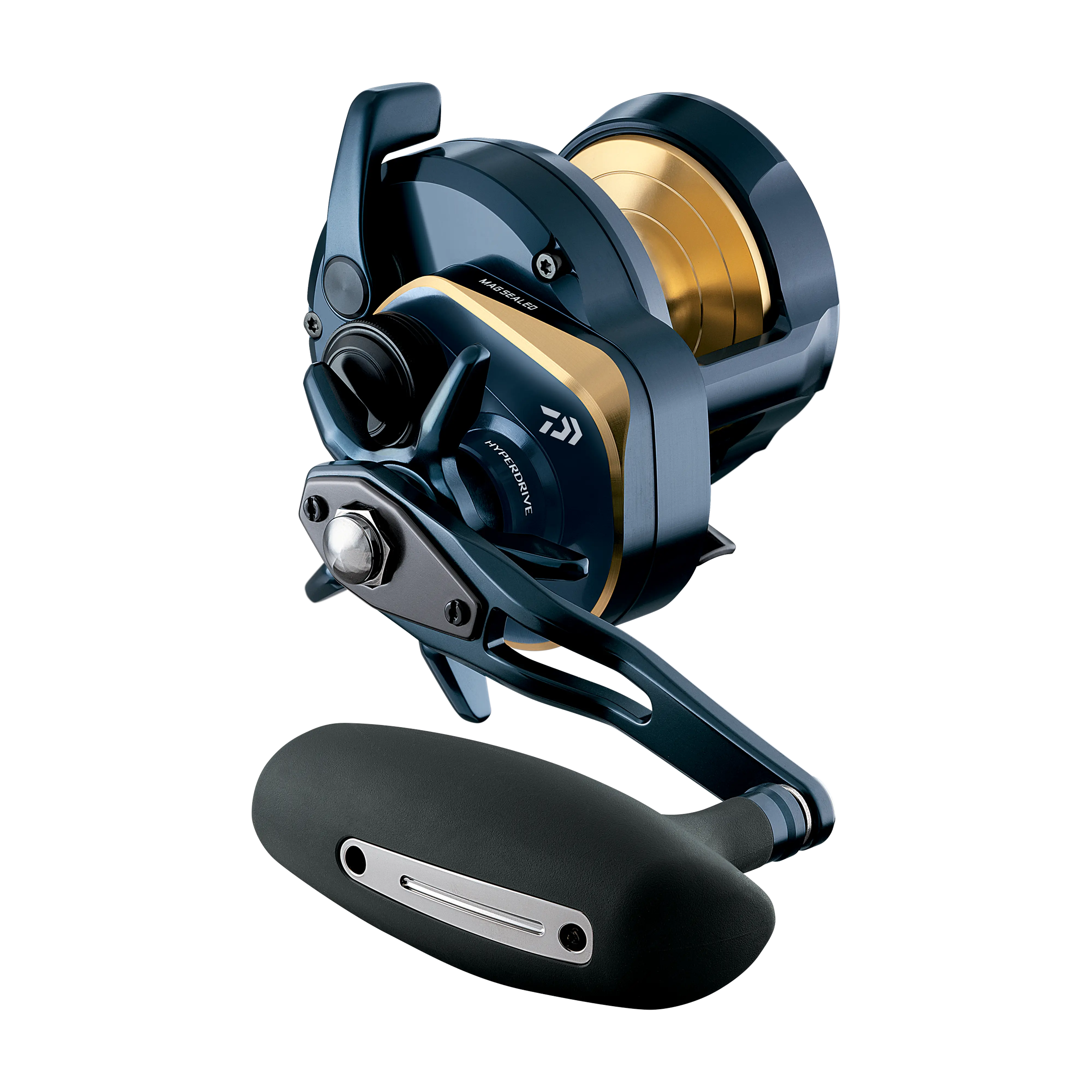
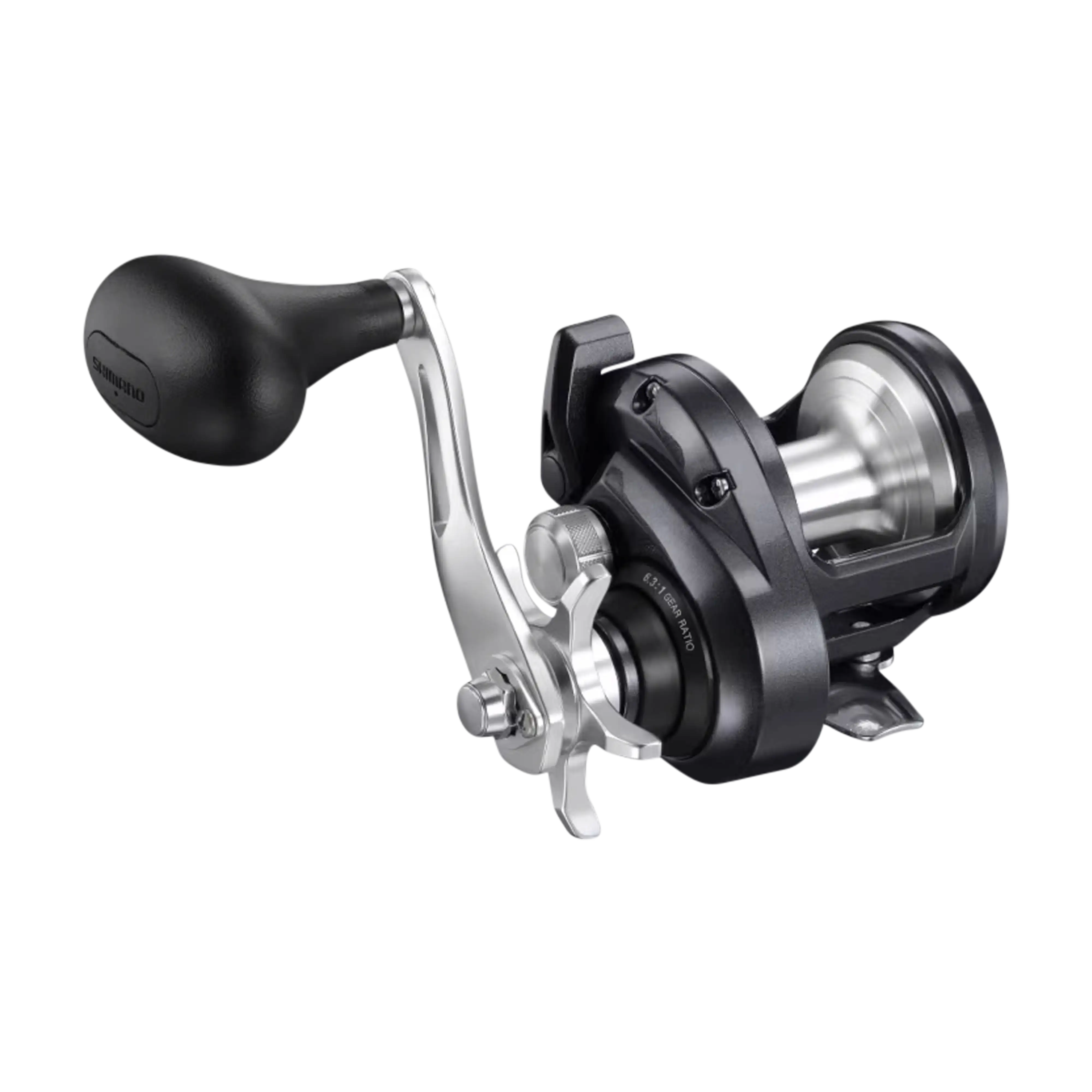
During slow-pitch jigging, the reel’s job is to recover slack, maintain vertical line control, and deliver smooth, consistent drag—especially on strikes that happen on the fall. Compact conventional reels are popular because they offer strong torque, precise control, and reliable drag in a lightweight, manageable frame. Spinning setups are also used for lighter slow-pitch applications, long-fall presentations, and by anglers who prefer an open-face reel while maintaining excellent jig control and sensitivity.
Balance matters. A properly matched reel keeps the setup neutral and easy to fish, while oversized reels add weight and disrupt cadence. When size, gearing, drag, and capacity are aligned with your rod and conditions, the reel feels effortless and keeps you focused on jig control and bite detection.
When evaluating reels, focus on these key features:
Reel Type
Compact conventional reels are preferred for slow-pitch jigging. Their smaller frames reduce fatigue and maintain balance in hand. These reels allow smooth lifts and controlled drops without overpowering subtle jig action. While spinning reels are often used for lighter slow-pitch applications, long-fall techniques, and anglers who prefer an open-face design, narrow conventional reels are specialized for this technique.
Gear Ratio
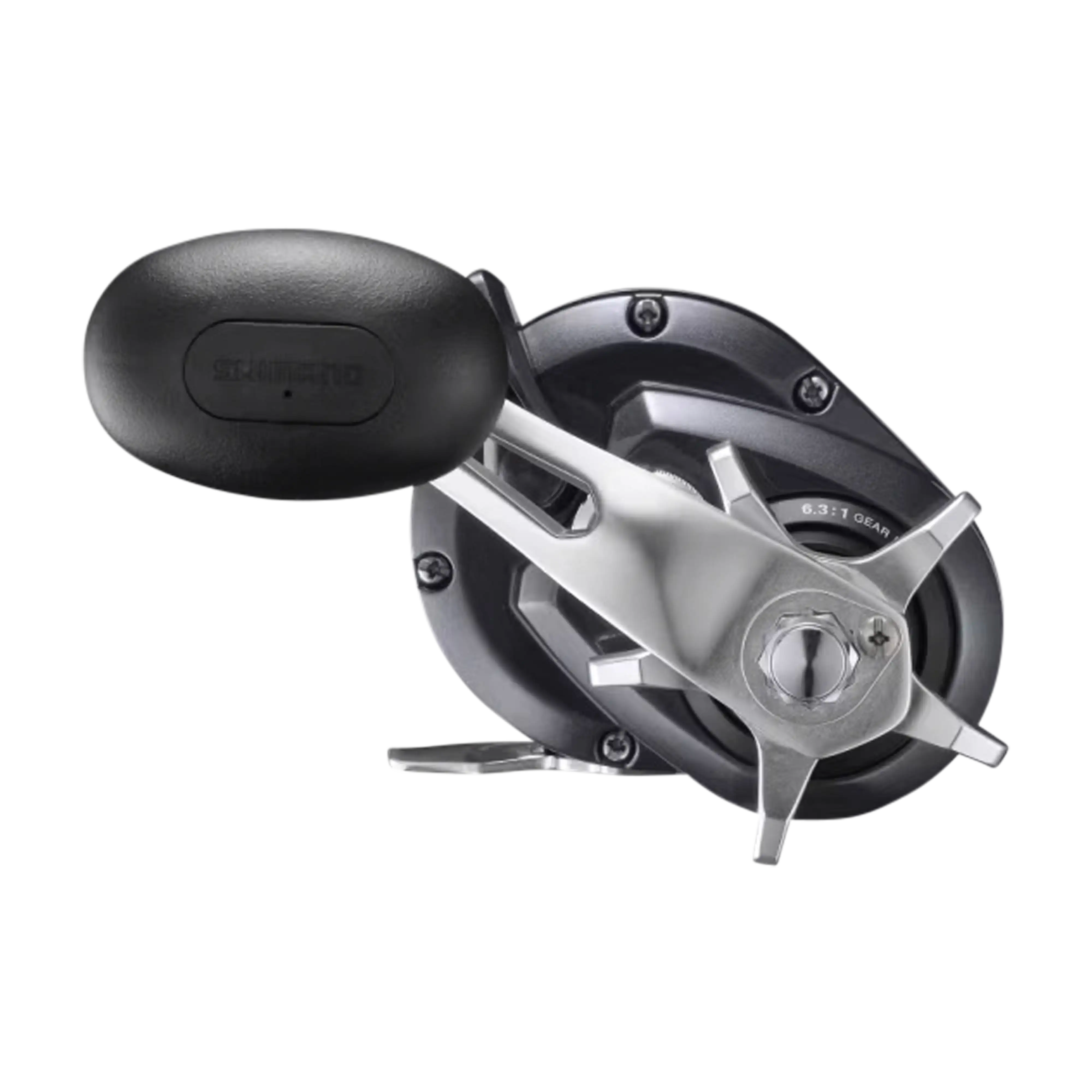
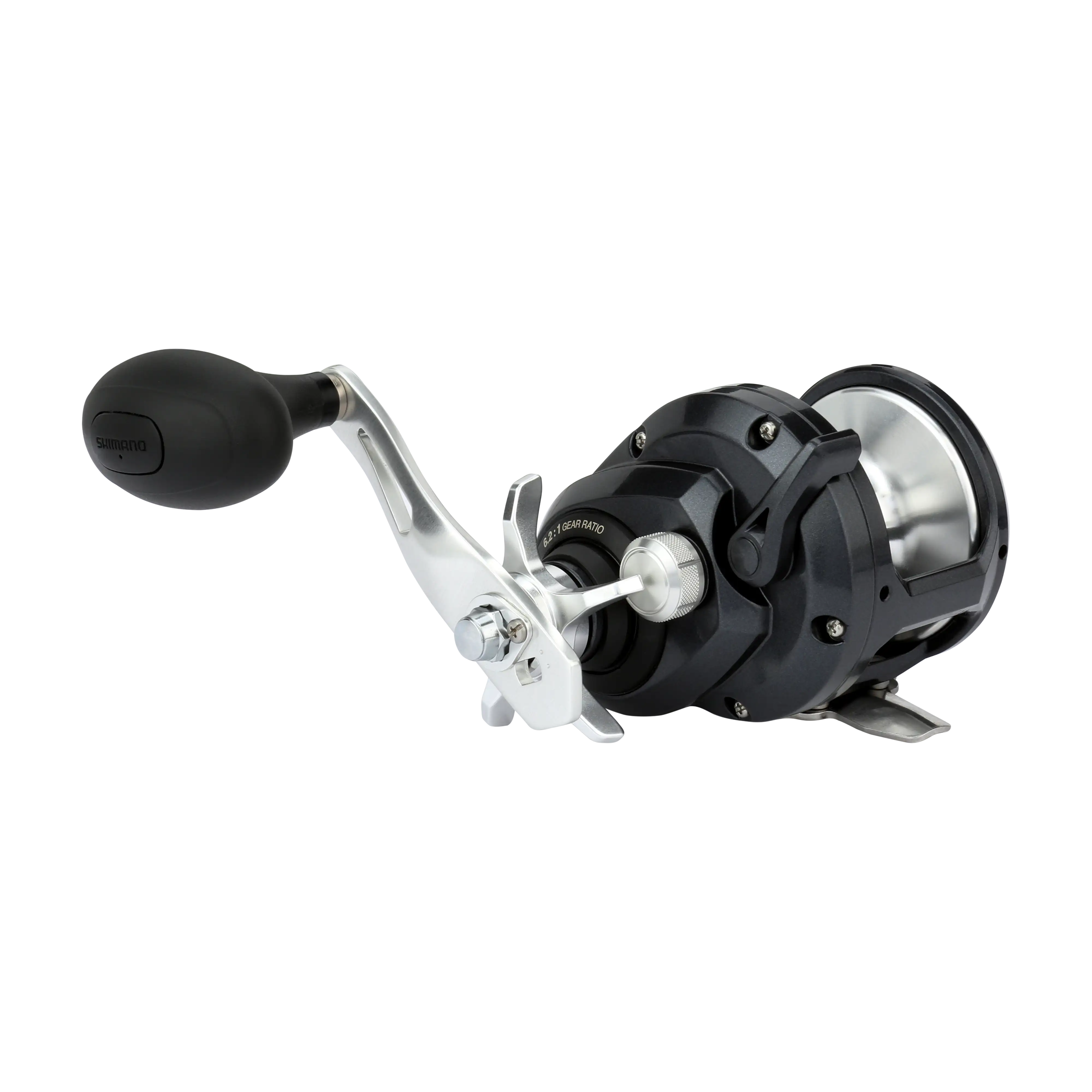
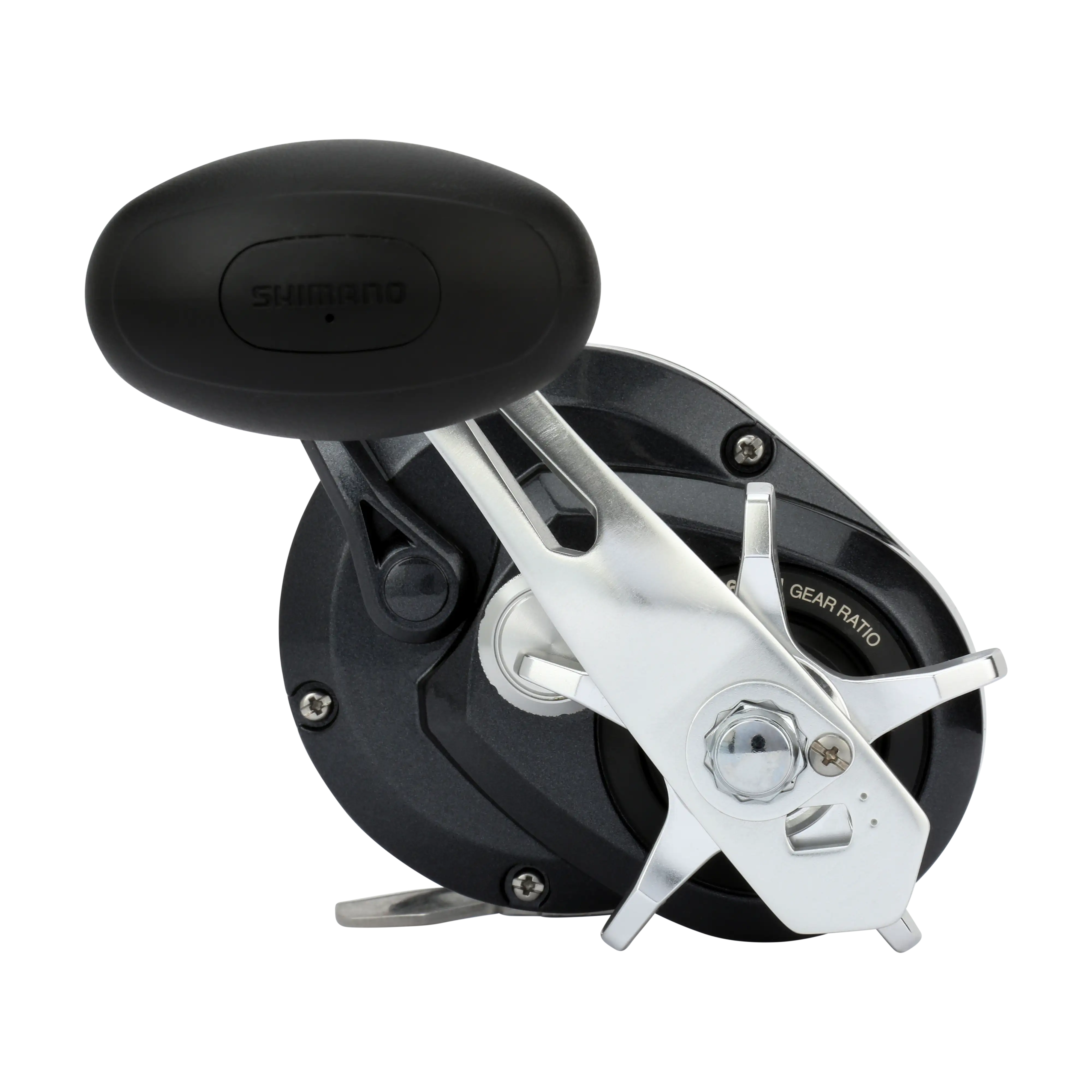
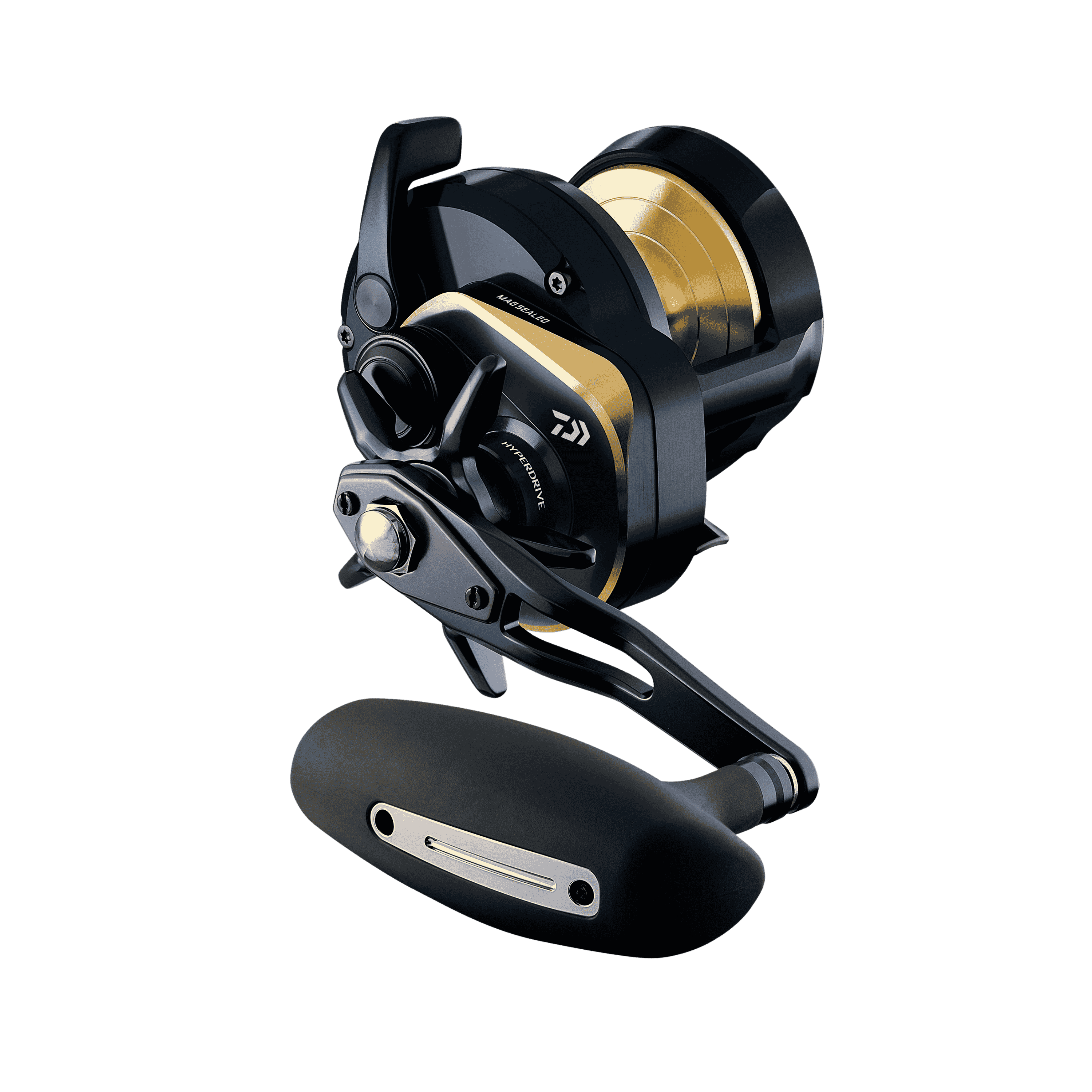
Moderate to high gear ratios (typically 5.1:1–6.3:1 for conventional reels and approximately 5.2:1–6.2:1 for spinning reels) allow quick recovery of slack line between lifts without disrupting jig flutter. Mid-range ratios give balanced torque for heavier jigs and deeper water, while higher ratios help reset the jig faster, especially on lighter rigs or shallower drops. Proper ratio selection ensures efficiency and responsiveness during repeated vertical movements.
Drag System
Smooth, consistent drag is essential because most slow-pitch strikes occur on the fall when sudden line tension can spike. The drag should protect braided main line and fluorocarbon leaders, maintain steady pressure during the fight, and prevent hook pulls without requiring extreme maximum drag.
Line Capacity
The reel should hold enough line for your typical fishing depth while keeping the reel compact and manageable. Narrow spools help maintain even line stacking, reduce tangles, and keep consistent tension to preserve natural jig action.
Durability
Quality construction matters because slow-pitch reels are exposed to saltwater, pressure from heavy fish, and repetitive lifts. Look for corrosion-resistant materials, sealed bearings, and strong frame integrity to ensure long-term performance and reliability offshore.
Nearshore / Light Slow Pitch
A compact, narrow-spool reel with moderate 5.3:1–5.8:1 gearing and 8–15 lb drag gives precise vertical control for light jigs while still handling sudden bites from small reef species.
Targets: Lane snapper, mangrove snapper, porgy, smaller reef fish inside ~150 ft
Reel Type: Compact conventional, narrow-spool or compact spinning
Gear Ratio: 5.3:1–5.8:1
Drag: 8–15 lb smooth, consistent
Line: Mainline: 15–20 lb braid (PE 0.8–1.2); Leader: 15–30 lb fluorocarbon
Classic Reef Slow Pitch
A slightly stronger compact reel with narrow spool, 5.3:1–5.8:1 gearing, and 15–25 lb drag allows control of mid-weight jigs in moderate currents while protecting line during aggressive reef strikes.
Targets: Vermilion snapper, red snapper, mutton snapper, scamp, gag grouper (~120–300 ft)
Reel Type: Compact conventional, narrow spool or compact spinning
Gear Ratio: 5.3:1–5.8:1
Drag: 15–25 lb smooth, consistent
Line: Mainline: 20–30 lb braid (PE 1.5–2.5); Leader: 25–40 lb fluorocarbon
Long Fall / Suspended Slow Pitch
A mid-size, narrow-spool reel with 5.5:1–6.0:1 gearing and 20–35 lb drag efficiently recovers slack during long-fall lifts while handling medium-large fish and offshore currents.
Targets: Suspended snapper, amberjack, blackfin tuna, mid-column predators (~150–400 ft)
Reel Type: Compact to mid-size conventional, narrow spool or mid-size spinning
Gear Ratio: 5.5:1–6.0:1
Drag: 20–35 lb smooth, consistent
Line: Mainline: 30–40 lb braid (PE 2–3); Leader: 30–50 lb fluorocarbon
Deep Water Slow Pitch
A reinforced mid-size reel with 5.8:1–6.0:1 gearing and 30–45 lb drag moves heavy jigs efficiently through deep water while maintaining smooth line tension for strikes far below the boat.
Targets: Snowy grouper, tilefish, deep wreck species (~300–700 ft)
Reel Type: Mid-size conventional, narrow spool, reinforced frame or large spinning
Gear Ratio: 5.8:1–6.0:1
Drag: 30–45 lb smooth, consistent
Line: Mainline: 30–50 lb braid size (PE 3–4); Leader: 40–60 lb fluorocarbon
Power Slow / Heavy Hybrid
A mid-to-large, reinforced reel with 5.8:1–6.3:1 gearing and 15-18 lb drag balances fast slack recovery for long-fall jigs with torque to handle large amberjack, grouper, and tuna.
Targets: Greater amberjack, large grouper, yellowfin tuna
Reel Type: Mid-to-large conventional, narrow spool or large spinning
Gear Ratio: 5.8:1–6.3:1
Drag: 15-18 lb smooth, consistent
Line: Mainline: 20–30 lb braid (PE 1.5–2.5); Leader: 30–60 lb fluorocarbon
Best Reels for Slow-Pitch Jigging
Now let’s find a reel for your custom rod.
During slow-pitch jigging, the reel’s job is to recover slack, maintain vertical line control, and deliver smooth, consistent drag—especially on strikes that happen on the fall. Compact conventional reels are popular because they offer strong torque, precise control, and reliable drag in a lightweight, manageable frame. Spinning setups are also used for lighter slow-pitch applications, long-fall presentations, and by anglers who prefer an open-face reel while maintaining excellent jig control and sensitivity.
Balance matters. A properly matched reel keeps the setup neutral and easy to fish, while oversized reels add weight and disrupt cadence. When size, gearing, drag, and capacity are aligned with your rod and conditions, the reel feels effortless and keeps you focused on jig control and bite detection.
When evaluating reels, focus on these key features:
Reel Type
Compact conventional reels are preferred for slow-pitch jigging. Their smaller frames reduce fatigue and maintain balance in hand. These reels allow smooth lifts and controlled drops without overpowering subtle jig action. While spinning reels are often used for lighter slow-pitch applications, long-fall techniques, and anglers who prefer an open-face design, narrow conventional reels are specialized for this technique.
Gear Ratio
Moderate to high gear ratios (typically 5.1:1–6.3:1 for conventional reels and approximately 5.2:1–6.2:1 for spinning reels) allow quick recovery of slack line between lifts without disrupting jig flutter. Mid-range ratios give balanced torque for heavier jigs and deeper water, while higher ratios help reset the jig faster, especially on lighter rigs or shallower drops. Proper ratio selection ensures efficiency and responsiveness during repeated vertical movements.
Drag System
Smooth, consistent drag is essential because most slow-pitch strikes occur on the fall when sudden line tension can spike. The drag should protect braided main line and fluorocarbon leaders, maintain steady pressure during the fight, and prevent hook pulls without requiring extreme maximum drag.
Line Capacity
The reel should hold enough line for your typical fishing depth while keeping the reel compact and manageable. Narrow spools help maintain even line stacking, reduce tangles, and keep consistent tension to preserve natural jig action.
Durability
Quality construction matters because slow-pitch reels are exposed to saltwater, pressure from heavy fish, and repetitive lifts. Look for corrosion-resistant materials, sealed bearings, and strong frame integrity to ensure long-term performance and reliability offshore.
Nearshore / Light Slow Pitch
A compact, narrow-spool reel with moderate 5.3:1–5.8:1 gearing and 8–15 lb drag gives precise vertical control for light jigs while still handling sudden bites from small reef species.
Targets: Lane snapper, mangrove snapper, porgy, smaller reef fish inside ~150 ft
Reel Type: Compact conventional, narrow-spool or compact spinning
Gear Ratio: 5.3:1–5.8:1
Drag: 8–15 lb smooth, consistent
Line: Mainline: 15–20 lb braid (PE 0.8–1.2); Leader: 15–30 lb fluorocarbon
Classic Reef Slow Pitch
A slightly stronger compact reel with narrow spool, 5.3:1–5.8:1 gearing, and 15–25 lb drag allows control of mid-weight jigs in moderate currents while protecting line during aggressive reef strikes.
Targets: Vermilion snapper, red snapper, mutton snapper, scamp, gag grouper (~120–300 ft)
Reel Type: Compact conventional, narrow spool or compact spinning
Gear Ratio: 5.3:1–5.8:1
Drag: 15–25 lb smooth, consistent
Line: Mainline: 20–30 lb braid (PE 1.5–2.5); Leader: 25–40 lb fluorocarbon
Long Fall / Suspended Slow Pitch
A mid-size, narrow-spool reel with 5.5:1–6.0:1 gearing and 20–35 lb drag efficiently recovers slack during long-fall lifts while handling medium-large fish and offshore currents.
Targets: Suspended snapper, amberjack, blackfin tuna, mid-column predators (~150–400 ft)
Reel Type: Compact to mid-size conventional, narrow spool or mid-size spinning
Gear Ratio: 5.5:1–6.0:1
Drag: 20–35 lb smooth, consistent
Line: Mainline: 30–40 lb braid (PE 2–3); Leader: 30–50 lb fluorocarbon
Deep Water Slow Pitch
A reinforced mid-size reel with 5.8:1–6.0:1 gearing and 30–45 lb drag moves heavy jigs efficiently through deep water while maintaining smooth line tension for strikes far below the boat.
Targets: Snowy grouper, tilefish, deep wreck species (~300–700 ft)
Reel Type: Mid-size conventional, narrow spool, reinforced frame or large spinning
Gear Ratio: 5.8:1–6.0:1
Drag: 30–45 lb smooth, consistent
Line: Mainline: 30–50 lb braid size (PE 3–4); Leader: 40–60 lb fluorocarbon
Power Slow / Heavy Hybrid
A mid-to-large, reinforced reel with 5.8:1–6.3:1 gearing and 15-18 lb drag balances fast slack recovery for long-fall jigs with torque to handle large amberjack, grouper, and tuna.
Targets: Greater amberjack, large grouper, yellowfin tuna
Reel Type: Mid-to-large conventional, narrow spool or large spinning
Gear Ratio: 5.8:1–6.3:1
Drag: 15-18 lb smooth, consistent
Line: Mainline: 20–30 lb braid (PE 1.5–2.5); Leader: 30–60 lb fluorocarbon
Slow-Pitch Reels

Build a Slow-Pitch Jigging Rod
FAQ - Custom Slow-Pitch Jigging Rods
What is a slow-pitch jigging rod?
A slow-pitch rod is specifically designed for controlled lifts and precise jig manipulation. It loads deeply through the midsection and recovers smoothly, producing natural jig flutter that attracts strikes and helps you feel subtle bites, even in deep water or strong current.
Can I build a slow-pitch rod for spinning or casting reels?
Yes. The same rod blank can be used for either spinning or casting setups. It’s important to match the reel seat, guides, and handle to the reel type to maintain proper balance, control, and overall performance during lifts and drops.
How do I choose the right Slow-Pitch rod blank?
Select a blank based on its power, length, and action to match your jig weight, target species, and fishing conditions. Lighter blanks are ideal for small jigs and shallower water, while medium to extra-heavy blanks provide the strength and backbone needed for larger jigs, deeper water, or strong currents.
What materials are slow-pitch blanks made from?
Blanks are typically graphite or graphite composites. High-modulus graphite offers maximum sensitivity and fast recovery, while composites add durability and impact resistance. The right material ensures the rod performs consistently, reduces fatigue, and allows precise jig control.
Do I need special tools to build a slow-pitch rod?
Yes. Rod-building supply kits or individual tools like hand wrappers, rod dryers, and mixing tools are essential for a smooth and consistent build. Beginners benefit from all-in-one kits, while experienced builders may prefer modular kits to stock up on reusable tools and consumables.
What is the difference between a conventional and spiral/acid-wrap guide train?
Conventional guide trains keep all guides aligned on top of the blank for predictable line flow and consistent blank loading. Spiral or acid-wrap layouts rotate guides around the blank from top to bottom, reducing torque and spreading stress during vertical lifts. Both layouts are widely used in slow-pitch builds, and choice depends on blank taper, jig weight, and angler preference.
How do I choose the right guide kit?
Select a guide kit that matches your blank length, power, and reel type. Properly spaced stripper and running guides ensure smooth line flow, consistent jig action, and even load distribution along the blank. Pre-selected kits simplify assembly and reduce guesswork.
From the Mud Hole Journal
Further Reading
Article
Write text about your blog post.