









If you’re looking for more rod recommendations, reel pairings, line setups, and technique-specific advice, head back to the complete Main Gear Guide Page for the full breakdowns on your favorite techniques.
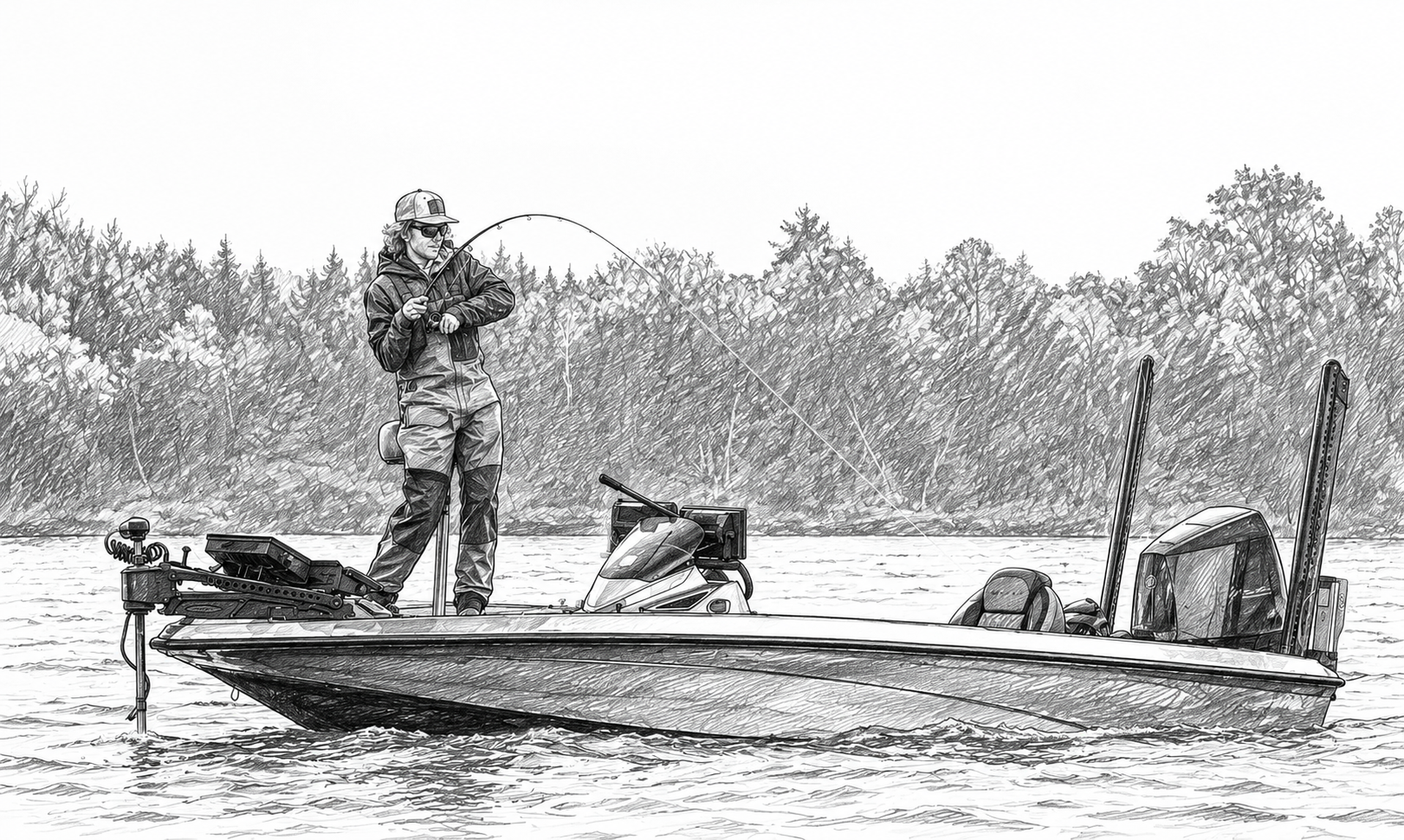
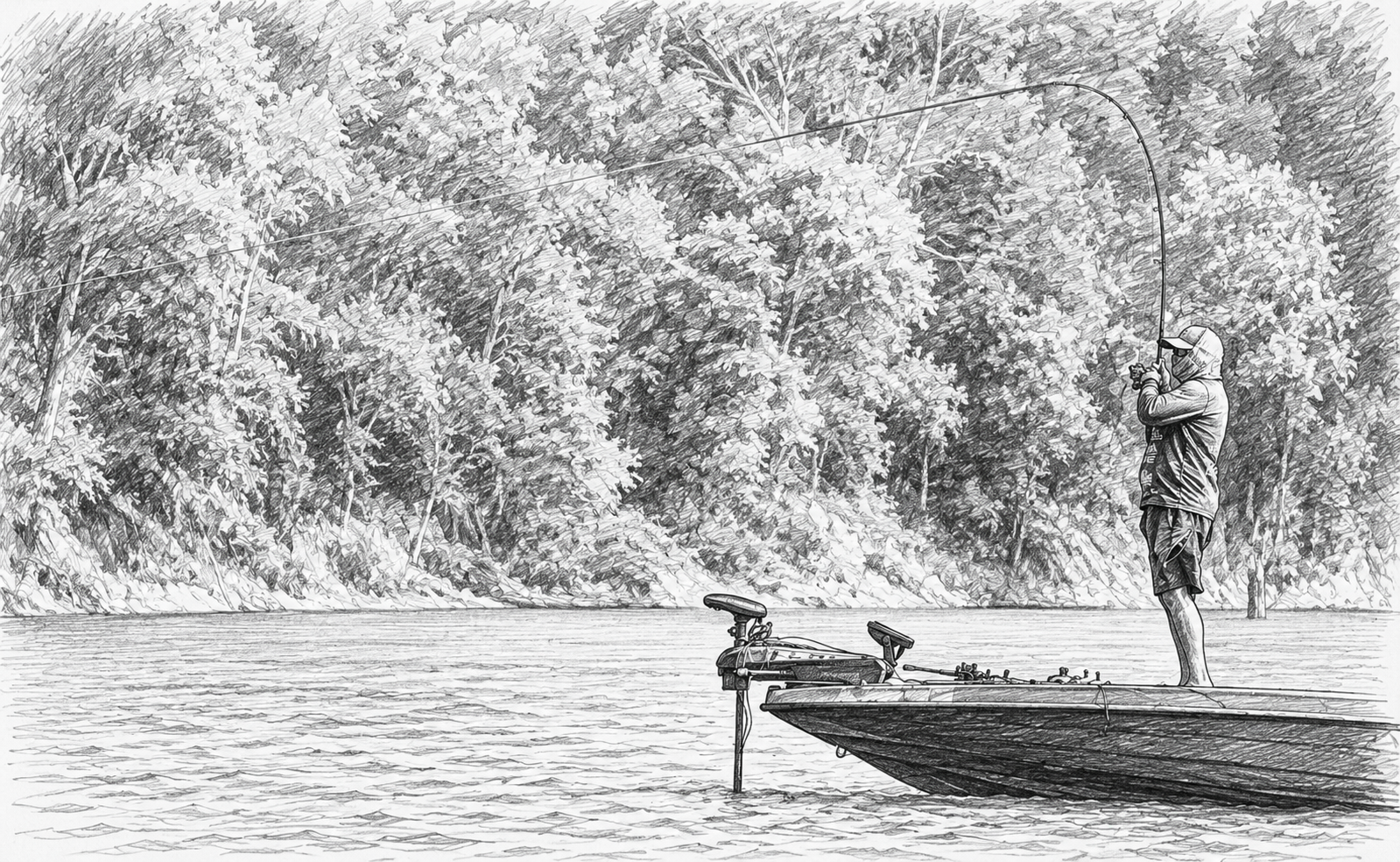
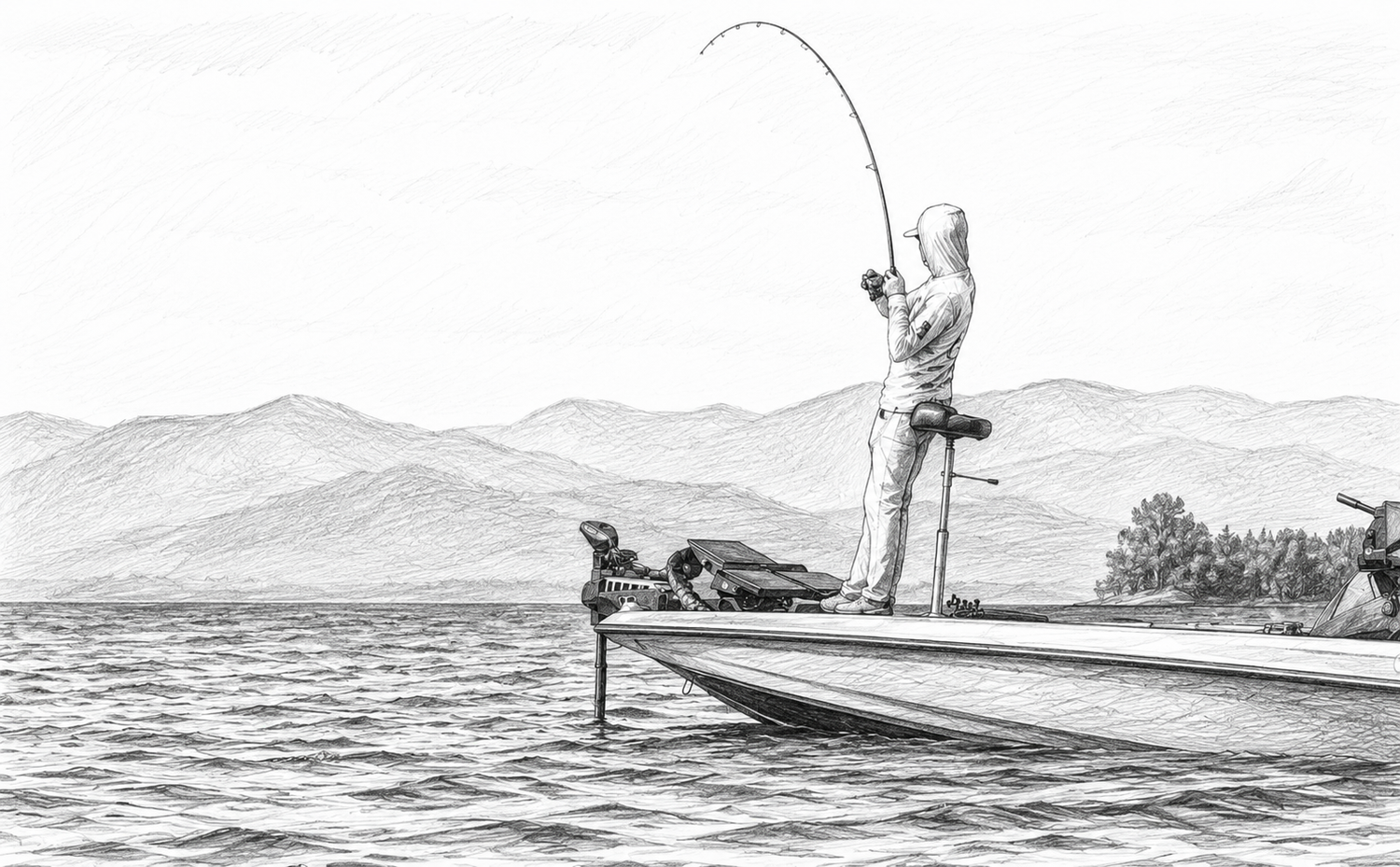
Few advancements have changed bass fishing more than modern sonar technology. Anglers can now locate individual fish, track bait schools in real time, and watch how bass react to presentations beneath the surface. While swimbaits, hover rigs, and drop shots have become popular choices for sonar-focused fishing, another finesse presentation continues to gain attention among anglers looking for something different: the Neko rig.
The vertical Neko rig combines precise depth control with subtle action and natural fall characteristics that can trigger bites from fish that refuse more aggressive offerings. Its nose-weighted design creates a controlled descent that is easy to monitor on electronics while maintaining the realistic movement that makes finesse fishing so effective.
Whether targeting suspended fish, bass positioned around standing timber, or individual fish identified on forward-facing sonar, the vertical Neko rig offers a unique presentation that many bass have not learned to avoid.
What Is a Vertical / Sonar Neko Rig?
A vertical Neko rig is a specialized application of the traditional Neko rig designed for fishing directly beneath the boat or targeting individual fish identified on electronics.
The rig starts with a soft stick worm rigged with a nail weight inserted into the nose of the bait. A finesse hook is positioned through the middle of the worm, often using an O-ring to improve durability and maintain proper hook placement.
Unlike traditional Neko rig fishing that focuses on bottom contact and horizontal retrieves, the vertical version emphasizes precise depth control and fish-specific presentations.
The weighted nose allows the bait to fall quickly to the desired depth while maintaining a natural posture. Once in front of the fish, subtle rod movements cause the bait to pivot, shake, and glide naturally without moving far from the strike zone.
The result is a finesse presentation that can be placed directly in front of individual bass and kept there longer than many competing techniques.
Why the Vertical Neko Rig Works
One of the biggest misconceptions in modern bass fishing is that locating fish guarantees success.
Many fish visible on electronics are highly pressured. They have seen countless presentations and often inspect lures carefully before committing.
The vertical Neko rig works because it presents bass with something different.
The bait falls naturally, remains compact, and produces subtle action that doesn't overwhelm the fish. Rather than relying on speed or aggressive movement, it appeals to a bass's instinct to investigate and feed on easy prey.
The weighted nose creates a unique posture that separates the Neko rig from many other finesse techniques. As the bait falls and settles, it maintains a realistic appearance that often triggers curiosity from fish that have ignored more traditional sonar presentations.
Because anglers can keep the bait in the strike zone for extended periods, bass have more opportunities to react and eventually commit.
In many situations, patience becomes the most important part of the presentation.
Where the Vertical Neko Rig Excels
This technique excels anytime bass can be identified individually on electronics.
Standing timber is one of the most productive environments for vertical Neko rig fishing. Bass frequently suspend around submerged trees and use them as ambush points throughout much of the year.
Bridge pilings, marina docks, bluff walls, and brush piles also create excellent opportunities for precise presentations.

Table Rock Lake
Open-water fish are another ideal target. When bass suspend around bait schools or roam offshore structure, the Neko rig can be presented directly to individual fish rather than blindly casting through an area.
The technique is especially effective in clear-water reservoirs where bass rely heavily on sight and have time to inspect a presentation.
Whenever fish are visible on sonar but seem reluctant to chase more aggressive lures, the vertical Neko rig deserves serious consideration.
Reading Conditions and Fish Behavior
Success with sonar fishing starts with understanding how bass behave rather than simply understanding the technology.
Pay attention to how fish position themselves. Bass holding tight to timber often behave differently than fish suspended over open water. Fish actively feeding around bait schools frequently react faster than bass that are simply resting.
One of the biggest advantages of forward-facing sonar is the ability to observe fish reactions in real time.
Some bass will immediately move toward the bait. Others may follow without committing. Learning to interpret these reactions can help determine whether the presentation, depth, or cadence needs adjustment.
Seasonal patterns also play an important role.
Summer often concentrates fish around offshore structure and suspended bait schools. Winter commonly produces fish suspended around timber and deep-water cover. During both periods, precise vertical presentations can be extremely effective.
The key is understanding that the fish themselves are often more important than the structure they are using.
Technique: Present the Bait to the Fish
The biggest advantage of sonar fishing is precision.
Rather than fishing an area, anglers can fish a specific bass.
Once a fish is identified on electronics, position the bait slightly above or at the same depth as the fish. Bass naturally feed upward, making this presentation angle particularly effective.
Allow the Neko rig to fall naturally into the strike zone. Watch how the fish reacts.
Small rod-tip movements are usually all that's needed. Short lifts followed by controlled slack create subtle movement while allowing the bait to maintain its natural posture.
Many bites occur during the fall.
If a fish follows but doesn't commit, slight changes in cadence, depth, or pause length can often trigger a strike.
Avoid overworking the bait. The Neko rig's strength lies in its subtle action and ability to remain in front of fish for extended periods.
Patience, observation, and adjustment are often more important than constant movement.
Best Baits for Vertical Neko Rig Fishing
Simple stick worms continue to dominate vertical Neko rig presentations.
Most anglers prefer 4" to 6" worms because they provide excellent fall characteristics while remaining easy for fish to track on electronics.
Smaller worms often excel during periods of heavy fishing pressure, while larger profiles can attract attention from greater distances.
Natural colors remain the top producers. Green pumpkin, smoke, watermelon, translucent baitfish patterns, and subtle shad-inspired colors consistently perform well in clear water.
The goal is maintaining a realistic appearance rather than creating excessive visual attraction.

Yamamoto Senko Soft Plastic Stickbait
Simple bait profiles generally outperform bulky plastics because they allow the rig to fall naturally and maintain predictable movement throughout the presentation.
For a complete selection of proven finesse plastics, explore our curated collection of Neko rig baits designed specifically for sonar-focused fishing.
Gear Setup for Sonar Precision
Vertical Neko rig fishing requires sensitivity, responsiveness, and exceptional line control.
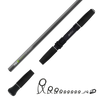
A medium-light to medium-power spinning rod between 7'0" and 7'4" provides the ideal balance of sensitivity and fish-fighting capability. Fast to extra-fast actions help anglers detect subtle bites and make immediate adjustments when targeting fish observed on electronics. Start by picking out your rod.

Scenko Stix Expansion Series Spinning Rod
Choosing the right Neko rig rod becomes especially important because many bites occur while the bait is falling or hovering near suspended fish.
A quality 2500-3000 size spinning reel offers smooth drag performance and efficient line management. Check out our reel recommendations.

Daiwa Ballistic MQ LT
Most anglers prefer 10-12 lb braid paired with a 6-10 lb fluorocarbon leader. This combination maximizes sensitivity while maintaining a natural presentation. These are the line and leader combinations we pick.
Nail weights ranging from 1/32 to 1/8 ounce allow anglers to fine-tune fall speed and presentation depth based on fish positioning and conditions. Grab your hooks and weights here.

VMC Neko Hook
The goal is creating a balanced system that maximizes control while preserving the finesse characteristics that make the Neko rig effective.
A Must-Fish Destination: Table Rock Lake
A perfect example of where the vertical Neko rig excels is Table Rock Lake.

Table Rock Lake
Known for its exceptional water clarity, abundant offshore structure, standing timber, and strong populations of largemouth, smallmouth, and spotted bass, Table Rock has become one of the premier electronics-driven fisheries in the country.
Bass frequently suspend around timber, bluff ends, bait schools, and offshore cover where they can be identified and targeted individually.
The Neko rig provides a subtle alternative to the presentations most commonly used by sonar anglers and often shines when fish become conditioned to seeing the same lures repeatedly.
Anglers who focus on precision and fish-specific presentations frequently discover that a simple Neko rig can be one of the most productive tools available.
Few destinations showcase the effectiveness of vertical Neko rig fishing better than Table Rock Lake.
Final Thoughts
The vertical Neko rig represents the intersection of traditional finesse fishing and modern technology.
By combining subtle action, precise depth control, and real-time fish targeting, anglers can present a bait exactly where bass are positioned and observe their reactions throughout the process.
Whether targeting suspended fish, timber-oriented bass, or individual fish located on forward-facing sonar, the vertical Neko rig offers a highly effective alternative to more common sonar presentations.
The key is staying patient, watching fish behavior, and allowing the bait to work naturally.
For anglers looking to add another tool to their sonar-fishing arsenal, the vertical Neko rig may be one of the most versatile and underutilized finesse presentations available today.
For more rod recommendations, reel pairings, line setups, and Neko rig-specific advice, check out the complete Neko Rig Gear Guide and build a system designed to maximize your success with sonar and vertical presentations.
About the Author

The team at Mud Hole Custom Tackle are industry leaders in custom rod building, fishing tackle innovation, and technique-specific rod design. With decades of hands-on experience both on the water and at the rod bench, the Mud Hole Staff combines technical expertise with real-world fishing knowledge to help anglers build better rods and catch more fish. From bass and inshore applications to offshore and specialty techniques, their passion for performance-driven gear is at the core of every article, tutorial, and product they develop.