


















If you’re looking for more rod recommendations, reel pairings, line setups, and technique-specific advice, head back to the complete Main Gear Guide Page for the full breakdowns on your favorite techniques. And if you're looking specifically for Shakey Head ideas and products, head over to the Swimbait Gear Guide.
Few presentations in bass fishing create the excitement and anticipation of a large glide bait or hard swimbait. Watching a giant bass appear behind a lure, track it for several feet, and suddenly commit is one of the most memorable experiences an angler can have on the water.
Unlike finesse techniques that often focus on subtle presentations and reluctant fish, reaction swimbaits are designed to provoke an aggressive response. These larger hard baits imitate substantial forage and appeal to a bass's predatory instincts, often triggering strikes from fish that may not even be actively feeding.
For anglers targeting larger bass and looking for a presentation capable of producing true trophy-class fish, glide baits and hard swimbaits have become some of the most effective tools available.
What Are Reaction Swimbaits?
Reaction swimbaits typically consist of hard-bodied glide baits, multi-jointed swimbaits, and other large-profile hard baits designed to imitate sizeable forage.
Unlike soft paddle-tail swimbaits that rely on steady retrieves and natural swimming action, reaction swimbaits are often manipulated to create erratic movement, directional changes, and visual triggers that provoke aggressive responses.
Glide baits are among the most popular examples. These lures feature a wide side-to-side action that resembles a large baitfish moving through the water. With subtle rod movements and retrieve adjustments, anglers can make the bait glide, turn, stall, and change direction in ways that often trigger following fish.
Hard-bodied multi-jointed swimbaits offer a different approach by creating highly realistic swimming actions that imitate larger prey species.
The goal isn't always to imitate a vulnerable baitfish.
Often, the goal is simply to create a reaction that bass cannot ignore.
Why Reaction Swimbaits Work
Large bass become large because they are efficient predators.
Rather than constantly chasing small prey, they often prefer larger meals that provide a greater energy return for the effort expended.
Reaction swimbaits appeal directly to this behavior.
The larger profile represents a substantial meal, while the realistic movement creates the appearance of vulnerable prey moving through the fish's territory.
Another reason these baits work is their ability to trigger territorial and instinctive reactions.
Not every fish that strikes a glide bait is actively feeding. Some bass simply react to the presence of a large intruder moving through their environment.
The side-to-side movement, sudden directional changes, and broad profile often create an emotional response that overrides caution.
In many situations, bass that ignore traditional presentations will aggressively attack a glide bait simply because it triggers an instinctive reaction.
Where Reaction Swimbaits Excel
This technique performs best in areas where larger bass have opportunities to ambush substantial forage.
Points, secondary points, bluff transitions, isolated cover, rock structure, and shoreline feeding areas all create excellent opportunities.
Large bass often position around areas that provide access to deeper water while remaining close to feeding zones.
Reaction swimbaits also excel around grass edges, dock systems, standing timber, and submerged structure where big fish can conceal themselves before attacking prey.
The technique is particularly effective in fisheries that contain abundant forage such as trout, hitch, gizzard shad, bluegill, perch, and other larger bait species.
Clear-water environments are often ideal because fish can track the bait from considerable distances.
Whenever the goal is targeting larger-than-average bass rather than simply generating numbers, reaction swimbaits deserve serious consideration.
Reading Conditions and Fish Behavior
Success with glide baits often comes down to understanding fish behavior rather than simply making more casts.
Large bass frequently position differently than smaller fish. They often select prime ambush locations that provide access to both security and feeding opportunities.
Water clarity can have a significant influence on effectiveness. Clear water generally allows fish to see the bait from farther away and react naturally to its movement.
Weather conditions matter as well.

Cloud cover, wind, and low-light periods often encourage larger fish to roam and feed more aggressively. However, sunny conditions can also produce exceptional results when bass position around isolated cover and become territorial.
Pay attention to followers.
One of the most unique aspects of glide bait fishing is observing fish that follow without committing. These encounters provide valuable information about fish location, mood, and presentation effectiveness.
Sometimes minor changes in retrieve speed, cadence, or direction can turn a follower into a strike.
Technique: Create Opportunities for a Reaction
The biggest mistake anglers make with glide baits is treating them like traditional swimbaits.
The most effective retrieves often involve more than simply winding the handle.
A steady retrieve can certainly produce strikes, but many anglers incorporate subtle rod movements to create directional changes and erratic action.
Small twitches can make a glide bait turn sharply. Brief pauses often cause the lure to stall and appear vulnerable. Changes in retrieve speed can imitate fleeing prey and trigger aggressive responses.
The key is maintaining realism while creating opportunities for fish to react.
Many strikes occur when the bait changes direction, accelerates, or pauses unexpectedly.
Unlike finesse techniques that require patience and subtlety, reaction swimbait fishing often rewards experimentation and observation.
The goal is not simply showing fish the bait.
The goal is making them commit.
Best Glide Baits and Hard Swimbaits
Glide baits remain the most recognizable category of reaction swimbaits.
Their ability to move broadly from side to side and create highly visible action makes them exceptionally effective for targeting larger bass.
Single-jointed glide baits are often the starting point for anglers entering the category because they offer predictable action and versatile retrieve options.
Multi-jointed hard swimbaits provide another productive option. These lures create realistic swimming movement and excel when fish are feeding more naturally.
Most reaction swimbaits range from 6" to 10" in length, although larger models are commonly used by trophy-focused anglers.

NLBN Soft Plastic Paddle Tails 8"
Color selection should closely match available forage. Trout, hitch, gizzard shad, bluegill, perch, and baitfish patterns consistently produce in fisheries where those forage species are present.
For a complete selection of proven glide baits and hard swimbaits, explore our curated collection of swimbaits designed specifically for reaction strikes and trophy bass opportunities. Grab your hard body swimbaits here and don’t forget to grab your soft body swim baits too.
Gear Setup for Large Hard Baits
Reaction swimbaits require specialized equipment capable of handling larger lure weights and powerful fish.

Scenko Stix Expansion Series Casting Rod 7'10"
A heavy to extra-heavy casting rod between 7'9" and 8'6" provides the casting distance, lure control, and fish-fighting power necessary for hard swimbait fishing. Moderate-fast actions help absorb violent strikes while keeping fish pinned throughout the fight. Start by picking out your rod.
Choosing the right swimbait rod becomes especially important because these baits place significant stress on tackle throughout the cast and retrieve.

Shimano Tranx 300 B
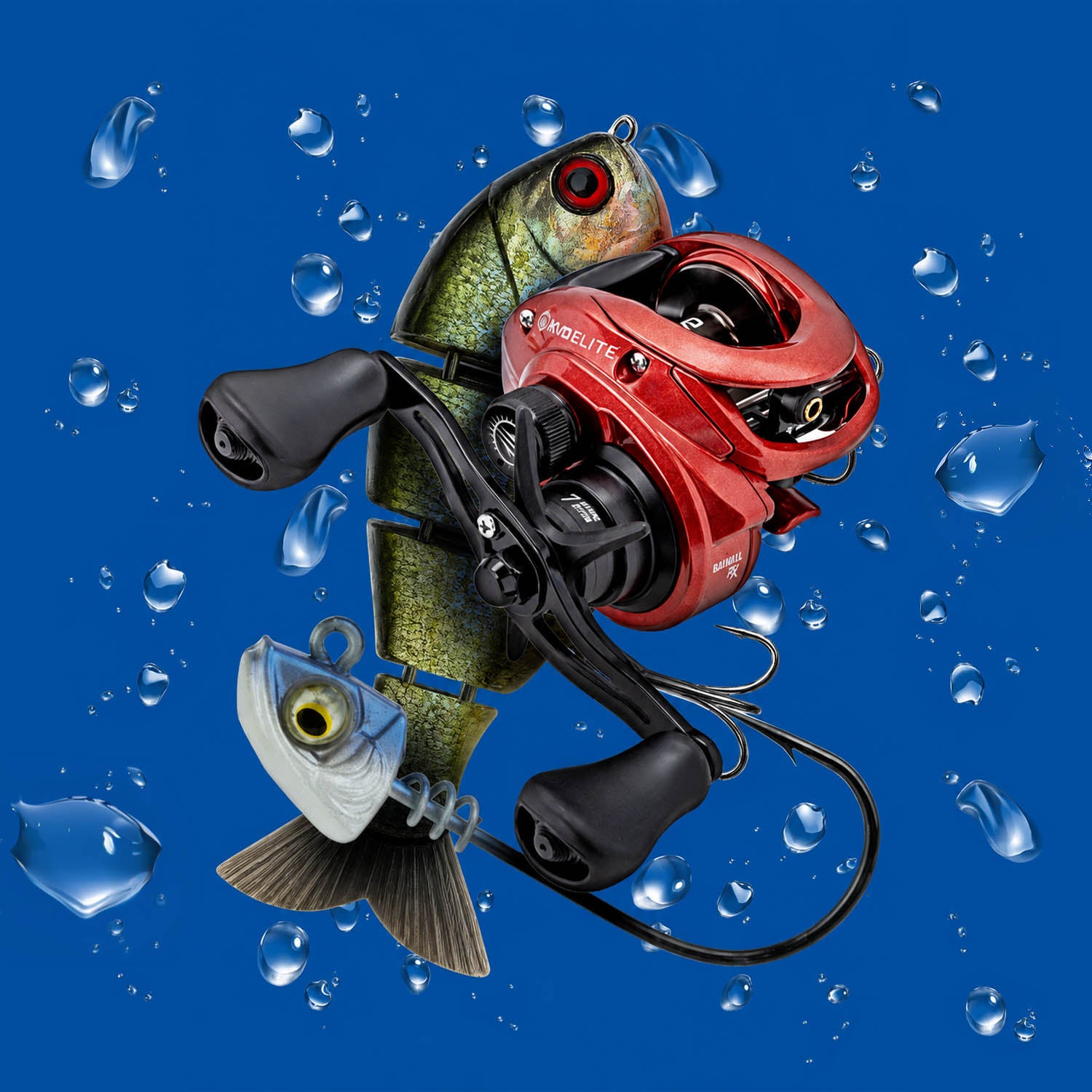
A quality 300-size casting reel provides excellent line capacity, durability, and control. Check out our reel recommendations.
Most anglers prefer 20-30 lb fluorocarbon or 50-80 lb braid depending on lure size and fishing conditions. These are the line and leader combinations we pick.
Hard swimbaits commonly range from 2 to 8 ounces, although larger baits are frequently used when specifically targeting trophy-class fish. Here are the hooks and jigheads you will need.

NLBN 5" Screw Lock Jig Head
A properly matched setup improves casting efficiency, lure performance, and landing percentages.
A Must-Fish Destination: Clear Lake
A perfect example of where reaction swimbaits excel is Clear Lake.
Known as one of the premier trophy bass fisheries in the country, Clear Lake has developed a reputation for producing exceptional fish on glide baits and large hard swimbaits.

The lake contains abundant forage, extensive structure, and a healthy population of large bass that routinely respond to oversized presentations.
Many anglers specifically travel to Clear Lake to pursue trophy fish using glide baits because the fishery consistently demonstrates the effectiveness of large-profile swimbait presentations.
Whether fishing points, grass lines, docks, or offshore structure, reaction swimbaits continue to produce some of the most memorable strikes and largest bass the lake has to offer.
Few destinations better represent the potential of hard swimbait fishing than Clear Lake.
Final Thoughts
Reaction swimbaits occupy a unique place in bass fishing.
They are not always the fastest way to catch numbers of fish, but they remain one of the most effective ways to target larger bass and generate truly memorable strikes.
Their ability to trigger aggressive, instinctive reactions makes them a valuable tool whenever bass are feeding on larger forage or positioned in prime ambush locations.
The key is understanding that success often comes from provoking a response rather than simply matching forage.
For anglers willing to commit to the technique and embrace the pursuit of larger fish, glide baits and hard swimbaits offer some of the most exciting opportunities bass fishing has to offer.
For more rod recommendations, reel pairings, line setups, and swimbait-specific advice, check out the complete Swimbait Gear Guide and build a system designed for maximum confidence with glide baits and hard swimbaits.
About the Author

The team at Mud Hole Custom Tackle are industry leaders in custom rod building, fishing tackle innovation, and technique-specific rod design. With decades of hands-on experience both on the water and at the rod bench, the Mud Hole Staff combines technical expertise with real-world fishing knowledge to help anglers build better rods and catch more fish. From bass and inshore applications to offshore and specialty techniques, their passion for performance-driven gear is at the core of every article, tutorial, and product they develop.