














Mud Hole Gear Guide:
What is Swimbait Fishing?
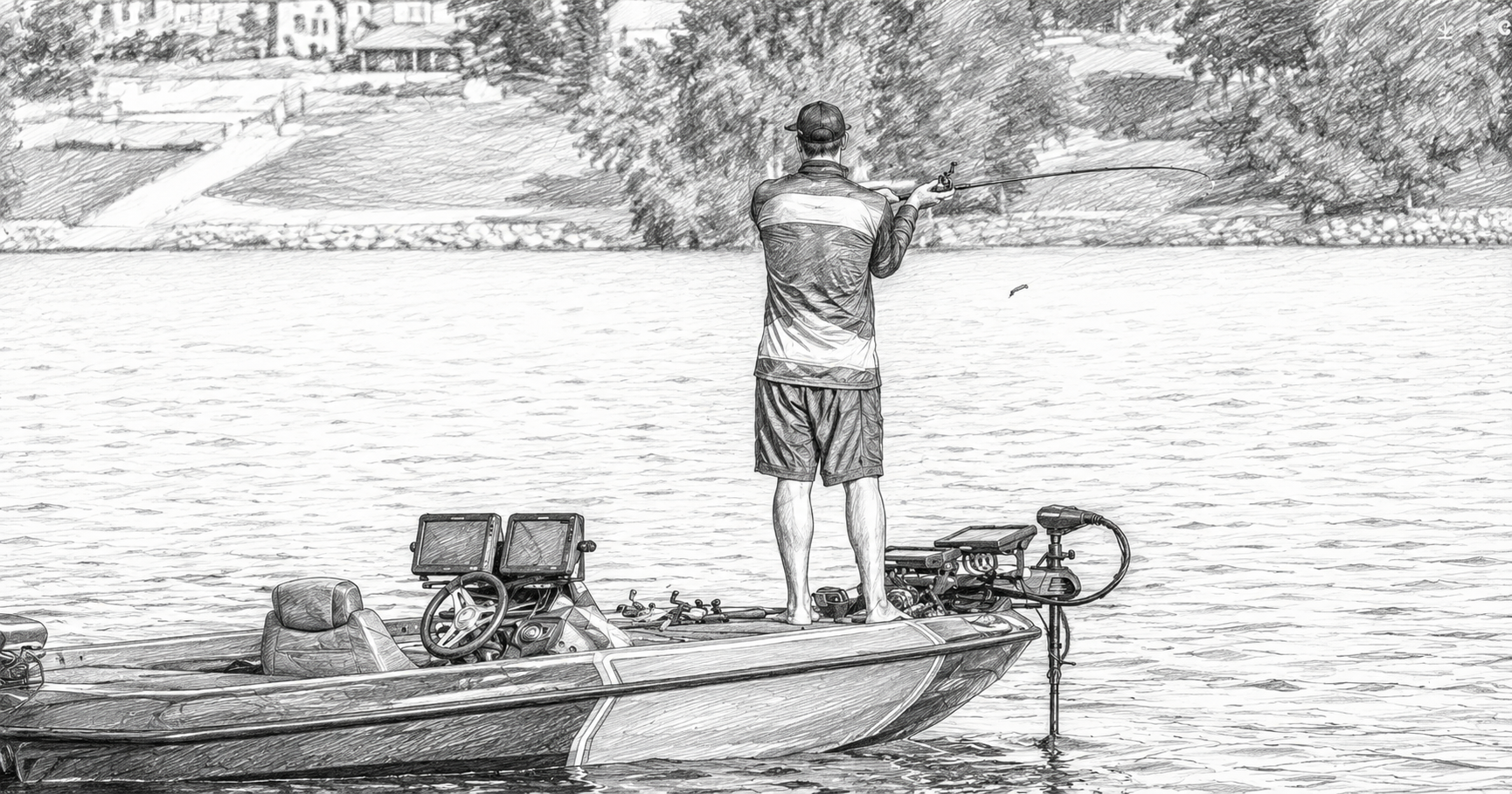
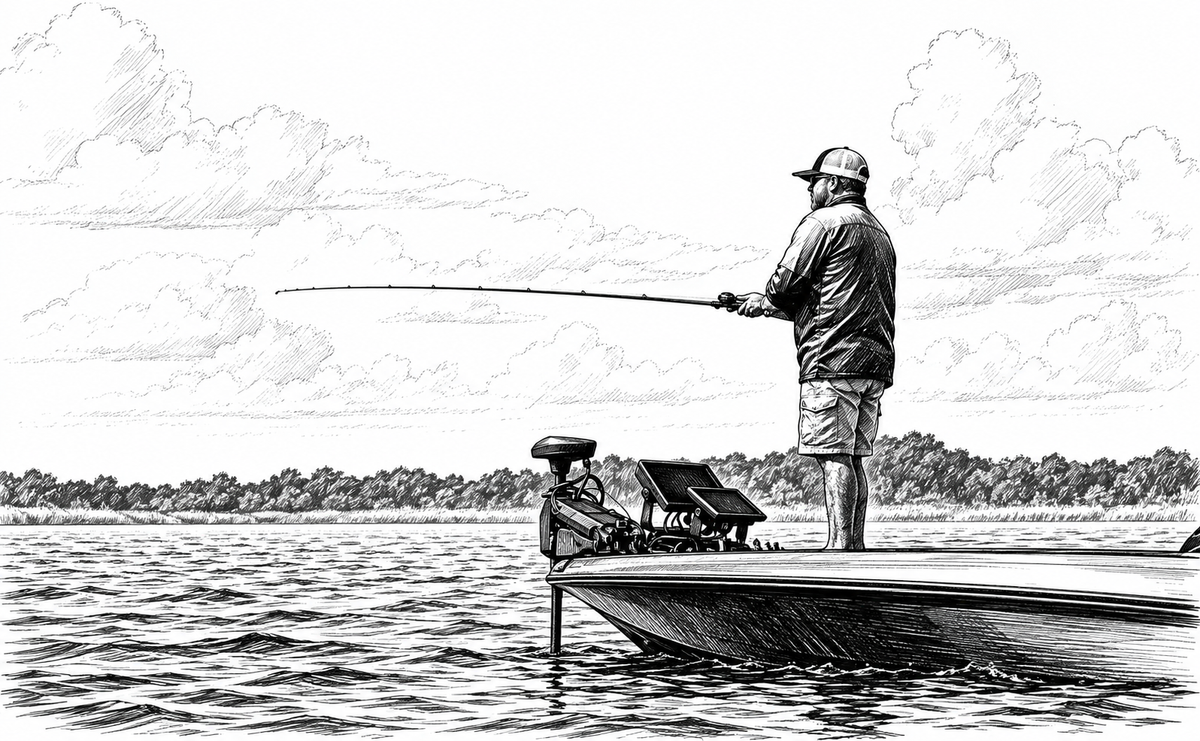
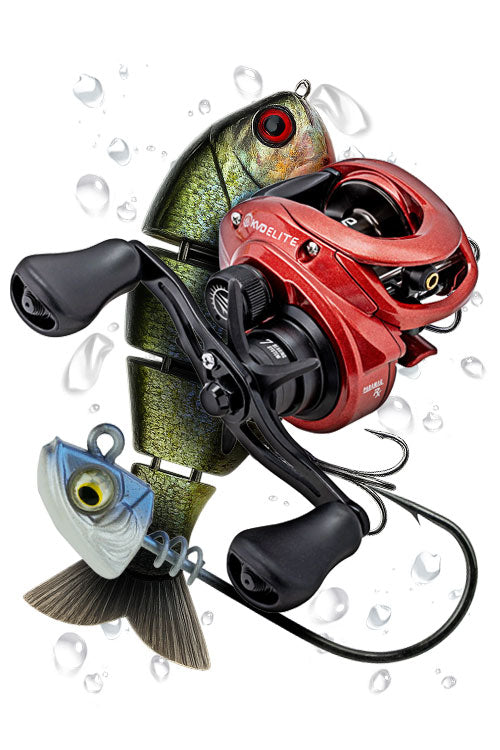
Swimbait fishing is built around presenting a realistic, swimming baitfish profile to trigger predatory strikes. Unlike reaction-based techniques, swimbaits rely on natural movement, profile, and presence to draw attention and convince fish to commit. This makes them especially effective for targeting larger, more cautious fish that won’t chase smaller or faster-moving lures.
Most swimbaits are designed to be fished on a controlled retrieve, allowing the lure to do the work while the angler manages depth, cadence, and speed to match conditions and fish behavior. Retrieve consistency is especially important, since small changes in speed or rod angle can noticeably affect how the bait tracks and how fish respond to it. Because of their size and weight, swimbaits also demand more from your gear—requiring rods that load properly, reels that manage torque and line efficiently, and line strong enough to handle both the bait and the fish. Matching your setup to the type of swimbait being fished is a major part of maintaining casting efficiency, lure control, and consistent hooksets.
Swimbait fishing isn’t just about casting and winding—it’s about presenting a convincing target and staying in control from cast to hookset to landing.
Introduction
What is Swimbait Fishing?
What is Swimbait Fishing?
Swimbait fishing is built around presenting a realistic, swimming baitfish profile to trigger predatory strikes. Unlike reaction-based techniques, swimbaits rely on natural movement, profile, and presence to draw attention and convince fish to commit. This makes them especially effective for targeting larger, more cautious fish that won’t chase smaller or faster-moving lures.
Most swimbaits are designed to be fished on a controlled retrieve, allowing the lure to do the work while the angler manages depth, cadence, and speed to match conditions and fish behavior. Retrieve consistency is especially important, since small changes in speed or rod angle can noticeably affect how the bait tracks and how fish respond to it. Because of their size and weight, swimbaits also demand more from your gear—requiring rods that load properly, reels that manage torque and line efficiently, and line strong enough to handle both the bait and the fish. Matching your setup to the type of swimbait being fished is a major part of maintaining casting efficiency, lure control, and consistent hooksets.
Swimbait fishing isn’t just about casting and winding—it’s about presenting a convincing target and staying in control from cast to hookset to landing.
Swimbait Fishing Applications
Swimbait fishing can be broken into several core applications based on water depth, cover, lure style, and overall presentation. Each approach places different demands on your rod setup, influencing everything from blank power and action to rod length, line selection, and overall control during the retrieve. Some techniques focus on long casts and maintaining steady pressure in open water, while others require immediate hook-setting power and close-range control around heavy cover. Although retrieve styles and bait designs vary within each category, most casting setups built around mid- to large-profile swimbaits generally fall into the following four applications.
Open Water & Deep Swimbaits
Targets: Largemouth bass, smallmouth bass in offshore structure such as points, ledges, humps, and deep open water
This is the foundation of swimbait fishing, focused on covering deeper water where baitfish are suspended or moving along structure. Soft and hard swimbaits are typically fished on a steady retrieve, often slow-rolled to maintain depth and keep the bait in the strike zone. In colder water or low activity periods, slower retrieves are commonly used, while more active fish may respond to a steady, covering-the-water-column approach. Rods for this style need casting distance, smooth load-up for heavier baits, and enough backbone to control fish in open water.
Around Cover Swimbaits
Targets: Largemouth bass in grass, timber, reeds, docks, and dense shallow cover
This approach is used when fish are positioned tightly around cover and ambushing baitfish at close range. Larger soft swimbaits are cast into or along cover and retrieved steadily or with subtle speed changes to trigger strikes. Because fish often hit near structure and immediately try to dive back into it, this style demands strong hooksets and direct control. Rods in this category prioritize power and lifting strength while still allowing accurate casts with bulky baits and single-hook rigs.
Reaction Swimbaits (Glide & Hard Baits)
Targets: Largemouth bass, smallmouth bass in open water, flats, secondary points, and light cover edges
This category includes glide baits and multi-jointed hard swimbaits designed to trigger reaction strikes through movement and presence rather than speed. Glide baits are worked slowly with rod inputs to create a wide side-to-side “S” action, while other hard swimbaits are retrieved steadily to maintain a natural swimming motion. In clear water or heavily pressured fisheries, this approach is especially effective for drawing fish out from cover or provoking followers into committing. Rods must balance casting heavier hard baits with a controlled, moderate action to keep treble-hooked fish pinned.
Shallow & Surface Swimbaits
Targets: Largemouth bass in shallow flats, shorelines, and low-light feeding areas
This technique focuses on swimbaits fished at or just below the surface, creating a visible wake or subtle rolling disturbance that imitates baitfish moving shallow. It is most effective during low-light conditions such as early morning, late evening, or overcast days when fish are actively feeding near the surface. Retrieve speed is typically slow and steady to maintain consistent surface action. Rods for this style need a balance of casting ability for larger surface baits and enough forgiveness to absorb explosive strikes without losing fish.
Key Takeaways
- Open water and deep swimbait fishing prioritize casting distance, controlled retrieves, and maintaining pressure on fish at range
- Around-cover swimbait fishing focuses on direct control, strong hooksets, and pulling fish away from structure quickly
- Glide baits and hard swimbaits rely on controlled rod action and steady lure movement to trigger reaction strikes and keep treble-hooked fish pinned
- Shallow and surface swimbaits emphasize slow retrieves, visible presentation, and enough rod forgiveness to handle explosive strikes
Swimbait Fishing Applications
Swimbait fishing can be broken into several core applications based on water depth, cover, lure style, and overall presentation. Each approach places different demands on your rod setup, influencing everything from blank power and action to rod length, line selection, and overall control during the retrieve. Some techniques focus on long casts and maintaining steady pressure in open water, while others require immediate hook-setting power and close-range control around heavy cover. Although retrieve styles and bait designs vary within each category, most casting setups built around mid- to large-profile swimbaits generally fall into the following four applications.
Open Water & Deep Swimbaits
Targets: Largemouth bass, smallmouth bass in offshore structure such as points, ledges, humps, and deep open water
This is the foundation of swimbait fishing, focused on covering deeper water where baitfish are suspended or moving along structure. Soft and hard swimbaits are typically fished on a steady retrieve, often slow-rolled to maintain depth and keep the bait in the strike zone. In colder water or low activity periods, slower retrieves are commonly used, while more active fish may respond to a steady, covering-the-water-column approach. Rods for this style need casting distance, smooth load-up for heavier baits, and enough backbone to control fish in open water.
Around Cover Swimbaits
Targets: Largemouth bass in grass, timber, reeds, docks, and dense shallow cover
This approach is used when fish are positioned tightly around cover and ambushing baitfish at close range. Larger soft swimbaits are cast into or along cover and retrieved steadily or with subtle speed changes to trigger strikes. Because fish often hit near structure and immediately try to dive back into it, this style demands strong hooksets and direct control. Rods in this category prioritize power and lifting strength while still allowing accurate casts with bulky baits and single-hook rigs.
Reaction Swimbaits (Glide & Hard Baits)
Targets: Largemouth bass, smallmouth bass in open water, flats, secondary points, and light cover edges
This category includes glide baits and multi-jointed hard swimbaits designed to trigger reaction strikes through movement and presence rather than speed. Glide baits are worked slowly with rod inputs to create a wide side-to-side “S” action, while other hard swimbaits are retrieved steadily to maintain a natural swimming motion. In clear water or heavily pressured fisheries, this approach is especially effective for drawing fish out from cover or provoking followers into committing. Rods must balance casting heavier hard baits with a controlled, moderate action to keep treble-hooked fish pinned.
Shallow & Surface Swimbaits
Targets: Largemouth bass in shallow flats, shorelines, and low-light feeding areas
This technique focuses on swimbaits fished at or just below the surface, creating a visible wake or subtle rolling disturbance that imitates baitfish moving shallow. It is most effective during low-light conditions such as early morning, late evening, or overcast days when fish are actively feeding near the surface. Retrieve speed is typically slow and steady to maintain consistent surface action. Rods for this style need a balance of casting ability for larger surface baits and enough forgiveness to absorb explosive strikes without losing fish.
Key Takeaways
- Open water and deep swimbait fishing prioritize casting distance, controlled retrieves, and maintaining pressure on fish at range
- Around-cover swimbait fishing focuses on direct control, strong hooksets, and pulling fish away from structure quickly
- Glide baits and hard swimbaits rely on controlled rod action and steady lure movement to trigger reaction strikes and keep treble-hooked fish pinned
- Shallow and surface swimbaits emphasize slow retrieves, visible presentation, and enough rod forgiveness to handle explosive strikes
How to Choose a Swimbait Fishing Rod
A well-matched swimbait rod is built around load control, casting efficiency, and the ability to manage large, heavy lures through the entire retrieve. Unlike finesse techniques, mid- to large-profile swimbaits place constant pressure on the rod during both the cast and the retrieve, meaning your setup needs to stay stable under sustained load while still allowing the bait to move naturally. The right rod helps you launch heavier lures effectively, maintain control of their movement, and apply consistent pressure when a fish commits.
Casting rods are the standard for these swimbait techniques because they handle heavier lure ratings, thicker lines, and long, controlled casts more efficiently than spinning setups. A properly balanced rod allows you to fish larger profiles without fatigue while still maintaining enough responsiveness to manage cadence, depth, and lure behavior.
The goal isn’t just power—it’s control under load. The right swimbait rod helps you cast efficiently, keep the bait working correctly throughout the retrieve, and maintain leverage when fighting larger fish in open water or cover.
When choosing a rod, focus on these key factors:
Power
Power determines how much load the rod can handle and how much authority you have over both the lure and the fish. Most mid- to large-profile swimbait setups fall between medium-heavy and extra-heavy power. Medium-heavy rods are commonly used for smaller hard swimbaits and lighter soft-bodied baits where casting efficiency and lure feel are important. Heavy and extra-heavy rods are used for larger swimbaits, longer casts, and situations where fish are pulled from cover or open water depth. As power increases, control improves, but casting finesse and bait subtlety can decrease, so matching power to bait size is essential.
Action
Action controls how the rod loads and where the bend occurs, directly affecting lure control and hook performance. In mid- to large-profile swimbait fishing, actions typically range from moderate to fast, with moderate-fast being the most common and versatile. Moderate and moderate-fast actions are often used for treble-hook swimbaits because they add forgiveness during the fight and help keep fish pinned by absorbing head shakes and surges. Fast actions are also widely used, especially with larger baits and heavier trebles, offering more direct control and improved hook efficiency at distance. For larger soft-bodied swimbaits with single hooks, faster actions are generally preferred for stronger hook penetration and better leverage when steering fish. The goal is balancing forgiveness in the fight with enough backbone to control heavy baits and committed fish under load.
Length
Rod length influences casting distance, leverage, and control during both the retrieve and the fight. Swimbait rods typically range from 7’0” to 8’0” or longer depending on application. Longer rods improve casting distance and help maintain pressure when fighting fish at range, making them ideal for open water or long casts. Shorter rods offer better accuracy and are easier to manage around docks, timber, or tighter casting environments. Most anglers choose length based on fishing space and casting requirements rather than a single ideal measurement.
Line Rating
Line rating reflects the sustained load the rod is designed to handle and is critical in swimbait fishing due to constant pressure during both the retrieve and the fight. Most setups use braid, fluorocarbon, or monofilament depending on bait type and depth. Braid is common for strength, sensitivity, and casting efficiency, often paired with a leader. Fluorocarbon is used for its sinking properties and direct feel, making it effective for keeping baits down and maintaining depth control. Monofilament is used for its added stretch and buoyancy, especially with treble-hook swimbaits, where shock absorption helps prevent hooks from pulling during the fight. Most swimbait line setups fall in the 15–30 lb+ range depending on bait size, cover, and rod power.
Lure / Weight Rating
The weight rating defines the range of swimbaits the rod can properly cast and control, and it is one of the most important specifications in any swimbait setup. Mid- to large-profile swimbaits typically fall between 1–6 oz+, with some specialized setups exceeding that depending on bait design. Staying within the rod’s rated range ensures proper loading on the cast, smoother lure performance, and reduced fatigue over time. Overloading a rod can reduce casting efficiency and increase strain, while underloading can limit casting distance and control.
Open Water & Deep Swimbaits
This setup is focused on casting large swimbaits long distances and controlling them through deeper water where fish are relating to offshore structure like points, ledges, humps, and suspended zones. Rod selection here prioritizes casting leverage, sustained load control, and the ability to maintain pressure at range with heavy baits. Because fish are often hooked far from the boat, backbone and rod length become critical for keeping consistent tension and controlling surging fish in open water.
Targets: Largemouth bass, smallmouth bass in offshore structure such as points, ledges, humps, and deep open water
Rod Length: 7’6” – 8’6”
Power: Heavy to Extra-Heavy
Action: Moderate-Fast to Fast
Line: 20–25 lb fluorocarbon or 40–65 lb braid
Weights Range: 1.5 – 6+ oz (most commonly 2 – 4 oz)
Around Cover Swimbaits
This setup is designed for fishing heavy swimbaits in dense shallow cover where fish are tight to structure such as grass, timber, reeds, and docks. Rod selection here prioritizes lifting power, immediate hook control, and the ability to move fish out of cover quickly before they can wrap up. Strength and direct control matter more than finesse, especially on close-range strikes where reaction time is critical.
Targets: Largemouth bass in grass, timber, reeds, docks, and dense shallow cover
Rod Length: 7’3” – 8’0”
Power: Heavy to Extra-Heavy
Action: Fast
Line: 20–25 lb fluorocarbon or 30–65 lb braid
Weights Range: 3/4 – 3 oz
Reaction Swimbaits (Glide & Hard Baits)
This setup focuses on triggering reaction strikes with glide baits and hard swimbaits that rely on sweeping motion, pauses, and directional changes. Rod selection here needs to balance casting distance, bait control, and enough forgiveness to keep treble hooks pinned during unpredictable strikes. Smooth loading and controlled response are key to maintaining natural bait action while still having enough power for long-range hooksets.
Targets: Largemouth bass, smallmouth bass in open water, flats, secondary points, and light cover edges
Rod Length: 7’6” – 8’0”
Power: Heavy to Extra-Heavy
Action: Moderate-Fast
Line: 20–25 lb fluorocarbon or 30–50 lb braid
Weights Range: 1 – 5 oz (most commonly 2 – 4 oz)
Shallow & Surface Swimbaits
This setup is built for topwater and shallow-water swimbaits where fish are actively feeding in low-light conditions along flats, shorelines, and shallow cover. Rod selection here prioritizes casting accuracy, lure control at slow speeds, and enough flex to keep fish pinned during explosive surface strikes. It also needs to manage slack line effectively during long runs and erratic bites at the surface.
Targets: Largemouth bass in shallow flats, shorelines, and low-light feeding areas
Rod Length: 7’0” – 7’6”
Power: Medium-Heavy to Heavy
Action: Moderate-Fast
Line: 20–25 lb fluorocarbon or 30–50 lb braid
Weight Range: 1/2 – 2 oz
Key Takeaways
- Medium-heavy to extra-heavy casting rods are standard for mid- to large-profile swimbait fishing, with power based mainly on bait size and fishing environment
- Rod action should match hook style: moderate to moderate-fast for treble hooks, and fast for larger soft-bodied swimbaits with single hooks
- Longer rods improve casting distance and leverage, while shorter rods improve accuracy and control in tighter areas
- Line rating and lure weight rating must be considered together due to the constant load swimbaits place on the rod
- A properly matched setup improves casting efficiency, lure control, and landing consistency
How to Choose a Swimbait Fishing Rod
A well-matched swimbait rod is built around load control, casting efficiency, and the ability to manage large, heavy lures through the entire retrieve. Unlike finesse techniques, mid- to large-profile swimbaits place constant pressure on the rod during both the cast and the retrieve, meaning your setup needs to stay stable under sustained load while still allowing the bait to move naturally. The right rod helps you launch heavier lures effectively, maintain control of their movement, and apply consistent pressure when a fish commits.
Casting rods are the standard for these swimbait techniques because they handle heavier lure ratings, thicker lines, and long, controlled casts more efficiently than spinning setups. A properly balanced rod allows you to fish larger profiles without fatigue while still maintaining enough responsiveness to manage cadence, depth, and lure behavior.
The goal isn’t just power—it’s control under load. The right swimbait rod helps you cast efficiently, keep the bait working correctly throughout the retrieve, and maintain leverage when fighting larger fish in open water or cover.
When choosing a rod, focus on these key factors:
Power
Power determines how much load the rod can handle and how much authority you have over both the lure and the fish. Most mid- to large-profile swimbait setups fall between medium-heavy and extra-heavy power. Medium-heavy rods are commonly used for smaller hard swimbaits and lighter soft-bodied baits where casting efficiency and lure feel are important. Heavy and extra-heavy rods are used for larger swimbaits, longer casts, and situations where fish are pulled from cover or open water depth. As power increases, control improves, but casting finesse and bait subtlety can decrease, so matching power to bait size is essential.
Action
Action controls how the rod loads and where the bend occurs, directly affecting lure control and hook performance. In mid- to large-profile swimbait fishing, actions typically range from moderate to fast, with moderate-fast being the most common and versatile. Moderate and moderate-fast actions are often used for treble-hook swimbaits because they add forgiveness during the fight and help keep fish pinned by absorbing head shakes and surges. Fast actions are also widely used, especially with larger baits and heavier trebles, offering more direct control and improved hook efficiency at distance. For larger soft-bodied swimbaits with single hooks, faster actions are generally preferred for stronger hook penetration and better leverage when steering fish. The goal is balancing forgiveness in the fight with enough backbone to control heavy baits and committed fish under load.
Length
Rod length influences casting distance, leverage, and control during both the retrieve and the fight. Swimbait rods typically range from 7’0” to 8’0” or longer depending on application. Longer rods improve casting distance and help maintain pressure when fighting fish at range, making them ideal for open water or long casts. Shorter rods offer better accuracy and are easier to manage around docks, timber, or tighter casting environments. Most anglers choose length based on fishing space and casting requirements rather than a single ideal measurement.
Line Rating
Line rating reflects the sustained load the rod is designed to handle and is critical in swimbait fishing due to constant pressure during both the retrieve and the fight. Most setups use braid, fluorocarbon, or monofilament depending on bait type and depth. Braid is common for strength, sensitivity, and casting efficiency, often paired with a leader. Fluorocarbon is used for its sinking properties and direct feel, making it effective for keeping baits down and maintaining depth control. Monofilament is used for its added stretch and buoyancy, especially with treble-hook swimbaits, where shock absorption helps prevent hooks from pulling during the fight. Most swimbait line setups fall in the 15–30 lb+ range depending on bait size, cover, and rod power.
Lure / Weight Rating
The weight rating defines the range of swimbaits the rod can properly cast and control, and it is one of the most important specifications in any swimbait setup. Mid- to large-profile swimbaits typically fall between 1–6 oz+, with some specialized setups exceeding that depending on bait design. Staying within the rod’s rated range ensures proper loading on the cast, smoother lure performance, and reduced fatigue over time. Overloading a rod can reduce casting efficiency and increase strain, while underloading can limit casting distance and control.
Open Water & Deep Swimbaits
This setup is focused on casting large swimbaits long distances and controlling them through deeper water where fish are relating to offshore structure like points, ledges, humps, and suspended zones. Rod selection here prioritizes casting leverage, sustained load control, and the ability to maintain pressure at range with heavy baits. Because fish are often hooked far from the boat, backbone and rod length become critical for keeping consistent tension and controlling surging fish in open water.
Targets: Largemouth bass, smallmouth bass in offshore structure such as points, ledges, humps, and deep open water
Rod Length: 7’6” – 8’6”
Power: Heavy to Extra-Heavy
Action: Moderate-Fast to Fast
Line: 20–25 lb fluorocarbon or 40–65 lb braid
Weights Range: 1.5 – 6+ oz (most commonly 2 – 4 oz)
Around Cover Swimbaits
This setup is designed for fishing heavy swimbaits in dense shallow cover where fish are tight to structure such as grass, timber, reeds, and docks. Rod selection here prioritizes lifting power, immediate hook control, and the ability to move fish out of cover quickly before they can wrap up. Strength and direct control matter more than finesse, especially on close-range strikes where reaction time is critical.
Targets: Largemouth bass in grass, timber, reeds, docks, and dense shallow cover
Rod Length: 7’3” – 8’0”
Power: Heavy to Extra-Heavy
Action: Fast
Line: 20–25 lb fluorocarbon or 30–65 lb braid
Weights Range: 3/4 – 3 oz
Reaction Swimbaits (Glide & Hard Baits)
This setup focuses on triggering reaction strikes with glide baits and hard swimbaits that rely on sweeping motion, pauses, and directional changes. Rod selection here needs to balance casting distance, bait control, and enough forgiveness to keep treble hooks pinned during unpredictable strikes. Smooth loading and controlled response are key to maintaining natural bait action while still having enough power for long-range hooksets.
Targets: Largemouth bass, smallmouth bass in open water, flats, secondary points, and light cover edges
Rod Length: 7’6” – 8’0”
Power: Heavy to Extra-Heavy
Action: Moderate-Fast
Line: 20–25 lb fluorocarbon or 30–50 lb braid
Weights Range: 1 – 5 oz (most commonly 2 – 4 oz)
Shallow & Surface Swimbaits
This setup is built for topwater and shallow-water swimbaits where fish are actively feeding in low-light conditions along flats, shorelines, and shallow cover. Rod selection here prioritizes casting accuracy, lure control at slow speeds, and enough flex to keep fish pinned during explosive surface strikes. It also needs to manage slack line effectively during long runs and erratic bites at the surface.
Targets: Largemouth bass in shallow flats, shorelines, and low-light feeding areas
Rod Length: 7’0” – 7’6”
Power: Medium-Heavy to Heavy
Action: Moderate-Fast
Line: 20–25 lb fluorocarbon or 30–50 lb braid
Weight Range: 1/2 – 2 oz
Key Takeaways
- Medium-heavy to extra-heavy casting rods are standard for mid- to large-profile swimbait fishing, with power based mainly on bait size and fishing environment
- Rod action should match hook style: moderate to moderate-fast for treble hooks, and fast for larger soft-bodied swimbaits with single hooks
- Longer rods improve casting distance and leverage, while shorter rods improve accuracy and control in tighter areas
- Line rating and lure weight rating must be considered together due to the constant load swimbaits place on the rod
- A properly matched setup improves casting efficiency, lure control, and landing consistency
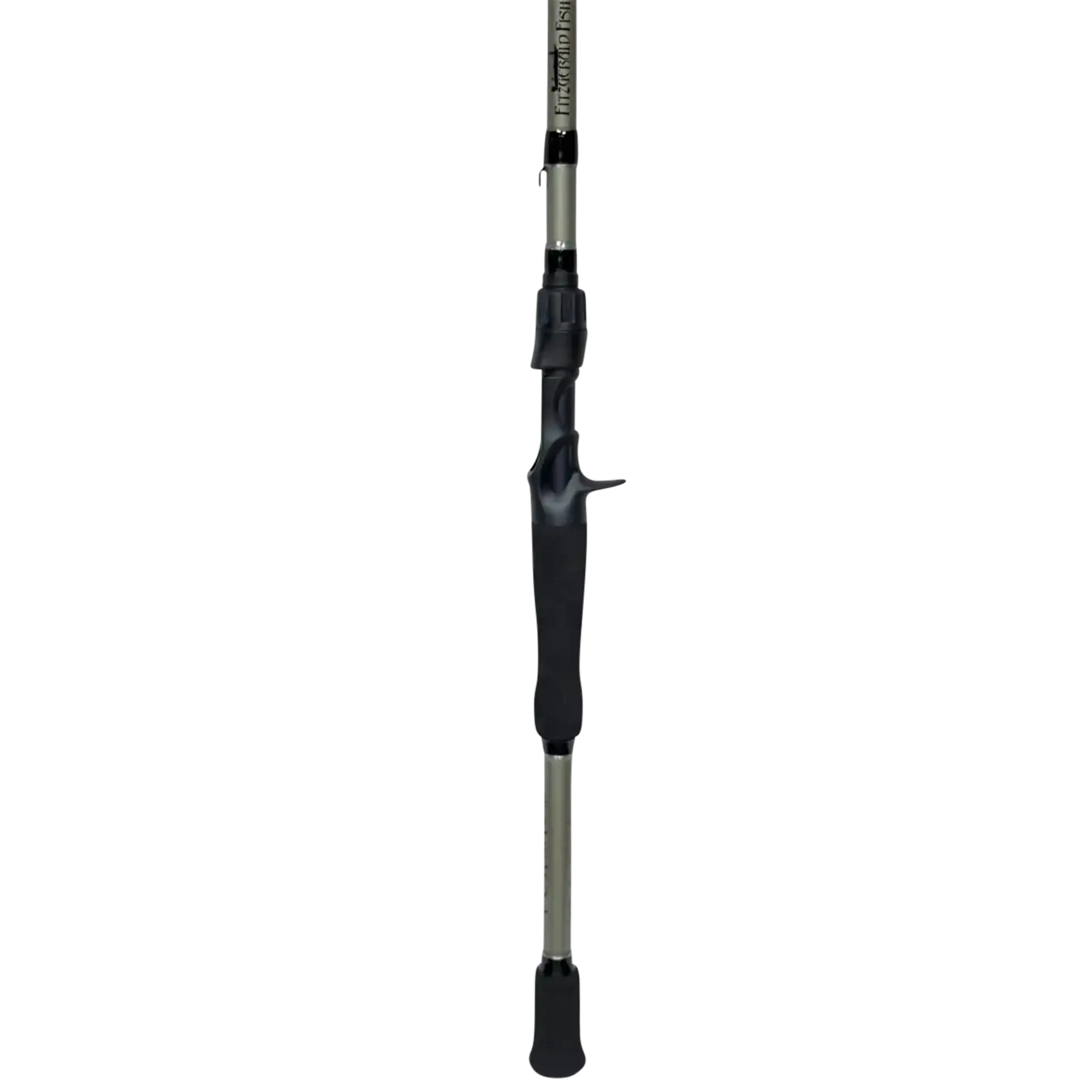
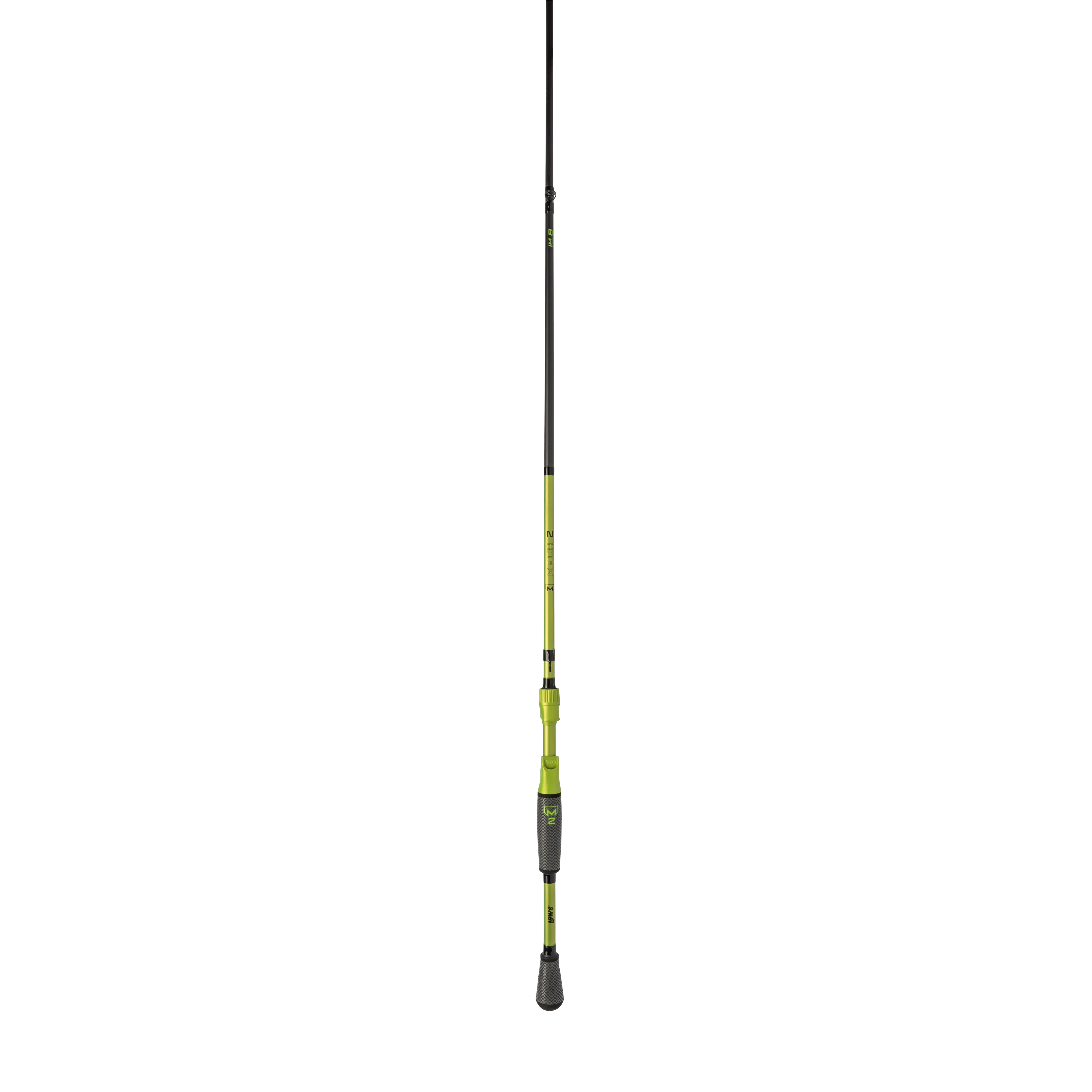
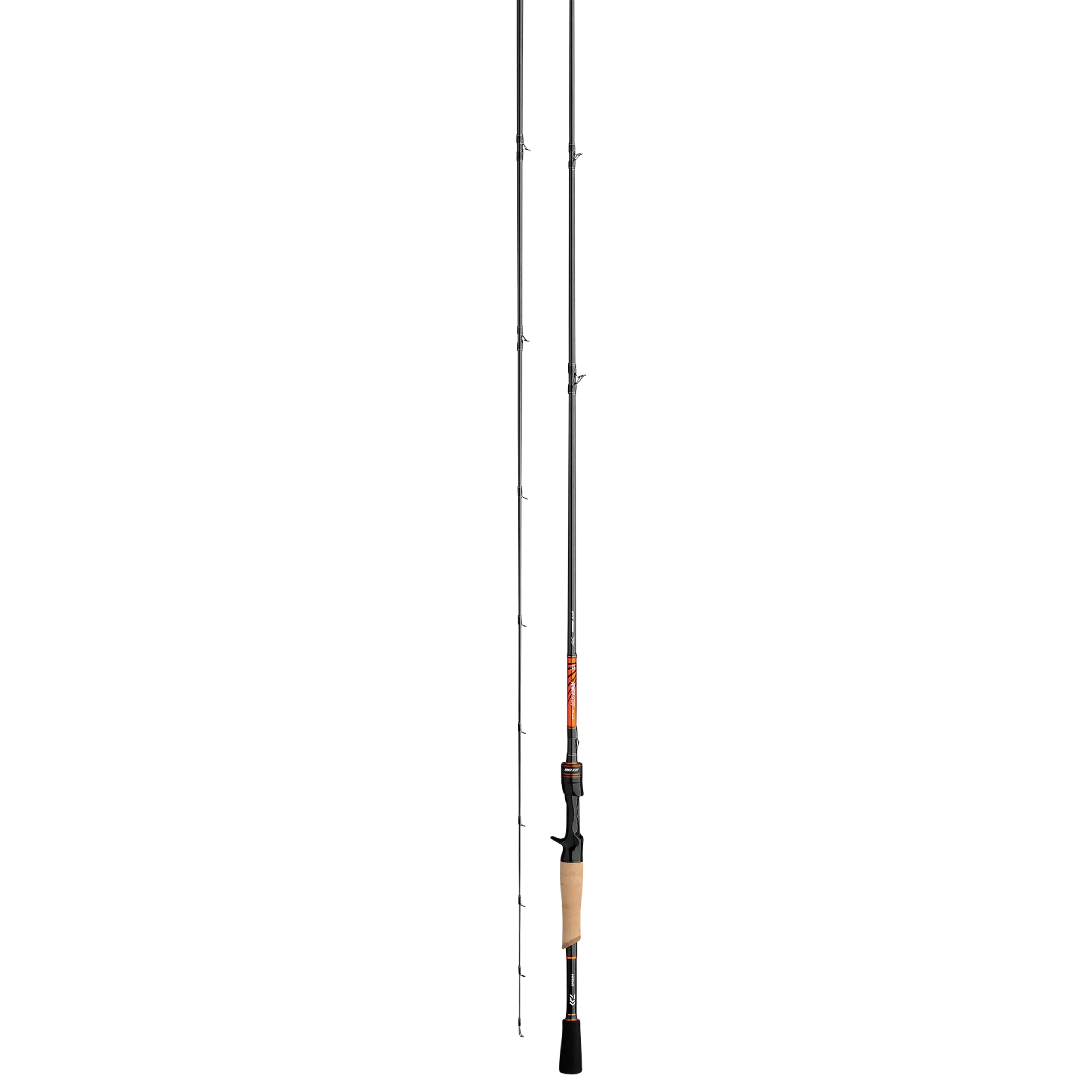
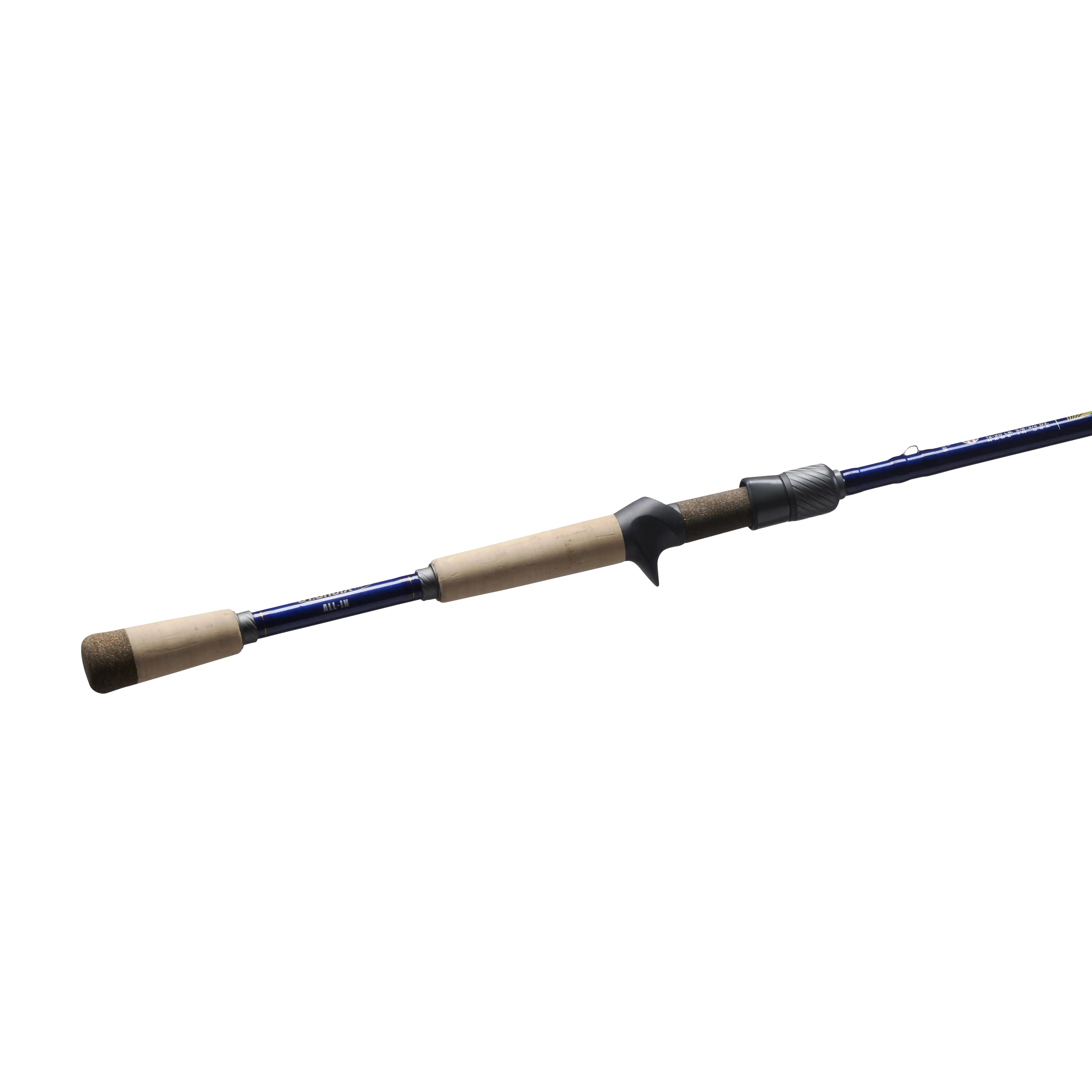
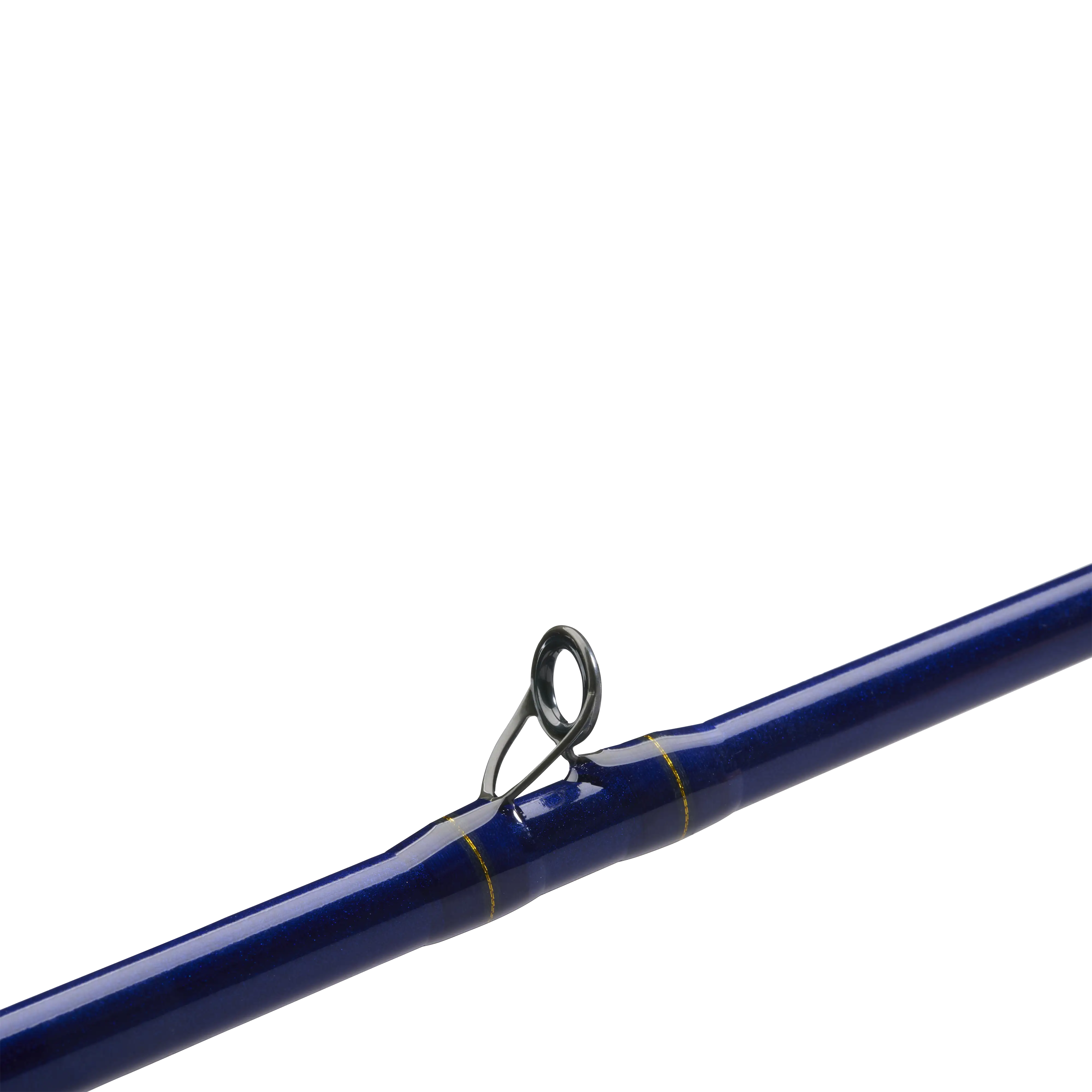
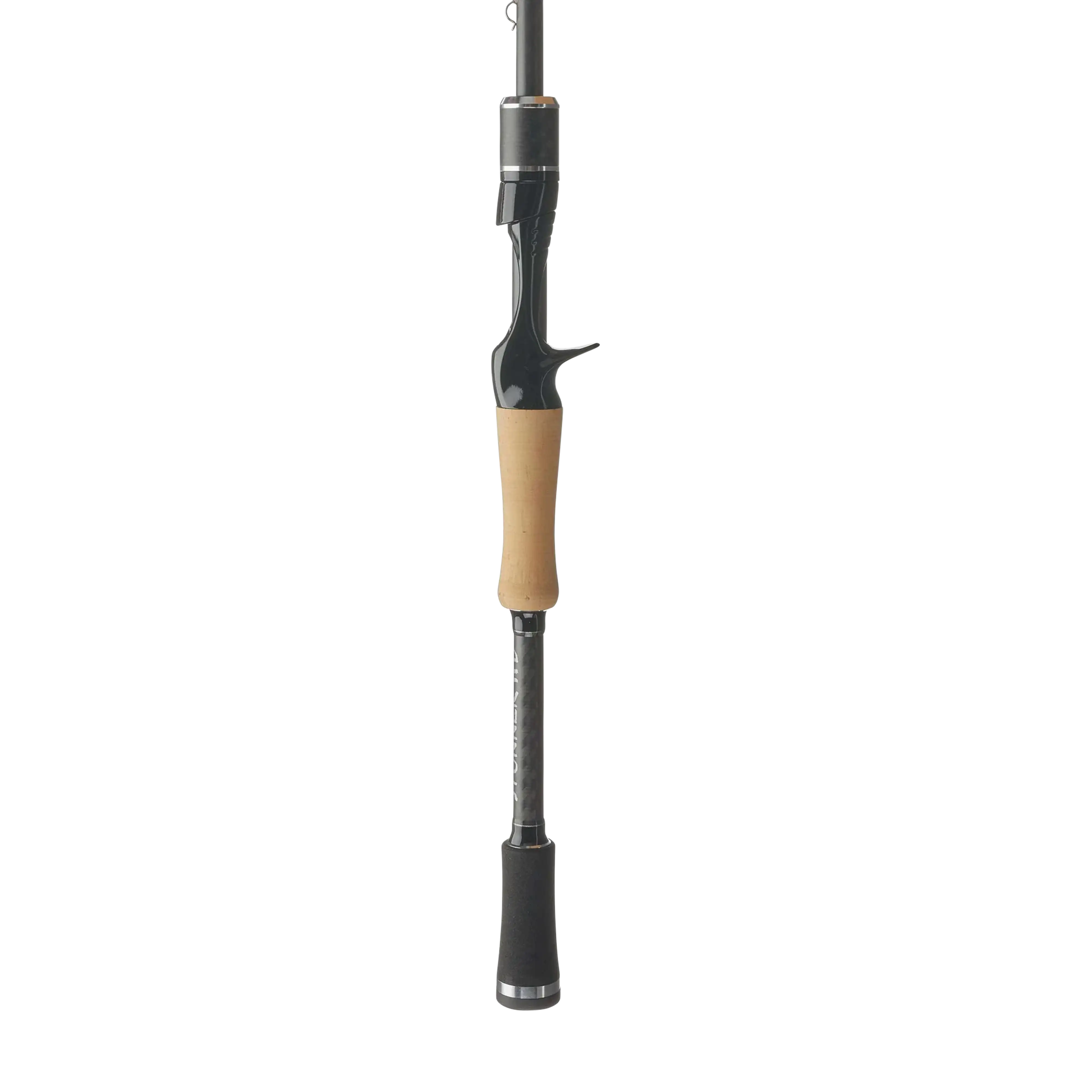
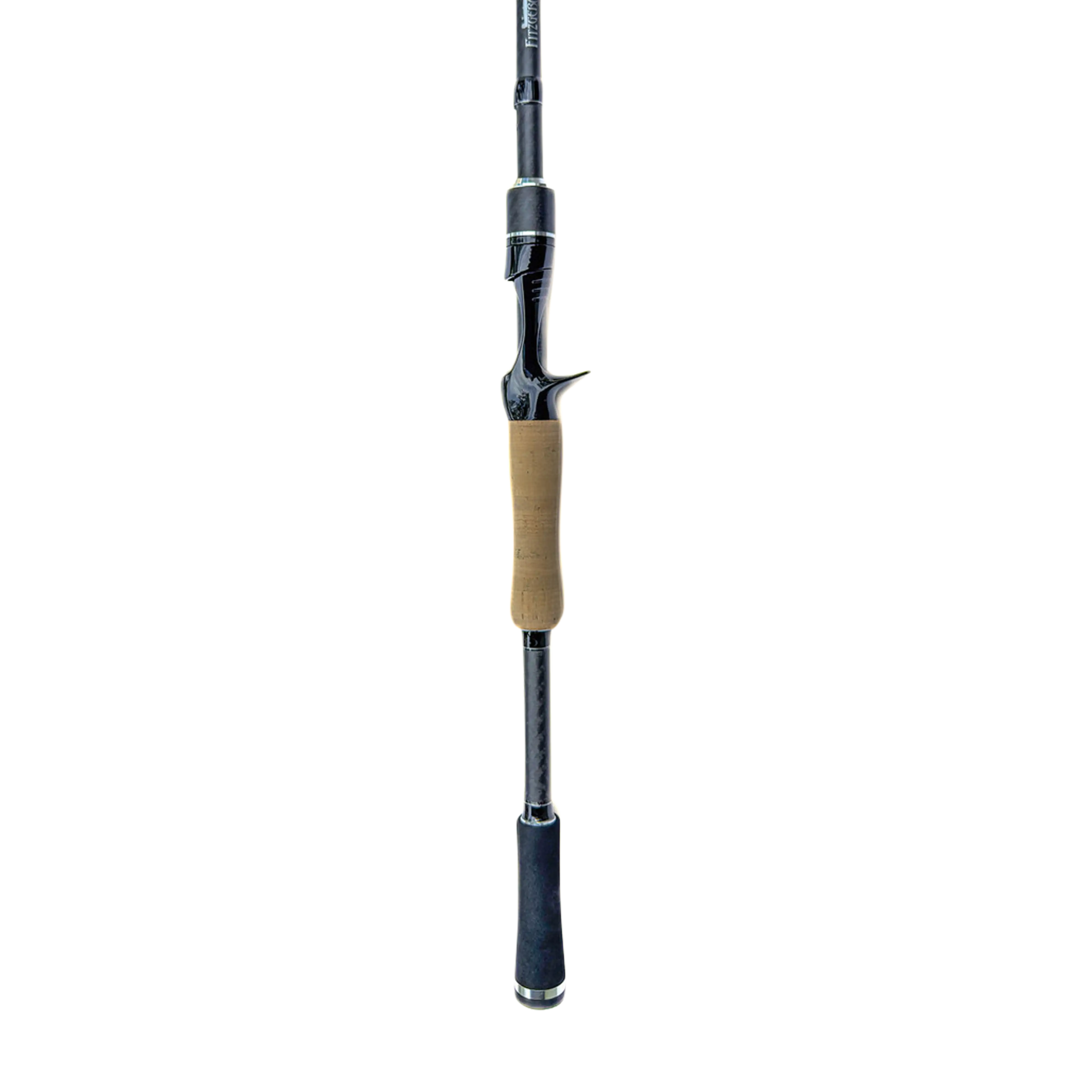
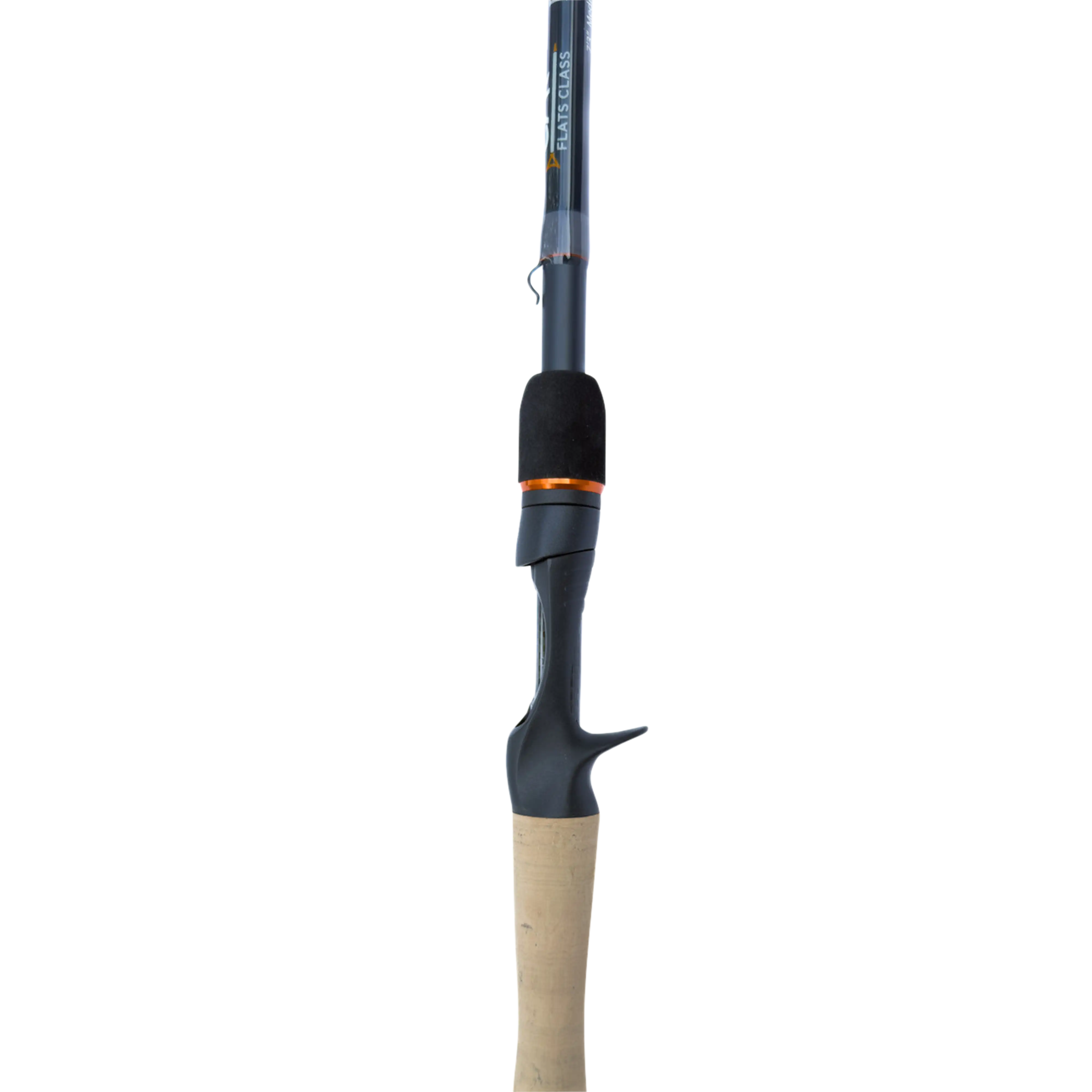
Swimbait Casting Rods



Best Reels for Swimbait Fishing
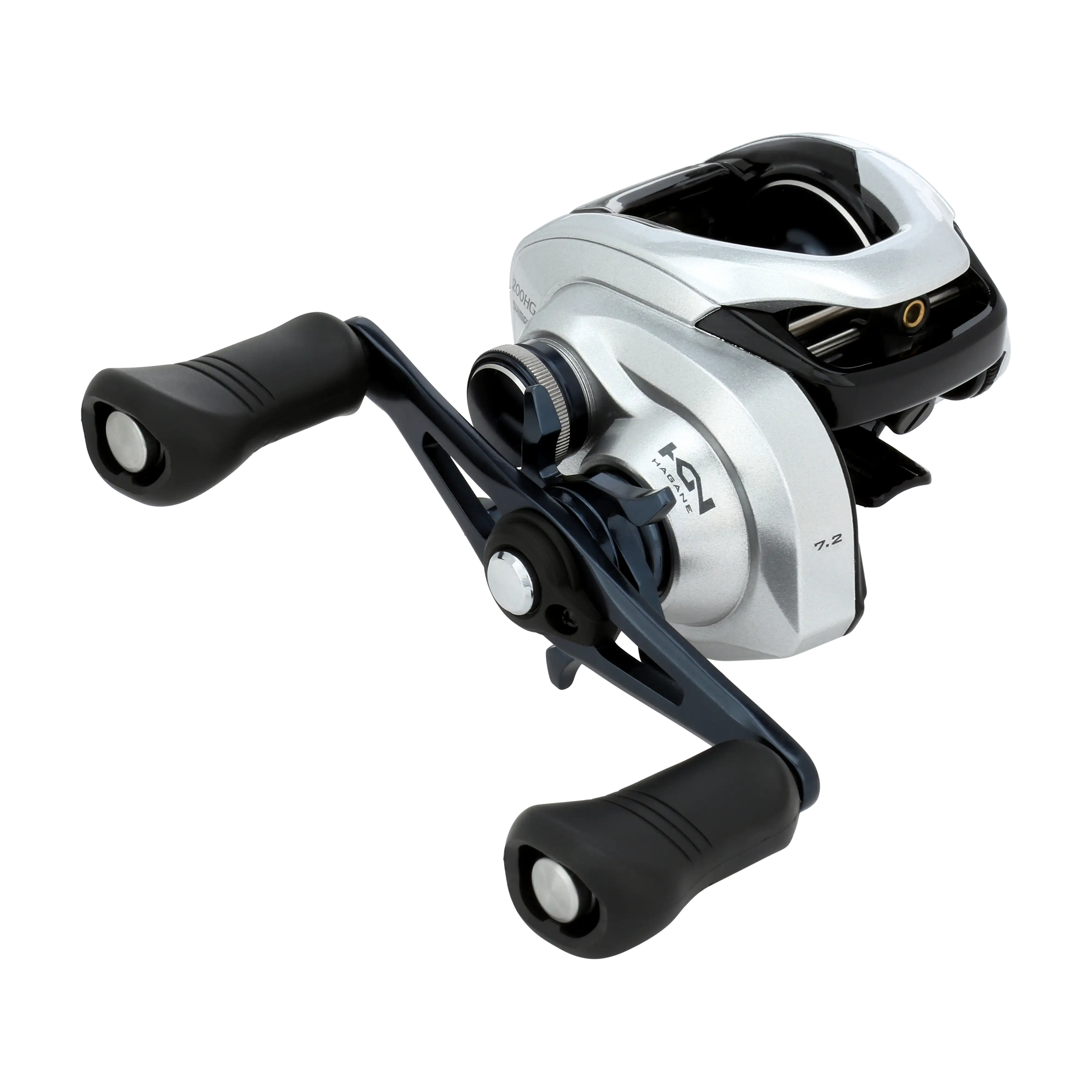
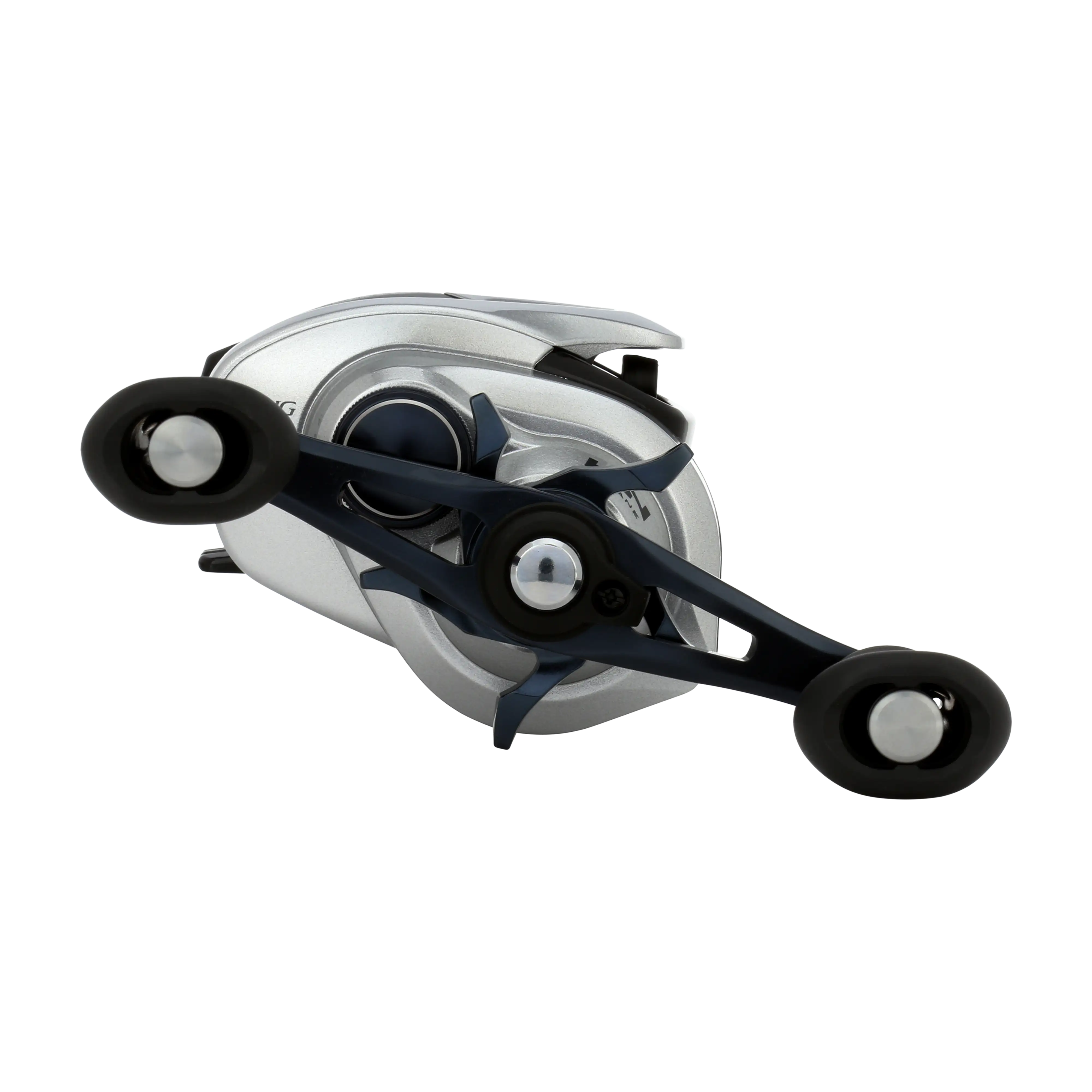
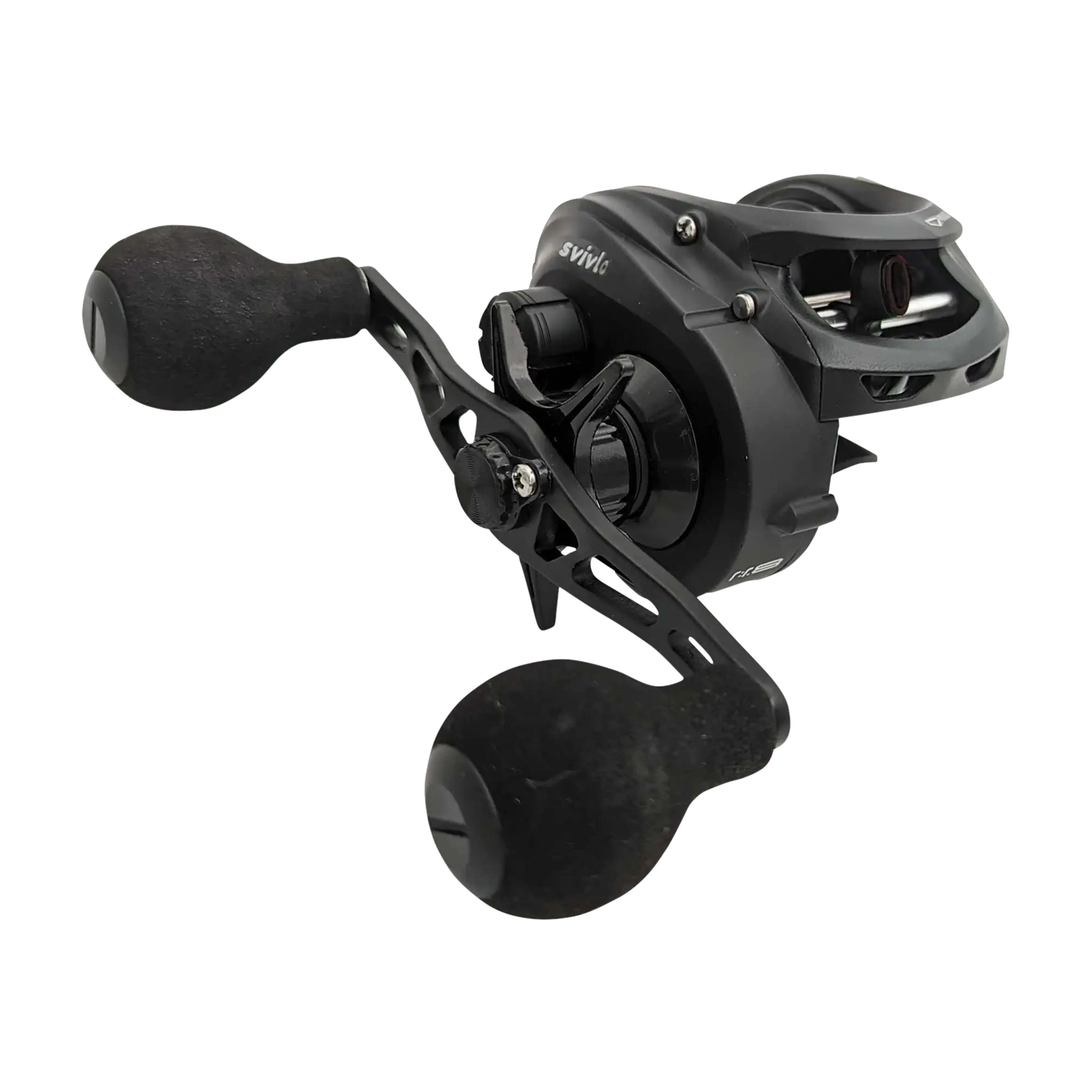
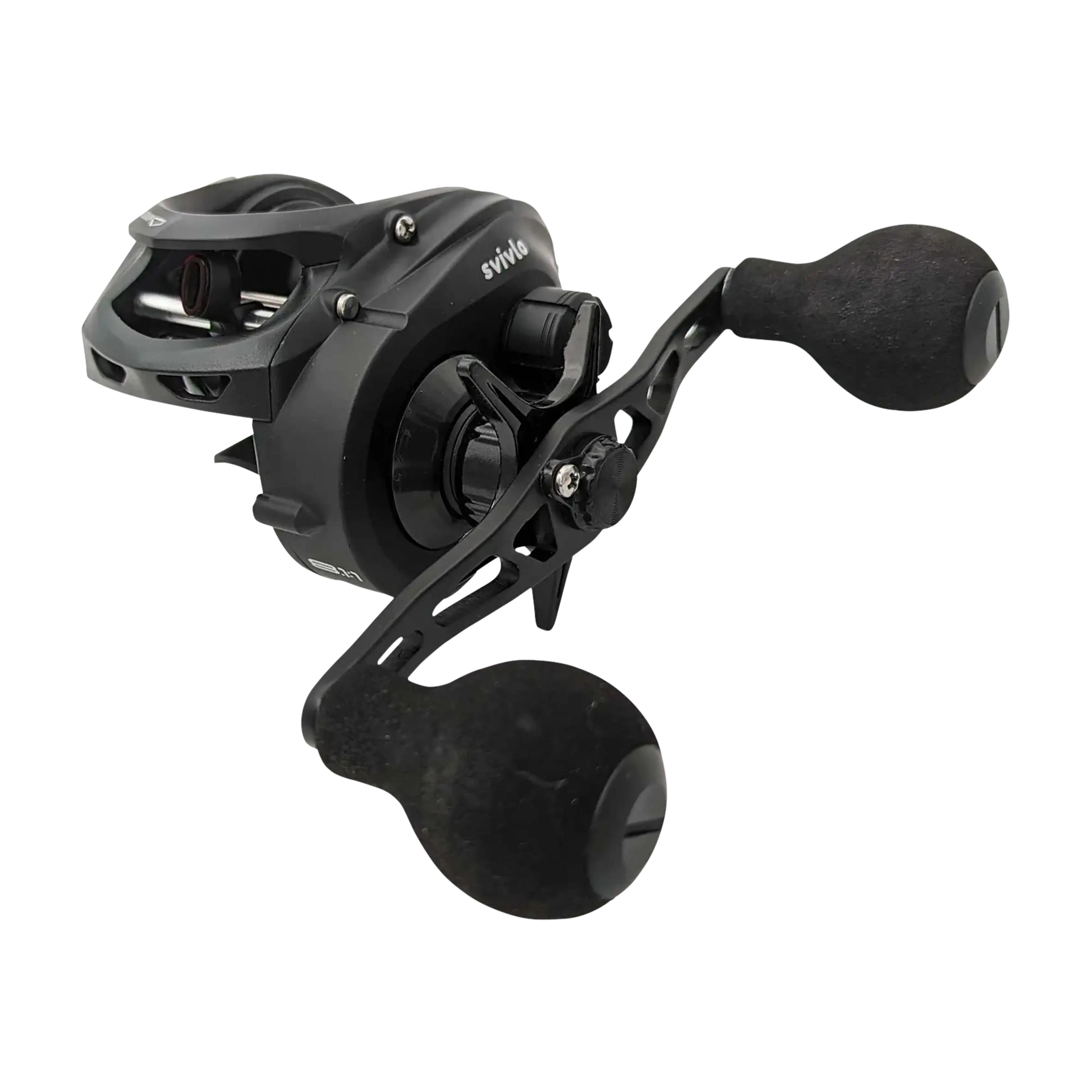
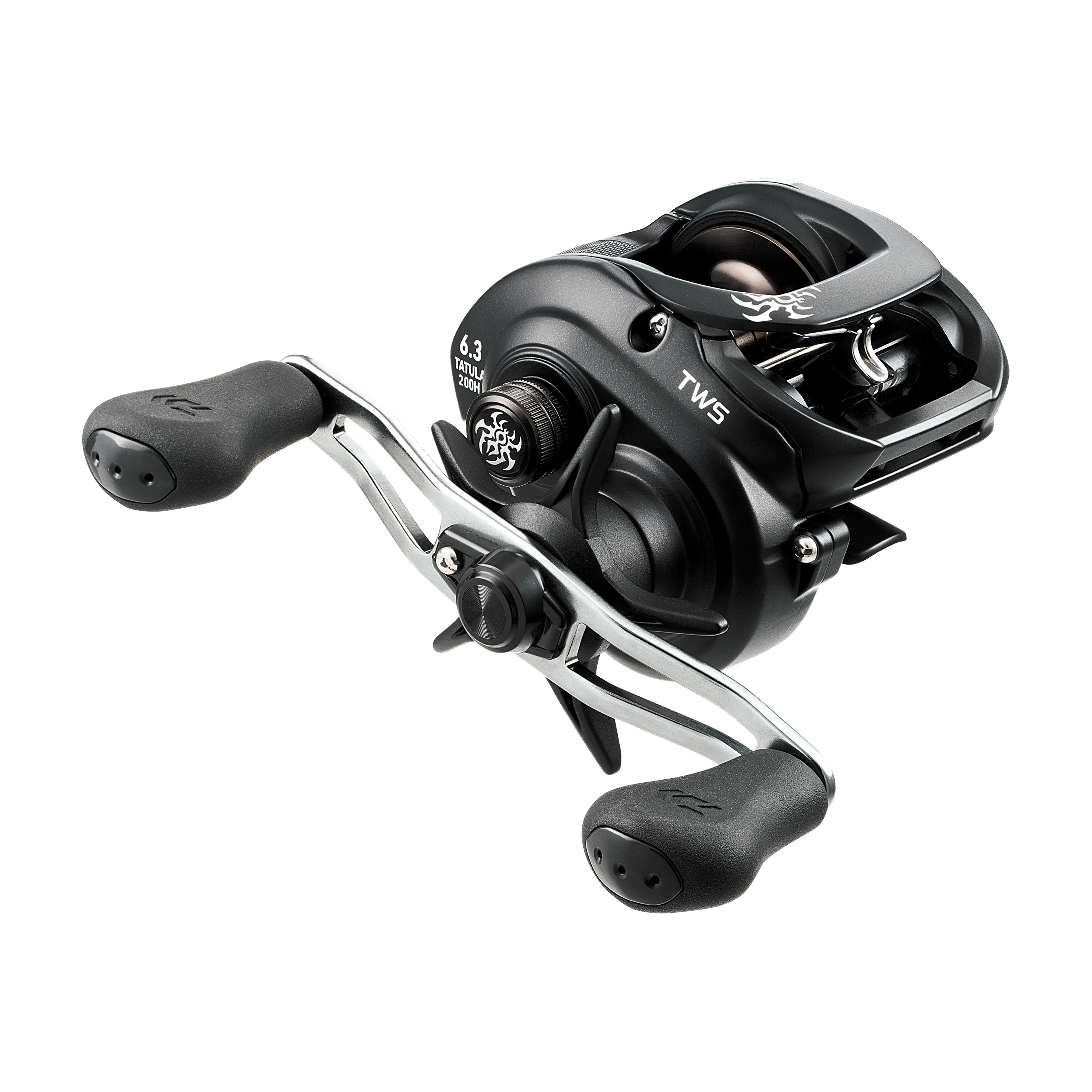
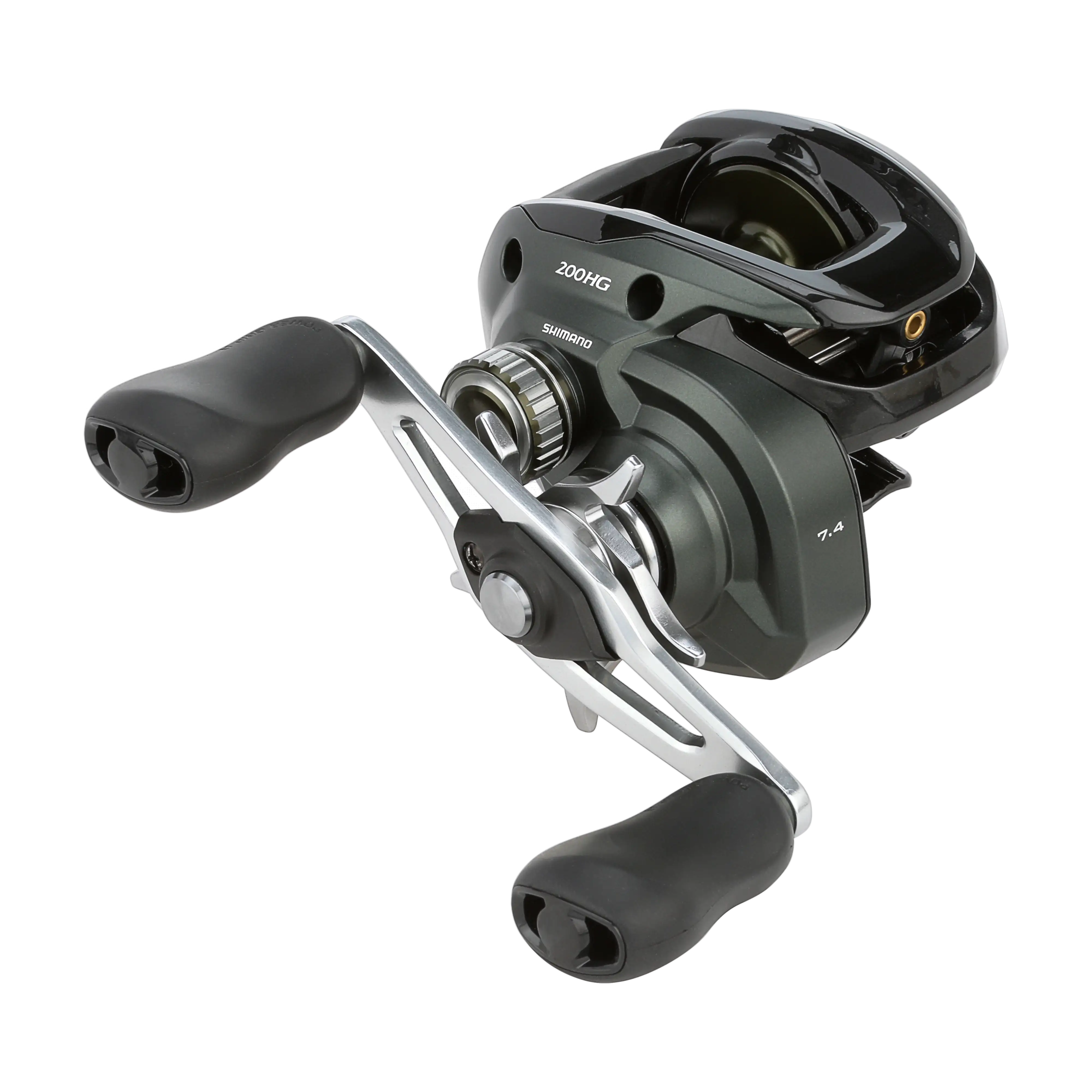
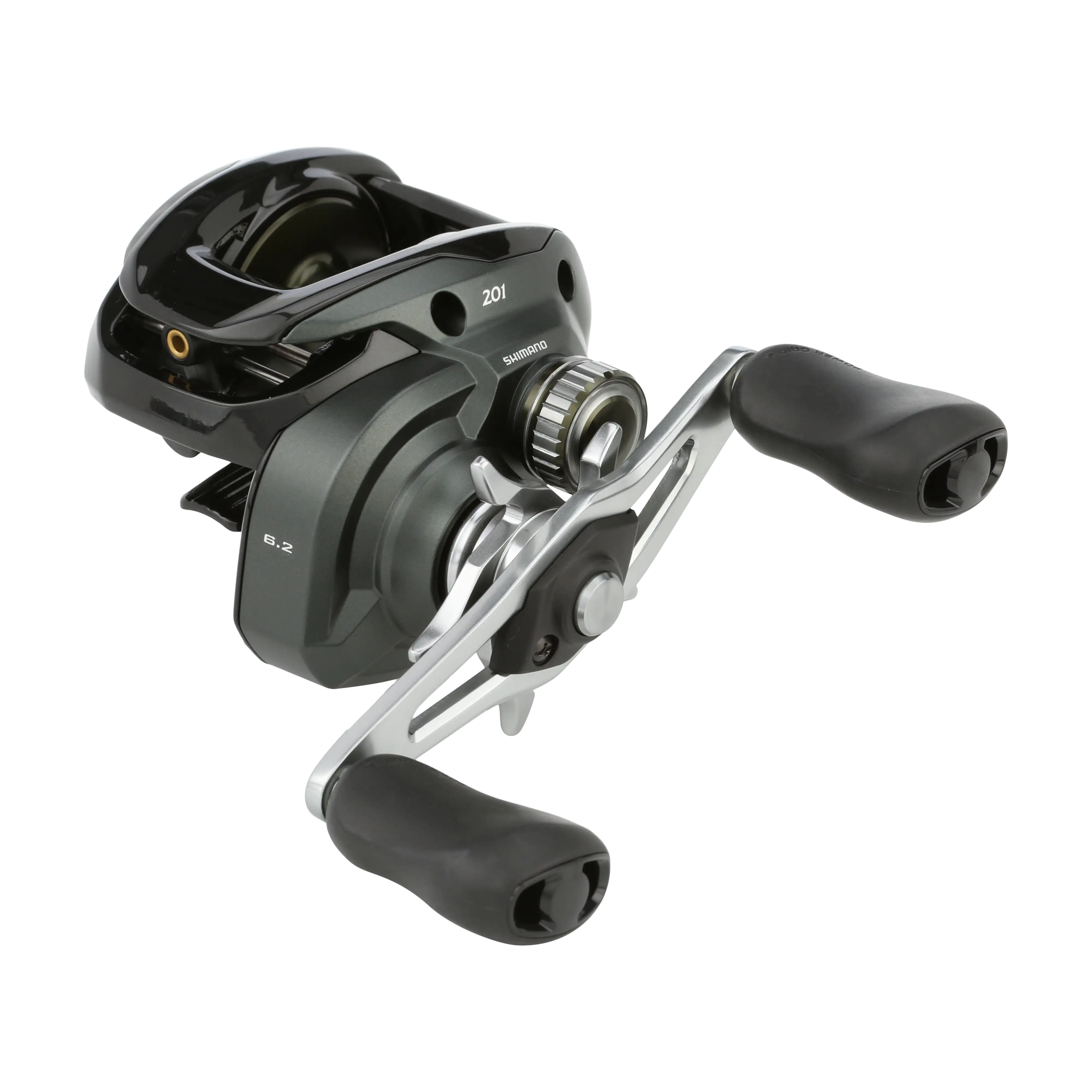
Swimbait reels need to handle heavier lures, thicker line, and the sustained demands of casting and retrieving large baits repeatedly. Casting reels are the standard choice because they provide strong line control, reliable drag performance, and consistent handling of heavier lure weights compared to spinning setups.
A properly matched swimbait reel improves casting efficiency with heavy baits, maintains consistent retrieve performance under load, and reduces wear on the reel during repeated heavy casting sessions. The focus shifts away from finesse and toward durability, torque, and smooth mechanical operation across extended use with heavy setups.
When choosing a reel, here’s what to look for.
Reel Type / Size
Swimbait fishing requires low-profile or round casting reels built in the 200–400 size range, with the 250–300 class being the true sweet spot for most mid-to-large swimbait applications. Larger spool capacity improves casting efficiency with heavy line and helps maintain smoother performance on long casts with heavier baits. Low-profile reels dominate the 200–300 range because they balance comfort, power, and versatility, while round or 400-size reels come into play for heavier glides and big soft swimbaits where line capacity, torque and durability matter more than compact feel. The key is choosing a reel that maintains control under sustained load and does not feel underbuilt for the bait weight you’re consistently throwing.
Gear Ratio
Gear ratio controls how fast you retrieve line, but in swimbait fishing, control matters more than speed. A mid-range ratio (typically 5.4:1 to 7.1:1) is ideal because it provides enough torque to maintain steady pressure on large baits and consistent retrieve control throughout the cast. Lower ratios are better for big glides and slow presentations, while slightly higher ratios help when burning or correcting bait position in open water.
Drag System
Swimbait fishing demands a smooth, consistent drag more than extreme stopping power. You’re not typically locking down fish immediately — instead, you need controlled pressure that stays steady under long runs and heavy loads. A strong drag system that engages smoothly under pressure is more important than peak drag numbers. Consistency also helps to prevent pulled hooks and manages surging fish near cover or open water boatside.
Line Capacity
Line capacity matters because swimbaits often require long casts with heavier line and sustained pressure during fights. A deeper spool helps maintain more consistent line lay and stable drag performance as line is peeled off during a fight. This is especially important with heavier fluorocarbon or braided mainlines, where spool size and line volume directly affect casting consistency and retrieve smoothness over long sessions.
Durability
Swimbait reels take repeated stress from casting heavy lures all day. A rigid frame (aluminum or reinforced graphite) is essential to prevent flex under load. Metal gears, solid handle arms, and reinforced drive systems all contribute to long-term reliability. This is not finesse fishing — the reel needs to stay tight, smooth, and stable after repeated heavy use.
Open Water & Deep Swimbaits
This setup demands distance casting and steady pressure control on larger swimbaits fished in open water. Reels need smooth drag under load and enough torque to retrieve heavy baits without fatigue over long sessions. Line management is critical because casts are long and fish are often fought at range.
Reel Type / Size: 250–300 size low-profile or round baitcaster (400-class for heavier 4–6+ oz glides and extended sessions)
Gear Ratio: 5.4:1 – 6.6:1
Drag: Smooth, medium-heavy carbon drag system with consistent pressure under load
Line: 20–25 lb fluorocarbon or 40–65 lb braid
Around Cover Swimbaits
This setup requires more immediate power and control because fish are pulled from grass, timber, or docks at close range. Reels need stronger gearing and quicker line pickup to keep fish from burying into cover.
Reel Type / Size: 200–300 size low-profile baitcaster (heavy-duty frame preferred)
Gear Ratio: 6.3:1 – 7.1:1
Drag: Strong, smooth drag with strong lock-down capability when needed
Line: 20–25 lb fluorocarbon or 30–65 lb braid
Reaction Swimbaits (Glide & Hard Baits)
Glide and hard swimbaits require smooth, controlled retrieves with the ability to adjust speed without losing bait action. Reel performance needs to stay fluid under steady retrieve pressure while maintaining enough control for long casts and clean hooksets on treble hooks.
Reel Type / Size: 200–300 size low-profile baitcaster
Gear Ratio: 5.8:1 – 7.1:1 (mid-range preferred for control and cadence)
Drag: Smooth, forgiving drag system optimized for treble hook applications and surging fish
Line: 20–25 lb fluorocarbon or 30–50 lb braid
Shallow & Surface Swimbaits
This setup is focused on accuracy, cadence control, and managing explosive surface strikes. Reels need smooth startup, consistent retrieve rhythm, and enough drag control to handle sudden runs at the surface while keeping fish pinned during jumps and chaos.
Reel Type / Size: 200–300 size low-profile baitcaster
Gear Ratio: 6.3:1 – 7.3:1
Drag: Smooth, responsive drag with quick engagement for surface strikes and sudden runs
Line: 20–25 lb fluorocarbon or 30–50 lb braid
Key Takeaways
- Casting reels are preferred for swimbaits because they handle heavy loads and offer better control on large casts
- 200–300 size reels cover most swimbait setups, while 400 sizes are used for the heaviest lures and biggest fish
- A rigid frame and strong gearing help maintain smooth, consistent performance under constant strain
- Mid-range gear ratios give the best balance between power and retrieve speed for most swimbait fishing
- Drag systems with carbon fiber washers provide smooth, steady pressure and help reduce sudden line breaks during hard runs
Best Reels for Swimbait Fishing
Swimbait reels need to handle heavier lures, thicker line, and the sustained demands of casting and retrieving large baits repeatedly. Casting reels are the standard choice because they provide strong line control, reliable drag performance, and consistent handling of heavier lure weights compared to spinning setups.
A properly matched swimbait reel improves casting efficiency with heavy baits, maintains consistent retrieve performance under load, and reduces wear on the reel during repeated heavy casting sessions. The focus shifts away from finesse and toward durability, torque, and smooth mechanical operation across extended use with heavy setups.
When choosing a reel, here’s what to look for.
Reel Type / Size
Swimbait fishing requires low-profile or round casting reels built in the 200–400 size range, with the 250–300 class being the true sweet spot for most mid-to-large swimbait applications. Larger spool capacity improves casting efficiency with heavy line and helps maintain smoother performance on long casts with heavier baits. Low-profile reels dominate the 200–300 range because they balance comfort, power, and versatility, while round or 400-size reels come into play for heavier glides and big soft swimbaits where line capacity, torque and durability matter more than compact feel. The key is choosing a reel that maintains control under sustained load and does not feel underbuilt for the bait weight you’re consistently throwing.
Gear Ratio
Gear ratio controls how fast you retrieve line, but in swimbait fishing, control matters more than speed. A mid-range ratio (typically 5.4:1 to 7.1:1) is ideal because it provides enough torque to maintain steady pressure on large baits and consistent retrieve control throughout the cast. Lower ratios are better for big glides and slow presentations, while slightly higher ratios help when burning or correcting bait position in open water.
Drag System
Swimbait fishing demands a smooth, consistent drag more than extreme stopping power. You’re not typically locking down fish immediately — instead, you need controlled pressure that stays steady under long runs and heavy loads. A strong drag system that engages smoothly under pressure is more important than peak drag numbers. Consistency also helps to prevent pulled hooks and manages surging fish near cover or open water boatside.
Line Capacity
Line capacity matters because swimbaits often require long casts with heavier line and sustained pressure during fights. A deeper spool helps maintain more consistent line lay and stable drag performance as line is peeled off during a fight. This is especially important with heavier fluorocarbon or braided mainlines, where spool size and line volume directly affect casting consistency and retrieve smoothness over long sessions.
Durability
Swimbait reels take repeated stress from casting heavy lures all day. A rigid frame (aluminum or reinforced graphite) is essential to prevent flex under load. Metal gears, solid handle arms, and reinforced drive systems all contribute to long-term reliability. This is not finesse fishing — the reel needs to stay tight, smooth, and stable after repeated heavy use.
Open Water & Deep Swimbaits
This setup demands distance casting and steady pressure control on larger swimbaits fished in open water. Reels need smooth drag under load and enough torque to retrieve heavy baits without fatigue over long sessions. Line management is critical because casts are long and fish are often fought at range.
Reel Type / Size: 250–300 size low-profile or round baitcaster (400-class for heavier 4–6+ oz glides and extended sessions)
Gear Ratio: 5.4:1 – 6.6:1
Drag: Smooth, medium-heavy carbon drag system with consistent pressure under load
Line: 20–25 lb fluorocarbon or 40–65 lb braid
Around Cover Swimbaits
This setup requires more immediate power and control because fish are pulled from grass, timber, or docks at close range. Reels need stronger gearing and quicker line pickup to keep fish from burying into cover.
Reel Type / Size: 200–300 size low-profile baitcaster (heavy-duty frame preferred)
Gear Ratio: 6.3:1 – 7.1:1
Drag: Strong, smooth drag with strong lock-down capability when needed
Line: 20–25 lb fluorocarbon or 30–65 lb braid
Reaction Swimbaits (Glide & Hard Baits)
Glide and hard swimbaits require smooth, controlled retrieves with the ability to adjust speed without losing bait action. Reel performance needs to stay fluid under steady retrieve pressure while maintaining enough control for long casts and clean hooksets on treble hooks.
Reel Type / Size: 200–300 size low-profile baitcaster
Gear Ratio: 5.8:1 – 7.1:1 (mid-range preferred for control and cadence)
Drag: Smooth, forgiving drag system optimized for treble hook applications and surging fish
Line: 20–25 lb fluorocarbon or 30–50 lb braid
Shallow & Surface Swimbaits
This setup is focused on accuracy, cadence control, and managing explosive surface strikes. Reels need smooth startup, consistent retrieve rhythm, and enough drag control to handle sudden runs at the surface while keeping fish pinned during jumps and chaos.
Reel Type / Size: 200–300 size low-profile baitcaster
Gear Ratio: 6.3:1 – 7.3:1
Drag: Smooth, responsive drag with quick engagement for surface strikes and sudden runs
Line: 20–25 lb fluorocarbon or 30–50 lb braid
Key Takeaways
- Casting reels are preferred for swimbaits because they handle heavy loads and offer better control on large casts
- 200–300 size reels cover most swimbait setups, while 400 sizes are used for the heaviest lures and biggest fish
- A rigid frame and strong gearing help maintain smooth, consistent performance under constant strain
- Mid-range gear ratios give the best balance between power and retrieve speed for most swimbait fishing
- Drag systems with carbon fiber washers provide smooth, steady pressure and help reduce sudden line breaks during hard runs
Swimbait Casting Reels




Hard Body Swimbaits
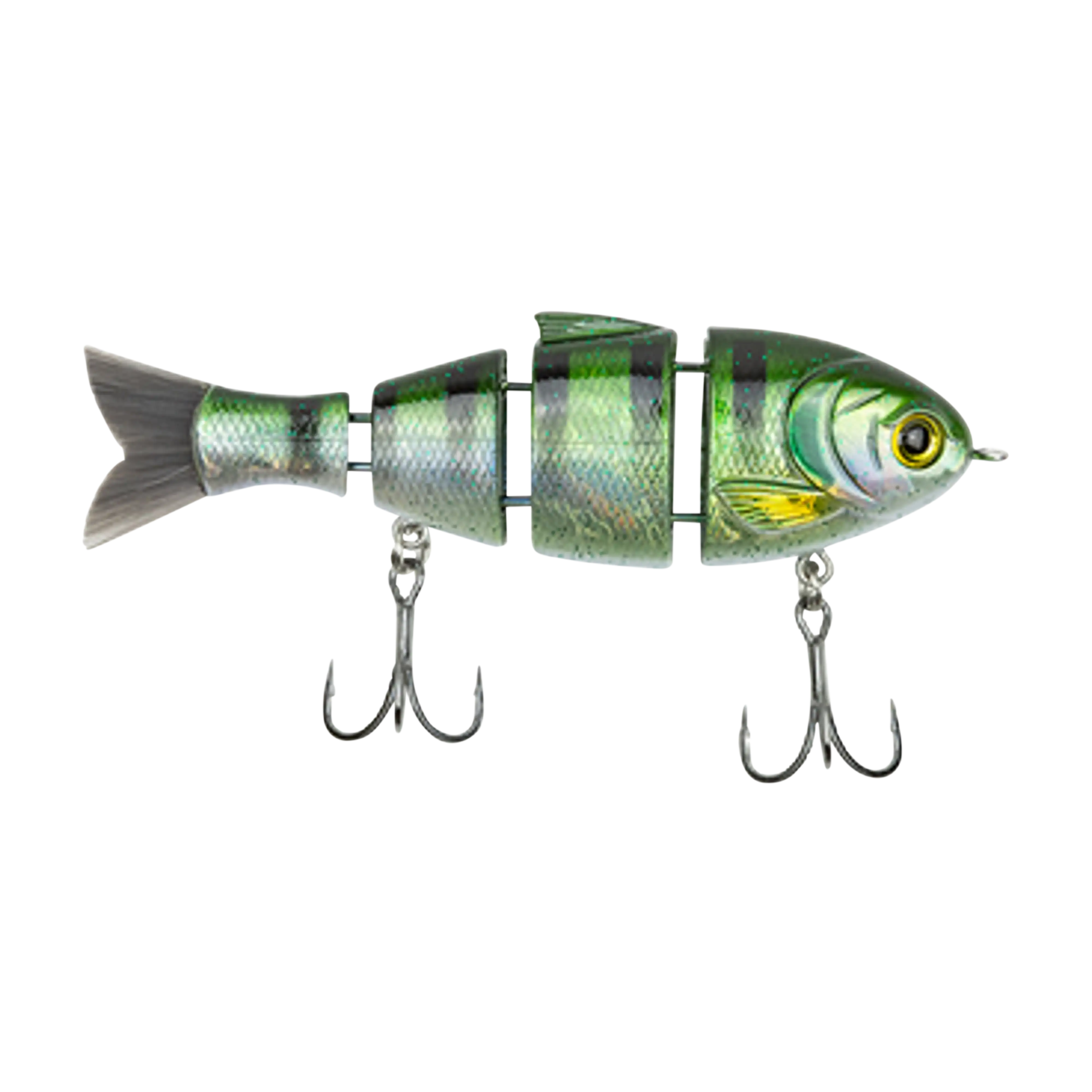
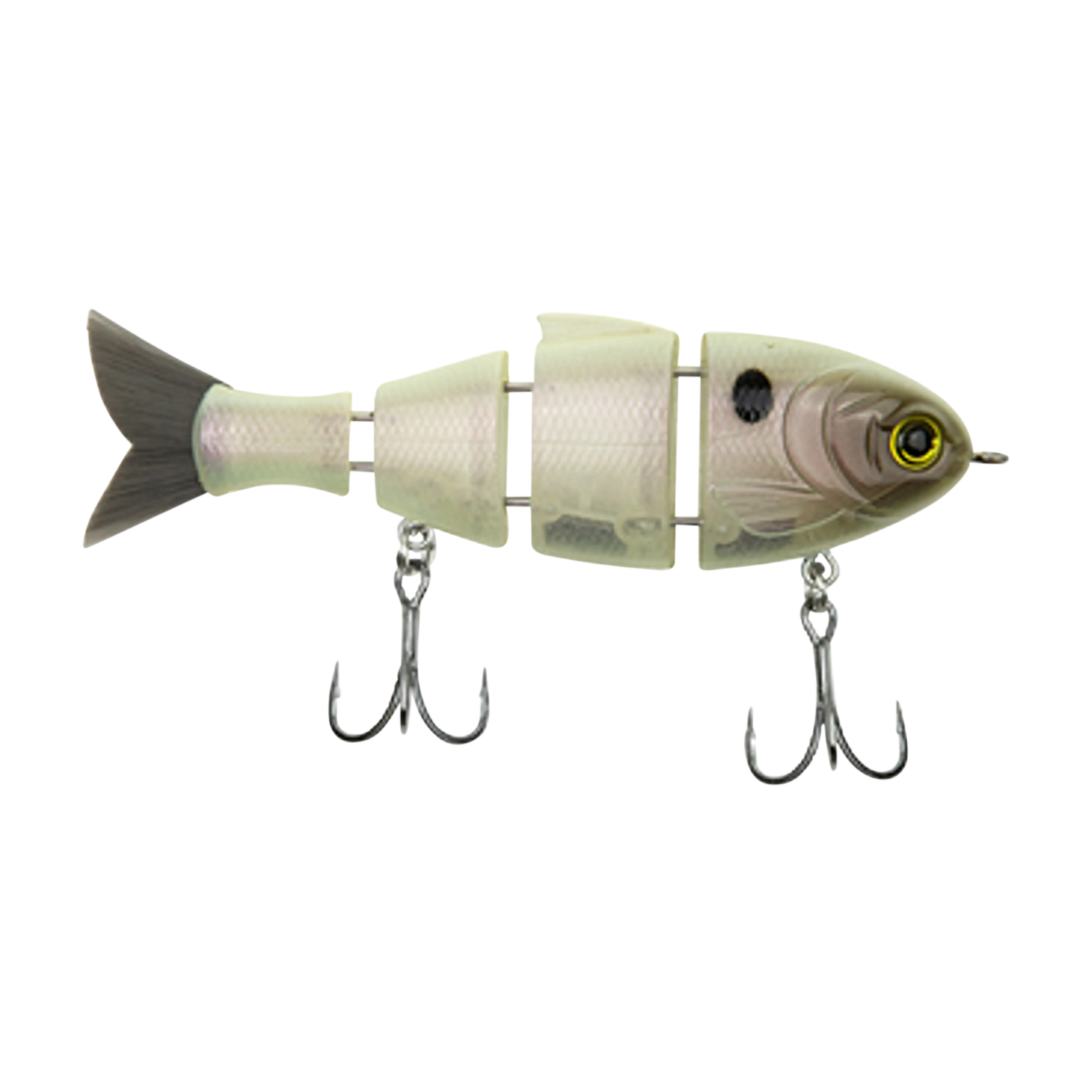
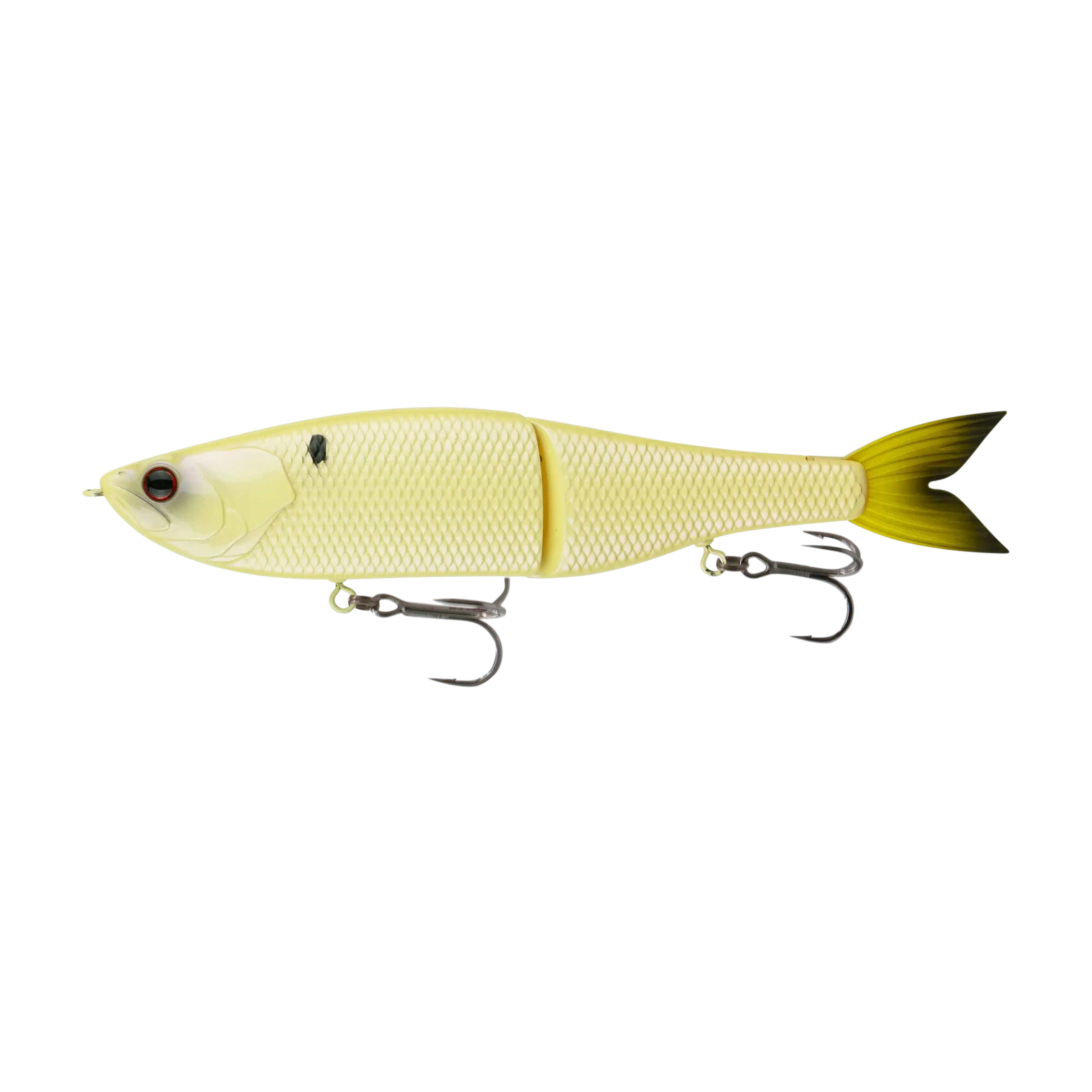
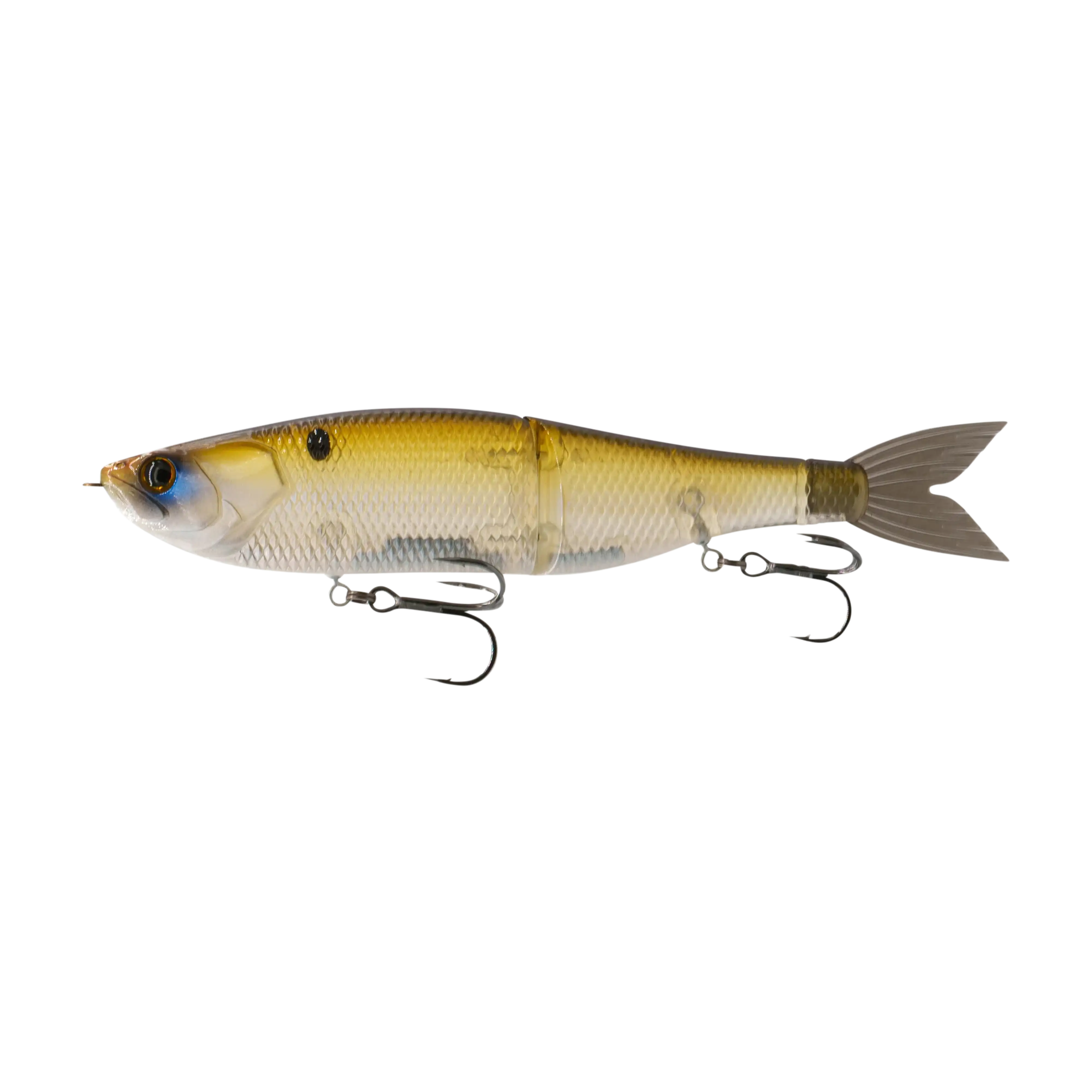
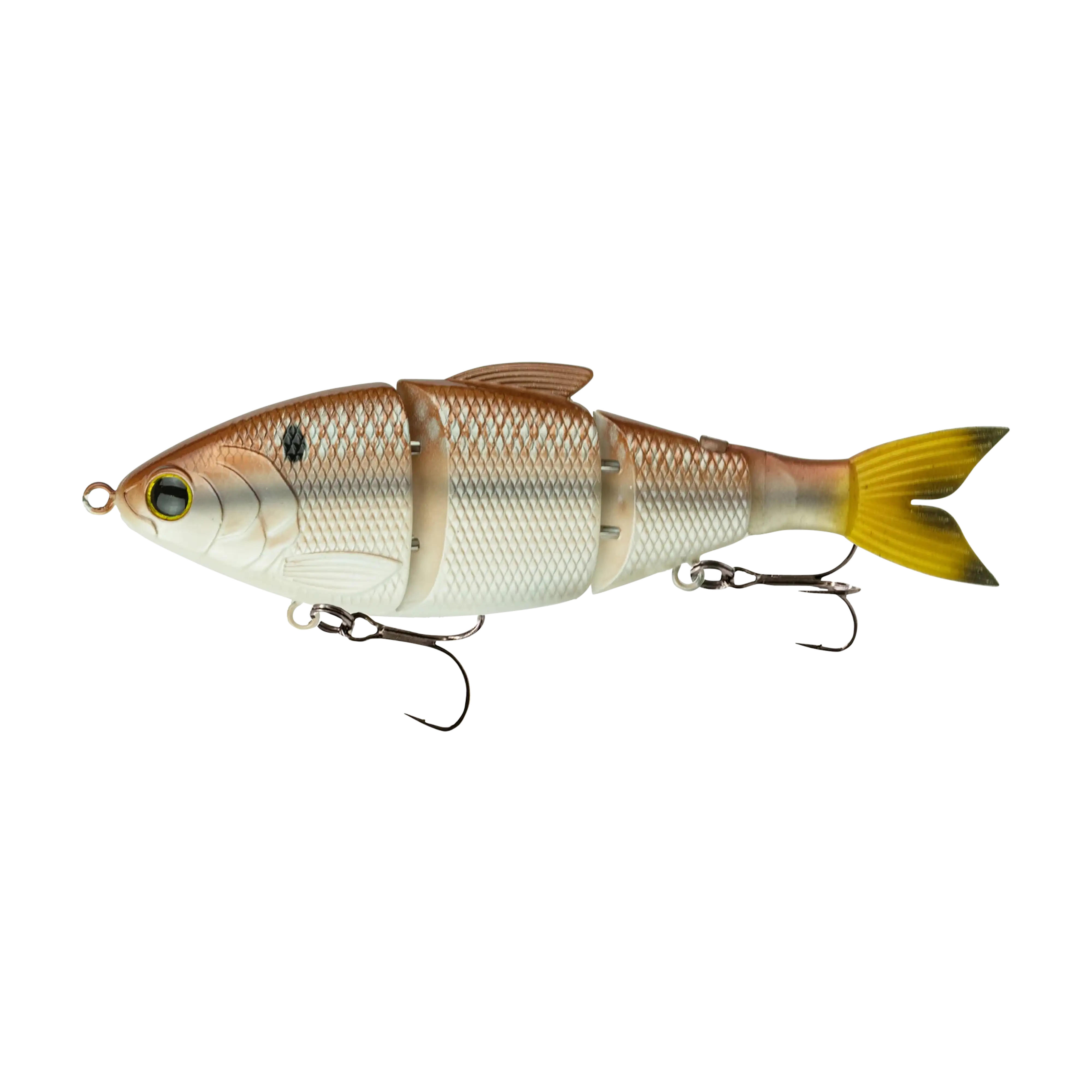
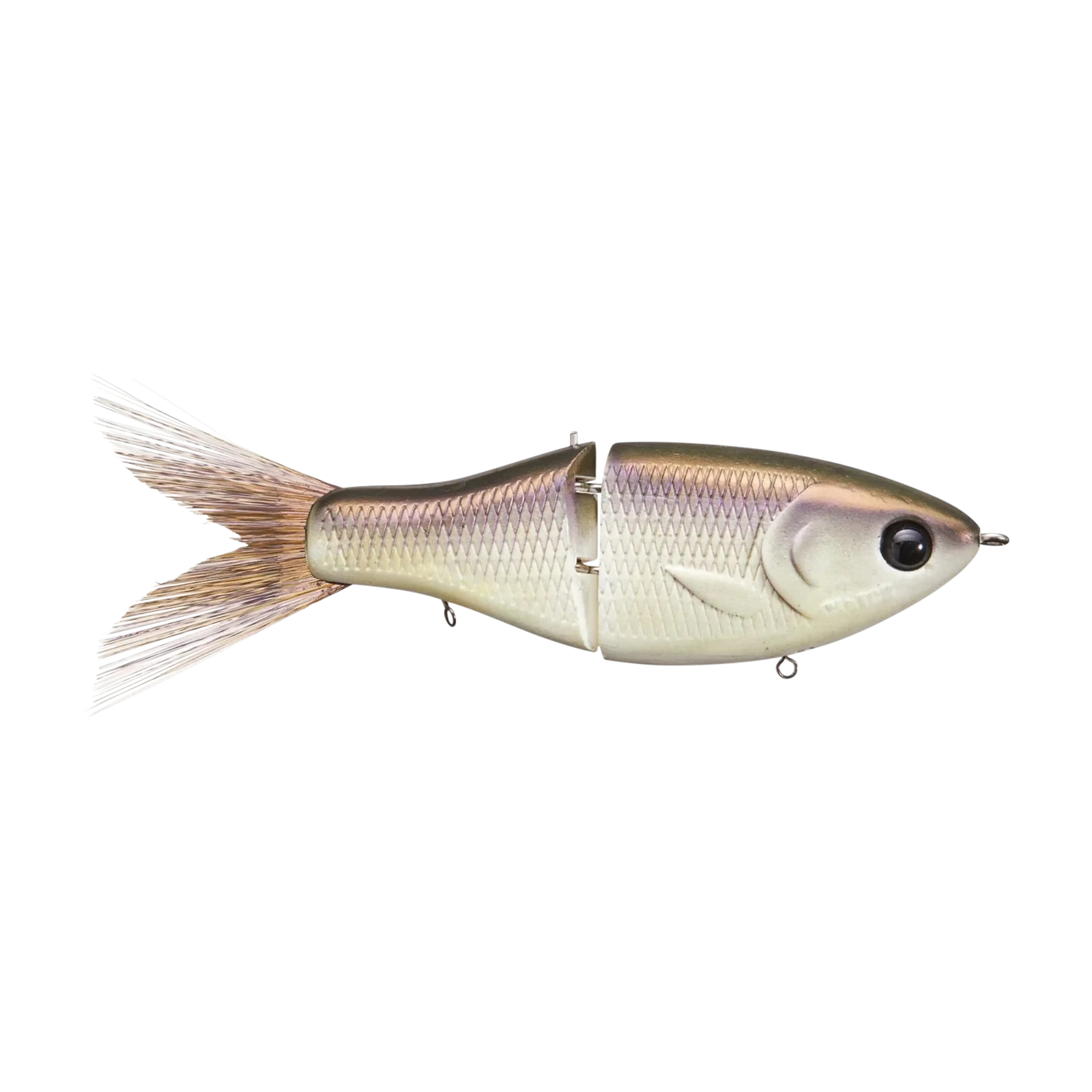
Hard body swimbaits are designed to imitate full-size baitfish using molded bodies, internal weighting, and jointed or glide-style construction instead of soft plastic tails. They prioritize realism in profile, swimming motion, and tracking behavior, making them especially effective when fish are feeding visually and keying on larger forage. Because they move as a single articulated bait, they are often used to trigger reaction strikes from pressured or target-oriented fish.
Size & Action
Most hard body swimbaits range from 3” to 9”+, with weight increasing significantly as size increases. Larger baits produce more water displacement, longer casting distance, and a stronger visual presence, while smaller profiles offer more subtle presentations and easier control in tighter conditions.
Swimming action is dictated by body shape and joint design. Single-joint and glide-style baits create wide, sweeping S-pattern movement, while multi-joint designs produce tighter, more continuous swimming action that closely resembles natural baitfish movement. Retrieve speed, rod input, and pauses all influence how aggressively the bait tracks and how often it changes direction or “hunts.”
Color & Style
Color and finish play a major role in how hard swimbaits perform, especially in clear water where fish are tracking detail and silhouette. Natural baitfish tones like silvers, whites, and translucent patterns are used to match forage, while darker colors create stronger silhouettes in low light or stained conditions.
High-contrast patterns can help increase visibility at distance or trigger reaction bites when fish are actively feeding. Some finishes also add flash or subtle light reflection to imitate scales and movement as the bait swims. In general, the goal is either to closely match local bait or create enough visual disruption to get attention.
Weight Ranges
Hard swimbait weights vary widely depending on size, sink rate, and internal ballast design. Smaller finesse-style baits typically fall under 1 oz, mid-size models generally range from 1–4 oz, and large trophy-style swimbaits can exceed 6 oz or more.
Heavier baits provide better casting distance and stability in wind or current, while lighter options allow for slower, more controlled presentations. Internal weight placement also affects balance, sink angle, and how naturally the bait holds its swimming posture through the retrieve.
When to Use Hard Swimbaits
Hard swimbaits perform best when fish are actively feeding and relying on sight to target prey. They are most effective in clear water where natural movement and profile visibility matter, and around structure transitions, flats, and suspended fish where predators are tracking baitfish in open space. These baits are typically used when fish are willing to travel for a larger meal and respond to realistic swimming motion rather than tight, bottom-focused presentations.
Hard Body Swimbaits by Application
Open Water & Deep Water
In open water, prioritize larger profile swimbaits (5”–9”+) with stronger swimming stability and better long-range visibility. Heavier baits improve casting distance and help maintain a consistent track at depth or in current. Natural baitfish colors (silvers, whites, translucent finishes) are typically the safest choice for matching open-water forage.
Around Cover
When fishing structure and cover, go with mid-size swimbaits (3”–6”) that offer better control and fewer snag issues. Moderately weighted baits help maintain a steady swim without digging into cover. Slight contrast or natural patterns with visibility help the bait stand out in broken light or shaded areas.
Reaction Fishing (Glide & Erratic Baits)
For reaction-style fishing, choose larger glide baits or wide-action profiles that maximize movement and drawing power. These baits work best when weight is balanced for long glides and controlled direction changes. High-contrast or bold natural patterns are commonly used to increase tracking visibility and trigger response strikes.
Shallow & Surface
In shallow water, use smaller to mid-size swimbaits (3”–5”) for better control and easier manipulation in tight zones. Lighter to moderate weights help keep the bait higher in the water column. Natural colors or darker silhouettes both work well depending on light conditions, with contrast becoming more important in low light or stained water.
Key Takeaways
- Designed to imitate full-size baitfish with realistic profile, movement, and natural swimming action
- Joint style and body construction directly control cadence, tracking, and how the bait “hunts”
- Size and weight strongly influence casting distance, sink rate, and overall water displacement
- Most effective in clear water where fish are actively feeding and visually tracking prey
- Best used in open-water or transition zones when fish are willing to move for a larger target
Hard Body Swimbaits
Hard body swimbaits are designed to imitate full-size baitfish using molded bodies, internal weighting, and jointed or glide-style construction instead of soft plastic tails. They prioritize realism in profile, swimming motion, and tracking behavior, making them especially effective when fish are feeding visually and keying on larger forage. Because they move as a single articulated bait, they are often used to trigger reaction strikes from pressured or target-oriented fish.
Size & Action
Most hard body swimbaits range from 3” to 9”+, with weight increasing significantly as size increases. Larger baits produce more water displacement, longer casting distance, and a stronger visual presence, while smaller profiles offer more subtle presentations and easier control in tighter conditions.
Swimming action is dictated by body shape and joint design. Single-joint and glide-style baits create wide, sweeping S-pattern movement, while multi-joint designs produce tighter, more continuous swimming action that closely resembles natural baitfish movement. Retrieve speed, rod input, and pauses all influence how aggressively the bait tracks and how often it changes direction or “hunts.”
Color & Style
Color and finish play a major role in how hard swimbaits perform, especially in clear water where fish are tracking detail and silhouette. Natural baitfish tones like silvers, whites, and translucent patterns are used to match forage, while darker colors create stronger silhouettes in low light or stained conditions.
High-contrast patterns can help increase visibility at distance or trigger reaction bites when fish are actively feeding. Some finishes also add flash or subtle light reflection to imitate scales and movement as the bait swims. In general, the goal is either to closely match local bait or create enough visual disruption to get attention.
Weight Ranges
Hard swimbait weights vary widely depending on size, sink rate, and internal ballast design. Smaller finesse-style baits typically fall under 1 oz, mid-size models generally range from 1–4 oz, and large trophy-style swimbaits can exceed 6 oz or more.
Heavier baits provide better casting distance and stability in wind or current, while lighter options allow for slower, more controlled presentations. Internal weight placement also affects balance, sink angle, and how naturally the bait holds its swimming posture through the retrieve.
When to Use Hard Swimbaits
Hard swimbaits perform best when fish are actively feeding and relying on sight to target prey. They are most effective in clear water where natural movement and profile visibility matter, and around structure transitions, flats, and suspended fish where predators are tracking baitfish in open space. These baits are typically used when fish are willing to travel for a larger meal and respond to realistic swimming motion rather than tight, bottom-focused presentations.
Hard Body Swimbaits by Application
Open Water & Deep Water
In open water, prioritize larger profile swimbaits (5”–9”+) with stronger swimming stability and better long-range visibility. Heavier baits improve casting distance and help maintain a consistent track at depth or in current. Natural baitfish colors (silvers, whites, translucent finishes) are typically the safest choice for matching open-water forage.
Around Cover
When fishing structure and cover, go with mid-size swimbaits (3”–6”) that offer better control and fewer snag issues. Moderately weighted baits help maintain a steady swim without digging into cover. Slight contrast or natural patterns with visibility help the bait stand out in broken light or shaded areas.
Reaction Fishing (Glide & Erratic Baits)
For reaction-style fishing, choose larger glide baits or wide-action profiles that maximize movement and drawing power. These baits work best when weight is balanced for long glides and controlled direction changes. High-contrast or bold natural patterns are commonly used to increase tracking visibility and trigger response strikes.
Shallow & Surface
In shallow water, use smaller to mid-size swimbaits (3”–5”) for better control and easier manipulation in tight zones. Lighter to moderate weights help keep the bait higher in the water column. Natural colors or darker silhouettes both work well depending on light conditions, with contrast becoming more important in low light or stained water.
Key Takeaways
- Designed to imitate full-size baitfish with realistic profile, movement, and natural swimming action
- Joint style and body construction directly control cadence, tracking, and how the bait “hunts”
- Size and weight strongly influence casting distance, sink rate, and overall water displacement
- Most effective in clear water where fish are actively feeding and visually tracking prey
- Best used in open-water or transition zones when fish are willing to move for a larger target
Hard Body Swimbaits

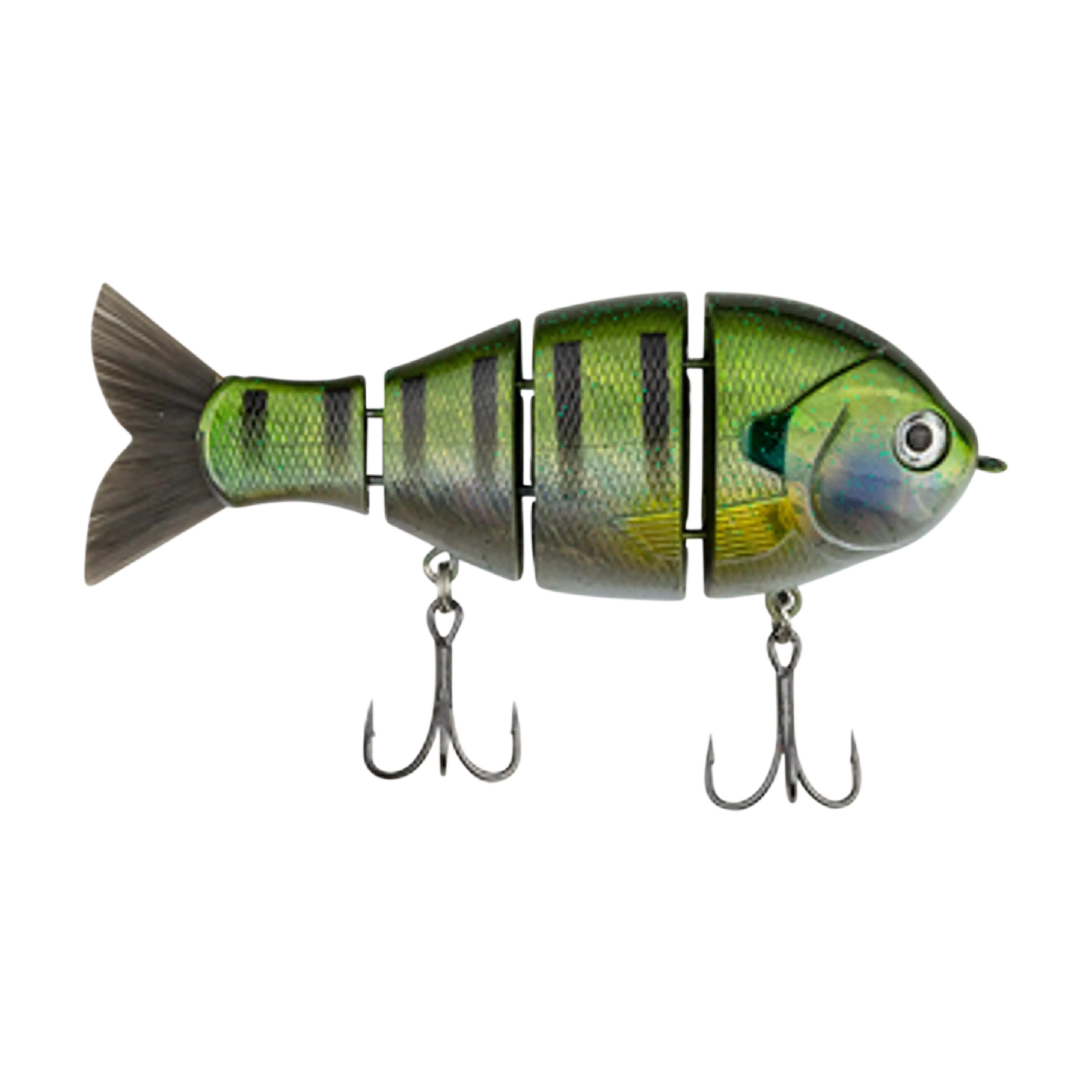
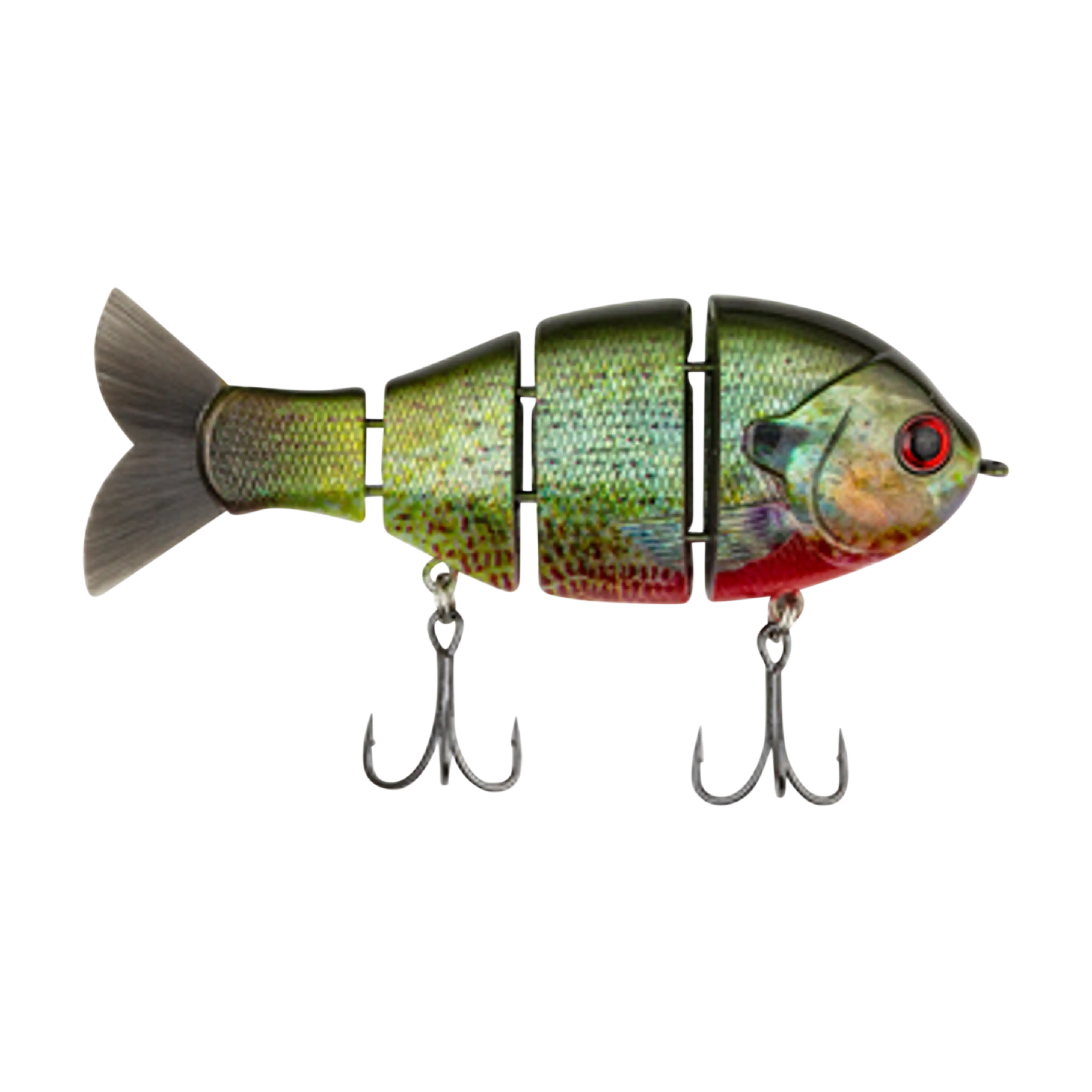
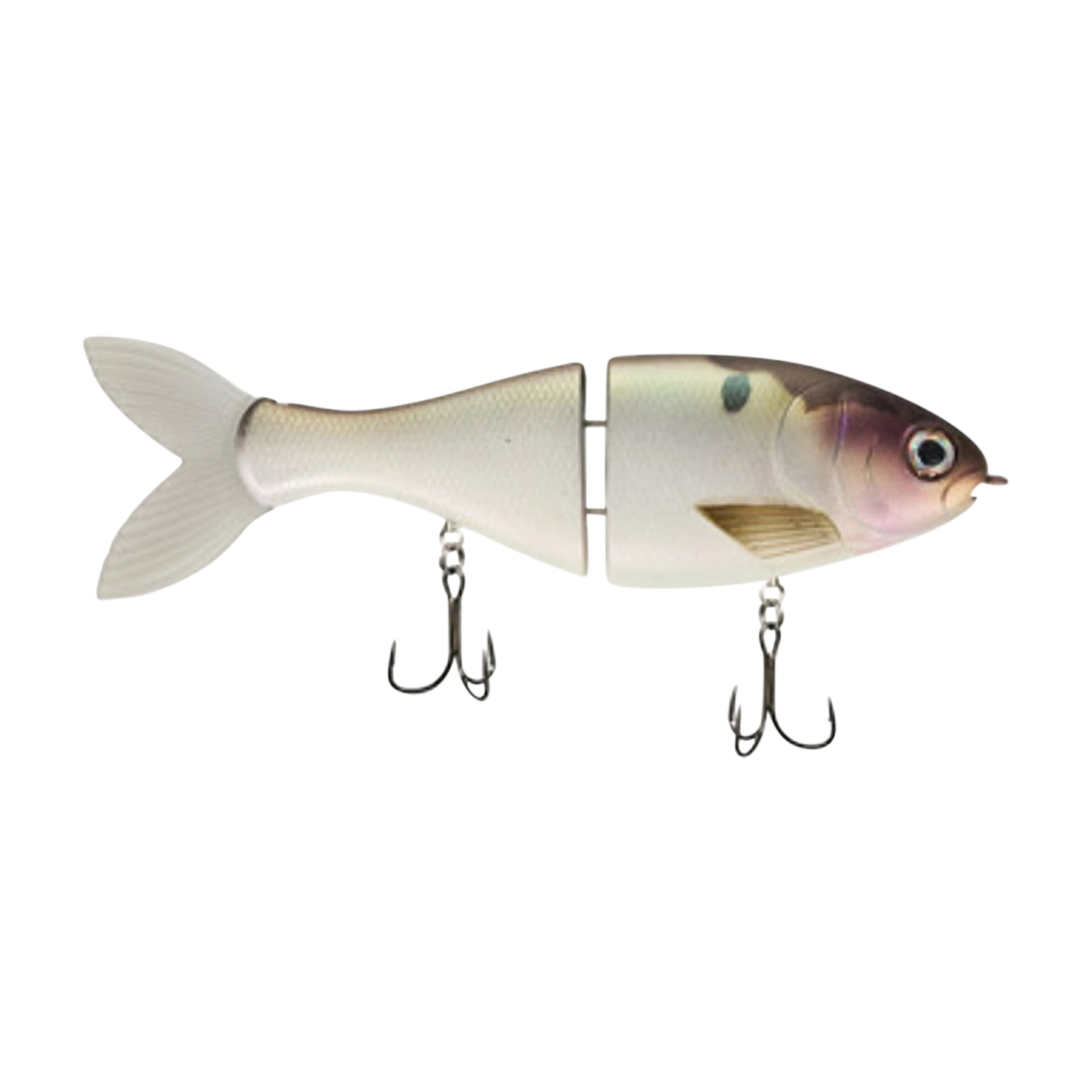
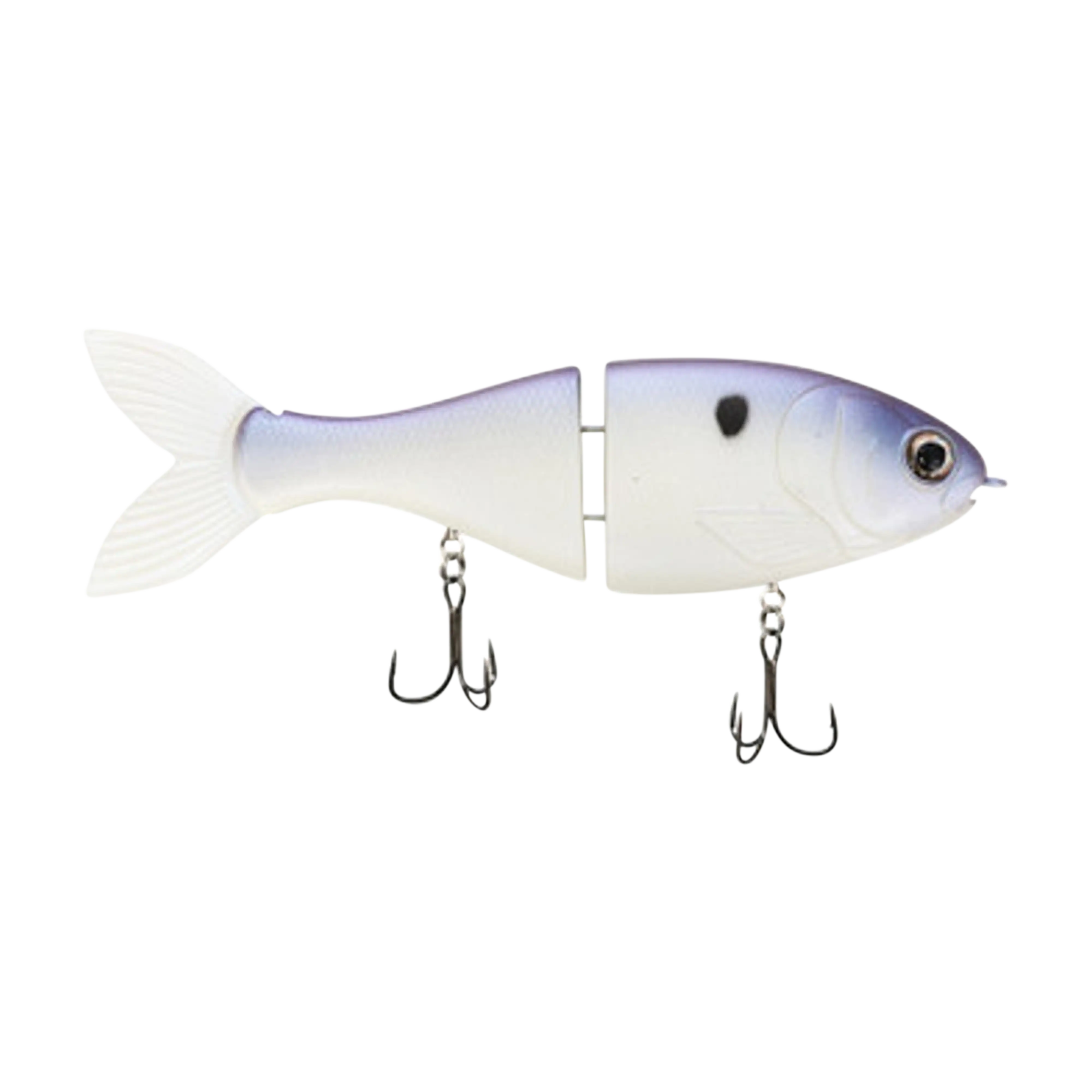

Soft Body Swimbaits
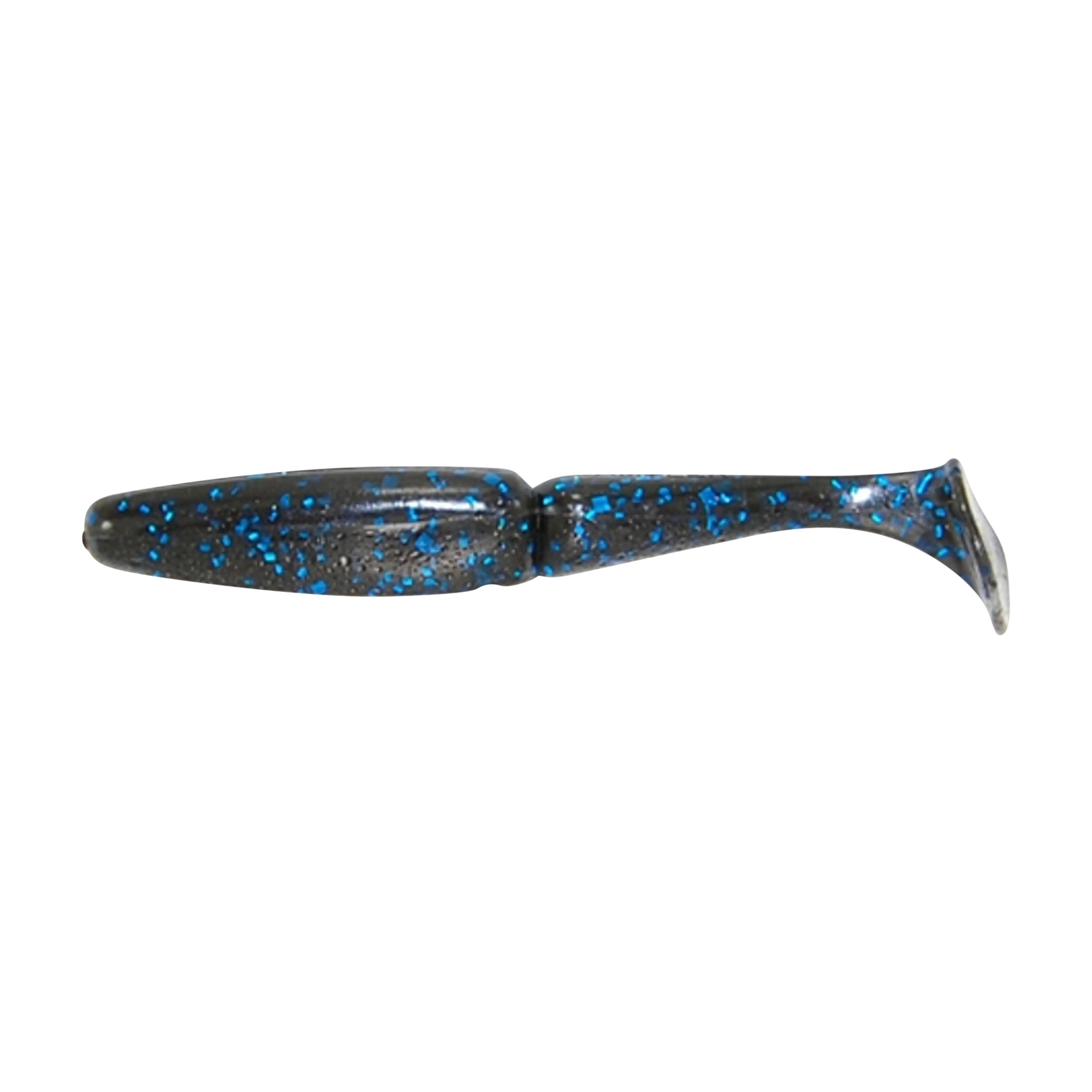
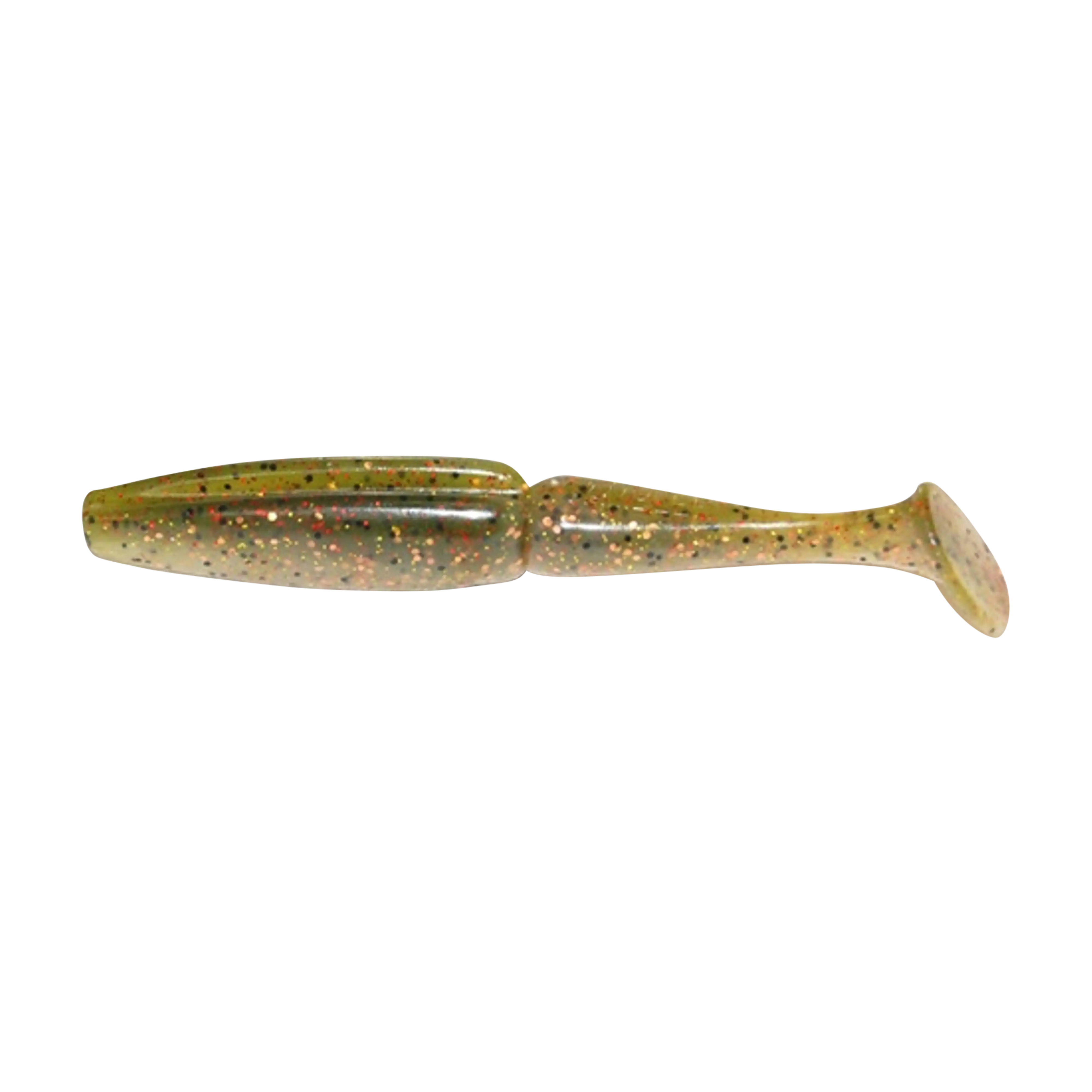
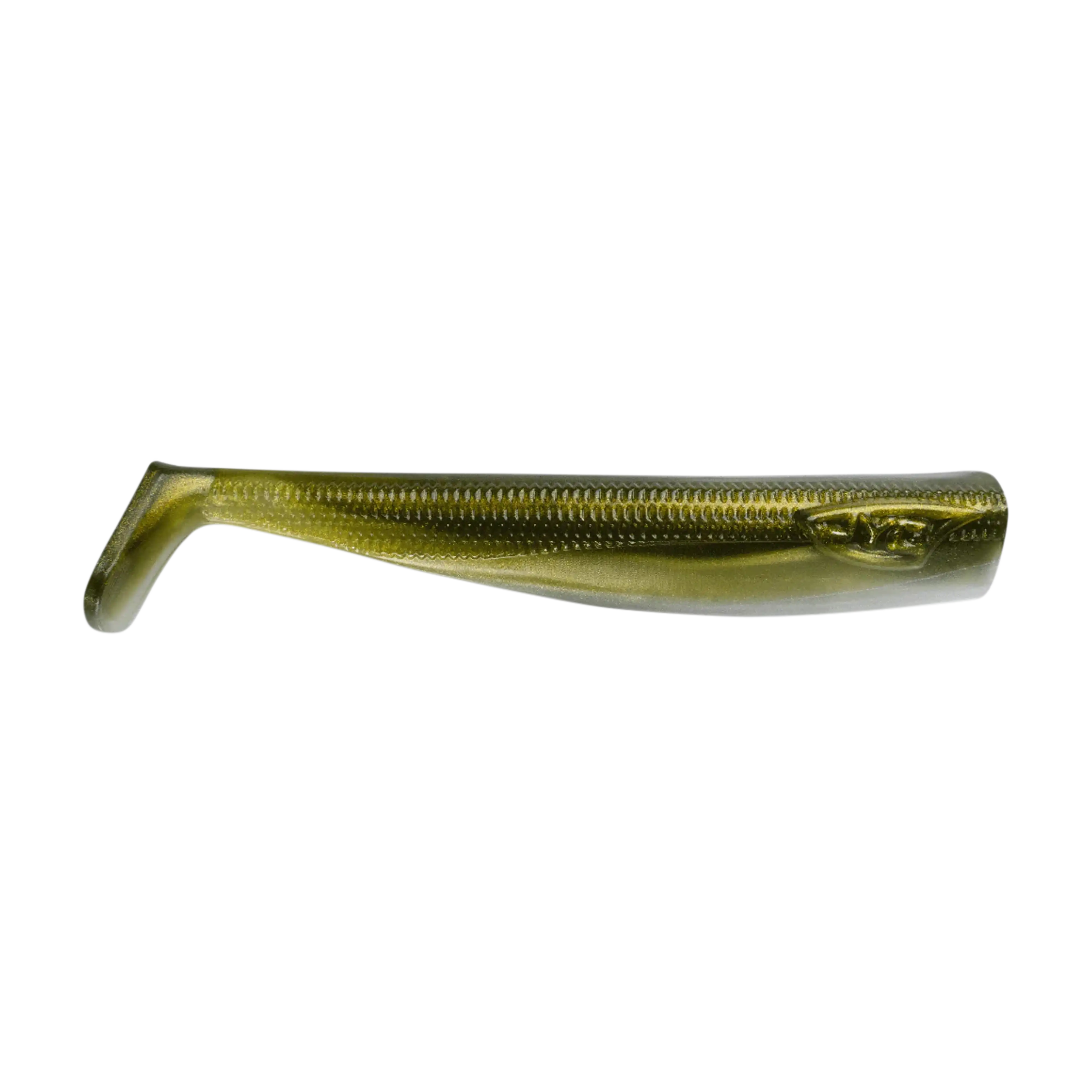
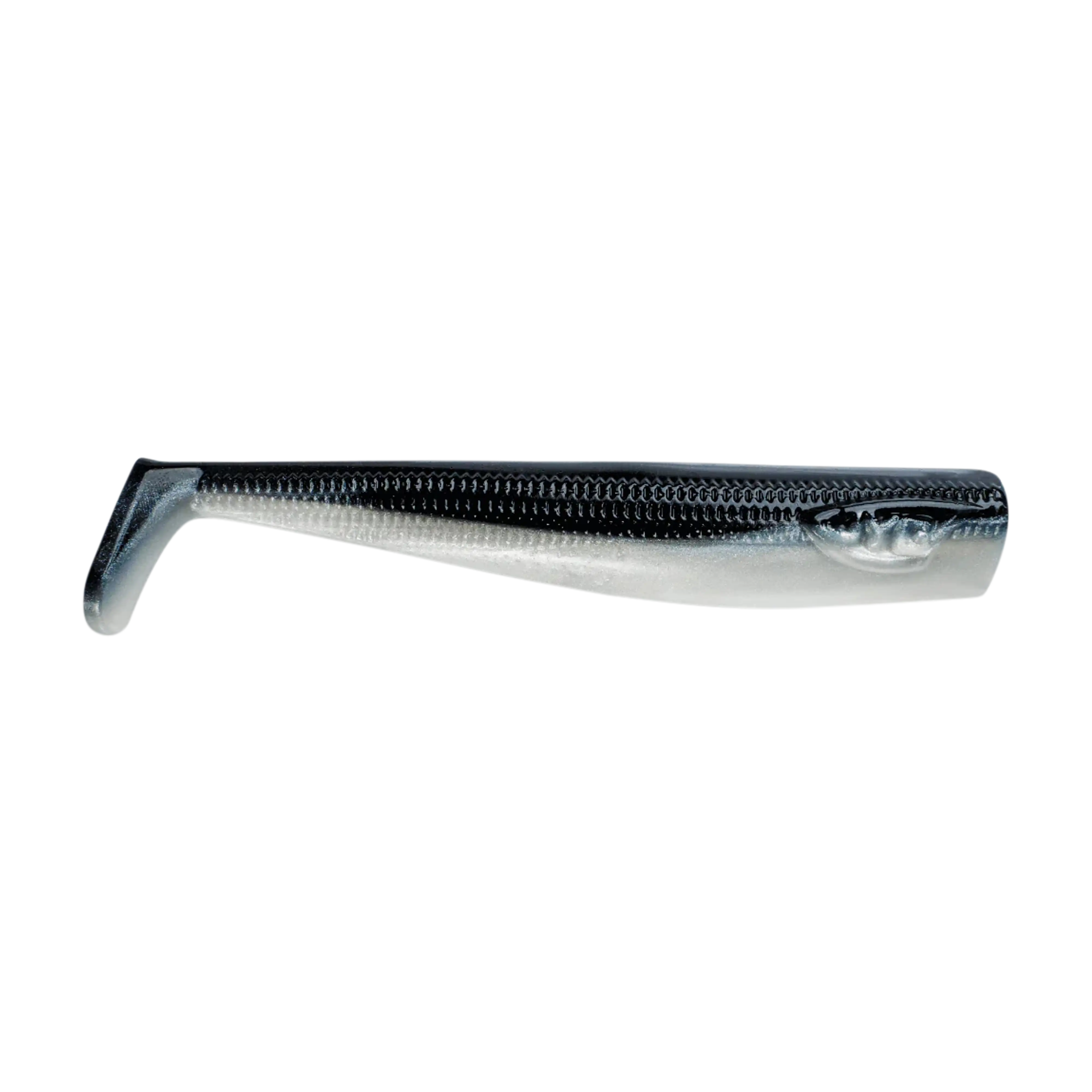
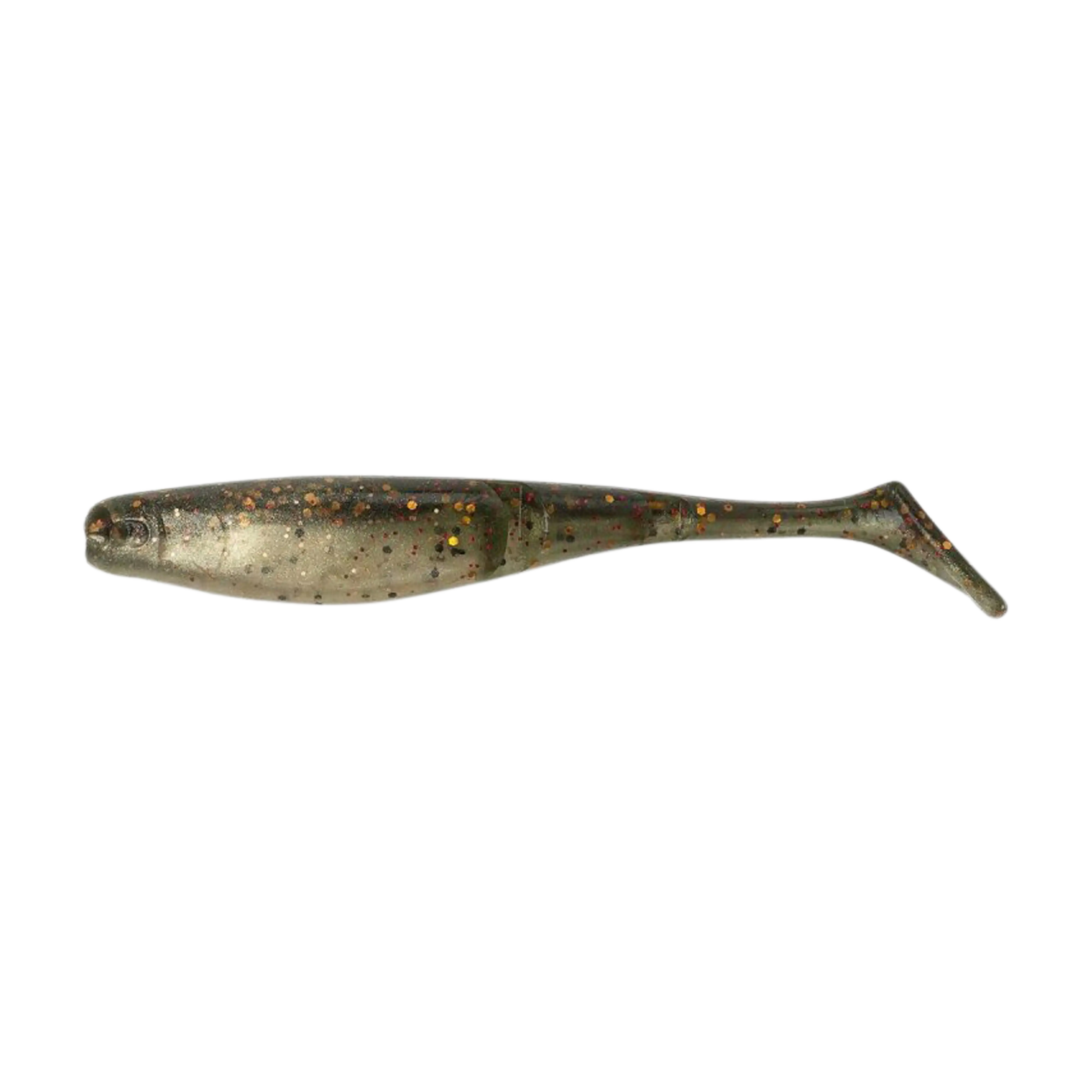
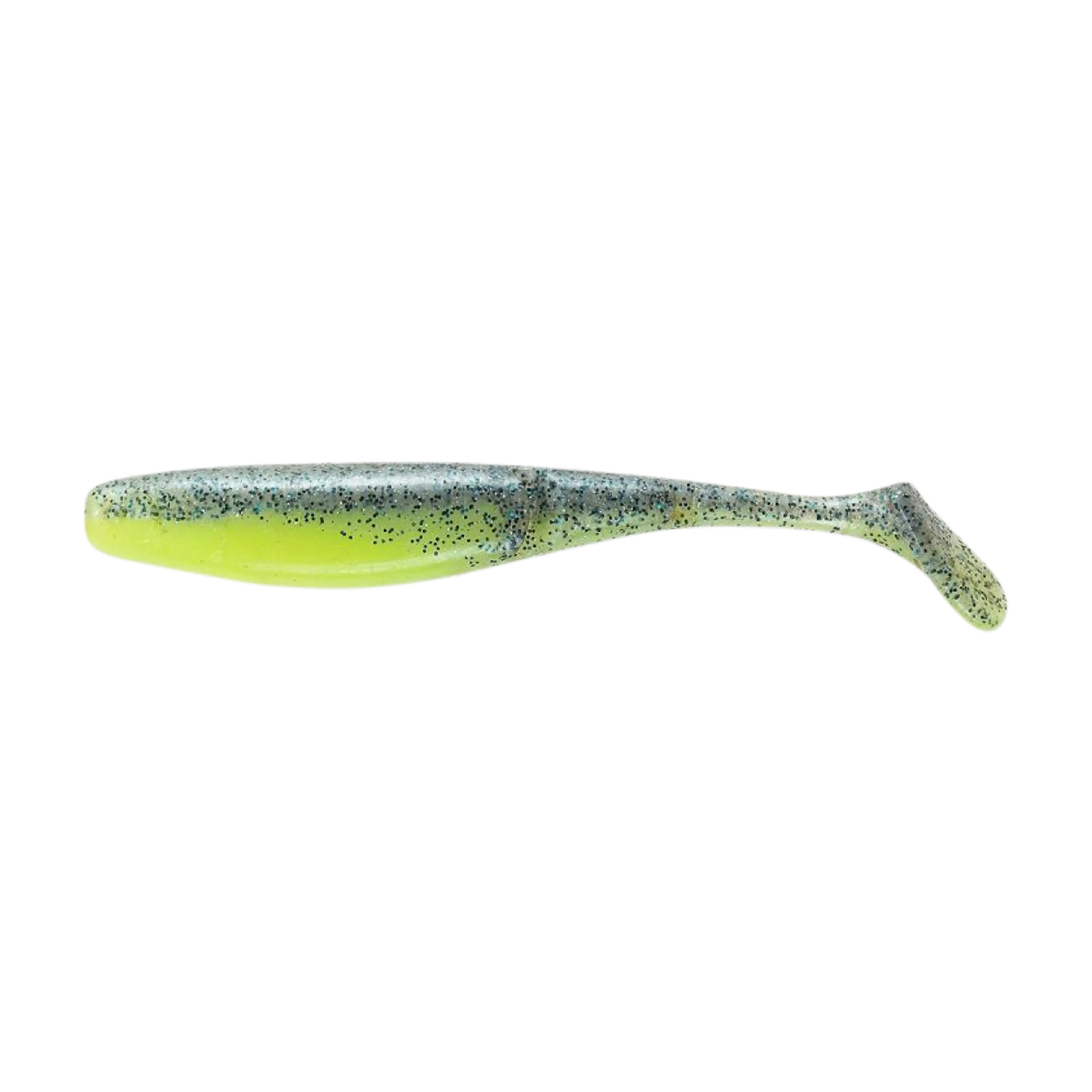
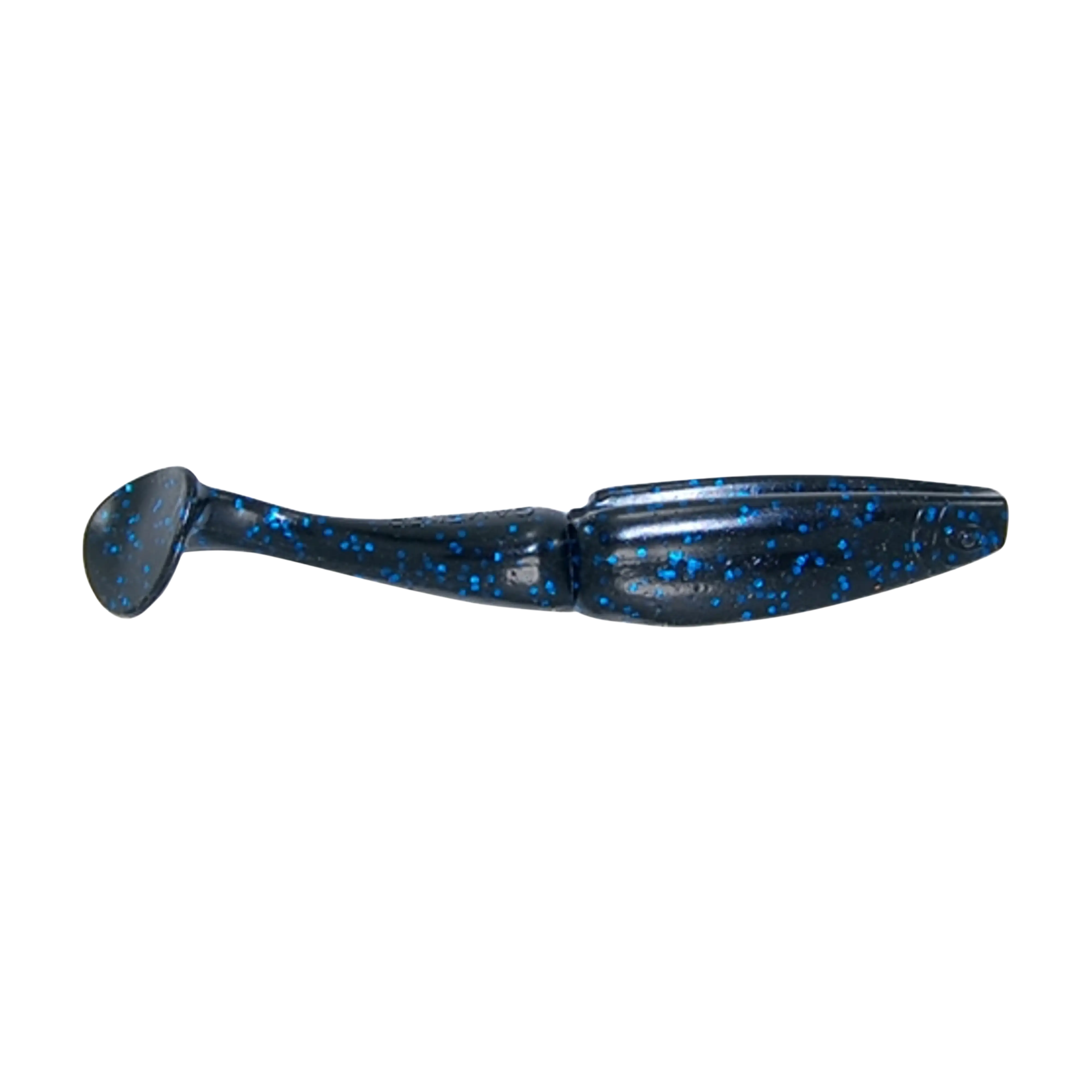
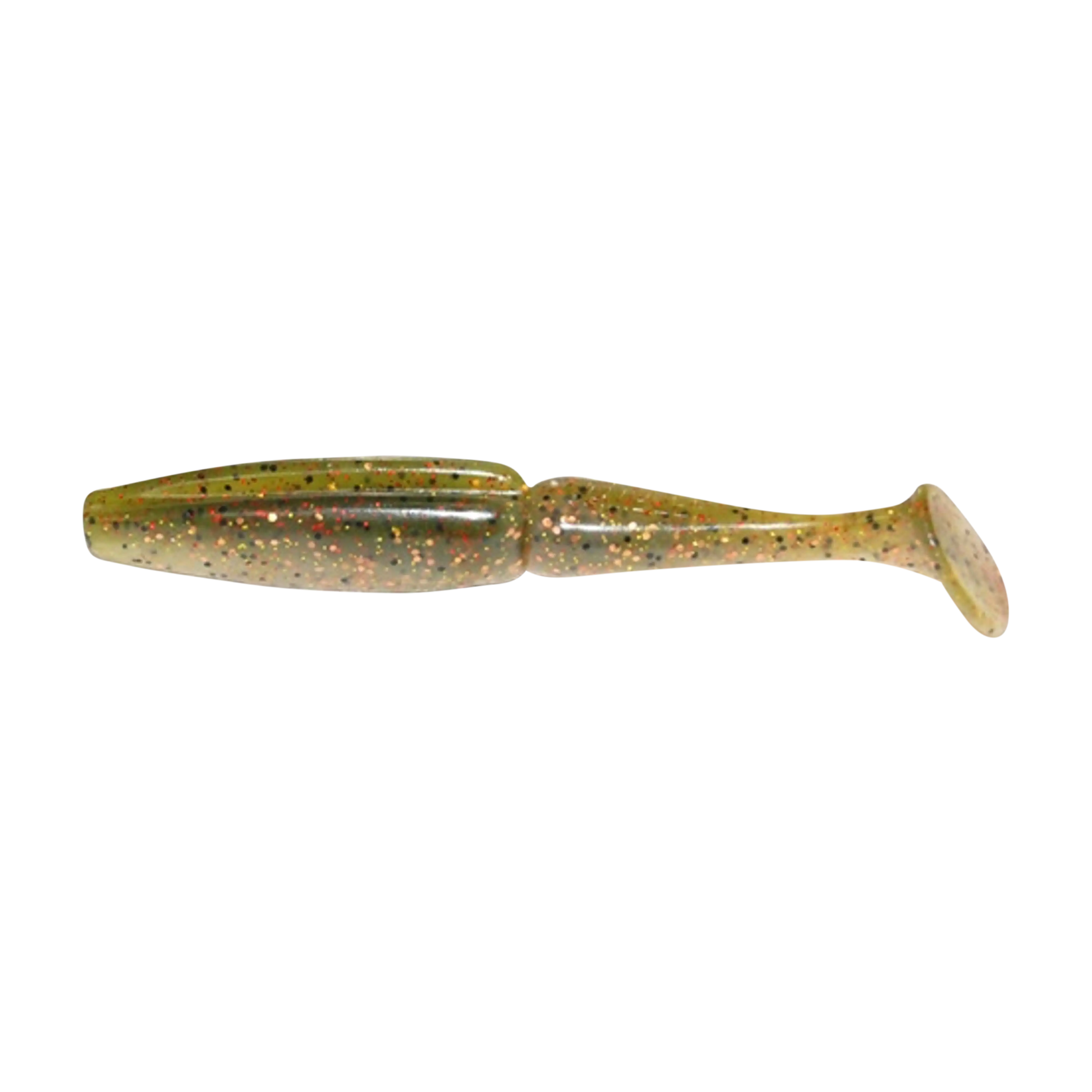
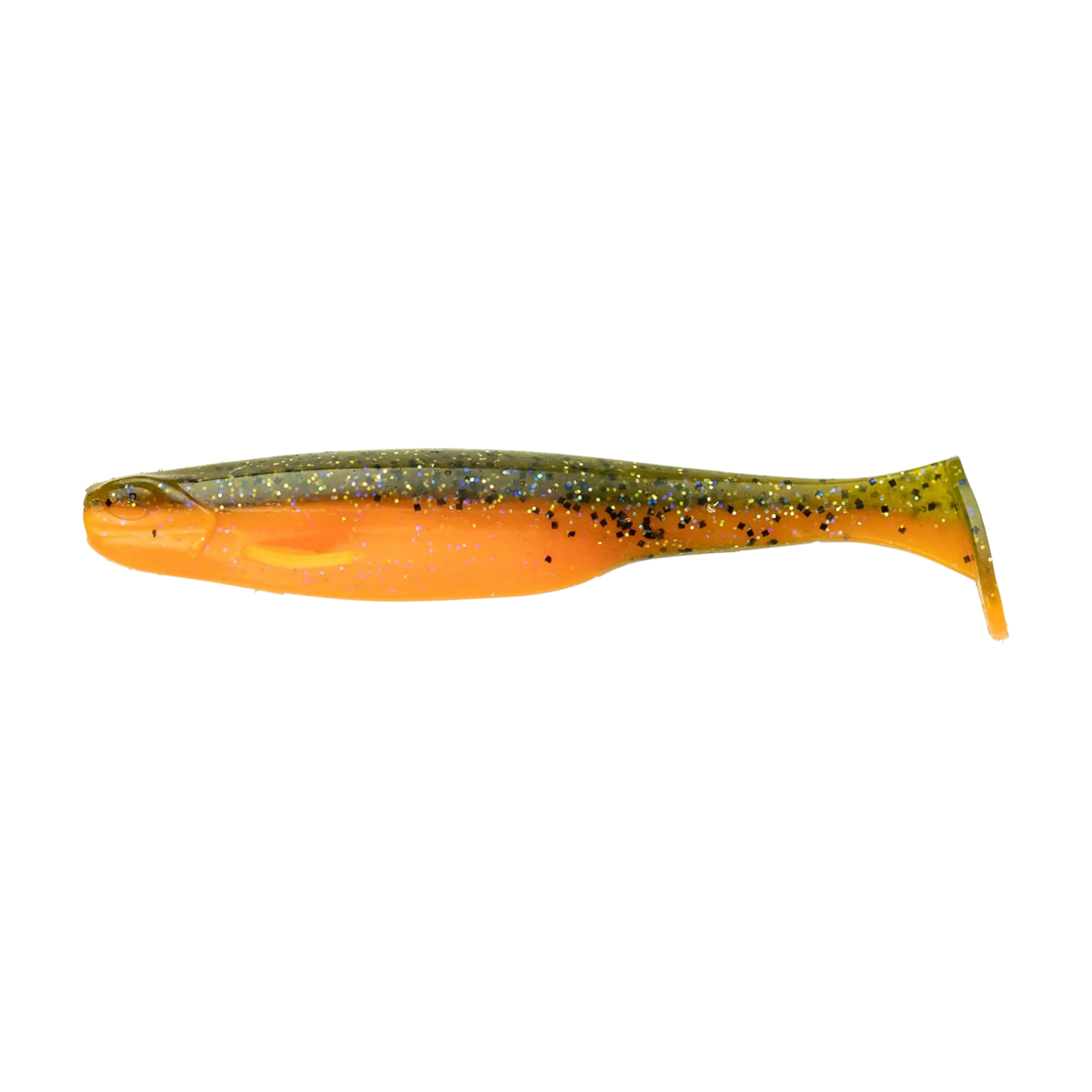
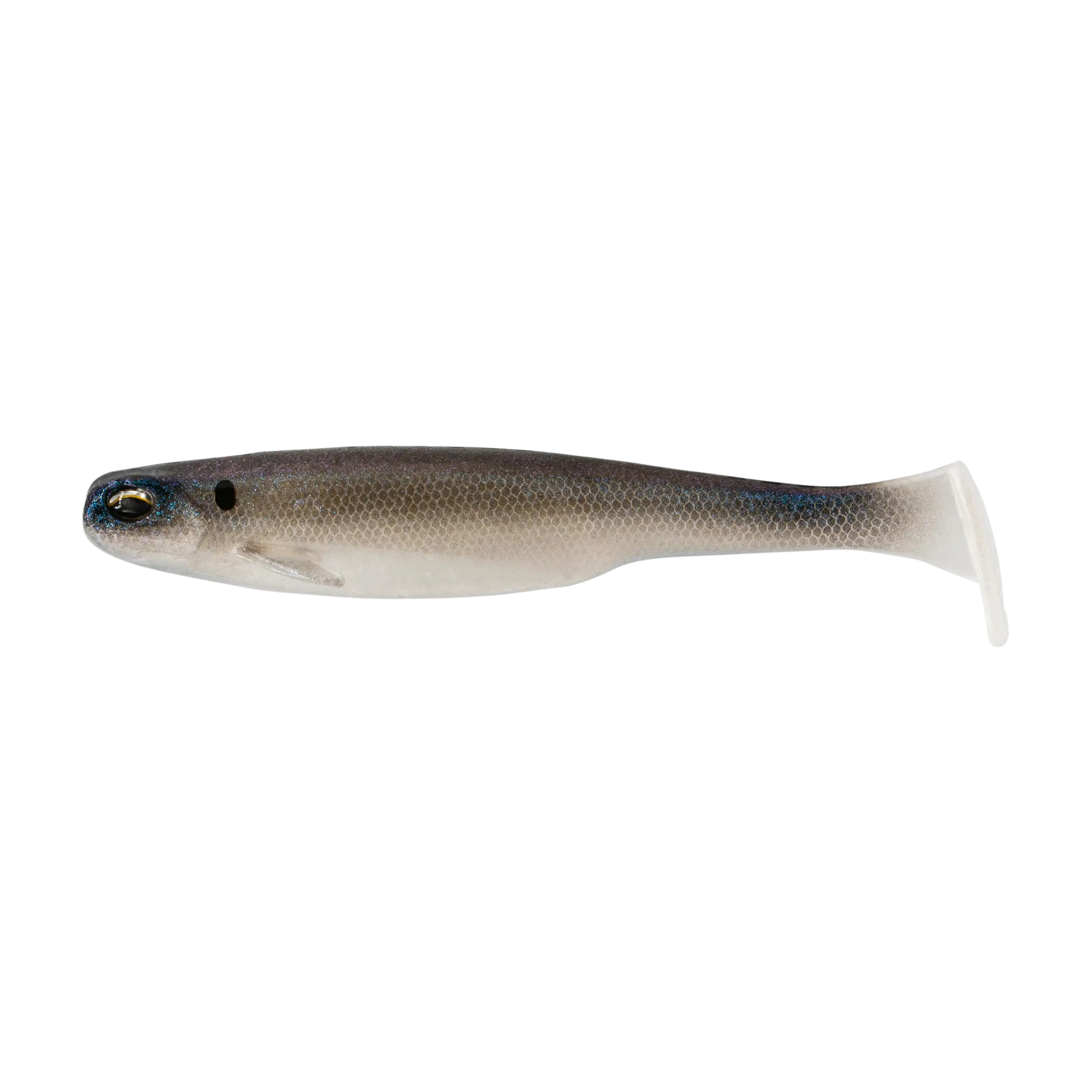
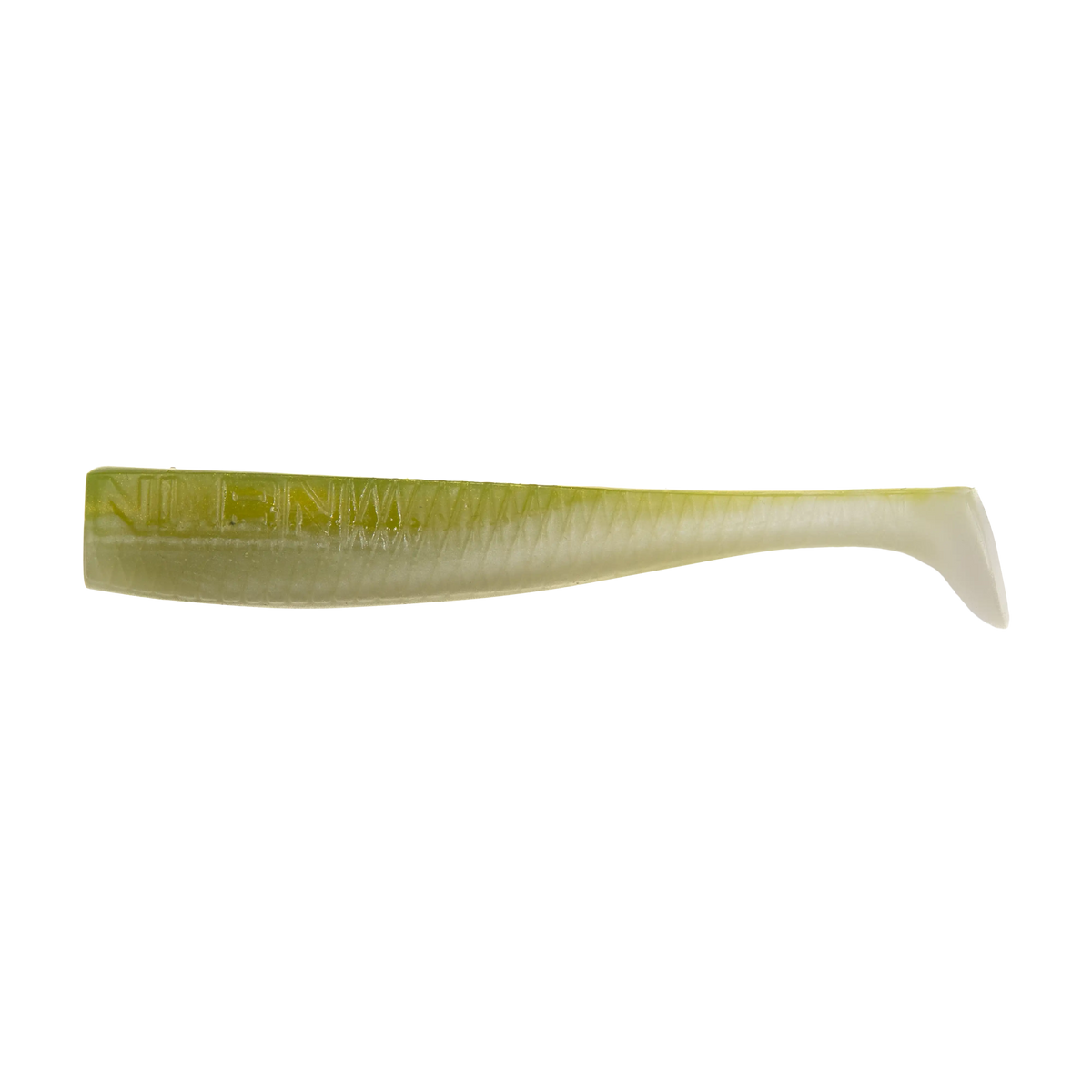
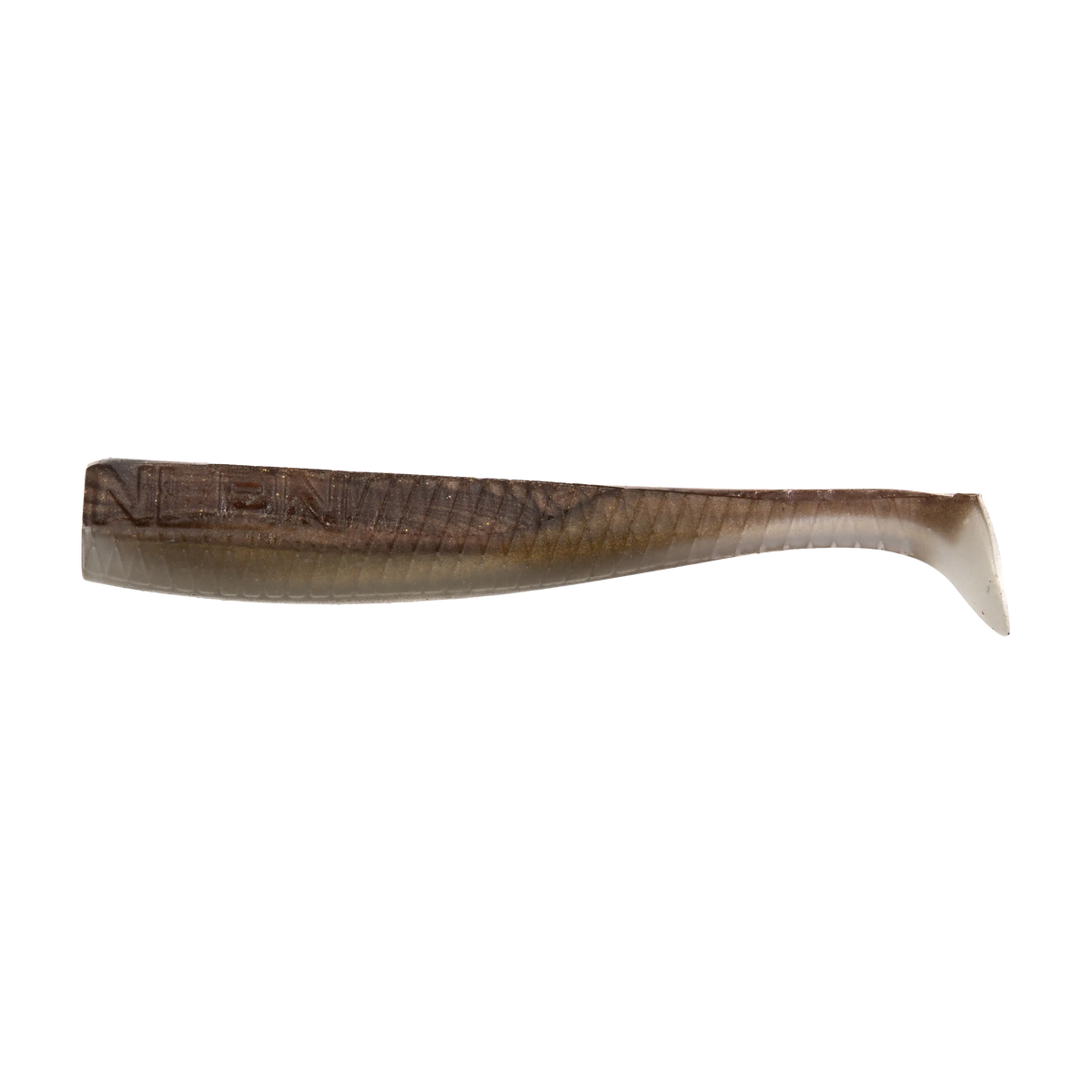
Soft body swimbaits are built from flexible plastic or elastomer materials and are designed to be rigged on either a single hook, weighted swimbait hook, or jighead. Instead of relying on joints or hard frames, their action comes from body flex, paddle tails, and water displacement through the tail kick. This makes them a more versatile option that can be fished at multiple depths and speeds while still maintaining a natural baitfish profile.
Size & Action
Mid to large size soft swimbaits typically range from 4” to 8”+, and are built to imitate full-size baitfish with enough bulk to create a strong visual and water-moving presence. In this range, body shape, tail design, and thickness play a bigger role than length alone, with wider profiles pushing more water and increasing drawing power.
Action is driven by tail design and retrieve speed. Paddle tails deliver a steady kicking motion that stays consistent across slow to moderate retrieves, while slimmer or more tapered tails produce a smoother, more natural swimming action. Rigging with a weighted swimbait hook or jighead also affects performance by controlling depth, stabilizing the bait, and shaping how naturally it tracks through the water column.
Color & Style
Color selection in soft swimbaits is closely tied to visibility, water clarity, and depth. Natural tones like shad, white, and pearl are commonly used in clear water to match forage, while darker colors such as greens and blacks create stronger silhouettes in stained or low-light conditions.
Slight translucency and internal flash are often used to mimic baitfish scales and light penetration underwater. In pressured fisheries, subtle, low-contrast colors tend to perform better, while higher contrast patterns can help increase visibility when fish are keying in on movement rather than detail.
When to Use Soft Swimbaits
Soft swimbaits are most effective when fish are feeding on baitfish but are less committed to larger, high-profile presentations. They excel in a wide range of conditions because they can be fished slow and natural or faster to cover water. These baits are commonly used for suspended fish, schooling fish, or situations where covering multiple depths quickly is more important than precision targeting. They are also a strong option in pressured waters where a subtle, lifelike presentation outperforms more aggressive hard-body profiles.
Soft Body Swimbaits by Application
Open Water & Deep Water
In open water and deeper zones, choose mid to large soft swimbaits (4”–8”+) with strong paddle tail action and a profile that closely matches local baitfish size. A weighted swimbait hook or light jighead is typically used to maintain depth and keep the bait tracking cleanly through the water column. Natural baitfish colors like shad, white, and translucent finishes are the most consistent choice for matching open-water forage.
Around Cover
When fishing structure, select mid-size soft swimbaits (4”–6”) that balance visibility with control. Rigging a weedless swimbait hook is key for keeping the bait moving through grass, timber, and rock without snagging. Slightly bulkier body styles improve visibility in broken light, while darker or higher-contrast colors help the bait stand out in shaded or stained water.
Reaction Fishing (Glide & Erratic Baits)
For reaction-style setups, choose mid to larger profile swimbaits with strong tail kick that can stay stable during faster retrieves and speed changes. A weighted hook or jighead helps maintain tracking and control when burning or pausing the bait. High-contrast or bold natural patterns improve visibility and help trigger reaction strikes from following fish.
Shallow & Surface
In shallow water, use mid-size soft swimbaits (4”–6”) rigged on lighter weights or unweighted hooks when conditions allow. This keeps the bait higher in the water column and allows for a more natural, subtle movement over shallow structure. Natural colors work well in clear water, while darker silhouettes improve visibility in low light or stained conditions.
Key Takeaways
- Mid to large soft swimbaits (4”–8”+) are the core range for most baitfish imitations
- Paddle tail design delivers the most consistent swimming action across a wide range of retrieve speeds
- Natural colors dominate in clear water, while darker or higher-contrast patterns improve visibility in stained or low light conditions
Soft Body Swimbaits
Soft body swimbaits are built from flexible plastic or elastomer materials and are designed to be rigged on either a single hook, weighted swimbait hook, or jighead. Instead of relying on joints or hard frames, their action comes from body flex, paddle tails, and water displacement through the tail kick. This makes them a more versatile option that can be fished at multiple depths and speeds while still maintaining a natural baitfish profile.
Size & Action
Mid to large size soft swimbaits typically range from 4” to 8”+, and are built to imitate full-size baitfish with enough bulk to create a strong visual and water-moving presence. In this range, body shape, tail design, and thickness play a bigger role than length alone, with wider profiles pushing more water and increasing drawing power.
Action is driven by tail design and retrieve speed. Paddle tails deliver a steady kicking motion that stays consistent across slow to moderate retrieves, while slimmer or more tapered tails produce a smoother, more natural swimming action. Rigging with a weighted swimbait hook or jighead also affects performance by controlling depth, stabilizing the bait, and shaping how naturally it tracks through the water column.
Color & Style
Color selection in soft swimbaits is closely tied to visibility, water clarity, and depth. Natural tones like shad, white, and pearl are commonly used in clear water to match forage, while darker colors such as greens and blacks create stronger silhouettes in stained or low-light conditions.
Slight translucency and internal flash are often used to mimic baitfish scales and light penetration underwater. In pressured fisheries, subtle, low-contrast colors tend to perform better, while higher contrast patterns can help increase visibility when fish are keying in on movement rather than detail.
When to Use Soft Swimbaits
Soft swimbaits are most effective when fish are feeding on baitfish but are less committed to larger, high-profile presentations. They excel in a wide range of conditions because they can be fished slow and natural or faster to cover water. These baits are commonly used for suspended fish, schooling fish, or situations where covering multiple depths quickly is more important than precision targeting. They are also a strong option in pressured waters where a subtle, lifelike presentation outperforms more aggressive hard-body profiles.
Soft Body Swimbaits by Application
Open Water & Deep Water
In open water and deeper zones, choose mid to large soft swimbaits (4”–8”+) with strong paddle tail action and a profile that closely matches local baitfish size. A weighted swimbait hook or light jighead is typically used to maintain depth and keep the bait tracking cleanly through the water column. Natural baitfish colors like shad, white, and translucent finishes are the most consistent choice for matching open-water forage.
Around Cover
When fishing structure, select mid-size soft swimbaits (4”–6”) that balance visibility with control. Rigging a weedless swimbait hook is key for keeping the bait moving through grass, timber, and rock without snagging. Slightly bulkier body styles improve visibility in broken light, while darker or higher-contrast colors help the bait stand out in shaded or stained water.
Reaction Fishing (Glide & Erratic Baits)
For reaction-style setups, choose mid to larger profile swimbaits with strong tail kick that can stay stable during faster retrieves and speed changes. A weighted hook or jighead helps maintain tracking and control when burning or pausing the bait. High-contrast or bold natural patterns improve visibility and help trigger reaction strikes from following fish.
Shallow & Surface
In shallow water, use mid-size soft swimbaits (4”–6”) rigged on lighter weights or unweighted hooks when conditions allow. This keeps the bait higher in the water column and allows for a more natural, subtle movement over shallow structure. Natural colors work well in clear water, while darker silhouettes improve visibility in low light or stained conditions.
Key Takeaways
- Mid to large soft swimbaits (4”–8”+) are the core range for most baitfish imitations
- Paddle tail design delivers the most consistent swimming action across a wide range of retrieve speeds
- Natural colors dominate in clear water, while darker or higher-contrast patterns improve visibility in stained or low light conditions
Soft Body Swimbaits (Mid-Large)
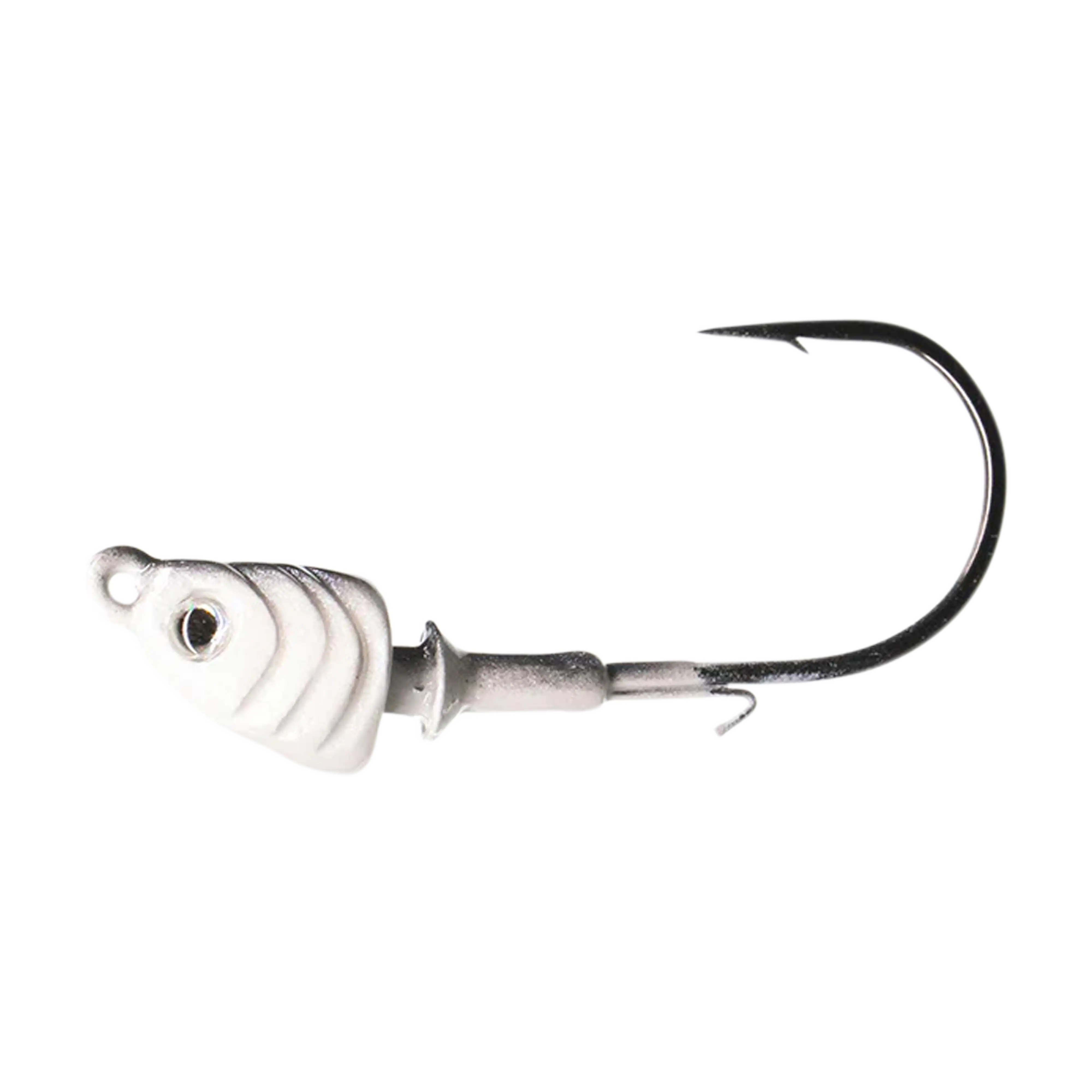
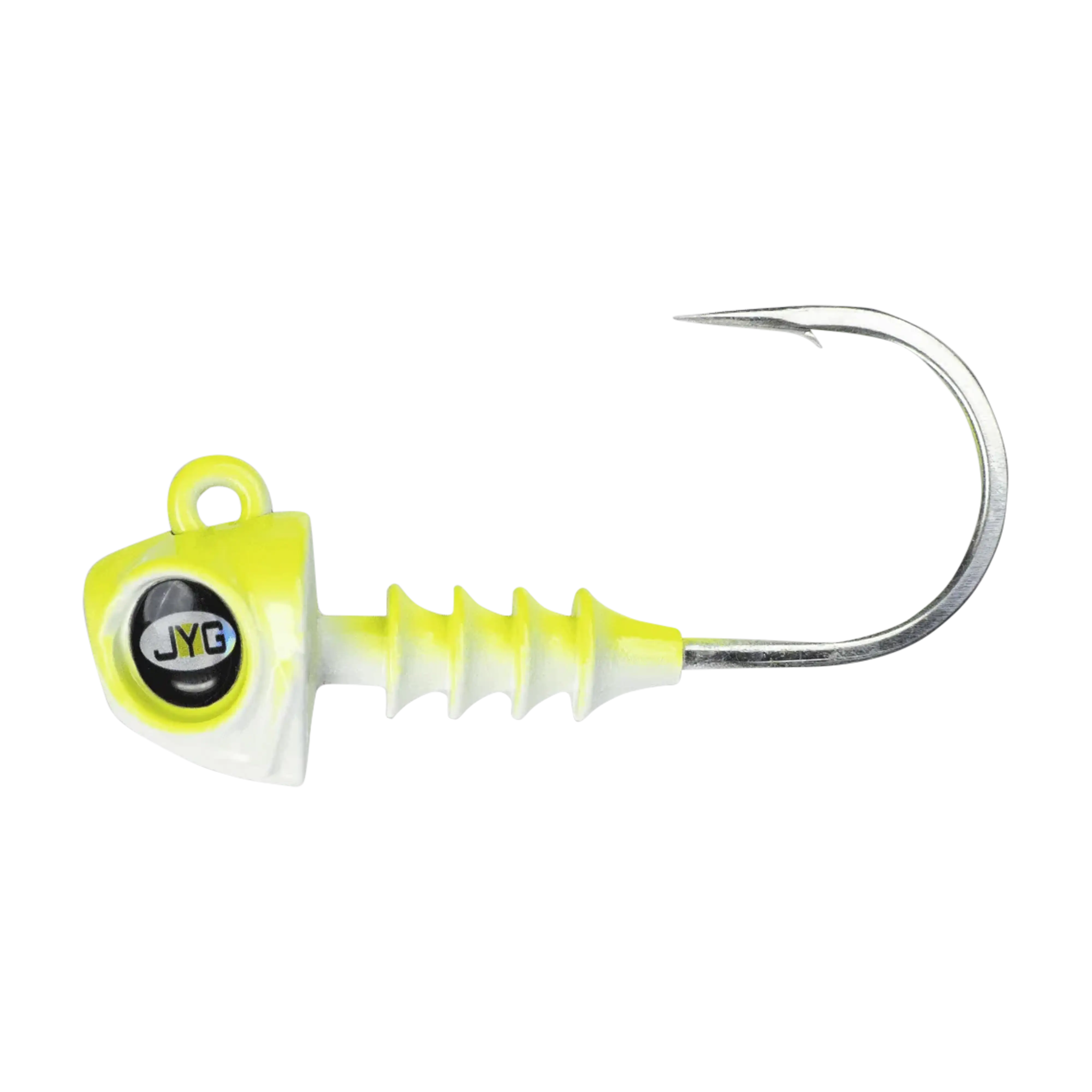
Swimbait Jigheads & Hooks
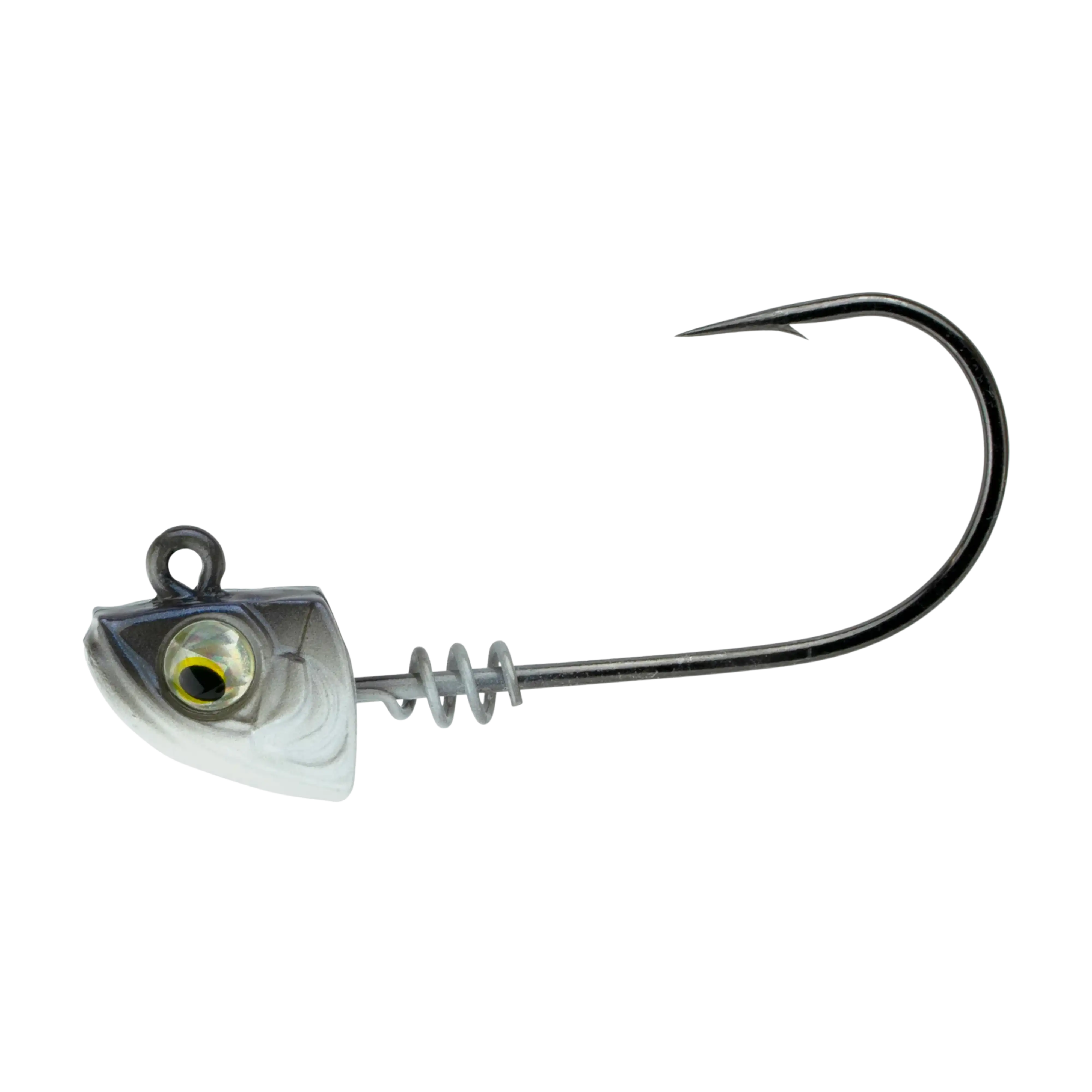
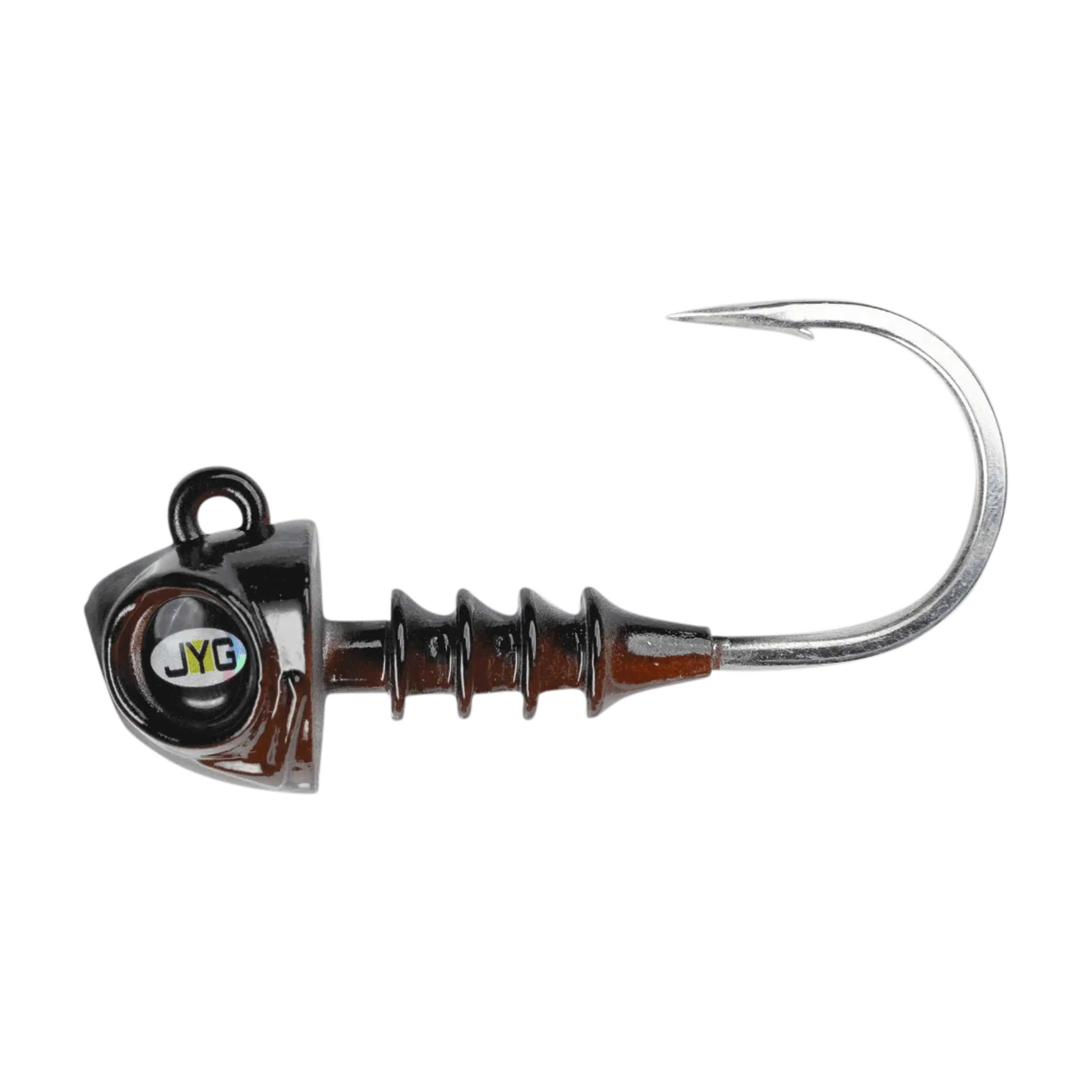
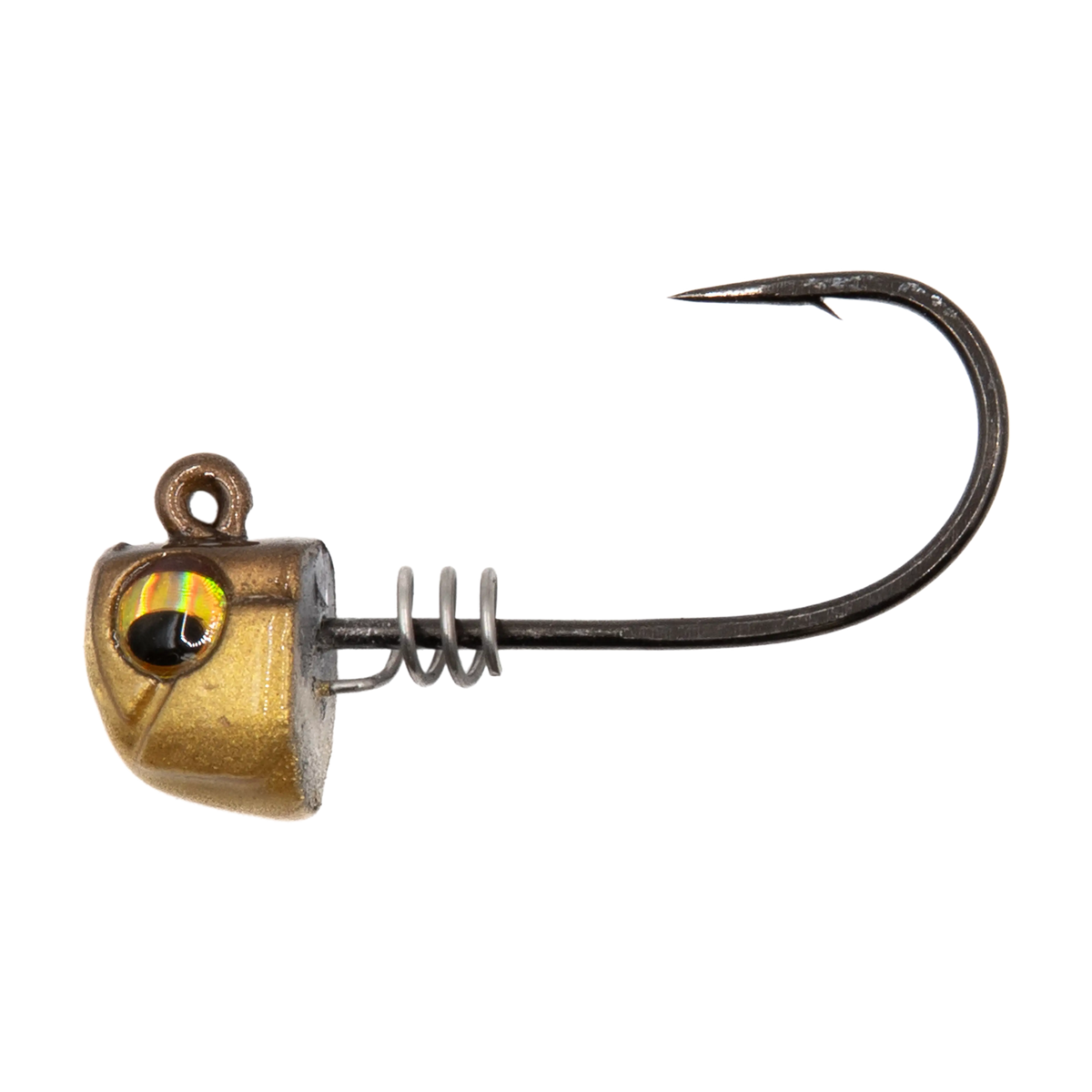
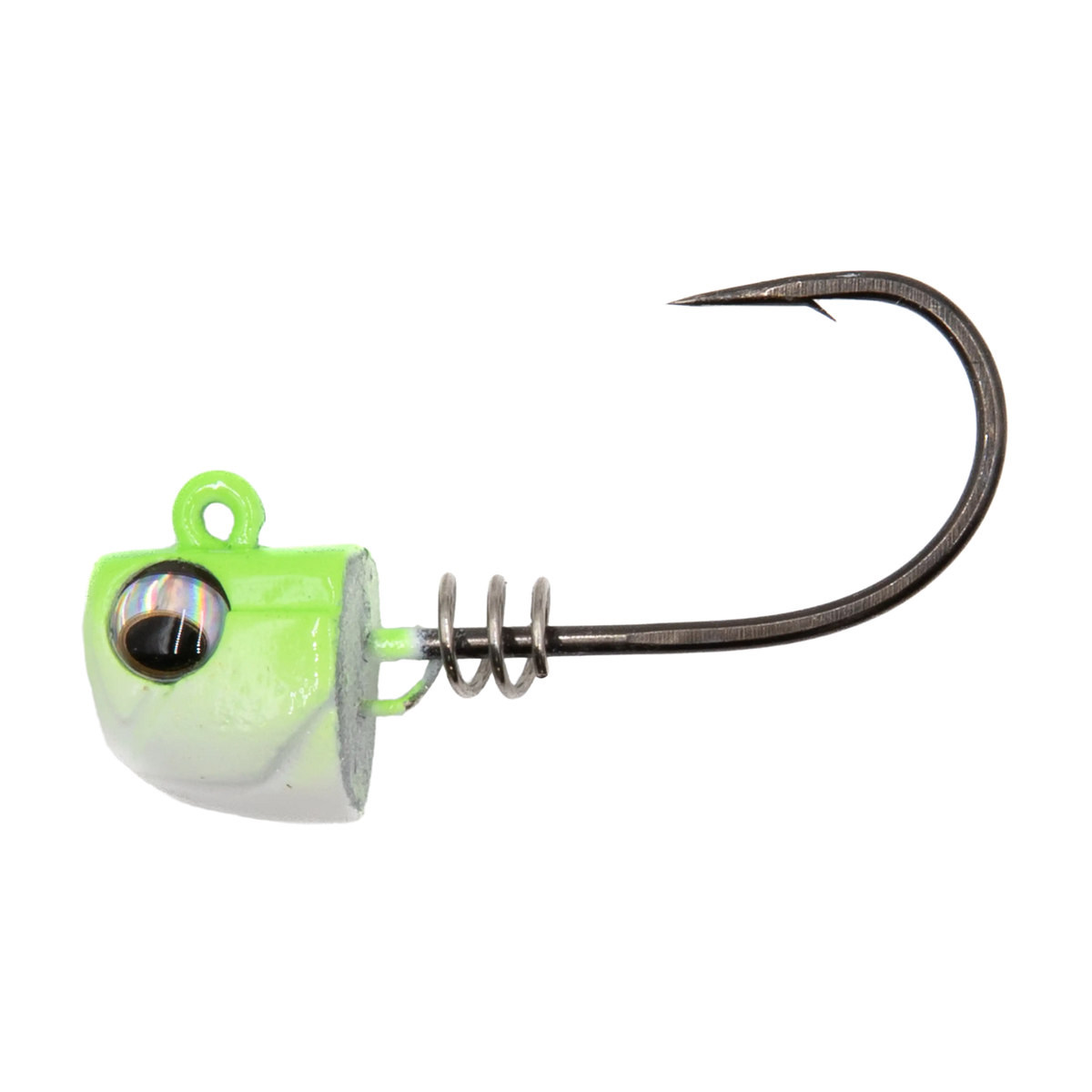
Swimbait jigheads and hooks control how a soft swimbait performs in the water, including its balance, depth, swimming angle, and hooking efficiency. The right terminal setup keeps the bait tracking naturally while ensuring solid hook exposure on the strike. Because soft swimbaits rely heavily on body movement, small changes in hook style or weight can significantly change how the bait behaves.
Jig Heads
Swimbait jigheads should be selected based on bait size, desired depth, and retrieve style. Lighter jigheads keep the bait higher in the water column and allow a slower, more natural fall, while heavier jigheads increase sink rate and help maintain control in deeper water or stronger current.
Weight ranges typically include:
- 1/8 oz–1/4 oz for shallow water and slow, higher-column presentations
- 3/8 oz–1/2 oz for the most versatile mid-depth control and general use
- 5/8 oz–1 oz+ for deeper water, current, or faster sink requirements
Head shape also influences performance—rounded heads tend to produce a natural rolling swim, while more streamlined designs help the bait track straighter at faster speeds. Bait keeper design is another key factor, with secure keeper styles helping prevent soft plastics from sliding or tearing during repeated casts.
Color is a secondary but sometimes important factor. In clear or pressured water, natural finishes like black, green pumpkin, or baitfish tones help the jighead blend in. In stained water, higher-contrast colors (such as chartreuse or bright accents) can add subtle visibility or help the bait stand out when needed. In most cases, color should match water clarity rather than the bait itself.
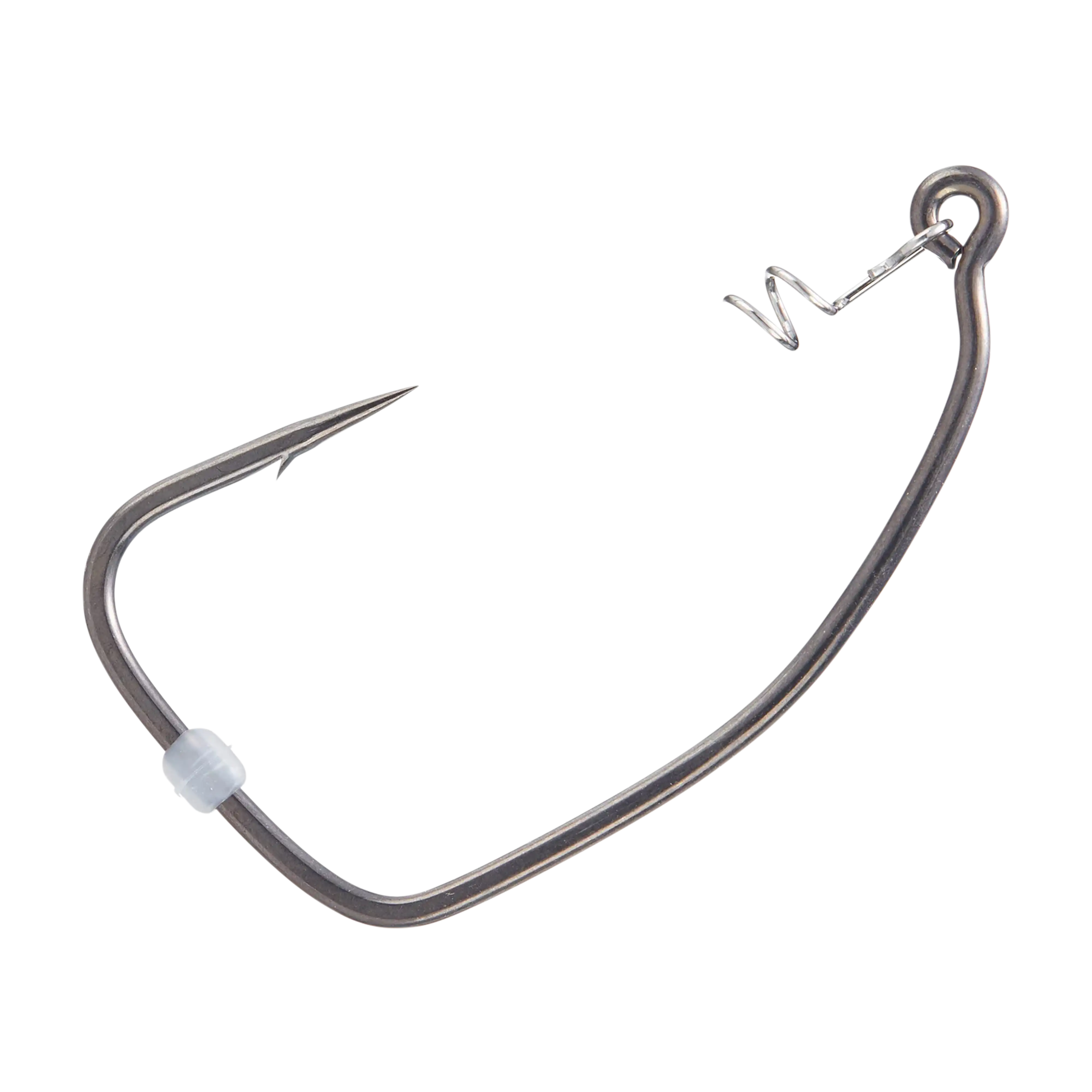
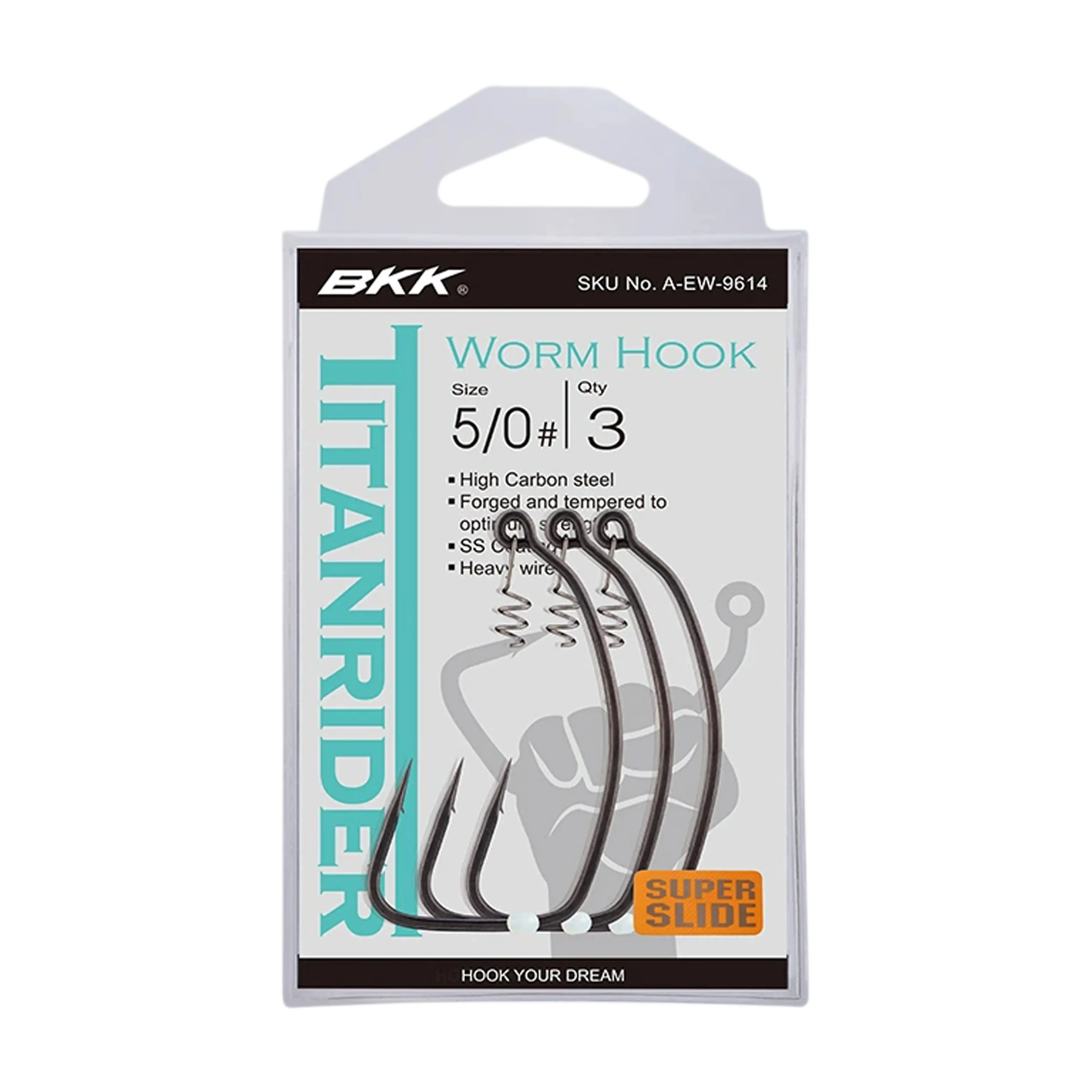
Hooks
Single swimbait hooks are the most common rigging option for soft swimbaits and should be chosen with a wide enough gap to clear the bait body on the hookset. Hook size needs to match both the length and thickness of the swimbait to ensure proper balance, clean swimming action, and consistent hook exposure.
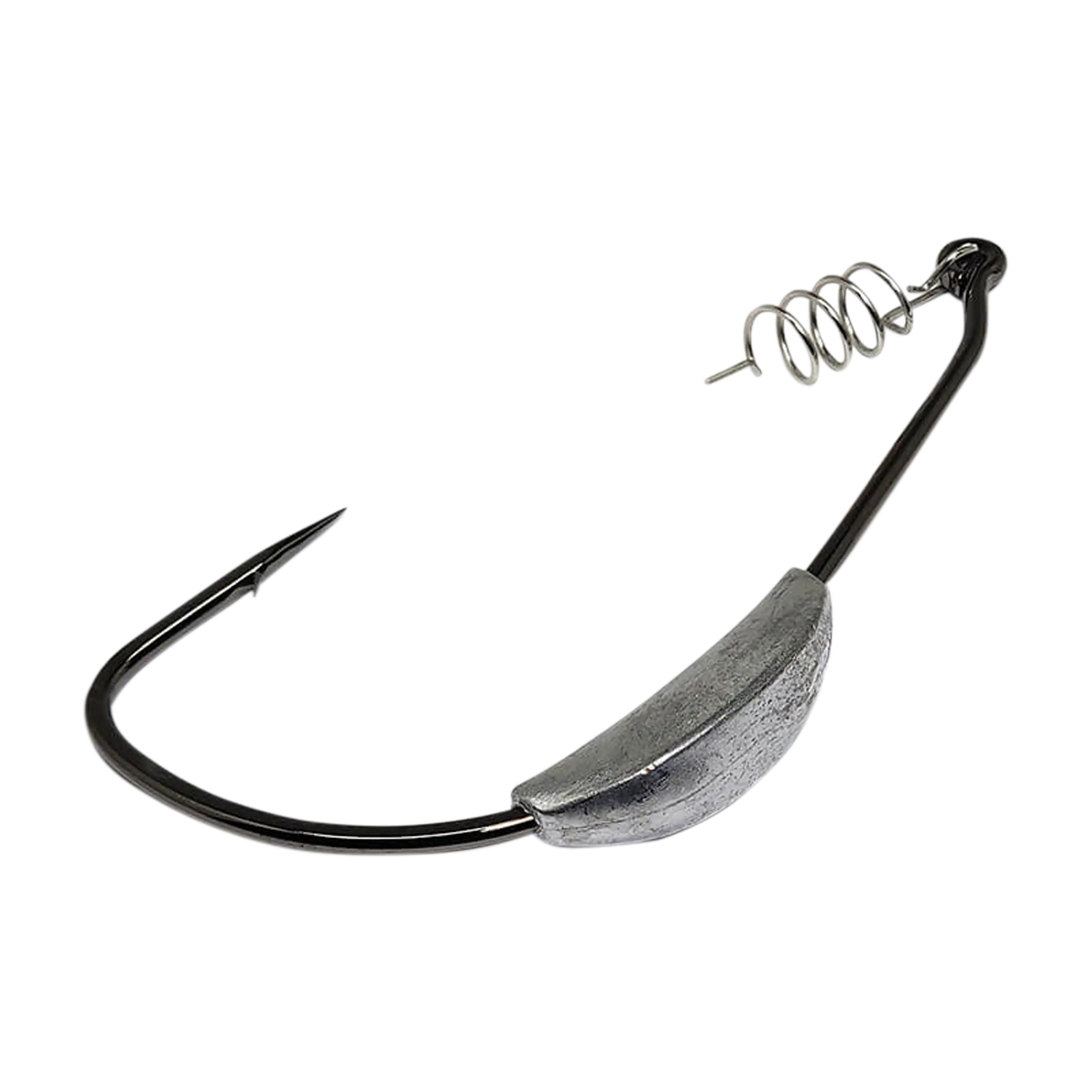
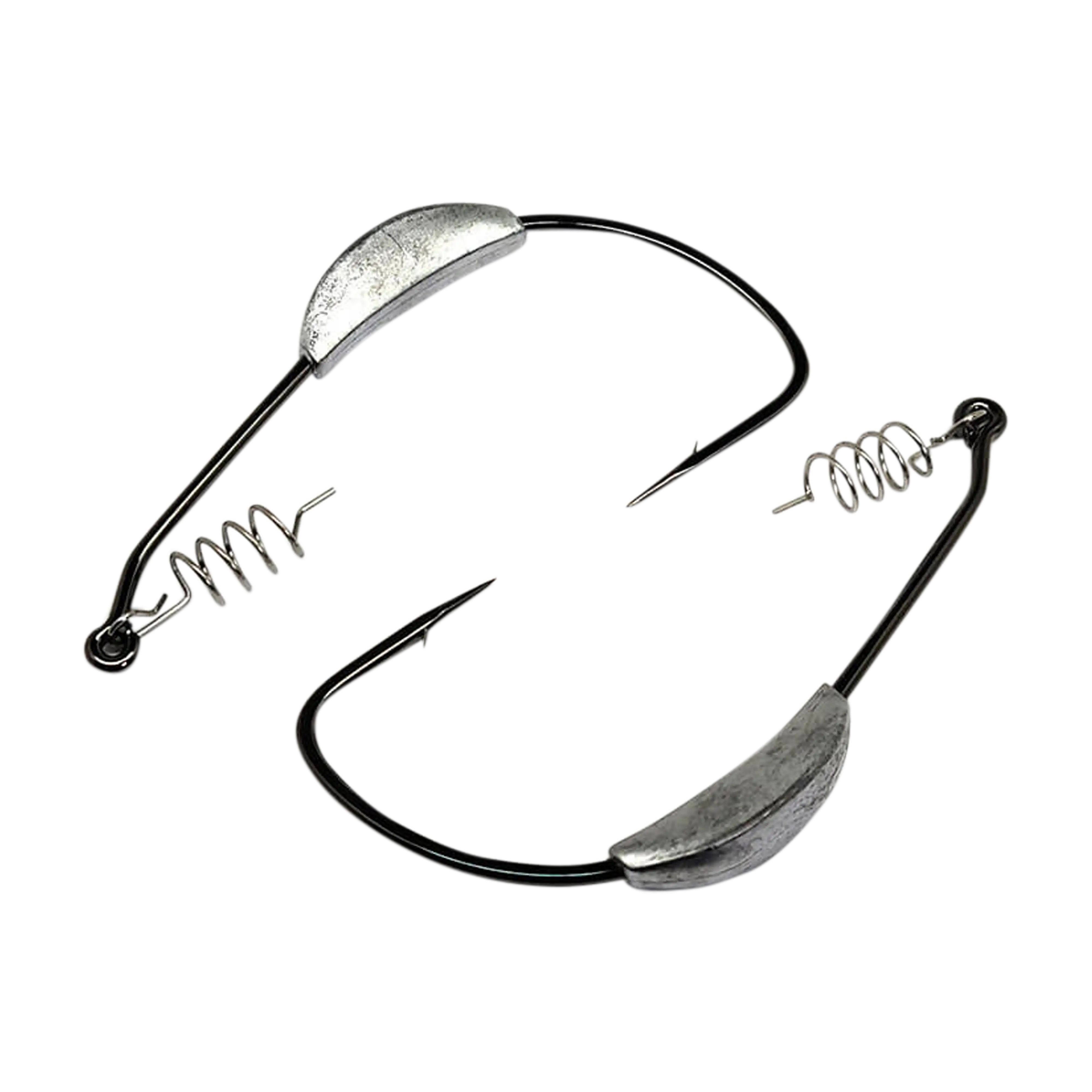
Weighted swimbait hooks add built-in ballast, allowing the bait to maintain depth, improve casting distance, and stabilize its swim without needing a jighead. These are especially useful when a more streamlined rig is preferred while still controlling sink rate.
Unweighted hooks allow for a slower, more natural fall and are often used when keeping the bait near the surface or in shallow zones. Regardless of style, heavy-gauge wire construction and sharp points are critical for driving hooks home and holding fish, especially when fishing around cover or targeting larger species.
Key Takeaways
- Match jighead weight and shape to bait size, depth, and retrieve speed
- Common weight ranges: 1/8–1/4 oz (shallow), 3/8–1/2 oz (all-purpose), 5/8–1 oz+ (deep/current)
- Head design and keeper style directly affect swim stability and bait durability
- Hook size and gap must allow full bait compression and clean hook exposure
- Weighted hooks control depth and balance without needing a jighead
- Strong, sharp terminal tackle is critical for solid hook-ups and fish retention
Swimbait Jigheads & Hooks
Swimbait jigheads and hooks control how a soft swimbait performs in the water, including its balance, depth, swimming angle, and hooking efficiency. The right terminal setup keeps the bait tracking naturally while ensuring solid hook exposure on the strike. Because soft swimbaits rely heavily on body movement, small changes in hook style or weight can significantly change how the bait behaves.
Jig Heads
Swimbait jigheads should be selected based on bait size, desired depth, and retrieve style. Lighter jigheads keep the bait higher in the water column and allow a slower, more natural fall, while heavier jigheads increase sink rate and help maintain control in deeper water or stronger current.
Weight ranges typically include:
- 1/8 oz–1/4 oz for shallow water and slow, higher-column presentations
- 3/8 oz–1/2 oz for the most versatile mid-depth control and general use
- 5/8 oz–1 oz+ for deeper water, current, or faster sink requirements
Head shape also influences performance—rounded heads tend to produce a natural rolling swim, while more streamlined designs help the bait track straighter at faster speeds. Bait keeper design is another key factor, with secure keeper styles helping prevent soft plastics from sliding or tearing during repeated casts.
Color is a secondary but sometimes important factor. In clear or pressured water, natural finishes like black, green pumpkin, or baitfish tones help the jighead blend in. In stained water, higher-contrast colors (such as chartreuse or bright accents) can add subtle visibility or help the bait stand out when needed. In most cases, color should match water clarity rather than the bait itself.
Hooks
Single swimbait hooks are the most common rigging option for soft swimbaits and should be chosen with a wide enough gap to clear the bait body on the hookset. Hook size needs to match both the length and thickness of the swimbait to ensure proper balance, clean swimming action, and consistent hook exposure.
Weighted swimbait hooks add built-in ballast, allowing the bait to maintain depth, improve casting distance, and stabilize its swim without needing a jighead. These are especially useful when a more streamlined rig is preferred while still controlling sink rate.
Unweighted hooks allow for a slower, more natural fall and are often used when keeping the bait near the surface or in shallow zones. Regardless of style, heavy-gauge wire construction and sharp points are critical for driving hooks home and holding fish, especially when fishing around cover or targeting larger species.
Key Takeaways
- Match jighead weight and shape to bait size, depth, and retrieve speed
- Common weight ranges: 1/8–1/4 oz (shallow), 3/8–1/2 oz (all-purpose), 5/8–1 oz+ (deep/current)
- Head design and keeper style directly affect swim stability and bait durability
- Hook size and gap must allow full bait compression and clean hook exposure
- Weighted hooks control depth and balance without needing a jighead
- Strong, sharp terminal tackle is critical for solid hook-ups and fish retention
Swimbait Hooks & Jigheads


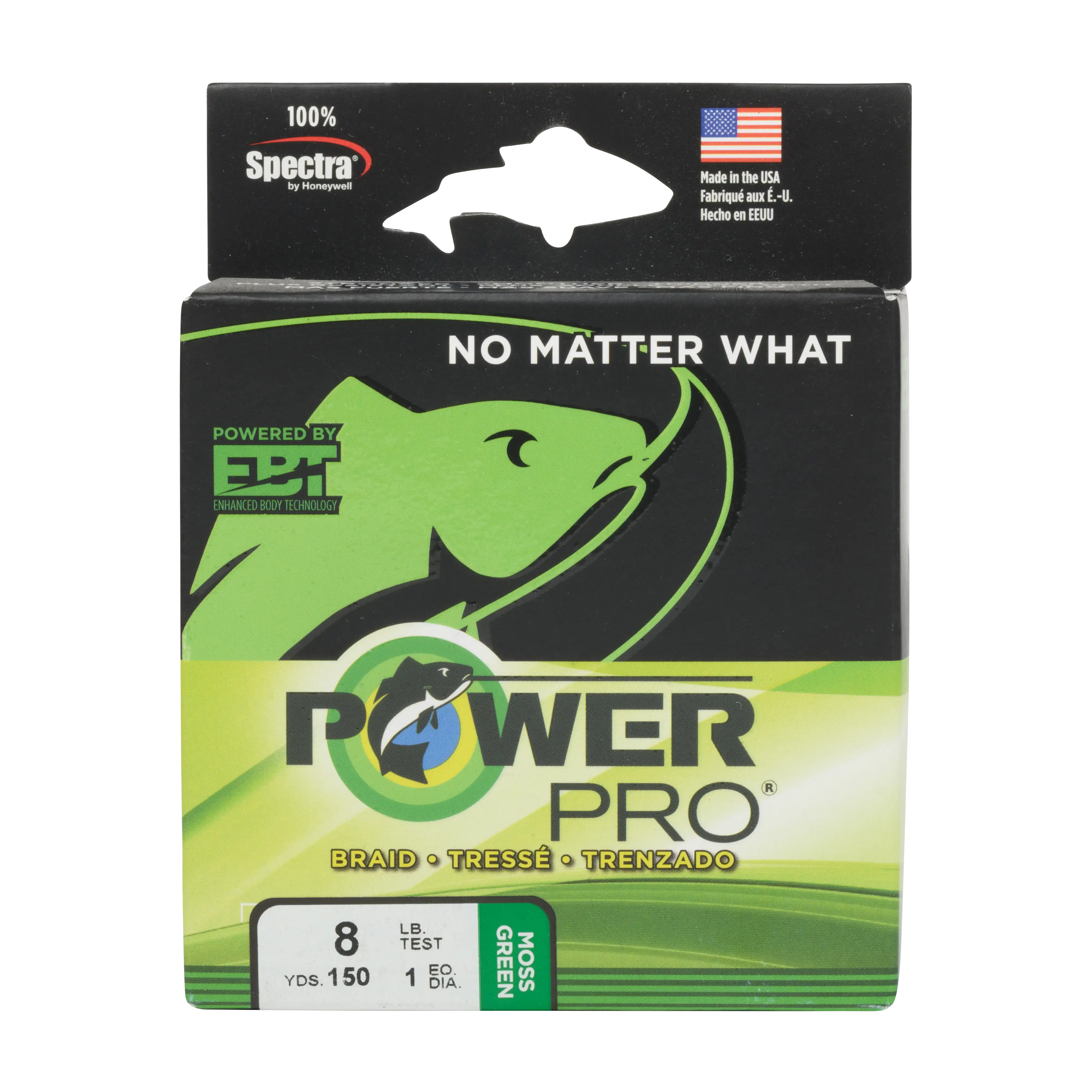
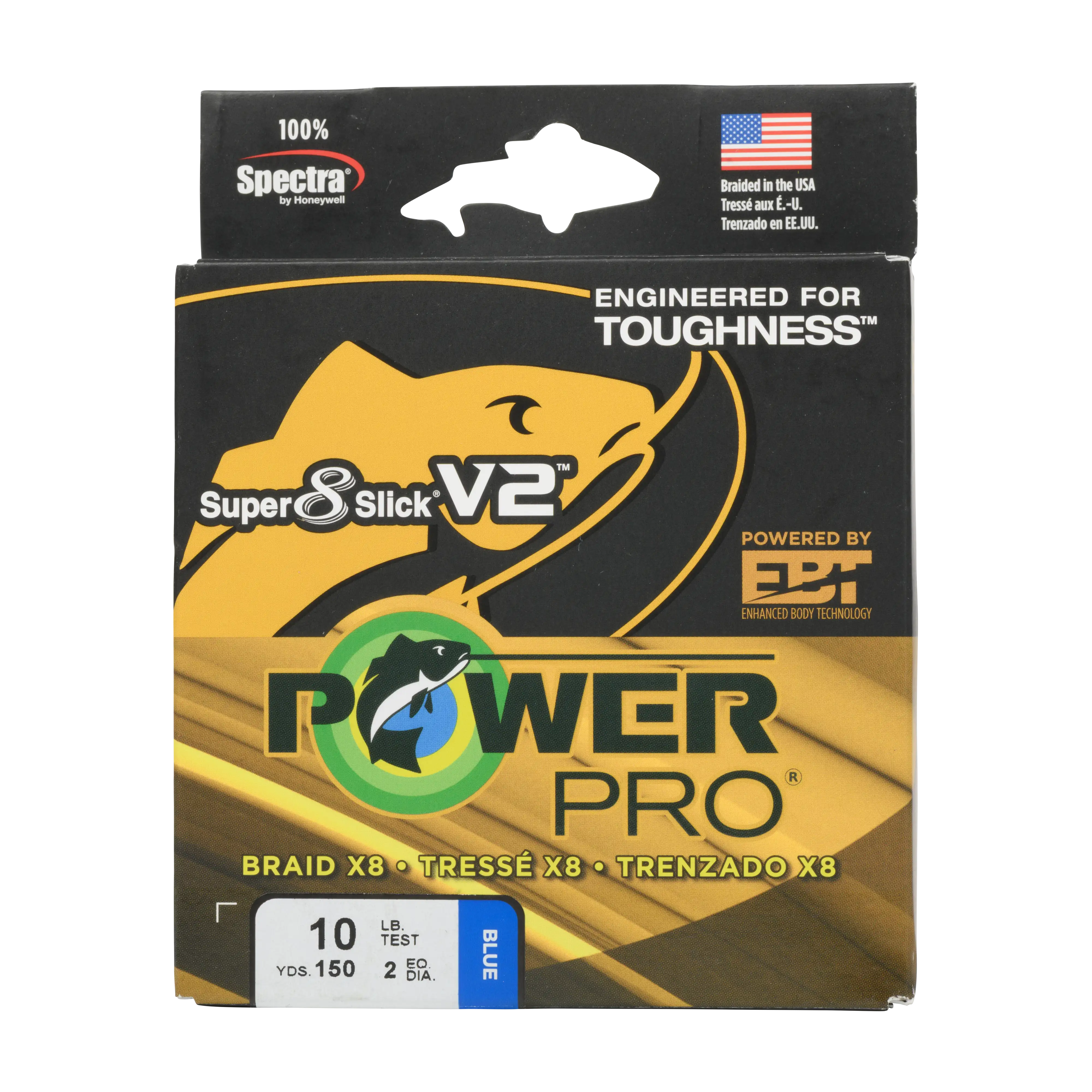
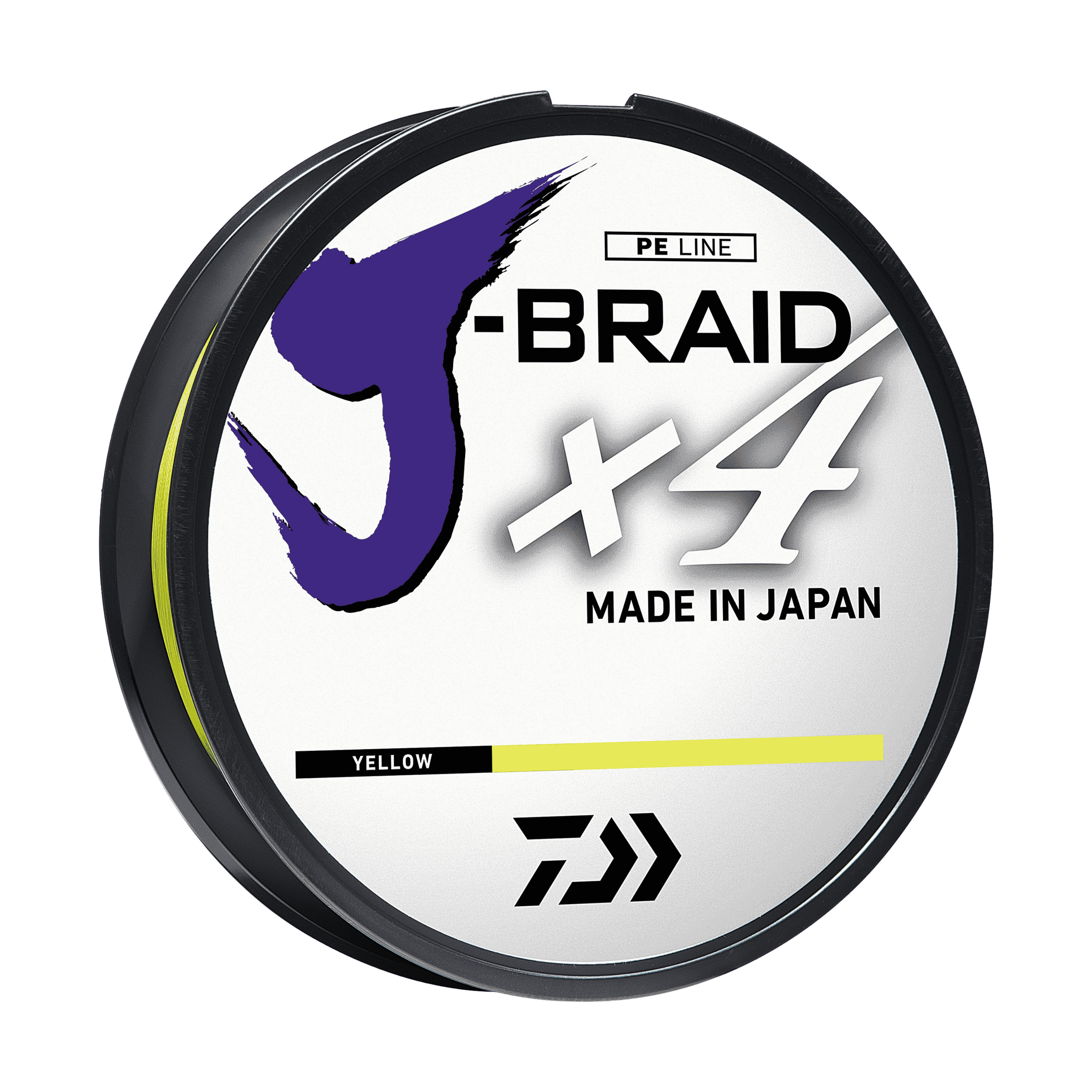
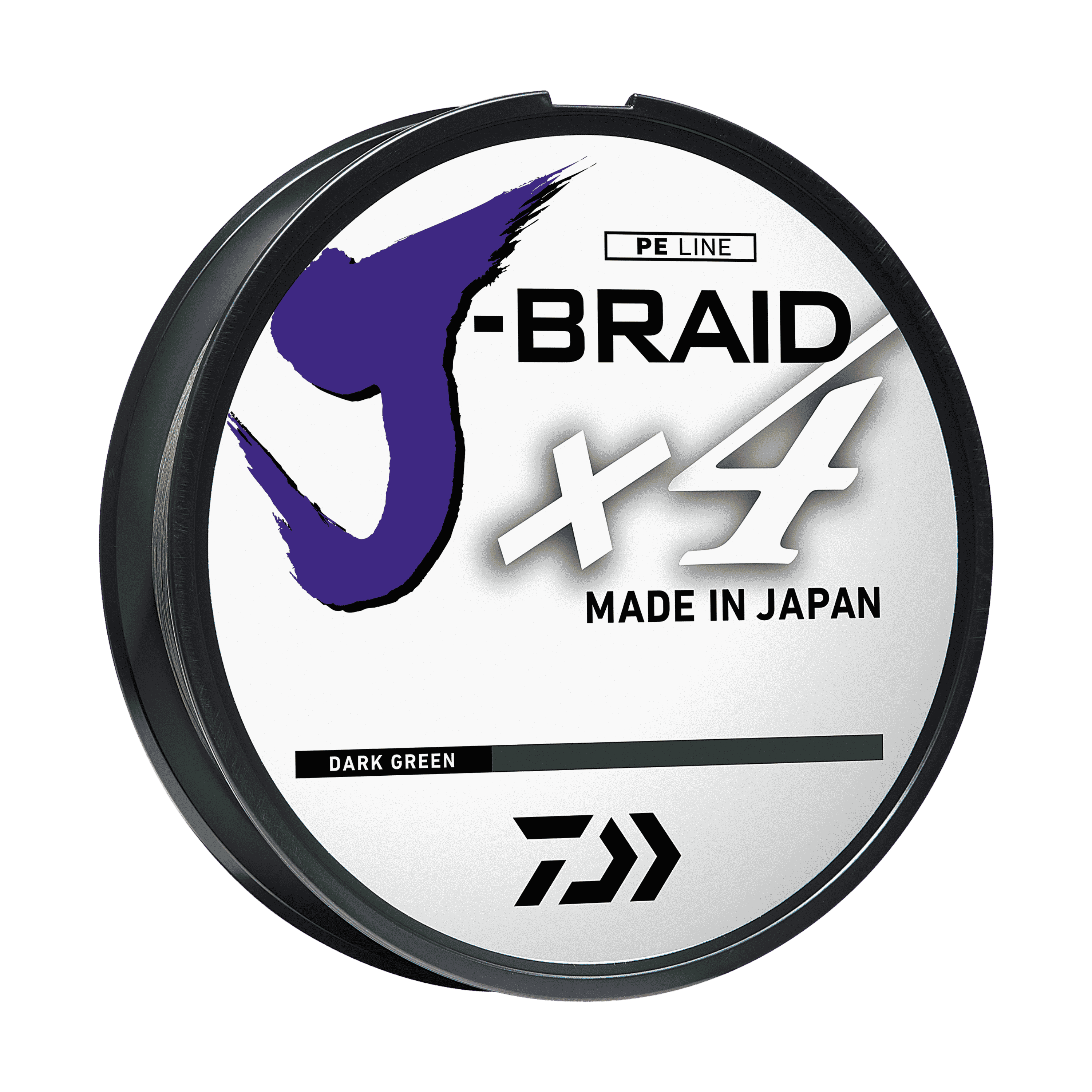
Swimbait Fishing Line
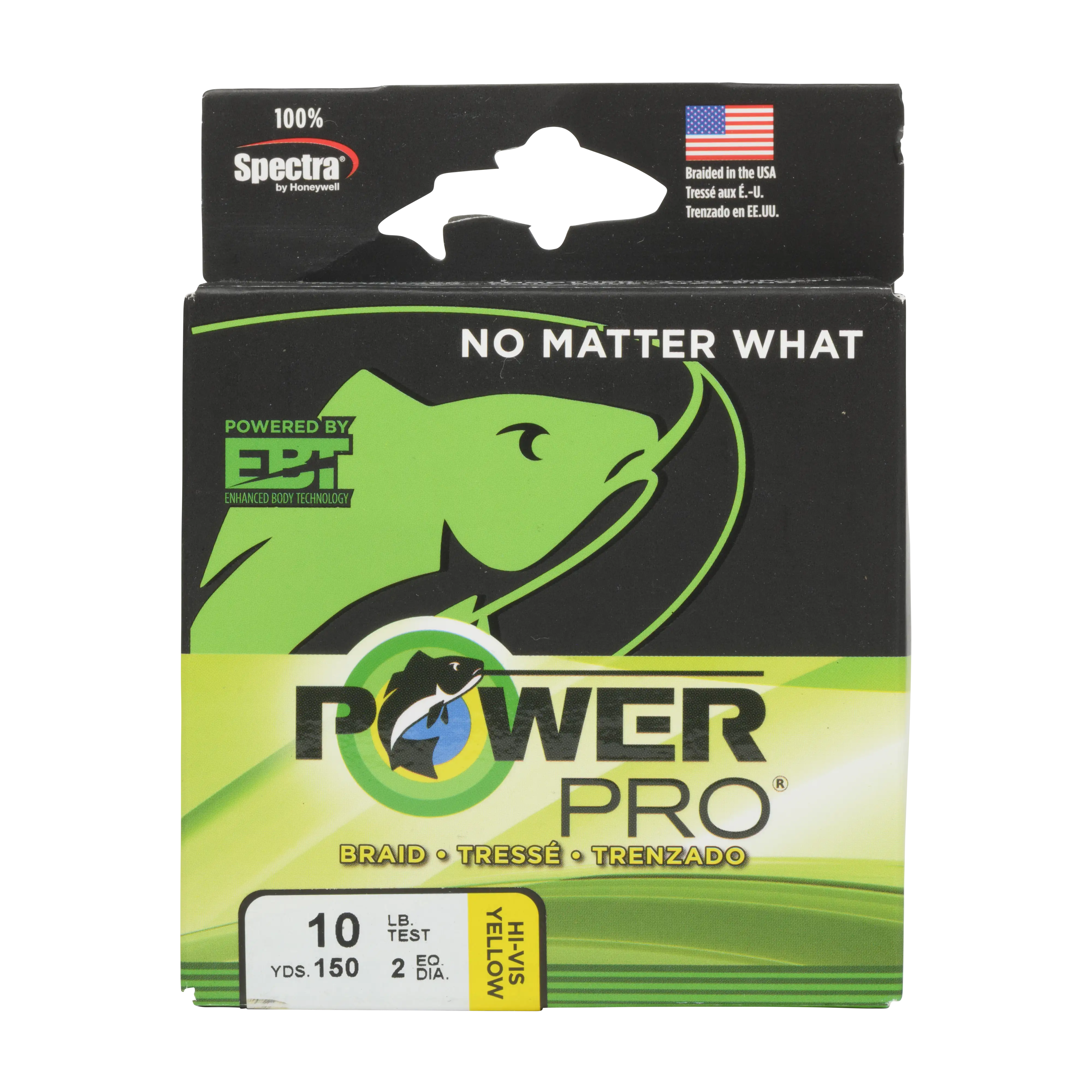
Line choice plays a major role in swimbait performance, influencing casting distance, lure control, hook-up efficiency, and overall durability during the fight. Because swimbaits are larger and create significant drag in the water, the line system has to handle sudden load changes, resistance during the retrieve, and unpredictable surges from fish without affecting lure action or risking failure. Setups typically vary between straight fluorocarbon, straight monofilament, or a braided mainline often paired with a leader, depending on lure type, cover, and the level of stretch or abrasion resistance needed.
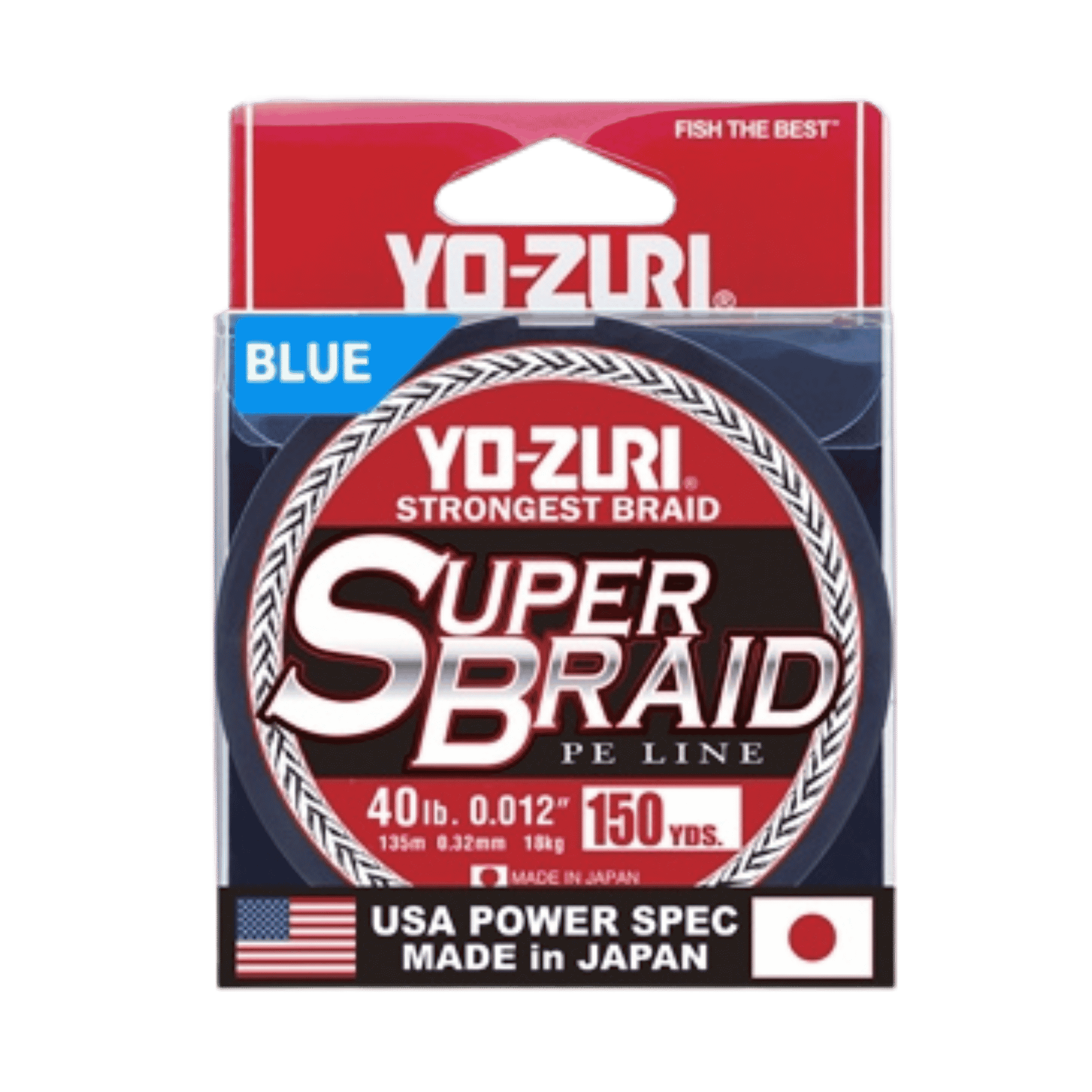
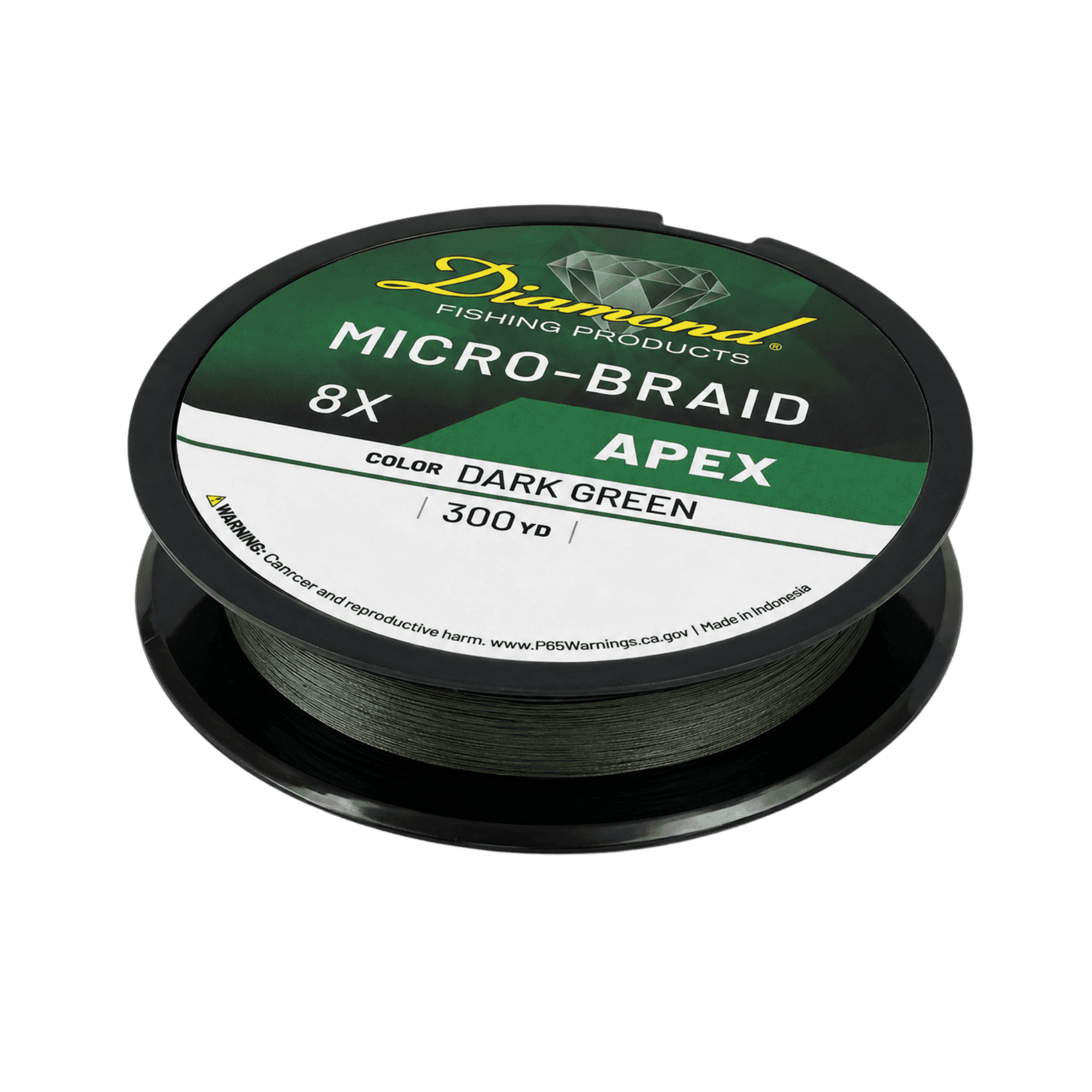
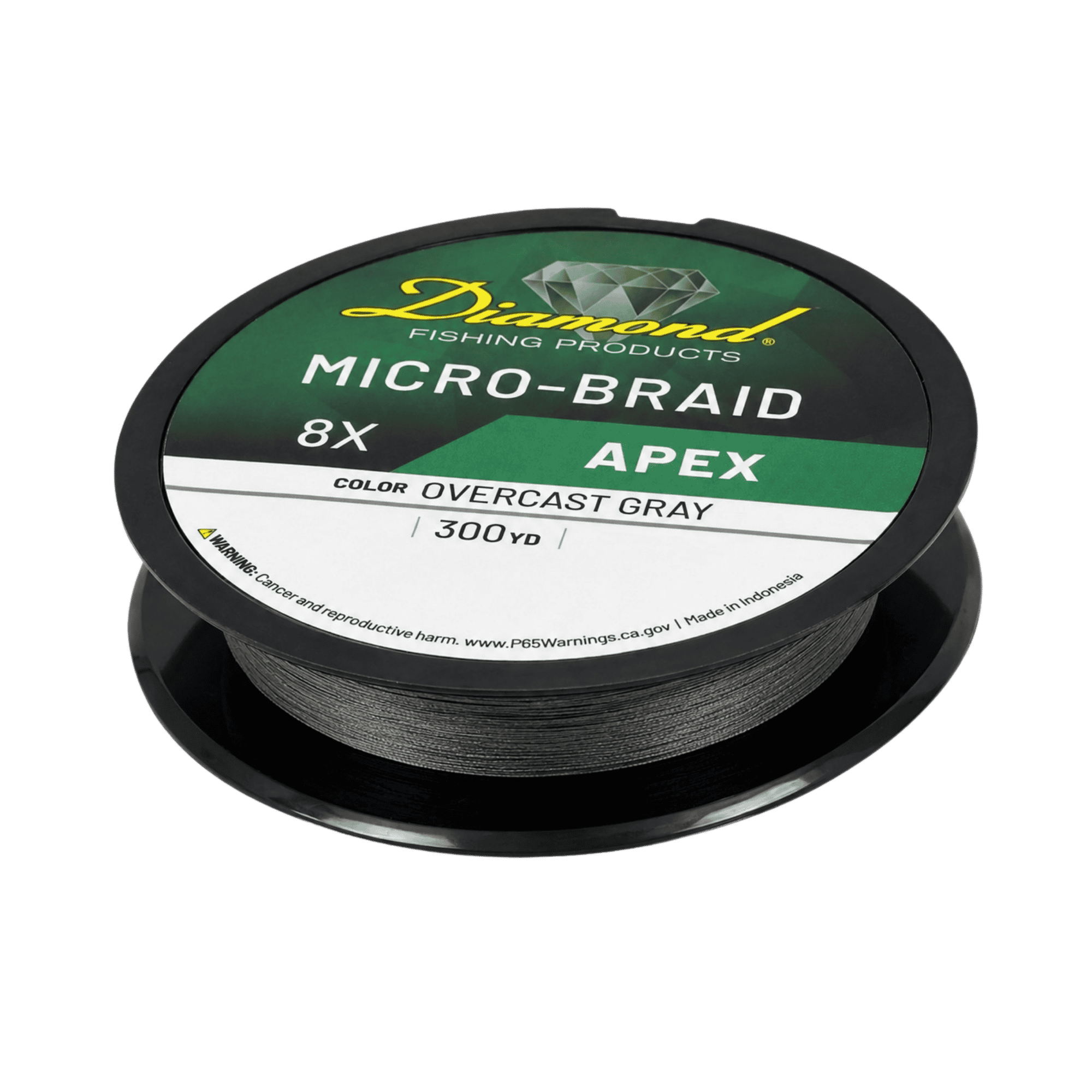
Braid
Braided line is a popular choice for swimbait fishing because of its strength-to-diameter ratio, casting efficiency, and durability with heavy lures. It also provides direct connection to the lure, improving control and helping detect subtle changes in movement or resistance. When used as a mainline, braid is often paired with either a fluorocarbon or monofilament leader depending on water clarity, cover, and the amount of stretch or forgiveness needed in the system.
Recommended: 30–65 lb braid
Fluorocarbon
Fluorocarbon is used for its low visibility underwater and its ability to sink, making it ideal for clear water and subsurface swimbait presentations around structure. It provides a direct, controlled connection to the lure with consistent depth control and a natural tracking feel. It is also sometimes used as a leader material when paired with braided mainline, where it helps refine lure behavior and adds a small amount of stretch compared to braid, which can help absorb surges and keep fish pinned during the fight.
Recommended: 20–25 lb fluorocarbon
Monofilament
Monofilament is used as a mainline or as a leader in swimbait setups where added stretch and forgiveness are needed. As a mainline, it provides a smooth, forgiving connection that helps absorb sudden strikes and reduces the chance of pulling hooks, making it especially useful for treble-hooked hard swimbaits. As a leader, it adds a cushioning buffer between braid and the lure, softening aggressive hits and improving hookup consistency during fast or reaction-style bites.
Recommended: 20–25 lb monofilament
Swimbait Fishing Line
Line choice plays a major role in swimbait performance, influencing casting distance, lure control, hook-up efficiency, and overall durability during the fight. Because swimbaits are larger and create significant drag in the water, the line system has to handle sudden load changes, resistance during the retrieve, and unpredictable surges from fish without affecting lure action or risking failure. Setups typically vary between straight fluorocarbon, straight monofilament, or a braided mainline often paired with a leader, depending on lure type, cover, and the level of stretch or abrasion resistance needed.
Braid
Braided line is a popular choice for swimbait fishing because of its strength-to-diameter ratio, casting efficiency, and durability with heavy lures. It also provides direct connection to the lure, improving control and helping detect subtle changes in movement or resistance. When used as a mainline, braid is often paired with either a fluorocarbon or monofilament leader depending on water clarity, cover, and the amount of stretch or forgiveness needed in the system.
Recommended: 30–65 lb braid
Fluorocarbon
Fluorocarbon is used for its low visibility underwater and its ability to sink, making it ideal for clear water and subsurface swimbait presentations around structure. It provides a direct, controlled connection to the lure with consistent depth control and a natural tracking feel. It is also sometimes used as a leader material when paired with braided mainline, where it helps refine lure behavior and adds a small amount of stretch compared to braid, which can help absorb surges and keep fish pinned during the fight.
Recommended: 20–25 lb fluorocarbon
Monofilament
Monofilament is used as a mainline or as a leader in swimbait setups where added stretch and forgiveness are needed. As a mainline, it provides a smooth, forgiving connection that helps absorb sudden strikes and reduces the chance of pulling hooks, making it especially useful for treble-hooked hard swimbaits. As a leader, it adds a cushioning buffer between braid and the lure, softening aggressive hits and improving hookup consistency during fast or reaction-style bites.
Recommended: 20–25 lb monofilament
Swimbait Fishing Line


Swimbait Tackle Storage
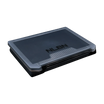
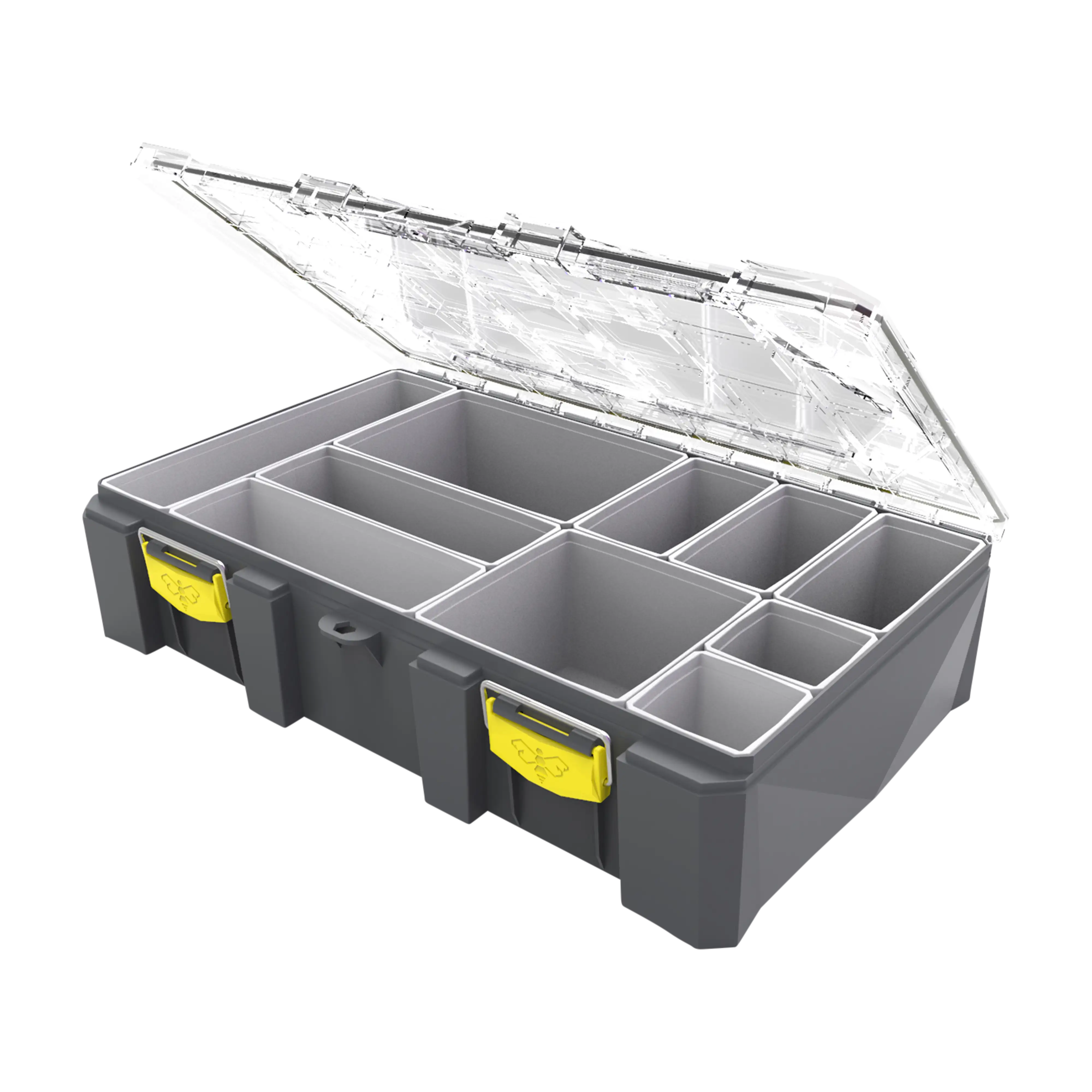
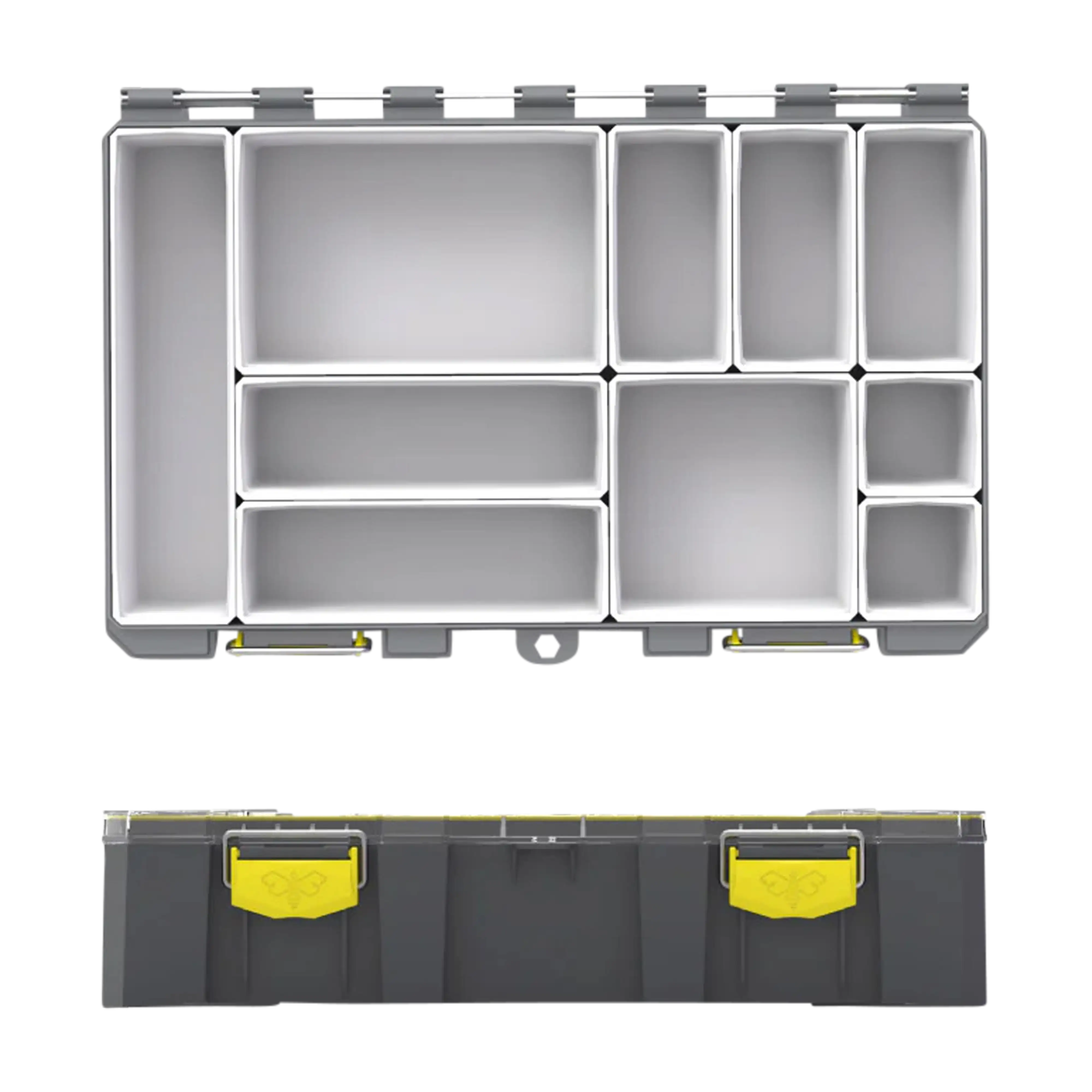
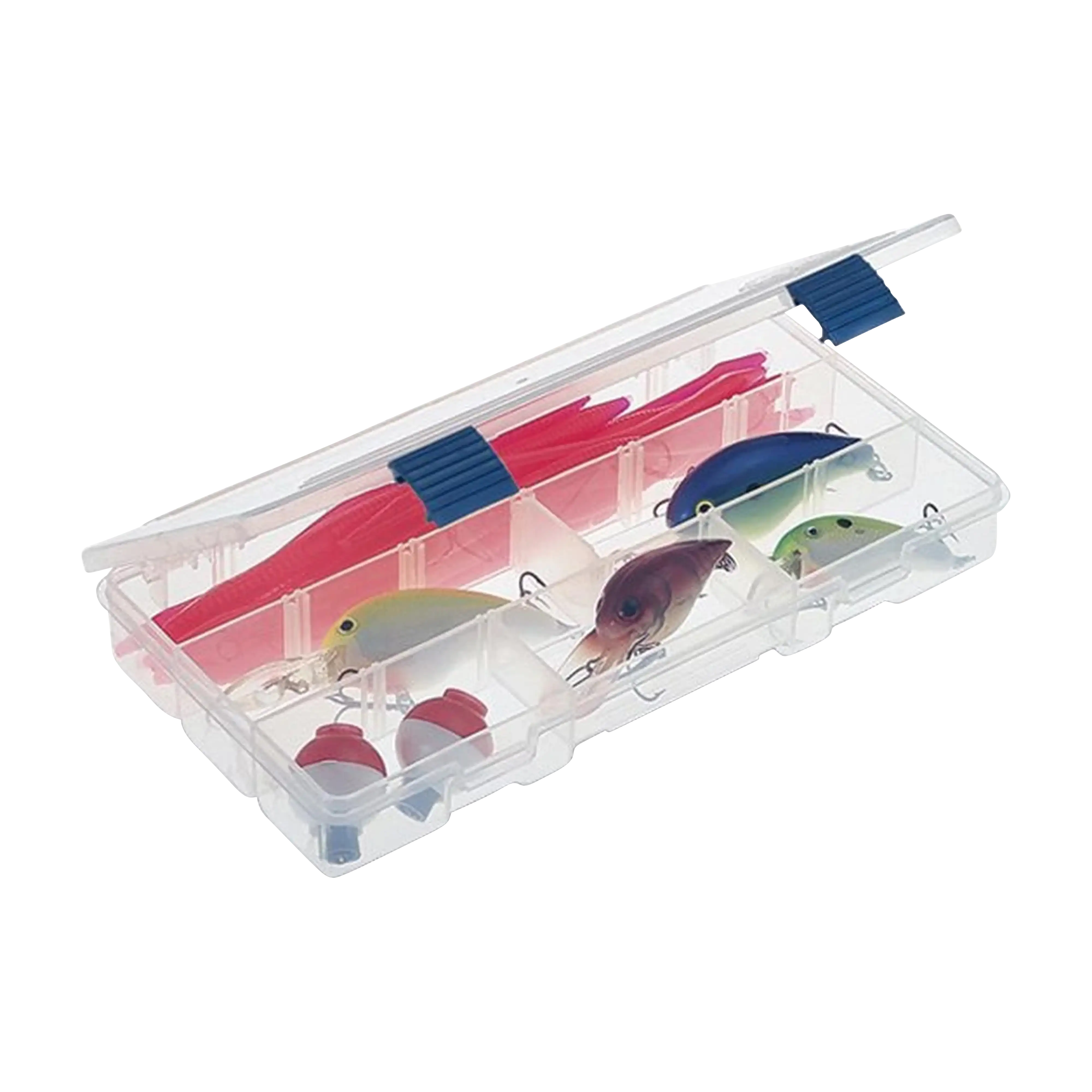
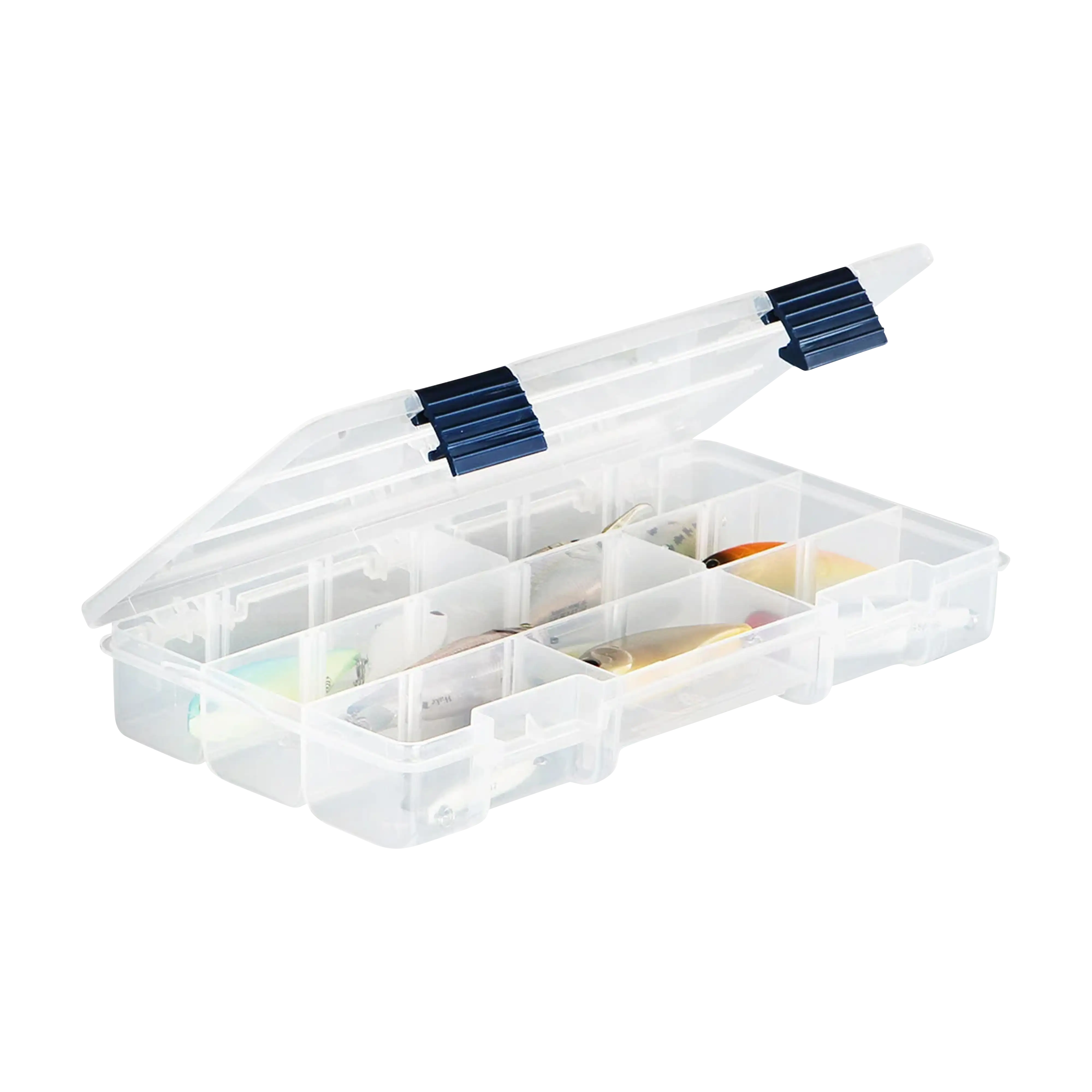
Proper tackle storage keeps swimbaits, jig heads, hooks, and other hardware protected, organized, and ready for the next trip. Large or bulky baits can easily tangle, warp, or get damaged if not stored correctly, and separating terminal tackle helps speed up rigging and reduce frustration on the water. Since swimbaits are often larger and more expensive than standard bass lures, investing in the right storage system also helps extend bait life and protect custom paint finishes, soft plastic bodies, and exposed hardware from unnecessary wear.
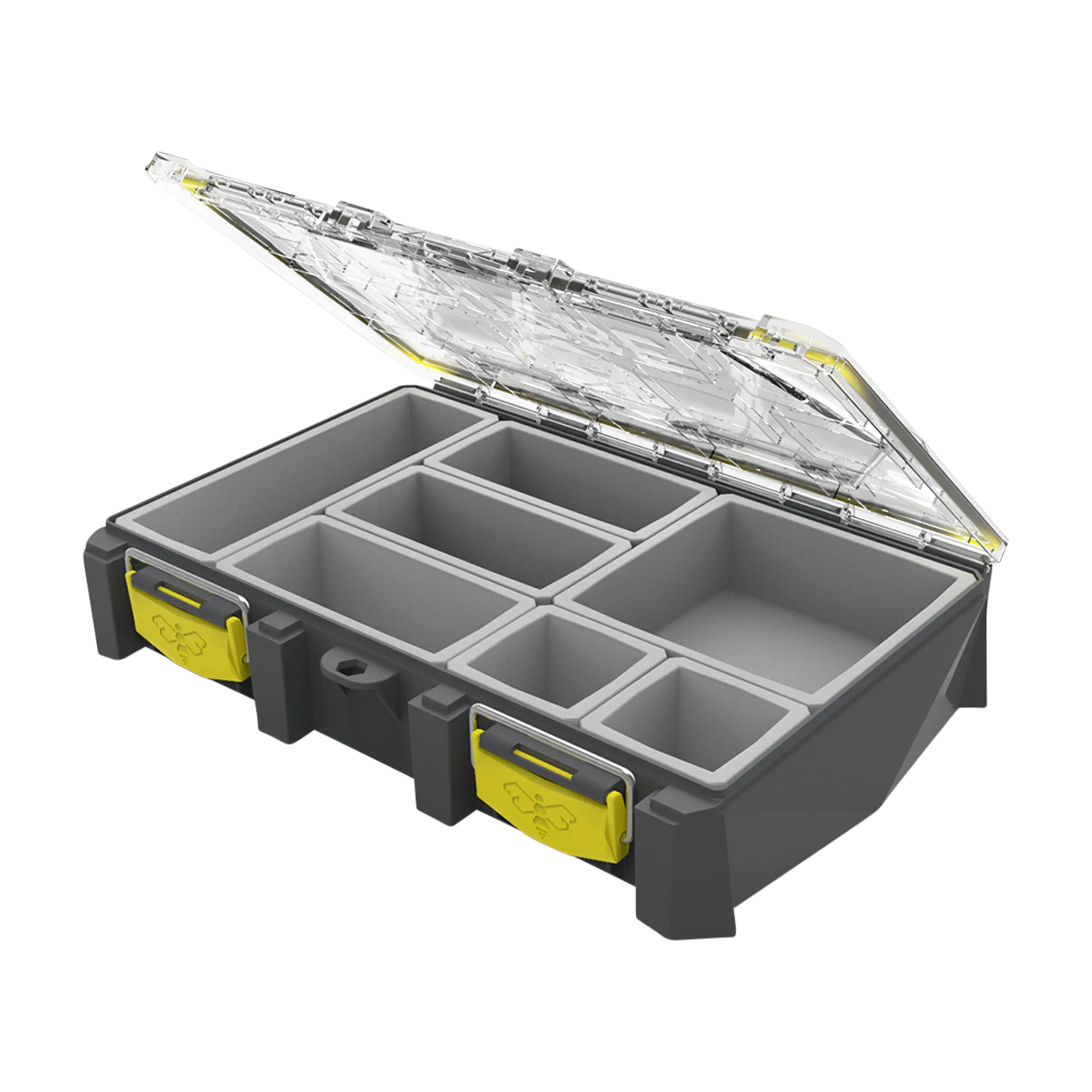
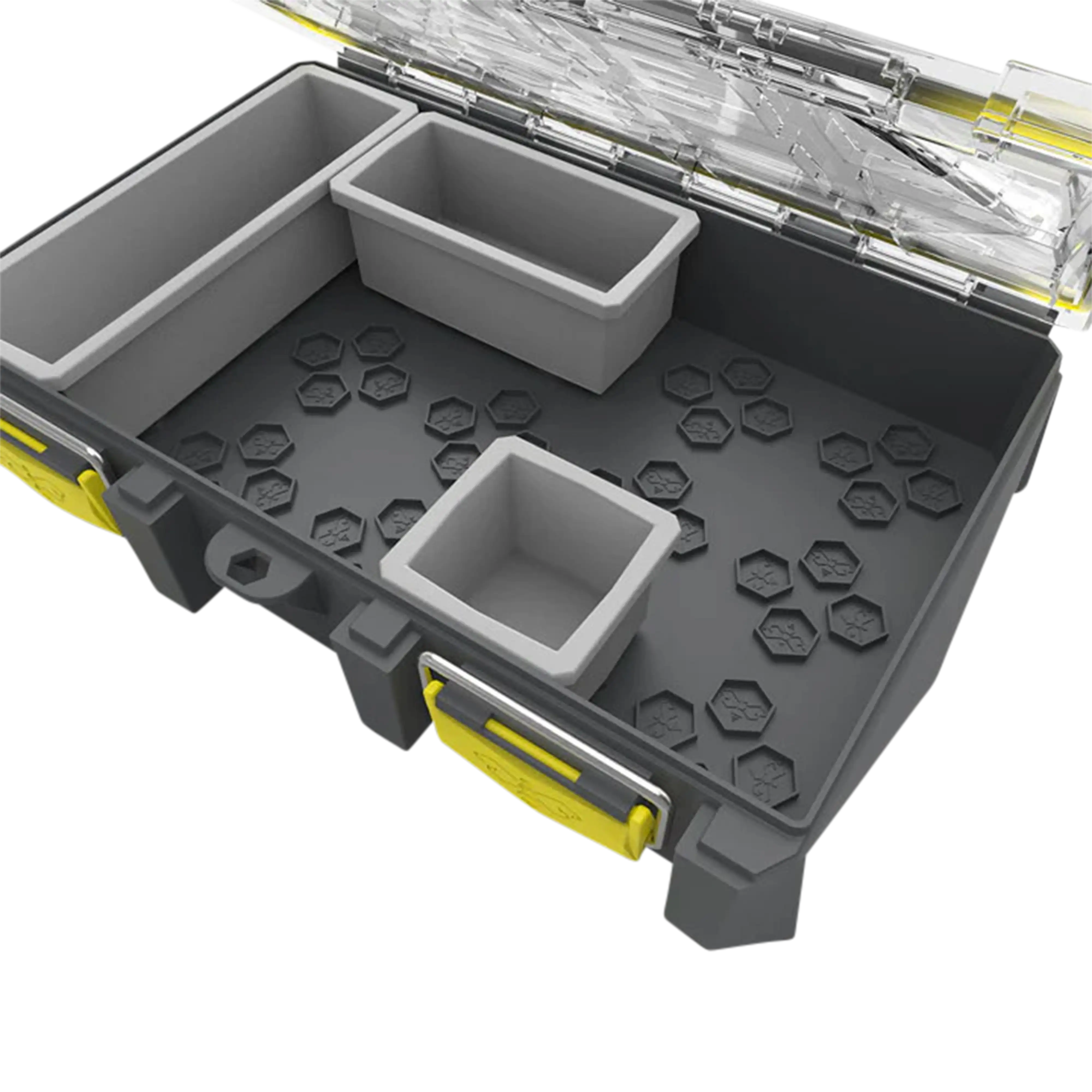
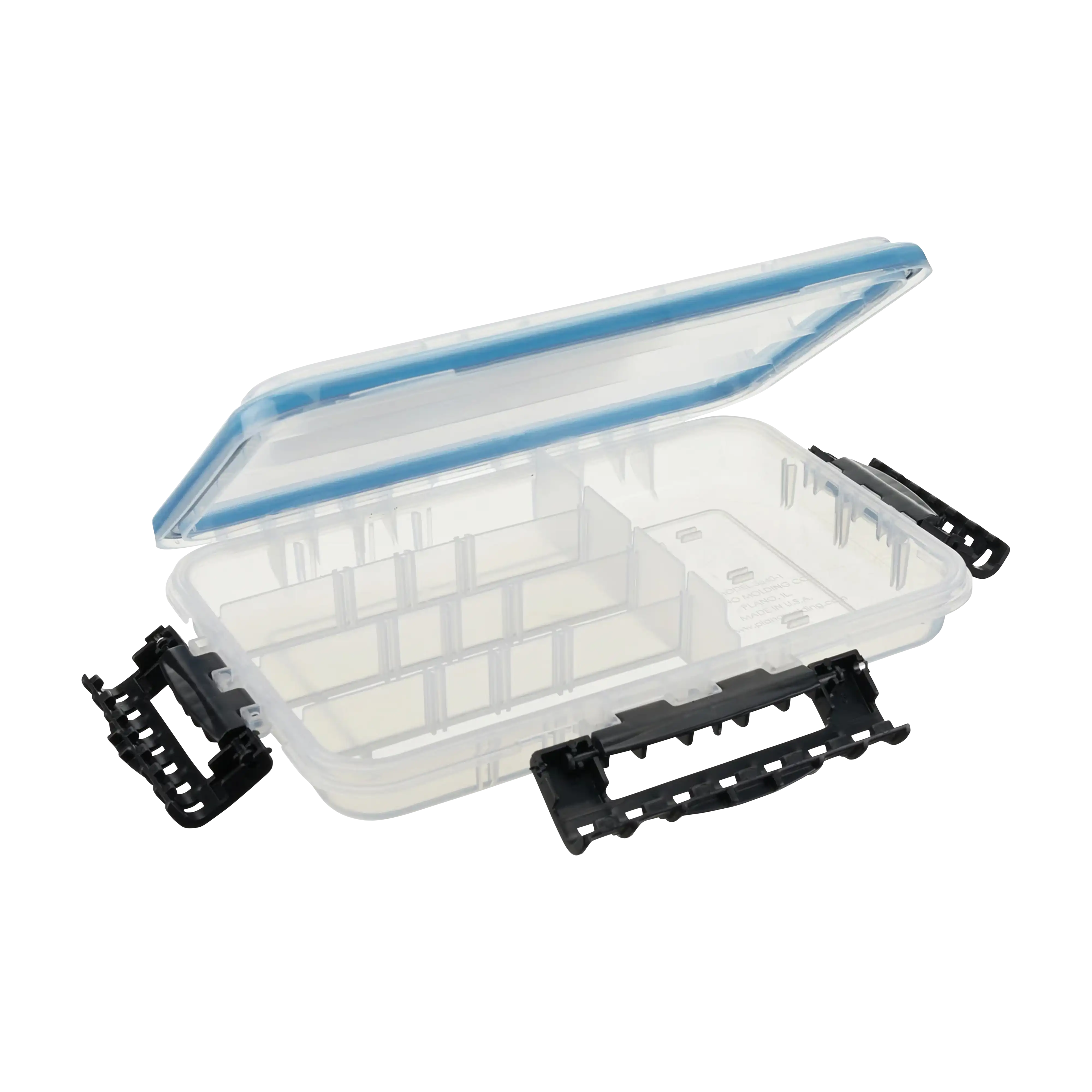
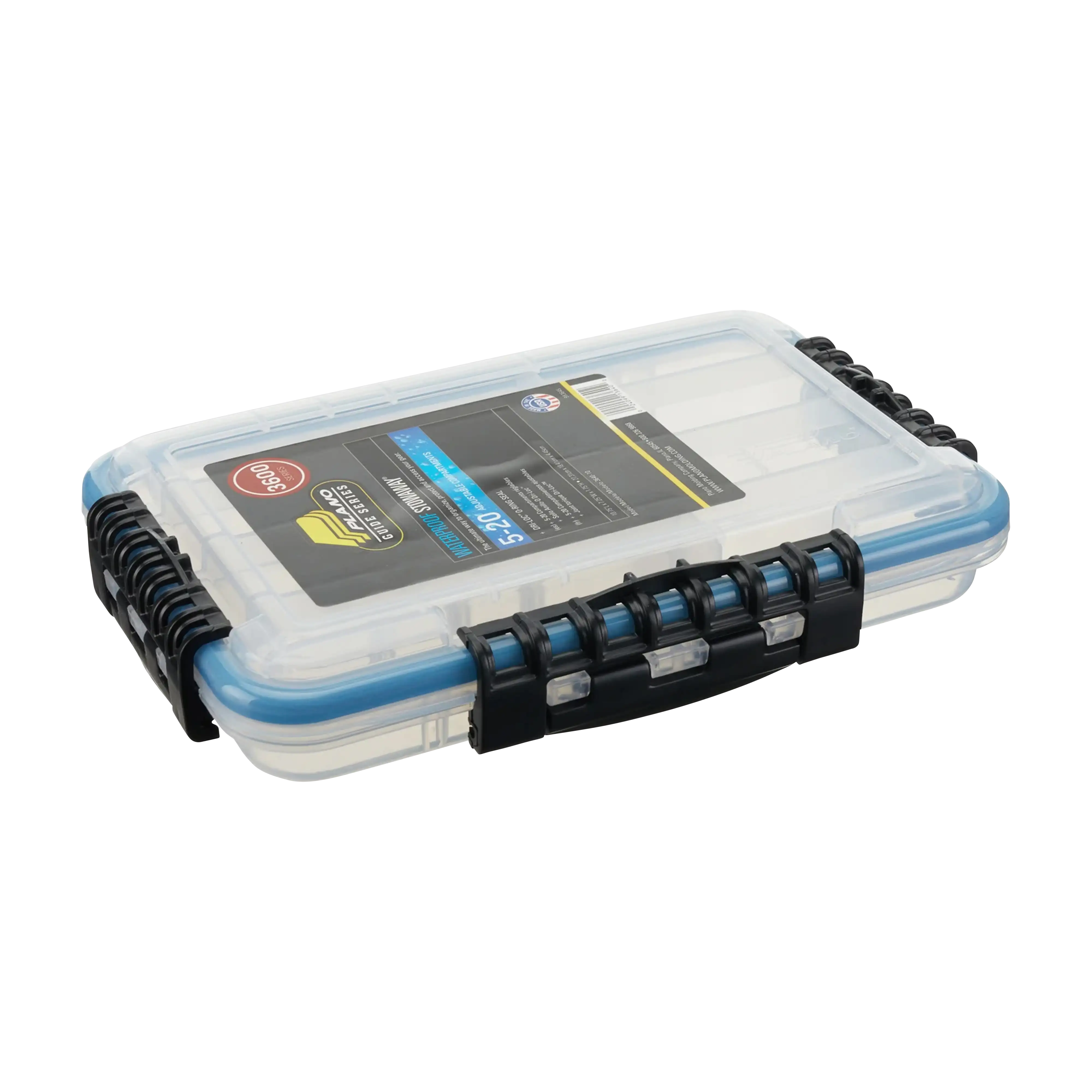
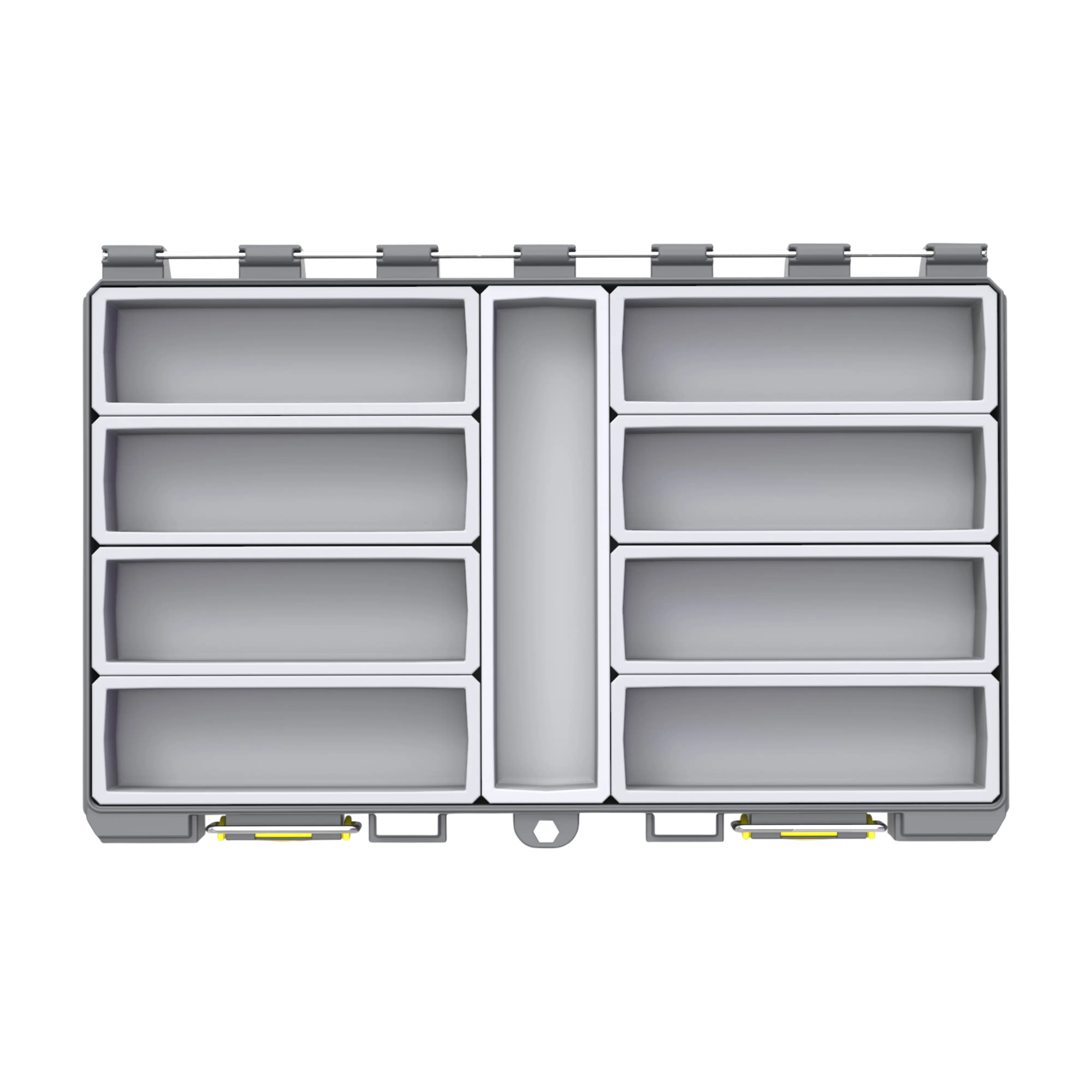
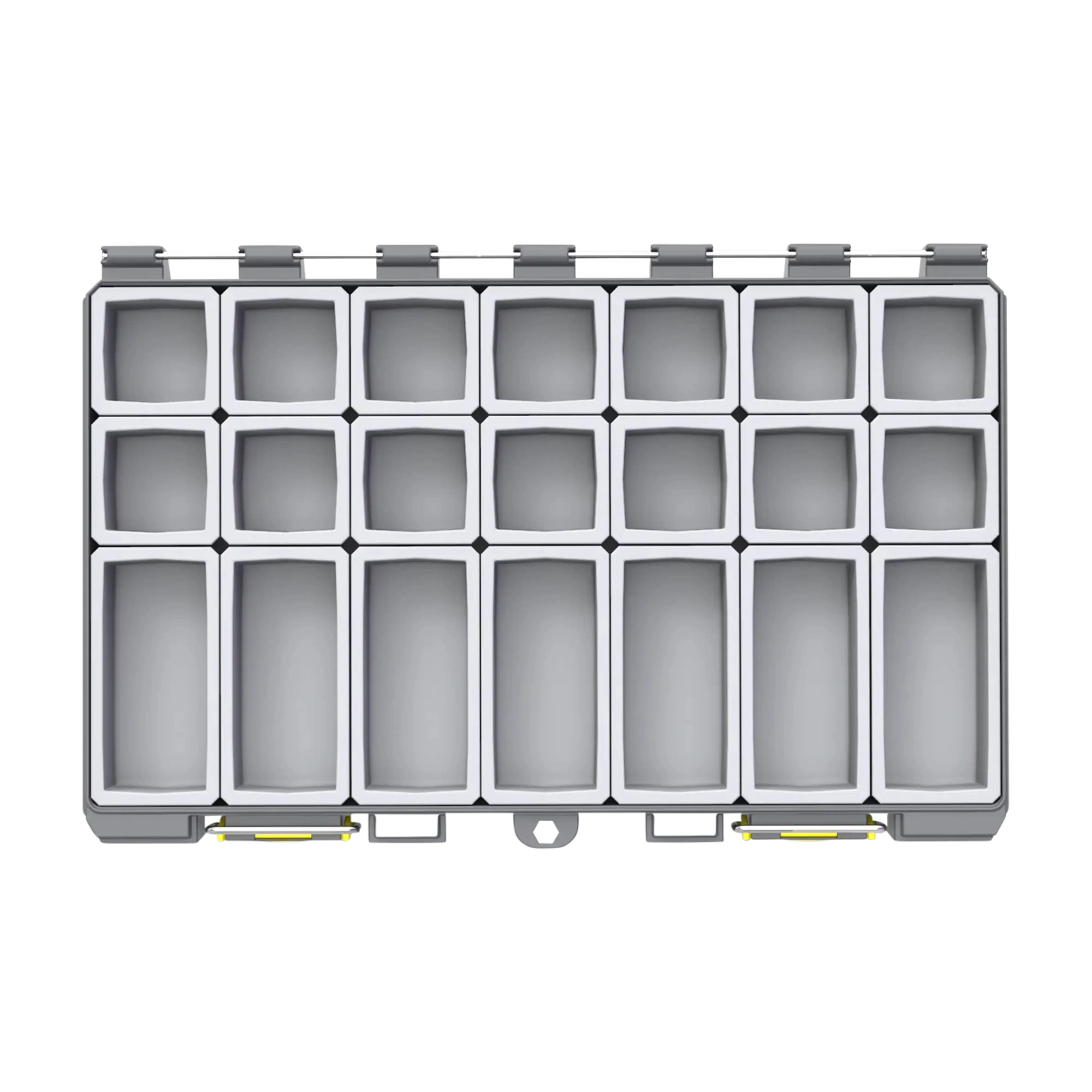
Long, compartmentalized tackle boxes or rigid sleeves are ideal for storing swimbaits because they help prevent bending, crushing, and hook tangles during transport. When choosing boxes, look for adjustable compartments deep enough to handle larger glide baits, paddle tails, and multi-jointed hard baits without forcing them into tight spaces. Clear lids and modular tray systems make it easier to quickly identify bait styles and sizes while keeping everything organized by depth, retrieve style, or target conditions.
Dedicated terminal tackle trays are useful for separating jig heads, weighted hooks, snaps, and leaders so rigging components stay organized and easy to access on the water. Corrosion-resistant storage systems or boxes with drainage and ventilation can also help reduce moisture buildup and prolong hook life, especially when fishing in wet conditions or around saltwater environments.
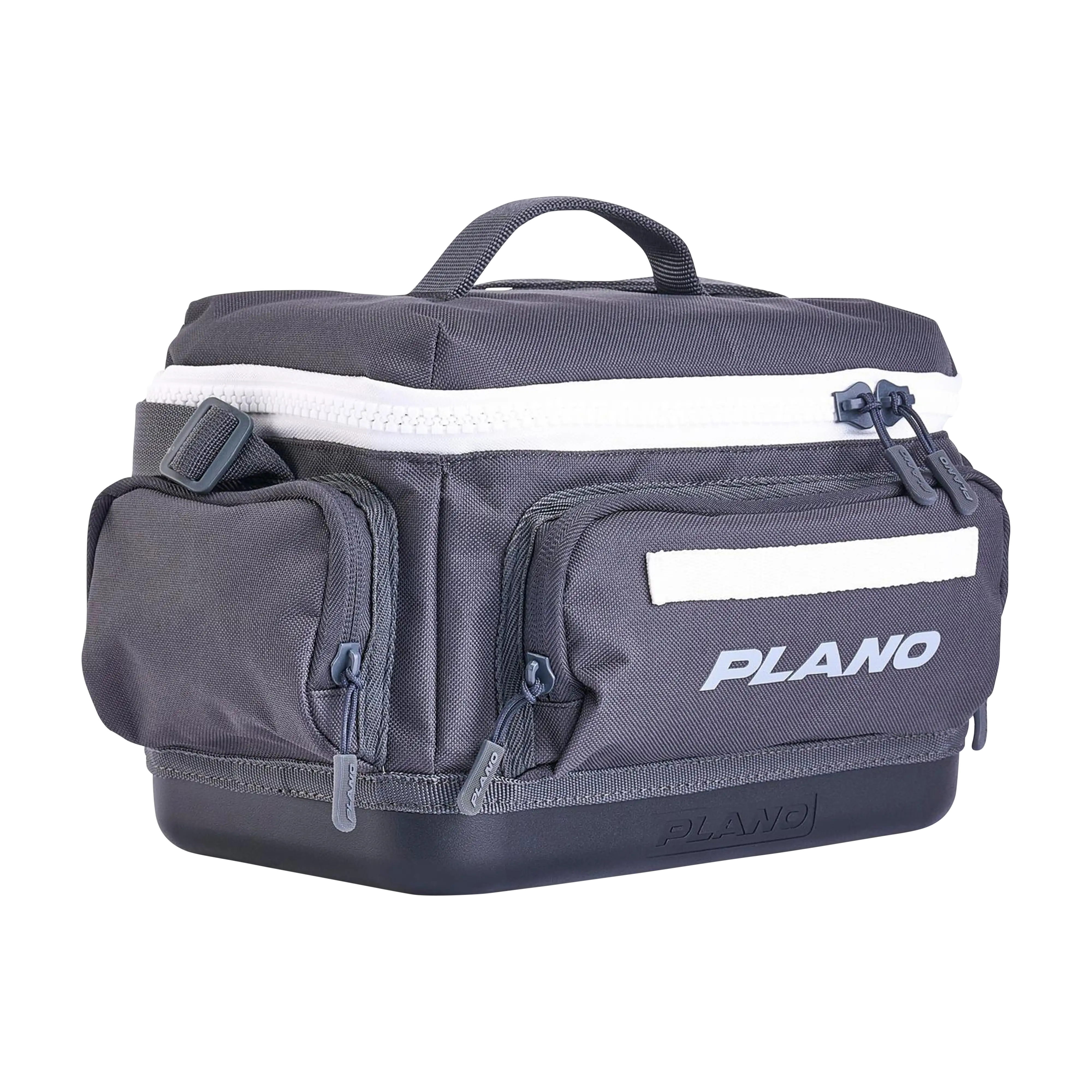
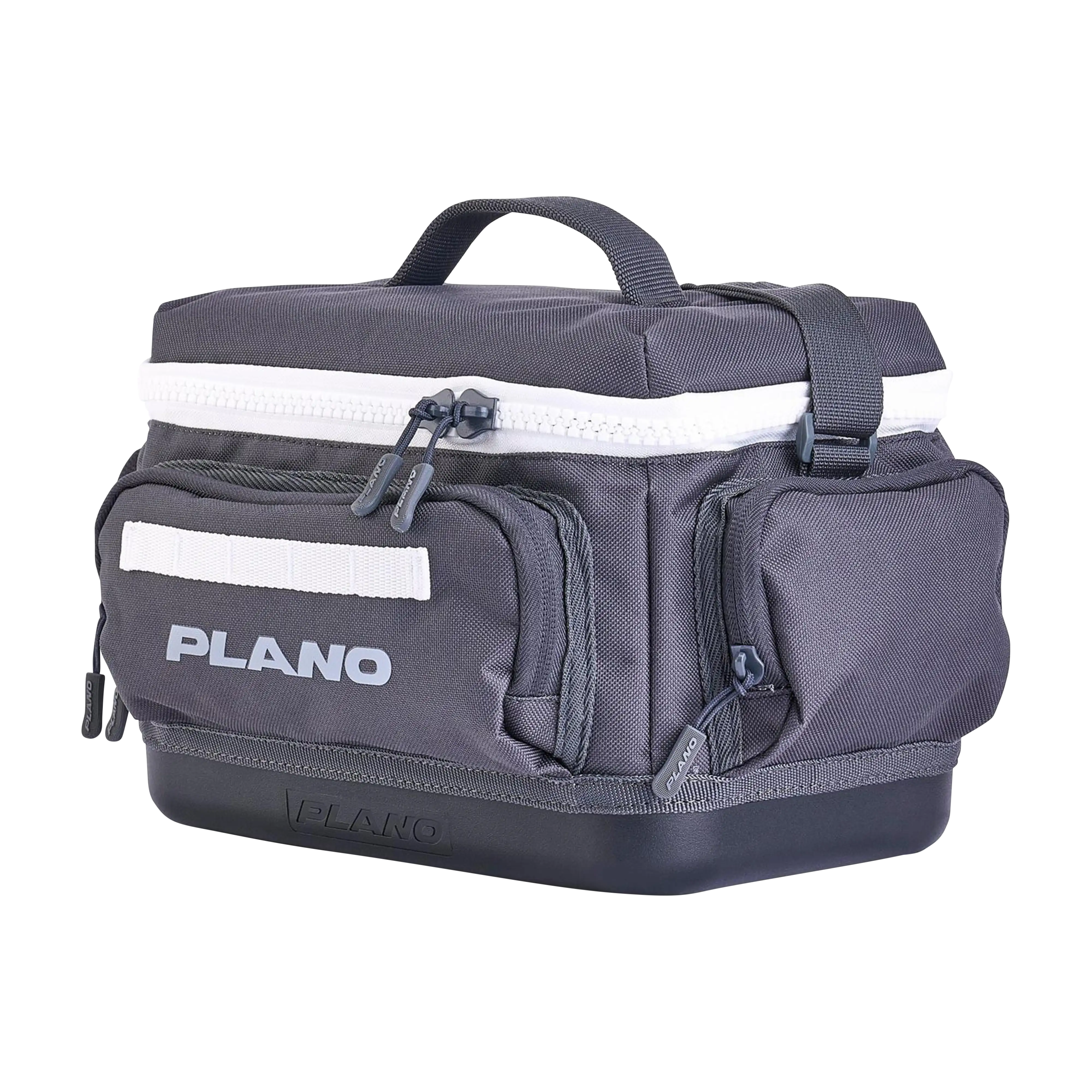
Soft-sided tackle bags are popular for transporting multiple utility boxes and keeping swimbait gear consolidated in one system. Many anglers choose larger bags with reinforced bottoms, external tool storage, and room for oversized trays to better handle the bulk and weight of swimbait-specific gear during long trips or boat travel.
Key Takeaways
- Protect swimbaits from tangling, bending, hook damage, and crushed soft plastic bodies during storage
- Use larger compartment boxes or rigid sleeves designed to fit oversized swimbaits properly
- Separate terminal tackle into dedicated trays for faster rigging and better organization
- Choose tackle bags and storage systems that match the size, quantity, and transport needs of your swimbait gear
Swimbait Tackle Storage
Proper tackle storage keeps swimbaits, jig heads, hooks, and other hardware protected, organized, and ready for the next trip. Large or bulky baits can easily tangle, warp, or get damaged if not stored correctly, and separating terminal tackle helps speed up rigging and reduce frustration on the water. Since swimbaits are often larger and more expensive than standard bass lures, investing in the right storage system also helps extend bait life and protect custom paint finishes, soft plastic bodies, and exposed hardware from unnecessary wear.
Long, compartmentalized tackle boxes or rigid sleeves are ideal for storing swimbaits because they help prevent bending, crushing, and hook tangles during transport. When choosing boxes, look for adjustable compartments deep enough to handle larger glide baits, paddle tails, and multi-jointed hard baits without forcing them into tight spaces. Clear lids and modular tray systems make it easier to quickly identify bait styles and sizes while keeping everything organized by depth, retrieve style, or target conditions.
Dedicated terminal tackle trays are useful for separating jig heads, weighted hooks, snaps, and leaders so rigging components stay organized and easy to access on the water. Corrosion-resistant storage systems or boxes with drainage and ventilation can also help reduce moisture buildup and prolong hook life, especially when fishing in wet conditions or around saltwater environments.
Soft-sided tackle bags are popular for transporting multiple utility boxes and keeping swimbait gear consolidated in one system. Many anglers choose larger bags with reinforced bottoms, external tool storage, and room for oversized trays to better handle the bulk and weight of swimbait-specific gear during long trips or boat travel.
Key Takeaways
- Protect swimbaits from tangling, bending, hook damage, and crushed soft plastic bodies during storage
- Use larger compartment boxes or rigid sleeves designed to fit oversized swimbaits properly
- Separate terminal tackle into dedicated trays for faster rigging and better organization
- Choose tackle bags and storage systems that match the size, quantity, and transport needs of your swimbait gear
Swimbait Tackle Storage
Swimbait Fishing
FAQ - Swimbait Fishing Gear
What are the best rods for swimbait fishing?
Medium-heavy to extra-heavy casting rods are ideal for most swimbaits. A moderate to moderate-fast action helps balance casting distance with control and consistent hooksets. Rod lengths between 7’0” and 8’0” cover most situations—longer rods for open water and distance, shorter rods for better control around cover. Always match the rod’s lure rating to the swimbaits you plan to throw.
Can one rod handle soft and hard swimbaits?
Yes. A moderate-fast rod with sufficient backbone can handle both. It provides enough flex to keep treble hooks pinned on hard baits while still delivering solid hooksets with single-hook soft swimbaits. It won’t be perfectly specialized, but it works well as a versatile setup.
What line works best for swimbait fishing?
Swimbait anglers typically use straight fluorocarbon, straight monofilament, or braided mainline, often with a leader. Braid offers strength and casting distance, fluorocarbon provides low visibility and depth control, and monofilament adds stretch for treble-hooked baits. Line size should match lure weight, cover, and target fish.
What jig head weight is ideal for soft swimbaits?
There’s no single “perfect” jig head weight—it should match your depth, conditions, and presentation. Heavier heads reach depth faster and maintain bottom contact, while lighter heads create a slower fall and keep the bait higher in the water column. The goal is to maintain a natural swimming action without the bait rolling or losing balance.
When should I use hard-bodied swimbaits?
Hard swimbaits are most effective in open water, clear conditions, or when fish are actively feeding. They excel when fish respond to visible movement and can be worked with steady retrieves, pauses, or directional changes to trigger strikes.
How do I prevent my swimbait from tangling or damaging?
Store swimbaits in long, compartmentalized boxes or protective sleeves to prevent bending and hook tangles. Keep jig heads and hooks separated in small trays so everything stays organized and easy to access.
Can swimbaits be fished in cover?
Yes, depending on the setup. Soft swimbaits rigged on weighted or weedless hooks can be fished through cover, while hard swimbaits are better suited for edges and open areas to avoid snagging.
How do I improve swimbait hook-up rates?
Focus on timing and control. Let the rod load before applying steady pressure rather than setting the hook too aggressively. Proper hook sharpness and sizing also play a major role in landing more fish.
How do I choose swimbait size?
Match swimbait size to local forage, fish size, and conditions. Larger baits are effective for targeting bigger or more aggressive fish, while smaller profiles can produce better results in pressured or clear water situations.
From the Mud Hole Journal
Further Reading
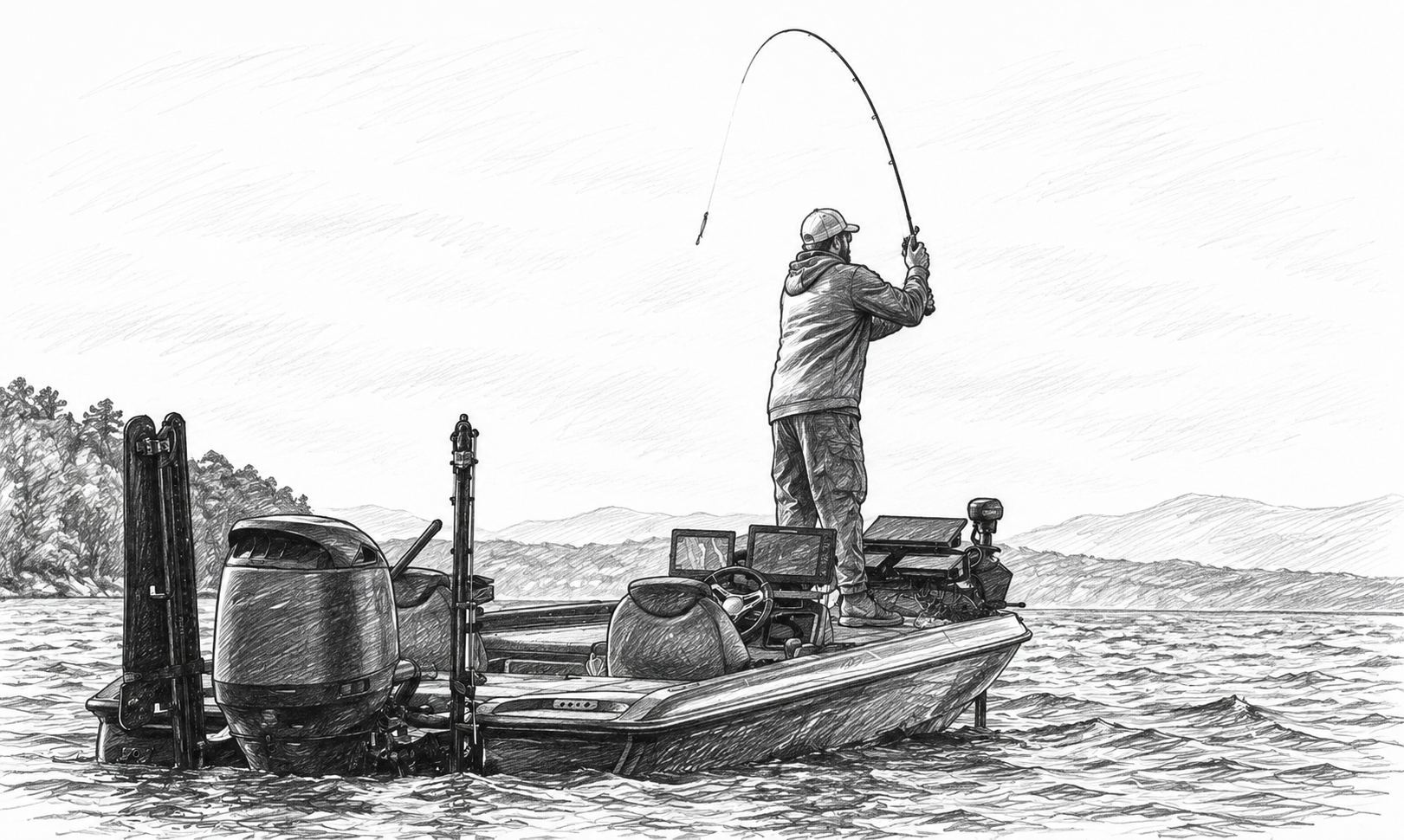
Open Water & Deep Swimbaits: Covering Water and Catching Bigger Bass Offshore
If you’re looking for more rod recommendations, reel pairings, line setups, and technique-specific advice, head back to the complete Main Gear Guide Page for the full breakdowns on your favorite te...
Further Reading
Can't get enough Swimbait Fishing content? Check out the articles below!