


















What is Swimbait Fishing?
Swimbait fishing is built around presenting a realistic, swimming baitfish profile to trigger predatory strikes. Unlike reaction-based techniques, swimbaits rely on natural movement, profile, and presence to draw attention and convince fish to commit. This makes them especially effective for targeting larger, more cautious fish that won’t chase smaller or faster-moving lures.
Most swimbaits are designed to be fished on a controlled retrieve, allowing the lure to do the work while the angler manages depth, cadence, and speed to match conditions and fish behavior. Retrieve consistency is especially important, since small changes in speed or rod angle can noticeably affect how the bait tracks and how fish respond to it. Because of their size and weight, swimbaits also demand more from your gear—requiring rods that load properly, reels that manage torque and line efficiently, and line strong enough to handle both the bait and the fish. Matching your setup to the type of swimbait being fished is a major part of maintaining casting efficiency, lure control, and consistent hooksets.
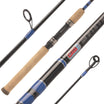
That’s exactly why more and more anglers are choosing to build their own custom swimbait rod. Different swimbaits place different demands on rod power, action, length, and balance, and off-the-shelf rods often force compromises. A custom build lets you match the blank and components to your exact bait style and fishing approach, improving casting efficiency, control, and overall comfort when throwing larger lures.
Introduction
What is Build a Swimbait Fishing Rod?
What is Swimbait Fishing?
Swimbait fishing is built around presenting a realistic, swimming baitfish profile to trigger predatory strikes. Unlike reaction-based techniques, swimbaits rely on natural movement, profile, and presence to draw attention and convince fish to commit. This makes them especially effective for targeting larger, more cautious fish that won’t chase smaller or faster-moving lures.
Most swimbaits are designed to be fished on a controlled retrieve, allowing the lure to do the work while the angler manages depth, cadence, and speed to match conditions and fish behavior. Retrieve consistency is especially important, since small changes in speed or rod angle can noticeably affect how the bait tracks and how fish respond to it. Because of their size and weight, swimbaits also demand more from your gear—requiring rods that load properly, reels that manage torque and line efficiently, and line strong enough to handle both the bait and the fish. Matching your setup to the type of swimbait being fished is a major part of maintaining casting efficiency, lure control, and consistent hooksets.
That’s exactly why more and more anglers are choosing to build their own custom swimbait rod. Different swimbaits place different demands on rod power, action, length, and balance, and off-the-shelf rods often force compromises. A custom build lets you match the blank and components to your exact bait style and fishing approach, improving casting efficiency, control, and overall comfort when throwing larger lures.
Swimbait Fishing Applications
Swimbait fishing can be broken into several core applications based on water depth, cover, lure style, and overall presentation. Each approach places different demands on your rod setup, influencing everything from blank power and action to rod length, line selection, and overall control during the retrieve. Some techniques focus on long casts and maintaining steady pressure in open water, while others require immediate hook-setting power and close-range control around heavy cover. Although retrieve styles and bait designs vary within each category, most casting setups built around mid- to large-profile swimbaits generally fall into the following four applications.
Open Water & Deep Swimbaits
Targets: Largemouth bass, smallmouth bass in offshore structure such as points, ledges, humps, and deep open water
This is the foundation of swimbait fishing, focused on covering deeper water where baitfish are suspended or moving along structure. Soft and hard swimbaits are typically fished on a steady retrieve, often slow-rolled to maintain depth and keep the bait in the strike zone. In colder water or low activity periods, slower retrieves are commonly used, while more active fish may respond to a steady, covering-the-water-column approach. Rods for this style need casting distance, smooth load-up for heavier baits, and enough backbone to control fish in open water.
Around Cover Swimbaits
Targets: Largemouth bass in grass, timber, reeds, docks, and dense shallow cover
This approach is used when fish are positioned tightly around cover and ambushing baitfish at close range. Larger soft swimbaits are cast into or along cover and retrieved steadily or with subtle speed changes to trigger strikes. Because fish often hit near structure and immediately try to dive back into it, this style demands strong hooksets and direct control. Rods in this category prioritize power and lifting strength while still allowing accurate casts with bulky baits and single-hook rigs.
Reaction Swimbaits (Glide & Hard Baits)
Targets: Largemouth bass, smallmouth bass in open water, flats, secondary points, and light cover edges
This category includes glide baits and multi-jointed hard swimbaits designed to trigger reaction strikes through movement and presence rather than speed. Glide baits are worked slowly with rod inputs to create a wide side-to-side “S” action, while other hard swimbaits are retrieved steadily to maintain a natural swimming motion. In clear water or heavily pressured fisheries, this approach is especially effective for drawing fish out from cover or provoking followers into committing. Rods must balance casting heavier hard baits with a controlled, moderate action to keep treble-hooked fish pinned.
Shallow & Surface Swimbaits
Targets: Largemouth bass in shallow flats, shorelines, and low-light feeding areas
This technique focuses on swimbaits fished at or just below the surface, creating a visible wake or subtle rolling disturbance that imitates baitfish moving shallow. It is most effective during low-light conditions such as early morning, late evening, or overcast days when fish are actively feeding near the surface. Retrieve speed is typically slow and steady to maintain consistent surface action. Rods for this style need a balance of casting ability for larger surface baits and enough forgiveness to absorb explosive strikes without losing fish.
Key Takeaways
- Open water and deep swimbait fishing prioritize casting distance, controlled retrieves, and maintaining pressure on fish at range
- Around-cover swimbait fishing focuses on direct control, strong hooksets, and pulling fish away from structure quickly
- Glide baits and hard swimbaits rely on controlled rod action and steady lure movement to trigger reaction strikes and keep treble-hooked fish pinned
- Shallow and surface swimbaits emphasize slow retrieves, visible presentation, and enough rod forgiveness to handle explosive strikes
Swimbait Fishing Applications
Swimbait fishing can be broken into several core applications based on water depth, cover, lure style, and overall presentation. Each approach places different demands on your rod setup, influencing everything from blank power and action to rod length, line selection, and overall control during the retrieve. Some techniques focus on long casts and maintaining steady pressure in open water, while others require immediate hook-setting power and close-range control around heavy cover. Although retrieve styles and bait designs vary within each category, most casting setups built around mid- to large-profile swimbaits generally fall into the following four applications.
Open Water & Deep Swimbaits
Targets: Largemouth bass, smallmouth bass in offshore structure such as points, ledges, humps, and deep open water
This is the foundation of swimbait fishing, focused on covering deeper water where baitfish are suspended or moving along structure. Soft and hard swimbaits are typically fished on a steady retrieve, often slow-rolled to maintain depth and keep the bait in the strike zone. In colder water or low activity periods, slower retrieves are commonly used, while more active fish may respond to a steady, covering-the-water-column approach. Rods for this style need casting distance, smooth load-up for heavier baits, and enough backbone to control fish in open water.
Around Cover Swimbaits
Targets: Largemouth bass in grass, timber, reeds, docks, and dense shallow cover
This approach is used when fish are positioned tightly around cover and ambushing baitfish at close range. Larger soft swimbaits are cast into or along cover and retrieved steadily or with subtle speed changes to trigger strikes. Because fish often hit near structure and immediately try to dive back into it, this style demands strong hooksets and direct control. Rods in this category prioritize power and lifting strength while still allowing accurate casts with bulky baits and single-hook rigs.
Reaction Swimbaits (Glide & Hard Baits)
Targets: Largemouth bass, smallmouth bass in open water, flats, secondary points, and light cover edges
This category includes glide baits and multi-jointed hard swimbaits designed to trigger reaction strikes through movement and presence rather than speed. Glide baits are worked slowly with rod inputs to create a wide side-to-side “S” action, while other hard swimbaits are retrieved steadily to maintain a natural swimming motion. In clear water or heavily pressured fisheries, this approach is especially effective for drawing fish out from cover or provoking followers into committing. Rods must balance casting heavier hard baits with a controlled, moderate action to keep treble-hooked fish pinned.
Shallow & Surface Swimbaits
Targets: Largemouth bass in shallow flats, shorelines, and low-light feeding areas
This technique focuses on swimbaits fished at or just below the surface, creating a visible wake or subtle rolling disturbance that imitates baitfish moving shallow. It is most effective during low-light conditions such as early morning, late evening, or overcast days when fish are actively feeding near the surface. Retrieve speed is typically slow and steady to maintain consistent surface action. Rods for this style need a balance of casting ability for larger surface baits and enough forgiveness to absorb explosive strikes without losing fish.
Key Takeaways
- Open water and deep swimbait fishing prioritize casting distance, controlled retrieves, and maintaining pressure on fish at range
- Around-cover swimbait fishing focuses on direct control, strong hooksets, and pulling fish away from structure quickly
- Glide baits and hard swimbaits rely on controlled rod action and steady lure movement to trigger reaction strikes and keep treble-hooked fish pinned
- Shallow and surface swimbaits emphasize slow retrieves, visible presentation, and enough rod forgiveness to handle explosive strikes
How to Choose a Swimbait Rod Blank
A well-matched swimbait rod blank is built around load control, casting efficiency, and the ability to manage large, heavy lures through the entire retrieve. Unlike finesse techniques, mid- to large-profile swimbaits place constant pressure on the rod during both the cast and the retrieve, meaning your setup needs to stay stable under sustained load while still allowing the bait to move naturally. The right rod helps you launch heavier lures effectively, maintain control of their movement, and apply consistent pressure when a fish commits.
Casting rods are the standard for these swimbait techniques because they handle heavier lure ratings, thicker lines, and long, controlled casts more efficiently than spinning setups. A properly balanced rod allows you to fish larger profiles without fatigue while still maintaining enough responsiveness to manage cadence, depth, and lure behavior.
The goal isn’t just power—it’s control under load. The right swimbait rod helps you cast efficiently, keep the bait working correctly throughout the retrieve, and maintain leverage when fighting larger fish in open water or cover.
When choosing a rod blank, focus on these key factors:
Power
Power determines how much load the rod blank can handle and how much authority you have over both the lure and the fish. Most mid- to large-profile swimbait setups fall between medium-heavy and extra-heavy power. Medium-heavy rods are commonly used for smaller hard swimbaits and lighter soft-bodied baits where casting efficiency and lure feel are important. Heavy and extra-heavy rods are used for larger swimbaits, longer casts, and situations where fish are pulled from cover or open water depth. As power increases, control improves, but casting finesse and bait subtlety can decrease, so matching power to bait size is essential.
Action
Action controls how the rod blank loads and where the bend occurs, directly affecting lure control and hook performance. In mid- to large-profile swimbait fishing, actions typically range from moderate to fast, with moderate-fast being the most common and versatile. Moderate and moderate-fast actions are often used for treble-hook swimbaits because they add forgiveness during the fight and help keep fish pinned by absorbing head shakes and surges. Fast actions are also widely used, especially with larger baits and heavier trebles, offering more direct control and improved hook efficiency at distance. For larger soft-bodied swimbaits with single hooks, faster actions are generally preferred for stronger hook penetration and better leverage when steering fish. The goal is balancing forgiveness in the fight with enough backbone to control heavy baits and committed fish under load.
Length
Rod length influences casting distance, leverage, and control during both the retrieve and the fight. Swimbait rods typically range from 7’0” to 8’0” or longer depending on application. Longer rods improve casting distance and help maintain pressure when fighting fish at range, making them ideal for open water or long casts. Shorter rods offer better accuracy and are easier to manage around docks, timber, or tighter casting environments. Most anglers choose length based on fishing space and casting requirements rather than a single ideal measurement.
Line Rating
Line rating reflects the sustained load the rod blank is designed to handle and is critical in swimbait fishing due to constant pressure during both the retrieve and the fight. Most setups use braid, fluorocarbon, or monofilament depending on bait type and depth. Braid is common for strength, sensitivity, and casting efficiency, often paired with a leader. Fluorocarbon is used for its sinking properties and direct feel, making it effective for keeping baits down and maintaining depth control. Monofilament is used for its added stretch and buoyancy, especially with treble-hook swimbaits, where shock absorption helps prevent hooks from pulling during the fight. Most swimbait line setups fall in the 15–30 lb+ range depending on bait size, cover, and rod power.
Lure / Weight Rating
The weight rating defines the range of swimbaits the rod blank can properly cast and control, and it is one of the most important specifications in any swimbait setup. Mid- to large-profile swimbaits typically fall between 1–6 oz+, with some specialized setups exceeding that depending on bait design. Staying within the rod’s rated range ensures proper loading on the cast, smoother lure performance, and reduced fatigue over time. Overloading a rod can reduce casting efficiency and increase strain, while underloading can limit casting distance and control.
Open Water & Deep Swimbaits
This setup is focused on casting large swimbaits long distances and controlling them through deeper water where fish are relating to offshore structure like points, ledges, humps, and suspended zones. Rod blank selection here prioritizes casting leverage, sustained load control, and the ability to maintain pressure at range with heavy baits. Because fish are often hooked far from the boat, backbone and rod length become critical for keeping consistent tension and controlling surging fish in open water.
Targets: Largemouth bass, smallmouth bass in offshore structure such as points, ledges, humps, and deep open water
Rod Length: 7’6” – 8’6”
Power: Heavy to Extra-Heavy
Action: Moderate-Fast to Fast
Line: 20–25 lb fluorocarbon or 40–65 lb braid
Weights Range: 1.5 – 6+ oz (most commonly 2 – 4 oz)
MHX Models: SWB956, BA3K8/20-40
Around Cover Swimbaits
This setup is designed for fishing heavy swimbaits in dense shallow cover where fish are tight to structure such as grass, timber, reeds, and docks. Rod blank selection here prioritizes lifting power, immediate hook control, and the ability to move fish out of cover quickly before they can wrap up. Strength and direct control matter more than finesse, especially on close-range strikes where reaction time is critical.
Targets: Largemouth bass in grass, timber, reeds, docks, and dense shallow cover
Rod Length: 7’3” – 8’0”
Power: Heavy to Extra-Heavy
Action: Fast
Line: 20–25 lb fluorocarbon or 30–65 lb braid
Weights Range: 3/4 – 3 oz
MHX Models: CB968
Reaction Swimbaits (Glide & Hard Baits)
This setup focuses on triggering reaction strikes with glide baits and hard swimbaits that rely on sweeping motion, pauses, and directional changes. Rod blank selection here needs to balance casting distance, bait control, and enough forgiveness to keep treble hooks pinned during unpredictable strikes. Smooth loading and controlled response are key to maintaining natural bait action while still having enough power for long-range hooksets.
Targets: Largemouth bass, smallmouth bass in open water, flats, secondary points, and light cover edges
Rod Length: 7’6” – 8’0”
Power: Heavy to Extra-Heavy
Action: Moderate-Fast
Line: 20–25 lb fluorocarbon or 30–50 lb braid
Weights Range: 1 – 5 oz (most commonly 2 – 4 oz)
MHX Models: SWB967, BA3K8/30-50
Shallow & Surface Swimbaits
This setup is built for topwater and shallow-water swimbaits where fish are actively feeding in low-light conditions along flats, shorelines, and shallow cover. Rod blank selection here prioritizes casting accuracy, lure control at slow speeds, and enough flex to keep fish pinned during explosive surface strikes. It also needs to manage slack line effectively during long runs and erratic bites at the surface.
Targets: Largemouth bass in shallow flats, shorelines, and low-light feeding areas
Rod Length: 7’0” – 7’6”
Power: Medium-Heavy to Heavy
Action: Moderate-Fast
Line: 20–25 lb fluorocarbon or 30–50 lb braid
Weight Range: 1/2 – 2 oz
MHX Models: FP885, CB847
Key Takeaways
- Medium-heavy to extra-heavy casting rods are standard for mid- to large-profile swimbait fishing, with power based mainly on bait size and fishing environment
- Rod action should match hook style: moderate to moderate-fast for treble hooks, and fast for larger soft-bodied swimbaits with single hooks
- Longer rods improve casting distance and leverage, while shorter rods improve accuracy and control in tighter areas
- Line rating and lure weight rating must be considered together due to the constant load swimbaits place on the rod
- A properly matched setup improves casting efficiency, lure control, and landing consistency
How to Choose a Swimbait Rod Blank
A well-matched swimbait rod blank is built around load control, casting efficiency, and the ability to manage large, heavy lures through the entire retrieve. Unlike finesse techniques, mid- to large-profile swimbaits place constant pressure on the rod during both the cast and the retrieve, meaning your setup needs to stay stable under sustained load while still allowing the bait to move naturally. The right rod helps you launch heavier lures effectively, maintain control of their movement, and apply consistent pressure when a fish commits.
Casting rods are the standard for these swimbait techniques because they handle heavier lure ratings, thicker lines, and long, controlled casts more efficiently than spinning setups. A properly balanced rod allows you to fish larger profiles without fatigue while still maintaining enough responsiveness to manage cadence, depth, and lure behavior.
The goal isn’t just power—it’s control under load. The right swimbait rod helps you cast efficiently, keep the bait working correctly throughout the retrieve, and maintain leverage when fighting larger fish in open water or cover.
When choosing a rod blank, focus on these key factors:
Power
Power determines how much load the rod blank can handle and how much authority you have over both the lure and the fish. Most mid- to large-profile swimbait setups fall between medium-heavy and extra-heavy power. Medium-heavy rods are commonly used for smaller hard swimbaits and lighter soft-bodied baits where casting efficiency and lure feel are important. Heavy and extra-heavy rods are used for larger swimbaits, longer casts, and situations where fish are pulled from cover or open water depth. As power increases, control improves, but casting finesse and bait subtlety can decrease, so matching power to bait size is essential.
Action
Action controls how the rod blank loads and where the bend occurs, directly affecting lure control and hook performance. In mid- to large-profile swimbait fishing, actions typically range from moderate to fast, with moderate-fast being the most common and versatile. Moderate and moderate-fast actions are often used for treble-hook swimbaits because they add forgiveness during the fight and help keep fish pinned by absorbing head shakes and surges. Fast actions are also widely used, especially with larger baits and heavier trebles, offering more direct control and improved hook efficiency at distance. For larger soft-bodied swimbaits with single hooks, faster actions are generally preferred for stronger hook penetration and better leverage when steering fish. The goal is balancing forgiveness in the fight with enough backbone to control heavy baits and committed fish under load.
Length
Rod length influences casting distance, leverage, and control during both the retrieve and the fight. Swimbait rods typically range from 7’0” to 8’0” or longer depending on application. Longer rods improve casting distance and help maintain pressure when fighting fish at range, making them ideal for open water or long casts. Shorter rods offer better accuracy and are easier to manage around docks, timber, or tighter casting environments. Most anglers choose length based on fishing space and casting requirements rather than a single ideal measurement.
Line Rating
Line rating reflects the sustained load the rod blank is designed to handle and is critical in swimbait fishing due to constant pressure during both the retrieve and the fight. Most setups use braid, fluorocarbon, or monofilament depending on bait type and depth. Braid is common for strength, sensitivity, and casting efficiency, often paired with a leader. Fluorocarbon is used for its sinking properties and direct feel, making it effective for keeping baits down and maintaining depth control. Monofilament is used for its added stretch and buoyancy, especially with treble-hook swimbaits, where shock absorption helps prevent hooks from pulling during the fight. Most swimbait line setups fall in the 15–30 lb+ range depending on bait size, cover, and rod power.
Lure / Weight Rating
The weight rating defines the range of swimbaits the rod blank can properly cast and control, and it is one of the most important specifications in any swimbait setup. Mid- to large-profile swimbaits typically fall between 1–6 oz+, with some specialized setups exceeding that depending on bait design. Staying within the rod’s rated range ensures proper loading on the cast, smoother lure performance, and reduced fatigue over time. Overloading a rod can reduce casting efficiency and increase strain, while underloading can limit casting distance and control.
Open Water & Deep Swimbaits
This setup is focused on casting large swimbaits long distances and controlling them through deeper water where fish are relating to offshore structure like points, ledges, humps, and suspended zones. Rod blank selection here prioritizes casting leverage, sustained load control, and the ability to maintain pressure at range with heavy baits. Because fish are often hooked far from the boat, backbone and rod length become critical for keeping consistent tension and controlling surging fish in open water.
Targets: Largemouth bass, smallmouth bass in offshore structure such as points, ledges, humps, and deep open water
Rod Length: 7’6” – 8’6”
Power: Heavy to Extra-Heavy
Action: Moderate-Fast to Fast
Line: 20–25 lb fluorocarbon or 40–65 lb braid
Weights Range: 1.5 – 6+ oz (most commonly 2 – 4 oz)
MHX Models: SWB956, BA3K8/20-40
Around Cover Swimbaits
This setup is designed for fishing heavy swimbaits in dense shallow cover where fish are tight to structure such as grass, timber, reeds, and docks. Rod blank selection here prioritizes lifting power, immediate hook control, and the ability to move fish out of cover quickly before they can wrap up. Strength and direct control matter more than finesse, especially on close-range strikes where reaction time is critical.
Targets: Largemouth bass in grass, timber, reeds, docks, and dense shallow cover
Rod Length: 7’3” – 8’0”
Power: Heavy to Extra-Heavy
Action: Fast
Line: 20–25 lb fluorocarbon or 30–65 lb braid
Weights Range: 3/4 – 3 oz
MHX Models: CB968
Reaction Swimbaits (Glide & Hard Baits)
This setup focuses on triggering reaction strikes with glide baits and hard swimbaits that rely on sweeping motion, pauses, and directional changes. Rod blank selection here needs to balance casting distance, bait control, and enough forgiveness to keep treble hooks pinned during unpredictable strikes. Smooth loading and controlled response are key to maintaining natural bait action while still having enough power for long-range hooksets.
Targets: Largemouth bass, smallmouth bass in open water, flats, secondary points, and light cover edges
Rod Length: 7’6” – 8’0”
Power: Heavy to Extra-Heavy
Action: Moderate-Fast
Line: 20–25 lb fluorocarbon or 30–50 lb braid
Weights Range: 1 – 5 oz (most commonly 2 – 4 oz)
MHX Models: SWB967, BA3K8/30-50
Shallow & Surface Swimbaits
This setup is built for topwater and shallow-water swimbaits where fish are actively feeding in low-light conditions along flats, shorelines, and shallow cover. Rod blank selection here prioritizes casting accuracy, lure control at slow speeds, and enough flex to keep fish pinned during explosive surface strikes. It also needs to manage slack line effectively during long runs and erratic bites at the surface.
Targets: Largemouth bass in shallow flats, shorelines, and low-light feeding areas
Rod Length: 7’0” – 7’6”
Power: Medium-Heavy to Heavy
Action: Moderate-Fast
Line: 20–25 lb fluorocarbon or 30–50 lb braid
Weight Range: 1/2 – 2 oz
MHX Models: FP885, CB847
Key Takeaways
- Medium-heavy to extra-heavy casting rods are standard for mid- to large-profile swimbait fishing, with power based mainly on bait size and fishing environment
- Rod action should match hook style: moderate to moderate-fast for treble hooks, and fast for larger soft-bodied swimbaits with single hooks
- Longer rods improve casting distance and leverage, while shorter rods improve accuracy and control in tighter areas
- Line rating and lure weight rating must be considered together due to the constant load swimbaits place on the rod
- A properly matched setup improves casting efficiency, lure control, and landing consistency
Swimbait Rod Blanks
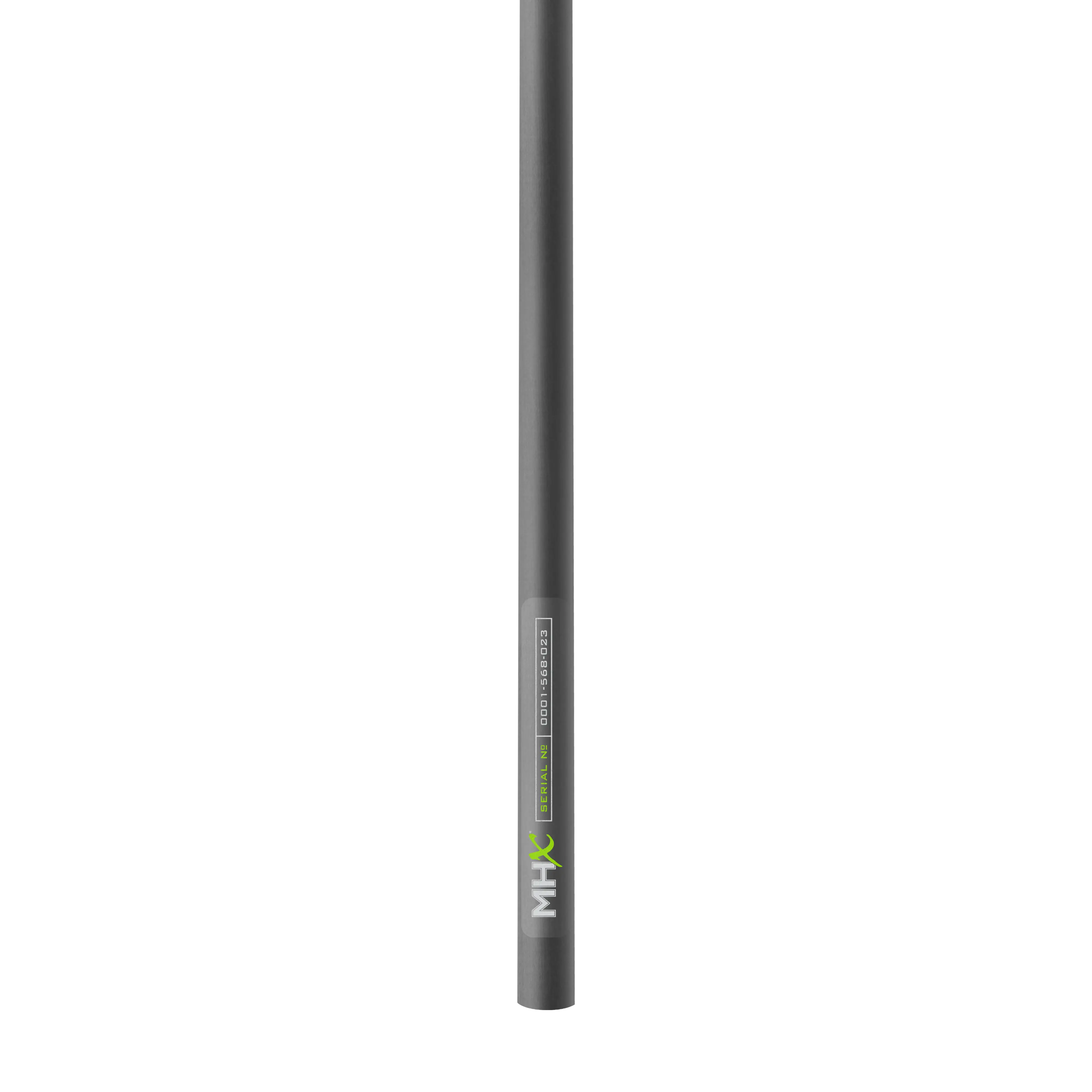
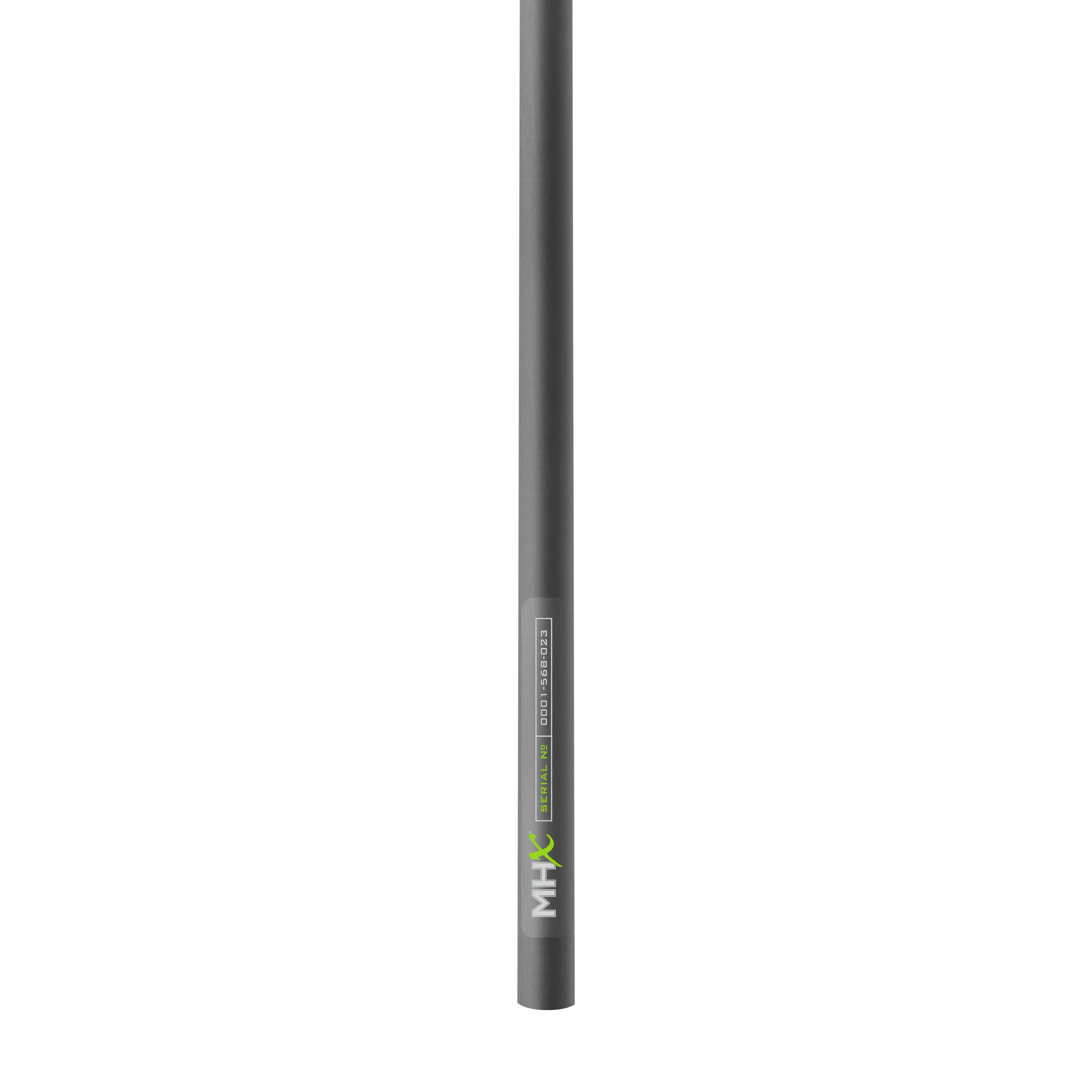
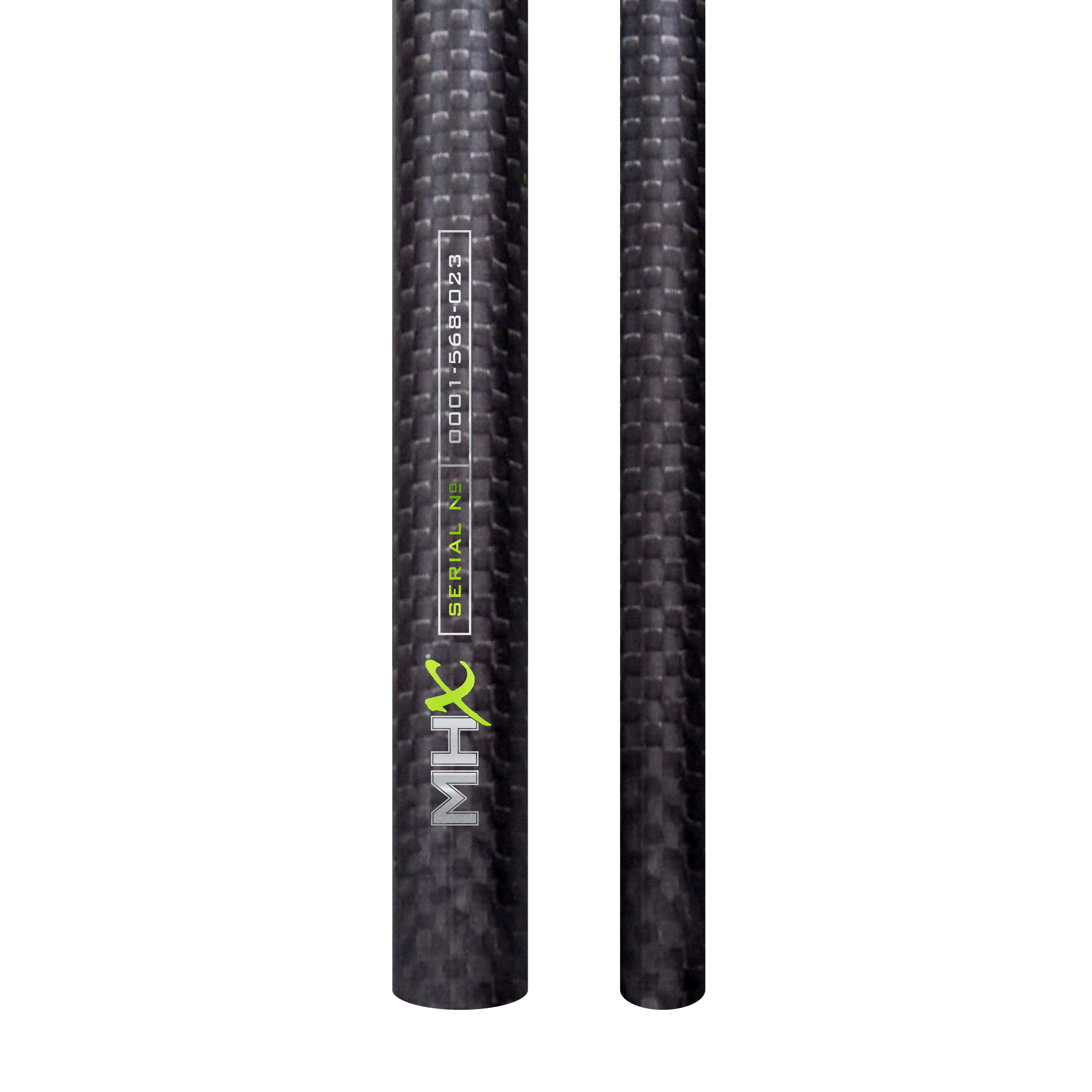
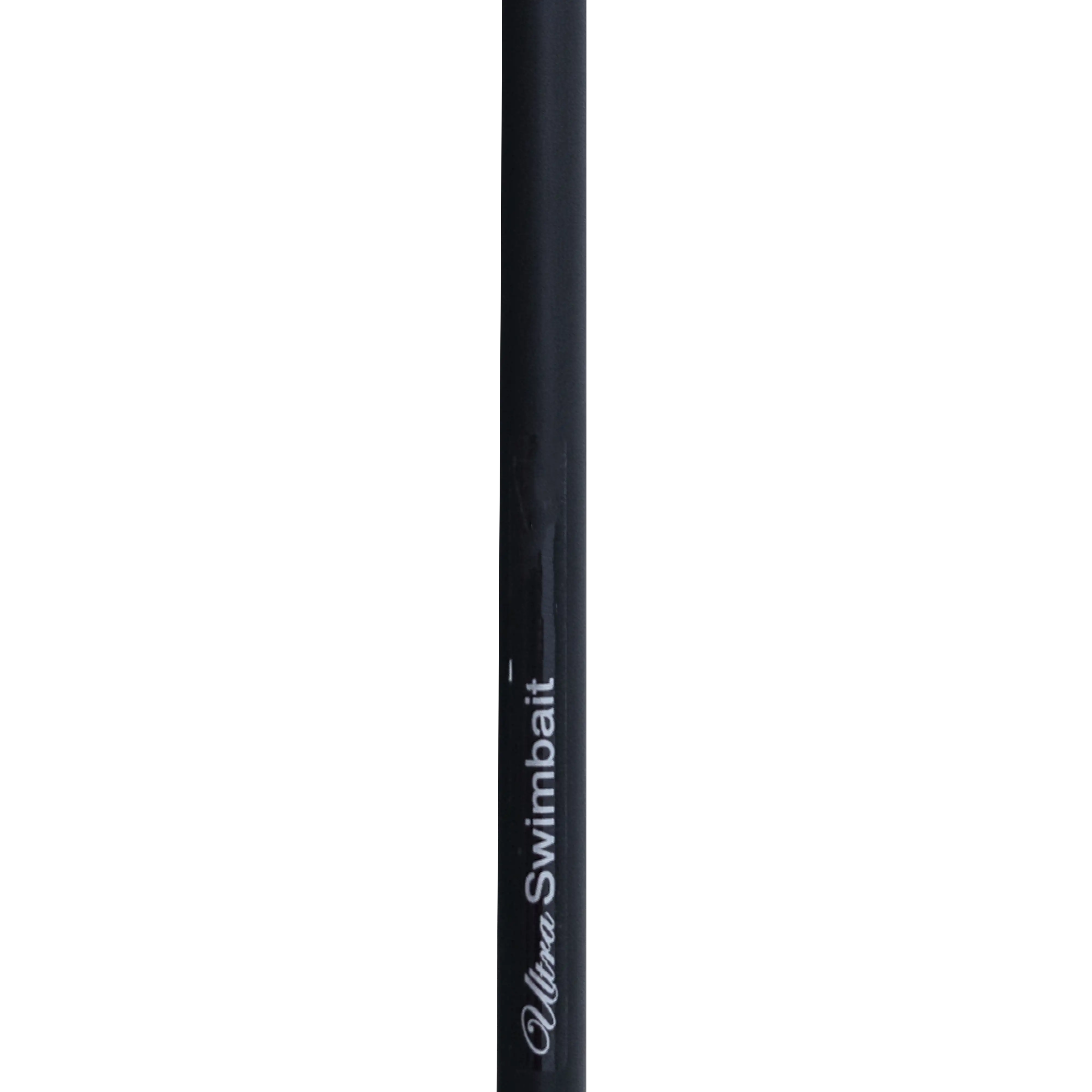
3 models available
Swimbait Guide Kits
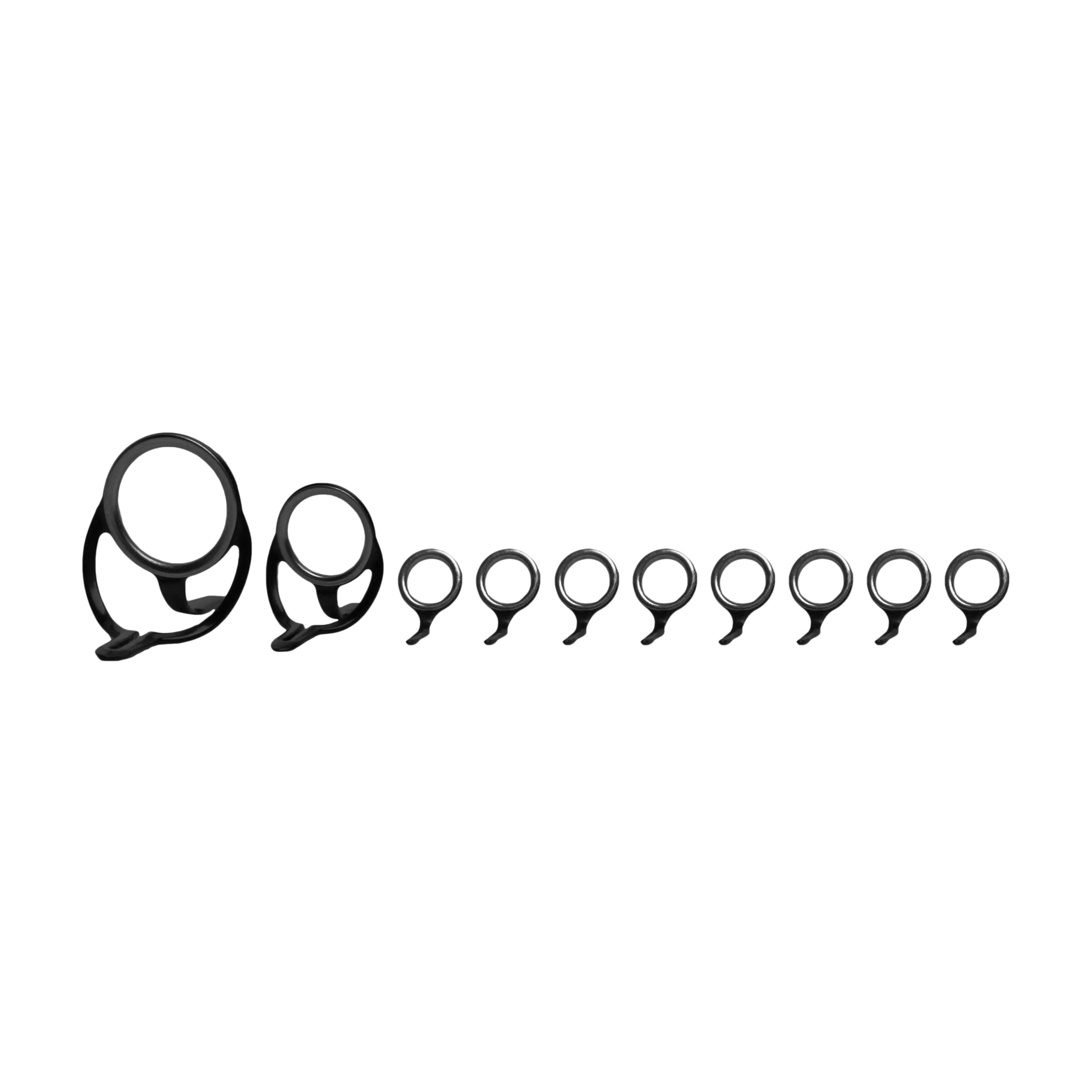
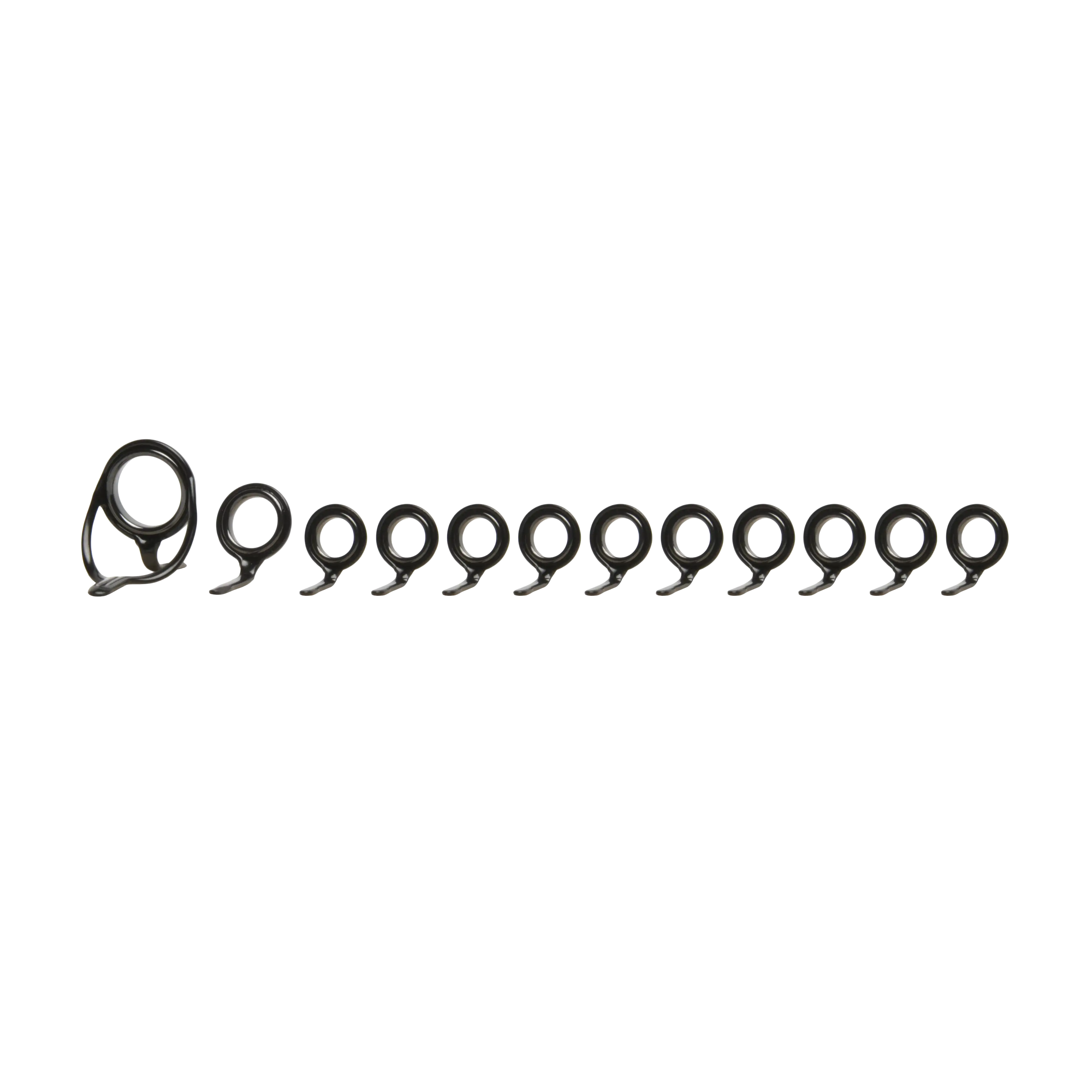
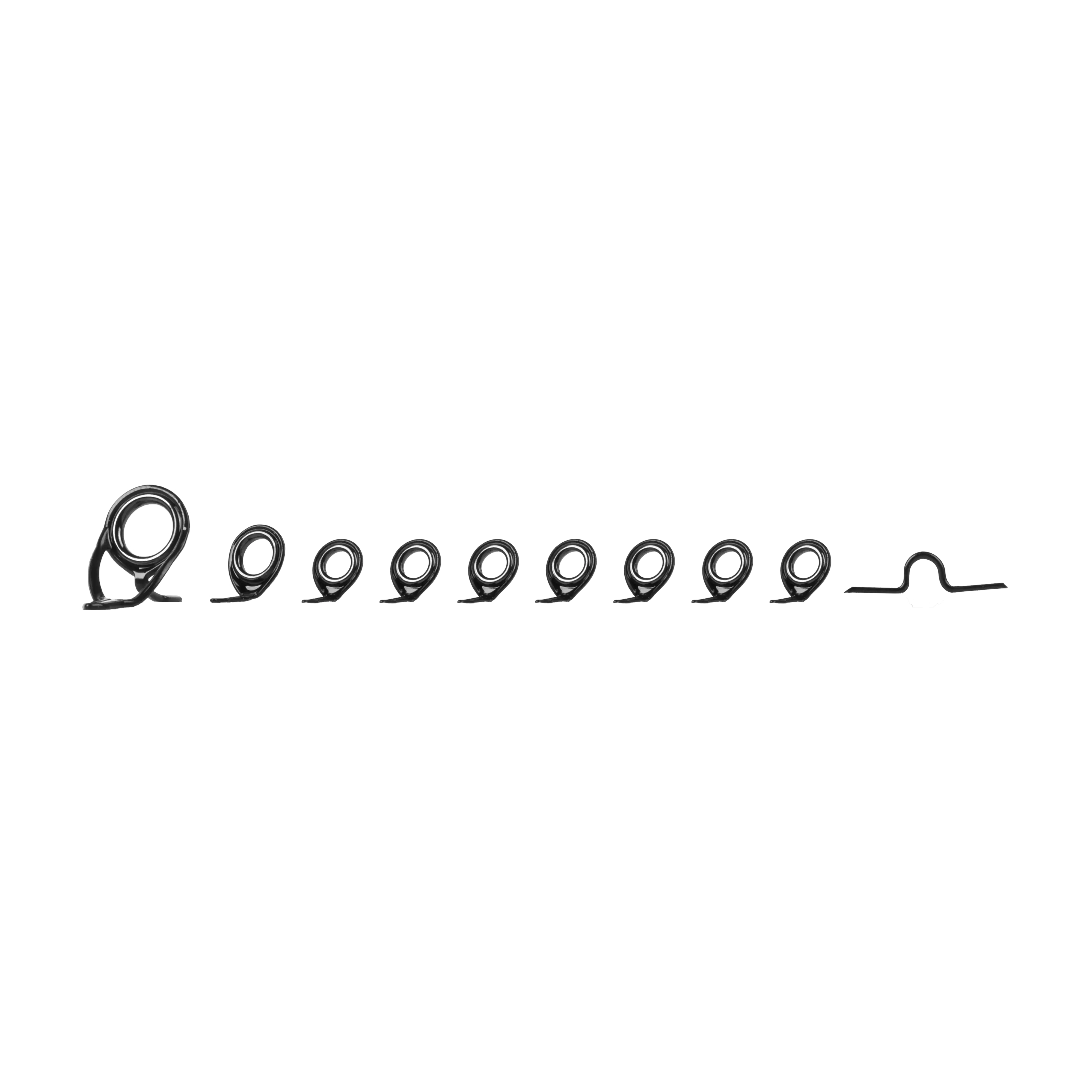
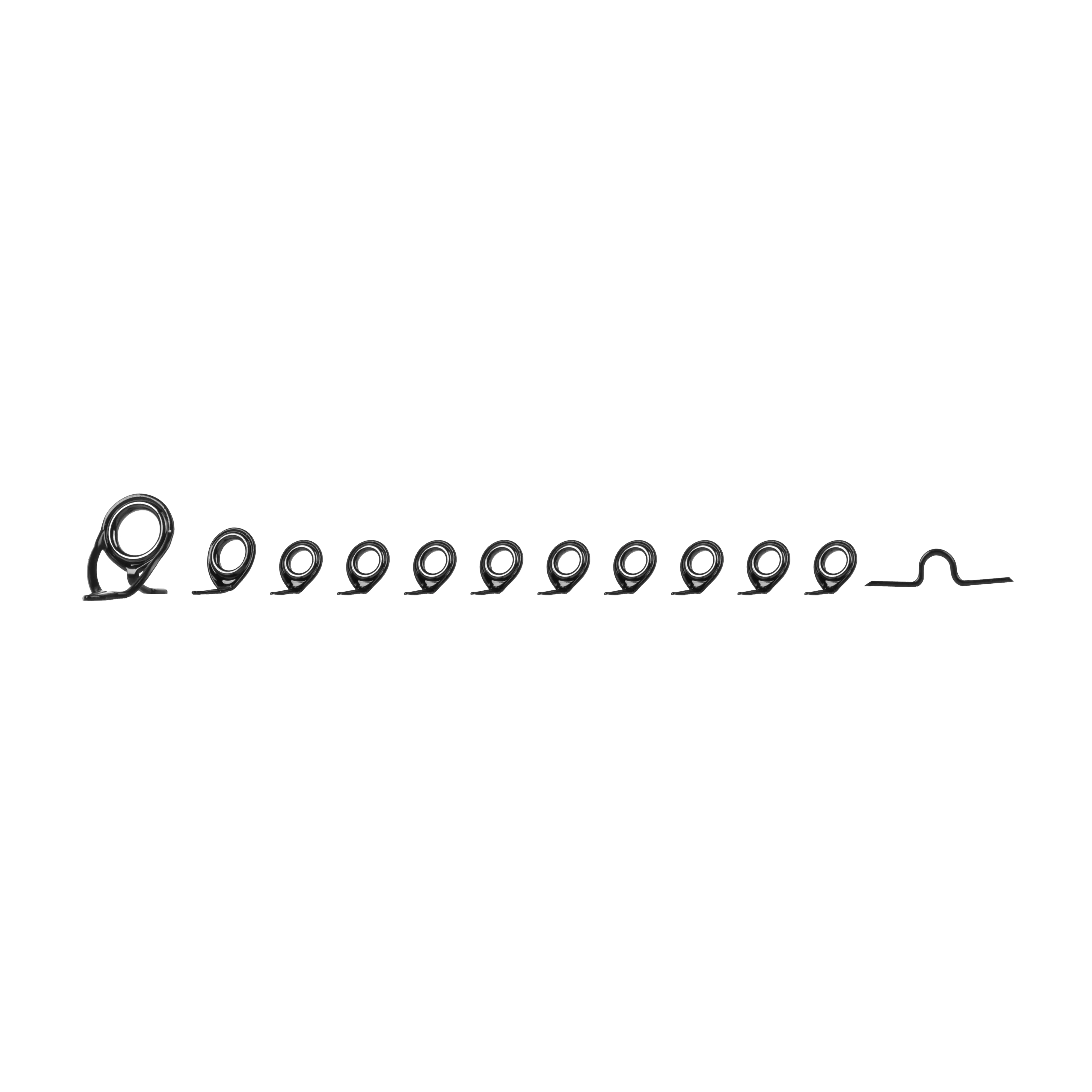
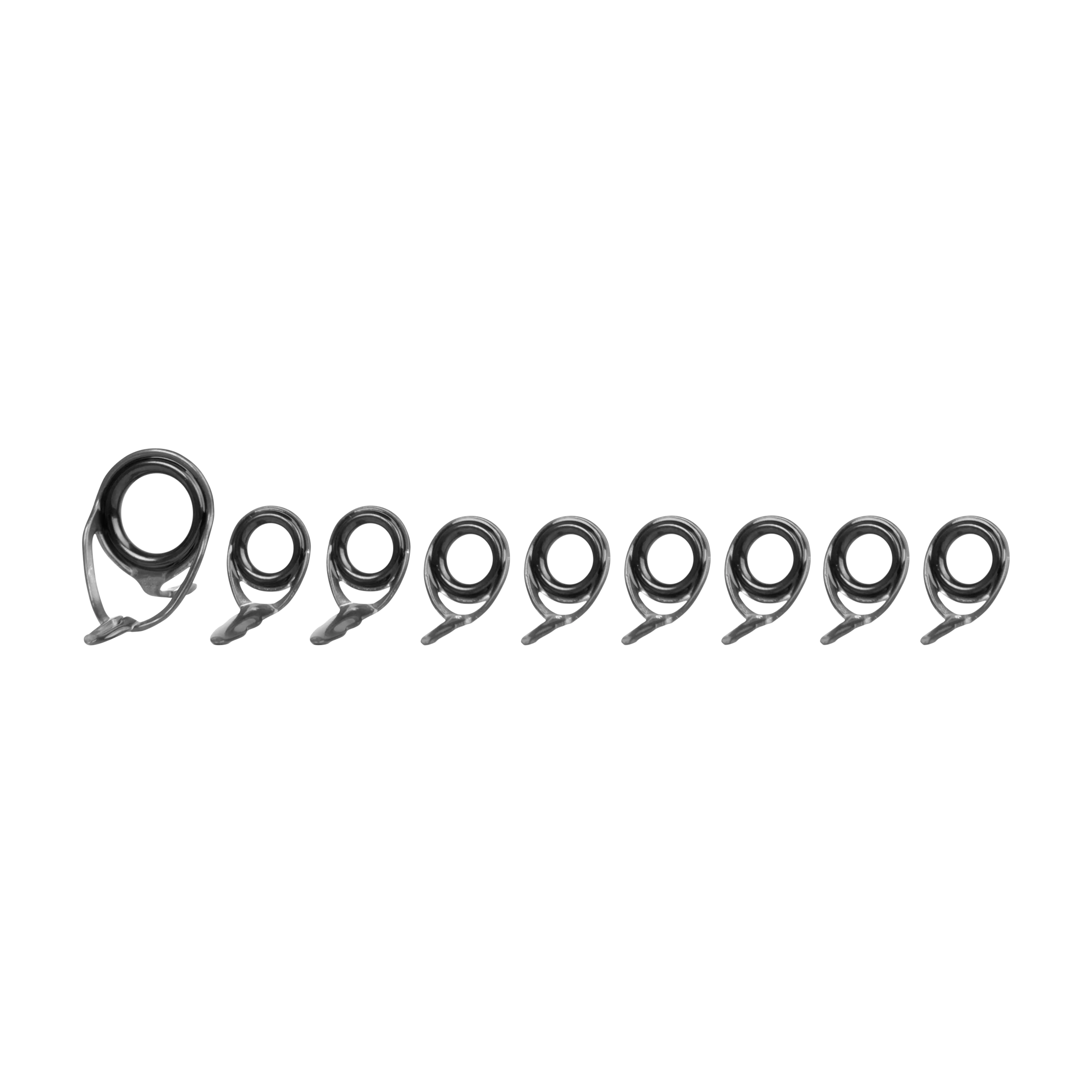
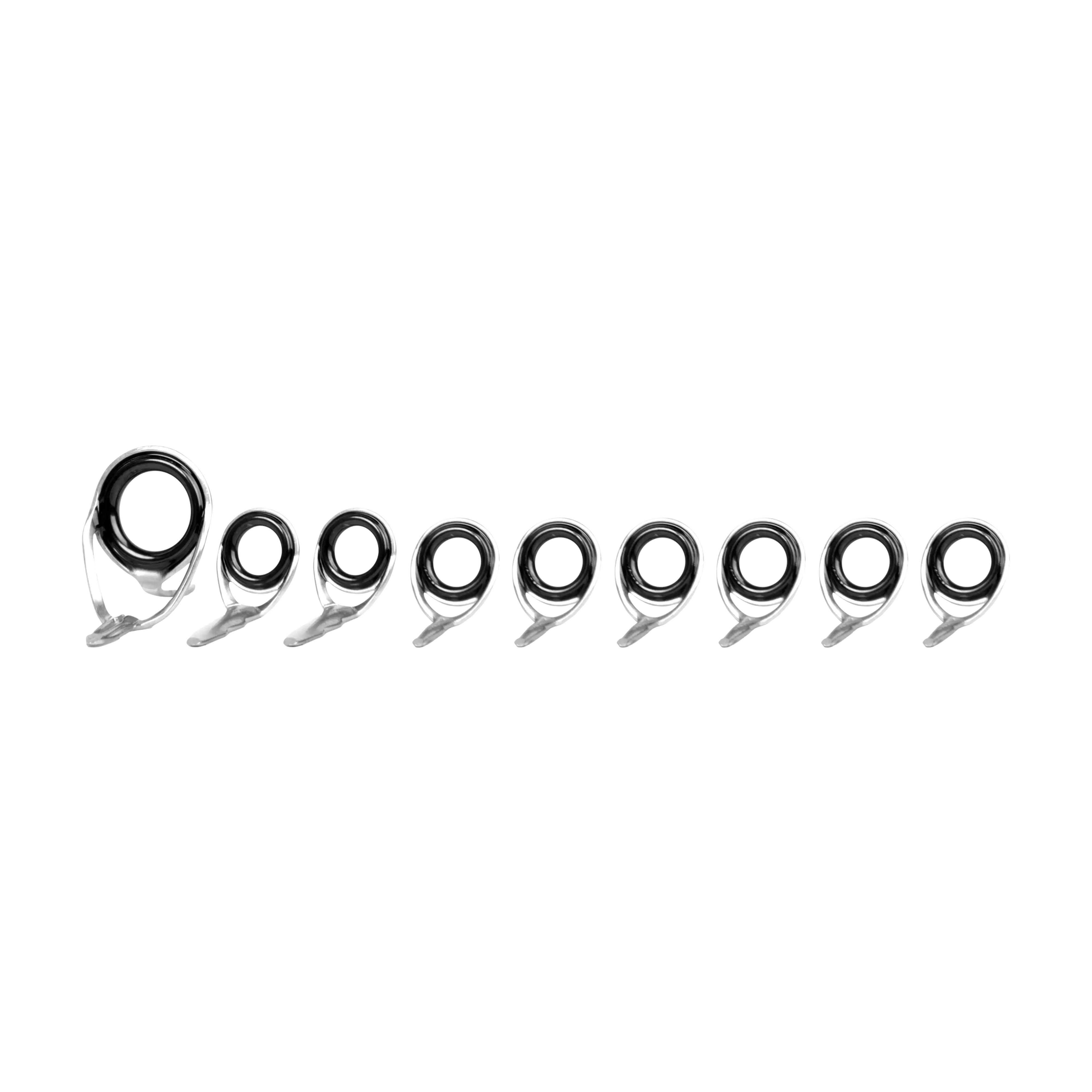
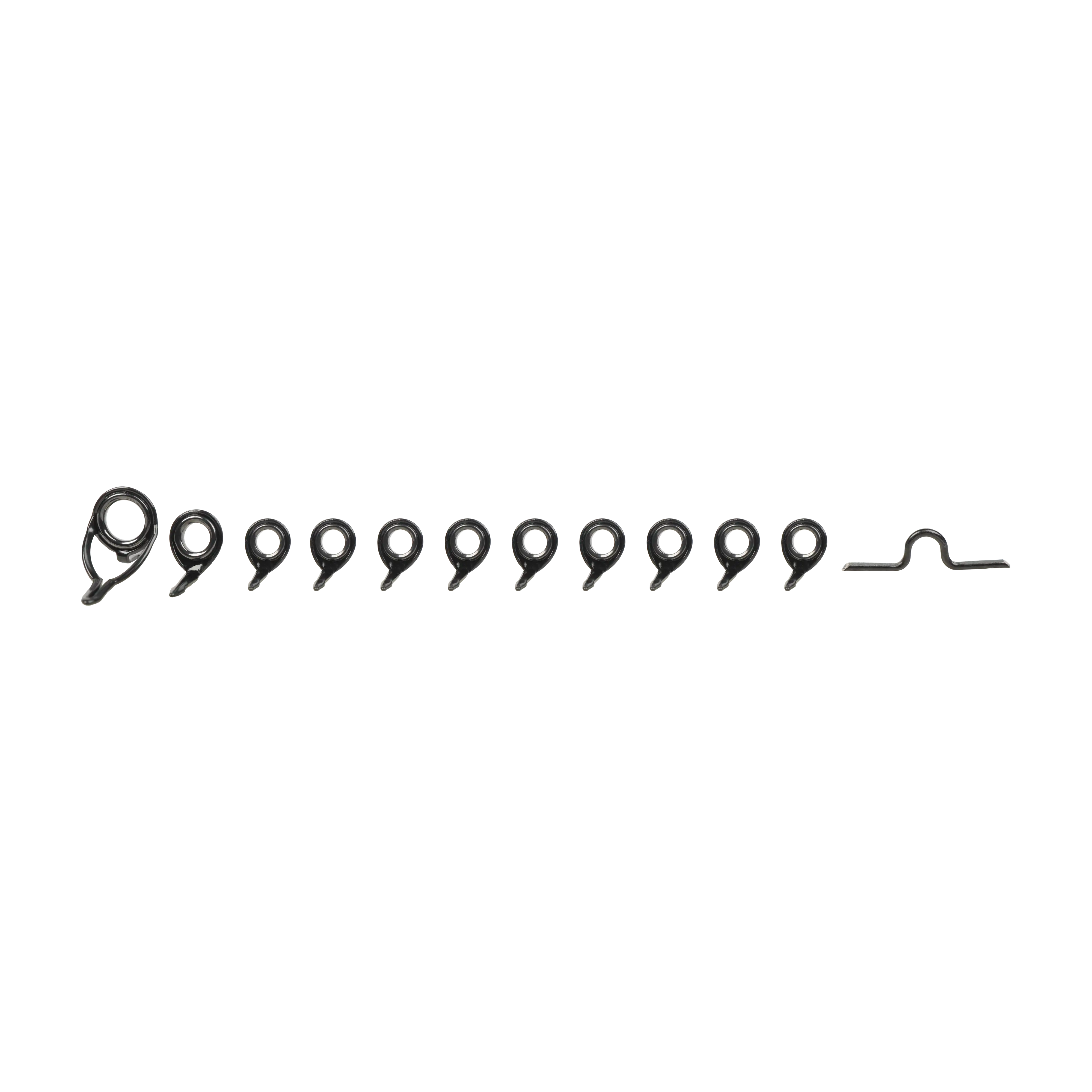
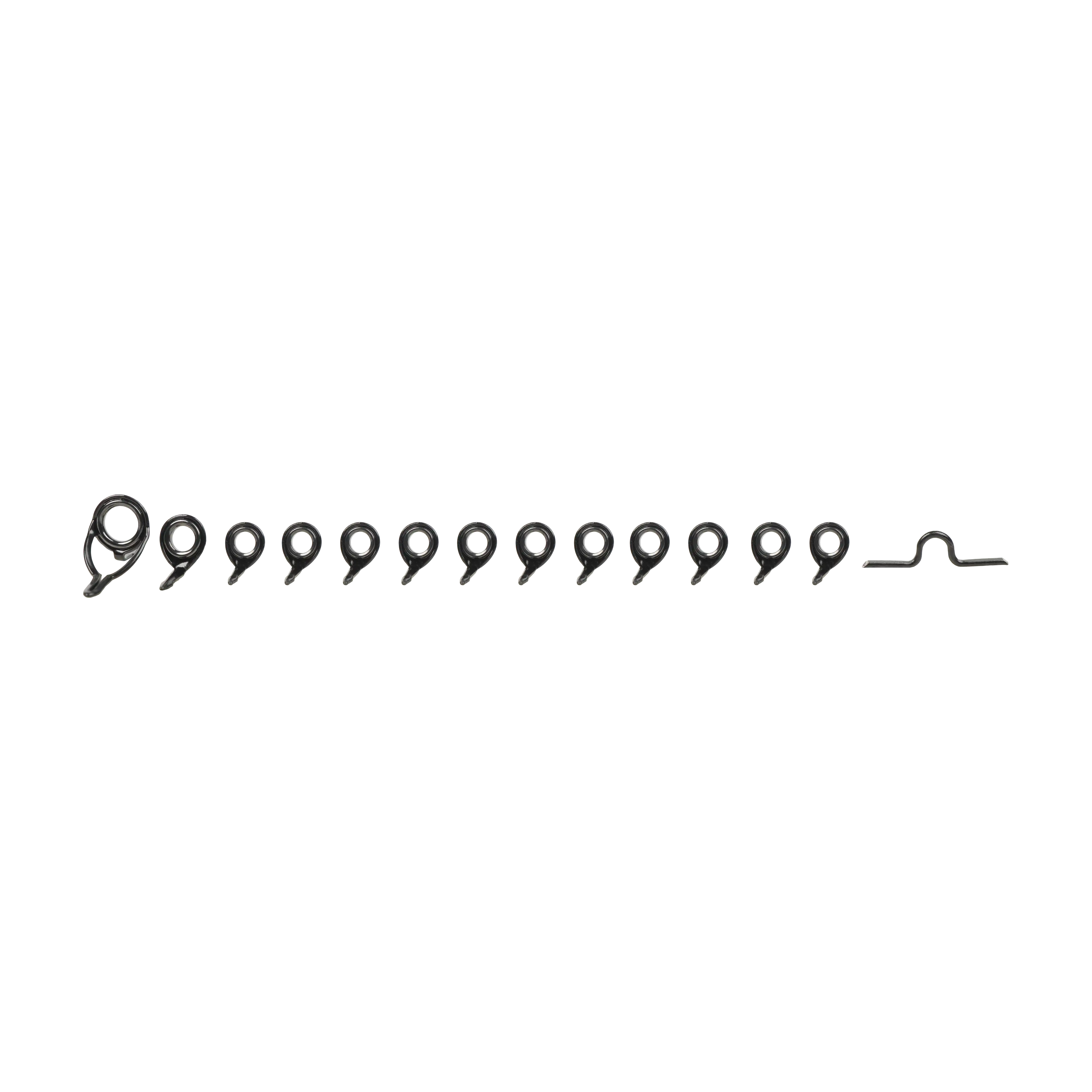
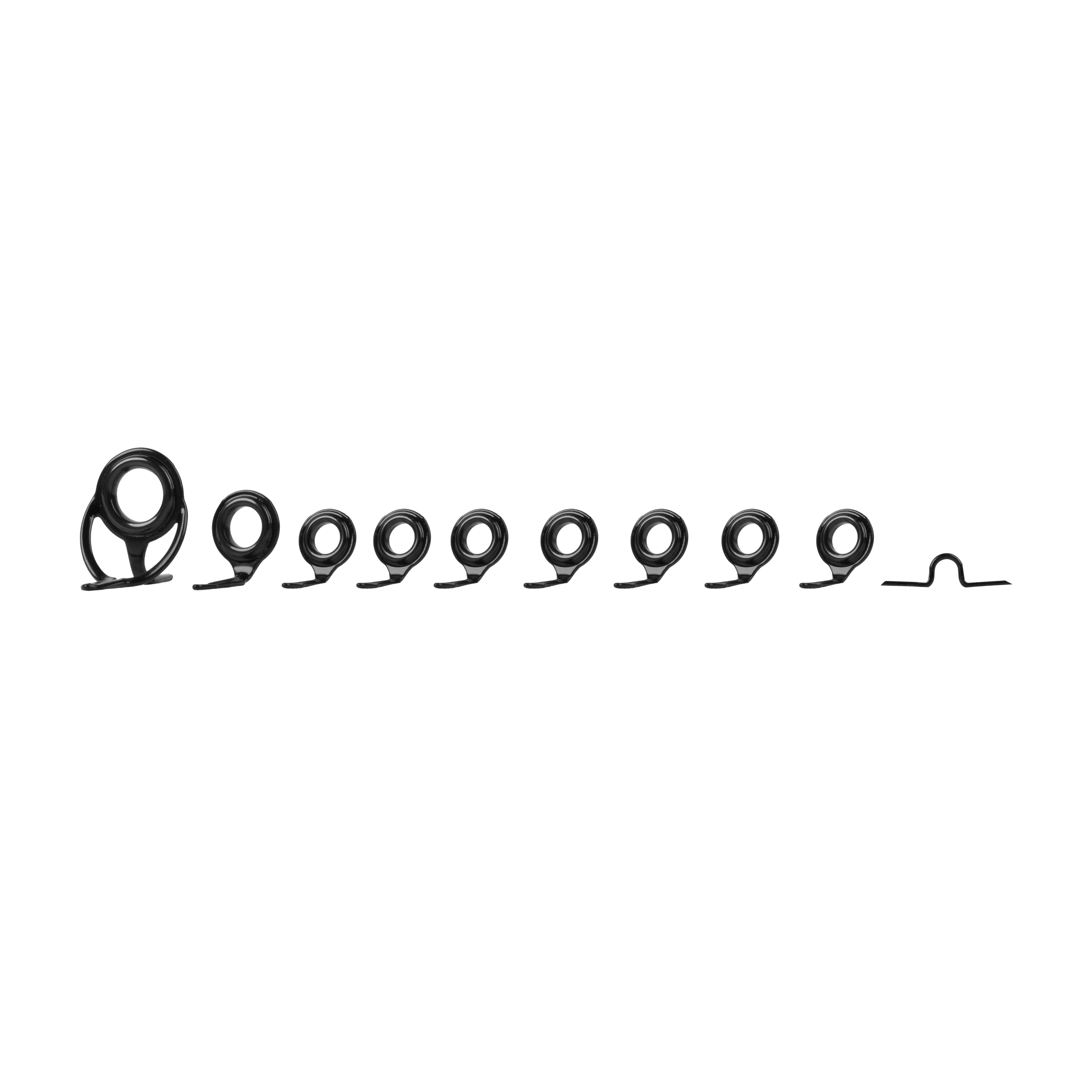
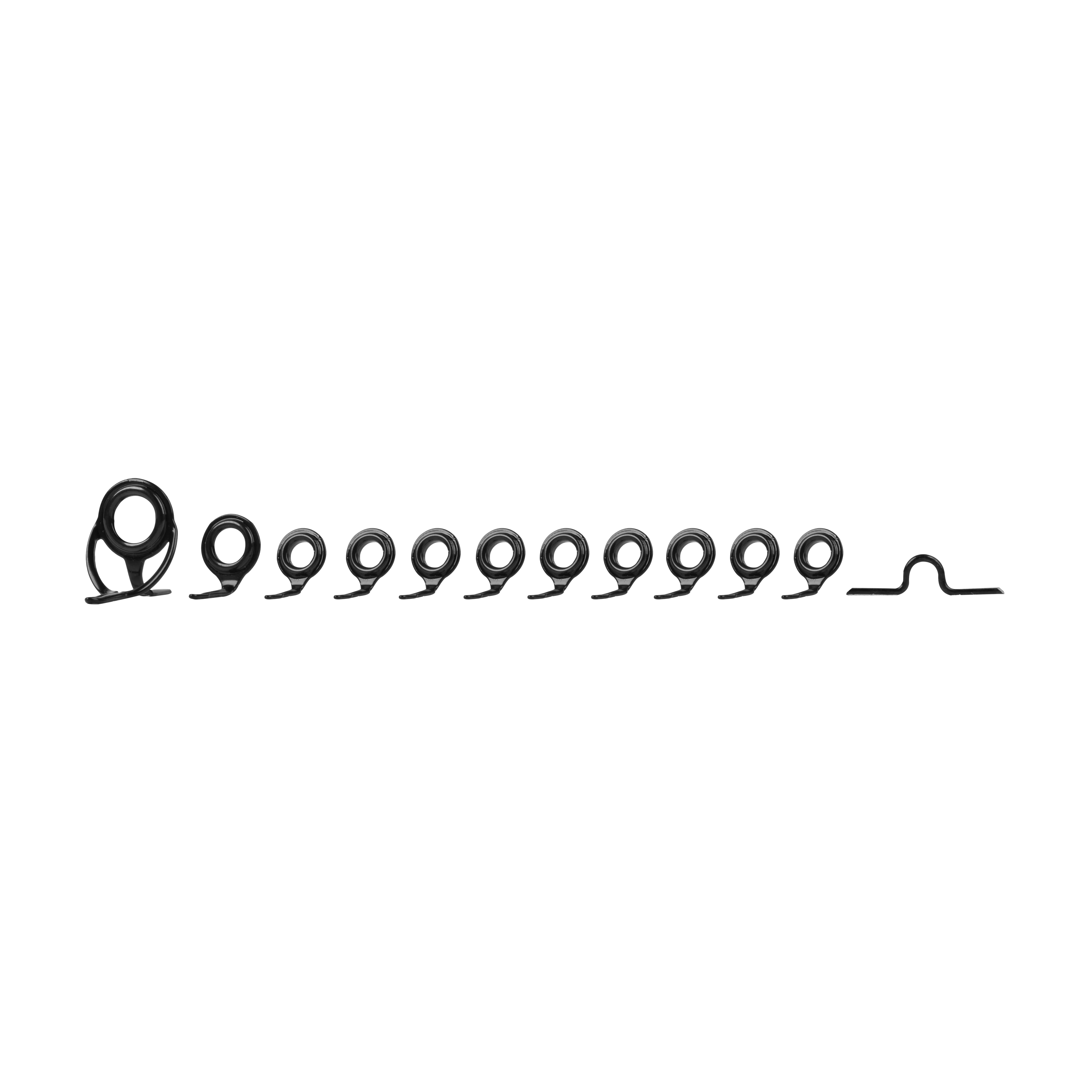
When building a swimbait casting rod, selecting the right guide kit is one of the most important decisions for overall performance. Swimbait setups place a constant, sustained load on the blank—from launching heavy baits to managing resistance throughout the retrieve—so guide sizing and spacing must support smooth line flow and even stress distribution. Guide kits simplify this by pairing correctly sized guides with pre-set spacing matched to the blank, removing guesswork and helping the rod perform as intended.
Proper guide placement goes beyond simply supporting the line—it directly affects casting distance, load transfer, and how efficiently the blank recovers under pressure. With heavier swimbaits, poor spacing can introduce friction, reduce casting efficiency, and interrupt the blank’s natural flex. A properly matched guide train keeps line tracking clean, maintains consistent load across the rod, and supports both casting performance and hook-setting power.
Proper guide placement helps distribute load evenly under constant pressure, improves casting distance and efficiency with heavier baits, maintains smooth and controlled lure movement during the retrieve, and supports consistent hooksets throughout the fight.
Most medium to large swimbait rods are built on casting platforms, so the guide layout follows a structured progression. The stripper guide—positioned closest to the reel—controls the initial line transition off the spool, followed by a series of running guides that carry the line smoothly down the blank to the tip. Selecting the correct guide types, sizes, and spacing ensures low friction, stable line flow, and consistent blank performance under sustained load.
Stripper Guides
Typically double-footed for added strength and stability, especially with heavier swimbaits and higher line tensions. On most swimbait builds, a single double-foot stripper guide is sufficient, but for heavier power blanks or larger lure ranges, some builders incorporate a second double-foot guide to better manage line control and distribute stress. Both approaches are effective depending on blank power and intended use.
Running Guides
Running guides on swimbait rods are most often built with single-foot designs to keep overall weight down and maintain better balance, especially on longer, heavier builds. They are spaced progressively from the stripper guide to the tip, following the natural flex of the blank to support consistent line flow under load. Proper spacing helps distribute pressure evenly as the rod bends, which preserves the blank’s intended action and ensures smooth recovery. When sized and positioned correctly, running guides minimize friction during both casting and retrieve, allowing heavier lines to move cleanly while maintaining casting accuracy and controlled bait presentation.
Frame vs Ring Size
Selecting the right frame style and ring size is critical for how the rod handles heavier lines and maintains performance under load. Swimbait setups commonly use braid or fluorocarbon in higher pound tests, so the guide system must keep the line controlled without adding unnecessary weight. The right combination allows the blank to load properly, improves balance, and keeps casting and retrieve performance consistent.
Frame Size
The frame is the structural component that holds the ring and controls line height off the blank. Frame height should align with your reel to create a smooth transition from the spool into the guide train. Lower-profile frames help reduce overall weight and improve rod balance, but they still need to provide enough clearance for heavier lines to flow cleanly. Many swimbait builds use a size 6 double-foot stripper guide as a starting point, though this can vary based on reel size and line choice.
Ring Size
Ring size refers to the inner diameter that the line passes through. Smaller rings reduce overall weight and can improve rod responsiveness, but they must still accommodate heavier lines and leader connections without restricting flow. The goal is to use the smallest ring size that maintains smooth casting and reliable performance under load. Size 5 running guides are common for swimbait rods, though some builds step down to size 4 to further reduce weight while maintaining control.
Key Takeaways
- Guide kits remove guesswork by matching guide size and spacing to the blank
- Proper guide placement improves casting efficiency, load distribution, and overall performance
- Double-foot stripper guides provide strength at the base, while running guides maintain smooth line flow
- Frame height and ring size influence line control, rod balance, and casting consistency
- A well-designed guide train helps the blank perform efficiently under the constant load of swimbait fishing
Swimbait Guide Kits
When building a swimbait casting rod, selecting the right guide kit is one of the most important decisions for overall performance. Swimbait setups place a constant, sustained load on the blank—from launching heavy baits to managing resistance throughout the retrieve—so guide sizing and spacing must support smooth line flow and even stress distribution. Guide kits simplify this by pairing correctly sized guides with pre-set spacing matched to the blank, removing guesswork and helping the rod perform as intended.
Proper guide placement goes beyond simply supporting the line—it directly affects casting distance, load transfer, and how efficiently the blank recovers under pressure. With heavier swimbaits, poor spacing can introduce friction, reduce casting efficiency, and interrupt the blank’s natural flex. A properly matched guide train keeps line tracking clean, maintains consistent load across the rod, and supports both casting performance and hook-setting power.
Proper guide placement helps distribute load evenly under constant pressure, improves casting distance and efficiency with heavier baits, maintains smooth and controlled lure movement during the retrieve, and supports consistent hooksets throughout the fight.
Most medium to large swimbait rods are built on casting platforms, so the guide layout follows a structured progression. The stripper guide—positioned closest to the reel—controls the initial line transition off the spool, followed by a series of running guides that carry the line smoothly down the blank to the tip. Selecting the correct guide types, sizes, and spacing ensures low friction, stable line flow, and consistent blank performance under sustained load.
Stripper Guides
Typically double-footed for added strength and stability, especially with heavier swimbaits and higher line tensions. On most swimbait builds, a single double-foot stripper guide is sufficient, but for heavier power blanks or larger lure ranges, some builders incorporate a second double-foot guide to better manage line control and distribute stress. Both approaches are effective depending on blank power and intended use.
Running Guides
Running guides on swimbait rods are most often built with single-foot designs to keep overall weight down and maintain better balance, especially on longer, heavier builds. They are spaced progressively from the stripper guide to the tip, following the natural flex of the blank to support consistent line flow under load. Proper spacing helps distribute pressure evenly as the rod bends, which preserves the blank’s intended action and ensures smooth recovery. When sized and positioned correctly, running guides minimize friction during both casting and retrieve, allowing heavier lines to move cleanly while maintaining casting accuracy and controlled bait presentation.
Frame vs Ring Size
Selecting the right frame style and ring size is critical for how the rod handles heavier lines and maintains performance under load. Swimbait setups commonly use braid or fluorocarbon in higher pound tests, so the guide system must keep the line controlled without adding unnecessary weight. The right combination allows the blank to load properly, improves balance, and keeps casting and retrieve performance consistent.
Frame Size
The frame is the structural component that holds the ring and controls line height off the blank. Frame height should align with your reel to create a smooth transition from the spool into the guide train. Lower-profile frames help reduce overall weight and improve rod balance, but they still need to provide enough clearance for heavier lines to flow cleanly. Many swimbait builds use a size 6 double-foot stripper guide as a starting point, though this can vary based on reel size and line choice.
Ring Size
Ring size refers to the inner diameter that the line passes through. Smaller rings reduce overall weight and can improve rod responsiveness, but they must still accommodate heavier lines and leader connections without restricting flow. The goal is to use the smallest ring size that maintains smooth casting and reliable performance under load. Size 5 running guides are common for swimbait rods, though some builds step down to size 4 to further reduce weight while maintaining control.
Key Takeaways
- Guide kits remove guesswork by matching guide size and spacing to the blank
- Proper guide placement improves casting efficiency, load distribution, and overall performance
- Double-foot stripper guides provide strength at the base, while running guides maintain smooth line flow
- Frame height and ring size influence line control, rod balance, and casting consistency
- A well-designed guide train helps the blank perform efficiently under the constant load of swimbait fishing
Swimbait Guide Kits

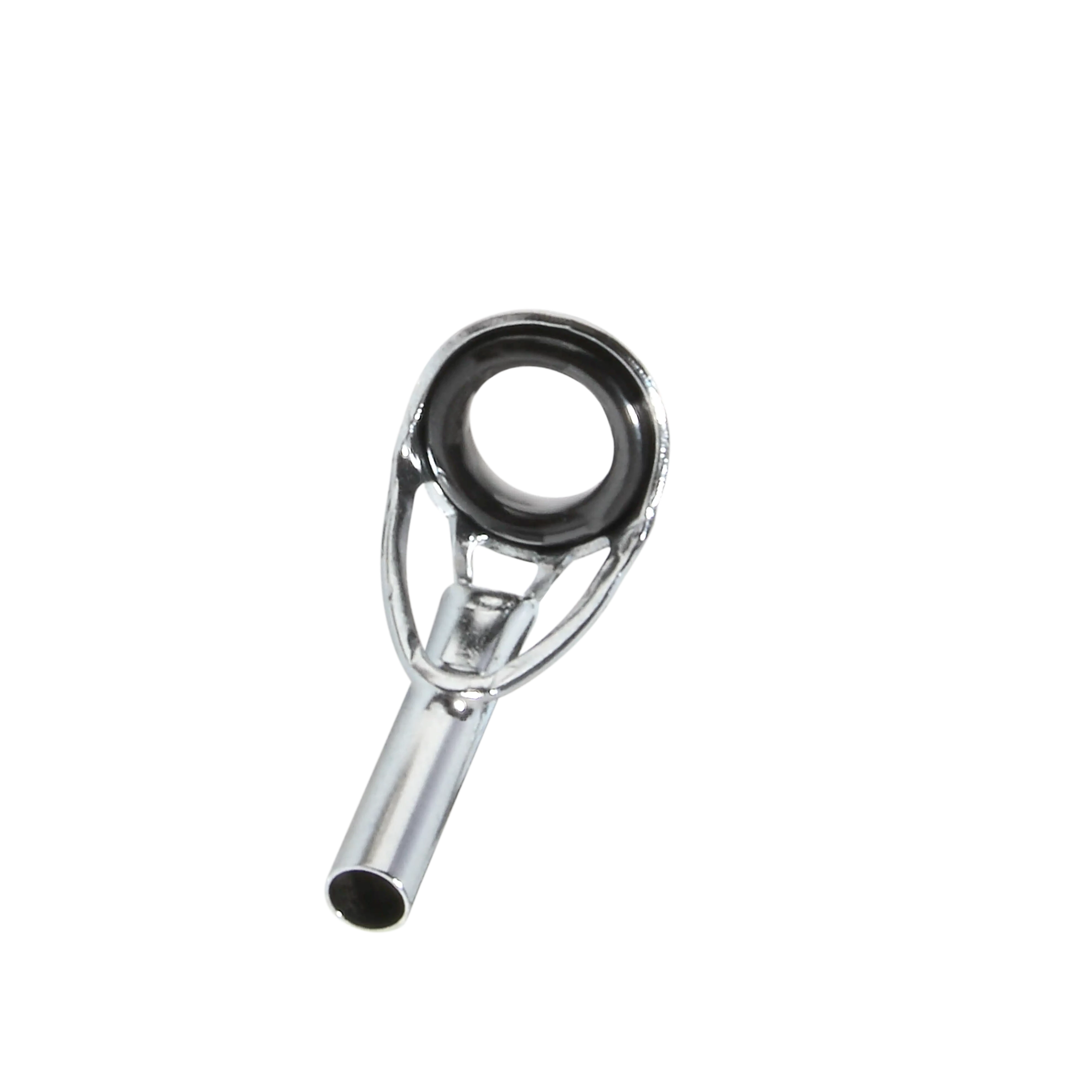
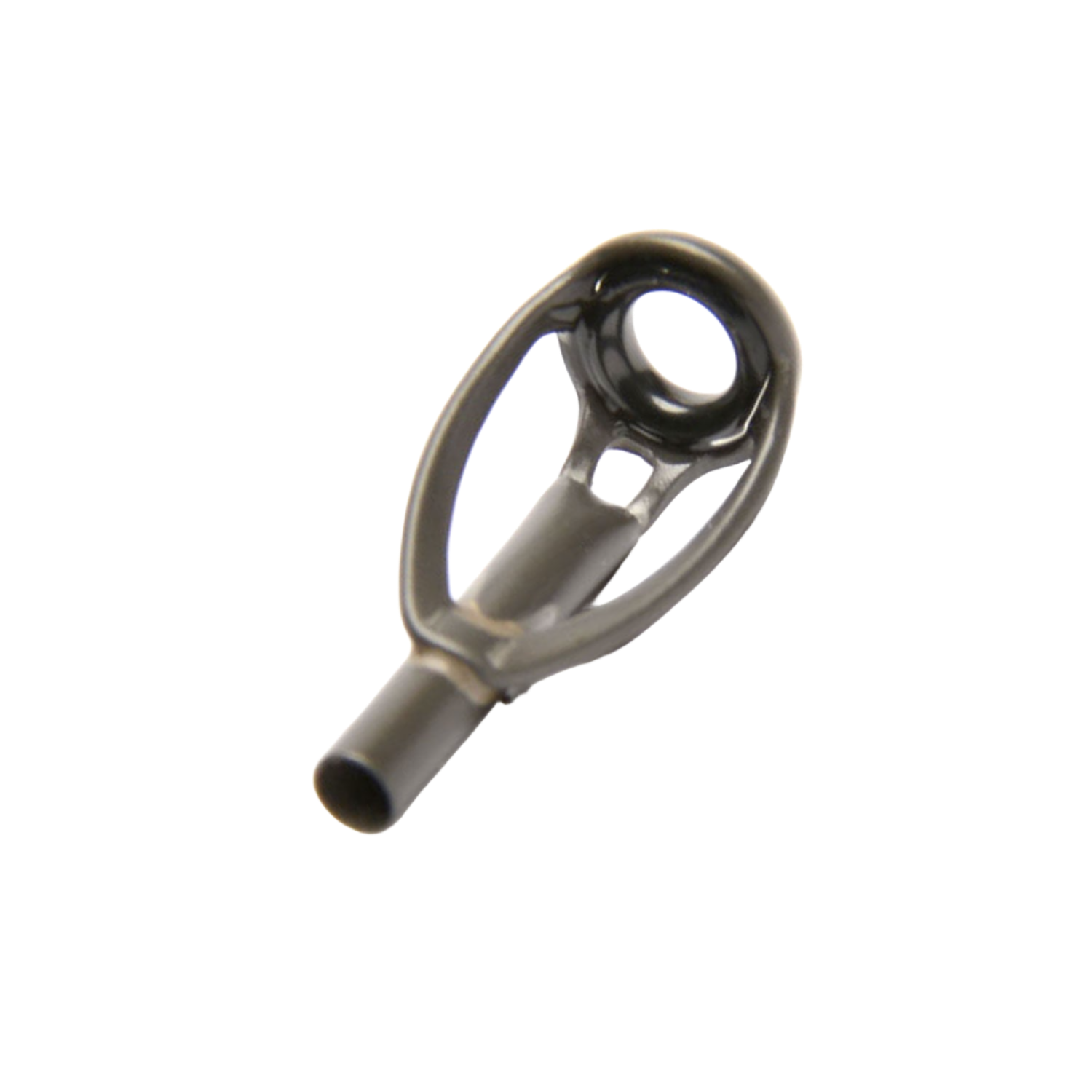
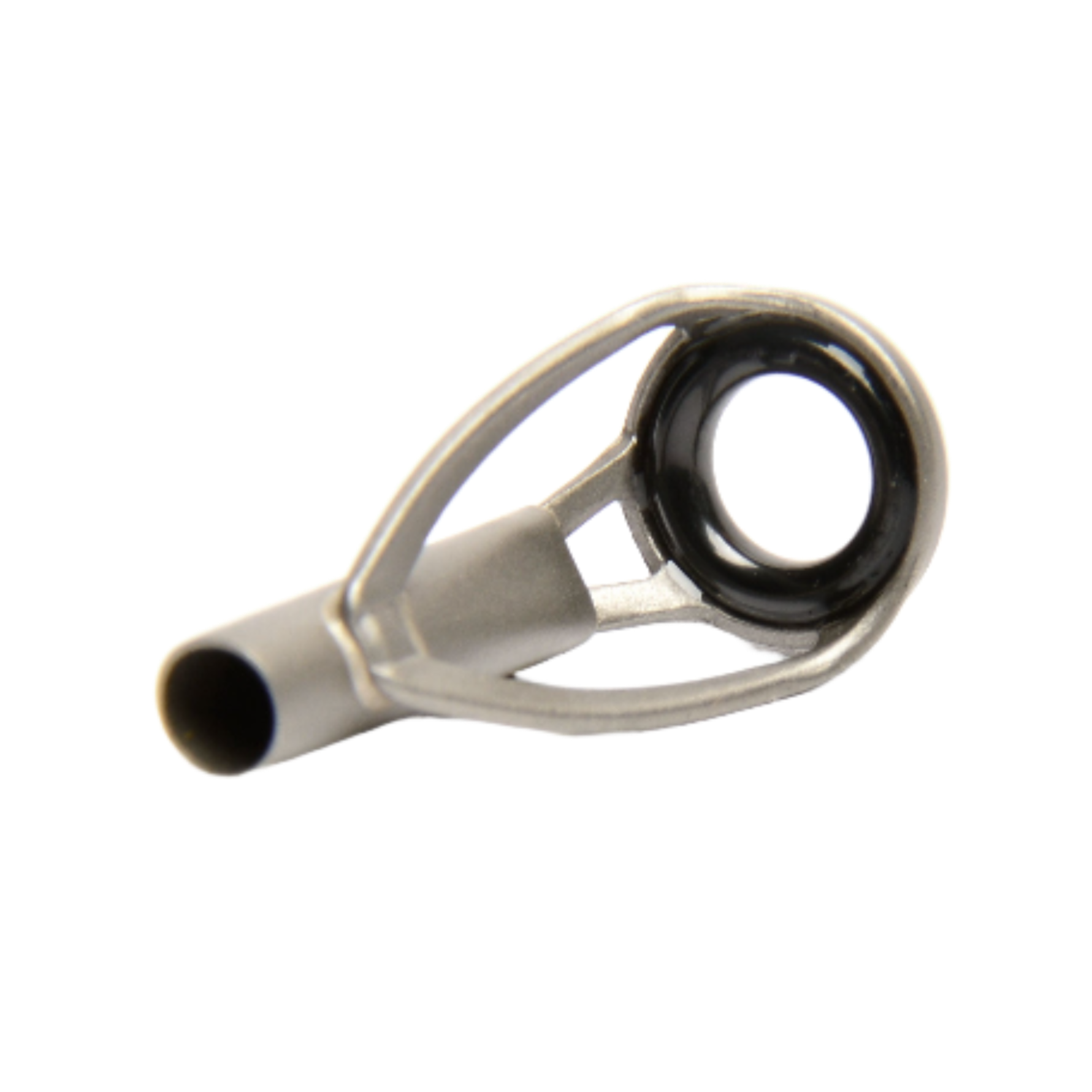
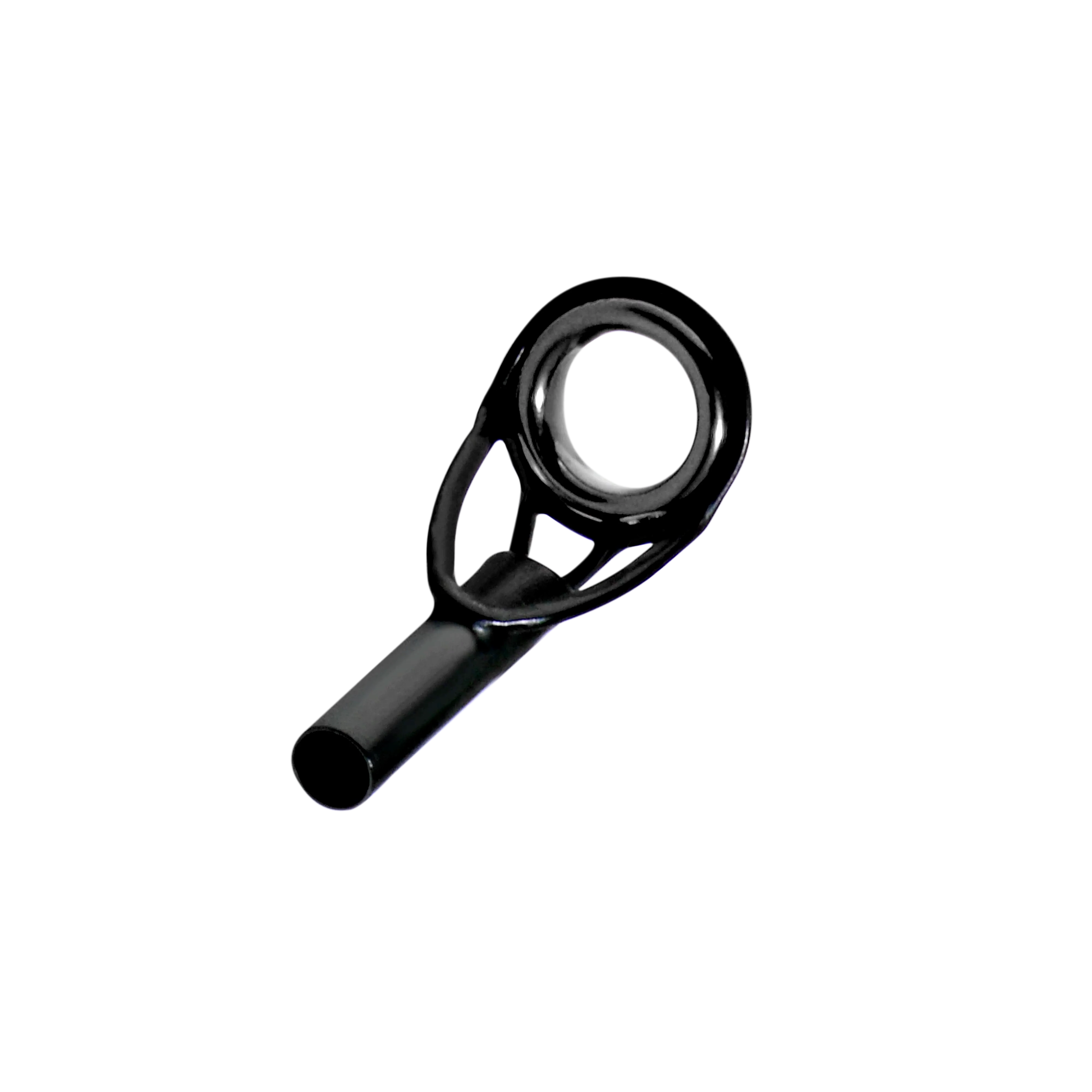
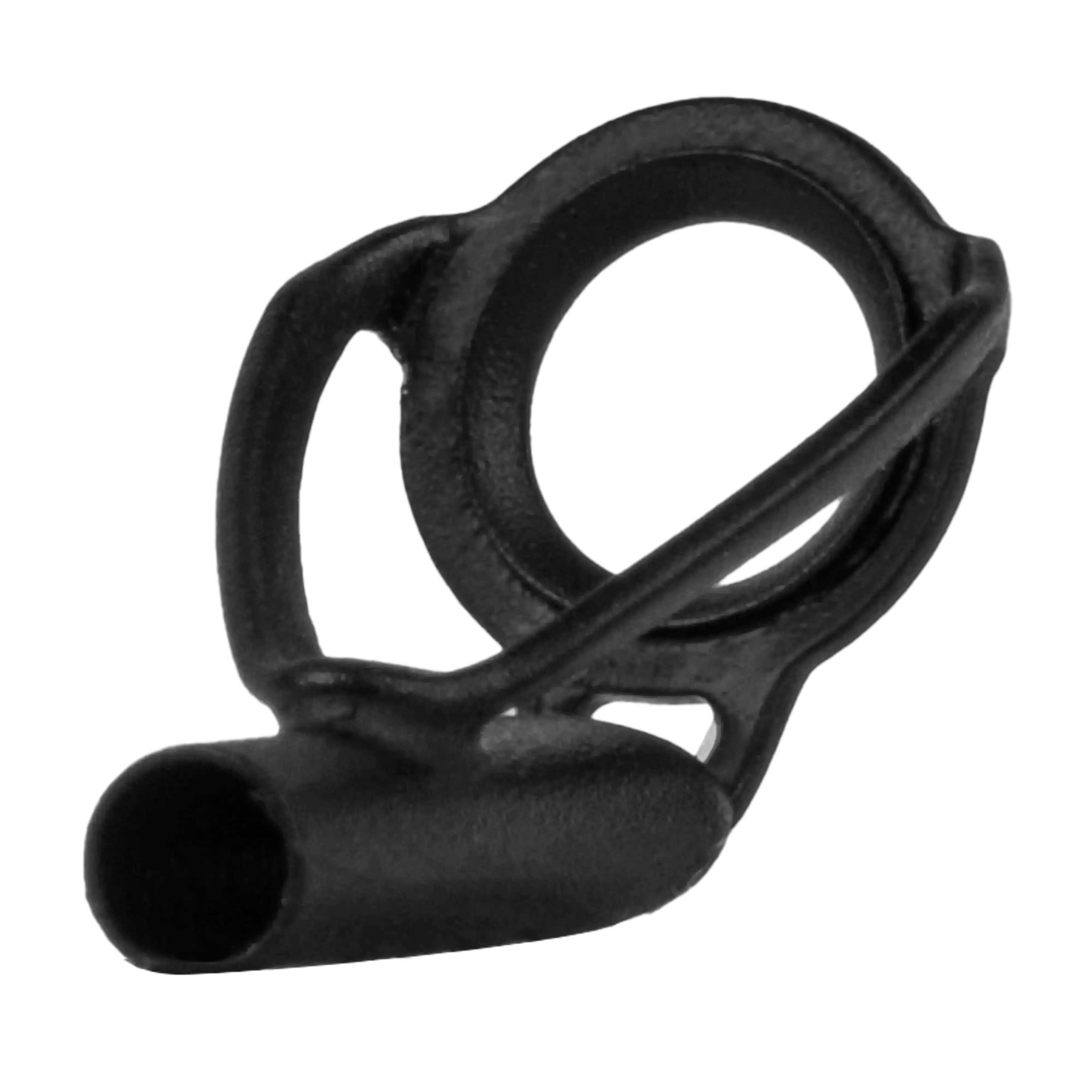
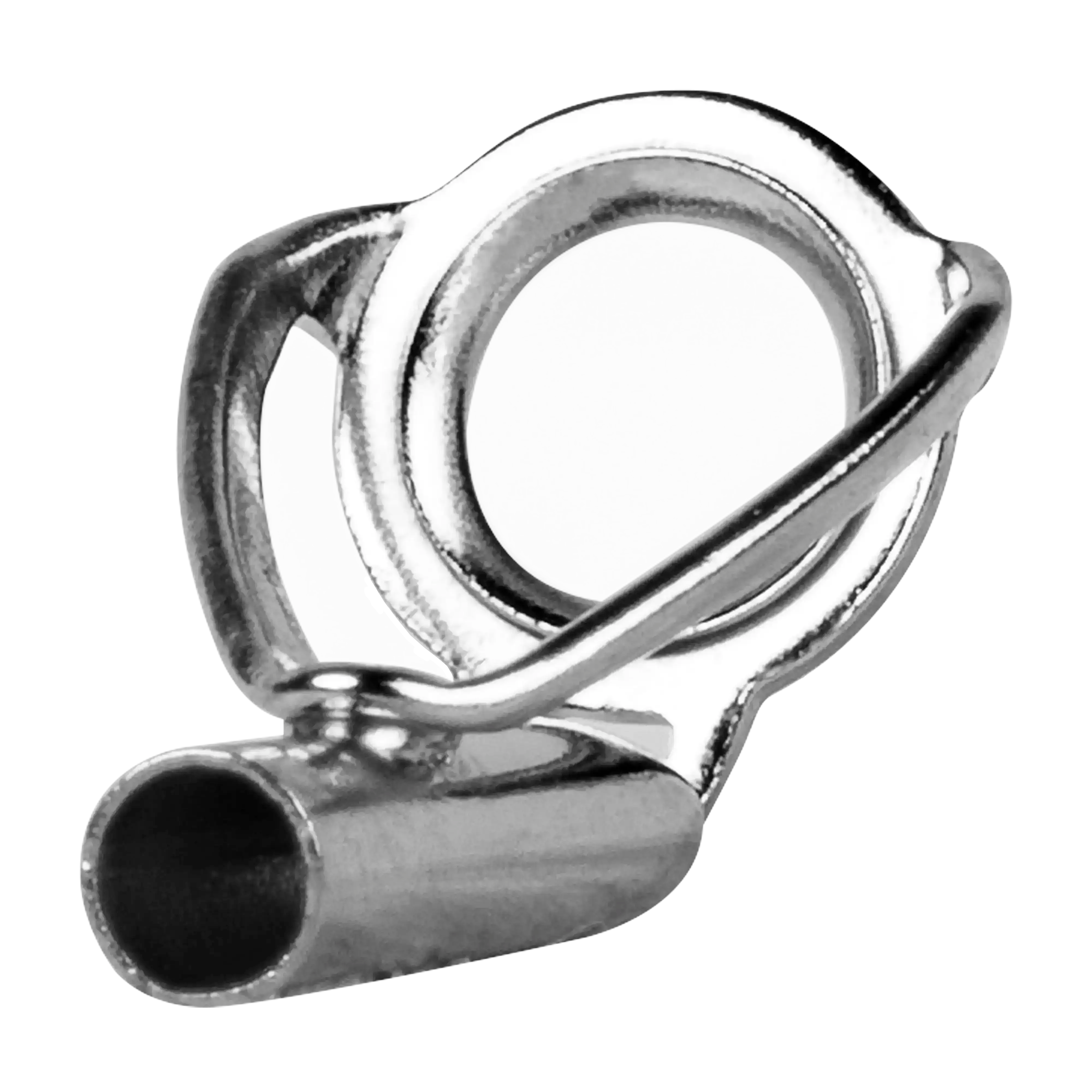
Swimbait Tip Top Guides
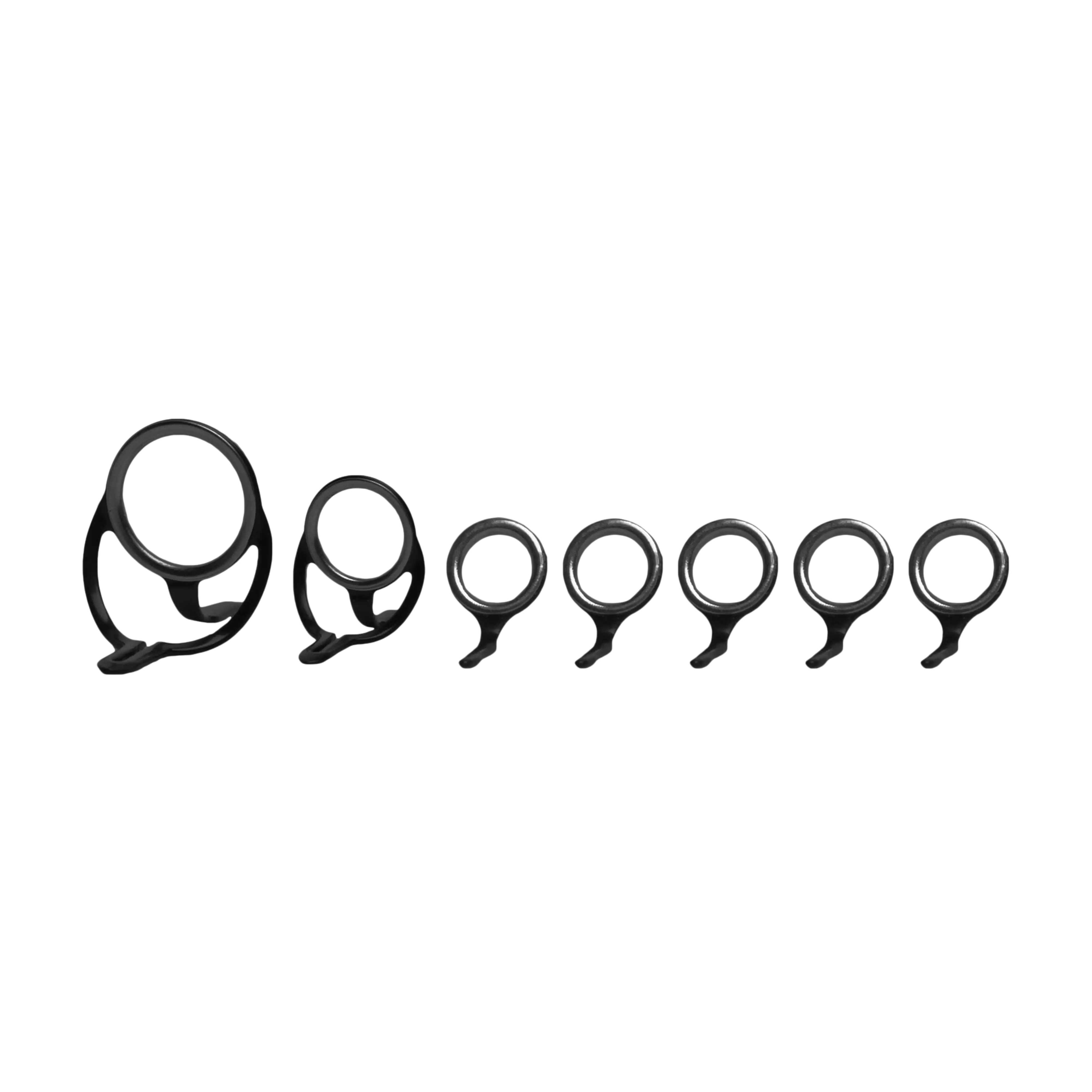
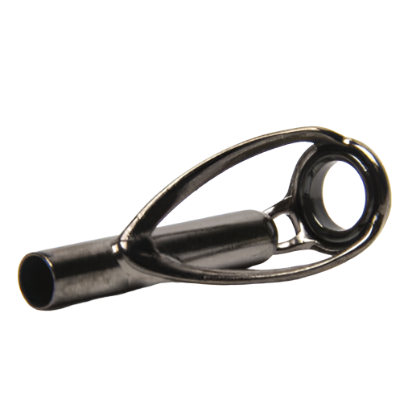
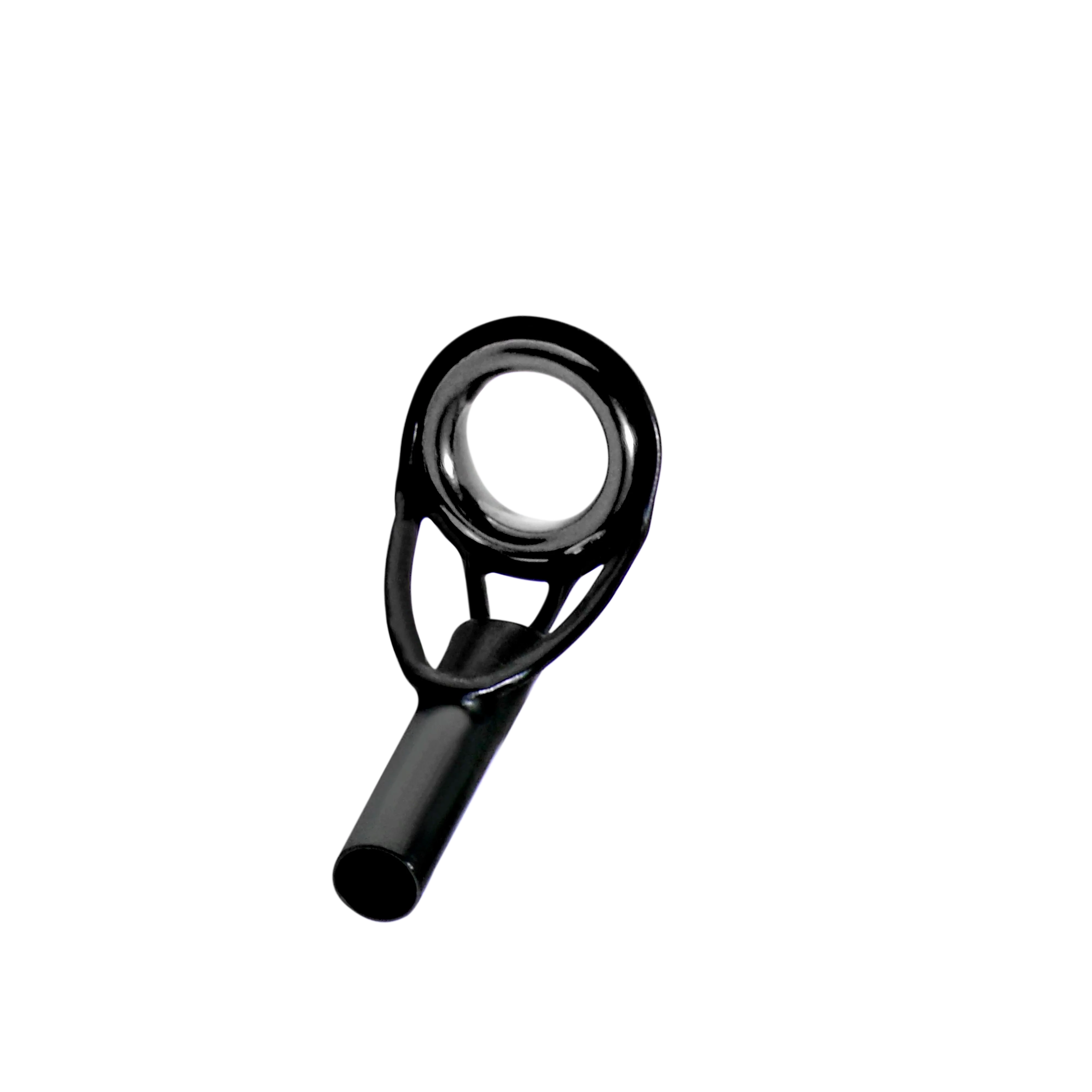
The tip-top plays a crucial role in the overall performance and durability of a swimbait rod. As the final point of contact before the line exits the guide train, it helps control line flow during long casts, maintains consistent tension through steady retrieves, and protects the blank tip from wear caused by heavy line, leader knots, and sustained load. Because swimbait rods are constantly working under pressure from large lures and extended casts, selecting the correct tip-top is an important detail that directly impacts long-term performance.
When selecting a tip-top, two key factors matter:
Ring Size
Ring size controls how smoothly line transitions out of the guide train during casting and retrieve. Most builders match the tip-top ring size to the final running guide to maintain consistent line tracking and a clean transition through the top section of the rod. This helps preserve casting efficiency and keeps the blank loading and recovering smoothly under load.
Some builders choose to step up one ring size to better accommodate heavier fluorocarbon leaders, thicker braid, or frequent knot passage, especially in larger swimbait setups. A slightly larger ring can also reduce friction during long casts and help maintain smoother line flow when the rod is under sustained load. The goal is to balance clean line movement with minimal added weight at the tip.
Tube Size
Tube size refers to the inside diameter of the tip-top that fits over the rod blank. A precise fit is critical to ensure a secure bond without excessive adhesive or looseness. Proper tube sizing preserves the blank’s natural action and prevents alignment issues that can affect durability and long-term performance.
A properly selected tip-top completes the guide system by ensuring smooth line flow, protecting the rod tip under load, and maintaining consistent performance throughout the cast and retrieve. Even though it is a small component, an incorrect tip-top can negatively impact line control, knot clearance, and overall rod efficiency.
Matching Your Tip Top
While not required for performance, many builders choose to match the tip-top to the rest of the guide train for a more cohesive and professional finish. This is typically done by aligning brand, frame style, and ring design with the running guides, creating a unified look across the entire rod build.
Key Takeaways
- Tip-tops are critical for smooth line flow, durability, and protecting the rod tip under sustained load
- Tube size must precisely match the rod blank tip for secure fit and long-term reliability
- Ring size affects line transition and should balance smooth flow with knot and leader clearance
- Matching the tip-top to the guide train improves visual consistency and overall build finish
Swimbait Tip Top Guides
The tip-top plays a crucial role in the overall performance and durability of a swimbait rod. As the final point of contact before the line exits the guide train, it helps control line flow during long casts, maintains consistent tension through steady retrieves, and protects the blank tip from wear caused by heavy line, leader knots, and sustained load. Because swimbait rods are constantly working under pressure from large lures and extended casts, selecting the correct tip-top is an important detail that directly impacts long-term performance.
When selecting a tip-top, two key factors matter:
Ring Size
Ring size controls how smoothly line transitions out of the guide train during casting and retrieve. Most builders match the tip-top ring size to the final running guide to maintain consistent line tracking and a clean transition through the top section of the rod. This helps preserve casting efficiency and keeps the blank loading and recovering smoothly under load.
Some builders choose to step up one ring size to better accommodate heavier fluorocarbon leaders, thicker braid, or frequent knot passage, especially in larger swimbait setups. A slightly larger ring can also reduce friction during long casts and help maintain smoother line flow when the rod is under sustained load. The goal is to balance clean line movement with minimal added weight at the tip.
Tube Size
Tube size refers to the inside diameter of the tip-top that fits over the rod blank. A precise fit is critical to ensure a secure bond without excessive adhesive or looseness. Proper tube sizing preserves the blank’s natural action and prevents alignment issues that can affect durability and long-term performance.
A properly selected tip-top completes the guide system by ensuring smooth line flow, protecting the rod tip under load, and maintaining consistent performance throughout the cast and retrieve. Even though it is a small component, an incorrect tip-top can negatively impact line control, knot clearance, and overall rod efficiency.
Matching Your Tip Top
While not required for performance, many builders choose to match the tip-top to the rest of the guide train for a more cohesive and professional finish. This is typically done by aligning brand, frame style, and ring design with the running guides, creating a unified look across the entire rod build.
Key Takeaways
- Tip-tops are critical for smooth line flow, durability, and protecting the rod tip under sustained load
- Tube size must precisely match the rod blank tip for secure fit and long-term reliability
- Ring size affects line transition and should balance smooth flow with knot and leader clearance
- Matching the tip-top to the guide train improves visual consistency and overall build finish
Swimbait Tip Tops



Swimbait Handle Kits
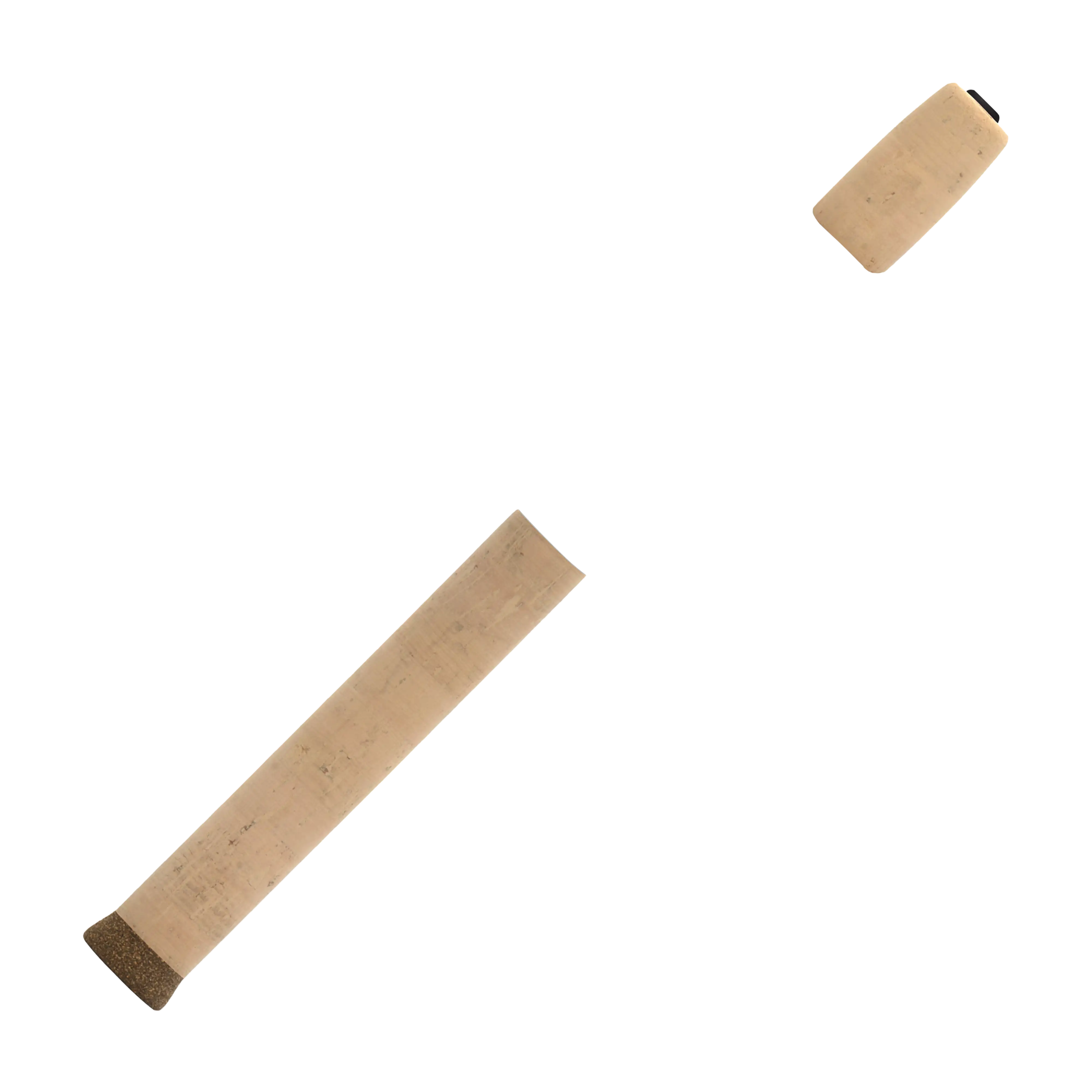
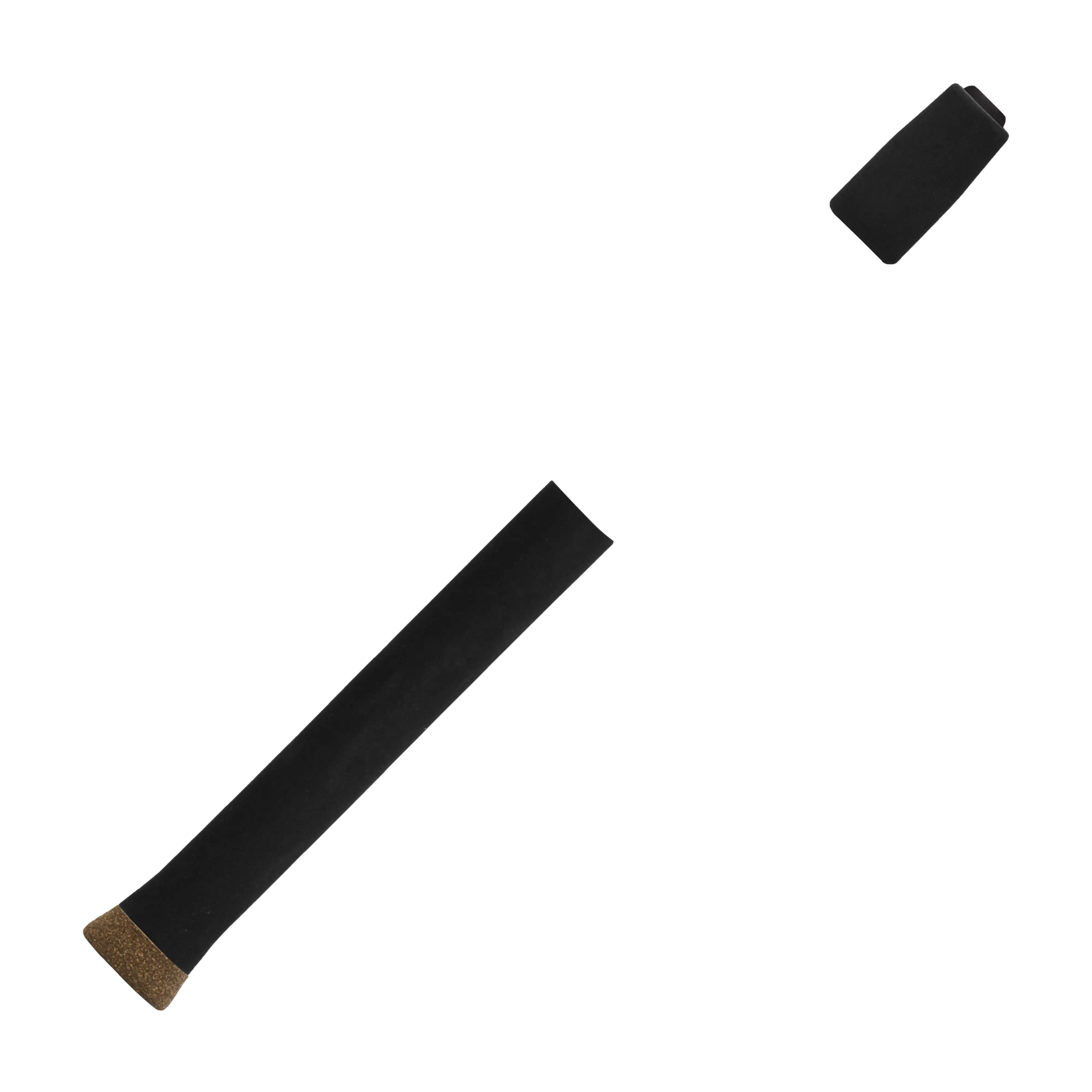
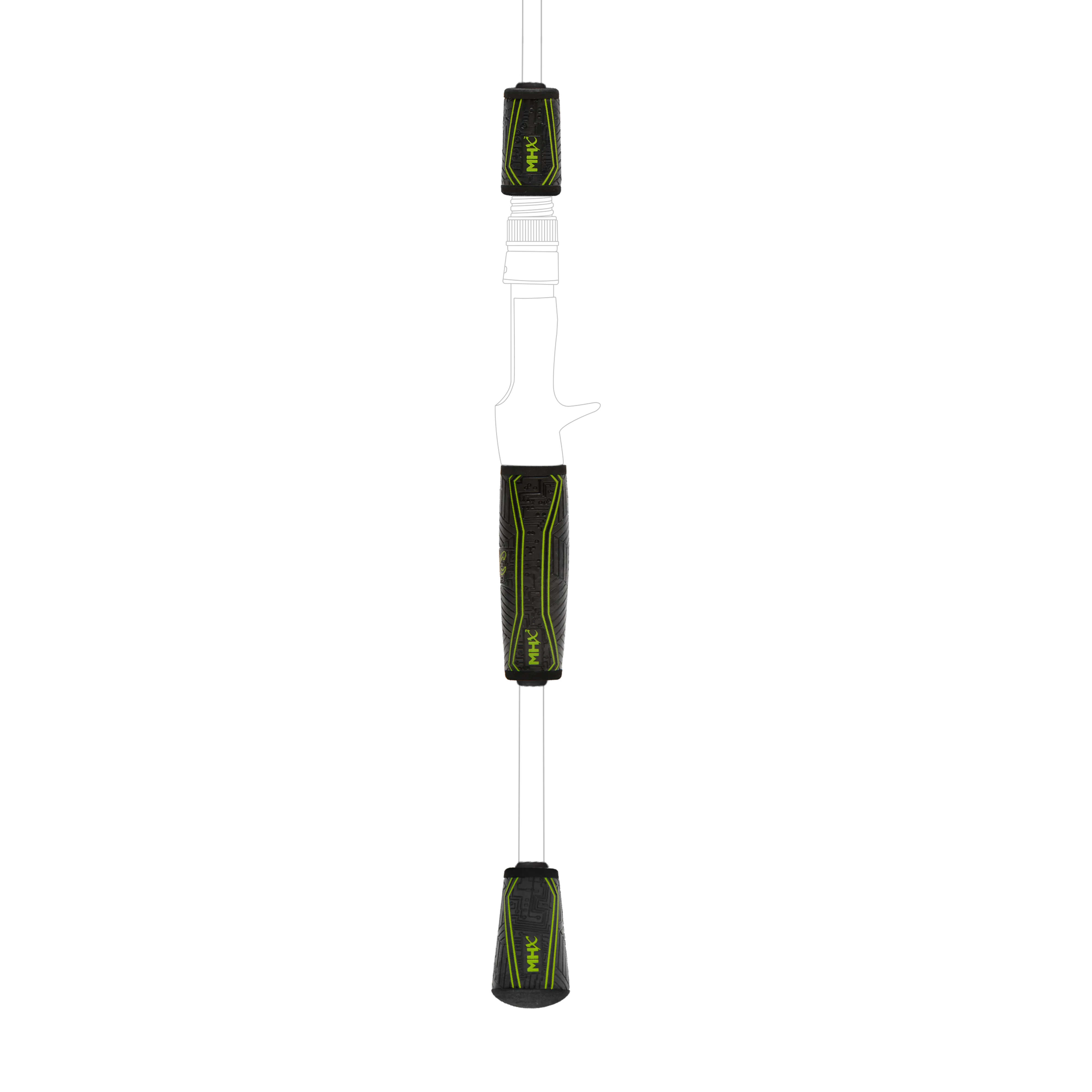
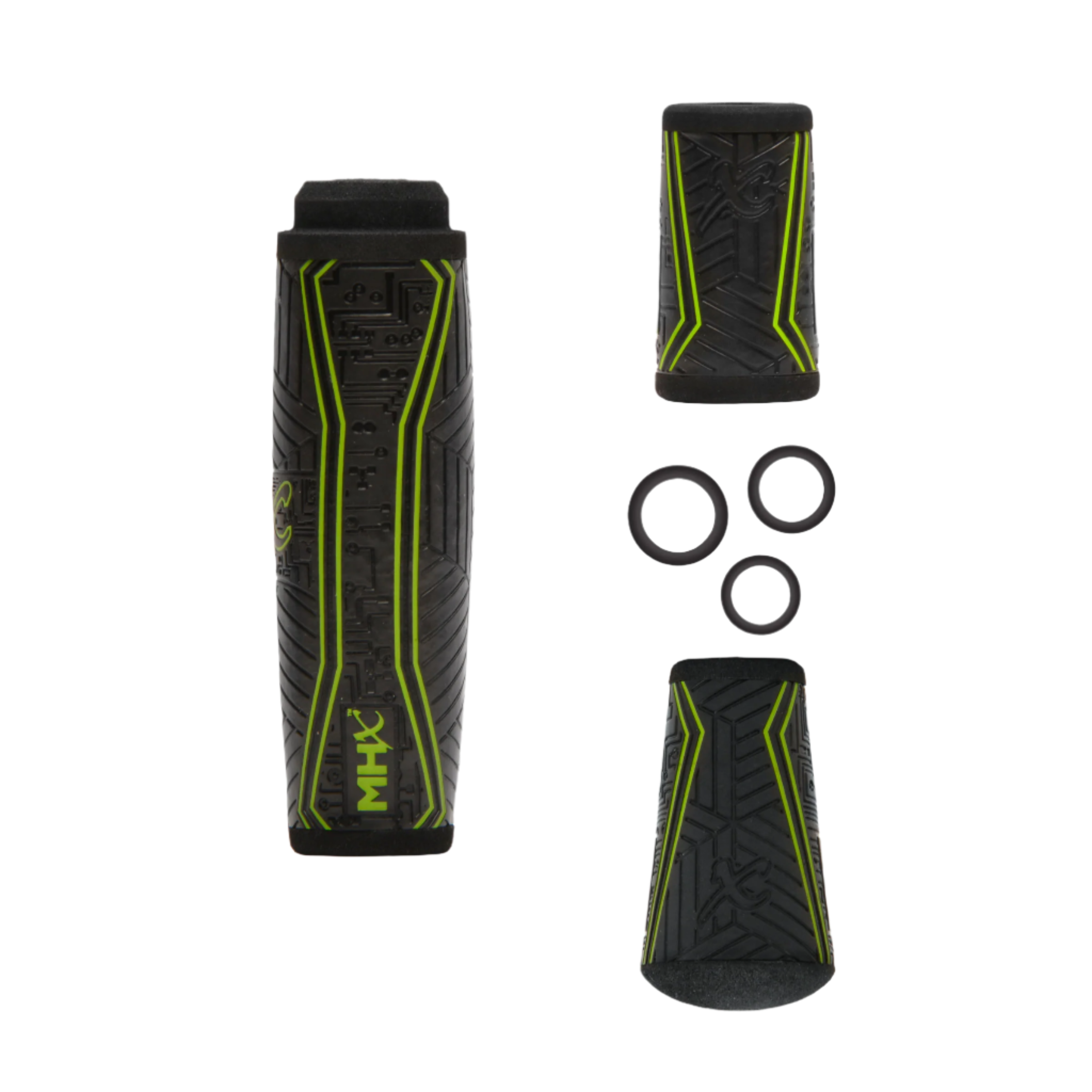
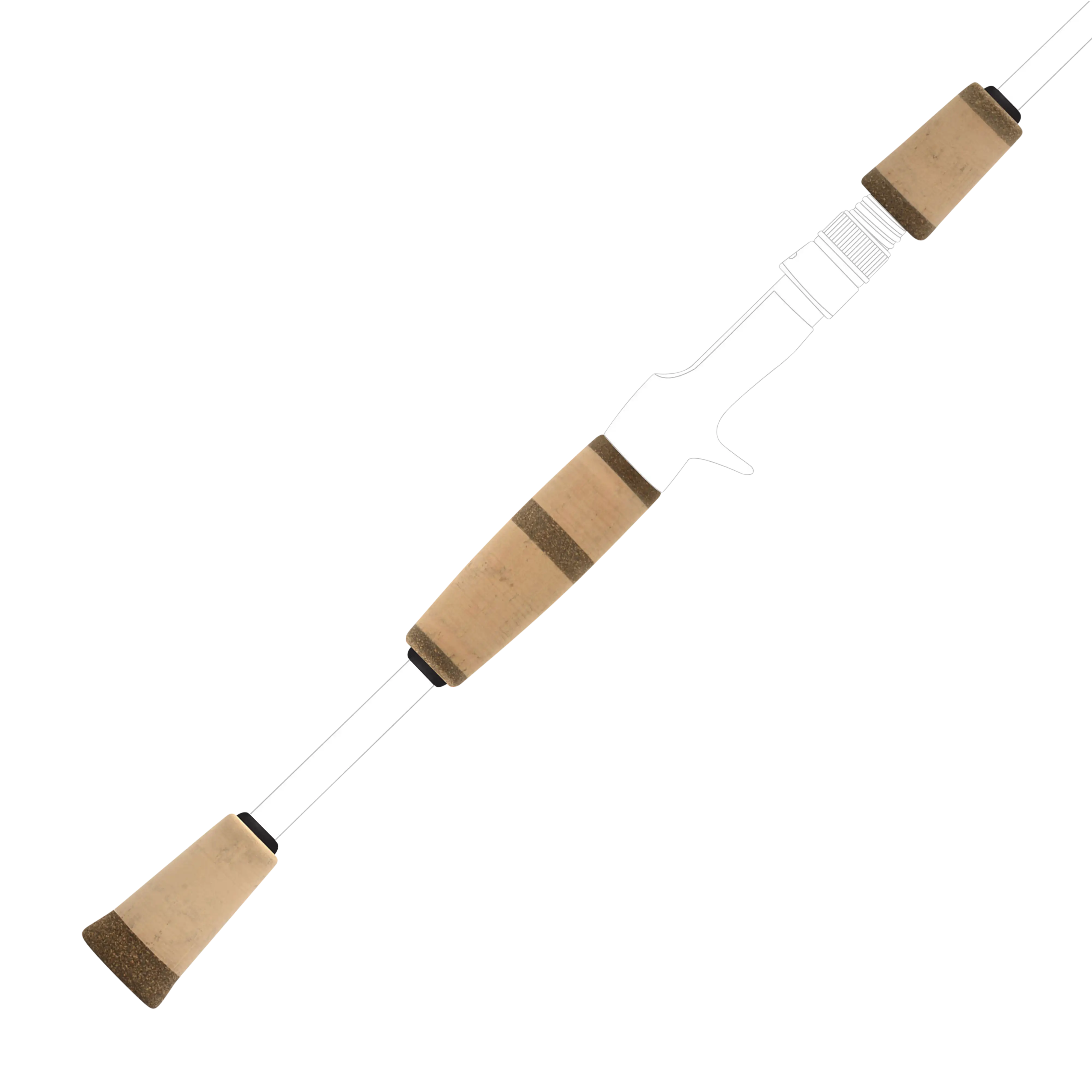
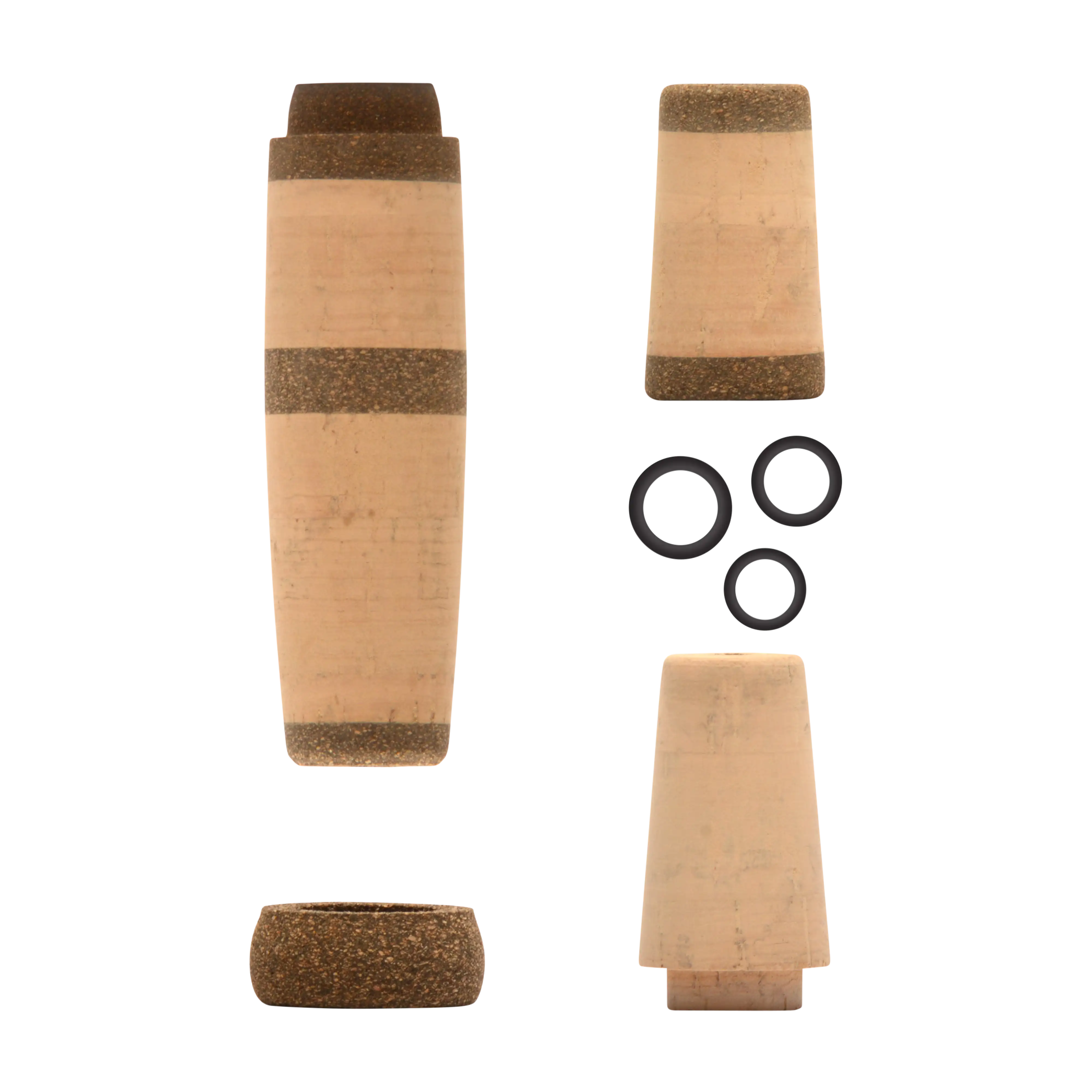
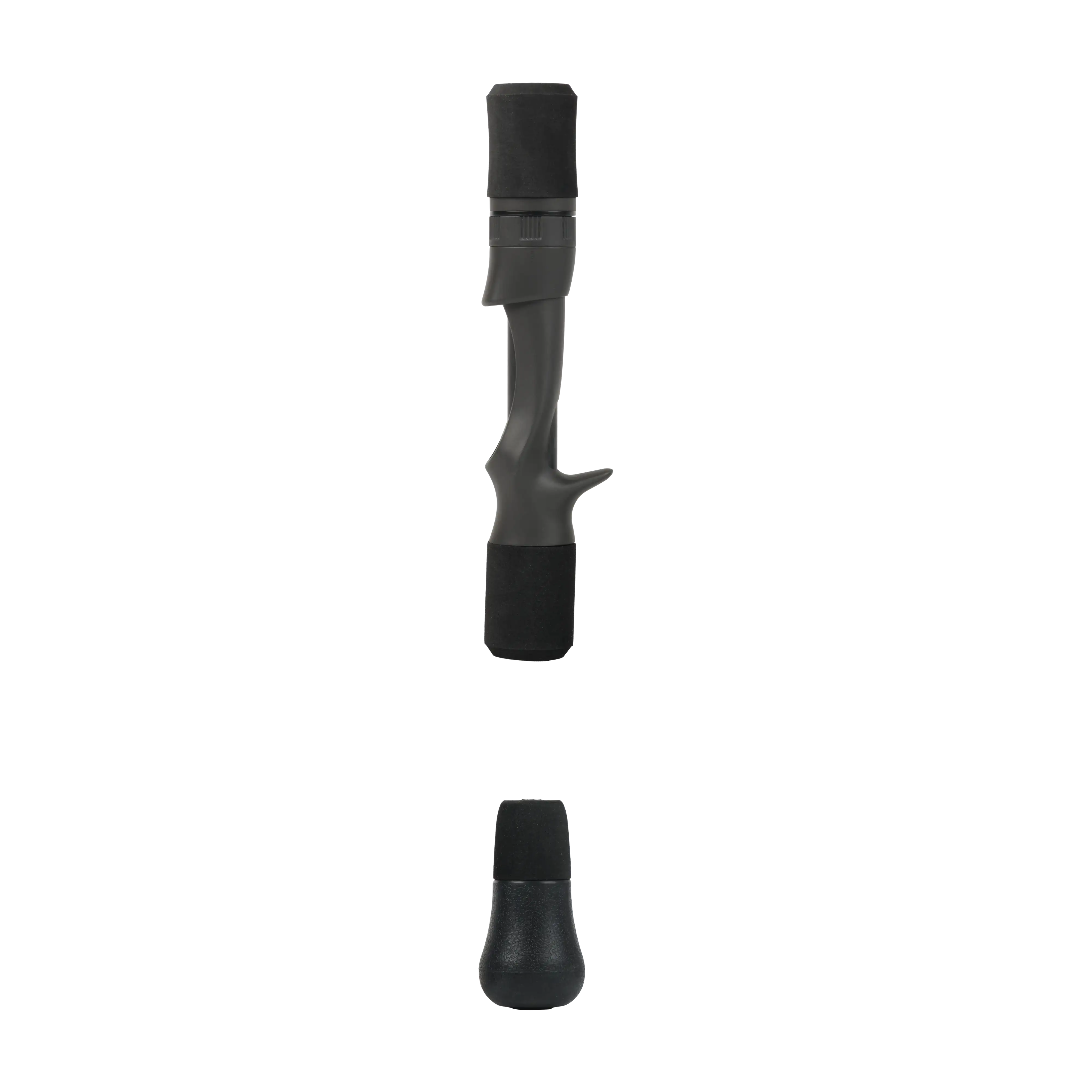
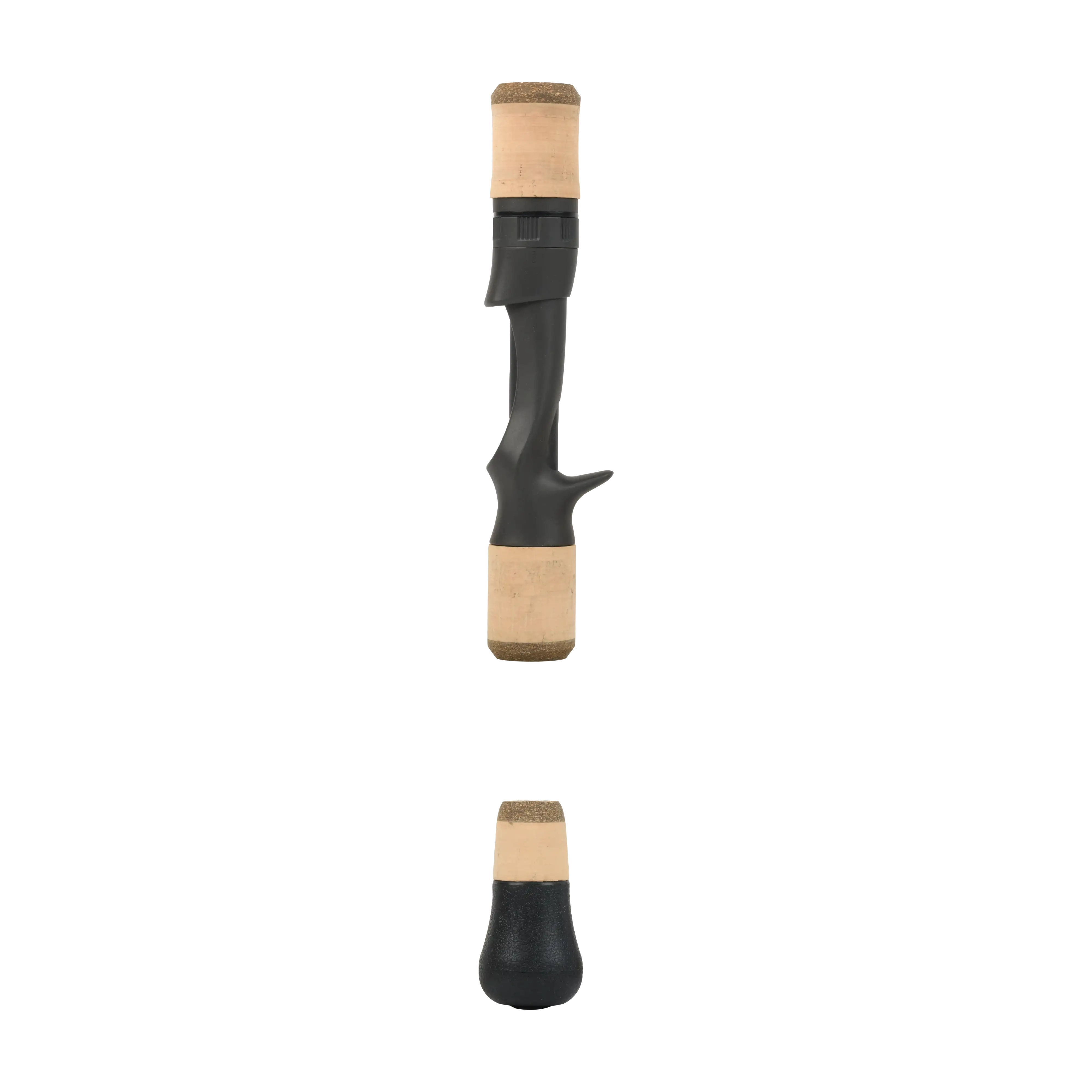
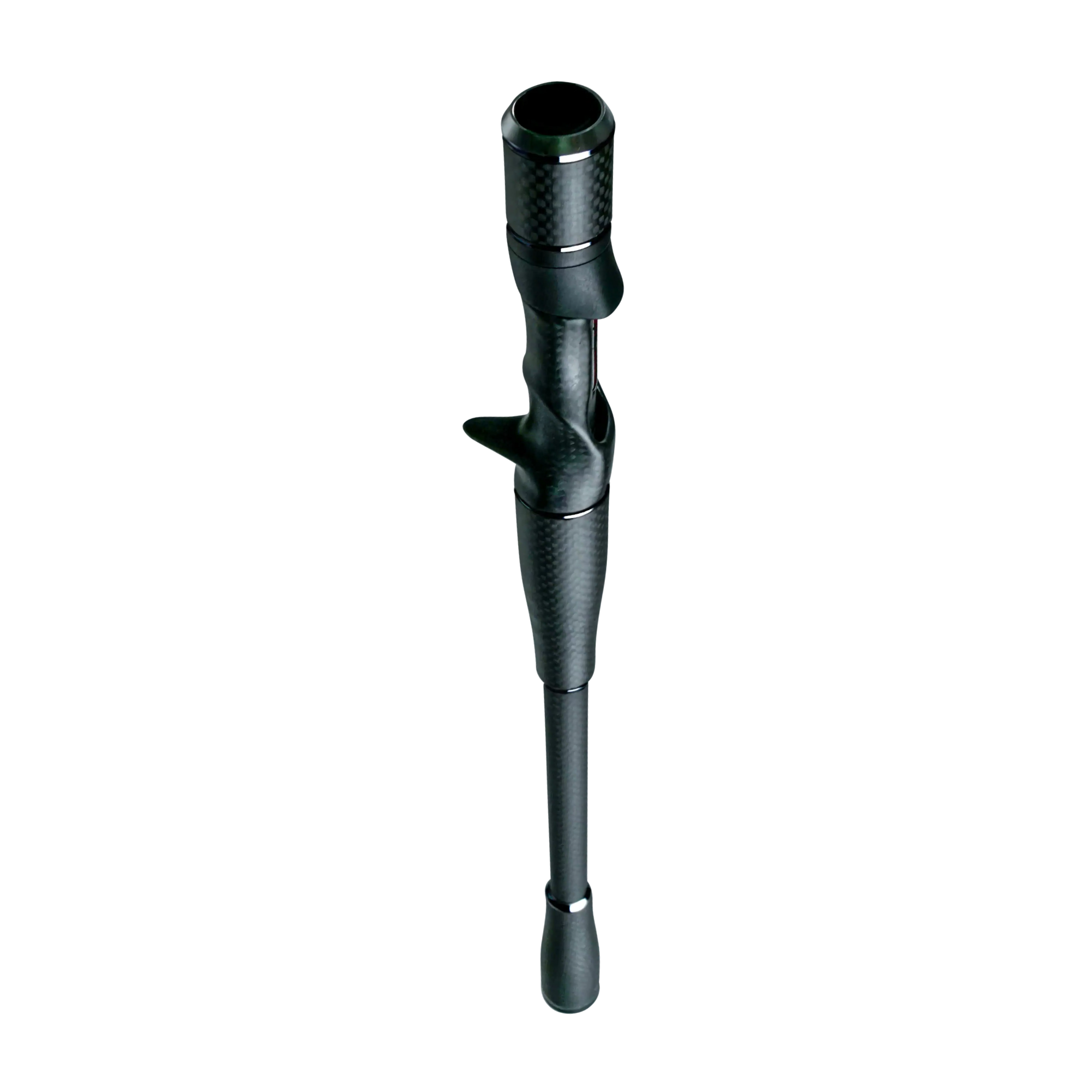
Handles play a major role in how a swimbait rod feels in hand, balances under load, and performs during long casting sessions. Because swimbait setups rely on heavier lures and slow, controlled retrieves, the handle configuration directly affects casting comfort, fatigue over time, and overall control when working large baits. A well-matched handle helps stabilize the rod during repeated casts, supports smoother retrieve cadence, and keeps the blank balanced when paired with larger reels and heavy swimbaits.
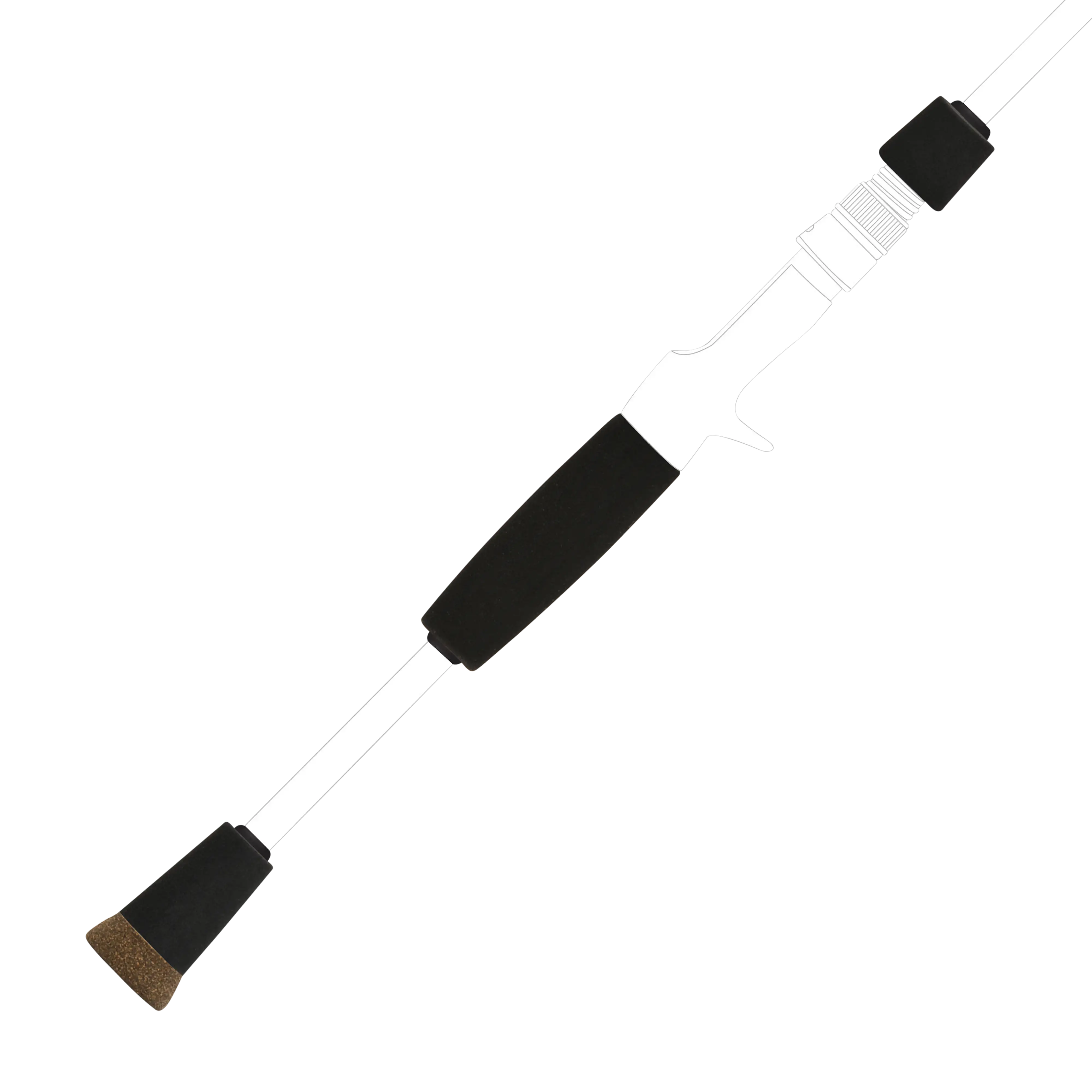
Split vs Full-Grip Handles
Choosing between a split grip and a full-length rear grip comes down to how you want the rod to balance and feel during extended swimbait fishing. This decision influences overall rod weight distribution, rear-end stability, and how the rod sits in hand during long casts and slow retrieves.
Split Grips
Split grips are commonly used in swimbait builds where weight reduction and balance tuning are priorities. By removing material from the rear section, they reduce overall rod weight and can shift balance slightly forward, which some anglers prefer for a more responsive feel during repeated casts with large baits. They also give builders more flexibility in how the handle components are positioned, allowing finer adjustment of how the rod balances with different reel sizes and swimbait weights.
Full-Length Grips
Full-length grips provide a continuous rear handle section that offers more surface contact and a more stable, planted feel during long retrieves and heavy load situations. While they add slightly more weight compared to split grips, they are often preferred for swimbait fishing because they help counterbalance large reels and heavy baits, improving comfort during slow, repetitive retrieves and long casting sessions. Many anglers also prefer the consistent hand placement and added rear support when working larger swimbaits.
Handle Materials
Handle material influences comfort, durability, and overall feel in hand, with each option offering different advantages depending on fishing style and conditions.
Cork
Cork offers a natural, lightweight feel with good sensitivity and comfort over long sessions. It provides solid feedback through the blank while remaining comfortable in hand, though it can show wear over time with heavy use and repeated exposure to water.
EVA Foam
EVA foam is highly durable, water-resistant, and easy to maintain, making it a strong choice for heavier swimbait applications. It provides a slightly softer feel in hand, holds up well under constant use, and performs consistently in wet or demanding conditions.
Carbon / Composite
Carbon and composite materials are extremely lightweight and rigid, offering excellent vibration transmission and a more direct connection to the blank. They enhance sensitivity and reduce overall weight, but can feel firmer in hand during long fishing sessions.
Choosing the right handle kit comes down to balancing blank choice, swimbait size, and personal preference for comfort versus weight reduction. The right setup should support long casting efficiency, maintain balance with heavier reels, and reduce fatigue during slow, controlled retrieves.
Key Takeaways
- Handle configuration directly affects balance, comfort, and fatigue during swimbait fishing
- Split grips reduce weight and allow more tuning of rod balance, while full grips improve stability and rear support
- A properly matched handle improves casting control, retrieve comfort, and overall rod performance
Swimbait Handle Kits
Handles play a major role in how a swimbait rod feels in hand, balances under load, and performs during long casting sessions. Because swimbait setups rely on heavier lures and slow, controlled retrieves, the handle configuration directly affects casting comfort, fatigue over time, and overall control when working large baits. A well-matched handle helps stabilize the rod during repeated casts, supports smoother retrieve cadence, and keeps the blank balanced when paired with larger reels and heavy swimbaits.
Split vs Full-Grip Handles
Choosing between a split grip and a full-length rear grip comes down to how you want the rod to balance and feel during extended swimbait fishing. This decision influences overall rod weight distribution, rear-end stability, and how the rod sits in hand during long casts and slow retrieves.
Split Grips
Split grips are commonly used in swimbait builds where weight reduction and balance tuning are priorities. By removing material from the rear section, they reduce overall rod weight and can shift balance slightly forward, which some anglers prefer for a more responsive feel during repeated casts with large baits. They also give builders more flexibility in how the handle components are positioned, allowing finer adjustment of how the rod balances with different reel sizes and swimbait weights.
Full-Length Grips
Full-length grips provide a continuous rear handle section that offers more surface contact and a more stable, planted feel during long retrieves and heavy load situations. While they add slightly more weight compared to split grips, they are often preferred for swimbait fishing because they help counterbalance large reels and heavy baits, improving comfort during slow, repetitive retrieves and long casting sessions. Many anglers also prefer the consistent hand placement and added rear support when working larger swimbaits.
Handle Materials
Handle material influences comfort, durability, and overall feel in hand, with each option offering different advantages depending on fishing style and conditions.
Cork
Cork offers a natural, lightweight feel with good sensitivity and comfort over long sessions. It provides solid feedback through the blank while remaining comfortable in hand, though it can show wear over time with heavy use and repeated exposure to water.
EVA Foam
EVA foam is highly durable, water-resistant, and easy to maintain, making it a strong choice for heavier swimbait applications. It provides a slightly softer feel in hand, holds up well under constant use, and performs consistently in wet or demanding conditions.
Carbon / Composite
Carbon and composite materials are extremely lightweight and rigid, offering excellent vibration transmission and a more direct connection to the blank. They enhance sensitivity and reduce overall weight, but can feel firmer in hand during long fishing sessions.
Choosing the right handle kit comes down to balancing blank choice, swimbait size, and personal preference for comfort versus weight reduction. The right setup should support long casting efficiency, maintain balance with heavier reels, and reduce fatigue during slow, controlled retrieves.
Key Takeaways
- Handle configuration directly affects balance, comfort, and fatigue during swimbait fishing
- Split grips reduce weight and allow more tuning of rod balance, while full grips improve stability and rear support
- A properly matched handle improves casting control, retrieve comfort, and overall rod performance
Swimbait Handle Kits

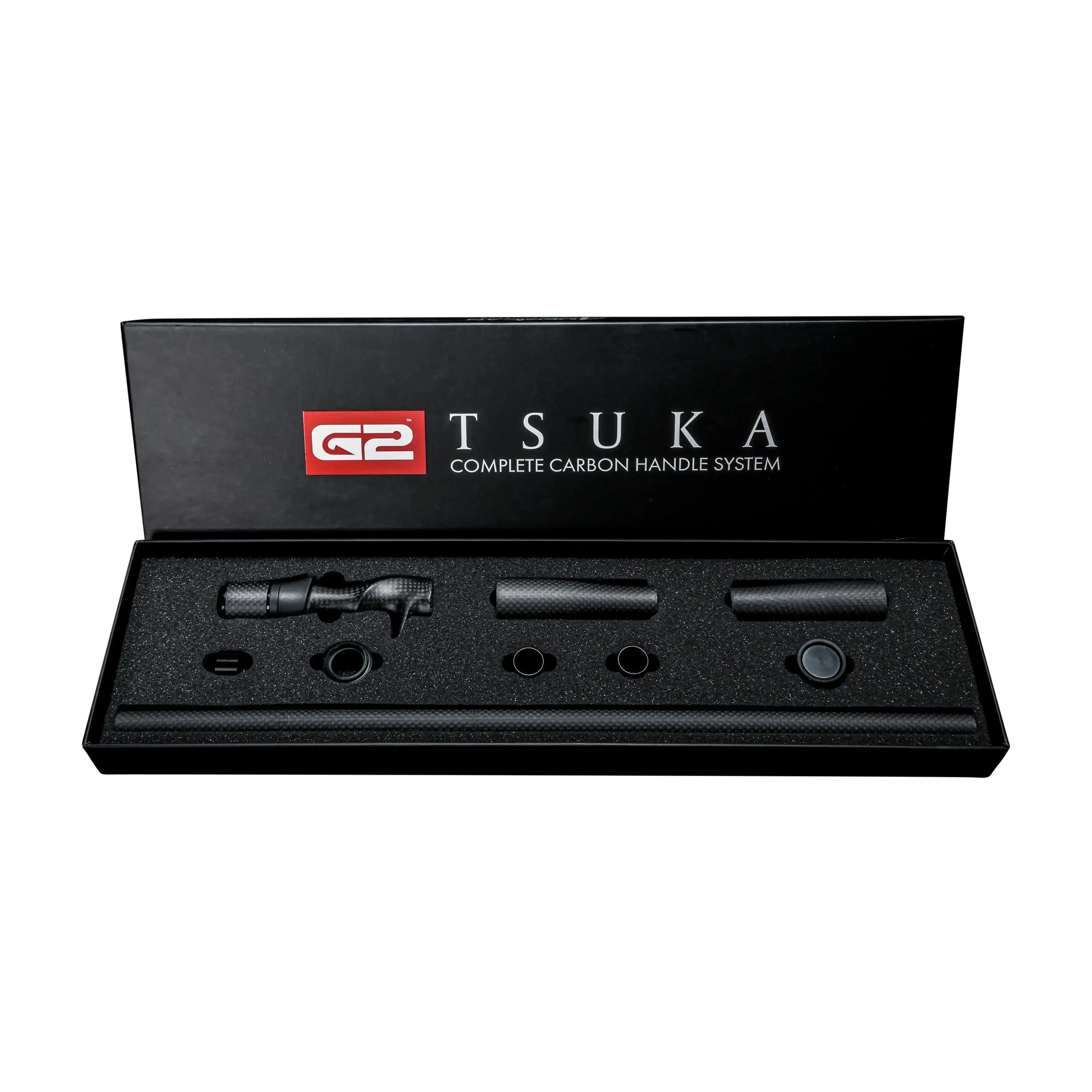
Swimbait Reel Seats
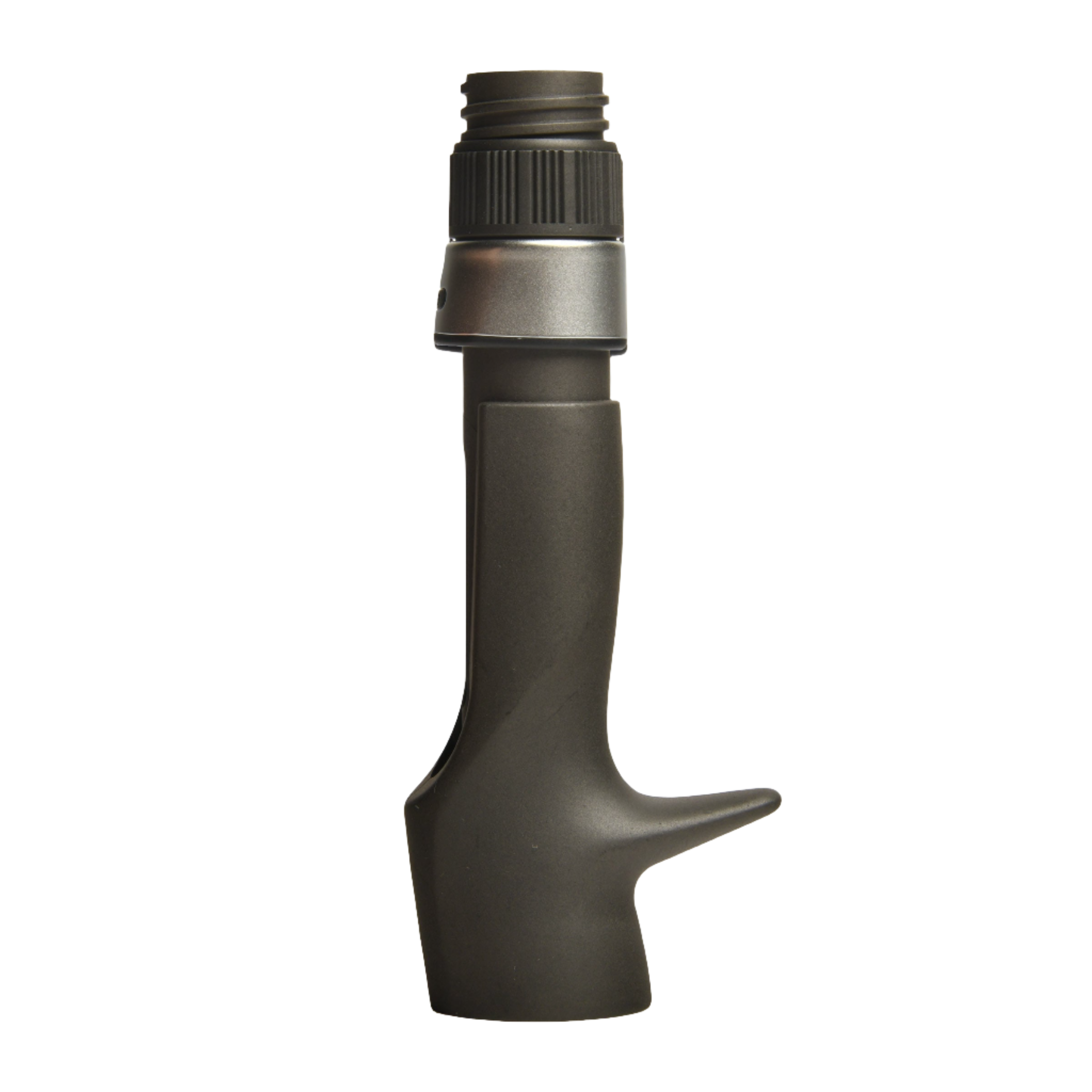
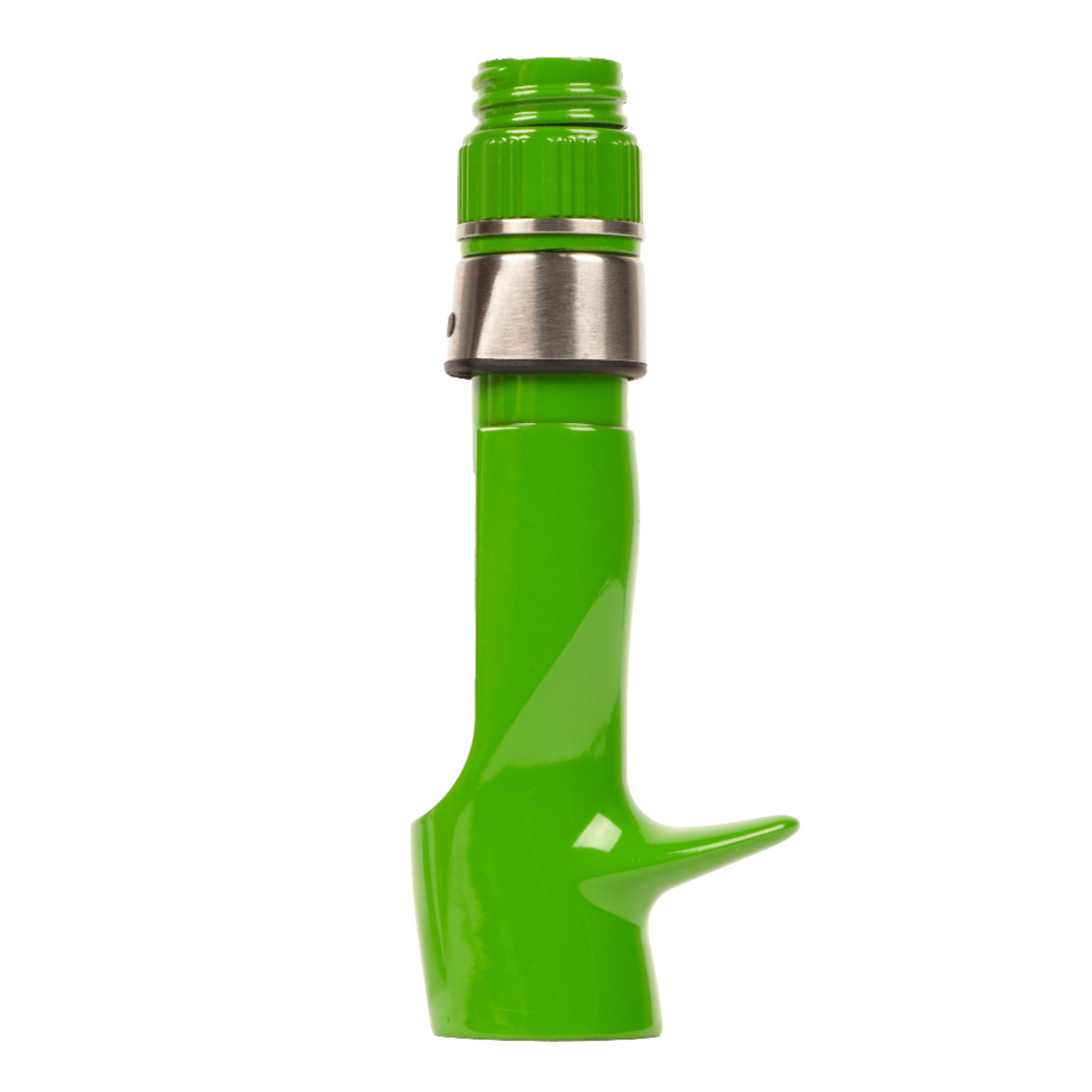
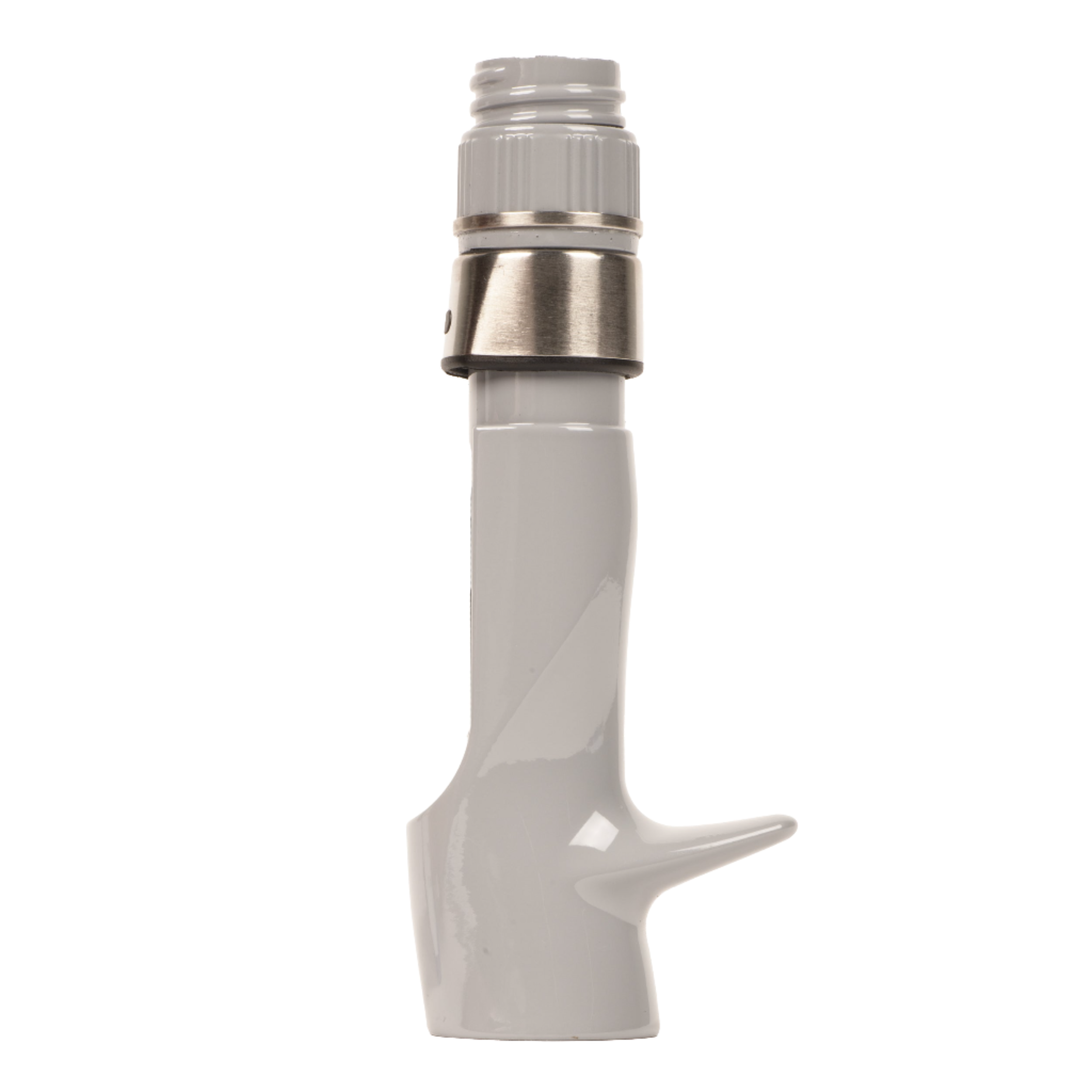
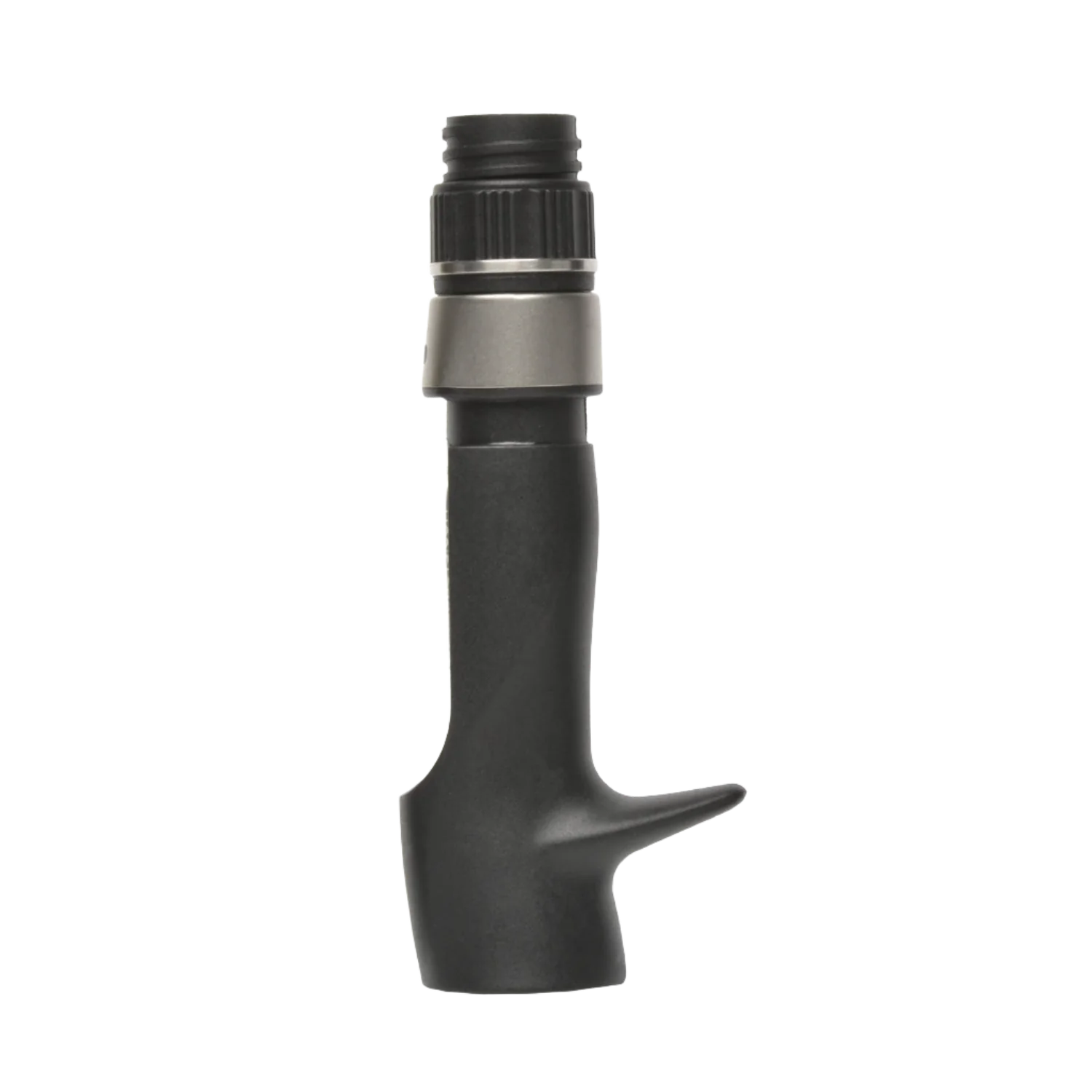
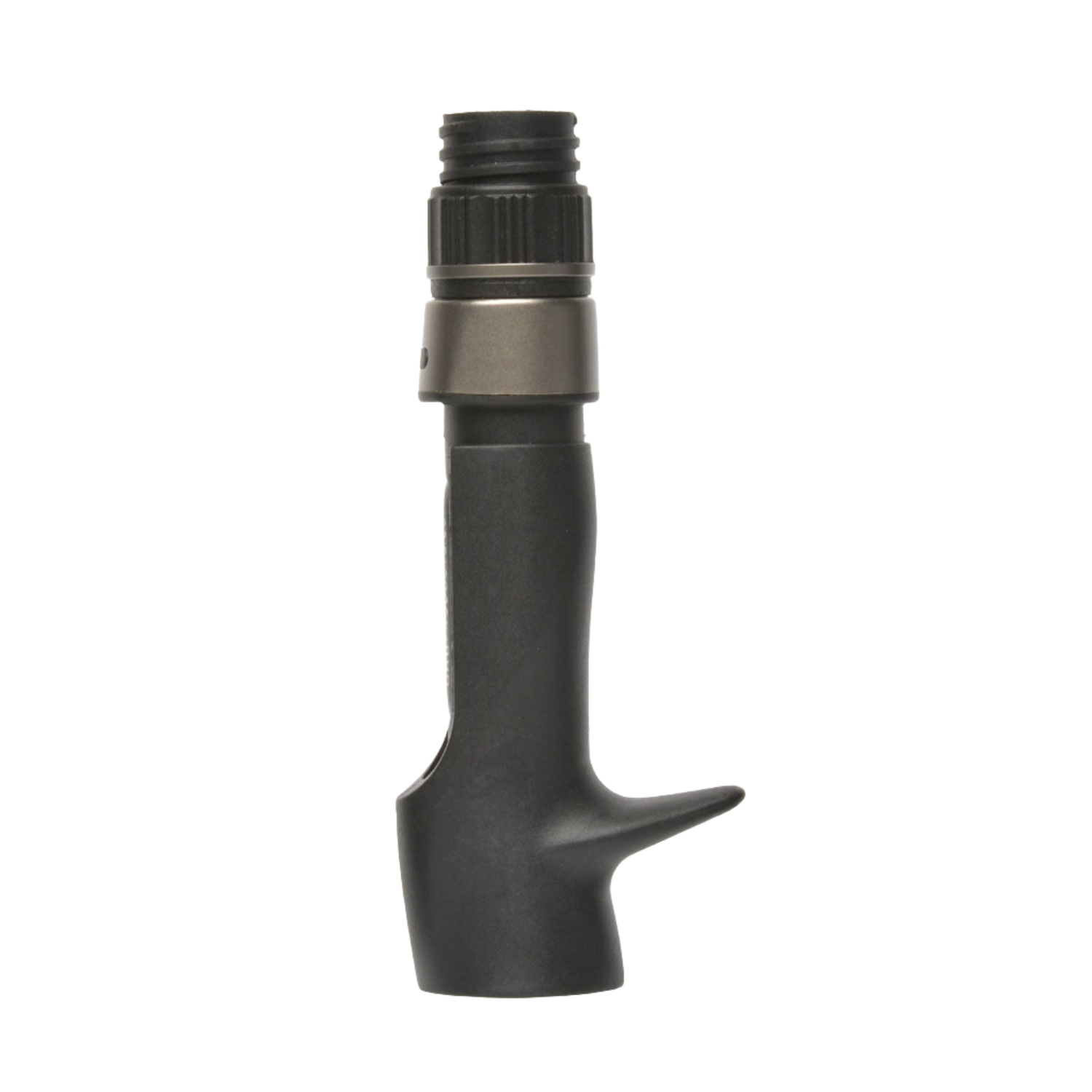
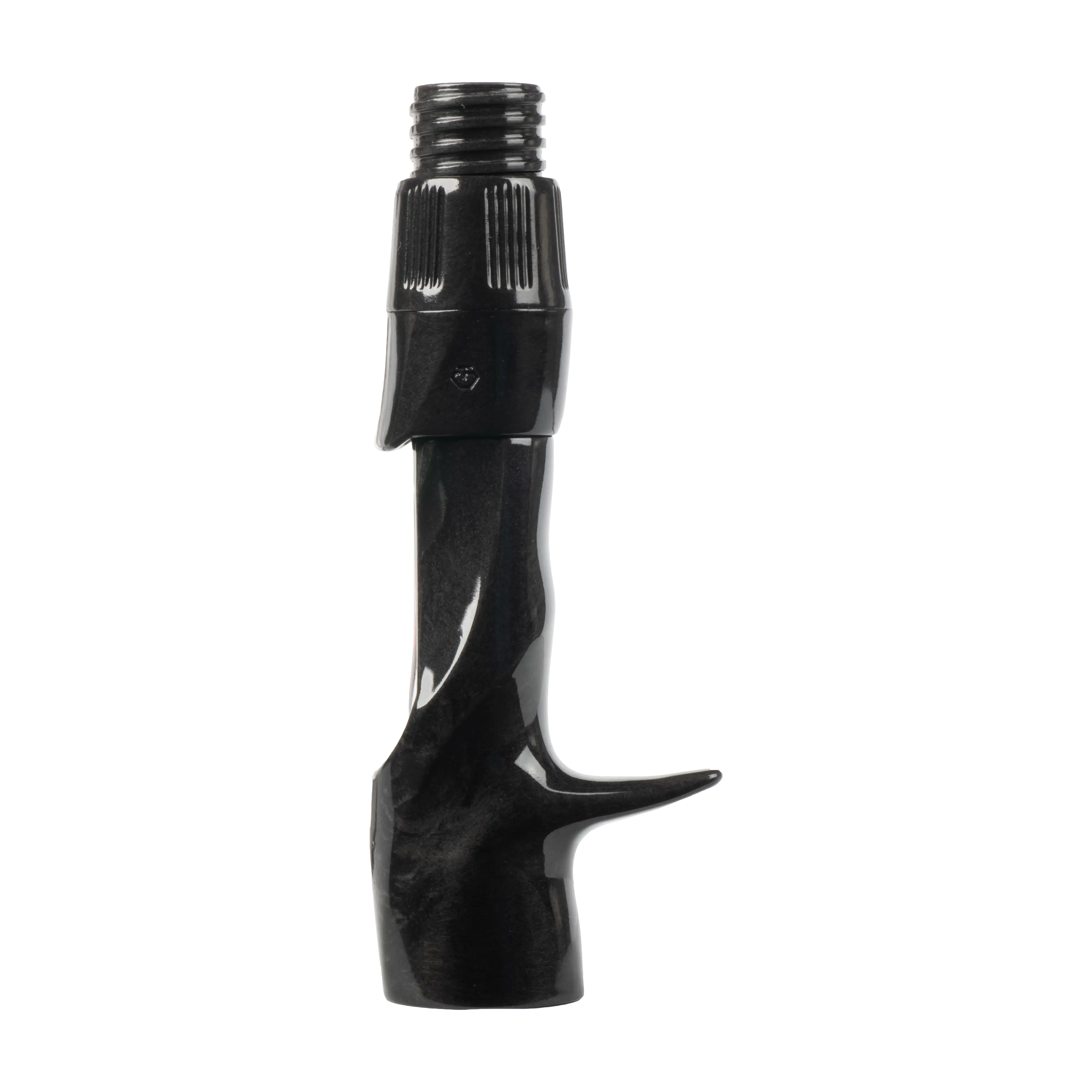
Some handle kits come with a reel seat, while others require a separate selection. If your kit doesn’t include one—or if you’re upgrading components—the reel seat is a critical part of a swimbait rod build. It locks the baitcasting reel into place, but it also plays a role in how the rod feels in hand during long casts and slow retrieves with heavy swimbaits. A properly chosen seat ensures secure reel fit, correct alignment on the blank, and consistent performance when the rod is under sustained load. When selecting a reel seat, fit, material, ergonomics, and trigger style all matter.
Reel Compatibility & Seat Types
Medium to heavier swimbaits rods are usually built around low-profile baitcasting reels, so the reel seat must match the reel foot dimensions precisely while maintaining a stable, vibration-efficient connection to the blank and handle system. Poor fit or alignment can reduce comfort over long sessions and negatively impact overall control when casting and working larger baits.
There are a few key design choices that influence performance and feel.
Split vs. Full Reel Seats
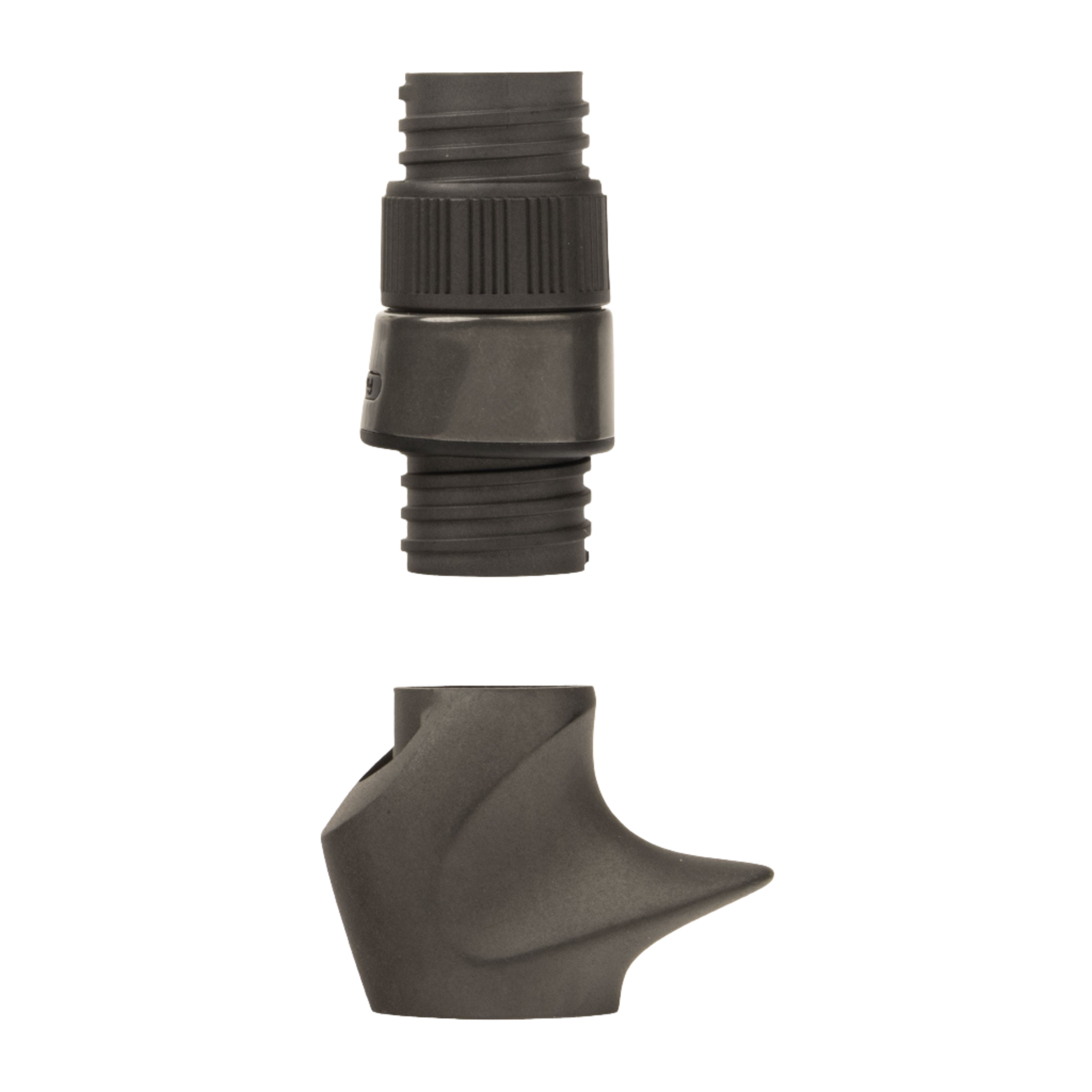
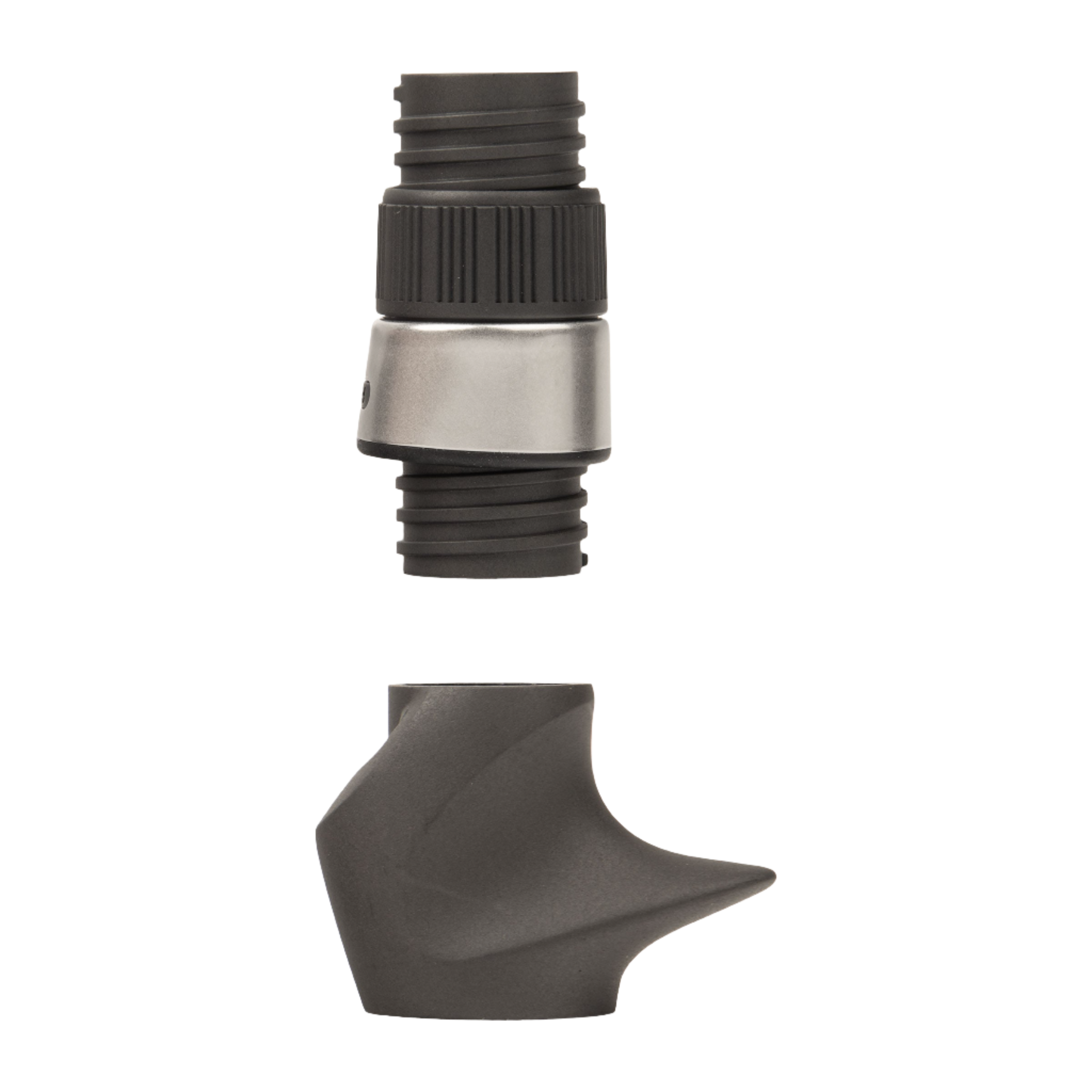
Split reel seats use a two-piece design that reduces overall material and helps lower total rod weight. This can slightly improve balance and reduce fatigue during long casting sessions with heavy swimbaits. They also offer a more modern, streamlined build style and work well with both split and full grip handle configurations, depending on how the rod is being tuned for balance and feel.
Full-length reel seats use a single-piece construction that prioritizes strength, stability, and a more traditional, solid hand feel. While they add a bit more weight compared to split designs, they provide a very secure, planted connection between reel and blank, which many anglers prefer when working large swimbaits under constant load and slow retrieve pressure.
Materials
Material choice affects weight, sensitivity, and overall feel in the hand, especially during long swimbait sessions where fatigue and feedback both matter.
Graphite reel seats are the most common choice for swimbait rods due to their lightweight construction, strength, and corrosion resistance. They offer a strong balance of durability and sensitivity, helping maintain solid reel control without adding unnecessary weight to the handle section during long casts and slow retrieves with heavy swimbaits.
Composite and carbon fiber seats are more performance-focused, offering increased stiffness, reduced weight, and improved vibration transfer. These materials are typically used in higher-end swimbait builds where responsiveness and efficiency are prioritized, especially when casting large baits or working deeper structure where subtle feedback still matters.
A properly selected reel seat ensures your reel stays secure during heavy load, maintains consistent alignment with the blank, and contributes to overall comfort and control during extended swimbait fishing sessions.
Trigger Options
Many baitcasting reel seats include a casting trigger for added control and leverage during long casts, steady retrieves, and working large swimbaits. Triggers range from short and subtle for a relaxed palm fit to longer styles that provide additional leverage and control when casting heavier baits or working larger profiles. The best choice depends on hand fit, grip style, and how much control you want during extended swimbait use.
Key Takeaways
- Some handle kits include a reel seat; others require a separate purchase
- Split reel seats reduce weight and offer a more modern build style
- Full-length reel seats prioritize strength and a traditional, solid feel
- Graphite is the most common all-around material for weight and strength
Swimbait Reel Seats
Some handle kits come with a reel seat, while others require a separate selection. If your kit doesn’t include one—or if you’re upgrading components—the reel seat is a critical part of a swimbait rod build. It locks the baitcasting reel into place, but it also plays a role in how the rod feels in hand during long casts and slow retrieves with heavy swimbaits. A properly chosen seat ensures secure reel fit, correct alignment on the blank, and consistent performance when the rod is under sustained load. When selecting a reel seat, fit, material, ergonomics, and trigger style all matter.
Reel Compatibility & Seat Types
Medium to heavier swimbaits rods are usually built around low-profile baitcasting reels, so the reel seat must match the reel foot dimensions precisely while maintaining a stable, vibration-efficient connection to the blank and handle system. Poor fit or alignment can reduce comfort over long sessions and negatively impact overall control when casting and working larger baits.
There are a few key design choices that influence performance and feel.
Split vs. Full Reel Seats
Split reel seats use a two-piece design that reduces overall material and helps lower total rod weight. This can slightly improve balance and reduce fatigue during long casting sessions with heavy swimbaits. They also offer a more modern, streamlined build style and work well with both split and full grip handle configurations, depending on how the rod is being tuned for balance and feel.
Full-length reel seats use a single-piece construction that prioritizes strength, stability, and a more traditional, solid hand feel. While they add a bit more weight compared to split designs, they provide a very secure, planted connection between reel and blank, which many anglers prefer when working large swimbaits under constant load and slow retrieve pressure.
Materials
Material choice affects weight, sensitivity, and overall feel in the hand, especially during long swimbait sessions where fatigue and feedback both matter.
Graphite reel seats are the most common choice for swimbait rods due to their lightweight construction, strength, and corrosion resistance. They offer a strong balance of durability and sensitivity, helping maintain solid reel control without adding unnecessary weight to the handle section during long casts and slow retrieves with heavy swimbaits.
Composite and carbon fiber seats are more performance-focused, offering increased stiffness, reduced weight, and improved vibration transfer. These materials are typically used in higher-end swimbait builds where responsiveness and efficiency are prioritized, especially when casting large baits or working deeper structure where subtle feedback still matters.
A properly selected reel seat ensures your reel stays secure during heavy load, maintains consistent alignment with the blank, and contributes to overall comfort and control during extended swimbait fishing sessions.
Trigger Options
Many baitcasting reel seats include a casting trigger for added control and leverage during long casts, steady retrieves, and working large swimbaits. Triggers range from short and subtle for a relaxed palm fit to longer styles that provide additional leverage and control when casting heavier baits or working larger profiles. The best choice depends on hand fit, grip style, and how much control you want during extended swimbait use.
Key Takeaways
- Some handle kits include a reel seat; others require a separate purchase
- Split reel seats reduce weight and offer a more modern build style
- Full-length reel seats prioritize strength and a traditional, solid feel
- Graphite is the most common all-around material for weight and strength
Reel Seats for Swimbait Builds
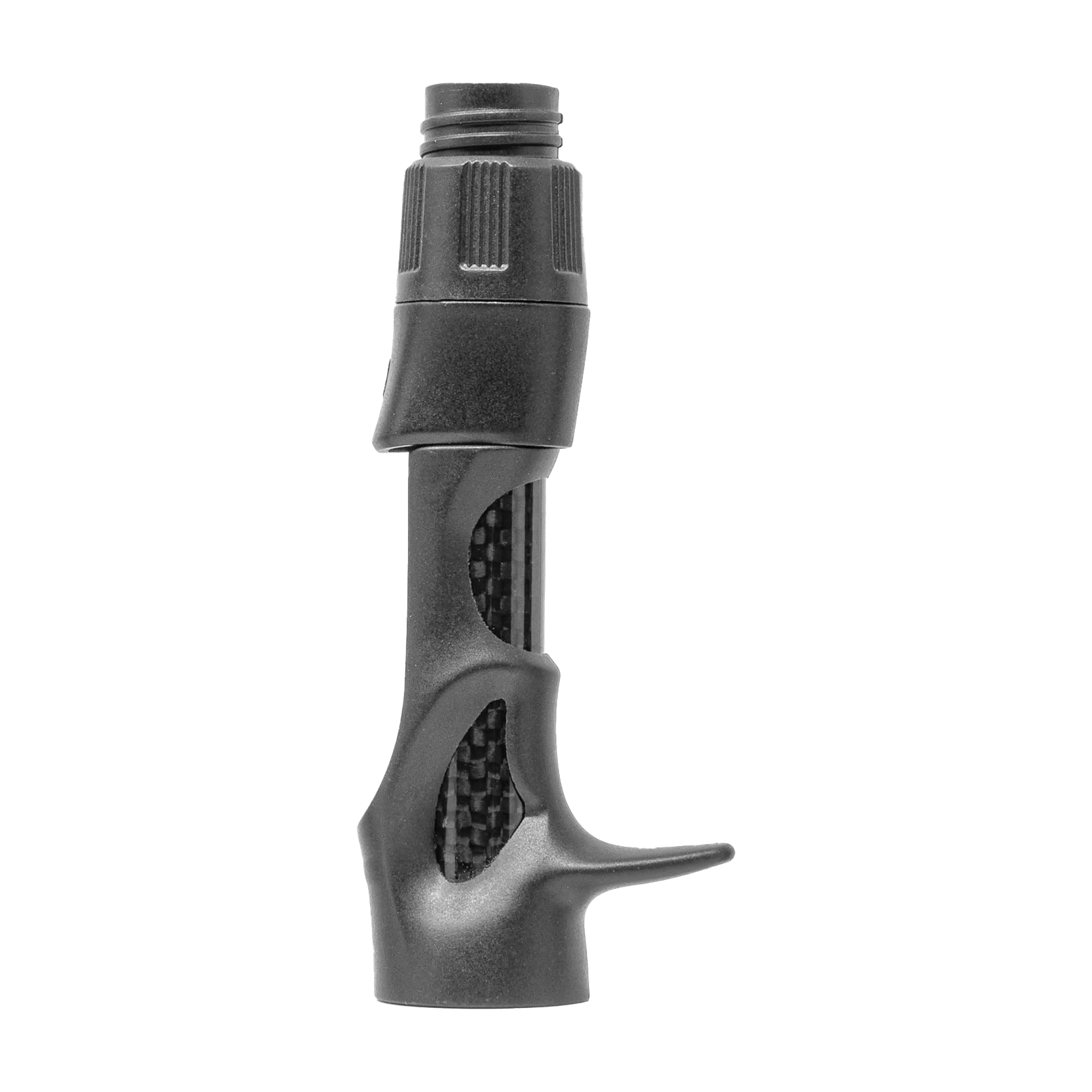
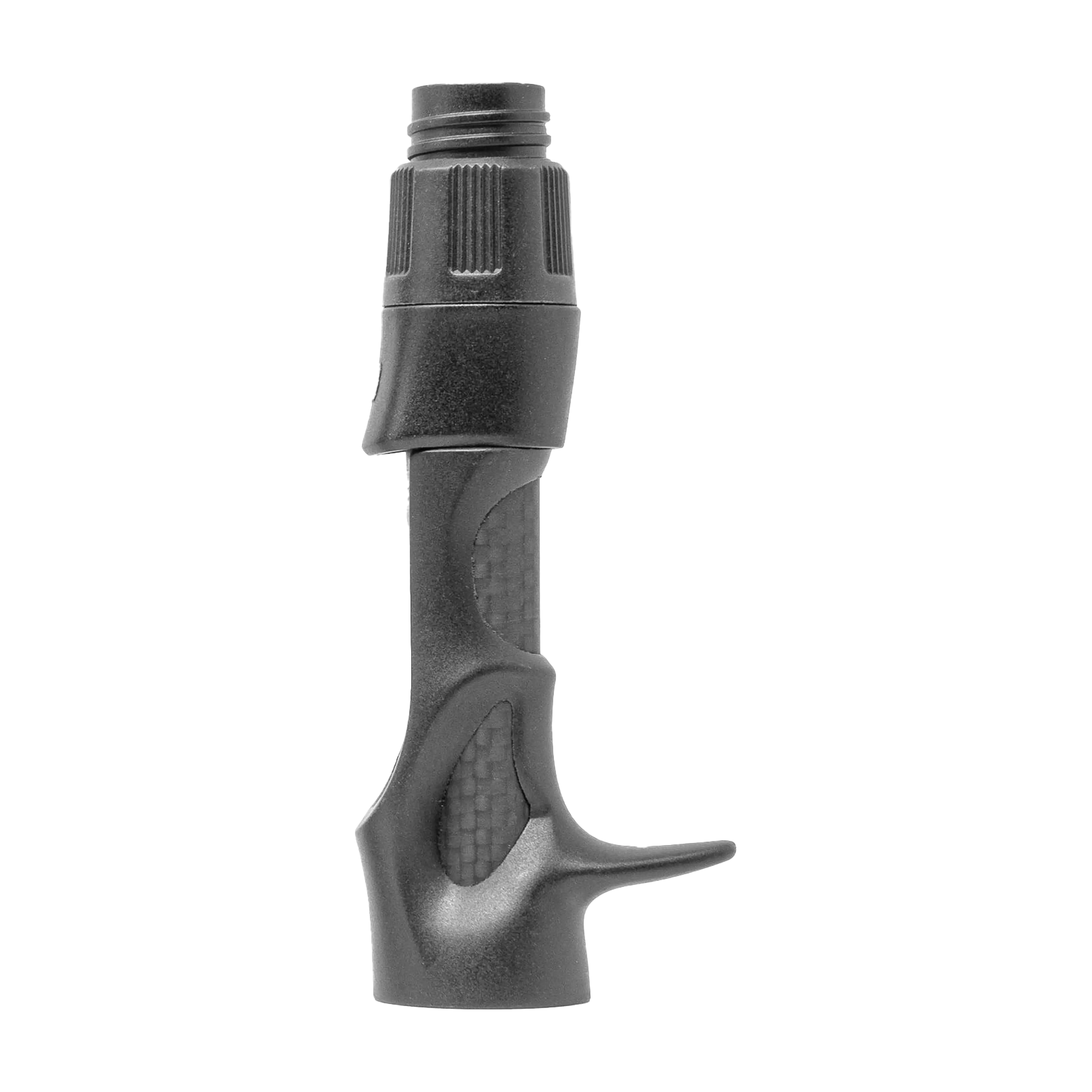
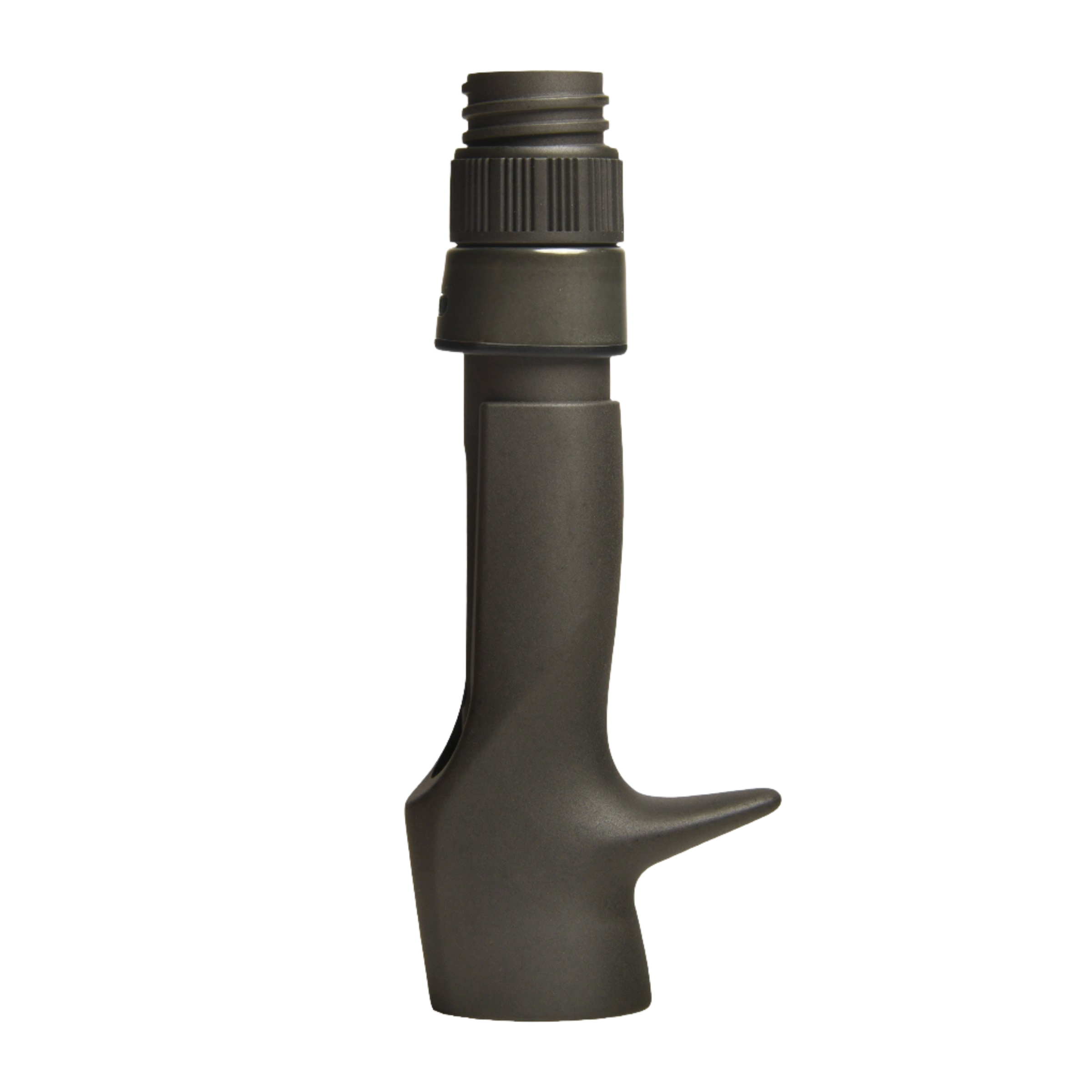
Choose Your Supply Kits
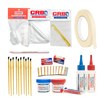
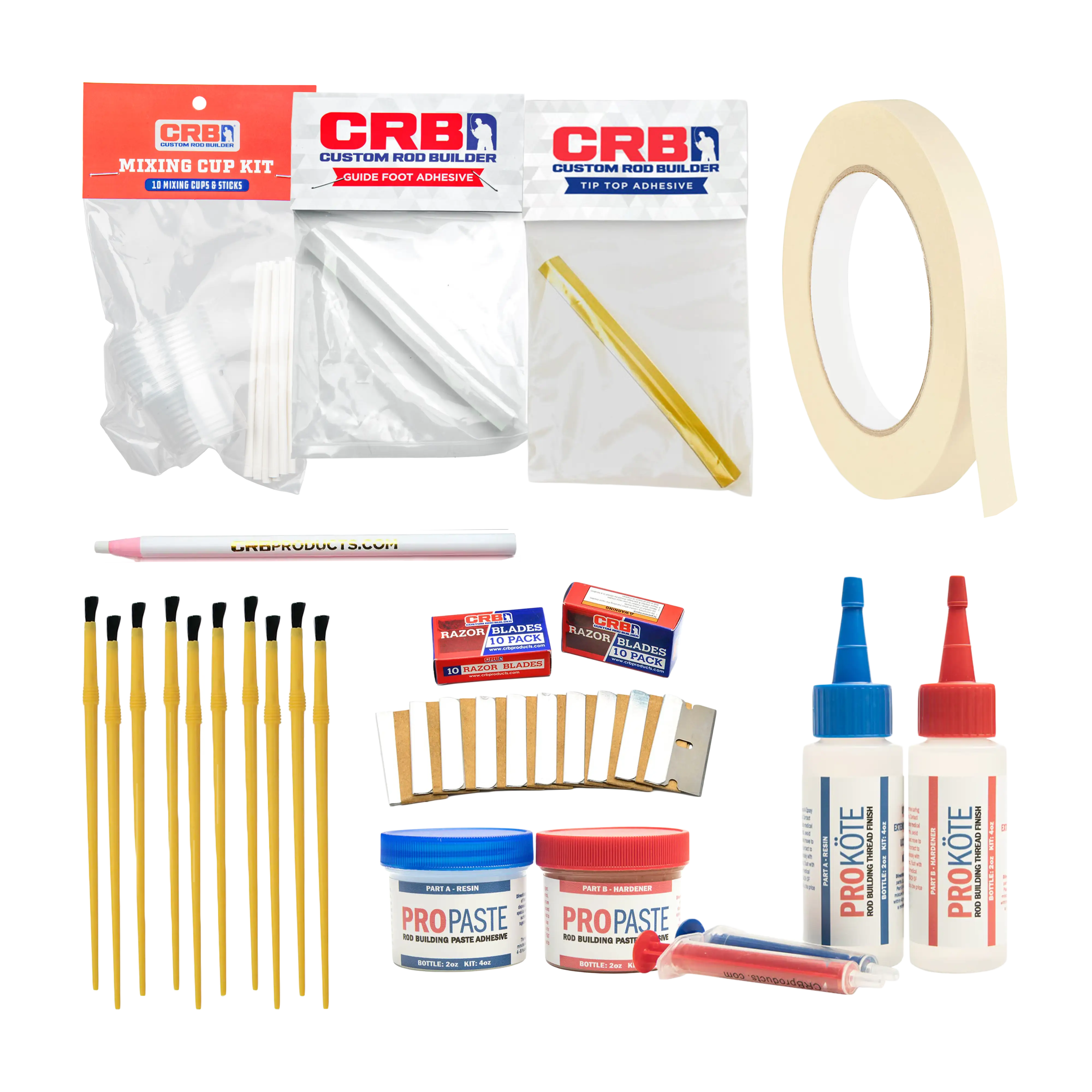
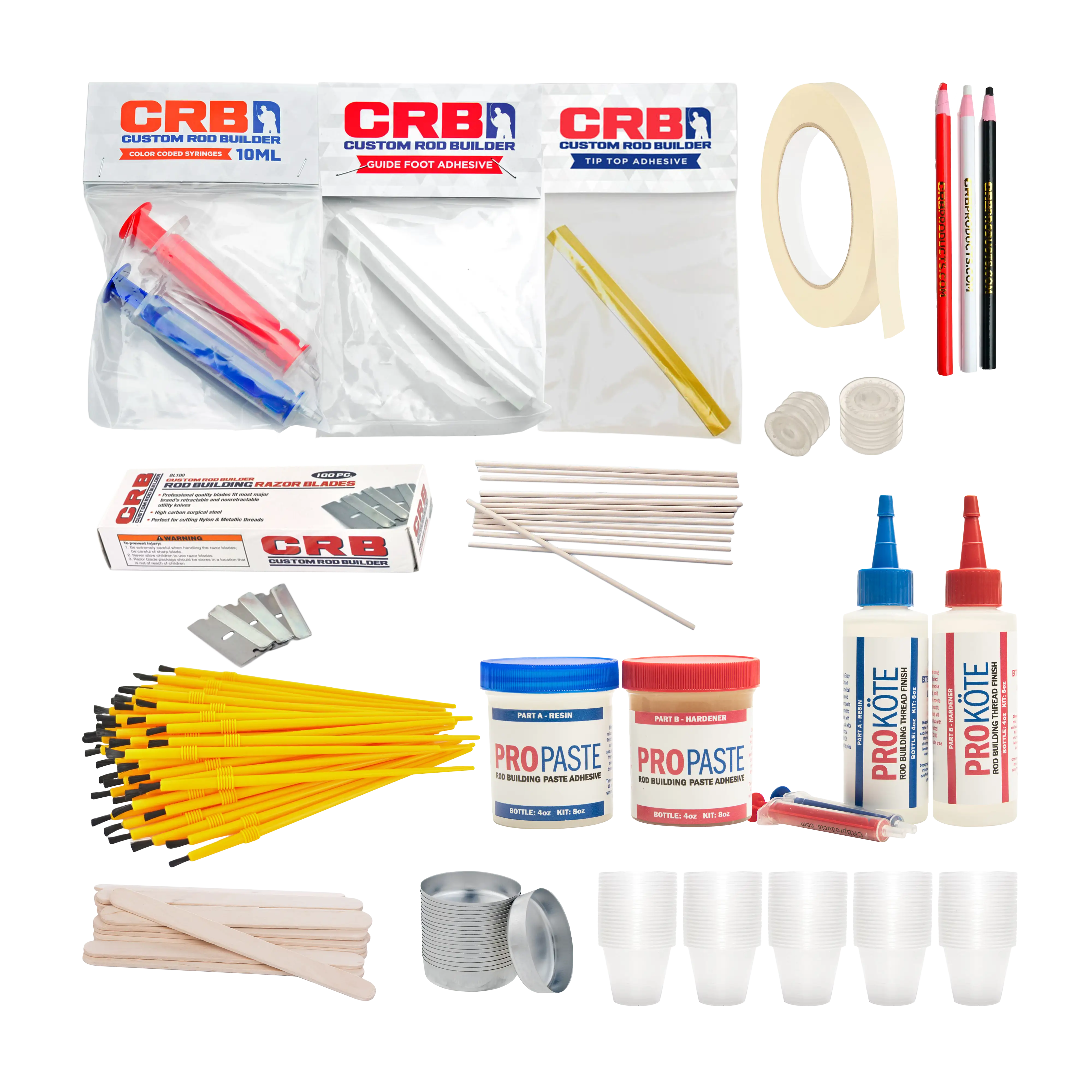
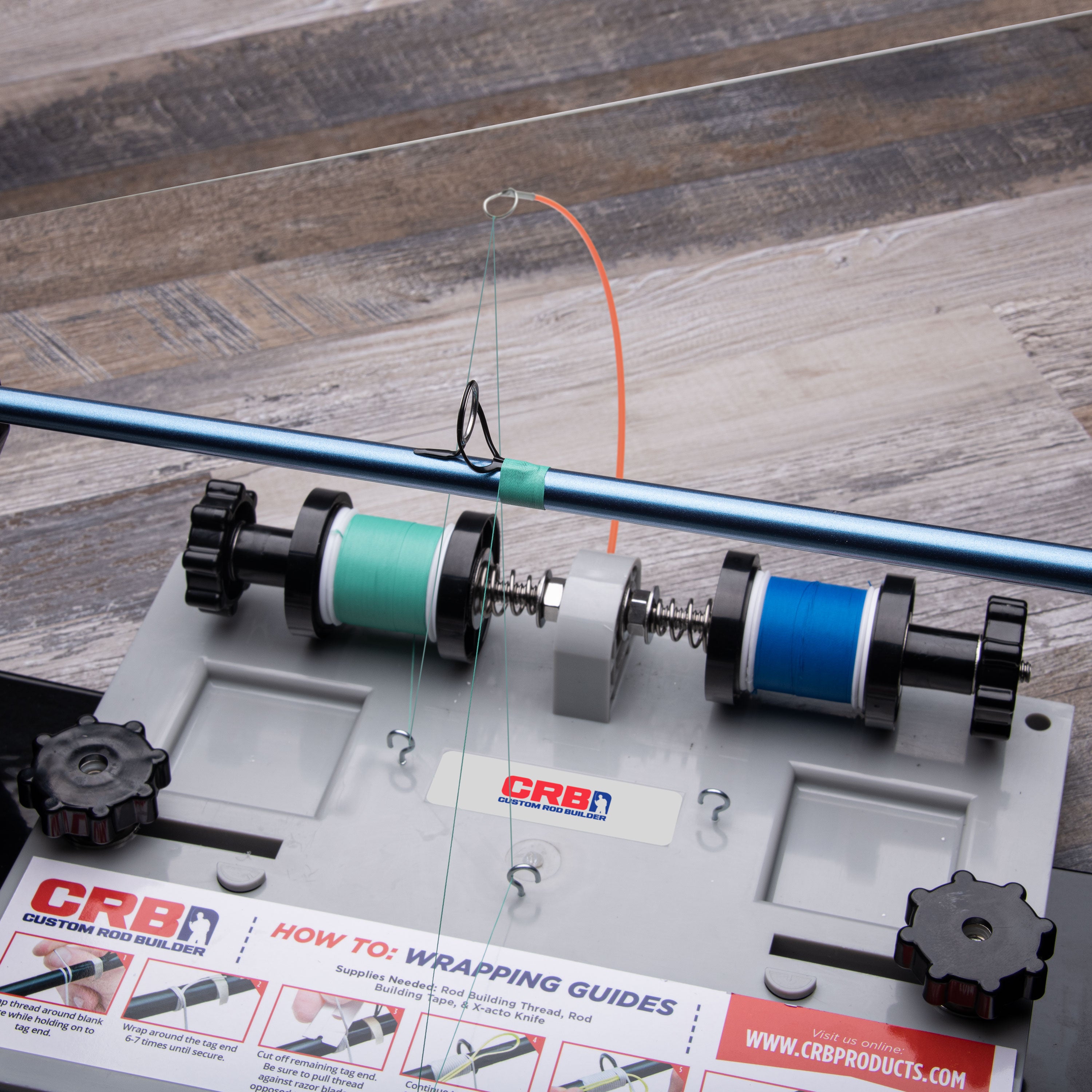
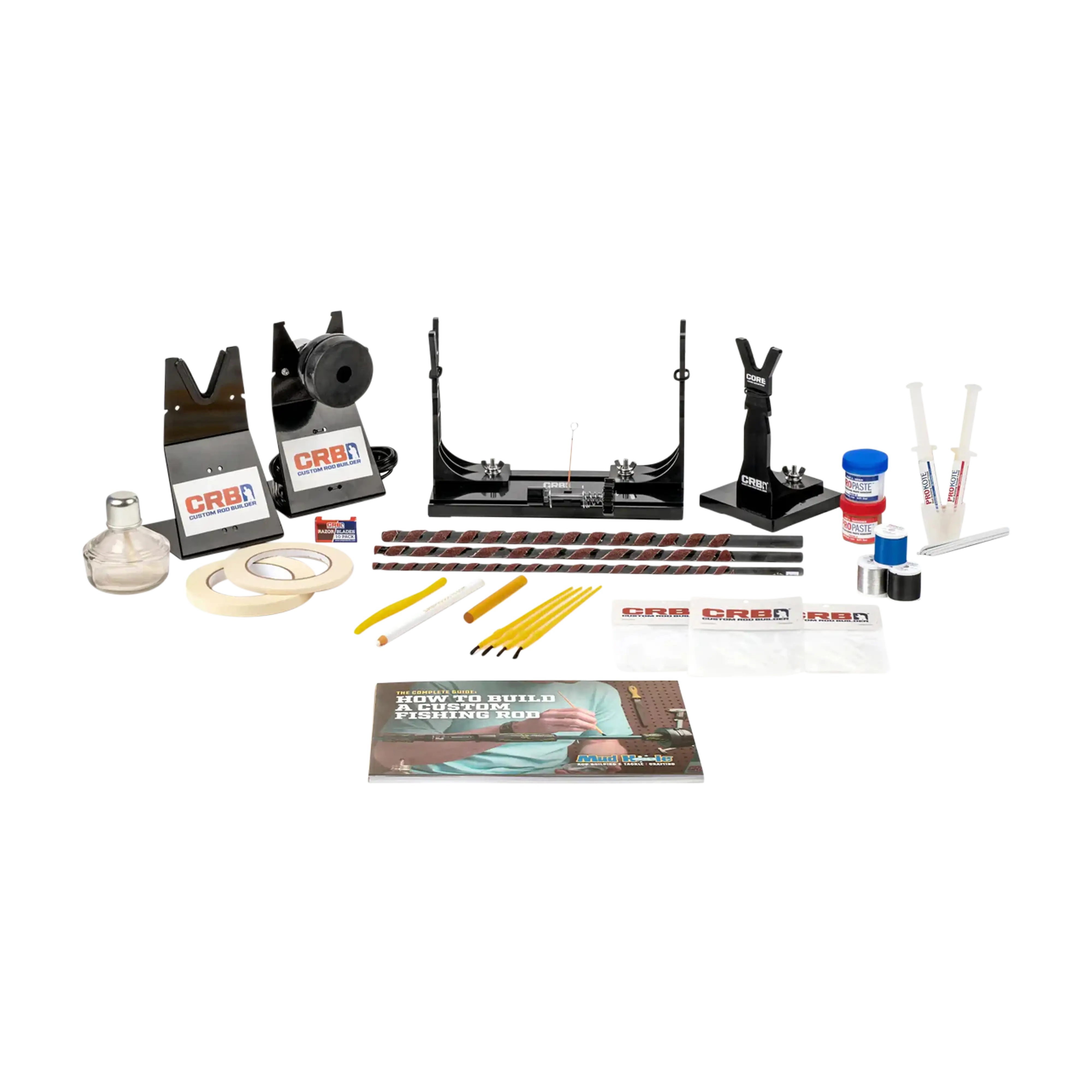
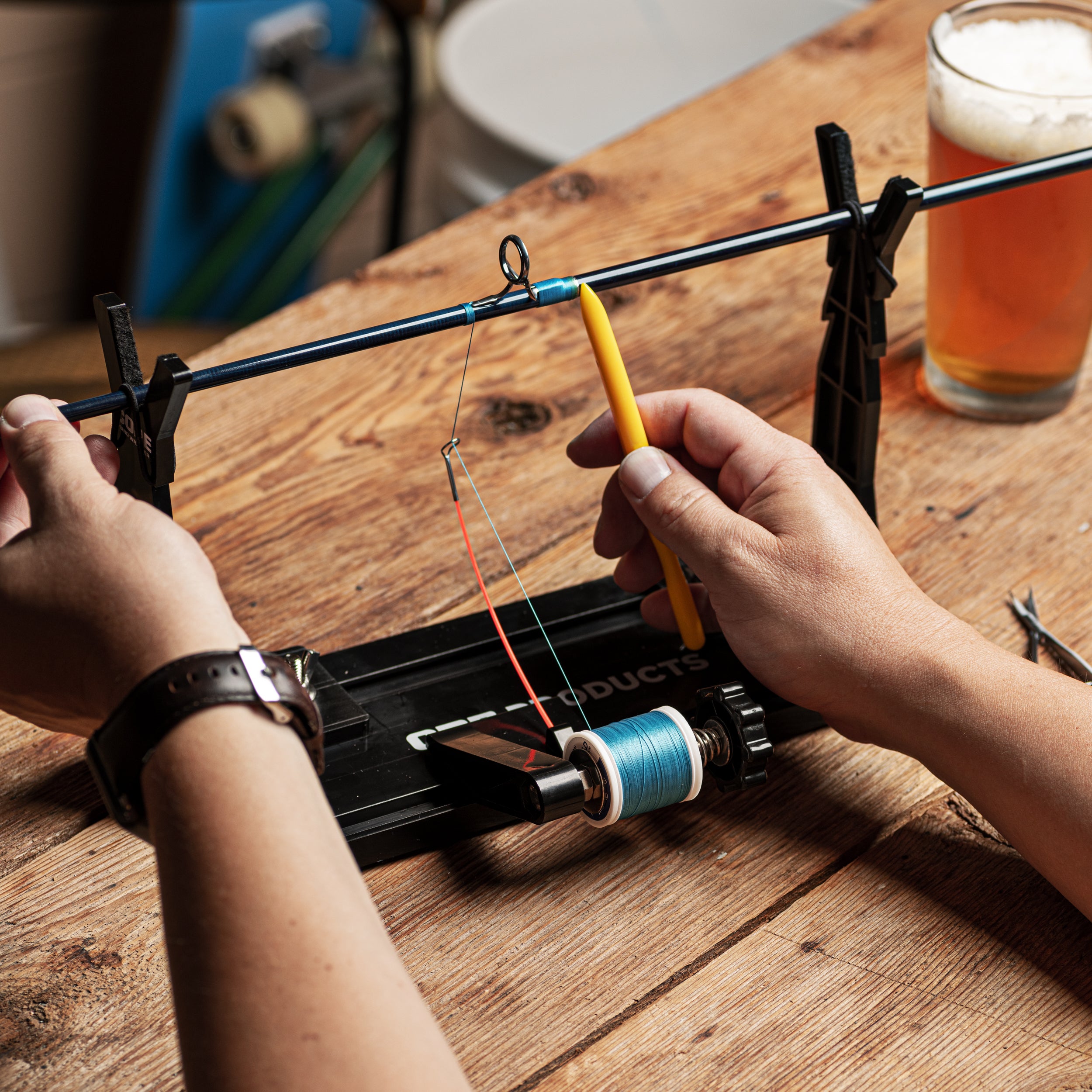
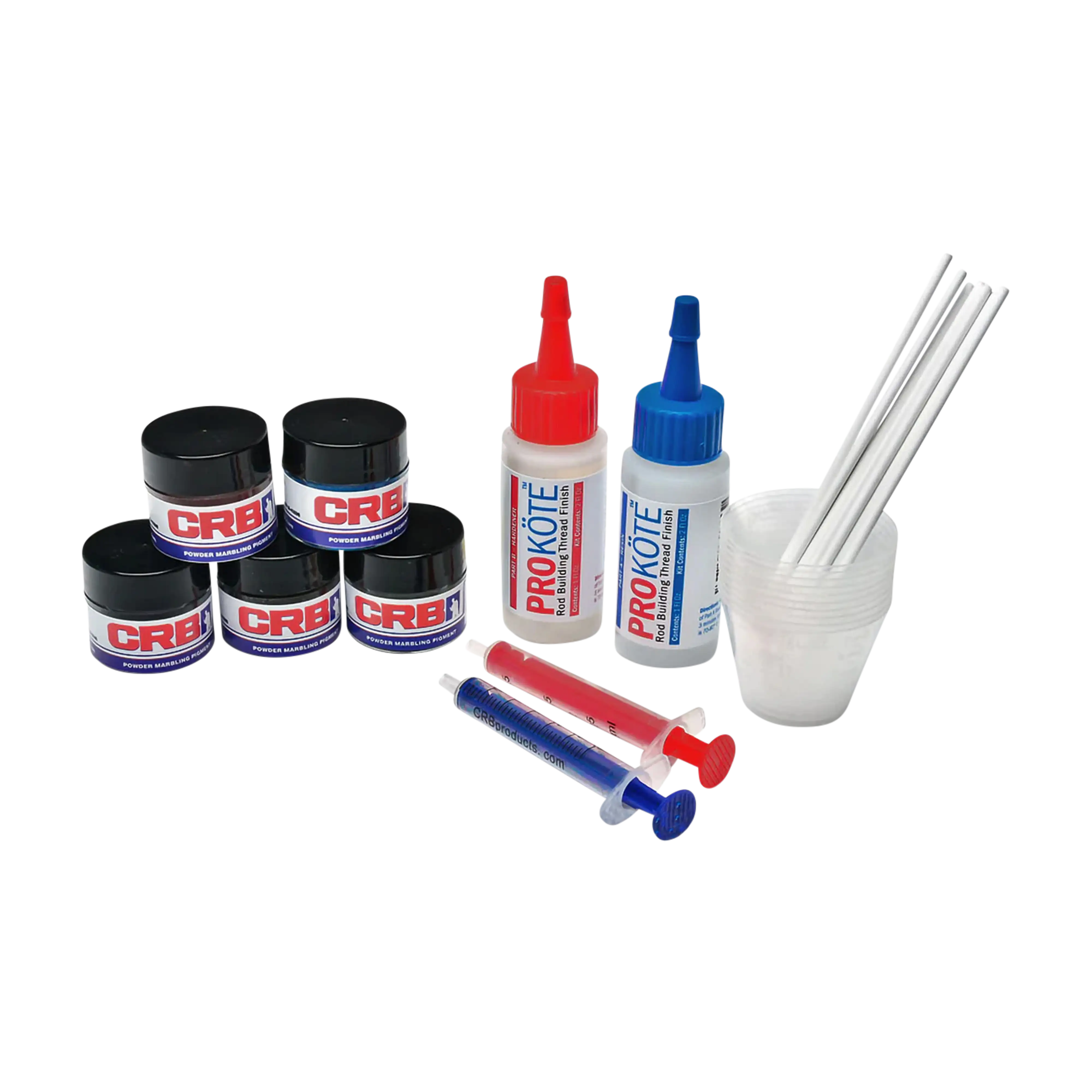
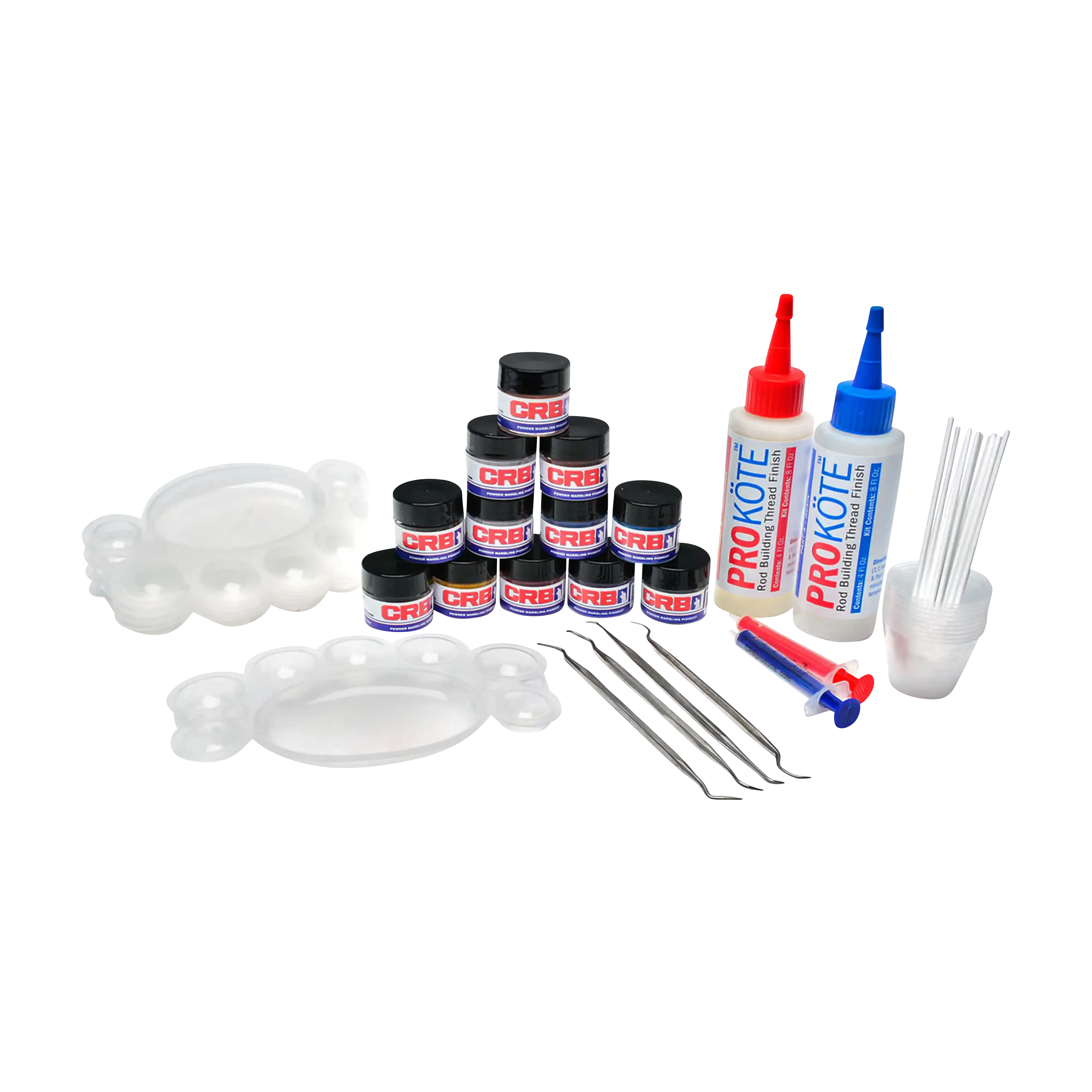
Everything you need to build a high-performance swimbait rod is available in a rod building supply kit. These kits include the core tools—rod dryers, thread, hand wrappers, epoxy, brushes, and reamers—so you can focus on the build instead of sourcing individual components. Using a kit streamlines the process, improves consistency, and helps you build a rod capable of handling large swimbaits, sustained casting loads, and long, controlled retrieves with confidence. They’re ideal for both first-time builders and experienced rod makers looking to simplify their workflow.
For Beginners
All-in-one kits provide everything needed to start building without having to source tools and materials separately. This makes it easier to focus on learning key steps like guide wrapping, tip-top installation, and handle assembly while still achieving a clean, functional swimbait rod build.
For Experienced Builders
Kits are also useful for restocking essential consumables like epoxy, brushes, and thread. Even when most tools are already on hand, having a ready supply kit helps maintain efficiency, reduce downtime, and ensure consistent results across multiple swimbait builds.
Key Takeaways
- Supply kits include the core tools and materials needed for swimbait rod builds
- Beginners benefit from simplified, all-in-one setups that make learning easier
- Experienced builders can use kits to restock consumables and streamline production
- Using a complete kit improves consistency, efficiency, and overall build quality
Choose Your Supply Kits
Everything you need to build a high-performance swimbait rod is available in a rod building supply kit. These kits include the core tools—rod dryers, thread, hand wrappers, epoxy, brushes, and reamers—so you can focus on the build instead of sourcing individual components. Using a kit streamlines the process, improves consistency, and helps you build a rod capable of handling large swimbaits, sustained casting loads, and long, controlled retrieves with confidence. They’re ideal for both first-time builders and experienced rod makers looking to simplify their workflow.
For Beginners
All-in-one kits provide everything needed to start building without having to source tools and materials separately. This makes it easier to focus on learning key steps like guide wrapping, tip-top installation, and handle assembly while still achieving a clean, functional swimbait rod build.
For Experienced Builders
Kits are also useful for restocking essential consumables like epoxy, brushes, and thread. Even when most tools are already on hand, having a ready supply kit helps maintain efficiency, reduce downtime, and ensure consistent results across multiple swimbait builds.
Key Takeaways
- Supply kits include the core tools and materials needed for swimbait rod builds
- Beginners benefit from simplified, all-in-one setups that make learning easier
- Experienced builders can use kits to restock consumables and streamline production
- Using a complete kit improves consistency, efficiency, and overall build quality
Supply Kits

Best Reels for Swimbait Fishing
Now let’s find a reel for your custom rod.
Swimbait reels need to handle heavier lures, thicker line, and the sustained demands of casting and retrieving large baits repeatedly. Casting reels are the standard choice because they provide strong line control, reliable drag performance, and consistent handling of heavier lure weights compared to spinning setups.
A properly matched swimbait reel improves casting efficiency with heavy baits, maintains consistent retrieve performance under load, and reduces wear on the reel during repeated heavy casting sessions. The focus shifts away from finesse and toward durability, torque, and smooth mechanical operation across extended use with heavy setups.
When choosing a reel, here’s what to look for.
Reel Type / Size
Swimbait fishing requires low-profile or round casting reels built in the 200–400 size range, with the 250–300 class being the true sweet spot for most mid-to-large swimbait applications. Larger spool capacity improves casting efficiency with heavy line and helps maintain smoother performance on long casts with heavier baits. Low-profile reels dominate the 200–300 range because they balance comfort, power, and versatility, while round or 400-size reels come into play for heavier glides and big soft swimbaits where line capacity, torque and durability matter more than compact feel. The key is choosing a reel that maintains control under sustained load and does not feel underbuilt for the bait weight you’re consistently throwing.
Gear Ratio
Gear ratio controls how fast you retrieve line, but in swimbait fishing, control matters more than speed. A mid-range ratio (typically 5.4:1 to 7.1:1) is ideal because it provides enough torque to maintain steady pressure on large baits and consistent retrieve control throughout the cast. Lower ratios are better for big glides and slow presentations, while slightly higher ratios help when burning or correcting bait position in open water.
Drag System
Swimbait fishing demands a smooth, consistent drag more than extreme stopping power. You’re not typically locking down fish immediately — instead, you need controlled pressure that stays steady under long runs and heavy loads. A strong drag system that engages smoothly under pressure is more important than peak drag numbers. Consistency also helps to prevent pulled hooks and manages surging fish near cover or open water boatside.
Line Capacity
Line capacity matters because swimbaits often require long casts with heavier line and sustained pressure during fights. A deeper spool helps maintain more consistent line lay and stable drag performance as line is peeled off during a fight. This is especially important with heavier fluorocarbon or braided mainlines, where spool size and line volume directly affect casting consistency and retrieve smoothness over long sessions.
Durability
Swimbait reels take repeated stress from casting heavy lures all day. A rigid frame (aluminum or reinforced graphite) is essential to prevent flex under load. Metal gears, solid handle arms, and reinforced drive systems all contribute to long-term reliability. This is not finesse fishing — the reel needs to stay tight, smooth, and stable after repeated heavy use.
Open Water & Deep Swimbaits
This setup demands distance casting and steady pressure control on larger swimbaits fished in open water. Reels need smooth drag under load and enough torque to retrieve heavy baits without fatigue over long sessions. Line management is critical because casts are long and fish are often fought at range.
Reel Type / Size: 250–300 size low-profile or round baitcaster (400-class for heavier 4–6+ oz glides and extended sessions)
Gear Ratio: 5.4:1 – 6.6:1
Drag: Smooth, medium-heavy carbon drag system with consistent pressure under load
Line: 20–25 lb fluorocarbon or 40–65 lb braid
Around Cover Swimbaits
This setup requires more immediate power and control because fish are pulled from grass, timber, or docks at close range. Reels need stronger gearing and quicker line pickup to keep fish from burying into cover.
Reel Type / Size: 200–300 size low-profile baitcaster (heavy-duty frame preferred)
Gear Ratio: 6.3:1 – 7.1:1
Drag: Strong, smooth drag with strong lock-down capability when needed
Line: 20–25 lb fluorocarbon or 30–65 lb braid
Reaction Swimbaits (Glide & Hard Baits)
Glide and hard swimbaits require smooth, controlled retrieves with the ability to adjust speed without losing bait action. Reel performance needs to stay fluid under steady retrieve pressure while maintaining enough control for long casts and clean hooksets on treble hooks.
Reel Type / Size: 200–300 size low-profile baitcaster
Gear Ratio: 5.8:1 – 7.1:1 (mid-range preferred for control and cadence)
Drag: Smooth, forgiving drag system optimized for treble hook applications and surging fish
Line: 20–25 lb fluorocarbon or 30–50 lb braid
Shallow & Surface Swimbaits
This setup is focused on accuracy, cadence control, and managing explosive surface strikes. Reels need smooth startup, consistent retrieve rhythm, and enough drag control to handle sudden runs at the surface while keeping fish pinned during jumps and chaos.
Reel Type / Size: 200–300 size low-profile baitcaster
Gear Ratio: 6.3:1 – 7.3:1
Drag: Smooth, responsive drag with quick engagement for surface strikes and sudden runs
Line: 20–25 lb fluorocarbon or 30–50 lb braid
Key Takeaways
- Casting reels are preferred for swimbaits because they handle heavy loads and offer better control on large casts
- 200–300 size reels cover most swimbait setups, while 400 sizes are used for the heaviest lures and biggest fish
- A rigid frame and strong gearing help maintain smooth, consistent performance under constant strain
- Mid-range gear ratios give the best balance between power and retrieve speed for most swimbait fishing
- Drag systems with carbon fiber washers provide smooth, steady pressure and help reduce sudden line breaks during hard runs
Best Reels for Swimbait Fishing
Now let’s find a reel for your custom rod.
Swimbait reels need to handle heavier lures, thicker line, and the sustained demands of casting and retrieving large baits repeatedly. Casting reels are the standard choice because they provide strong line control, reliable drag performance, and consistent handling of heavier lure weights compared to spinning setups.
A properly matched swimbait reel improves casting efficiency with heavy baits, maintains consistent retrieve performance under load, and reduces wear on the reel during repeated heavy casting sessions. The focus shifts away from finesse and toward durability, torque, and smooth mechanical operation across extended use with heavy setups.
When choosing a reel, here’s what to look for.
Reel Type / Size
Swimbait fishing requires low-profile or round casting reels built in the 200–400 size range, with the 250–300 class being the true sweet spot for most mid-to-large swimbait applications. Larger spool capacity improves casting efficiency with heavy line and helps maintain smoother performance on long casts with heavier baits. Low-profile reels dominate the 200–300 range because they balance comfort, power, and versatility, while round or 400-size reels come into play for heavier glides and big soft swimbaits where line capacity, torque and durability matter more than compact feel. The key is choosing a reel that maintains control under sustained load and does not feel underbuilt for the bait weight you’re consistently throwing.
Gear Ratio
Gear ratio controls how fast you retrieve line, but in swimbait fishing, control matters more than speed. A mid-range ratio (typically 5.4:1 to 7.1:1) is ideal because it provides enough torque to maintain steady pressure on large baits and consistent retrieve control throughout the cast. Lower ratios are better for big glides and slow presentations, while slightly higher ratios help when burning or correcting bait position in open water.
Drag System
Swimbait fishing demands a smooth, consistent drag more than extreme stopping power. You’re not typically locking down fish immediately — instead, you need controlled pressure that stays steady under long runs and heavy loads. A strong drag system that engages smoothly under pressure is more important than peak drag numbers. Consistency also helps to prevent pulled hooks and manages surging fish near cover or open water boatside.
Line Capacity
Line capacity matters because swimbaits often require long casts with heavier line and sustained pressure during fights. A deeper spool helps maintain more consistent line lay and stable drag performance as line is peeled off during a fight. This is especially important with heavier fluorocarbon or braided mainlines, where spool size and line volume directly affect casting consistency and retrieve smoothness over long sessions.
Durability
Swimbait reels take repeated stress from casting heavy lures all day. A rigid frame (aluminum or reinforced graphite) is essential to prevent flex under load. Metal gears, solid handle arms, and reinforced drive systems all contribute to long-term reliability. This is not finesse fishing — the reel needs to stay tight, smooth, and stable after repeated heavy use.
Open Water & Deep Swimbaits
This setup demands distance casting and steady pressure control on larger swimbaits fished in open water. Reels need smooth drag under load and enough torque to retrieve heavy baits without fatigue over long sessions. Line management is critical because casts are long and fish are often fought at range.
Reel Type / Size: 250–300 size low-profile or round baitcaster (400-class for heavier 4–6+ oz glides and extended sessions)
Gear Ratio: 5.4:1 – 6.6:1
Drag: Smooth, medium-heavy carbon drag system with consistent pressure under load
Line: 20–25 lb fluorocarbon or 40–65 lb braid
Around Cover Swimbaits
This setup requires more immediate power and control because fish are pulled from grass, timber, or docks at close range. Reels need stronger gearing and quicker line pickup to keep fish from burying into cover.
Reel Type / Size: 200–300 size low-profile baitcaster (heavy-duty frame preferred)
Gear Ratio: 6.3:1 – 7.1:1
Drag: Strong, smooth drag with strong lock-down capability when needed
Line: 20–25 lb fluorocarbon or 30–65 lb braid
Reaction Swimbaits (Glide & Hard Baits)
Glide and hard swimbaits require smooth, controlled retrieves with the ability to adjust speed without losing bait action. Reel performance needs to stay fluid under steady retrieve pressure while maintaining enough control for long casts and clean hooksets on treble hooks.
Reel Type / Size: 200–300 size low-profile baitcaster
Gear Ratio: 5.8:1 – 7.1:1 (mid-range preferred for control and cadence)
Drag: Smooth, forgiving drag system optimized for treble hook applications and surging fish
Line: 20–25 lb fluorocarbon or 30–50 lb braid
Shallow & Surface Swimbaits
This setup is focused on accuracy, cadence control, and managing explosive surface strikes. Reels need smooth startup, consistent retrieve rhythm, and enough drag control to handle sudden runs at the surface while keeping fish pinned during jumps and chaos.
Reel Type / Size: 200–300 size low-profile baitcaster
Gear Ratio: 6.3:1 – 7.3:1
Drag: Smooth, responsive drag with quick engagement for surface strikes and sudden runs
Line: 20–25 lb fluorocarbon or 30–50 lb braid
Key Takeaways
- Casting reels are preferred for swimbaits because they handle heavy loads and offer better control on large casts
- 200–300 size reels cover most swimbait setups, while 400 sizes are used for the heaviest lures and biggest fish
- A rigid frame and strong gearing help maintain smooth, consistent performance under constant strain
- Mid-range gear ratios give the best balance between power and retrieve speed for most swimbait fishing
- Drag systems with carbon fiber washers provide smooth, steady pressure and help reduce sudden line breaks during hard runs
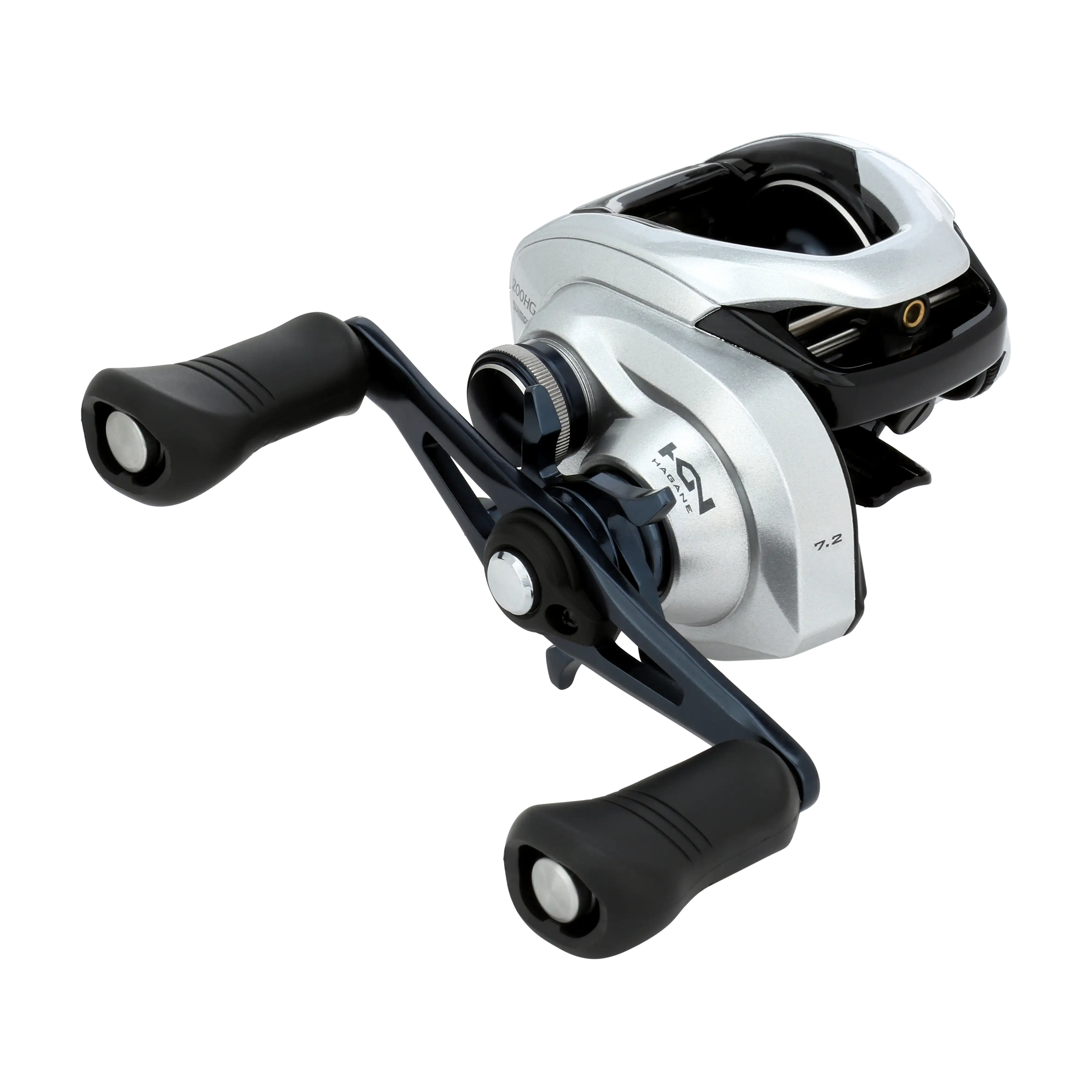
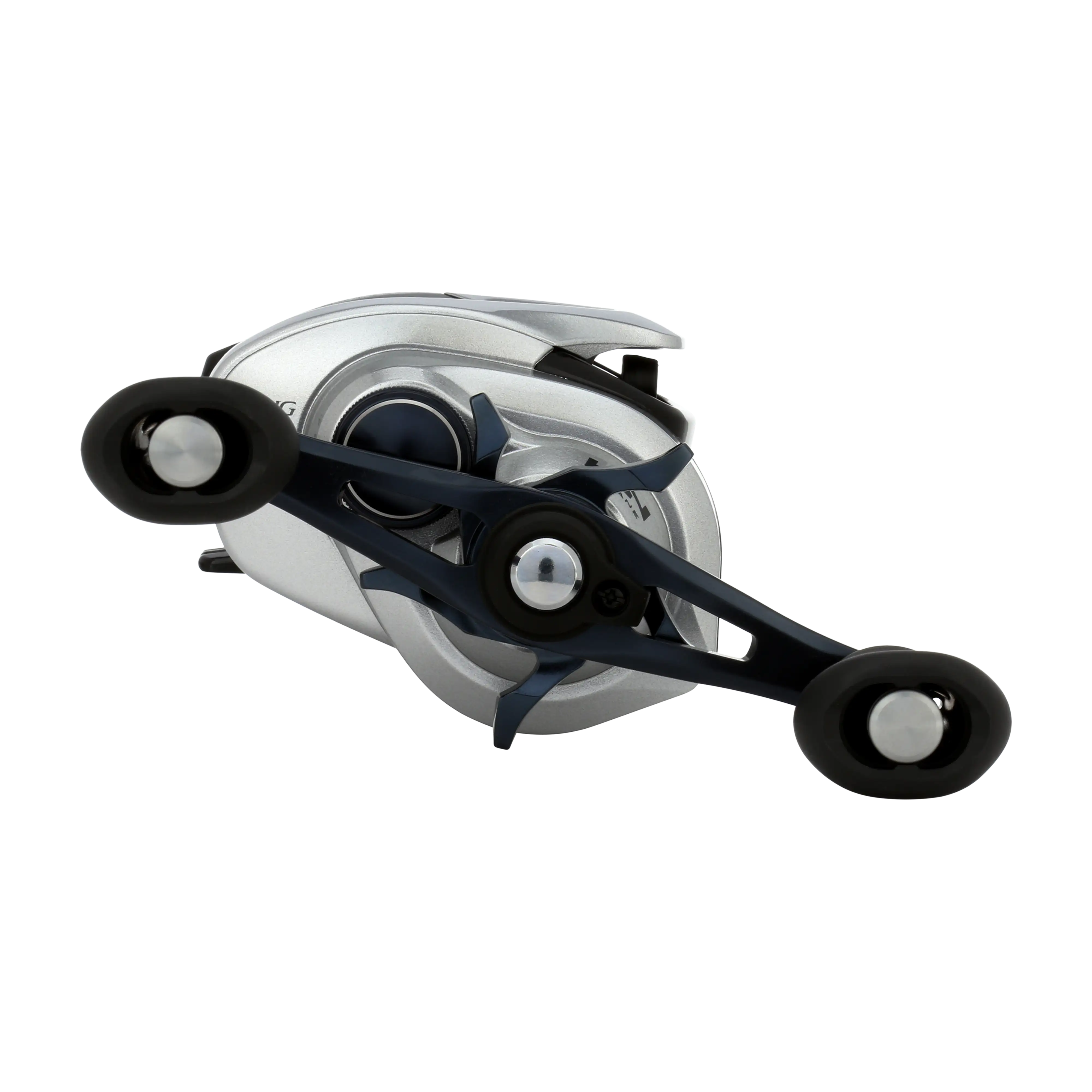
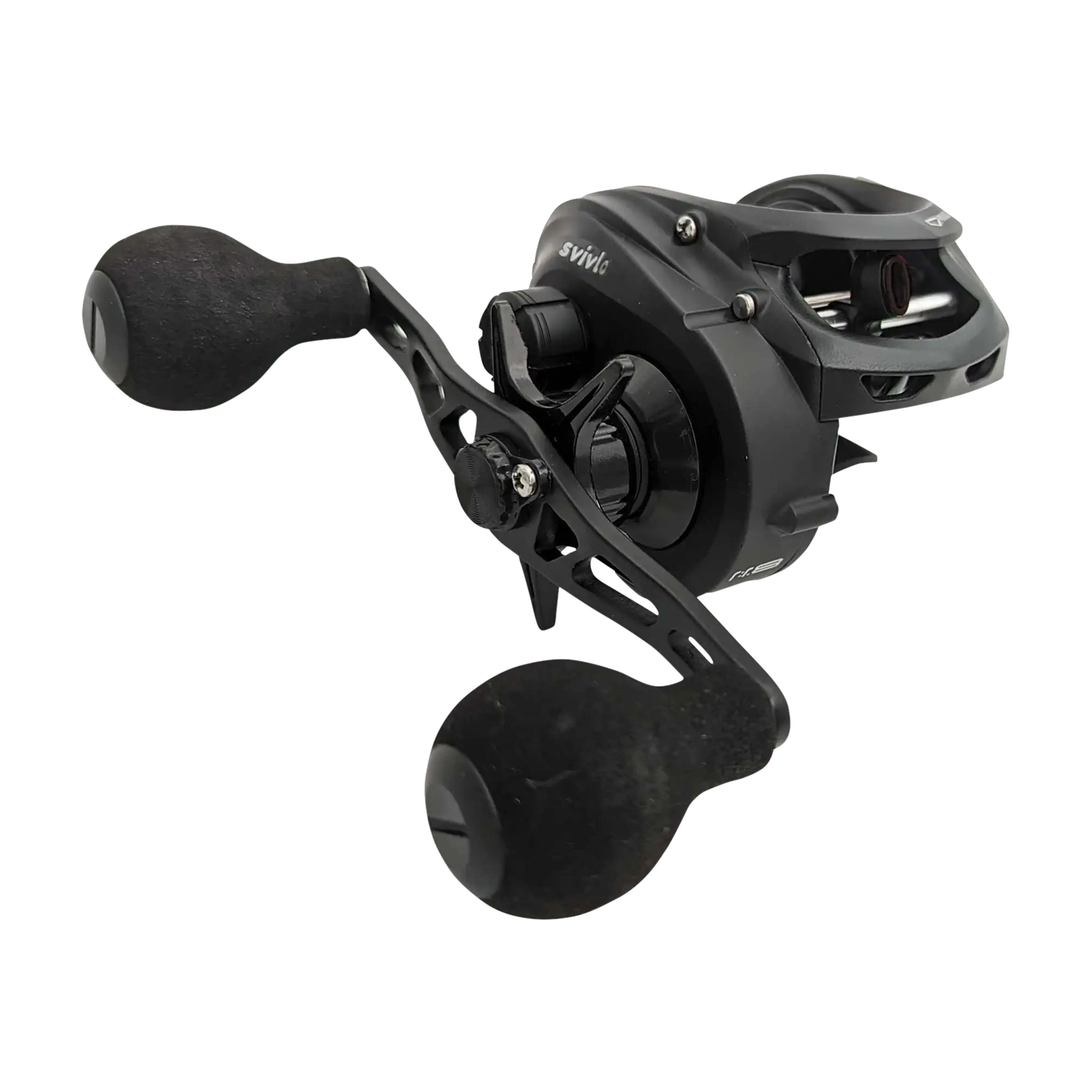
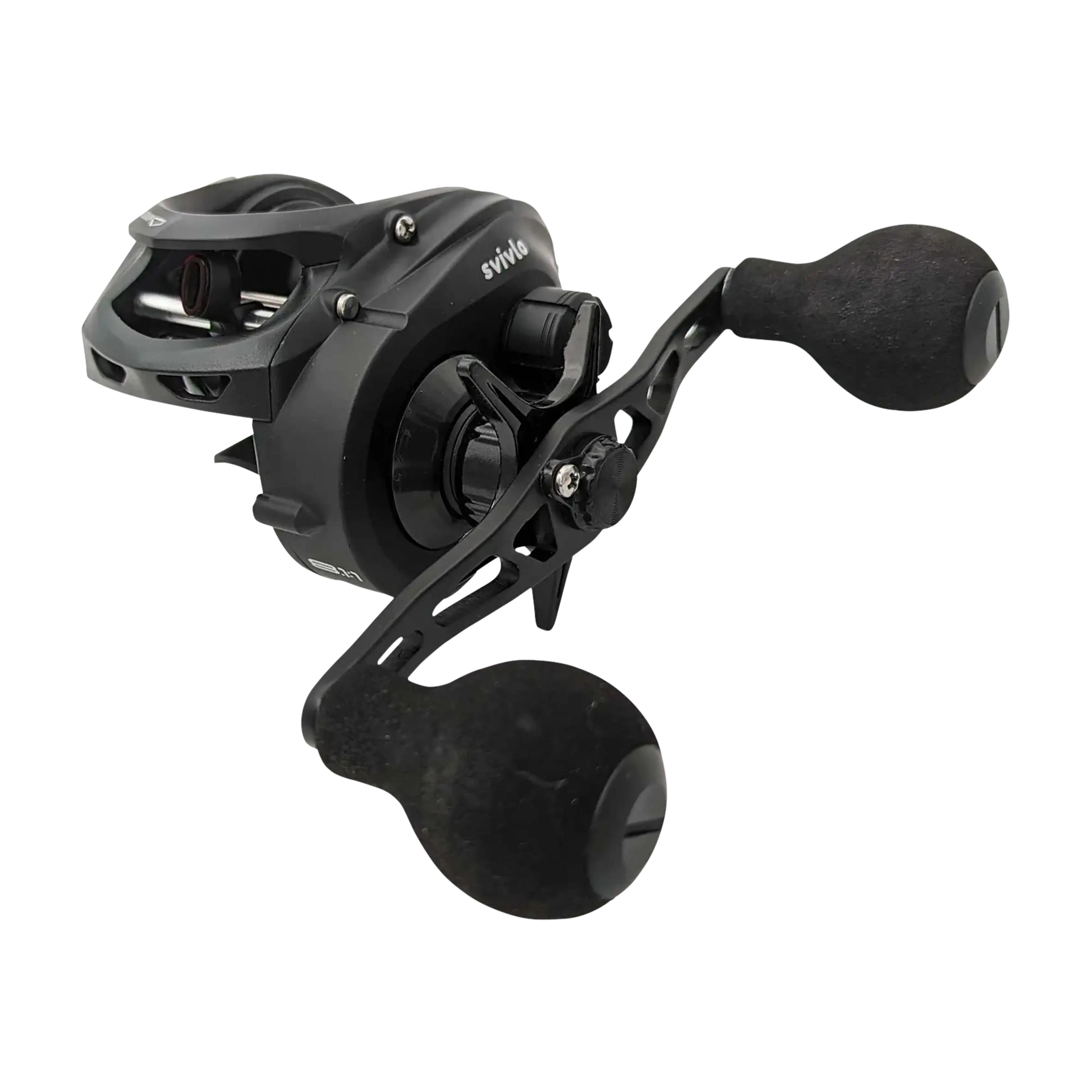
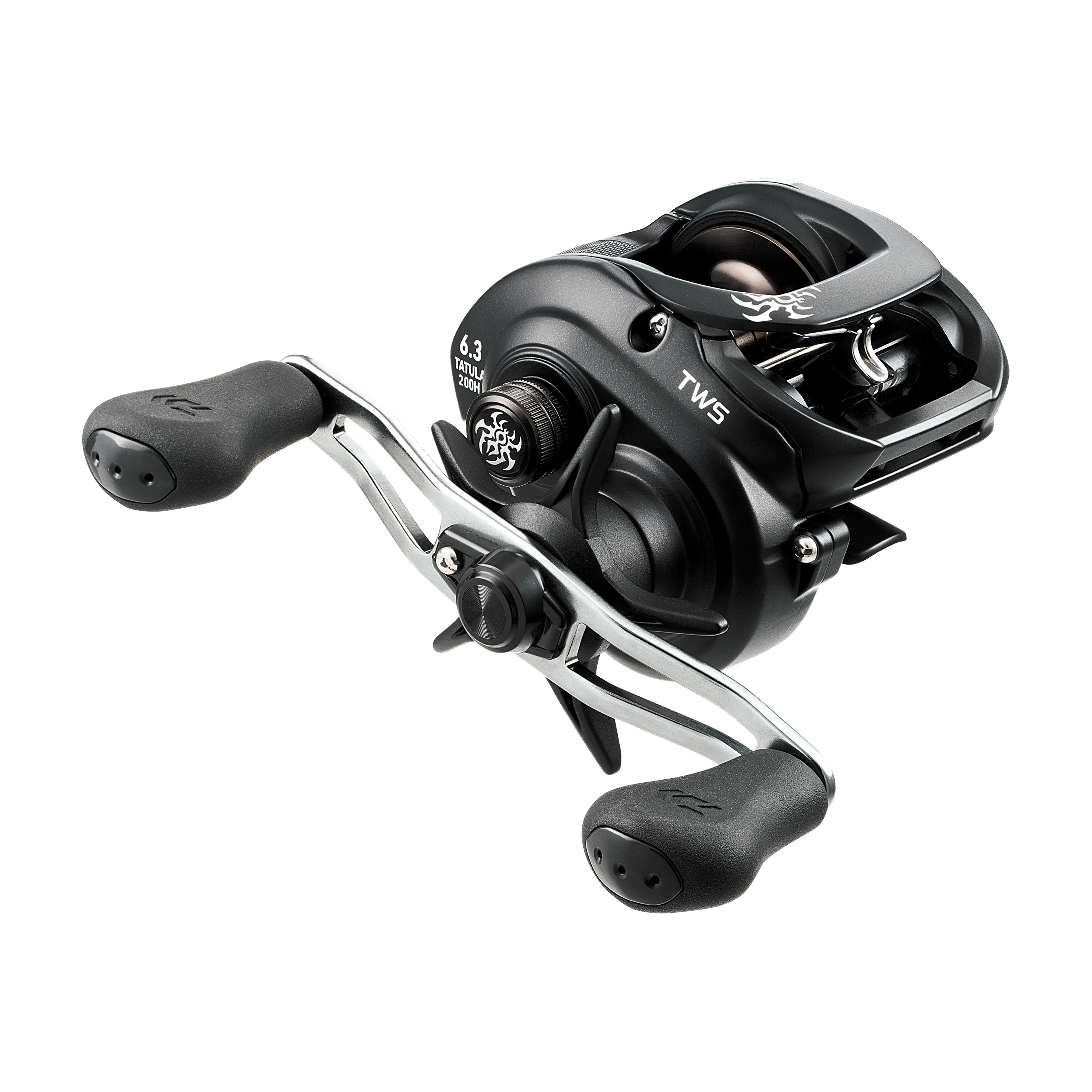
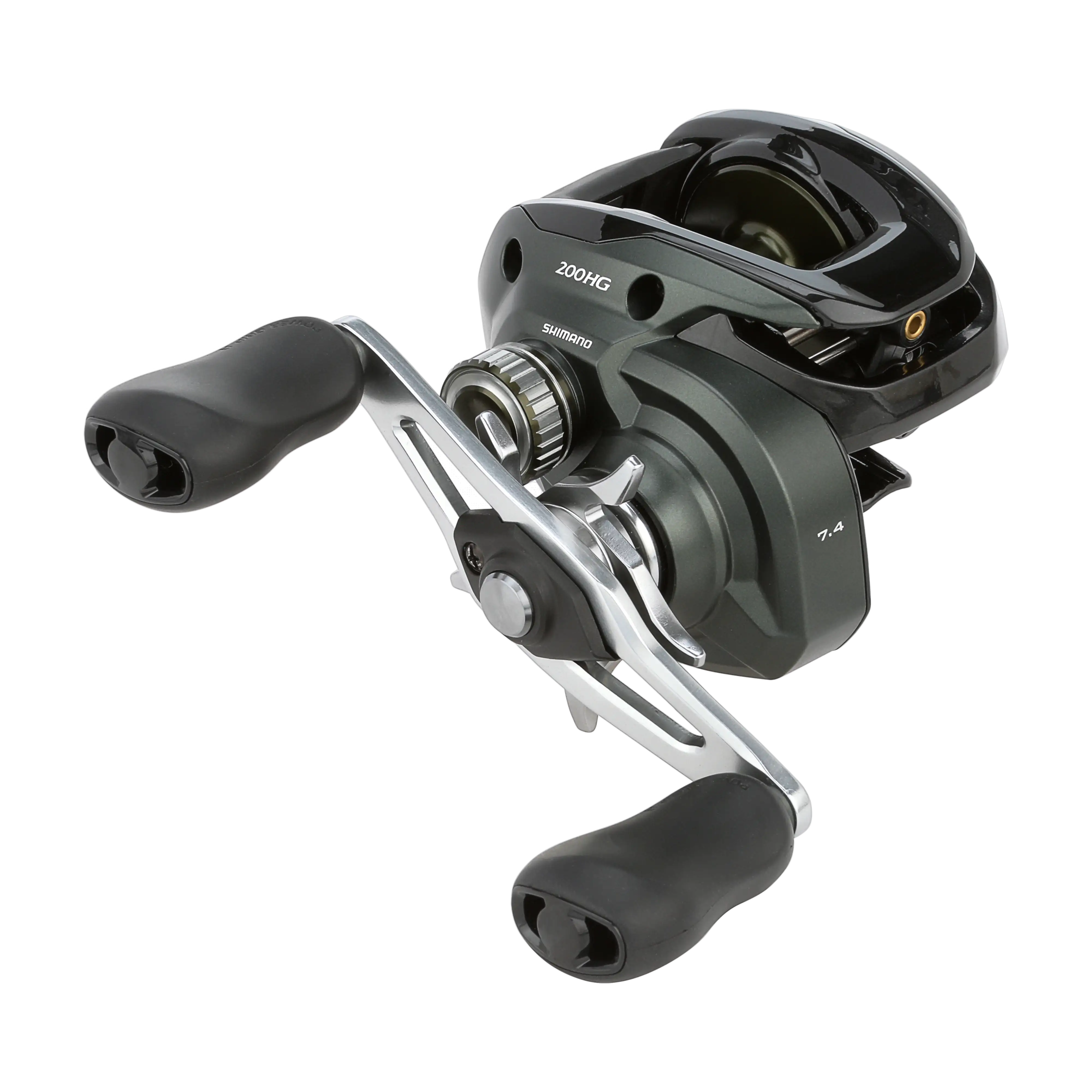
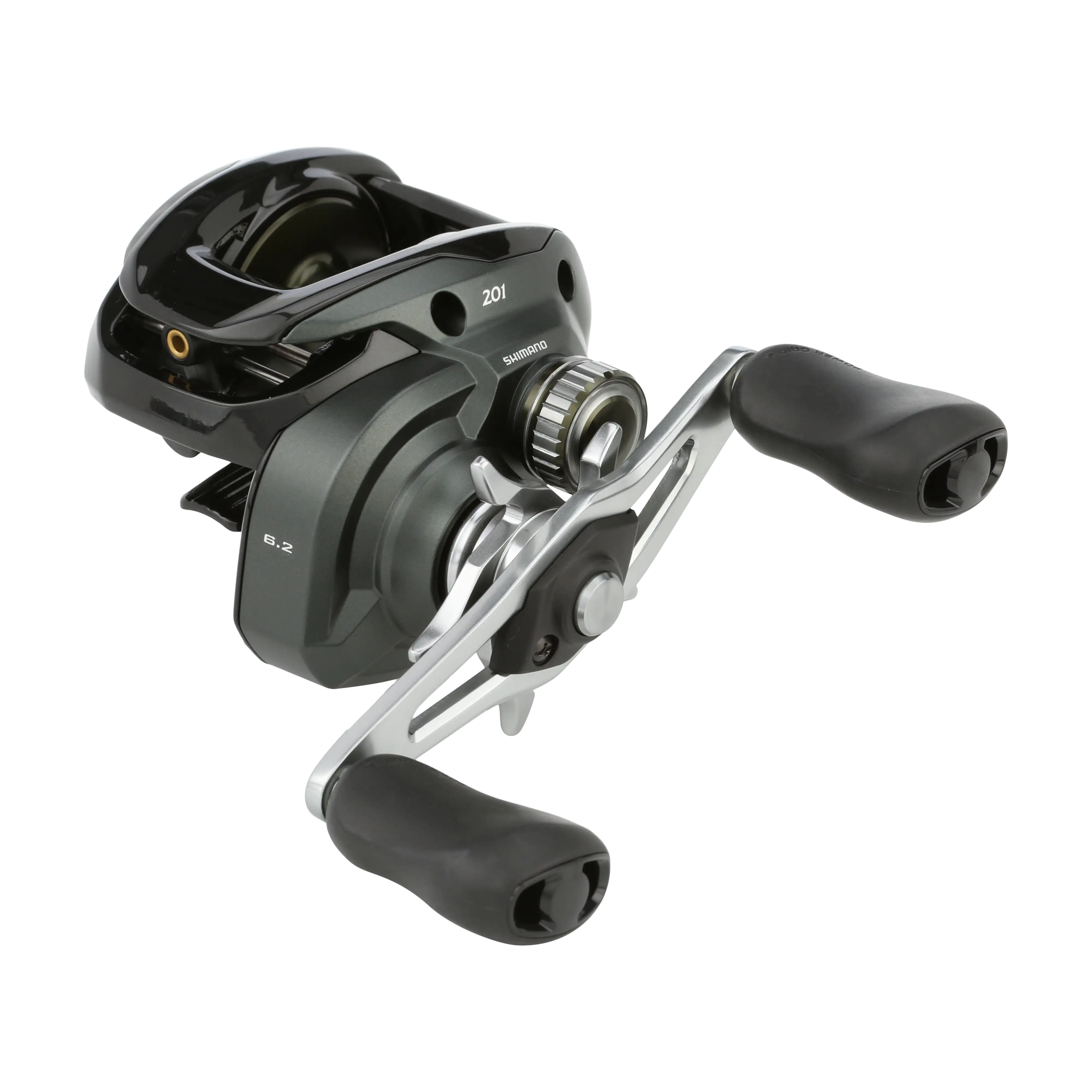
Swimbait Casting Reels




Build a Swimbait Fishing Rod
FAQ - Custom Swimbait Rods
What rod power should I choose for swimbait fishing?
Most swimbait rod builds fall into medium-heavy to extra-heavy power depending on lure weight and target species. Medium-heavy blanks are typically used for smaller hard swimbaits and lighter soft-body presentations, while heavy and extra-heavy blanks are better suited for large glides, big soft swimbaits, and higher-resistance baits. The key is matching blank power to total lure weight so the rod can load properly on the cast while still maintaining control during slow, steady retrieves and committed hooksets.
How long should my swimbait rod be?
Most swimbait rods are built between 7’3” and 8', with longer blanks being more common for maximizing casting distance and controlling large baits. Shorter blanks in this range offer slightly better accuracy and easier handling around cover or from a boat deck, while longer blanks provide increased leverage for long casts and improved line management during sweeping retrieves.
What action works best for swimbait rods?
Moderate to fast actions are most common in swimbait builds. A moderate-fast blank is a strong all-around choice because it provides enough tip response to cast large, air-resistant swimbaits while still allowing the rod to load deeper into the blank under weight. This deeper load helps maintain consistent lure tracking during steady retrieves and keeps treble-hooked baits pinned during the fight.
Can I use the same blank for multiple swimbait techniques?
Yes, but versatility depends heavily on lure range and blank design. Many builders choose a single swimbait blank that can comfortably handle both hard glides and medium soft-bodied swimbaits within a defined weight range. However, very large high-resistance baits and oversized soft swimbaits often require different blank powers to maintain proper loading and retrieve control.
What handle style is best for a swimbait rod?
There isn’t a single “best” option—handle style comes down to tradeoffs in balance, weight, and comfort. Full grips or longer rear grips are commonly used because they improve leverage, stabilize the rod with heavy lures, and help counterbalance larger reels during long casts and slow retrieves. Split grips reduce overall weight and can slightly shift balance forward, but may sacrifice some rear-end stability on heavier swimbait setups.
Should I use a metal or graphite reel seat?
Graphite and composite reel seats are most commonly used in swimbait builds due to their balance of strength, lower weight, and effective vibration transfer through the blank. Metal seats can be used for maximum rigidity, but they are less common in swimbait applications where reducing rear-end weight and maintaining balance with larger reels is usually the priority.
How important is blank taper in a custom swimbait rod?
Very important. A progressive or moderate taper is key for swimbait rods because it allows the blank to load smoothly under heavy lure weight while still maintaining control through the mid and butt sections. This balance helps achieve longer casts, better lure tracking, and improved hookup stability, especially when fishing large treble-hooked swimbaits that require a more forgiving rod under pressure.
From the Mud Hole Journal
Further Reading
Article
Write text about your blog post.