


Mud Hole Gear Guide:

Slow-Pitch Jigging

Introduction

What is Slow-Pitch Jigging?

Slow-pitch jigging is a vertical saltwater fishing technique designed to trigger strikes through controlled jig movement rather than speed. Instead of aggressively ripping a lure through the water, anglers rely on short, rhythmic rod lifts to carefully load the rod blank and then pause, allowing the jig to flutter and glide naturally on the fall. This controlled cadence gives the lure a lifelike action, mimicking the unpredictable movement of injured prey. Most strikes occur as the jig drops, when it appears vulnerable and defenseless, closely resembling a wounded or disoriented baitfish descending through the water column.

This technique shines in both offshore and nearshore environments where factors like depth, current, and fishing pressure demand a more precise and intentional presentation. Slow-pitch jigging is especially effective in deeper water, where maintaining control of the lure and staying within the strike zone is critical. It’s commonly used to target species such as snapper, grouper, amberjack, tuna, and other bottom-oriented or mid-water predators that are accustomed to capitalizing on easy meals. Because the jig’s design and motion do much of the work, slow-pitch jigging is efficient and less physically demanding than traditional speed jigging, allowing anglers to fish longer, stay more consistent, and maintain better feel and control throughout the day.

Gear plays a critical role. Slow-pitch rods are designed to bend deeply and recover smoothly, creating the jig’s action. Compact reels offer control and torque, while thin braided line improves sensitivity and keeps the jig vertical. When everything works together, the presentation looks natural, controlled, and highly effective—especially in deeper water where subtle movement matters most.

How to Choose a Slow-Pitch Jigging Rod

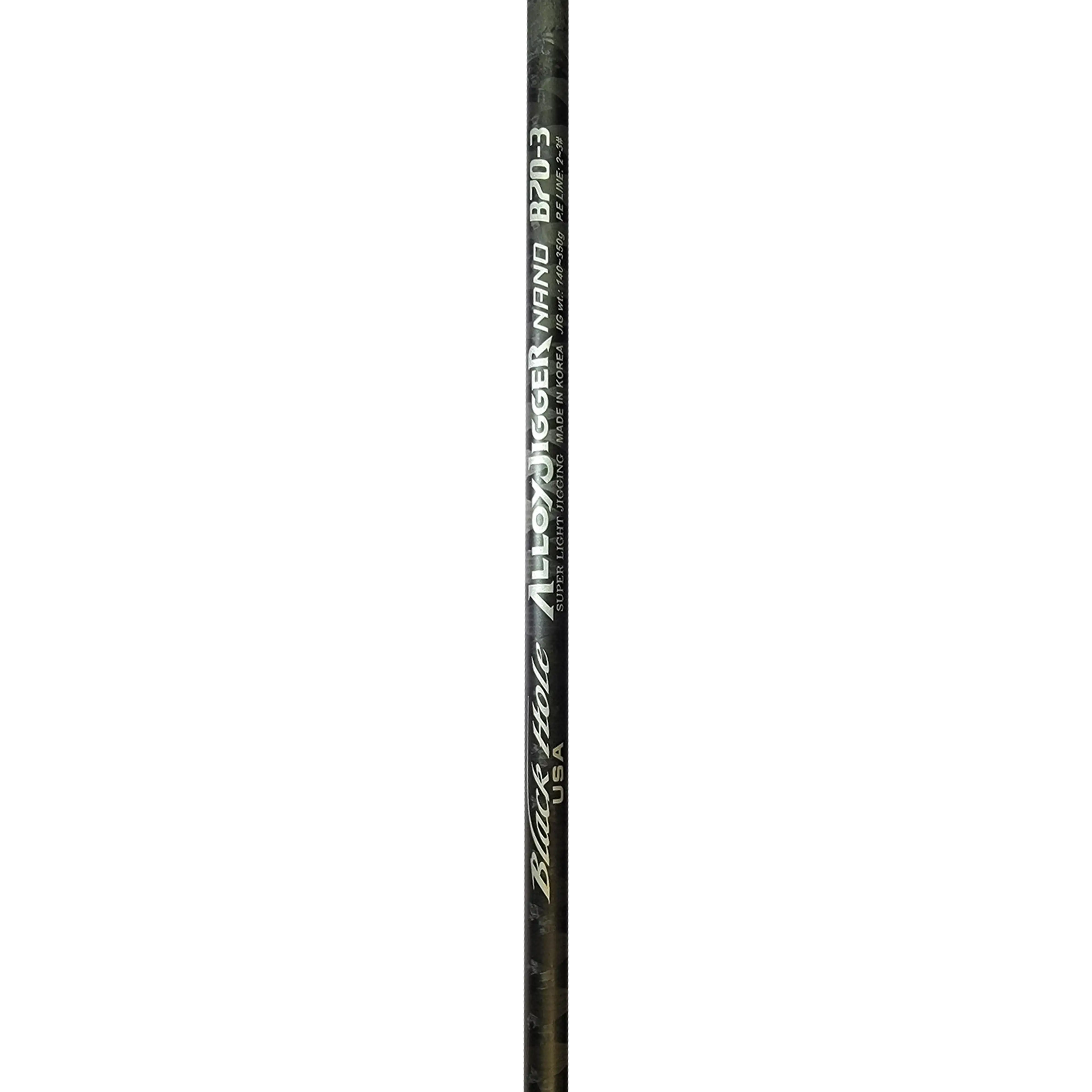
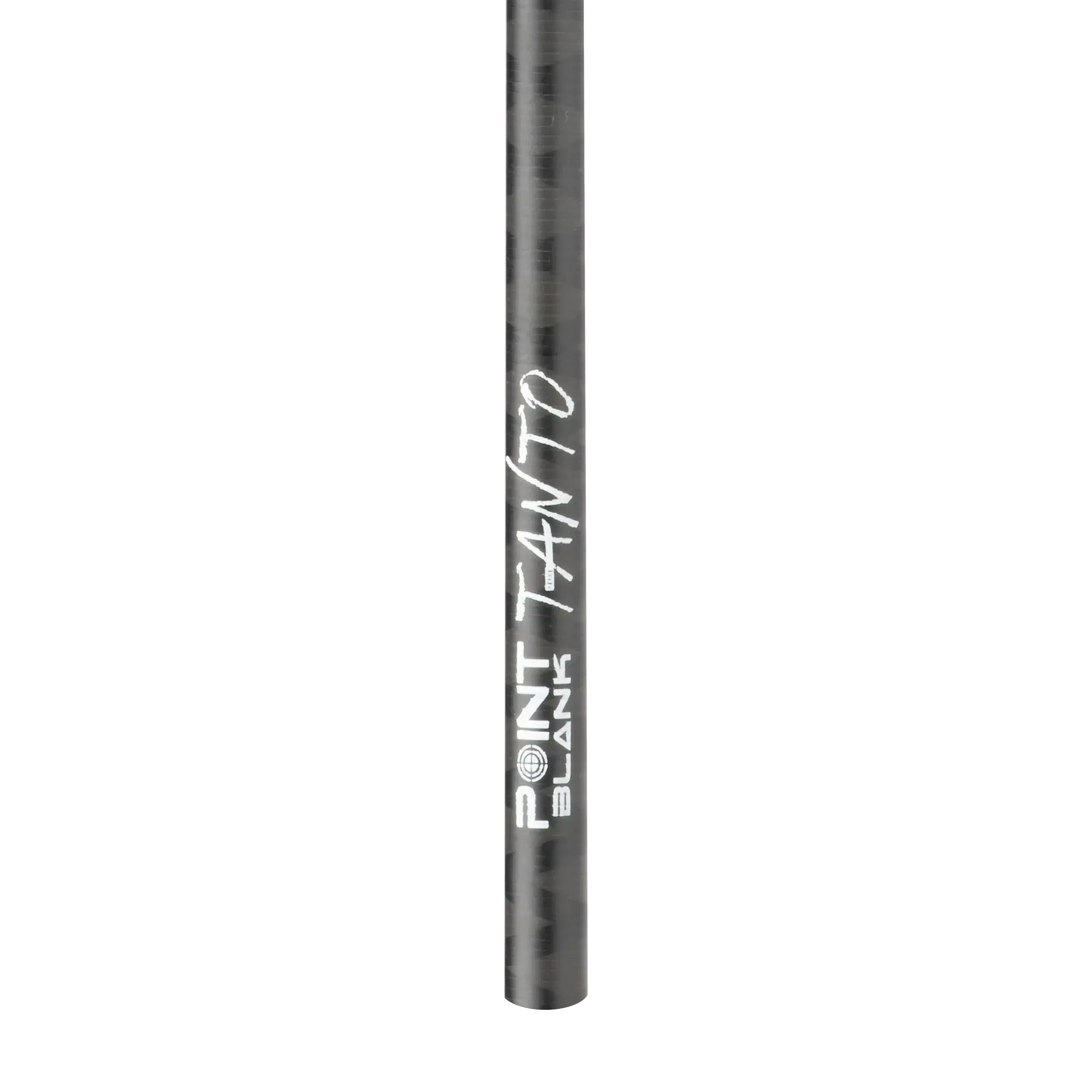
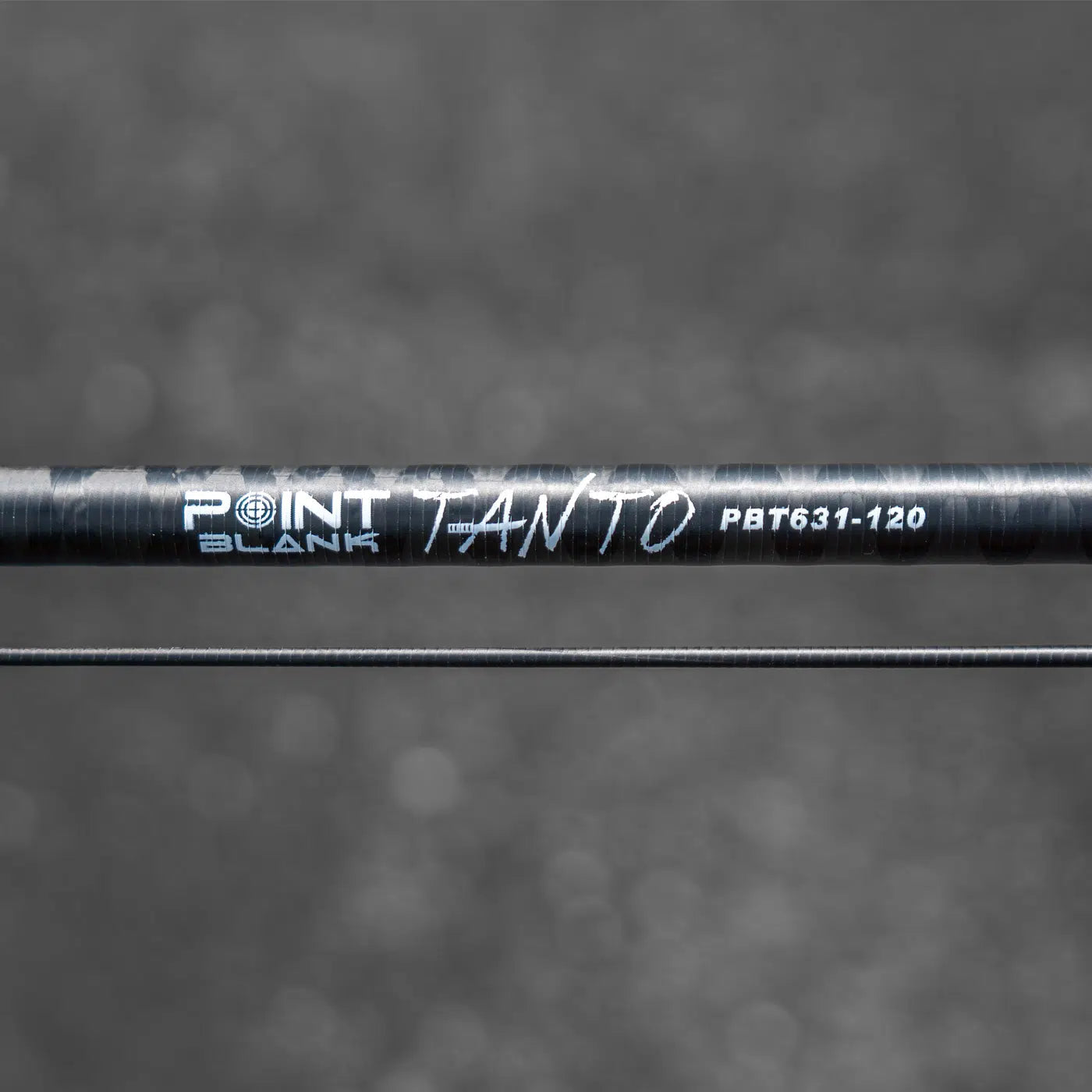
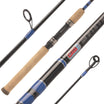
Choosing the right slow-pitch rod is about matching the rod’s action and power to your jig weights, fishing depth, and target species. Unlike conventional jigging rods, slow-pitch rods are built to load deeply through the mid-section, allowing the blank to “kick” the jig forward on each lift before it flutters back down.

Rod length typically stays shorter to maintain control and reduce fatigue during repeated lifts. Power ratings matter more than line ratings—lighter rods excel with smaller jigs and finesse presentations, while heavier rods provide backbone for deeper water and stronger fish. The goal is balance: a rod that moves the jig naturally without forcing the action.

Handle design and materials also impact comfort and control. Slow-pitch anglers often use forward hand positions, making grip shape and reel seat ergonomics especially important. A properly chosen rod makes the technique easier to learn, keeps your jig working correctly, and helps you fish longer without fatigue.

Best Rod Lengths

Most slow-pitch jigging rods fall between 6’0” and 6’8”. Shorter lengths improve leverage and control, especially in deep water or strong current, while slightly longer rods can help manage lighter jigs and
subtle movements. The key is maintaining a vertical presentation—too long, and timing the jig becomes harder. A well-sized rod lets the blank load smoothly and recover cleanly, which directly affects jig action
and bite detection.

Rod Power & Action

Slow-pitch rod power ranges widely—from light and medium all the way through heavy and extra-heavy—depending on jig weight, depth, and current. Lighter power rods are used for small jigs, shallow water, and finesse presentations, while heavier and extra-heavy rods are common for deep water, strong current, and large, powerful fish. The key is not fish size alone, but matching rod power to jig weight so the blank loads
properly and recovers smoothly to drive the jig’s action.

Rod Materials & Handle Options

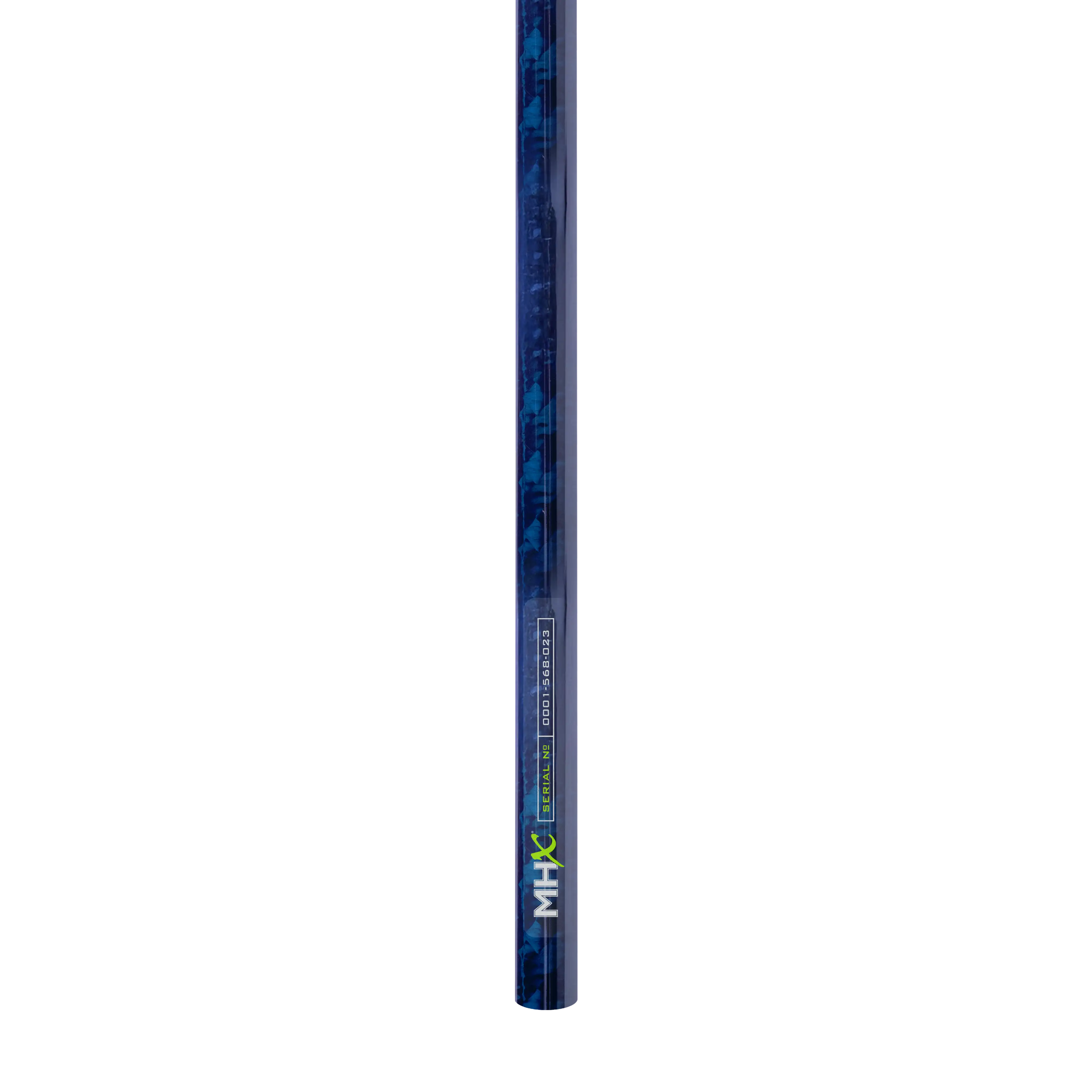
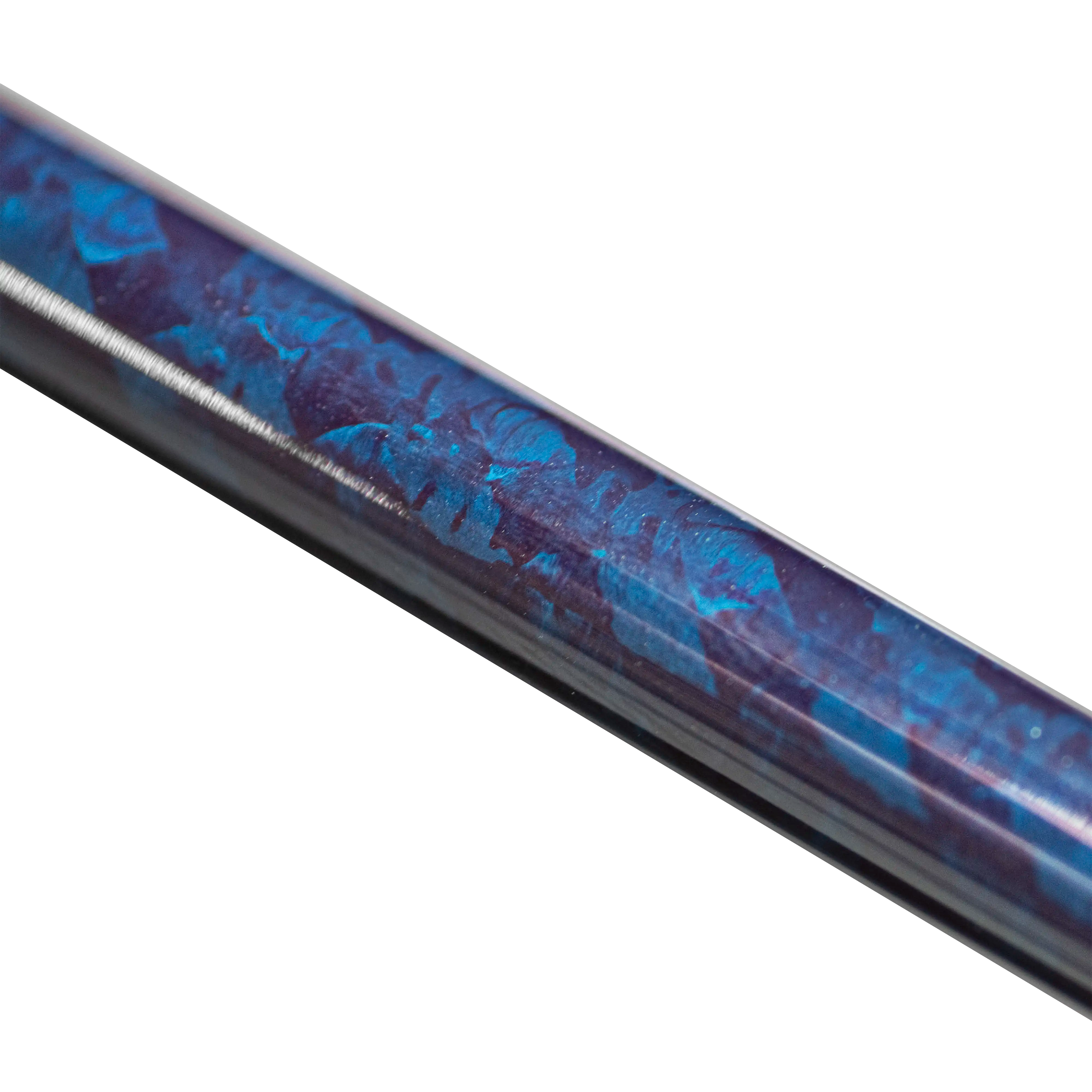
High-modulus graphite blanks are common in slow-pitch rods because they offer sensitivity without excess weight. Advanced carbon wraps reduce twist and improve lifting power. Handle options typically include EVA, cork, or hybrid grips, with compact designs favored for vertical jigging. A comfortable handle and ergonomic reel seat reduce fatigue and allow precise rod control throughout long jigging sessions.

Key Takeaways

  • Match rod action and power to jig weight, depth, and target species for balanced performance.
  • Shorter rods improve control and leverage; longer rods help with finesse and subtle jig movement.
  • Moderate to moderate-fast actions maximize jig action without sacrificing control.
  • High-quality materials and ergonomic handles reduce fatigue and improve sensitivity.
  • Proper rod selection ensures smooth jig movement, better hook-ups, and longer, more effective fishing sessions.

How to Choose a Slow-Pitch Jigging Rod

Choosing the right slow-pitch rod is about matching the rod’s action and power to your jig weights, fishing depth, and target species. Unlike conventional jigging rods, slow-pitch rods are built to load deeply through the mid-section, allowing the blank to “kick” the jig forward on each lift before it flutters back down.

Rod length typically stays shorter to maintain control and reduce fatigue during repeated lifts. Power ratings matter more than line ratings—lighter rods excel with smaller jigs and finesse presentations, while heavier rods provide backbone for deeper water and stronger fish. The goal is balance: a rod that moves the jig naturally without forcing the action.

Handle design and materials also impact comfort and control. Slow-pitch anglers often use forward hand positions, making grip shape and reel seat ergonomics especially important. A properly chosen rod makes the technique easier to learn, keeps your jig working correctly, and helps you fish longer without fatigue.

Best Rod Lengths

Most slow-pitch jigging rods fall between 6’0” and 6’8”. Shorter lengths improve leverage and control, especially in deep water or strong current, while slightly longer rods can help manage lighter jigs and
subtle movements. The key is maintaining a vertical presentation—too long, and timing the jig becomes harder. A well-sized rod lets the blank load smoothly and recover cleanly, which directly affects jig action
and bite detection.

Rod Power & Action

Slow-pitch rod power ranges widely—from light and medium all the way through heavy and extra-heavy—depending on jig weight, depth, and current. Lighter power rods are used for small jigs, shallow water, and finesse presentations, while heavier and extra-heavy rods are common for deep water, strong current, and large, powerful fish. The key is not fish size alone, but matching rod power to jig weight so the blank loads
properly and recovers smoothly to drive the jig’s action.

Rod Materials & Handle Options

High-modulus graphite blanks are common in slow-pitch rods because they offer sensitivity without excess weight. Advanced carbon wraps reduce twist and improve lifting power. Handle options typically include EVA, cork, or hybrid grips, with compact designs favored for vertical jigging. A comfortable handle and ergonomic reel seat reduce fatigue and allow precise rod control throughout long jigging sessions.

Key Takeaways

  • Match rod action and power to jig weight, depth, and target species for balanced performance.
  • Shorter rods improve control and leverage; longer rods help with finesse and subtle jig movement.
  • Moderate to moderate-fast actions maximize jig action without sacrificing control.
  • High-quality materials and ergonomic handles reduce fatigue and improve sensitivity.
  • Proper rod selection ensures smooth jig movement, better hook-ups, and longer, more effective fishing sessions.

How to Choose a Slow-Pitch Jigging Reel

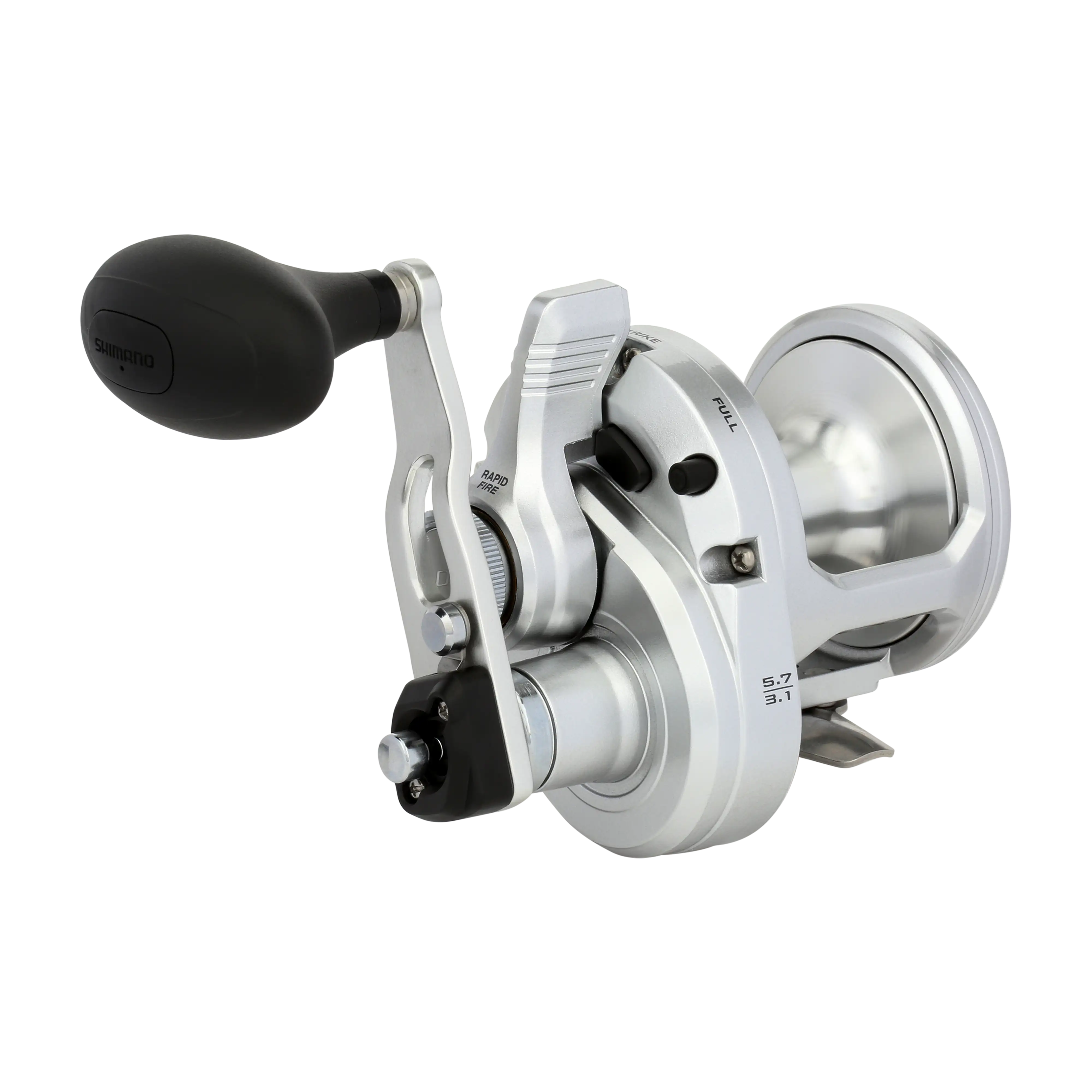
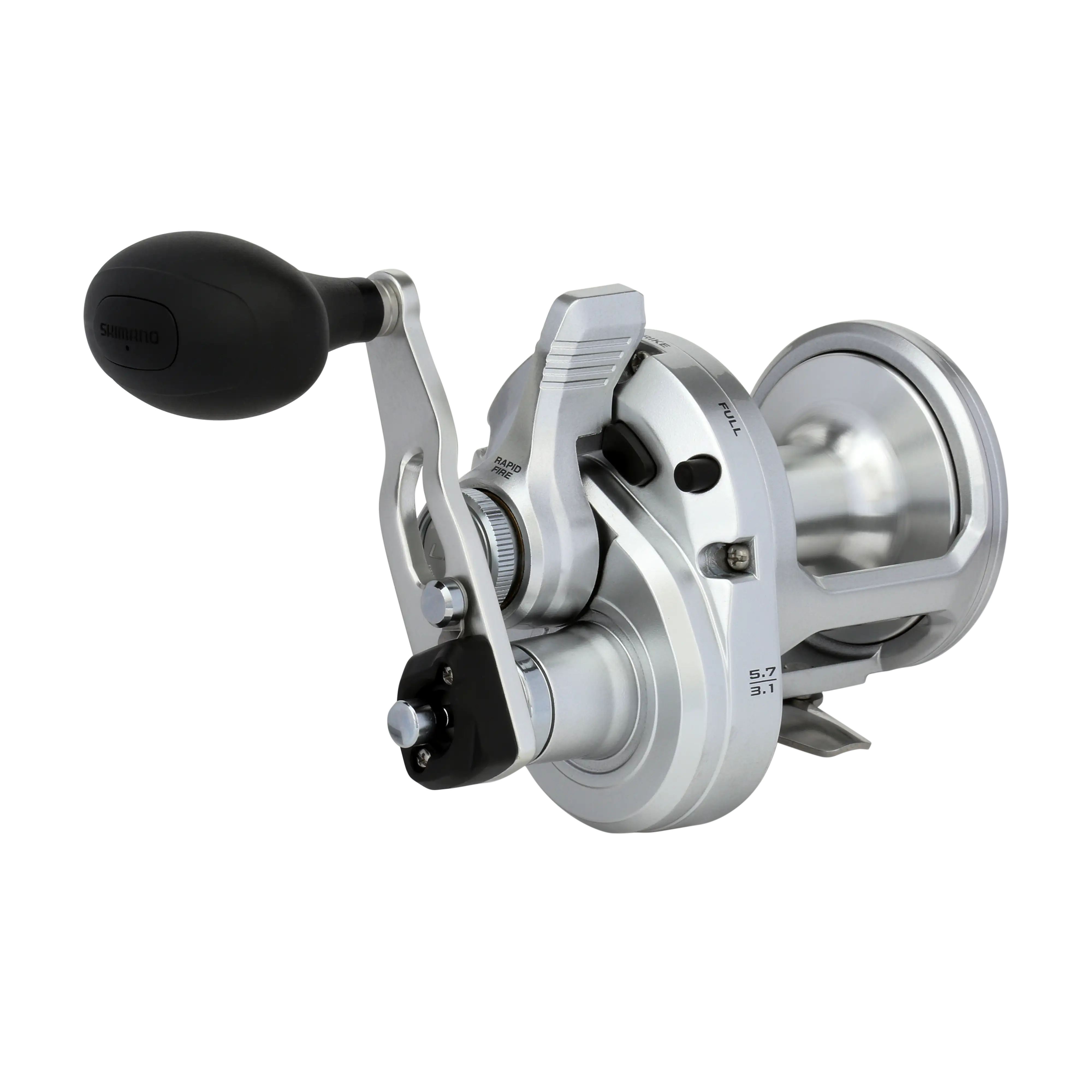
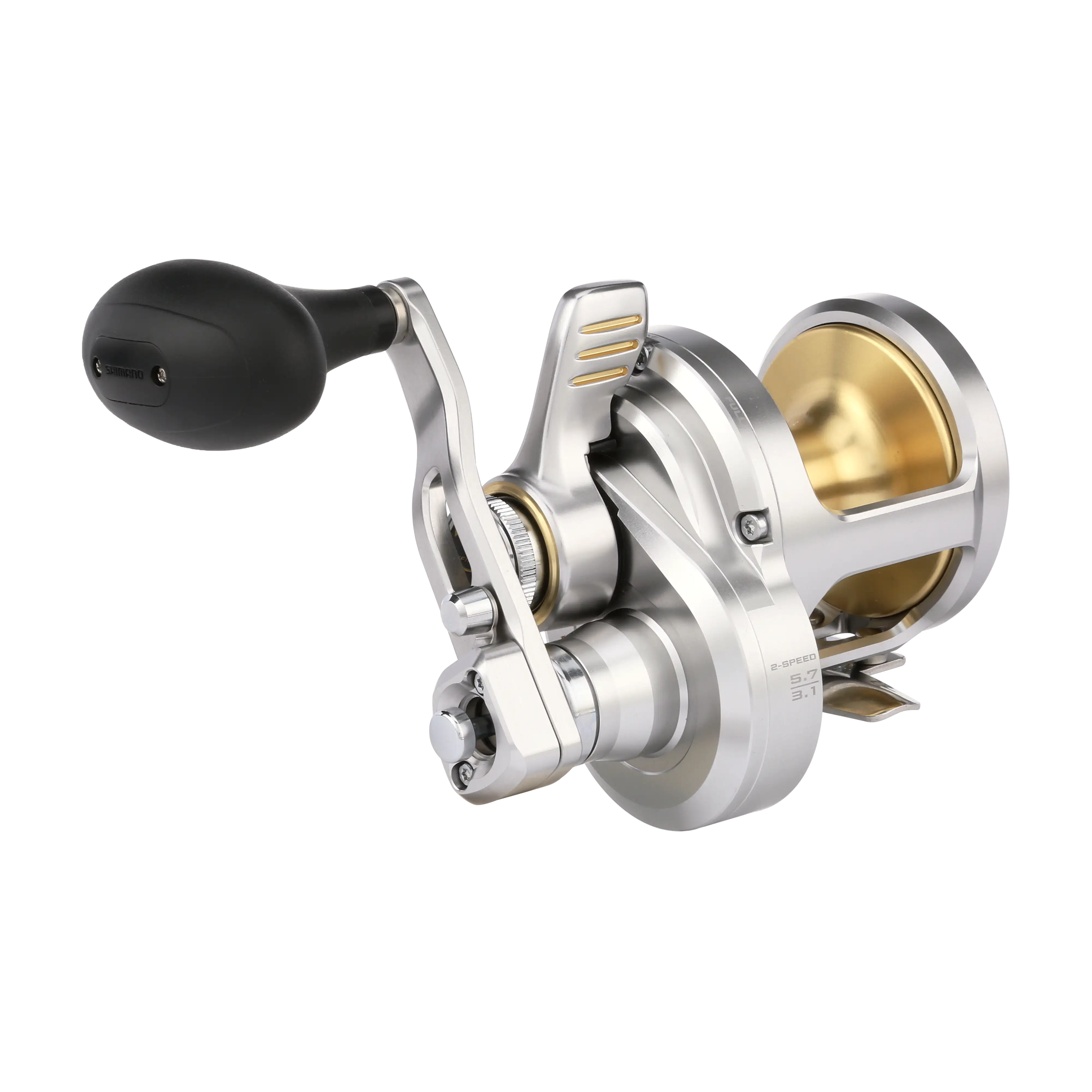
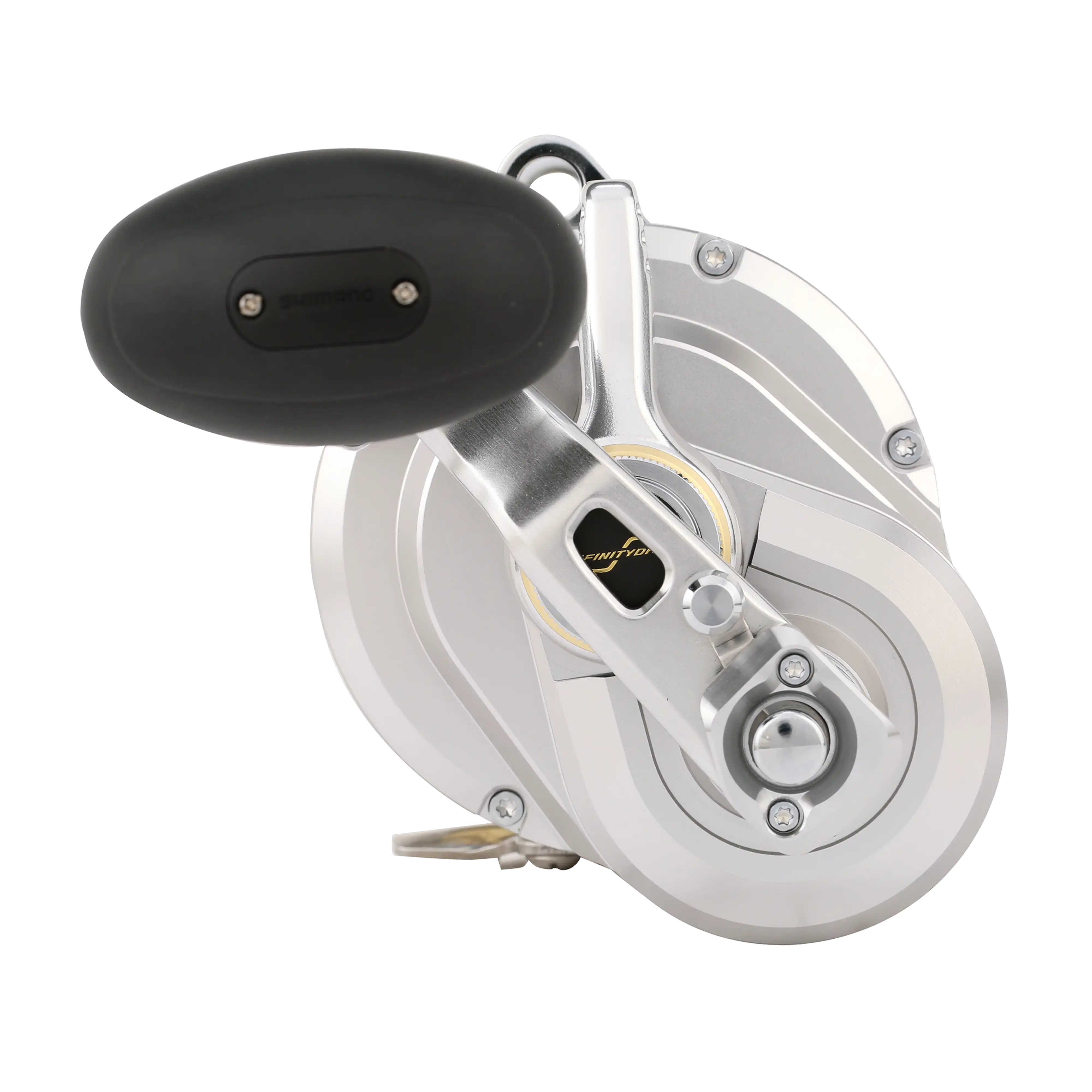
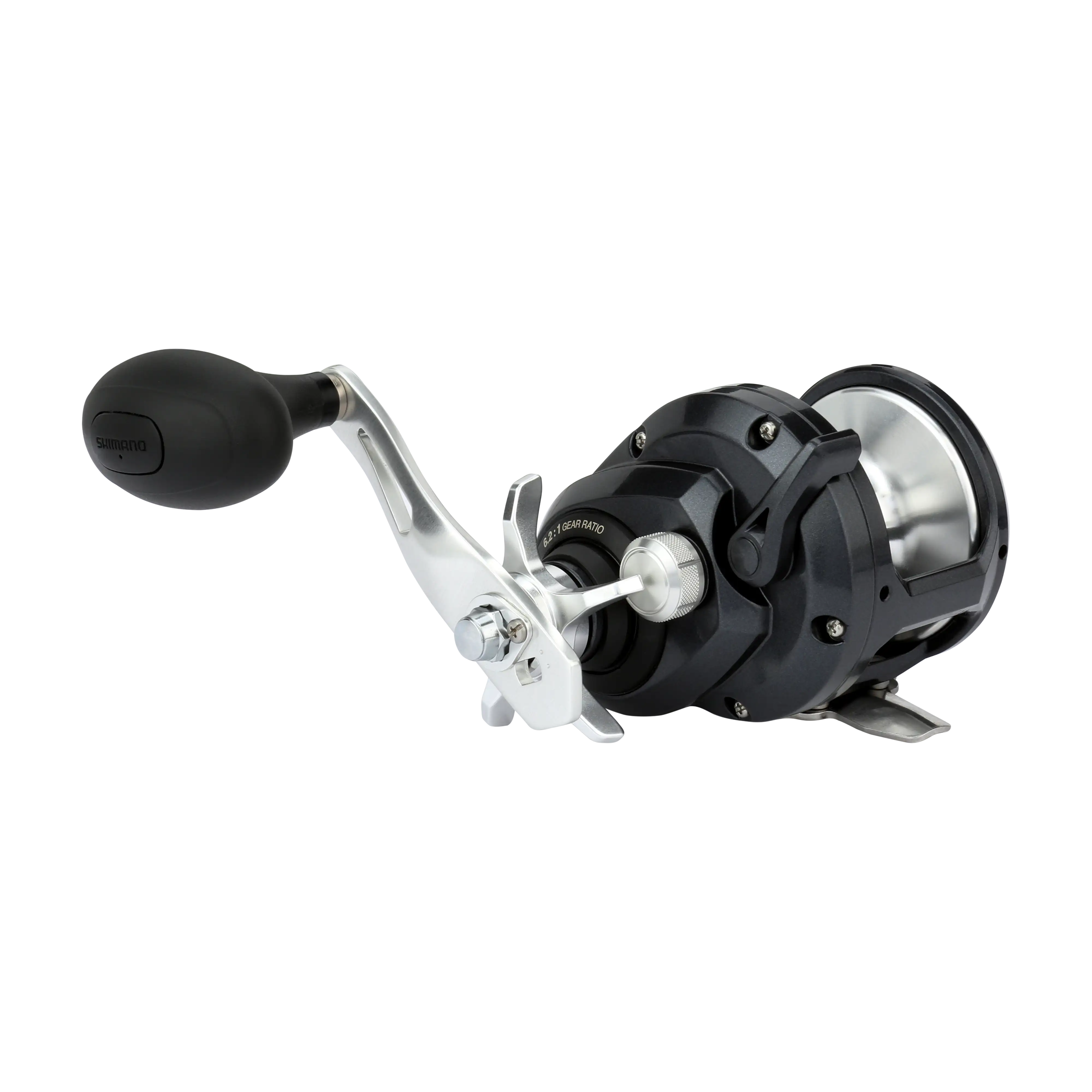
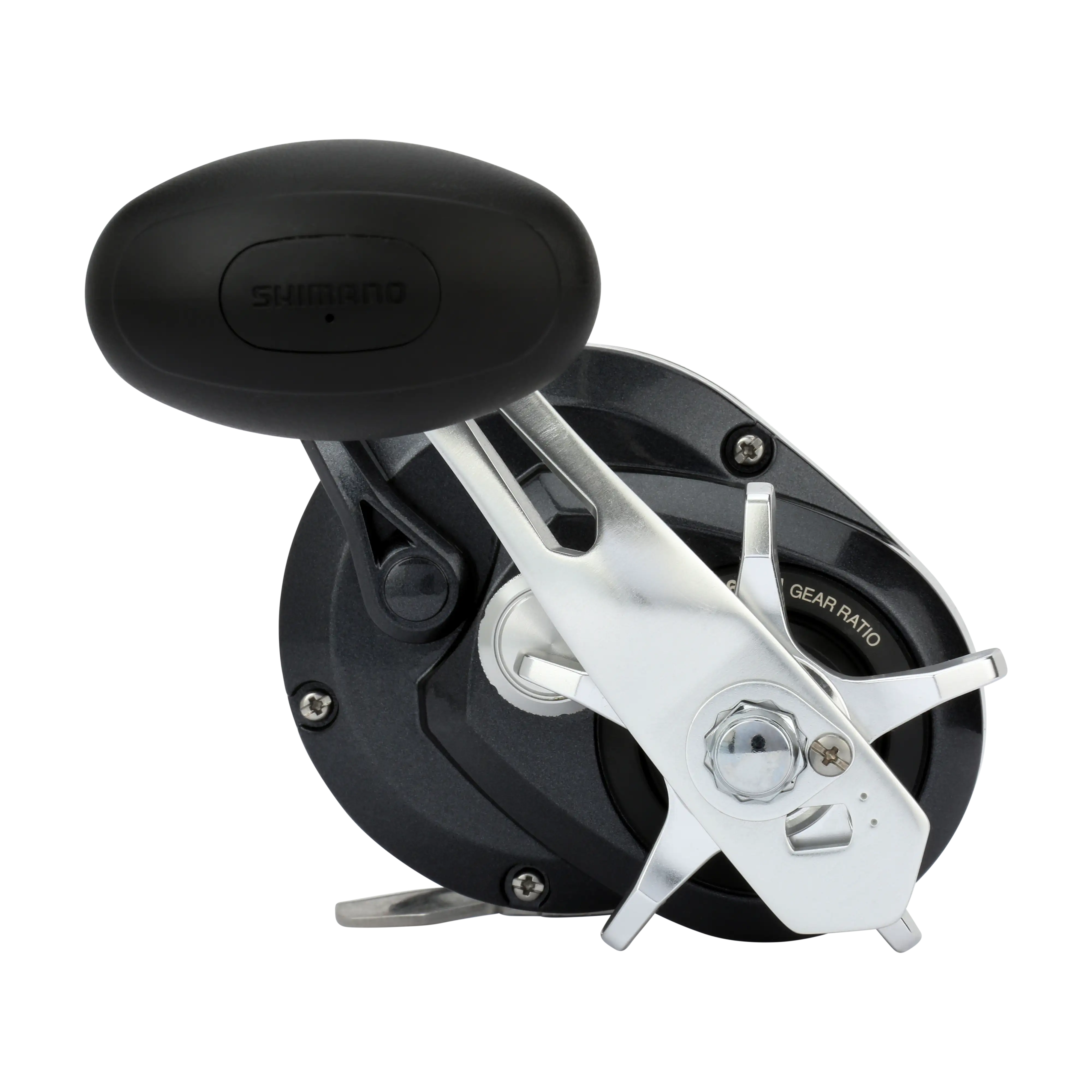
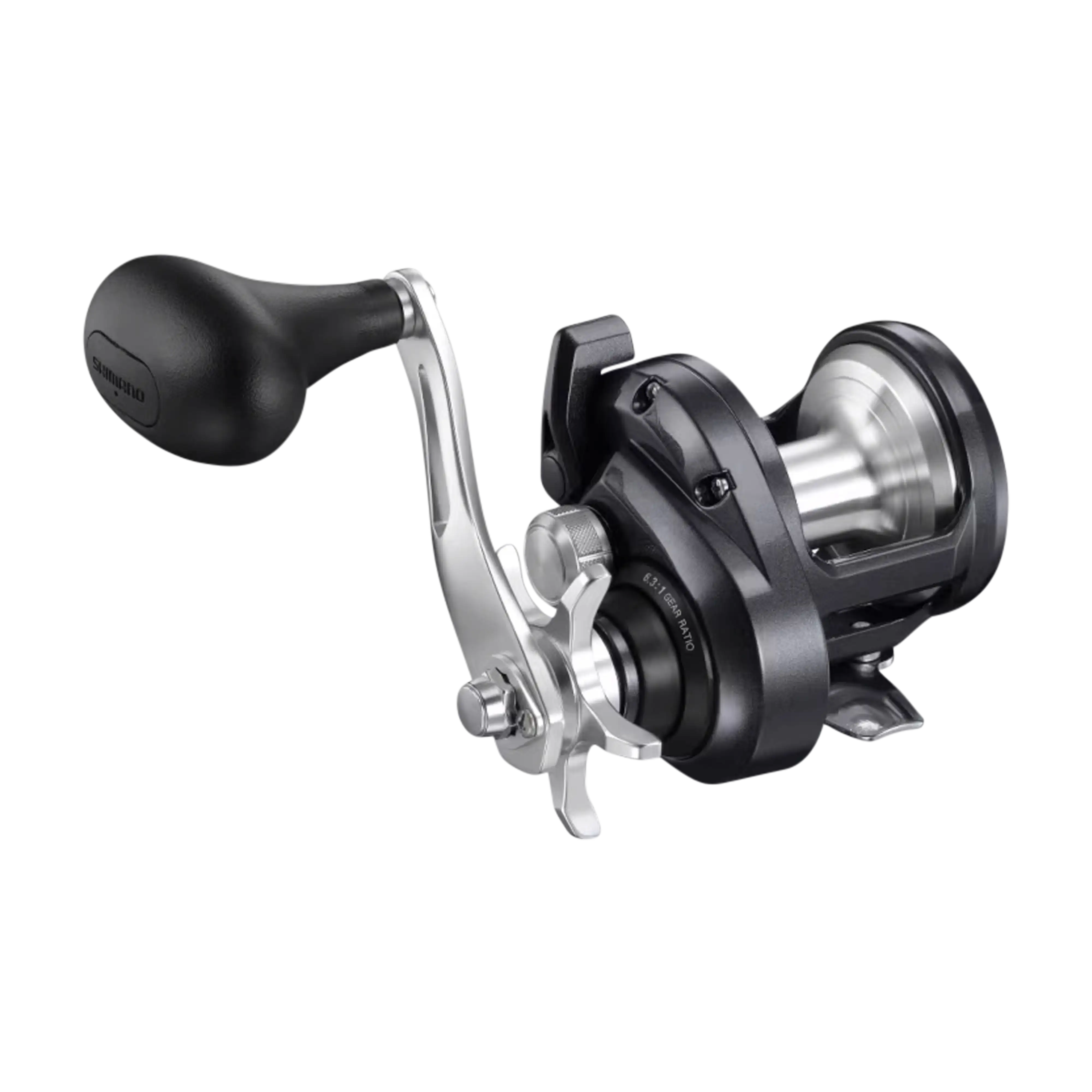
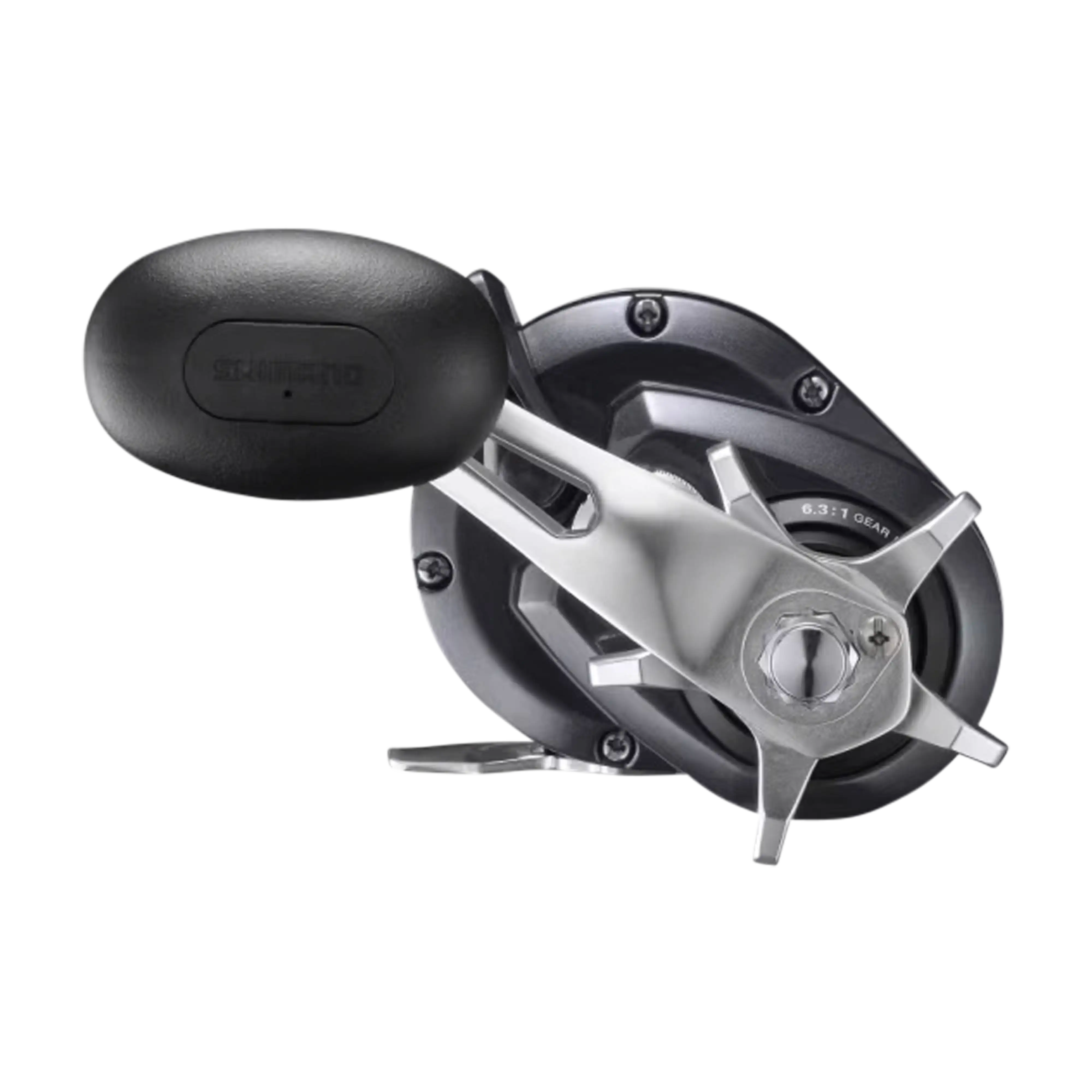
A slow-pitch jigging reel controls the presentation as much as the rod. Compact conventional reels are most common because they offer excellent torque, smooth drag performance, and precise line control. The reel should balance well with the rod to maintain rhythm during repeated lifts and drops.

Gear ratio plays a major role. Moderate to high ratios allow quick line pickup without overpowering the jig’s action. Smooth drag is essential for absorbing sudden strikes, especially when fish hit on the fall. Line capacity should match typical fishing depth while keeping the reel compact and manageable.

Ultimately, the best reel is one that feels effortless to fish. When size, gearing, and drag work together, you spend less energy managing equipment and more time keeping the jig in the strike zone.

Choosing a Reel

Slow-pitch reels are typically small, narrow-spool conventional reels specifically designed for precise vertical presentations. Their compact frames help reduce angler fatigue and improve overall balance when paired with slow-pitch rods, making them comfortable to fish for extended periods of time. Narrow spools play a key role in keeping line stacking even and consistent, which improves line management and helps maintain a clean, direct connection to the jig below.

A well-sized reel allows anglers to maintain better jig control and ensures rod movements translate smoothly into the intended jig action. This level of control is critical when working the jig through short, rhythmic lifts and controlled drops. Oversized reels, on the other hand, can disrupt cadence, increase rotational resistance, and make subtle jig work more difficult than it needs to be, ultimately reducing efficiency and sensitivity during the presentation.

Gear Ratios & Drag Settings

Gear ratios in the mid-to-high range provide control without sacrificing torque. Faster retrieve speeds help reset the jig quickly and manage slack line, while strong internal gearing supports heavy fish. Smooth, consistent drag protects light leaders and prevents pulled hooks during sudden strikes, especially when fish hit aggressively on the drop.

Mid-range gear ratios around 5.1:1 to 5.8:1 are the most versatile choice for slow-pitch jigging, providing the torque needed for deep water and hard-fighting fish while still allowing efficient slack pickup on the drop.

Higher ratios in the 6.0:1 to 6.3:1+ range can be useful for quicker resets, faster slack management, and fishing lighter jigs or shallower depths, as long as the reel maintains sufficient torque and a smooth, consistent drag.

Line & Leaders

Thin braided line is standard for slow-pitch jigging because it improves sensitivity and reduces water resistance. Fluorocarbon leaders add abrasion resistance and stealth near structure. Leader length varies, but the goal is maintaining jig action while protecting against sharp teeth and rough bottom.

Key Takeaways

  • Choose a compact, balanced reel that matches your rod for smooth, rhythmic slow-pitch jigging.
  • Moderate to high gear ratios and smooth drag provide control, fast line retrieval, and protection during strikes.
  • Narrow-spool, small-frame reels reduce fatigue and maintain consistent jig action.
  • Use thin braided main line for sensitivity and vertical control, paired with abrasion-resistant fluorocarbon leaders.
  • Proper reel selection maximizes efficiency, preserves jig action, and keeps you connected to bites.

How to Choose a Slow-Pitch Jigging Reel

A slow-pitch jigging reel controls the presentation as much as the rod. Compact conventional reels are most common because they offer excellent torque, smooth drag performance, and precise line control. The reel should balance well with the rod to maintain rhythm during repeated lifts and drops.

Gear ratio plays a major role. Moderate to high ratios allow quick line pickup without overpowering the jig’s action. Smooth drag is essential for absorbing sudden strikes, especially when fish hit on the fall. Line capacity should match typical fishing depth while keeping the reel compact and manageable.

Ultimately, the best reel is one that feels effortless to fish. When size, gearing, and drag work together, you spend less energy managing equipment and more time keeping the jig in the strike zone.

Choosing a Reel

Slow-pitch reels are typically small, narrow-spool conventional reels specifically designed for precise vertical presentations. Their compact frames help reduce angler fatigue and improve overall balance when paired with slow-pitch rods, making them comfortable to fish for extended periods of time. Narrow spools play a key role in keeping line stacking even and consistent, which improves line management and helps maintain a clean, direct connection to the jig below.

A well-sized reel allows anglers to maintain better jig control and ensures rod movements translate smoothly into the intended jig action. This level of control is critical when working the jig through short, rhythmic lifts and controlled drops. Oversized reels, on the other hand, can disrupt cadence, increase rotational resistance, and make subtle jig work more difficult than it needs to be, ultimately reducing efficiency and sensitivity during the presentation.

Gear Ratios & Drag Settings

Gear ratios in the mid-to-high range provide control without sacrificing torque. Faster retrieve speeds help reset the jig quickly and manage slack line, while strong internal gearing supports heavy fish. Smooth, consistent drag protects light leaders and prevents pulled hooks during sudden strikes, especially when fish hit aggressively on the drop.

Mid-range gear ratios around 5.1:1 to 5.8:1 are the most versatile choice for slow-pitch jigging, providing the torque needed for deep water and hard-fighting fish while still allowing efficient slack pickup on the drop.

Higher ratios in the 6.0:1 to 6.3:1+ range can be useful for quicker resets, faster slack management, and fishing lighter jigs or shallower depths, as long as the reel maintains sufficient torque and a smooth, consistent drag.

Line & Leaders

Thin braided line is standard for slow-pitch jigging because it improves sensitivity and reduces water resistance. Fluorocarbon leaders add abrasion resistance and stealth near structure. Leader length varies, but the goal is maintaining jig action while protecting against sharp teeth and rough bottom.

Key Takeaways

  • Choose a compact, balanced reel that matches your rod for smooth, rhythmic slow-pitch jigging.
  • Moderate to high gear ratios and smooth drag provide control, fast line retrieval, and protection during strikes.
  • Narrow-spool, small-frame reels reduce fatigue and maintain consistent jig action.
  • Use thin braided main line for sensitivity and vertical control, paired with abrasion-resistant fluorocarbon leaders.
  • Proper reel selection maximizes efficiency, preserves jig action, and keeps you connected to bites.

Best Lures and Jigs for Slow-Pitch Jigging

Slow-pitch jigging relies on controlled lure movement rather than speed. Jigs are designed to flutter, slide, or vibrate on the fall, triggering reaction strikes from fish watching above or below. Weight, shape, and color all influence how the jig behaves in current and depth.

Different jig styles excel in different situations. Flutter-style jigs cover water efficiently, squid-shaped and soft jigs can add feel and vibration, and compact metal jigs perform well in strong current. Choosing the right jig improves depth control and keeps presentations natural.

Jig Weight by Depth

Jig weight depends on depth, current, and drift speed. Lighter jigs work well in shallow water with minimal current, while heavier jigs maintain vertical presentation in deep or fast-moving water. Proper weight selection keeps the jig in the strike zone longer.

Jig Colors & Styles

Color choice often depends on light conditions and water clarity. Bright and glow finishes stand out in deep water, while natural tones excel in clear conditions. Shape affects fall speed and action, influencing how fish respond.

Soft Baits vs. Metal Jigs

Soft baits can add vibration and profile, while metal jigs offer durability and consistent action. Both have a place in slow-pitch jigging depending on conditions and fish behavior.

Key Takeaways

  • Slow-pitch jigging depends on controlled movement; jig weight, shape, and color affect action and depth control.
  • Choose jig weight based on depth, current, and drift to keep the lure in the strike zone.
  • Bright or glow colors work in deep water; natural tones excel in clear conditions.
  • Soft baits add vibration and profile, while metal jigs offer durability and consistent action.
  • Matching jig style to conditions and target species maximizes strikes and presentation effectiveness.

Best Lures and Jigs for Slow-Pitch Jigging

Slow-pitch jigging relies on controlled lure movement rather than speed. Jigs are designed to flutter, slide, or vibrate on the fall, triggering reaction strikes from fish watching above or below. Weight, shape, and color all influence how the jig behaves in current and depth.

Different jig styles excel in different situations. Flutter-style jigs cover water efficiently, squid-shaped and soft jigs can add feel and vibration, and compact metal jigs perform well in strong current. Choosing the right jig improves depth control and keeps presentations natural.

Jig Weight by Depth

Jig weight depends on depth, current, and drift speed. Lighter jigs work well in shallow water with minimal current, while heavier jigs maintain vertical presentation in deep or fast-moving water. Proper weight selection keeps the jig in the strike zone longer.

Jig Colors & Styles

Color choice often depends on light conditions and water clarity. Bright and glow finishes stand out in deep water, while natural tones excel in clear conditions. Shape affects fall speed and action, influencing how fish respond.

Soft Baits vs. Metal Jigs

Soft baits can add vibration and profile, while metal jigs offer durability and consistent action. Both have a place in slow-pitch jigging depending on conditions and fish behavior.

Key Takeaways

  • Slow-pitch jigging depends on controlled movement; jig weight, shape, and color affect action and depth control.
  • Choose jig weight based on depth, current, and drift to keep the lure in the strike zone.
  • Bright or glow colors work in deep water; natural tones excel in clear conditions.
  • Soft baits add vibration and profile, while metal jigs offer durability and consistent action.
  • Matching jig style to conditions and target species maximizes strikes and presentation effectiveness.

Terminal Tackle - Hooks, Lines & Leaders

Terminal tackle completes the slow-pitch setup. Assist hooks, leaders, and line must work together without interfering with jig movement. Quality components improve hook-up ratios and reduce failures when fish strike aggressively.

Hooks, Leaders & Line

Assist hooks are ideal for slow-pitch jigs because they stay clear of the jig body, improve hook placement, and reduce the chance of tangles. Fluorocarbon leaders add abrasion resistance, helping prevent break-offs on sharp-edged structure or toothy fish. 

Leader length can be adjusted based on jig style and conditions: short leaders (3–6 ft) work well with compact metal jigs and aggressive presentations, mid-length leaders (6–10 ft) are a versatile all-around choice for most slow-pitch jigs, and longer leaders (10–15 ft) are often preferred for soft or flutter-style jigs in clear water where extra stealth helps.

Braided main line delivers exceptional sensitivity so you can feel subtle bites, while maintaining control and precise depth management during vertical presentations. 

Choosing the right combination of hooks, leader length, and line strength ensures your setup performs consistently, maximizes hook-ups, and helps you land more fish efficiently.

Key Takeaways

  • Assist hooks improve hook placement and reduce tangles on slow-pitch jigs.
  • Fluorocarbon leaders provide abrasion resistance against sharp structure and toothy fish.
  • Braided main line enhances sensitivity and maintains precise depth control.
  • Proper combination of hooks, leader length, and line strength ensures consistent performance.
  • High-quality terminal tackle increases hook-up ratios and reduces lost fish.

Terminal Tackle - Hooks, Lines & Leaders

Terminal tackle completes the slow-pitch setup. Assist hooks, leaders, and line must work together without interfering with jig movement. Quality components improve hook-up ratios and reduce failures when fish strike aggressively.

Hooks, Leaders & Line

Assist hooks are ideal for slow-pitch jigs because they stay clear of the jig body, improve hook placement, and reduce the chance of tangles. Fluorocarbon leaders add abrasion resistance, helping prevent break-offs on sharp-edged structure or toothy fish. 

Leader length can be adjusted based on jig style and conditions: short leaders (3–6 ft) work well with compact metal jigs and aggressive presentations, mid-length leaders (6–10 ft) are a versatile all-around choice for most slow-pitch jigs, and longer leaders (10–15 ft) are often preferred for soft or flutter-style jigs in clear water where extra stealth helps.

Braided main line delivers exceptional sensitivity so you can feel subtle bites, while maintaining control and precise depth management during vertical presentations. 

Choosing the right combination of hooks, leader length, and line strength ensures your setup performs consistently, maximizes hook-ups, and helps you land more fish efficiently.

Key Takeaways

  • Assist hooks improve hook placement and reduce tangles on slow-pitch jigs.
  • Fluorocarbon leaders provide abrasion resistance against sharp structure and toothy fish.
  • Braided main line enhances sensitivity and maintains precise depth control.
  • Proper combination of hooks, leader length, and line strength ensures consistent performance.
  • High-quality terminal tackle increases hook-up ratios and reduces lost fish.

Slow-Pitch Jigging Tackle Bags & Storage

Organized storage protects jigs, hooks, and leaders from damage and tangles. Vertical storage systems are especially useful for slow-pitch jigs, keeping assist hooks separated and ready to fish.

Tackle Boxes & Storage

Dedicated jig bags, tackle boxes, and bait buckets help anglers rinse, organize, and transport gear with ease. Thoughtful storage protects lures, jigs, and terminal tackle from damage, keeps everything within reach, and makes on-the-water rig changes faster and more efficient—so you spend more time fishing and less time digging.

Key Takeaways

  • Organized storage prevents damage and tangling of jigs, hooks, and leaders, preserving finishes, hook sharpness, and leader strength while keeping everything easy to find.
  • Vertical storage systems keep assist hooks separated and ready to fish, minimizing fouling and allowing for faster jig selection.
  • Jig bags, tackle boxes, and bait buckets streamline gear transport and access, keeping essential tackle close at hand and easy to move around the boat.
  • Proper storage reduces time spent searching for gear and speeds up rig changes, especially when
    conditions or bite windows change quickly.
  • Keeping gear protected extends its life and maintains on-the-water performance, ensuring jigs swim correctly and hooks stay sharp trip after trip.

Slow-Pitch Jigging Tackle Bags & Storage

Organized storage protects jigs, hooks, and leaders from damage and tangles. Vertical storage systems are especially useful for slow-pitch jigs, keeping assist hooks separated and ready to fish.

Tackle Boxes & Storage

Dedicated jig bags, tackle boxes, and bait buckets help anglers rinse, organize, and transport gear with ease. Thoughtful storage protects lures, jigs, and terminal tackle from damage, keeps everything within reach, and makes on-the-water rig changes faster and more efficient—so you spend more time fishing and less time digging.

Key Takeaways

  • Organized storage prevents damage and tangling of jigs, hooks, and leaders, preserving finishes, hook sharpness, and leader strength while keeping everything easy to find.
  • Vertical storage systems keep assist hooks separated and ready to fish, minimizing fouling and allowing for faster jig selection.
  • Jig bags, tackle boxes, and bait buckets streamline gear transport and access, keeping essential tackle close at hand and easy to move around the boat.
  • Proper storage reduces time spent searching for gear and speeds up rig changes, especially when
    conditions or bite windows change quickly.
  • Keeping gear protected extends its life and maintains on-the-water performance, ensuring jigs swim correctly and hooks stay sharp trip after trip.

Slow-Pitch Jigging Boat Accessories

Slow-pitch jigging is way more enjoyable—and efficient—when your boat setup is dialed. The right accessories help keep rods secure, jigs organized, and tools within reach so you’re not scrambling mid-drift. Rod holders, leader storage, cleats, grips, and rigging tools all play a role in turning your deck into a clean, functional fishing station. A well-organized boat means smoother drops, faster resets, and less downtime when the bite is on.

Key Takeaways

  • Rod holders keep slow-pitch rods safe, accessible, and out of the way while drifting
  • Organized storage for jigs, leaders, and tools reduces clutter and saves time
  • Deck hardware like cleats and grab handles improve safety during offshore jigging
  • A clean, efficient boat setup helps you focus on presentation—not managing gear

Slow-Pitch Jigging Boat Accessories

Slow-pitch jigging is way more enjoyable—and efficient—when your boat setup is dialed. The right accessories help keep rods secure, jigs organized, and tools within reach so you’re not scrambling mid-drift. Rod holders, leader storage, cleats, grips, and rigging tools all play a role in turning your deck into a clean, functional fishing station. A well-organized boat means smoother drops, faster resets, and less downtime when the bite is on.

Key Takeaways

  • Rod holders keep slow-pitch rods safe, accessible, and out of the way while drifting
  • Organized storage for jigs, leaders, and tools reduces clutter and saves time
  • Deck hardware like cleats and grab handles improve safety during offshore jigging
  • A clean, efficient boat setup helps you focus on presentation—not managing gear

FAQ - Slow-Pitch Jigging

Need Expert Advice on Your Slow-Pitch Jigging?Our team is ready to help!
Contact Us