





















The weight and balance debate is always fun and certainly makes anglers and rod builders choose sides quickly. My stance is, I build custom rods to fish. Every component and layout is purposely done to help me or my clients catch fish. One thing to note, when I speak about rod balance, it might not be what you think of when someone says, "my rod is perfectly balanced".
What is Balance?
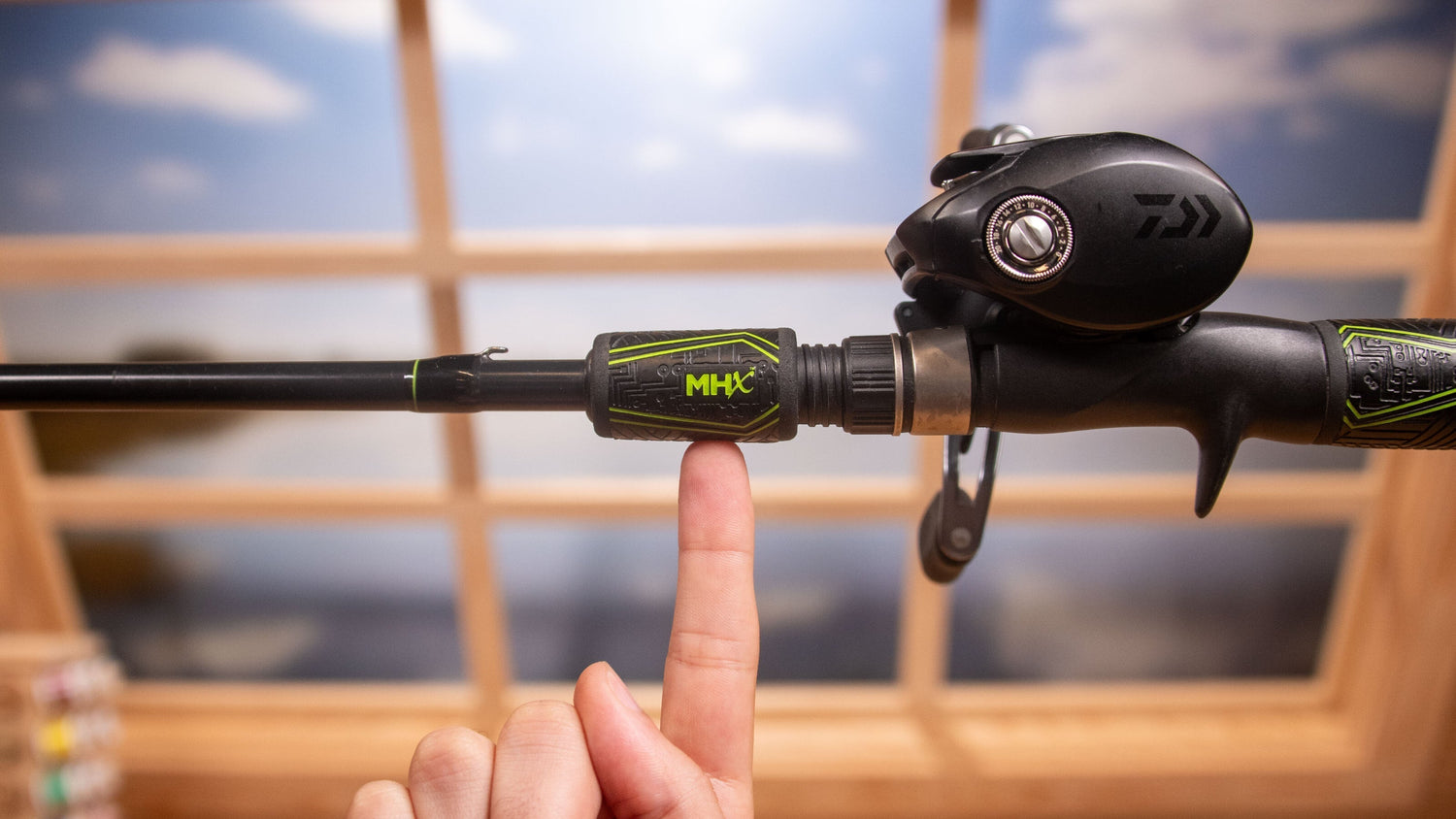
Fishing rod balance is one of the most overlooked aspects of rod performance, yet it has one of the biggest impacts on how a rod feels and fishes. Many anglers pay close attention to overall weight, but balance is what determines whether a rod feels heavy, light, or fatiguing over the course of a day on the water. A well-balanced rod distributes its weight so that it feels natural in hand, making it easier to cast, work lures, and fight fish with less effort. It is much more than just resting your fishing rod on your index finger to see if it sits level.
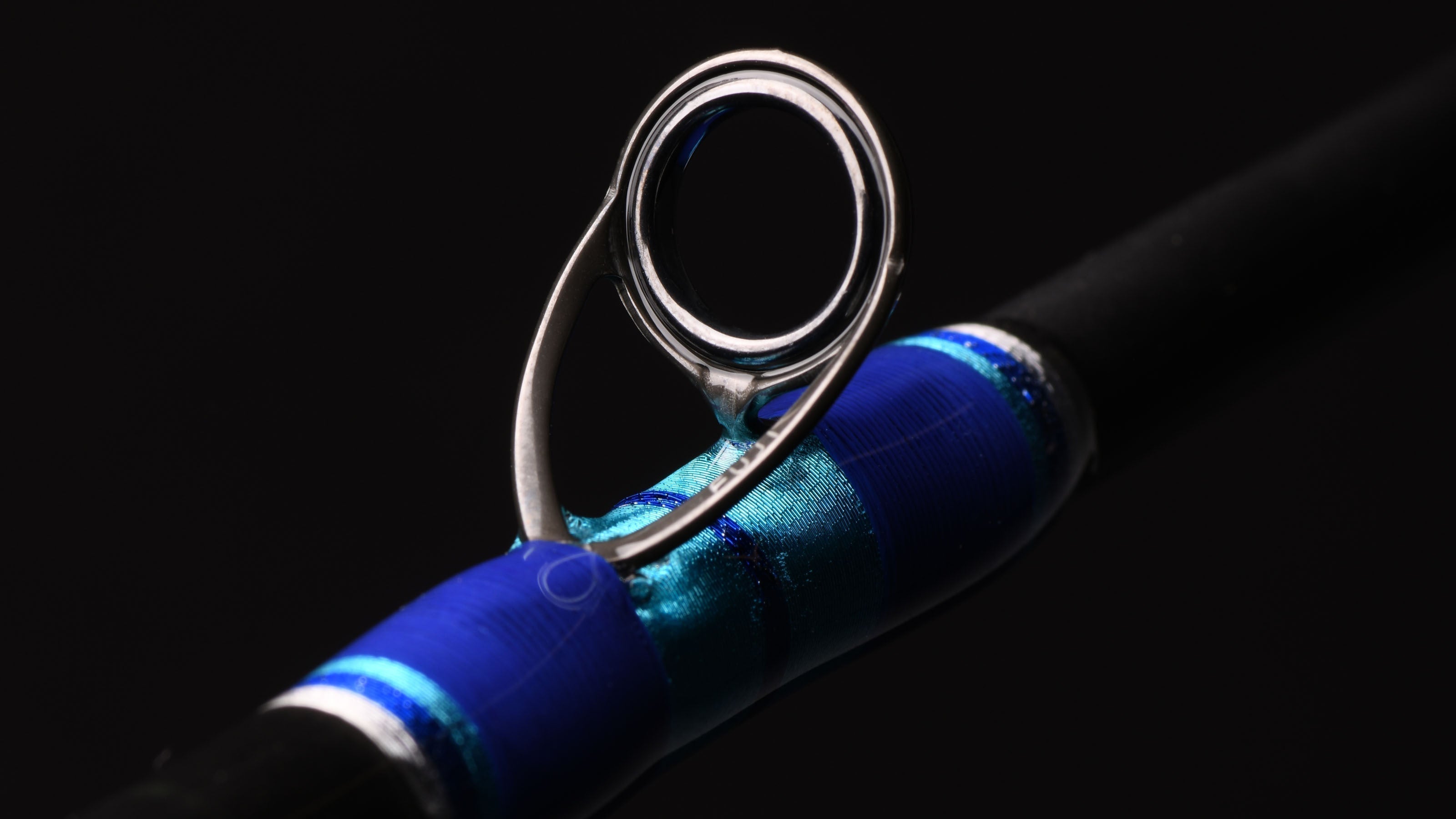
The concept of balance goes beyond simply placing a reel on a blank and hoping it feels right. It involves considering how the rod’s components—blank, reel seat, guides, handle length, and even grip material—interact with each other to create a complete fishing tool.

Breaking the Balance Myth
One of the myths I constantly hear is, "a rod that is tip-heavy will wear an angler down quickly." To find the truth, you need to go a step farther. A rod that is tip-heavy is ideal for fishing scenarios that involve a tip-down retrieve, like cranking. Having the extra weight in the tip not only helps deliver a smooth cast but it naturally transitions the rod into the retrieve position minimizing wasted energy and movement. It might not sound like much over the course of a half hour but fishing 8-hour days, multiple days in a row and fatigue can become a real problem.
The Relationship of Balance and Technique
Many rod builders and experienced anglers talk about “swing weight” as a key factor in balance. Swing weight refers to how heavy the rod feels when working a lure or when moving it through a casting stroke. A rod with poor swing weight can feel clumsy or tiring, while one with optimized swing weight feels responsive and efficient. This is why building a rod balanced to fish the technique often matters more than overall rod weight.

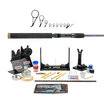
MLF Pro Matt Stefan agrees, "Growing up and living in the northern United States I love coming to visit Florida and mainly Lake Okeechobee. The reeds, cat tails, heavy cover and big fish make me adjust the way I fish and build my Florida rods. I actually want them to feel like my drop shot or shakey head rods but in an extra heavy flipping stick. I spend all day with the rod tip in, well above my head. If I was only concerned about overall rod weight, I would be worn out on the first day. I make sure, above all, my flippin' stick feels light in the tip, even if I have to add weight to the rod." Check out Matt's FP885 Flippin' Rod Kit.

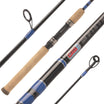
Speaking of Stefan's finesse setups, he mentions the balance for his spinning rods can be adjusted with components and handle placement. "Oddly enough, I don't have to do much for my spinning rods to get them where I want them. I'm a pretty tall guy so I have some leeway with handle length and I might even go up or down a reel size to dial it in. My components are the LZR guides which have a ring that is ultra-thin and really light, so it doesn't add much weight to my MHX Elite-X blanks I use for my finesse fishing." Check out Matt's Medium-Light Rod Kit
Ultimately, a well-balanced fishing rod allows anglers to fish longer, cast more accurately, and detect strikes more effectively. Whether custom-built or factory-made, balance transforms a rod from a simple tool into an extension of the angler’s hand, making every moment on the water more enjoyable and productive.
Remember, we may not agree on many things but give this balance thing a try. Forget what the scale says, build it to fish, even if that means adding weight.
I am going to leave you with a little blast from the past. Our team built identical flippin' sticks but one had added weight in the butt cap for better feel and balance. Could our colleagues tell? What was their opinion on which rod weighed more and which rod was more balanced? Here is Mud Busters!