










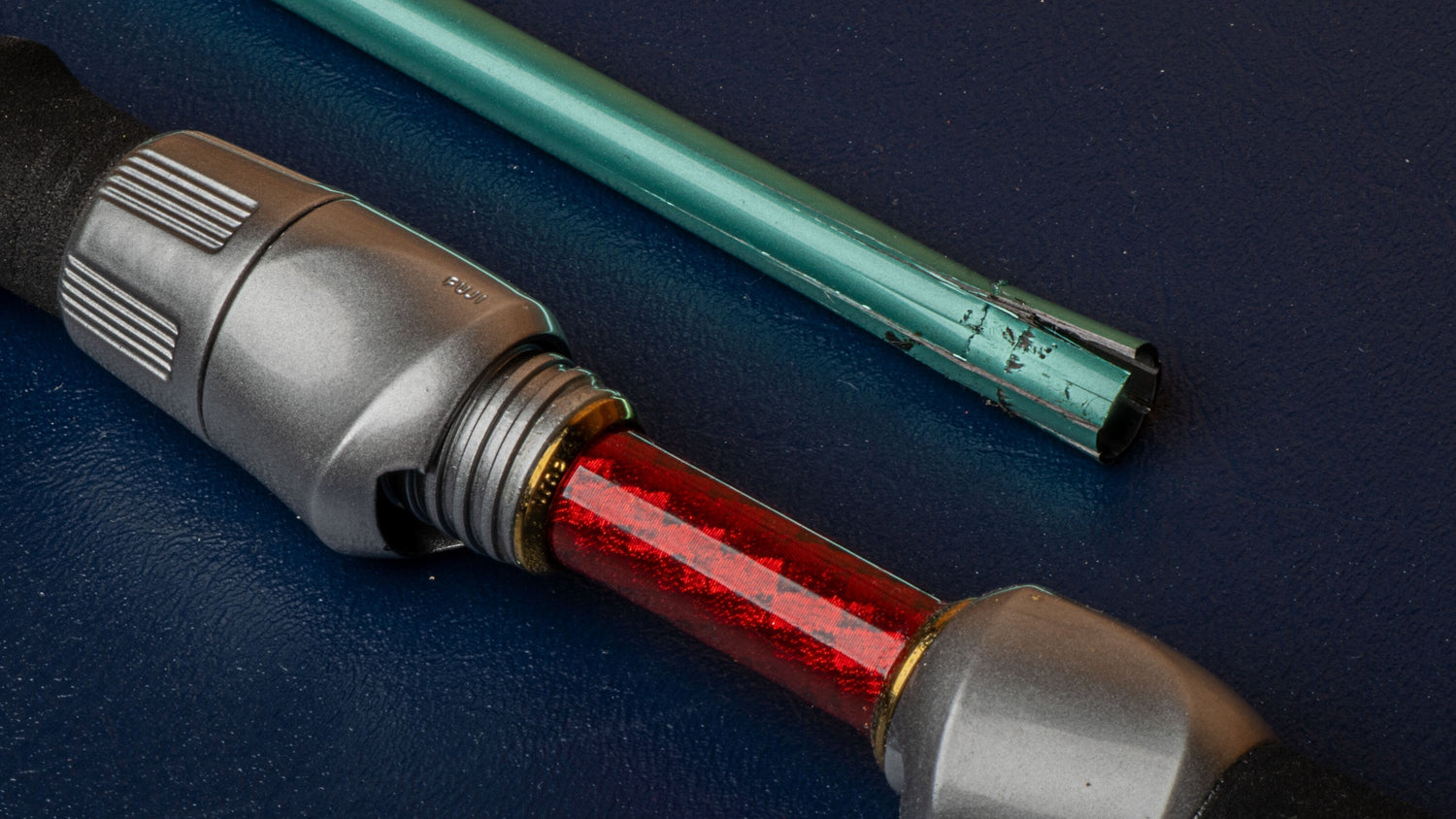
Few things are more frustrating than hearing the unmistakable crack of a broken fishing rod. Whether it happens during a hard hookset, while battling a fish, during transport, or simply from accidental damage, a broken blank can feel like the end of a rod's life.
Before we dive into this, we also recently did our show, Mudhole Live on this topic. Check out the last episode: Rod Repair Q&A.
For many factory-built rods, replacement is often the quickest and easiest solution. Custom rods, however, are a completely different story.
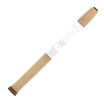
If you've spent hours shaping cork, fitting EVA grips, installing decorative winding checks, laying intricate thread work, or creating a one-of-a-kind handle assembly, throwing the entire rod away because the blank broke is often unnecessary. In many cases, the blank itself is not the most valuable part of the build. The true value lies in the craftsmanship, creativity, and time invested in creating a custom handle and reel seat assembly that cannot easily be duplicated.
The good news is that many broken rods can be successfully repaired while preserving the decorative handle section. Depending on the location of the break, builders have several options available, ranging from installing a ferrule to replacing a section of blank entirely. Before cutting off a custom grip and starting over, it is worth evaluating whether the rod can be given a second life.
Why Saving the Handle Makes Sense
One of the biggest misconceptions among anglers and rod builders is that a broken blank automatically means a complete rebuild. While the blank may have failed, the handle assembly often remains in excellent condition and may represent a significant portion of the build's overall cost and labor.
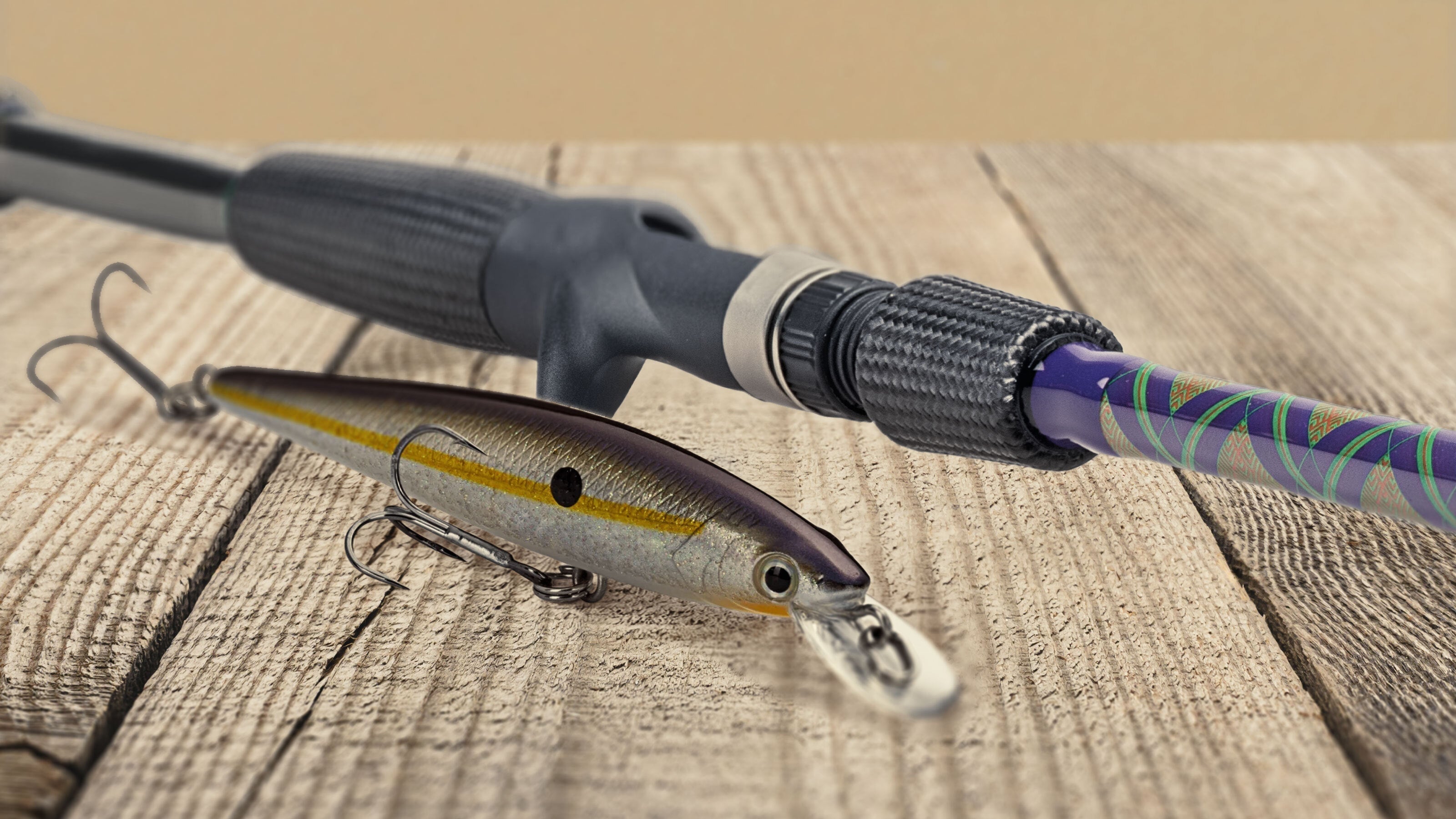
Consider everything that goes into a custom handle. Premium cork rings, burl accents, custom-shaped EVA grips, carbon fiber handles, decorative trim rings, custom reel seat installations, and personalized thread work all require both materials and time. Many builders spend several hours creating a grip that perfectly fits the angler and complements the overall appearance of the rod.
As many of you know I'm partial to the Fuji VSS seat and I use it in my Technical Flats Signature rod kit.

They are comfortable, stylish and worth the extra few bucks over something a little more plain. So, its easy to see why if I can save that handle, I will. Plus I rarely add decorative accents to my builds but when I do it is in the spilt section of my handle.
When a break occurs in the upper half of the blank, the entire handle section may remain untouched. Starting over from scratch often means destroying components that are still fully functional and, in some cases, impossible to recreate exactly. Preserving the original handle not only saves time and money, but it also maintains the unique character and craftsmanship that made the rod special in the first place.
Assessing the Damage
Before choosing a repair method, it is important to determine exactly where the rod failed and how much undamaged blank remains.
Generally speaking, rod breaks fall into three primary categories. Breaks near the tip or upper portion of the blank are often the easiest to address because the handle section remains completely unaffected. In many situations, these repairs can be completed by installing a ferrule or replacing a small section of the blank.
Mid-blank failures require a bit more evaluation but can often be repaired successfully using internal sleeves, external sleeves, or ferrule systems. The best solution depends on the amount of damaged material and the desired balance between strength and performance.
Breaks near the handle typically require more planning, but they are often excellent candidates for preserving the original grip assembly. In many cases, a new blank section can be integrated into the rod while leaving the custom handle intact, allowing builders to retain the most labor-intensive part of the project.
The goal is to identify how much healthy blank remains and select the repair method that provides the best combination of strength, appearance, and performance.
Repair Option #1: Add a Ferrule at the Break
One of the most effective ways to repair a broken rod is by converting the damaged area into a ferruled connection. Rather than permanently joining the two broken sections together, this approach essentially creates a two-piece rod at the location of the break.
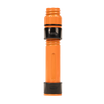
The process begins by removing all damaged or splintered material until clean, structurally sound blank sections remain. A ferrule is then created using either a donor blank section, purpose-built ferrule material, or another section of blank with a compatible taper. The ferrule allows the two sections to fit together securely while maintaining proper alignment.
This repair method offers several advantages. It preserves the original handle assembly, maintains much of the rod's original action, and creates a durable connection that can withstand years of use. An added benefit is improved transportability, as the rod can now be separated into multiple sections.
Although the rod technically becomes a multi-piece design, many anglers are surprised by how closely a properly fitted ferrule repair performs compared to the original rod. In some cases, the ferruled area can even become stronger than the section that originally failed.
Repair Option #2: Sleeve the Break
Another common repair technique involves using an internal or external sleeve to bridge the damaged area. This method works particularly well when the break is relatively clean, the damaged section is short, and preserving the rod's original length is important.
An internal sleeve uses a smaller blank section that fits inside both sides of the break. The sleeve is bonded in place with epoxy, creating a continuous structure that restores strength and integrity to the rod. External sleeves work similarly, except the reinforcing material is fitted over the outside of the blank.
Both approaches can create extremely durable repairs when executed properly. The primary tradeoff is that the sleeved area will typically become somewhat stiffer than the surrounding blank. Depending on the rod's application, this change may be noticeable or virtually undetectable.
For many offshore, bottom fishing, inshore, and heavy freshwater applications, the slight increase in stiffness is often insignificant compared to the benefit of preserving a favorite custom rod. Even in lighter applications, a properly sized sleeve can provide an excellent balance of strength and performance.

Repair Option #3: Replace the Blank Section While Preserving the Handle
When a break occurs closer to the handle, one of the cleanest and most professional-looking repair methods is replacing a section of the blank while retaining the original grip assembly.
This process typically begins by carefully removing components forward of the handle if necessary. A replacement blank section with a similar taper, power, and action is then selected. The new section is joined to the remaining portion of the original blank, often through a sleeved connection positioned inside the handle assembly.
Because the structural connection is hidden beneath the reel seat, foregrip, or grip material, the repair is virtually invisible once completed. The rod retains its original custom handle while receiving a new structural foundation.
This approach is especially appealing for builders who have invested significant time into decorative grips, custom cork work, carbon fiber handles, or personalized reel seat installations. Rather than rebuilding the entire rod, the builder can focus on replacing the damaged portion while preserving the features that make the rod unique.
Many anglers are surprised by how seamless these repairs can appear. Once completed, the finished rod often looks nearly identical to the original build, making it difficult to tell that a repair was ever performed.
Hiding the Repair Beneath the Foregrip
One particularly effective technique for maintaining a clean appearance is positioning the repair beneath the foregrip. Since the foregrip naturally covers a portion of the blank, it provides an ideal location for a structural connection.
A properly fitted sleeve can extend well beyond the damaged area while remaining completely concealed underneath the grip material. This not only improves the appearance of the repair but also provides additional reinforcement where it is needed most.
For rods featuring decorative cork work, carbon grips, custom trim accents, or intricate thread details, hiding the repair beneath the foregrip helps preserve the original aesthetics of the build. The result is a rod that performs reliably while maintaining the craftsmanship and visual appeal that made it special in the first place.
Choosing the Right Repair Method
There is no single repair technique that works for every broken rod. The best solution depends on several factors, including the rod's intended application, the location of the break, the blank's construction, the availability of replacement materials, and the desired appearance of the finished repair.
A ferrule may be the ideal choice for one rod, while an internal sleeve provides the best solution for another. When appearance is a top priority, replacing a blank section and hiding the repair beneath the foregrip often produces the cleanest and most professional-looking result.
The most important thing to remember is that a broken blank does not automatically mean the entire build is lost. In many cases, the custom handle and much of the rod's original structure can be preserved through careful planning and proper repair techniques.
Give Your Custom Build a Second Life
Every custom rod tells a story. The grip shape, cork selection, trim details, thread colors, and decorative accents represent hours of craftsmanship and attention to detail. Those elements are often far more difficult to replace than the blank itself.
When a rod breaks, it is easy to focus on the damaged section and assume the build is beyond saving. More often than not, however, the most valuable part of the rod remains perfectly intact. By exploring repair options such as ferrule conversions, sleeve repairs, or hidden blank replacements, builders can often restore a rod to service while preserving the custom features that made it unique.
Before stripping off that decorative handle and starting over, take a closer look at what can be saved. Replacing a blank section is often far easier than recreating the craftsmanship that went into a beautifully built custom grip, and a thoughtful repair can keep a favorite rod on the water for years to come.