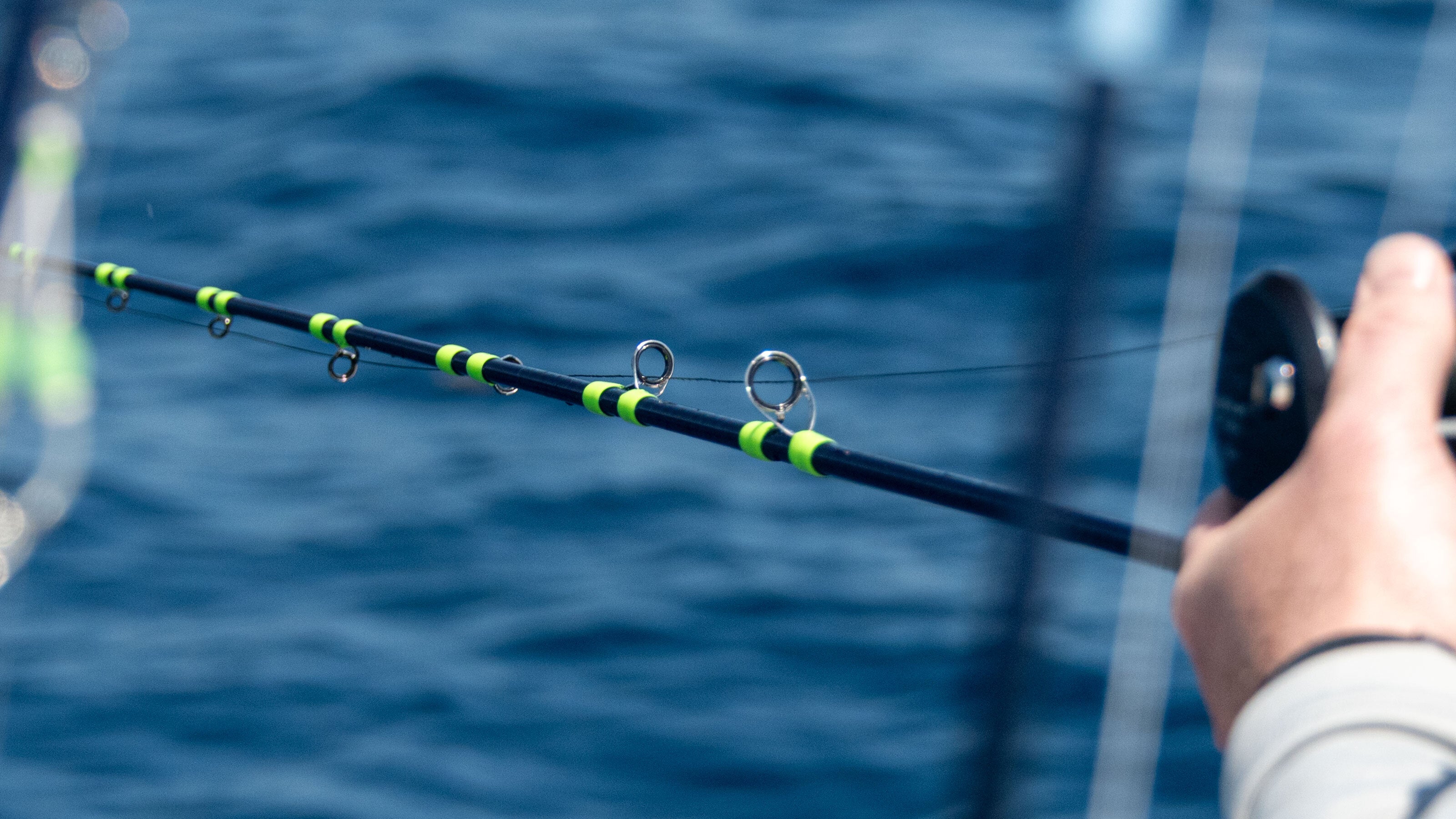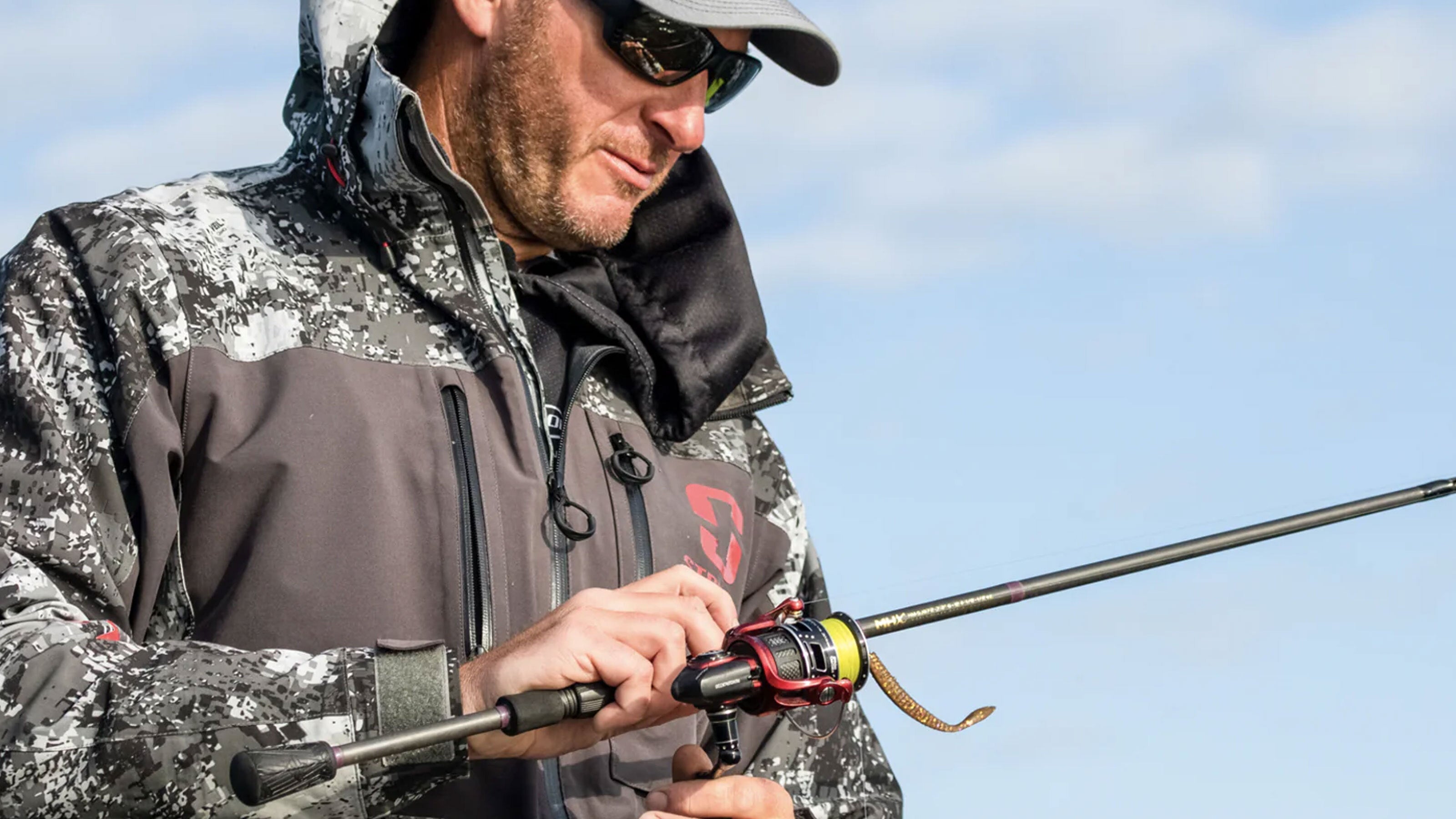

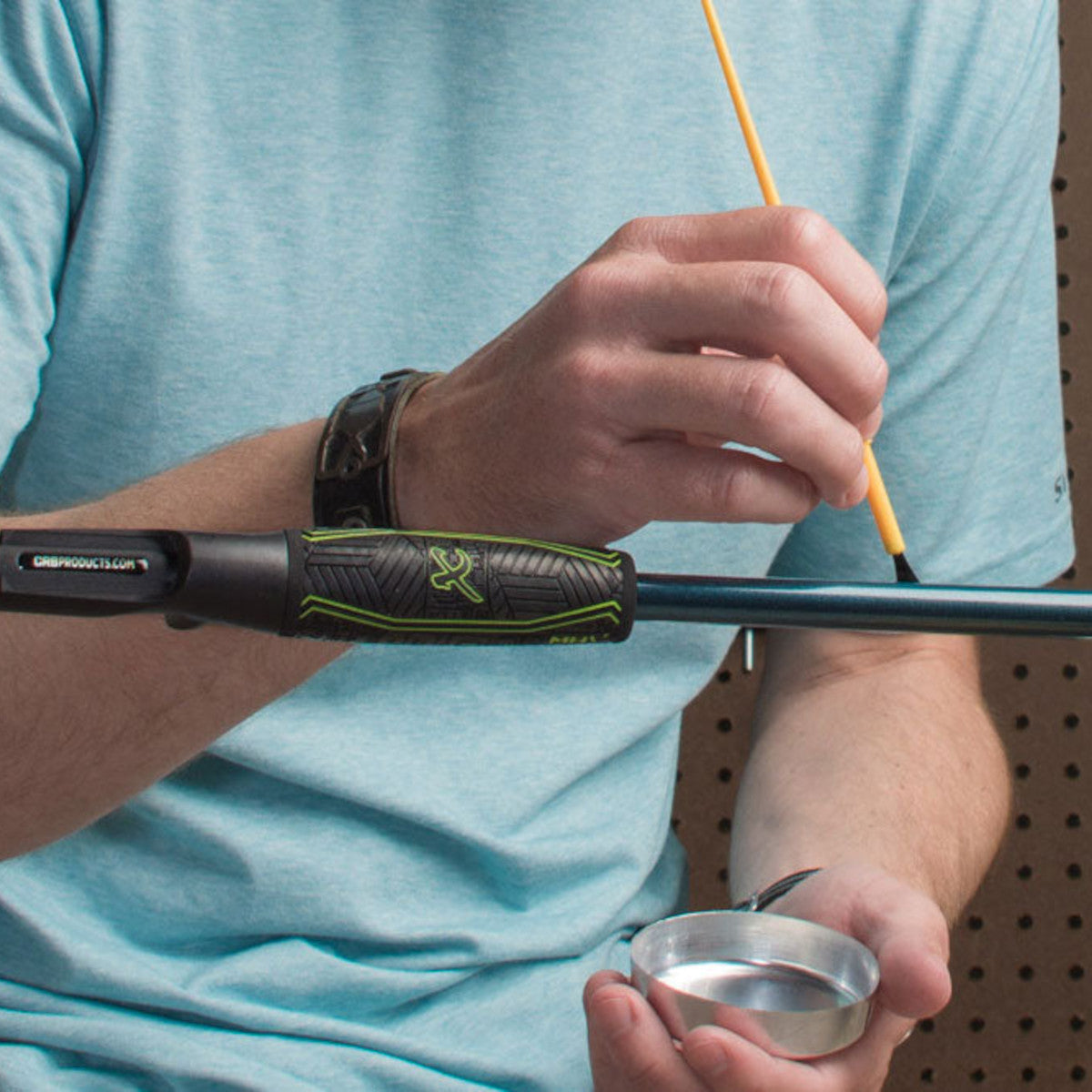















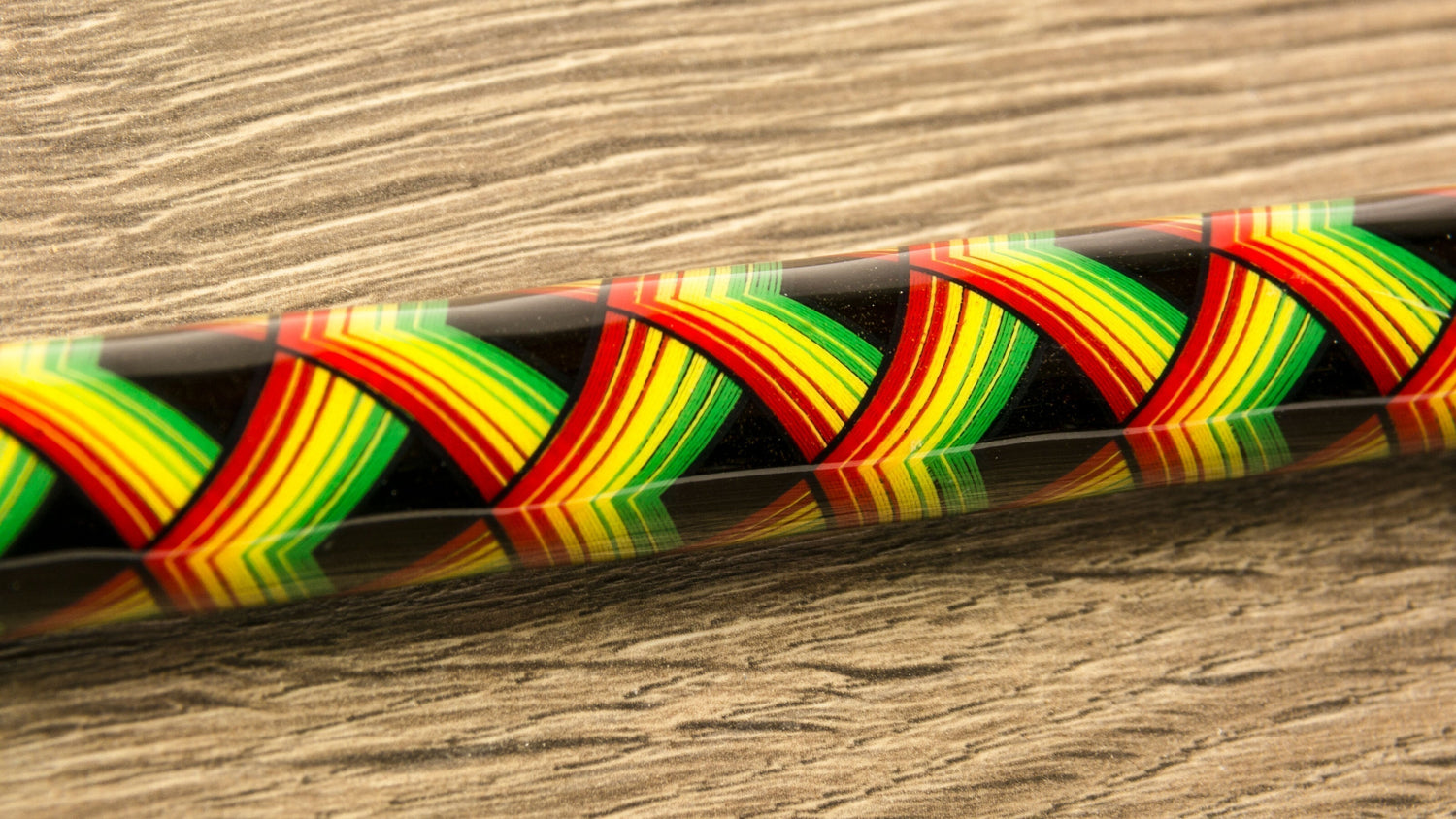
If you spend enough time around custom rod builders, eventually you’ll hear someone point out a tiny speck of dust trapped in finish that nobody else would ever notice. Maybe it’s a micro bubble near a guide foot, a slight wave in the epoxy under certain light, or a thread edge that isn’t perfectly razor sharp. To most anglers, the rod looks flawless. To the builder, it suddenly becomes the only thing they can see.
That’s the blessing and curse of custom rod building.
The pursuit of perfection is what pushes craftsmanship forward. It’s why builders spend hours refining wraps, testing guide layouts, experimenting with decorative techniques, and improving finish application. But somewhere along the line, many rod builders cross an invisible line where striving for excellence turns into obsessing over microscopic imperfections that have little to no impact on performance, durability, or even appearance in the real world.
So the question becomes: how clean is clean enough?
The Reality of Handcrafted Work
Custom fishing rods are handmade. That’s part of what makes them special.
Unlike mass-produced factory rods built on assembly lines, custom rods reflect the individual craftsmanship of the builder. Every wrap tension adjustment, trim band placement, decal alignment, and epoxy application is done by hand. That human element creates uniqueness, character, and artistry. It also means absolute machine-level perfection simply doesn’t exist.

The irony is that many builders hold themselves to standards that no angler would ever expect. A customer may pick up a rod and admire the balance, thread work, decorative wraps, and overall feel, while the builder internally fixates on a tiny dust nib only visible under a flashlight from six inches away.
Most of the time, the imperfections builders obsess over are invisible during actual fishing conditions. Rods are used outdoors, in changing light, around water, sand, sunscreen, fish slime, boat decks, and tackle lockers. They flex under pressure, bounce in rod holders, and travel hundreds of miles in rod tubes. Yet builders often judge their work under harsh LED lighting while rotating the rod inches from their face.
That level of scrutiny can become unhealthy if it prevents progress or enjoyment in the craft.
Social Media Changed Expectations
There’s no question social media elevated rod building visually. Builders today are producing some of the cleanest, most artistic work the industry has ever seen. Decorative wraps have become more advanced, thread art more refined, and finish work more polished than ever before. There are some true titans in this craft that can truly make fishable art!
But social media also created unrealistic expectations.
A perfectly edited macro photo on Instagram doesn’t show the dozens of rods where the finish wasn’t flawless. It doesn’t show the failed attempts, stripped wraps, dust contamination, fisheyes, or uneven cure issues. Builders are comparing their normal workbench reality to someone else’s carefully curated highlight reel.
Worse yet, ultra close-up photography magnifies imperfections far beyond what the naked eye naturally sees. A tiny bubble becomes enormous in a macro lens shot. Slight thread texture suddenly looks catastrophic. Builders begin chasing a level of perfection that may not even exist in practical use.
Perfection becomes the goal instead of functionality, creativity, and consistency.
The Difference Between Critical and Cosmetic
Not all imperfections are equal. Some absolutely matter. Others simply don’t.
A guide foot with poor thread coverage? That matters. Gaps exposing the blank? Important. Improper epoxy mixing causing soft cure issues? Critical. Structural problems, loose components, or sharp finish edges that can catch line are worth correcting every time.
But a microscopic dust speck trapped in epoxy that can only be seen under direct inspection? That’s cosmetic.
The problem is many builders treat cosmetic flaws with the same urgency as structural failures. That mindset leads to unnecessary rework, frustration, and burnout. Some builders will strip and completely redo wraps over imperfections customers would never find on their own.
At some point, you have to ask whether fixing the flaw actually improves the rod or simply satisfies an internal standard that may be impossible to maintain consistently.
The Endless Chase for “Perfect” Finish
Epoxy finish is one of the biggest sources of obsession in rod building because it’s highly visual and highly reflective. Under certain lighting, even excellent finish can reveal slight inconsistencies.
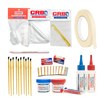
No matter how clean your workspace is, dust exists. Granted, CRB offers their Rod Drying Tent – Dust & Debris Protection System that is much better than nothing but no matter how carefully you apply finish, environmental conditions vary. Temperature, humidity, mixing technique, curing speed, brush loading, and rotation all influence the final result.

Many newer builders believe professional-level rods require glass-perfect finish every single time. The truth is even experienced builders occasionally get minor imperfections. The difference is experienced builders know which flaws matter and which don’t.
Some builders spend more time trying to eliminate every microscopic imperfection than actually building rods. They overwork finish during application, constantly chasing bubbles or leveling issues until they create bigger problems than the original flaw.
Ironically, over-correcting often hurts finish quality more than leaving minor imperfections alone.
Fishing Rods Are Tools First
It’s important to remember that a fishing rod is just that.
Yes, custom rods are artistic. Yes, they showcase craftsmanship and creativity. But they are still fishing tools designed to be used. A rod sitting under bright garage lights during inspection is not its natural environment. A rod bent over on a tarpon, bass, tuna, or redfish is. Now, I'm not saying that you can not get joy out of that perfect finish but it is hard to deny that smile when a big tarpon makes its initial leap.
Many of the best fishing rods ever built wouldn’t pass the hyper-critical inspection standards people apply online today. Yet they performed flawlessly and created unforgettable memories on the water.
Some of the most respected builders in the industry prioritize balance, durability, guide placement, ergonomics, and fishability above absolute cosmetic perfection. That doesn’t mean they build sloppy rods. It means they understand the bigger picture. A technically flawless finish means very little if the rod doesn’t perform.
Perfection Can Kill Creativity
One overlooked downside of perfection obsession is how it limits experimentation.
Builders afraid of making mistakes often avoid trying new decorative techniques, thread patterns, marbling styles, or unconventional designs because they fear imperfections. The result is safe, repetitive builds instead of creative growth.
Some of the most innovative rod designs come from builders willing to experiment and occasionally fail. Decorative wraps may not land perfectly the first time. New techniques may require adjustment. But creativity thrives when builders stop expecting perfection on every attempt.
Progress almost always comes through imperfection first. The builders who improve fastest are usually the ones who keep building, not the ones endlessly redoing the same wrap trying to eliminate every microscopic flaw.
Customers Rarely Notice What Builders Notice
This may be the most important point of all.
Most customers never see the flaws builders obsess over. Read that again.
They notice the overall craftsmanship. The rod’s feel. The balance. The colors. The design. The way it fishes. The emotional connection to something made specifically for them.
A customer holding a custom rod for the first time is usually blown away by details the builder may barely even acknowledge because they’re distracted by some tiny imperfection elsewhere on the rod.
Builders naturally develop hyper-awareness because they spent hours staring at every inch of the project. Customers experience the rod as a complete package.
That perspective matters. Sometimes builders forget that custom rods are supposed to be enjoyed, not inspected under laboratory conditions.
There’s a Difference Between Pride and Perfectionism
Taking pride in your work is essential. Attention to detail matters. Clean wraps, smooth finish, and thoughtful craftsmanship separate quality custom rods from rushed builds.
But perfectionism can become destructive when it prevents satisfaction, slows productivity, or removes enjoyment from the process.
Many builders quietly struggle with this. They finish a rod and immediately focus on what they dislike instead of appreciating how much they’ve improved. No matter how good the build becomes, they only see the flaws.
That mindset can rob builders of confidence and motivation over time.
Healthy craftsmanship says:
“I want this rod to be the best I can make.”
Unhealthy perfectionism says:
“If this rod isn’t flawless, it’s a failure.”
Those are very different mindsets.
Consistency Matters More Than Perfection
The best builders in the industry aren’t necessarily the ones producing magical flawless rods every single time. They’re the ones consistently producing high-quality rods with strong craftsmanship, reliable performance, and attention to detail across every build.
Consistency builds trust.

A builder who produces clean, durable, well-designed rods repeatedly will always outperform someone endlessly chasing unattainable perfection while struggling to complete projects.
Professional-level work isn’t about being flawless. It’s about controlling variables, minimizing mistakes, and understanding acceptable tolerances.
That’s true in nearly every skilled trade.
Knowing When to Leave It Alone
One of the hardest skills in rod building is learning when not to touch something. Overworking finish creates issues. Constantly reheating epoxy can introduce contamination or uneven leveling. Repeated corrections often draw more attention than the original flaw ever would have.
Experienced builders learn restraint.
Sometimes the best decision is to let the finish cure, step away, and evaluate the rod later with fresh eyes. What felt catastrophic during application often becomes nearly invisible once fully cured and assembled.
Emotion magnifies flaws in the moment. Time usually restores perspective.
Build More, Stress Less
The truth is simple: building more rods improves your craftsmanship faster than obsessing over every tiny imperfection.
Every build teaches something. Every finish application improves muscle memory. Every decorative attempt sharpens technique. Experience develops consistency far more effectively than over-analysis ever will.
The builders who grow the fastest are the ones willing to keep moving forward.
That doesn’t mean lowering standards. It means understanding the difference between craftsmanship and obsession.
At the end of the day, fishing rods are meant to create experiences. They’re meant to bend under load, travel to new places, and become part of stories on the water. A tiny dust speck trapped under finish rarely changes any of that.
So how clean is clean enough?
Clean enough is when the rod is structurally sound, visually impressive, durable, functional, and built with care. Clean enough is when the craftsmanship reflects pride without demanding impossible perfection. Clean enough is when the builder can step back, appreciate the work, and move on to the next build instead of endlessly chasing flaws nobody else will ever see.
Because sometimes the pursuit of perfection becomes the very thing preventing builders from enjoying the craft they love most.